
Remember when going to the gym meant getting ready, driving there, waiting for machines, then doing the whole trip back home? It’s kind of exhausting just thinking about it now.
That’s exactly why more people are setting up workout spaces at home. It’s easier, more flexible, and honestly… you’re a lot more likely to stick with it.

The best part? You don’t need a massive room. A spare corner, a garage, even part of your bedroom can work. These ideas will help you create a setup that actually gets used—not one that turns into a storage zone after a week.
1. Transform Your Garage Into a Fitness Powerhouse
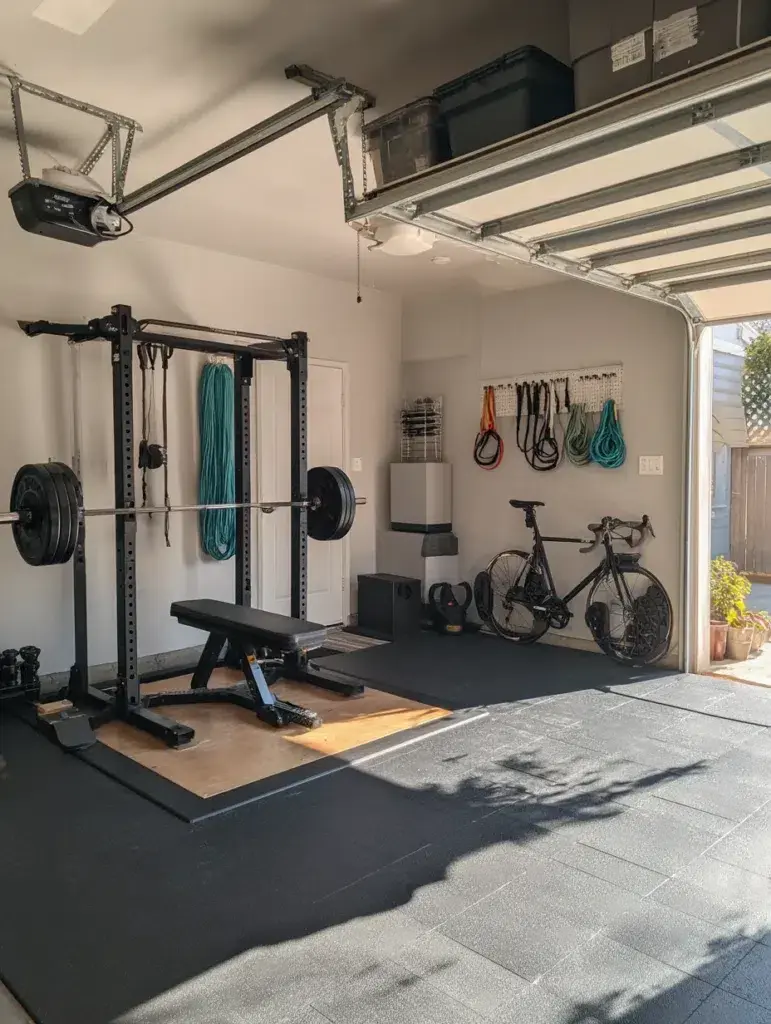
Your garage is already halfway there. It’s sturdy, ventilated, and usually has enough space for bigger equipment without worrying about floors or noise.
Instead of letting it fill up with random storage, you can turn it into a proper training area with racks, benches, and a bit of organization.
Tip: Use wall hooks or panels so things don’t end up scattered everywhere.
2. Create a Zen Yoga Corner in Your Bedroom
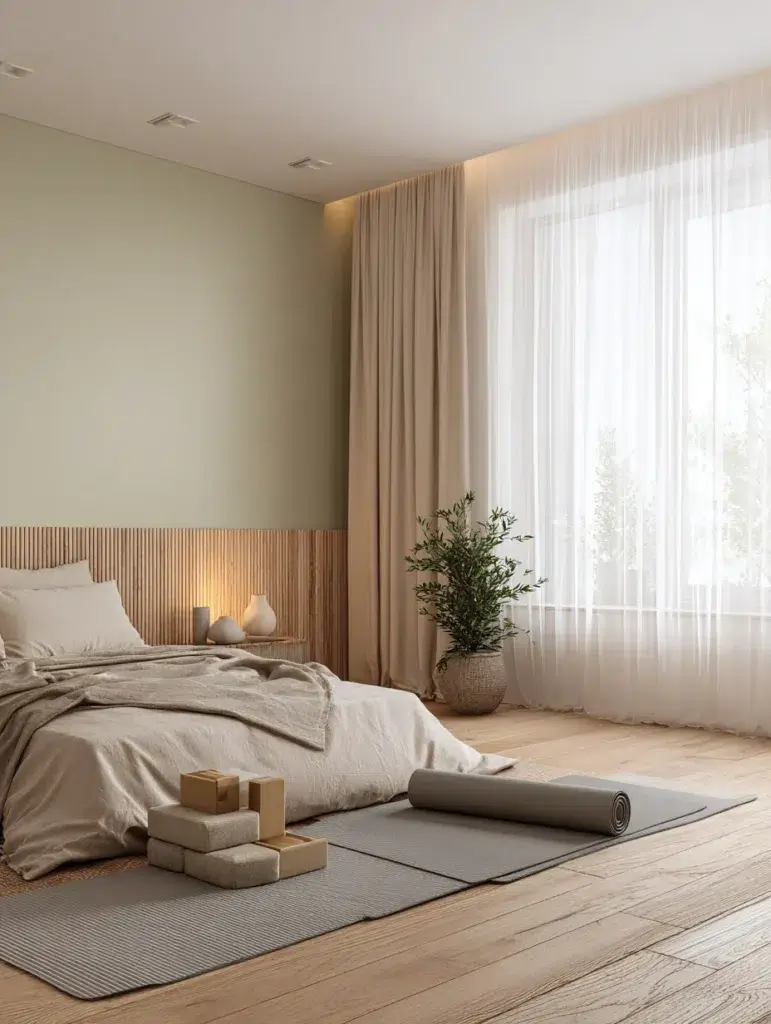
You really don’t need much space for this. A small corner is enough for stretching, yoga, or light workouts.
Keeping it simple actually helps—it feels calmer, and you’re more likely to use it regularly.
3. Install Mirrors to Expand Your Space Visually
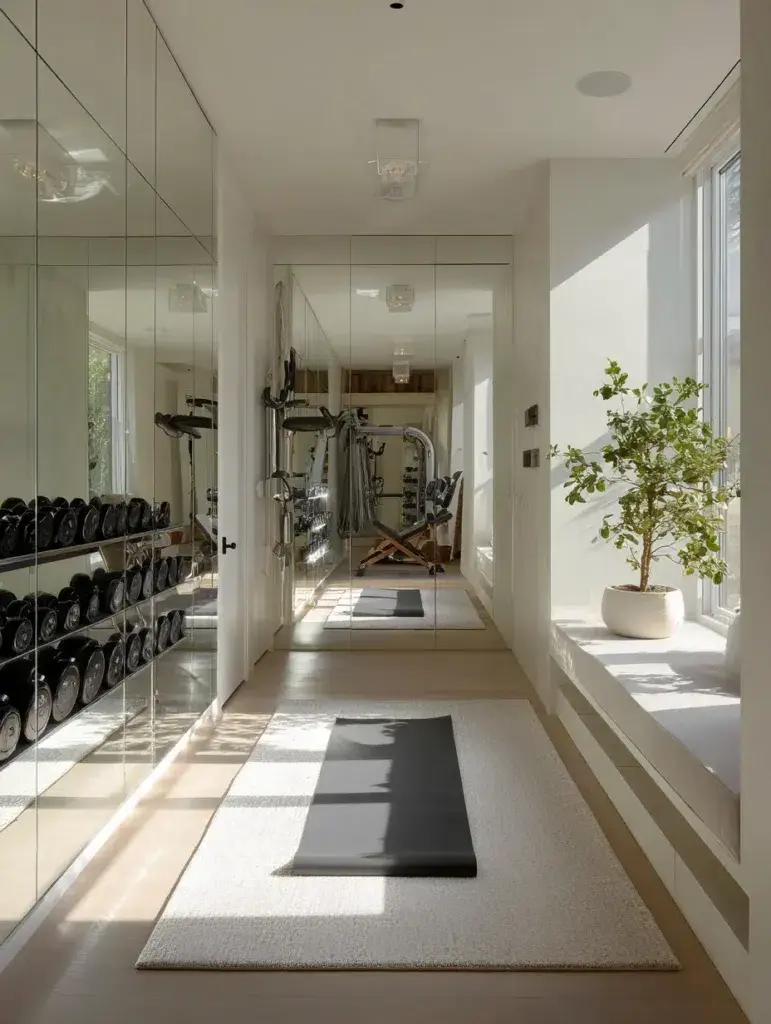
Mirrors aren’t just for looks. They help you check your form and make smaller spaces feel less cramped.
It’s a small upgrade, but it changes how the whole area feels.
4. Designate a Basement Workout Space
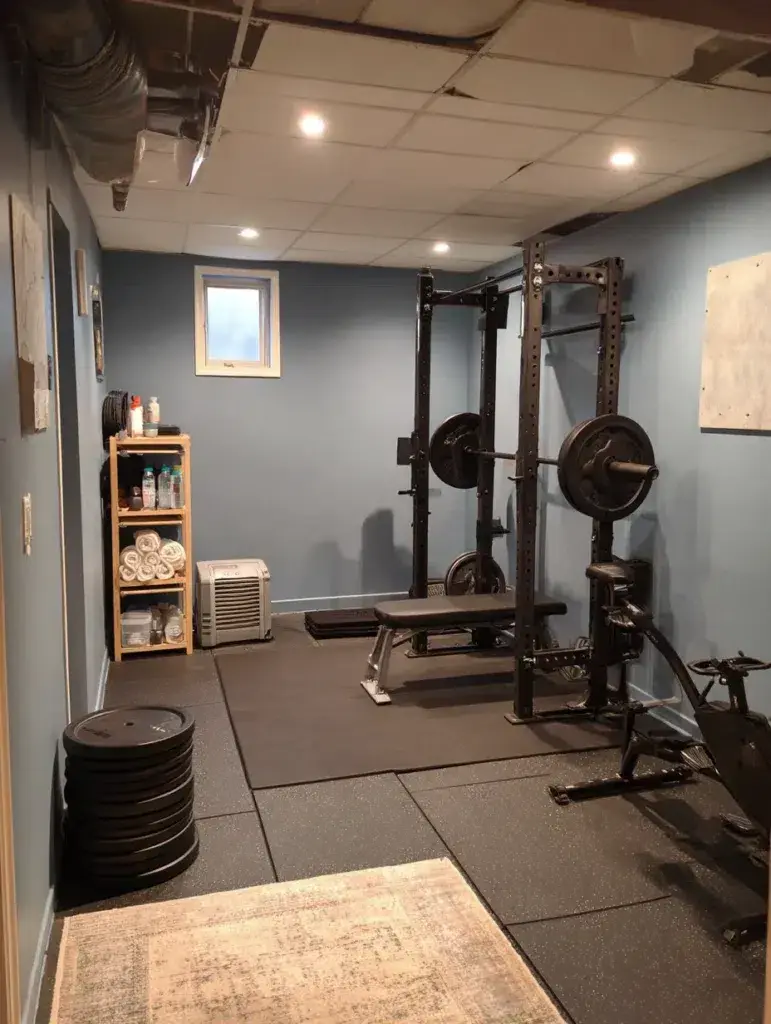
Basements are great if you want a bit of privacy. You can play music louder, drop weights, and not worry too much about noise.
They also tend to stay cooler, which makes workouts a little more comfortable.
5. Add Motivational Wall Art That Actually Means Something
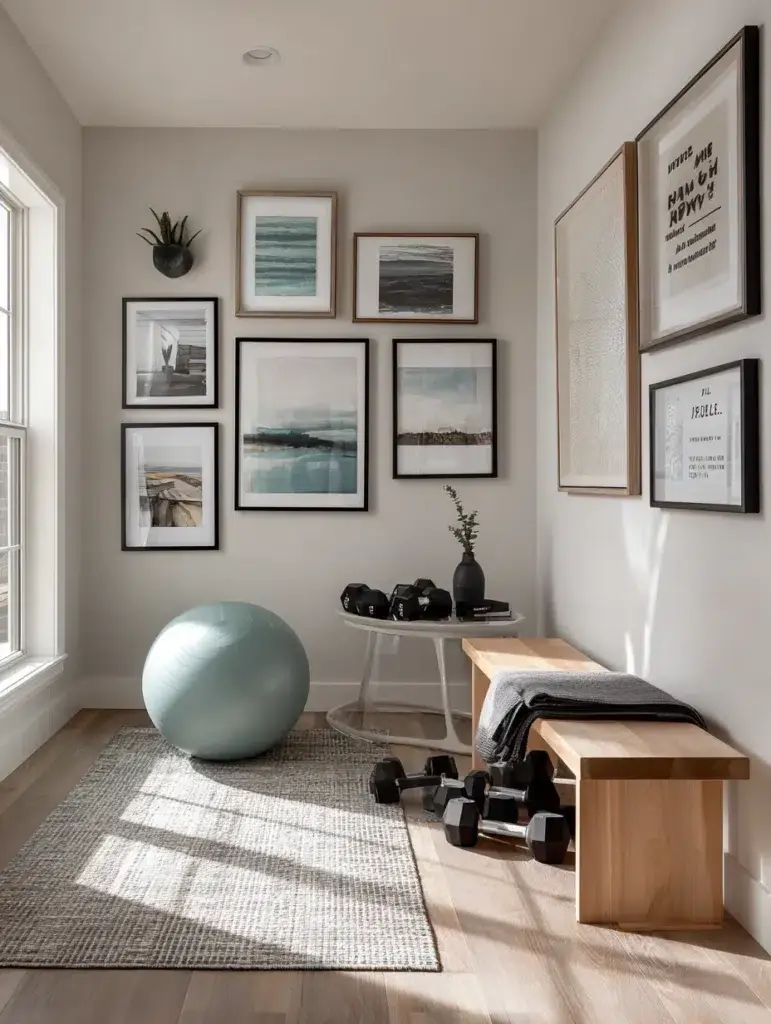
Instead of generic quotes, choose things that actually motivate you. It could be progress photos, goals, or something personal.
Those small reminders make a difference on days when you’re not feeling it.
6. Invest in Adjustable Dumbbells
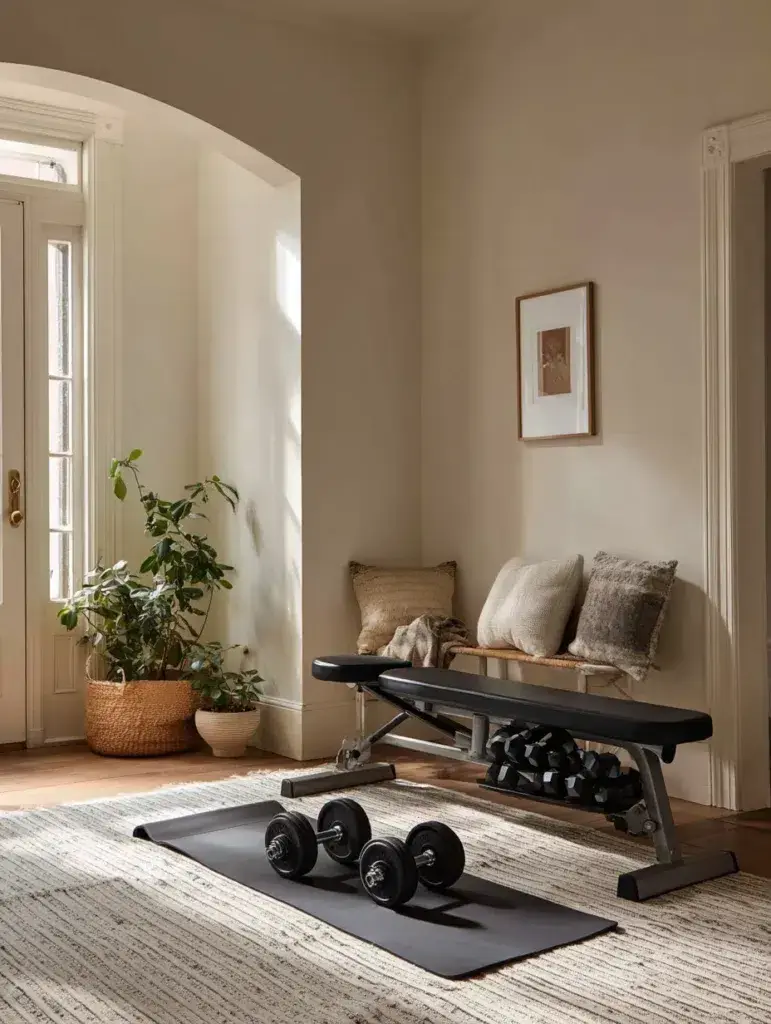
If space is tight, adjustable dumbbells are one of the smartest choices you can make.
They replace an entire rack and let you switch weights quickly without cluttering your room.
7. Use Resistance Bands for Flexibility
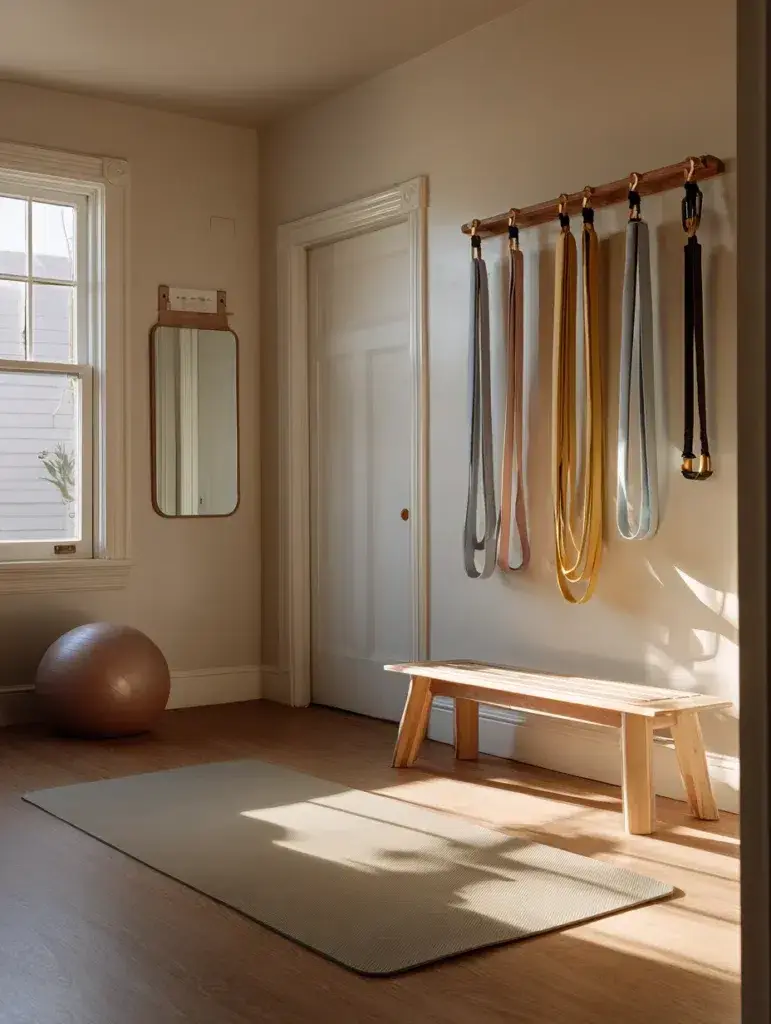
Resistance bands are simple, affordable, and surprisingly effective.
You can use them for strength, stretching, or even recovery work—and they’re easy to store.
8. Mount a Pull-Up Bar
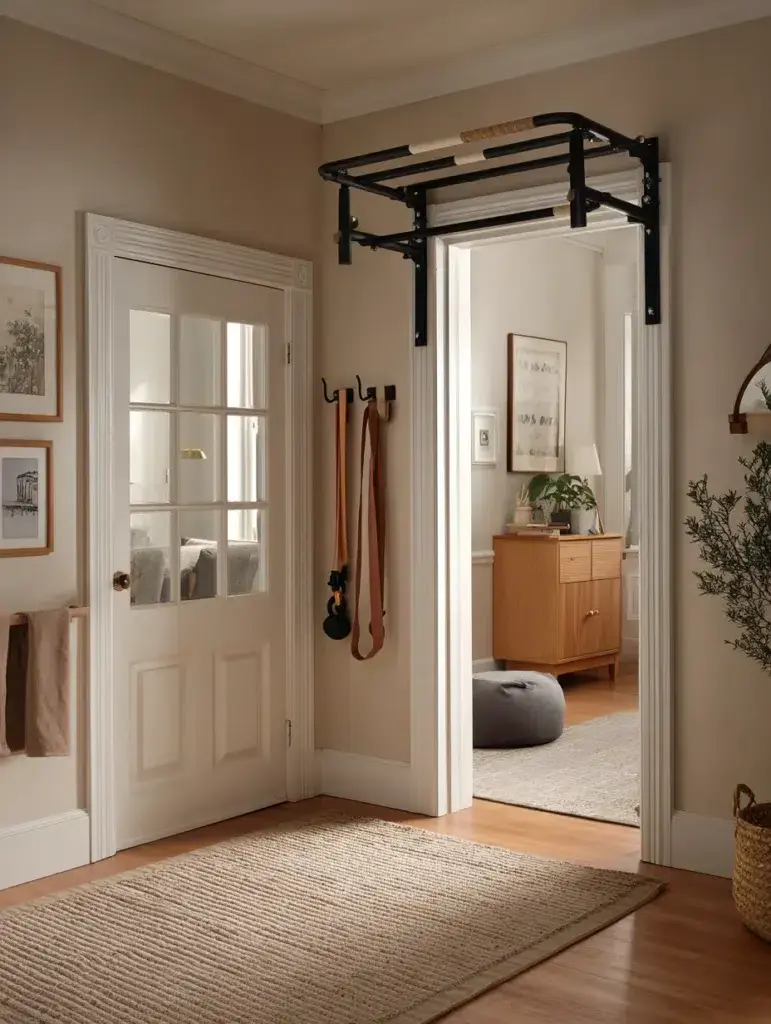
A doorway pull-up bar turns a small space into a functional workout area instantly.
Even a few reps here and there throughout the day add up over time.
9. Incorporate a Foldable Treadmill
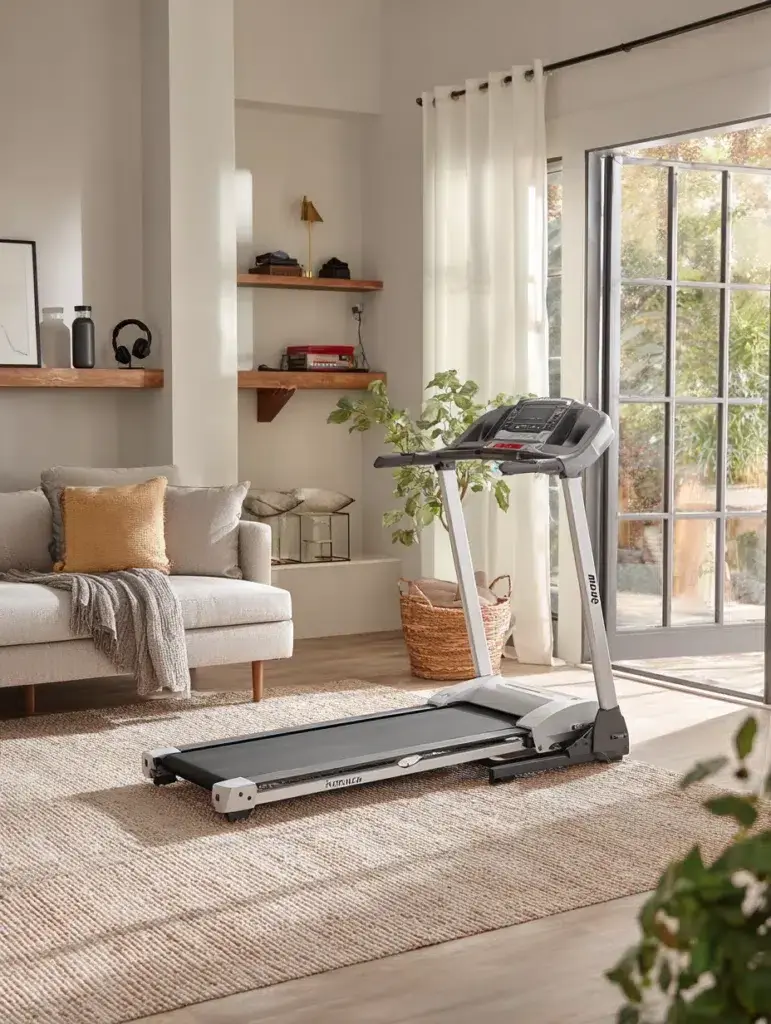
Having a treadmill at home removes a lot of excuses. Weather doesn’t matter anymore.
And when you’re done, you can fold it away so it doesn’t take over your space.
10. Build a Simple Plyo Box
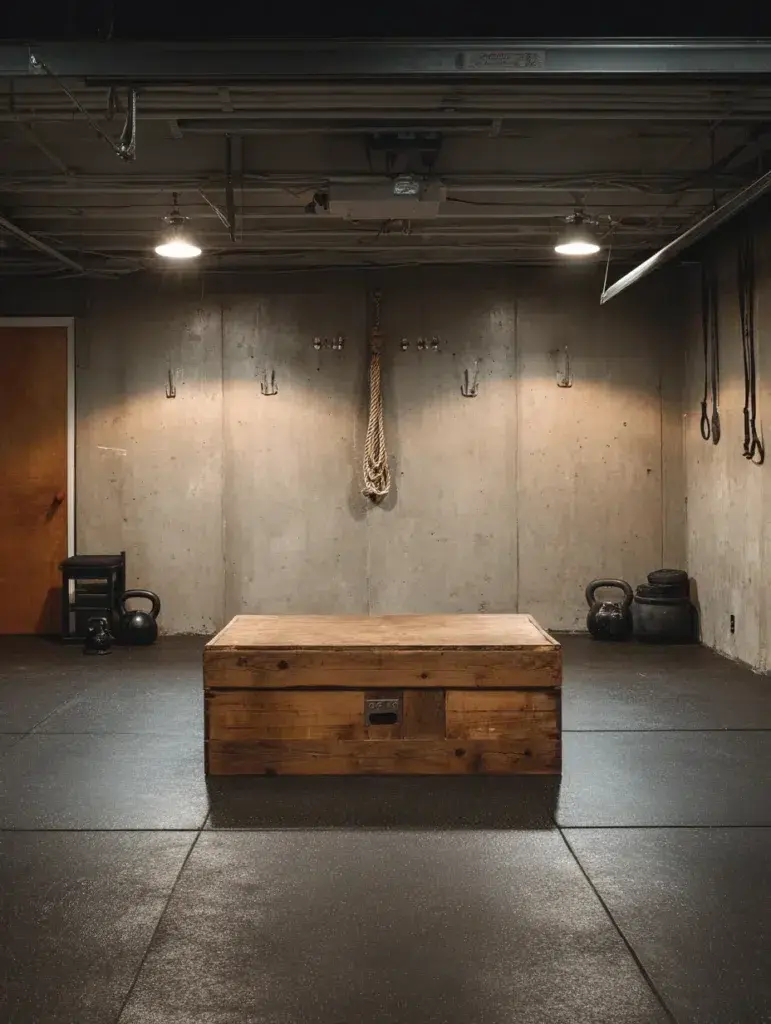
Plyo boxes are great for adding variety—jumps, step-ups, and even basic strength work.
You can buy one or make a simple version yourself.
11. Create a Small Stretching Area
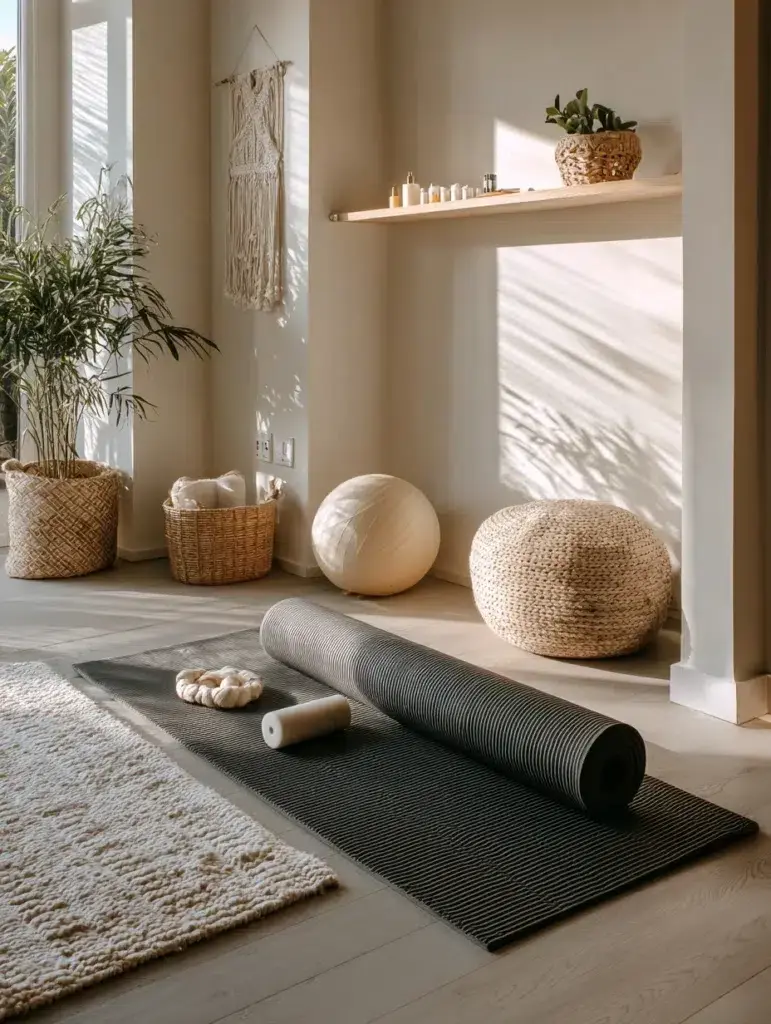
It’s easy to skip stretching when there’s no space set up for it.
Keeping a dedicated area makes it more likely you’ll actually slow down and recover properly.
12. Upgrade Your Lighting
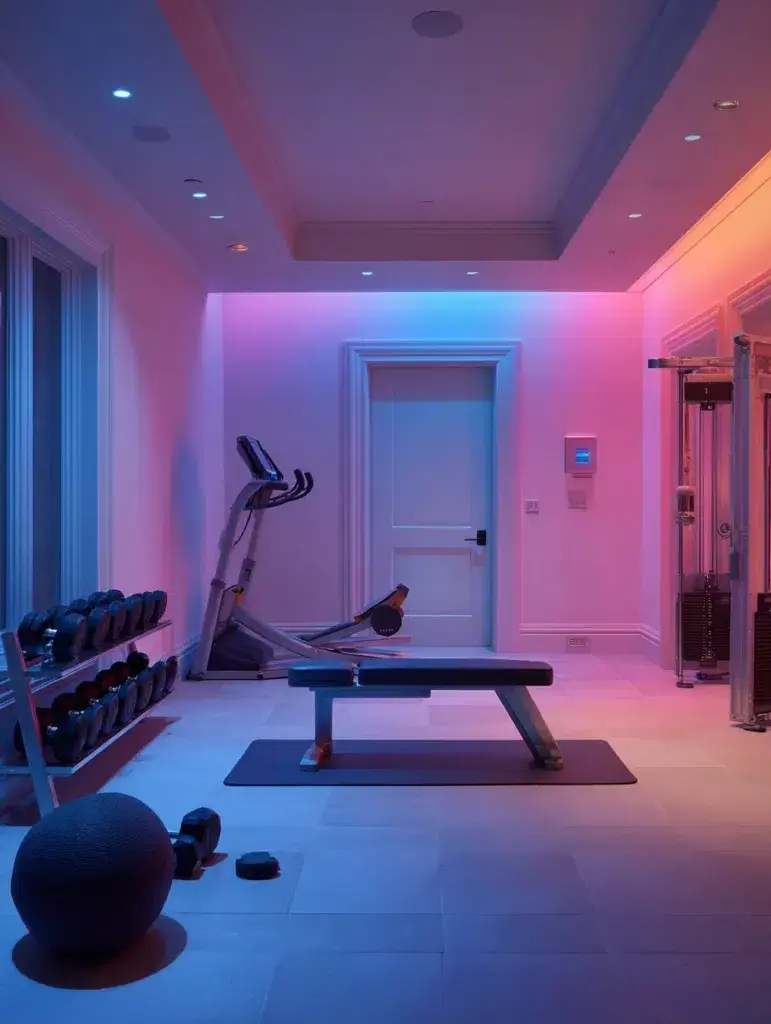
Lighting changes everything. Bright light works for high-energy workouts, while softer tones are better for stretching or yoga.
13. Add a Bluetooth Speaker
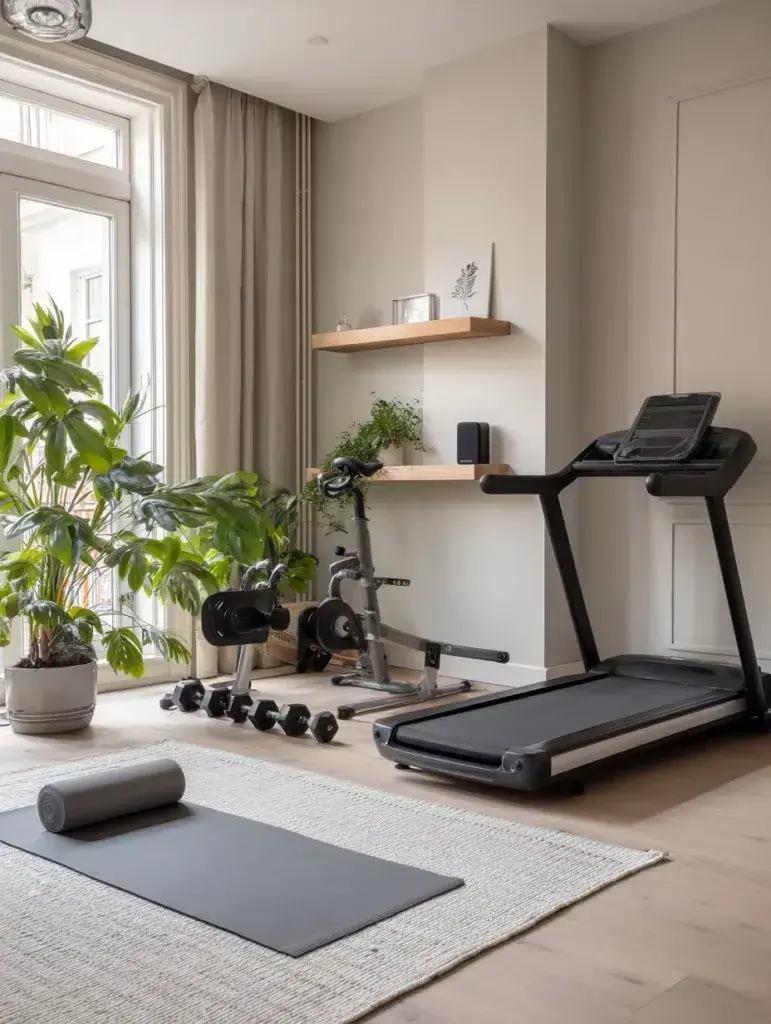
Good music can completely shift your energy. A proper speaker makes workouts feel less like a chore.
14. Train with Kettlebells
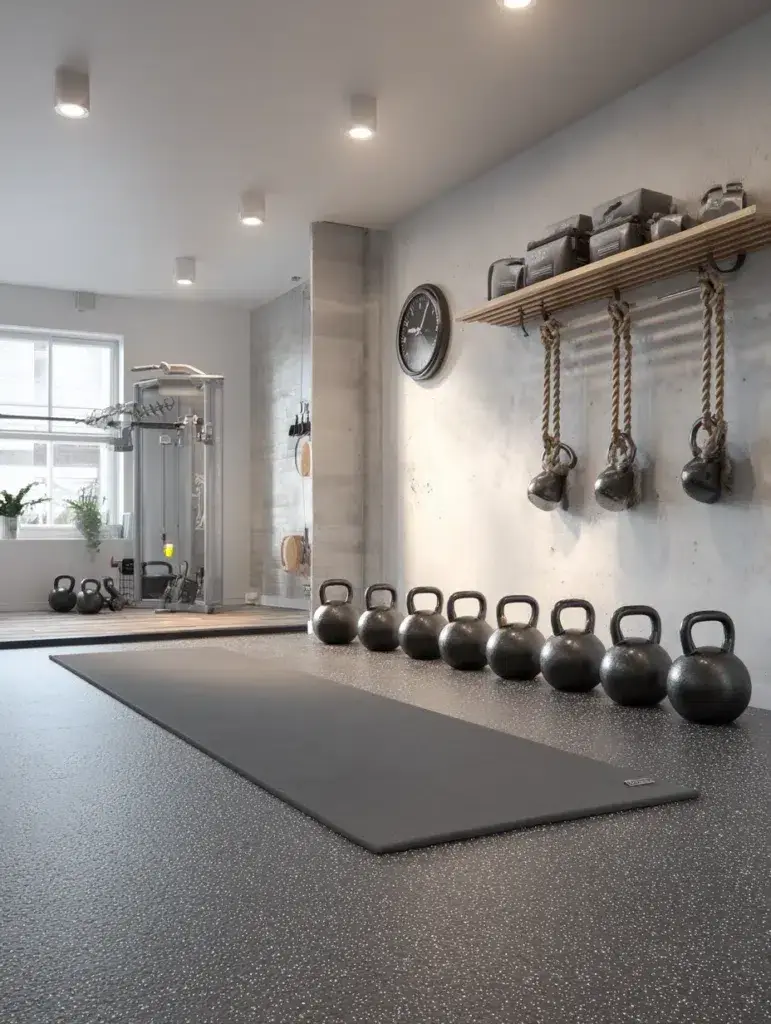
Kettlebells are compact but incredibly effective. They work strength and cardio at the same time.
15. Install a Folding Rack
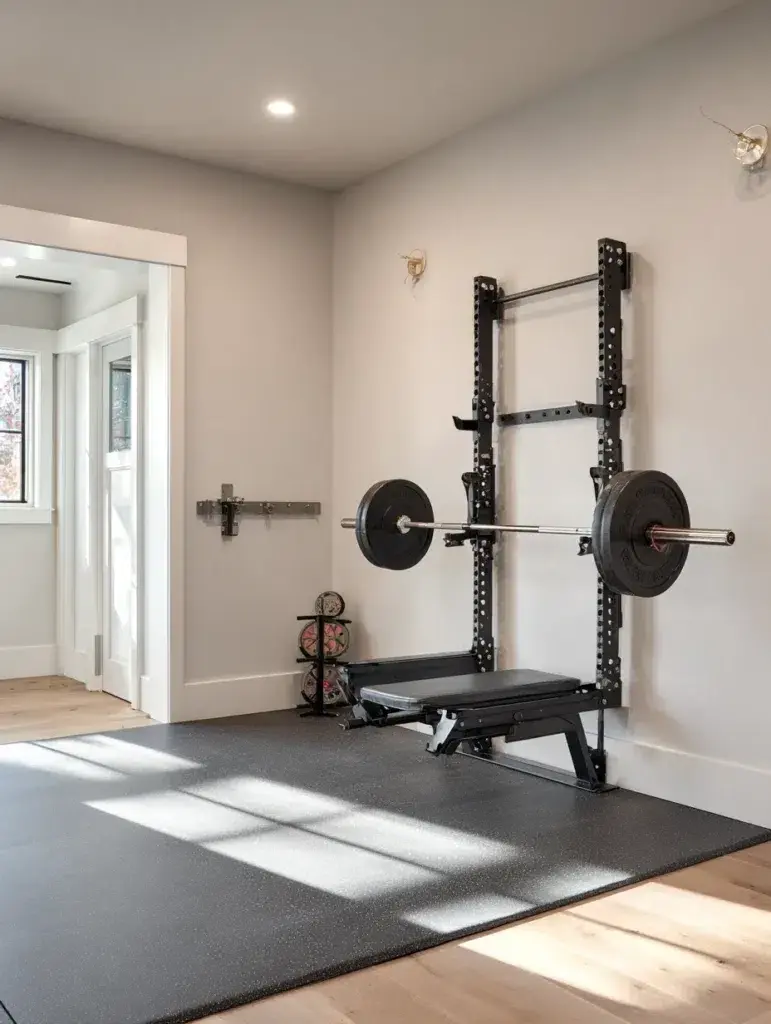
If you want something more advanced, a folding rack gives you serious training options without taking over your room.
16. Include a Medicine Ball
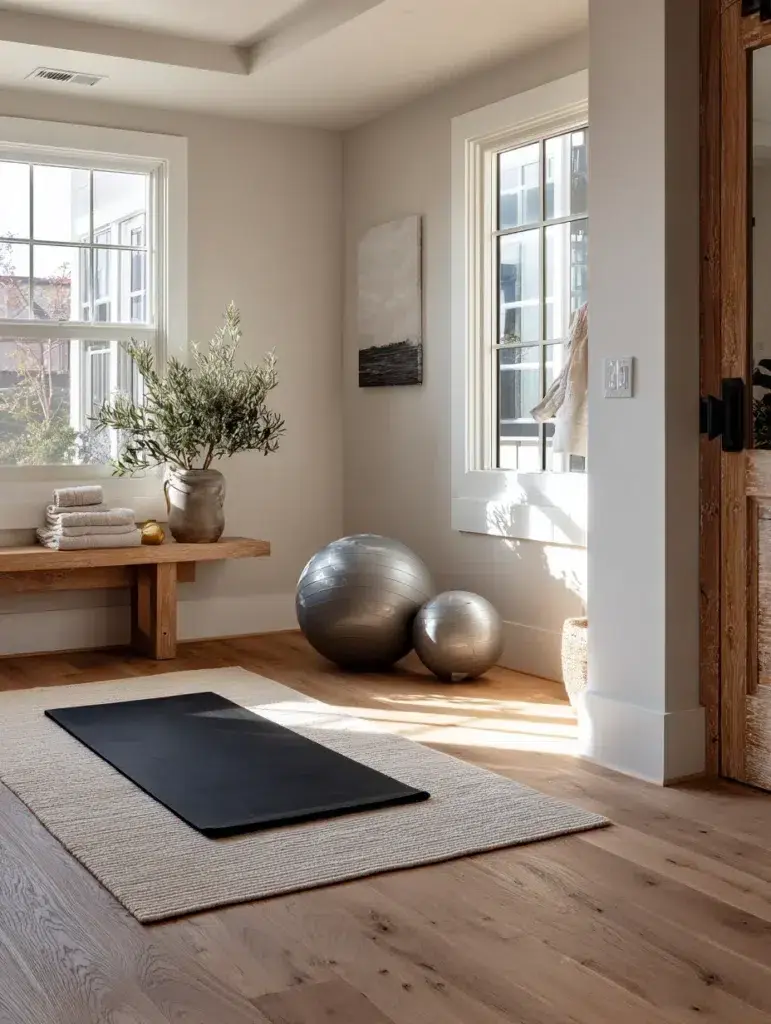
Medicine balls are great for core work and explosive movements.
They’re simple, but they add a lot of variety.
17. Keep a Dedicated Mat Area
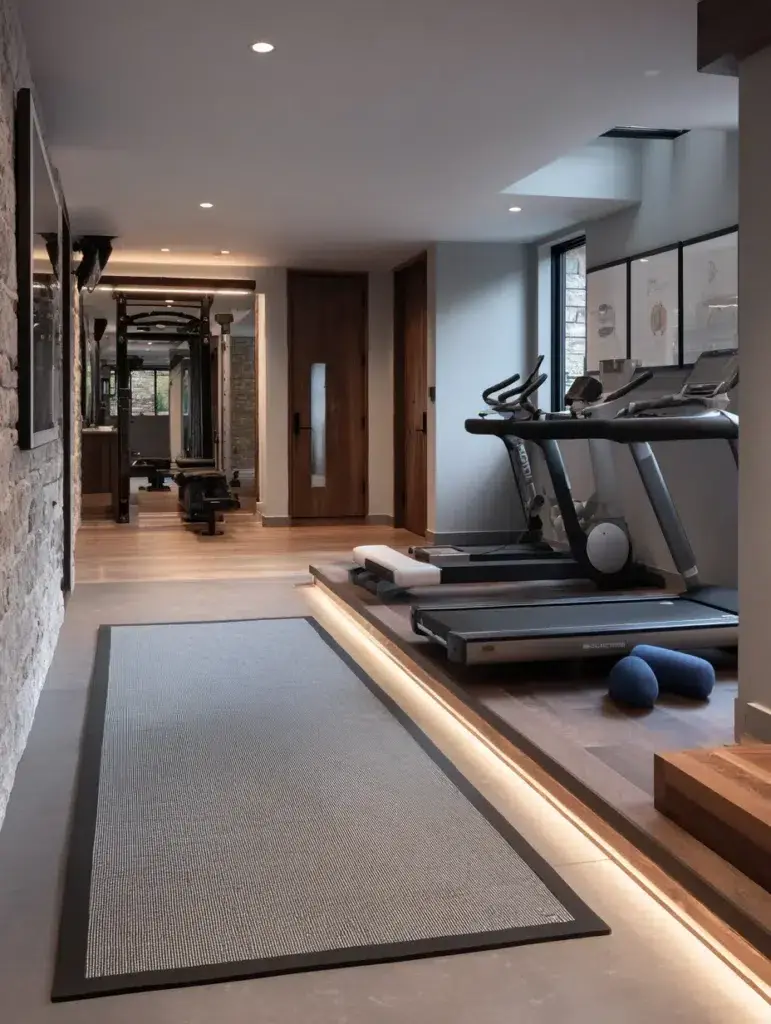
Having a mat ready to go removes that “I’ll do it later” feeling.
It’s a small detail, but it helps build consistency.
18. Add a Whiteboard for Tracking Progress
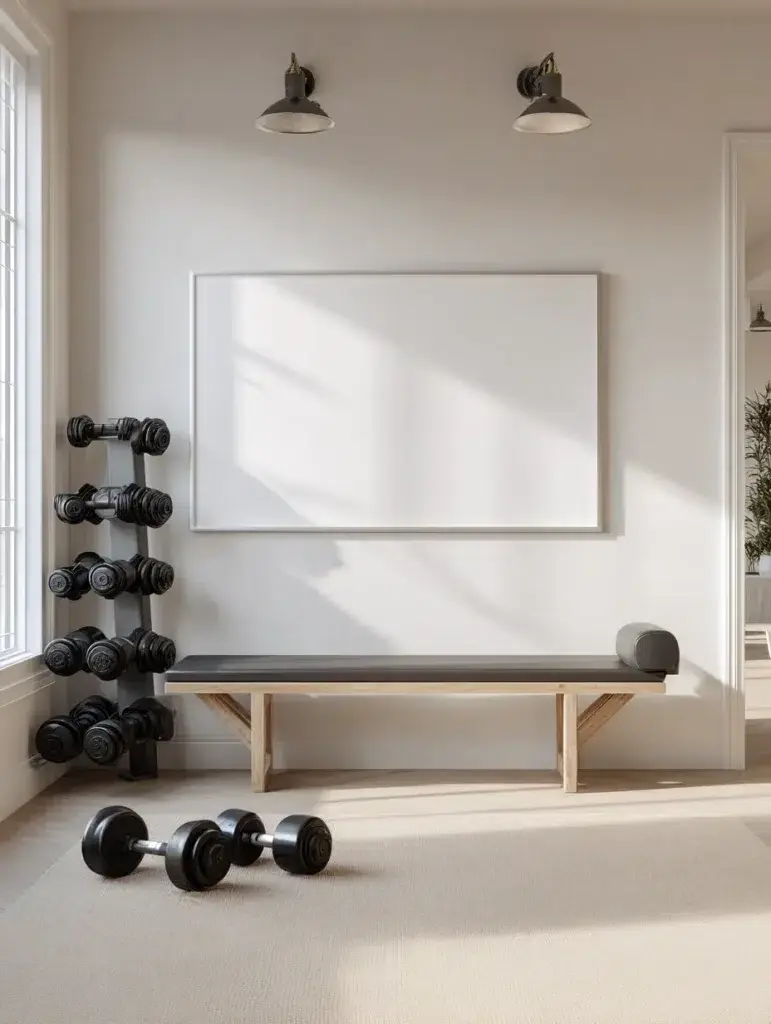
Writing down your workouts or goals keeps things visible.
It’s surprisingly motivating to see your progress right in front of you.
19. Improve Ventilation with a Fan
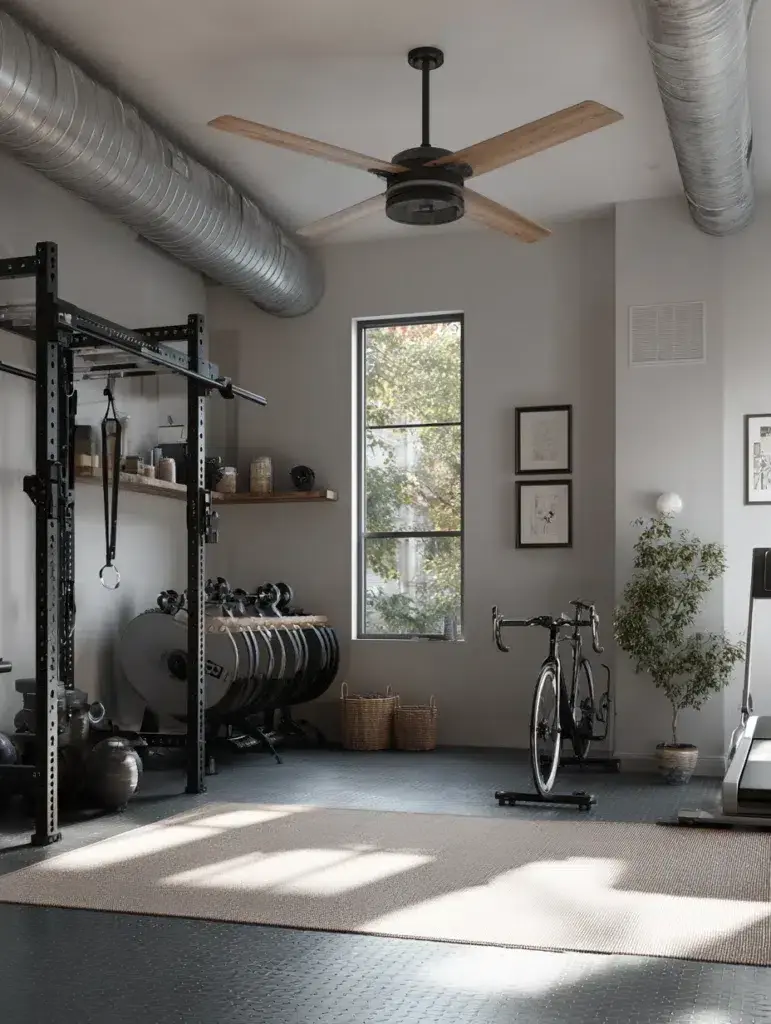
A stuffy room can ruin a workout fast. Good airflow keeps things comfortable and makes longer sessions easier.
20. Create a Hydration Station
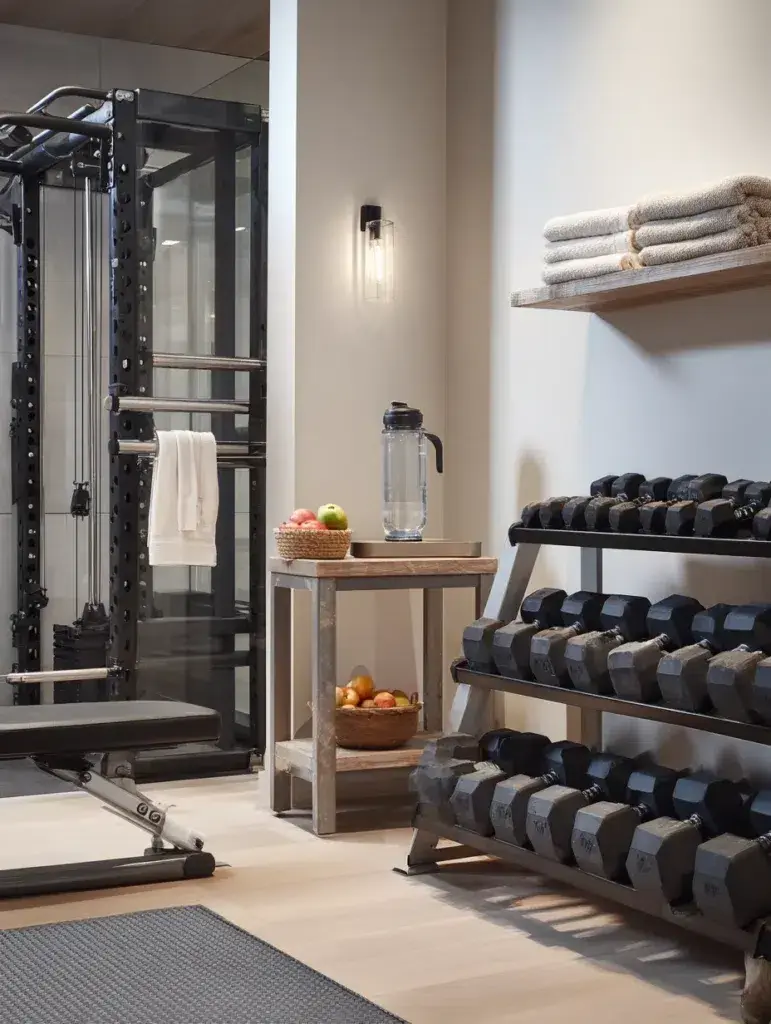
Keeping water nearby sounds obvious, but it makes a difference.
When it’s easy, you’re more likely to stay hydrated during workouts.
21. Add Personal Touches
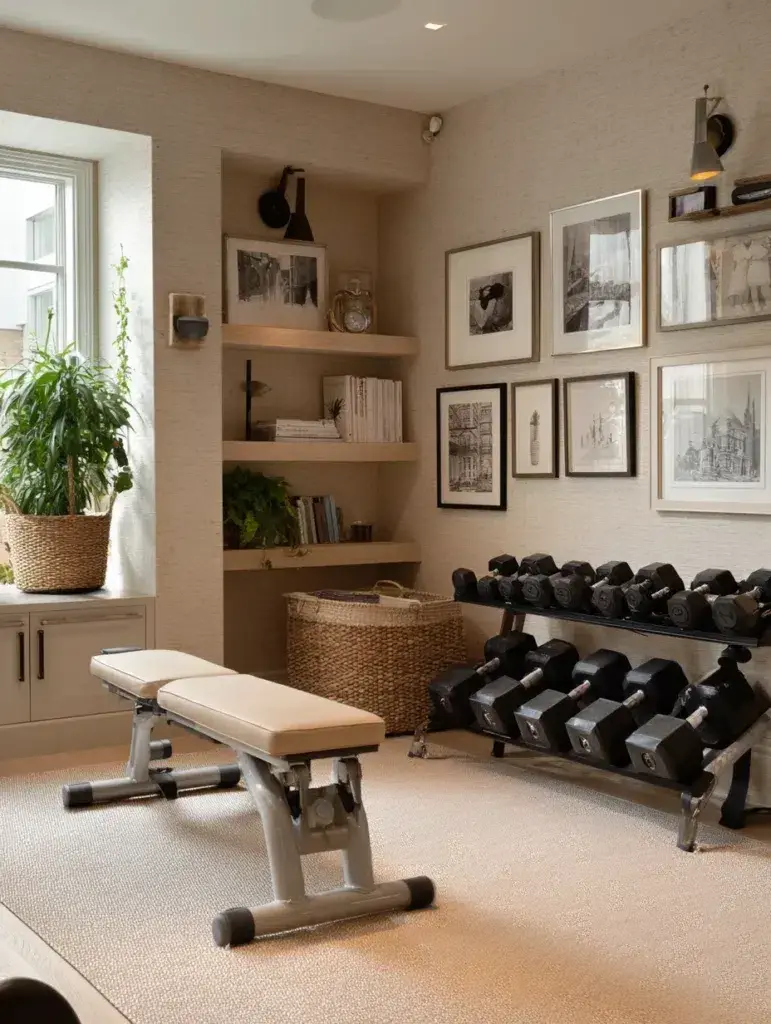
This is what really makes the space yours. Photos, plants, small details—whatever makes you feel good being there.
It doesn’t have to be perfect. It just has to feel right for you.
Final Thoughts
You don’t need to build everything at once. Start with what fits your space and budget, then add more over time.
At the end of the day, the best home gym is the one you actually use. Keep it simple, make it comfortable, and let it grow with you.