
Have you ever spent a quiet afternoon watching a single butterfly dance across your garden, only to wonder if there’s more you could do to make them feel at home? I’ve spent years leaning on my garden gate, watching these delicate souls search for a place to rest and feed. Turning your backyard into a native butterfly habitat isn’t just about the bright colors; it’s about creating a safe, soulful sanctuary where the life cycle can come full circle. It’s a way to give back to the earth and invite a bit of fluttering magic into your daily life.

Let’s dig into how we can turn your patch of dirt into a thriving haven for our local winged friends.
1. The Essential Milkweed Patch
If you want Monarchs, you simply must have milkweed. It’s an honest, hearty plant that serves as the only nursery for their caterpillars. By planting a dedicated patch, you’re providing the very foundation of their survival. Watching a tiny caterpillar transform on a sturdy milkweed leaf is one of those small garden miracles that never gets old.
Ben’s Pro Tip: Always try to plant species native to your specific region, like Common Milkweed or Swamp Milkweed. Avoid “Tropical Milkweed” in northern climates, as it can confuse the butterflies’ migration instincts and carry parasites.
Watch, 9 Best Milkweed to Grow for Monarch Butterflies
2. Nectar-Rich Wildflower Meadow
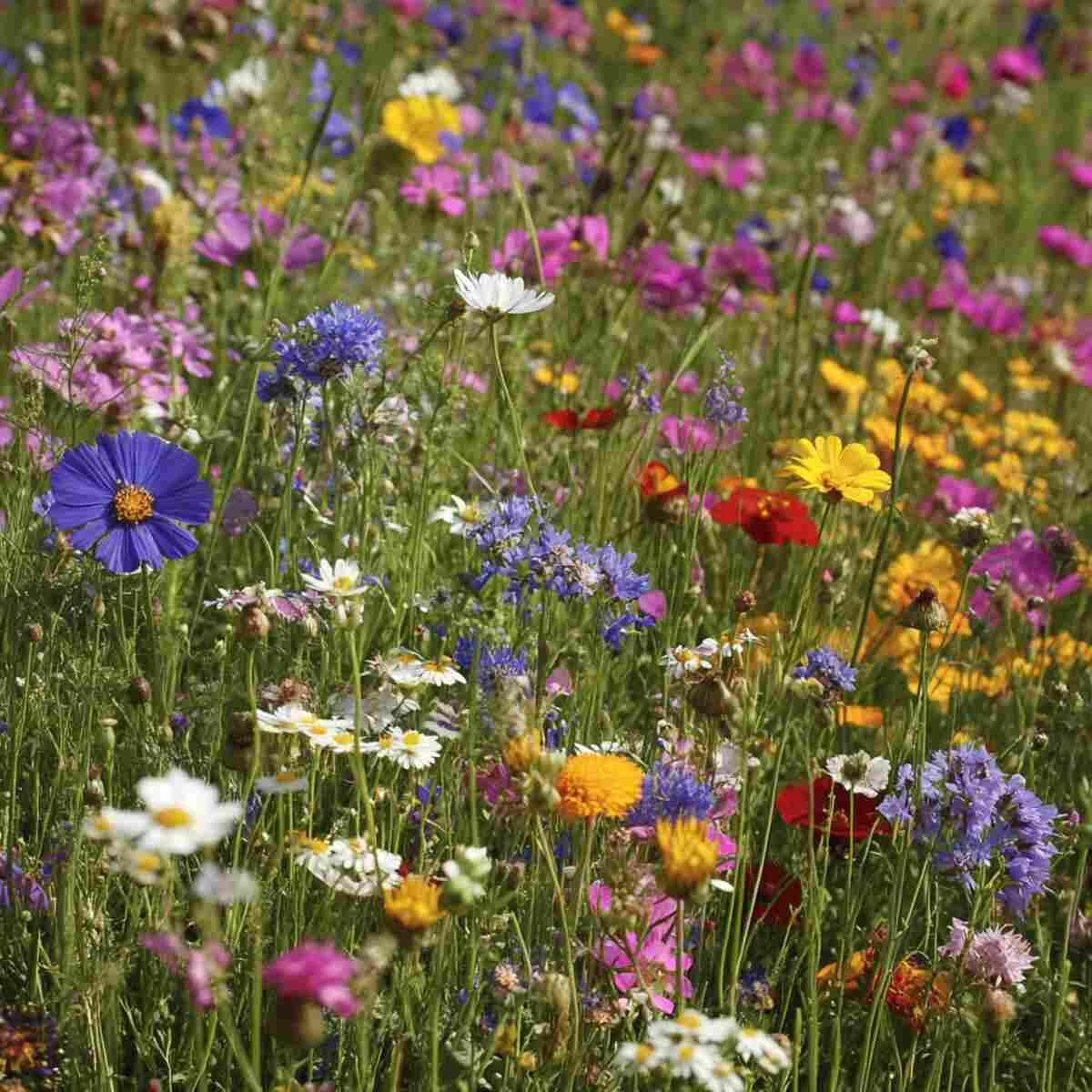
A meadow is like a grand buffet for butterflies. By filling a space with native wildflowers, you’re ensuring they have the high-energy fuel they need to travel and mate. Different species have different tastes—some like the flat landing pads of Daisies, while others prefer the deep wells of Coneflowers. A diverse meadow keeps the conversation going all season long.
See, 11 Best Plants That Attract Butterflies to Your Garden
3. The Native Shrub Shelter
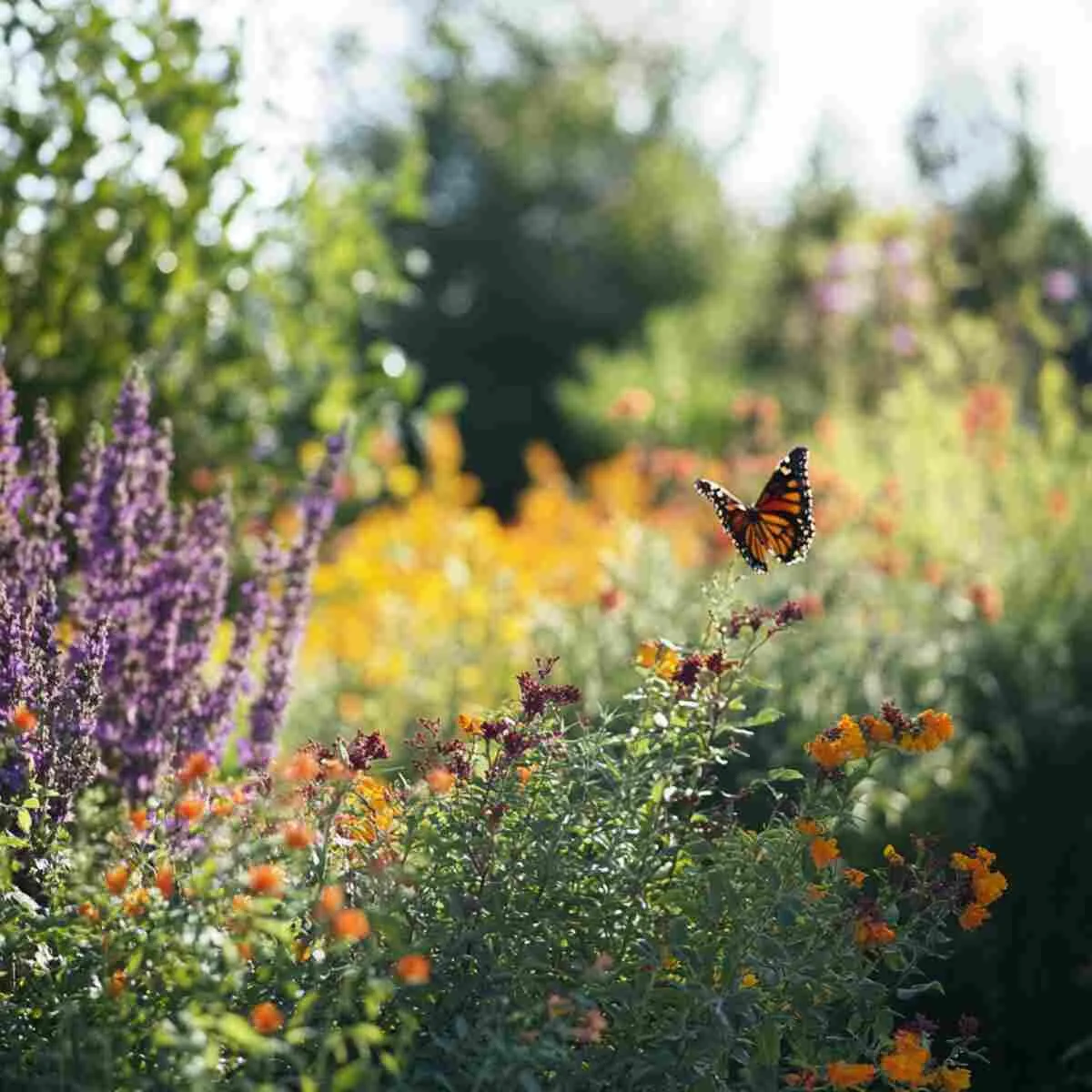
Butterflies are fragile fliers, and a sudden summer storm or a stiff breeze can be a real struggle for them. Native shrubs like Spicebush or Viburnum act as a warm, protective embrace. They offer roosting spots where butterflies can hide from predators and wait out the rain. Plus, many of these shrubs are host plants themselves, pulling double duty for your garden.
4. Host-Plant Focused Garden Bed
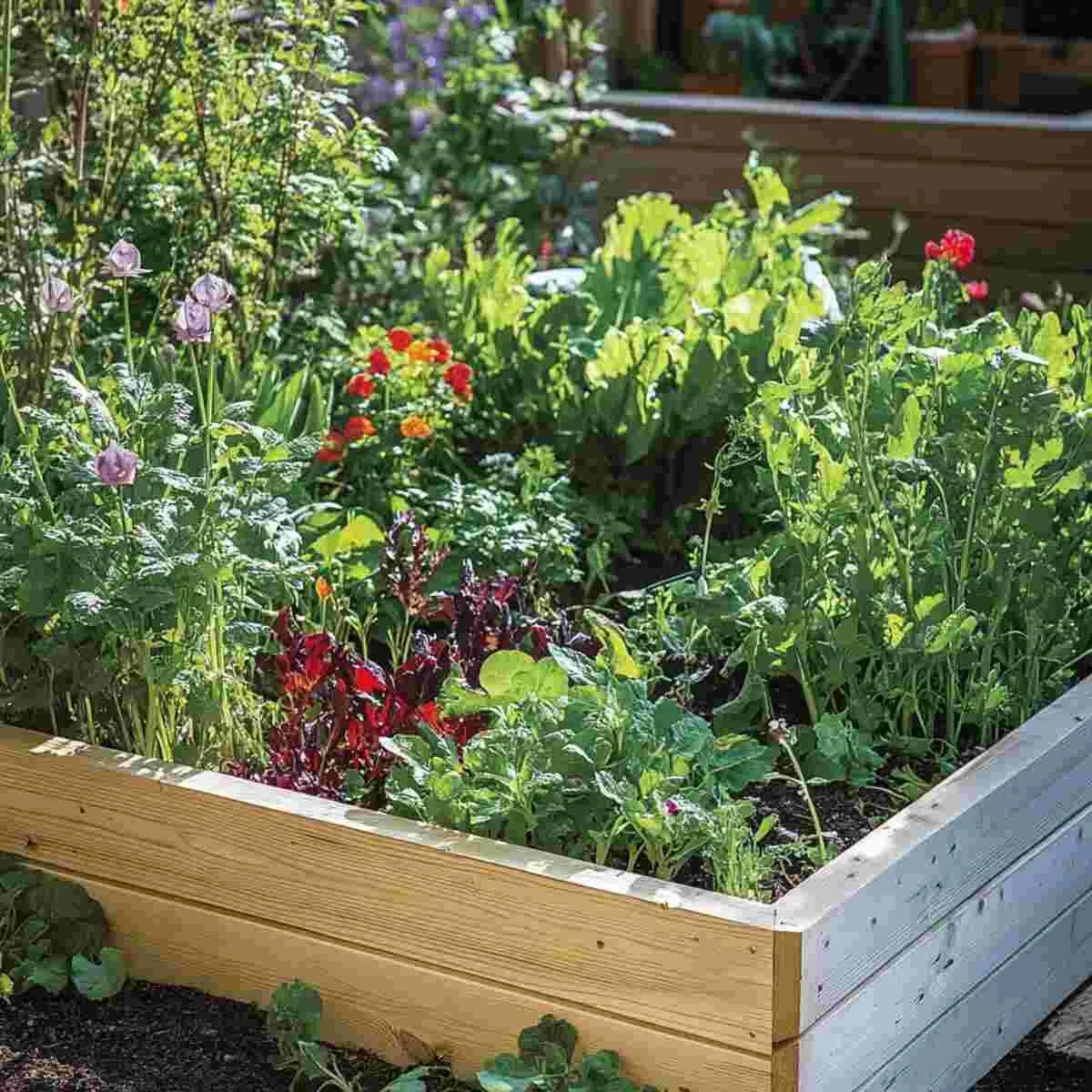
To have butterflies, you have to be willing to feed the caterpillars. A dedicated host-plant bed is a powerful way to support the full life cycle. When you plant parsley for Black Swallowtails or Hops for Question Mark butterflies, you’re accepting a few chewed leaves in exchange for a sky full of wings later. It’s a fair and beautiful trade.
5. Sunlit Butterfly Rock Perches
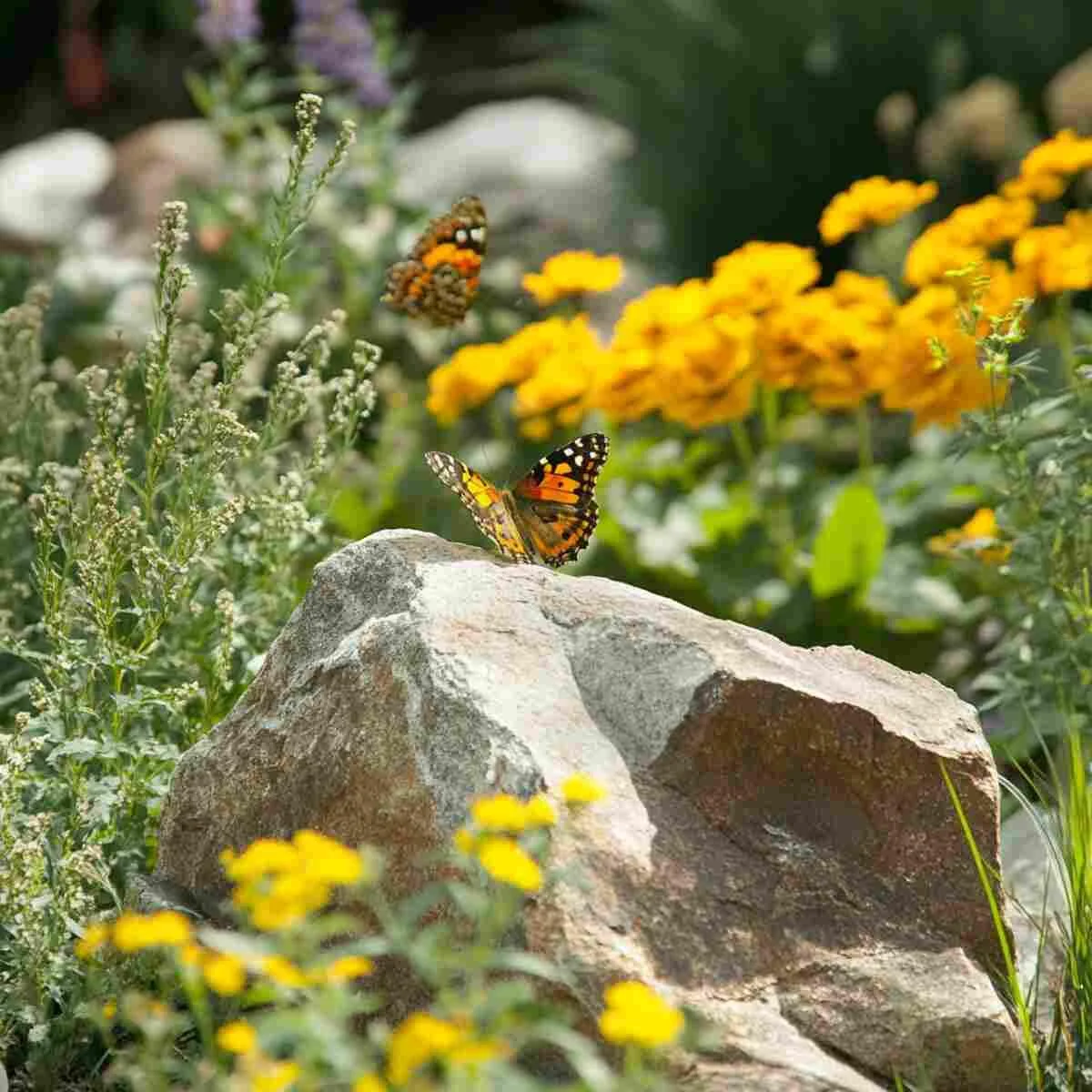
Butterflies are cold-blooded and need the sun to get their “engines” running. Placing a few flat, dark stones in the sunniest part of your garden gives them a place to bask and warm up their flight muscles. It’s a simple, humble addition that makes a world of difference on a cool morning. It also gives you a perfect front-row seat to watch them up close.
6. Moist Sand Puddling Zone
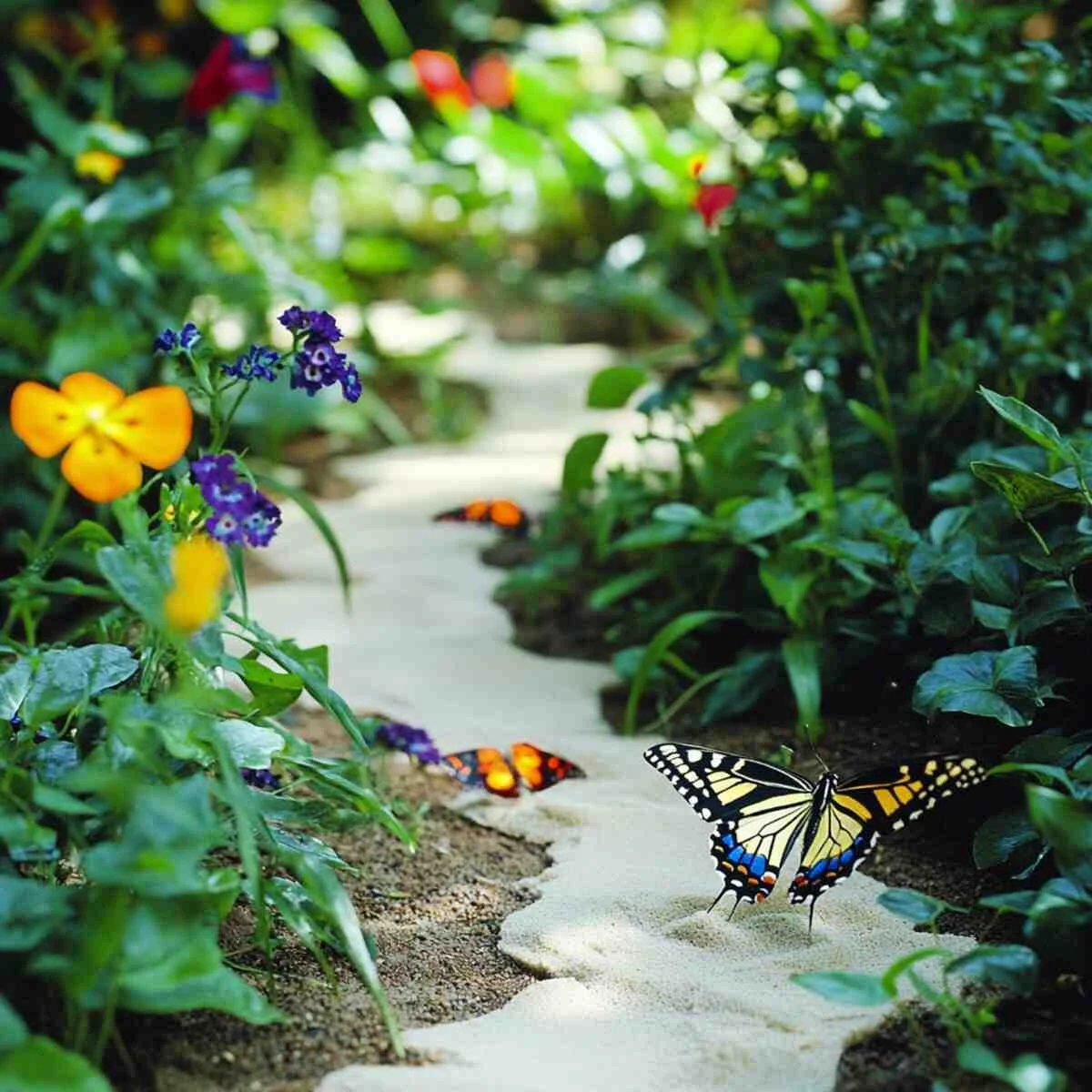
You’ll often see groups of butterflies gathered around a damp spot in the driveway. They’re “puddling”—extracting vital salts and minerals from the moist earth. You can recreate this by burying a shallow dish filled with sand and keeping it damp with a bit of compost tea or sea salt. It’s a practical way to provide the nutrients they can’t find in flowers alone.
A Quick Dirt Secret: Add a small amount of stale beer or overripe fruit juice to your puddling sand. The fermentation attracts butterflies from further away and provides an extra boost of minerals they find irresistible.
7. Seasonal Bloom Succession Garden
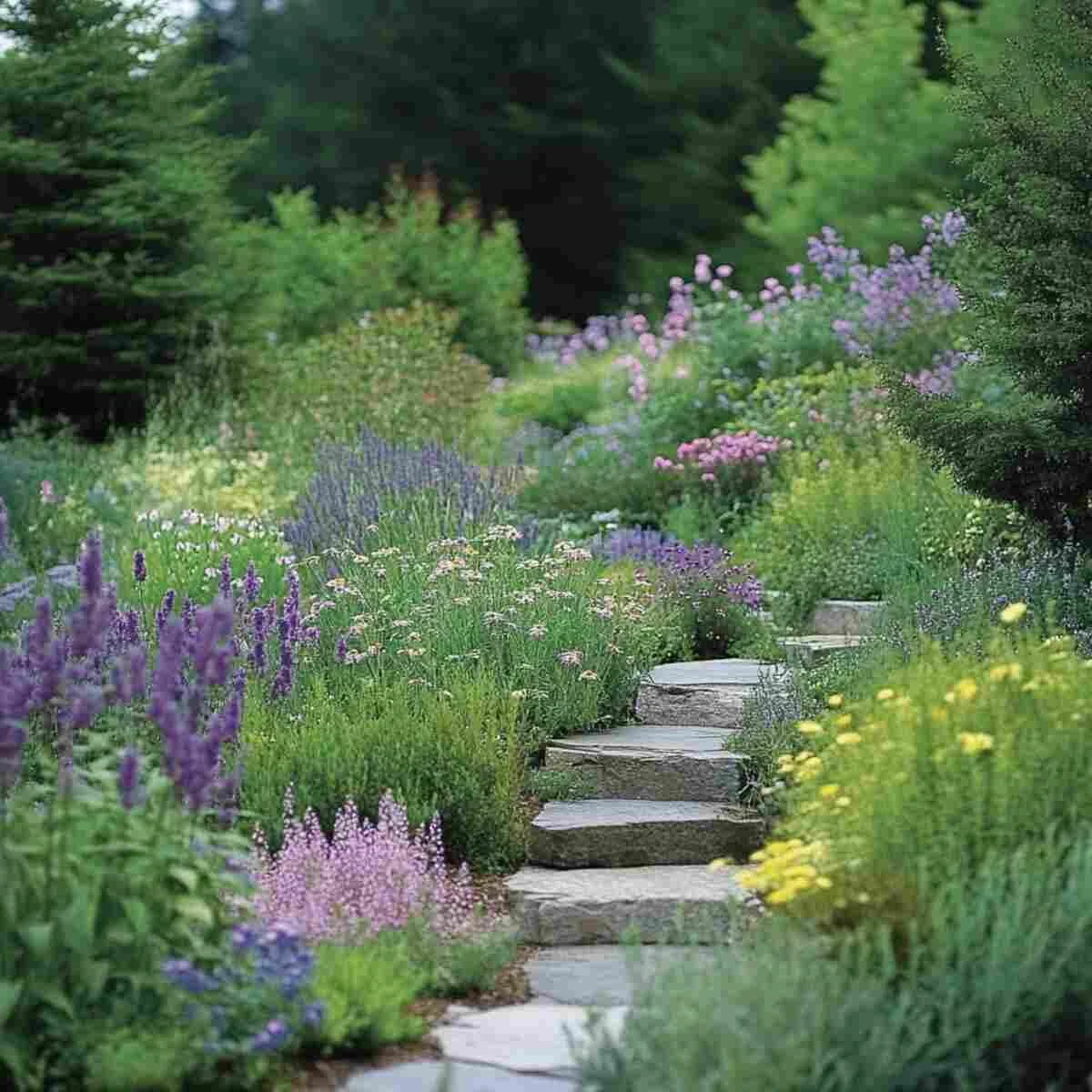
A good host never lets the table go empty. By planning for “bloom succession,” you make sure there is food available from the first warm days of spring until the last frost of autumn. Early bloomers like Golden Alexander and late-season stars like New England Aster ensure that your garden remains a reliable stop on their long journey.
8. Native Grass Border Habitat
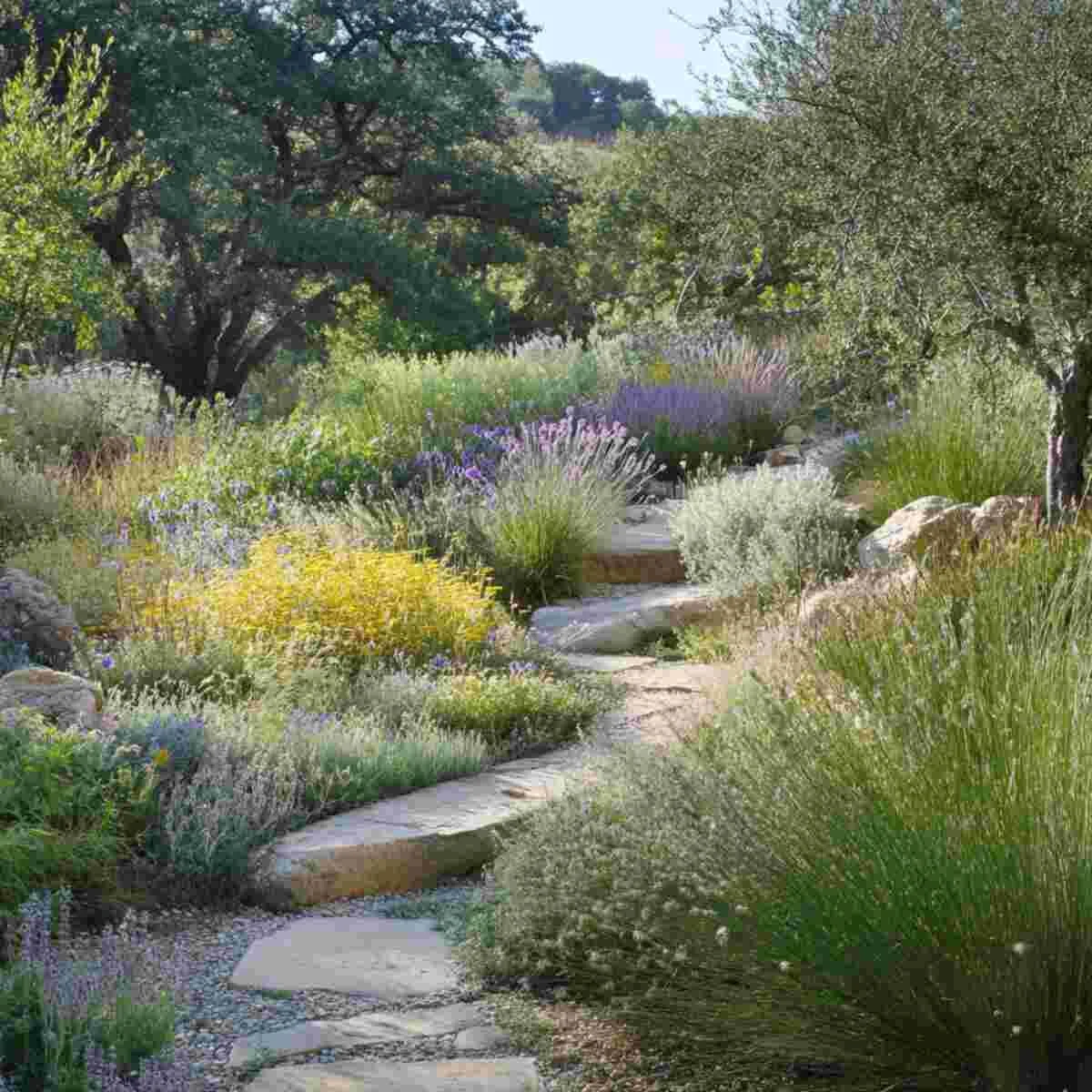
Grasses like Little Bluestem or Switchgrass offer a different kind of beauty and a vital hideout. They provide dense cover where butterflies can tuck themselves away for the night or survive a storm. Many “skipper” butterflies also use these grasses as host plants. It’s a hearty, low-maintenance way to add texture and safety to your habitat.
9. Bushy Hedge Windbreak

In a wide-open yard, the wind can be a real bully to a butterfly. Planting a bushy native hedge creates a “lee” side where the air is calm. This allows butterflies to feed without having to fight to stay on the flower. It’s about creating a microclimate that feels like a quiet, protected courtyard just for them.
10. Butterfly-Friendly Herb Garden
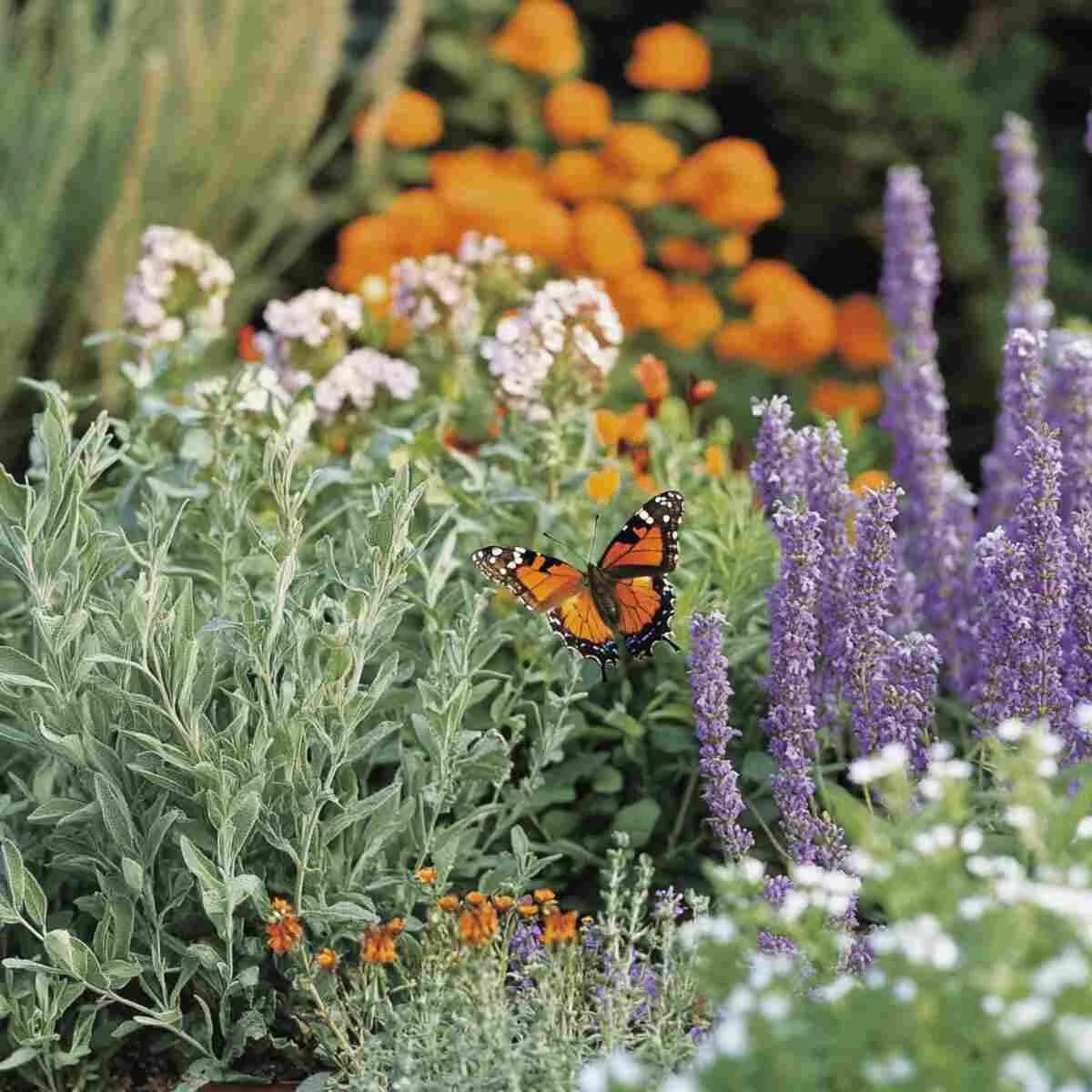
Herbs are the perfect companions for a butterfly habitat. Lavender, Mint, and Oregano produce tiny, nectar-rich flowers that butterflies adore. When you let your herbs bolt (flower), you’re providing a feast. Just be sure to garden organically—butterflies are incredibly sensitive to chemicals, and an honest, chemical-free herb patch is the safest place for them to be.
Technical Tidbit: If you’re growing Dill or Fennel for the Black Swallowtails, plant twice as much as you need for the kitchen. This way, you don’t have to choose between a garnish for your potatoes and a meal for a hungry caterpillar.
11. Leaf-Litter Overwintering Spot
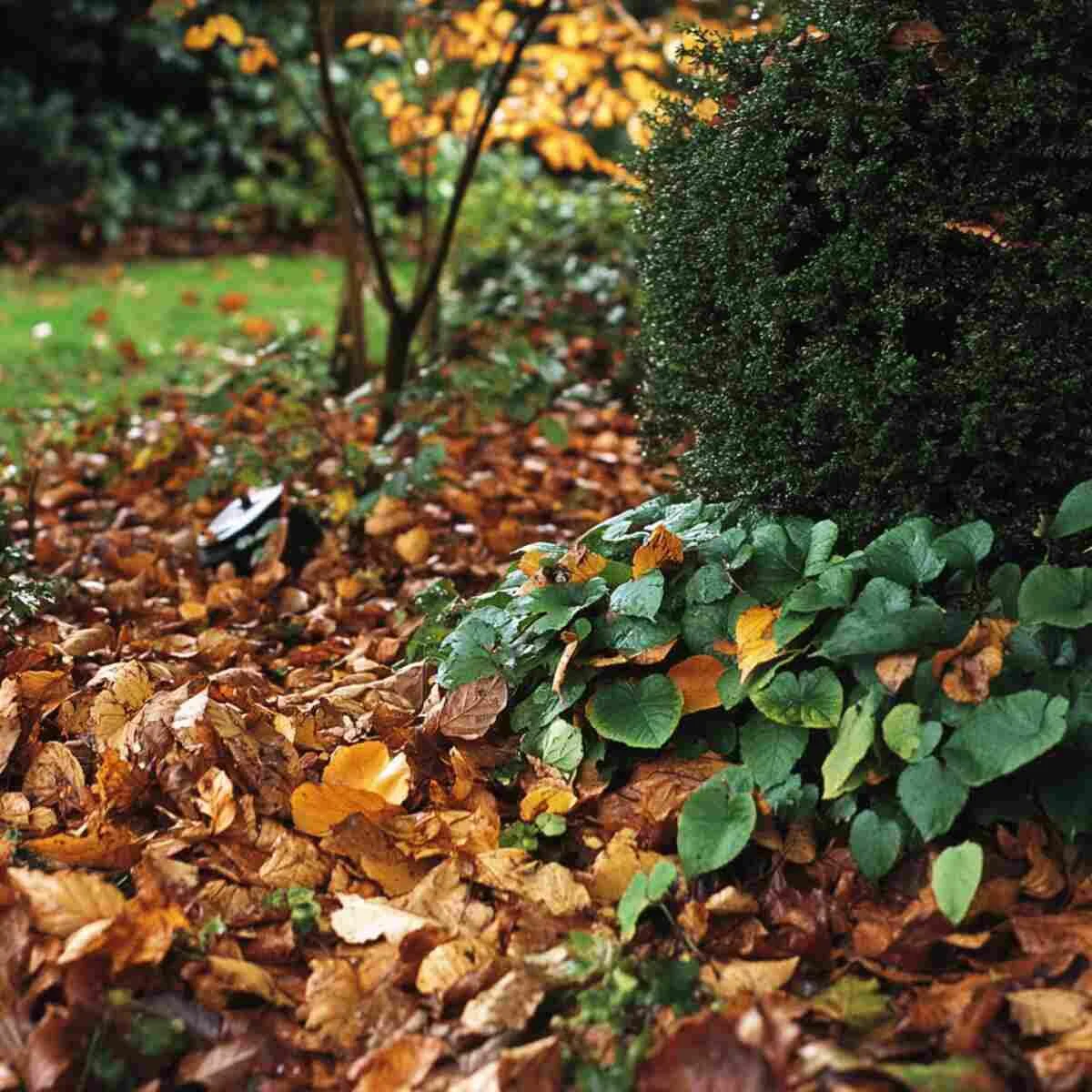
The best thing you can do for next year’s butterflies is to “leave the leaves.” Many species spend the winter as eggs or chrysalises tucked away in the leaf litter. By leaving a quiet, undisturbed corner of the garden, you’re protecting the next generation. It’s a lesson in humble patience—sometimes the most helpful thing we can do is nothing at all.
12. Mini Meadow Container Garden
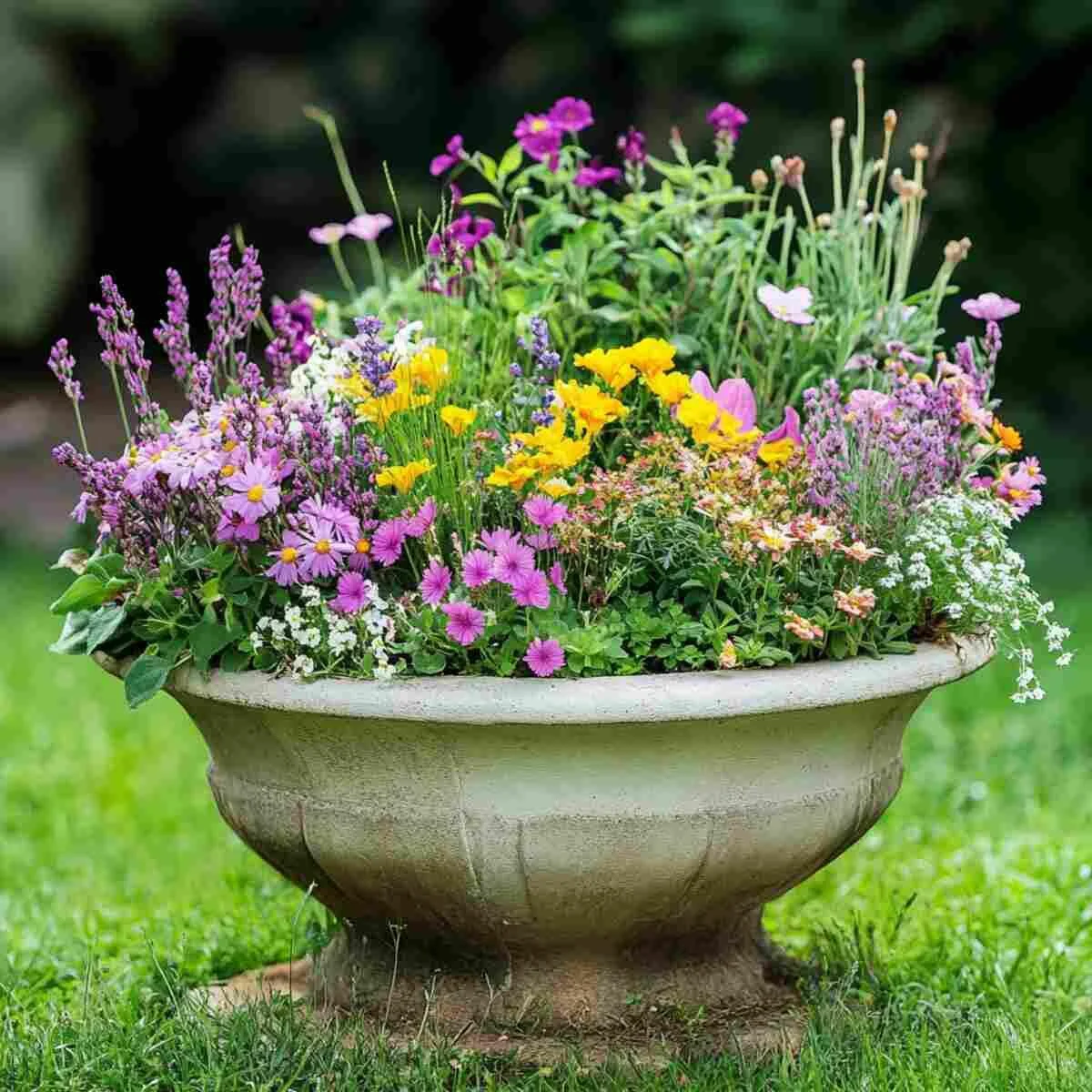
Even if you only have a balcony, you can still participate in this story. A large pot filled with a native grass and a few nectar plants acts as a “stepping stone” for butterflies traveling through urban areas. It’s proof that every little bit of green helps, and a soulful connection to nature can happen in even the smallest square footage.
Creating a butterfly habitat is a slow, rewarding journey that connects you to the natural rhythms of the earth. By providing food, water, and a safe place to rest, you’re not just gardening—you’re participating in a grand, ancient cycle. As the seasons change and your habitat grows, you’ll find that the more you give to the butterflies, the more they give back to you in beauty and peace. Keep your hands in the dirt and your eyes on the sky, friends.


