
A butterfly garden is more than a pretty collection of flowers. When planned thoughtfully, it becomes a living pathway where butterflies can feed, rest, and move naturally from one bloom to another. These pathways are often called nectar trails because they connect groups of nectar-rich plants in a way that is easy for butterflies to find and follow.
Creating a nectar trail is also one of the most rewarding ways to make your garden feel alive. Instead of planting flowers randomly, you arrange them in clusters, borders, strips, or curved paths so butterflies can travel through the space comfortably. The result is a garden filled with color, soft movement, and seasonal interest.

This type of garden works well in many spaces. You can create a butterfly-friendly border along a fence, a flower strip beside a walkway, a pollinator corner in a backyard, or even a small container nectar station on a patio. The key is choosing flowers that provide reliable nectar and arranging them where butterflies can easily see and access them.
If you enjoy natural outdoor spaces, you may also like these Mediterranean garden ideas and low-maintenance garden plants for more practical planting inspiration.
My Experience with Butterfly Nectar Trails
One thing I have noticed with butterfly-friendly gardens is that butterflies respond better to clear planting patterns than scattered flowers. A single nectar plant may attract a butterfly now and then, but a repeated trail of blooms creates a stronger invitation.
For example, when flowers are planted along a path, fence line, or curved border, butterflies naturally move from one group to the next. This makes the garden feel more active and gives the whole space a softer, more natural rhythm.
Another important lesson is bloom timing. A garden that looks beautiful for two weeks but then stops flowering will not support butterflies for long. The best nectar trails include early, mid-season, and late-season flowers so butterflies can return throughout the warmer months.
How to Plan a Butterfly Nectar Trail
Before choosing flowers, think about how butterflies will move through the garden. They are most active in sunny, warm spaces and usually prefer areas protected from strong wind. A good nectar trail should feel open enough for flying but planted enough to provide food and resting places.
- Choose a sunny location with at least 5 to 6 hours of light.
- Plant flowers in groups instead of single scattered plants.
- Use a mix of flower heights for a layered look.
- Include blooms from spring through fall.
- Avoid pesticides and harsh chemical sprays.
- Add flat stones where butterflies can rest in the sun.
- Use native flowers when possible because they support local pollinators best.
1. Wildflower Meadow Strip
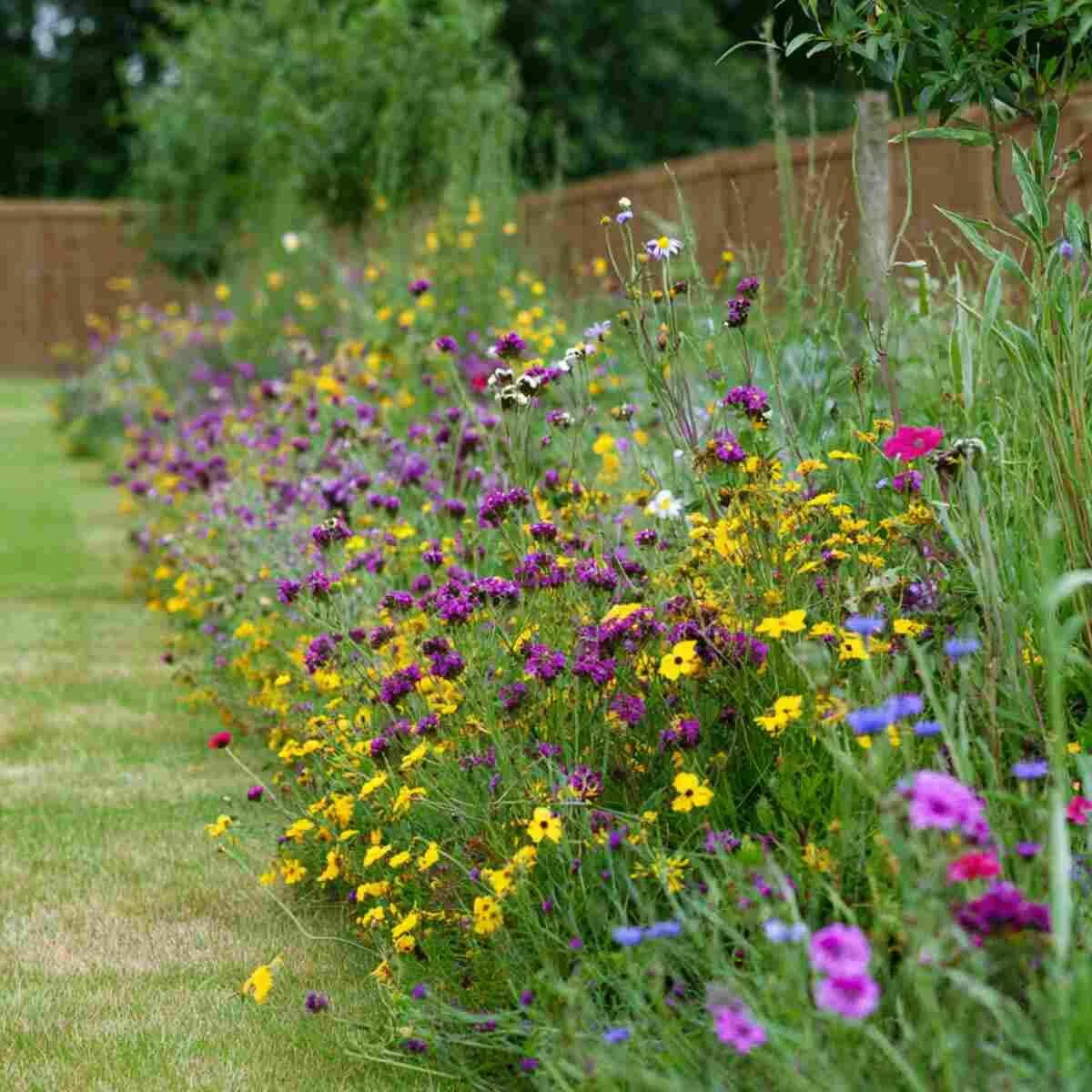
A wildflower meadow strip is one of the easiest ways to create a natural butterfly nectar trail. Instead of designing a formal flower bed, you plant a mixture of nectar-rich blooms in a long strip along a fence, walkway, driveway edge, or open garden border.
This style works because wildflowers often bloom at different times, giving butterflies a more continuous food source. Native wildflowers are especially valuable because they are already adapted to local weather and soil conditions. They also tend to support more local butterfly species than highly decorative hybrid flowers.
For the best effect, keep the strip slightly informal. Let the plants overlap naturally and avoid spacing everything too perfectly. This creates a meadow-like look that feels relaxed, colorful, and full of life.
2. Zinnia and Marigold Pathway
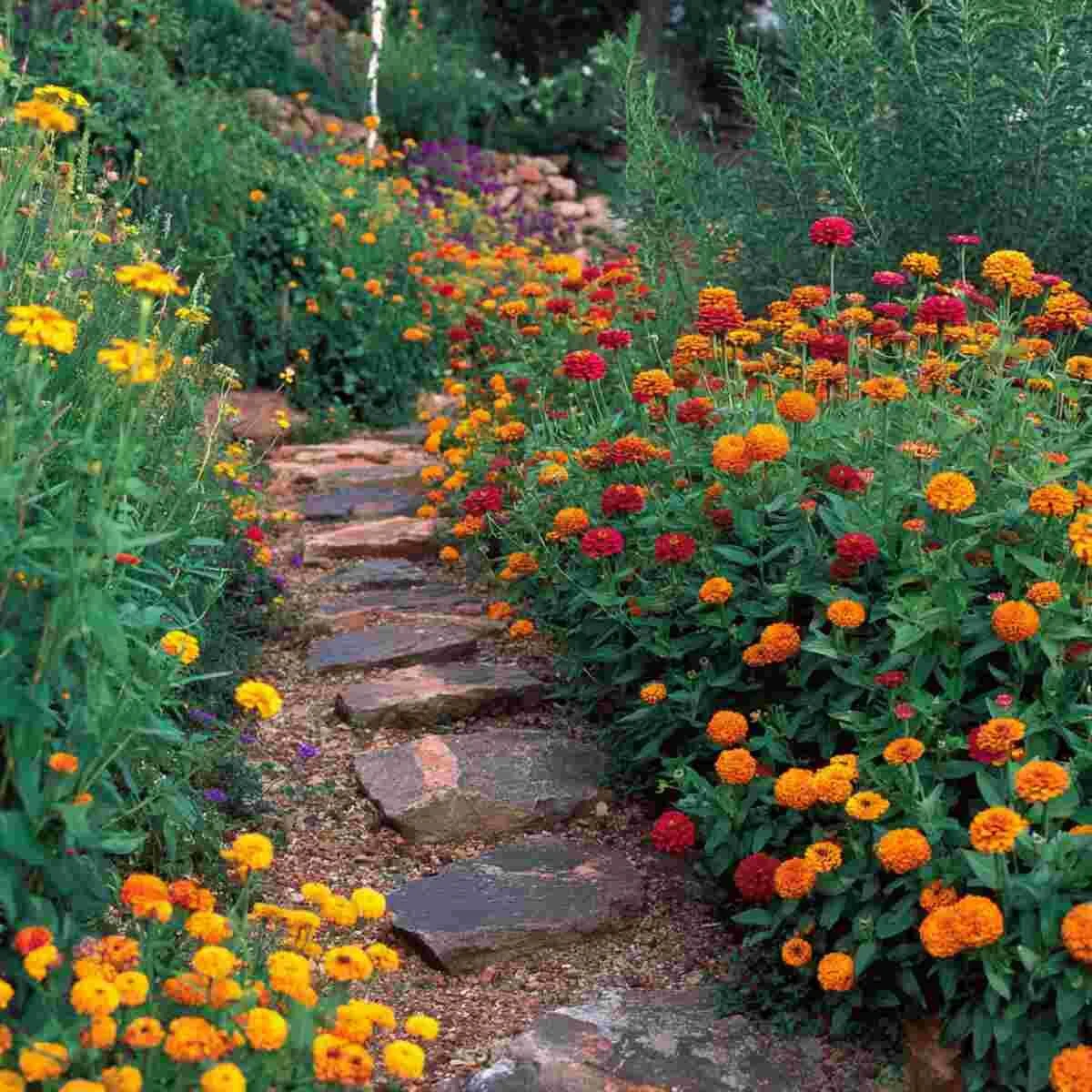
Zinnias and marigolds are excellent choices for a sunny butterfly pathway. They are colorful, easy to grow, and bloom for a long period during warm weather. Their strong colors help butterflies spot the trail from a distance, especially when planted in groups.
Zinnias are particularly useful because their flat flower heads make good landing pads for butterflies. Marigolds add compact bursts of yellow, orange, and gold that help fill gaps and make the path look fuller.
This idea works well along garden walkways, vegetable garden edges, or patio borders. It is also a good option for beginners because both flowers are forgiving and do not require complicated care.
3. Coneflower and Black-Eyed Susan Border
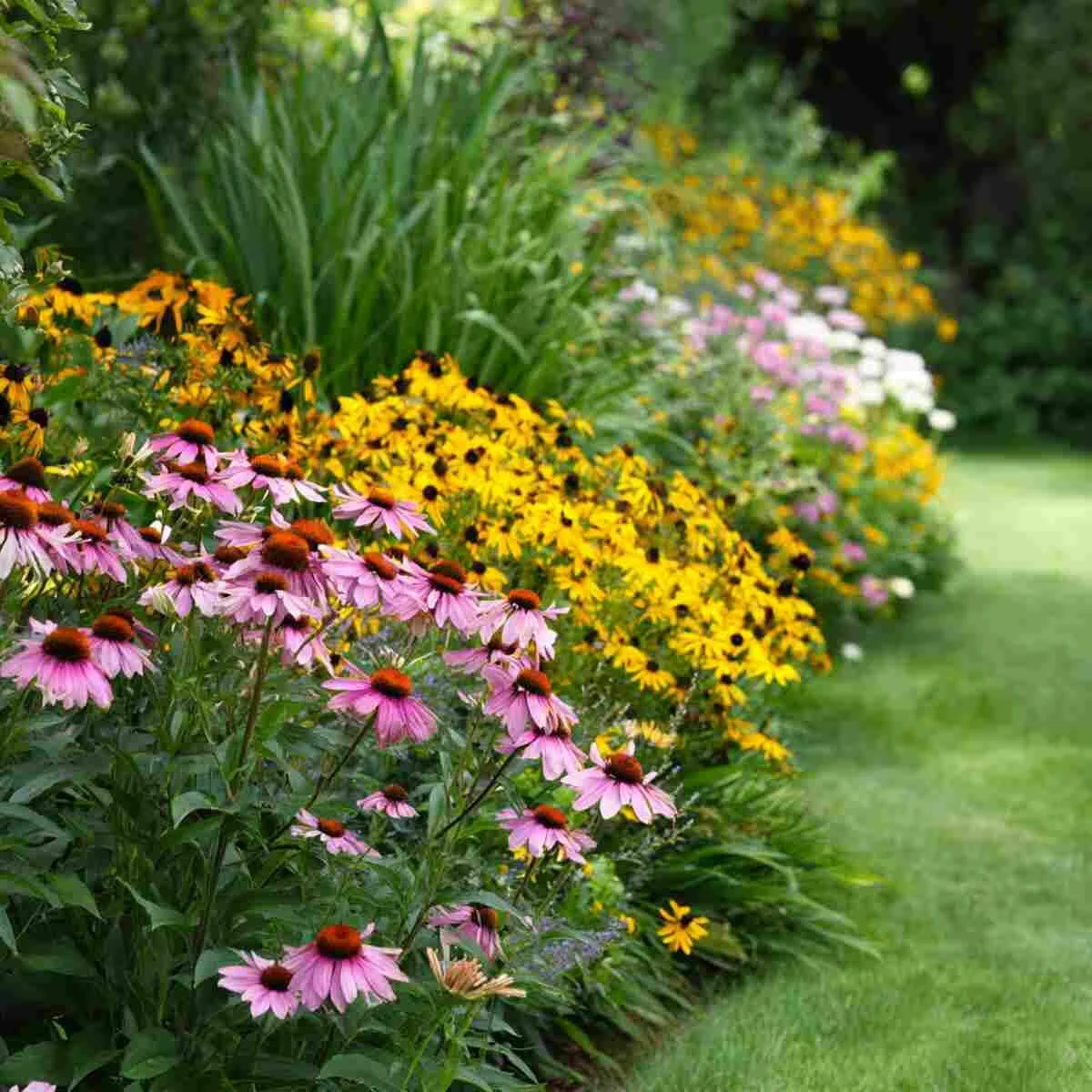
Coneflowers and Black-Eyed Susans are classic butterfly garden plants because they provide structure, color, and dependable nectar. Their daisy-like shapes are easy for butterflies to land on, and their long bloom season makes them useful in summer gardens.
This combination is ideal for borders because both plants have strong upright forms. They create a cheerful, natural edge without needing constant attention. Coneflowers bring pink, purple, or white tones, while Black-Eyed Susans add bright yellow and dark centers.
These flowers also work beautifully with ornamental grasses, salvia, and other perennials. Once established, they return year after year, making them a smart choice for gardeners who want long-term value.
4. Lavender and Salvia Corridor
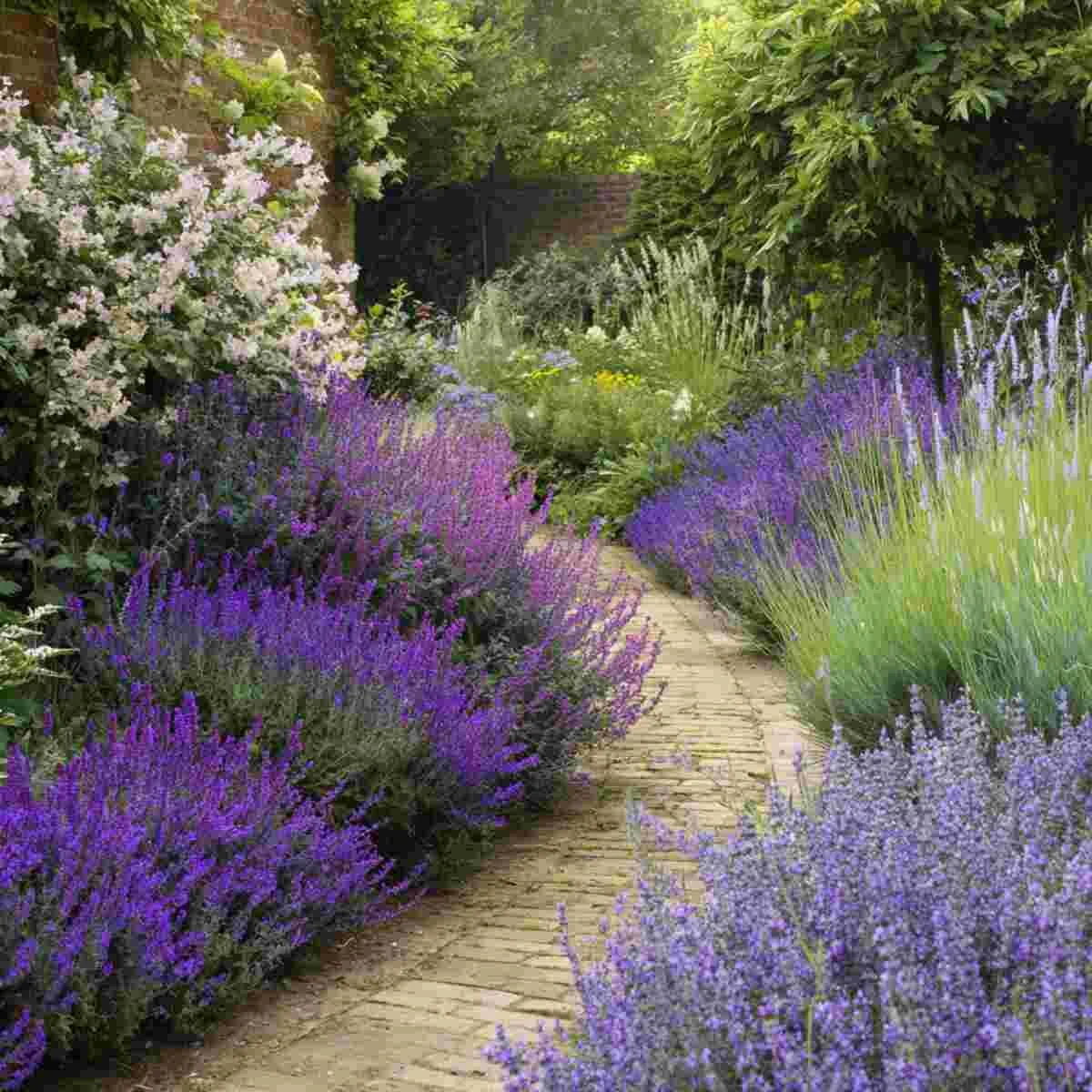
A lavender and salvia corridor creates a calm, fragrant path that butterflies can easily follow. These plants produce upright flower spikes that add height and movement to the garden while offering nectar over a long period.
Lavender is especially useful in sunny, dry areas because it prefers well-drained soil and does not need heavy watering once established. Salvia also performs well in sunny spaces and often continues blooming when other plants slow down.
This combination is perfect beside pathways, seating areas, or garden entrances. The purple and blue tones feel peaceful, and the scent makes the space enjoyable for people as well as pollinators.
5. Milkweed and Butterfly Weed Patch
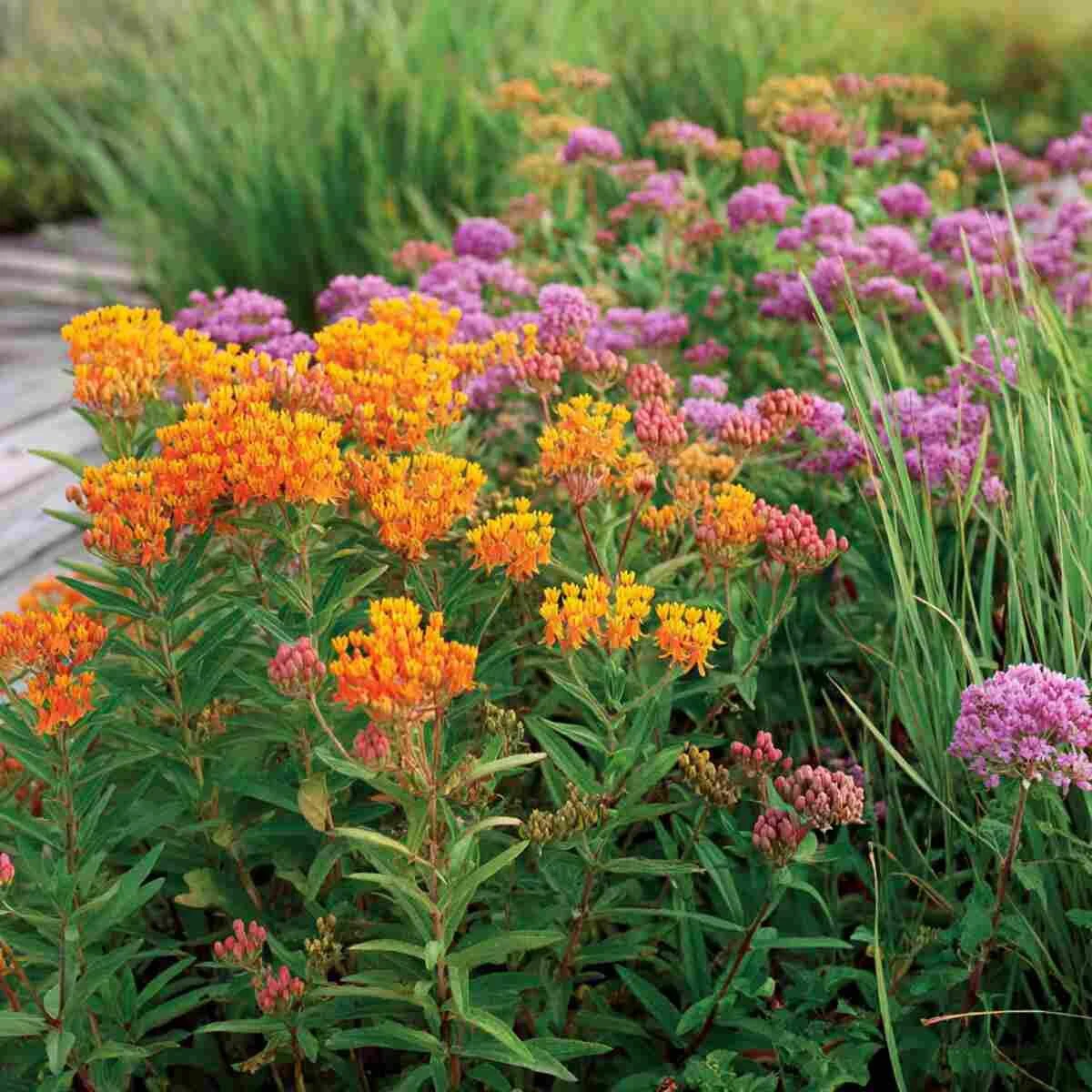
Milkweed is one of the most important plants you can add to a butterfly garden, especially if you want to support monarch butterflies. Monarch caterpillars rely on milkweed as a host plant, while adult butterflies also visit the flowers for nectar.
Butterfly weed, a type of milkweed, adds bright orange blooms that stand out beautifully in sunny gardens. It works well in patches because butterflies can easily recognize the grouped flowers.
This idea is best for gardeners who want their nectar trail to do more than look pretty. By including host plants like milkweed, the garden supports the full butterfly life cycle, not just feeding adults.
6. Phlox and Bee Balm Trail
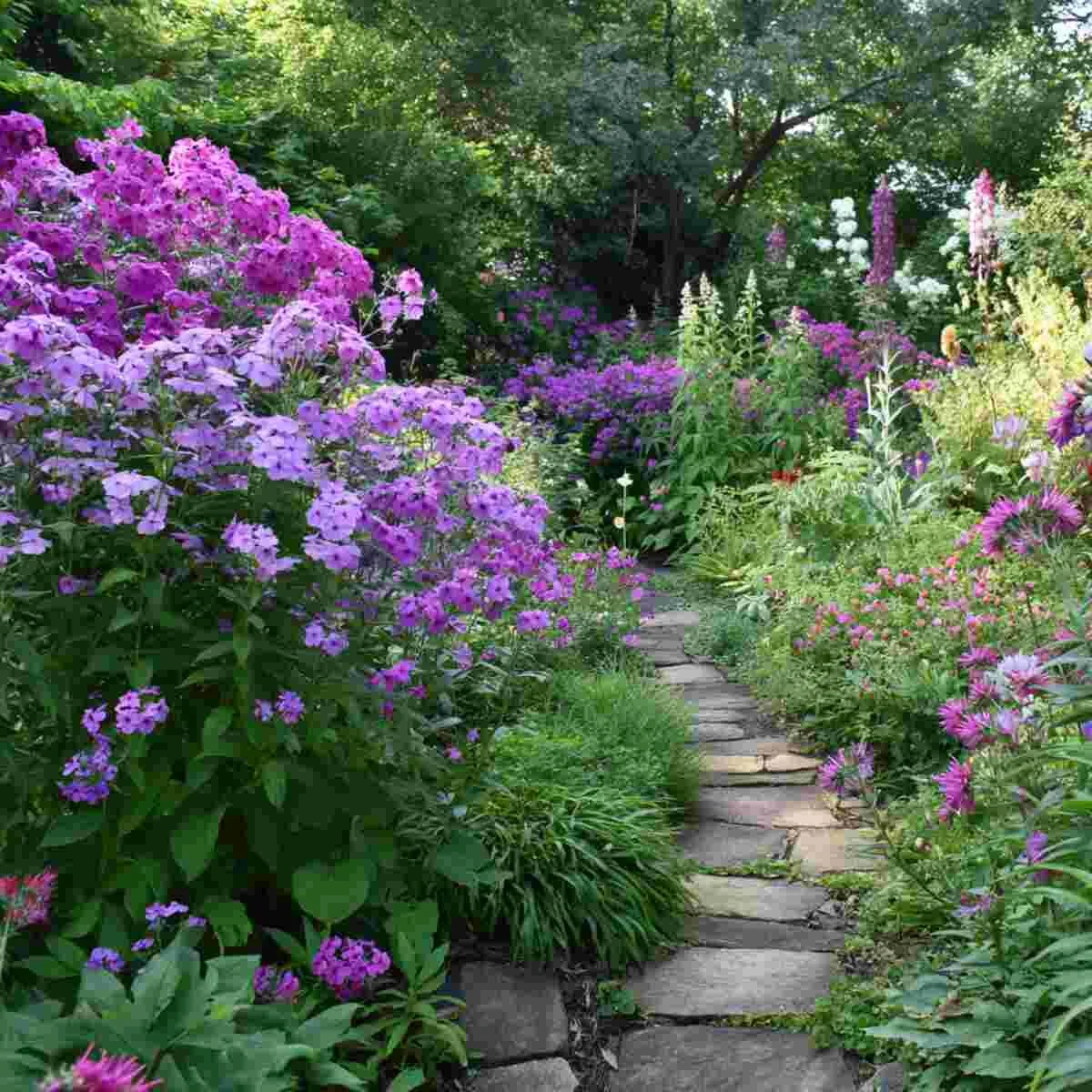
Phlox and bee balm are excellent choices for creating a fuller, cottage-style nectar trail. Phlox adds clusters of soft blooms, while bee balm brings bold, textured flowers that attract butterflies and other pollinators.
This combination works well in garden beds where you want height and density. Bee balm can become quite vigorous, so give it room to spread or divide it when needed. Phlox adds a softer look and helps balance the bold shape of bee balm flowers.
Together, they create a trail that feels lively and abundant. This is a good choice for gardeners who enjoy colorful borders that look natural rather than overly controlled.
7. Verbena and Lantana Cluster
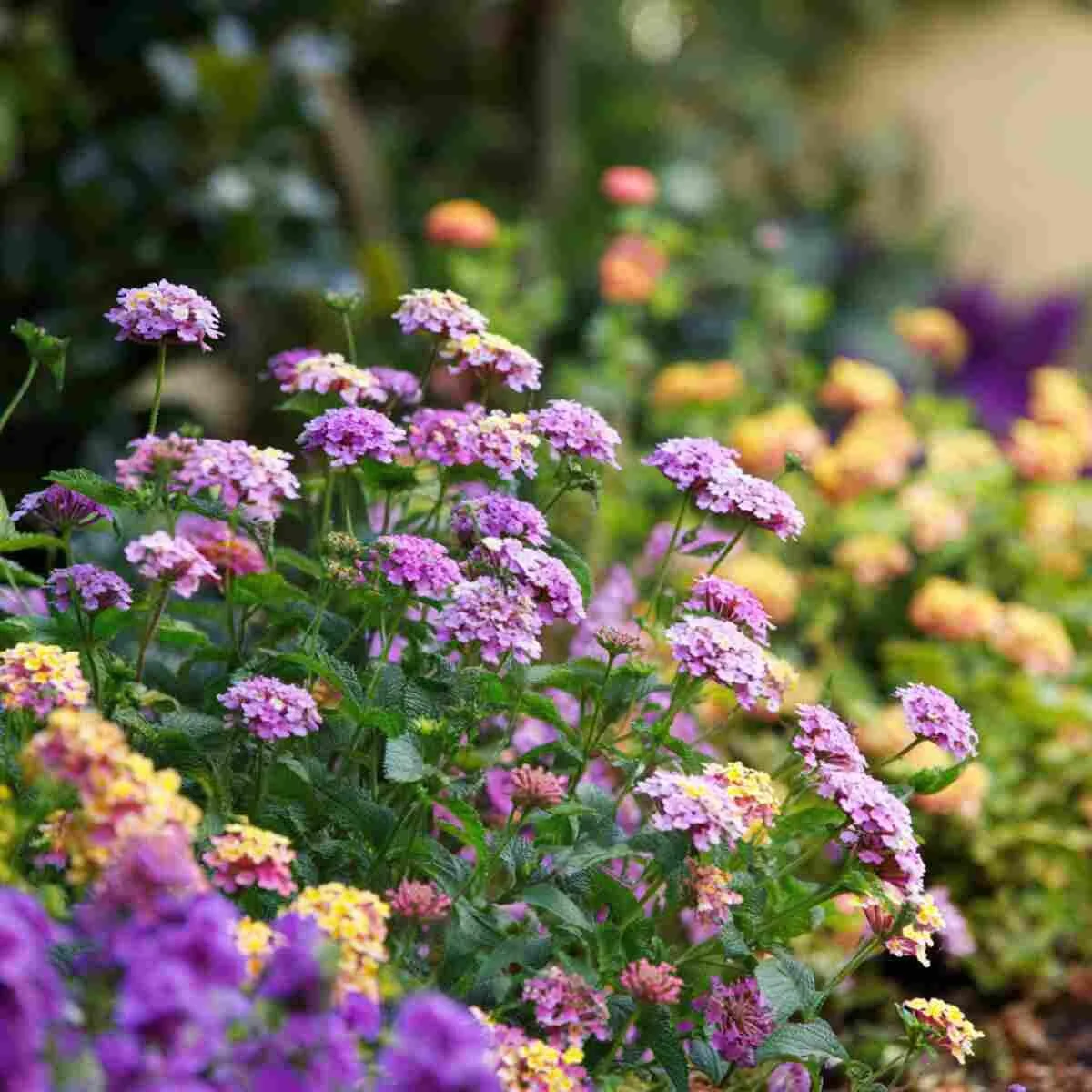
Verbena and lantana are excellent for warm, sunny gardens because they bloom generously and handle heat well. Their clustered flowers are easy for butterflies to visit and create strong color impact in small spaces.
This idea works especially well in containers, raised beds, or sunny corners where you want concentrated color. Lantana offers multi-toned blooms, while verbena adds a lighter, spreading habit that softens edges.
Because both plants can flower for a long season, they are useful for keeping your nectar trail active when summer heat becomes intense. They also pair well with zinnias, salvia, and ornamental grasses.
8. Cosmos and Sunflower Walkway
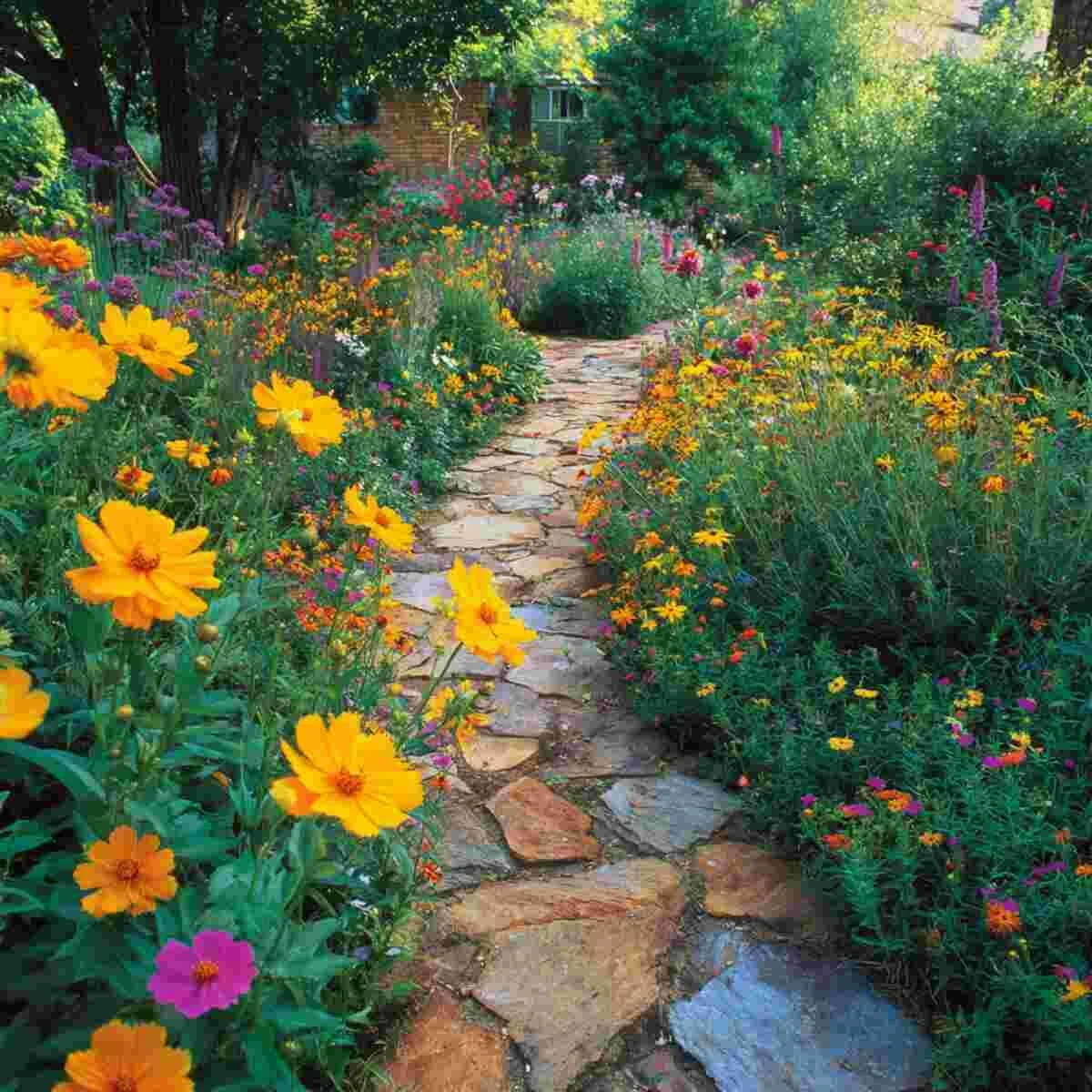
Cosmos and sunflowers bring a cheerful, open feeling to a butterfly garden. Sunflowers add height and strong visual direction, while cosmos create airy movement with delicate blooms that sway in the breeze.
This pairing works well along walkways or garden edges where taller flowers can frame the path without blocking it completely. Sunflowers attract attention from a distance, and cosmos help fill the space with softer color.
For a balanced look, place sunflowers toward the back or outer edge and allow cosmos to fill the middle and front areas. This keeps the walkway open while still creating a lush nectar trail.
9. Joe-Pye Weed and Goldenrod Corner
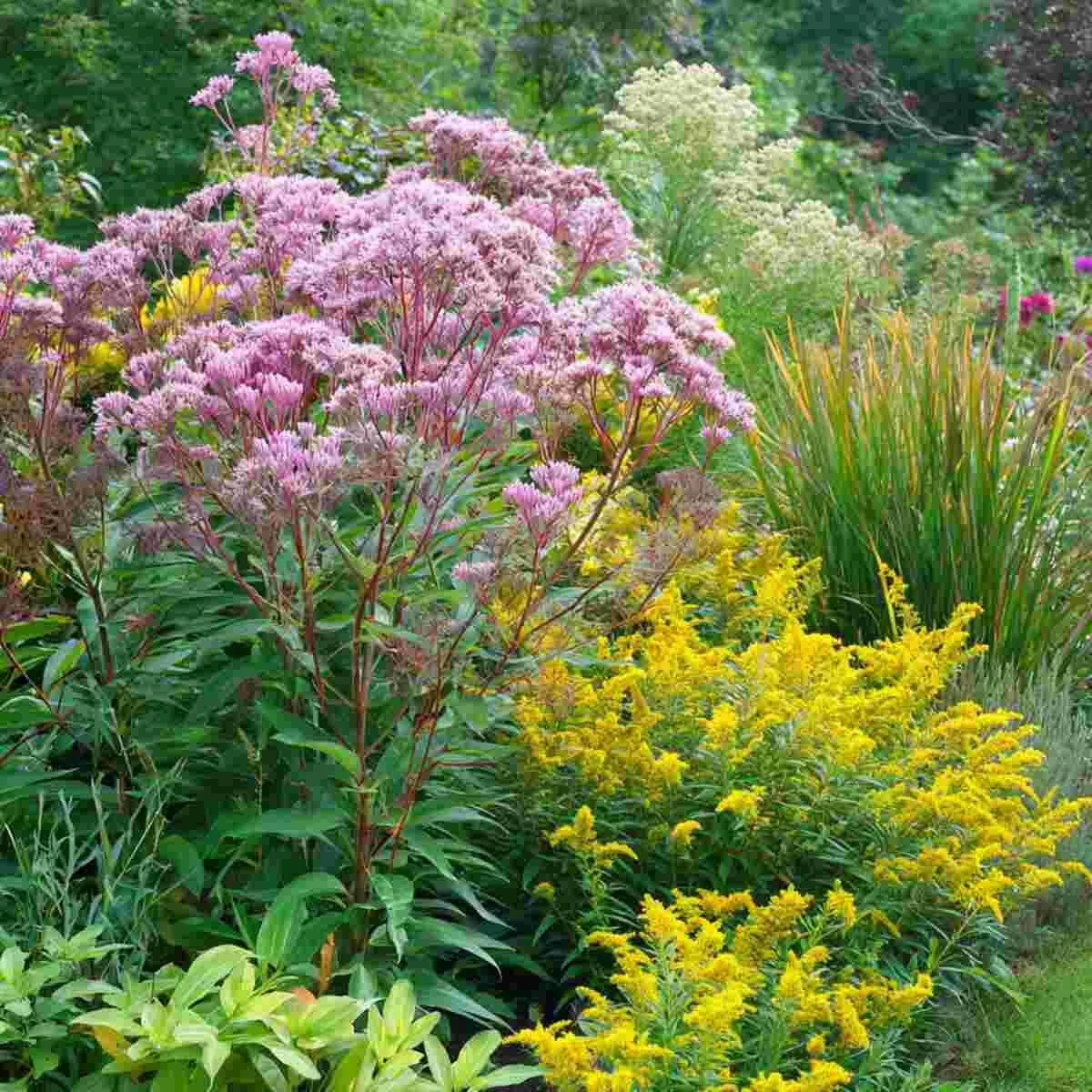
Joe-Pye weed and goldenrod are excellent for late-season butterfly support. Many gardens look beautiful in early summer but lose nectar sources later in the season. Adding late bloomers helps keep butterflies visiting for longer.
Joe-Pye weed adds tall, soft pinkish flower clusters, while goldenrod brings bright yellow blooms that stand out in autumn light. Together, they make a strong corner planting that supports pollinators when food can become less available.
This idea works best in a sunny back corner, along a fence, or near a naturalized area. Give these plants enough space because they can become tall and full.
10. Mixed Seasonal Bloom Alley
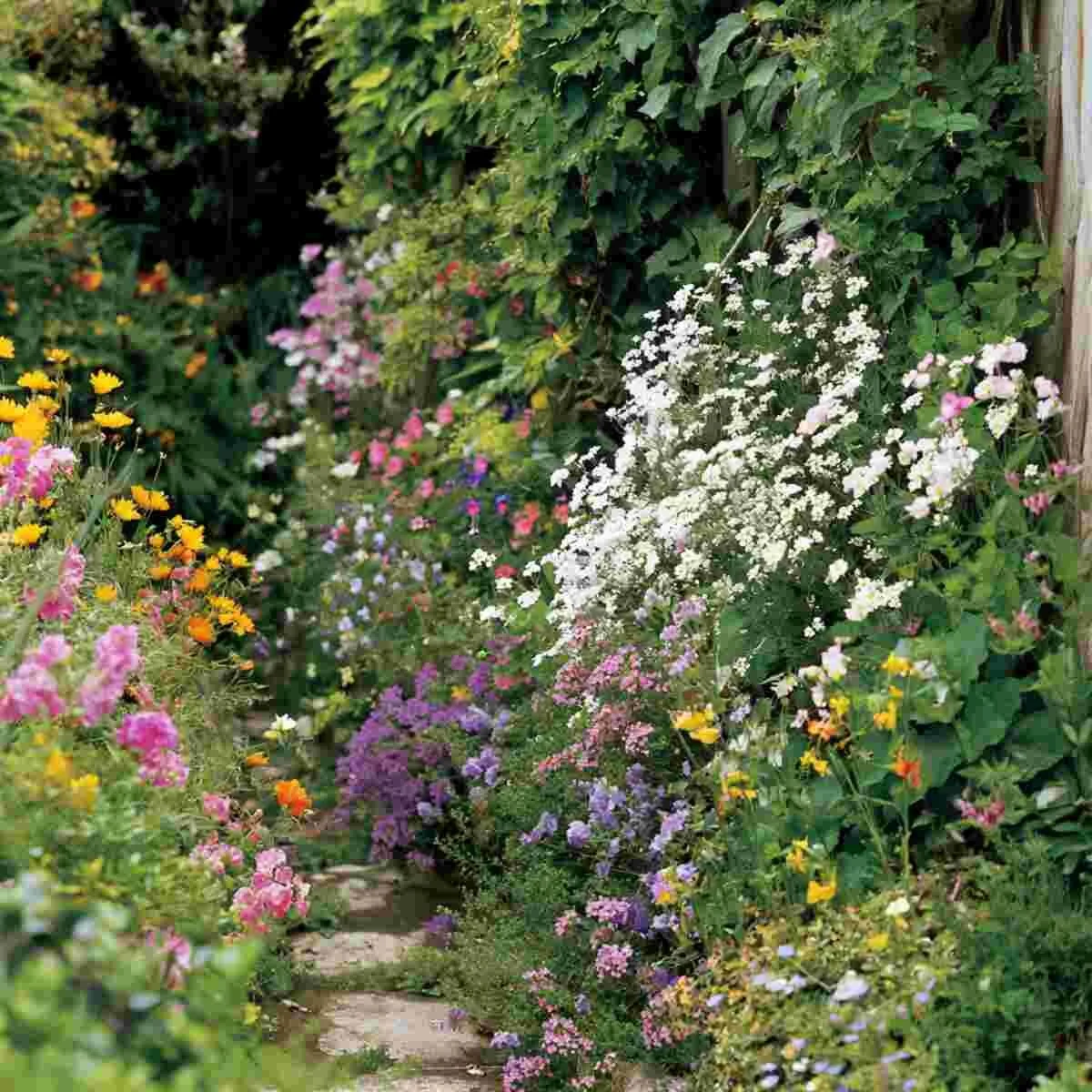
A mixed seasonal bloom alley is one of the most complete butterfly nectar trail ideas. Instead of relying on one flower type, you combine plants that bloom at different times so the trail stays useful for months.
Start with spring bloomers, add strong summer flowers like zinnias and coneflowers, then finish with late-season plants such as goldenrod, asters, or Joe-Pye weed. This layered approach creates a garden that changes naturally throughout the year.
This idea is especially helpful if you want your garden to feel alive across multiple seasons. It also reduces the chance of having a dull period when few flowers are available for butterflies.
Best Flowers for Butterfly Nectar Trails
| Flower | Best Use | Why Butterflies Like It |
|---|---|---|
| Zinnia | Sunny pathways and borders | Bright blooms and easy landing surfaces |
| Milkweed | Monarch-friendly patches | Supports both nectar feeding and caterpillars |
| Lavender | Dry sunny corridors | Fragrant blooms and long flowering season |
| Coneflower | Perennial borders | Large flower centers and reliable nectar |
| Goldenrod | Late-season gardens | Provides nectar when many flowers fade |
Common Mistakes to Avoid
- Planting single flowers too far apart: Butterflies notice grouped blooms more easily.
- Using too many low-nectar hybrids: Some decorative flowers look pretty but offer little food.
- Ignoring late-season blooms: Butterflies still need nectar later in the year.
- Using pesticides: Chemical sprays can harm butterflies, caterpillars, and other pollinators.
- Choosing too much shade: Butterflies need warmth and sunlight to stay active.
Frequently Asked Questions
What is a butterfly nectar trail?
A butterfly nectar trail is a planned path or grouping of nectar-rich flowers that helps butterflies move through the garden while feeding. It can be created with borders, clusters, containers, or meadow-style planting.
Which flowers attract butterflies the most?
Zinnias, coneflowers, milkweed, lantana, verbena, lavender, salvia, bee balm, phlox, goldenrod, and sunflowers are all strong choices for butterfly-friendly gardens.
Do butterfly gardens need full sun?
Most butterfly gardens perform best in full sun because butterflies are more active in warm, bright areas. Aim for at least 5 to 6 hours of sunlight if possible.
Can I create a butterfly nectar trail in containers?
Yes. Containers can work very well if grouped together in a sunny place. Use nectar-rich flowers such as zinnias, lantana, verbena, and salvia.
Final Thoughts
Creating flower garden ideas for butterfly nectar trails is a beautiful way to bring life, color, and movement into your outdoor space. With the right plants and layout, your garden can become more than a decorative area. It can become a supportive habitat for butterflies and other pollinators.
The best nectar trails are easy to see, easy to follow, and filled with flowers that bloom across the season. Whether you choose a wildflower strip, a colorful pathway, a native plant corner, or a mixed seasonal bloom alley, the goal is the same: create a garden that feels welcoming, useful, and naturally alive.


