
Part-shade spaces can be some of the most beautiful places to garden, especially in containers. They tend to feel cooler, softer, and more inviting than hot full-sun spots, and they open the door to a completely different plant palette: elegant foliage, delicate flowers, and layered textures that often look richer in lower light.
The key to success is choosing perennials that actually enjoy dappled sun or a few hours of gentler morning light. In pots, that matters even more, because container plants dry out faster and can react more quickly to too much heat or harsh afternoon exposure. The good news is that there are plenty of perennials that thrive in these conditions and return year after year with very little fuss.

These part-shade perennials are especially well suited to containers, whether you are styling a small balcony, a front porch, a covered patio, or a shady garden nook.
How to Grow Perennials in Pots for Part Shade
Container gardening in part shade is usually easier than full-sun pot gardening, but a few details make a big difference. Good drainage, the right pot size, and a planting mix that stays evenly moist without becoming soggy are what keep shade-loving perennials looking their best.
- Use pots with drainage holes: Most shade perennials dislike sitting in water
- Choose larger containers when possible: They dry out more slowly and give roots more room
- Match plants with similar moisture needs: This makes mixed arrangements much easier to manage
- Watch afternoon sun carefully: “Part shade” can still be too bright in hot climates
- Use foliage as part of the design: In shade, leaf color and texture often matter as much as bloom
A beautiful part-shade pot usually looks best when it combines one main flowering plant with foliage that helps it feel full and layered.
1. Toad Lily (Tricyrtis)
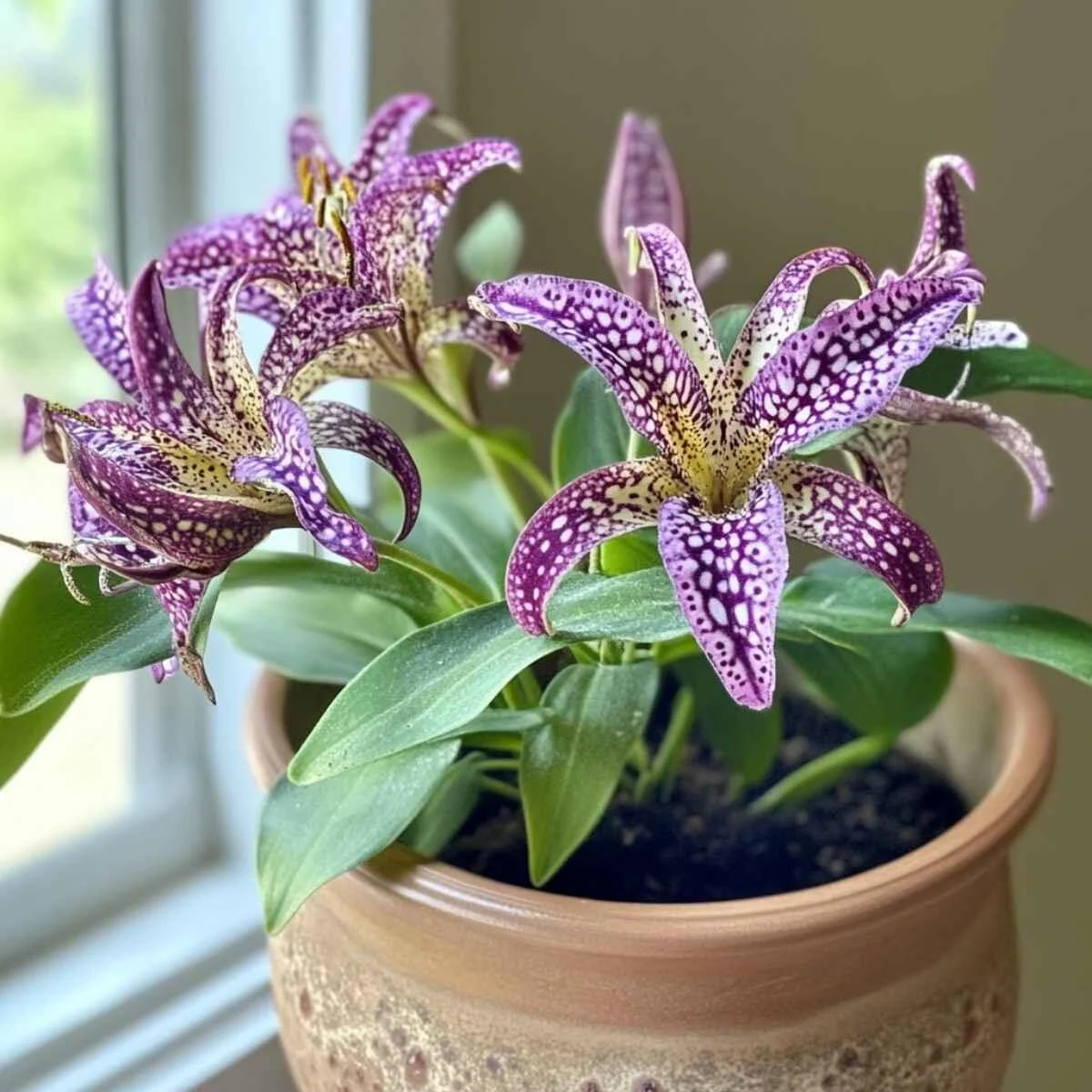
Toad Lily is one of the most distinctive plants you can grow in a shaded container. Its orchid-like flowers, usually speckled in purple, cream, or lavender, bring a level of detail that feels surprisingly exotic for a hardy perennial.
It is especially useful in pots because the blooms often appear later in the season, when many early shade perennials have already finished. That makes it a smart choice if you want containers that still feel fresh and interesting into late summer or early fall.
Use it where the flowers can be seen up close, such as beside a door, along a path, or on a patio table where the intricate markings can really be appreciated.
2. Tiarella (Foamflower)
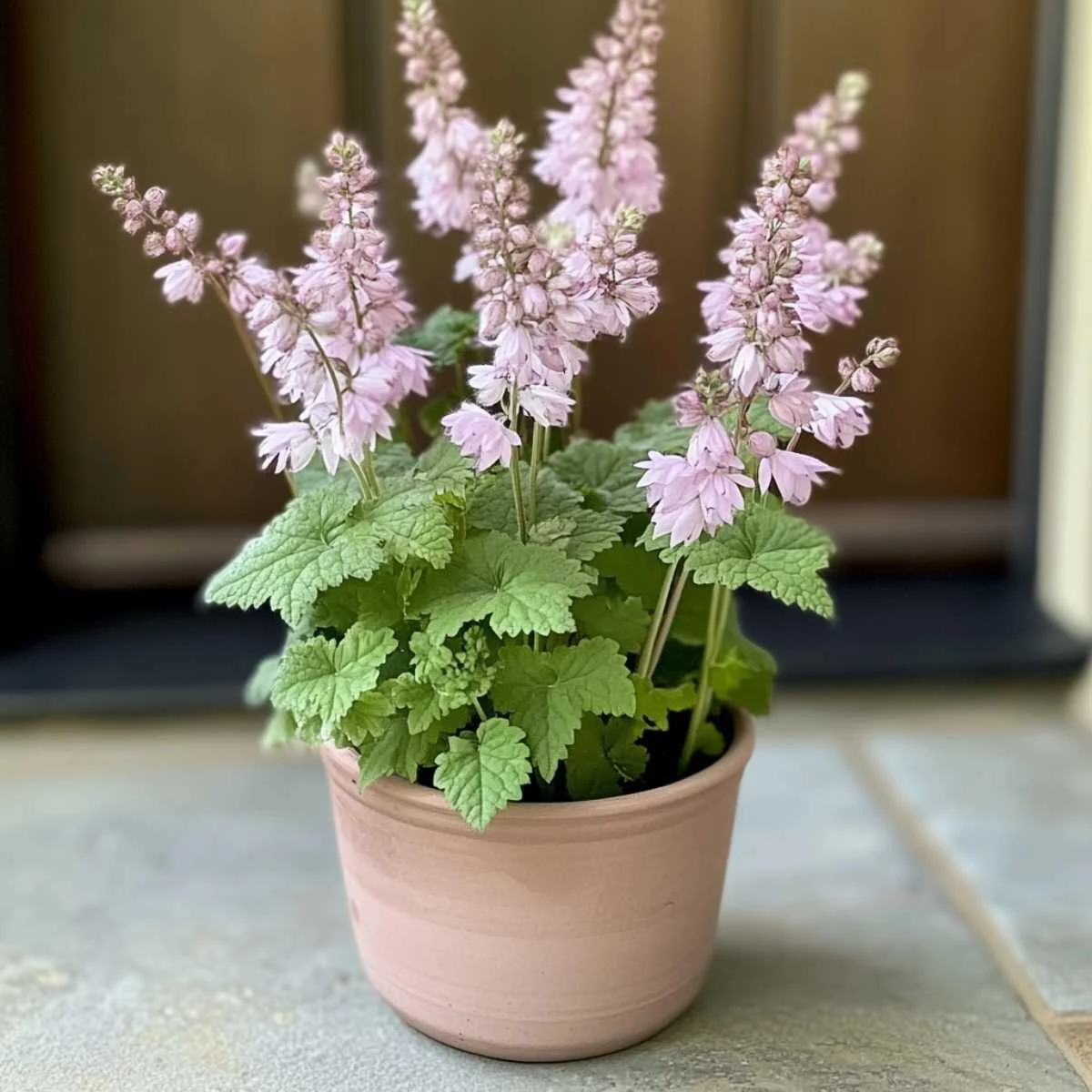
Tiarella is one of the gentlest-looking perennials for part shade, with frothy flower spikes and beautifully cut foliage that keeps the plant attractive even when it is not in bloom. In containers, it helps create that soft, woodland-inspired look that suits porches and shady patios so well.
It is also useful because it stays fairly compact, making it well suited to medium-sized pots and mixed shade arrangements. The leaf shape adds texture at the base, while the airy flowers lift the planting above.
Pair it with finer foliage such as small ferns or let it stand alone in a simple pot if you want a quieter, more delicate effect.
3. Solomon’s Seal (Polygonatum)
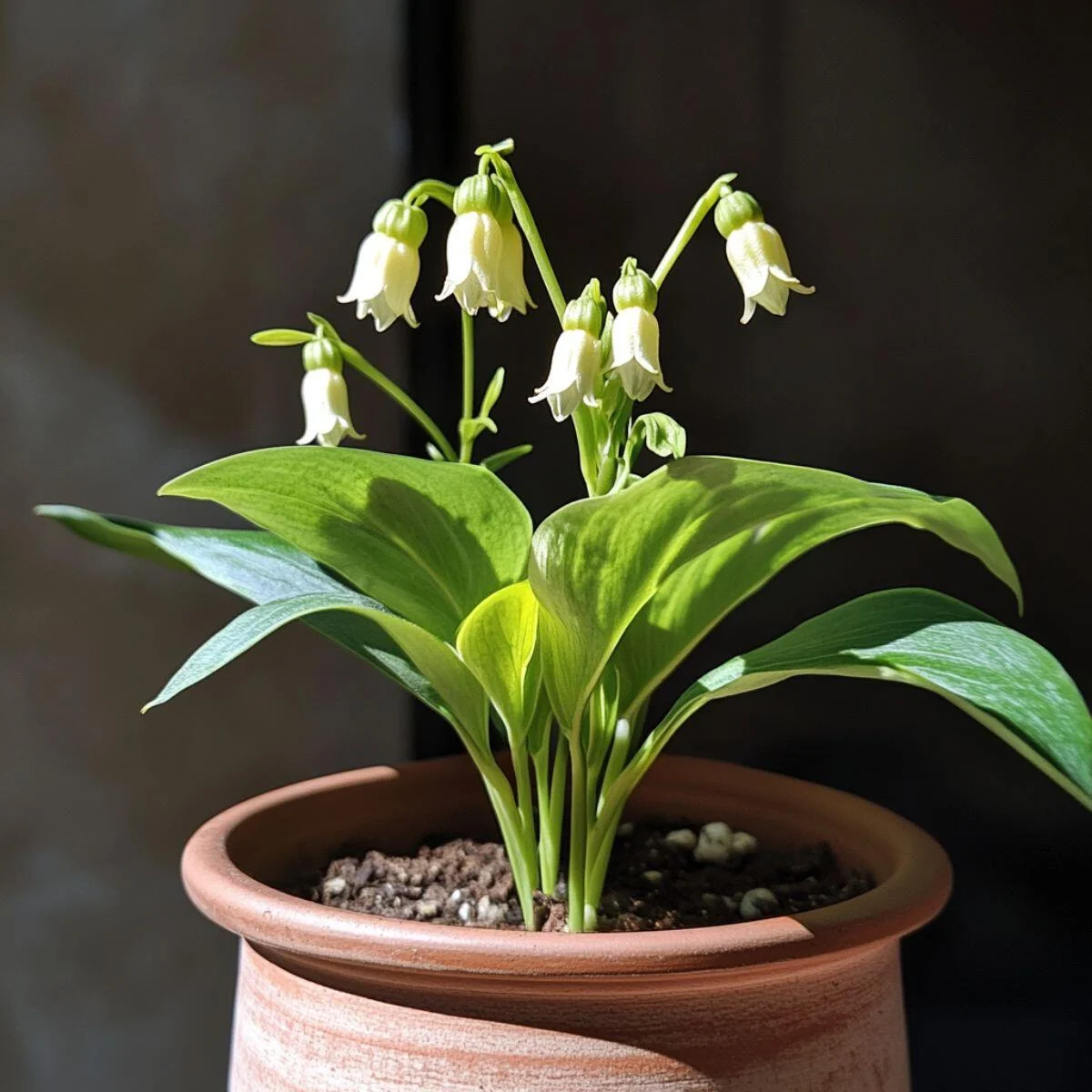
Solomon’s Seal brings graceful height and movement to part-shade containers. The arching stems and dangling bell-shaped flowers give it a refined, slightly woodland character that looks especially good in more natural or cottage-style planting.
Because it has a narrower, more vertical habit than many shade perennials, it can help add shape to a pot that would otherwise feel too mounded or heavy. Variegated forms are particularly useful in shade because the leaf edges help brighten darker corners.
This is a good choice for larger pots, where its elegant stems can rise above lower companion plants without feeling crowded.
4. Pulmonaria (Lungwort)
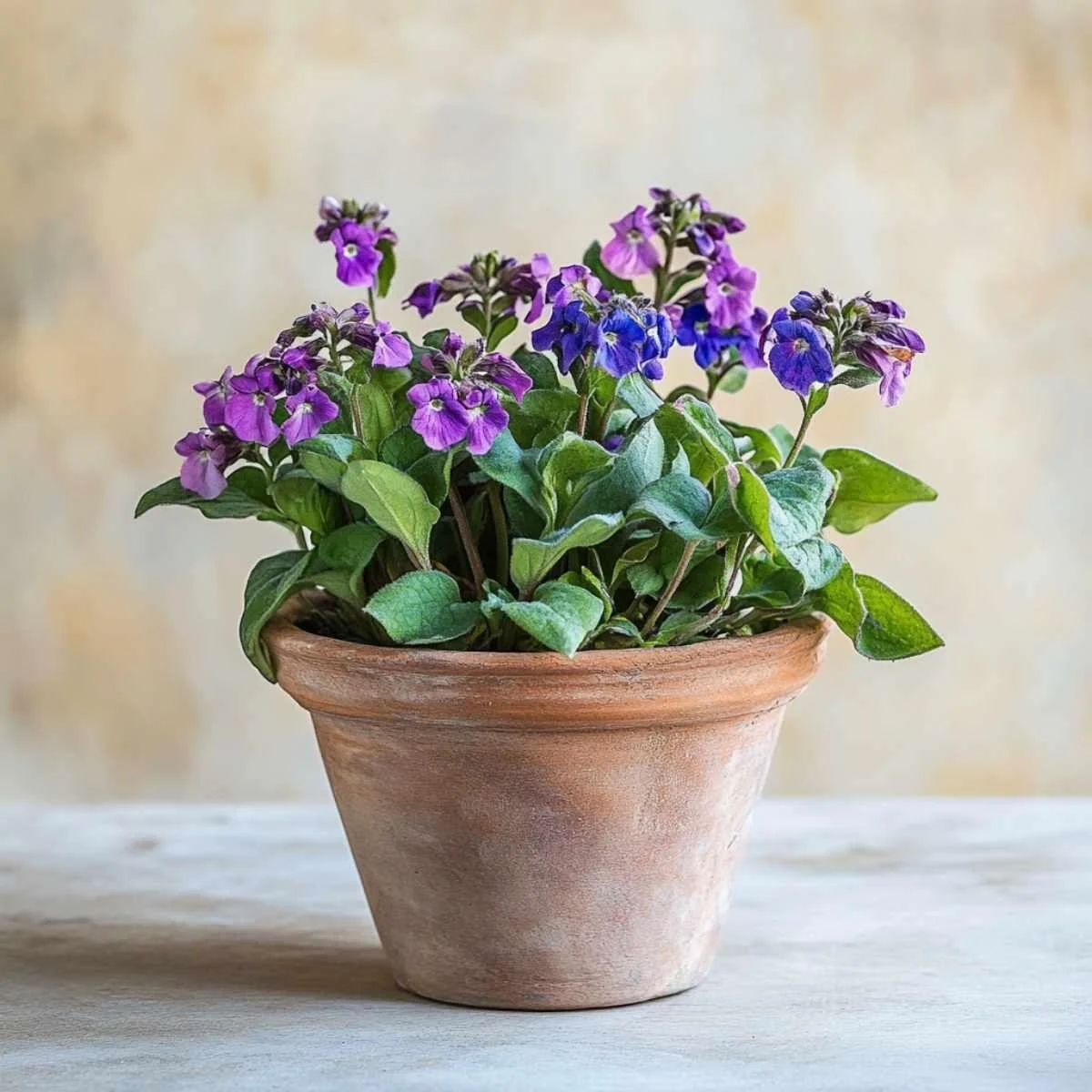
Lungwort is especially valuable because it offers both flowers and patterned foliage. The speckled leaves help catch light in shadier areas, while the early-season blooms bring blue, violet, or pink tones when the season is just getting started.
In containers, it works well near seating areas or entries where those details can be noticed. It also fits nicely into smaller spaces because the plant remains compact and does not need a large footprint to make an impact.
If you want a pot that feels lively in spring and still attractive long after flowering, Lungwort is one of the most dependable options.
5. Lamium (Dead Nettle)
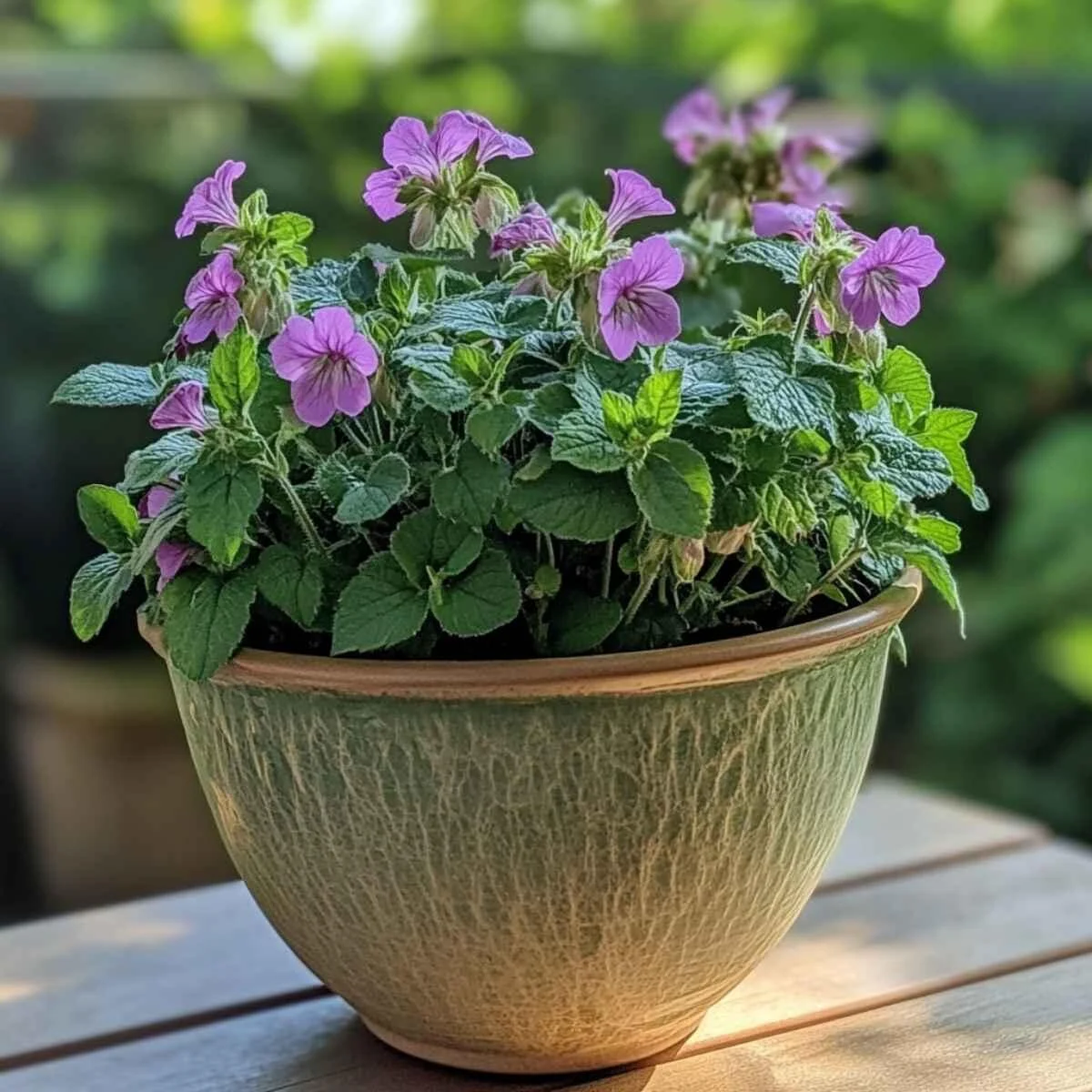
Lamium is useful in pots because it spills beautifully over the edges. The trailing habit softens containers quickly, which makes it a strong choice if you want a fuller look without waiting for a slow-growing plant to catch up.
The silver-marked foliage is often just as appealing as the flowers, and that foliage brightness helps shaded areas feel lighter. Lavender-pink or purple blooms add another layer of softness without demanding much maintenance.
It is particularly effective in mixed containers where you want one plant to cascade over the edge while more upright perennials anchor the center.
6. Hosta
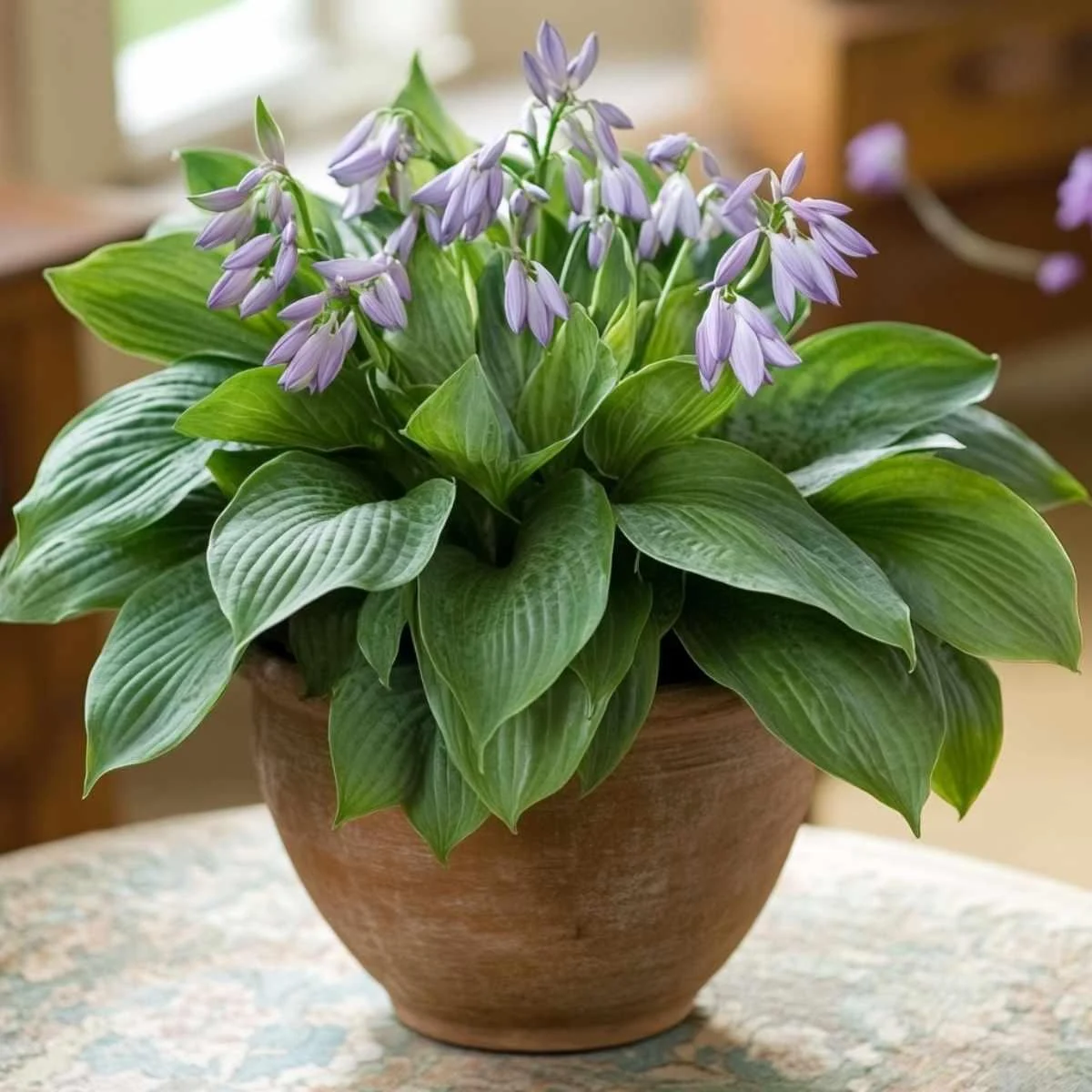
Hosta remains one of the easiest and most useful perennials for part-shade pots because its foliage does so much visual work. Broad, textured leaves in green, blue, cream, or variegated forms can make a single container look full and substantial with very little effort.
It is especially good for larger pots where you want a strong focal plant with season-long presence. Lavender flower spikes are a bonus, but the leaf shape is usually what makes hosta such a dependable container choice.
Choose smaller varieties for tighter porches or balcony corners, and larger ones if you want a dramatic pot that reads clearly from across the garden.
7. Heuchera (Coral Bells)
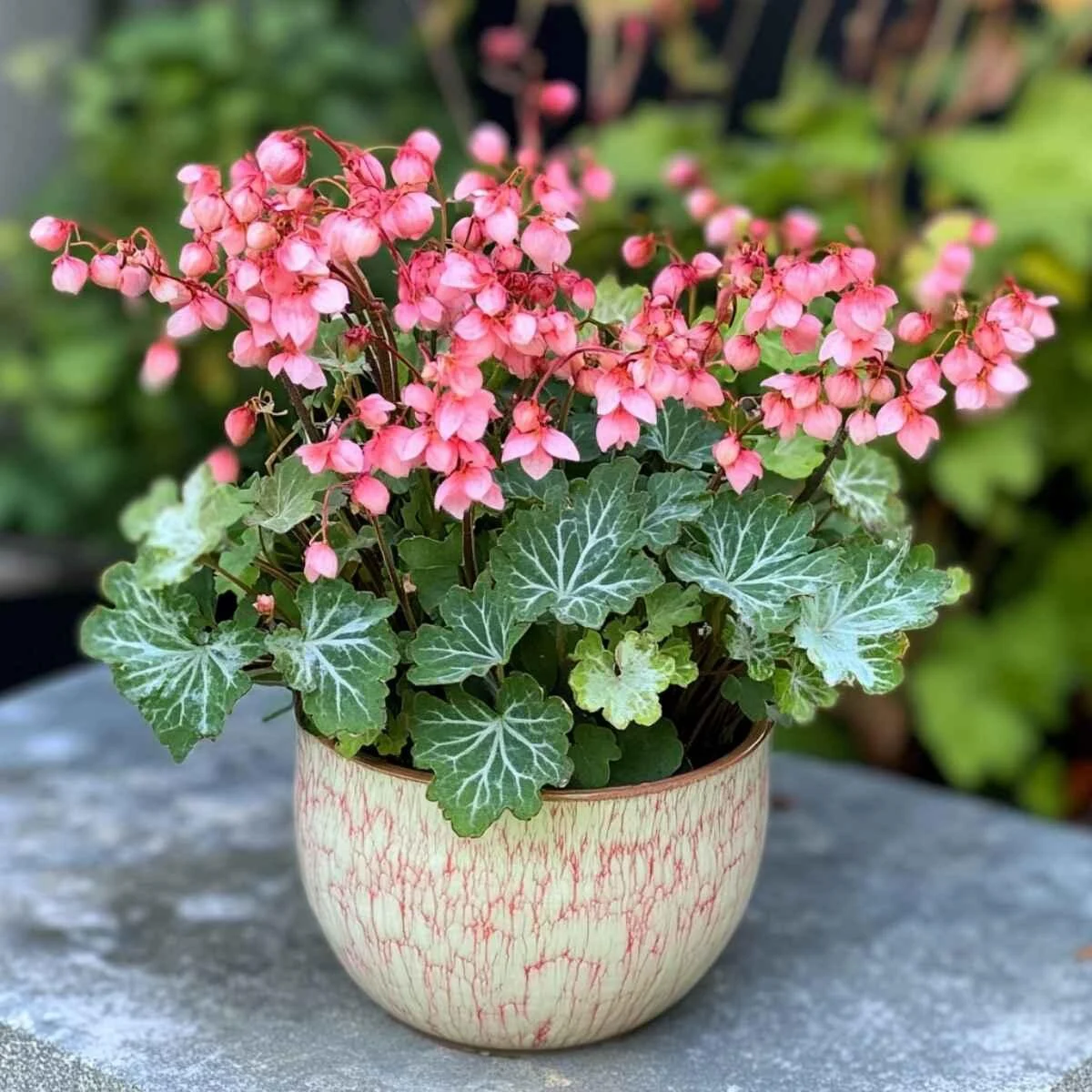
Heuchera is one of the best part-shade container plants for color through foliage. Plum, bronze, lime, amber, silver, and deep green leaves can all brighten a pot and keep it interesting even when the flowers are not the main event.
That makes it especially useful if you want your containers to look designed over a long season rather than peaking for just a few weeks. The mounded form also helps create tidy, compact arrangements that suit modern porches and smaller patios.
Mix different leaf tones if you want a more layered look, or use one strong variety as the anchor plant in a mixed shade pot.
8. Hellebore
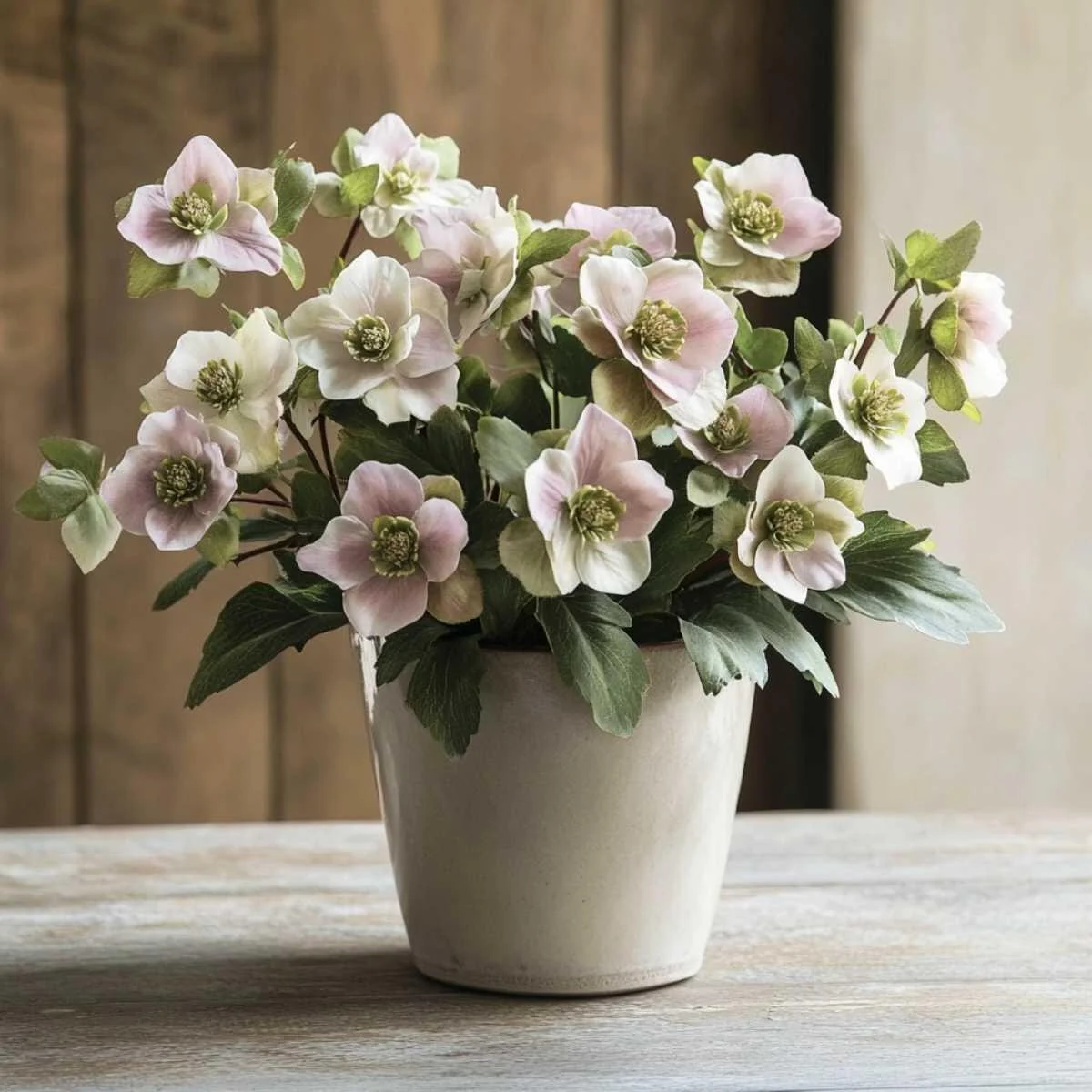
Hellebores bring elegance to containers at a time of year when many pots still look empty. Their nodding flowers appear in late winter or early spring, which makes them especially useful for entrances, shaded terraces, and outdoor seating areas that need seasonal life early in the year.
They also have handsome evergreen or semi-evergreen foliage, so the pot rarely looks bare even when flowering has finished. The blooms tend to feel refined rather than flashy, which suits understated or more classic garden styles particularly well.
Use them in a feature pot where their flowers can be enjoyed up close, especially near a doorway or path.
9. Ferns, Including Japanese Painted Fern
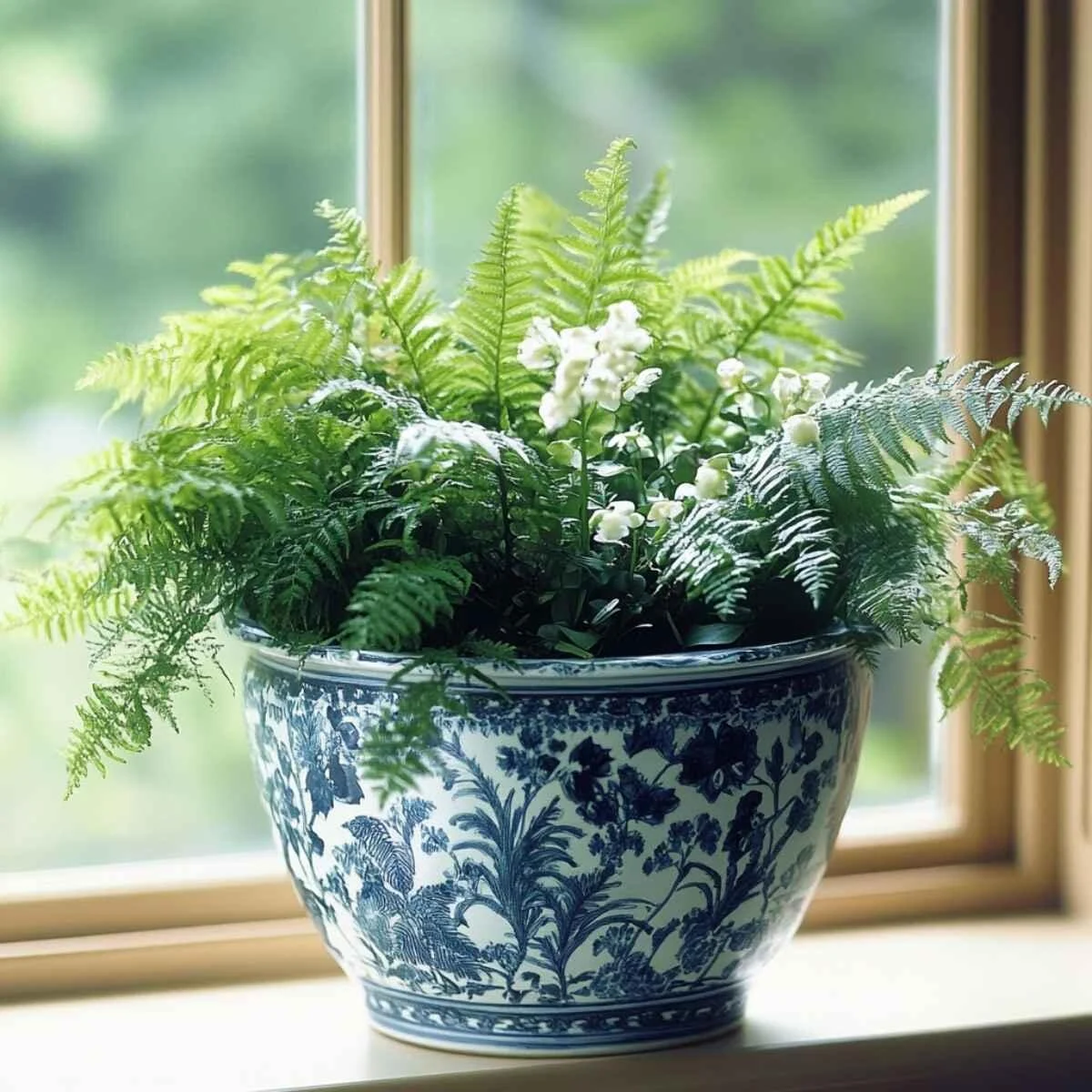
Ferns are some of the most naturally graceful plants for part-shade containers. They bring movement, layering, and a calm green presence that works with almost every style, from woodland and cottage to more tailored porch arrangements.
Japanese Painted Fern is especially useful because the silvery-purple tones in the fronds add more than just texture. In a shaded pot, that subtle coloring can make the whole planting feel brighter and more interesting.
Ferns are ideal when you want a container to feel lush without relying heavily on flowers. They also pair beautifully with hostas, heucheras, and tiarella.
10. Columbine (Aquilegia)
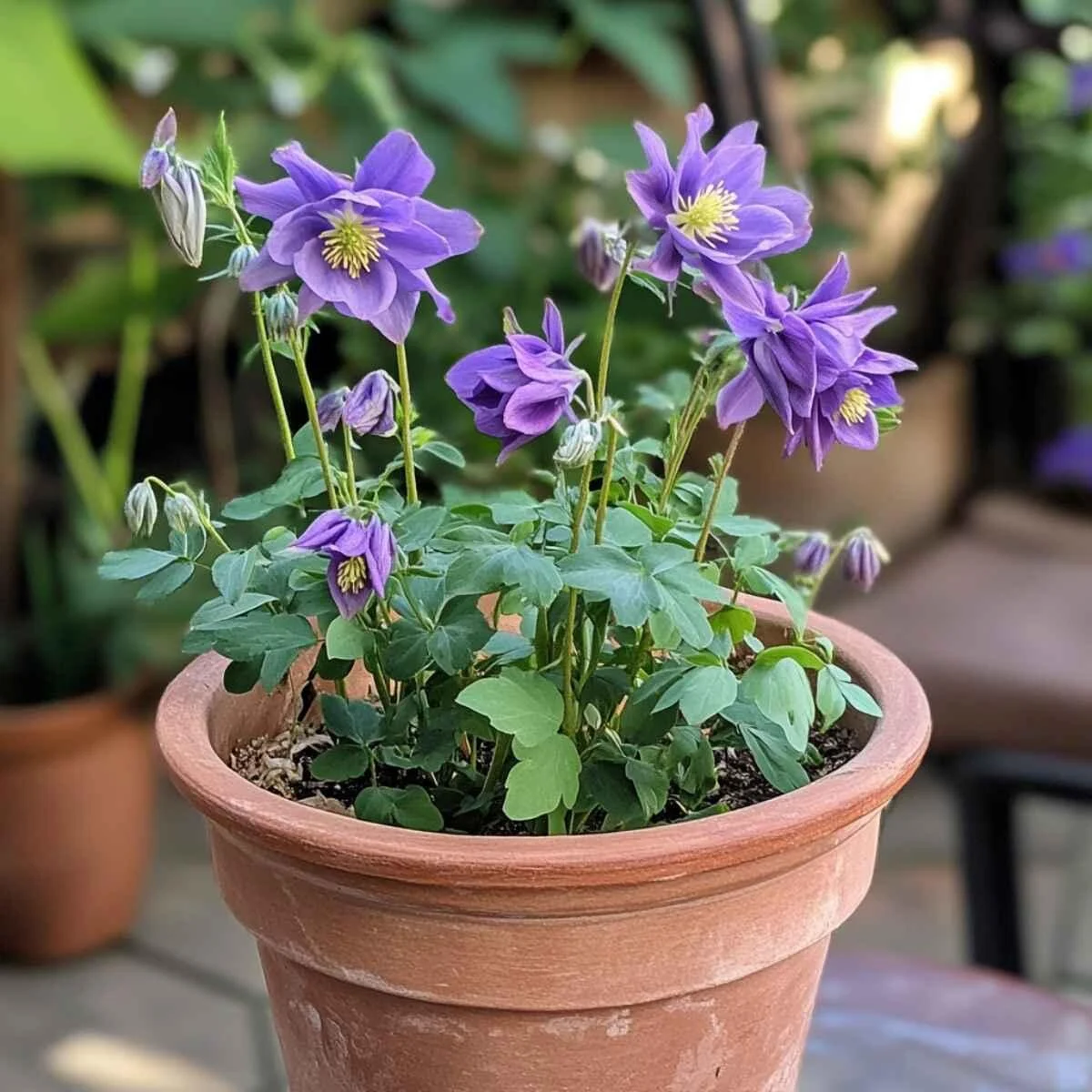
Columbine brings a lighter, more whimsical quality to part-shade pots. The nodding flowers and ferny foliage make it feel airy and relaxed, which is especially welcome in containers that might otherwise look too dense or heavy.
It works well in spring and early summer arrangements, particularly on porches or balconies where the flowers can be seen at eye level. It also attracts pollinators, which adds another layer of life to a small container garden.
Use columbine when you want a pot to feel a little softer and more cottage-like rather than purely foliage-based.
11. Brunnera
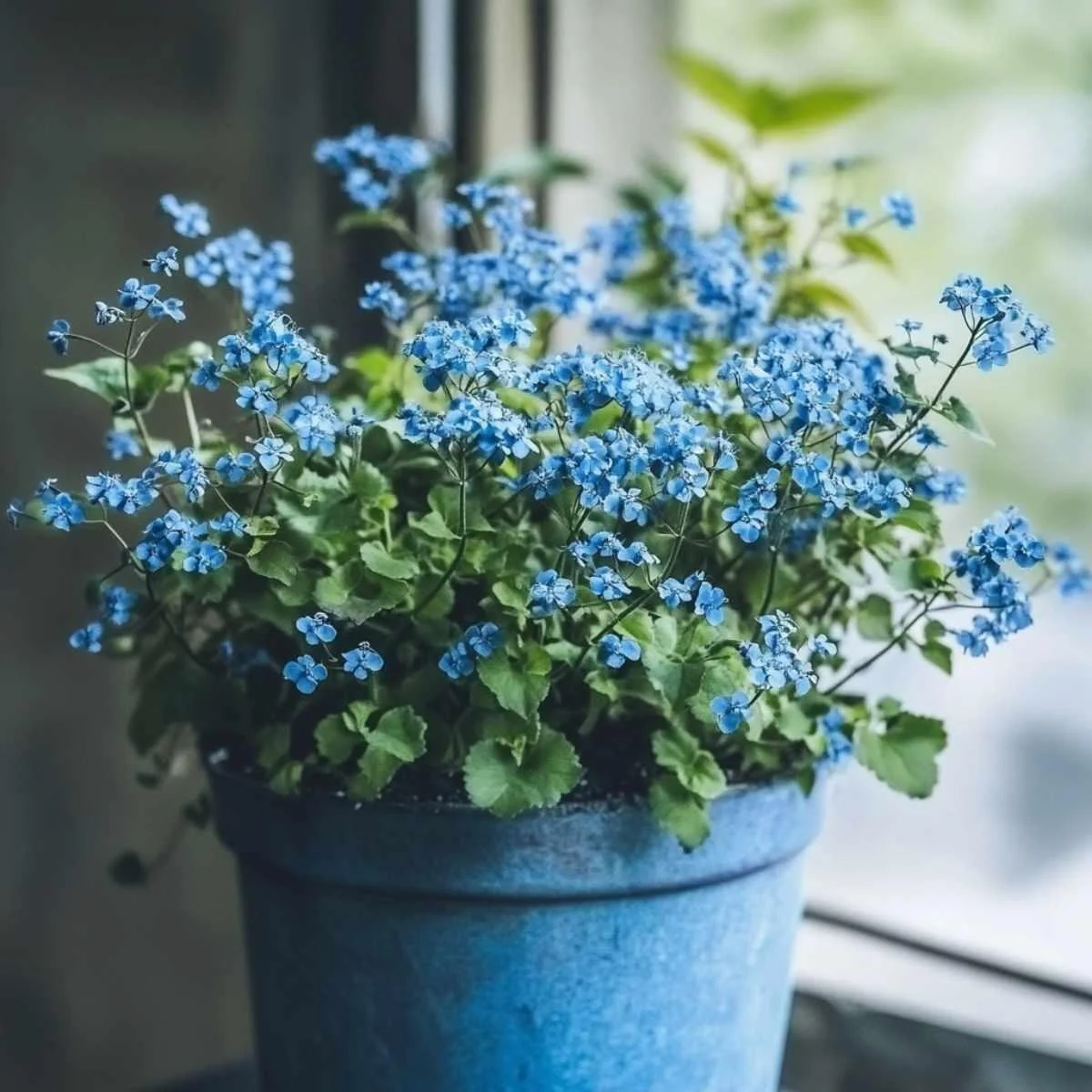
Brunnera is one of the best shade plants for brightening a container without overwhelming it. The tiny blue flowers have a forget-me-not quality, and many varieties also offer beautifully patterned silver foliage that stays attractive far beyond bloom time.
That combination of flowers and luminous leaves makes it especially useful in shadier corners that need a little lift. It can make a pot look softer and more refined without requiring a complicated arrangement around it.
Brunnera works particularly well in containers where its leaves can spread and soften the base of the planting.
12. Bleeding Heart (Dicentra)
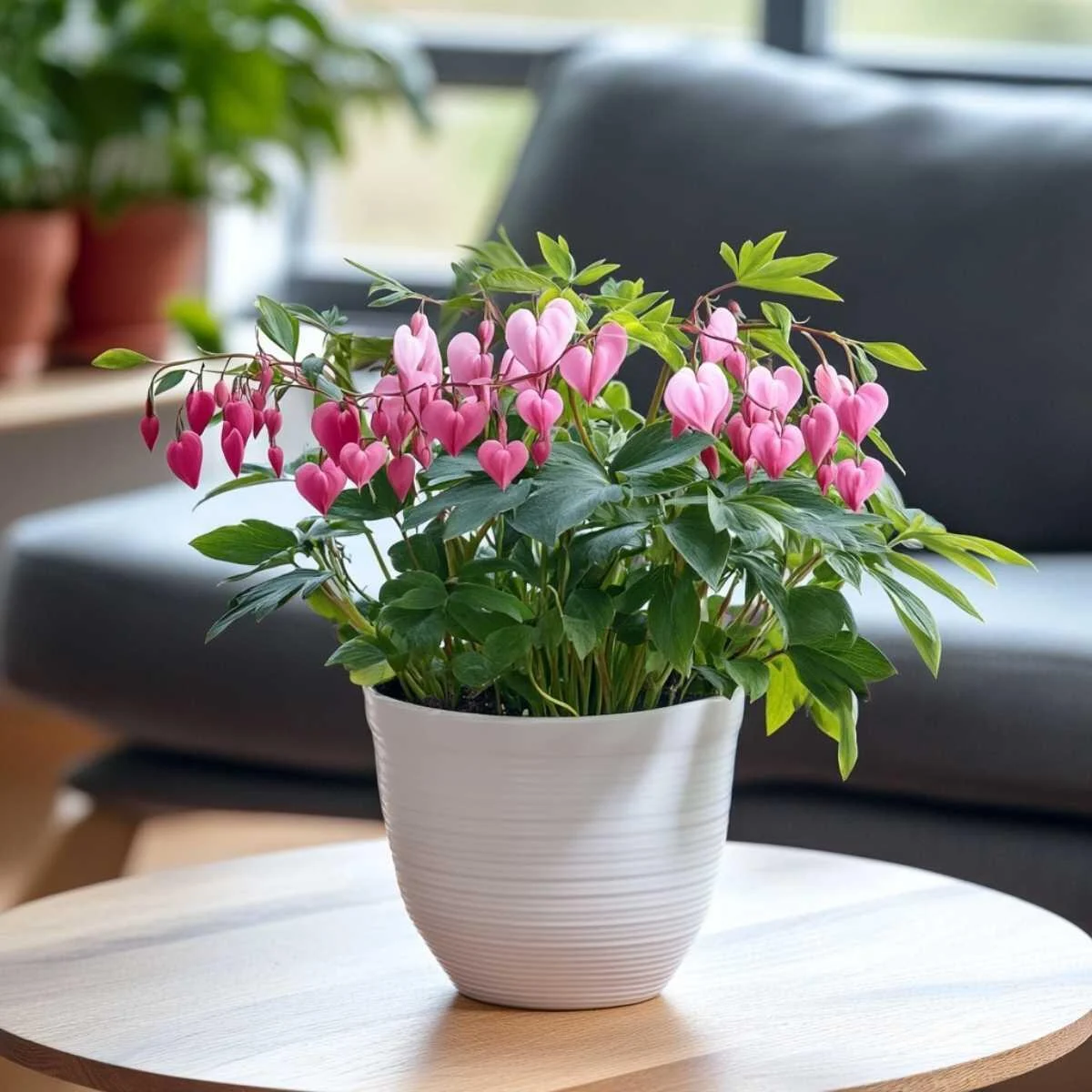
Bleeding Heart is one of the most romantic perennials for a shaded pot. The heart-shaped flowers and arching stems give it a storybook quality that feels especially beautiful on a porch, beside a bench, or in a quiet garden corner.
It works best where the container is close enough to enjoy the detail of the blooms. The soft, fern-like foliage also adds a valuable textural contrast to broader leaves such as hostas or heucheras.
This is the sort of plant that does not need much else around it. In the right pot, it can easily become the whole focal point.
13. Astilbe
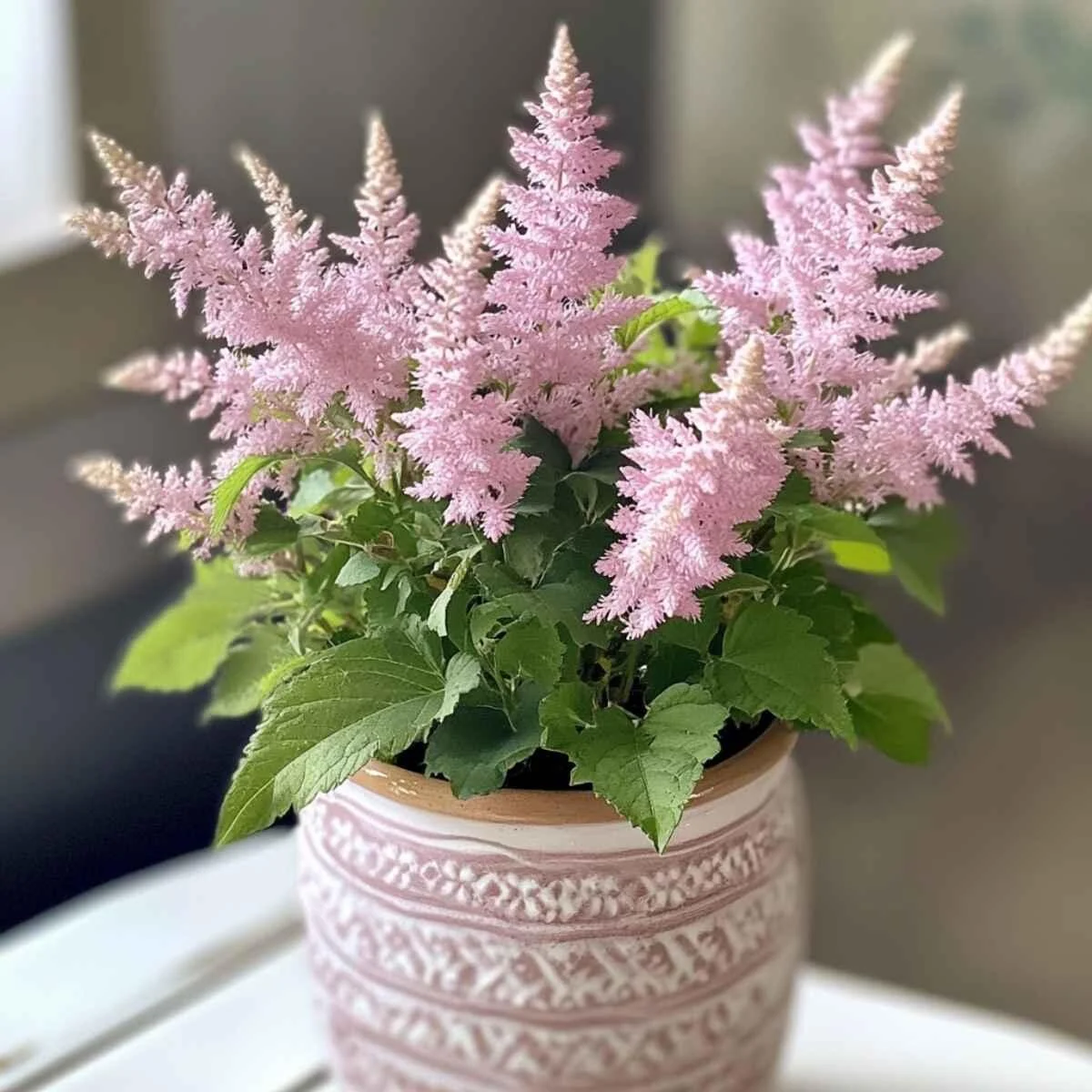
Astilbe adds feathery flower plumes and a more upright shape to part-shade containers, which makes it especially useful if your pots need a little height and softness at the same time. The blooms can be pale pink, rosy, white, or deeper shades depending on variety.
It is a strong choice for porches and patios where the flowers can add some movement and color without looking too stiff. The foliage also stays attractive enough to support the pot after flowering.
Astilbe tends to be happiest in consistently moist soil, so it is especially good in larger containers that do not dry out too quickly.
14. Anemone
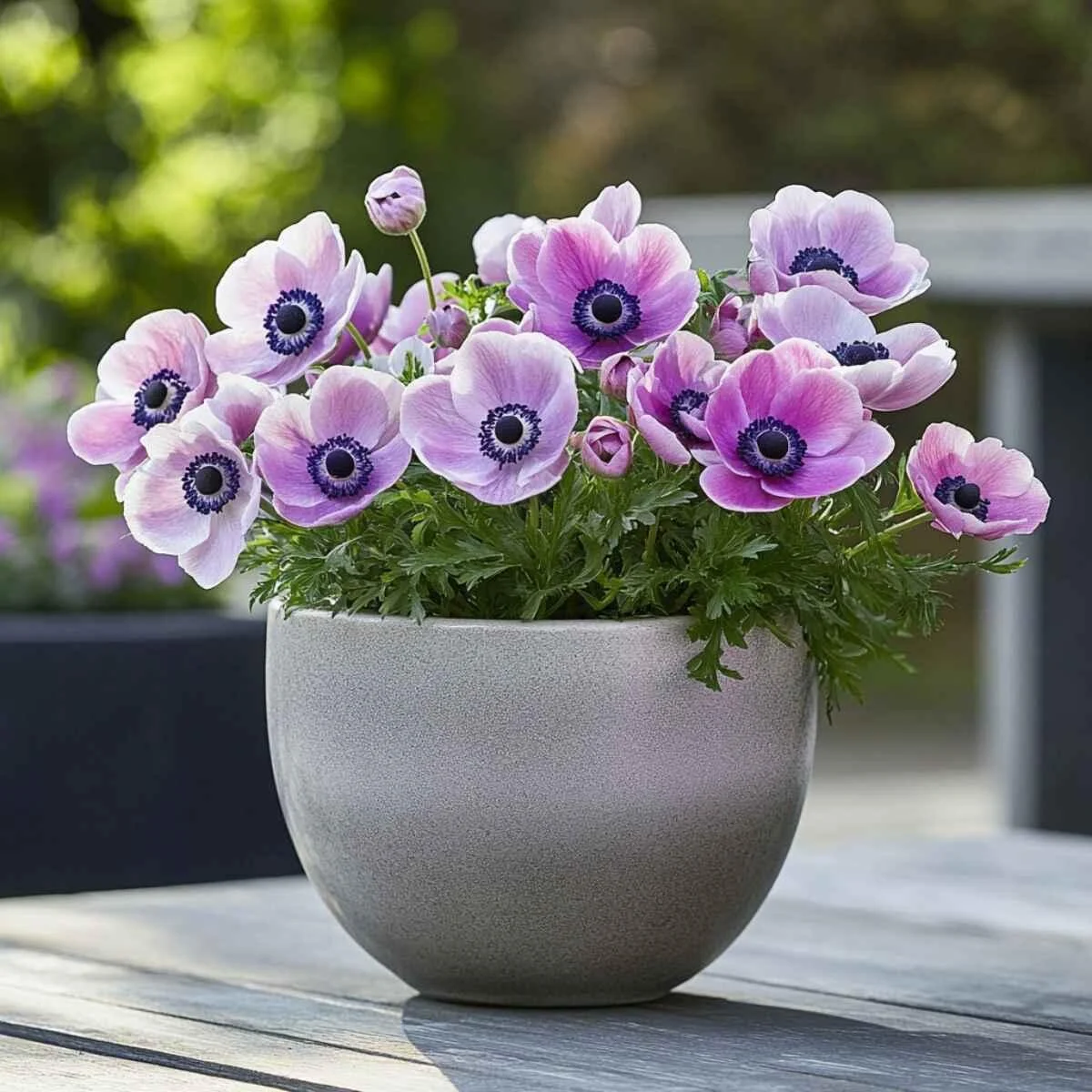
Anemones bring a light, airy kind of bloom that works beautifully in part shade. Their flowers seem to hover above the foliage, which gives a container a more lifted, graceful look compared with plants that stay very low and mounded.
They are especially useful if you want a pot to feel bright and delicate rather than dense or heavily textured. Soft pink forms can make a shaded porch feel gentler, while white or stronger tones can add more contrast.
This is a good choice if you want something flowering and feminine that still feels uncomplicated.
15. Ajuga (Bugleweed)
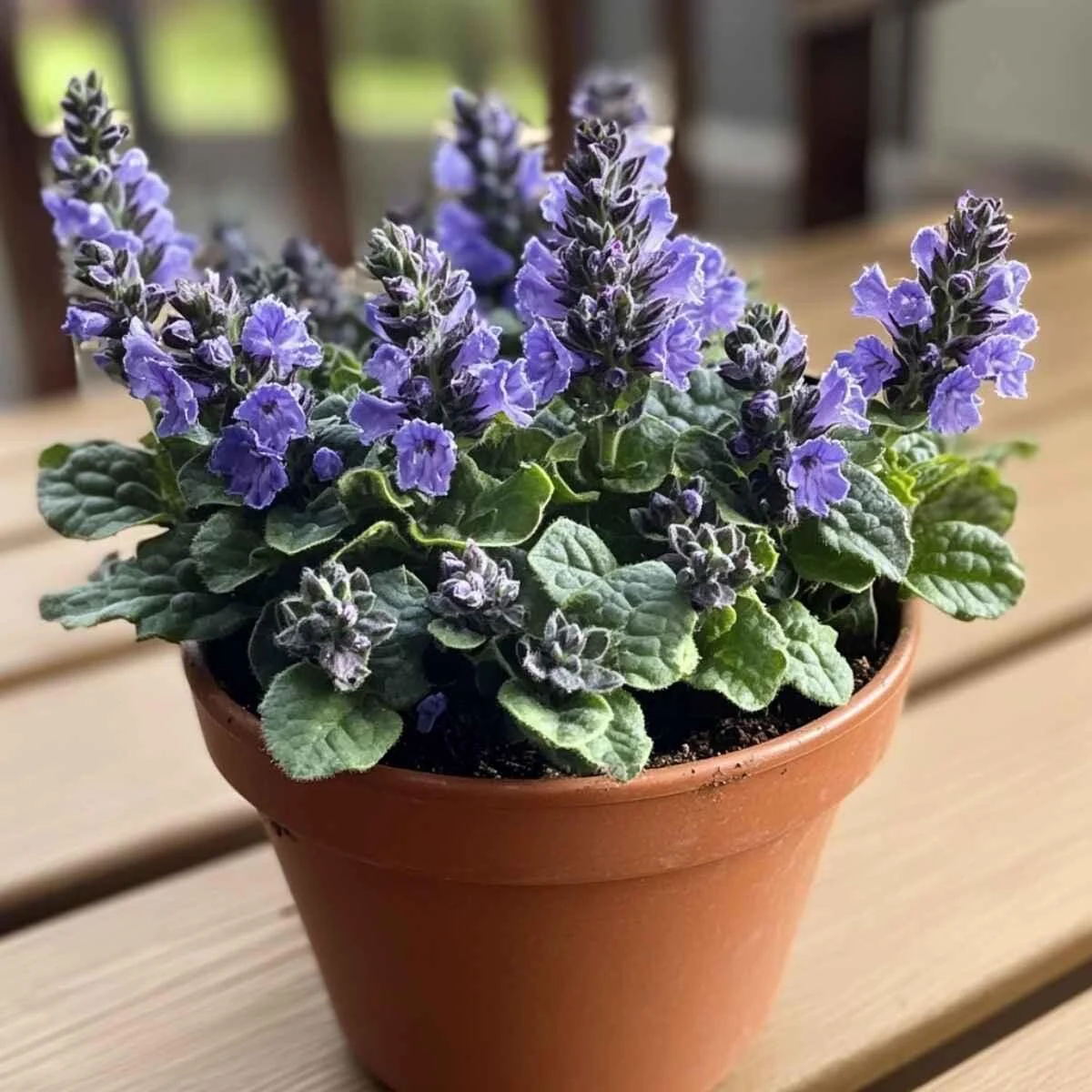
Ajuga is a compact, low-growing perennial that works especially well at the edge of containers. The foliage stays dense and attractive, while the spikes of blue-purple flowers add a strong burst of color without requiring much room.
In mixed pots, it can act almost like a flowering groundcover, filling the base and making the arrangement look more complete. In a single planting, it creates a tidy, colorful pot that is easy to maintain.
It is one of the more practical choices for smaller containers, where every plant needs to contribute quickly and clearly.
Tips for Creating Beautiful Part-Shade Containers
A container garden in part shade often looks best when the plants are chosen for contrast in leaf shape as much as flower color.
- Mix broad leaves with finer foliage: hostas and ferns are a classic combination
- Use one taller plant, one mounding plant, and one trailing plant: this keeps the arrangement balanced
- Choose pot colors carefully: blue, cream, terracotta, and weathered stone tones all suit shade planting well
- Do not overcrowd: perennials need room to fill out over time
- Check moisture regularly: shade pots dry more slowly, but containers still need consistent watering
Frequently Asked Questions
What does part shade mean for potted plants?
Part shade usually means a location that gets a few hours of gentle sun, often in the morning, or filtered light through the day. It is brighter than full shade but protected from intense afternoon heat.
Which perennials do best in pots with limited sunlight?
Hostas, heucheras, hellebores, ferns, tiarella, astilbe, and lungwort are all dependable options. The best choice depends on whether you want more flowers, more foliage, or a mix of both.
Do shade perennials in containers come back every year?
Yes, many do, provided the plant is hardy in your climate and the pot is large enough to protect the roots reasonably well. In colder areas, containers may need some winter protection.
Can I mix several shade perennials in one pot?
Yes, but it works best when the plants have similar water and light needs. Combining one upright plant, one mounding plant, and one trailing or spreading plant often creates the most balanced arrangement.
Final Thoughts
Part-shade containers can be some of the most beautiful and relaxing plantings in the garden. They rely less on constant bloom and more on texture, shape, and the quieter beauty of flowers that suit lower light. With the right perennials, even a shady balcony or porch can feel lush, colorful, and welcoming all season long.
Written by the Zeeshe Home Editorial Team, a blog focused on practical home, garden, and outdoor inspiration.


