Have you ever wondered how to attract more monarch butterflies to your garden while giving them the support they truly need to survive?
If you want to help monarch butterflies thrive in your garden, planting milkweed is one of the most meaningful things you can do. Adult monarchs visit many flowers for nectar, but their caterpillars depend on milkweed as a host plant. Without milkweed, monarch caterpillars simply do not have the food source they need to grow.

That is what makes these plants so valuable in butterfly gardens. They are not only decorative flowers; they are part of a living habitat. When you grow the right milkweed for your region, you create a place where monarchs can lay eggs, caterpillars can feed, and adult butterflies can return for nectar.
Milkweed also supports more than monarchs. Many species attract bees, native butterflies, beneficial insects, and other pollinators. Some varieties are tall and bold, while others stay compact and fit nicely into smaller garden beds or sunny borders.
The best choice often depends on your climate, soil, moisture level, and available space. Some milkweeds prefer dry sandy soil, while others grow beautifully in damp garden areas. Choosing the right variety makes the plants easier to maintain and more useful for local wildlife.
If you are building a larger pollinator-friendly garden, you may also enjoy these native butterfly habitat ideas for creating a more supportive outdoor space.
My Experience with Growing Milkweed for Monarchs
The first time I grew milkweed, I honestly thought of it mostly as a butterfly flower. I expected pretty blooms and maybe a few visiting butterflies. What surprised me was how quickly the garden felt more alive once the plants settled in.
Monarchs began visiting during the warm months, but so did bees and smaller pollinators I had barely noticed before. After spotting caterpillars on the leaves, I started seeing the plant differently. It was no longer just a flower in the border; it had become part of a whole life cycle happening quietly in the garden.
One important lesson I learned is that milkweed can look a little rough once caterpillars start feeding. That is not failure. In fact, chewed leaves are often a sign that the plant is doing exactly what it was planted to do.
How to Grow Milkweed Successfully
- Choose a milkweed species suited to your region and soil type
- Plant in a sunny location with good airflow
- Avoid using pesticides near milkweed or butterfly host plants
- Expect some leaf damage from monarch caterpillars
- Group several plants together to make them easier for butterflies to find
- Leave seed pods only where you want natural spreading
1. Common Milkweed (Asclepias Syriaca)
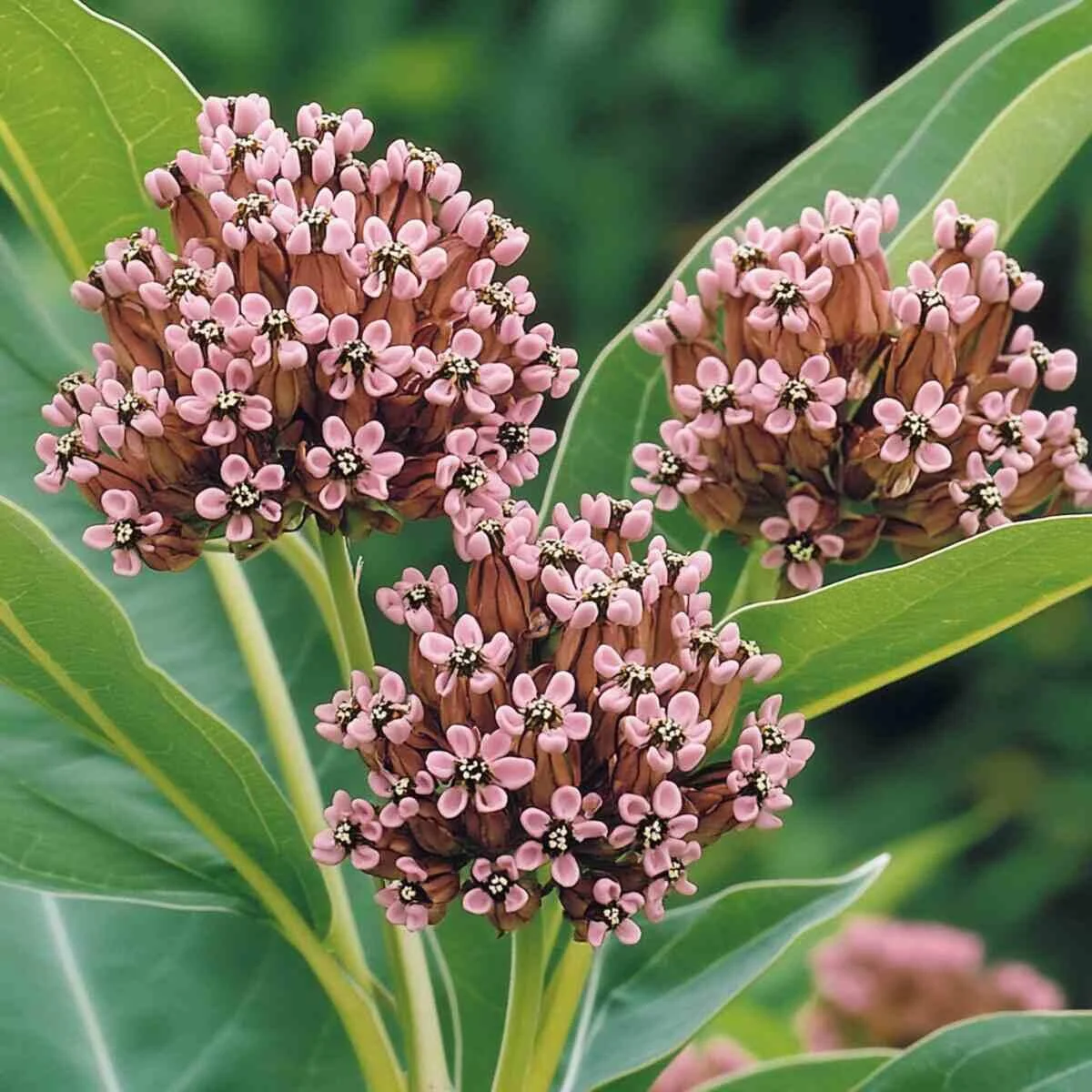
Common milkweed is one of the best-known milkweed species and a valuable plant for monarch butterfly gardens. Its rounded clusters of pinkish-purple flowers are fragrant, attractive, and highly useful for pollinators.
This plant works especially well in larger garden spaces, meadow-style plantings, and naturalized borders. It can spread by underground roots, so it is best placed where it has room to grow without crowding more delicate plants.
Monarch caterpillars feed readily on common milkweed leaves, making it an important host plant in many regions. Adult butterflies also visit the flowers for nectar.
2. Swamp Milkweed (Asclepias Incarnata)
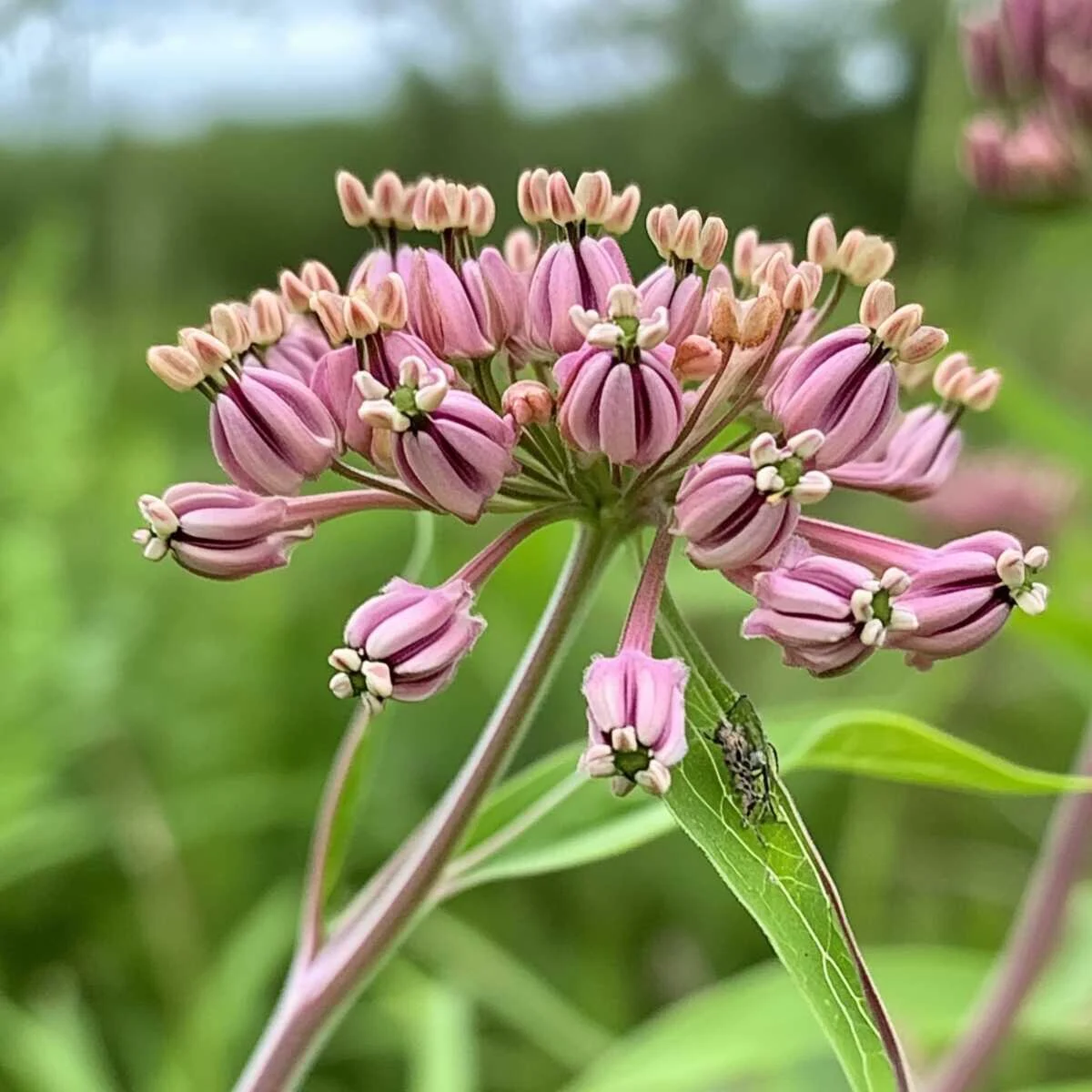
Swamp milkweed is a wonderful choice for gardeners with damp soil, rain gardens, or low areas that hold moisture. Unlike many drought-loving plants, this milkweed actually appreciates consistent moisture.
Its clusters of pink or mauve flowers are lightly fragrant and very attractive to monarchs, bees, and other butterflies. The plant has a more refined appearance than common milkweed, which makes it easier to fit into ornamental beds.
If your garden has a spot that stays slightly moist after rain, swamp milkweed can turn that difficult area into a productive pollinator habitat.
3. Butterfly Weed (Asclepias Tuberosus)
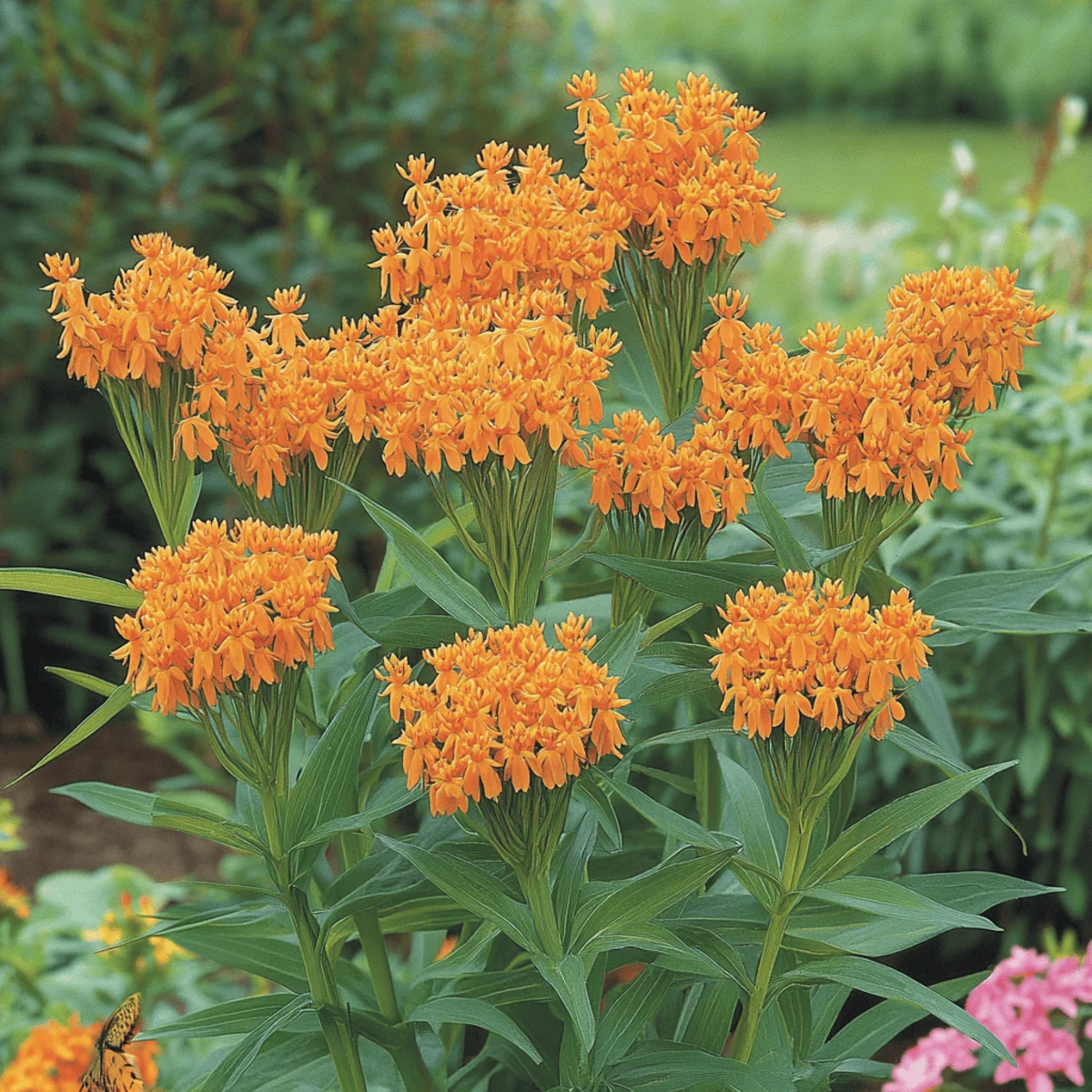
Butterfly weed is one of the most colorful milkweed varieties, known for its bright orange flower clusters. It adds cheerful color to sunny borders and works beautifully in pollinator gardens, prairie plantings, and low-water landscapes.
Unlike some milkweed species, butterfly weed prefers well-drained soil and does not like sitting in wet ground. Once established, it can tolerate dry conditions quite well.
This plant provides nectar for adult butterflies and also serves as a host plant for monarch caterpillars. Its compact habit makes it a practical choice for smaller gardens.
See also: 12 Easy Native Butterfly Habitat Ideas
4. Showy Milkweed (Asclepias Speciosa)
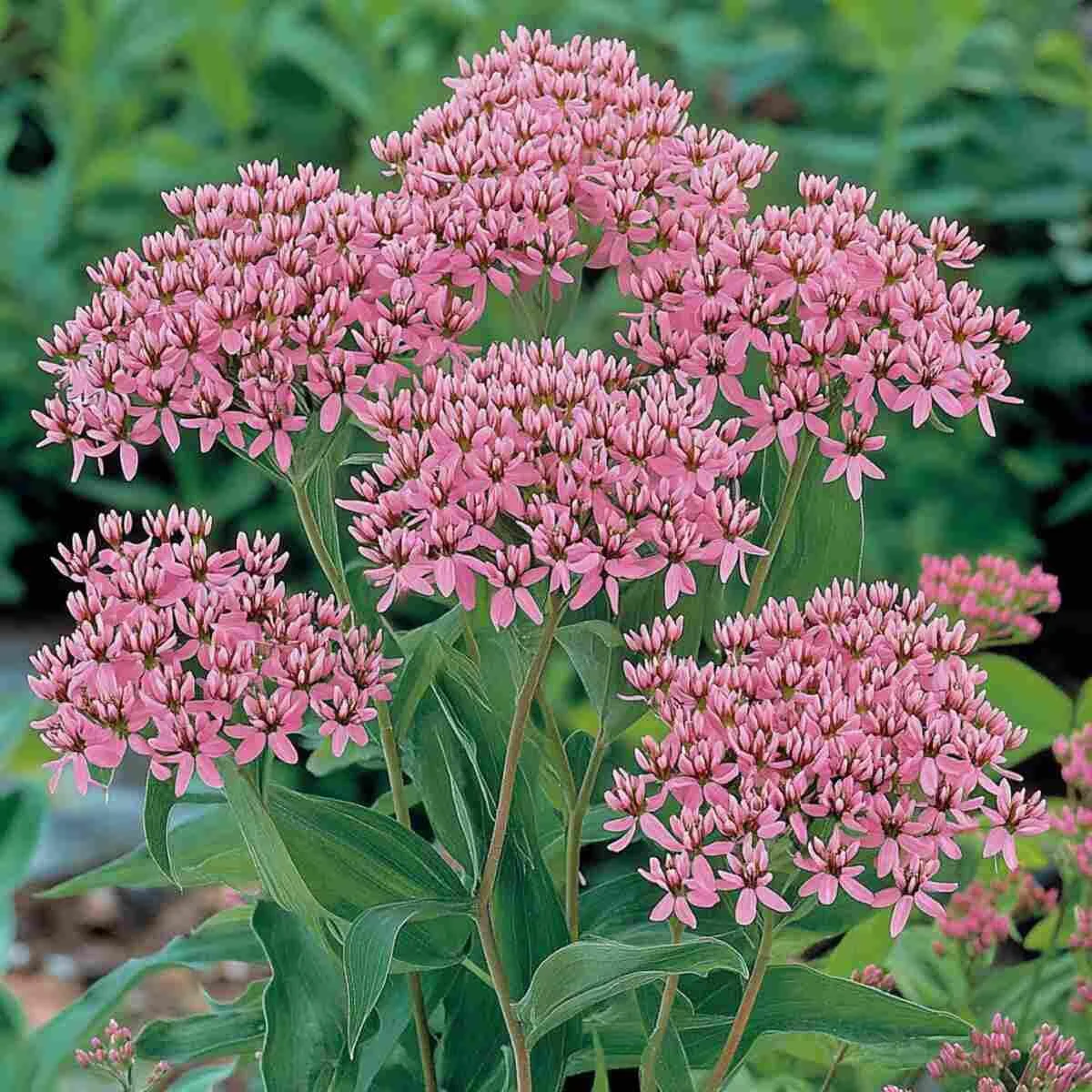
Showy milkweed produces large, soft pink flower clusters that bring a bold presence to sunny garden spaces. It is especially useful in western and prairie-style gardens where it can grow naturally alongside grasses and native perennials.
The broad leaves provide food for monarch caterpillars, while the nectar-rich flowers attract adult butterflies and many other pollinators.
Because showy milkweed can spread over time, it is best used in areas where a slightly wild, natural look is welcome.
5. Green Milkweed (Asclepias Viridis)
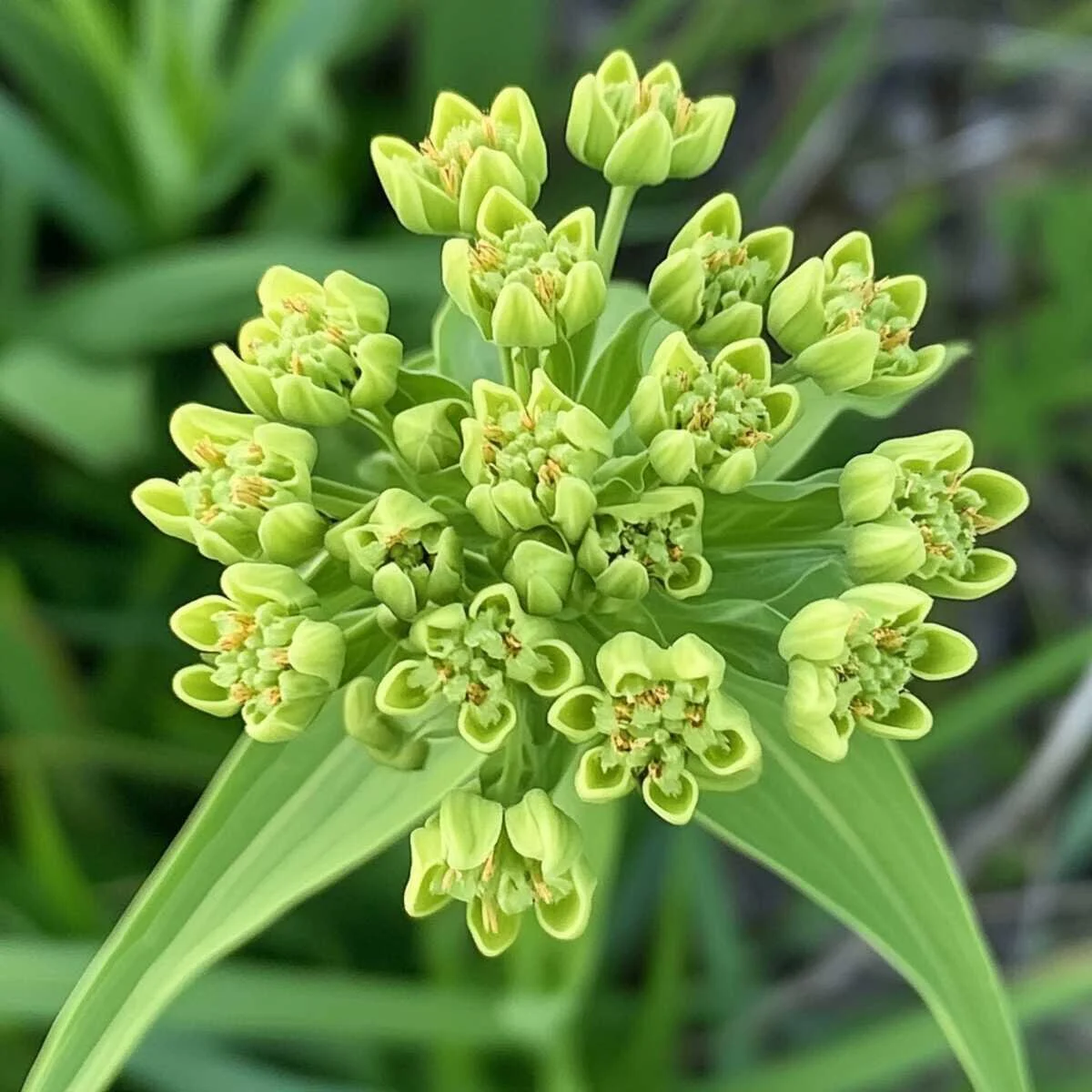
Green milkweed has a quieter appearance than some of the more colorful varieties, but it is still highly valuable in a monarch-friendly garden. Its pale greenish flowers blend naturally into prairie and meadow plantings.
This species is especially helpful in regions where it grows natively, supporting local monarch populations and other pollinators adapted to the area.
Its sturdy growth habit makes it a good choice for natural garden borders where wildlife value matters as much as ornamental color.
6. Whorled Milkweed (Asclepias Verticillata)
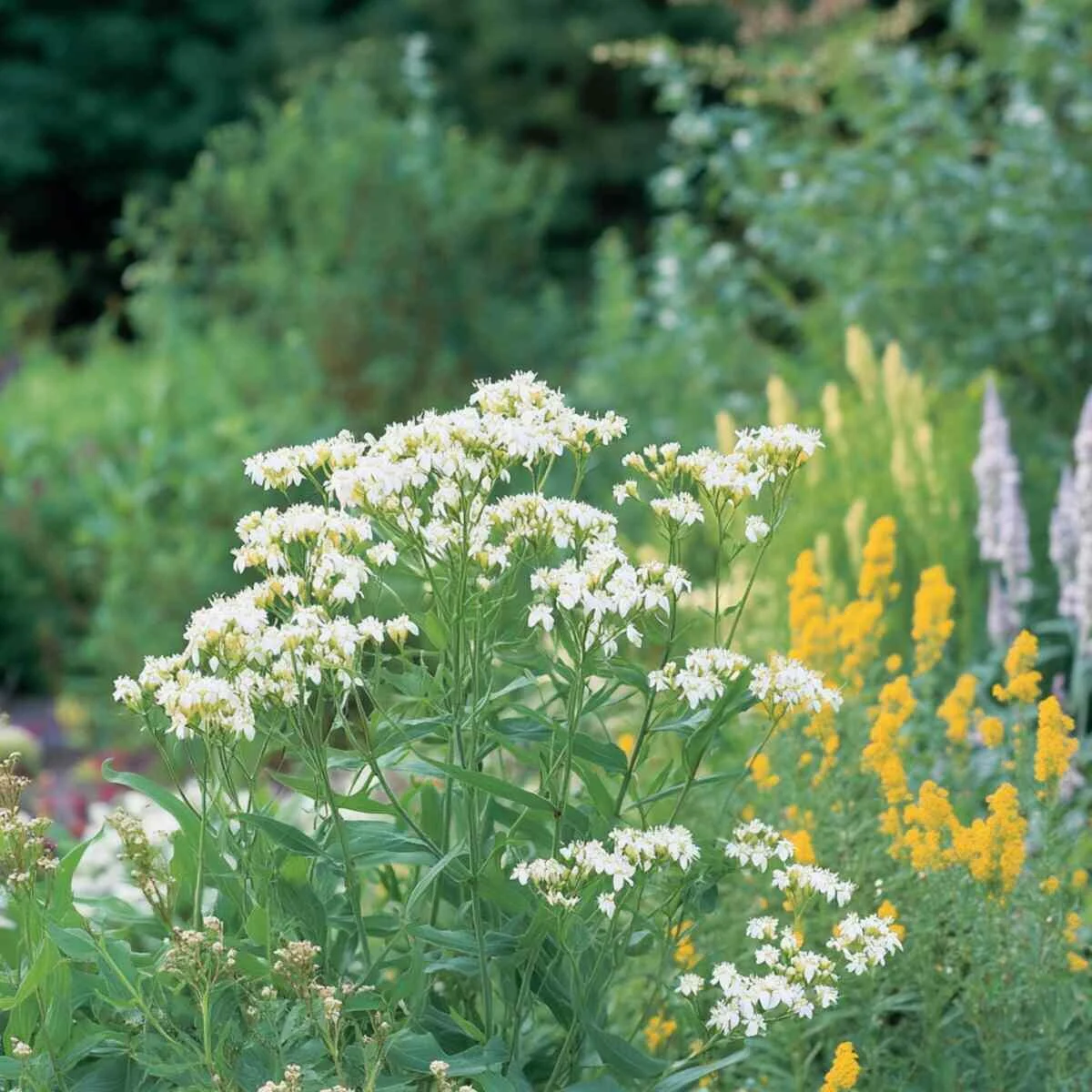
Whorled milkweed has fine, narrow foliage and small white flowers that give it a delicate appearance in the garden. It is a good choice for naturalized spaces, prairie edges, and sunny borders where lighter texture is needed.
Although it looks more understated than common or showy milkweed, monarch caterpillars can still use it as a host plant.
This variety is especially useful when mixed with grasses and other native perennials because it adds habitat value without visually overpowering the planting design.
7. Mexican Milkweed (Asclepias Curassavica)
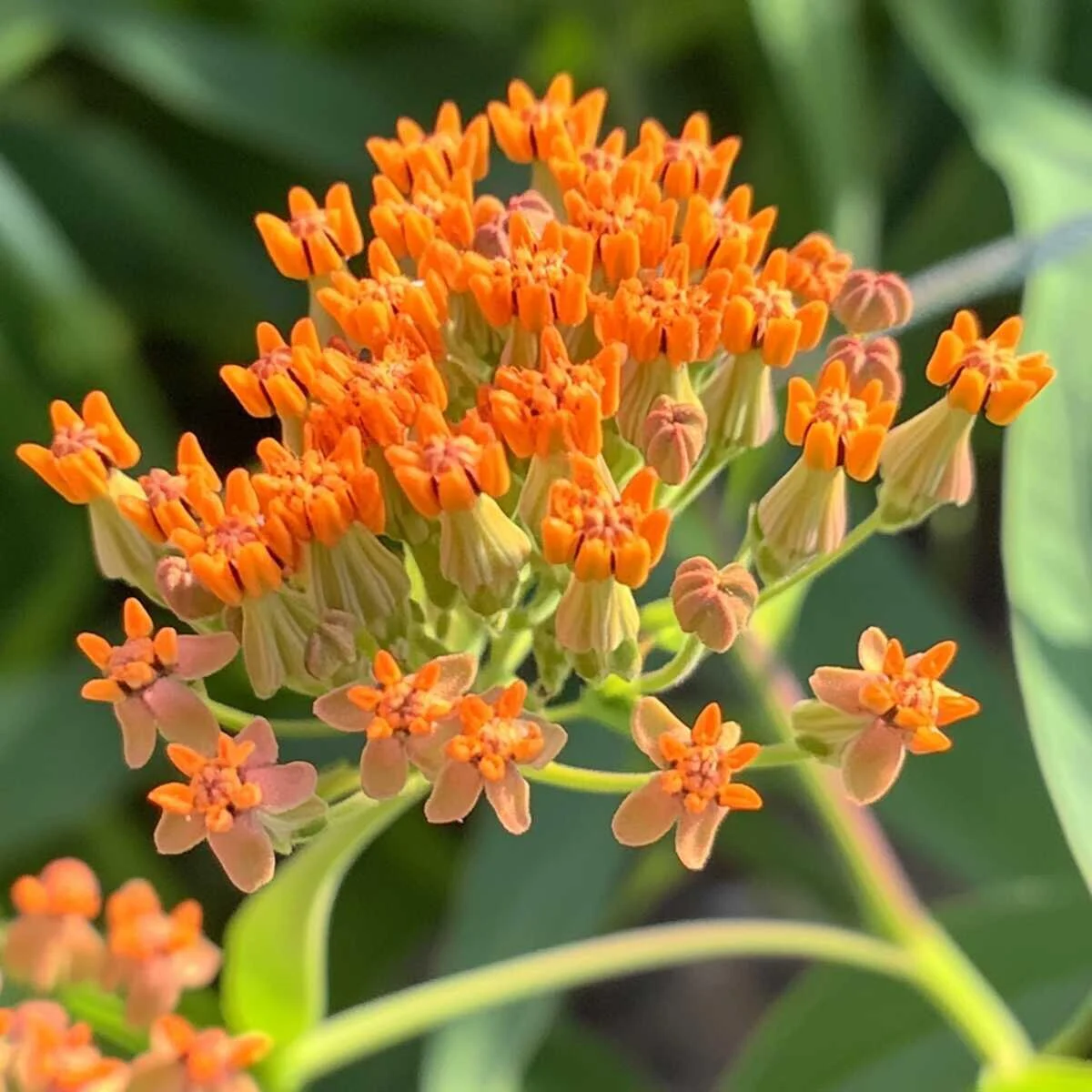
Mexican milkweed is known for its bright red, orange, and yellow blooms. It attracts many butterflies and adds strong color to garden beds and containers.
However, gardeners should use this plant thoughtfully. In some warm regions, tropical milkweed can remain evergreen and may interfere with monarch migration patterns or contribute to disease buildup if not managed properly.
If you grow Mexican milkweed, consider cutting it back at the appropriate seasonal time in your area and check local guidance to make sure it is suitable for your region.
Watch also: 11 Best Plants That Attract Butterflies to Your Garden
8. Purple Milkweed (Asclepias Purpurascens)
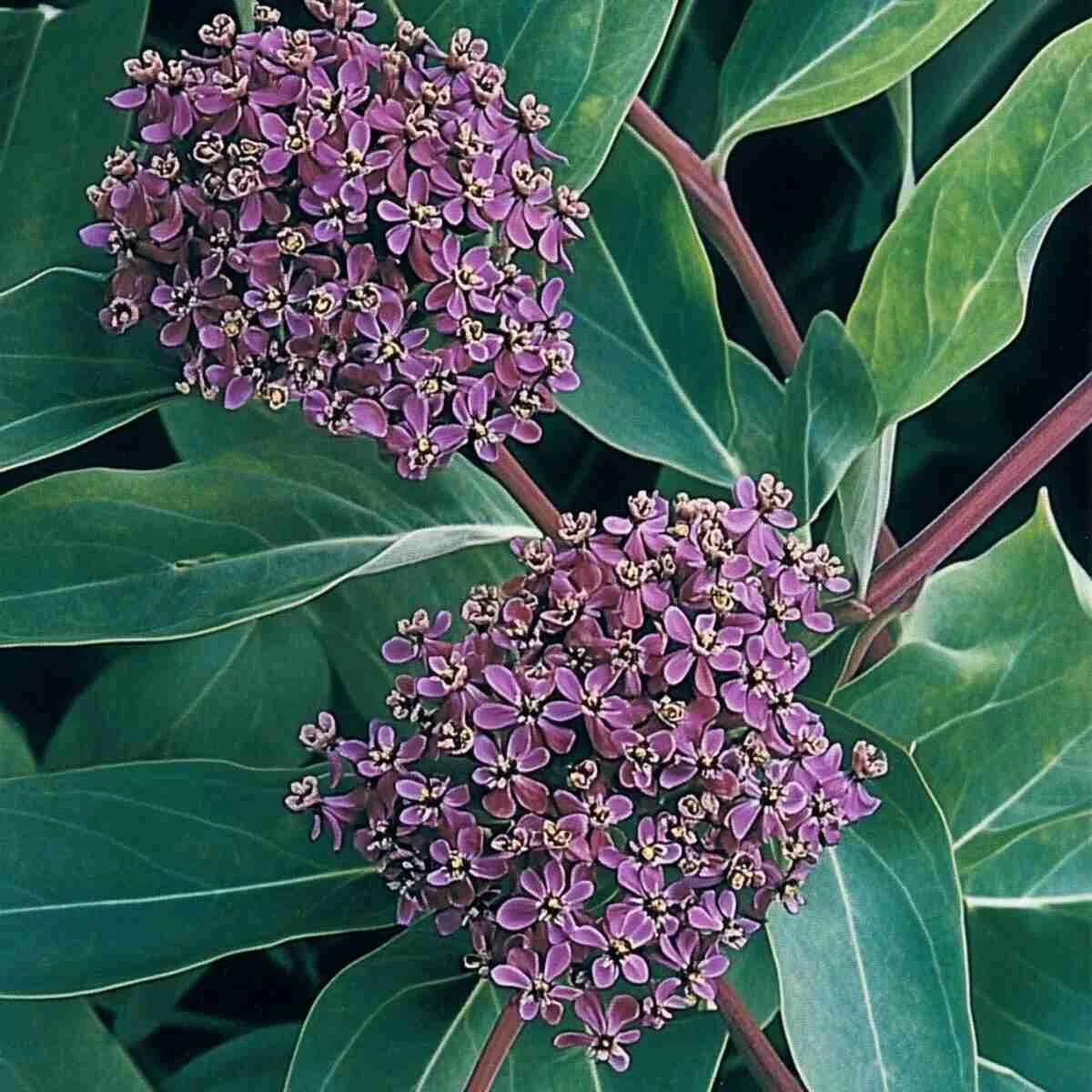
Purple milkweed is a beautiful native species with rich pink-purple blooms that stand out in pollinator gardens. It has a more refined look than common milkweed, making it appealing for gardeners who want habitat value with ornamental beauty.
This species supports monarch caterpillars and provides nectar for adult butterflies and other pollinators.
Because purple milkweed can be less common in nurseries, it is worth seeking out from native plant growers when possible.
9. Sand Milkweed (Asclepias Hirtella)
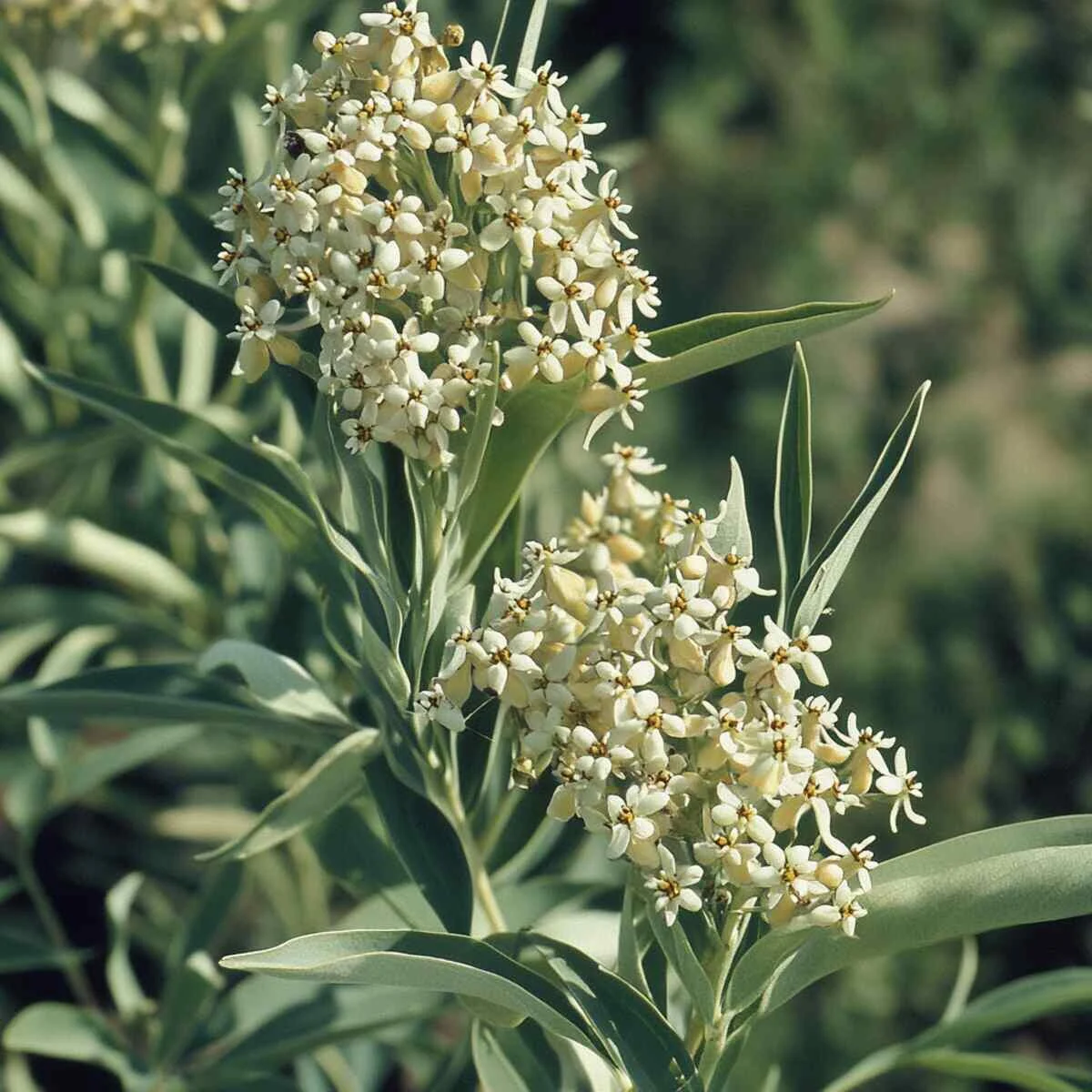
Sand milkweed is well suited for dry, sandy, and well-drained soils where many moisture-loving plants would struggle. Its yellowish-green flowers are subtle but useful for pollinators.
This hardy plant is a smart choice for naturalized gardens, dry slopes, and sunny areas with lean soil.
By planting sand milkweed in the right conditions, you can support monarchs while making use of garden spaces that may otherwise be difficult to plant successfully.
Milkweed Variety Comparison
| Milkweed Type | Best Growing Conditions | Flower Color | Best Garden Use |
|---|---|---|---|
| Common Milkweed | Sunny areas with room to spread | Pink-purple | Meadows and naturalized borders |
| Swamp Milkweed | Moist soil and rain gardens | Pink or mauve | Wet areas and ornamental beds |
| Butterfly Weed | Dry, well-drained soil | Orange | Sunny borders and compact gardens |
| Showy Milkweed | Sunny open spaces | Soft pink | Prairie and wildlife gardens |
| Sand Milkweed | Sandy, dry soil | Yellow-green | Dry slopes and naturalized plantings |
Common Mistakes to Avoid
- Using pesticides near milkweed: Chemicals can harm monarch eggs, caterpillars, and adult butterflies.
- Choosing the wrong species for your region: Native milkweed is usually the safest and most beneficial option.
- Removing chewed leaves too quickly: Leaf damage may mean monarch caterpillars are feeding.
- Planting only one milkweed: Groups of plants are easier for butterflies to find and use.
- Forgetting nectar plants: Adult monarchs also need blooming flowers for energy.
Frequently Asked Questions
Why is milkweed important for monarch butterflies?
Milkweed is the host plant for monarch caterpillars. Adult monarchs lay eggs on milkweed, and the caterpillars feed on the leaves after hatching.
Which milkweed is best for monarchs?
The best milkweed usually depends on your region. Native species such as common milkweed, swamp milkweed, butterfly weed, and showy milkweed are often excellent choices.
Can milkweed grow in containers?
Some types, especially butterfly weed and tropical milkweed, can grow in containers if they receive enough sunlight and proper drainage.
Will milkweed spread in the garden?
Some milkweed varieties spread more than others. Common milkweed can spread by underground roots, while butterfly weed tends to stay more compact.
Final Thoughts
Planting milkweed is one of the most practical and rewarding ways to support monarch butterflies. Each variety offers something slightly different, whether it is bright color, moisture tolerance, drought resistance, or strong habitat value.
A thoughtful monarch garden does not need to be complicated. Start with one or two milkweed species suited to your area, add nectar-rich flowers nearby, and avoid pesticides whenever possible.
Over time, your garden can become more than a pretty outdoor space. It can become a small but meaningful refuge for monarchs, caterpillars, bees, and other pollinators that depend on healthy habitat.
I’m the voice behind Bloomy Heaven, and I like to think of myself as your old friend and steady guide in this grand gardening adventure we’re on together.
My goal is to share the kind of honest, practical gardening knowledge that truly matters. Whether you’re growing flowers for butterflies, building a pollinator border, or simply learning what your garden needs, I’m here to help make the process feel easier and more rewarding.


