
If you want a garden that looks full, colorful, and established without constant upkeep, perennials are one of the smartest choices you can make. Once planted, they return year after year, filling beds, borders, and walkways with very little effort compared to annuals.
The key to a low-maintenance garden isn’t just choosing hardy plants—it’s selecting varieties that suit your climate, soil, and sunlight so they can thrive with minimal intervention. The following perennials are reliable, adaptable, and known for delivering strong visual impact without demanding constant attention.

Whether you’re planting a full backyard garden or filling a few beds, these options can help you build a landscape that stays attractive across seasons without turning into a full-time project.
1. Black-Eyed Susan for Long-Lasting Summer Color
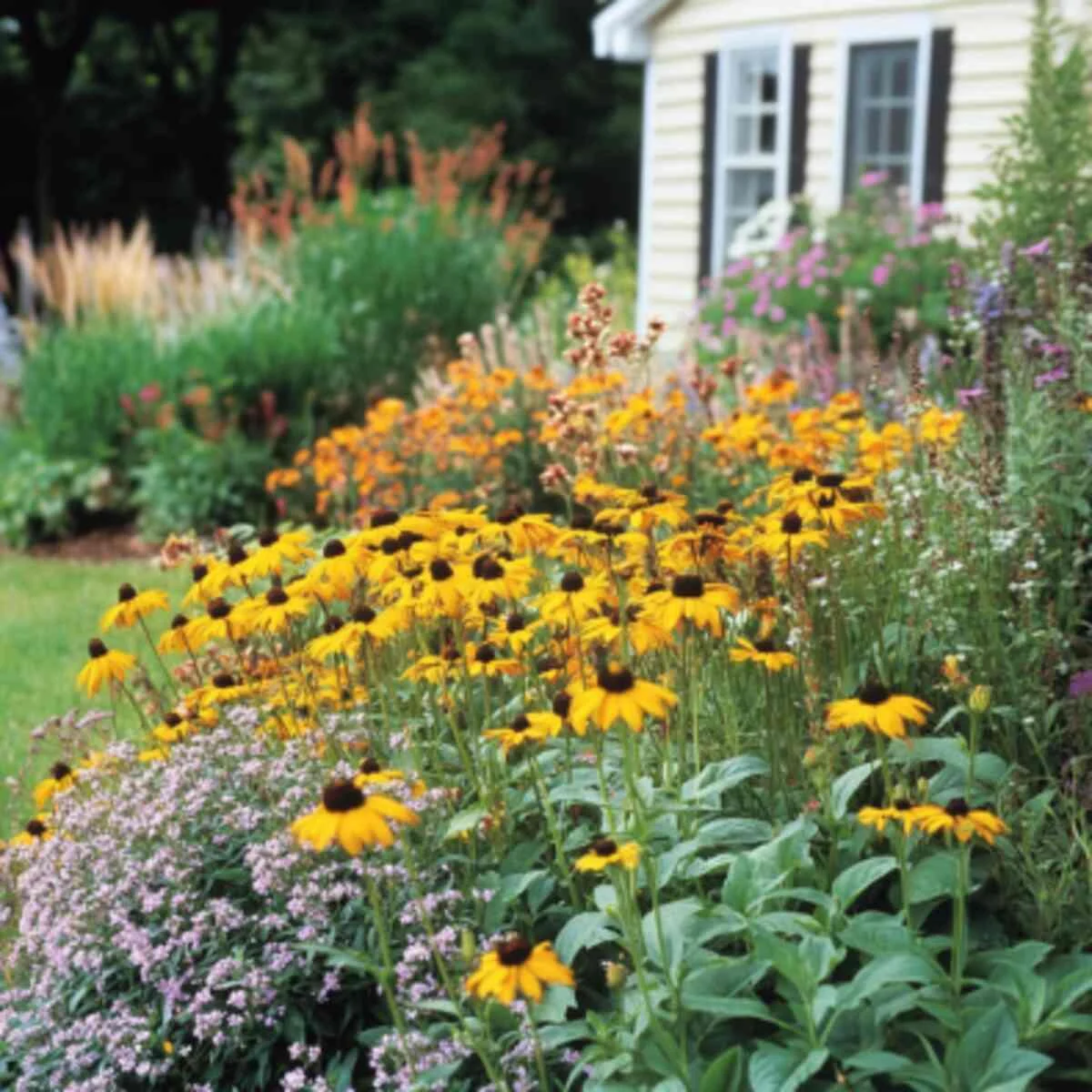
Black-Eyed Susans are one of the easiest ways to bring consistent color into a garden. Their golden petals and dark centers hold up well through heat and continue blooming from midsummer into fall.
They perform well in full sun and tolerate less-than-perfect soil, which makes them ideal for large beds or informal plantings where constant care isn’t realistic. Once established, they rarely need more than occasional watering.
2. Coneflower (Echinacea) for Drought-Tolerant Blooms
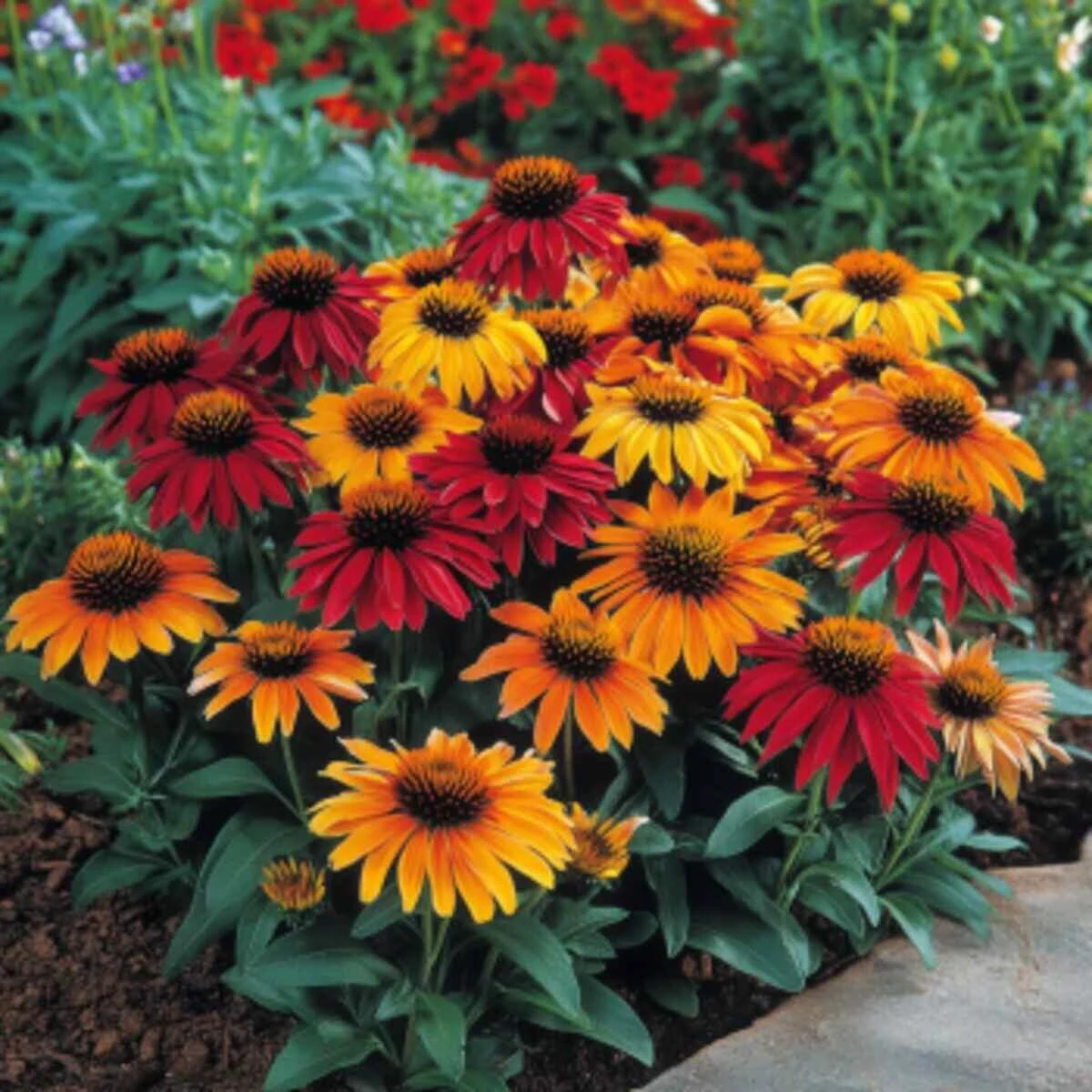
Coneflowers are known for their resilience. They handle heat, drought, and poor soil better than many flowering plants, while still producing strong, upright blooms in pink, purple, or white.
They work particularly well in sunny borders and pollinator gardens. If you want a plant that comes back reliably without needing much attention, this is one of the safest choices.
3. Daylilies for Reliable, Low-Effort Flowering
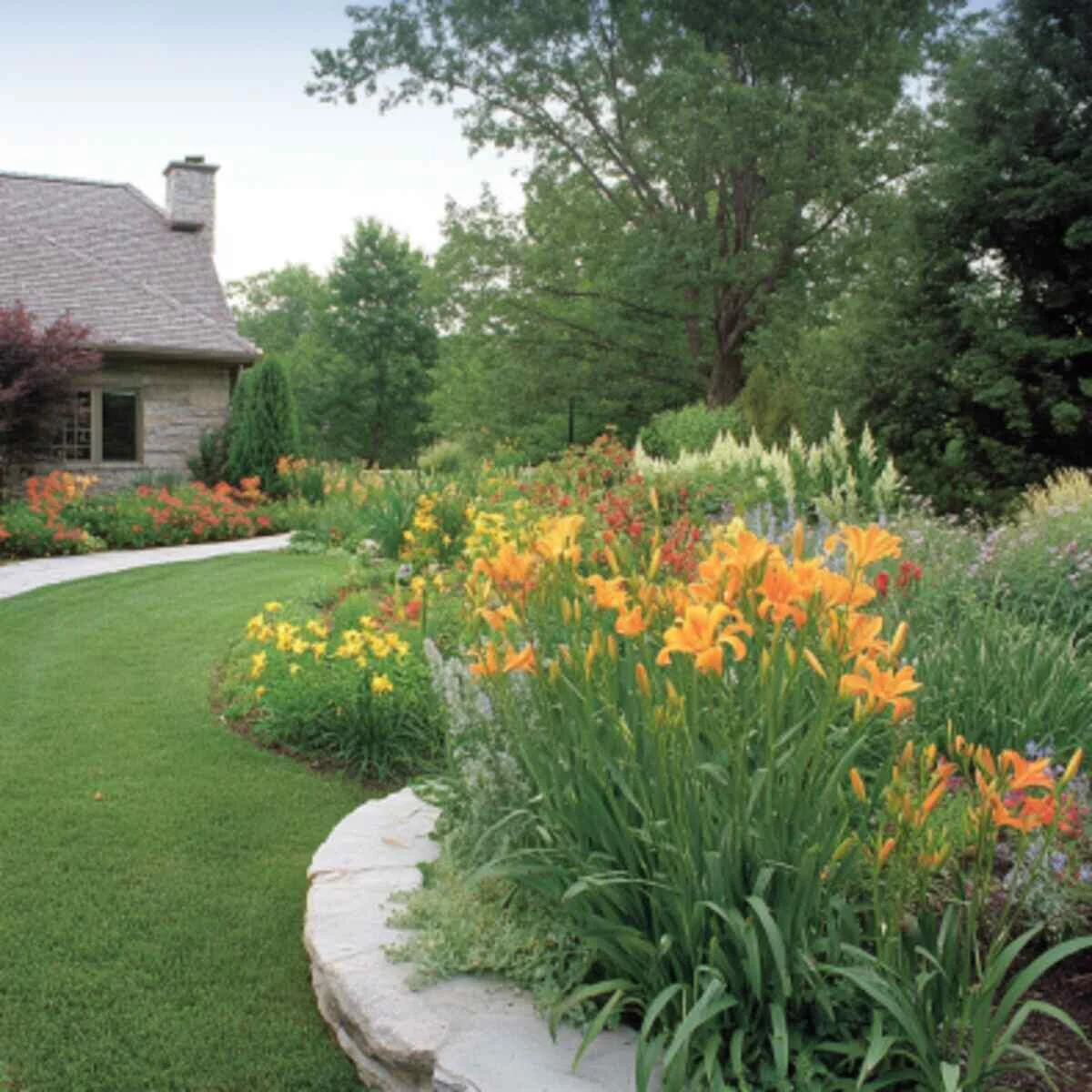
Daylilies are often considered one of the most dependable perennials available. While each flower lasts only a day, plants produce buds continuously, creating weeks of color.
They tolerate a wide range of conditions, from different soil types to varying sunlight levels, which makes them especially useful in mixed or unpredictable garden spaces.
4. Lavender for Fragrance and Structure
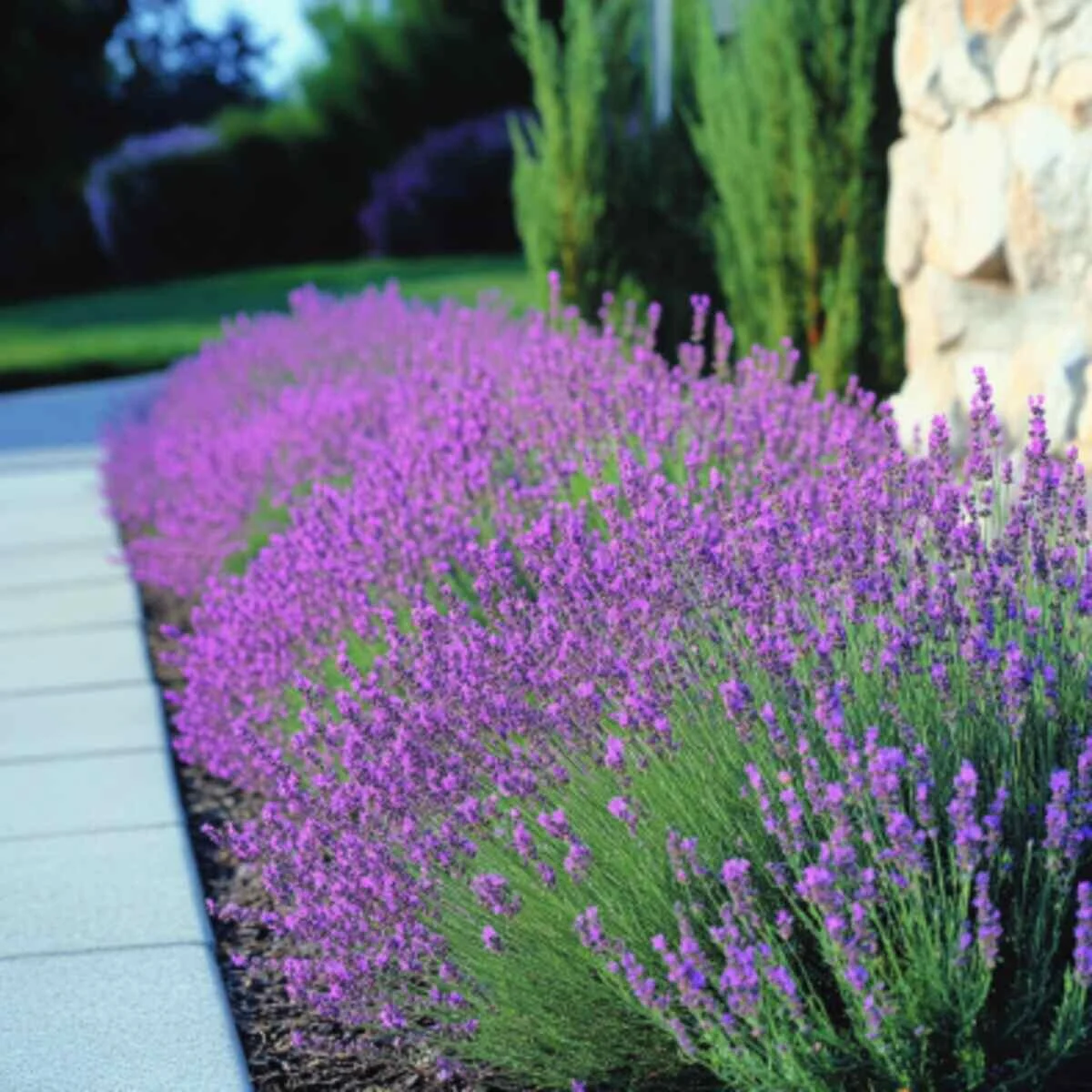
Lavender brings both scent and structure to a garden. Its silvery foliage and upright blooms create a clean, organized look, especially along pathways or borders.
It prefers well-drained soil and full sun, and once established, it requires very little watering. In drier regions, it’s one of the easiest plants to maintain.
5. Sedum (Stonecrop) for Dry, Difficult Areas
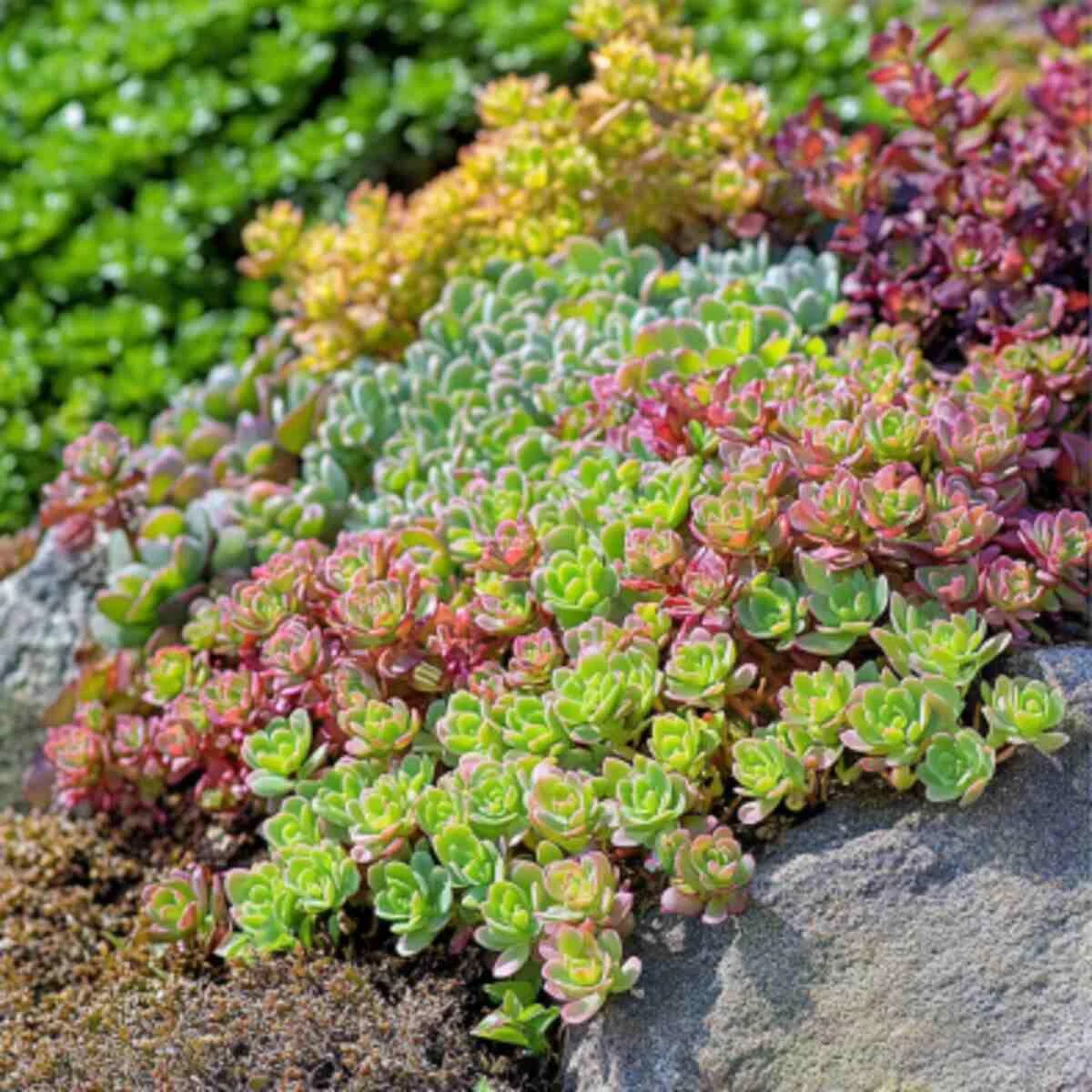
Sedum is well-suited for areas where other plants struggle, including dry soil, rocky beds, or exposed slopes. Its thick, moisture-storing leaves make it highly drought-resistant.
Use low-growing varieties for ground cover or upright types for structure in borders. Either way, it provides texture with very little input.
6. Hostas for Low-Maintenance Shade Gardens
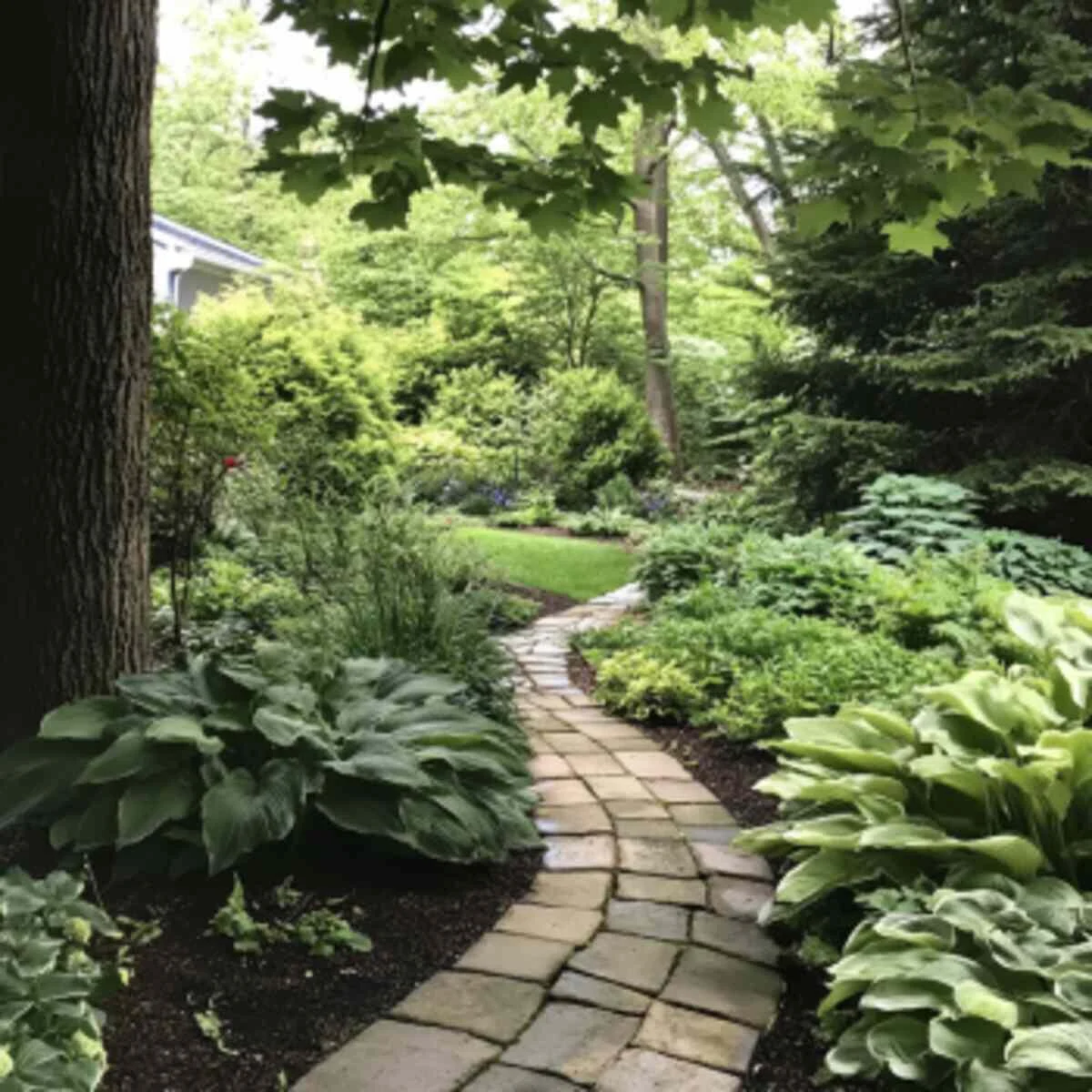
Hostas are a reliable solution for shaded areas where flowering plants often struggle. Their large leaves add volume and texture, making beds feel full even without constant blooms.
They prefer moist, well-drained soil and benefit from occasional watering, but otherwise require little attention beyond seasonal cleanup.
7. Catmint (Nepeta) for Long Blooming and Easy Care
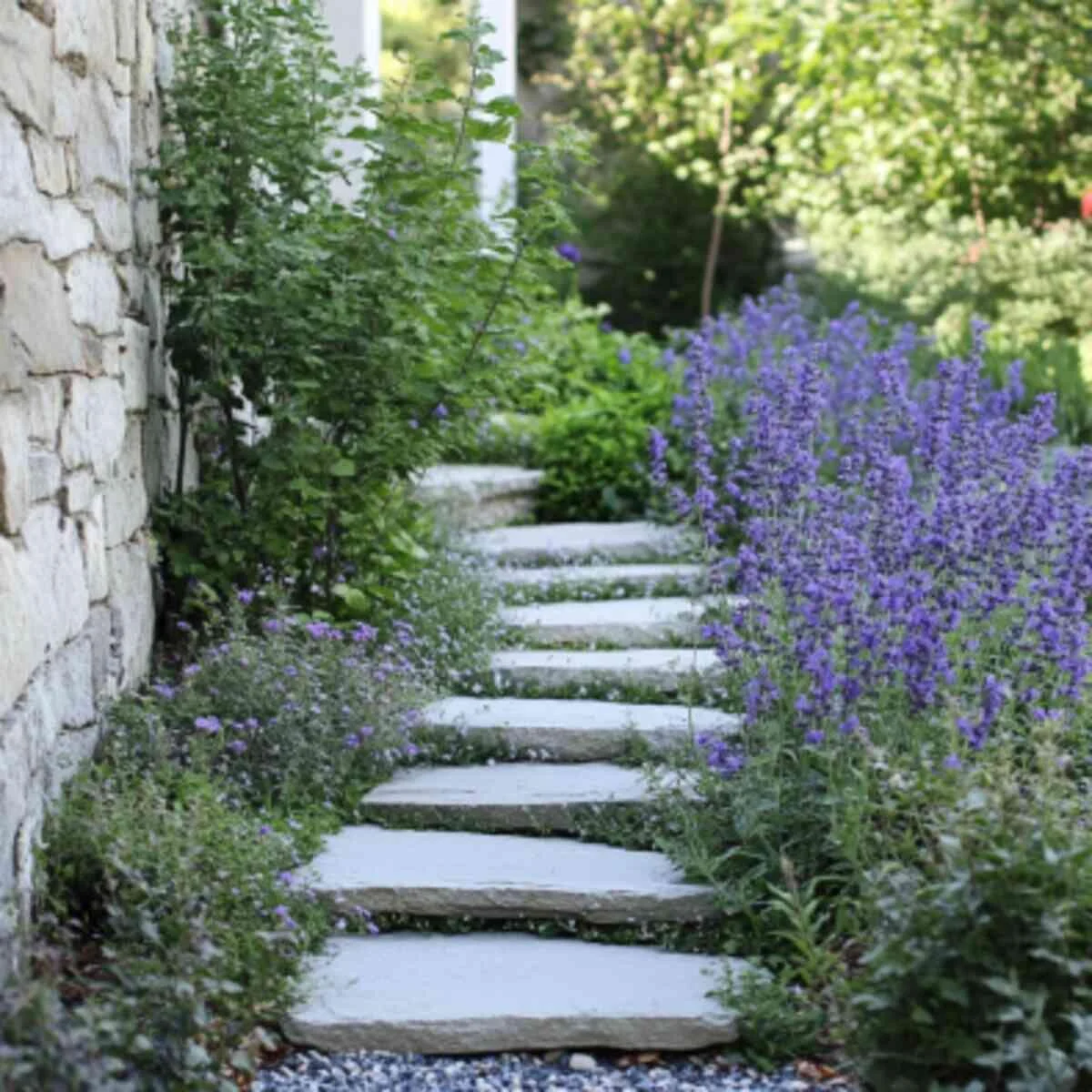
Catmint produces soft, airy blooms over a long period, making it a reliable filler plant in sunny gardens. Its gray-green foliage pairs easily with other perennials.
It’s drought-tolerant and deer-resistant, which reduces the need for intervention. A light trim after the first bloom can encourage a second flush of flowers.
8. Russian Sage for Height and Airy Texture
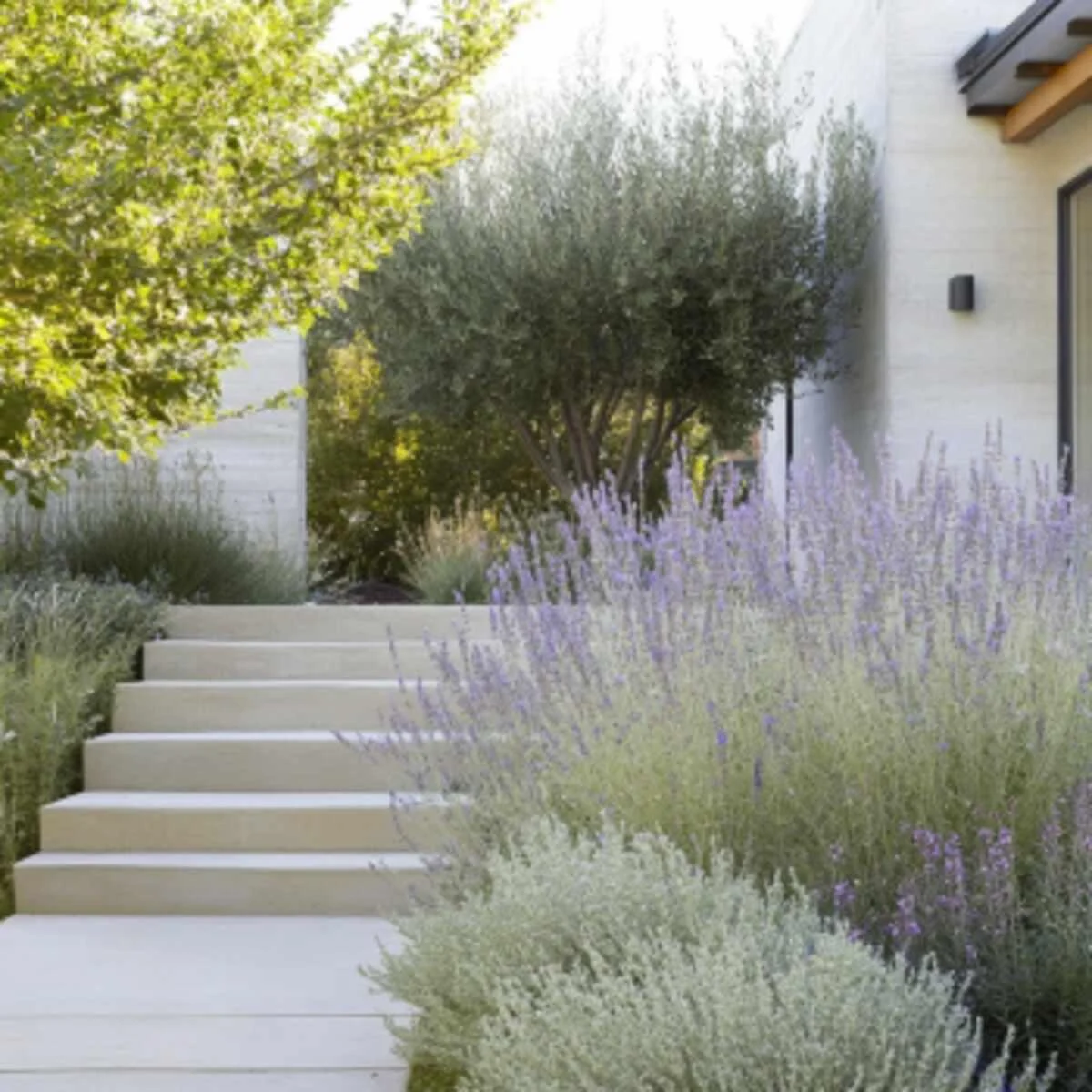
Russian sage adds vertical interest without feeling heavy. Its silvery stems and light purple blooms create movement and contrast, especially in larger beds.
It thrives in full sun and poor soil, making it well-suited to low-water landscapes where other plants might fail.
9. Coreopsis for Bright, Low-Effort Color
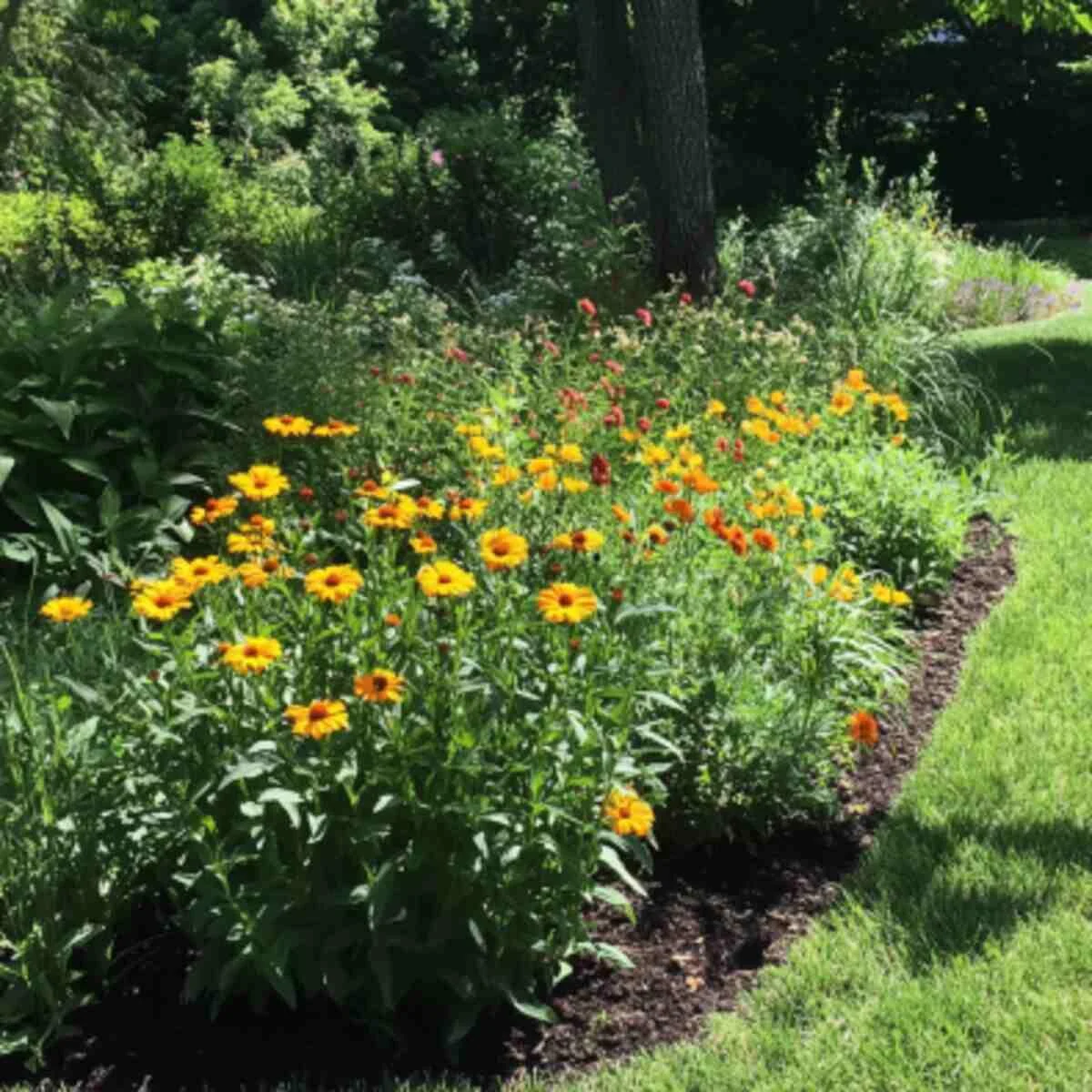
Coreopsis produces consistent, cheerful blooms that brighten up beds and borders throughout the growing season. It performs well in sunny, well-drained locations.
Its ability to handle heat and less fertile soil makes it a strong option for gardeners who want color without constant feeding or watering.
10. Bee Balm (Monarda) for Pollinator-Friendly Gardens
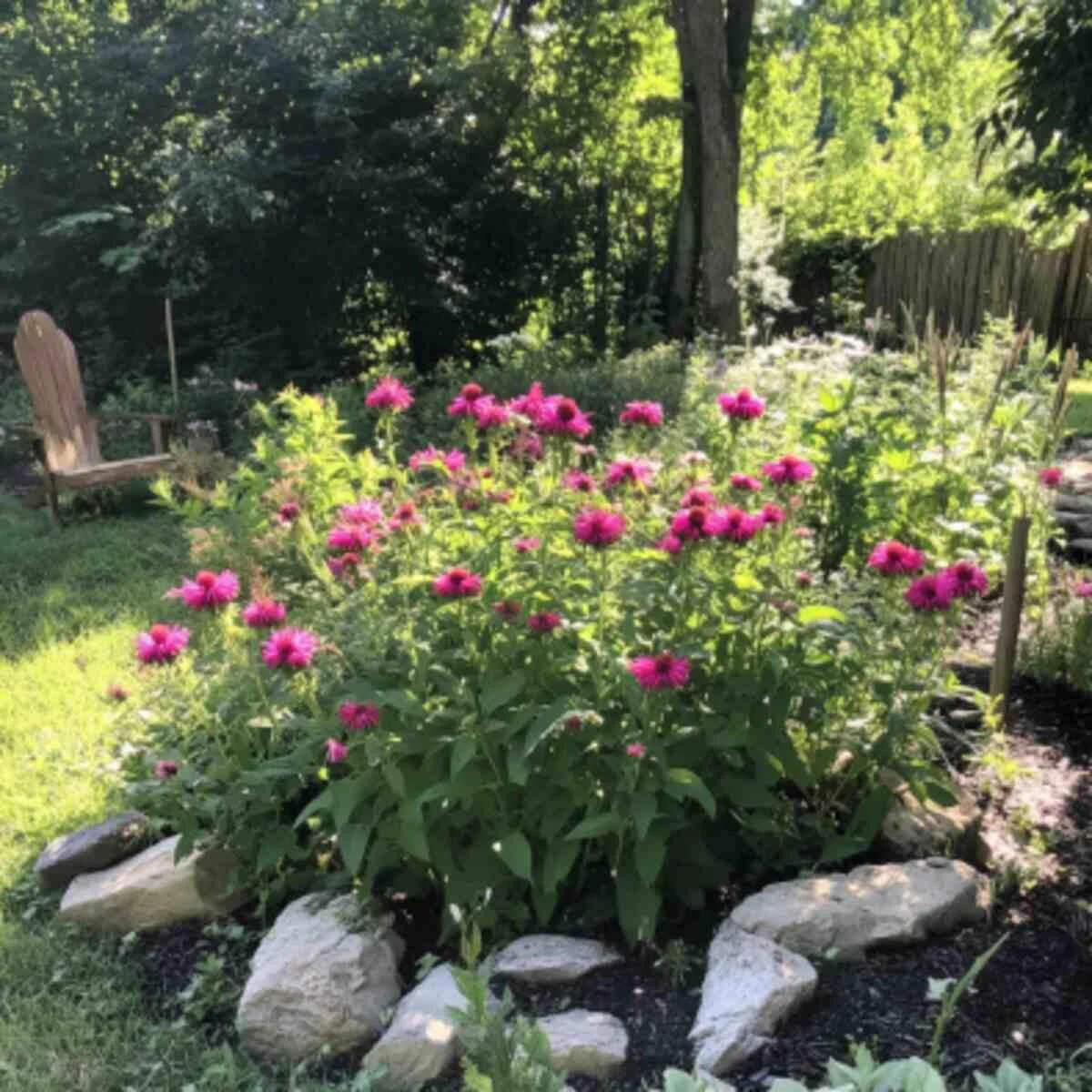
Bee balm is a strong performer in both sunny and partially shaded gardens. Its bold blooms attract bees, butterflies, and hummingbirds, making it a valuable addition for pollinator-friendly landscapes.
Modern varieties are more resistant to mildew, which helps reduce maintenance concerns compared to older types.
11. Yarrow for Tough, Dry Conditions
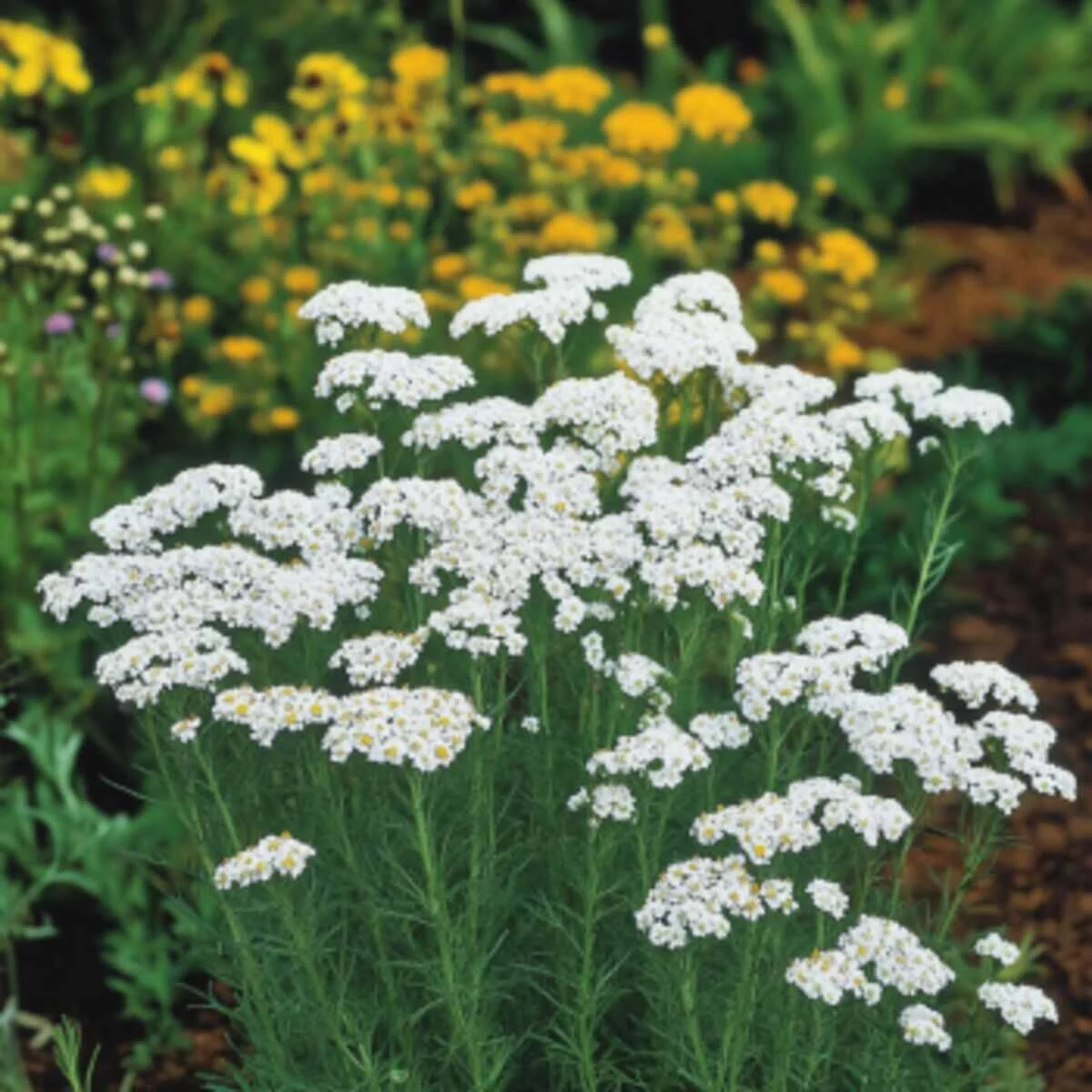
Yarrow thrives where many plants struggle, including dry, sunny spots with limited soil quality. Its flat-topped flowers add a different shape to planting schemes, breaking up more rounded forms.
Once established, it requires very little water and can handle neglect better than most flowering perennials.
12. Salvia for Long Bloom Periods
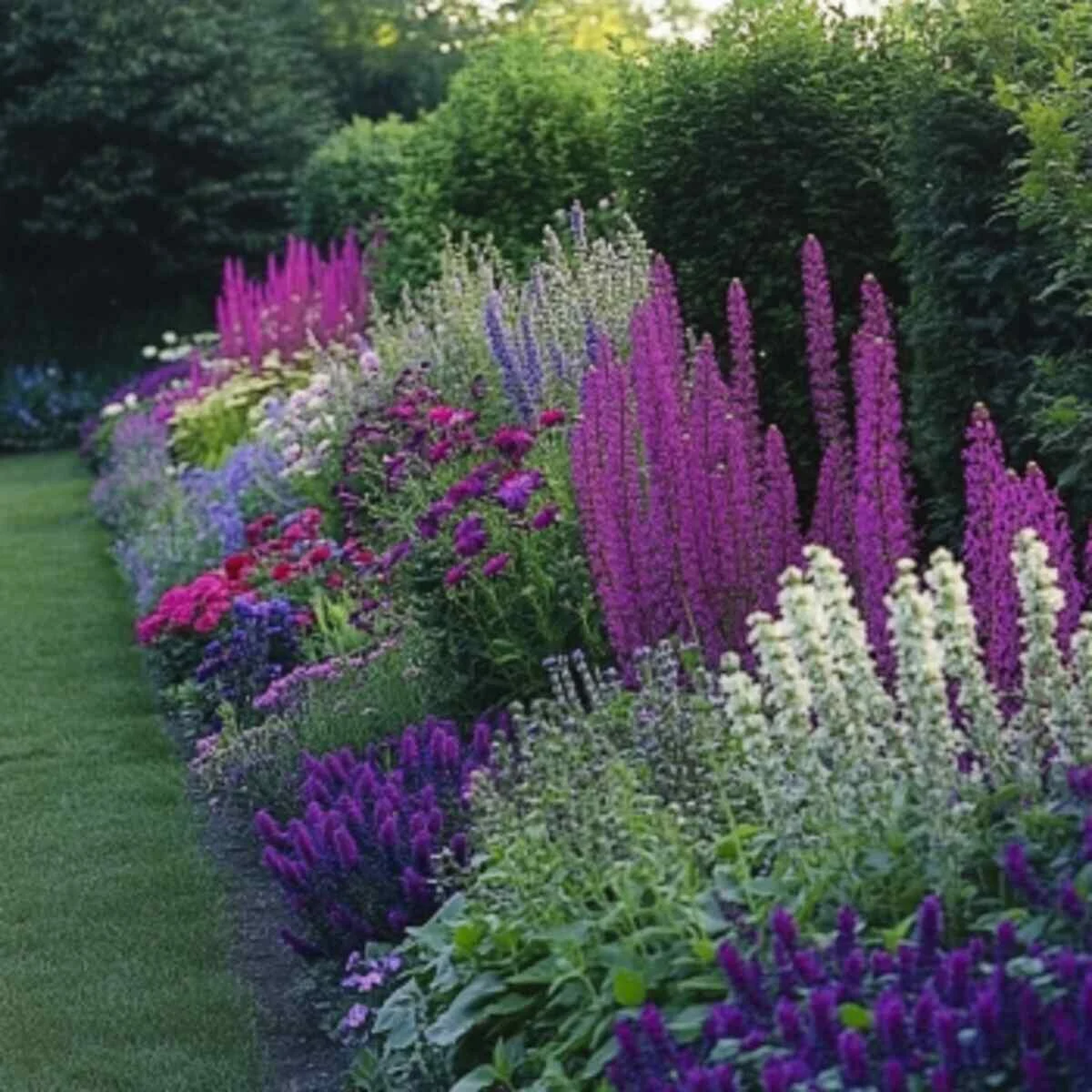
Salvia offers strong color with minimal effort. Its upright flower spikes hold their shape well and bloom over a long period, especially in full sun.
It is drought-tolerant, pest-resistant, and easy to manage, making it a dependable choice for both new and experienced gardeners.
13. Peonies for Low-Maintenance Spring Impact
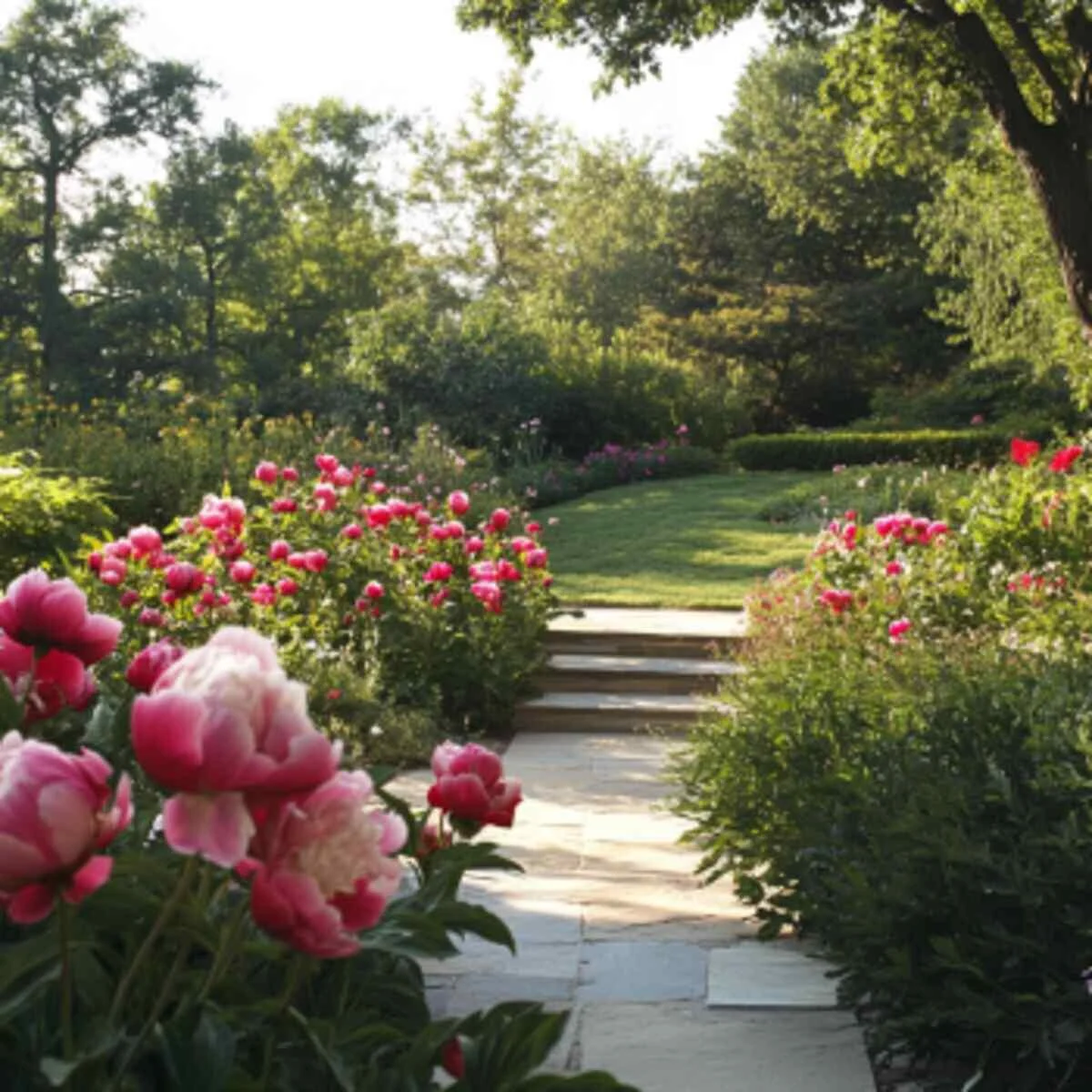
Peonies provide large, showy blooms in late spring, often becoming a focal point in the garden. Once established, they can live for decades with very little intervention.
They prefer well-drained soil and full sun, and aside from occasional support for heavy blooms, they require minimal upkeep.
14. Blanket Flower (Gaillardia) for Heat and Color
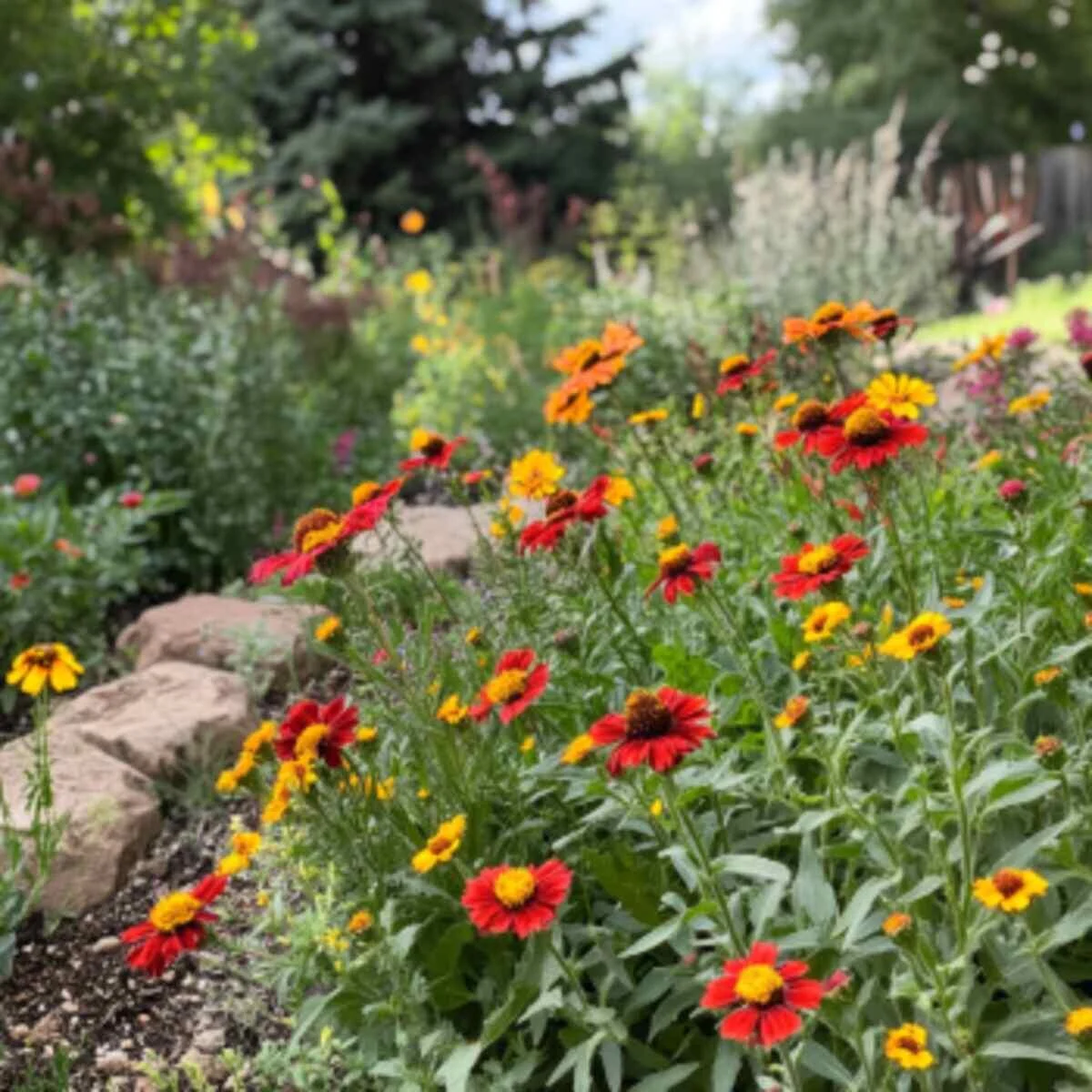
Blanket flowers thrive in sunny, dry conditions and provide bold color throughout summer. Their red, orange, and yellow tones stand out even in simple planting schemes.
They are particularly useful in gardens where watering is limited, as they continue performing well in heat.
15. Astilbe for Moist, Shaded Spaces
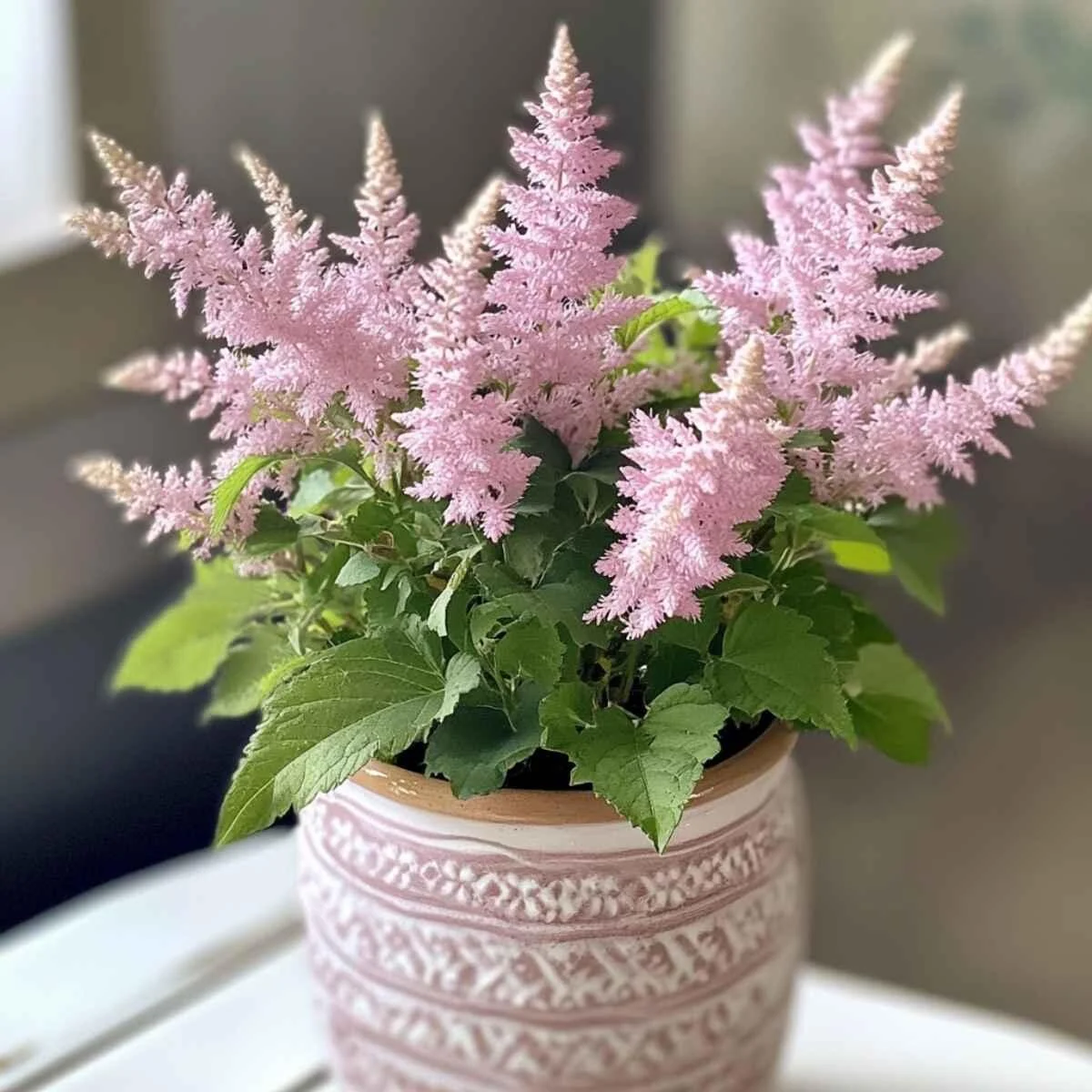
Astilbe brings texture and soft color to shaded gardens. Its feathery plumes contrast well with broader-leaved plants, adding variety without needing constant care.
It performs best in consistently moist soil, making it ideal for areas that retain water naturally.
16. Creeping Phlox for Ground Cover
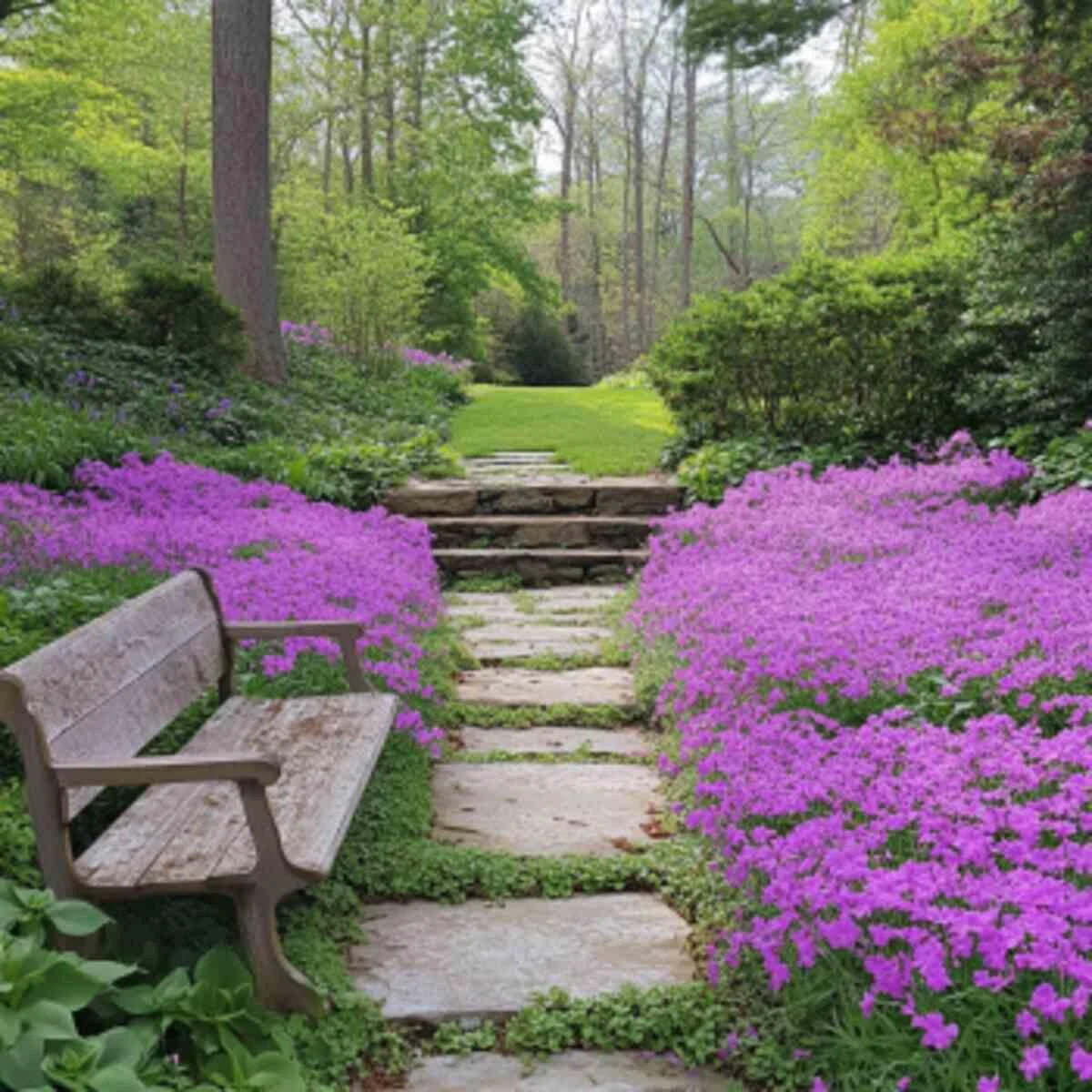
Creeping phlox creates a dense carpet of color in early spring, making it ideal for slopes, borders, and edges where erosion or bare soil can be an issue.
Once established, it spreads easily and requires little beyond occasional trimming to keep it tidy.
17. Heuchera (Coral Bells) for Year-Round Foliage
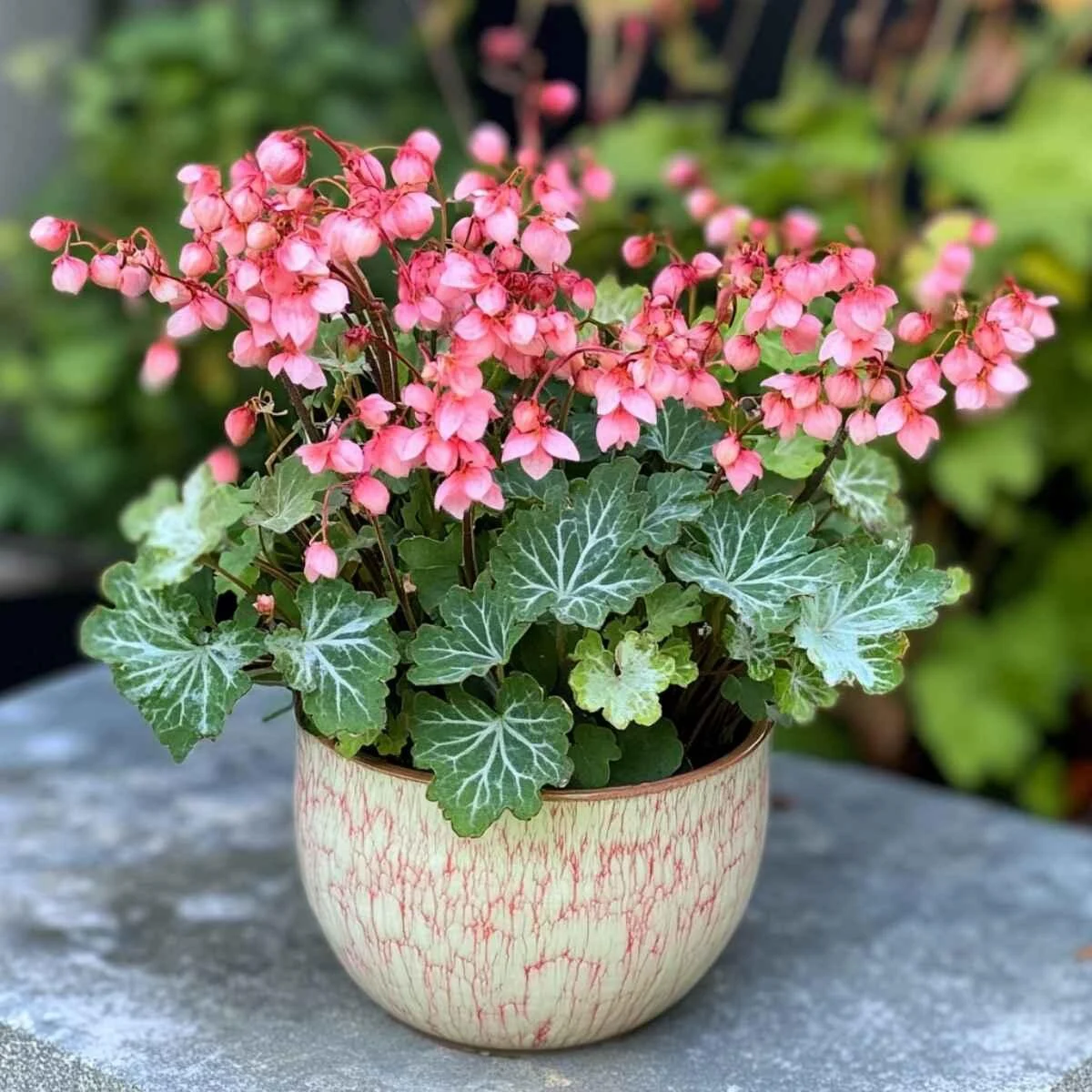
Heuchera is valued more for its foliage than its flowers. Leaves come in a wide range of colors, from deep burgundy to bright green, adding interest even when other plants are not blooming.
It works well in partial shade and pairs easily with hostas and other shade plants for a layered look.
18. Ornamental Grasses for Structure and Movement
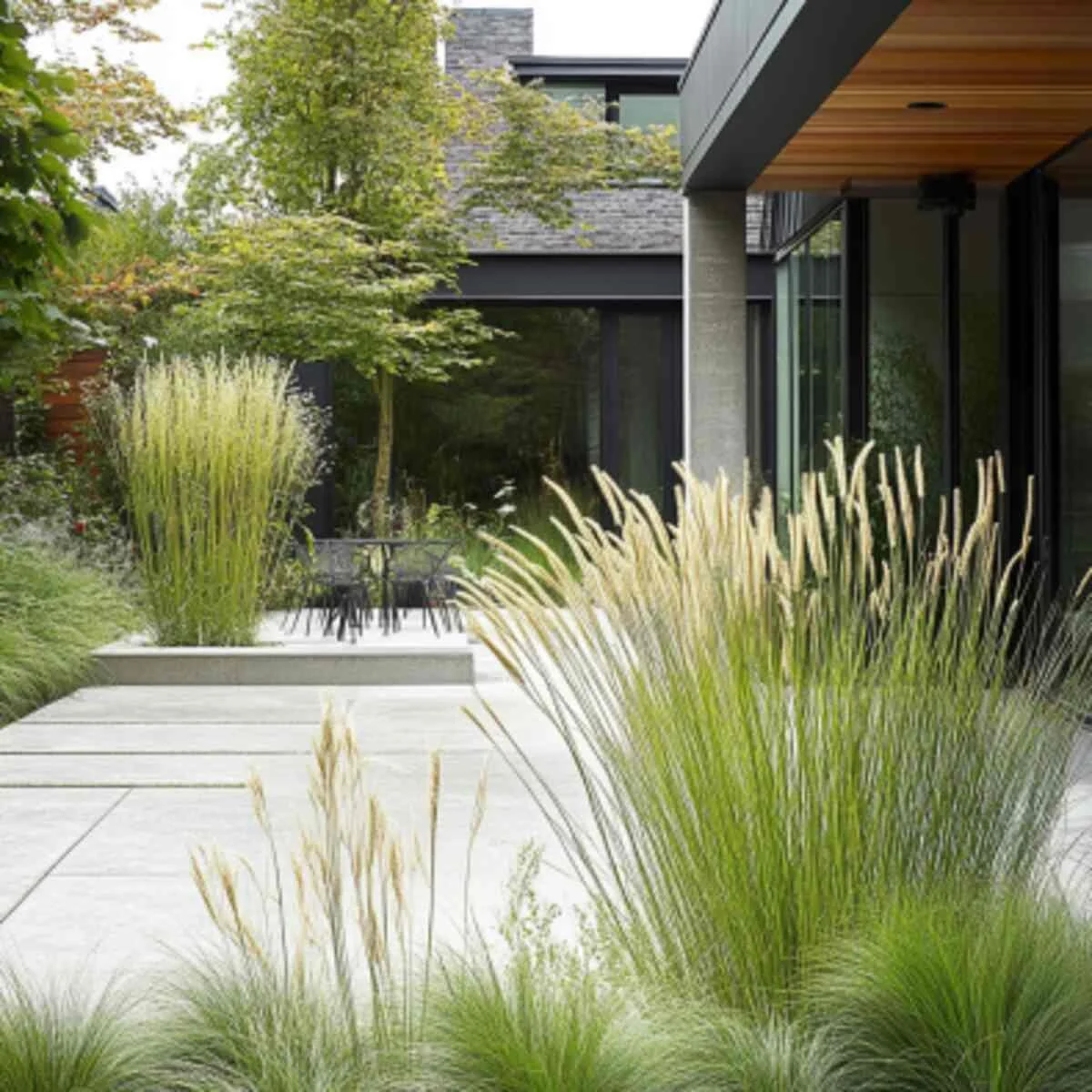
Ornamental grasses bring movement and structure to a garden, especially when planted in groups or used to frame pathways.
They are highly adaptable, tolerate drought, and require very little maintenance beyond occasional cutting back.
19. Shasta Daisy for Classic Garden Appeal
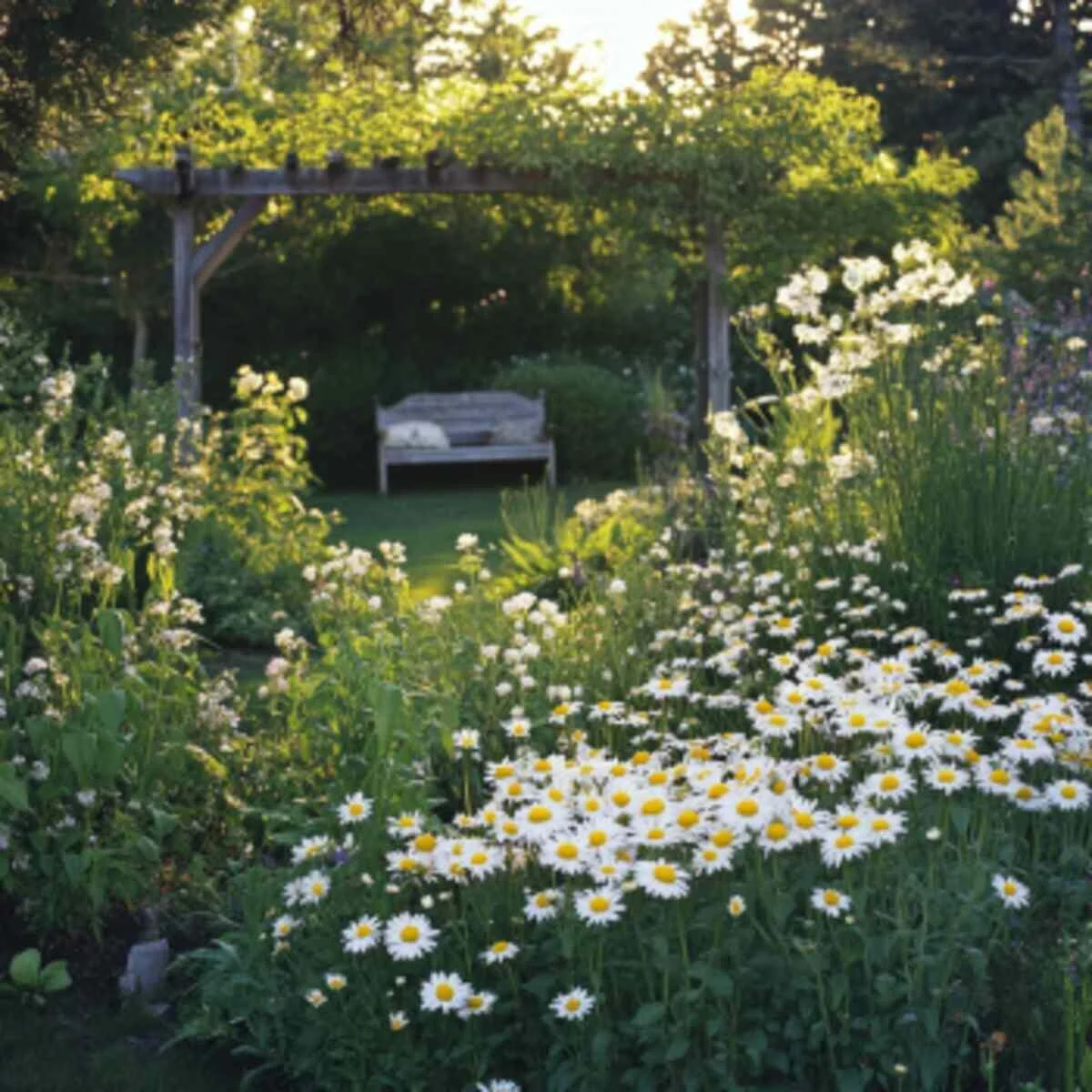
Shasta daisies bring a clean, classic look to any garden. Their white petals and yellow centers brighten planting beds without needing much care.
They thrive in sunny, well-drained areas and return reliably each year.
20. Lamb’s Ear for Texture and Ground Coverage
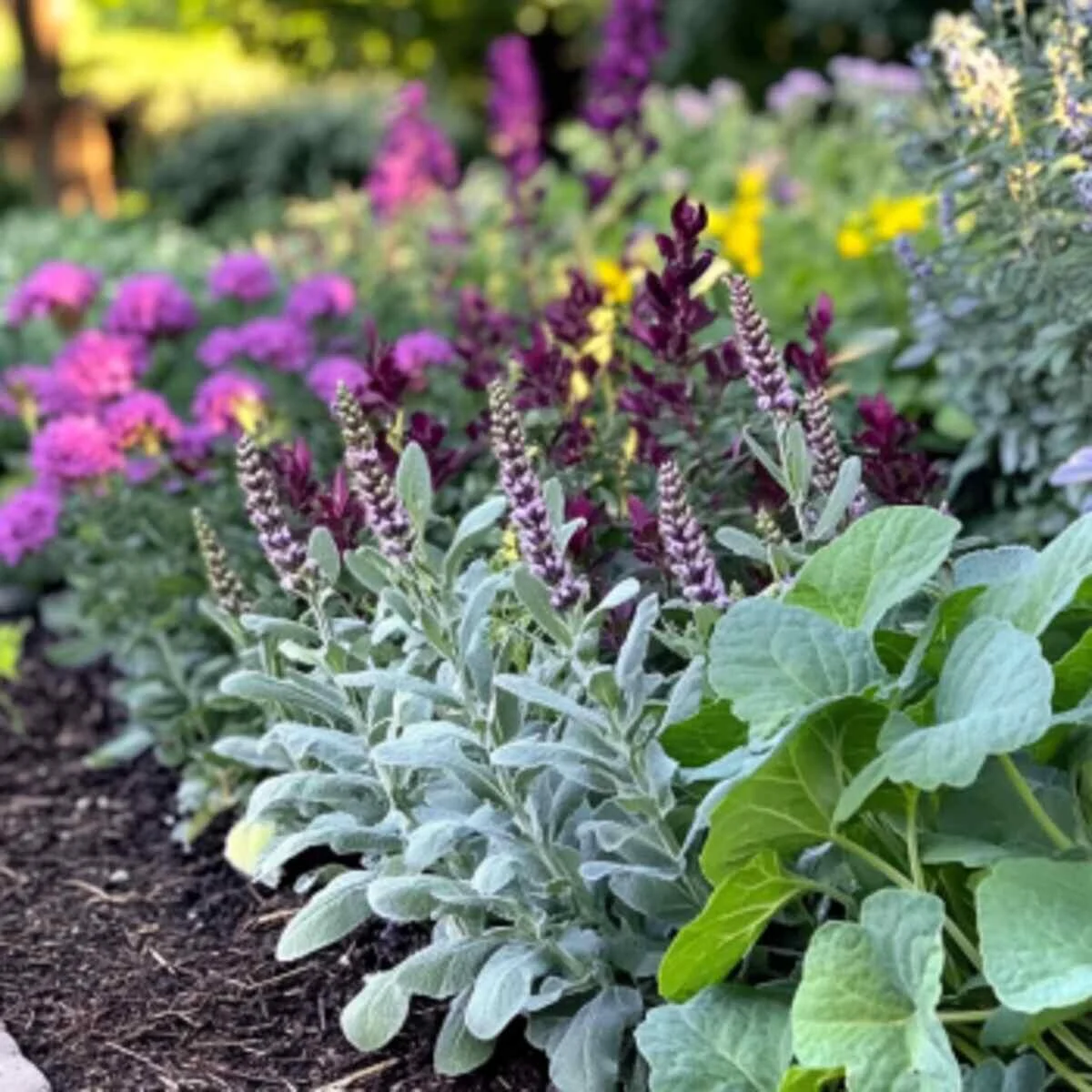
Lamb’s ear is known for its soft, silvery leaves, which add texture even when flowers are not the focus. It spreads gradually, making it useful as a ground cover in sunny areas.
It tolerates dry conditions well and requires very little maintenance once established.
How to Build a Truly Low-Maintenance Perennial Garden
- Match plants to your conditions: sun, shade, and soil type matter more than plant variety
- Group plants with similar needs: this reduces watering and care time
- Use mulch: it helps retain moisture and suppress weeds
- Allow space for growth: overcrowding leads to more maintenance later
- Limit high-maintenance plants: a few demanding varieties can increase workload significantly
Frequently Asked Questions
What is the easiest perennial to grow?
Daylilies, coneflowers, and black-eyed Susans are among the easiest. They adapt well to different conditions and require very little care once established.
Do perennials really require less maintenance?
Yes. Unlike annuals, they do not need to be replanted each year, and many varieties are more resilient once established.
How long do perennials last?
Some perennials last just a few years, while others, like peonies and hostas, can thrive for decades with minimal care.
Can perennials survive winter?
Most perennials go dormant during winter and return in spring. Choosing varieties suited to your climate zone is key to ensuring they survive cold conditions.
What makes a garden low maintenance?
Using plants that suit your environment, reducing watering needs, limiting replanting, and choosing resilient varieties all contribute to a low-maintenance garden.
Final Thoughts
A low-maintenance garden is less about doing nothing and more about making smart choices early. When the right plants are in the right place, they take care of most of the work themselves.
Start with a few dependable perennials, let them establish, and build from there. Over time, your garden will fill out naturally and require far less effort to keep it looking its best.
Written by the Zeeshe Home Editorial Team, a blog focused on practical home décor ideas and inspiration.


