
A native shrub garden can do more than fill space. It can shape the yard, support wildlife, soften boundaries, handle local weather with less effort, and give the whole landscape a more grounded, natural feel. That is what makes it such a smart choice for homeowners who want a garden that is both attractive and practical.
The real advantage of native shrubs is that they already belong to the conditions around them. They are better adapted to local rainfall, temperature swings, soil, and seasonal rhythms than many imported landscape plants. That usually means less watering, less intervention, and a garden that settles in more naturally over time.

These native shrub garden ideas show how flexible the approach can be, whether you want something wildlife-friendly, modern, cottage-like, or quietly natural.
How to Plan a Native Shrub Garden
The best native shrub gardens feel easy because the planning is clear from the start. Before choosing plants, look closely at the site. Notice how much sun each area receives, whether the soil dries quickly or stays moist, and how much room shrubs will have once mature.
- Match shrubs to the conditions: sun, shade, soil, and moisture all matter
- Mix different roles: flowering shrubs, evergreen structure, berries, and foliage texture
- Layer by height: taller shrubs at the back, lower ones near paths or bed edges
- Leave room to grow: a native shrub usually looks best in its natural shape
- Add simple structure: mulch, gravel, stone, or a path can make the planting feel intentional
A small amount of structure is often what makes a native planting feel designed rather than accidental.
1. Wildlife-Friendly Native Shrub Garden
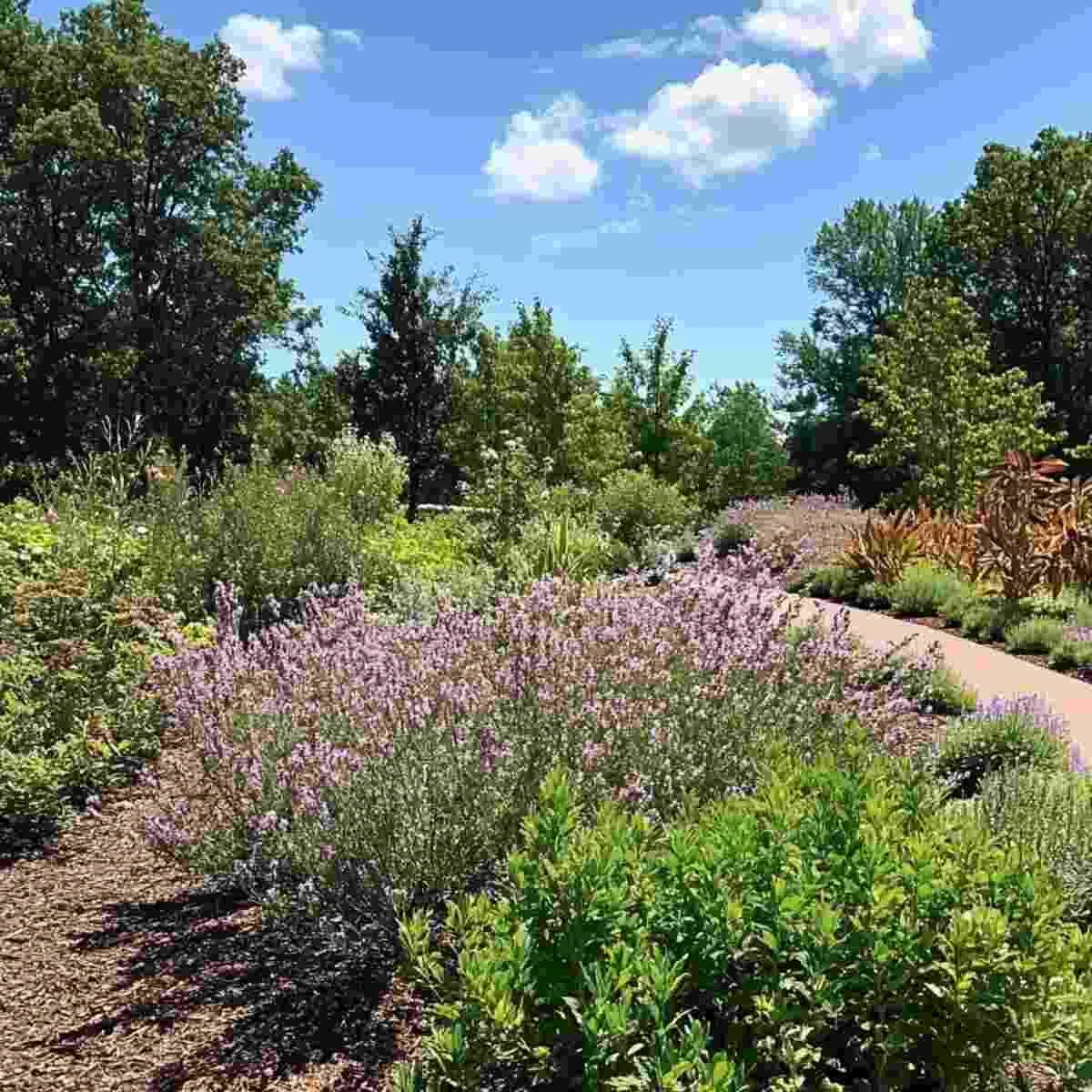
A wildlife-friendly native shrub garden is one of the most rewarding ways to plant because it combines seasonal beauty with real ecological value. Flowering shrubs bring nectar for pollinators, berries feed birds, and denser branching gives wildlife a place to shelter and nest.
What makes this style especially effective is variety. A layered mix of shrubs with different bloom times keeps the garden active over a longer season and prevents the planting from having just one brief moment of interest.
A simple path or open viewing pocket helps the garden feel welcoming instead of overgrown. That way, the planting supports wildlife while still feeling like part of the designed yard.
2. Drought-Tolerant Native Shrub Garden
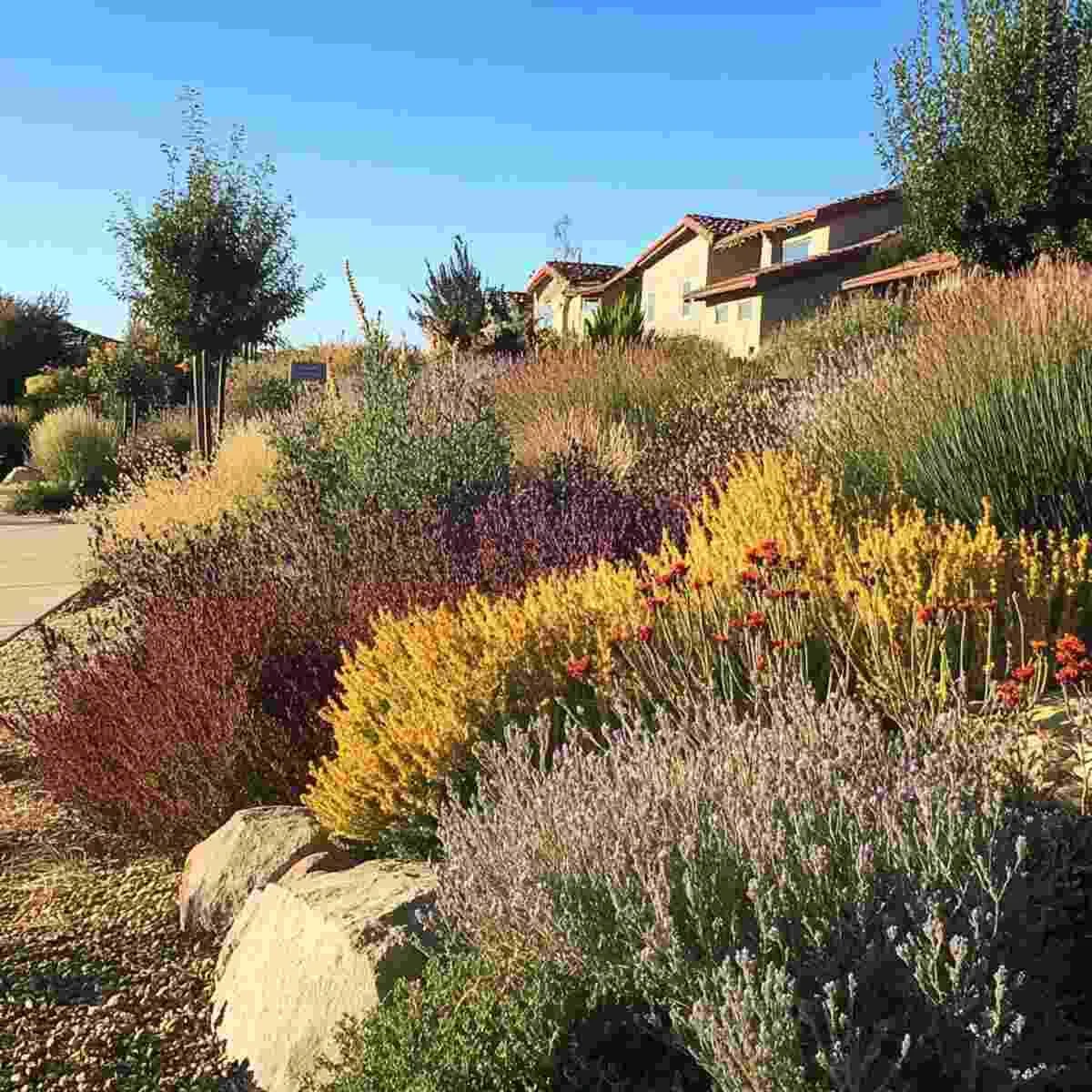
A drought-tolerant native shrub garden is ideal for hot, dry climates or for homeowners who want a lower-water landscape that still feels colorful and alive. This kind of garden often relies on shrubs with smaller leaves, silver foliage, or naturally resilient growth habits.
The most successful versions do not try to imitate lush, thirsty borders. Instead, they embrace the beauty of stronger forms, seasonal flowers, and natural materials such as gravel, decomposed granite, or stone mulch.
This style looks especially good when the palette is slightly restrained and the planting repeats in drifts rather than becoming a mix of too many unrelated shrubs.
3. Coastal Native Shrub Garden
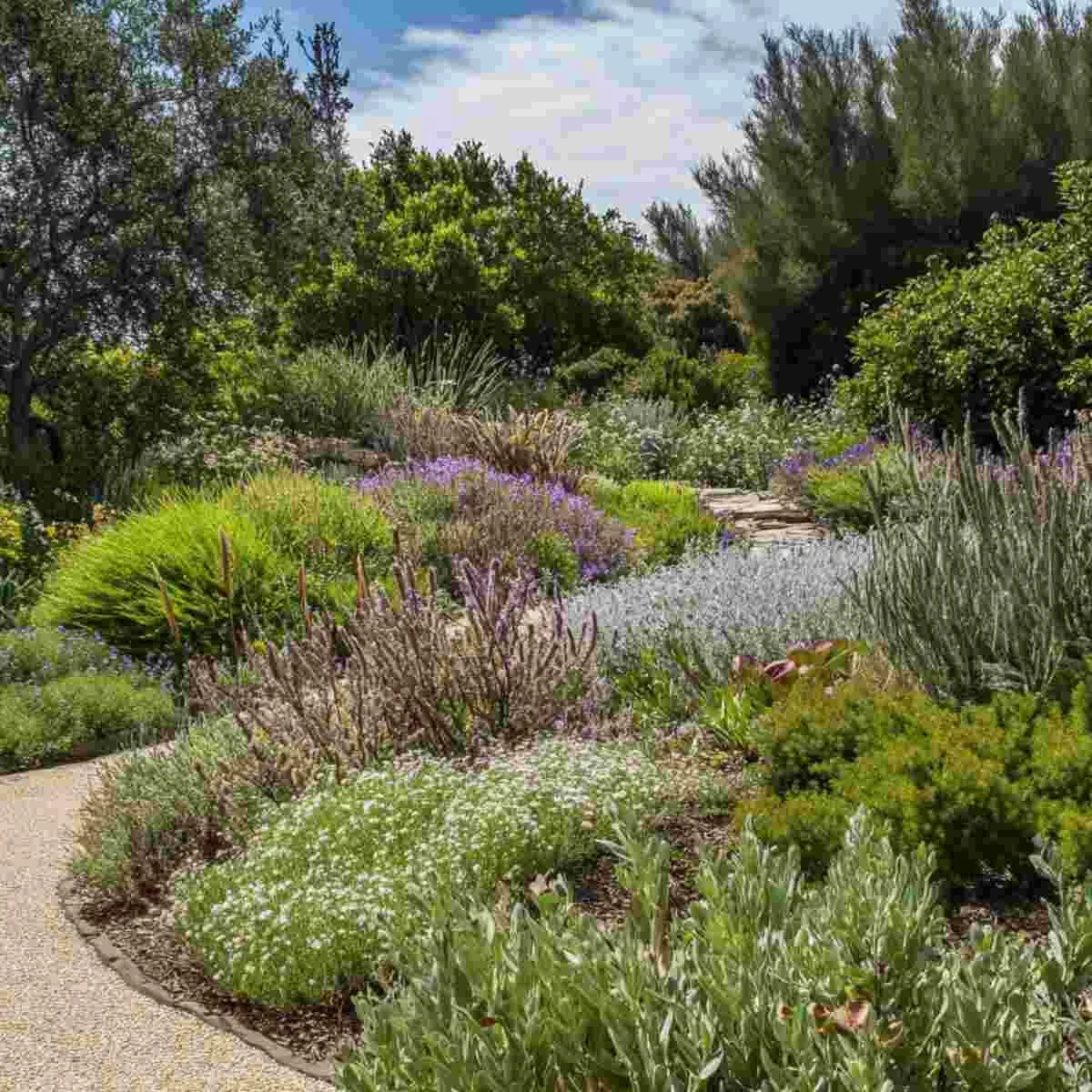
Coastal gardens need plants that can tolerate wind, salt, sandy soils, and bright light. Native shrubs suited to those conditions are often some of the toughest and most graceful plants you can use, with softer colors and foliage that suits breezy settings beautifully.
This kind of garden feels most convincing when the materials match the planting. Sand-toned gravel, weathered wood, pale stone, and airy companion plants all help create that calm, shore-inspired feel.
Use shrubs that move a little, rather than fighting every gust. A coastal-style native shrub garden should feel relaxed and resilient at the same time.
4. Rock Garden With Native Shrubs
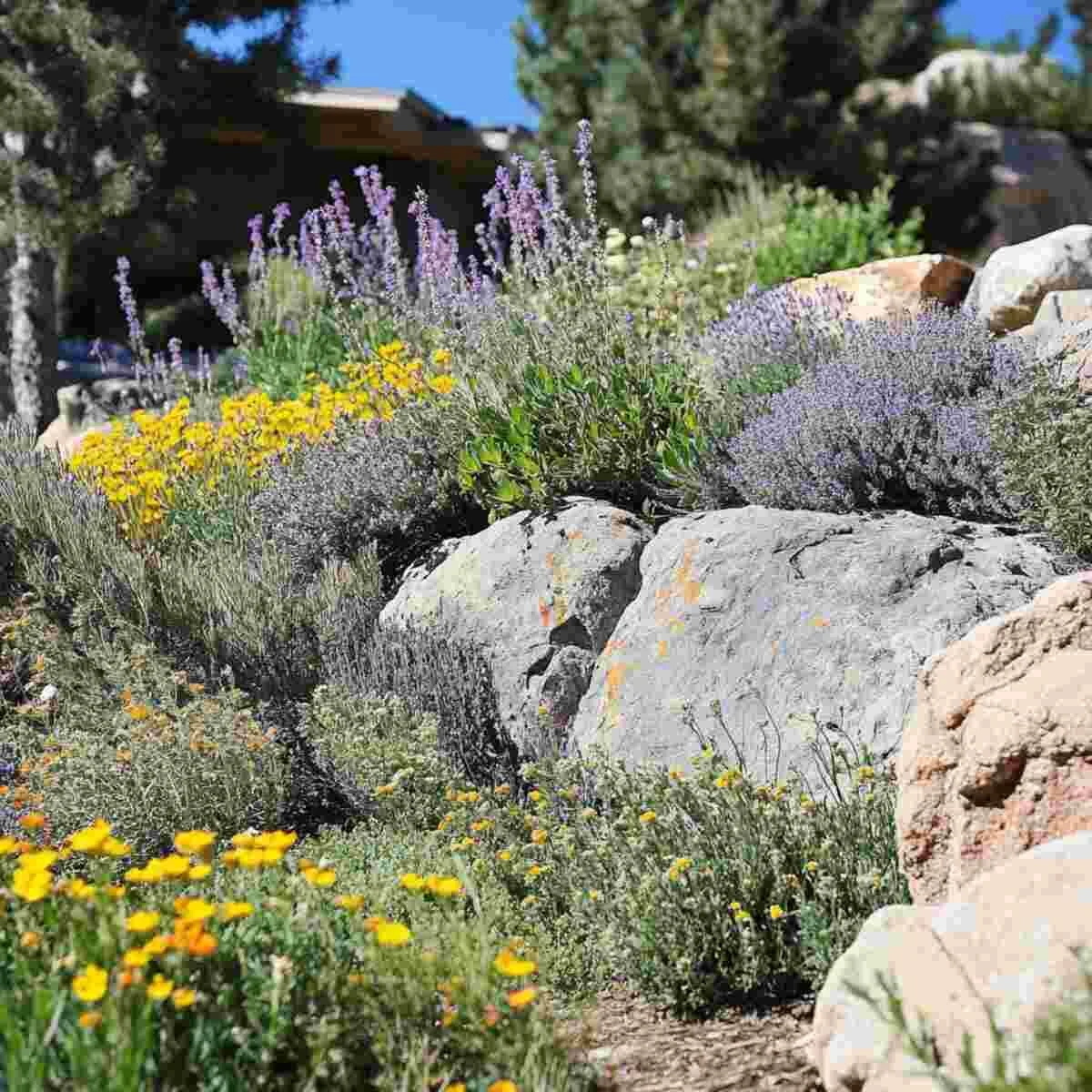
Combining native shrubs with a rock garden layout can make a difficult site look intentional. This is especially useful on slopes, in dry ground, or in areas where drainage is fast and softer planting always struggles.
The rocks provide visual weight and structure, while the shrubs soften the scene and add seasonal change. Low, mounding shrubs and compact flowering forms often work especially well here because they do not compete with the stone.
The key is grouping the rocks naturally and giving the planting enough room around them. A rock garden looks best when it feels like a landscape rather than a collection of scattered stones.
5. Privacy Hedge Native Shrub Garden
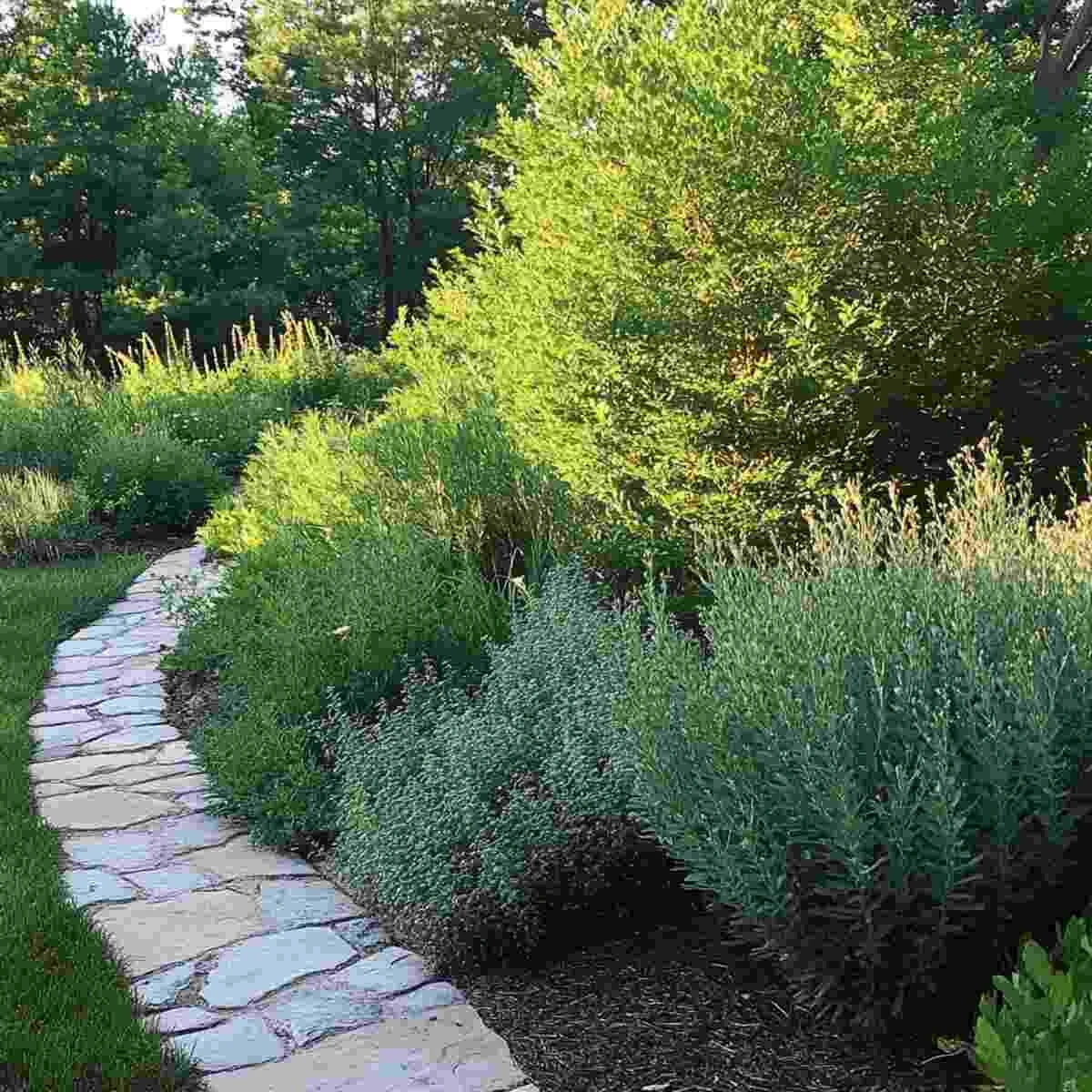
A native privacy hedge gives you screening without the stiffness of a hard fence. When the shrubs are chosen well, the result feels softer, greener, and far more connected to the rest of the garden.
This approach works especially well where you want to block a neighboring view, define a boundary, or create more enclosure around a seating area. Layering the hedge with a lower planting strip in front can make the whole feature feel more intentional.
For the most natural result, choose shrubs that can hold a dense form without constant clipping. Native hedges usually look their best when allowed some softness rather than being forced into rigid lines.
6. Modern Minimalist Native Shrub Garden
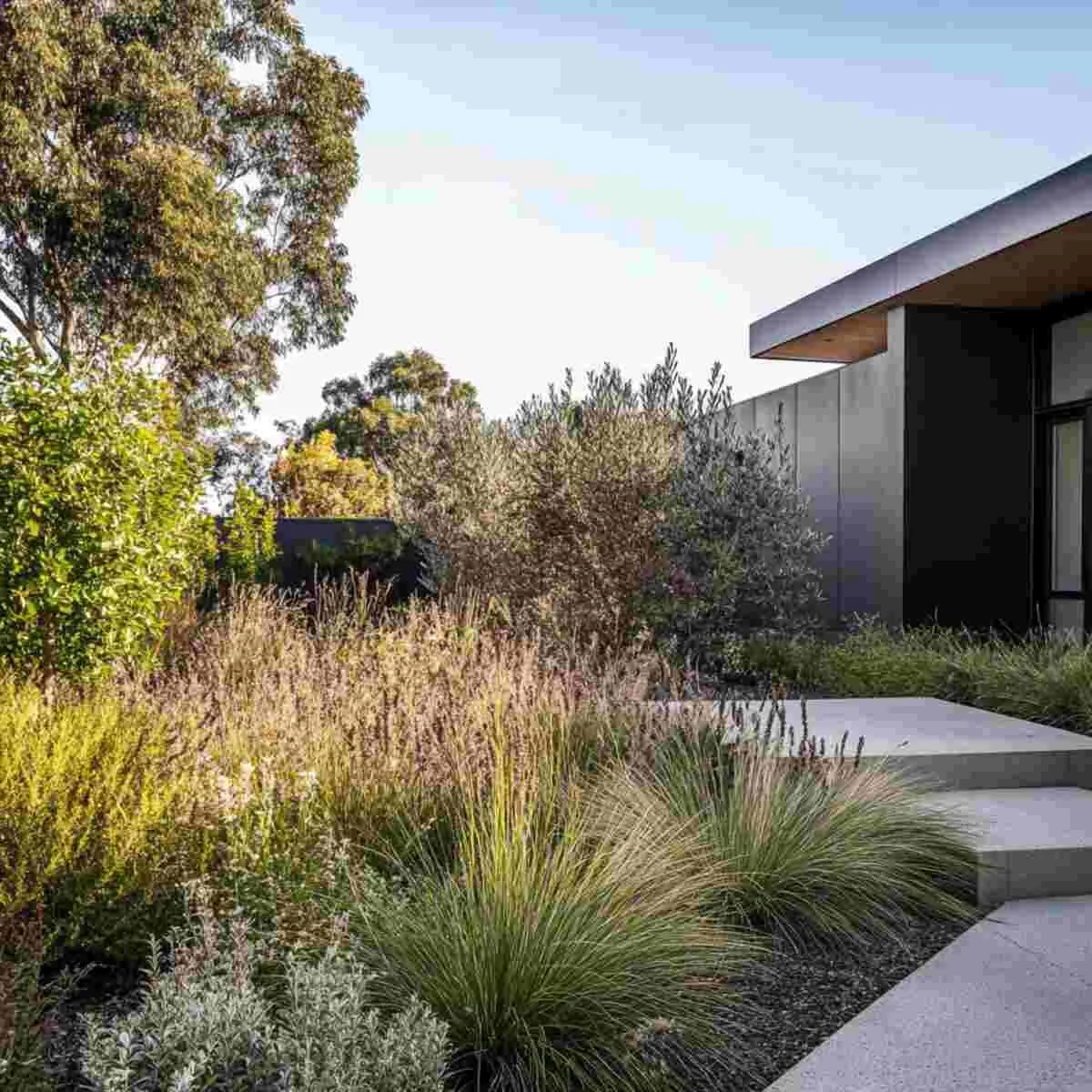
A native shrub garden can absolutely feel modern. The trick is using repetition, cleaner lines, and a more limited plant palette. Instead of filling every gap, a minimalist design gives each shrub enough space to show its form clearly.
This style often relies on strong foliage shapes, clipped or naturally mounded forms, and restrained materials such as gravel, concrete edging, or larger pavers. It feels calm because the planting is edited rather than crowded.
Native grasses and structural shrubs often pair especially well in this kind of layout, giving the space movement without visual clutter.
7. Naturalized Native Shrub Garden
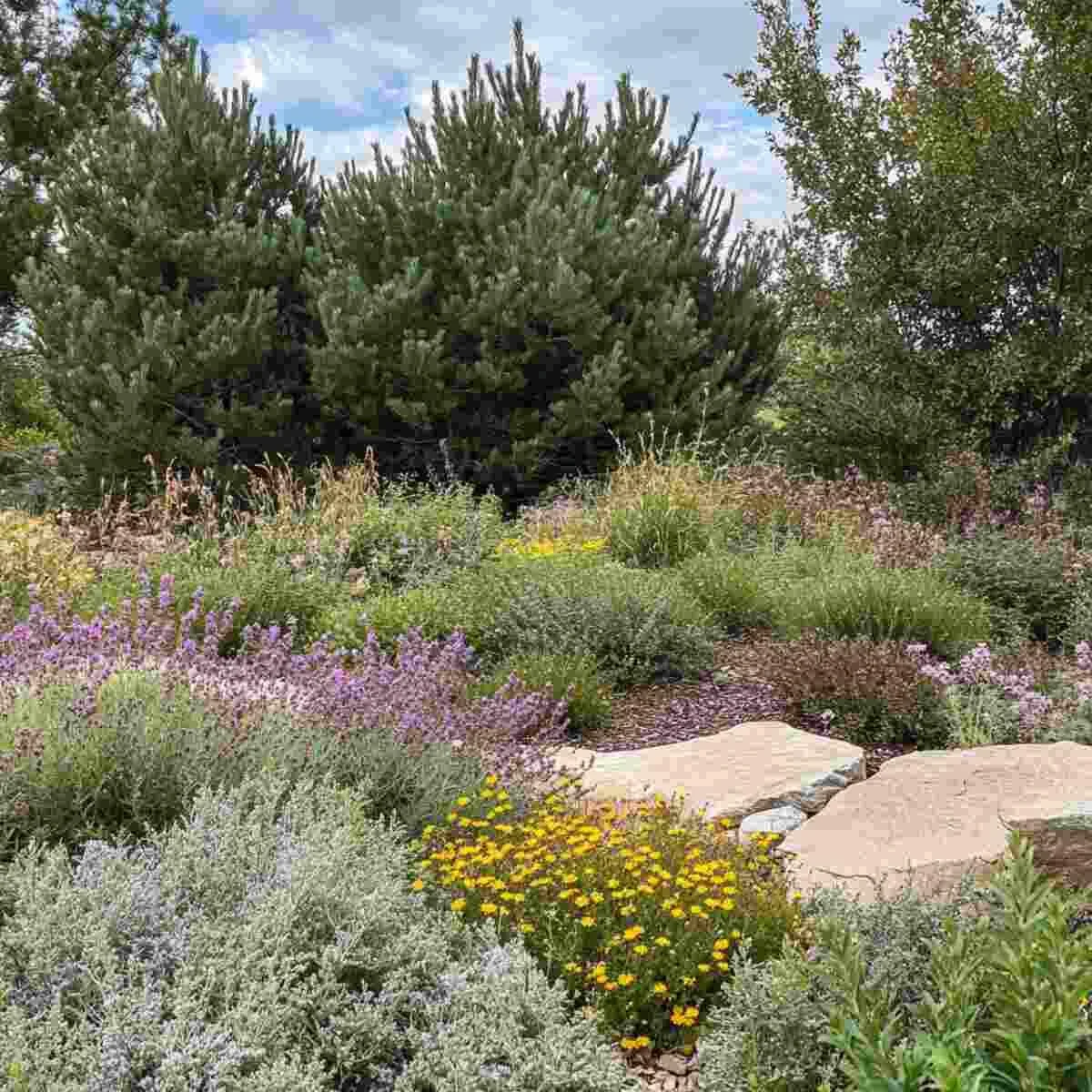
A naturalized shrub garden has a looser rhythm and feels as though it belongs to the landscape rather than being imposed on it. This makes it an excellent option for larger yards, rural settings, and gardeners who prefer a softer, less formal approach.
Uneven grouping is part of the appeal. Shrubs planted in irregular clusters with space for native perennials or grasses in between tend to feel much more convincing than rows and strict symmetry.
A winding path, a few larger stones, or a bench can give just enough structure to make the planting feel intentional while preserving that relaxed character.
8. Mixed-Texture Native Shrub Garden
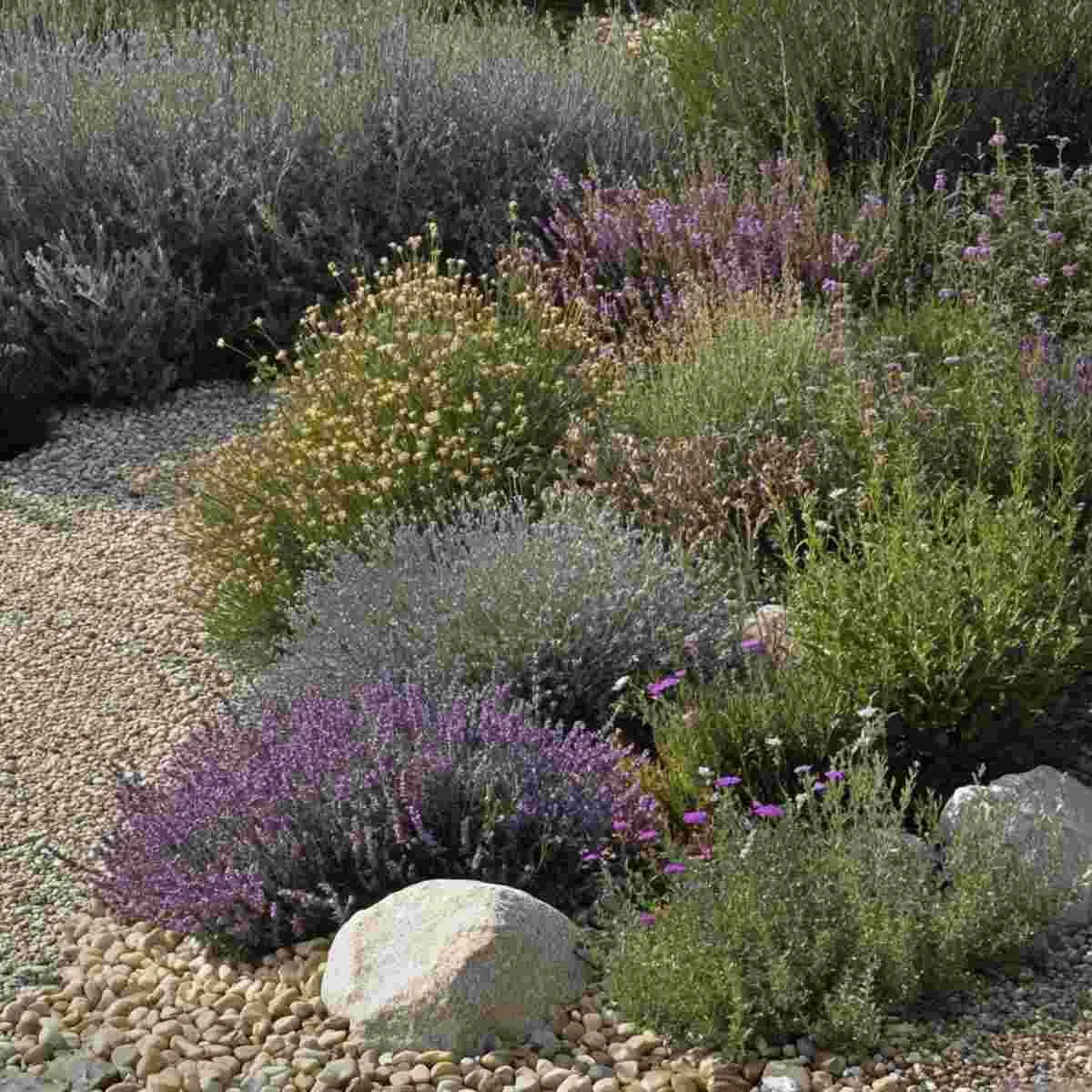
When the flower color is limited or the planting is mostly green, texture becomes what makes the garden interesting. That is where a mixed-texture shrub garden really shines. Fine foliage, broad leaves, airy bloom clusters, and dense evergreen forms all bring something different to the composition.
This approach works especially well in more neutral or design-focused gardens, where the beauty comes from contrast in form rather than from bright color alone. Gravel, stone, or mulch can make those textural differences stand out even more.
A good rule is to mix at least three distinct foliage or growth types so the eye keeps moving naturally across the bed.
9. Edible and Medicinal Native Shrub Garden
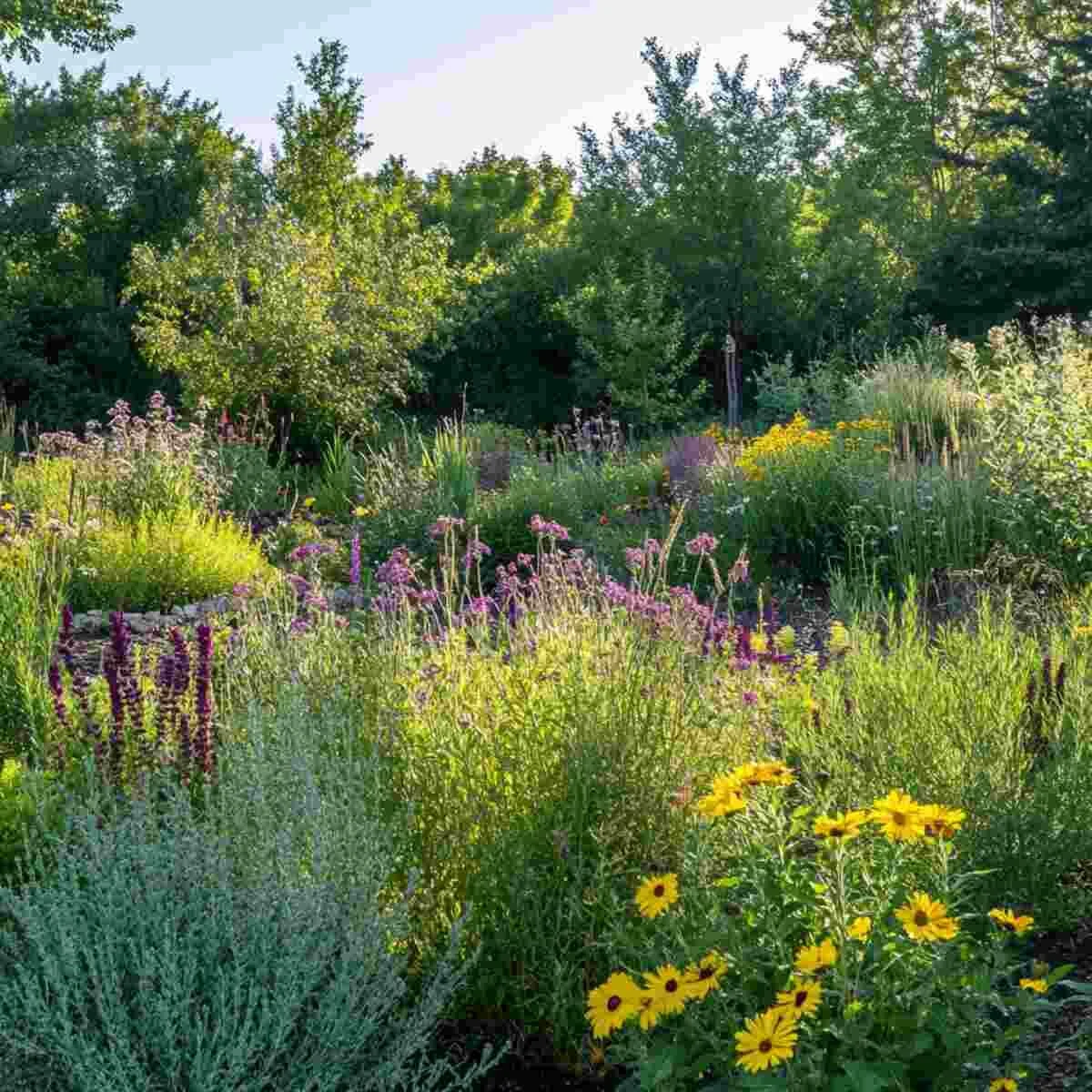
An edible and medicinal shrub garden makes the landscape feel useful as well as beautiful. Native shrubs with berries, aromatic leaves, or traditional uses can turn part of the yard into a space that supports both wildlife and everyday life.
This idea works best when the layout is kept simple enough that harvesting remains practical. Clear access matters. If the shrubs are tucked too tightly into ornamental planting, the usefulness is lost.
It is also worth paying close attention to regional plant knowledge here, since the exact edible or medicinal shrubs that make sense will vary widely depending on where you garden.
10. Cottage-Style Native Shrub Garden
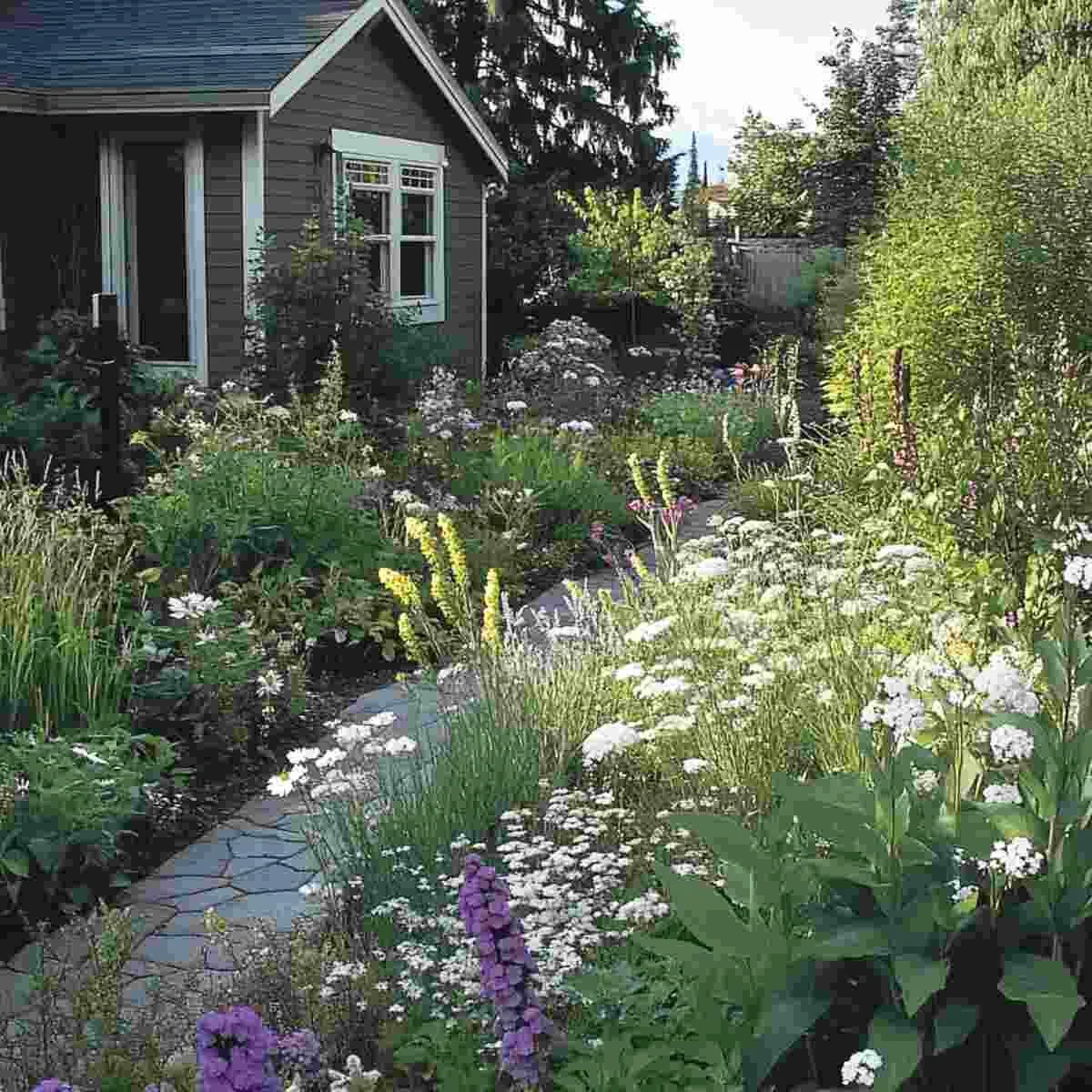
A cottage-style native shrub garden blends structure with softness. The shrubs provide the backbone, while flowering perennials, curved edges, and a loose planting style give the space that abundant, slightly romantic look associated with cottage gardens.
This style feels welcoming because it is layered rather than sparse. Shrubs can anchor the design, but the surrounding planting helps the whole bed feel full and lived-in. A winding path or an arbor can reinforce that old-garden mood.
The secret is not making it too perfect. Cottage planting should still feel generous and slightly relaxed, even when the palette is carefully considered.
11. Woodland Native Shrub Garden
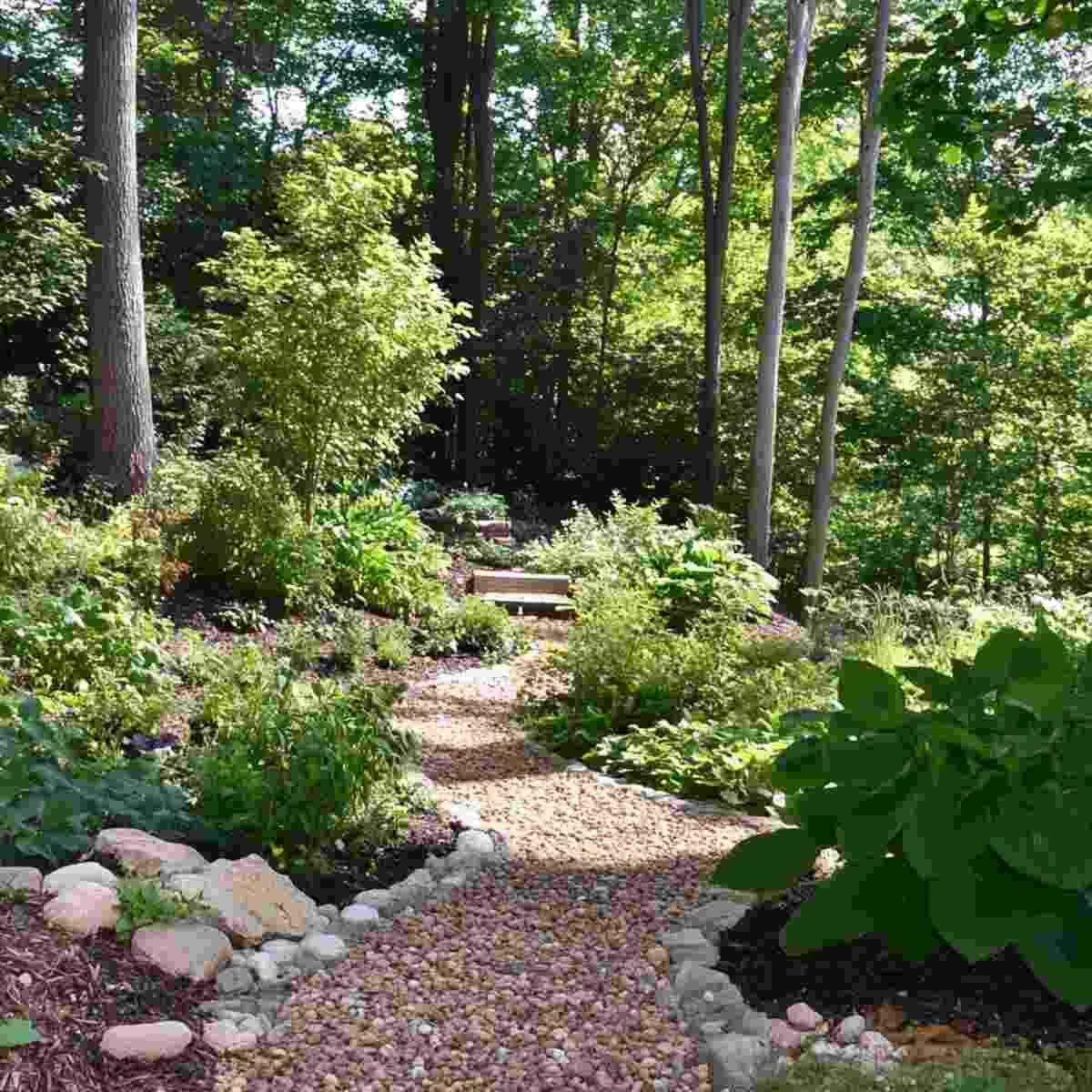
A woodland shrub garden is ideal for yards with mature trees, filtered light, and a naturally quieter atmosphere. Shade-tolerant native shrubs can turn these conditions into an asset, creating a layered retreat that feels cool, peaceful, and deeply rooted in place.
This style works best when the materials remain natural: bark mulch, pebble paths, rough stone, and simple benches all suit the mood. The planting should feel layered from the ground up, with shrubs, ferns, and low woodland plants working together.
Rather than forcing brightness into a shady area, this kind of garden embraces softness, texture, and the calm of filtered light.
Native Shrub Garden Tips
Native shrubs are usually easier to care for than non-native alternatives, but a few basic decisions make an enormous difference in how well the garden settles in.
- Check mature size before planting: shrubs nearly always need more room than they seem to at purchase
- Choose a sequence of interest: flowers, berries, fall color, and evergreen structure all help the garden stay attractive longer
- Mulch well in the early years: it helps with moisture retention and gives the bed a finished look
- Repeat a few shrubs: repetition often makes the garden look stronger than collecting too many one-offs
- Let plants keep their character: avoid over-pruning shrubs that look better in their natural form
Common Mistakes to Avoid
One of the biggest mistakes is planting too closely. Native shrubs may look small in nursery pots, but many will broaden and fill out more than expected. Crowding leads to constant pruning and a more stressed planting overall.
Another issue is mixing too many unrelated styles in one space. A garden can be naturalistic, modern, cottage-like, or woodland-inspired, but trying to make it all of those at once often creates visual confusion.
It also helps to include at least one structural feature such as a path, seating spot, gravel zone, or focal shrub grouping. Even the most natural garden benefits from a little guidance for the eye.
Frequently Asked Questions
What are native shrubs?
Native shrubs are woody plants that occur naturally in your region or local ecosystem. Because they evolved in those conditions, they are often better suited to local climate, soils, and seasonal patterns than non-native landscape shrubs.
Why should I plant native shrubs?
Native shrubs often need less water, less fertiliser, and less intervention once established. They also provide important food and shelter for birds, bees, butterflies, and other wildlife, which makes them valuable beyond their ornamental appeal.
Are native shrub gardens low maintenance?
They can be very low maintenance, especially when the plants are well matched to the site. The biggest work usually happens at the planning and establishment stage. Once the shrubs settle in, upkeep is often simpler than with more demanding landscape plants.
Can a native shrub garden still look neat and stylish?
Yes. Native shrub gardens can look modern, formal, cottage-like, or natural depending on the layout, plant spacing, materials, and the level of editing you apply. Native planting does not mean messy. It simply means working with plants that belong to the place.
Final Thoughts
A native shrub garden is one of the most practical and rewarding ways to plant a yard. It can support wildlife, reduce maintenance, bring structure through the seasons, and still look beautifully designed. Whether you prefer a minimalist layout, a lush pollinator space, or a shaded woodland retreat, native shrubs give you a strong, adaptable foundation to build on.
Written by the Zeeshe Home Editorial Team, a blog focused on practical home, garden, and outdoor inspiration.


