
Banana peels are an easy way to make better use of kitchen scraps in the garden. Instead of throwing them away, you can turn them into a simple soil booster for flowers, vegetables, and container plants. They contain useful nutrients and break down well in many organic gardening methods.

These banana peel fertilizer ideas can help you feed plants more naturally while reducing everyday waste. Some methods are quick and beginner-friendly, while others work slowly over time to improve soil health.
1. Banana Peel Composting
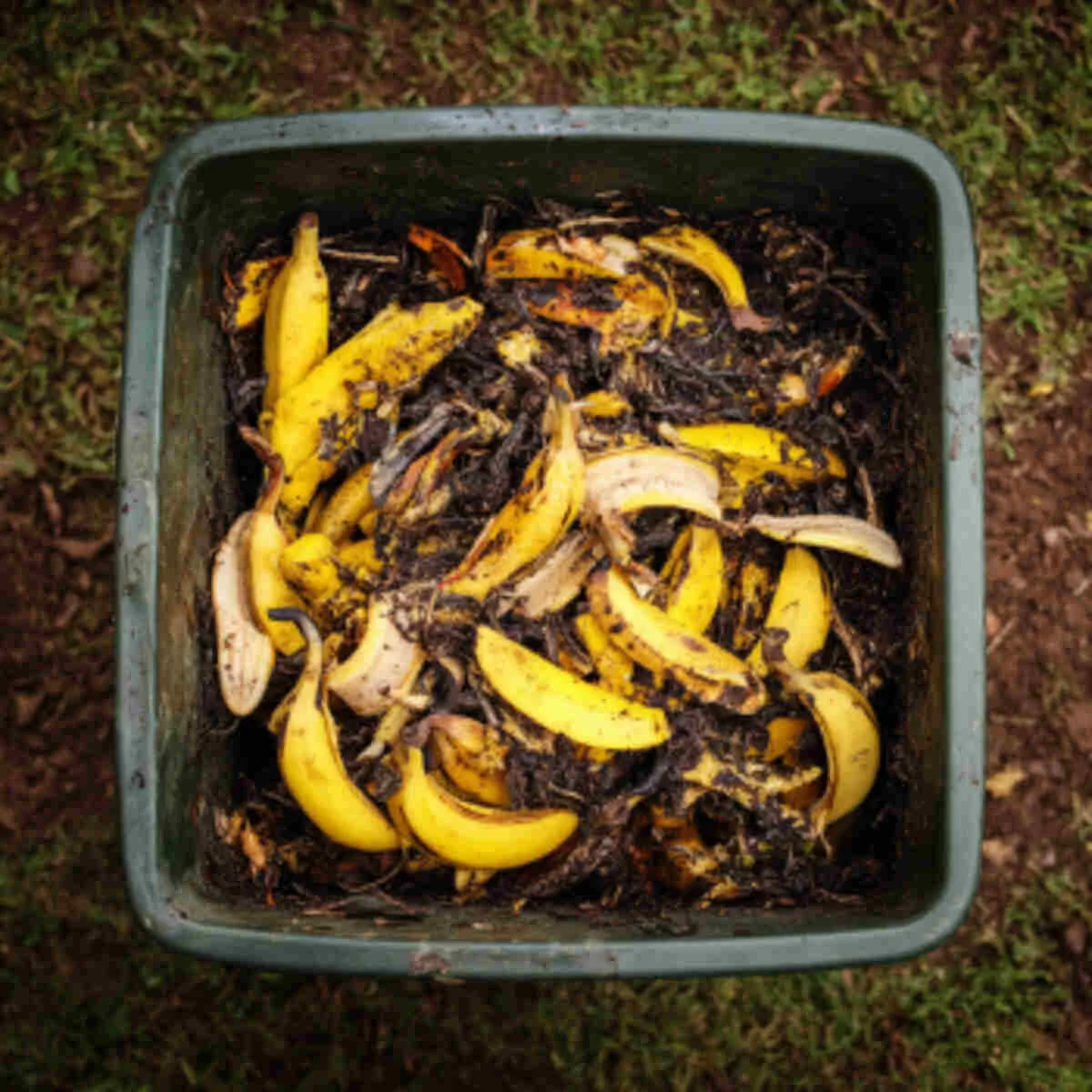
Adding banana peels to a compost bin is one of the easiest ways to recycle them in the garden. As they break down, they contribute organic matter and blend well with other compost ingredients such as leaves, vegetable scraps, and grass clippings.
Once the compost is ready, you can mix it into garden beds or containers to improve soil texture and support steady plant growth.
2. Banana Peel Powder Fertilizer
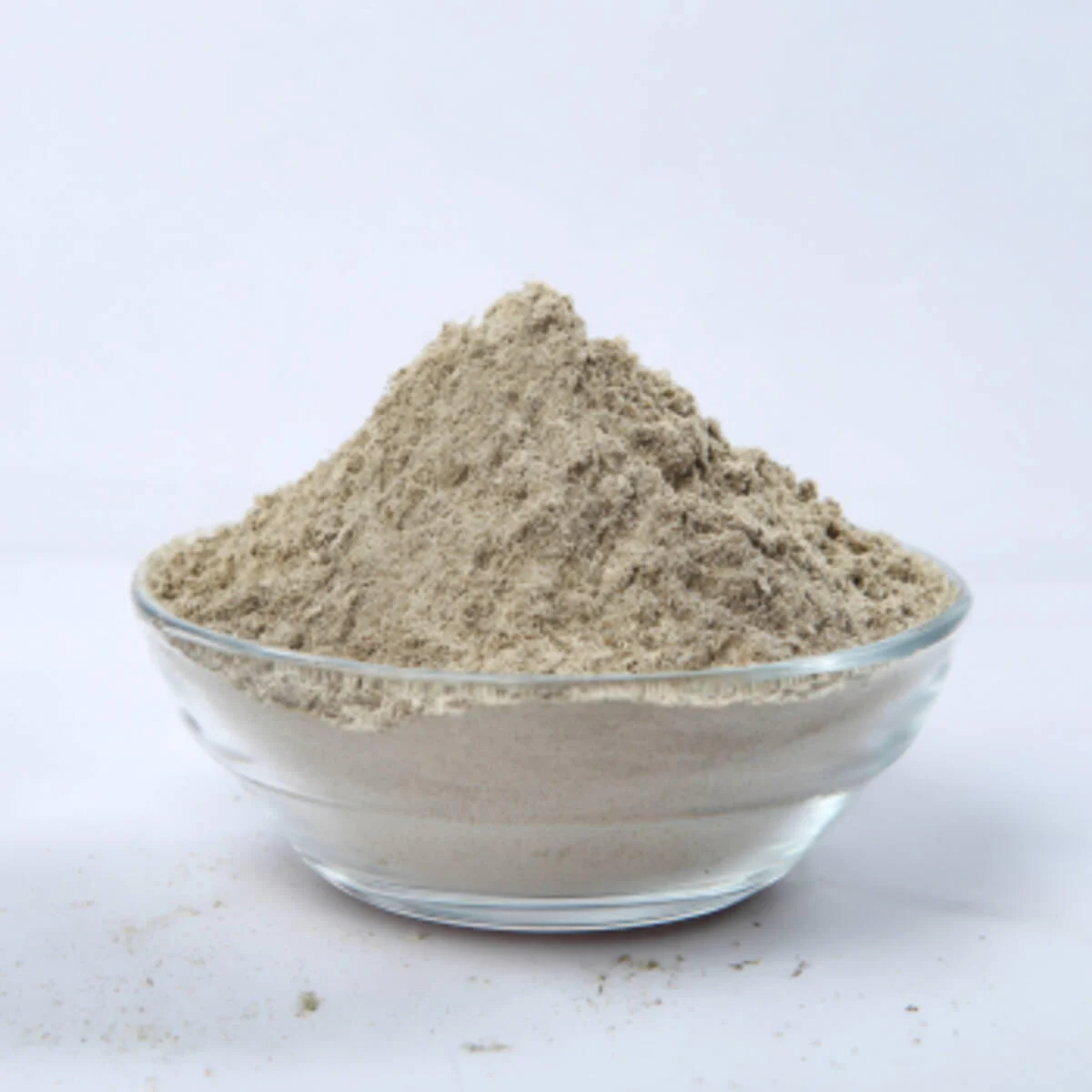
Dried banana peels can be ground into a fine powder and added to soil in small amounts. This method is tidy, easy to store, and convenient for container gardening.
The powder can be sprinkled around the base of plants or lightly mixed into potting soil before planting. It works best as part of a broader routine that includes compost and regular watering.
3. Banana Peel Tea Fertilizer
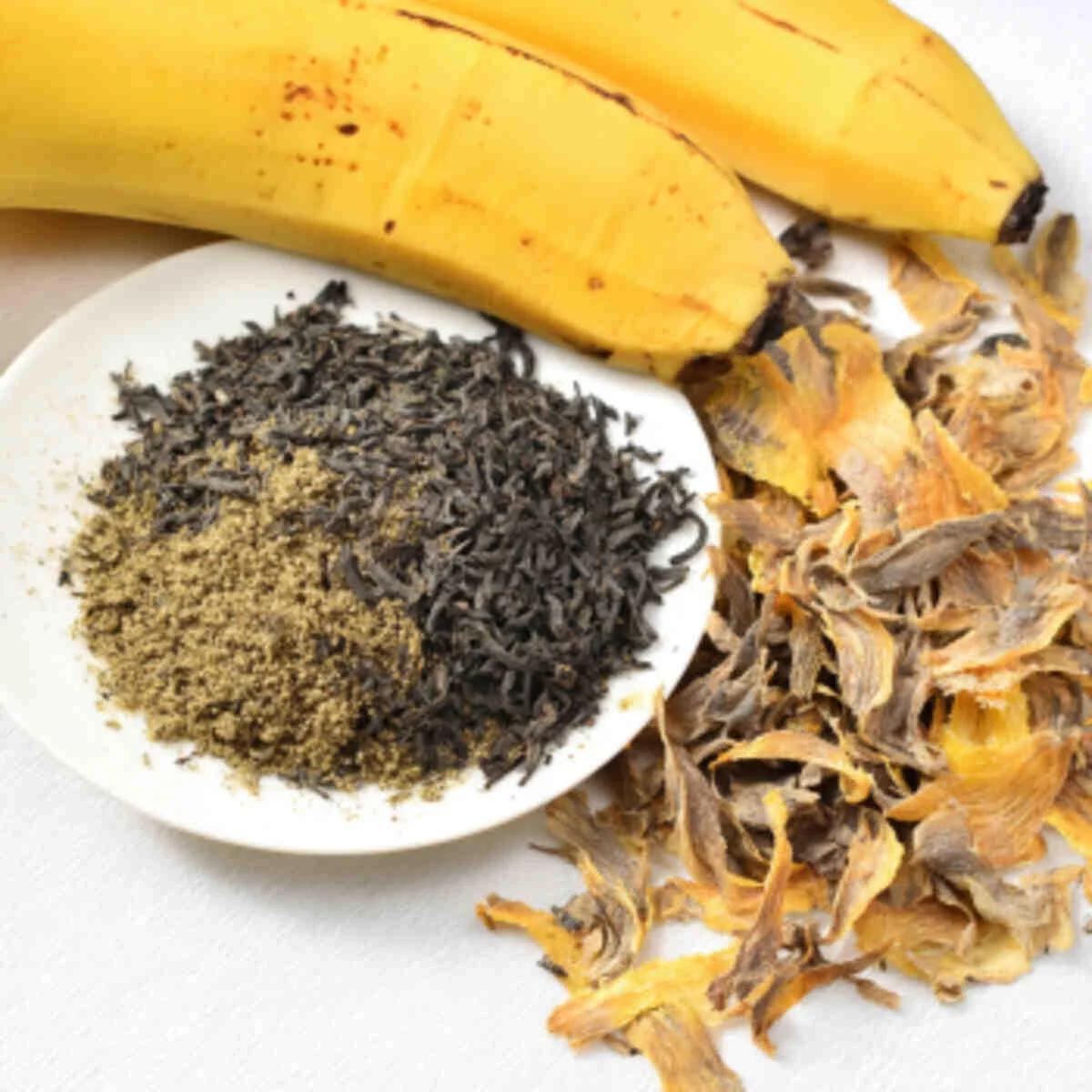
Banana peel tea is made by soaking peels in water for a day or two, then using the water around the base of plants. It is a simple way to reuse kitchen scraps without much preparation.
This method is often used for potted plants, flowers, and small garden beds where a gentle homemade plant feed is useful.
4. Fermented Banana Peel Liquid
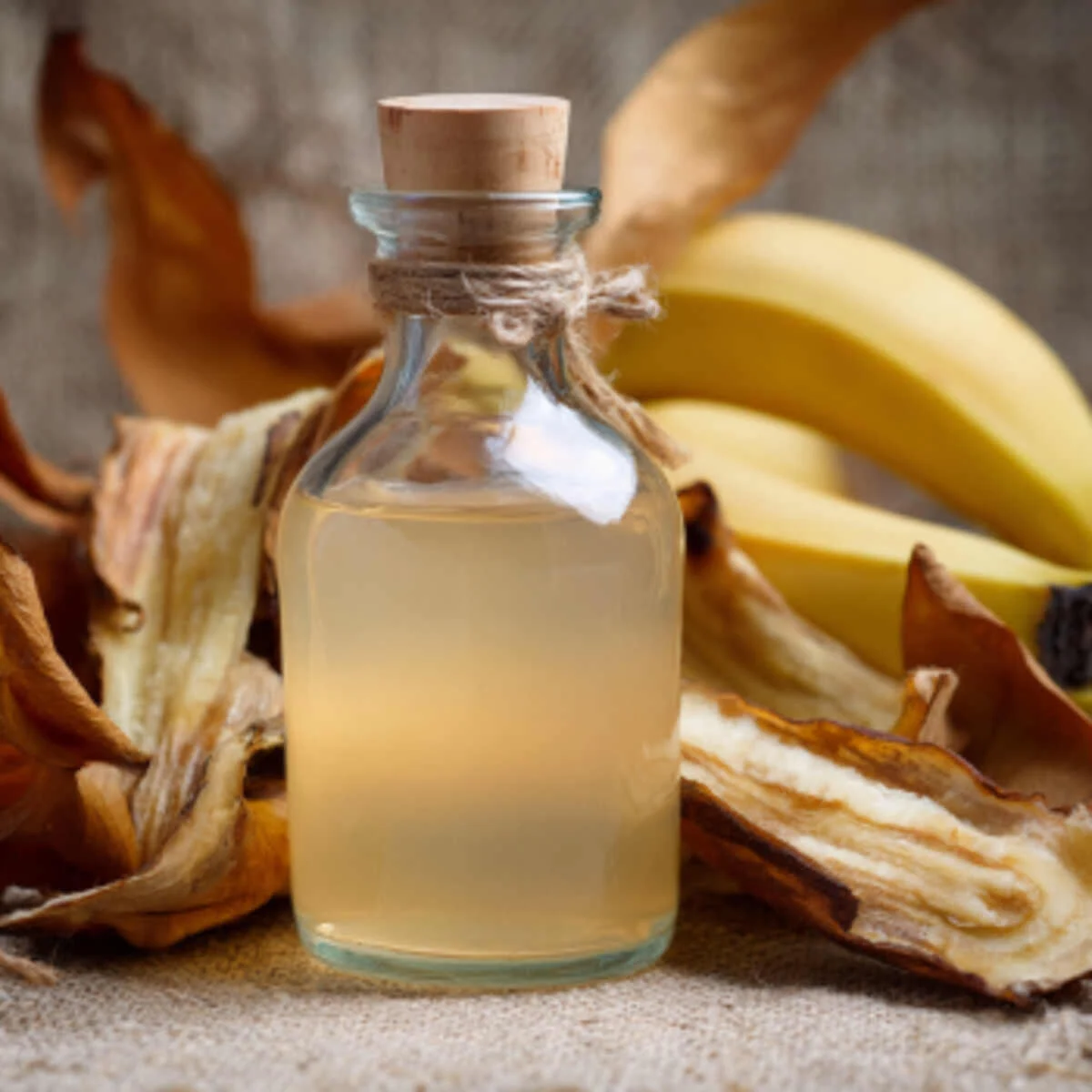
Fermenting banana peels in a covered container can create a stronger liquid soil additive for gardeners who enjoy DIY methods. This approach is slower than a simple soak, but many gardeners like it for its concentrated form.
Use it in moderation and dilute well before applying it to plants. It is best used as an occasional supplement rather than a complete fertilizer replacement.
5. Dried Banana Peel Mulch
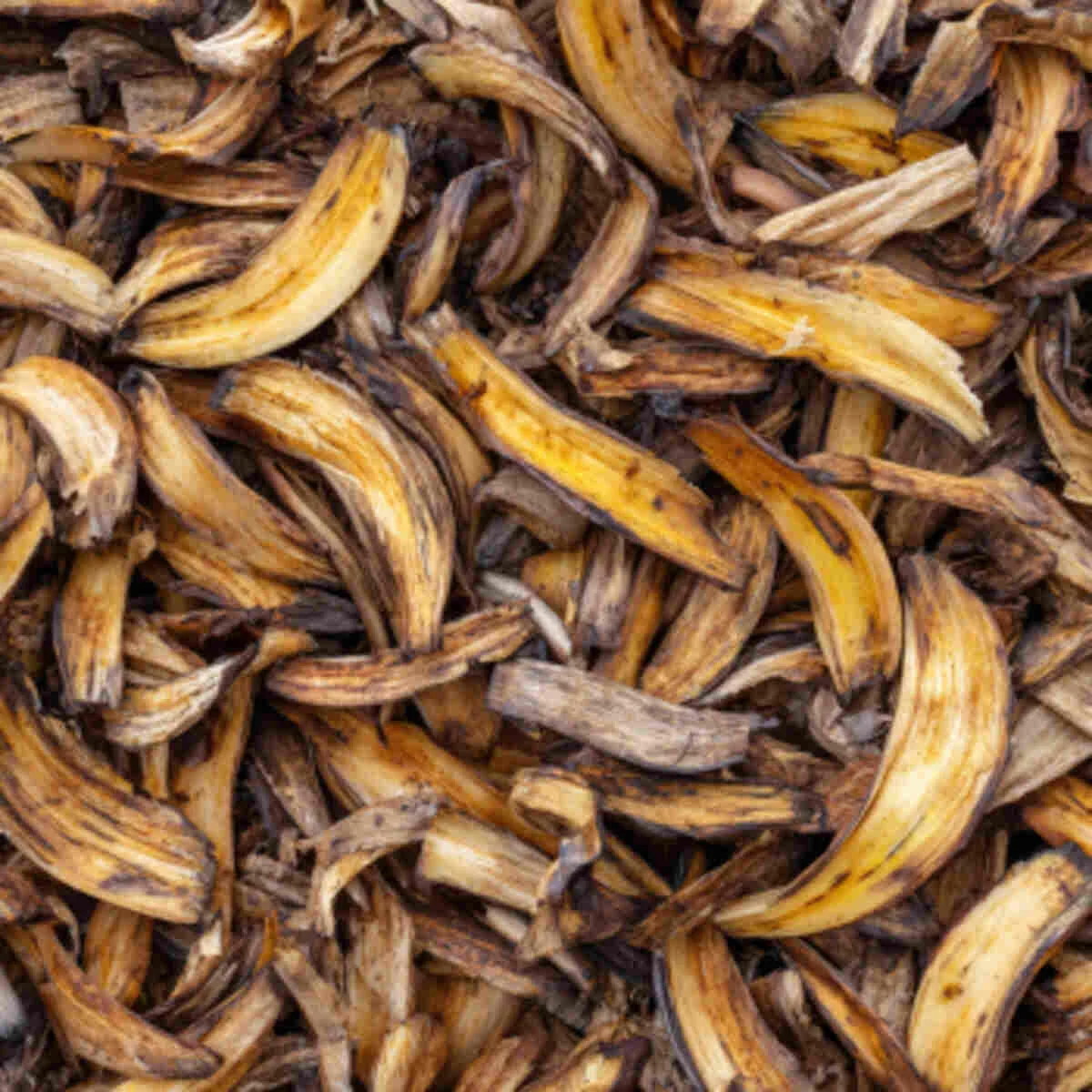
Chopped and dried banana peels can be placed lightly around plants as part of a mulch layer. As they slowly break down, they contribute organic matter to the surrounding soil.
This idea works best when the peels are used in thin amounts and combined with other mulch materials such as straw, leaf mold, or shredded leaves.
6. Banana Peel Vinegar for Acid-Loving Plants
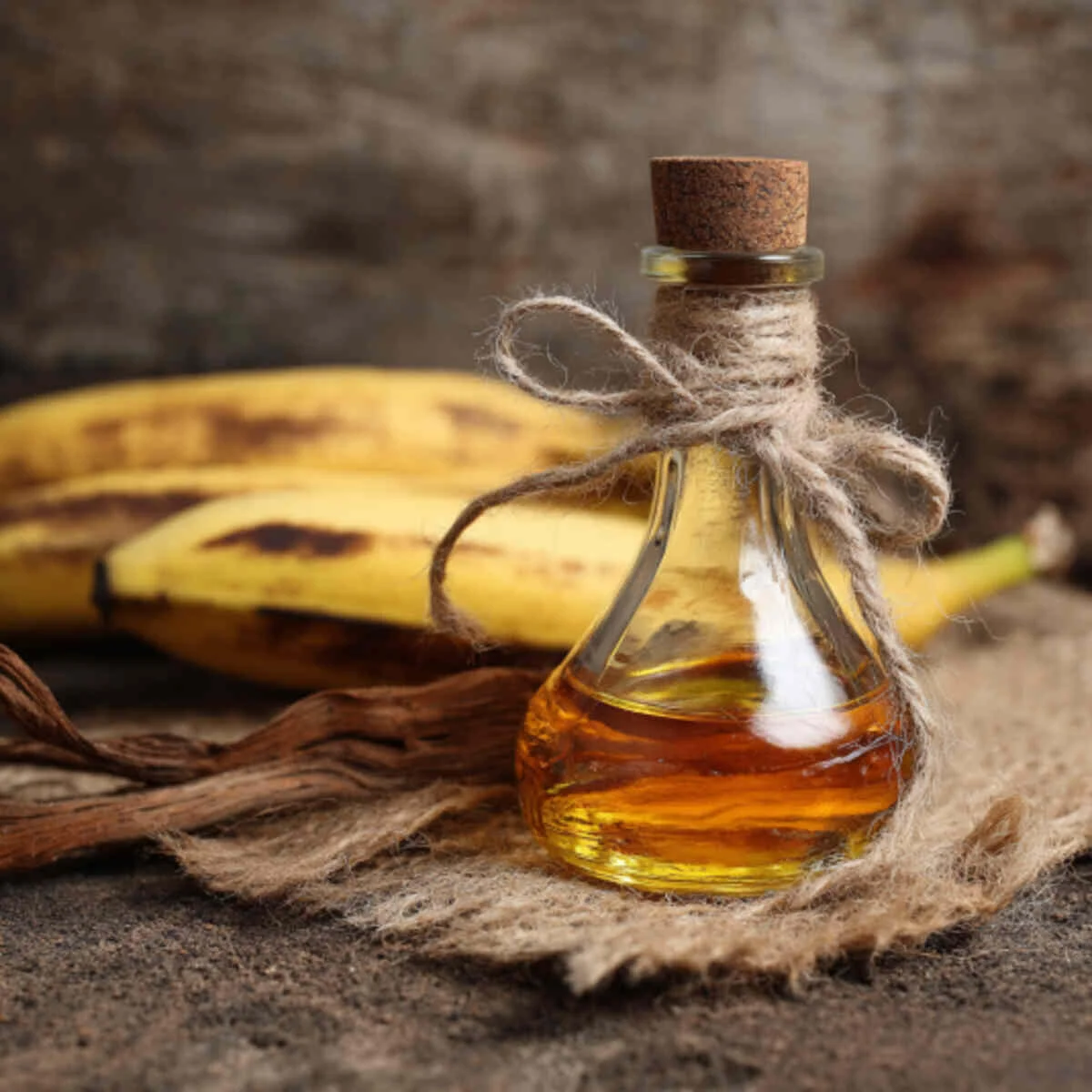
Some gardeners experiment with banana peel vinegar for acid-loving plants such as blueberries. This method involves fermenting peels until the liquid becomes acidic.
If you try this idea, use it carefully and sparingly. It is better treated as an occasional garden experiment than a routine feeding method.
7. Banana Peel Water Soak
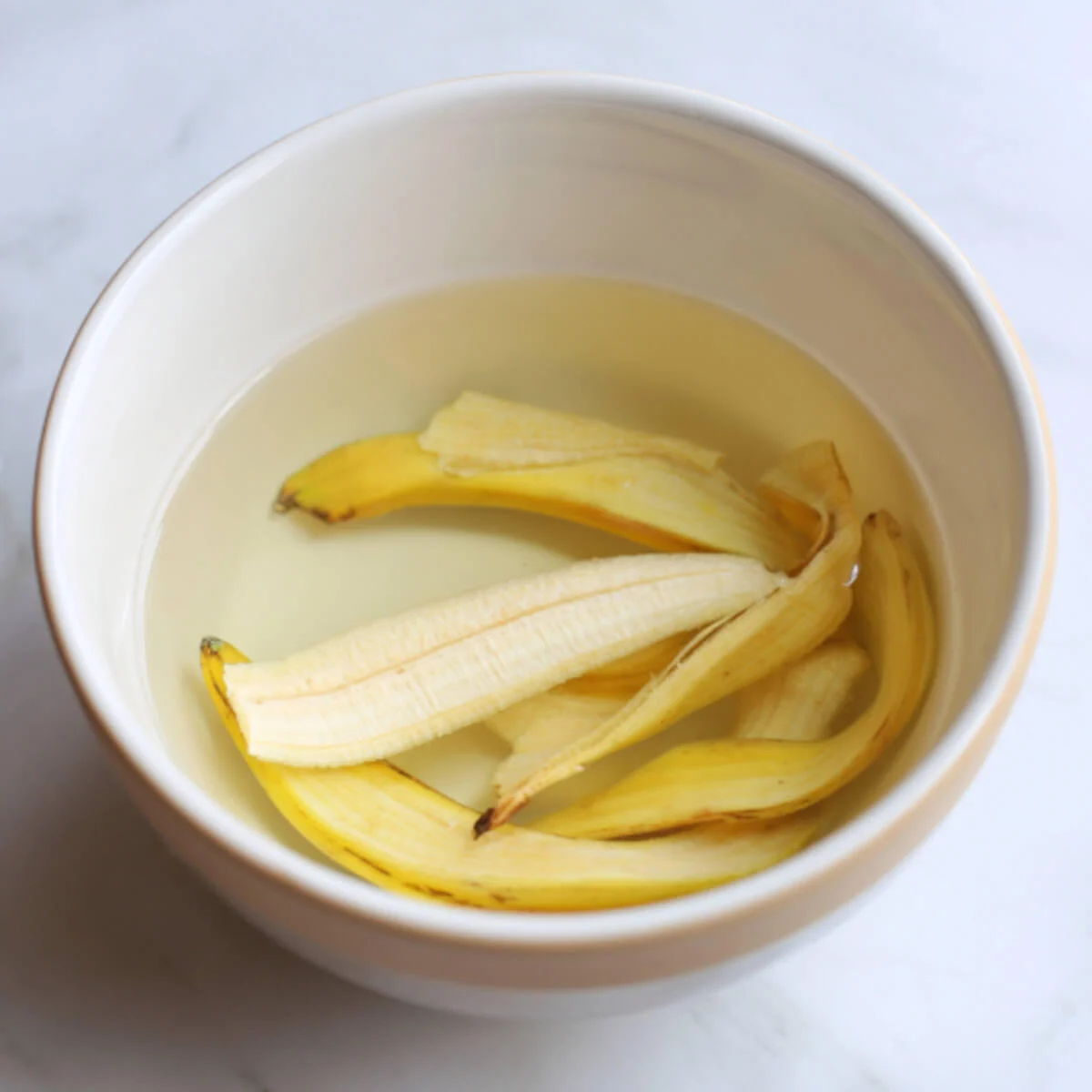
A simple banana peel water soak is one of the quickest methods on this list. Place peels in water, let them sit briefly, and use the liquid for outdoor containers or garden beds.
This is a practical option for gardeners who want a low-effort way to reuse scraps without creating a full compost system.
8. Blended Banana Peel Plant Feed
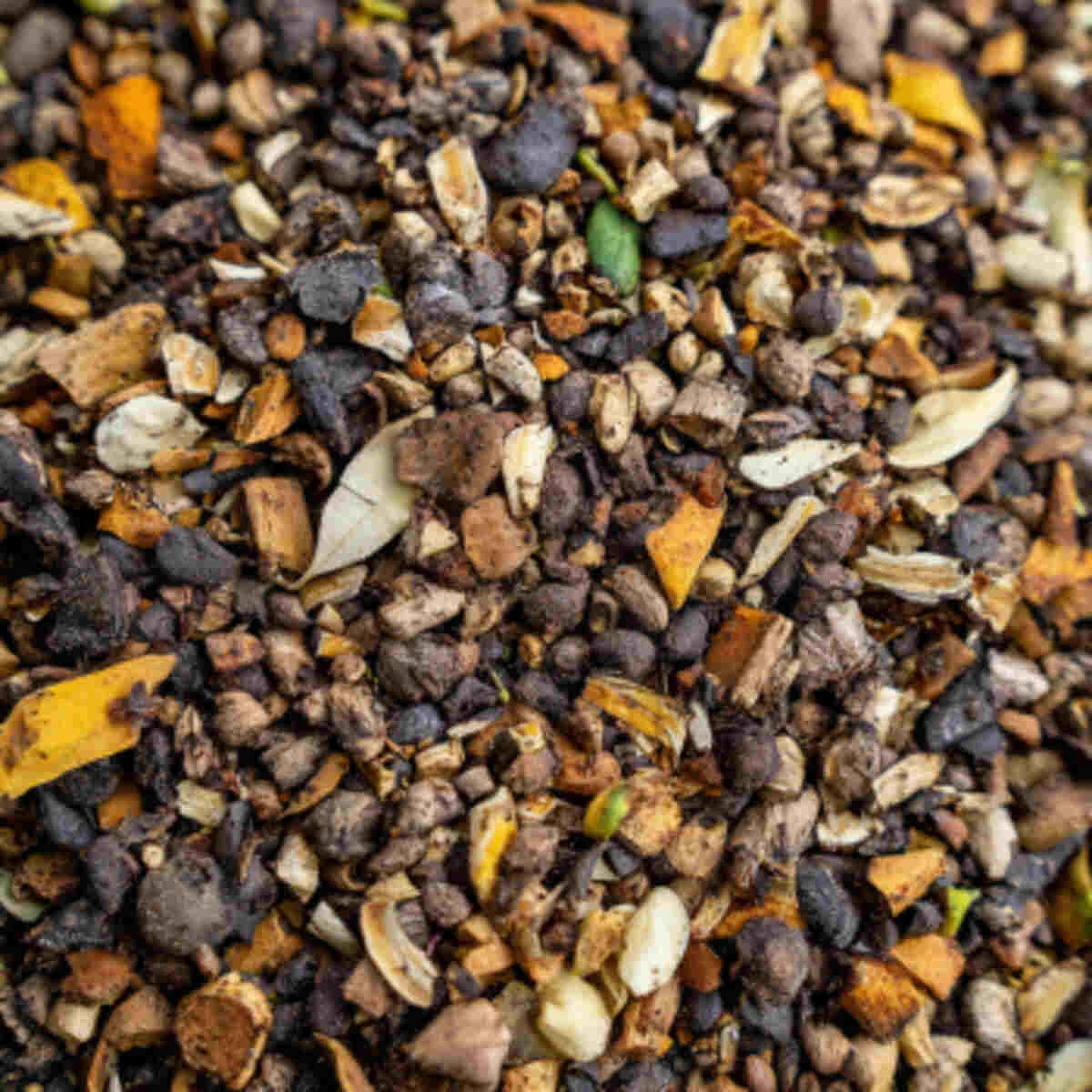
Blending banana peels with water creates a soft mixture that can be added directly to soil. This helps the peels break down faster than if they were left whole.
Use small amounts and bury or mix the blend into the soil surface to avoid attracting pests in outdoor spaces.
9. Banana Peel and Eggshell Mix
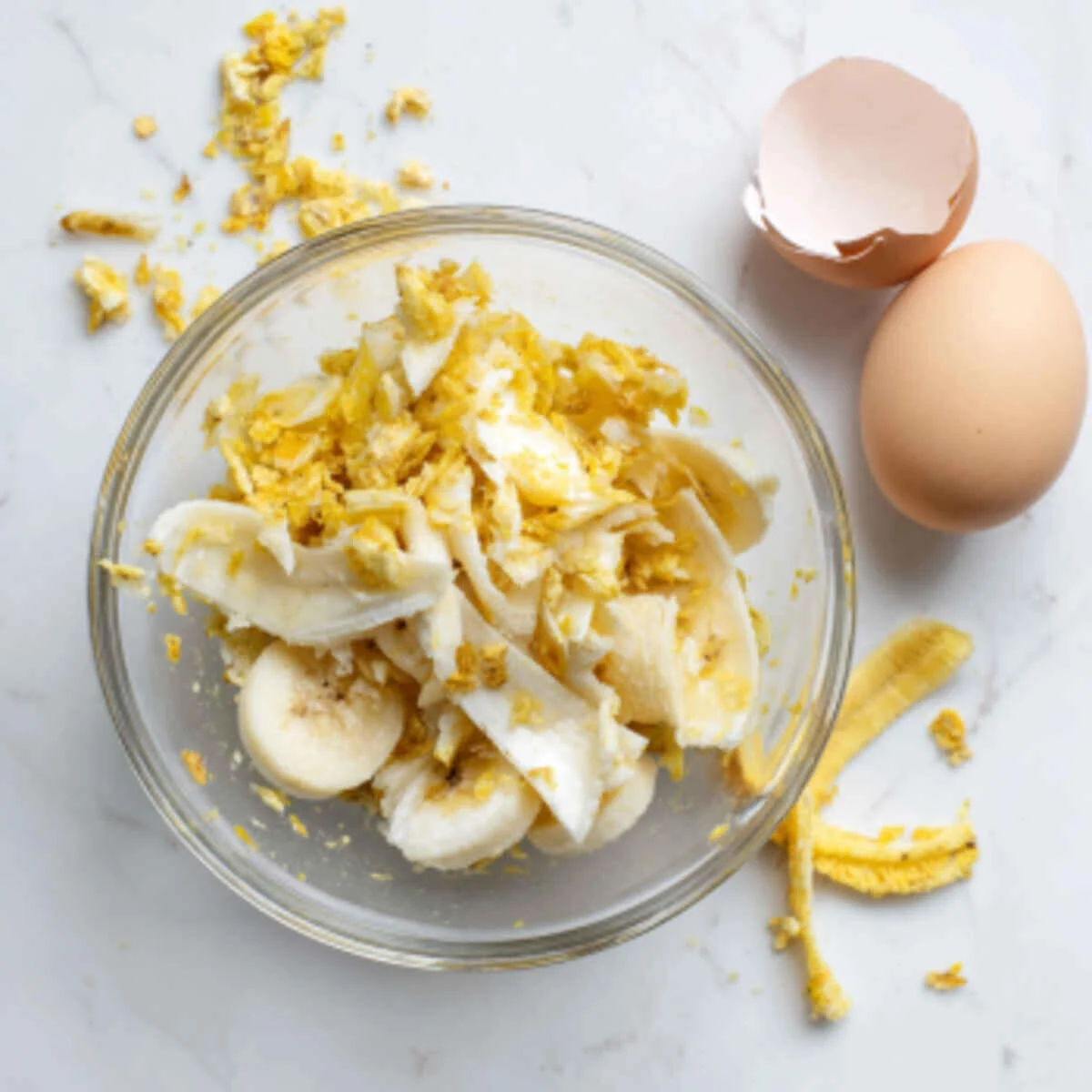
Combining banana peels with crushed eggshells creates a useful homemade mix for soil improvement. The banana peels add organic material, while eggshells are commonly used in garden mixes for their calcium content.
This combination can be added to compost or buried lightly in garden beds where slow breakdown is acceptable.
10. Banana Peel Slow-Release Pellets
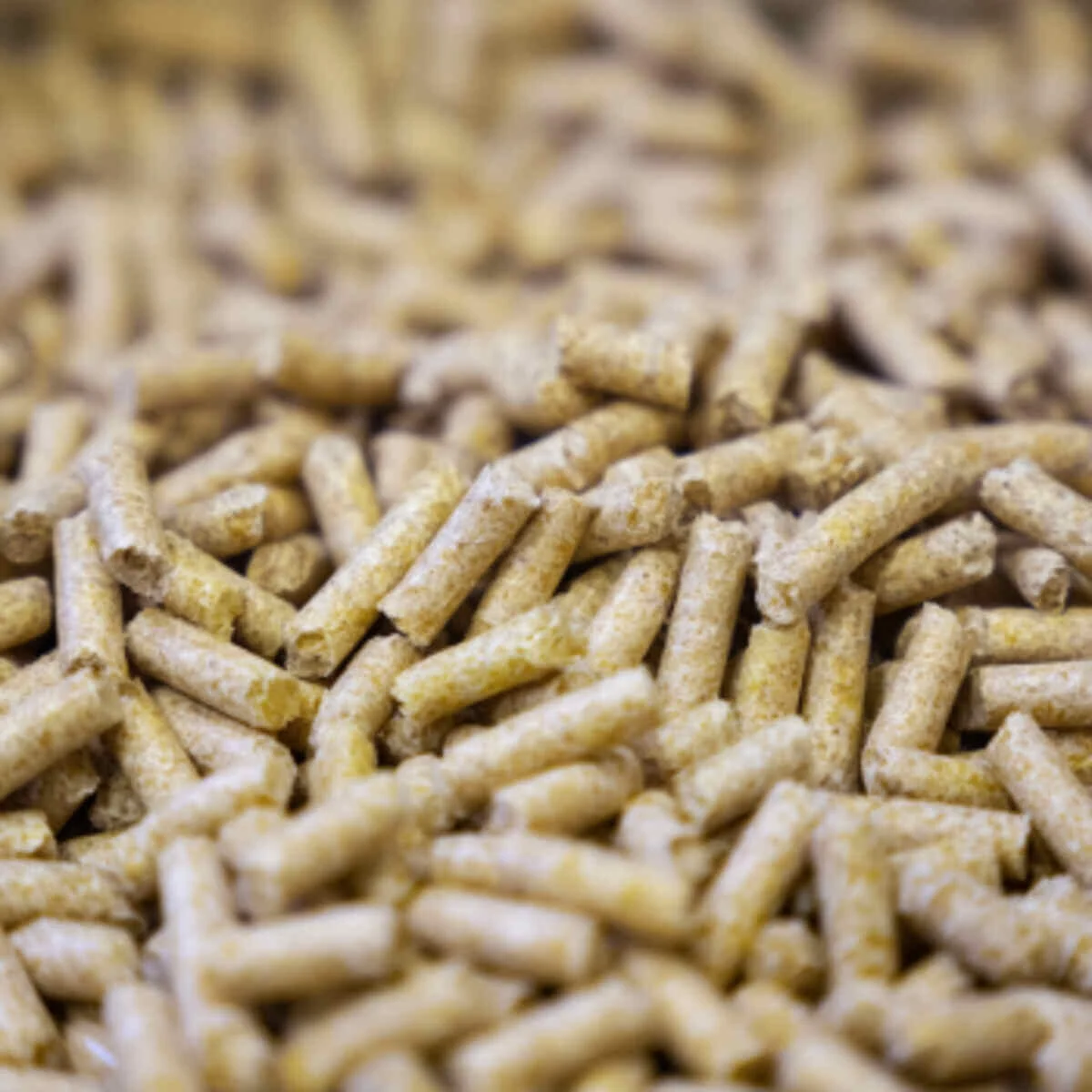
Homemade slow-release pellets made from banana peel material can be useful for gardeners who prefer a cleaner, measured approach. These can be tucked into pots or garden soil where they break down gradually.
This idea is especially appealing for container gardens where you want controlled, small-scale feeding.
11. Banana Peel Worm Bin Feed
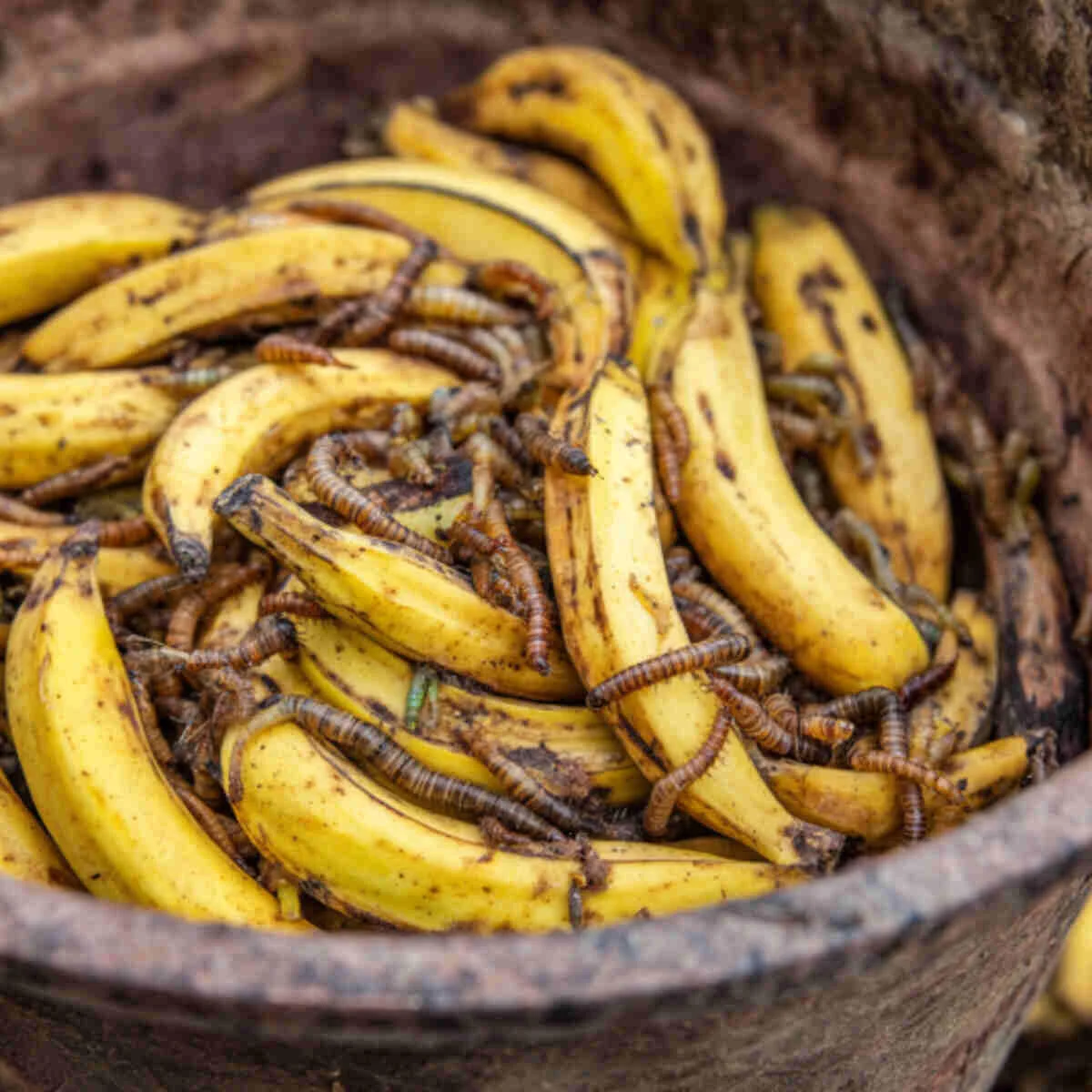
Banana peels are often added to worm bins, where they break down into nutrient-rich worm castings over time. This is a great choice if you already compost with worms indoors or outdoors.
The finished castings can then be mixed into seed-starting soil, garden beds, or houseplant containers.
12. Banana Peel Garden Burying Method
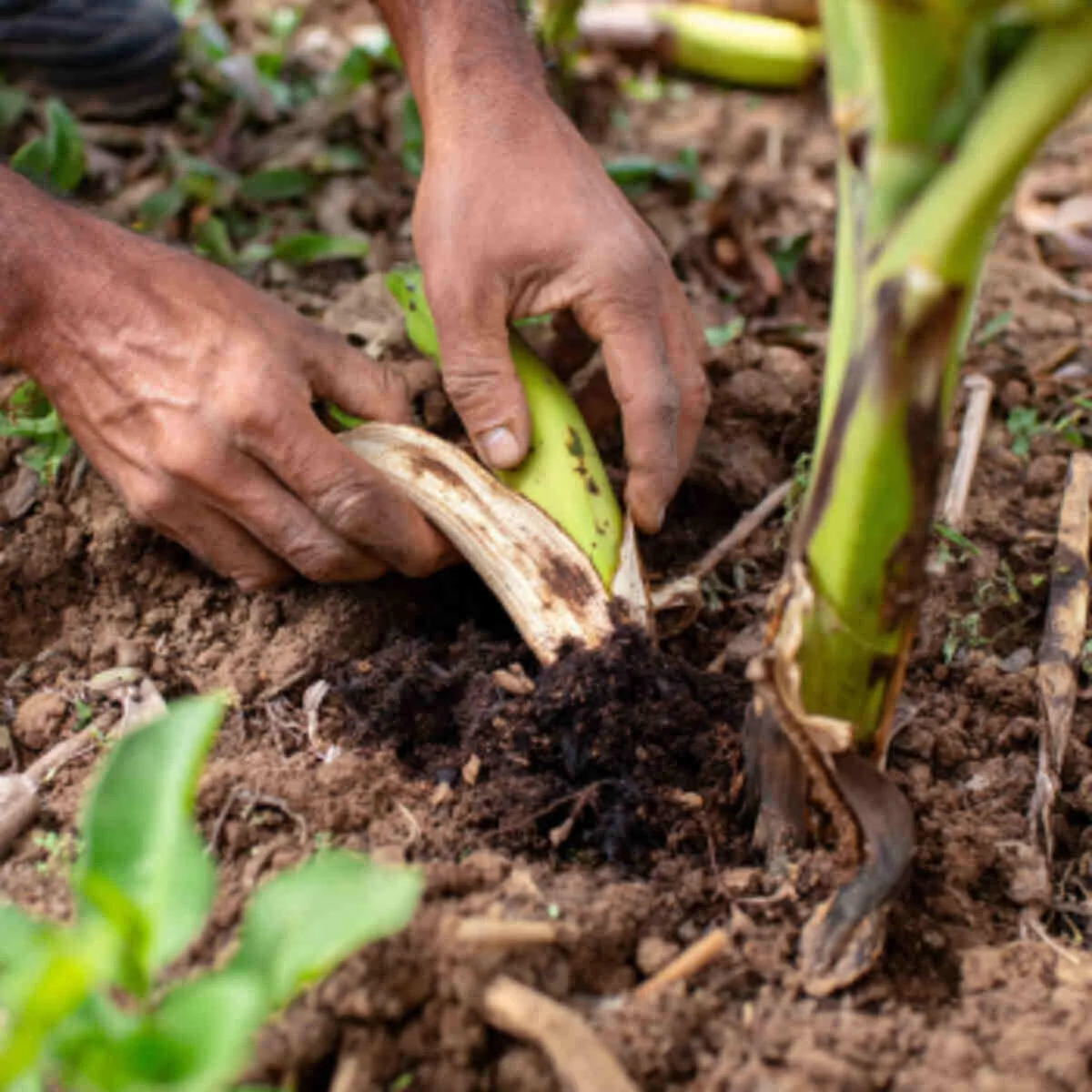
Burying small pieces of banana peel directly in the garden is one of the most straightforward methods. The peels decompose underground and add organic matter near the root zone.
This works best when the pieces are chopped first and buried a little below the surface so they do not attract animals.
13. Banana Peel Foliar Spray
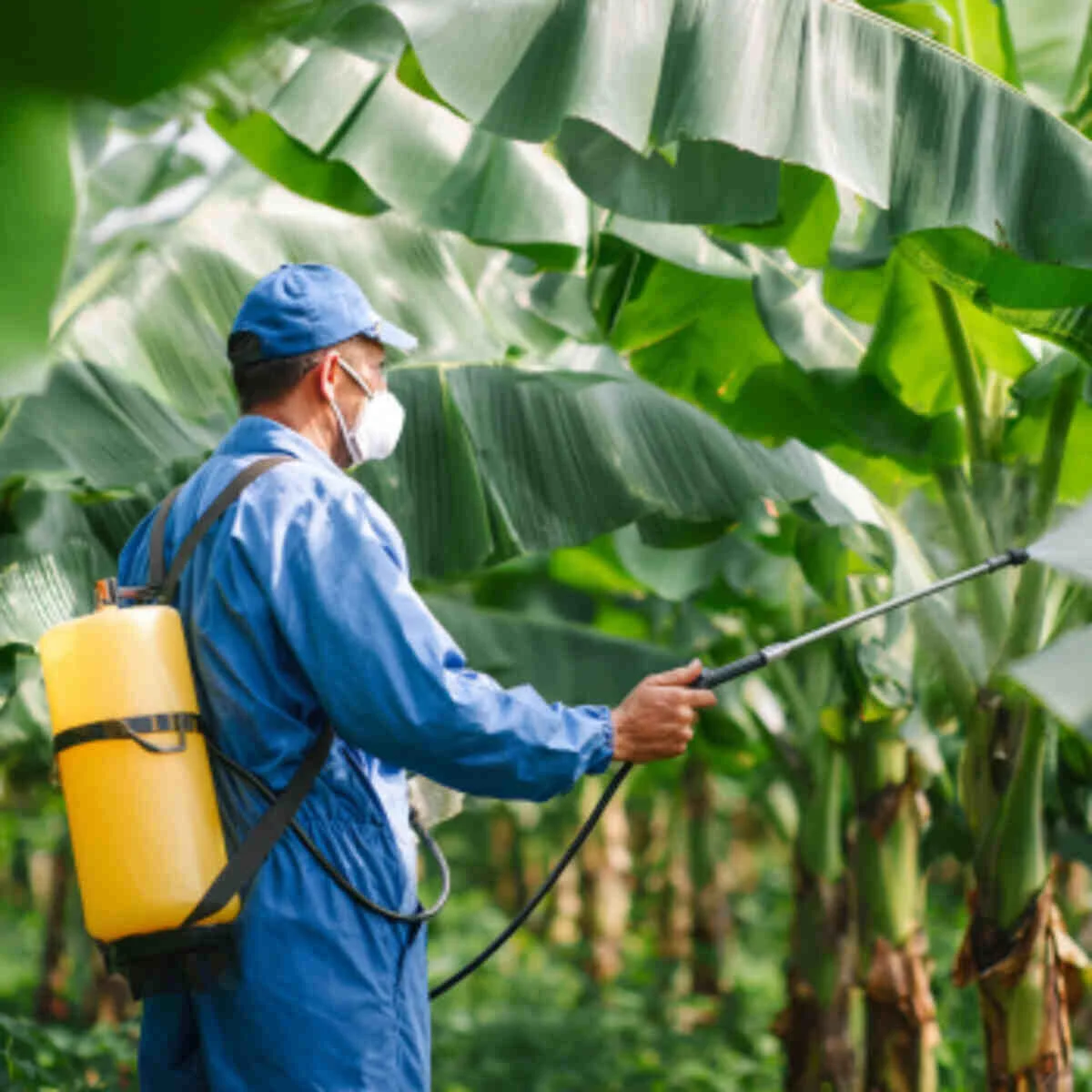
Some gardeners strain diluted banana peel liquid and use it as a foliar spray. This method is more experimental and is generally used as a light supplement rather than a main feeding routine.
If you try it, test it on a small part of the plant first and avoid spraying in strong sun.
14. Banana Peel Ash for Potassium Support
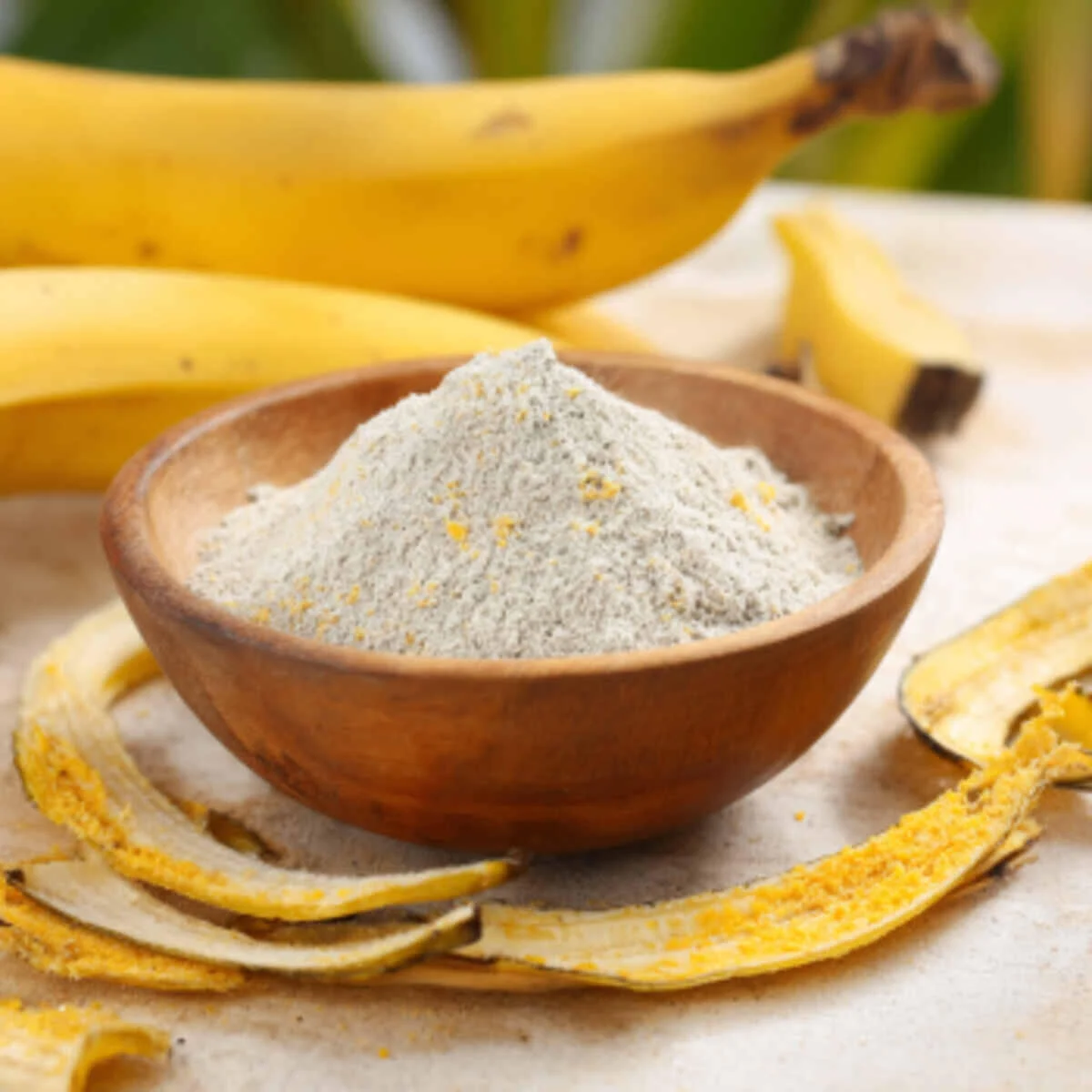
Dried banana peels can be burned and the ash used sparingly in the garden. Gardeners sometimes choose this method when they want a concentrated material that is easy to store and apply in very small amounts.
Because ash can affect soil balance, it is best used cautiously and only where it makes sense for your soil type and plant needs.
15. Banana Peel in Seedling Starter Mix
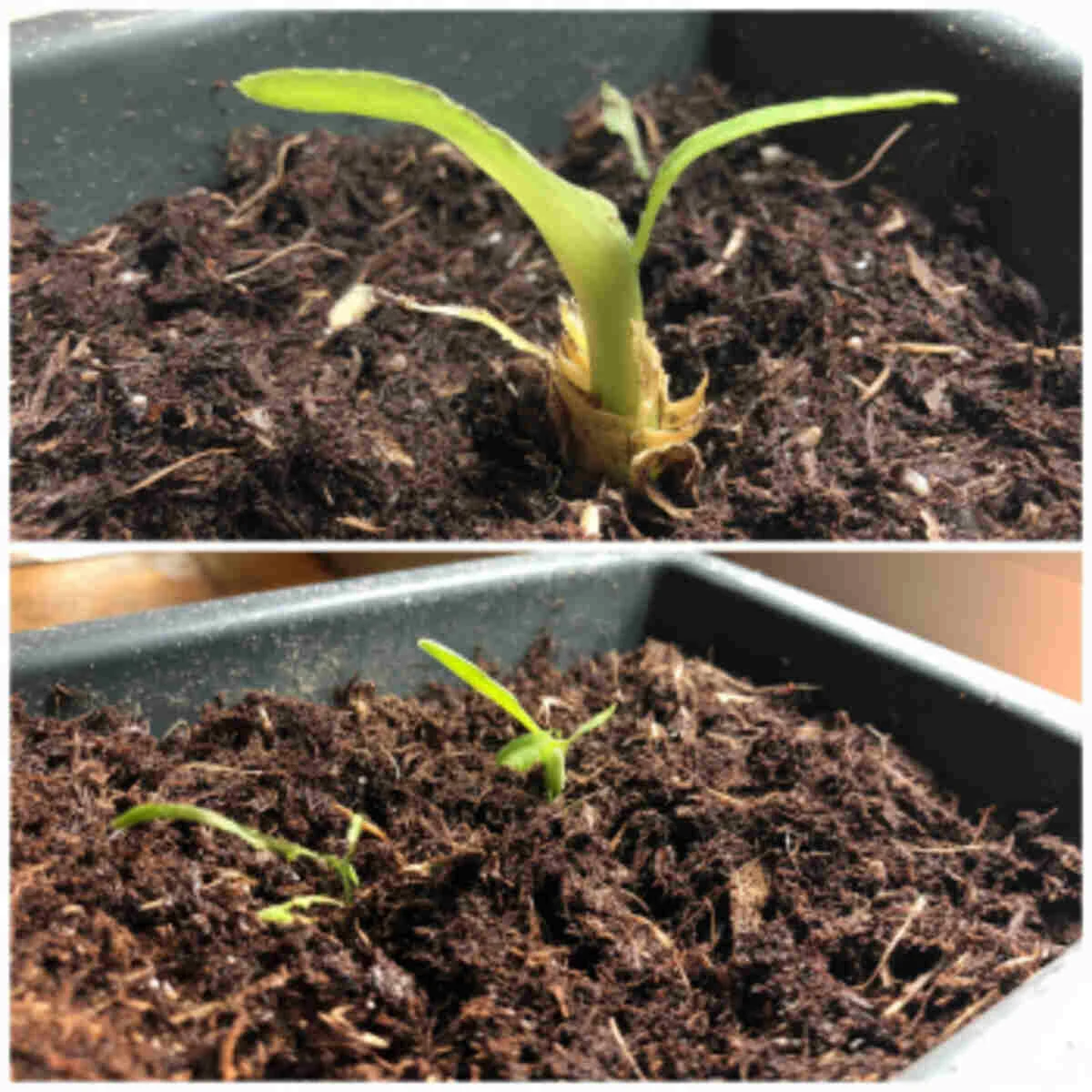
Finely chopped banana peels can be added in tiny amounts to starter mixes or potting blends. As they break down, they contribute to the organic matter in the soil.
Use a light hand here, especially with seedlings, since young plants benefit most from a balanced and well-draining mix.
16. Banana Peel and Coffee Grounds Combo
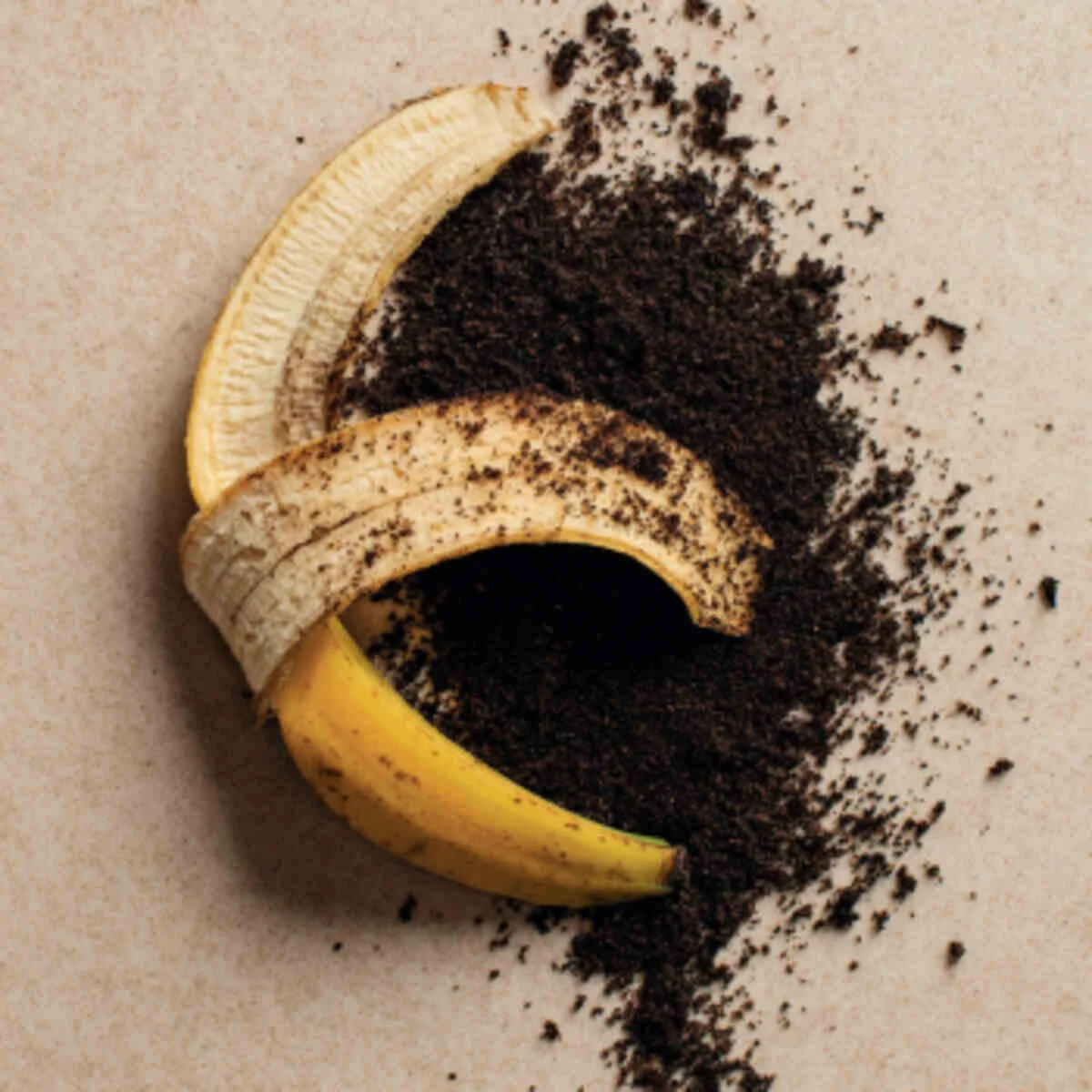
Banana peels and used coffee grounds are both popular compost ingredients. Together, they can be added to compost piles or mixed into organic garden blends where they break down gradually.
This combination is useful for gardeners who want to make use of everyday kitchen leftovers in a simple, practical way.
17. Banana Peel Root Feeder Rings
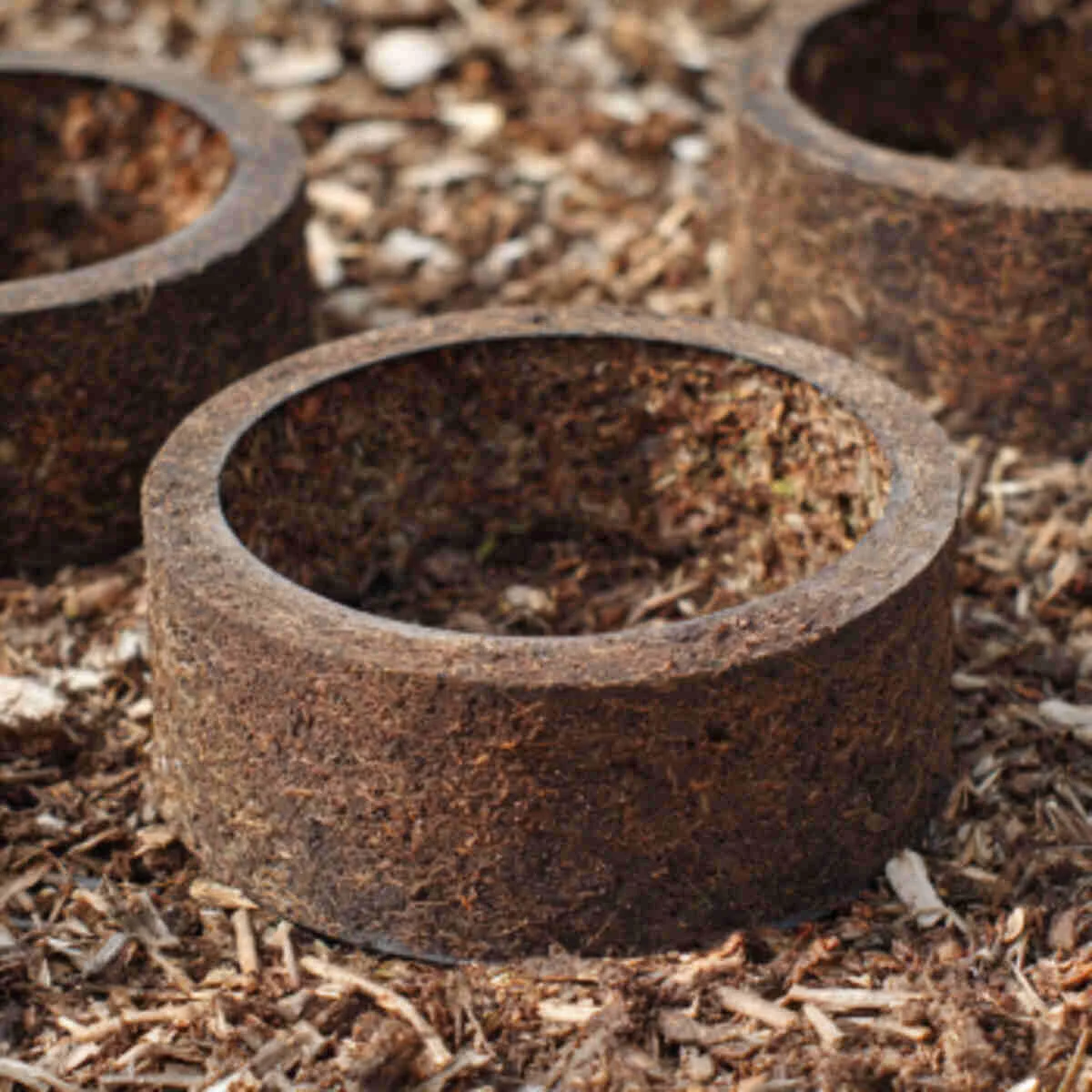
Banana peels can be cut into pieces and arranged in a ring around the root area of larger plants, then covered lightly with soil or mulch. This keeps the material close to where moisture and breakdown can happen steadily.
It is a simple method for garden beds where you want slow decomposition without much preparation.
18. Banana Peel Hydroponic Nutrient Experiment
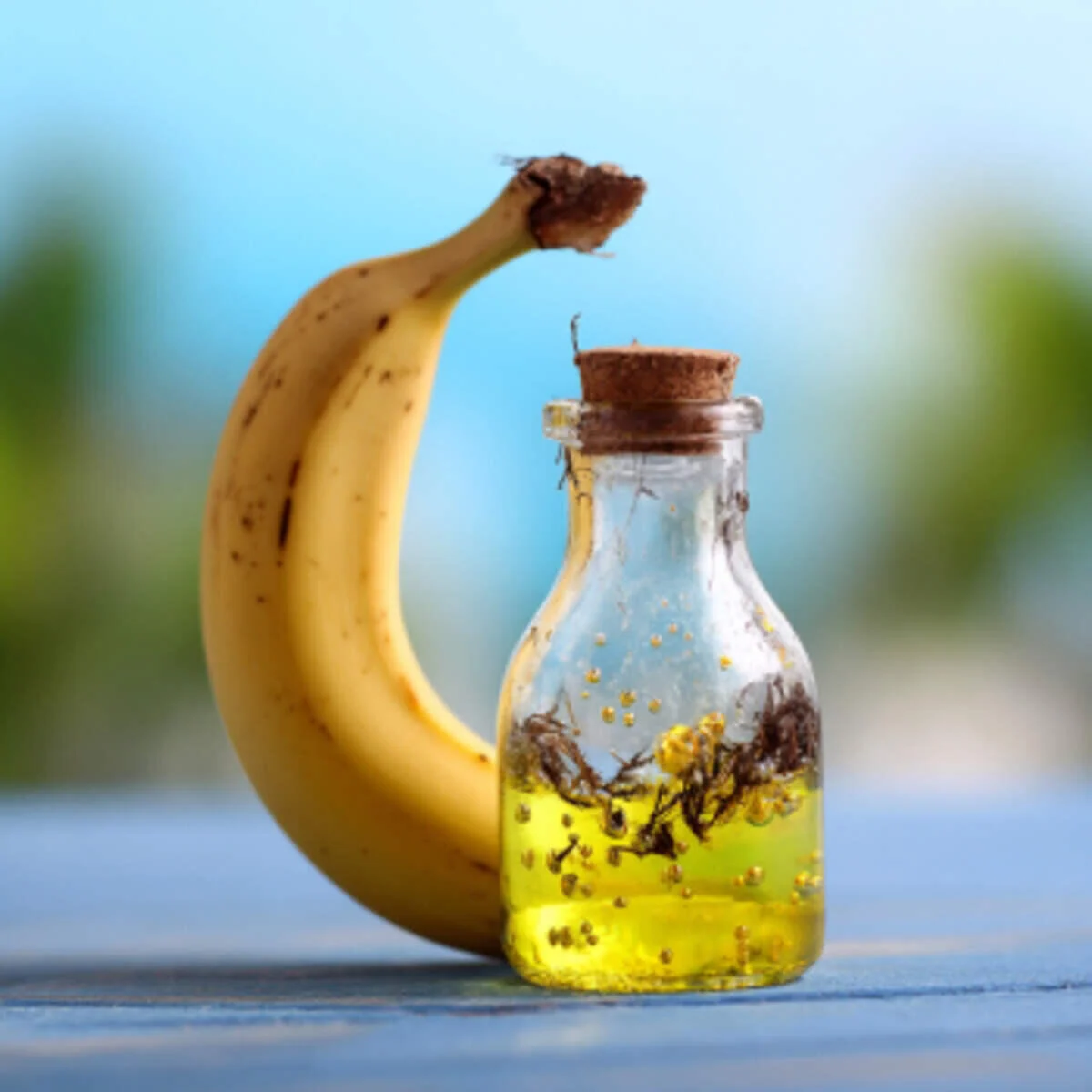
Some home gardeners test banana peel extracts in hydroponic setups as a natural supplement. This is a more advanced and experimental idea, since hydroponic systems require balanced nutrient control.
For best results, use caution and keep this as a trial method rather than the main nutrition source for water-grown plants.
19. Banana Peel Bokashi Method
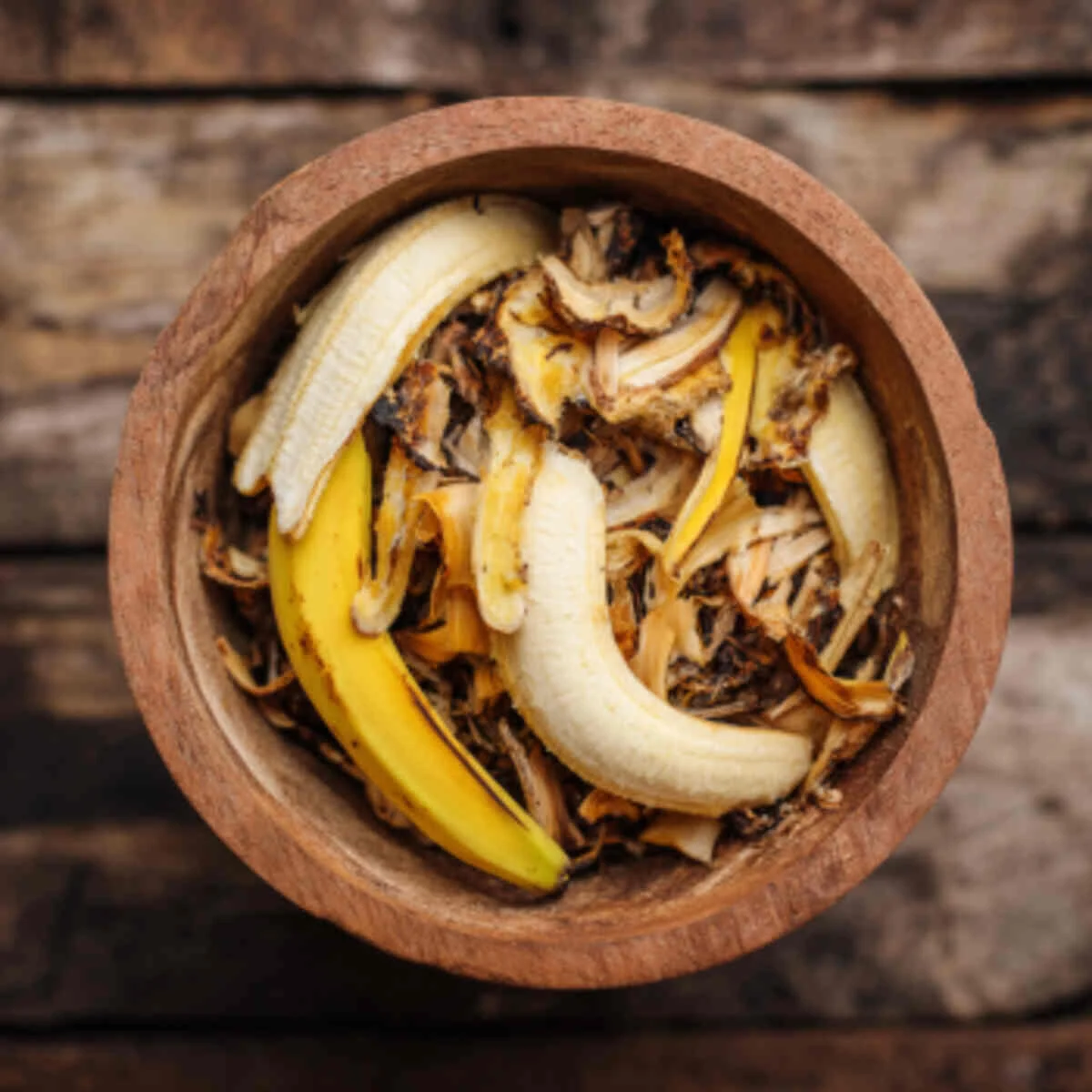
Banana peels can also be added to a bokashi compost system, where fermentation speeds up the breakdown of kitchen waste. This method is useful for gardeners who want an indoor composting option with less odor and faster results.
Once processed, the material can be buried in soil or added to compost for further decomposition.
20. Banana Peel in Raised Bed Layers
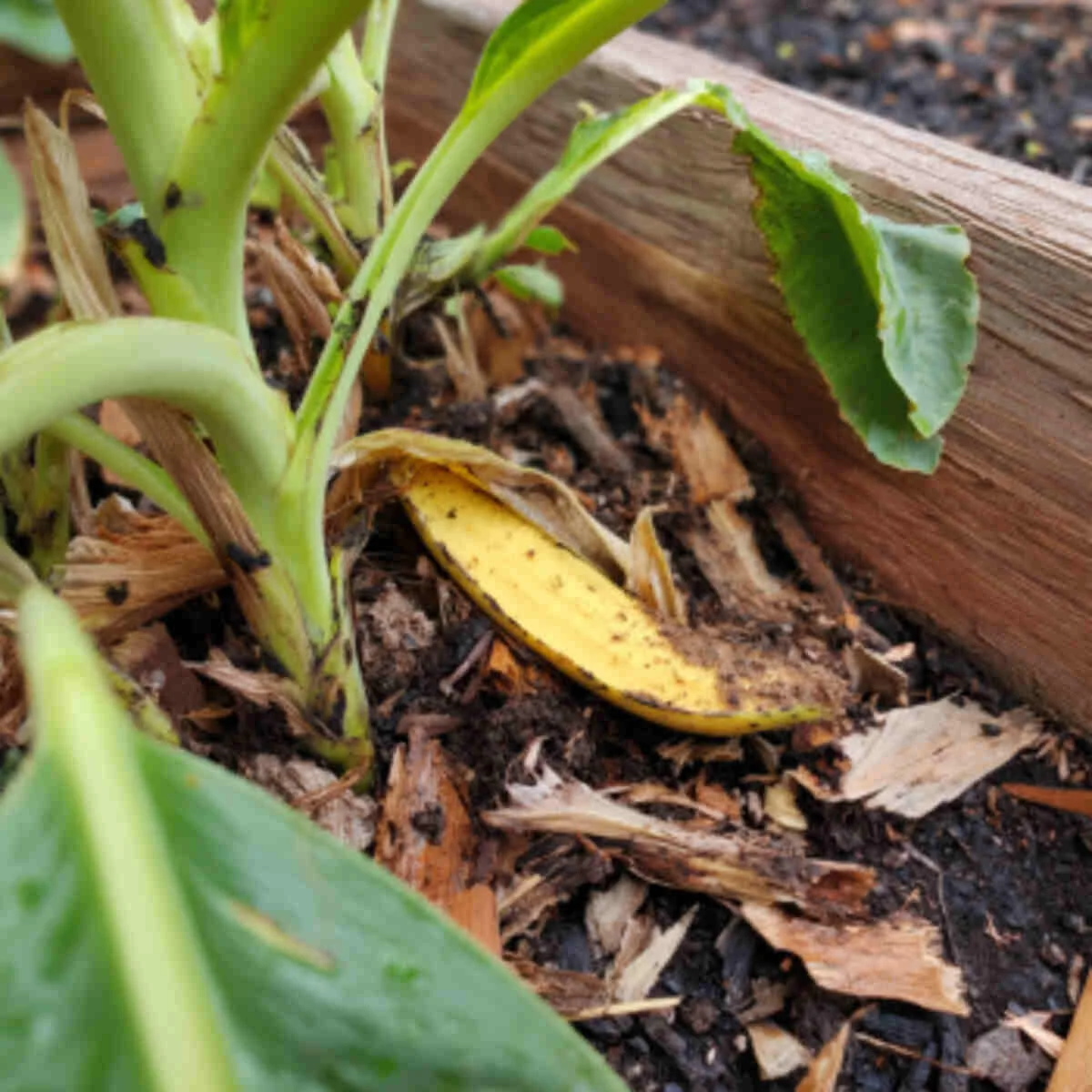
In raised beds, chopped banana peels can be layered into the soil as part of a larger organic system. Over time, they help build richer soil and add to the overall structure of the bed.
This idea works especially well when combined with leaves, compost, and other natural materials already being used to improve the bed.
21. Banana Peel Organic Flower Booster
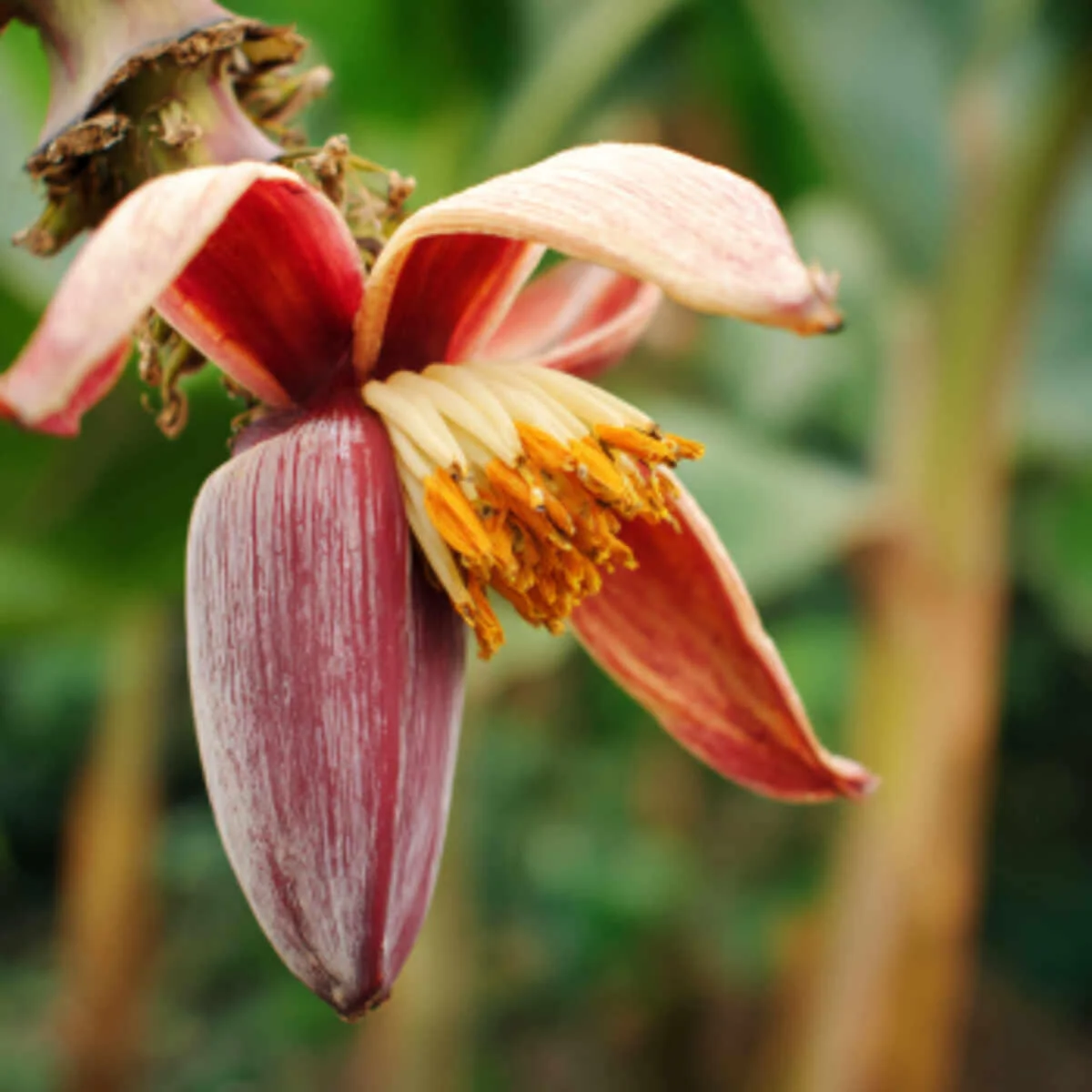
Banana peels are commonly used around flowering plants because gardeners associate them with bloom support in organic routines. They can be used in compost, tea, powder, or chopped form depending on your gardening style.
When used thoughtfully as part of a healthy soil routine, banana peels can help support steady growth and a more productive flower garden.
Banana peels are a simple and practical way to turn kitchen scraps into something useful for the garden. Whether you compost them, dry them, soak them, or mix them into soil, they can be part of a more natural gardening routine.
The best method depends on your space, your plants, and how much time you want to spend preparing homemade garden inputs. Even one small habit, like adding peels to compost instead of throwing them away, can make your gardening routine more sustainable over time.


