
Cold weather does not have to mean a dull garden. Many annual flowers can handle chilly nights, light frost, and the stop-and-start temperatures of early spring or late fall. Choosing the right varieties makes it much easier to keep beds, borders, and containers looking lively when more tender plants struggle.
These frost-tolerant annual flowers are useful for extending color at both ends of the season. Some are best for edging and containers, while others add height, fragrance, or strong foliage contrast. The key is matching each plant to the role you need it to play in the garden.

Below, you’ll find practical, save-worthy ideas for annual flowers that keep performing when the air turns crisp.
1. Pansies
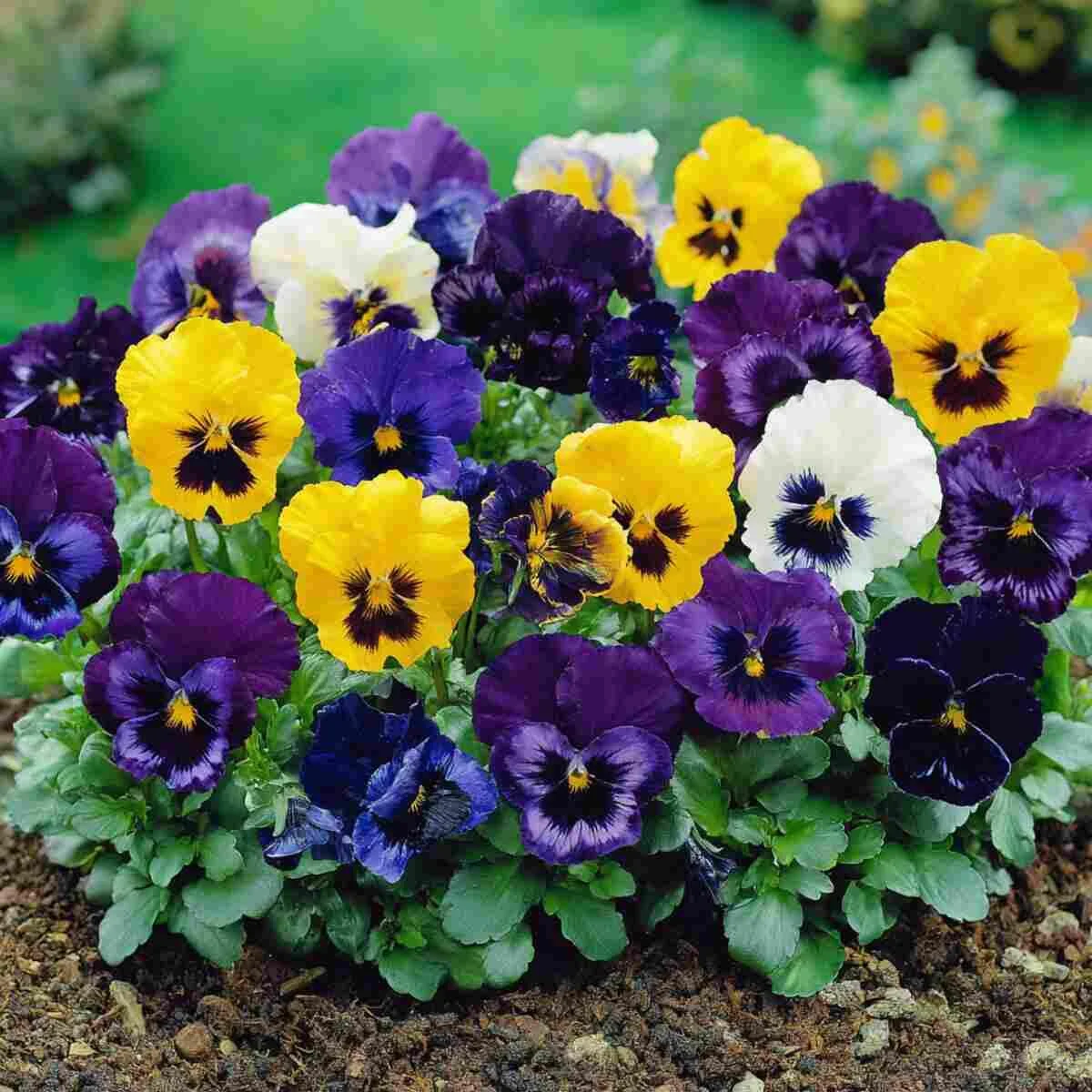
Pansies are often the first flower gardeners reach for when cool weather arrives, and for good reason. They tolerate light frost well and usually recover quickly after a cold night, which makes them one of the most dependable choices for spring and fall color.
They work especially well in containers, window boxes, and front border plantings where their color can be seen up close. Because their blooms face outward, they make a big impact even in smaller spaces.
Where they work best: Porch pots, edging, raised planters, and mixed seasonal containers.
2. Violas
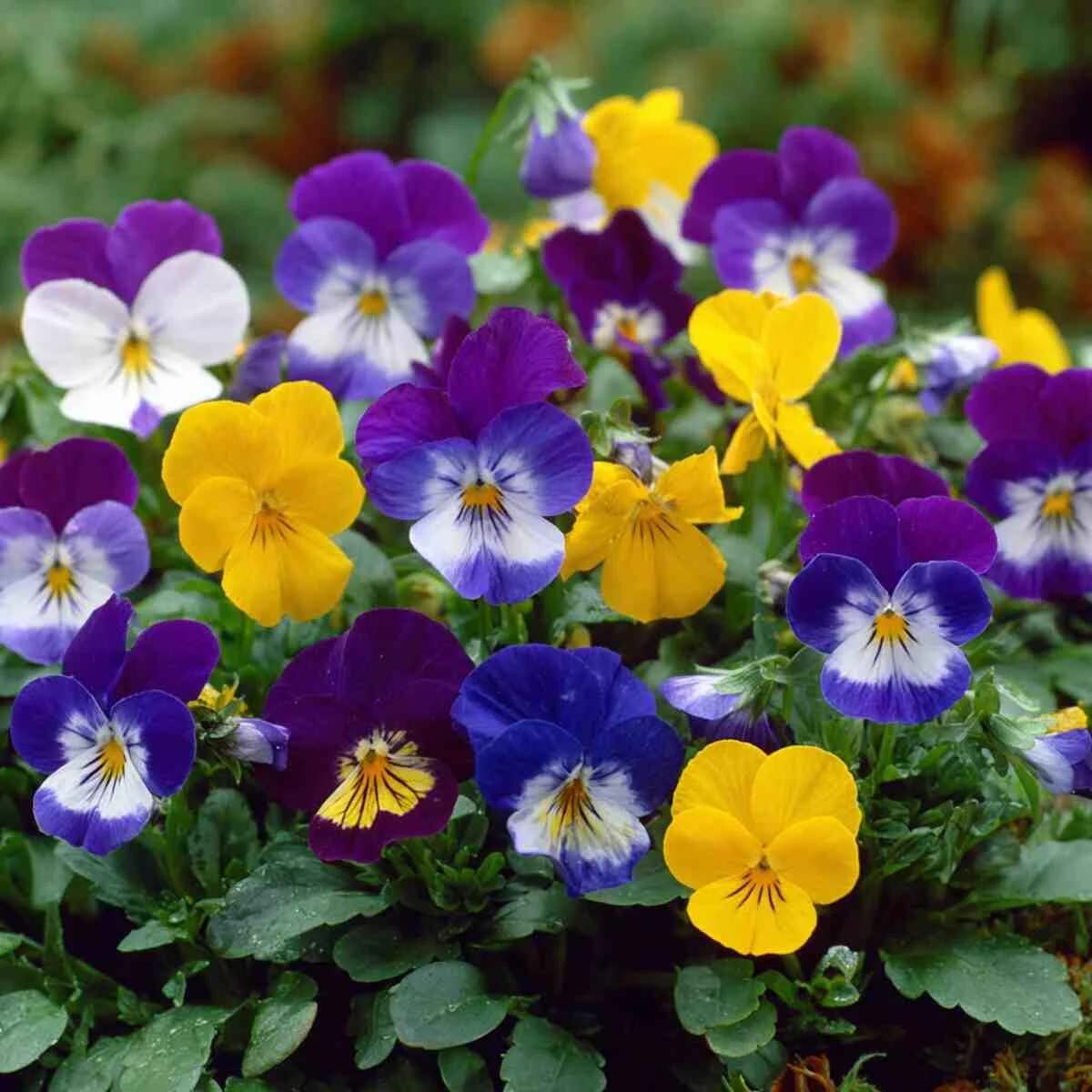
Violas offer the same cold-weather strength as pansies but with smaller flowers and often an even longer blooming window. They are especially useful when you want a softer, more scattered look instead of large focal blooms.
Because they flower so freely, violas are a strong option for filling gaps between taller plants or softening the edges of paths and beds. They also tend to keep blooming through shifting temperatures that would slow down more delicate annuals.
Good pairing ideas: Violas look beautiful with ornamental kale, dusty miller, and spring bulbs.
3. Sweet Alyssum
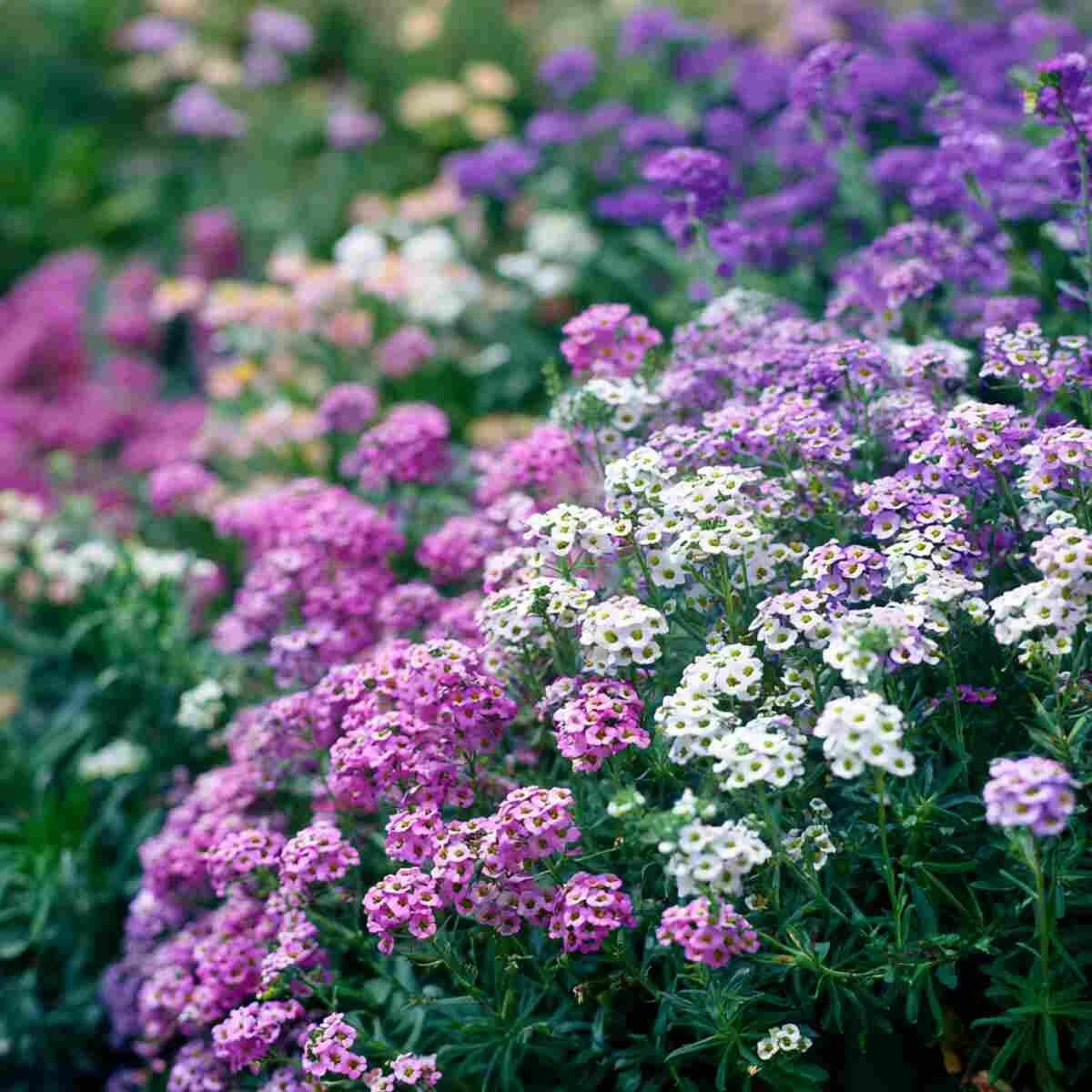
Sweet alyssum is one of the easiest ways to add a soft, trailing layer to a cool-weather planting. Its clusters of tiny flowers create a frothy effect that helps containers and borders feel fuller without making them look heavy.
This plant is especially useful along the front of beds or tucked into mixed pots, where it can spill gently over the edge. In mild climates, it often keeps blooming well into chilly weather.
Best use: Edging, container spillers, and filling small spaces between sturdier annuals.
4. Calendula
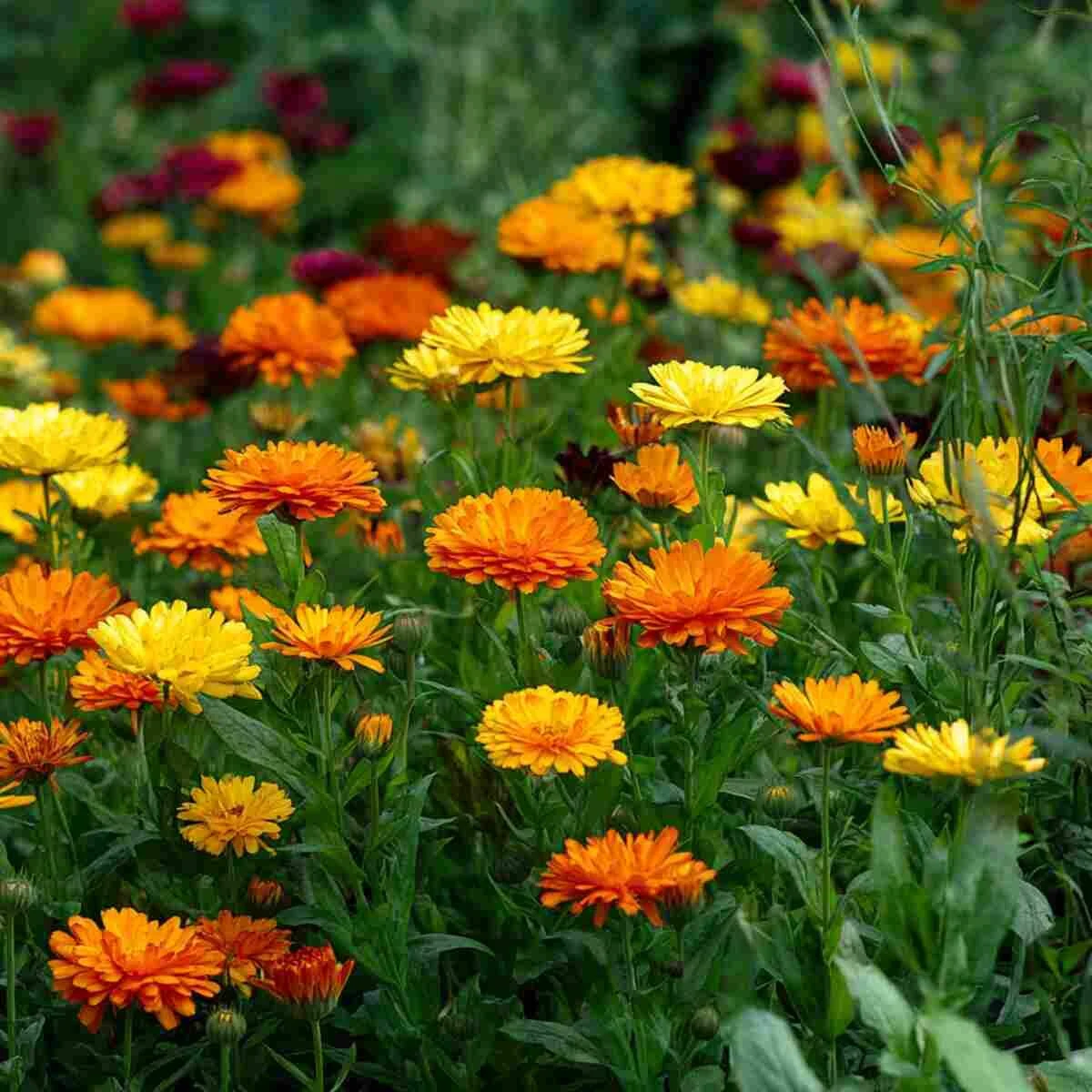
Calendula brings warm gold and orange tones to the cool-season garden, which is especially welcome when the rest of the landscape starts to fade. It handles cool air well and tends to perform better in spring and fall than in the heat of summer.
Its daisy-like flowers brighten vegetable beds, cottage-style borders, and cutting patches. Deadheading helps keep it blooming longer, but even a modest planting gives plenty of color.
Why gardeners love it: It adds warmth when the garden palette is often cooler and more muted.
5. Snapdragons
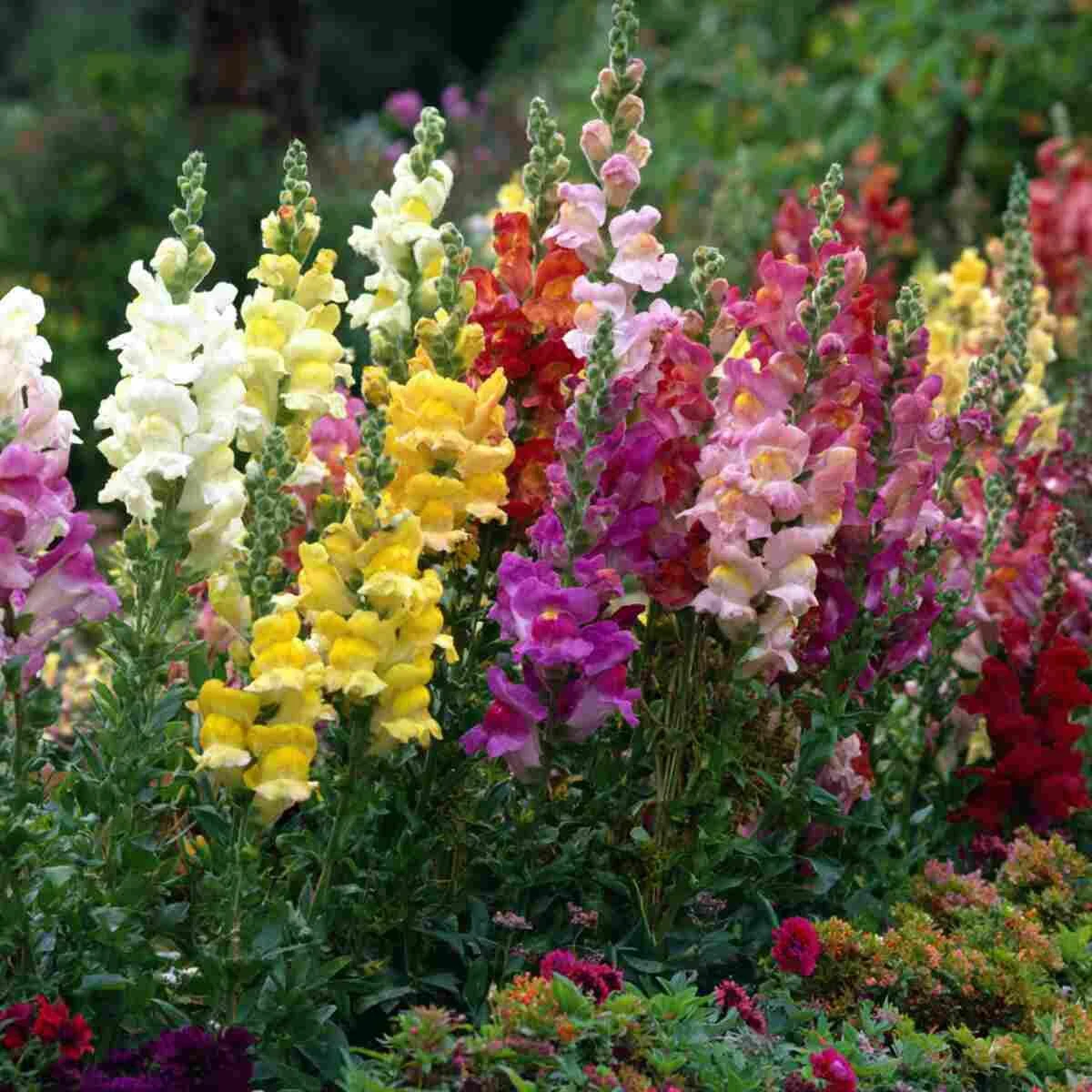
Snapdragons are ideal when a cold-weather planting needs height. Their upright flower spikes bring structure to mixed beds and help containers look more layered and finished.
They are particularly effective in early spring displays, when many low growers are blooming but the arrangement still needs vertical movement. Taller varieties suit borders and cutting gardens, while dwarf forms work well in pots.
Placement tip: Use them at the back of small beds or the center of larger containers for a balanced shape.
6. Dianthus
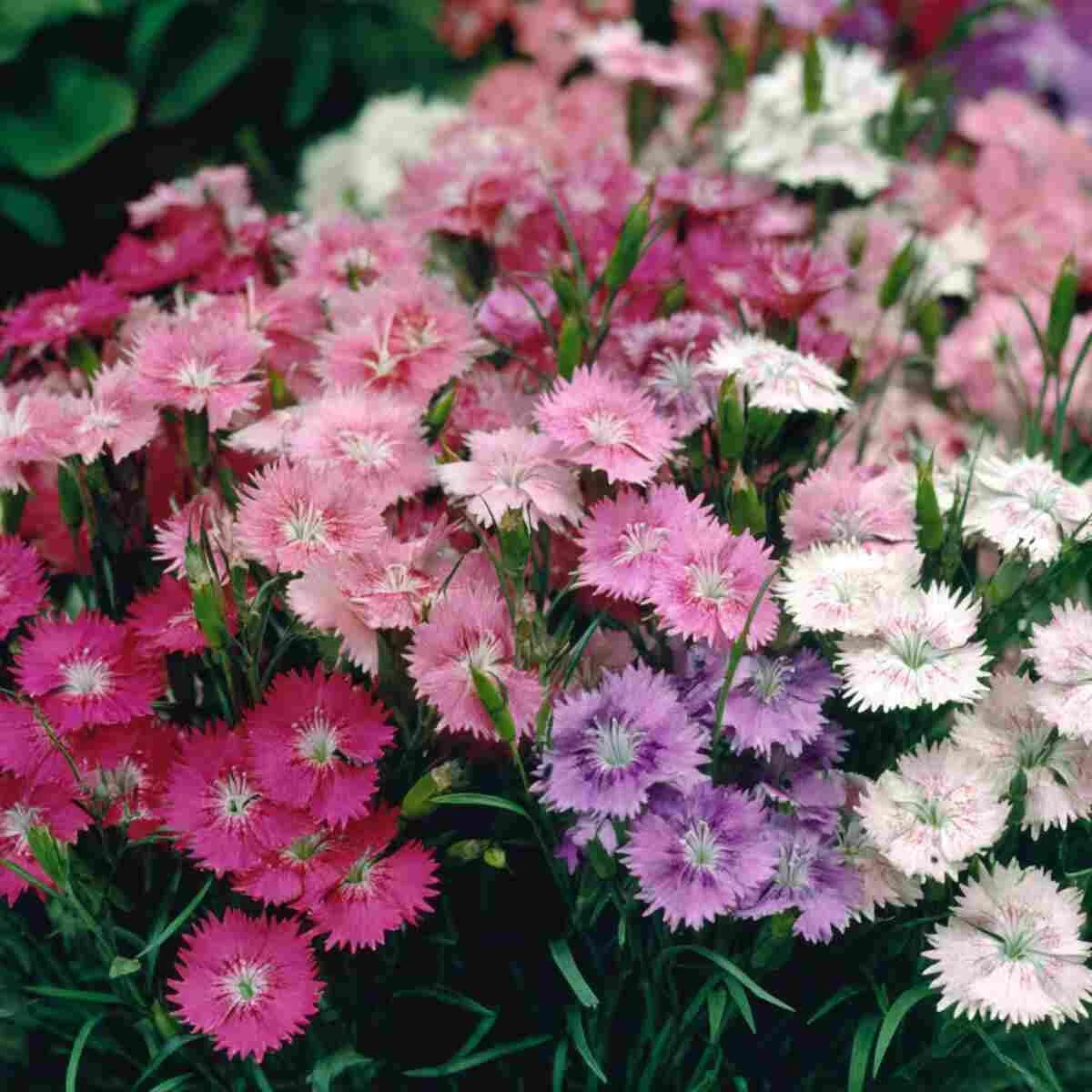
Dianthus brings a neat, mounded habit and frilled flowers that feel polished without being fussy. It tolerates cool weather well and fits neatly into borders, containers, and rock-garden style plantings.
Because the foliage stays tidy, dianthus is useful when you want a planting to look crisp and intentional. Many varieties also have a light clove-like fragrance, which adds another layer of appeal near seating areas or entry paths.
Best fit: Formal edging, cottage gardens, and smaller containers with a refined look.
7. Stock
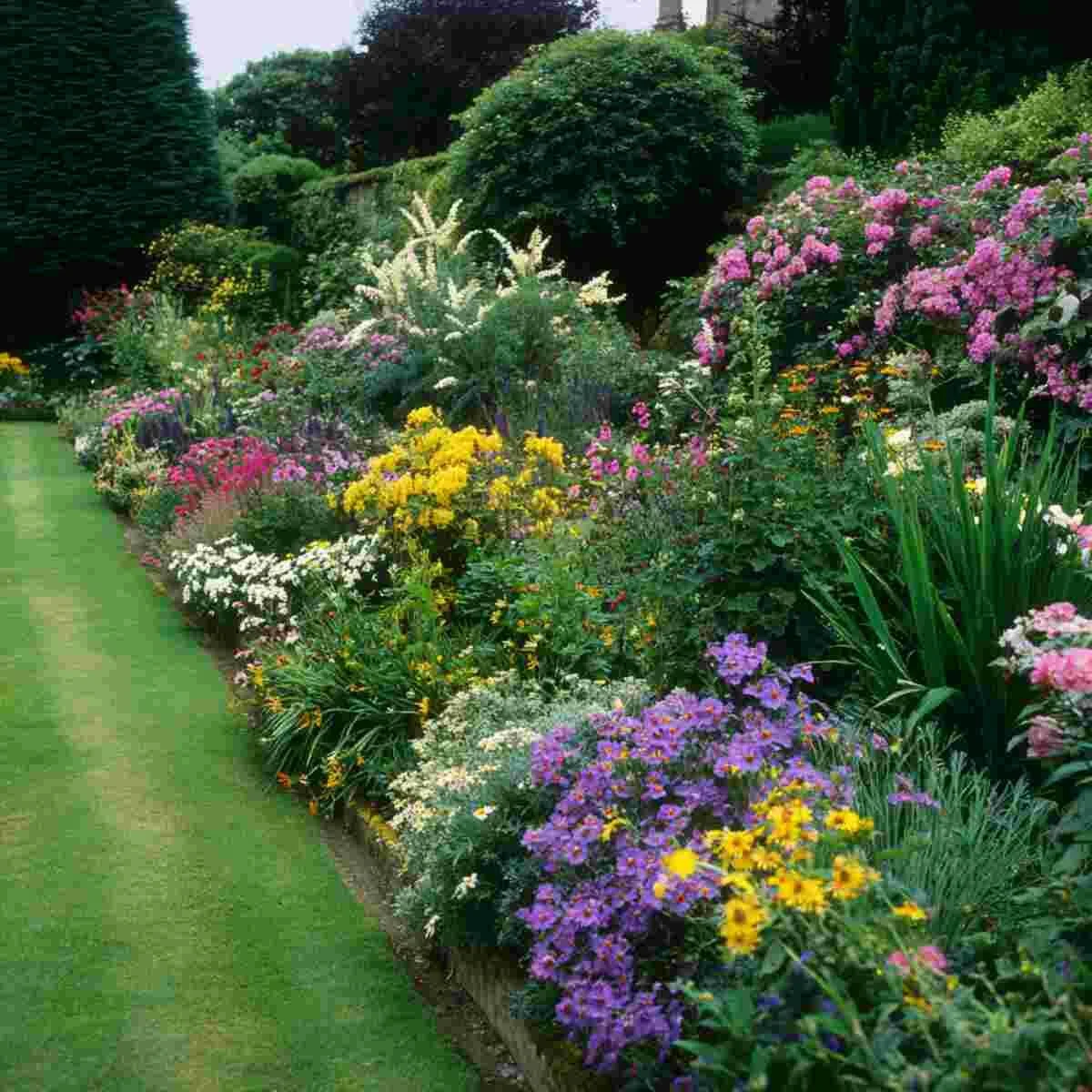
Stock is a favorite for cool-season color because it combines upright blooms with a noticeable fragrance. It performs best when temperatures are mild to cool, which makes it a natural choice for spring displays and late-season planting.
The flower spikes add height without looking stiff, and the scent makes stock especially worth placing near doors, patios, or frequently used walkways.
Design tip: Use stock where fragrance matters as much as color.
8. Larkspur
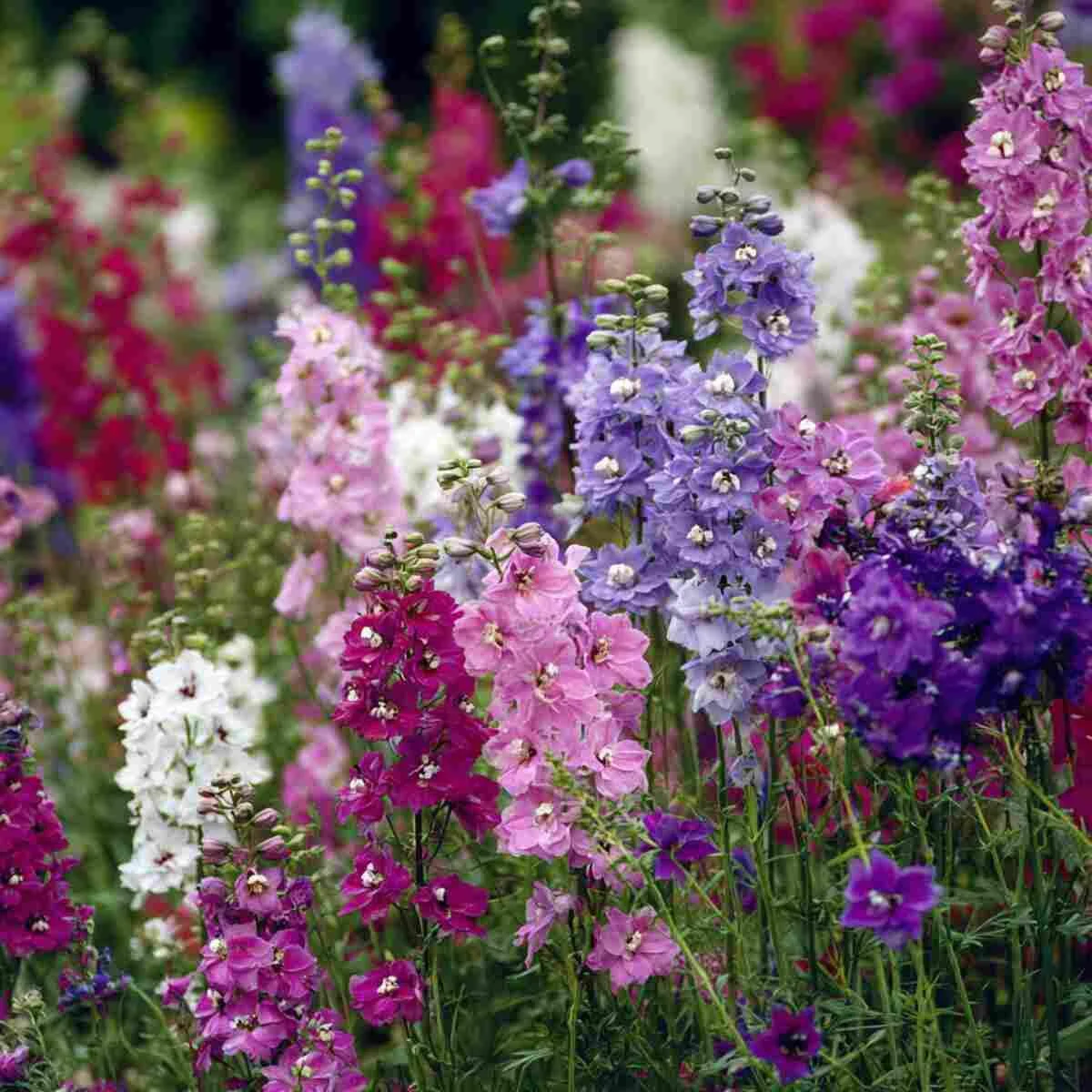
Larkspur is a strong choice for gardeners who want an airy, cottage-garden look early in the season. It prefers cool conditions and often establishes best when sown or planted before the weather turns warm.
Its tall flower spikes bring movement and vertical softness, making it especially effective in relaxed borders or cutting gardens. Because it rises above lower-growing annuals, it helps create a layered planting that feels full and established.
Where it shines: Informal borders, cut-flower gardens, and taller mixed beds.
9. Dusty Miller
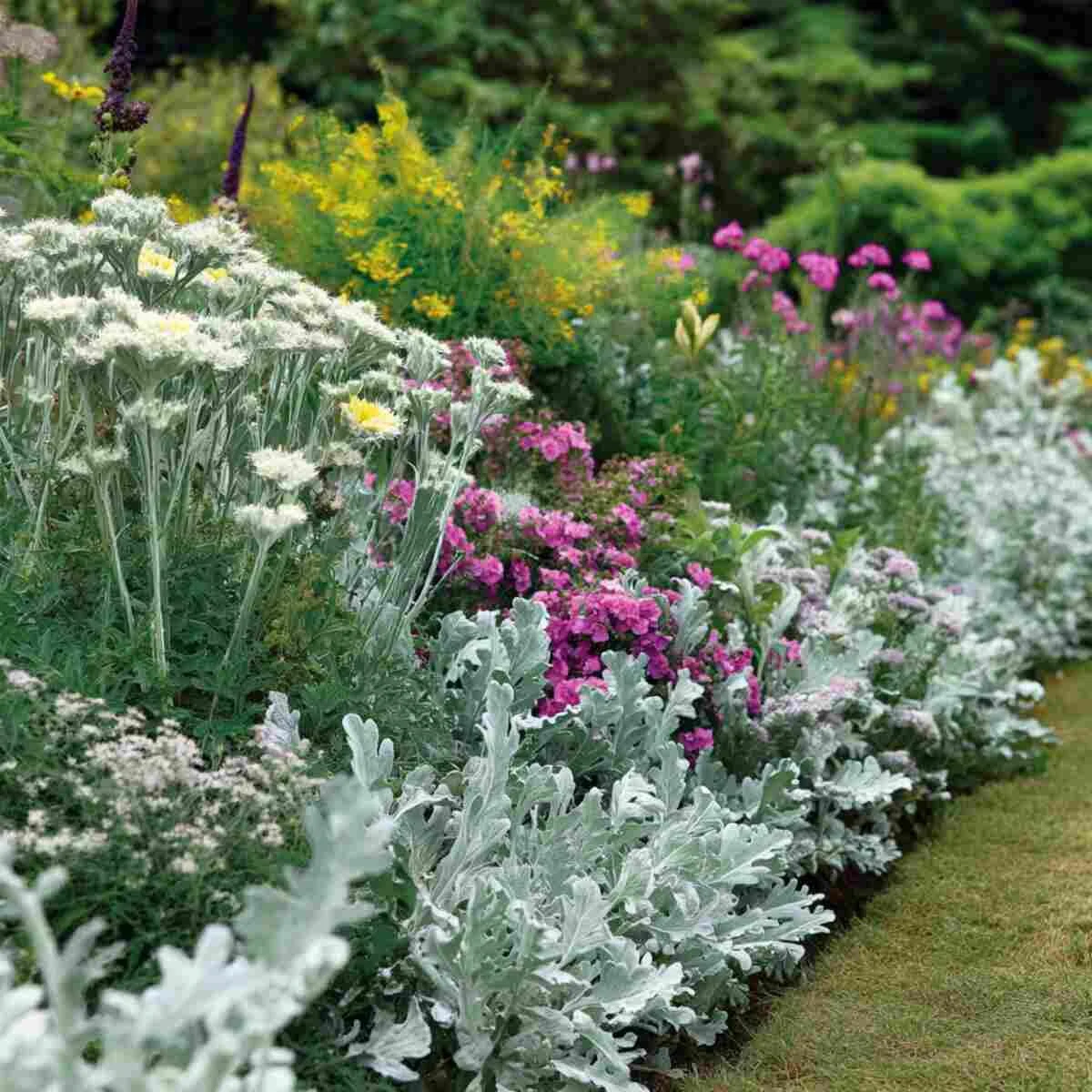
Dusty miller is often used like a flower even though its main feature is foliage. The soft silver leaves stay attractive in cold conditions and bring brightness to containers and borders when bloom-heavy displays feel too flat.
It works as a visual break between brighter colors and is especially helpful in frosty-season planting because the foliage usually stays handsome after cold nights.
Pair it with: Pansies, violas, snapdragons, and ornamental kale for strong contrast.
10. Iceland Poppies
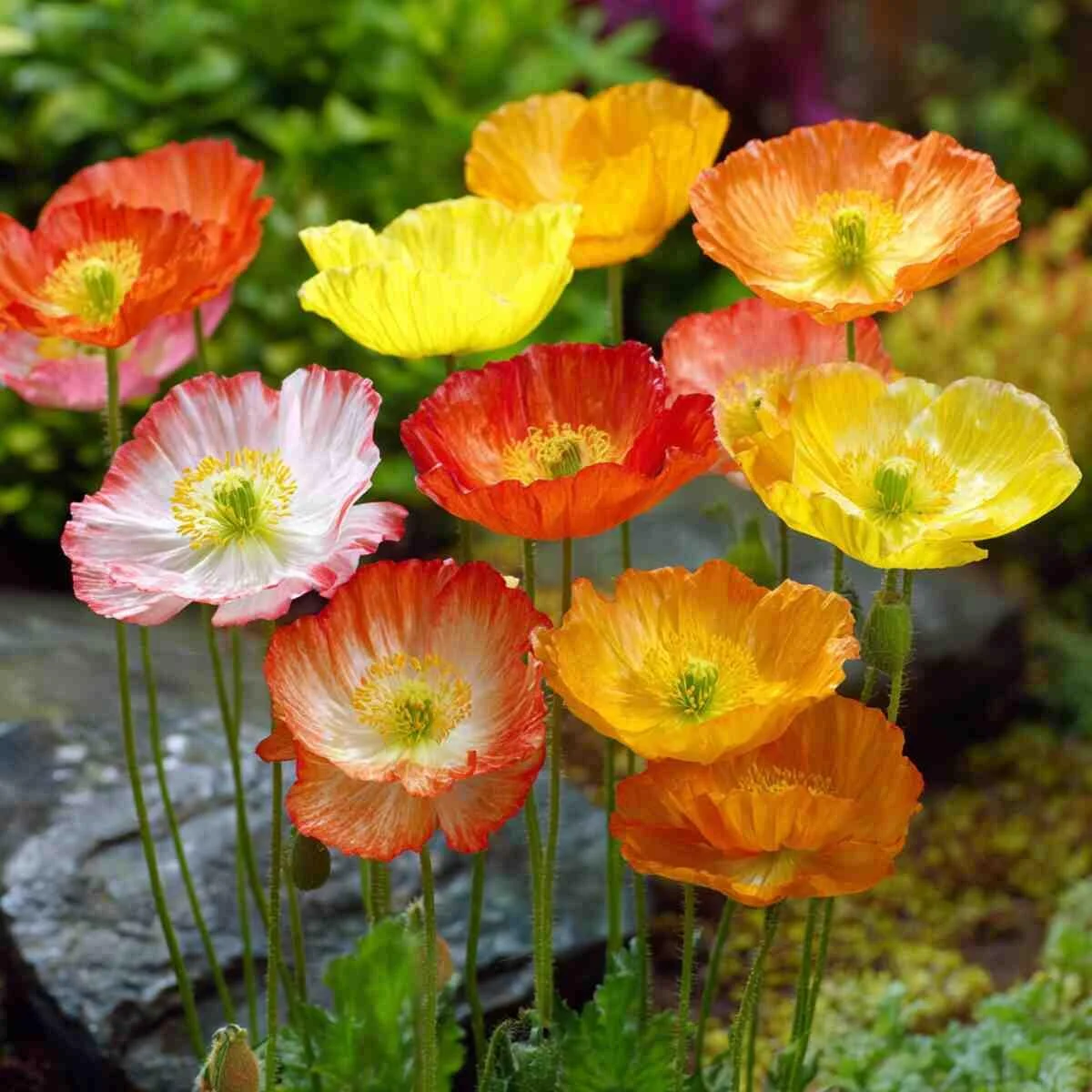
Iceland poppies look delicate, but they are surprisingly well suited to cool weather. Their thin, papery blooms float above the foliage and bring a lighter, more graceful look to early-season planting.
They are especially effective when you want color that feels airy rather than dense. In mixed borders, they soften heavier foliage and more structured flowers.
Visual effect: They add movement and a painterly quality to spring beds.
11. Nemesia
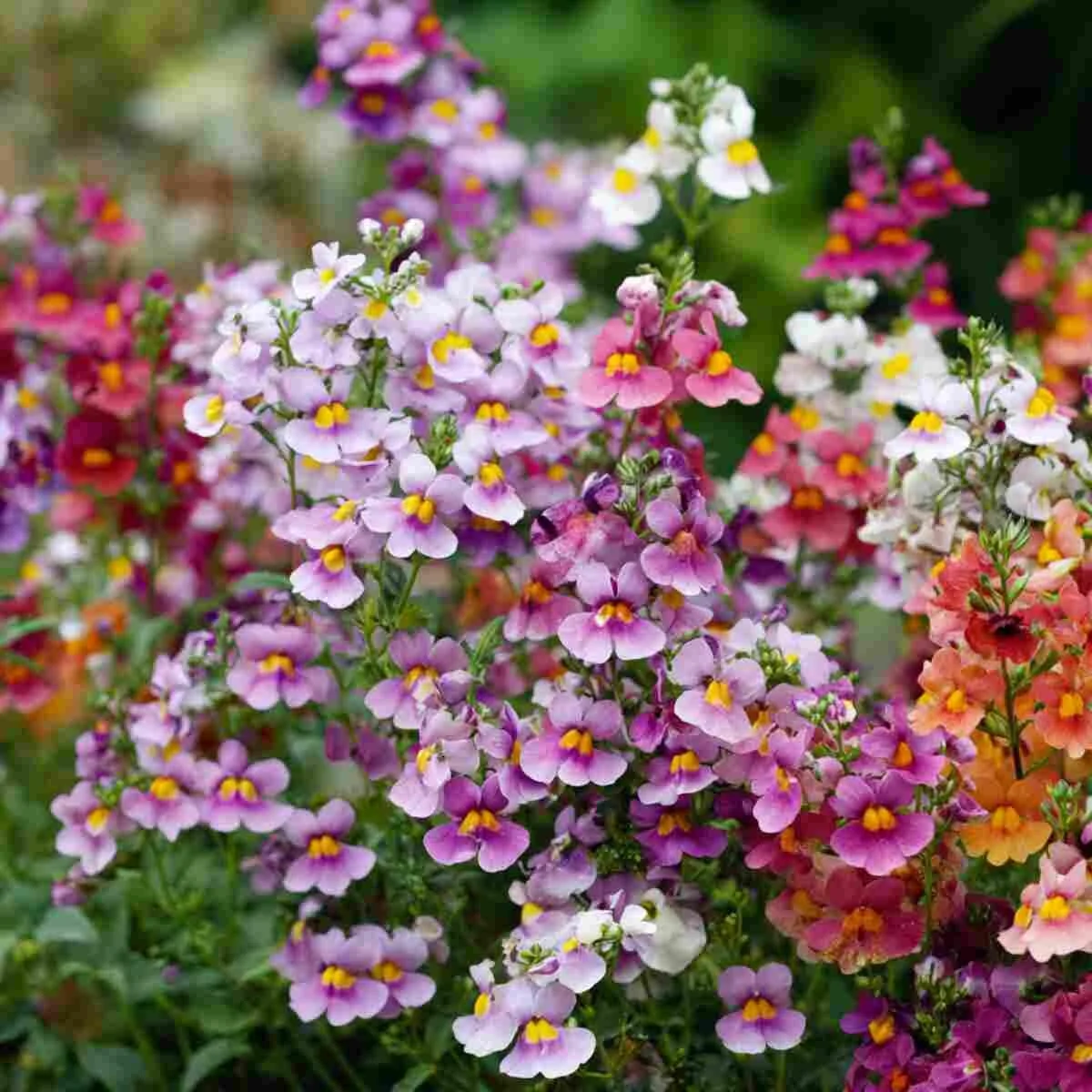
Nemesia is a useful cool-season annual for gardeners who want dense color in a smaller footprint. The flowers appear in clustered sprays and often continue blooming over a long stretch of mild weather.
It is especially good in pots and small bed sections where every plant needs to earn its place. Many varieties have a soft fragrance as well, which makes them a strong choice near windows or seating areas.
Best use: Compact containers, porch planters, and front-of-bed color.
12. English Daisy
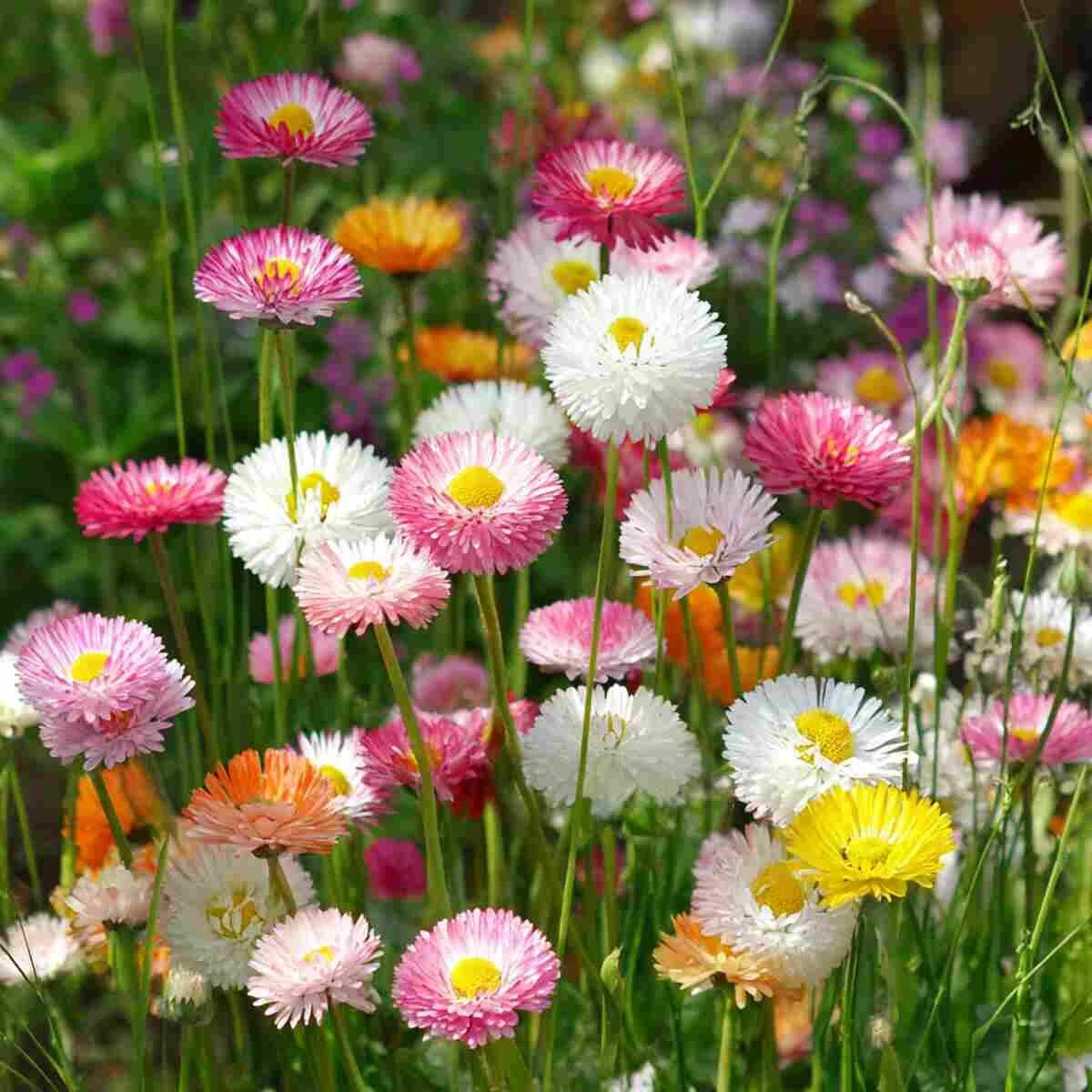
English daisies bring a charming, old-fashioned look to cool-weather gardens. Their compact size makes them especially helpful for edging, tucking between other annuals, or filling smaller decorative containers.
Because they bloom well in chilly conditions, they help bridge the gap between winter and the start of the main spring season. They are particularly appealing in cottage-style or vintage-inspired planting schemes.
Style note: They suit romantic, low-growing displays better than bold, formal plantings.
13. Sweet Pea
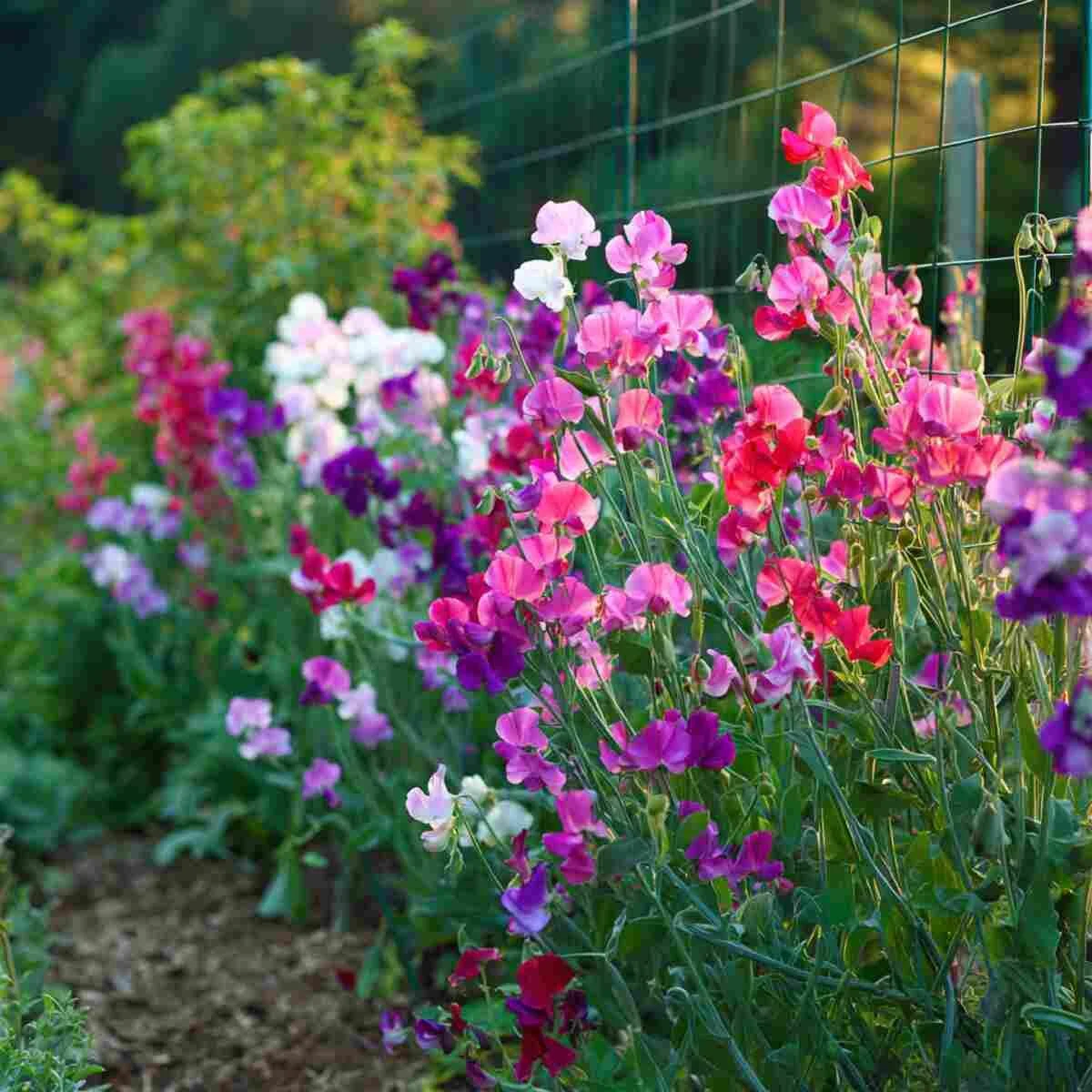
Sweet peas prefer cool weather and often perform best before temperatures climb. They bring fragrance, vertical growth, and a softer garden look that works especially well on trellises, arches, and small fences.
In addition to their color, sweet peas are useful for drawing the eye upward in a spring garden. Their climbing habit makes them a smart option when bed space is limited but vertical support is available.
Practical tip: Give them support early so the growth stays tidy and easy to train.
14. Ornamental Kale
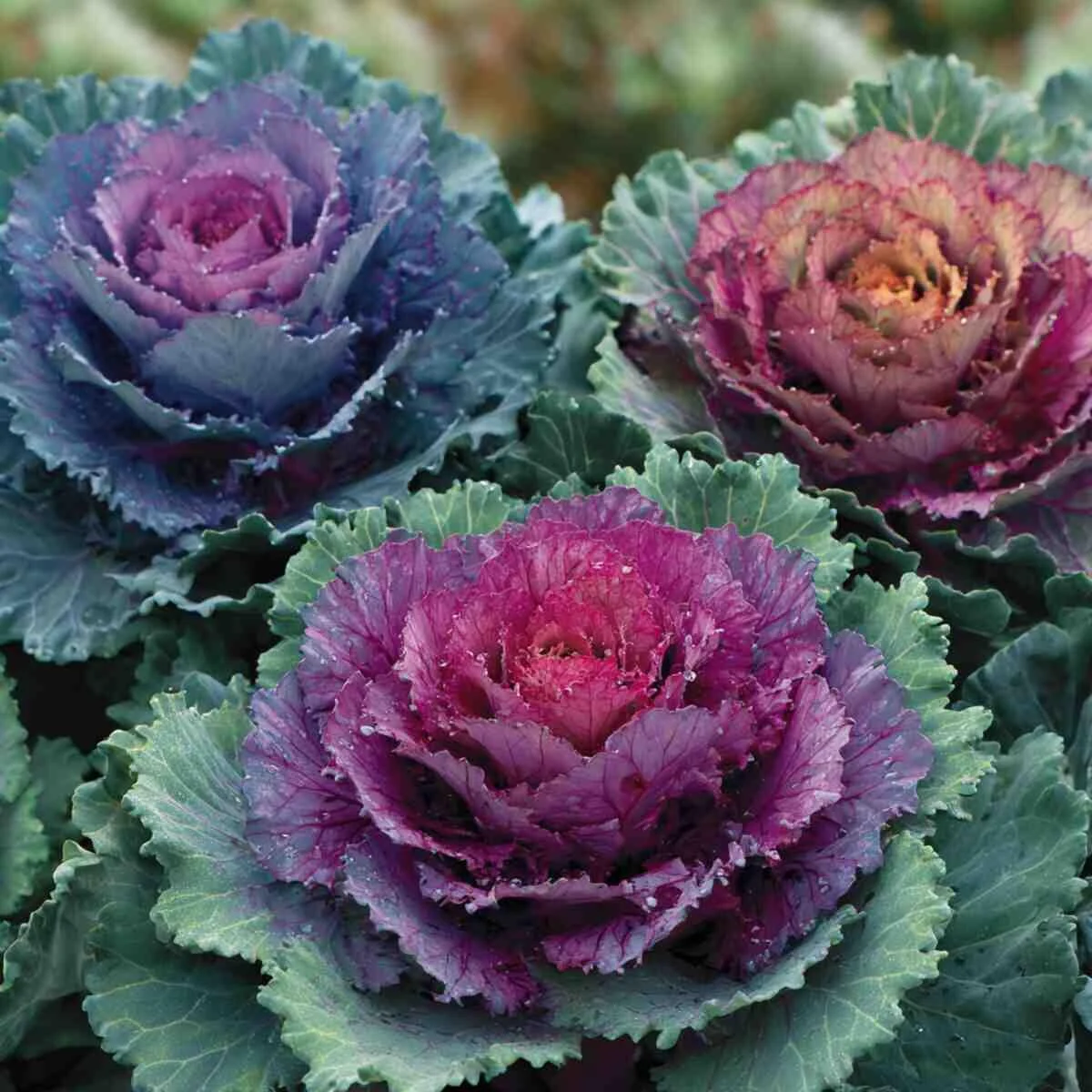
Ornamental kale is an excellent choice when flowers alone are not enough to carry a cold-season display. Its rosettes deepen in color as temperatures drop, which makes it especially striking after the first frosts.
Used on its own or mixed with pansies and dusty miller, it gives planters and borders a full, structured look that lasts far longer than many tender annuals.
Why it matters: It adds bold foliage interest when bloom production naturally slows.
15. Bachelor’s Button
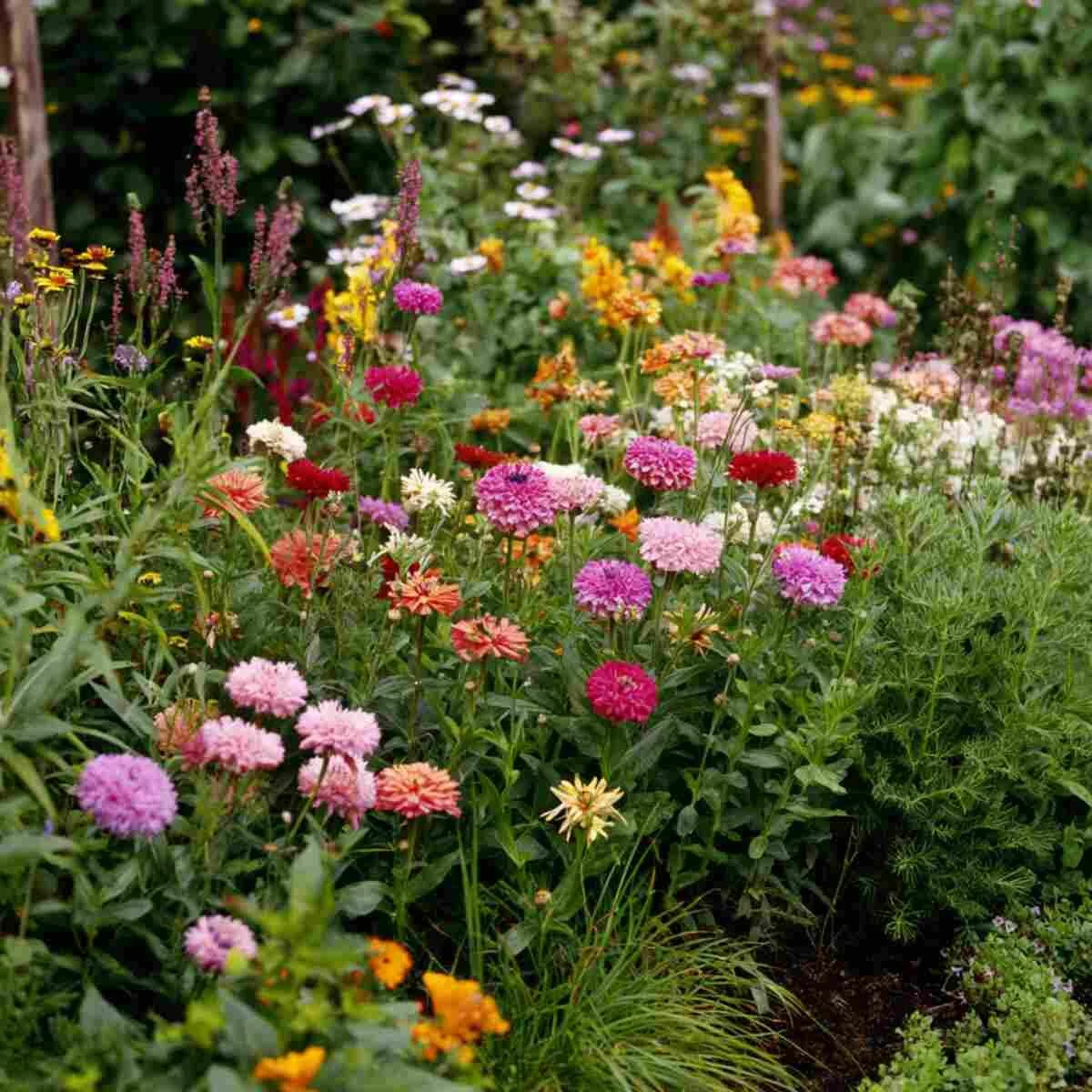
Bachelor’s button, or cornflower, is useful for early sowing and cool-season bloom. It grows quickly enough to provide color before many summer annuals are ready, and its flowers also make excellent cut blooms.
The airy habit works well in cottage-style borders and mixed plantings where a slightly looser structure is welcome. Blue varieties are especially useful because they add a cooler note to spring displays.
Best for: Cutting gardens, natural-style beds, and early-season color.
16. Wallflower
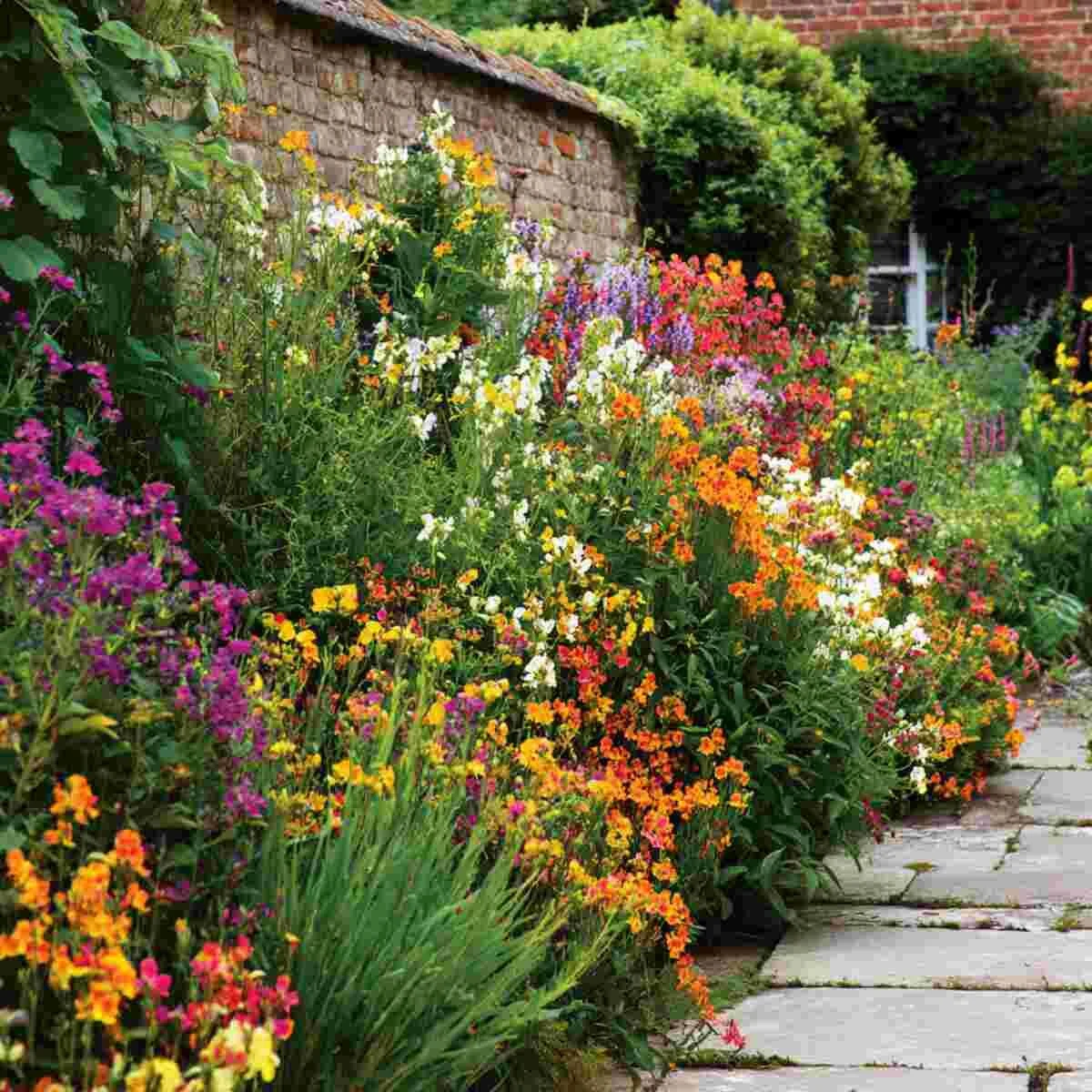
Wallflowers bring rich, warm tones to the cool-season garden, which helps prevent spring and fall displays from feeling washed out. They are particularly valuable in transitional planting, when the garden is moving out of winter but still dealing with frost.
The blooms sit above tidy foliage and work especially well in grouped plantings, where their color reads more strongly from a distance.
Design advantage: They add warmth and depth when cooler colors dominate the rest of the bed.
17. Primrose
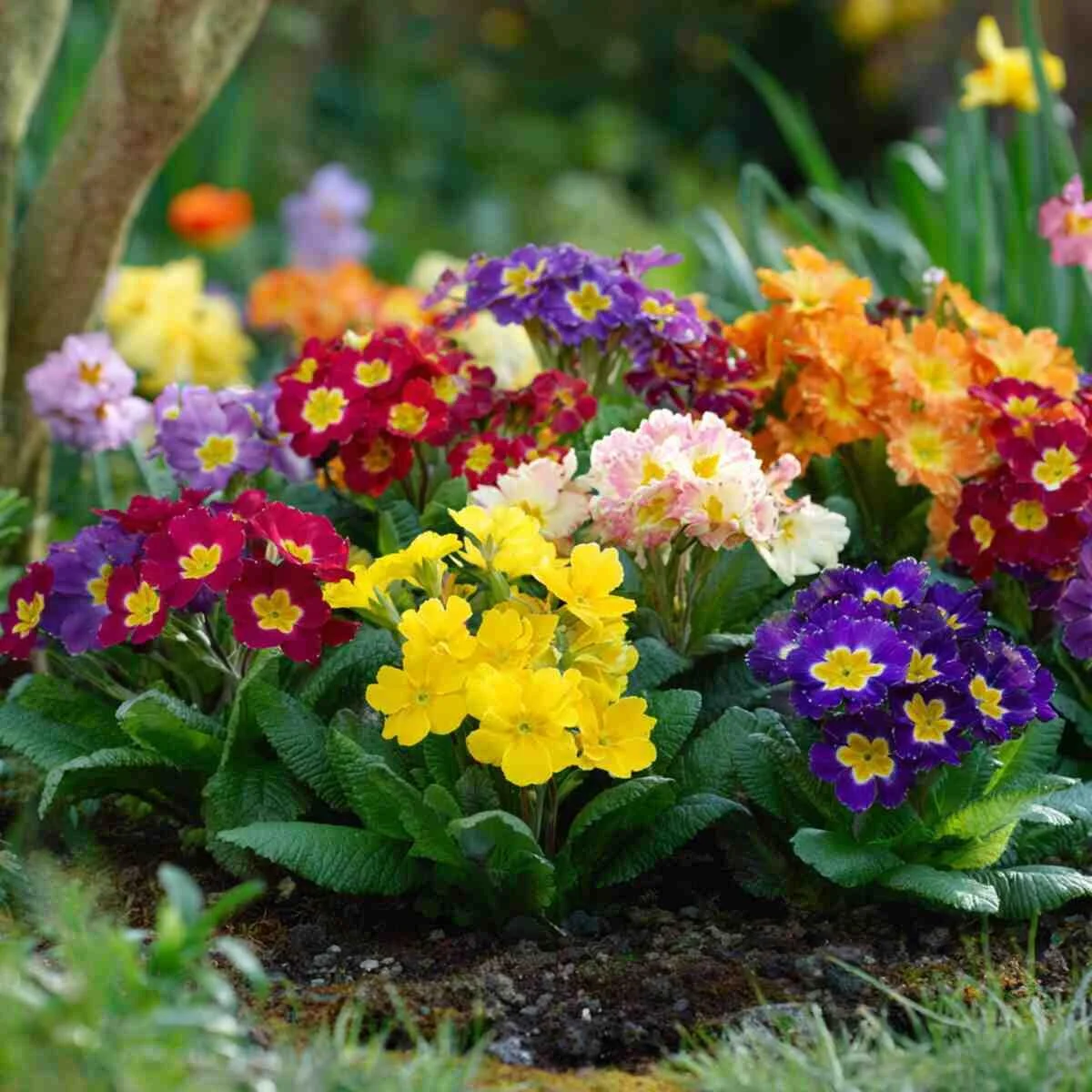
Primroses are among the most cheerful flowers for early-season containers and garden edges. Their compact rosettes and bright blooms bring immediate color at a time when the landscape often still feels bare.
Because they handle cool nights well, they are a useful choice for gardeners who want to decorate outdoor spaces earlier in the year without constantly replacing frost-damaged plants.
Where to use them: Entry planters, window boxes, front borders, and small focal pots near doors.
Final Thoughts
Frost-tolerant annual flowers make it possible to stretch the season and keep the garden looking lively when temperatures are less predictable. Some, like pansies and violas, are dependable all-rounders. Others, like snapdragons, larkspur, and sweet peas, help add height and structure. Foliage plants such as dusty miller and ornamental kale bring staying power when flowers alone are not enough.
A mix of low growers, upright bloomers, and strong foliage usually creates the most durable and interesting display. Start with a few dependable varieties, repeat them through beds and containers, and let the cold work in your favor rather than against you.
Written by the Zeeshe Home Editorial Team, a blog focused on practical home and garden ideas and inspiration.


