
Many gardeners assume the growing season ends once temperatures start to drop, but that is not always the case. In fact, a surprising number of vegetables actually thrive in cooler weather. With the right cold-weather vegetables in your garden, you can continue harvesting fresh produce well into fall and even winter.
Cool-season crops are naturally hardy and often develop better flavor after exposure to light frost. Leafy greens become sweeter, root vegetables grow more slowly and evenly, and many plants continue producing even when other summer crops have finished.

If you want your garden to stay productive beyond the warm months, these cold-weather vegetables are some of the best choices to plant.
1. Kale
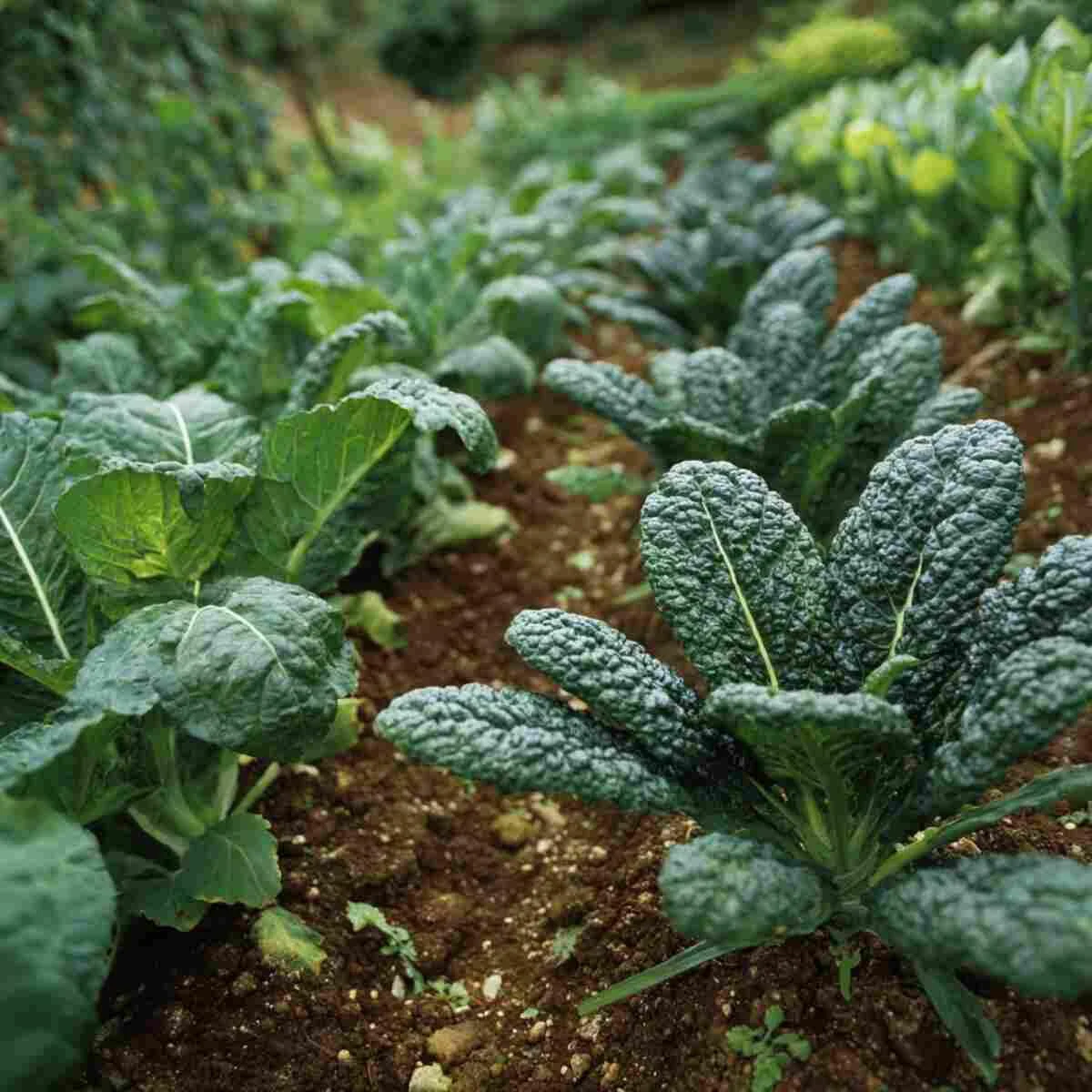
Kale is one of the most dependable vegetables for cool-season gardening. It tolerates frost extremely well, and many gardeners actually prefer the flavor after a cold snap because the leaves become slightly sweeter.
This leafy green continues producing throughout fall and early winter when harvested regularly. By picking the outer leaves and allowing the center to grow, you can enjoy fresh kale for many weeks.
Because of its resilience and nutritional value, kale is often one of the first vegetables gardeners choose for cold-weather gardens.
2. Swiss Chard
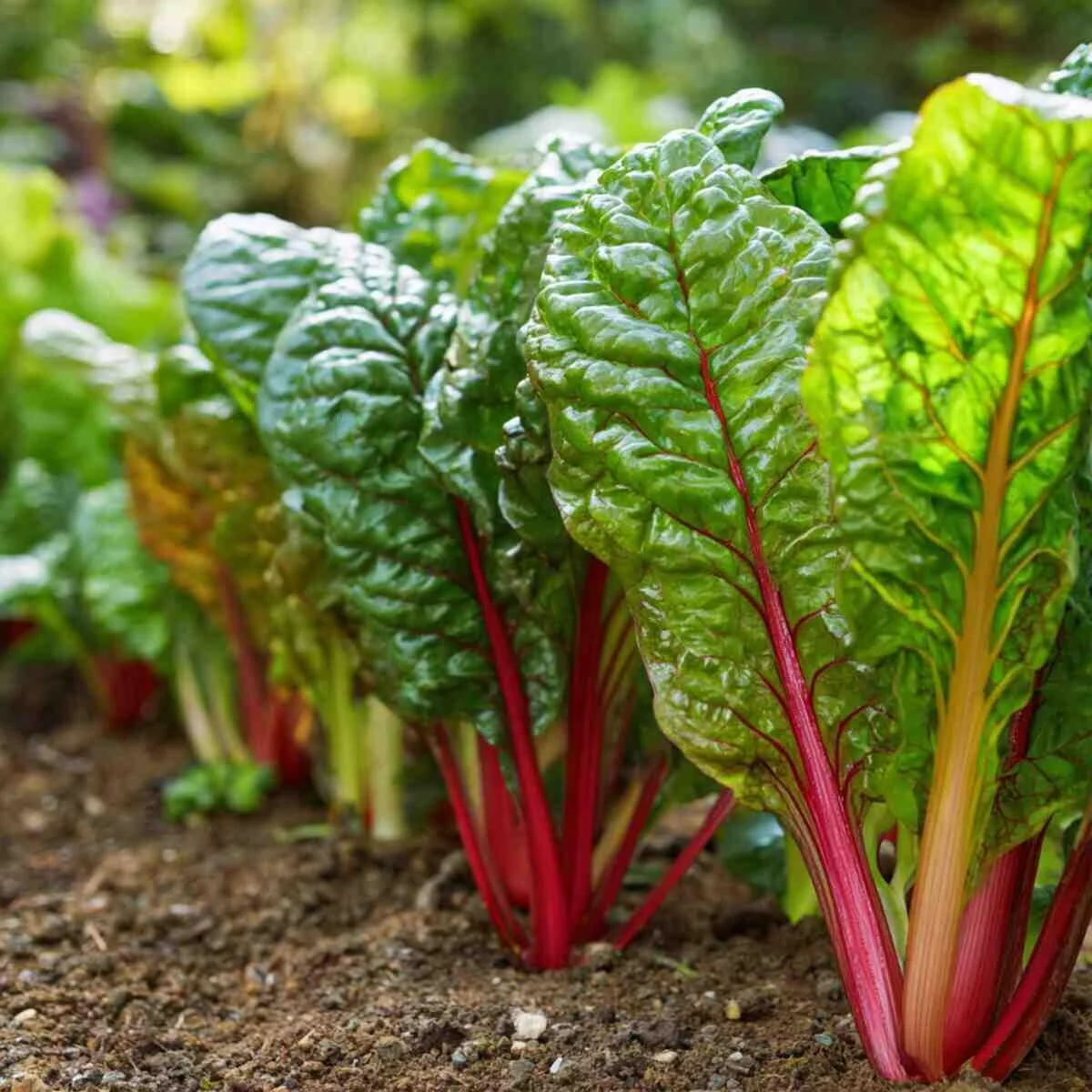
Swiss chard is another excellent vegetable that performs well in cooler temperatures. Its colorful stems and large leafy greens bring both beauty and productivity to a fall garden.
The plant is hardy enough to withstand light frost and continues producing tender leaves for harvesting throughout the season. Gardeners appreciate Swiss chard because it grows steadily with minimal maintenance.
Its mild flavor and versatility in cooking make it a valuable addition to any cold-season vegetable patch.
3. Cabbage
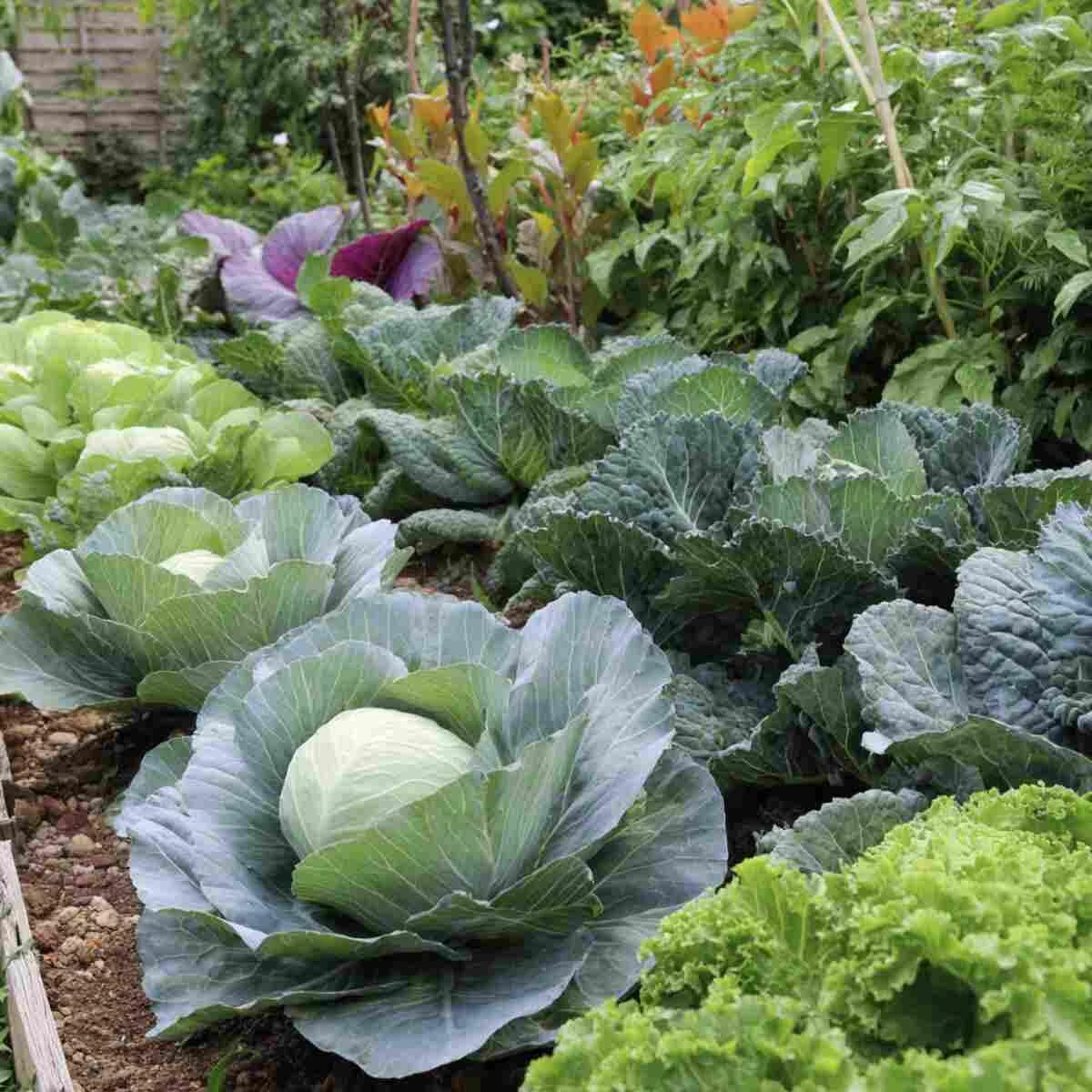
Cabbage thrives in cool temperatures and forms dense, crisp heads that hold up well in colder weather. It is a traditional cold-season crop that gardeners have relied on for generations.
One of the advantages of growing cabbage in fall is that cooler temperatures help prevent bolting and improve the overall quality of the heads. Once harvested, cabbage also stores very well, allowing you to enjoy your harvest for weeks.
From fresh salads to soups and fermented dishes, cabbage is both practical and versatile.
4. Brussels Sprouts
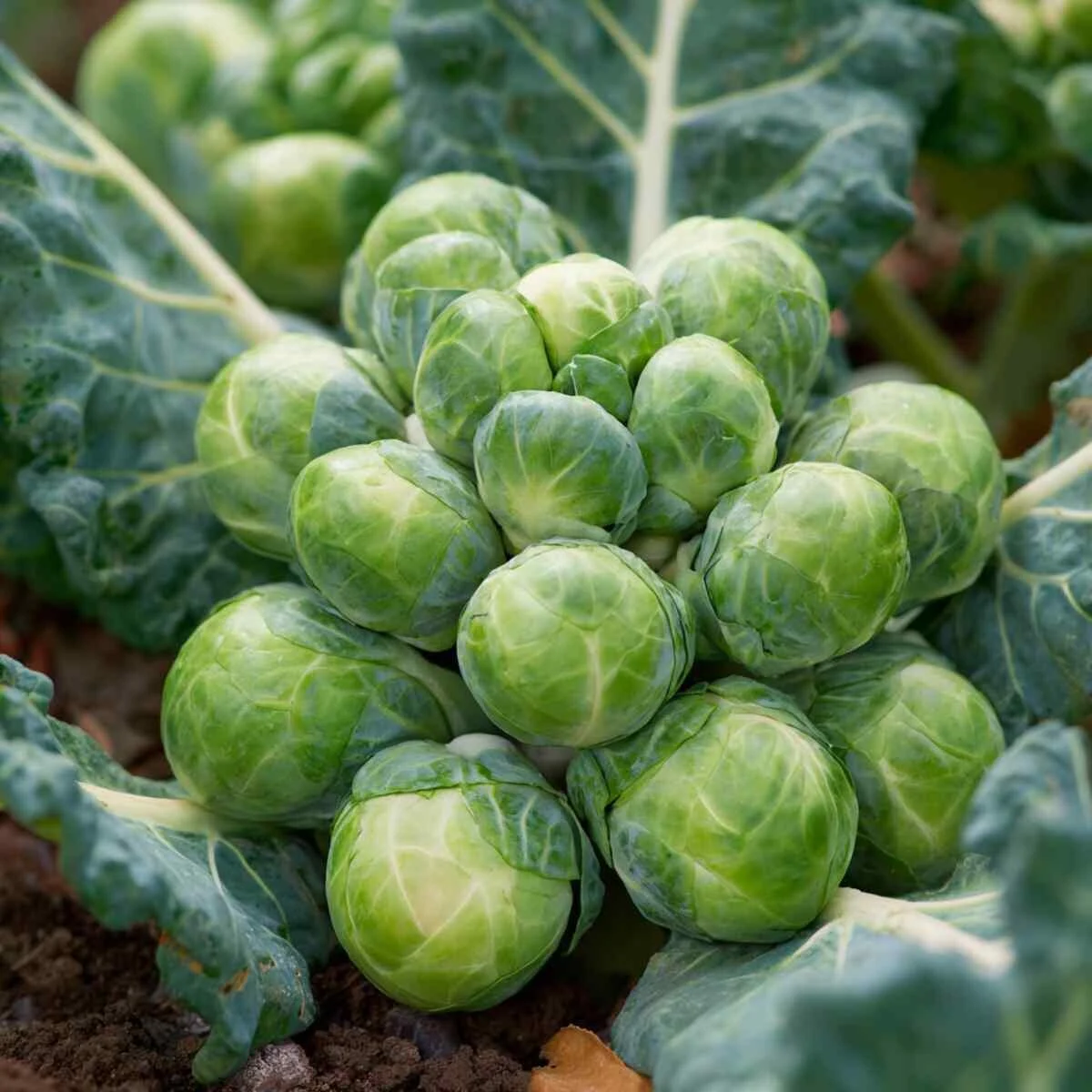
Brussels sprouts are famous for improving in flavor after a light frost. The colder weather encourages the plant to convert starches into sugars, giving the sprouts a sweeter taste.
These plants grow tall with sprouts forming along the stalk, which makes them efficient for smaller garden spaces. Once mature, the sprouts can be harvested gradually over several weeks.
Their long growing season makes them especially suitable for fall gardens that continue producing into winter.
5. Carrots
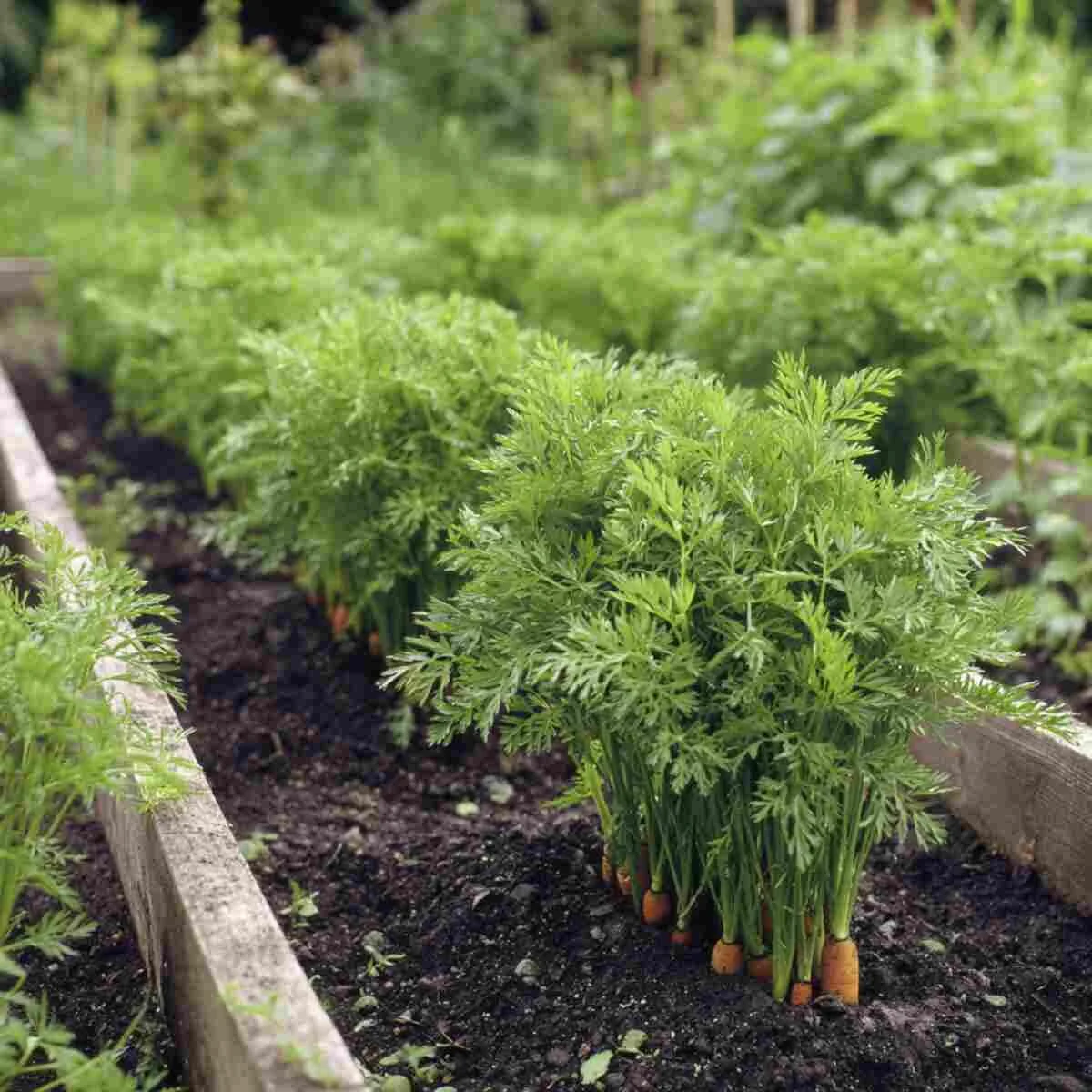
Carrots are one of the most rewarding vegetables to grow in cooler weather. As temperatures drop, the roots develop a sweeter flavor that many gardeners prefer over summer-grown carrots.
Another advantage is that carrots can remain in the soil until you are ready to harvest them. This natural storage method keeps them fresh and crisp for longer periods.
Planting carrots in late summer or early fall ensures a steady harvest throughout the cooler months.
6. Beets
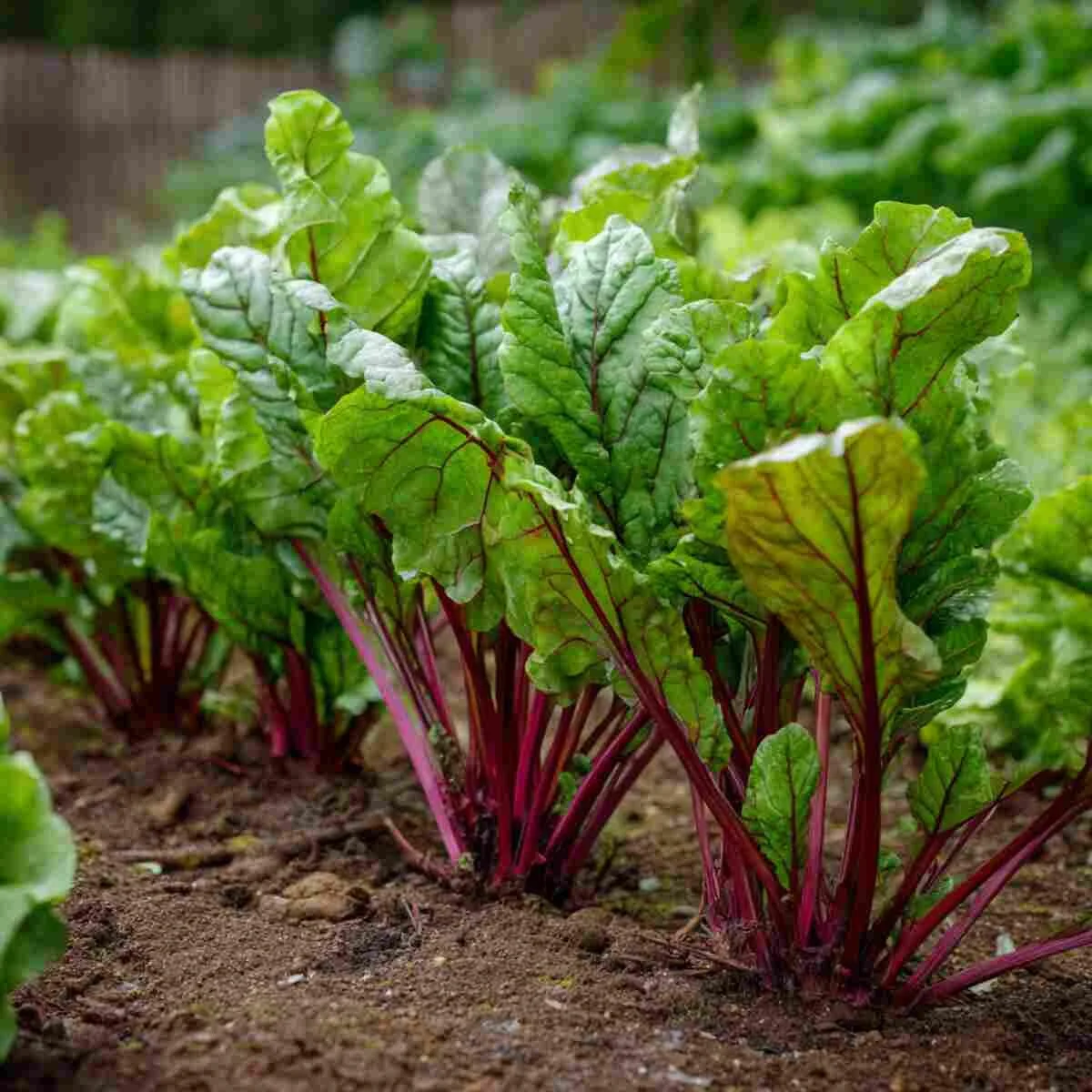
Beets are highly valued in cool-season gardens because they provide two edible harvests from one plant. Both the leafy greens and the roots can be used in cooking.
They grow well in cooler soil and tolerate mild frost, making them a dependable choice for fall planting. The deep red roots develop slowly in cooler temperatures, which helps improve their flavor and texture.
Beets also add vibrant color to the garden and to your meals.
7. Turnips
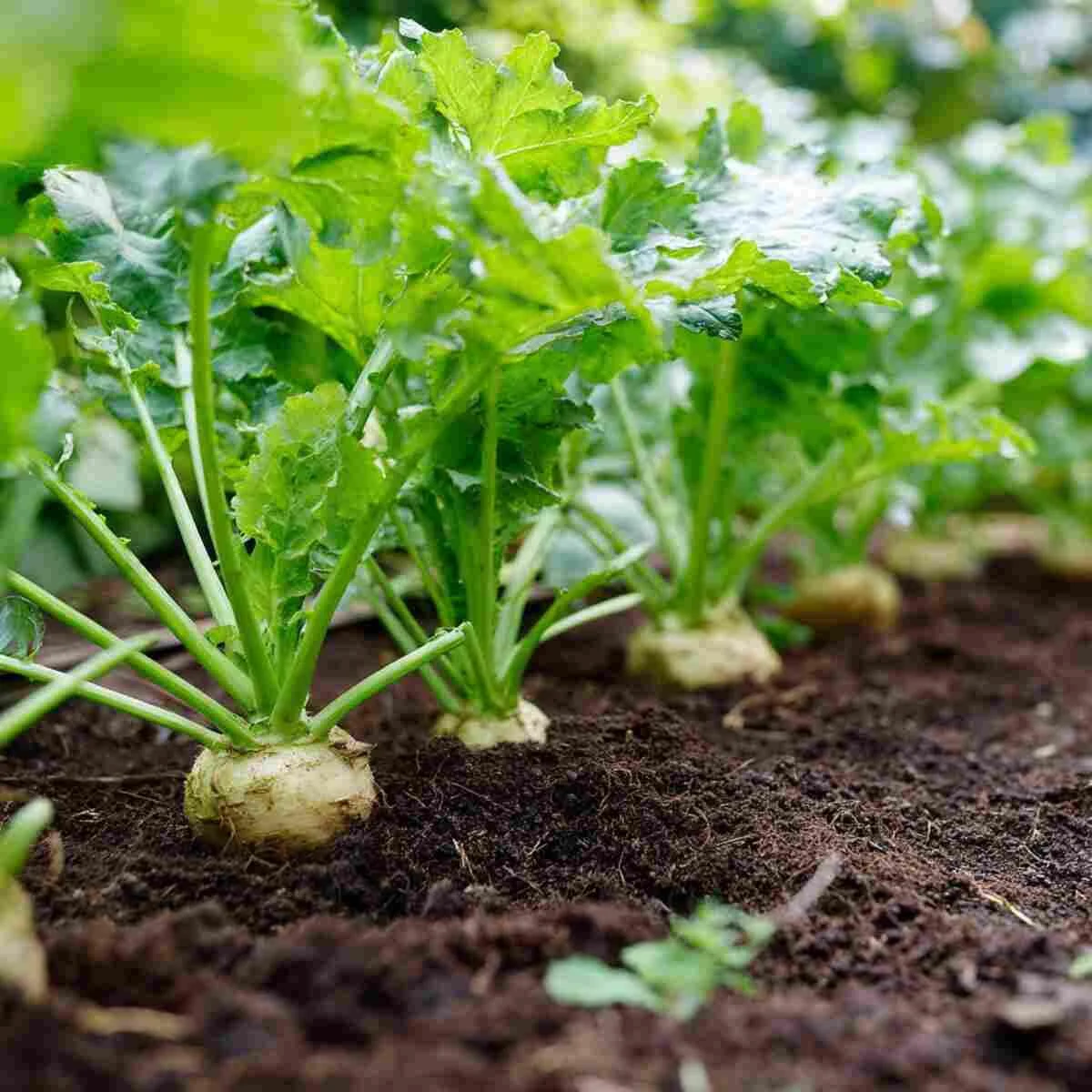
Turnips grow quickly and adapt well to cool temperatures. Because they mature faster than many other root vegetables, they are ideal for gardeners looking for quick results.
Both the roots and the leafy greens are edible, providing flexibility in the kitchen. Turnips are commonly planted in early fall for harvest before winter arrives.
Their reliability and speed make them a practical option for extending the growing season.
8. Radishes
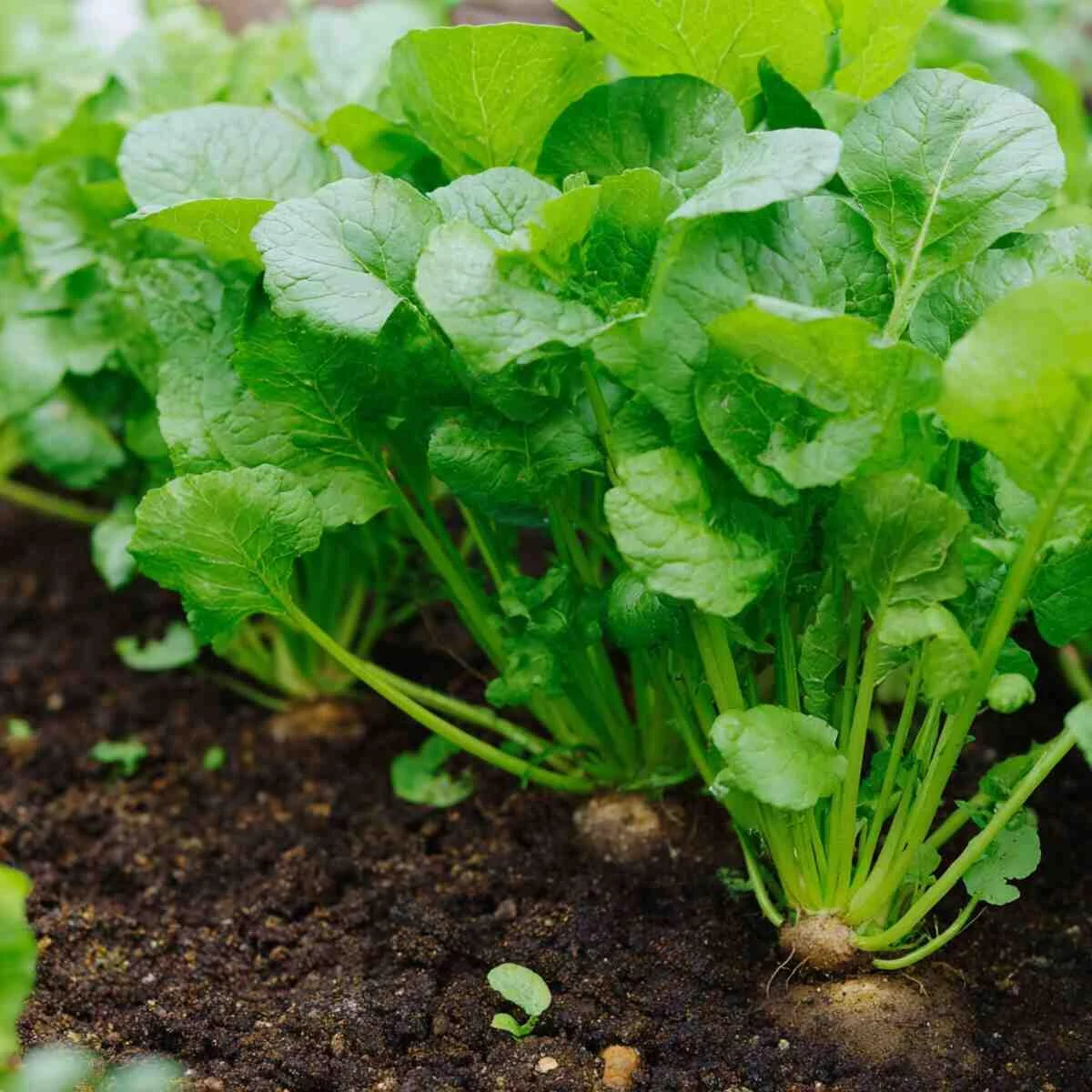
Radishes are one of the fastest-growing vegetables you can plant. Many varieties mature in as little as three to four weeks, which makes them perfect for cool-season gardening.
They thrive in cooler soil and produce crisp, flavorful roots with minimal effort. Because of their quick growth, radishes are often planted alongside slower crops to make efficient use of garden space.
Their peppery flavor adds freshness and crunch to salads and sandwiches.
9. Spinach
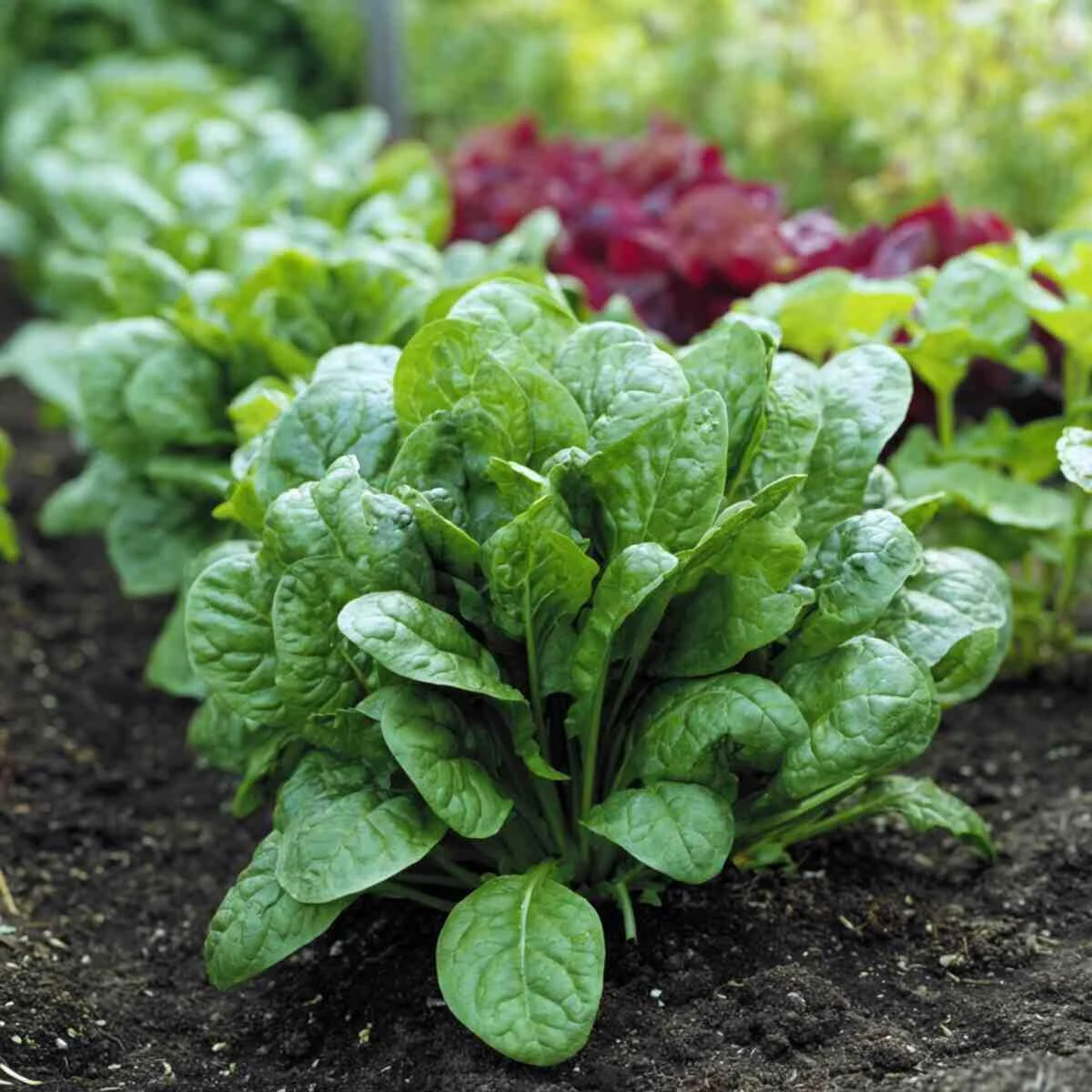
Spinach is a classic cold-weather vegetable known for its impressive tolerance to low temperatures. In some climates, it can even survive light snowfall and continue growing once temperatures rise again.
The tender leaves are packed with vitamins and minerals, making spinach one of the healthiest crops for a fall garden. Harvesting regularly encourages new leaves to develop throughout the season.
Spinach can be used fresh in salads or cooked in a variety of warm dishes.
10. Broccoli
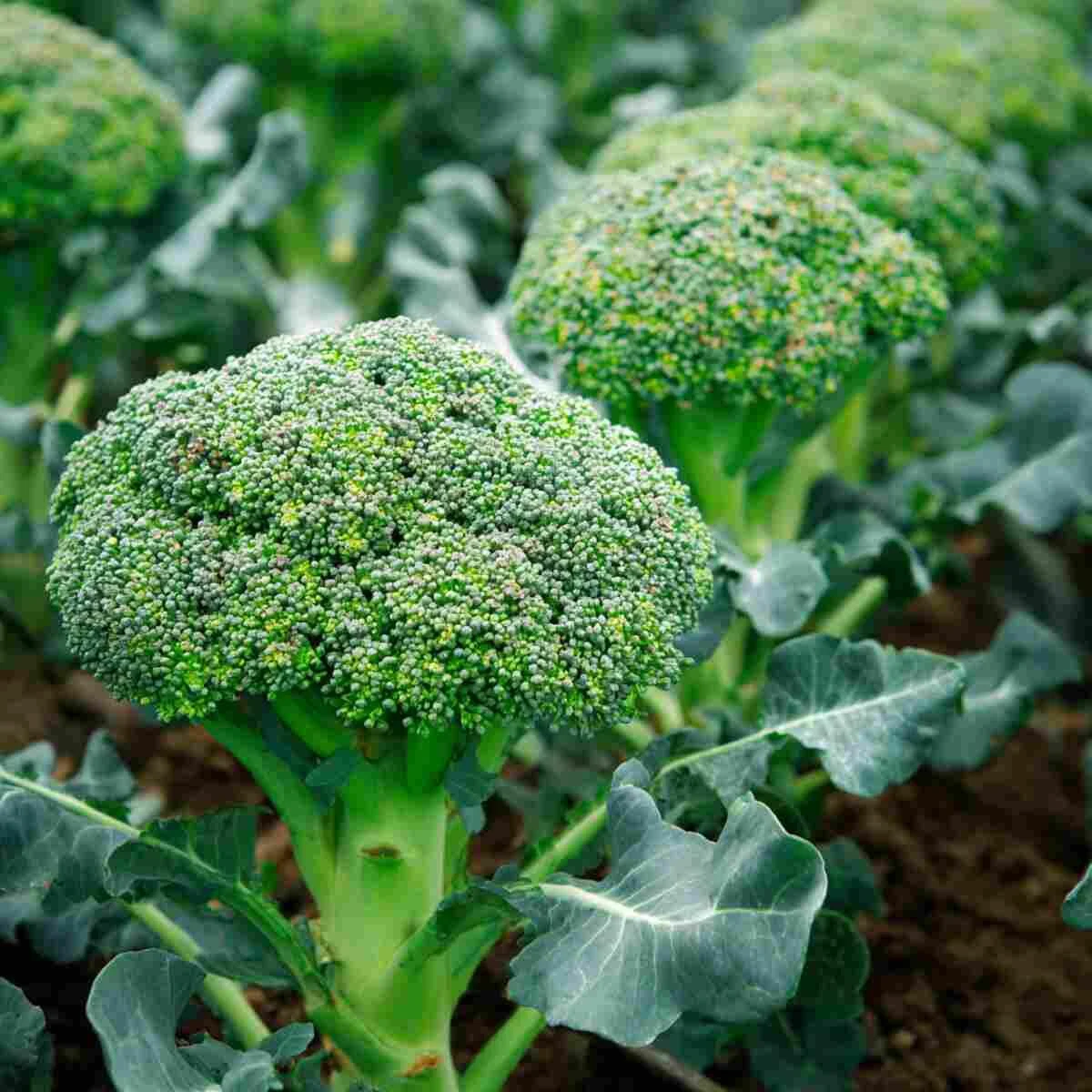
Broccoli grows especially well in cool weather and often produces higher quality heads during fall than in hot summer conditions.
Once the central head is harvested, the plant continues producing smaller side shoots that extend the harvest period. This makes broccoli a productive and rewarding crop for gardeners.
Its nutritional value and versatility in cooking make it a staple in many home gardens.
11. Cauliflower
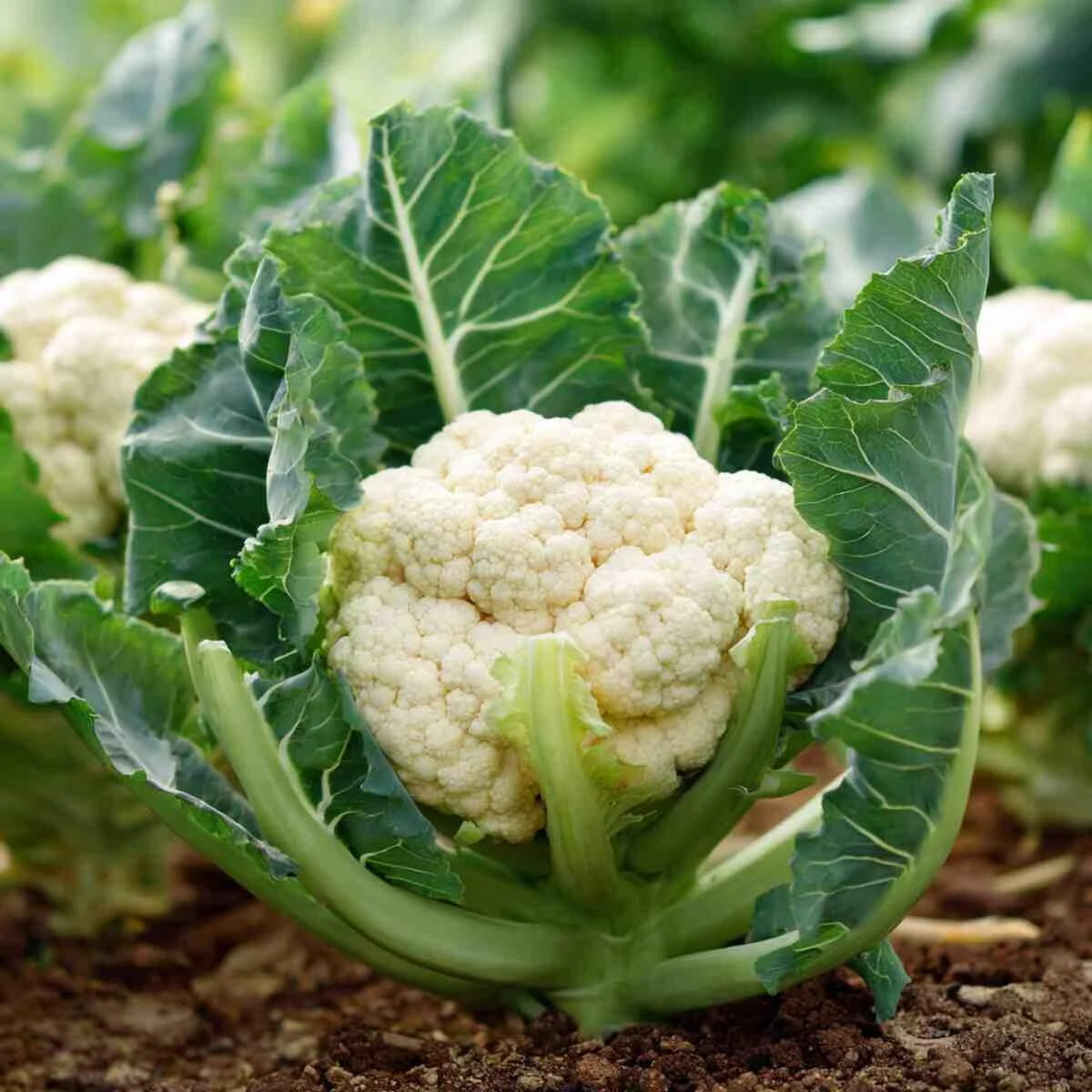
Cauliflower prefers the steady temperatures of cooler seasons. When grown during fall, it often develops firm, well-formed heads with better flavor.
This vegetable requires slightly more patience than some other cool-season crops, but the results are worth the effort. Cauliflower can be roasted, mashed, or used as a versatile substitute in many recipes.
Planting it in late summer allows the heads to mature just as temperatures begin to drop.
12. Leeks
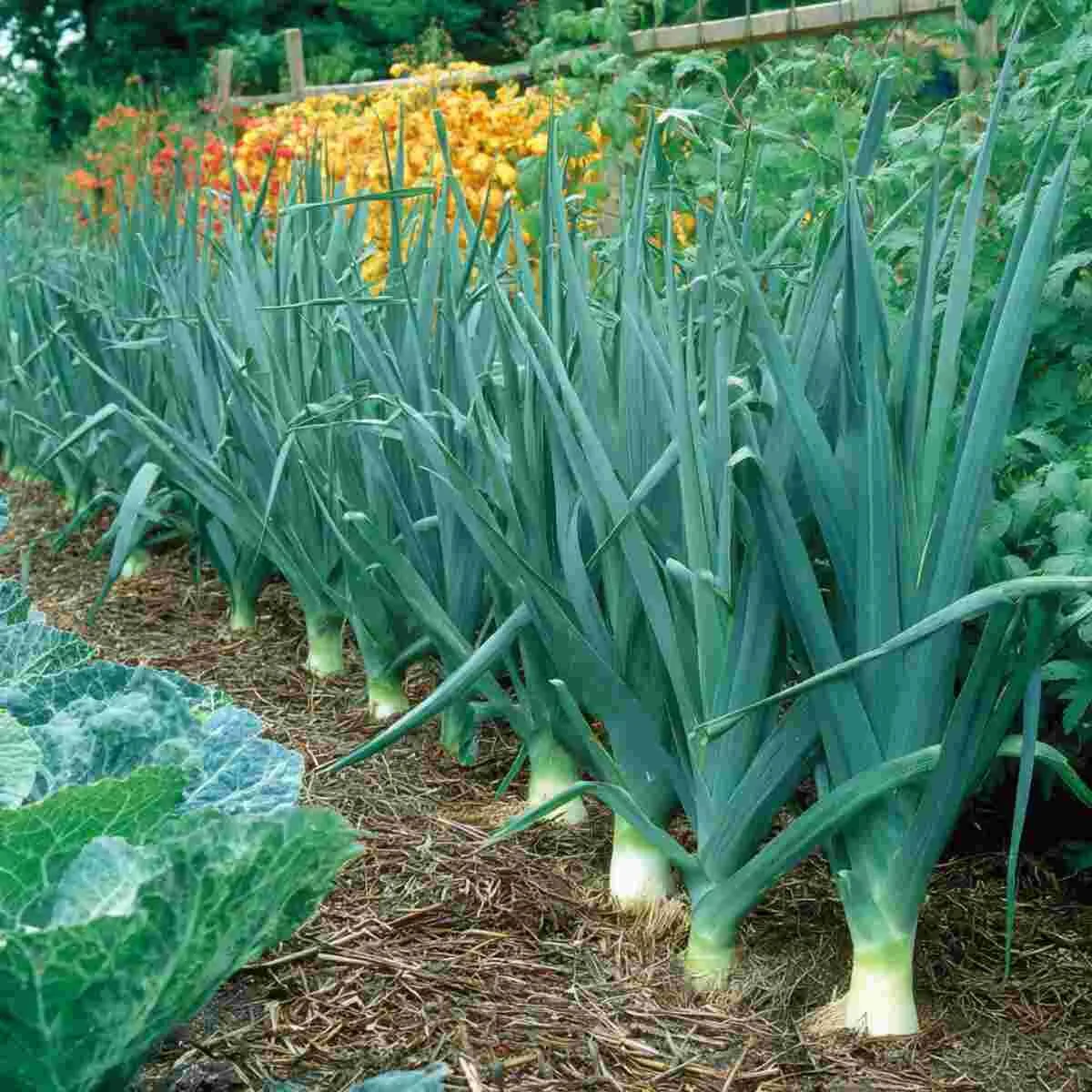
Leeks are incredibly hardy and can remain in the garden long after other vegetables have been harvested. Their mild onion-like flavor makes them a favorite ingredient for soups and stews during colder months.
Because they grow slowly, leeks are often planted earlier in the season and harvested gradually as the weather cools.
Their ability to tolerate cold temperatures makes them one of the most reliable vegetables for winter gardens.
13. Collard Greens
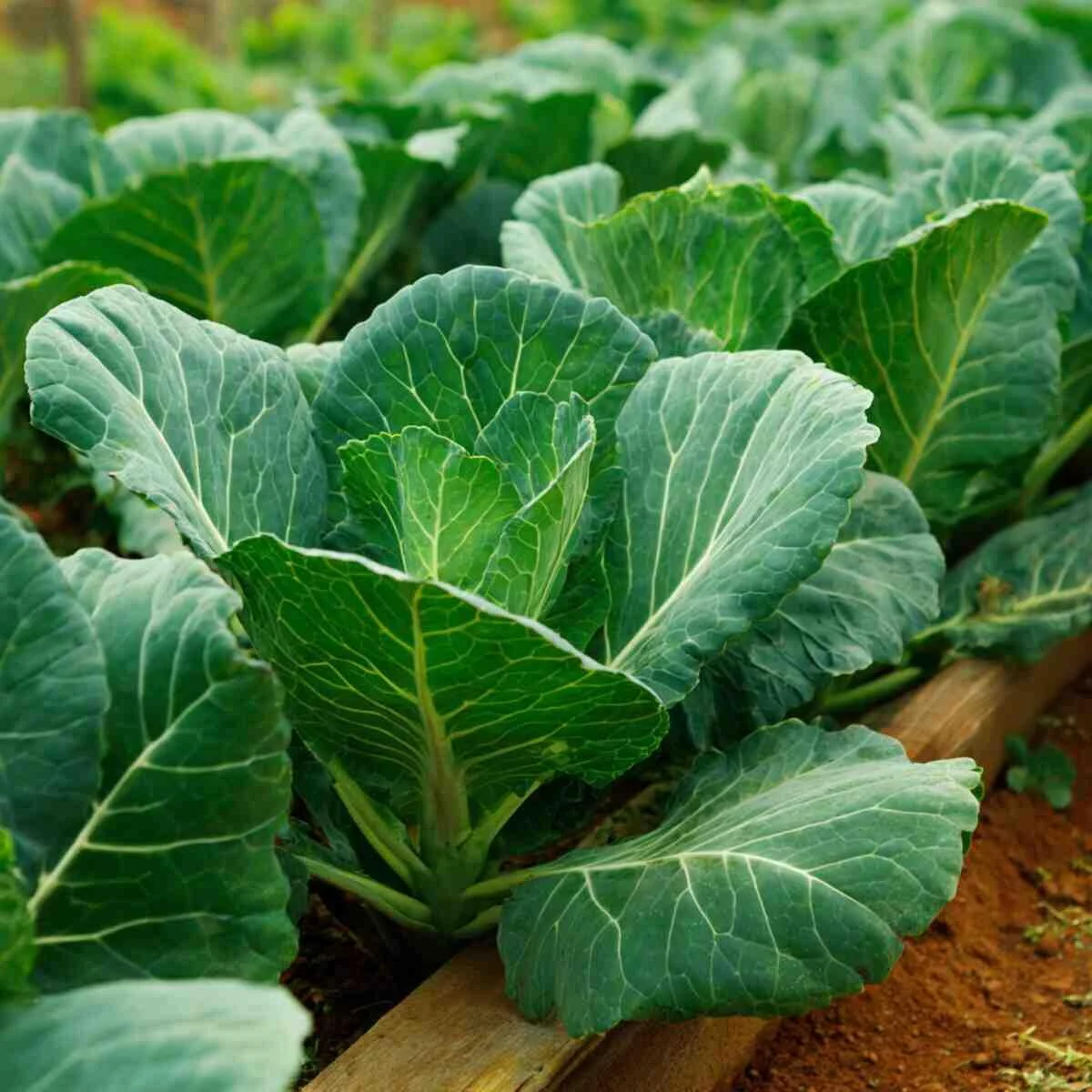
Collard greens are extremely resilient and continue producing large, nutritious leaves even after frost. Like kale, their flavor improves when exposed to cooler temperatures.
These leafy greens grow steadily through fall and can be harvested repeatedly. Their durability makes them especially popular among gardeners who want a dependable winter crop.
Rich in nutrients and full of flavor, collard greens are a valuable addition to any cool-season garden.
Final Thoughts
Cold weather does not have to mean the end of your vegetable garden. By choosing crops that naturally tolerate lower temperatures, you can extend your harvest well beyond the traditional growing season.
Leafy greens like kale and spinach, root vegetables such as carrots and beets, and hardy plants like cabbage and broccoli all perform exceptionally well when the weather cools.
With thoughtful planning and the right selection of vegetables, your garden can remain productive, colorful, and full of fresh food even during fall and winter.


