If you’re hoping to add color without turning gardening into a full-time job, wildflowers are a surprisingly good place to start. They’re relaxed, a bit untamed, and honestly—pretty forgiving.

Whether your goal is to attract butterflies, cut back on watering, or just enjoy something that feels more natural, there’s a wildflower garden style here that can work for you.
1. Native Wildflower Meadow
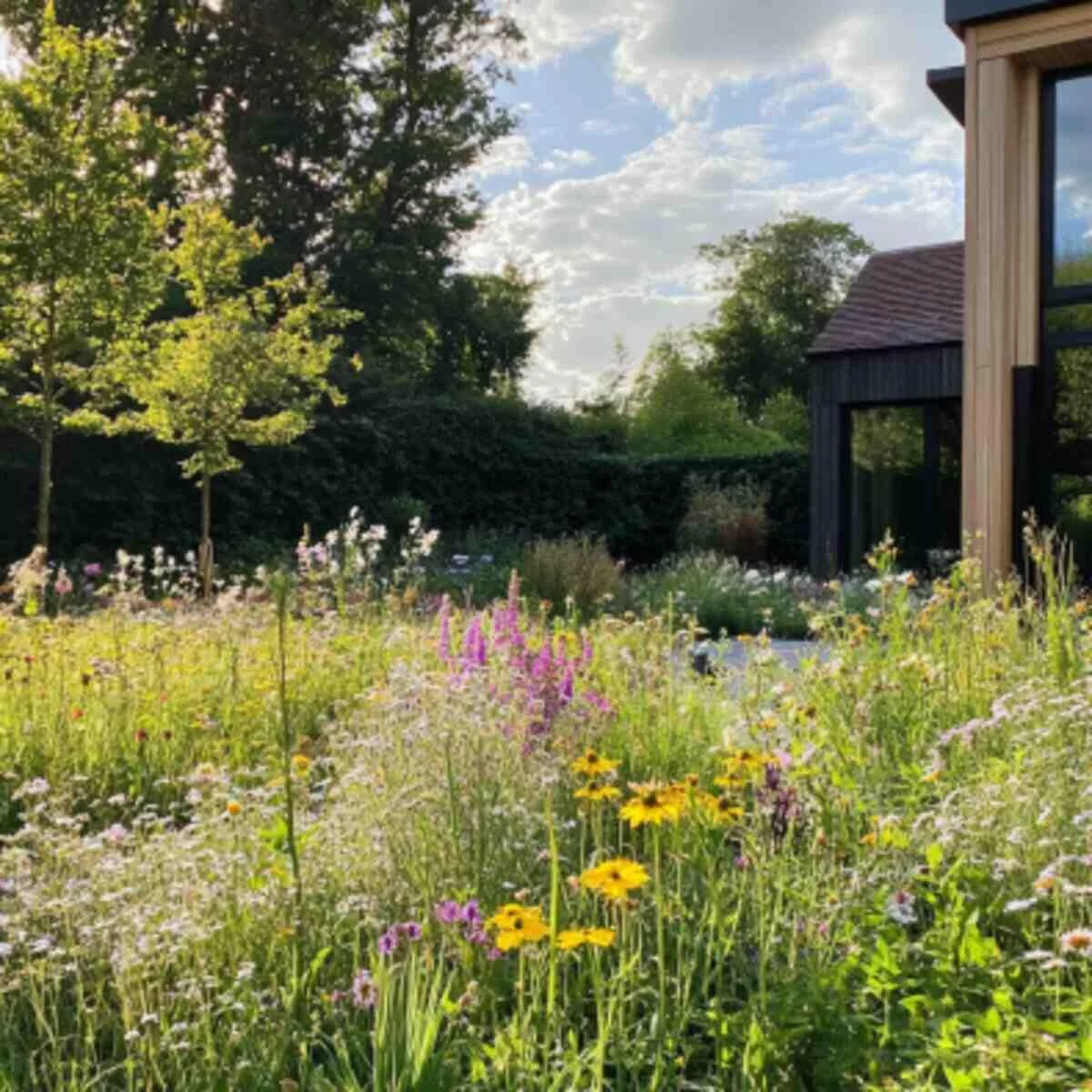
A native wildflower meadow leans into what already thrives in your region. Instead of fighting your climate, you’re working with it—and that makes a big difference.
Once it settles in, maintenance is pretty minimal. These plants are used to the conditions, so they don’t demand much water or attention.
And over time, you’ll notice more birds, bees, and butterflies showing up. It’s not just a garden—it starts to feel like a small ecosystem.
See, 21 Top Wild Grass Garden Ideas
2. Butterfly and Pollinator Garden
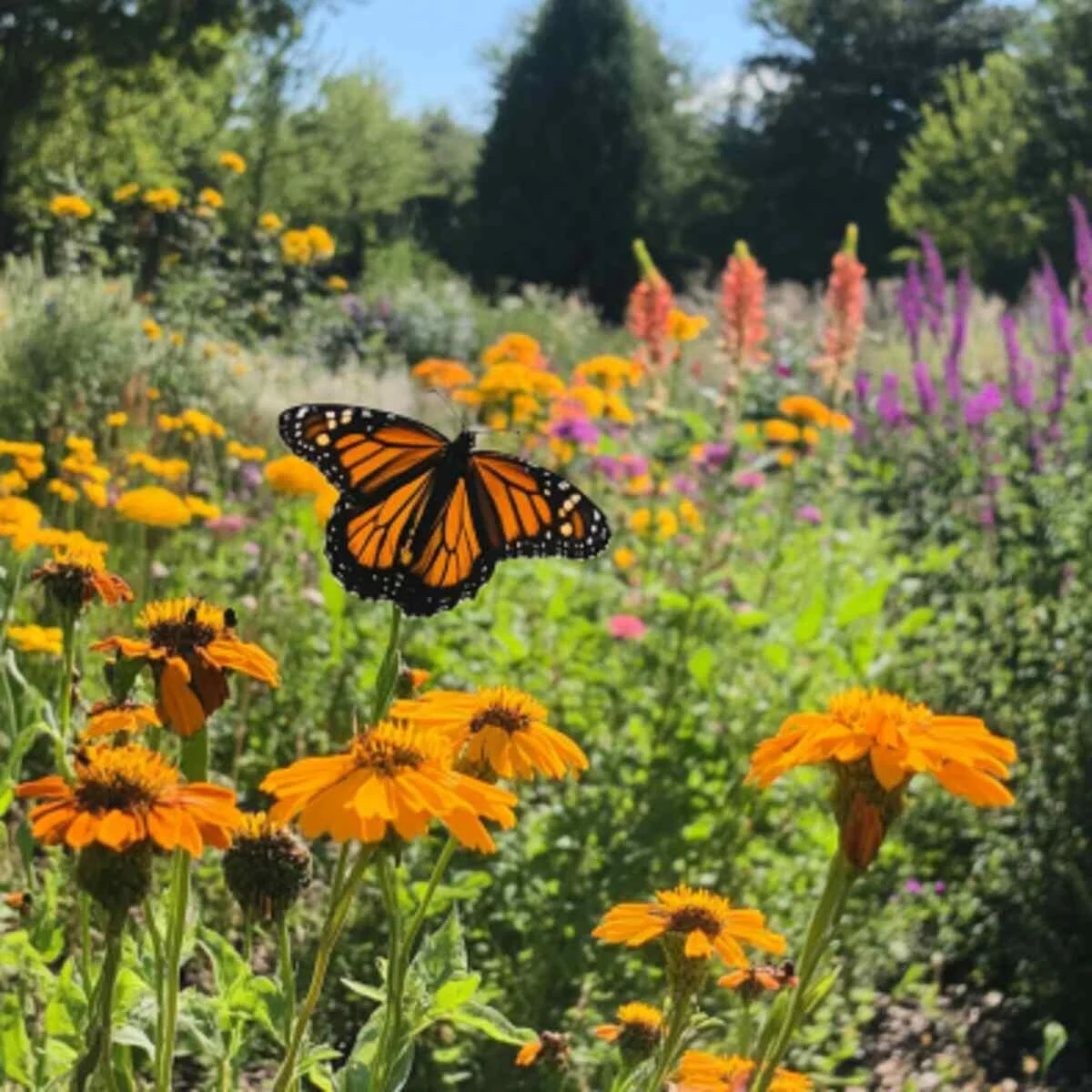
If you’ve ever enjoyed watching butterflies drift through a garden, this one’s for you.
A pollinator-friendly space focuses on flowers that provide nectar and pollen throughout the season. The trick is mixing early, mid, and late bloomers so there’s always something available.
Before long, your garden won’t just look alive—it will be alive.
3. Wildflower Cottage Garden
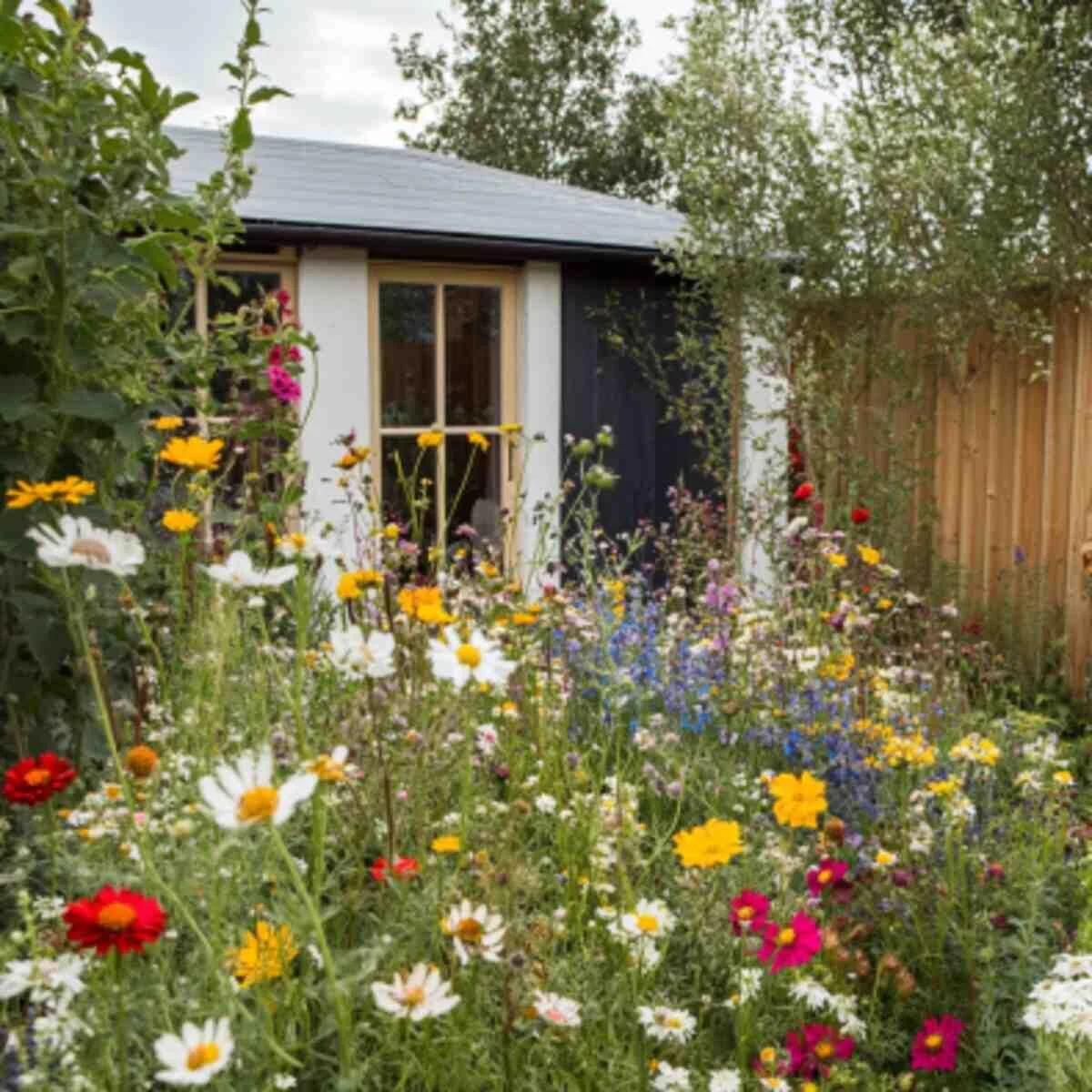
This style feels a little romantic and slightly unruly—in a good way.
A wildflower cottage garden mixes blooms, herbs, and a few shrubs into a layered, relaxed layout. Nothing too perfect, nothing too planned.
If you like gardens that feel personal and a bit whimsical, this one tends to grow on you quickly.
See, 18 Backyard Cut Flower Garden Ideas That Make Growing Bouquets Easy
4. Prairie-Inspired Wildflower Garden
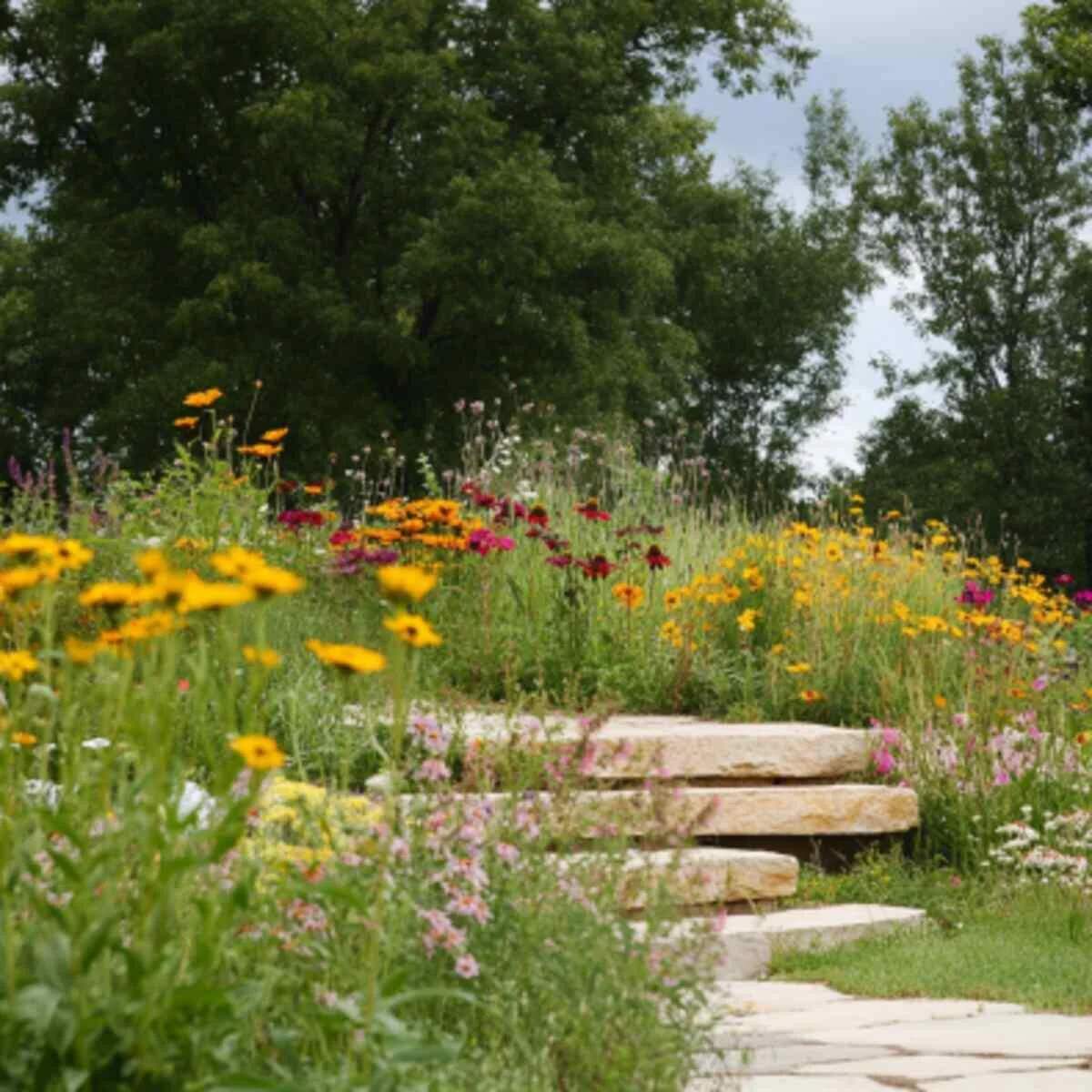
Think open landscapes, tall grasses, and flowers that sway in the wind.
This kind of garden is built for sunny, dry spaces. Once established, it doesn’t need much water—which makes it a practical choice as well as a beautiful one.
It’s a nice way to bring a bit of that wild, open feel into your own yard.
See, 15 Wildflower Meadow Strip Ideas
5. Shade-Tolerant Wildflower Garden
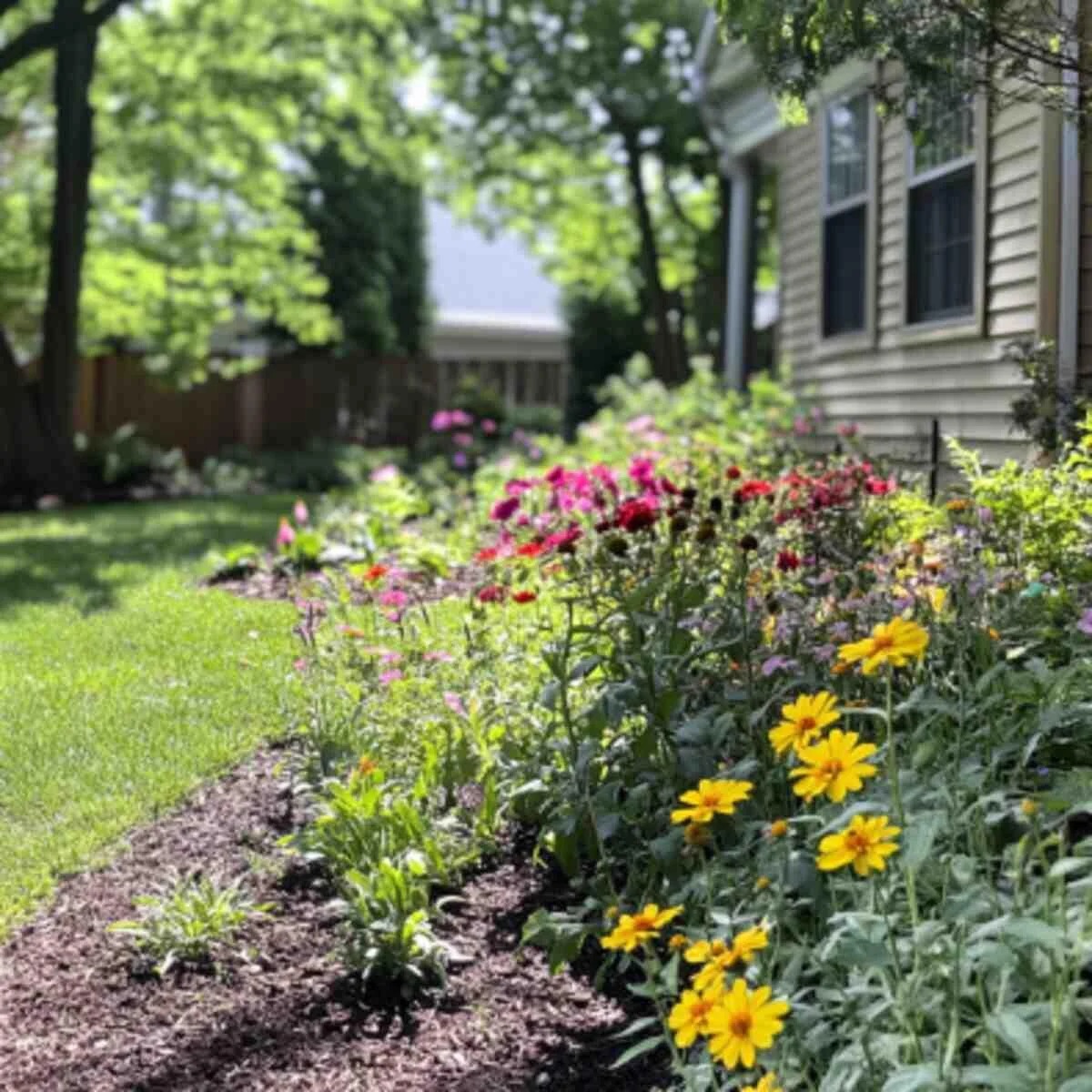
Not every garden gets full sun—and that’s okay.
Shade-tolerant wildflowers can brighten up those tricky spots under trees or along the side of a house where sunlight is limited.
With the right mix, even those overlooked corners can feel lush and intentional.
See, 25 Vibrant Shade Garden Ideas
6. Wildflower Herb Garden
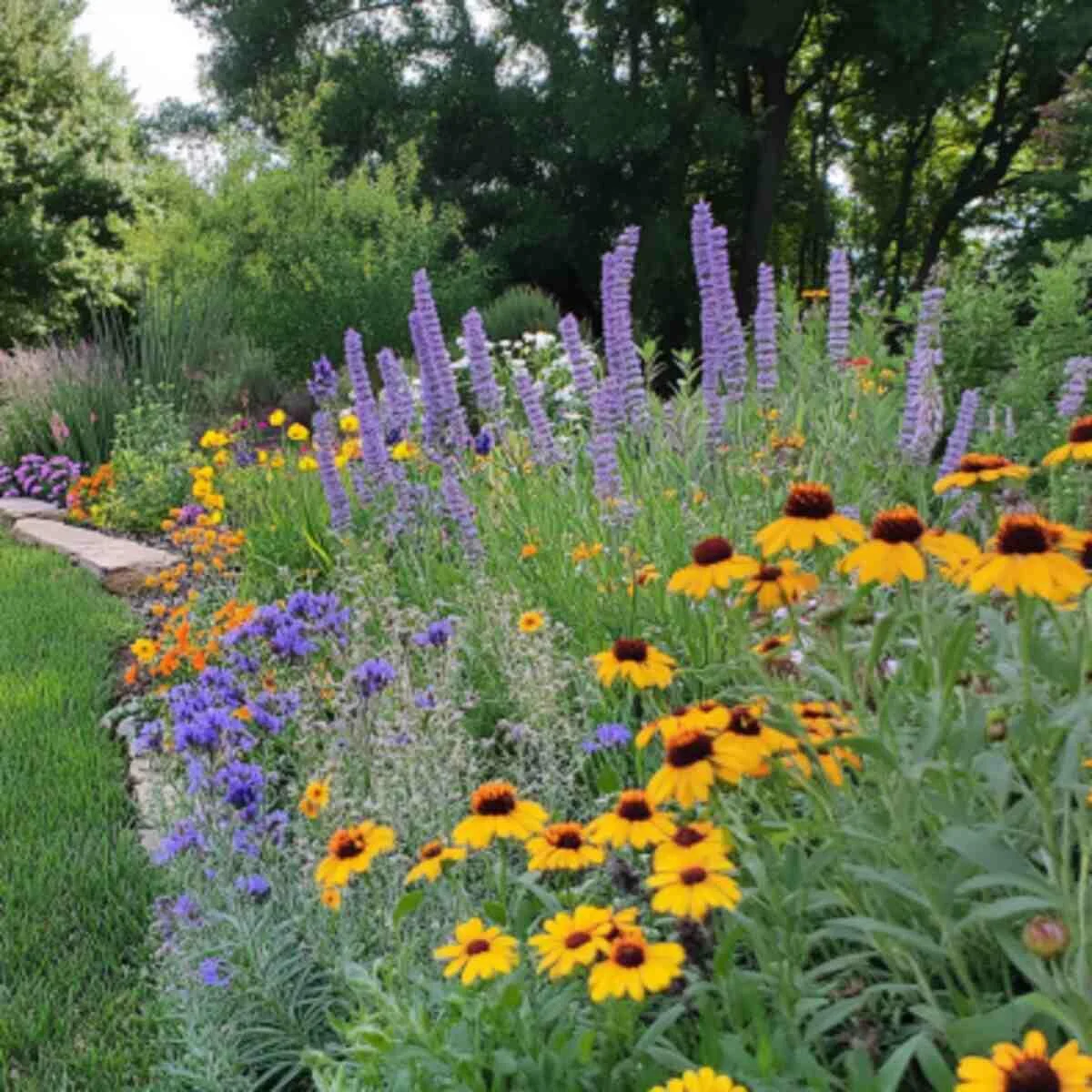
This one blends beauty with usefulness.
By pairing herbs like lavender, thyme, or rosemary with wildflowers, you get a space that looks good, smells amazing, and actually comes in handy in the kitchen.
It’s a simple way to make your garden feel a little more connected to daily life.
See, 20 Magical Self-Sowing Wildflowers
7. Succulent Wildflower Garden
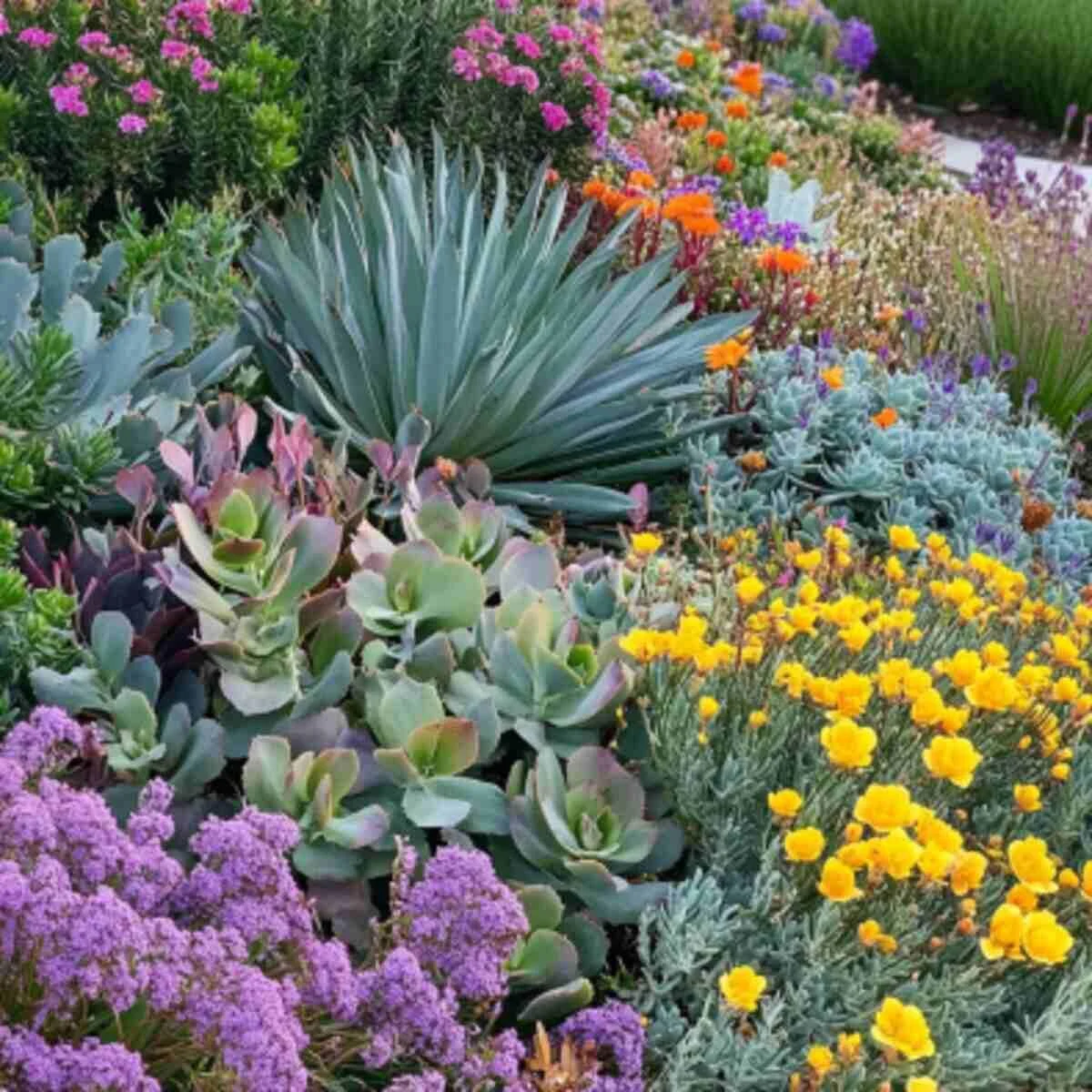
If you live somewhere dry, this combination makes a lot of sense.
Succulents hold onto water, while wildflowers bring bursts of seasonal color. Together, they create a garden that’s both practical and visually interesting.
Low effort, low water—yet still full of life.
Watch, 7 Creative Garden Pond Ideas
8. Wildflower Border Garden
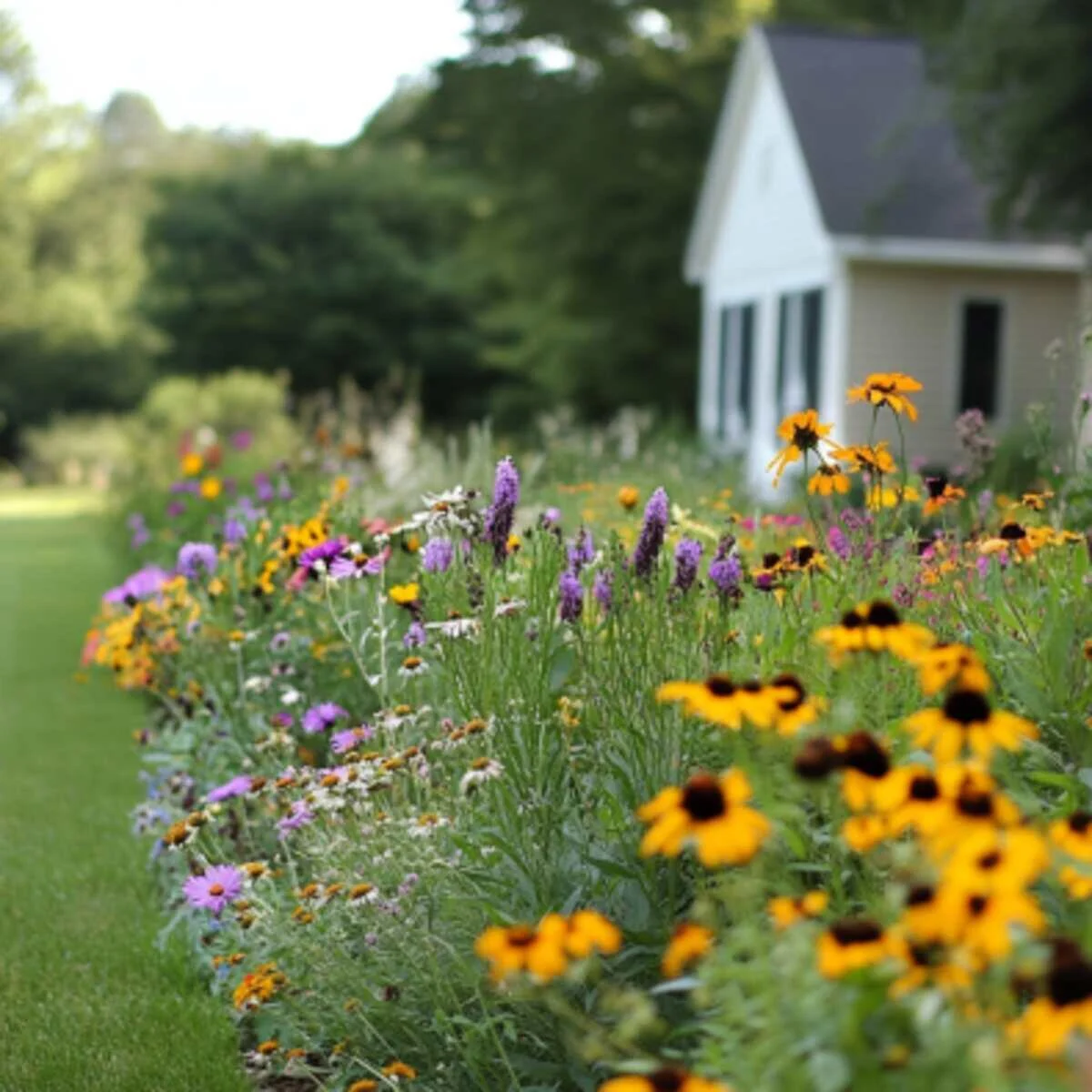
Not ready to go all-in? Start with the edges.
Planting wildflowers along borders or pathways softens the look of your yard and adds just enough color without overwhelming the space.
It’s a small change that makes everything feel more natural.
9. Raised Bed Wildflower Garden
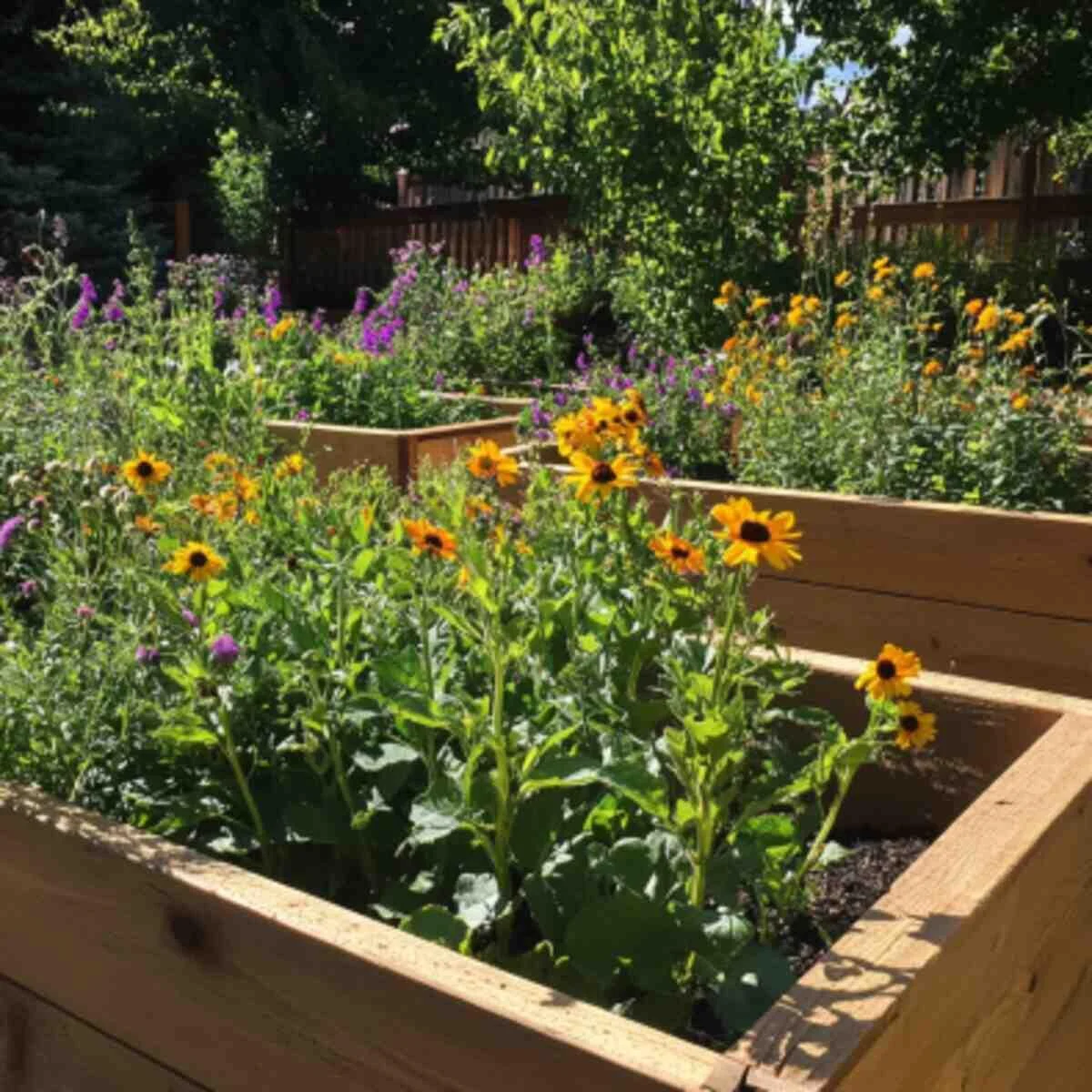
Raised beds give you a bit more control—especially if your soil isn’t great to begin with.
They’re also easier on your back, which is something you’ll appreciate sooner or later.
For small spaces or beginner setups, this is often one of the easiest ways to get started.
10. Wetland Wildflower Garden
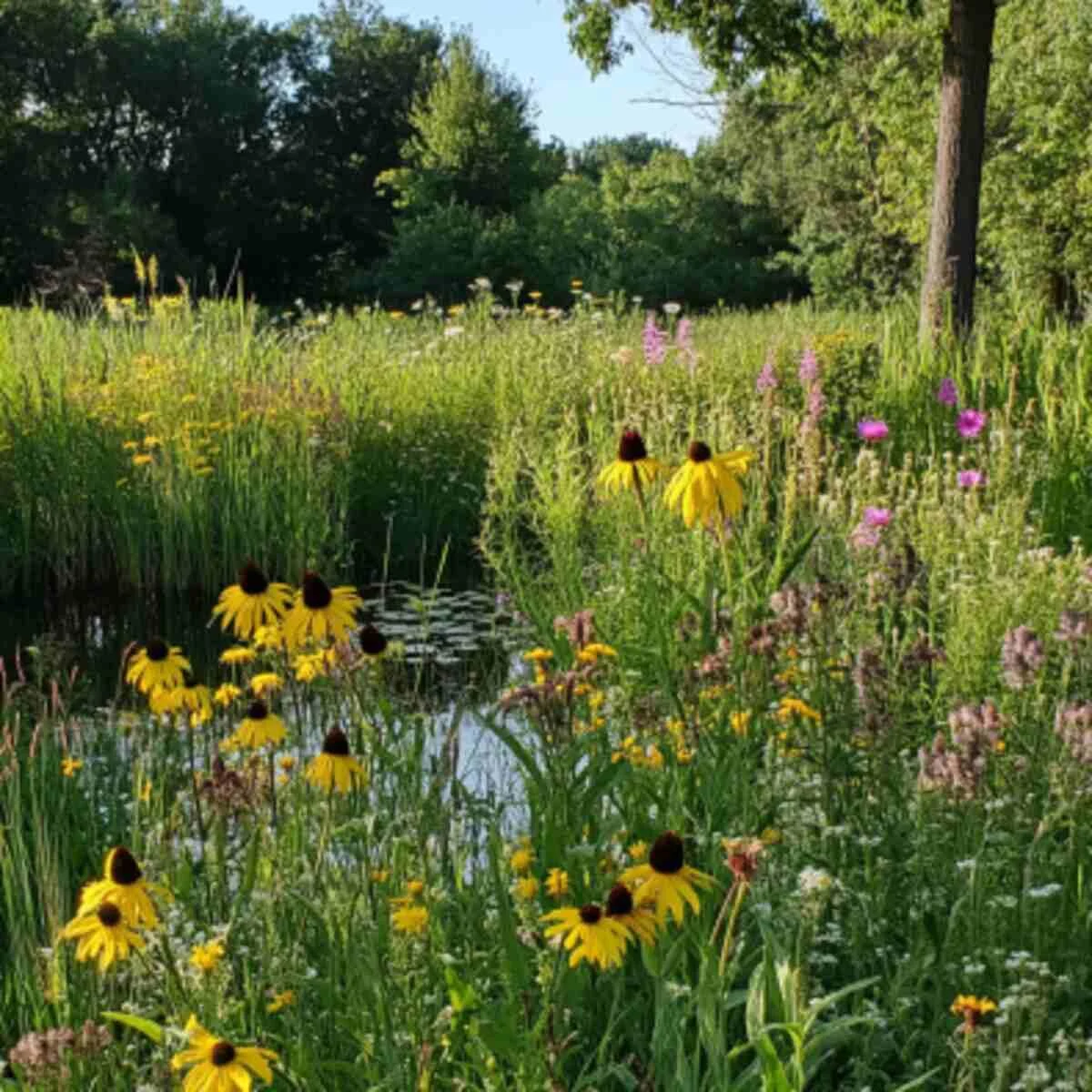
Got a soggy patch that never quite dries out? Instead of fighting it, lean into it.
Wetland wildflowers actually prefer these conditions and can turn a tricky area into something peaceful and full of life.
It’s also a great way to support frogs, birds, and other water-loving wildlife.
11. Wildflower Lawn Alternative
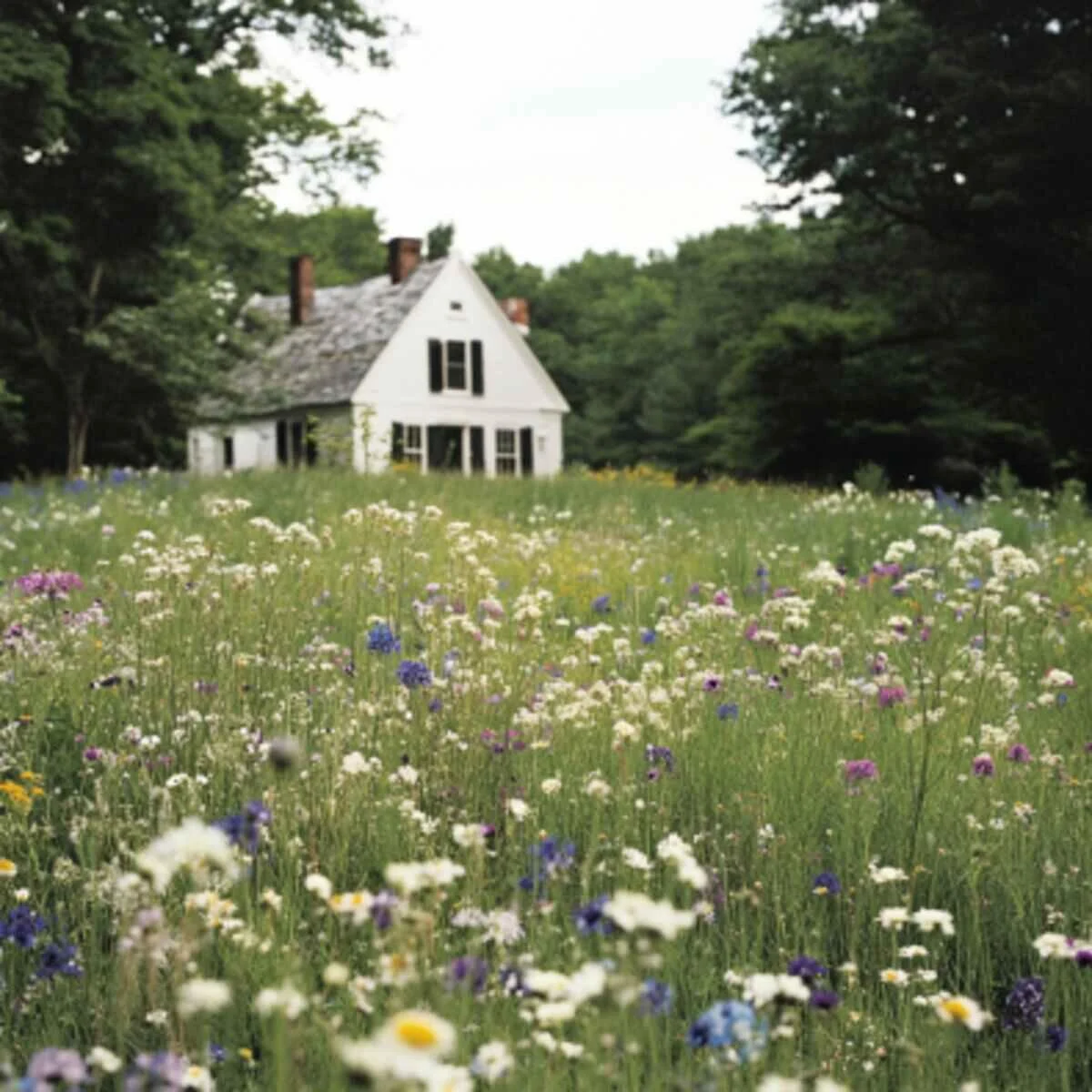
Traditional lawns can be a lot of work—mowing, watering, fertilizing… it adds up.
Switching to a wildflower lawn cuts back on all of that while creating something far more interesting.
It’s not perfectly neat, but that’s kind of the point.
12. Wildflower Cutting Garden
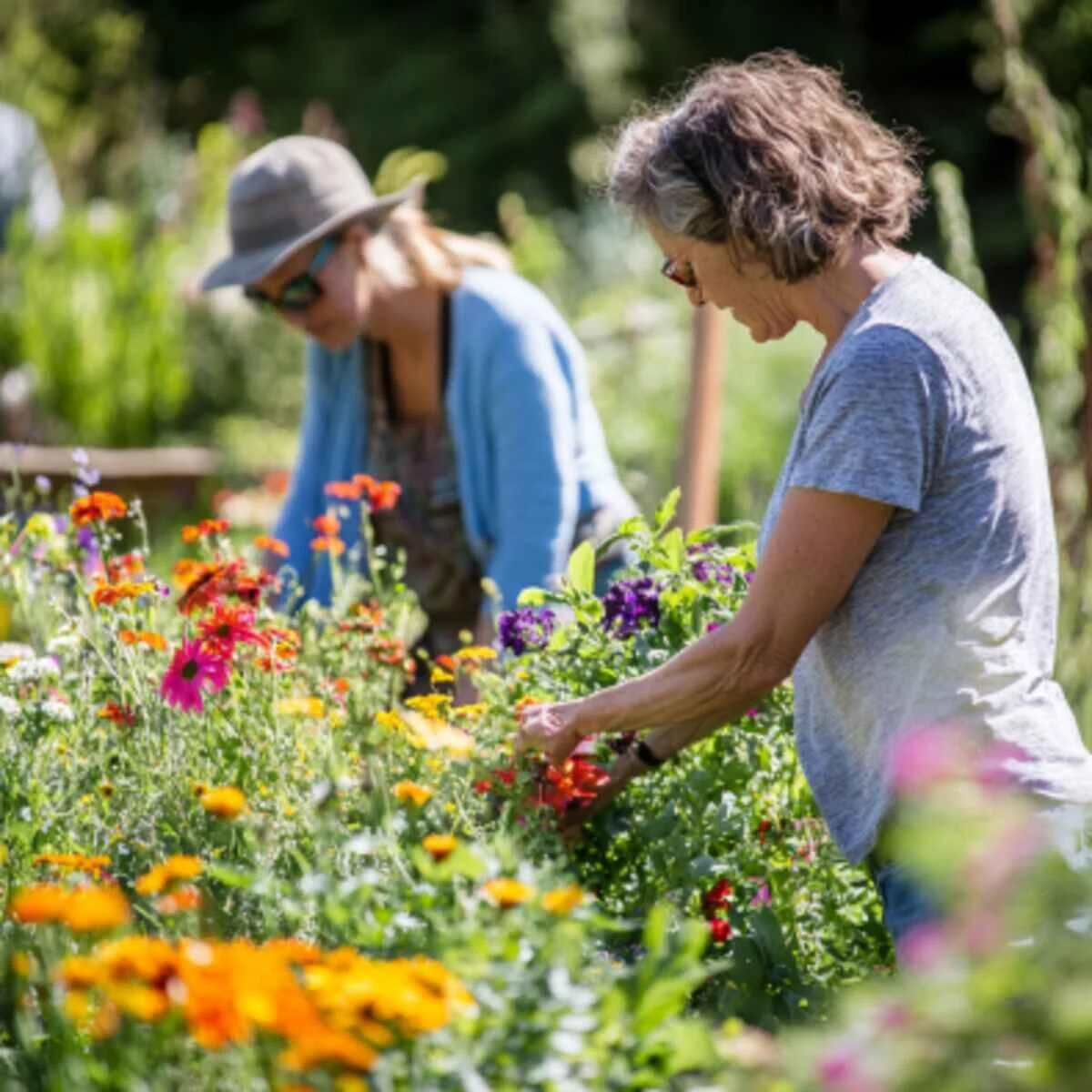
If you love having fresh flowers indoors, this idea is worth trying.
A cutting garden focuses on blooms that last well in a vase, so you can bring a bit of your garden inside whenever you like.
There’s something satisfying about that simple routine.
13. Xeriscape Wildflower Garden
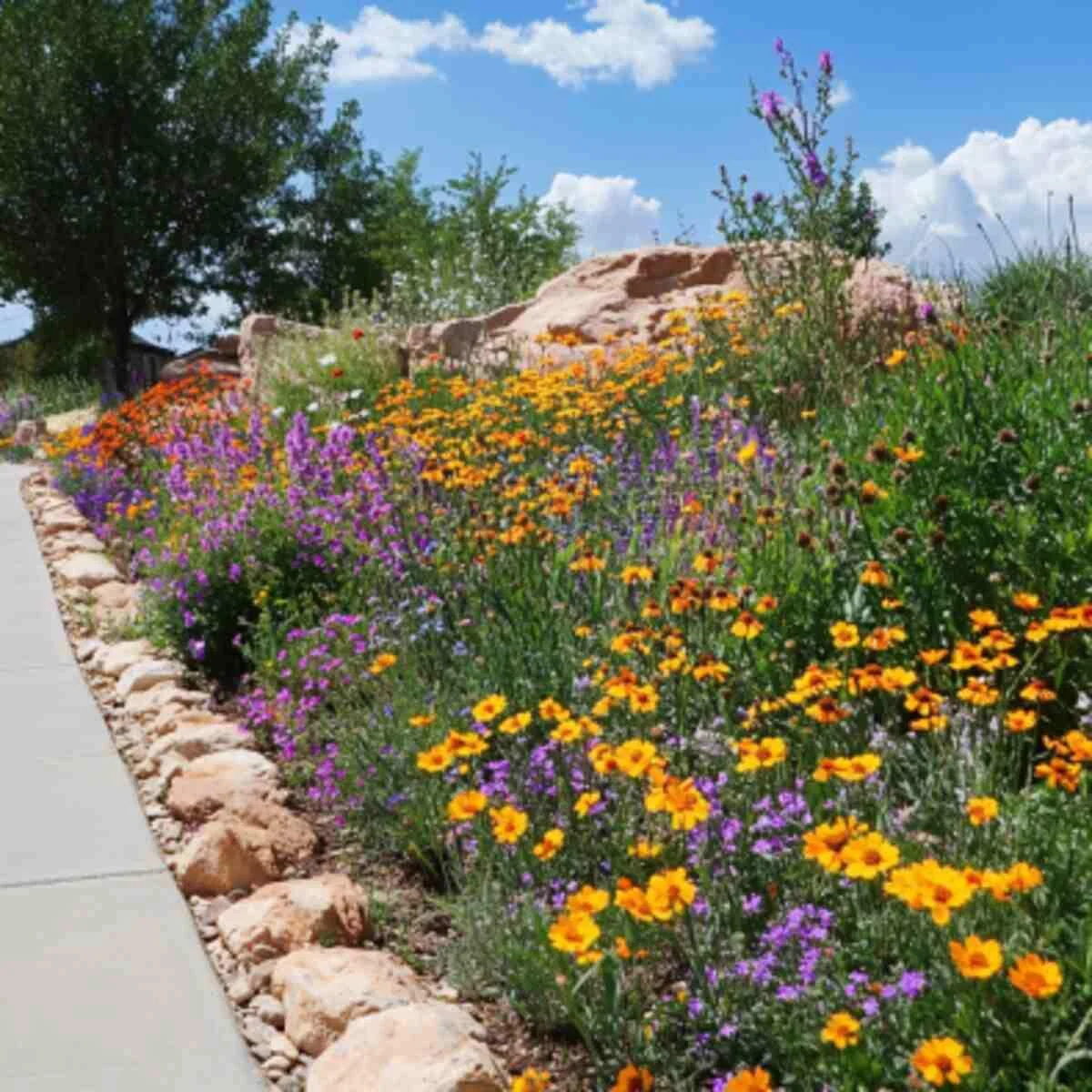
This approach is all about using less water—without giving up on color.
Drought-tolerant plants and wildflowers work together to create a garden that handles dry conditions surprisingly well.
It’s practical, especially if water conservation is on your mind.
14. Wildflower Rock Garden
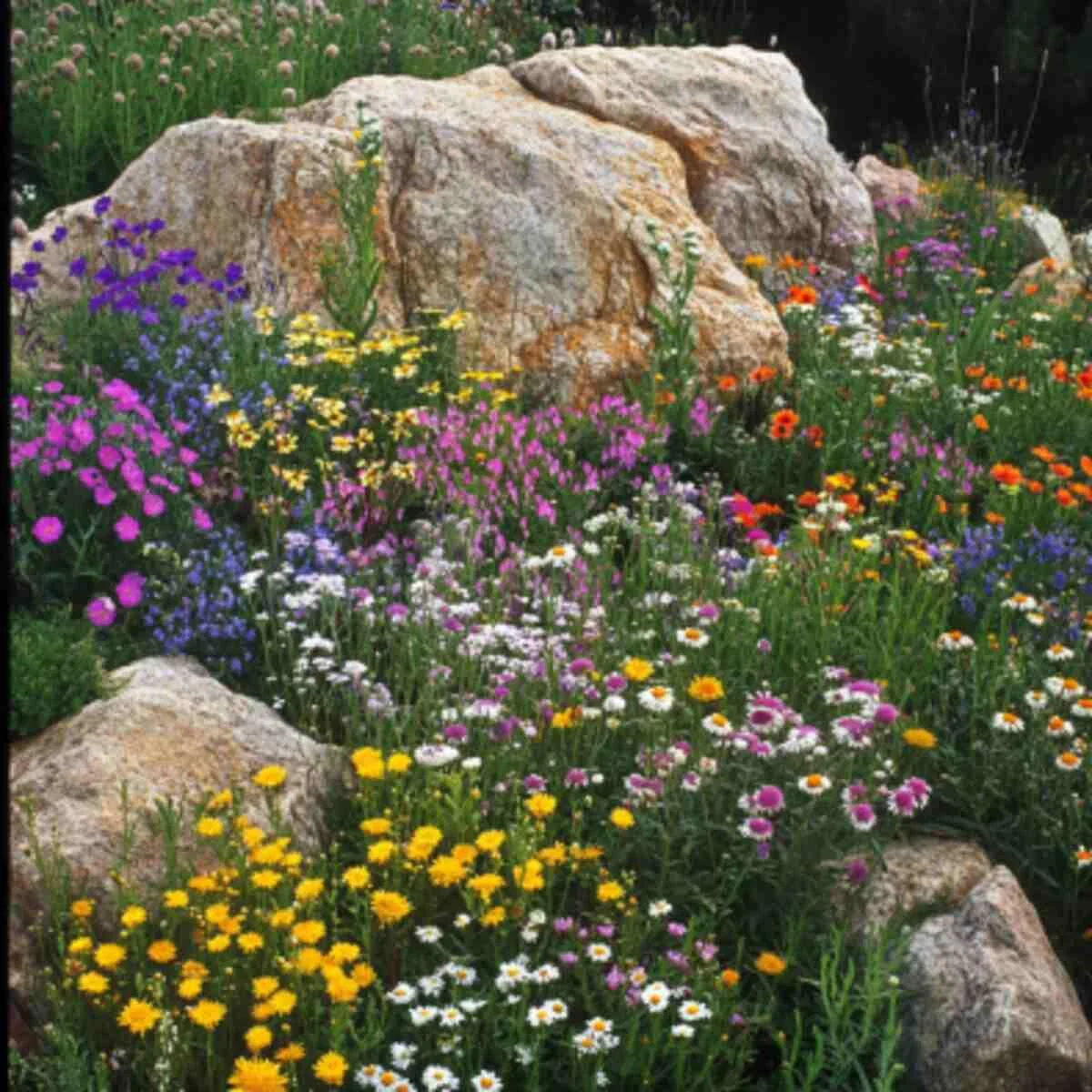
Rocks and wildflowers might not seem like an obvious pairing, but they work beautifully together.
The stones help with drainage and add structure, while the flowers soften everything up.
It’s a nice balance—especially in smaller or sloped areas.
15. Butterfly Host Plant Garden
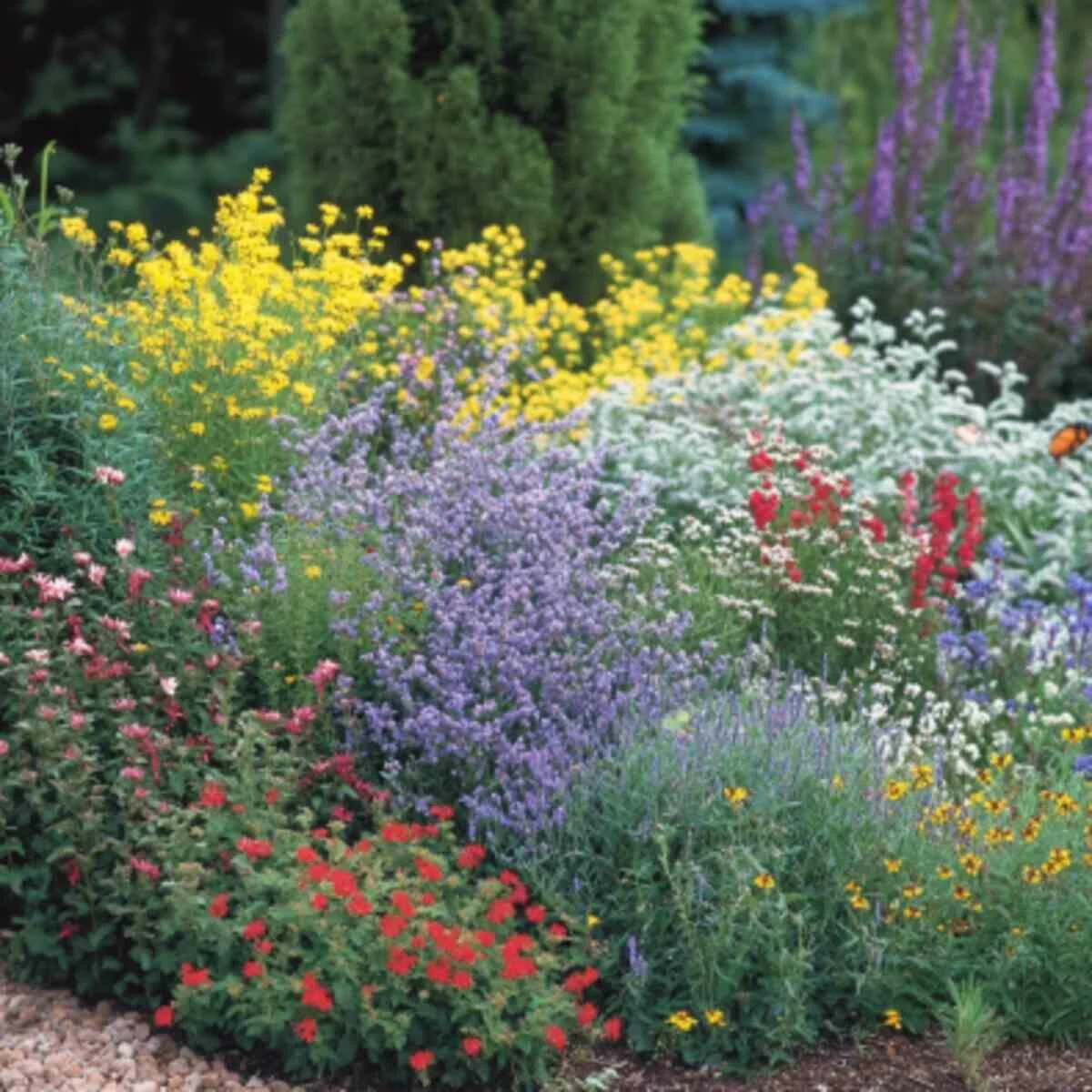
Here’s something many people overlook: butterflies need more than nectar.
Host plants give caterpillars a place to grow, which means you’re supporting the full life cycle—not just the pretty part.
It’s a small shift, but it makes a big difference for local populations.
16. Drought-Tolerant Wildflower Garden
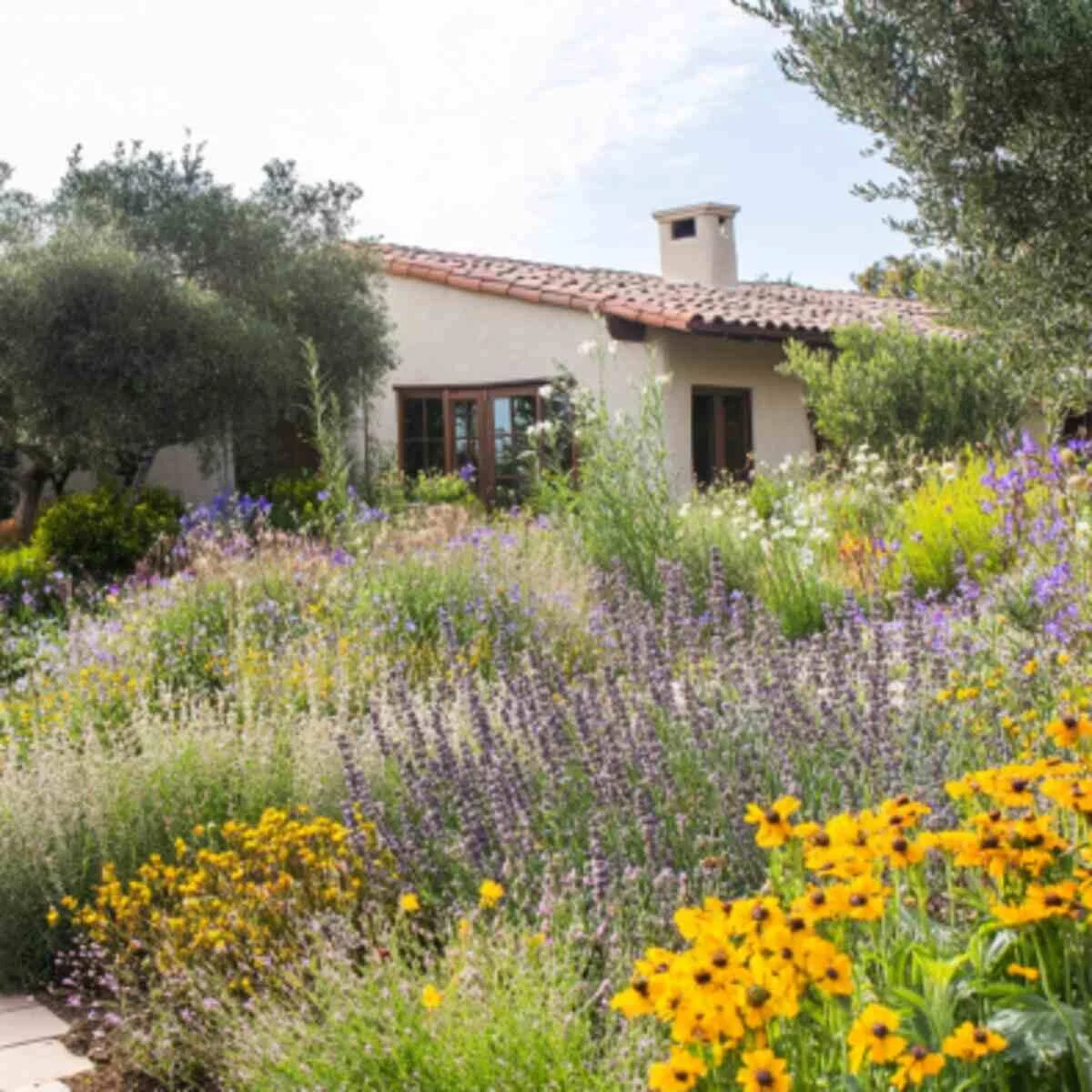
If watering regularly isn’t realistic, this type of garden can save you some stress.
Plants like coneflowers and black-eyed Susans are built for dry conditions and still manage to look vibrant.
Less effort, steady results—that’s always a win.
Watch, 25 Top Flowering Vines to Grow
17. Wildflower Garden with Birdhouses
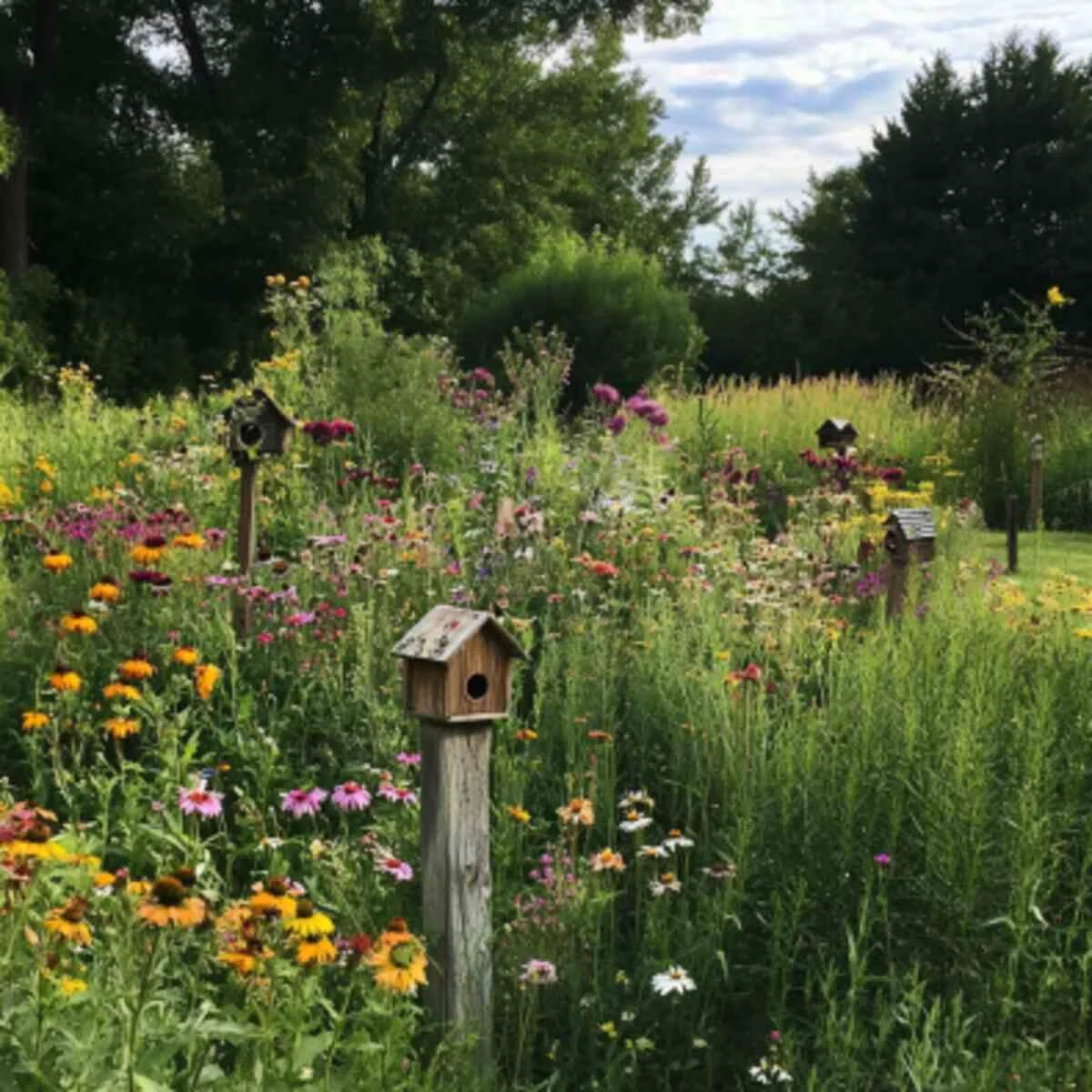
Adding birdhouses brings another layer of life into your garden.
Flowers attract insects, birds come for the food—and suddenly your space feels much more active and connected.
It’s simple, but surprisingly effective.
18. Wildflower Water Garden
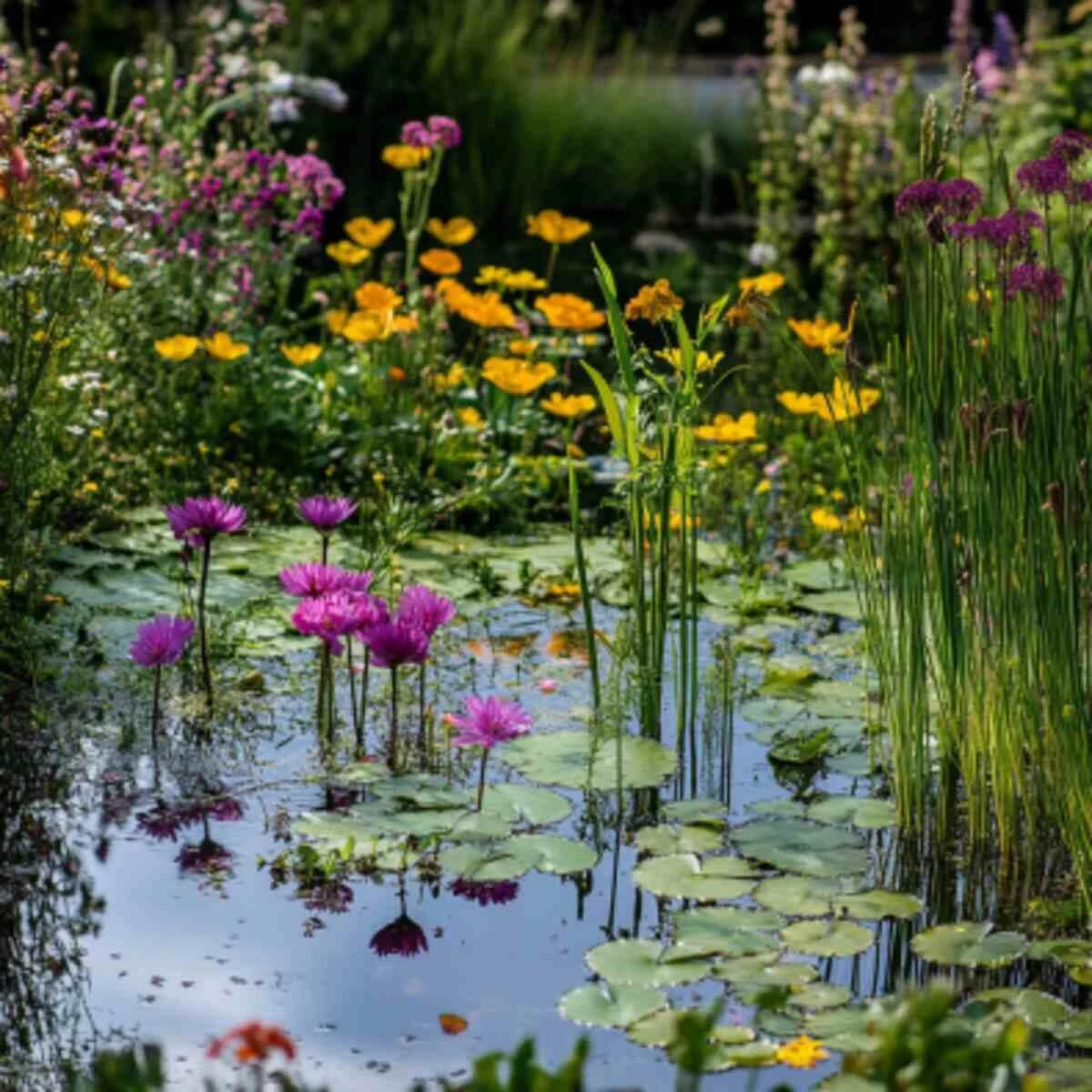
Water features have a calming effect, and adding wildflowers only enhances that.
Aquatic-friendly plants thrive here and tend to attract dragonflies, birds, and even frogs.
If you’re after a peaceful corner, this is a good direction to explore.
19. Pollinator-Friendly Wildflower Garden
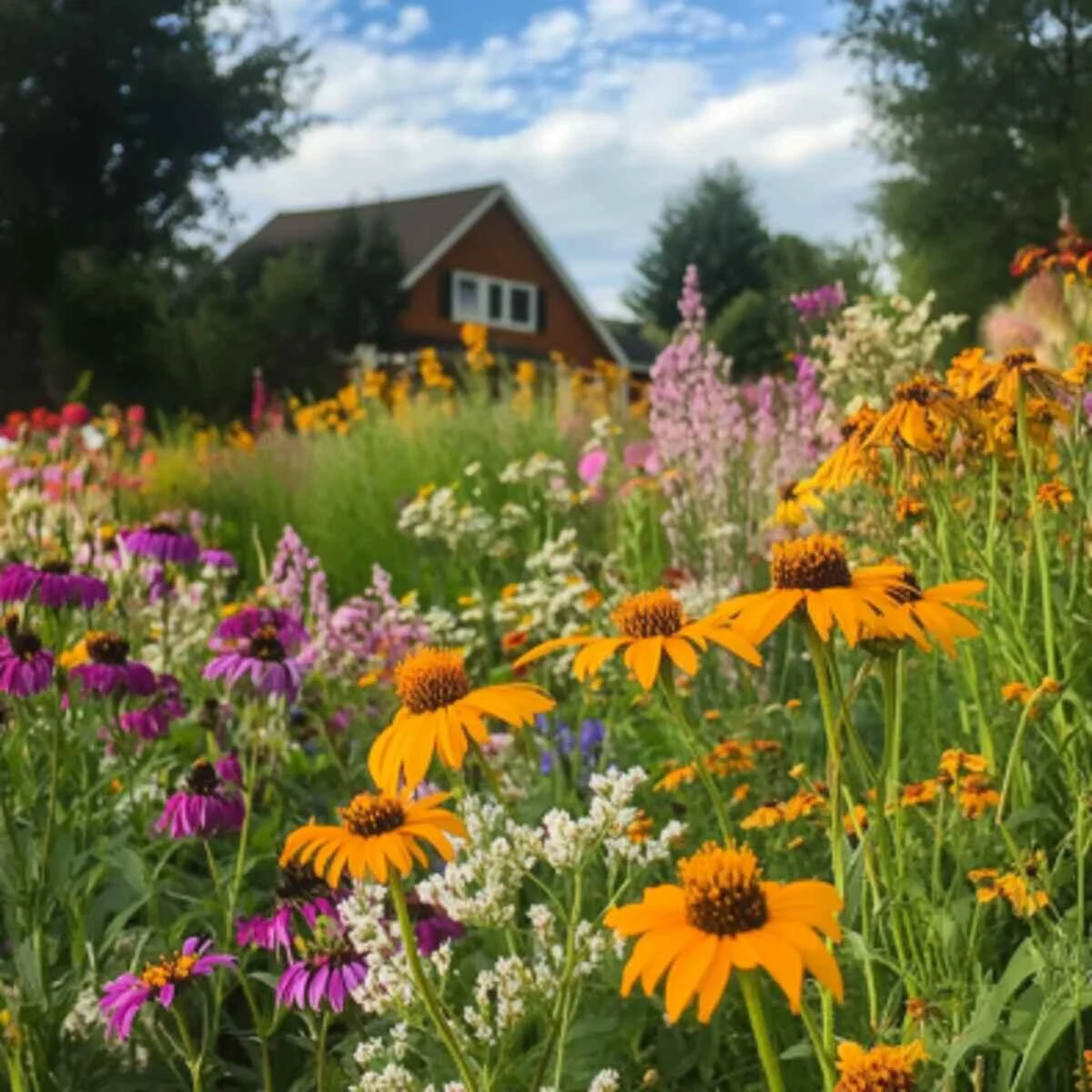
This is one of those ideas that feels small but has a real impact.
By planting a mix of flowers that bloom throughout the season, you’re giving pollinators a reliable food source.
And that matters—not just for your garden, but for the bigger picture too.
20. Front Yard Wildflower Garden
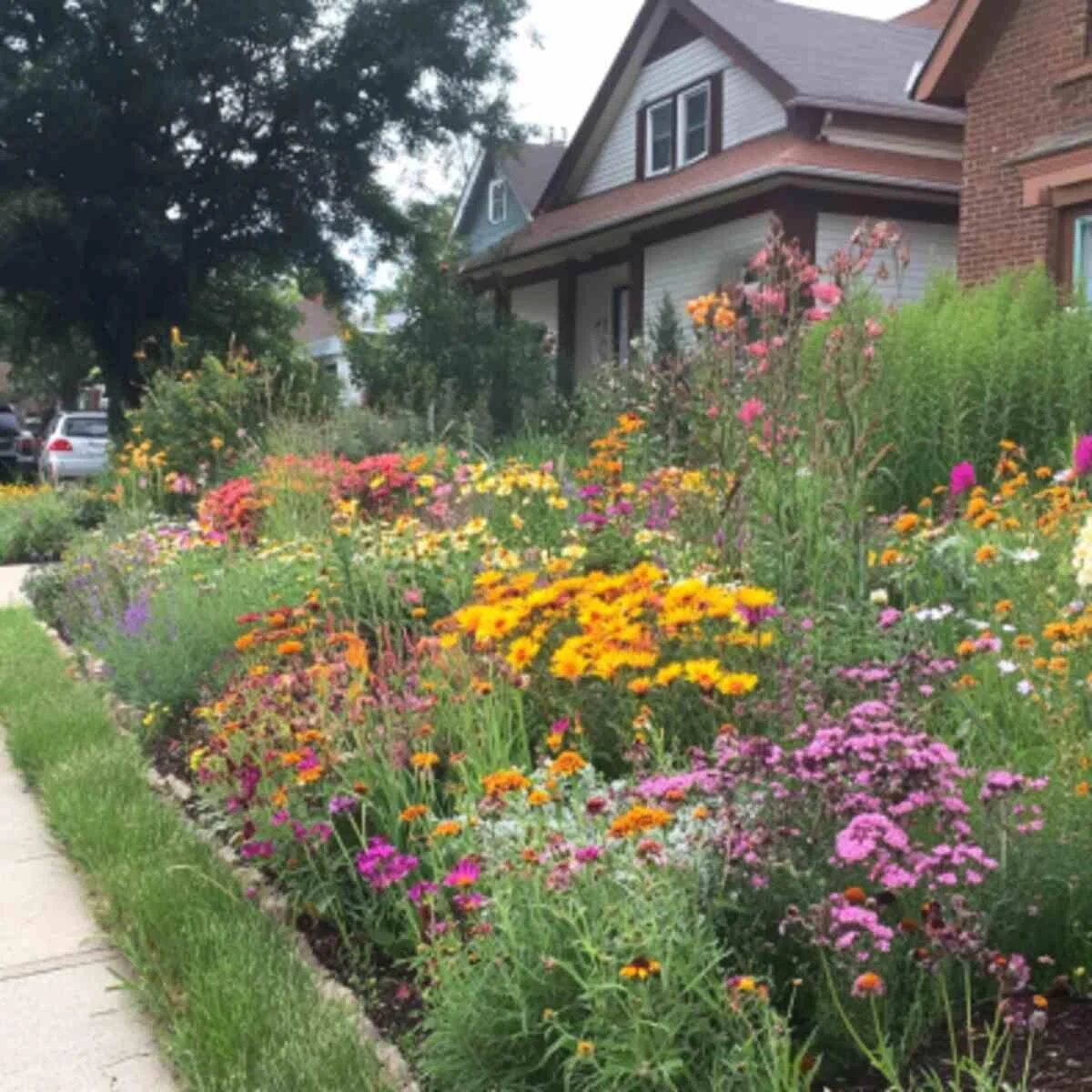
Your front yard doesn’t have to be all lawn.
Wildflowers can make it feel more welcoming, more colorful, and honestly, more interesting to look at.
It’s a subtle shift that can really change the overall feel of your home.
21. Woodland Wildflower Garden
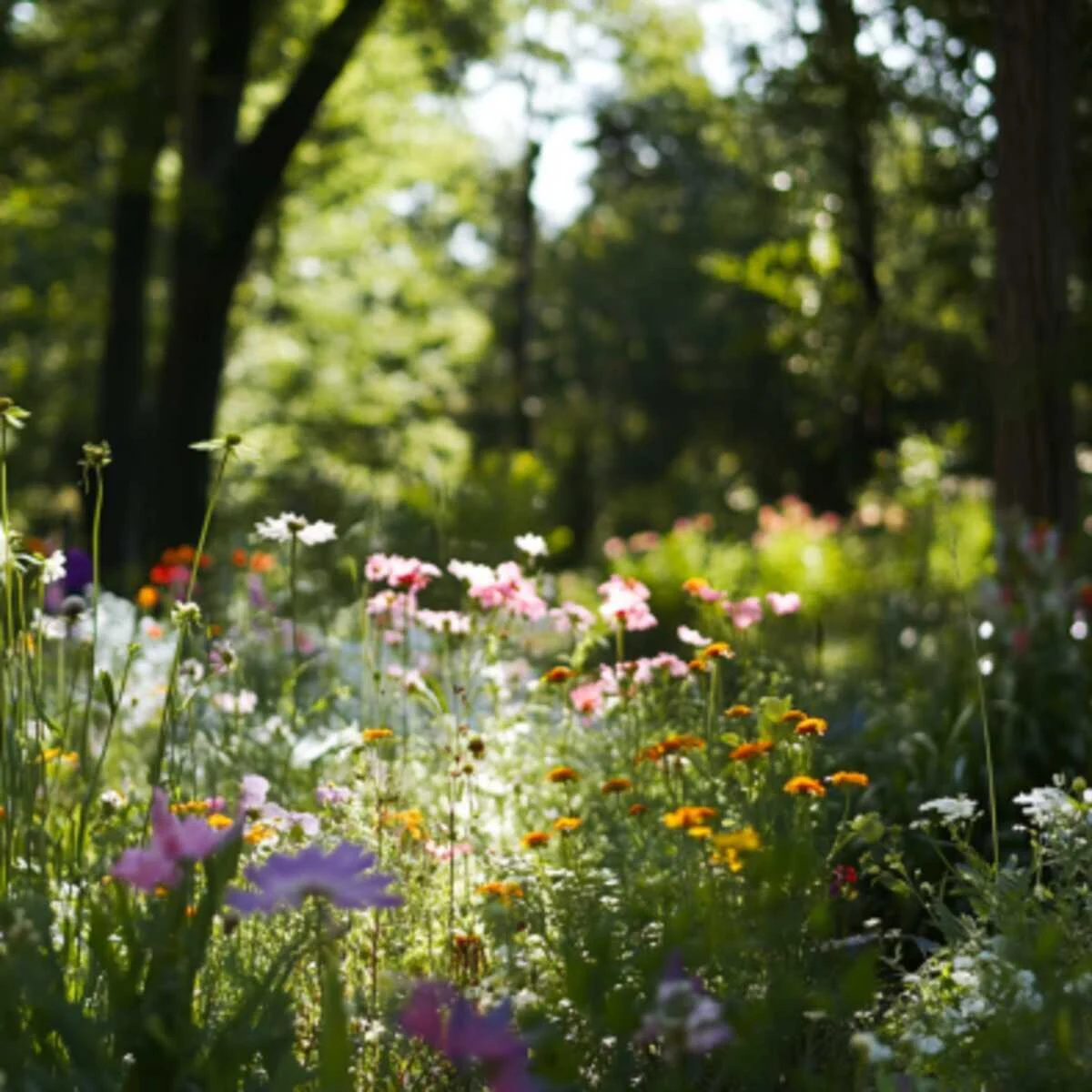
If you’ve got a shaded, wooded area, this style fits right in.
Plants like violets, ferns, and trillium naturally belong in these environments and don’t need much fuss.
The result feels calm, a little wild, and very grounded.
22. Wildflower Garden with Pathways
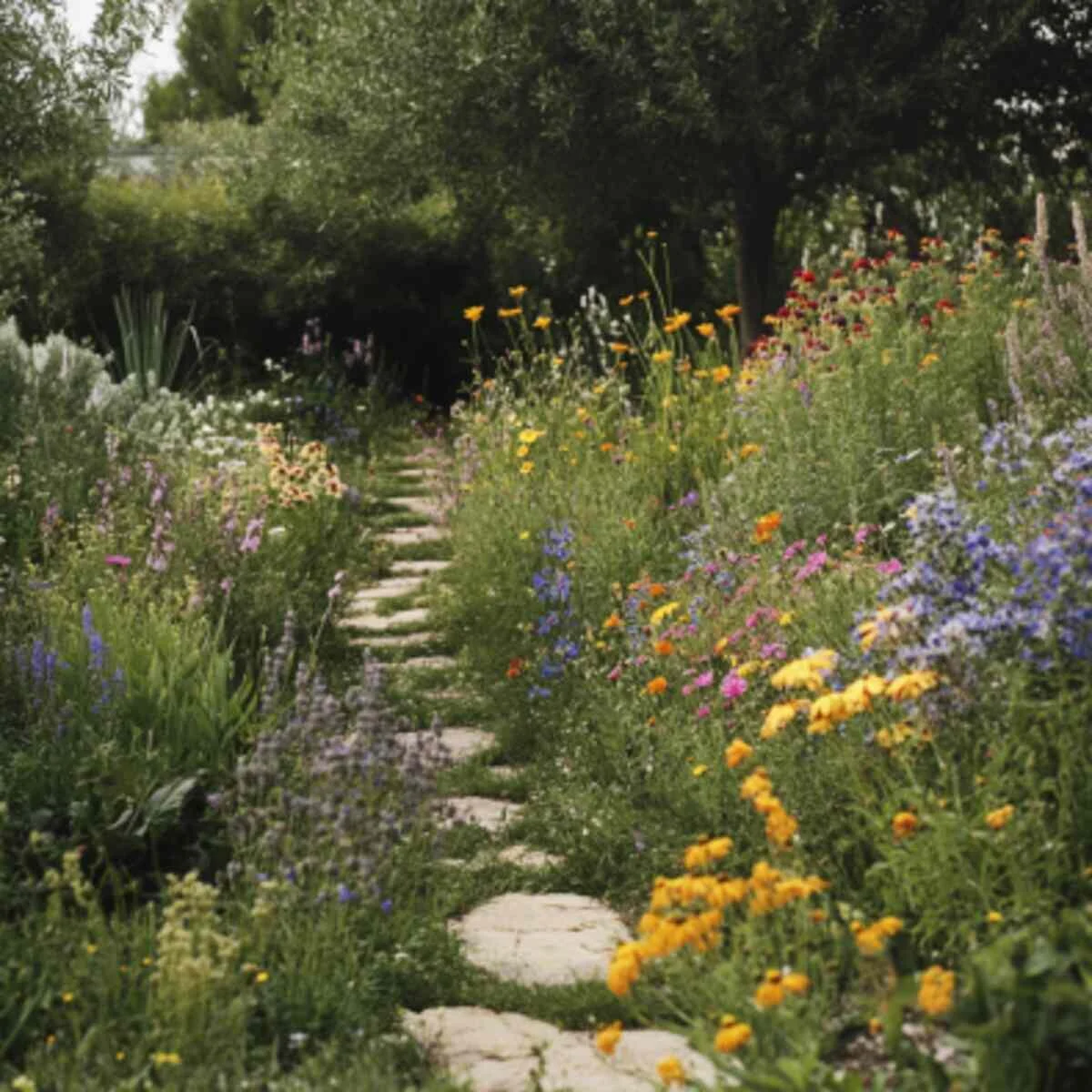
Adding pathways changes how you experience your garden.
Instead of just looking at it, you move through it—pausing, noticing, taking it in from different angles.
It turns the space into something you actually use, not just admire.
23. Wildflower Garden with Seasonal Interest
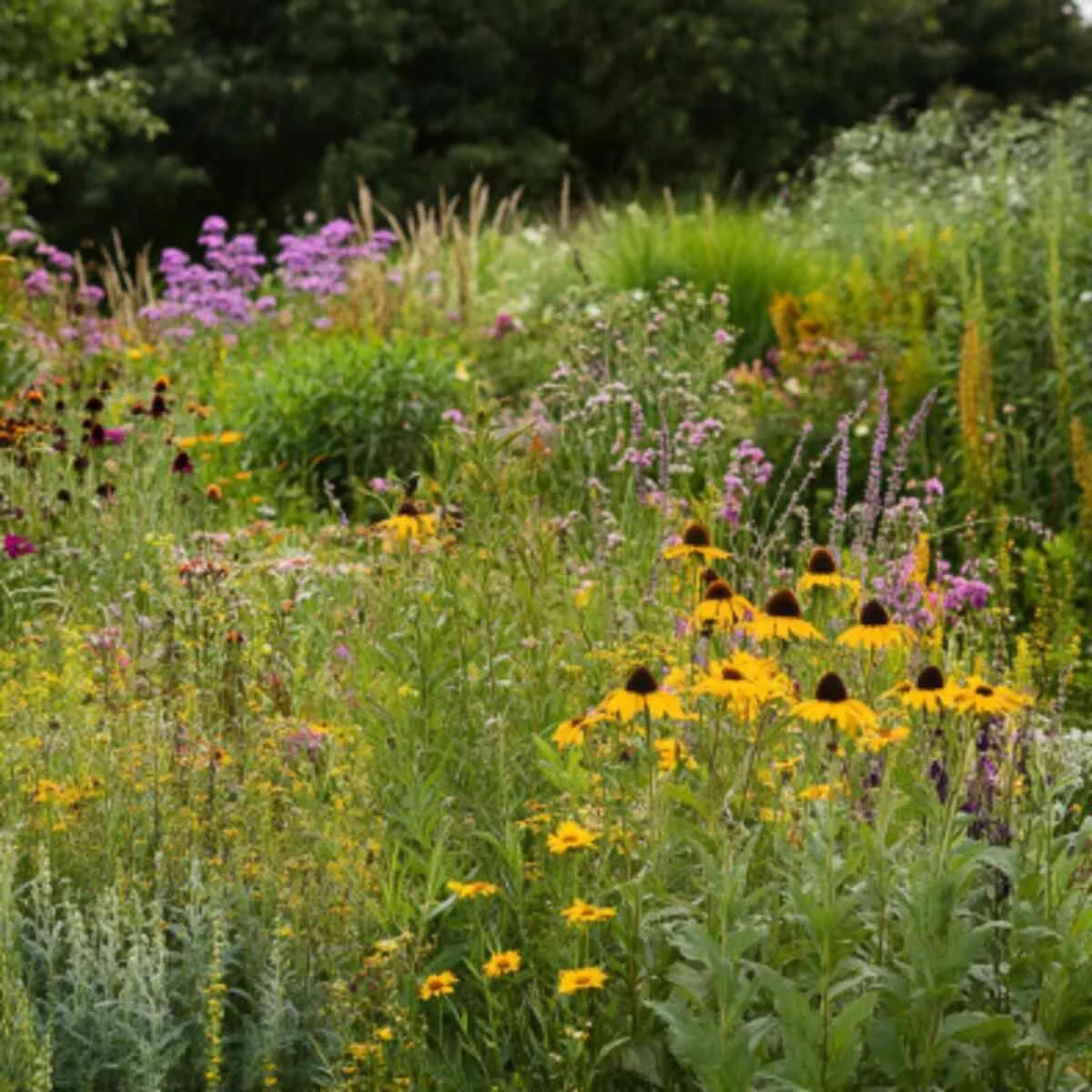
A garden that changes over time keeps things interesting.
By mixing flowers that bloom in different seasons, you avoid that one-and-done look.
There’s always something new coming up, which keeps you engaged without much extra effort.
24. Wildflower Garden for Bees
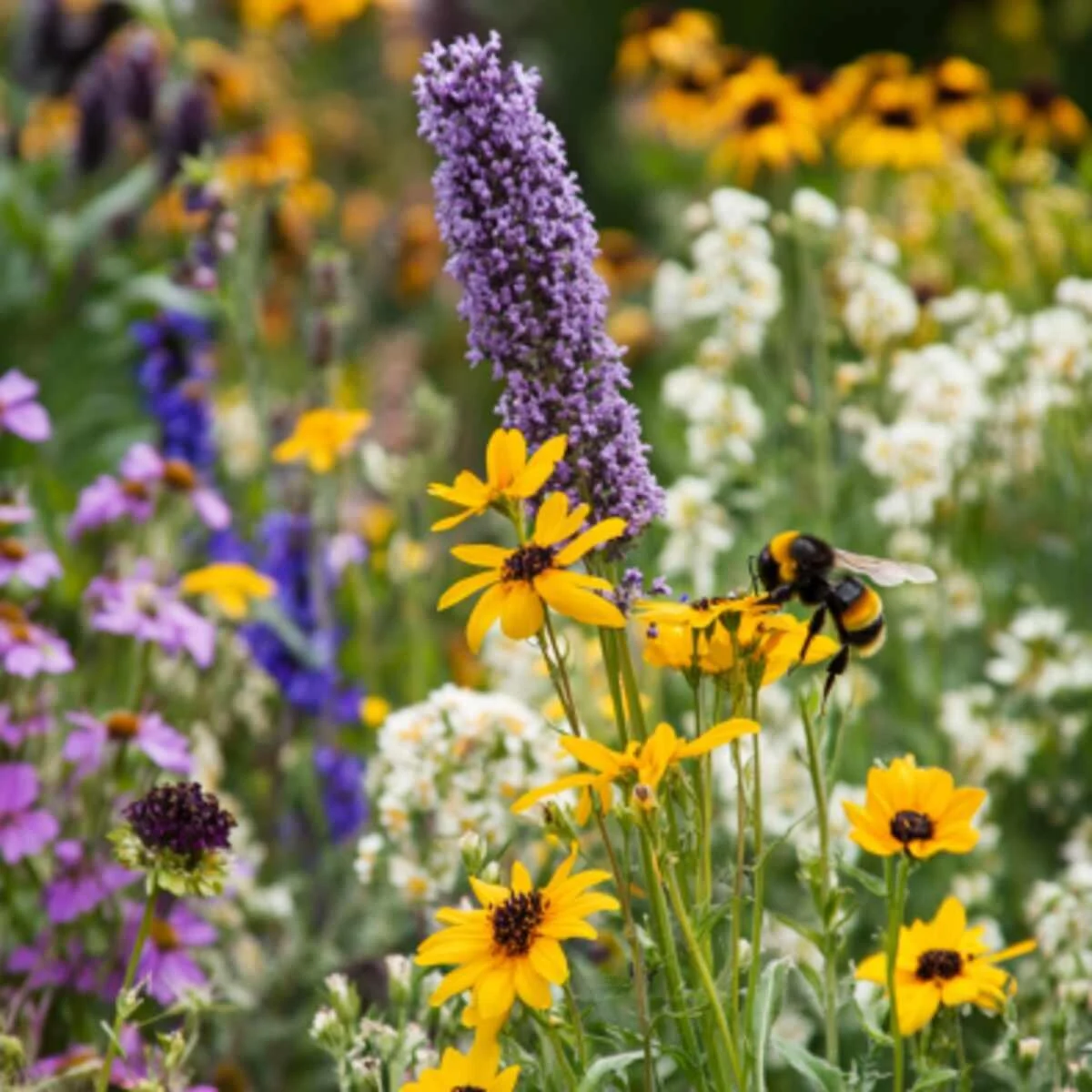
Bees do a lot more than most people realize.
Planting flowers that support them—rich in nectar and pollen—helps keep those populations strong.
It’s a simple step, but one that has a ripple effect across your entire garden.
At the end of the day, creating a wildflower garden doesn’t have to be complicated. Start small, experiment a bit, and let things grow naturally.
Some areas will thrive, others might take time—and that’s part of the process.
With the right mix of plants and a little patience, you’ll end up with a space that feels alive, changes with the seasons, and quietly supports the world around it.
I’m the voice behind Bloomy Heaven, and I like to think of myself as your steady companion in this whole gardening journey.
My aim is simple: share practical, honest guidance that actually helps. Whether you’re experimenting with wildflowers, growing vegetables, or just figuring things out as you go—I’m right here with you. Read More…


