
A food forest does not have to be large to be productive. Even a small yard, side garden, patio, or balcony can support a layered planting system that gives you herbs, fruit, edible flowers, and seasonal vegetables in one compact space.
The idea is simple: instead of growing everything in separate rows, you combine plants that occupy different levels and support each other over time. A small tree or trellis creates height, shrubs and berries fill the middle, herbs and leafy crops cover the lower layer, and groundcovers help protect the soil. Done well, a mini food forest feels lush, useful, and surprisingly manageable.

These mini food forest ideas are designed for smaller spaces and real-life gardens. Some work best in suburban backyards, while others are better suited to paved patios, balconies, or narrow side yards. The goal is not to copy a full woodland system on a tiny lot, but to borrow the same layered thinking in a way that fits your space.
1. Herb Spiral Food Forest for Small, Sunny Corners
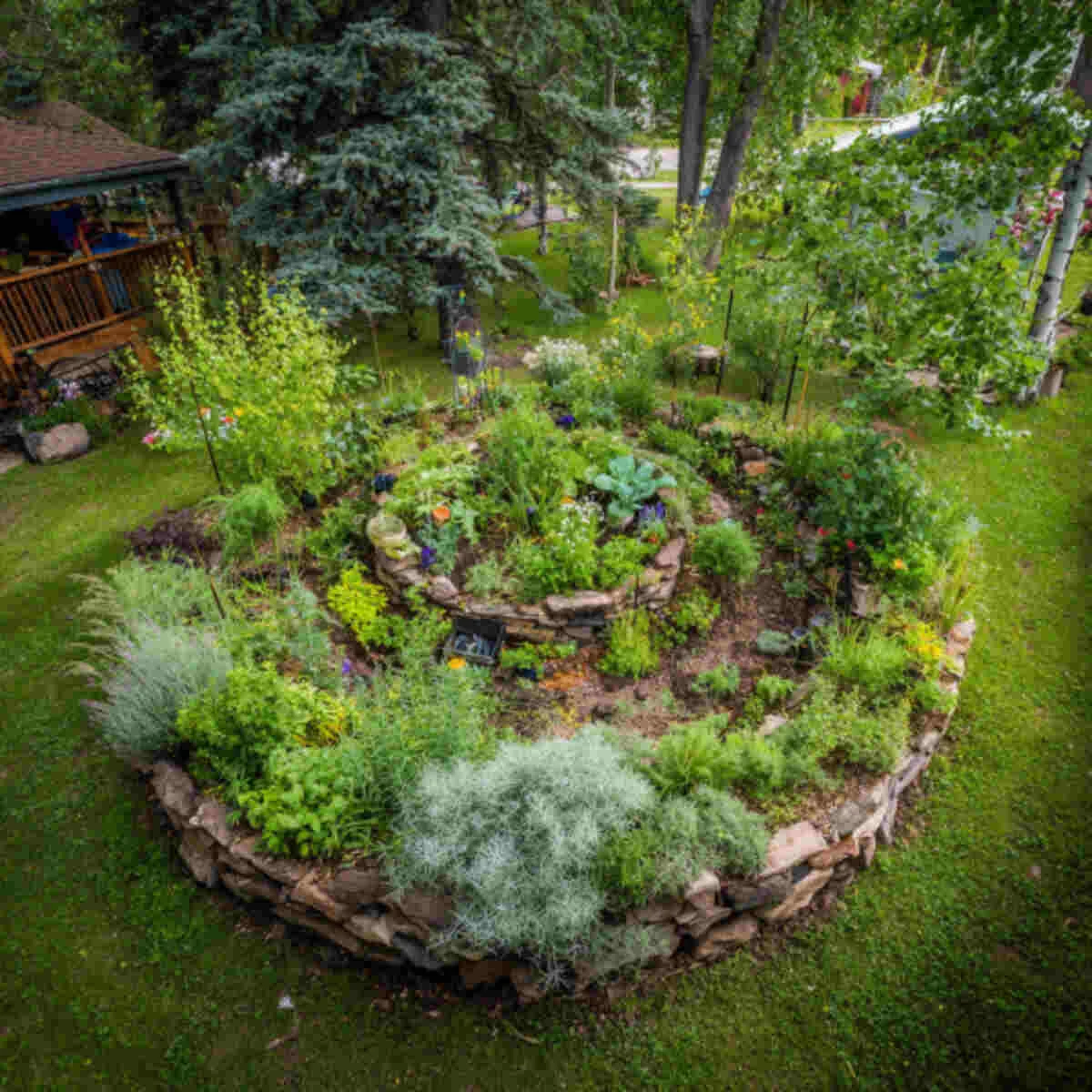
An herb spiral is one of the easiest ways to introduce food-forest thinking into a small yard. Because the spiral rises upward, it creates different moisture and sun levels in a compact footprint, allowing you to grow a wider range of herbs than you could in a flat bed.
Mediterranean herbs such as thyme, oregano, and rosemary usually do best near the top where drainage is sharpest, while parsley, chives, and mint are better lower down where the soil stays slightly cooler and moister. It is especially useful near a kitchen door where you want quick access for cooking.
2. Dwarf Fruit Tree Guild for a Compact Backyard Harvest
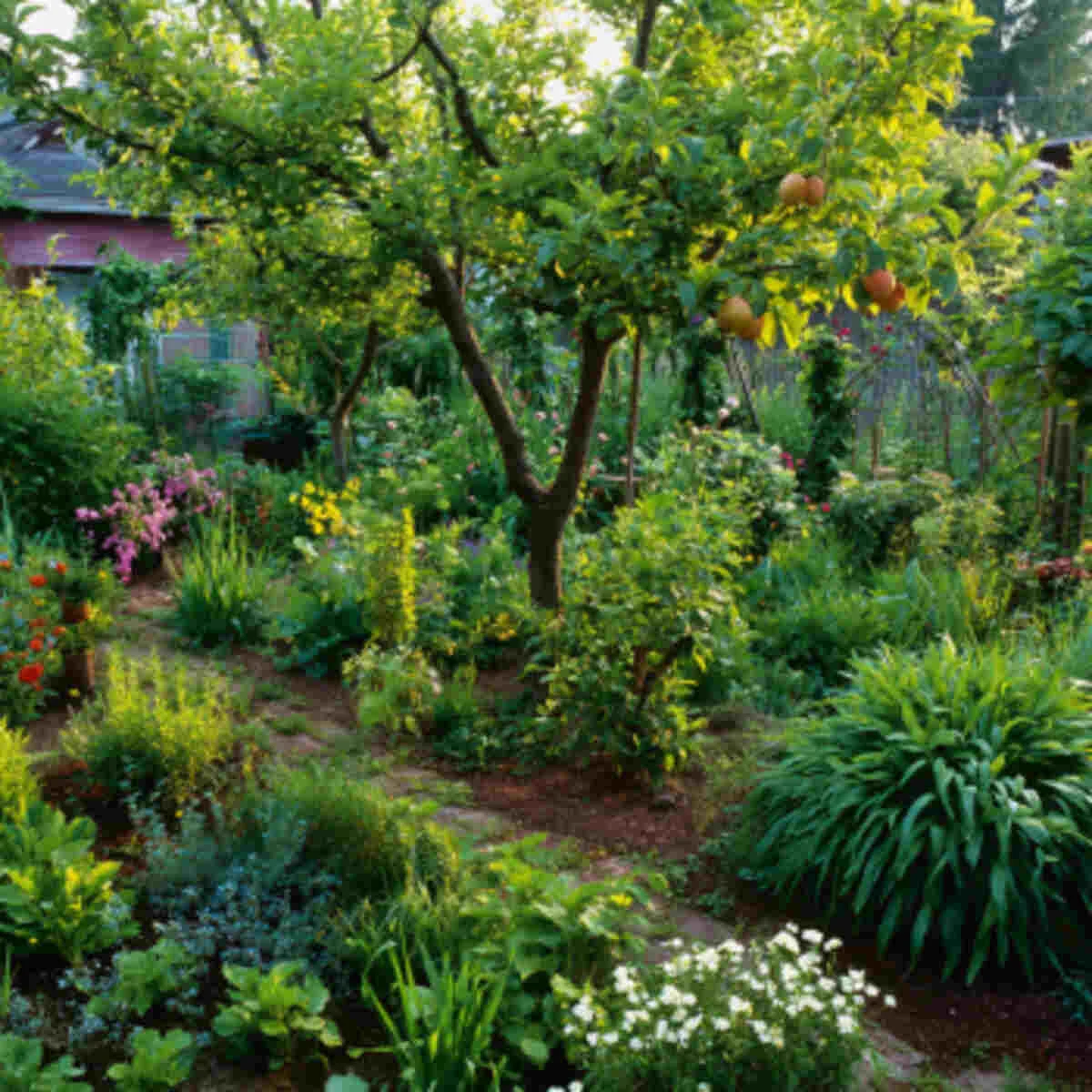
A dwarf fruit tree guild is one of the most practical mini food forest layouts for small yards. Instead of planting a tree by itself, you surround it with supportive companions such as herbs, flowering pollinator plants, mulch plants, and low-growing edibles.
In a U.S. backyard, this could mean a dwarf apple, peach, or plum tree underplanted with chives, strawberries, yarrow, clover, or comfrey. The combination makes better use of the space around the tree while helping with pollination, weed suppression, and soil health.
3. Berry Patch Forest for High Yield in a Small Space
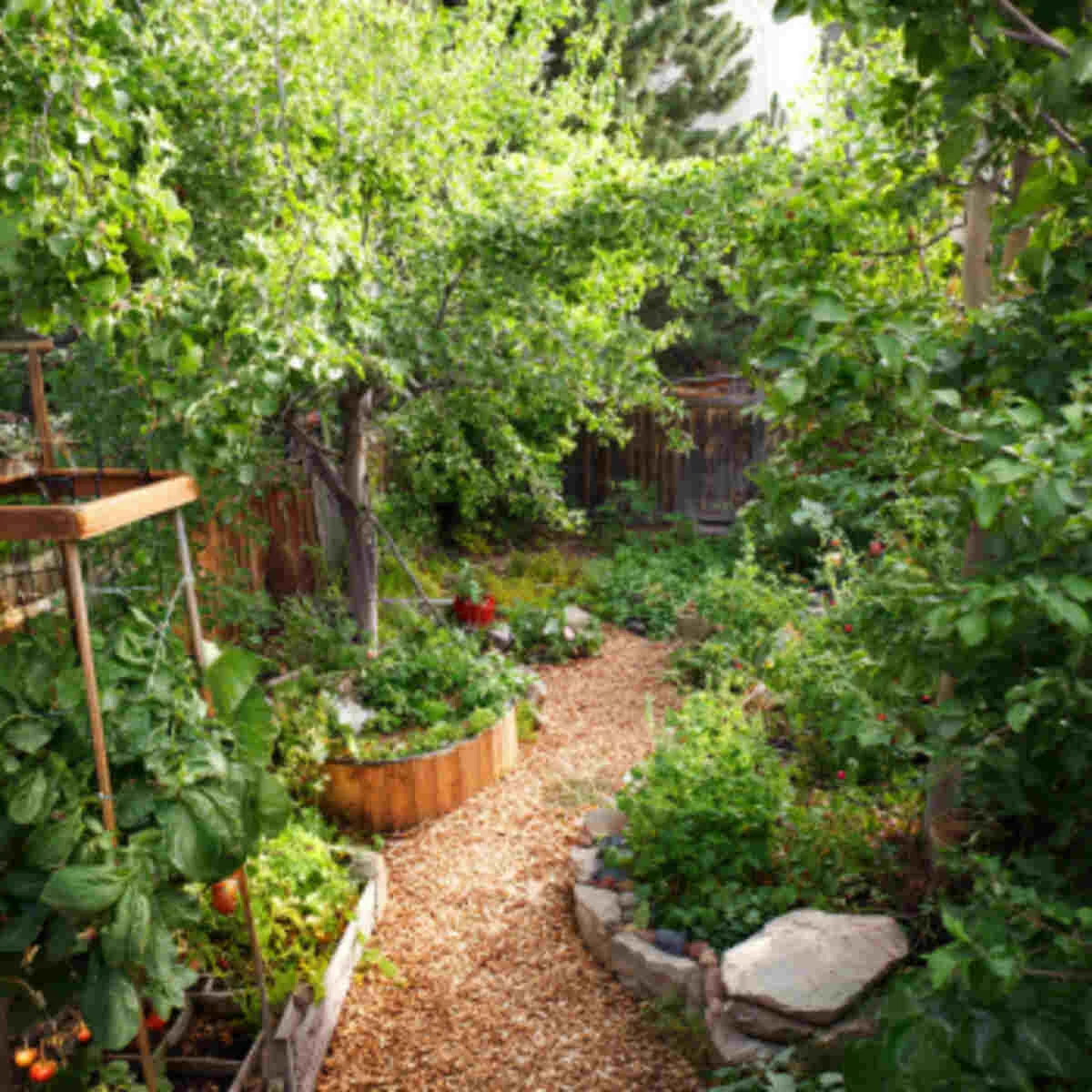
If you want a food forest that starts producing quickly, berries are often the best place to begin. Blueberries, raspberries, blackberries, currants, and strawberries can be layered together in a way that feels full and productive without needing a large footprint.
This approach works especially well along fences, side yards, or sunny back borders. It is also easier to manage than larger tree-based systems, which makes it a strong choice for beginners.
4. Vertical Food Forest Wall for Tiny Urban Yards
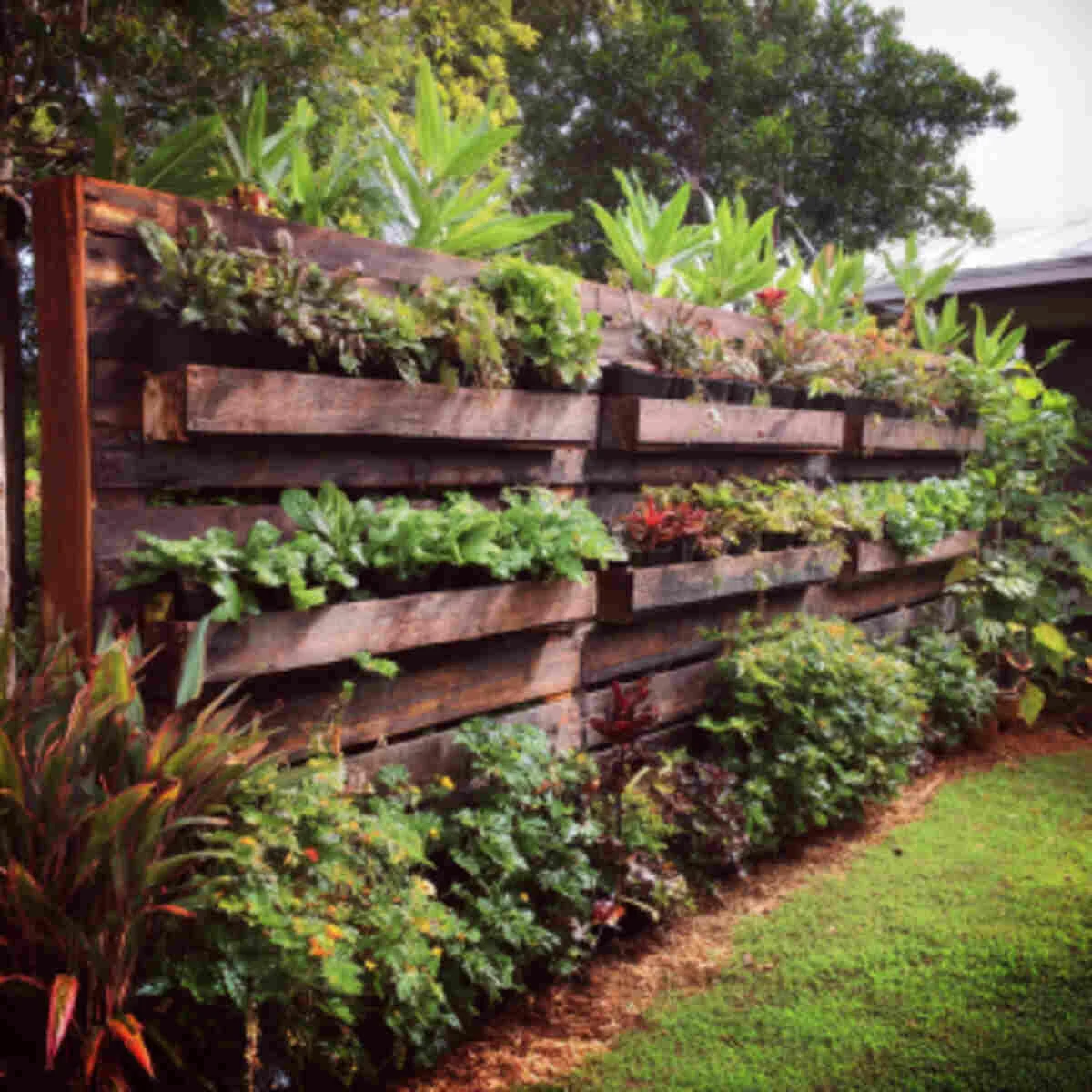
When ground space is limited, the wall becomes part of the garden. A vertical food forest uses trellises, pocket planters, mounted shelves, or hanging systems to layer edible plants upward rather than outward.
This setup is particularly useful in narrow yards, patios, and city gardens where square footage is tight. Leafy herbs, strawberries, compact greens, and climbers such as beans or cucumbers all work well here when light is adequate.
5. Container-Based Food Forest for Renters and Hardscaped Spaces
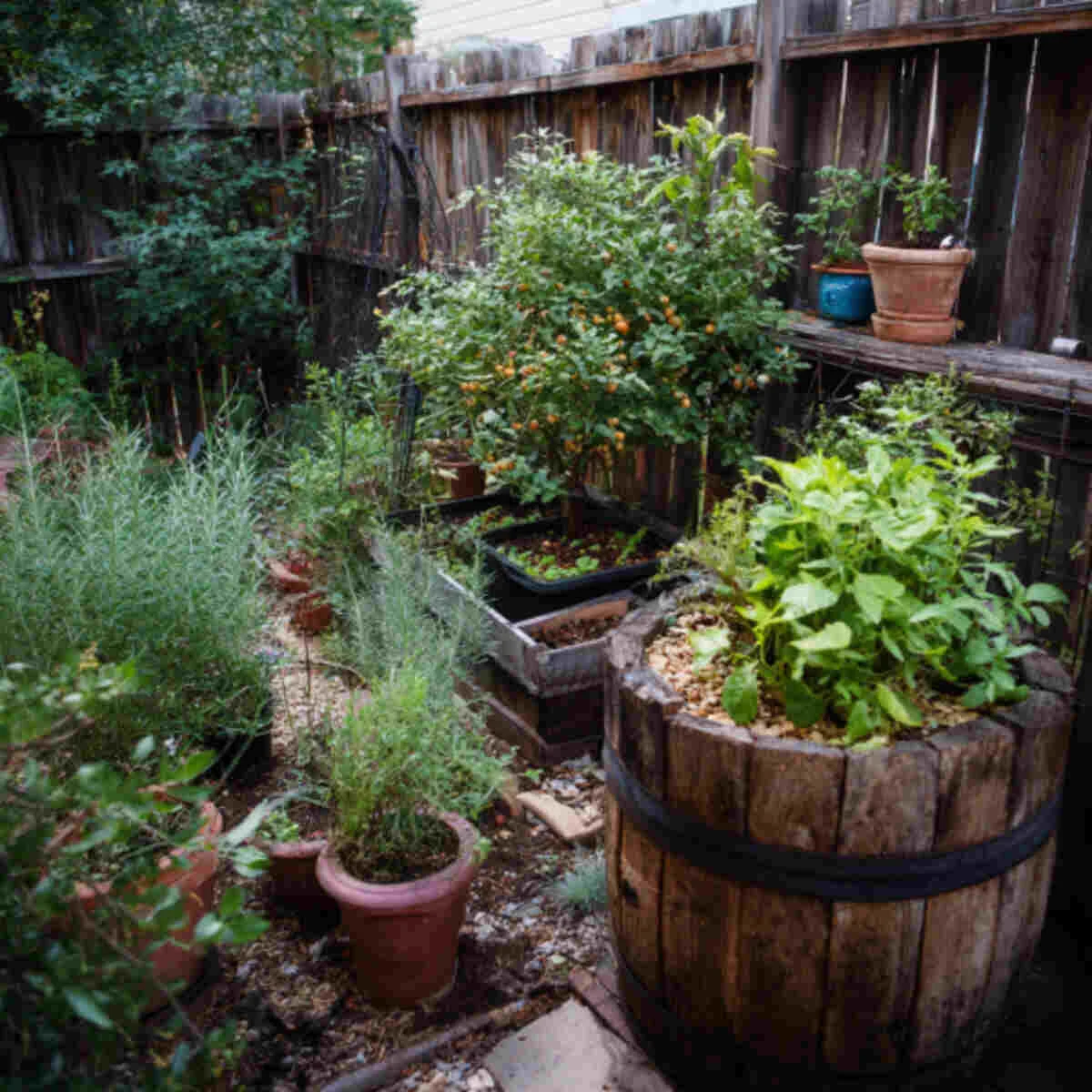
A container system can still function like a mini food forest when pots are chosen in layers. A large container might hold a dwarf fruit tree, medium pots can carry herbs or berries, and trailing or groundcover edibles can spill from lower containers around the base.
This is one of the most flexible options because it works on decks, paved courtyards, and rental properties where you cannot dig into the ground. It also lets you adjust soil mix and move plants when needed.
6. Edible Hedge Border for Privacy and Harvests
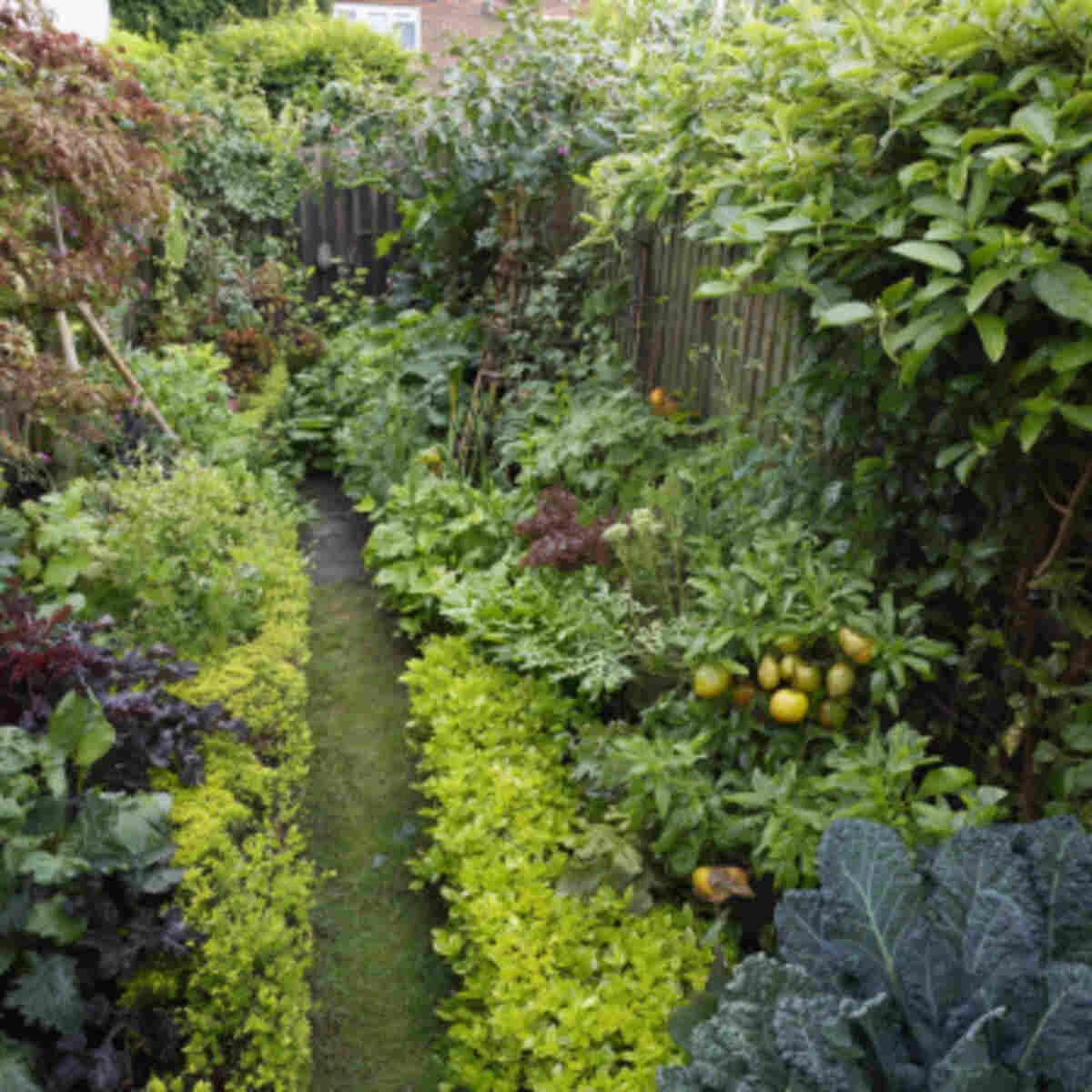
An edible hedge is a smart way to make the boundary of a yard work harder. Shrubs such as currants, gooseberries, blueberries, rosemary, or lavender can create a soft edge while producing food, fragrance, and pollinator interest.
This works especially well where you already need screening or structure. Compared with a purely ornamental hedge, it makes better use of the same space and can help the whole yard feel more purposeful.
7. Raised Bed Food Forest for Tidier Small Yards
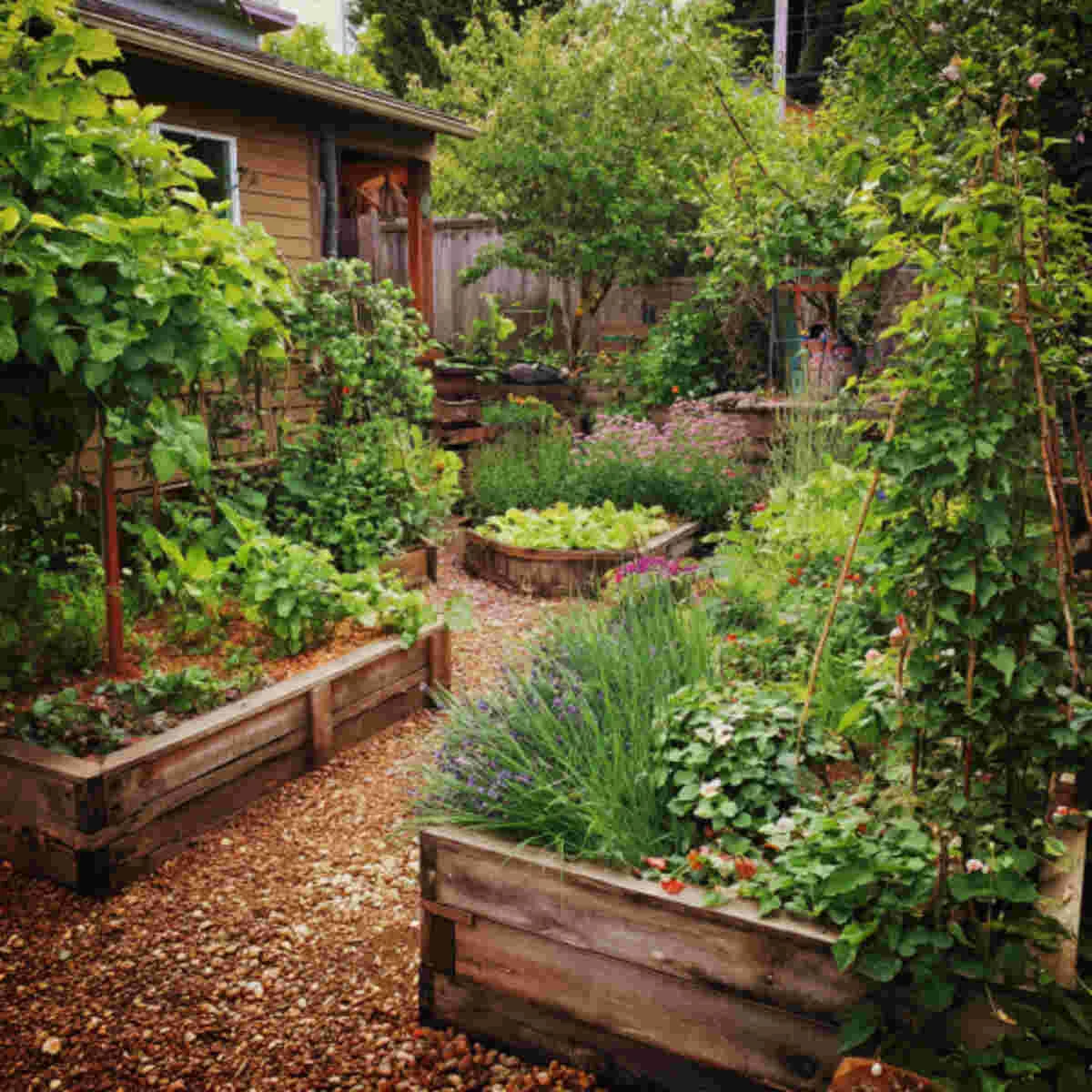
Raised beds make mini food forests easier to organize, especially in smaller yards where the garden needs to look neat as well as productive. They also improve drainage and make it easier to control soil quality from the start.
A raised bed can hold a compact centerpiece plant such as a dwarf tree, with herbs, flowers, leafy greens, and low-growing edibles placed around it. This layout works well in front yards, suburban backyards, and newer homes where a more structured look is preferred.
8. Pollinator-Friendly Mini Forest for Better Yields
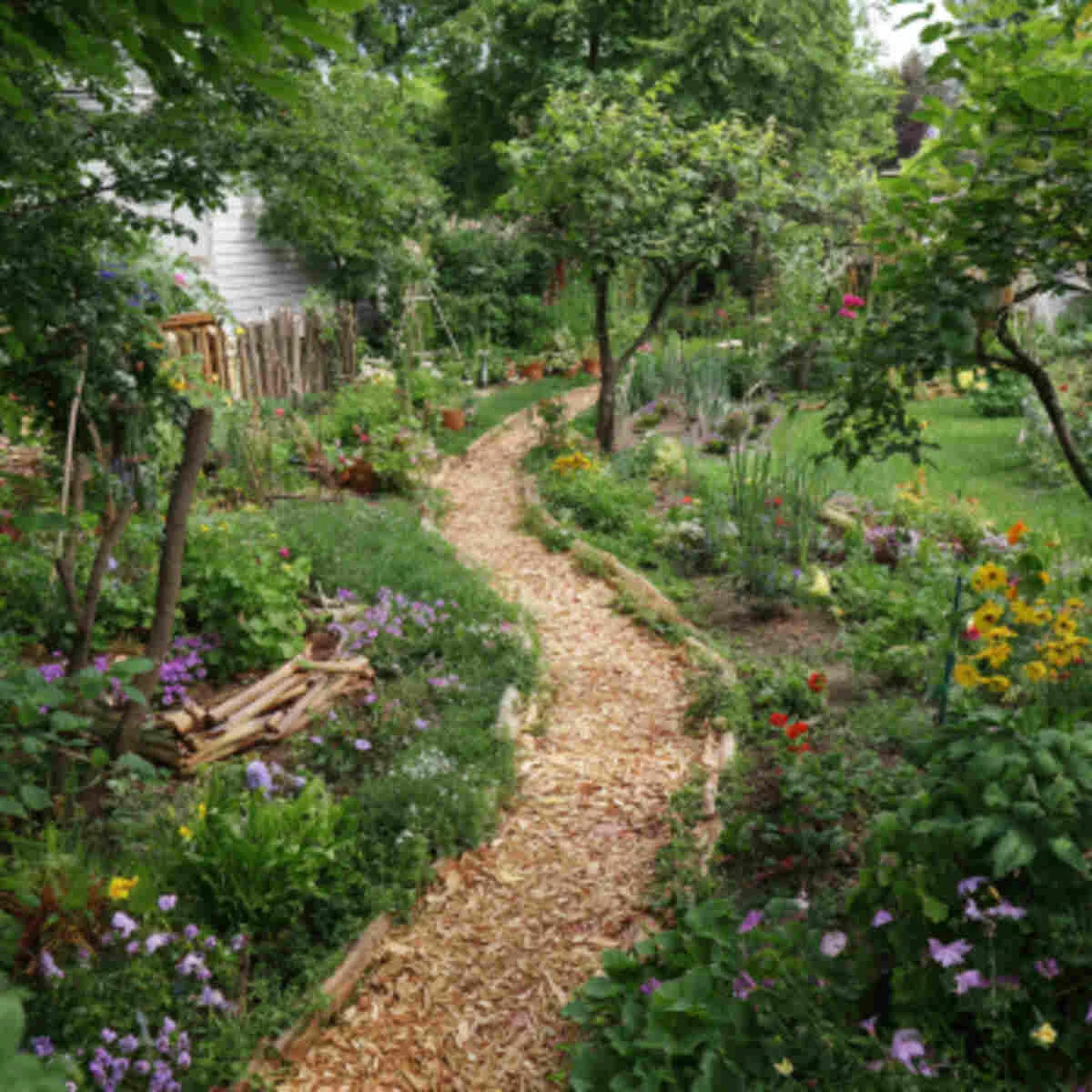
A food forest becomes more productive when pollinators are part of the design. By mixing fruiting crops with nectar-rich herbs and flowers, you attract bees, butterflies, and beneficial insects that help the whole system function better.
Plants such as bee balm, calendula, borage, chives, thyme, and lavender are especially useful in small spaces because they work hard without taking up much room. This idea is less about one crop and more about building a healthier ecosystem around your harvest plants.
9. Shade-Tolerant Food Forest for Low-Light Yards
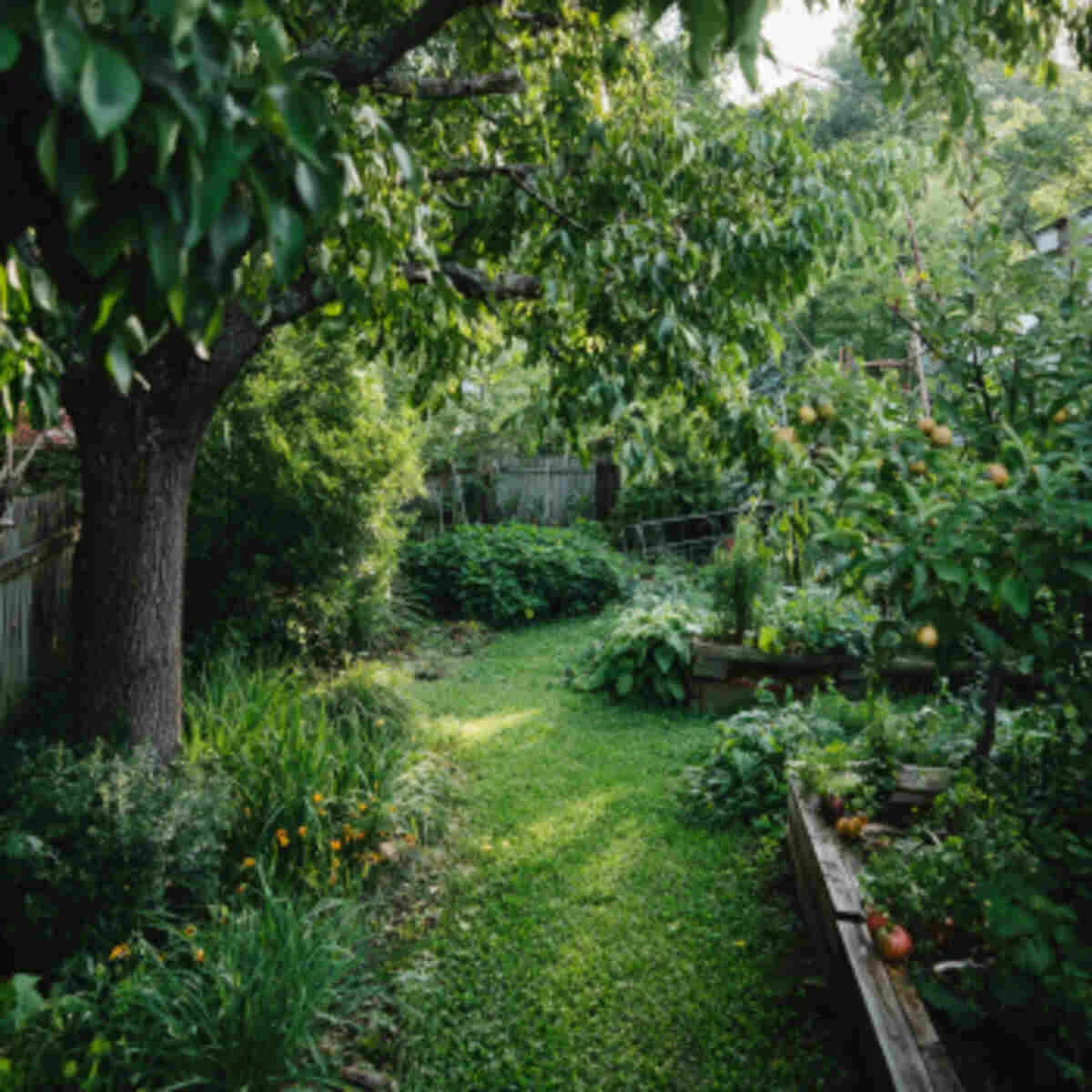
Not every yard is sunny, and that does not mean a food forest is off the table. Shade-tolerant edible systems make use of north-facing spaces, tree-covered yards, and side gardens that only receive limited light.
Mint, lemon balm, chives, salad greens, kale, some berries, and in the right conditions even mushrooms can all play a role. The key is accepting the light you have and choosing crops that suit it, rather than forcing sun-loving plants into a difficult position.
10. Mediterranean-Themed Food Forest for Dry Climates
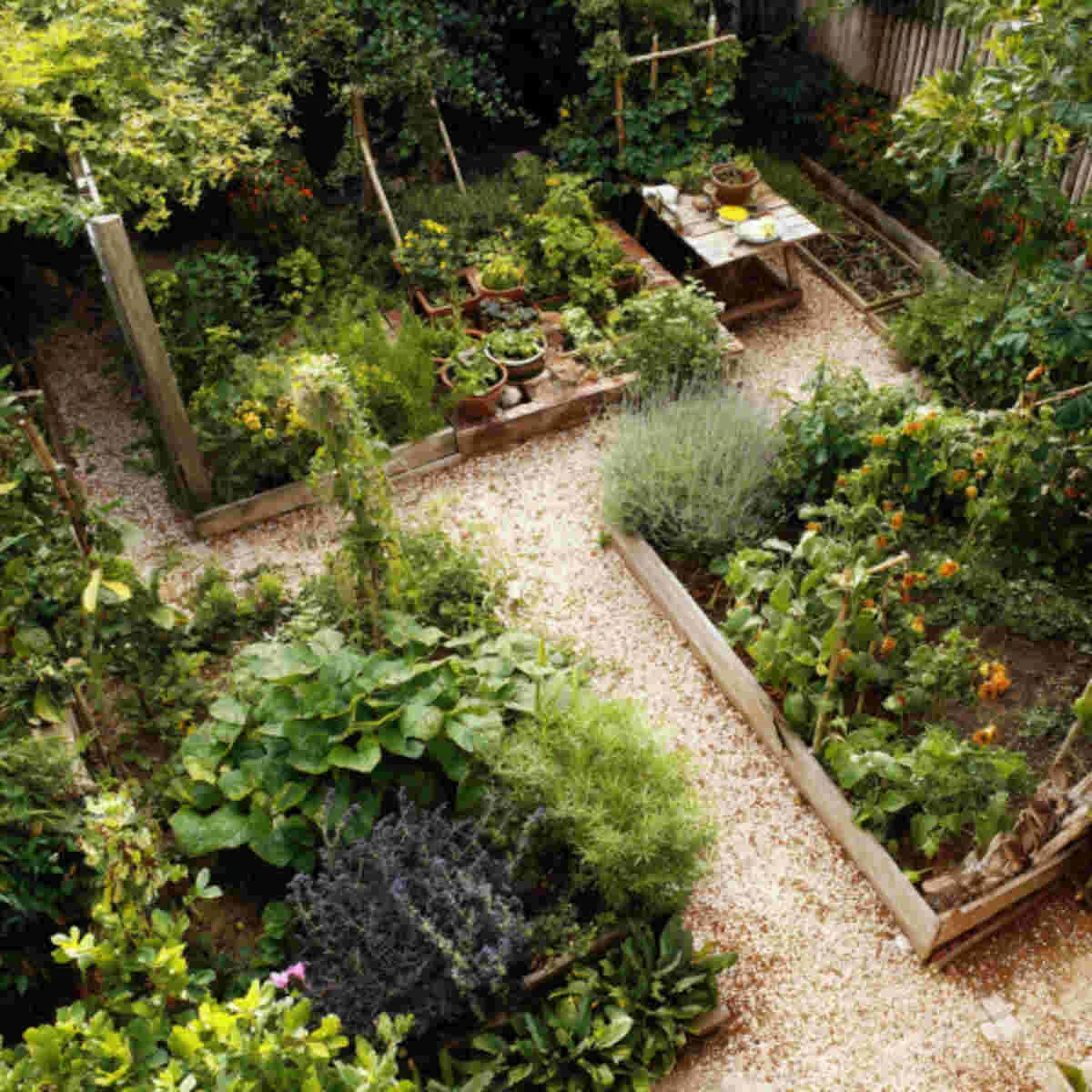
For hot, sunny yards and water-conscious gardens, a Mediterranean-style food forest is often one of the most realistic options. Figs, olives in suitable climates, grapes, rosemary, thyme, sage, and lavender all fit this approach well.
This style works best where drainage is sharp and watering is moderate rather than constant. Visually, it also tends to look polished and intentional, which makes it appealing in front yards and design-focused back gardens.
11. Native Edibles Forest for Easier Long-Term Care
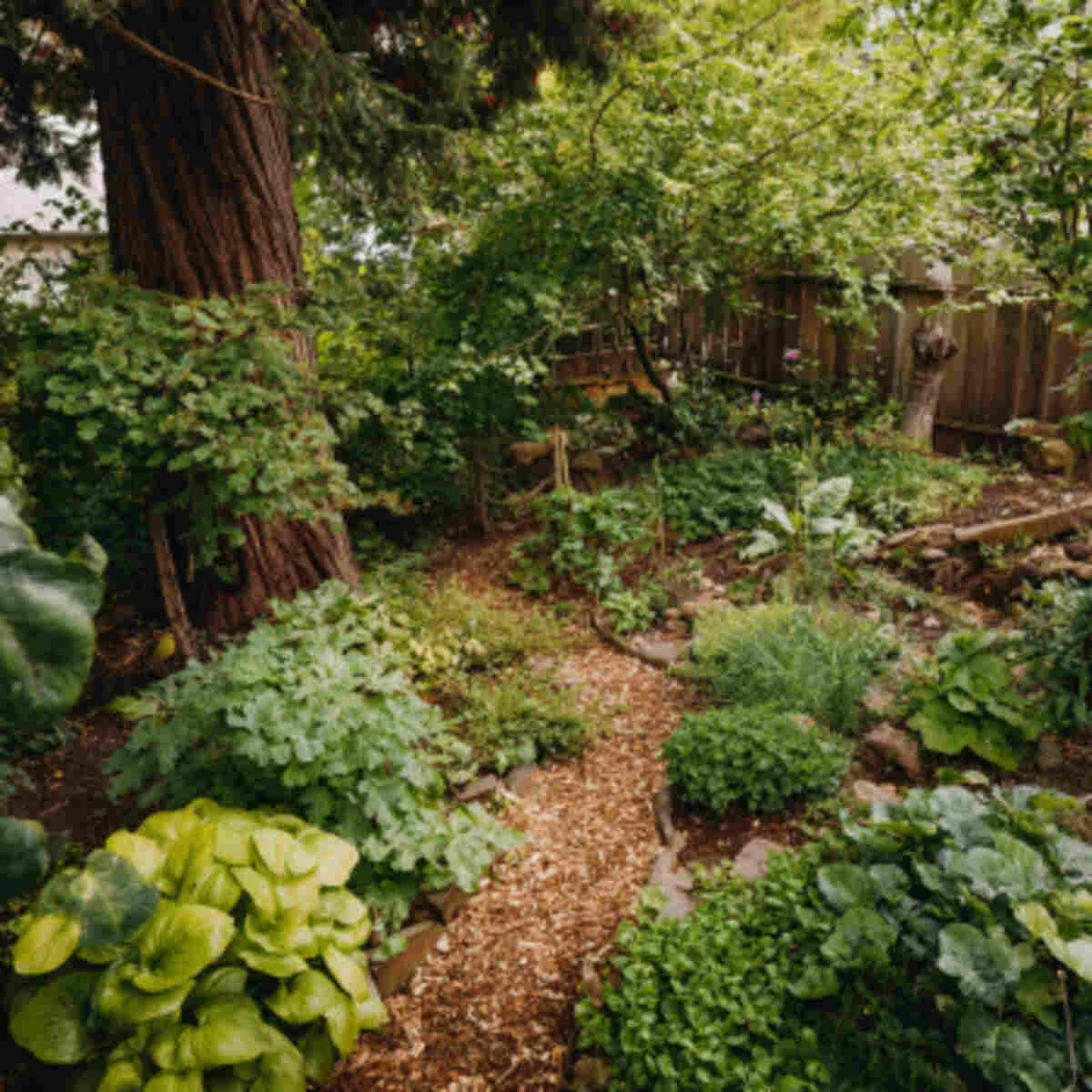
Using native or regionally adapted edible plants can make a mini food forest much easier to maintain over time. These plants are already suited to local rainfall, soil, and seasonal shifts, which often means less intervention once they are established.
This idea is especially valuable for gardeners in the U.S. who want to reduce water use and build a yard that supports local pollinators and wildlife while still producing something useful to harvest.
12. Tropical Mini Food Forest for Warm Regions
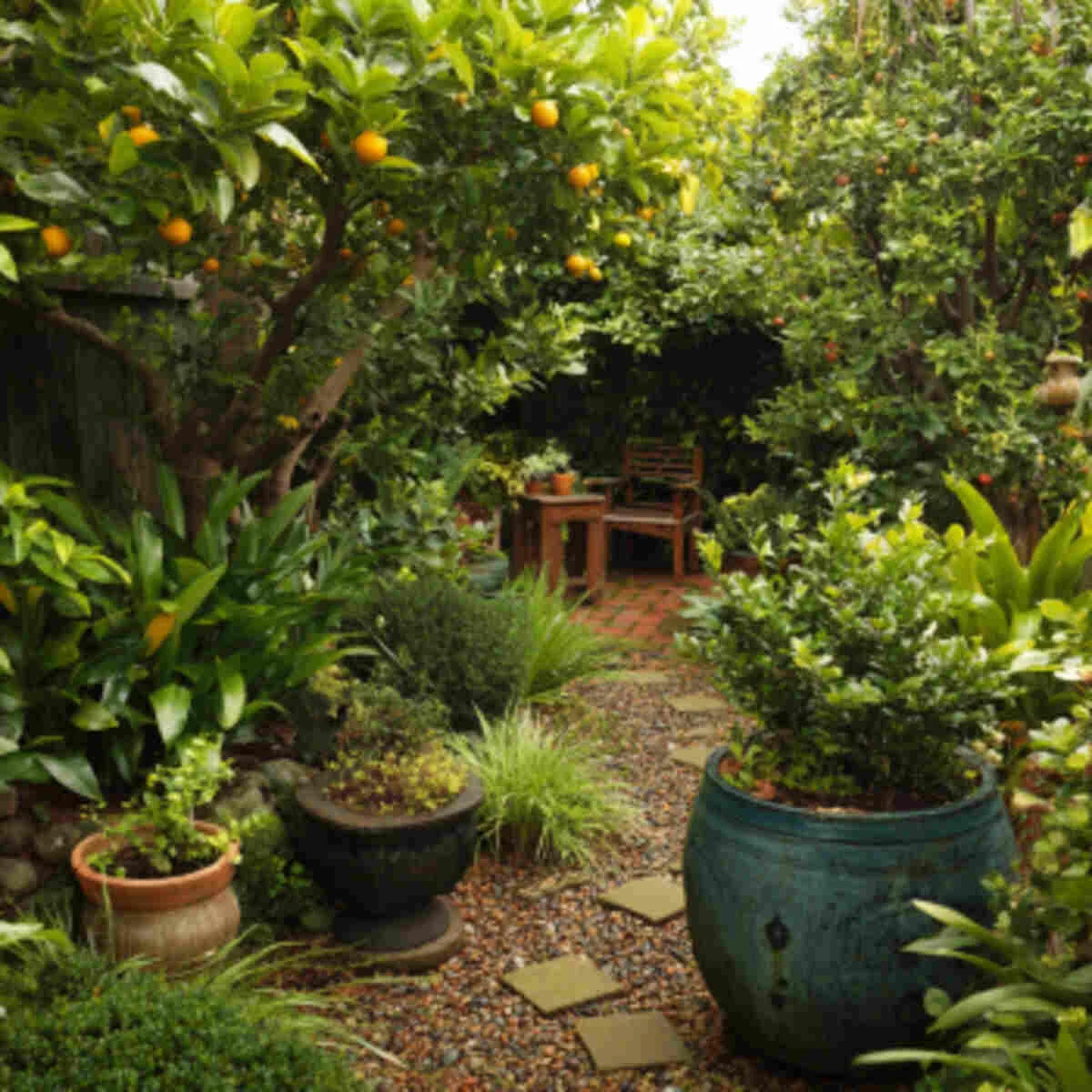
In warm and frost-free climates, a tropical mini food forest can feel incredibly lush while producing a surprising amount in a small space. Bananas, papayas, ginger, sweet potatoes, taro, and tropical herbs all suit this layered style.
The dense planting helps shade the soil and gives the garden a full, abundant look. It is best suited to subtropical and tropical regions where cold weather will not limit the planting palette.
13. Mushroom and Fruit Tree Combo for Productive Shade
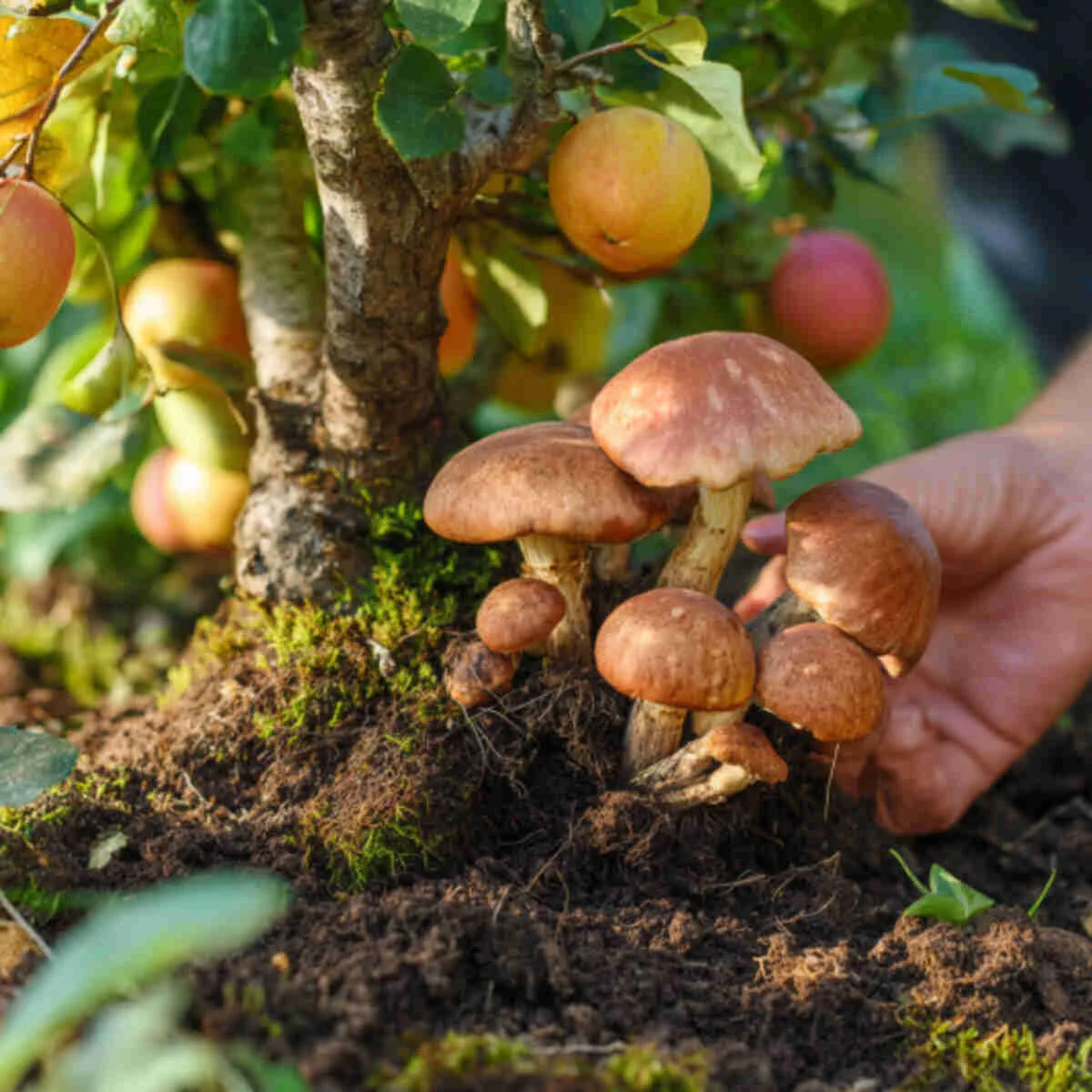
Combining fruit trees with mushrooms is one of the more interesting ways to expand what a small yard can produce. The tree offers filtered shade and moisture moderation, while mushroom logs or shaded beds make use of the darker area beneath.
This setup suits gardeners who want to experiment beyond standard herbs and berries. It also helps make use of underplanted space that might otherwise go unproductive.
14. Chicken-Friendly Food Forest for Multi-Use Yards
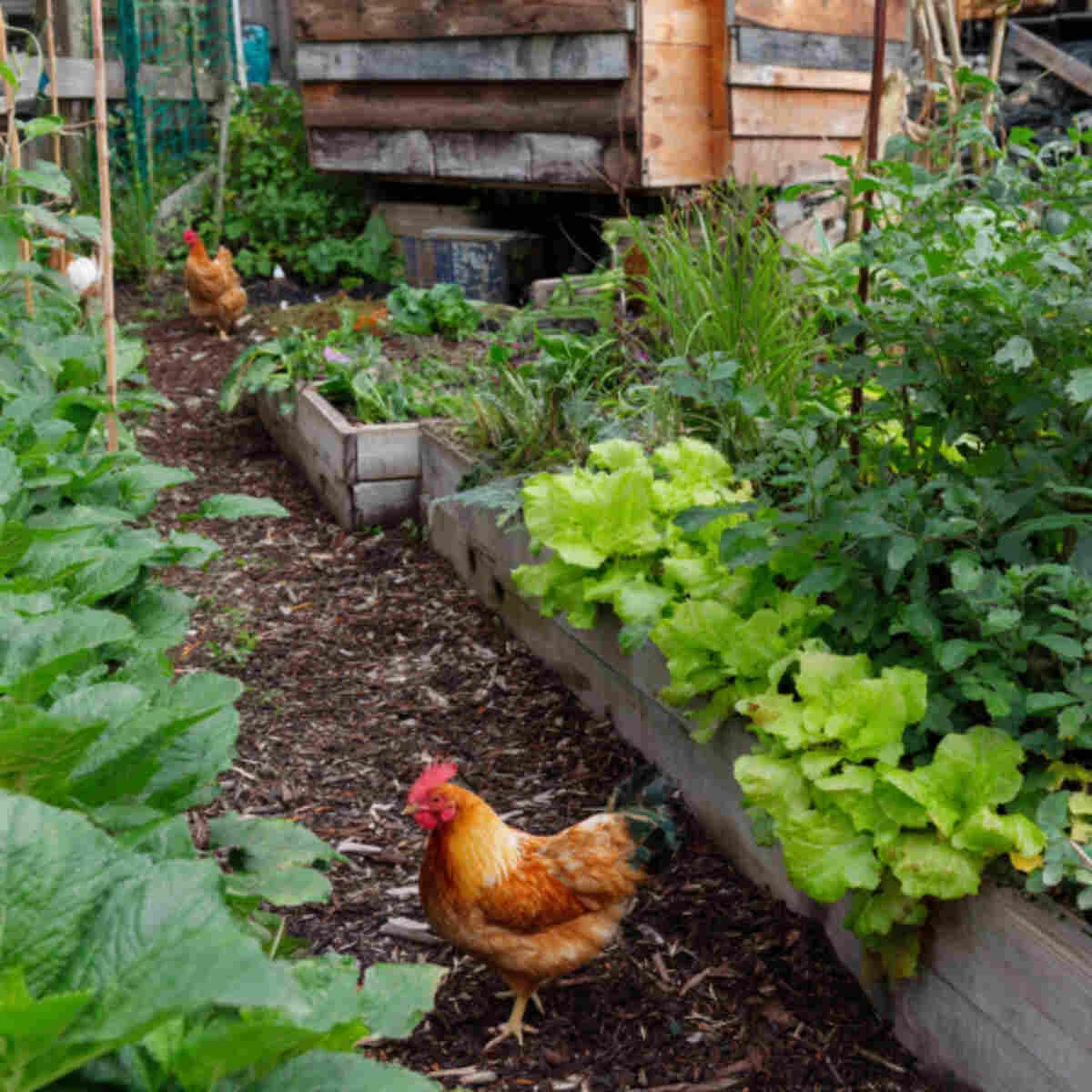
If local rules allow backyard chickens, a food forest can be designed to work with them rather than around them. Chickens help with pest control, scratching, and fertilization, while the planting provides shade, forage, and a more comfortable outdoor run.
This idea requires more planning than a standard mini food forest because plant choice matters. Hardy, chicken-safe species are the best fit, and fragile crops usually need protection. When done well, though, it becomes one of the most dynamic systems in a small yard.
15. Urban Balcony Food Forest for Apartment Growers
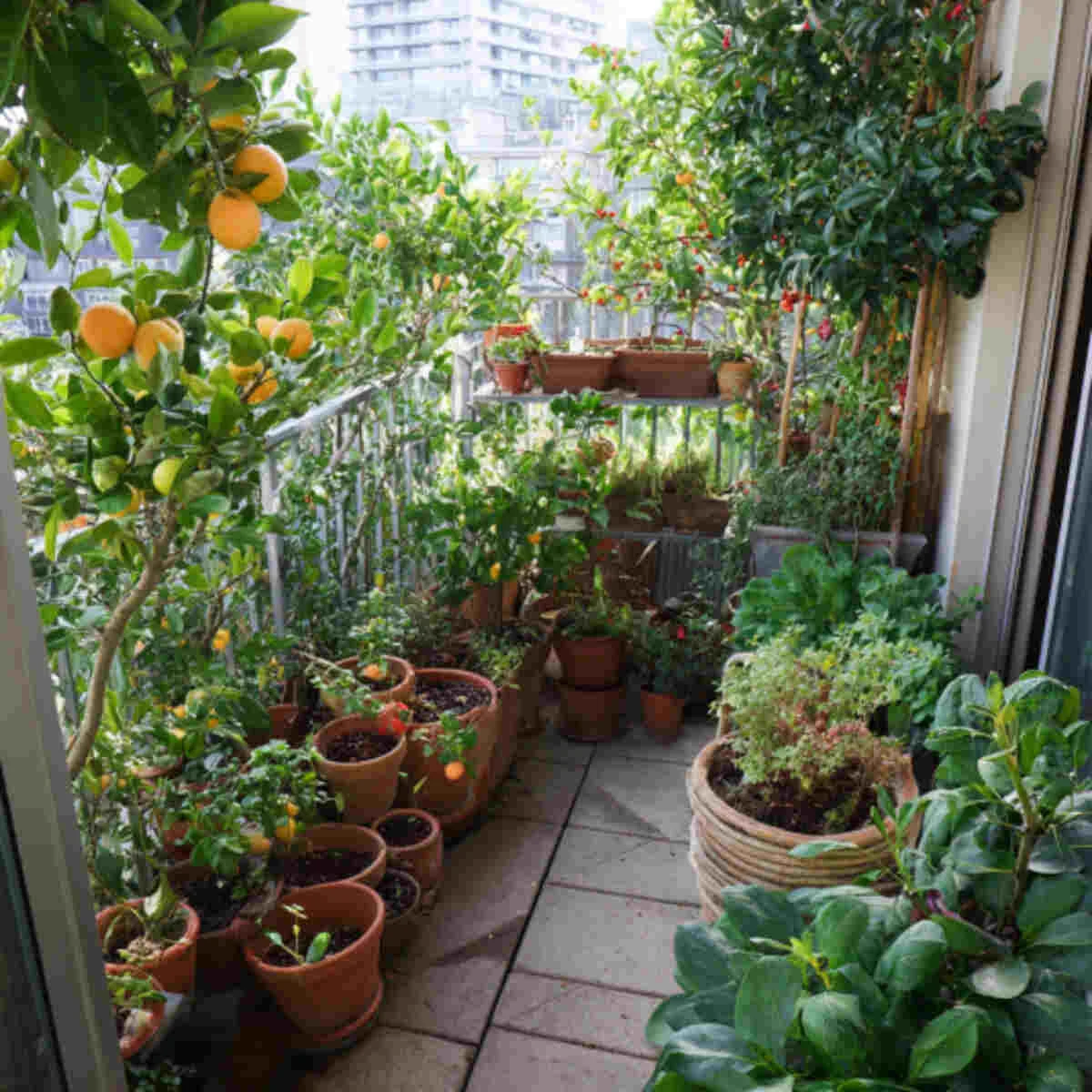
A balcony can still function like a food forest when it is layered with intention. Rail planters, hanging baskets, stacked pots, vertical supports, and compact fruiting plants can all work together in a very small area.
Strawberries, herbs, salad greens, tomatoes, peppers, and climbing beans are often the most practical choices. The result is not a forest in scale, but it does follow the same logic of using vertical layers and plant partnerships to produce more from less space.
16. Low-Maintenance Edible Garden for Busy Households
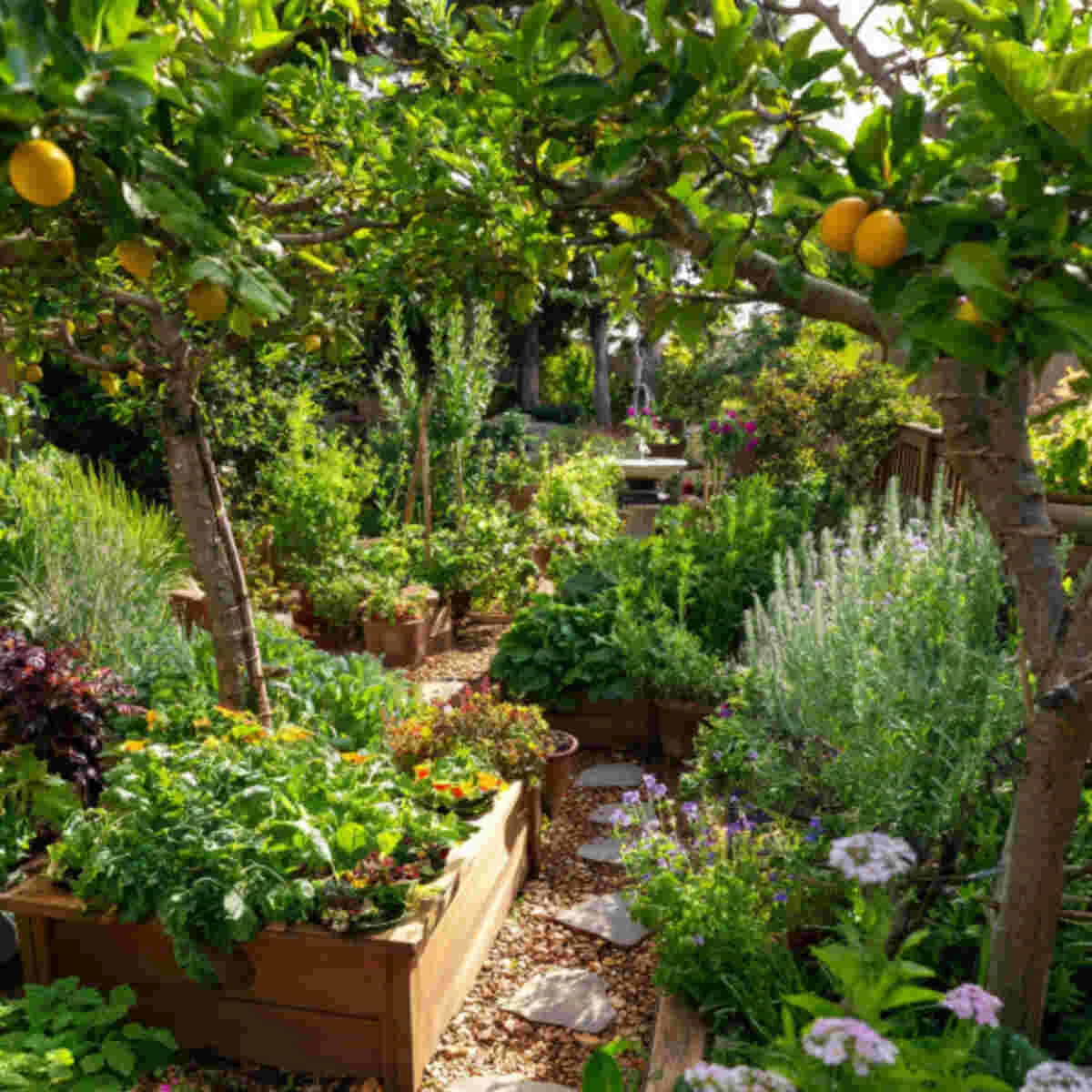
If you like the idea of a food forest but do not want a system that needs constant attention, focus on perennial crops and long-lived herbs. Asparagus, rhubarb, chives, oregano, sorrel, and similar plants make a strong backbone for a yard that becomes easier over time.
Heavy mulching and simple planting groups help keep the soil covered and reduce maintenance further. This is one of the best approaches for families who want food production without turning the yard into a full-time project.
17. Vertical Trellis Guild System for Narrow Spaces
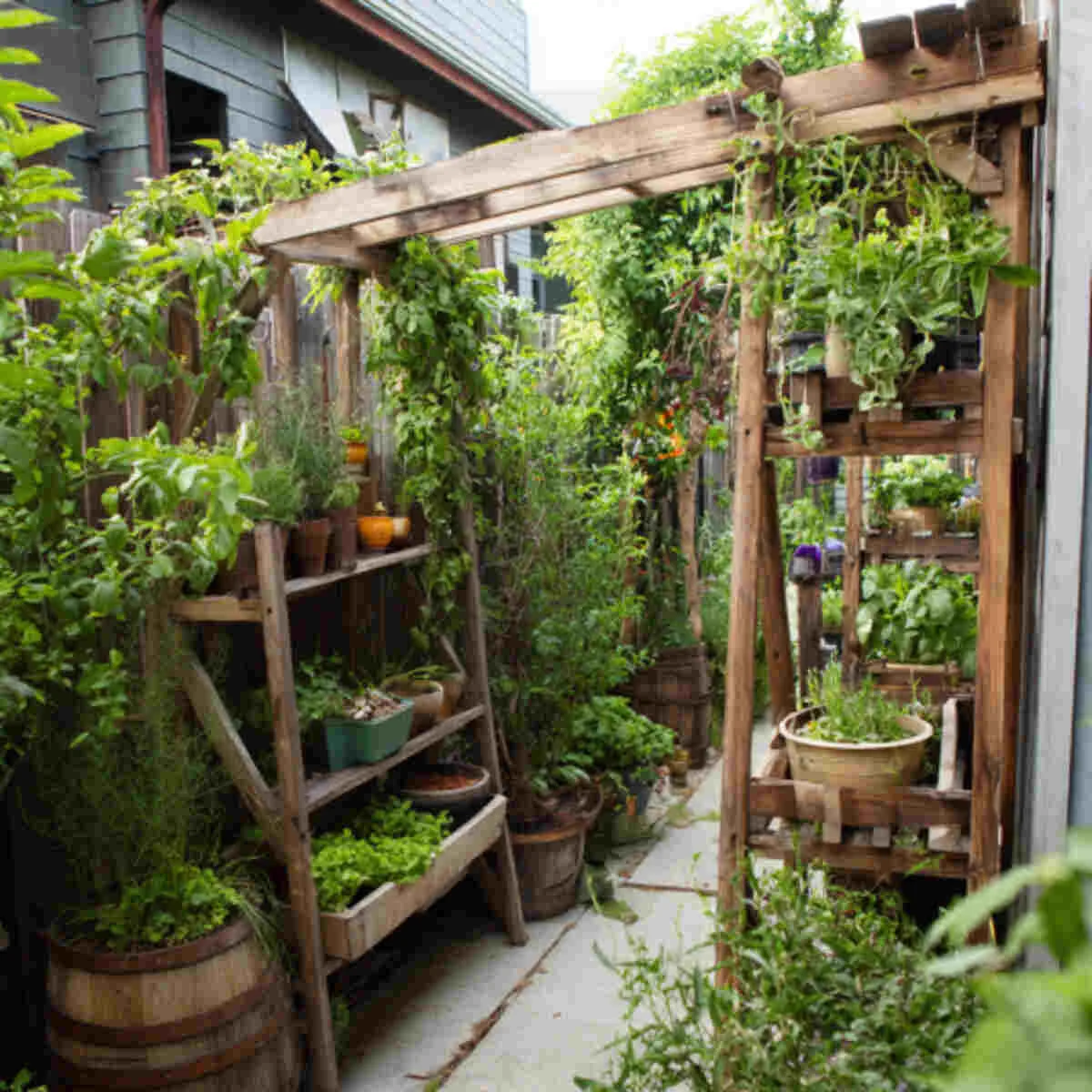
A trellis guild takes the same layered principle used around trees and applies it to a vertical support. Climbers grow upward, while herbs, greens, flowers, and groundcovers fill the soil below.
This is especially effective in side yards, along fences, and in compact suburban gardens where width is limited. Grapes, beans, peas, cucumbers, and small squash can all work in this format when the trellis is strong enough.
18. Medicinal Plant Food Forest for a More Functional Garden
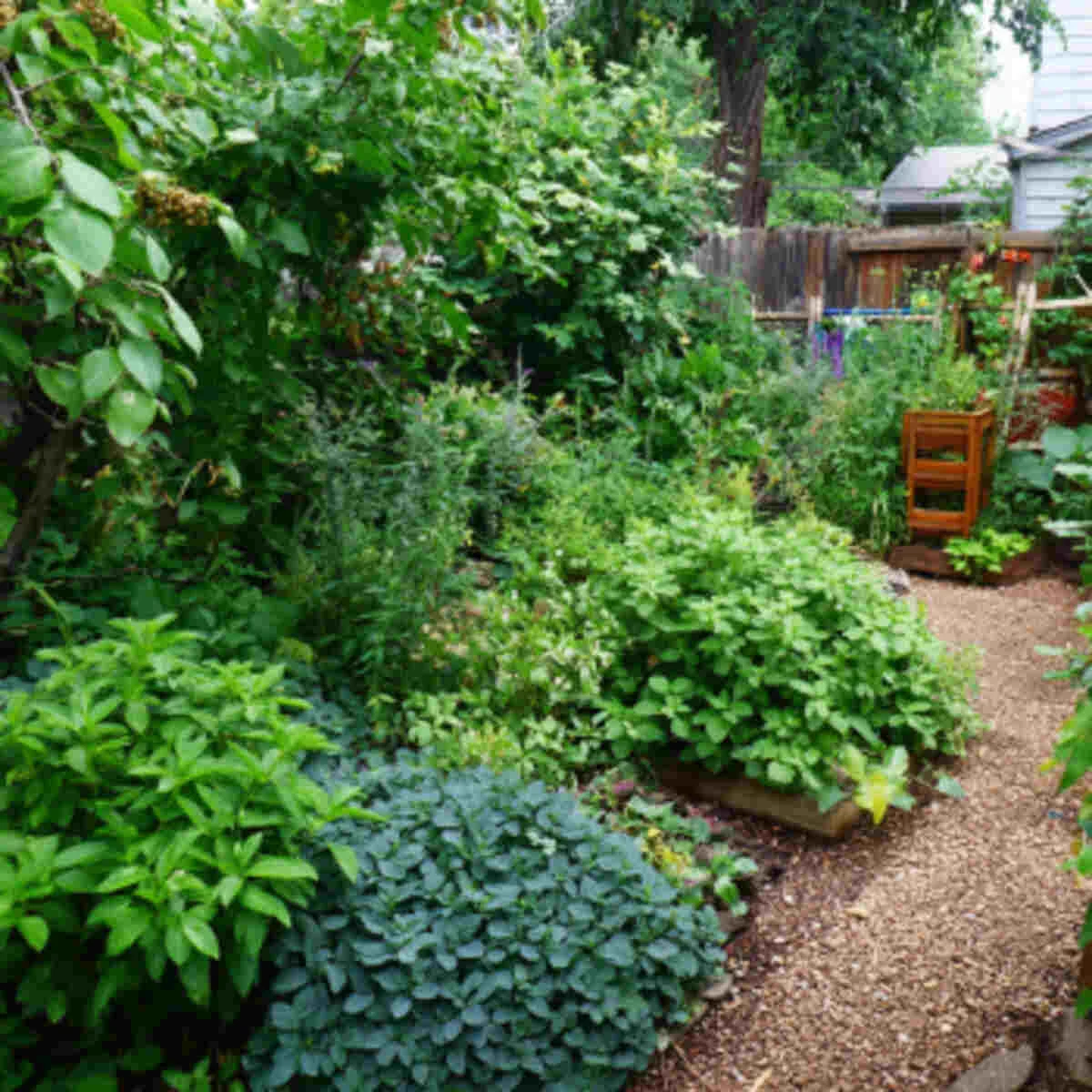
A medicinal planting layer adds another kind of usefulness to a small food forest. Herbs and flowers such as calendula, lemon balm, echinacea, yarrow, and chamomile help support pollinators while also offering practical value for teas, salves, or drying.
This type of garden feels especially rewarding in smaller spaces because nearly every plant earns its place twice—once in the garden and again after harvest.
19. Mixed Nut and Berry Forest for Nutrient-Dense Harvests
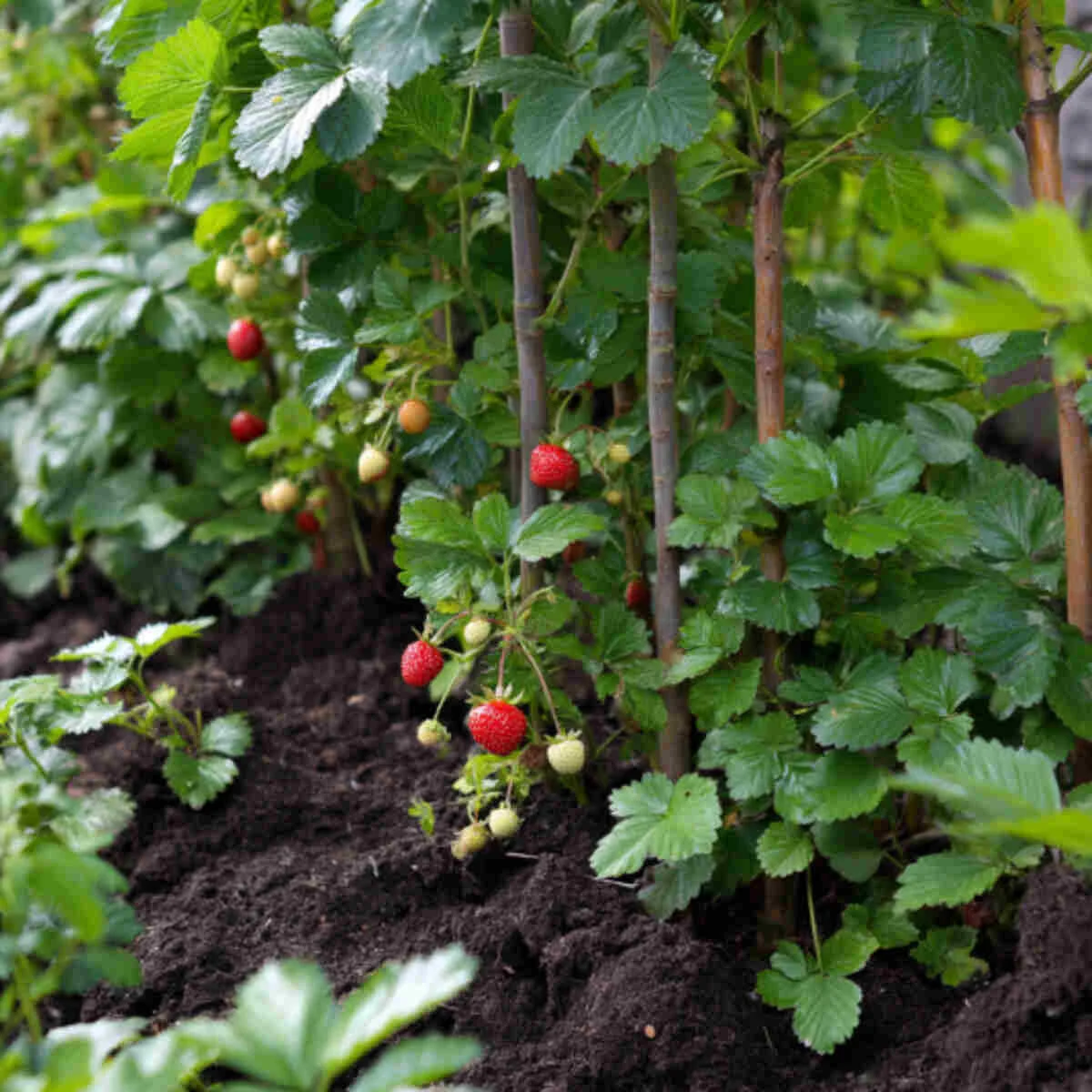
A mixed nut and berry planting brings more nutritional depth into the yard by combining fruits with protein- and fat-rich crops such as hazelnuts where climate and space allow. Paired with currants, blueberries, or raspberries, it creates a compact system with a broader kind of harvest.
This idea works best in slightly larger small yards rather than balconies or patios, but it is a strong option for gardeners who want a mini food forest that feels substantial and lasting.
20. Succulent and Herb Fusion Forest for Dry, Sunny Yards
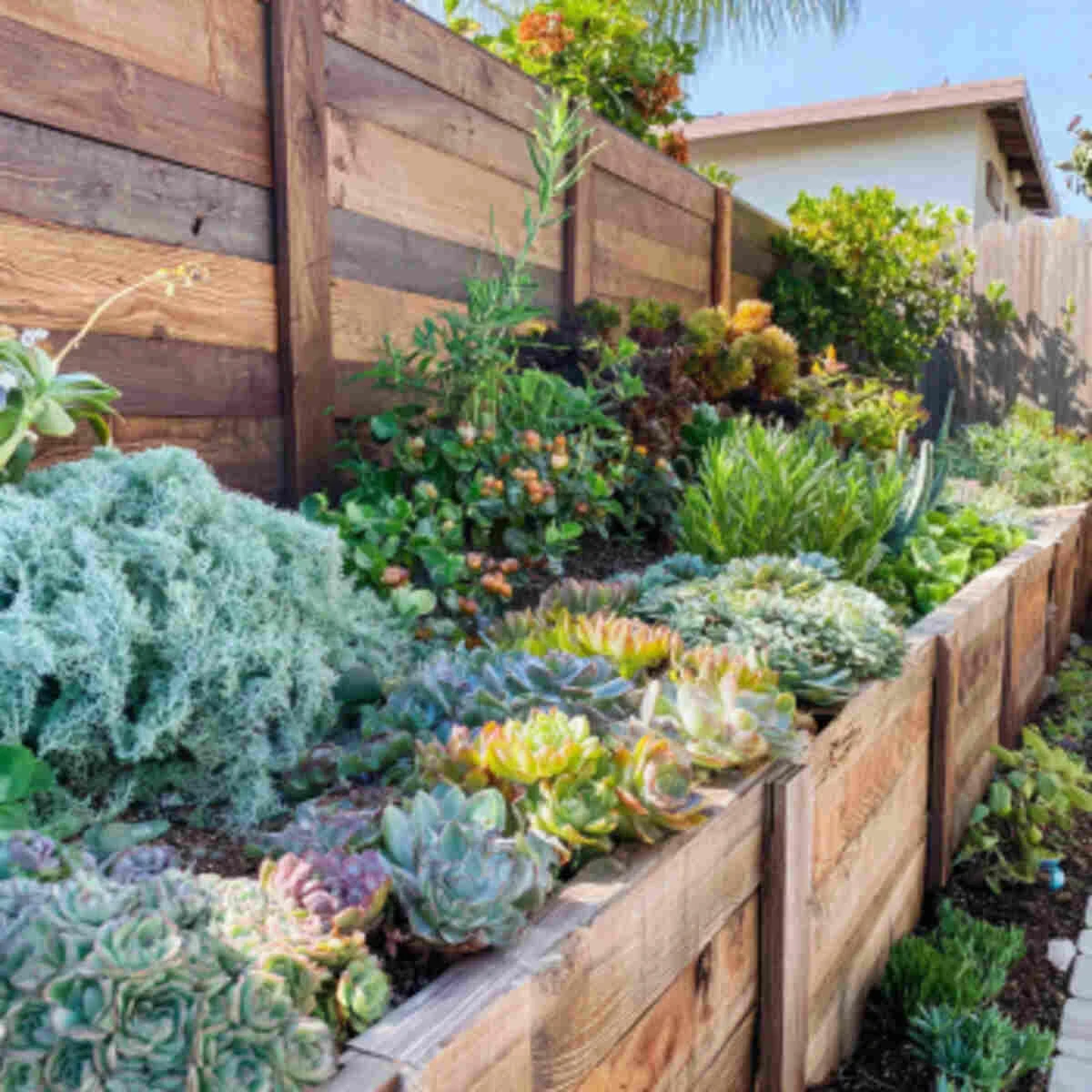
For hot yards with intense sun and limited water, a succulent-and-herb combination can be far more realistic than trying to force a lush temperate food forest. Herbs such as thyme, sage, and oregano pair well with edible drought-tolerant plants like purslane in the right conditions.
This style is visually striking, low on water demand, and particularly useful in xeric or southwestern-style gardens where conventional backyard planting often struggles.
How to Start a Mini Food Forest in a Small Yard
A small food forest works best when you start with structure instead of impulse buying. Before planting, pay attention to the light, the amount of usable ground, and whether the garden needs to be neat, flexible, or easy to maintain.
- Choose one anchor plant first: a dwarf tree, trellis, berry row, or large container
- Build in layers: canopy, shrub, herb, groundcover, and climber where possible
- Match plants to your climate: this matters more than copying a specific design
- Keep access in mind: make sure you can still reach plants to harvest and prune
- Start small: one successful guild is better than an overcrowded yard
Frequently Asked Questions
Can you really create a food forest in a small yard?
Yes. A small food forest simply uses the same layered growing concept on a smaller scale. Dwarf trees, berries, herbs, climbers, and groundcovers can all work together in surprisingly compact spaces.
What is the best mini food forest idea for beginners?
A dwarf fruit tree guild or berry patch is often the easiest place to start. Both are manageable, productive, and easier to understand than more complex layered systems.
Do mini food forests require a lot of maintenance?
They need some planning and seasonal care, but they can be lower maintenance than standard vegetable gardens once established, especially when mulch, perennial plants, and good spacing are part of the design.
Can a balcony count as a mini food forest?
Yes. A balcony can follow the same principle by layering planters, climbers, trailing plants, herbs, and compact fruiting crops vertically.
What plants are most useful in a mini food forest?
That depends on your climate, but herbs, berries, dwarf fruit trees, pollinator plants, leafy greens, and climbers tend to give the best return in small spaces.
Final Thoughts
A mini food forest is one of the smartest ways to make a small yard feel more abundant. Instead of seeing limited space as a problem, you begin to use it in layers, letting every section of the garden do more than one job.
Start with the version that fits your space best, whether that means a dwarf fruit tree, a berry border, a trellis guild, or a balcony setup. Once the first layer is working well, the rest of the system becomes much easier to build.
Written by the Zeeshe Home Editorial Team, a blog focused on practical home décor ideas and inspiration.


