
Harvest season tends to create two problems at once: abundance and waste. A productive garden can leave you with extra produce, piles of trimmings, and more water, seeds, and scraps to manage than expected. The good news is that a well-planned harvesting station can turn that overflow into something useful instead of sending it to the trash.
The best no-waste setups are not complicated. They simply give every part of the harvest a destination—fresh use, storage, preservation, compost, reuse, or community sharing. These ideas can help you build a garden workflow that feels more organized, more practical, and far less wasteful.

A no-waste harvesting station is less about looks and more about function. When each task has a place—sorting, drying, storing, preserving, composting, or sharing—it becomes much easier to use what you grow fully and cut down on spoilage.
1. Rainwater Catchment Barrels
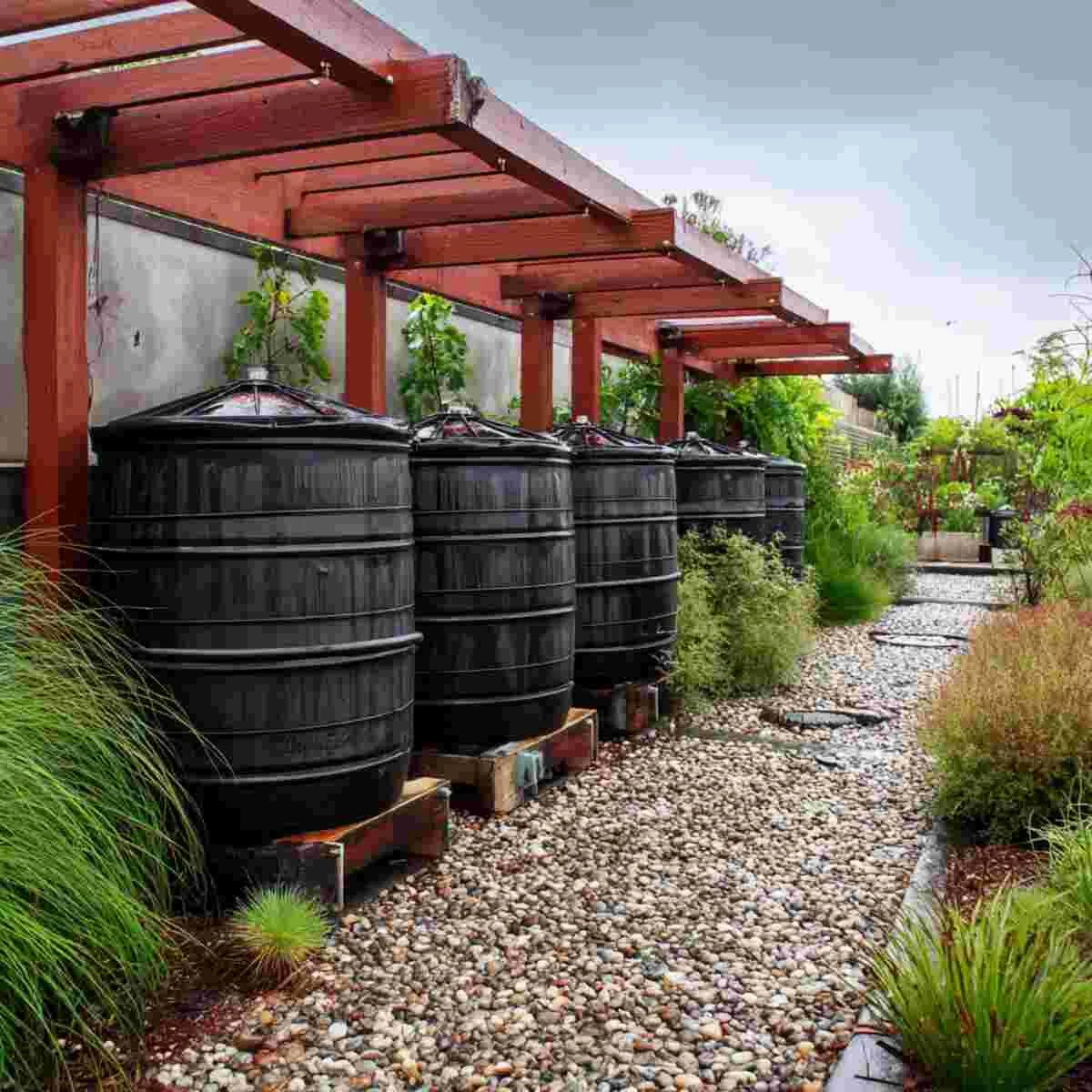
Rainwater barrels are one of the simplest ways to make a harvesting area more efficient. Instead of relying entirely on municipal water, you can collect runoff from a roof or shed and keep it ready for rinsing tools, watering beds, or supporting young plants during dry spells.
This idea works especially well near garden zones that need frequent watering. A covered barrel with a spigot at the base makes the system easier to use and helps keep debris and mosquitoes out.
For gardeners trying to reduce waste at every level, saving water is just as important as saving produce.
2. Solar-Powered Fruit Dehydrator Station
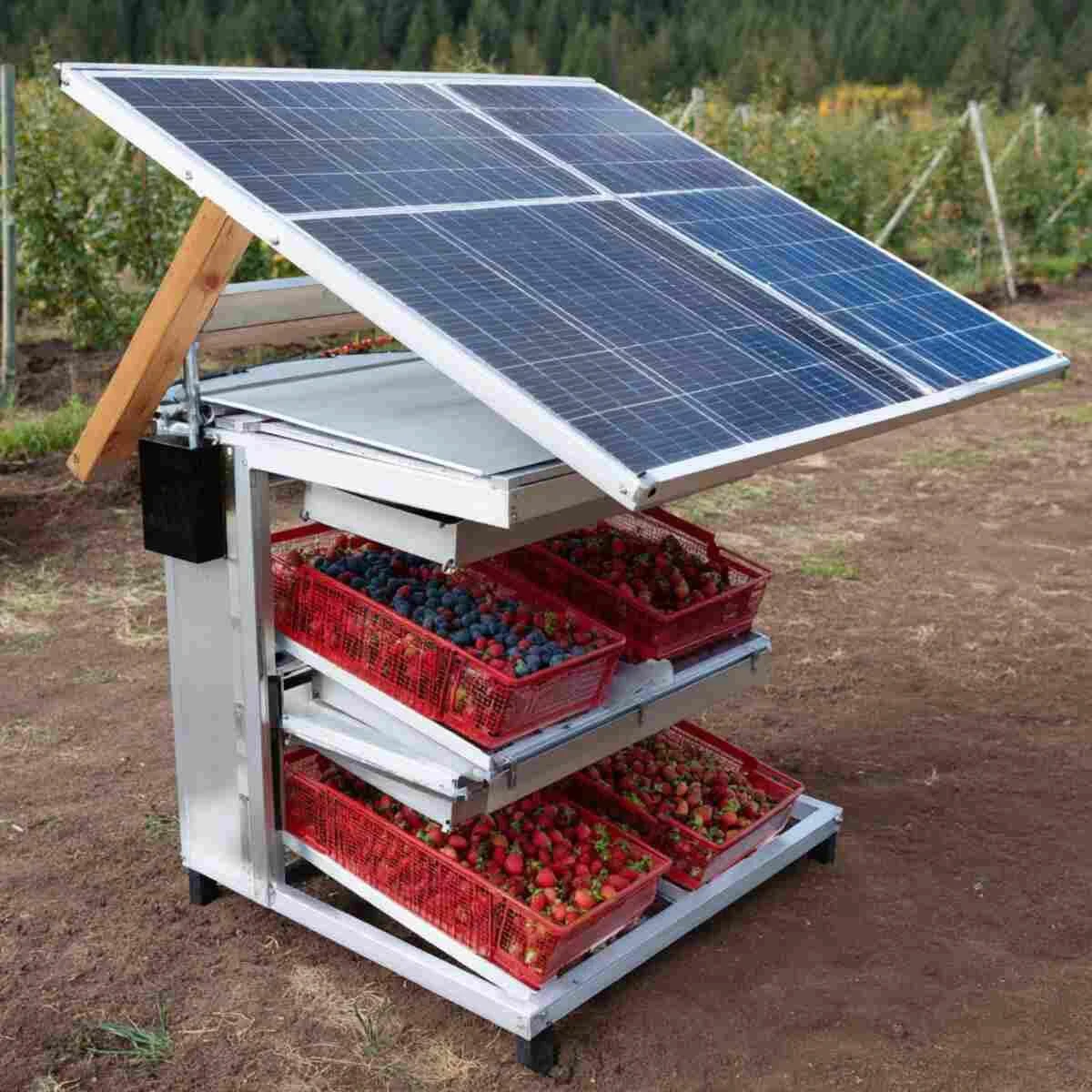
When fruit ripens all at once, dehydration is one of the most useful ways to extend its life. A solar-powered setup makes that process more sustainable by using heat and airflow rather than electricity.
This kind of station is most helpful for apples, figs, herbs, tomatoes, and smaller fruits that spoil quickly once picked. It also works well for gardeners who want shelf-stable food without needing a full indoor preserving setup.
Instead of losing ripe produce to overripening, you turn it into something storable and portable.
3. Compost Integration Corner
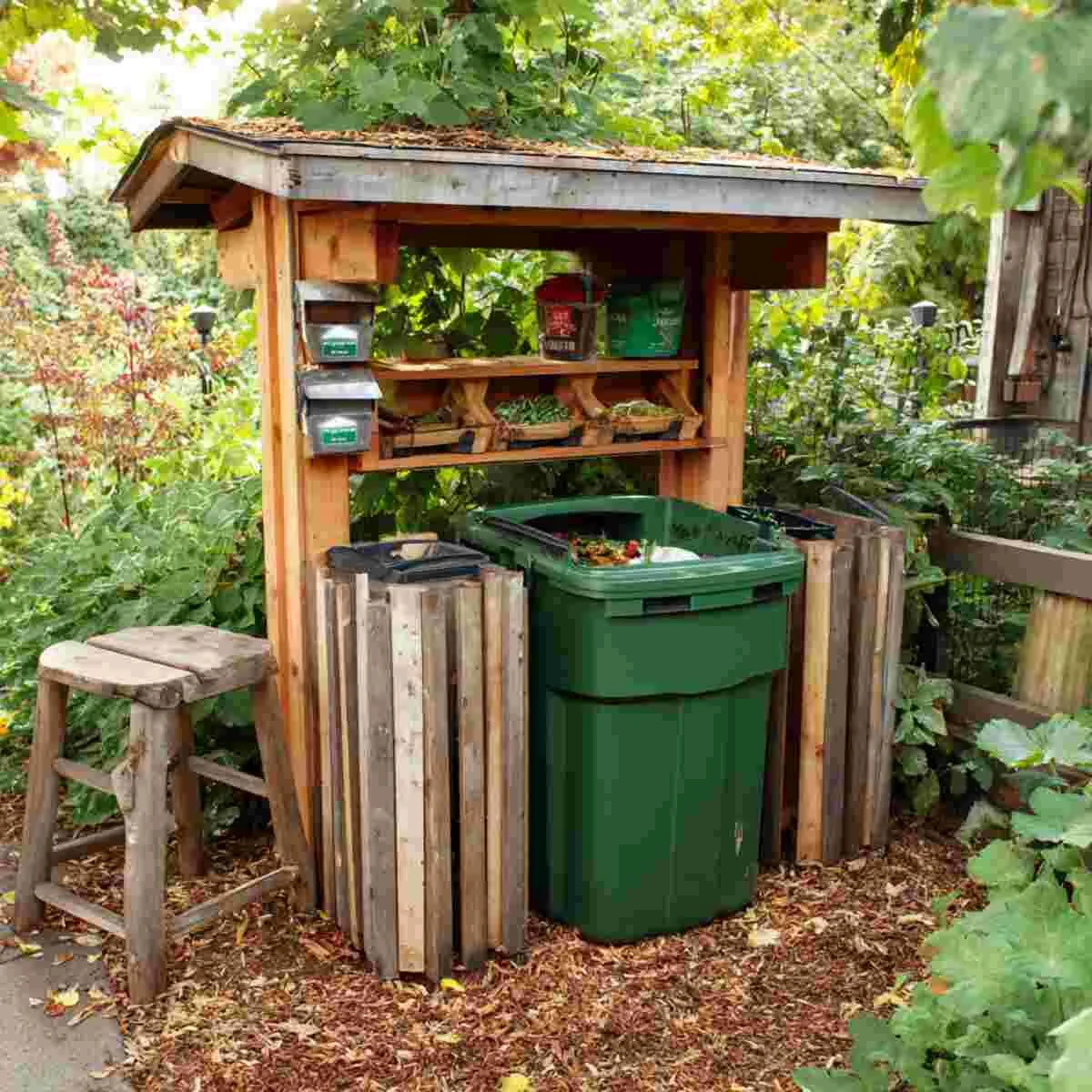
A compost corner creates a clear place for stems, peels, leaves, and spent plants that would otherwise pile up during harvesting. Instead of treating those materials as waste, you keep them moving back into the garden as future soil improvement.
The most effective compost stations are positioned close enough to the harvest zone that using them feels effortless. If the bin is too far away, scraps are far more likely to end up in the trash.
For gardeners who regularly process vegetables outdoors, this is one of the highest-value additions you can make.
4. Seed-Saving and Drying Rack Area
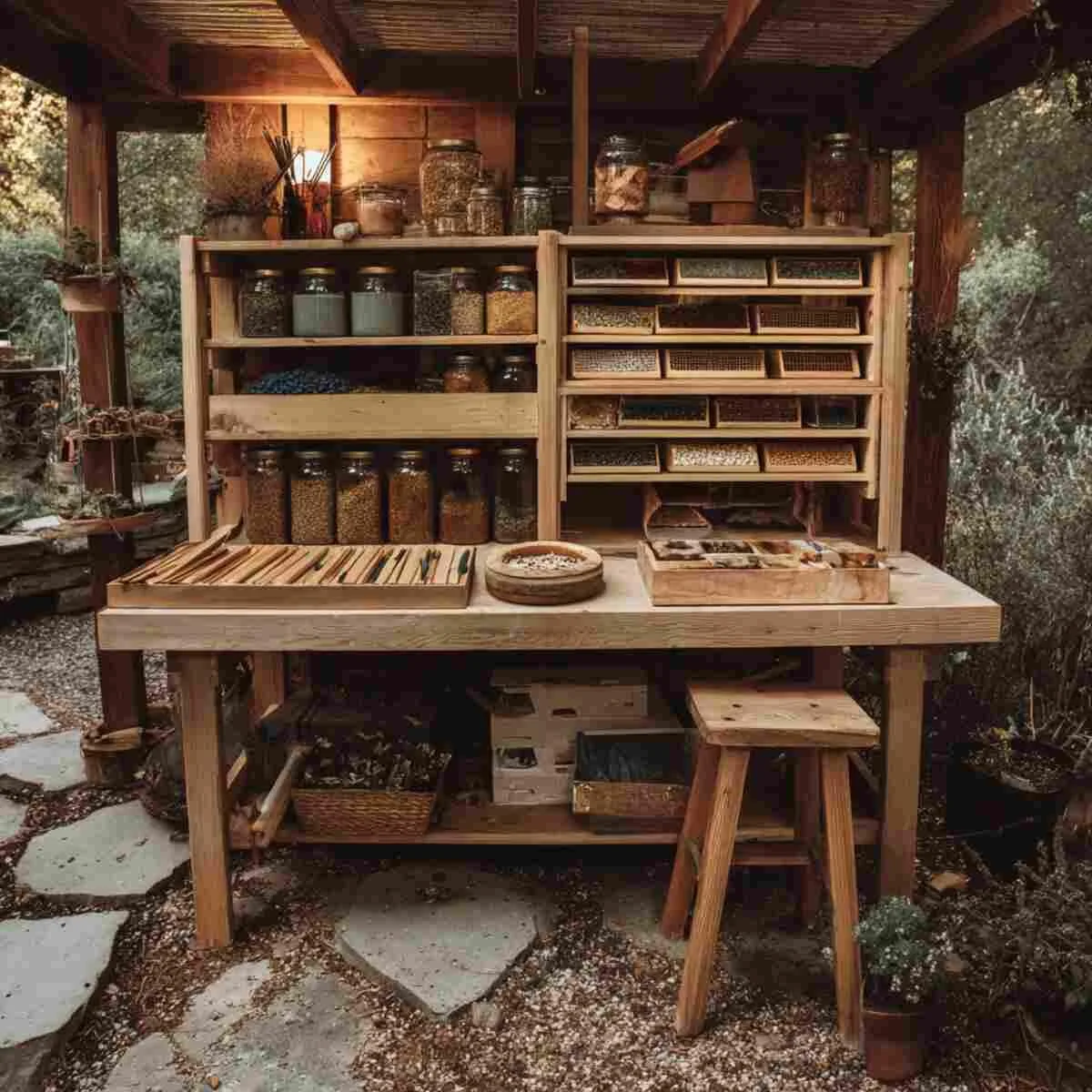
Saving seed is one of the most practical ways to stretch the value of a harvest into the next season. A drying rack or dedicated shelf keeps pods, flower heads, and seed-bearing fruits organized while they dry properly.
This station works best in a dry, shaded, well-ventilated area where seeds can be labeled and stored without confusion. Gardeners growing beans, peas, tomatoes, peppers, herbs, or flowers often get the most from this setup.
It reduces future costs and helps preserve varieties that perform well in your own growing conditions.
5. Worm Composting Bin Station
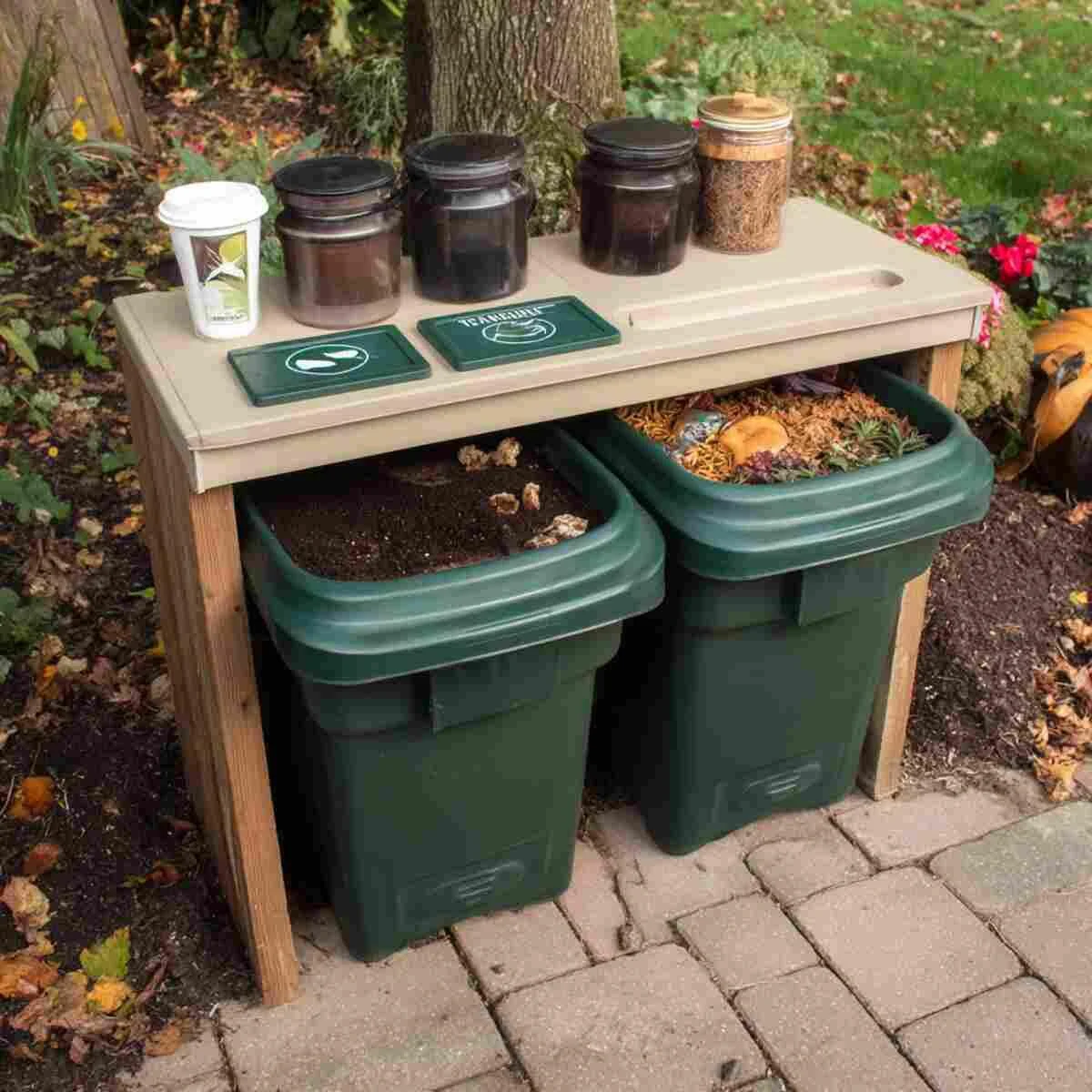
Worm bins are ideal for gardeners who want a more compact composting system with a faster turnaround on softer kitchen and garden scraps. The result—worm castings—is particularly useful for seedlings, containers, and vegetable beds.
This kind of station suits smaller gardens, patios, or households that do not have space for a larger compost pile. It also gives delicate scraps, such as leafy trimmings and peels, a productive end use.
When managed well, vermicomposting turns everyday waste into one of the richest amendments you can feed back into the garden.
6. Greywater Reuse Collection Tank
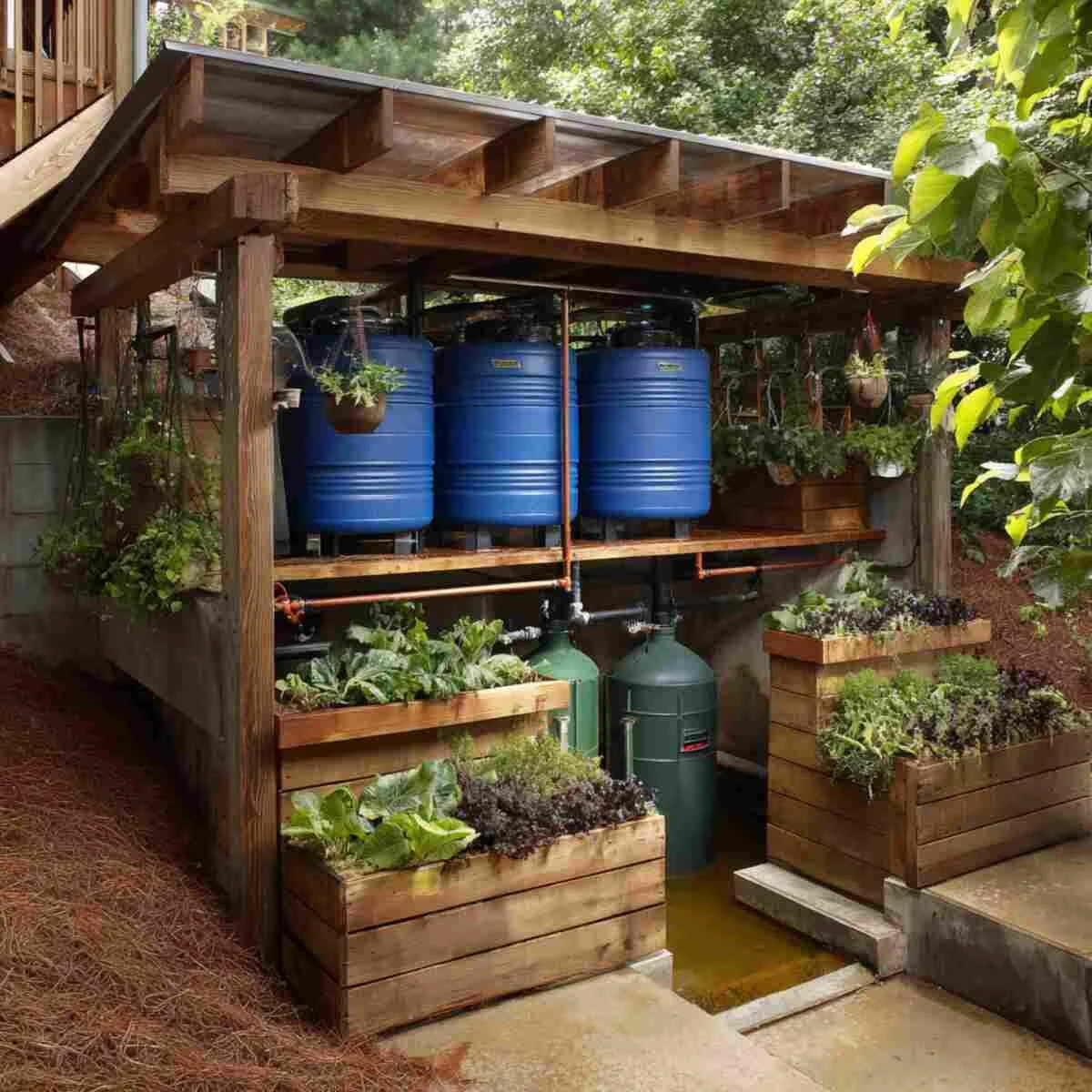
A greywater collection tank helps reuse gently used household water for irrigation, which can make a major difference in dry climates or during peak summer growing. It is especially useful when paired with ornamental beds, trees, or non-edible zones where reused water can be directed appropriately.
This idea requires careful planning and local compliance, but when done correctly it reduces unnecessary water loss and supports a more efficient garden system.
It is a practical example of how no-waste gardening extends beyond produce itself.
7. Zero-Waste Herb Drying Shelves
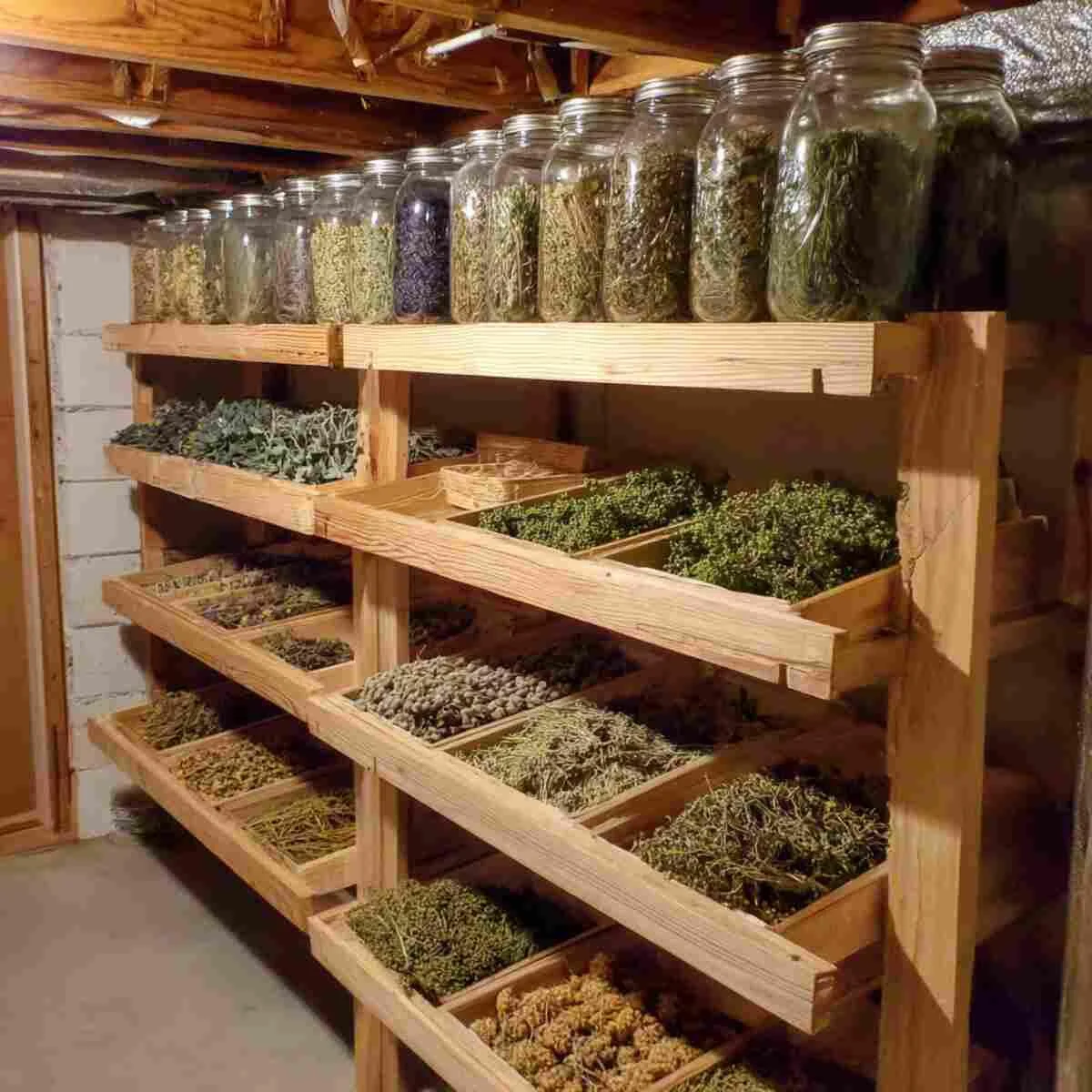
Herbs are easy to grow, but they are also easy to waste when the harvest comes faster than the kitchen can use them. Drying shelves give bunches of mint, thyme, rosemary, oregano, sage, or basil a proper place to cure before storage.
A shaded, airy shelf system keeps herbs off work surfaces and allows better airflow than piling stems together. It also makes it easier to sort herbs by type and drying stage.
Once dried correctly, herbs keep their usefulness for months and reduce the need to buy packaged replacements later.
8. Produce Weighing and Sorting Table
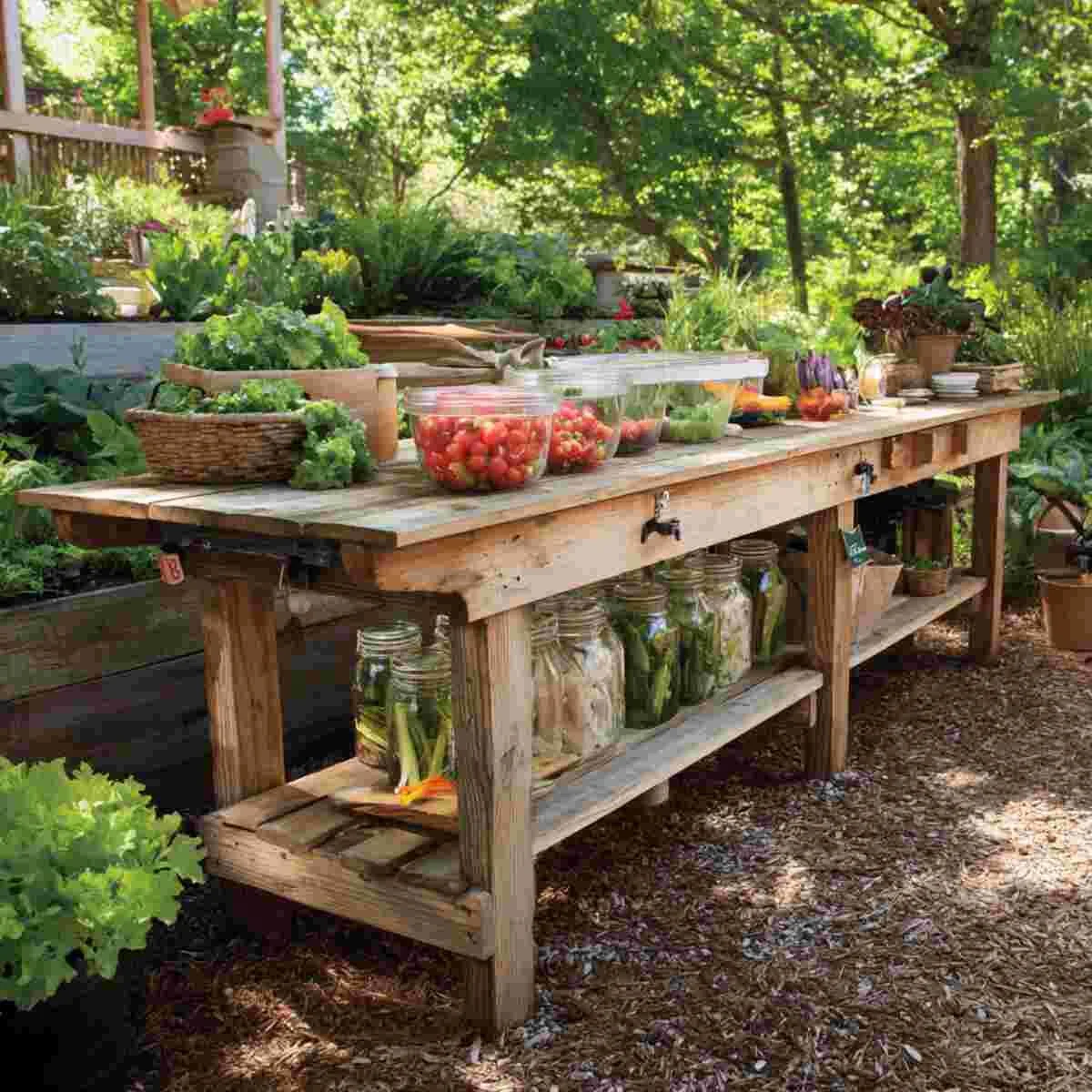
A sorting table may not seem exciting, but it often prevents more waste than any other station. Once produce is harvested, quick sorting helps decide what should be eaten first, what can be stored, what should be preserved, and what needs to be shared.
This is especially useful during peak harvest weeks when tomatoes, squash, beans, cucumbers, or fruit all come in at once. A washable work surface, baskets, and a scale help keep the process organized.
Waste often starts with poor handling. A dedicated table helps stop that early.
9. Community Food Exchange Shelf
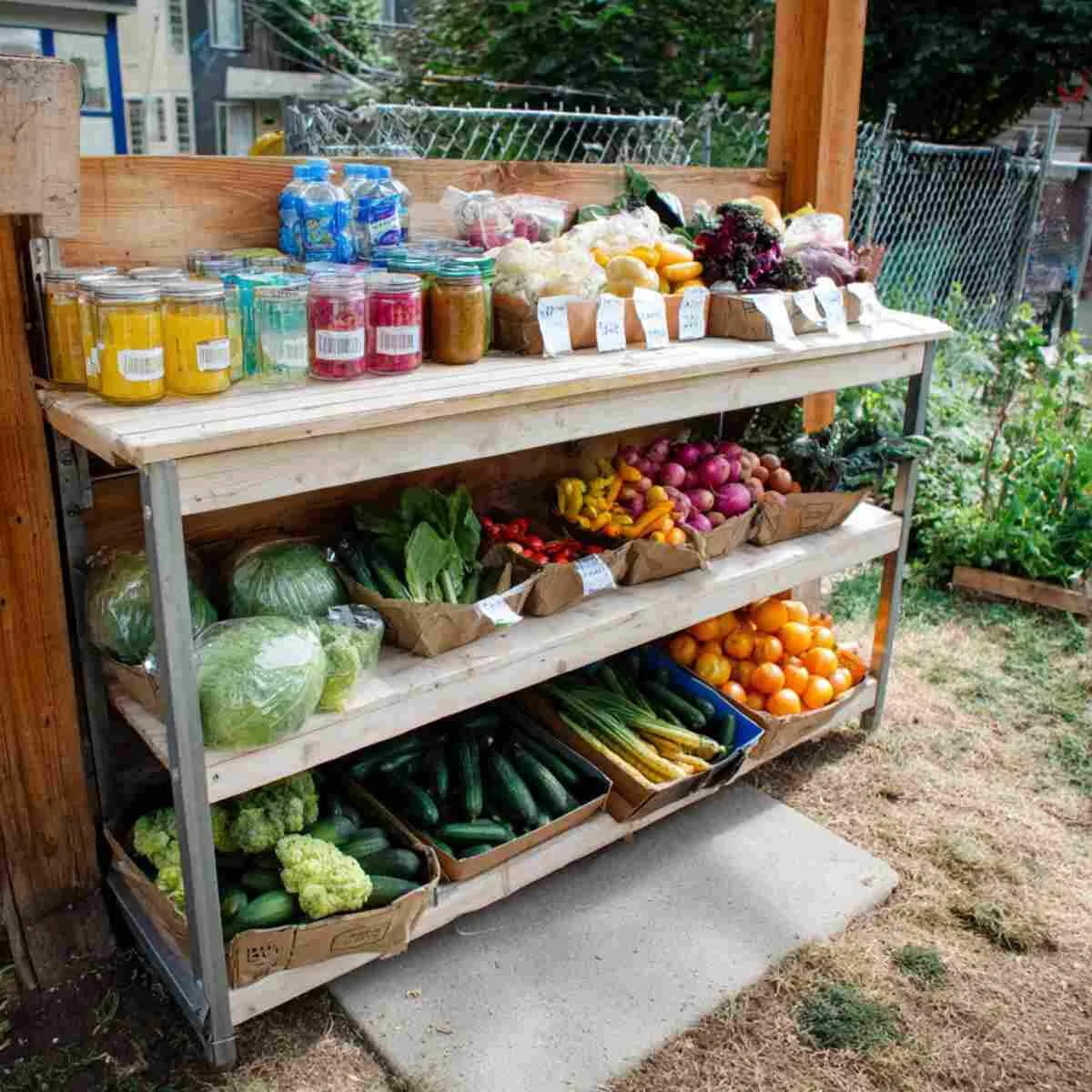
Some harvests are simply bigger than one household can use. A community exchange shelf gives extra produce a chance to be eaten rather than forgotten in a basket or composted too soon.
This type of setup works well in neighborhoods, garden clubs, allotments, and shared growing spaces. Clear labeling and a shaded location make it more useful and more inviting.
For gardeners who regularly grow more zucchini, herbs, citrus, or greens than they need, sharing is often the most direct form of waste reduction.
10. Mulch and Leaf Shredder Station
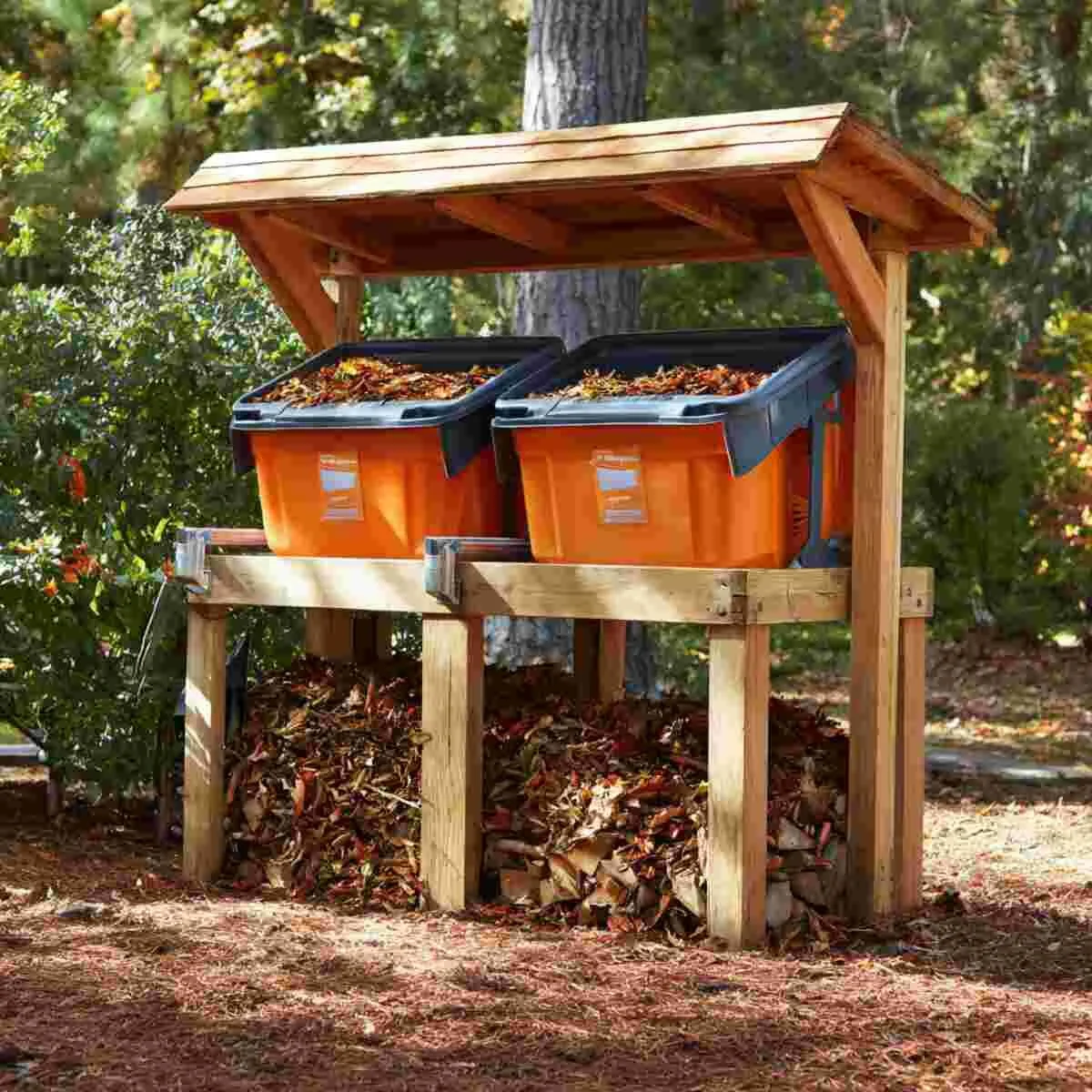
Leaves, prunings, and dried garden debris can either become a disposal problem or a useful mulch source. A shredding station makes it easier to turn that material into something that feeds beds, suppresses weeds, and helps soil hold moisture.
This station is especially valuable in fall, when leaf volume increases quickly. Shredded material breaks down faster than whole leaves and stores more neatly if you want to keep a mulch reserve for later.
It is one of the most practical ways to close the loop on seasonal garden cleanup.
11. Scrap Wood and Tool Repair Corner
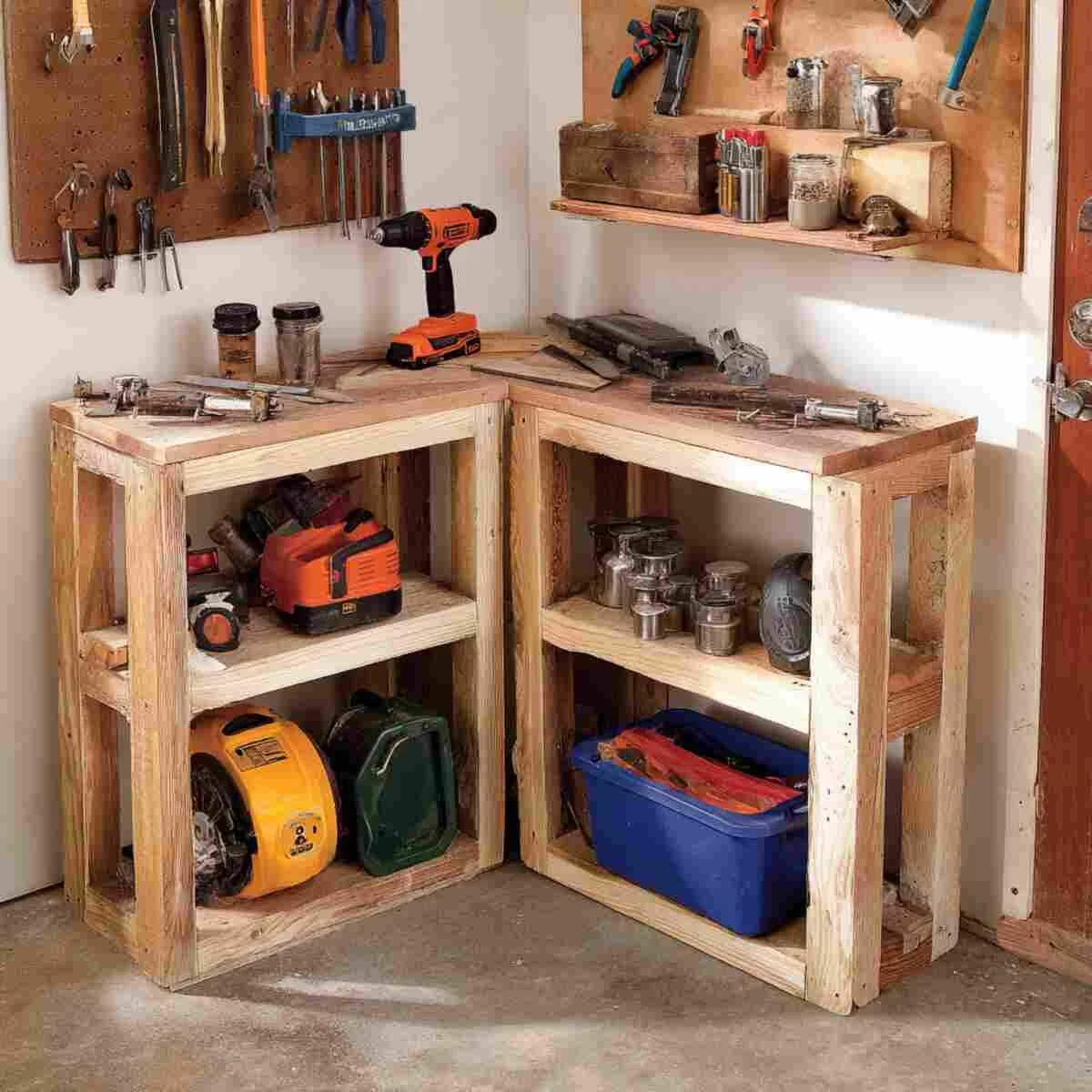
A repair corner helps extend the life of the things a garden depends on. Instead of throwing away a cracked handle, loose hinge, or leftover timber, you keep a space for small fixes and future reuse.
Scrap wood can become plant markers, crate dividers, shelf supports, or drying racks. Basic tool repair keeps essential equipment usable for longer and cuts down on unnecessary replacement.
No-waste gardening is not only about produce. It is also about getting more life out of the materials around you.
12. Cold Storage Root Cellar Nook
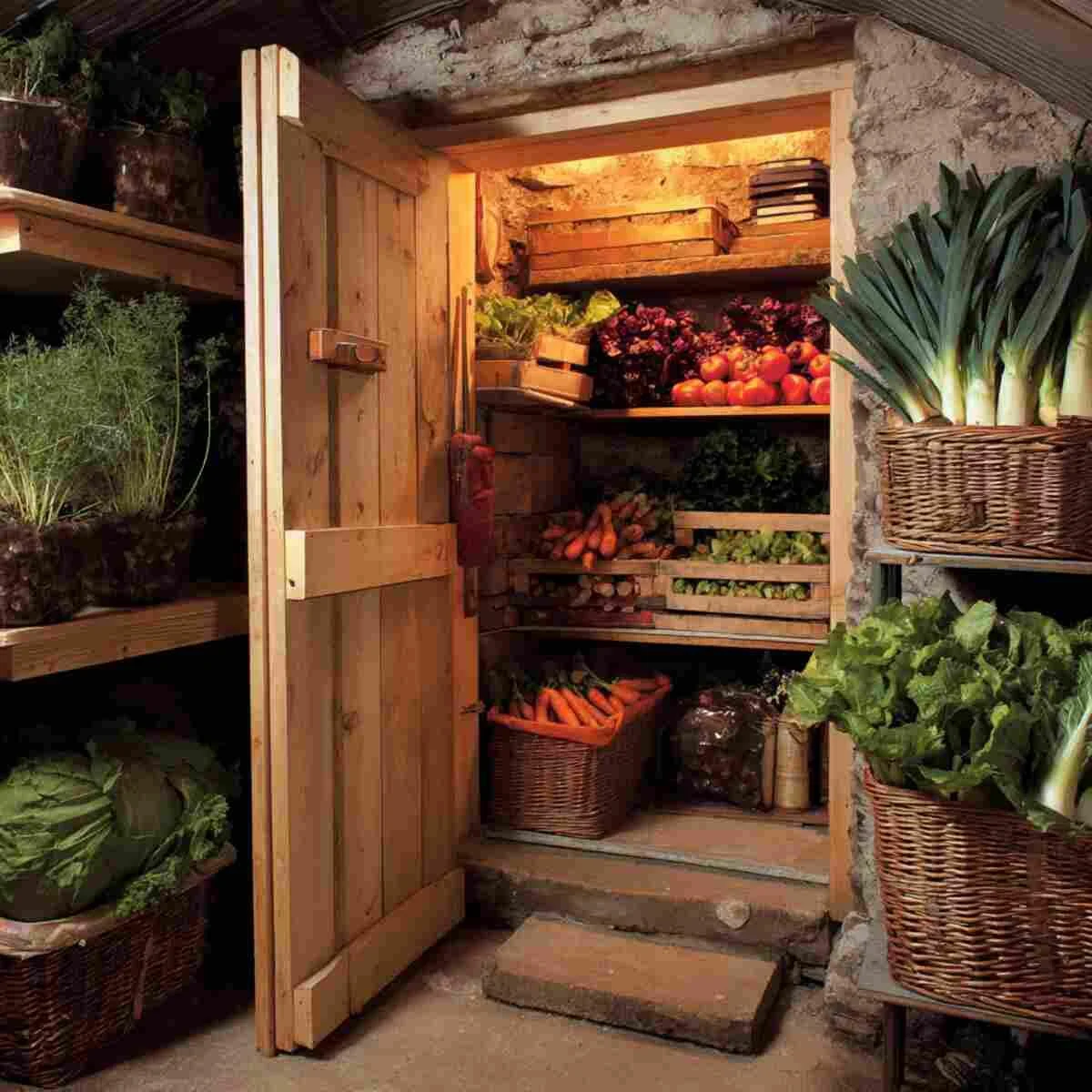
A cool storage nook can make a major difference to how long root crops and hardy produce last after harvest. Potatoes, onions, garlic, winter squash, apples, and carrots all benefit from a stable, low-temperature environment with proper ventilation.
This idea is especially helpful for gardeners who grow in quantity and want to reduce refrigeration costs. It also prevents the common problem of storing everything in the kitchen, where produce often spoils too quickly.
When storage is matched to the crop, less food is lost before it can be used.
13. Reusable Produce Crate Stack
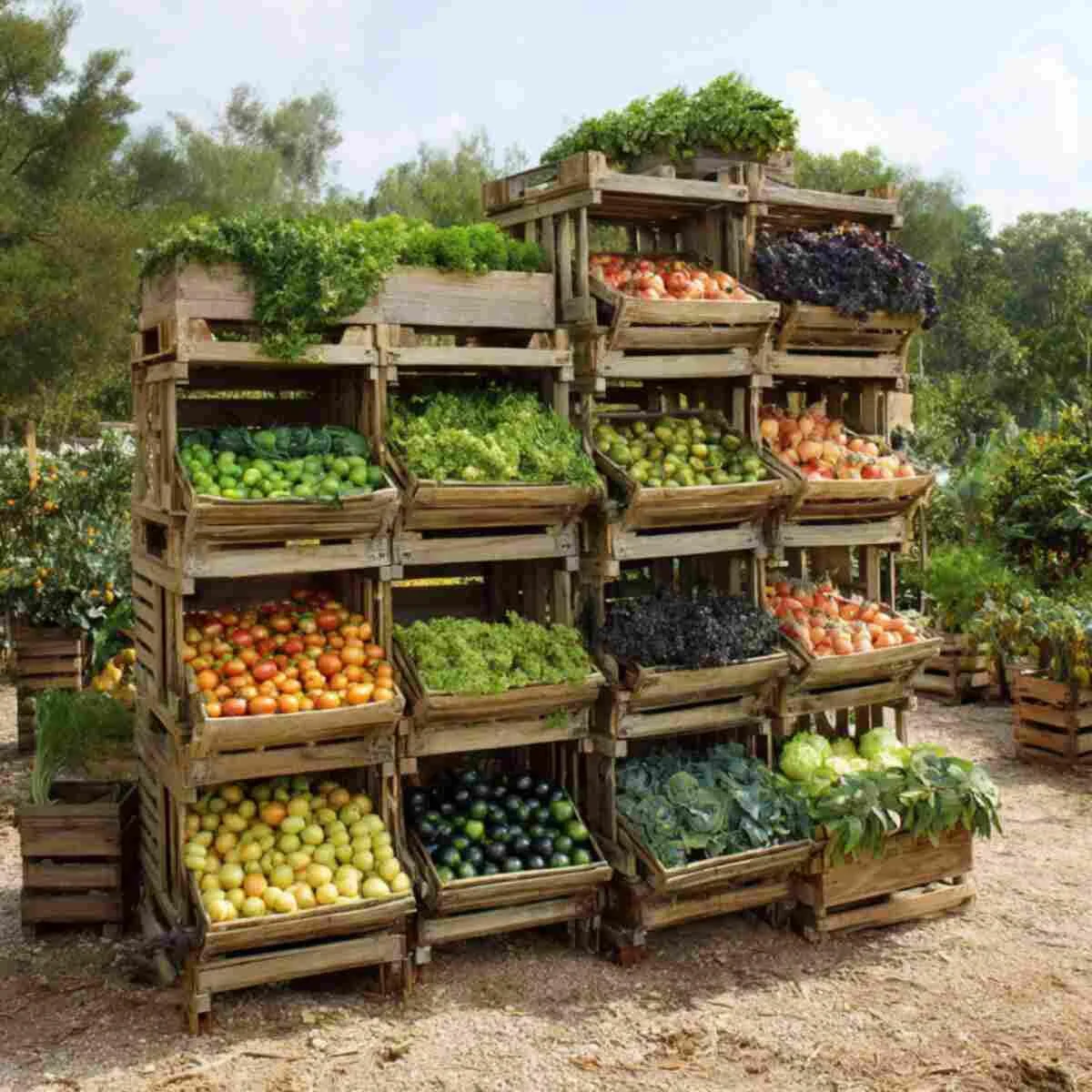
Reusable crates help keep a harvest station functional from the moment produce is picked. They are easier to stack, cleaner to sort through, and far sturdier than disposable bags or cardboard boxes that fall apart in damp conditions.
This setup is particularly useful when you need separate containers for ripe produce, storage crops, damaged items, or vegetables headed to a neighbor or market table.
Simple, durable storage makes the entire harvest workflow more efficient and cuts out unnecessary packaging waste.
14. Off-Grid Solar Refrigeration Unit
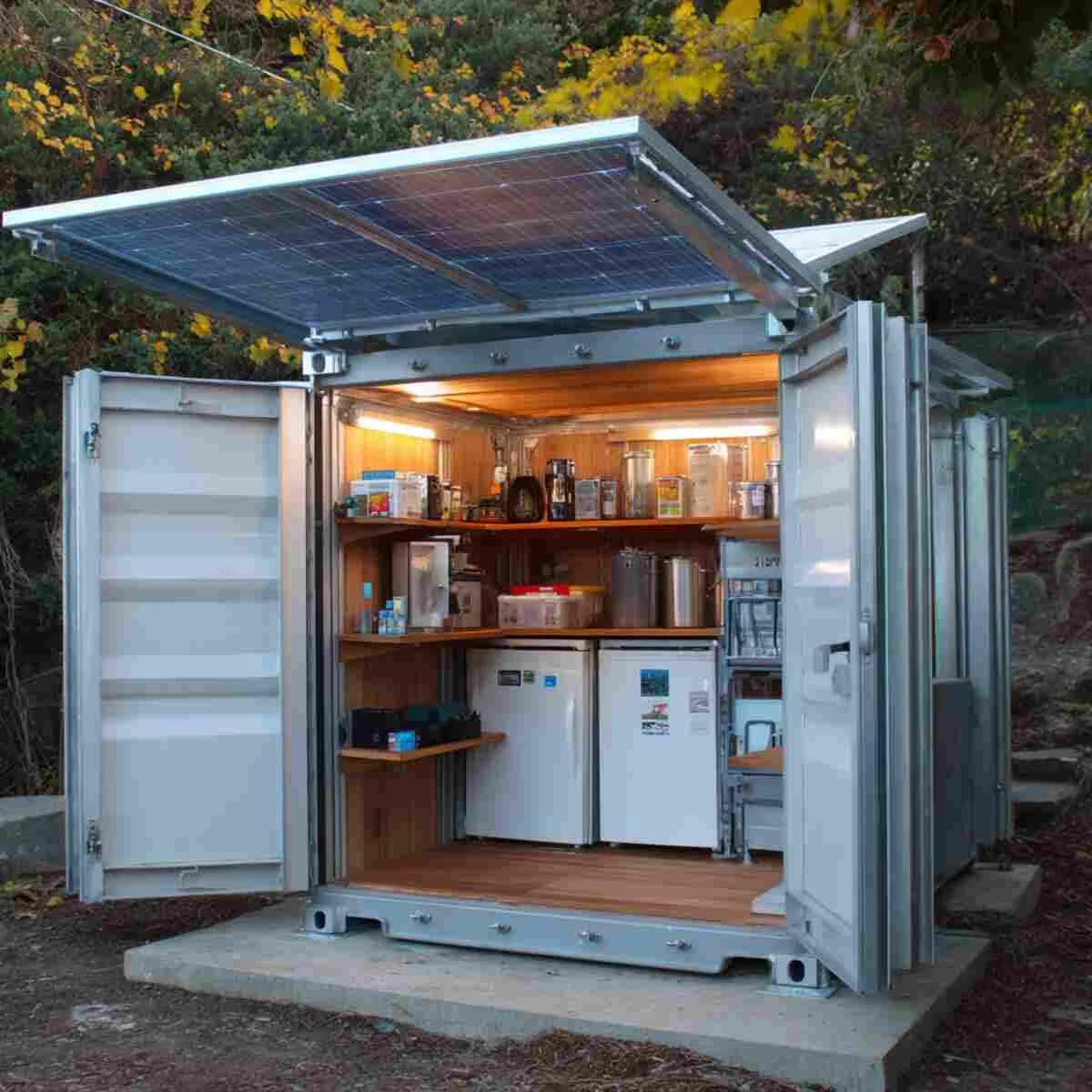
Some crops need immediate cooling after harvest, especially in hot weather. A solar-powered refrigeration unit helps extend freshness without depending entirely on grid power, which can be especially valuable in remote areas, homesteads, or off-grid gardens.
Leafy greens, berries, herbs, and tender vegetables benefit the most from quick cooling. Without it, quality drops fast, even if the harvest looked perfect in the garden.
For growers working beyond basic self-sufficiency, this kind of station helps reduce spoilage where it matters most.
15. Juice Pressing and Pulp Reuse Area
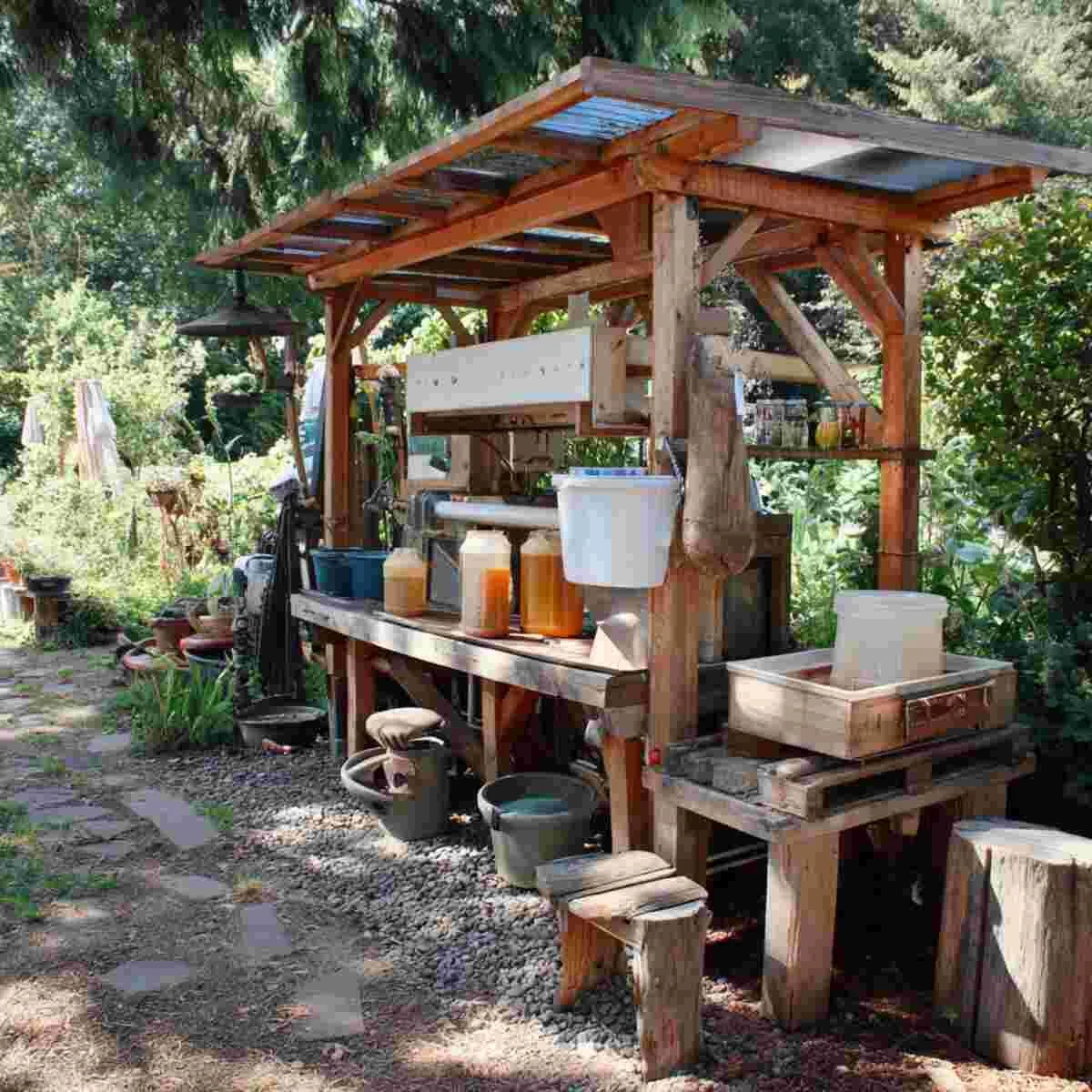
A pressing station helps make use of fruit that may be too ripe, too abundant, or slightly blemished for fresh eating. Apples, pears, citrus, grapes, berries, carrots, and other produce can be processed quickly into juice rather than wasted.
The real no-waste value comes from planning for the pulp as well. It can go to compost, baking, stock bases, or animal feed depending on the material and your setup.
That way, the station handles both preservation and by-product reuse in one place.
16. Canning and Preserving Table
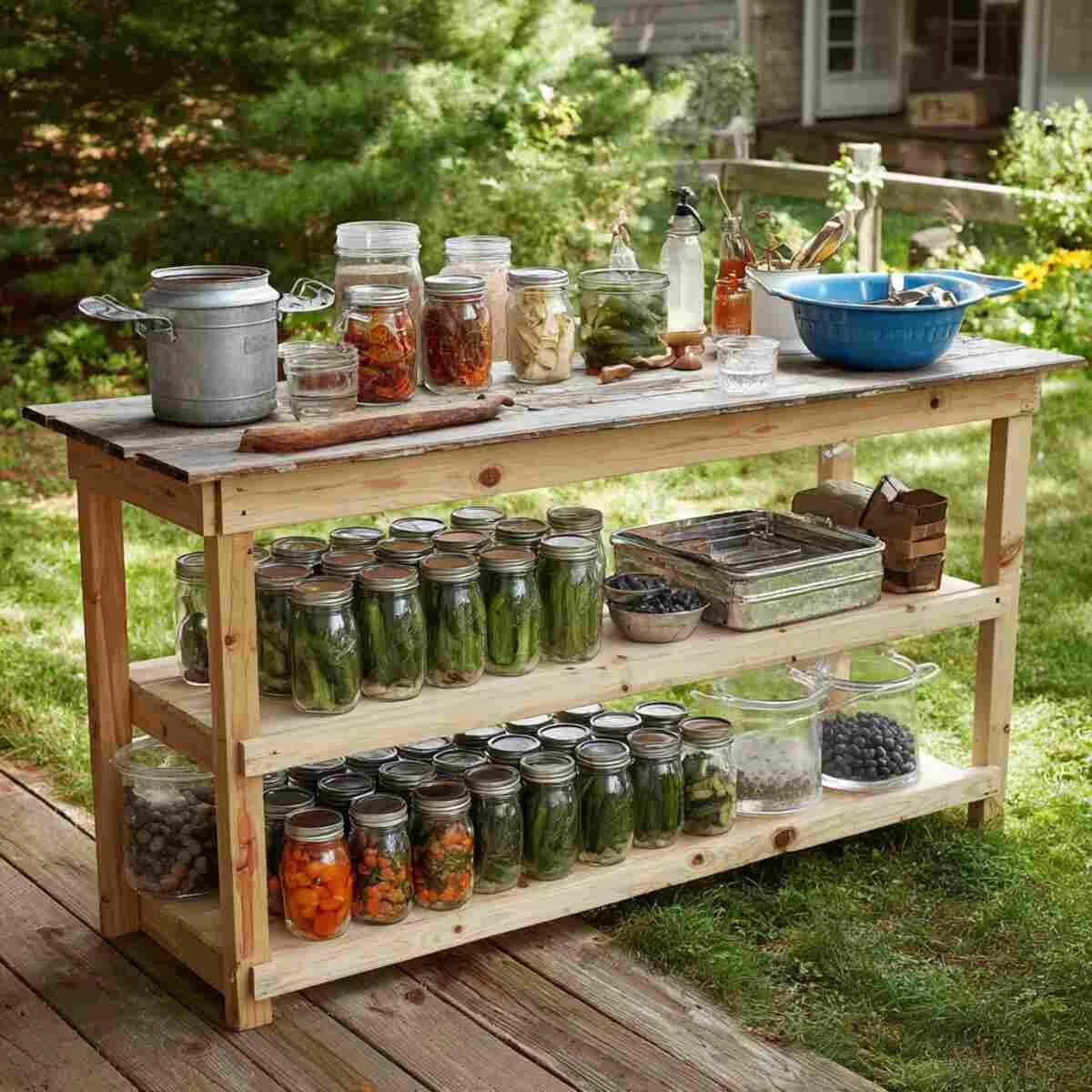
A preserving table gives surplus produce an immediate route into long-term storage. Instead of leaving excess fruit or vegetables to sit while you decide what to do with them, the station turns peak harvest into jams, sauces, pickles, relishes, or canned staples.
This is especially useful in late summer when tomatoes, cucumbers, peaches, plums, and berries arrive in volume. Keeping jars, tools, labels, and prep surfaces organized makes the process far more manageable.
For many gardeners, preservation is the difference between abundance and waste.
17. Herb-Infused Oil and Vinegar Station
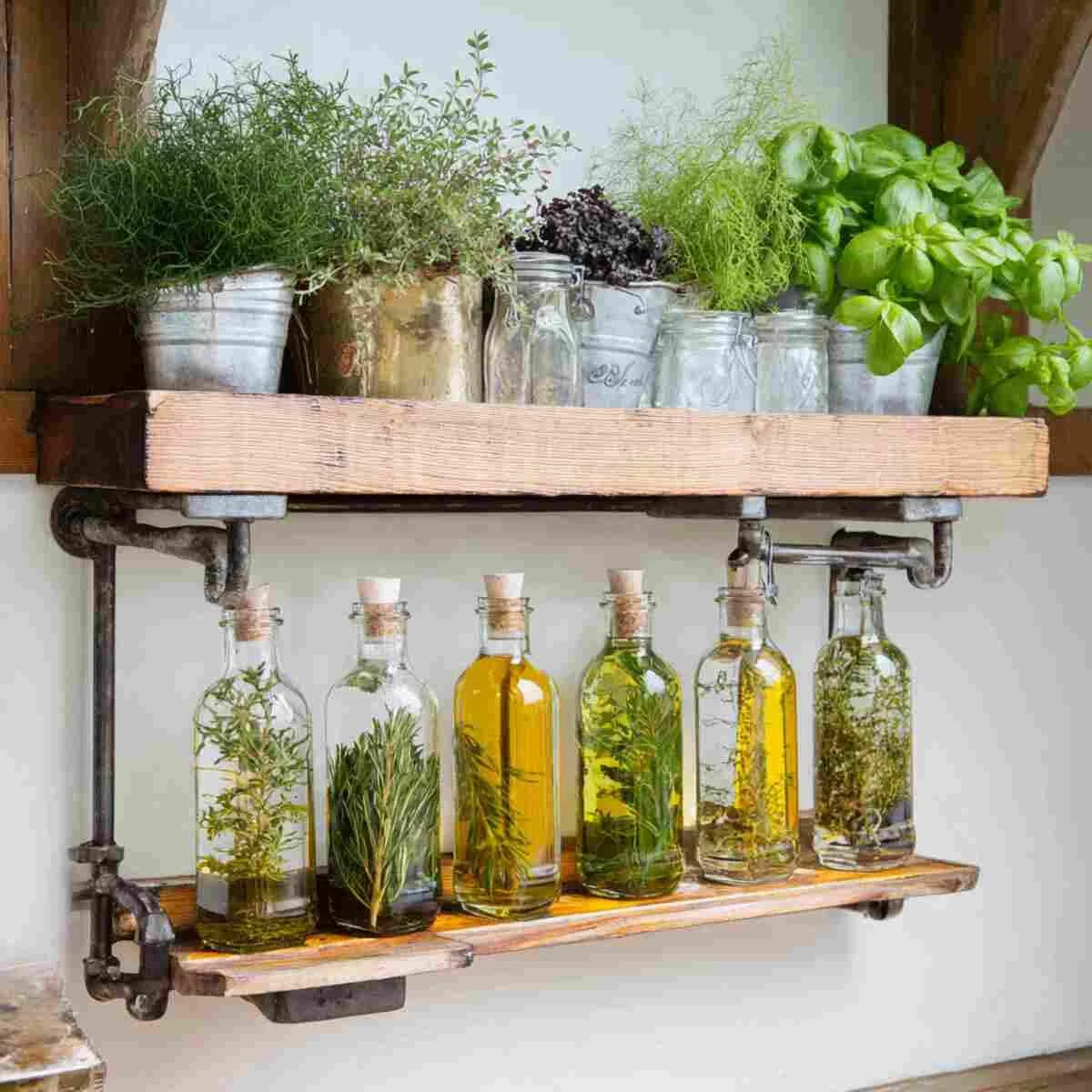
Small herb harvests often feel too minor to preserve traditionally, but they are perfect for infusions. A dedicated oil and vinegar station gives parsley, rosemary, thyme, oregano, chiles, citrus peel, and similar ingredients a practical second life.
This kind of station works best when it stays simple: clean bottles, clear labeling, and a shaded storage area. It suits gardeners who harvest little and often rather than in one large wave.
It also turns excess herbs into something genuinely usable in the kitchen or giftable later on.
18. Upcycled Pallet Produce Display
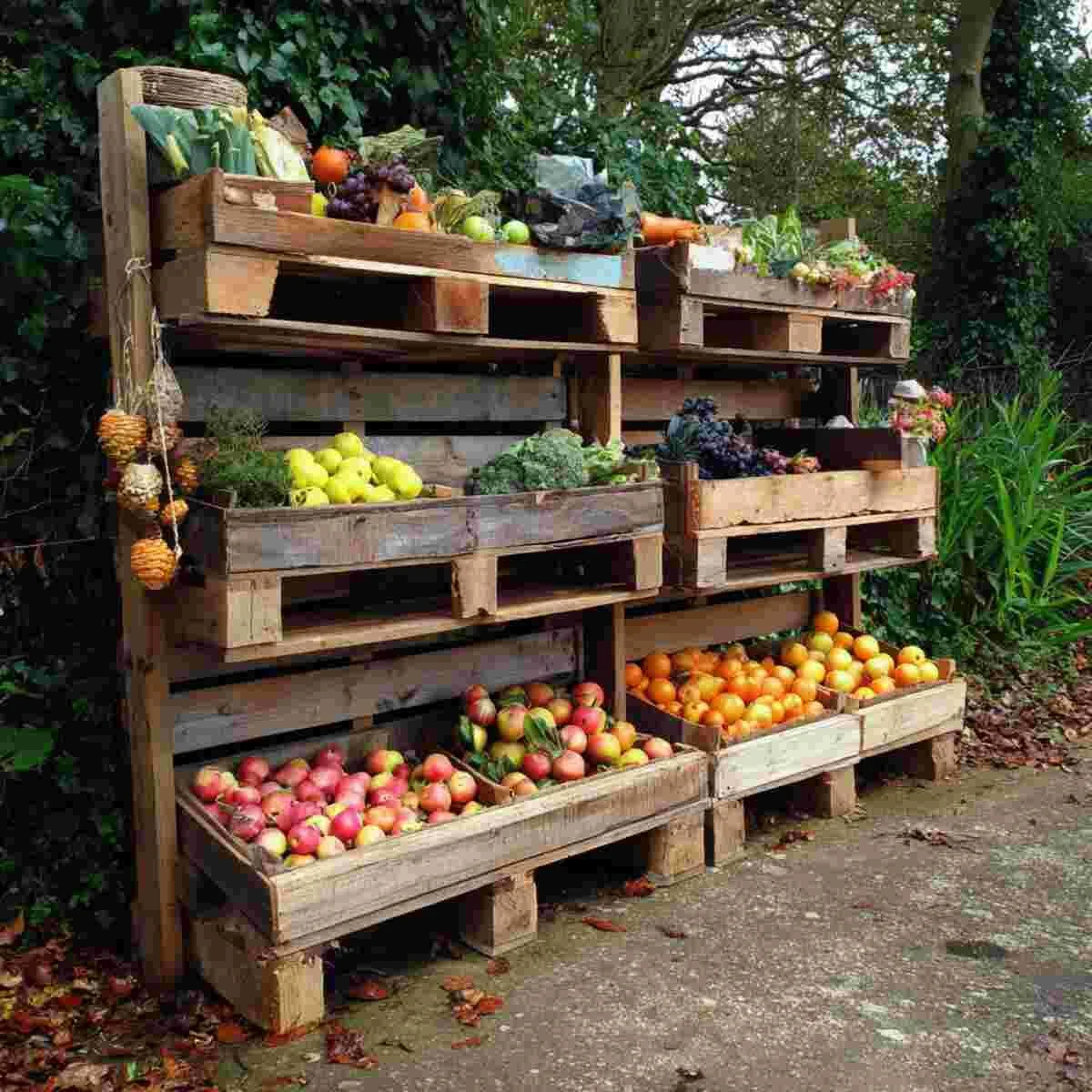
An upcycled pallet display creates low-cost storage or presentation space without buying new materials. Used well, it can hold baskets, drying bundles, crates, or sorted produce in a way that keeps everything visible and easier to manage.
This is a practical fit for sheds, market-style harvest stations, and outdoor work areas that need vertical organization. It is especially useful when floor space is limited.
Repurposing what you already have is often one of the most realistic forms of no-waste gardening.
19. Natural Dye Extraction Bench
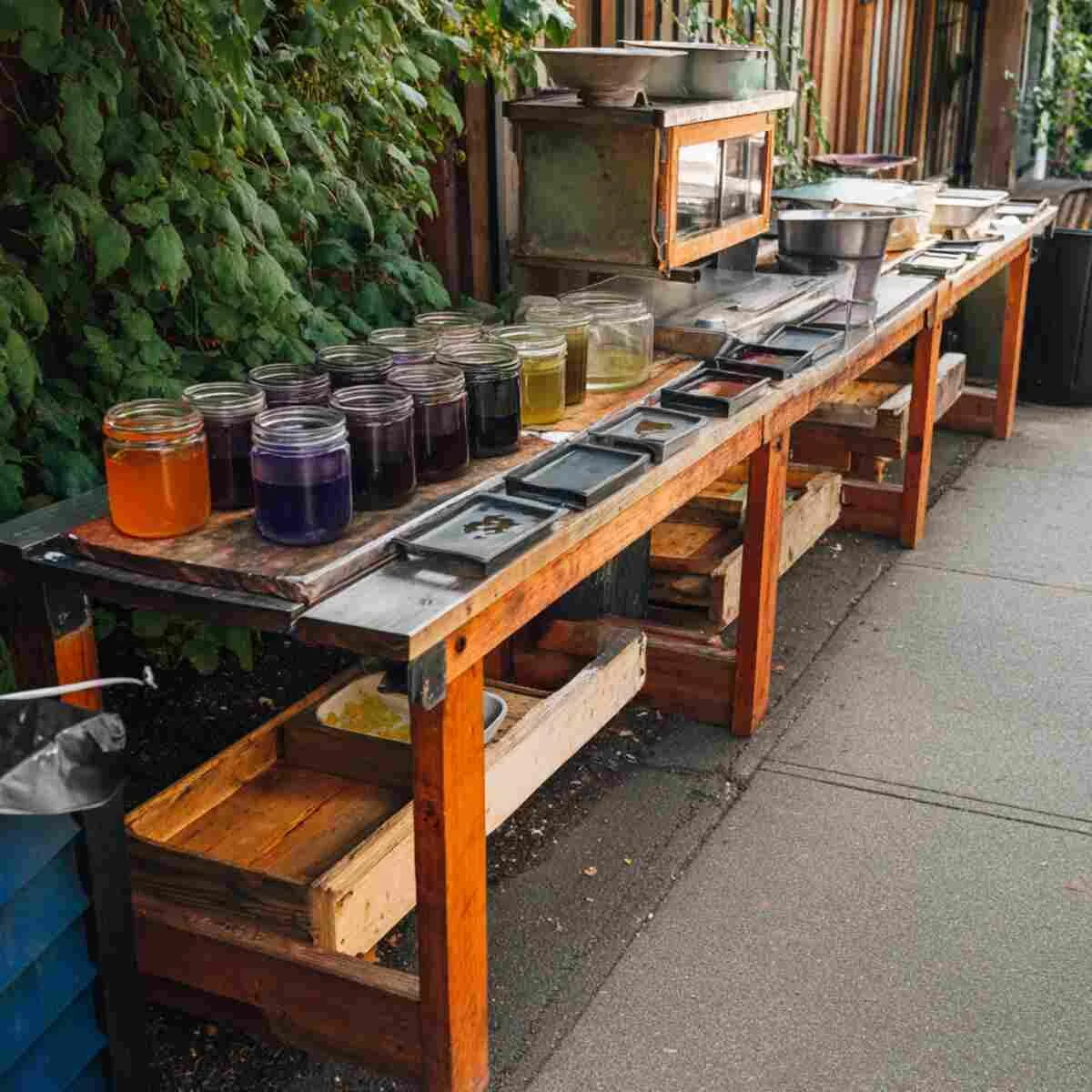
Not every part of a harvest is edible, but that does not mean it has no value. A natural dye bench gives peels, skins, leaves, flowers, and other plant remnants a creative use through fabric and craft dyeing.
This idea is best for gardeners who already enjoy textile projects, handmade goods, or educational garden activities. Onion skins, marigolds, berries, avocado pits, and many other materials can yield useful color.
It is a thoughtful reminder that waste reduction can include creative reuse as well as food preservation.
20. Farmers’ Swap-and-Share Stand
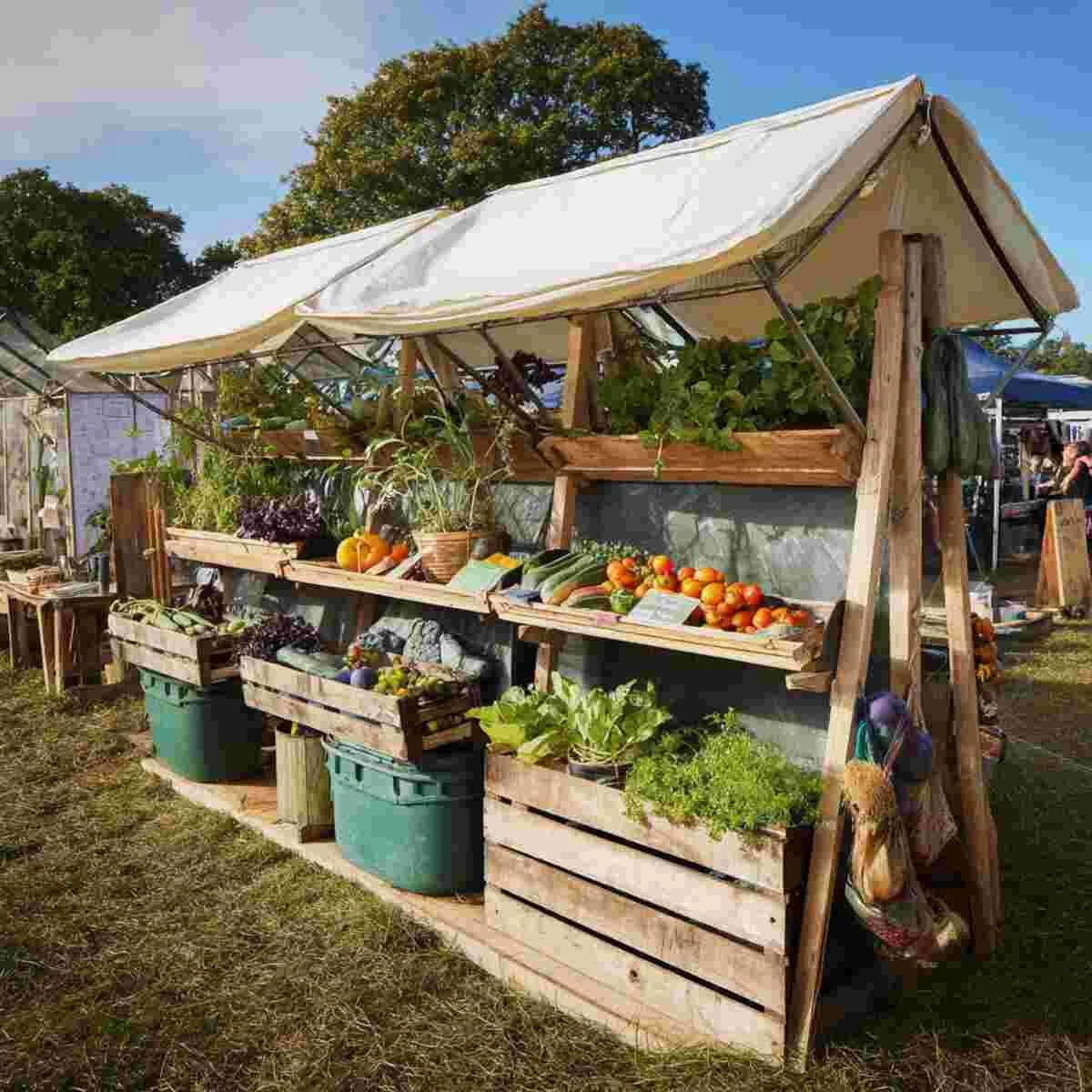
A swap-and-share stand extends the idea of the community shelf into a broader exchange system. Instead of only giving produce away, growers can trade surplus vegetables, herbs, seeds, starts, jars, or supplies for things they actually need.
This kind of setup works particularly well in neighborhoods with active gardeners, local farms, or seasonal growing groups. It keeps useful goods circulating instead of letting them go unused.
When harvest stations support sharing as well as storage, the whole growing cycle becomes more resourceful.
How to Build a No-Waste Harvest Station That Actually Gets Used
The most effective setup is not necessarily the largest one. It is the one that fits your harvest habits, your climate, and the amount of produce you realistically handle each week.
- Start with your biggest source of waste: water loss, spoiled produce, scraps, or poor storage
- Keep stations close to where the work happens: convenience determines whether a system gets used
- Choose washable, durable surfaces: harvest areas get messy quickly
- Label clearly: especially for storage, seed saving, and preserving
- Build in stages: one well-used station is more valuable than five unfinished ones
Frequently Asked Questions
What is the most useful no-waste harvesting station for beginners?
A sorting table paired with a compost area is often the best place to start. Together, they help you handle fresh produce properly and make immediate use of scraps that would otherwise be discarded.
Which station saves the most produce from spoiling?
That depends on what you grow, but dehydrators, cold storage areas, refrigeration, and canning tables usually have the biggest impact on preserving food that would otherwise go bad quickly.
Can a small backyard still have a no-waste harvest setup?
Yes. Even a compact garden can support a crate stack, herb drying shelf, worm bin, and a small sorting surface. The key is choosing stations that match the scale of your harvest.
How do you keep a harvest station from becoming cluttered?
Use dedicated containers, keep only the tools you need at that station, and clear it after each harvest session. A no-waste system works best when it is organized enough to use quickly.
What makes a no-waste station worth the effort?
It helps you save money, reduce spoilage, reuse materials, and get more value from what you grow. Over time, even simple systems can noticeably reduce both household waste and garden costs.
Final Thoughts
No-waste harvesting becomes much easier when your garden has a clear system behind it. Instead of reacting to surplus at the last minute, you already know where the water goes, where the scraps go, what gets stored, and what gets shared.
Start with the station that solves your most common problem, then build outward from there. A harvest is always more valuable when more of it gets used well.
Written by the Zeeshe Home Editorial Team, a blog focused on practical home décor ideas and inspiration.


