
A windy garden can feel exposed in more ways than one. Plants dry out faster, taller stems lean or snap, outdoor seating becomes less inviting, and even well-designed borders can struggle to look settled. Natural wind barriers solve that problem more gracefully than hard fencing alone. They soften gusts, create calmer pockets for planting, and make the whole garden feel greener and more established.
The best natural wind barriers do more than block air. They filter it. That distinction matters. A living screen that slows wind gradually is often far more effective than a solid obstacle that causes turbulence on the other side. The right planting can also add privacy, wildlife value, scent, flowers, berries, and year-round structure.

These ideas focus on living windbreaks that protect your space while still feeling like part of the garden rather than something purely functional.
1. Tall Ornamental Grasses for Soft, Flexible Screening
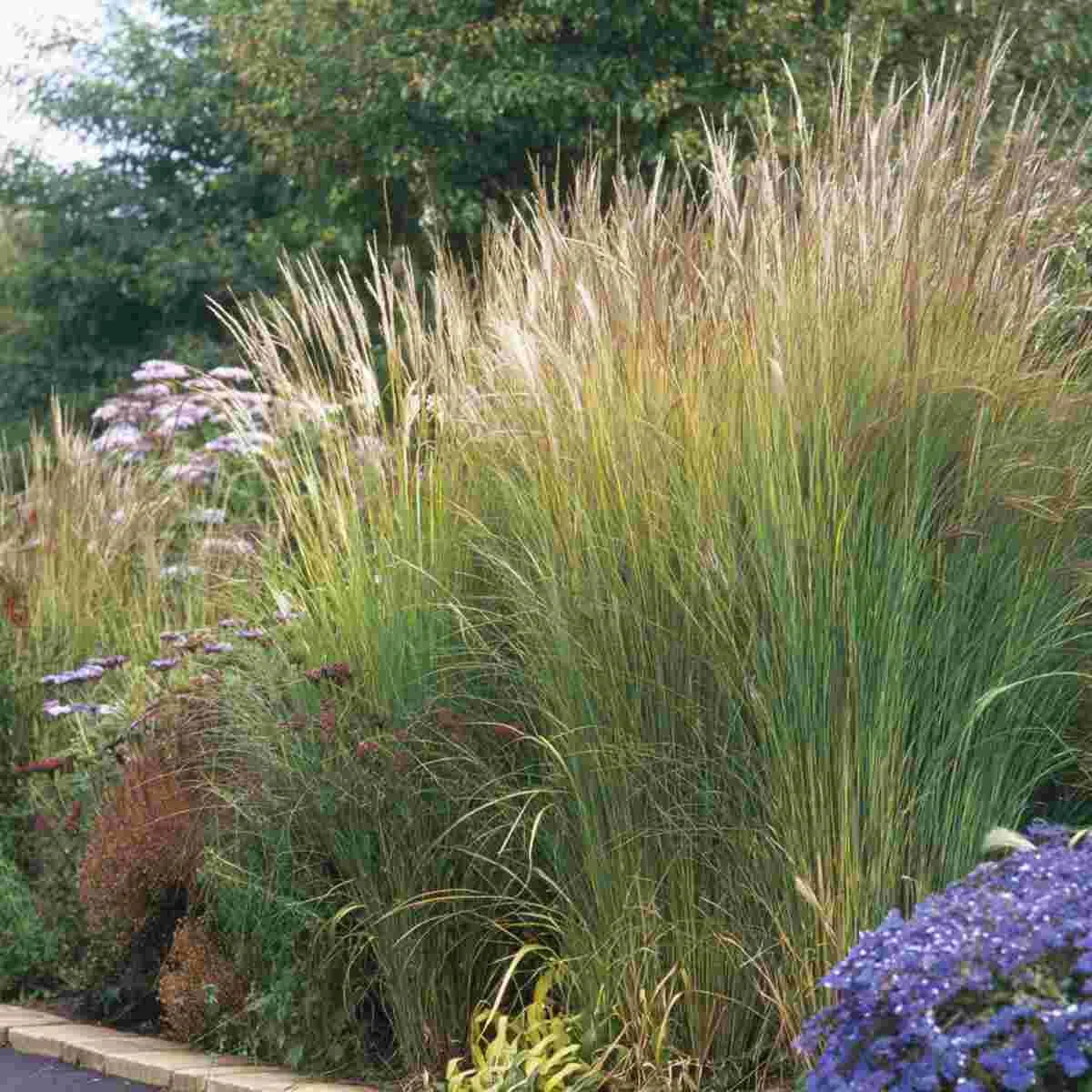
Ornamental grasses are one of the most elegant ways to handle wind because they move with it rather than fighting it. Their dense stems slow air down, while their flexibility means they rarely look damaged after rough weather.
They are especially useful where you want a barrier that feels light and natural instead of heavy or formal. Miscanthus, feather reed grass, and other upright grasses can create a surprisingly effective buffer when planted in generous drifts.
- Best for: Modern borders, wildlife gardens, and exposed planting beds
- Strength: Flexible structure that handles movement well
- Design note: Use repeated clumps for a fuller screening effect
2. Bamboo Groves for Fast Height and Dense Cover
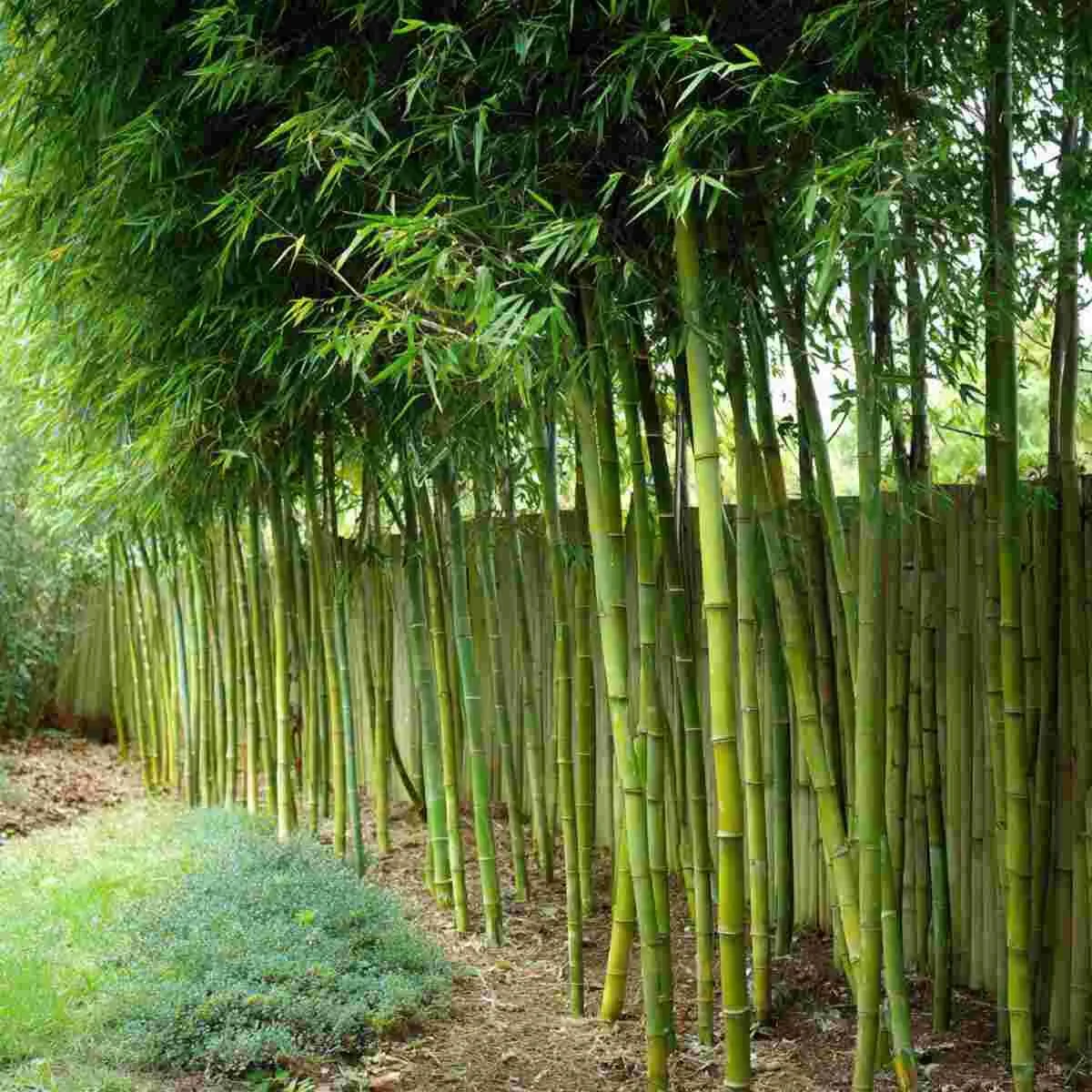
Bamboo creates an immediate sense of enclosure, which is why it is so often used where wind protection needs to happen fairly quickly. The tall canes and dense foliage help filter air while still letting some movement through, which makes the barrier more effective than a completely solid wall.
It suits contemporary and lush planting schemes especially well, but it needs thoughtful selection. Clumping bamboos are usually the safer choice in managed gardens, while more vigorous spreading types can become difficult to control.
When used well, bamboo brings both privacy and a strong visual backdrop.
3. Hedge Rows for Classic, All-Purpose Protection
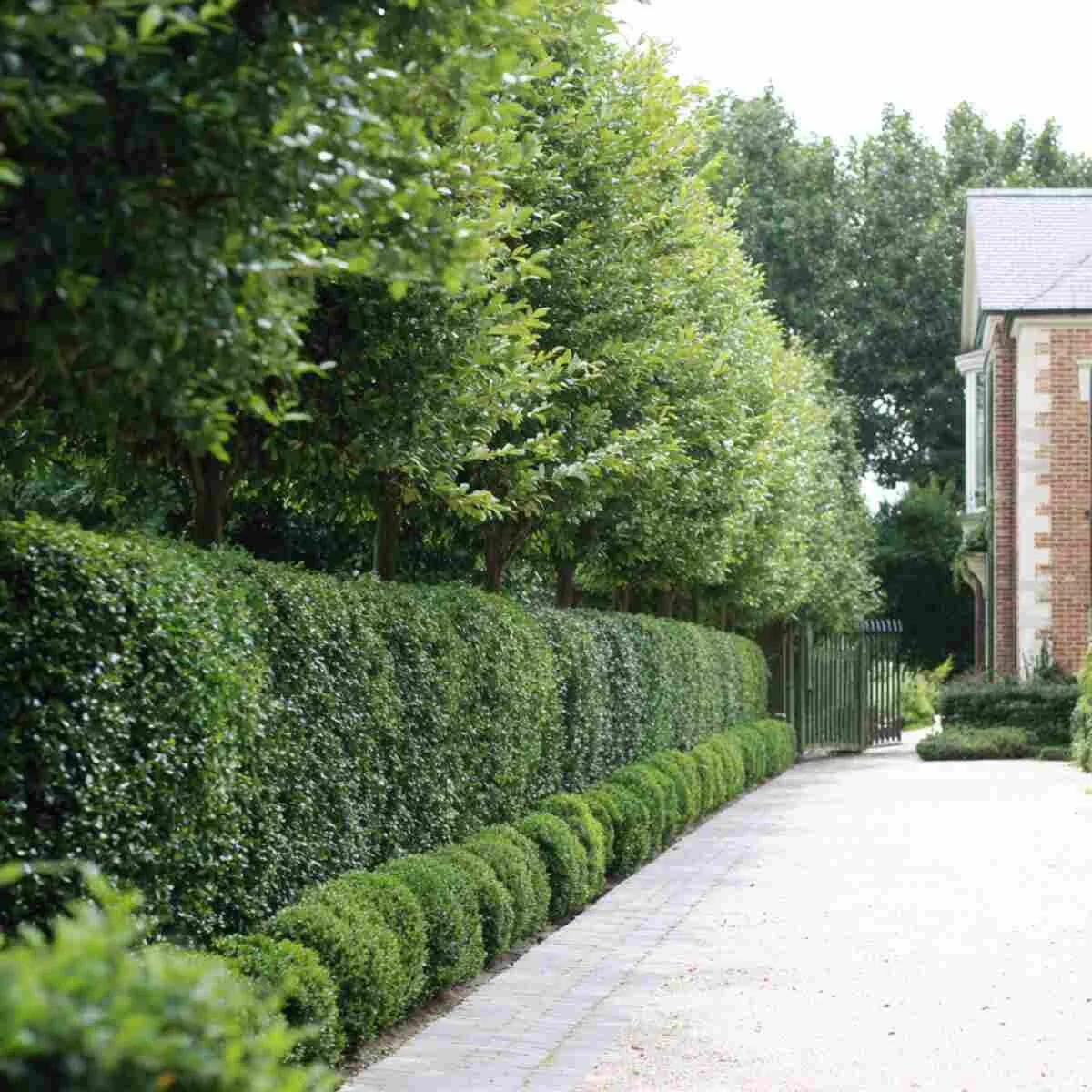
A hedge is one of the most traditional wind barriers for good reason. It is reliable, adaptable, and can be kept formal or loose depending on the style of garden. Plants such as boxwood and privet create dense greenery that helps calm the air and define the space at the same time.
Hedges work especially well where you need structure along a boundary, around a seating area, or to divide one part of the garden from another. They also help create a more settled backdrop for flowers and smaller shrubs planted nearby.
The key is density. A thin hedge will not do nearly as much as one allowed to fill out properly.
4. Conifer Trees for Year-Round Wind Protection
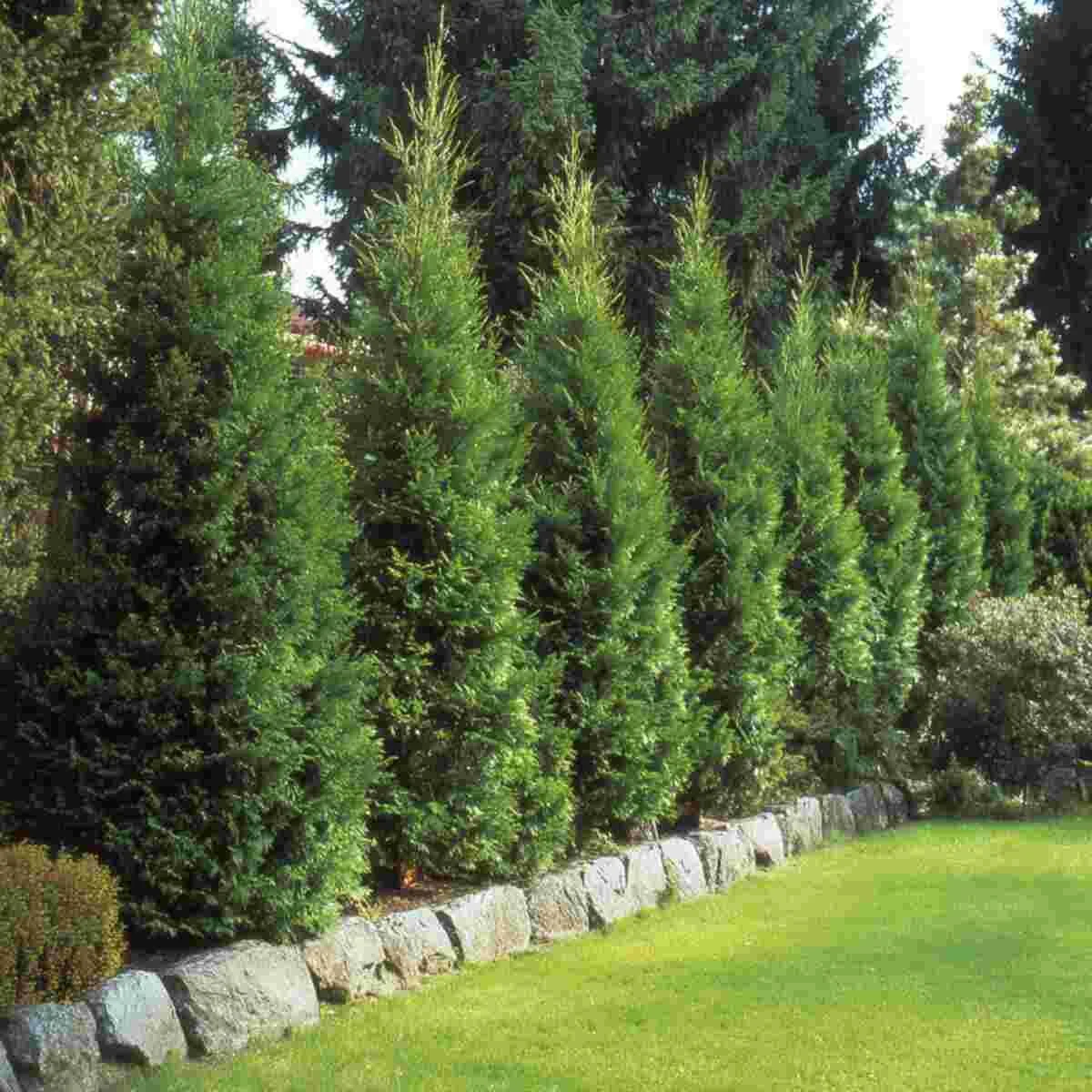
Conifers are among the strongest options when you need permanent, four-season shelter. Because they stay evergreen, they continue to protect the garden even in winter when deciduous barriers become bare.
Pine, spruce, and similar conifers are especially useful on exposed sites or larger properties where the wind arrives with real force. They also bring scale and maturity to a garden, which makes them practical and visually grounding.
This is a better long-term strategy than a quick fix. Give them room, choose species that suit your climate, and think ahead about mature size.
5. Mixed Native Shrubs for a Layered, Wildlife-Friendly Screen
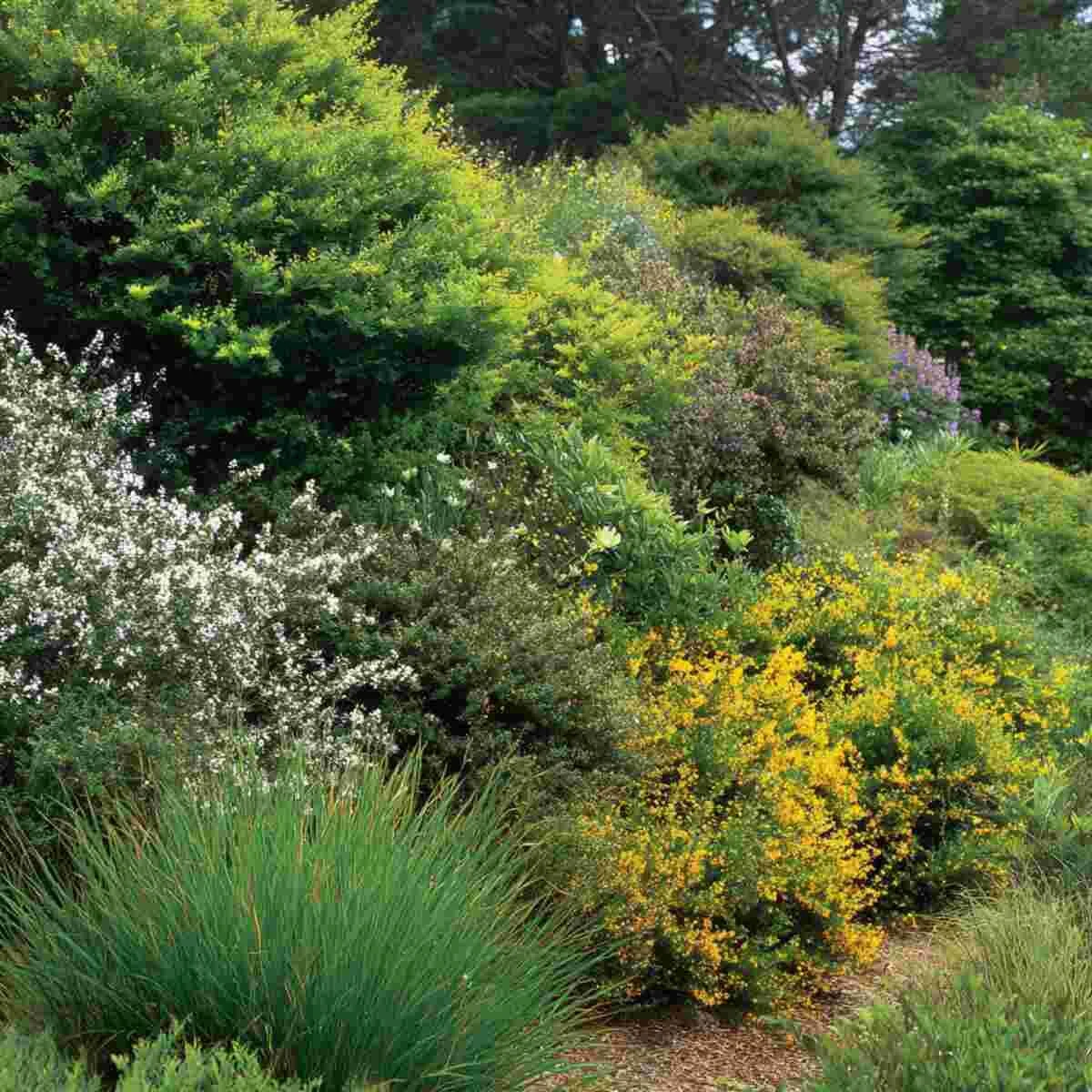
Mixed native shrubs often make a more resilient wind barrier than a single-species row. Because the planting includes different heights, branch structures, and leaf densities, it slows wind in a more natural, layered way.
This approach also supports wildlife and tends to be better adapted to local soil and weather conditions. That usually means less intervention once the planting is established.
It works particularly well for gardeners who want the barrier to feel informal, ecological, and integrated into the surrounding landscape rather than sharply clipped.
6. Willow Screens for a Living, Flexible Fence
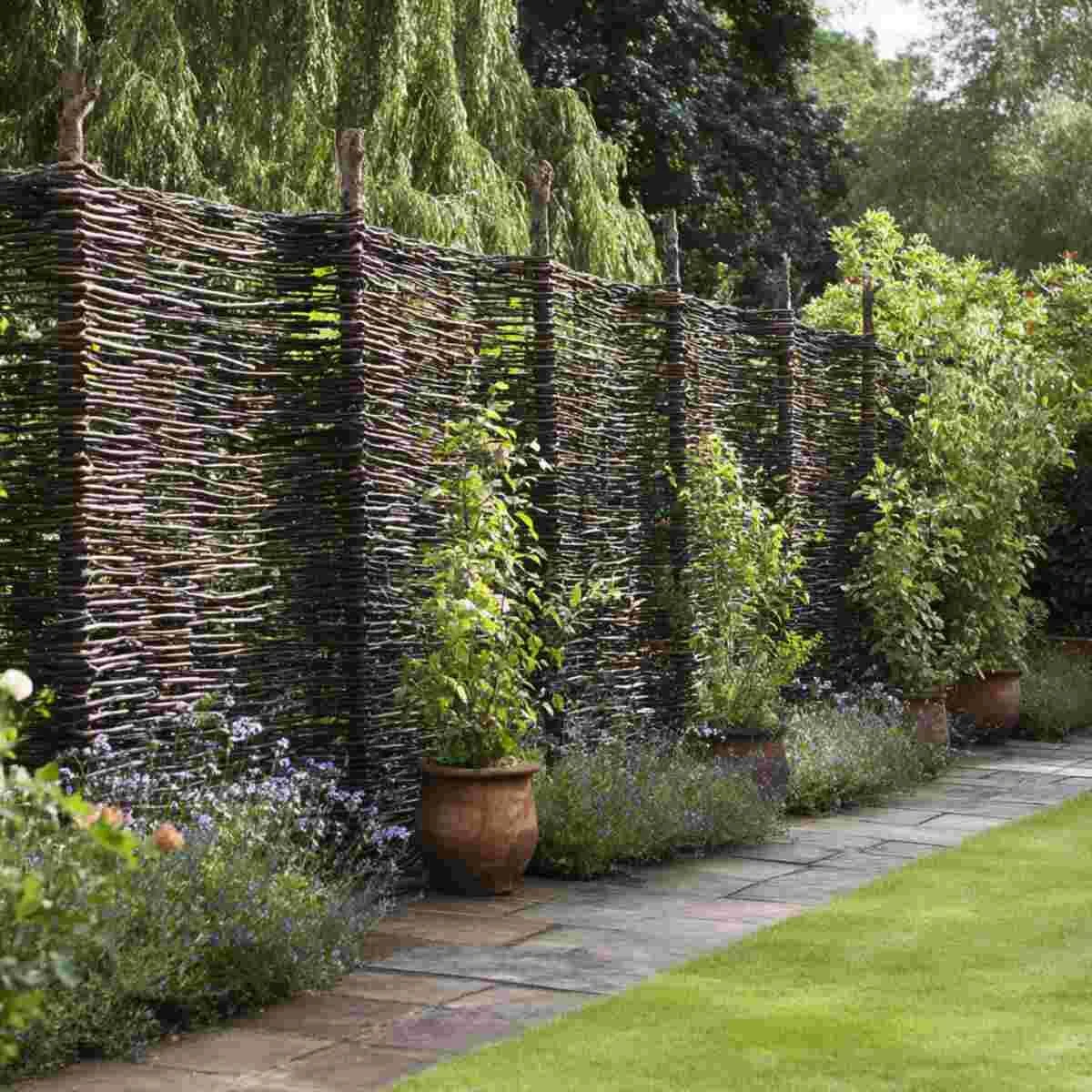
Willow screens are living structures made from woven willow rods that root and grow into place. They are especially effective in windy gardens because they flex rather than resist, which helps them cope with movement over time.
The woven form also creates a filtered barrier that reduces wind speed without producing the turbulence that a fully solid screen can cause. In the right setting, they feel softer and more garden-like than standard fencing.
They are particularly useful in naturalistic gardens, family gardens, and damp areas where willow thrives.
7. Leyland Cypress Rows for Fast, Tall Shelter
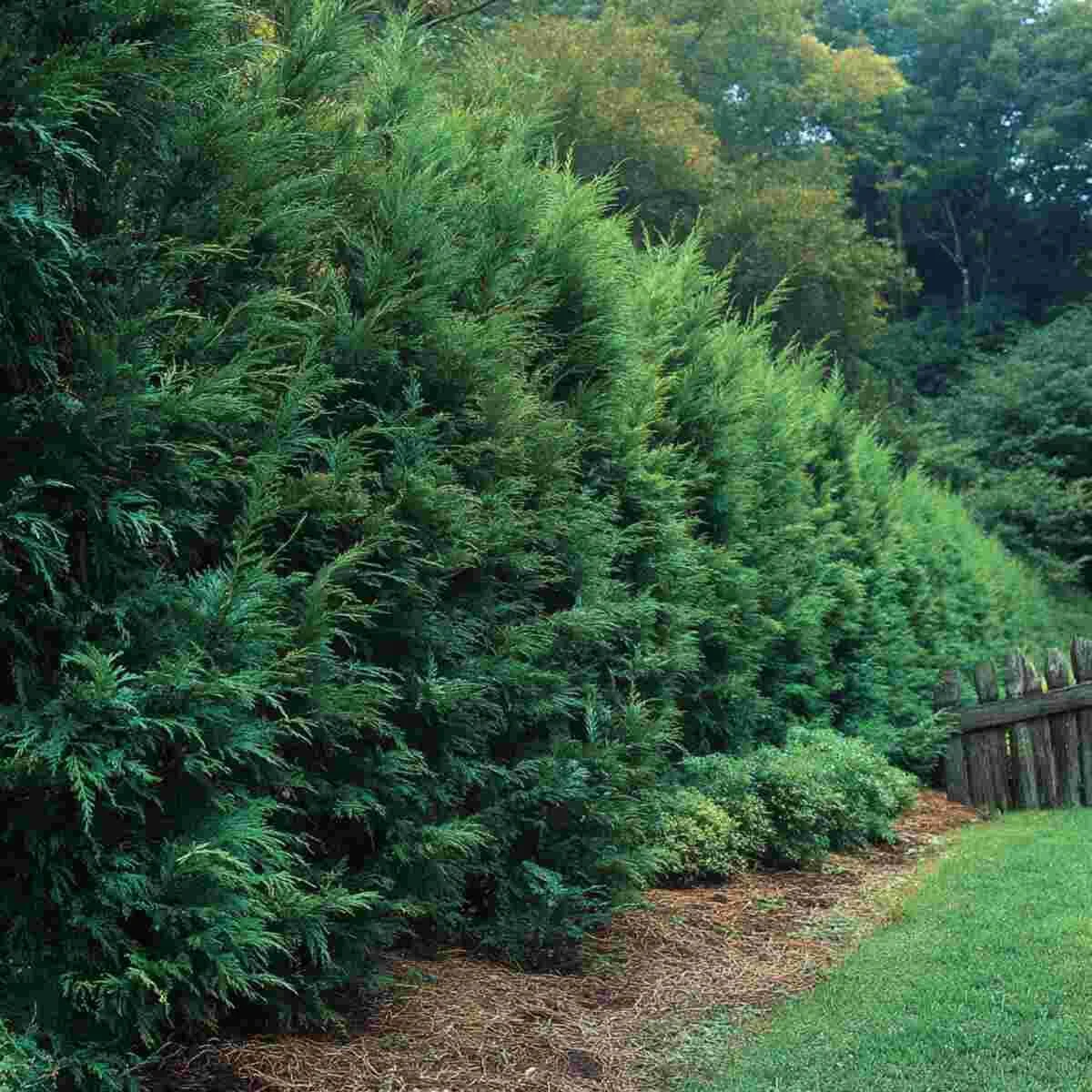
Leyland cypress is often chosen when gardeners need height and shelter quickly. Its fast growth and dense evergreen habit make it one of the more dramatic screening options for exposed boundaries.
It is effective, but it needs planning. A row of Leyland cypress can become too large if planted without enough space or a maintenance plan, so it works best where there is room for it to develop properly.
Where it suits the site, it offers strong year-round protection and can transform a windy edge into a far calmer part of the garden.
8. Arborvitae Walls for a Neat Evergreen Look
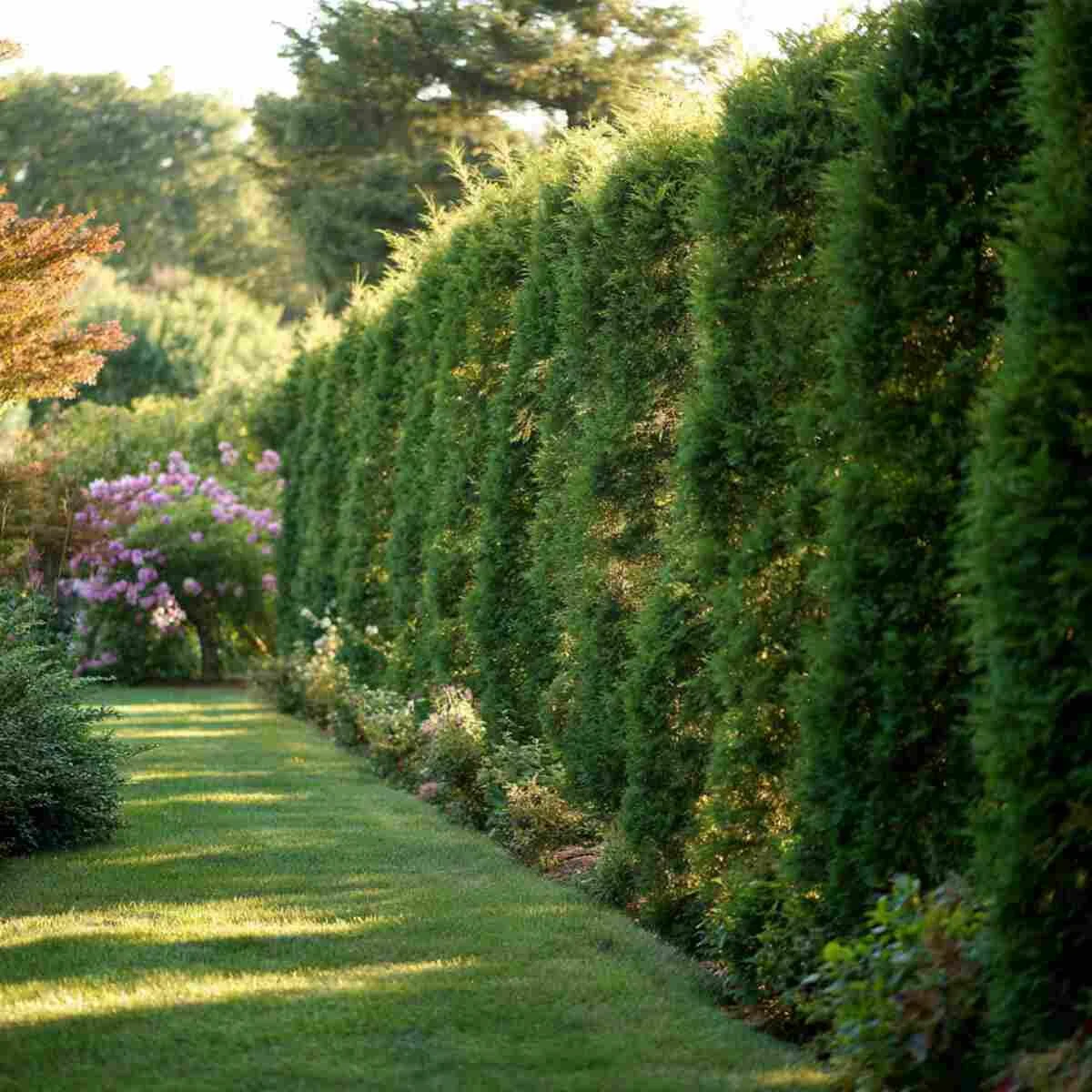
Arborvitae is a popular evergreen for creating a more polished living wall. Its upright habit makes it useful where space is narrower but a sense of privacy and shelter still matters.
Planted in a row, it creates a consistent vertical screen that suits formal gardens, front-yard boundaries, and more structured landscapes. The dense foliage helps cut wind while keeping the look tidy and composed.
It is one of the easier ways to get a classic evergreen screen without the heavier presence of larger conifers.
9. Rose Bushes for a Softer, Flowering Barrier
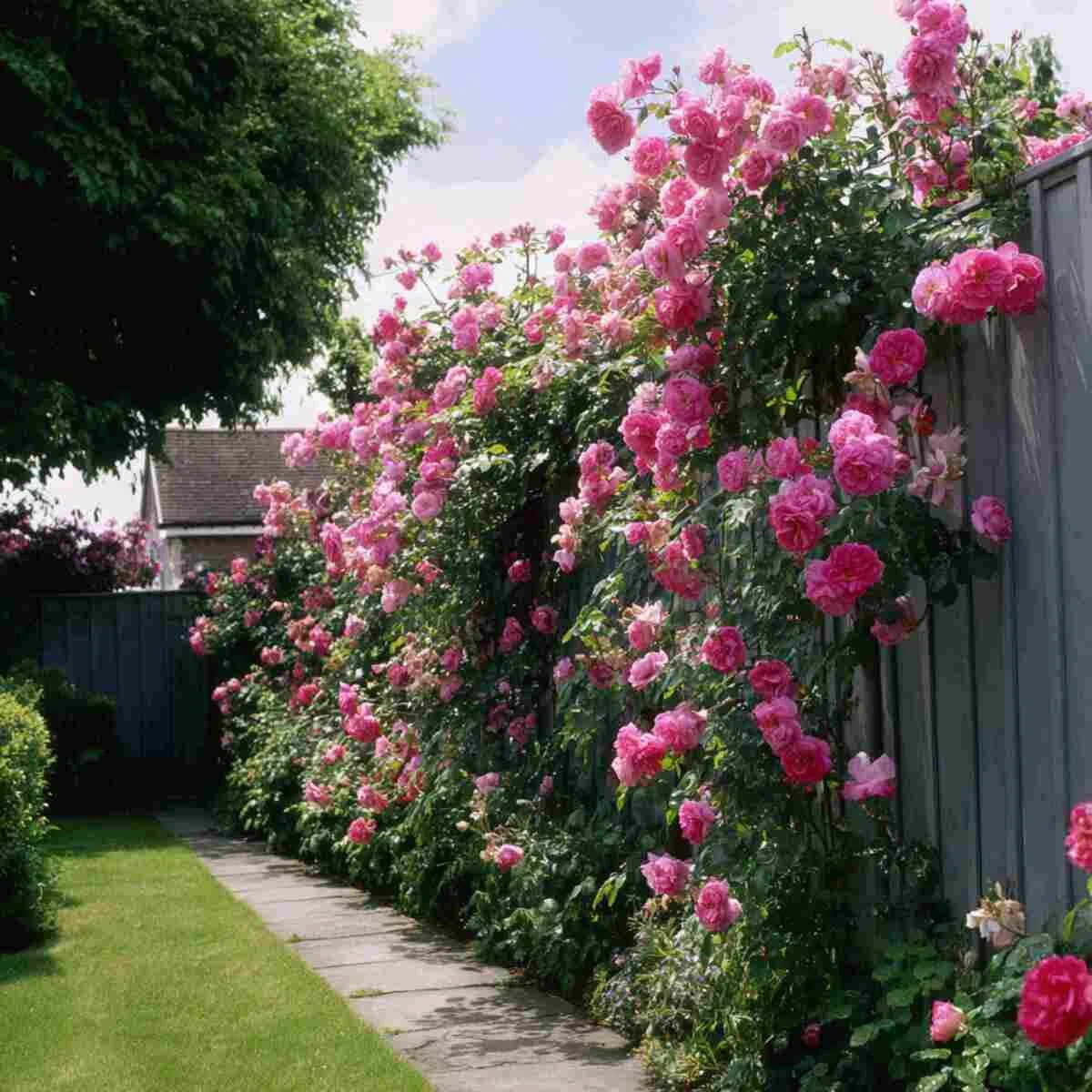
Roses are not the first plant most people think of for wind protection, but in dense rows they can help soften breezes while adding beauty and seasonal fragrance. They work best as a lighter barrier rather than the first line of defense on a highly exposed site.
The thorny stems also add a practical benefit along boundaries where you want a softer but still protective edge. In bloom, the effect is much more romantic than most utilitarian windbreaks.
This idea suits cottage-style gardens and mixed borders where a barrier should look decorative first and functional second.
10. Viburnum Hedges for Flowers, Berries, and Shelter
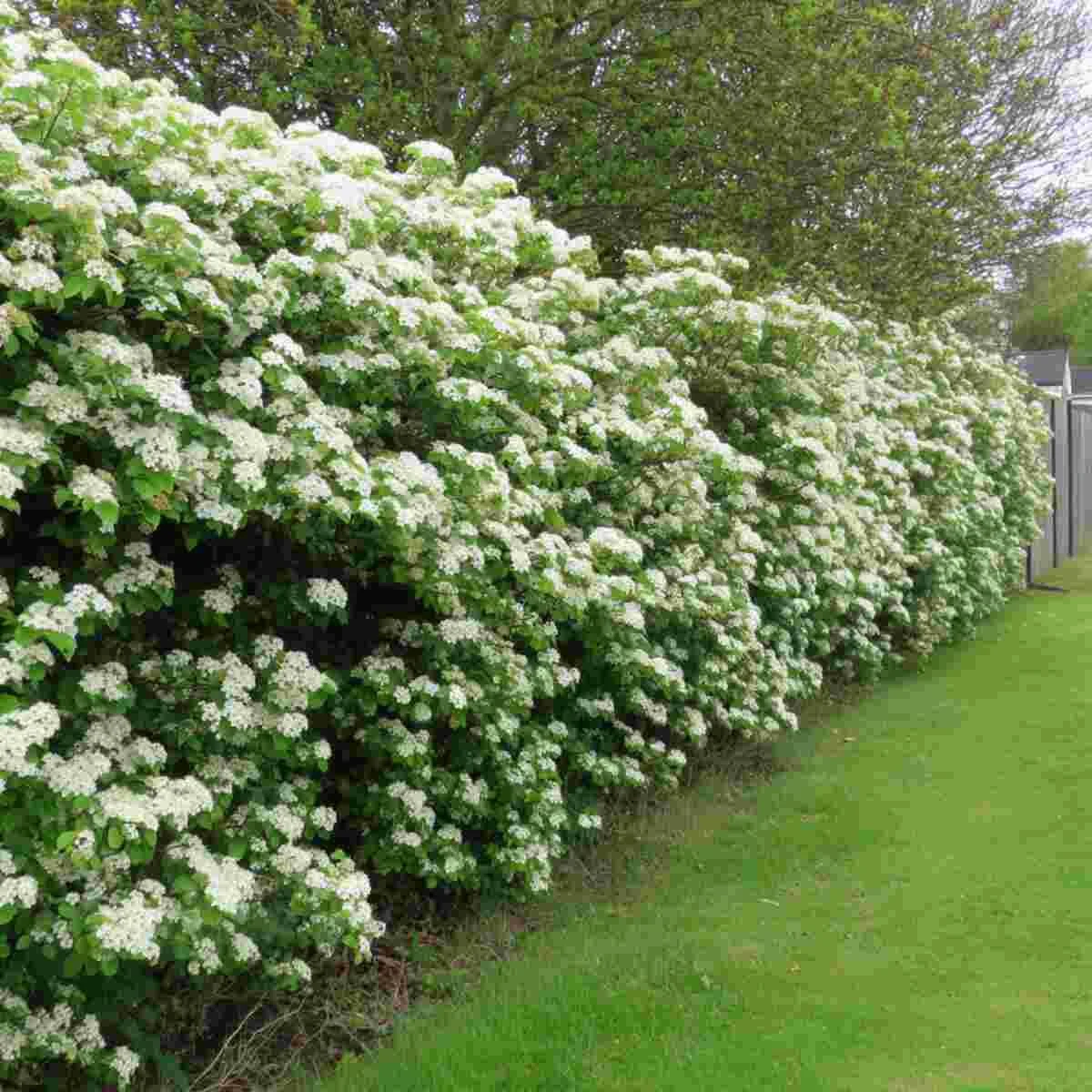
Viburnum is one of the most versatile shrubs for a natural wind barrier because it offers dense growth along with seasonal extras such as flowers, fragrance, or berries depending on the variety.
That makes it especially useful in gardens where every plant is expected to do more than one job. It can screen, soften wind, and contribute to the garden’s seasonal display all at once.
Use it where you want an informal hedge or a fuller mixed boundary that does not feel too strict or clipped.
11. Lavender Borders for Gentle Breeze Protection
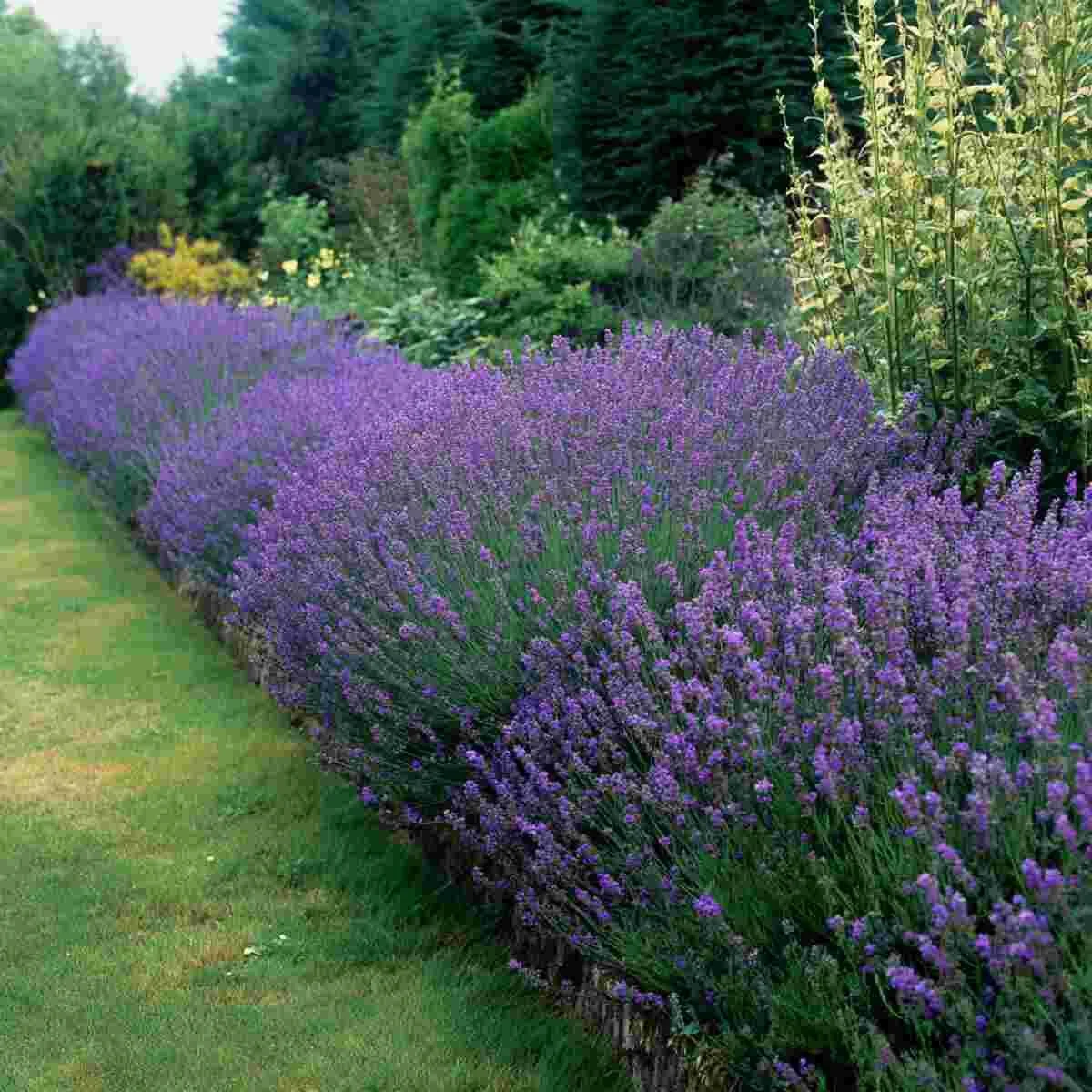
Lavender will not stop severe wind, but it is useful for taking the edge off lighter breezes around paths, patios, and smaller planting pockets. Its compact, shrubby growth can help protect lower plants while bringing scent, pollinators, and structure to the border.
It works particularly well in sunny, dry gardens where a low barrier is more appropriate than a full hedge. The silvery foliage also reflects light beautifully, which keeps the planting from feeling too heavy.
This is a good choice when you want something practical but still distinctly ornamental.
12. Eucalyptus for Height, Scent, and Quick Cover
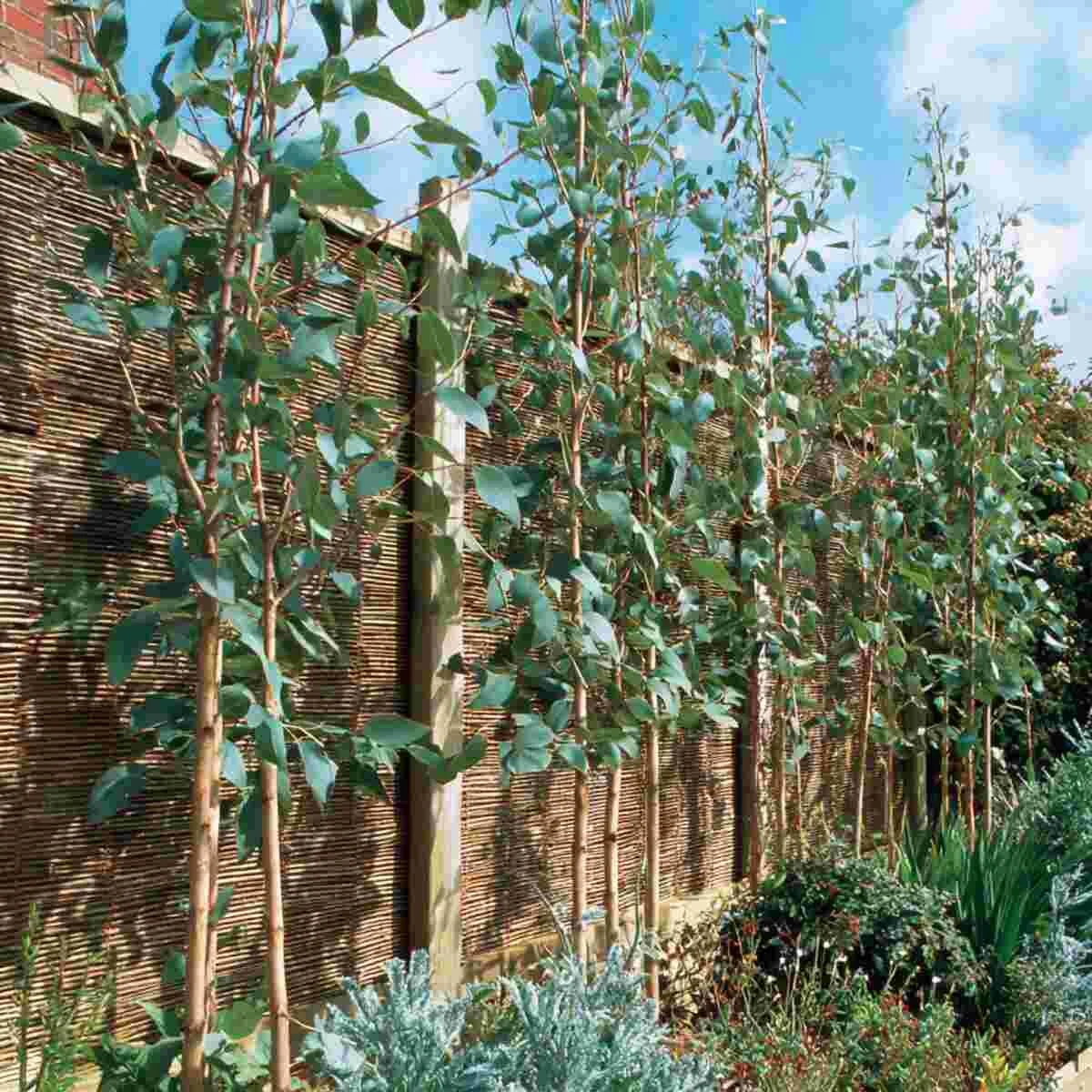
Eucalyptus can make an impressive natural windbreak in warmer regions where it grows well. It brings height quickly, has attractive foliage, and adds a distinct scent that changes the feel of the garden as much as the look of it.
It is best used thoughtfully, since many eucalyptus varieties become large and need room. In the right climate, though, it can be a striking way to create upper-level shelter around larger gardens or rural properties.
Regular pruning may be needed to keep it in scale, especially in smaller spaces.
13. Holly Bushes for Dense, Defensive Evergreen Cover
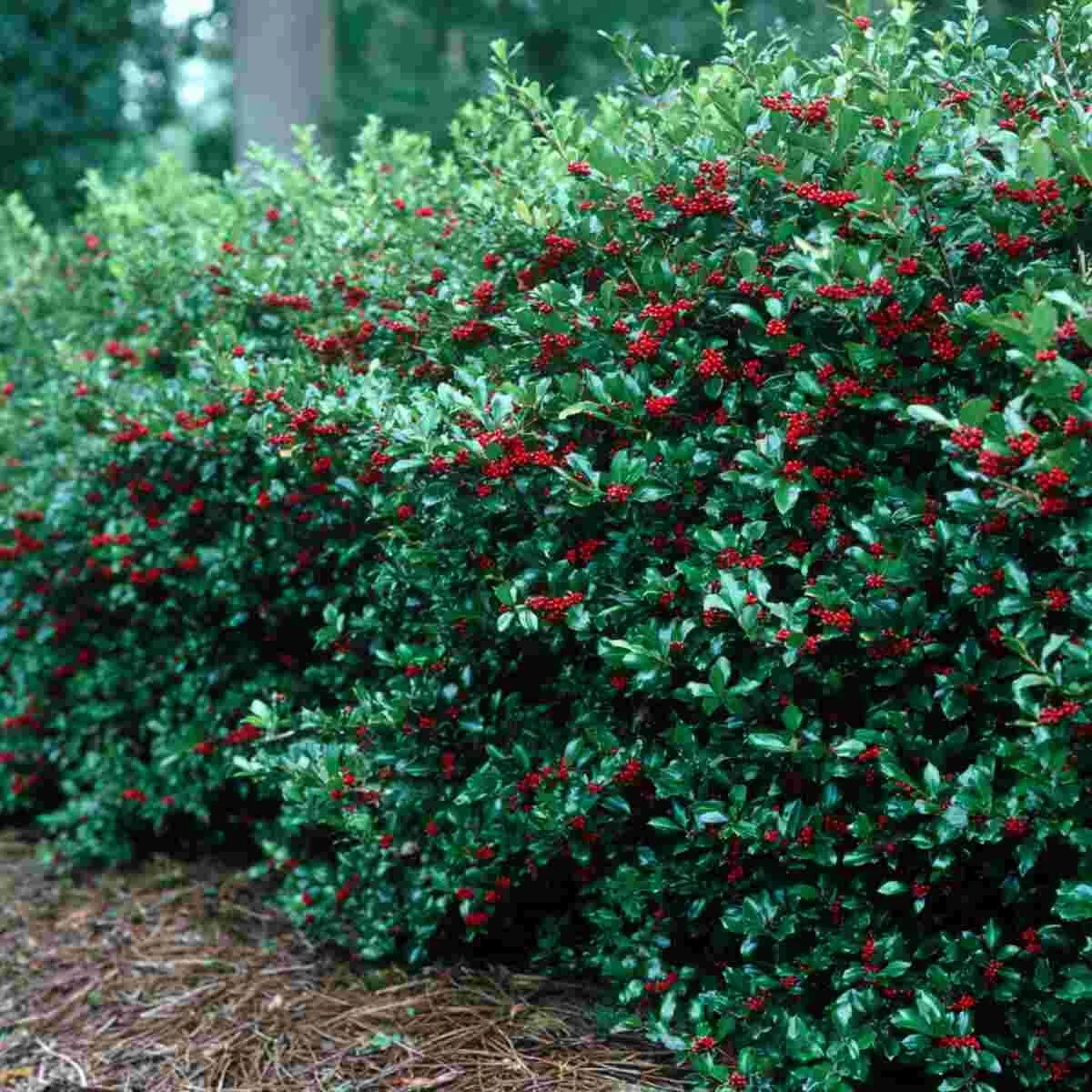
Holly brings year-round density, glossy foliage, and seasonal berries, which makes it a strong choice where the barrier needs to keep working through winter. The thorny leaves also make it useful for more defensive planting along boundaries.
It suits traditional gardens particularly well, but the dense evergreen form works in modern schemes too when used in a simple, repeated way. Holly can also handle a range of conditions once established.
Because it is visually substantial, it often works best balanced with softer planting nearby.
14. Hydrangea Rows for Summer Shelter and Volume
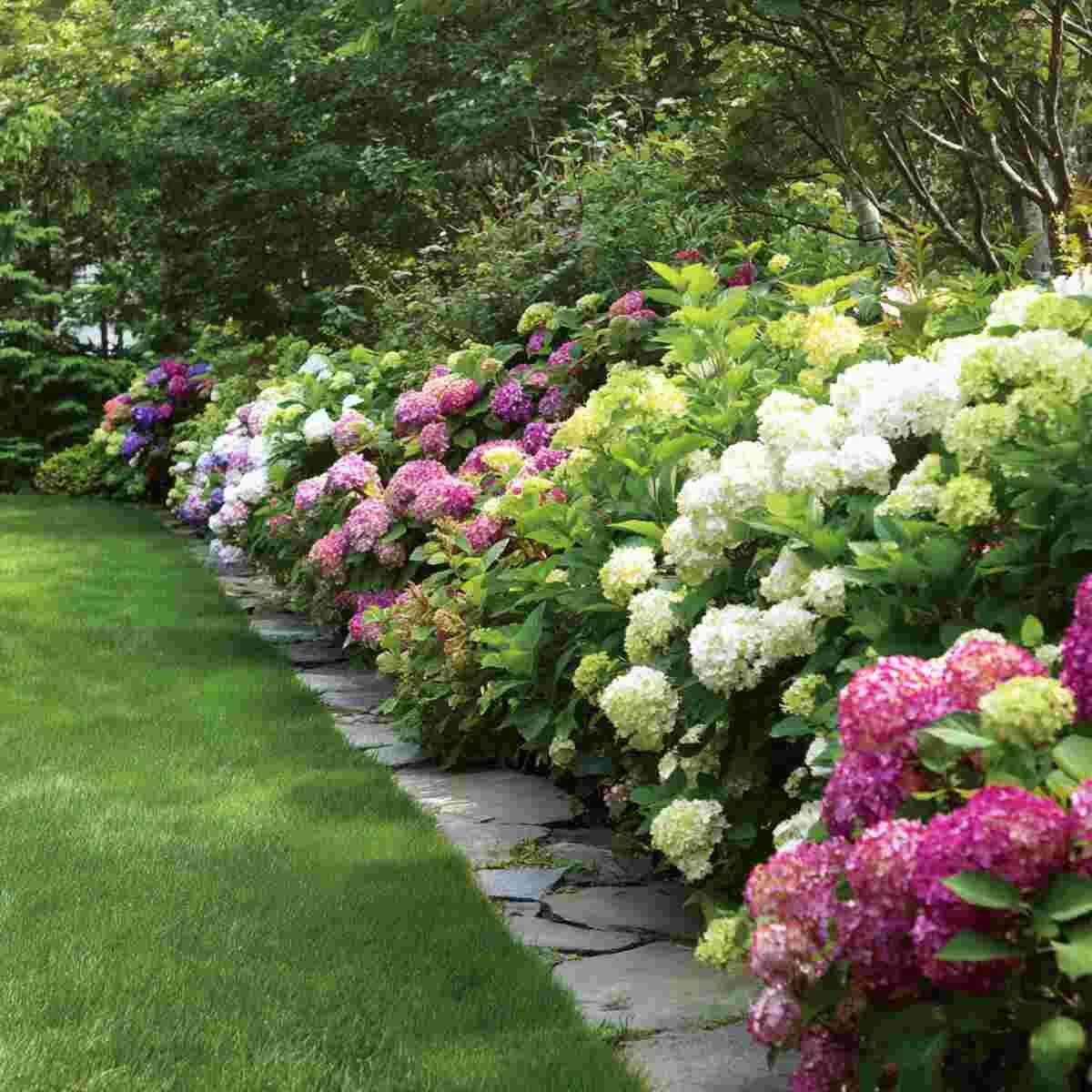
Hydrangeas are not a full year windbreak, but during the growing season they create a surprisingly effective leafy barrier. Their broad foliage and generous flowering habit add bulk to borders that need summer shelter and visual softness.
This makes them especially useful near seating areas, around patios, or in mixed borders where you want a seasonal screen rather than a permanent evergreen wall. Even after flowering, the woody framework still contributes some structure.
They are best used in more sheltered or partially sheltered gardens where the barrier role is supportive rather than extreme.
15. Juniper Plantings for Tough, Drought-Tolerant Screening
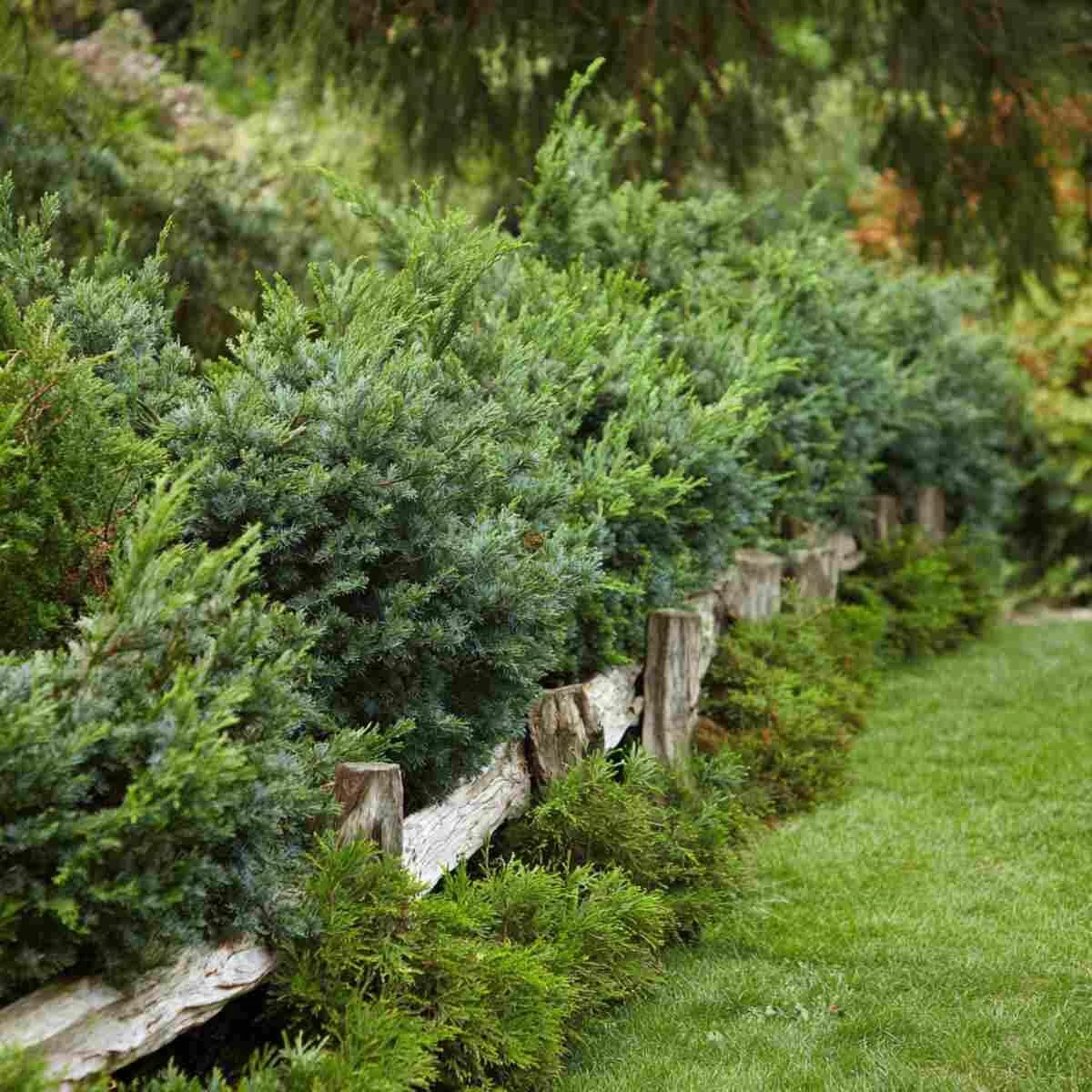
Junipers are useful when the site is windy, dry, and difficult all at once. Their evergreen foliage, toughness, and low water needs make them one of the more practical options for exposed gardens that do not suit softer, thirstier plants.
Because they come in different forms, from low spreading types to taller upright shrubs, they can be used as part of a layered barrier rather than just a single hedge line.
This is a smart option for slopes, gravel gardens, and places where other screening plants quickly struggle.
16. Yew Hedges for a Refined, Long-Lasting Barrier

Yew is a classic hedge plant for a reason. It is dense, long-lived, shade-tolerant, and highly responsive to pruning, which makes it one of the most reliable natural wind barriers for a formal or semi-formal garden.
Its deep green needles give strong year-round presence, and it can be shaped into crisp lines without losing that softer feel that only planting can provide.
Yew is especially valuable where the boundary needs to look elegant as well as practical.
17. Hawthorn Hedgerows for a Traditional Countryside Feel
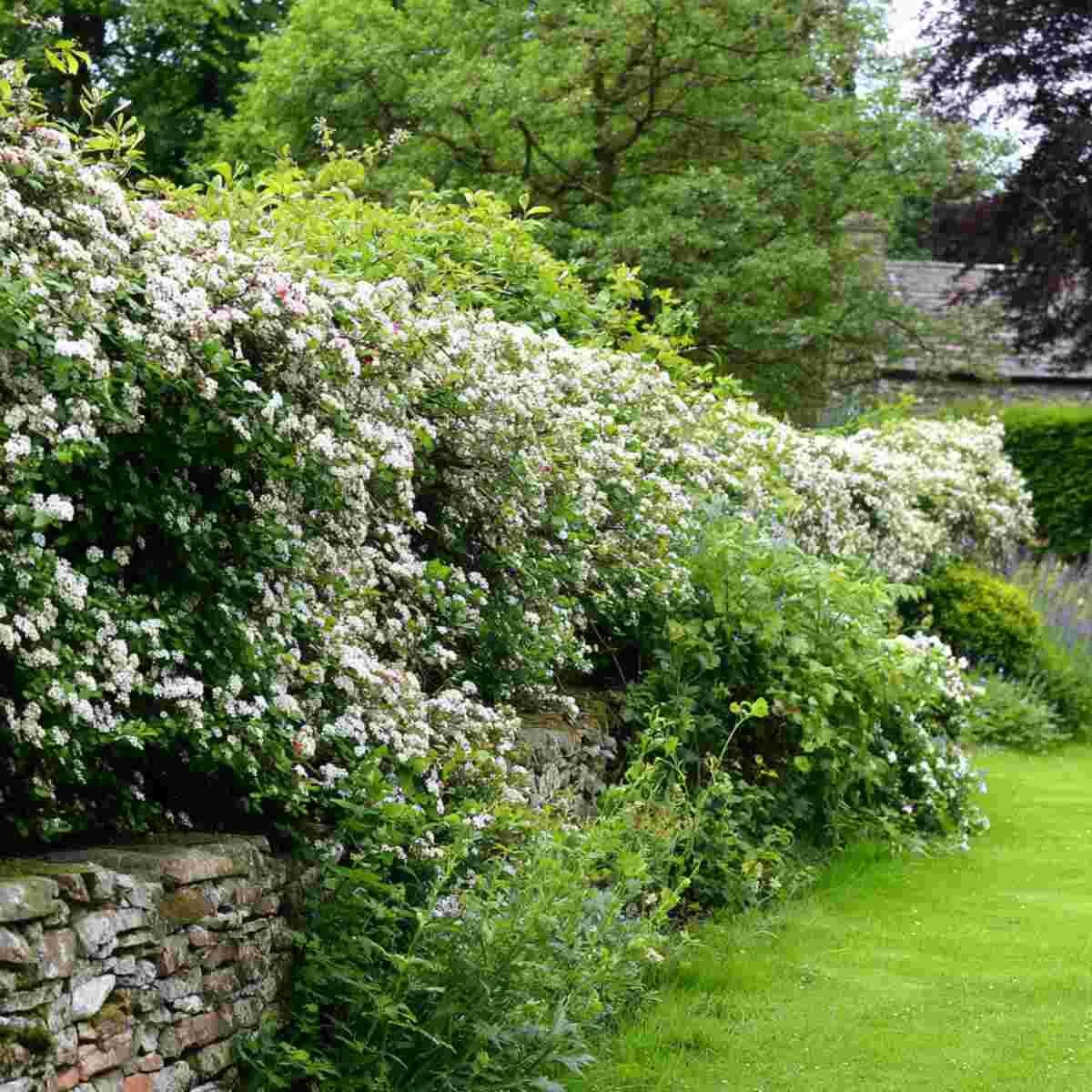
Hawthorn makes an excellent natural wind barrier in larger or more rural gardens because it combines density, wildlife value, and a beautifully traditional look. The branching habit creates a solid buffer, while spring blossom and later berries add seasonal interest.
It also supports birds and pollinators, which makes it more than just a functional boundary. In a mixed hedgerow, it works especially well alongside native shrubs and small trees.
This is a strong choice when you want a barrier that feels rooted in the landscape rather than inserted into it.
18. Lilac Borders for Fragrance and Seasonal Shelter
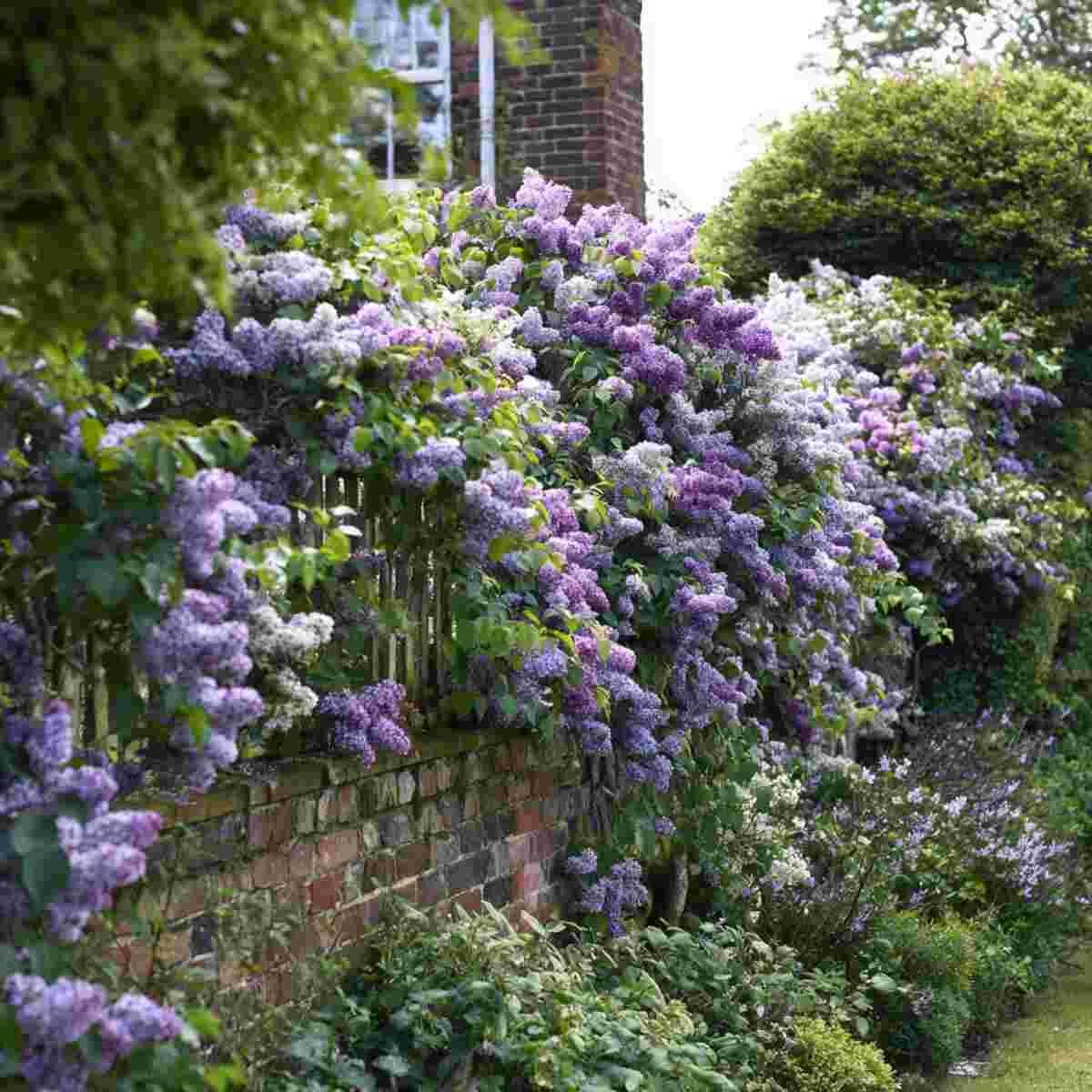
Lilacs bring a more romantic approach to wind protection. In leaf, they create a decent seasonal screen, and when in flower they add scent and softness that make sheltered parts of the garden feel even more inviting.
They are best treated as part of a mixed natural barrier rather than relied on as the only defense in an extremely exposed position. Used near paths, patios, or garden seating, they offer both beauty and a gentle buffering effect.
For gardeners who want the barrier planting to feel lush and generous rather than purely practical, lilac is an easy plant to love.
How to Choose the Right Natural Wind Barrier
The best wind barrier depends on more than just height. Density, climate, maintenance, and how much space you have all matter.
- For quick screening: Bamboo, Leyland cypress, and arborvitae are often faster options
- For wildlife value: Mixed native shrubs, hawthorn, viburnum, and holly are especially useful
- For dry, exposed gardens: Juniper, lavender, and ornamental grasses are often easier to manage
- For formal gardens: Yew, boxwood, privet, and arborvitae create cleaner lines
- For a softer, decorative look: Roses, hydrangeas, and lilacs bring a more ornamental effect
Frequently Asked Questions
What is the most effective natural wind barrier for a garden?
A dense, layered planting is usually the most effective. Hedges, mixed shrub belts, and evergreen tree rows tend to work better than a single row of loosely planted shrubs because they slow wind more consistently.
Is a living wind barrier better than a fence?
Often, yes. Living barriers filter wind rather than stopping it abruptly, which helps reduce turbulence. They also add beauty, habitat, and privacy in a way that hard fencing alone cannot.
Which plants work best for year-round wind protection?
Evergreen plants such as conifers, holly, yew, juniper, arborvitae, and some types of bamboo are among the best options for year-round cover because they retain their foliage through winter.
Can flowering shrubs still work as wind barriers?
Yes, especially when planted densely or used as part of a mixed barrier. Viburnum, hydrangea, roses, and lilacs can all help soften wind while also adding seasonal interest.
How far from the garden should a wind barrier be planted?
That depends on the mature size of the plants and the area you want to protect. In general, barriers work best when they have enough space to grow properly and when they are positioned to shield the most exposed side of the garden.
Final Thoughts
A natural wind barrier does more than protect plants. It changes how a garden feels. It can make a seating area calmer, a border more successful, and the whole landscape more settled and inviting. Whether you choose evergreen hedges, flowering shrubs, grasses, or a layered native planting, the best solution is one that suits both your climate and the style of your garden.
Written by the Zeeshe Home Editorial Team, a blog focused on practical home, garden, and outdoor inspiration.


