Perennial vegetable beds are one of the smartest ways to create a garden that keeps producing year after year. Unlike annual vegetables that need to be replanted every season, perennial vegetables return from established roots, crowns, bulbs, or tubers. That means less yearly digging, less repeated planting, and more long-term structure in your food garden.
If you have ever spent a whole weekend preparing beds, planting seedlings, and starting over again each spring, perennial vegetables can feel like a welcome change. They ask for patience at the beginning, but once they settle in, many become dependable parts of the garden. Asparagus, rhubarb, sorrel, chives, walking onions, artichokes, and perennial greens can all help create a productive space that feels more stable and natural over time.

A perennial vegetable bed is also useful if you want a garden that looks beautiful as well as practical. Many perennial vegetables have strong shapes, interesting leaves, flowers, or tall seasonal growth. They can be arranged in corners, borders, raised beds, cottage-style plantings, or mixed edible landscapes.
If you are building a more permanent garden layout, you may also find these low-maintenance perennial garden ideas helpful for planning plants that return year after year.
My Experience with Perennial Vegetable Beds
One thing that stands out with perennial vegetables is how different they feel from a regular annual vegetable patch. Annual beds often feel busy and temporary, while perennial beds feel more settled. Once plants become established, the garden starts to develop its own rhythm.
The most successful perennial beds usually begin with thoughtful placement. Some plants, like asparagus and rhubarb, need permanent space and should not be moved often. Others, like walking onions and sunchokes, can spread if they are not contained. Planning these habits early saves a lot of work later.
I have also found that perennial vegetables work best when mixed with mulch, compost, and companion plants. Since the beds remain in place, soil care becomes more important than constant replanting. A yearly layer of compost can make a big difference in plant strength, harvest quality, and weed control.
How to Plan a Perennial Vegetable Bed
Before planting, think about how each perennial vegetable grows over time. Some form clumps, some spread underground, and some become large architectural plants. A good perennial vegetable bed gives each plant enough room to mature without crowding the others.
- Choose a permanent location: Many perennial vegetables dislike being moved once established.
- Improve the soil first: Add compost, leaf mold, or well-rotted organic matter before planting.
- Plan by plant height: Keep taller plants toward the back or center of the bed.
- Contain spreaders: Use edging or dedicated beds for plants like sunchokes and horseradish.
- Mulch yearly: Mulch helps reduce weeds and protects roots from temperature swings.
- Harvest patiently: Some crops, especially asparagus, need time before full harvesting begins.
1. The Faithful Asparagus Patch
Asparagus is one of the best-known perennial vegetables, and for good reason. Once an asparagus patch becomes established, it can produce tender spring spears for many years with relatively little yearly work. It is the kind of crop that rewards patience more than constant attention.
The most important step is choosing the right location. Asparagus prefers full sun, well-drained soil, and a bed where it can remain undisturbed. Since the crowns develop deep roots over time, the soil should be improved before planting with compost or aged manure.
It is usually best to avoid heavy harvesting for the first couple of years. Letting the spears grow into tall, ferny foliage helps the plant send energy back into the roots. This early patience leads to stronger plants and better harvests later.
An asparagus bed works especially well at the edge of a vegetable garden or in a dedicated raised bed where it will not interfere with annual crops. Add mulch around the plants to reduce weeds and protect the crowns during seasonal changes.
2. The Bold Rhubarb Corner
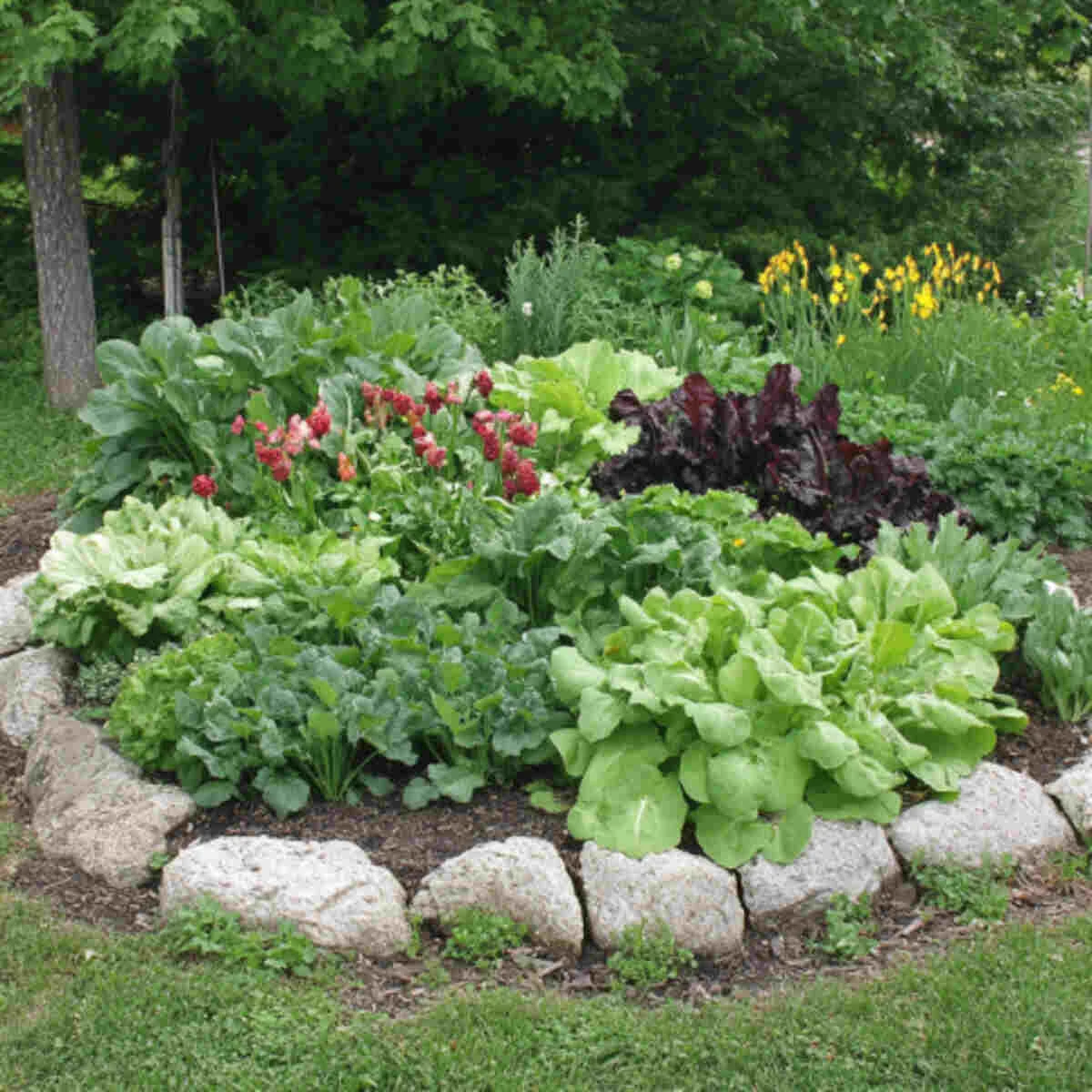
Rhubarb is a strong, reliable perennial vegetable that brings structure and personality to the garden. Its large leaves and colorful stalks make it look ornamental, but it is also useful in the kitchen for pies, preserves, sauces, and seasonal desserts.
A corner bed is a smart place for rhubarb because the plant becomes large over time and does not need to be moved often. It can fill an awkward garden corner while still providing harvests every spring and early summer.
Rhubarb prefers rich soil with consistent moisture, but it does not like sitting in soggy ground. Add compost around the crown yearly and mulch the soil to keep moisture levels steady. This helps the stalks grow stronger and reduces weed competition.
One important note is that only the stalks are eaten. Rhubarb leaves should not be consumed. For garden design, however, those large leaves are part of the appeal because they add bold texture and make the bed look full even when other plants are smaller.
3. Perennial Kale and Chard Mix
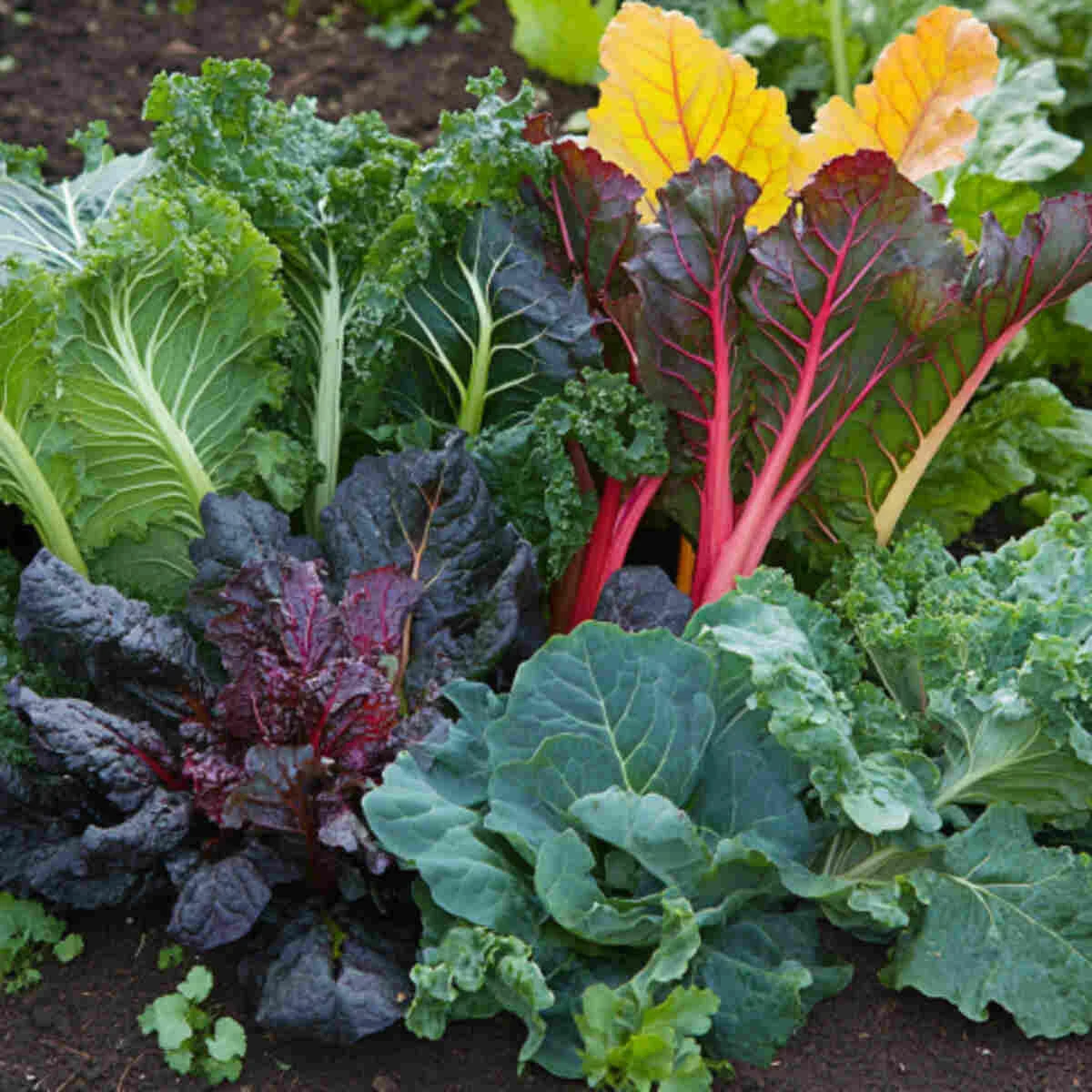
A perennial kale and chard mix is a practical choice if you want leafy greens without starting from seed every season. While many gardeners grow kale and chard as annuals, some perennial or long-lived varieties can provide repeated harvests when conditions are right.
This bed can also look beautiful. Kale brings sturdy leaves and structure, while chard adds colorful stems in shades of red, yellow, orange, or white. Together, they create an edible bed that feels both productive and decorative.
For best results, place these greens in soil that stays fertile and evenly moist. Leafy vegetables respond well to compost and regular harvesting. Picking outer leaves encourages continued growth and keeps the plants looking tidy.
This type of bed works well near the kitchen because leafy greens are most useful when easy to harvest. You can cut a handful for soups, stir-fries, omelets, salads, or side dishes without disturbing the whole plant.
4. Architectural Artichoke and Cardoon Bed
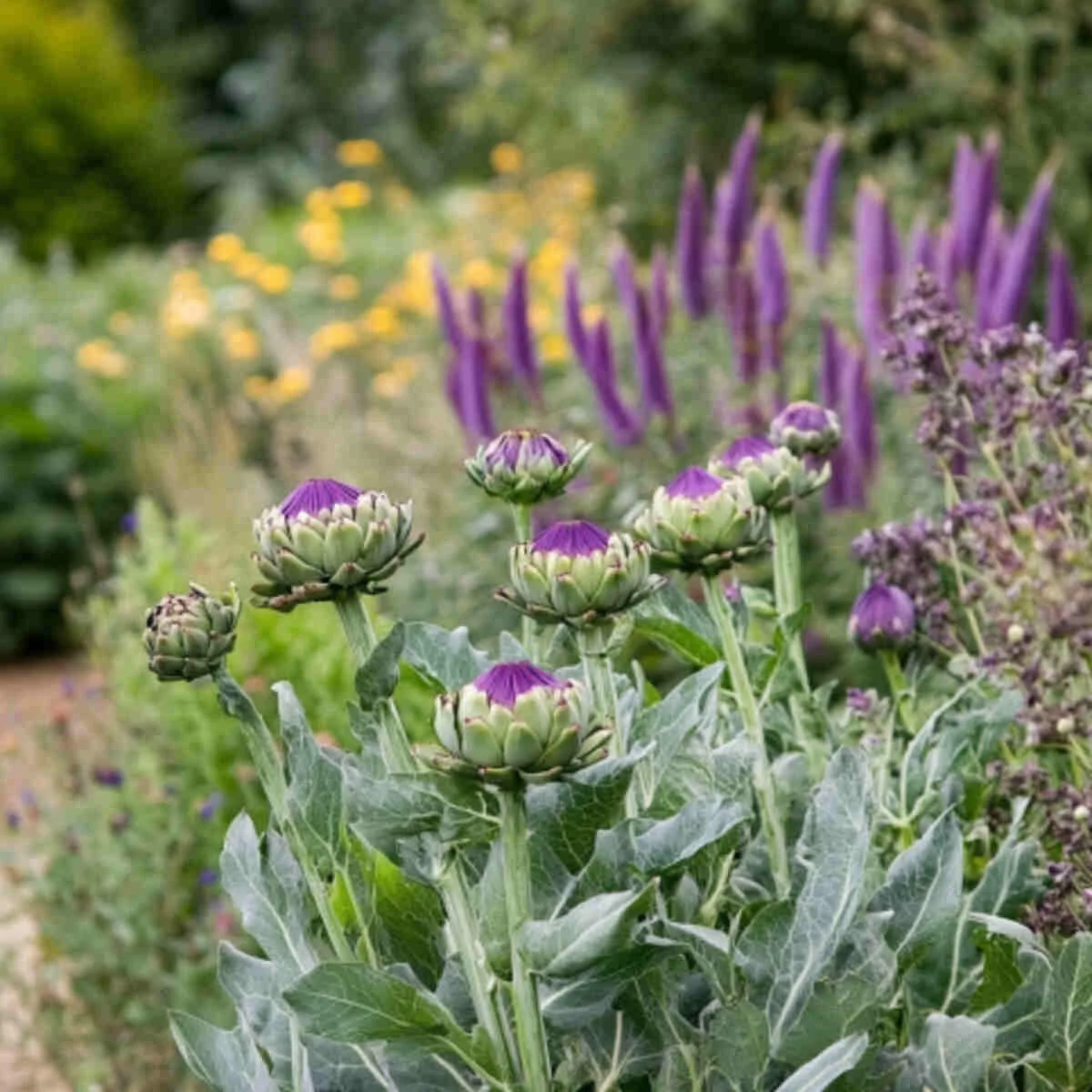
Artichokes and cardoons are ideal if you want a perennial vegetable bed that feels dramatic and ornamental. Their large silver-green leaves create a sculptural look, making them useful in edible gardens that are also meant to be visually attractive.
Artichokes are grown for their edible flower buds, while cardoons are valued for their edible stems. Both plants need room, sunlight, and fertile soil. They are not small background plants, so give them space where their size can become a feature rather than a problem.
This bed works especially well in Mediterranean-inspired gardens, sunny borders, or large raised beds. Their bold shape pairs beautifully with herbs such as rosemary, sage, thyme, or oregano. The mix creates a garden that feels both productive and designed.
Because these plants are heavy feeders, adding compost or well-rotted manure around the base each year helps support healthy growth. In colder climates, they may need winter protection or heavy mulching to survive harsh weather.
For more warm-climate planting inspiration, explore these Mediterranean garden ideas.
5. Tangy Sorrel and Chive Companion Bed
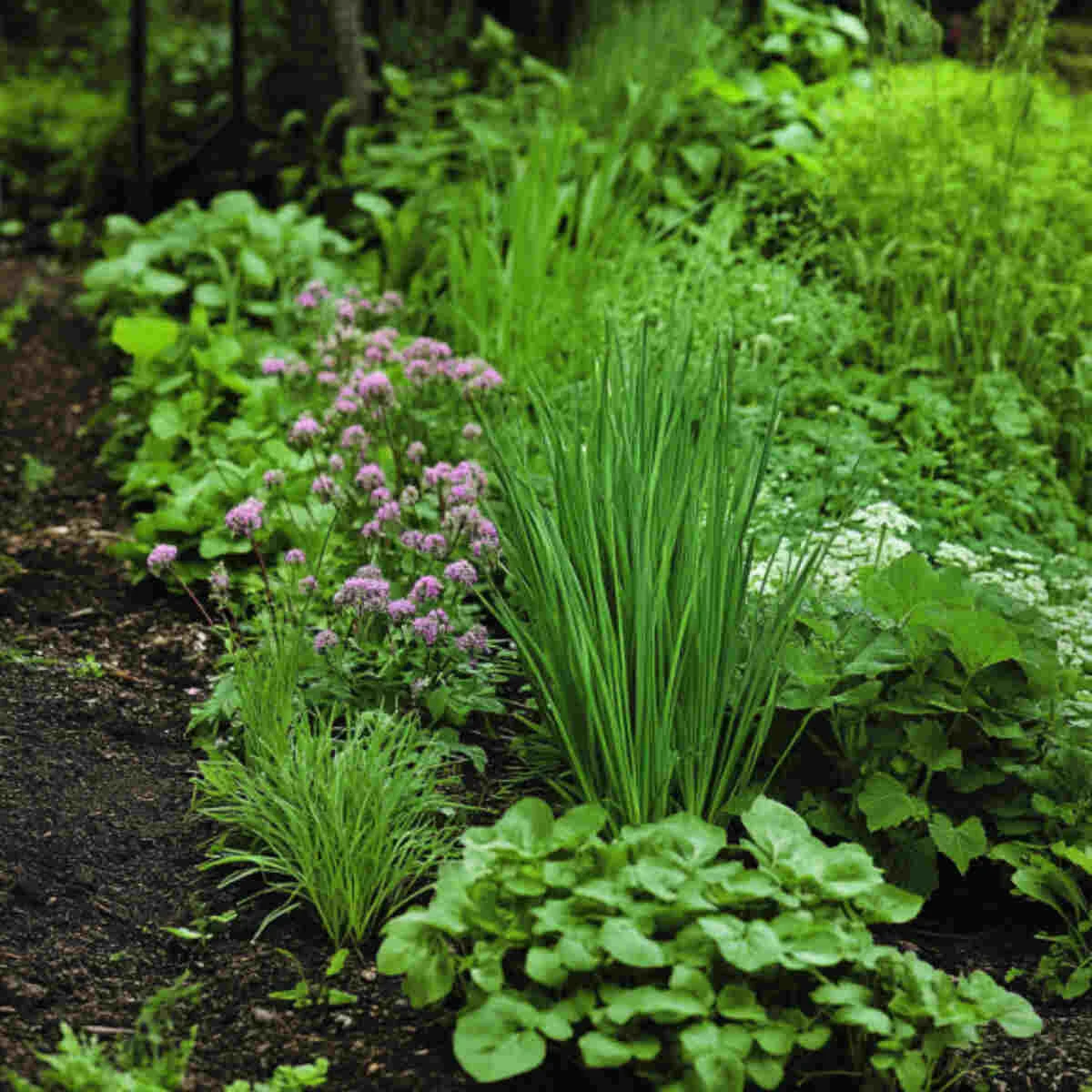
Sorrel and chives are excellent companions for a small perennial vegetable bed. Both return reliably, both are easy to harvest, and both bring strong flavor to the kitchen. This makes them especially useful near a back door, patio, or kitchen garden path.
Sorrel has a sharp, lemony taste that works well in salads, soups, sauces, and egg dishes. It is often one of the first greens to appear in spring, which makes it valuable when the rest of the garden is still waking up.
Chives add mild onion flavor and attractive purple flowers. Their flowers also support pollinators, making the bed more useful for the garden ecosystem. When planted together, sorrel provides broad leafy growth while chives add upright texture and seasonal blooms.
This combination does not need a large space. A small raised bed, border edge, or corner near the kitchen can provide plenty of fresh flavor throughout the growing season. Regular cutting keeps the plants productive and neat.
6. The Curious Walking Onion and Garlic Bed
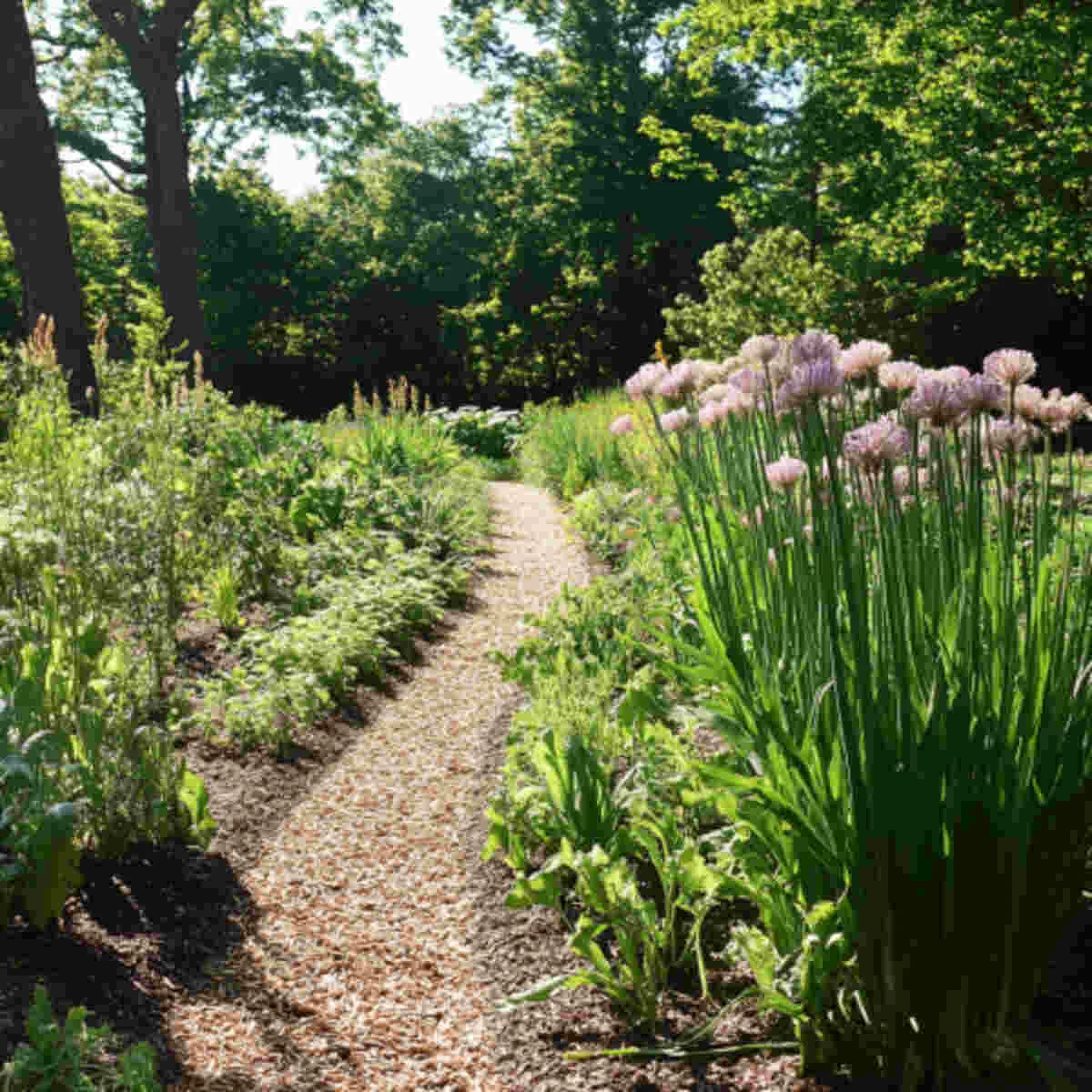
Walking onions are one of the most interesting perennial vegetables you can grow. Instead of producing seeds like many annual crops, they form small bulbs at the top of their stalks. As the stalks bend over, those bulbils touch the soil and begin growing new plants, which is why they are often called walking onions.
Pairing them with perennial garlic or garlic chives creates a useful allium bed that can supply onion and garlic flavor year after year. This is a good choice for gardeners who cook often and want fresh flavor without replanting onions every season.
This bed works best in a sunny spot with well-drained soil. Because walking onions can slowly spread, give them a dedicated space or harvest extra bulbils regularly to keep them controlled. Their unusual growth habit also makes them fun to watch and adds character to the garden.
Use the green tops like scallions, harvest bulbils for cooking, or let some continue growing to maintain the patch. Over time, this becomes a low-effort, high-flavor corner of the perennial vegetable garden.