
Have you ever wondered how to grow plenty of vegetables even when your garden space is limited? A small growing area can still produce a generous harvest when every row is planned carefully and used well.
These compact vegetable row planting ideas are designed to help you make the most of small gardens, raised beds, patios, and balcony spaces. With smart layouts, simple structure, and a little planning, you can fit more plants into less room while keeping the garden easy to manage.

Let’s dive in.
1. Vertical Trellis Rows
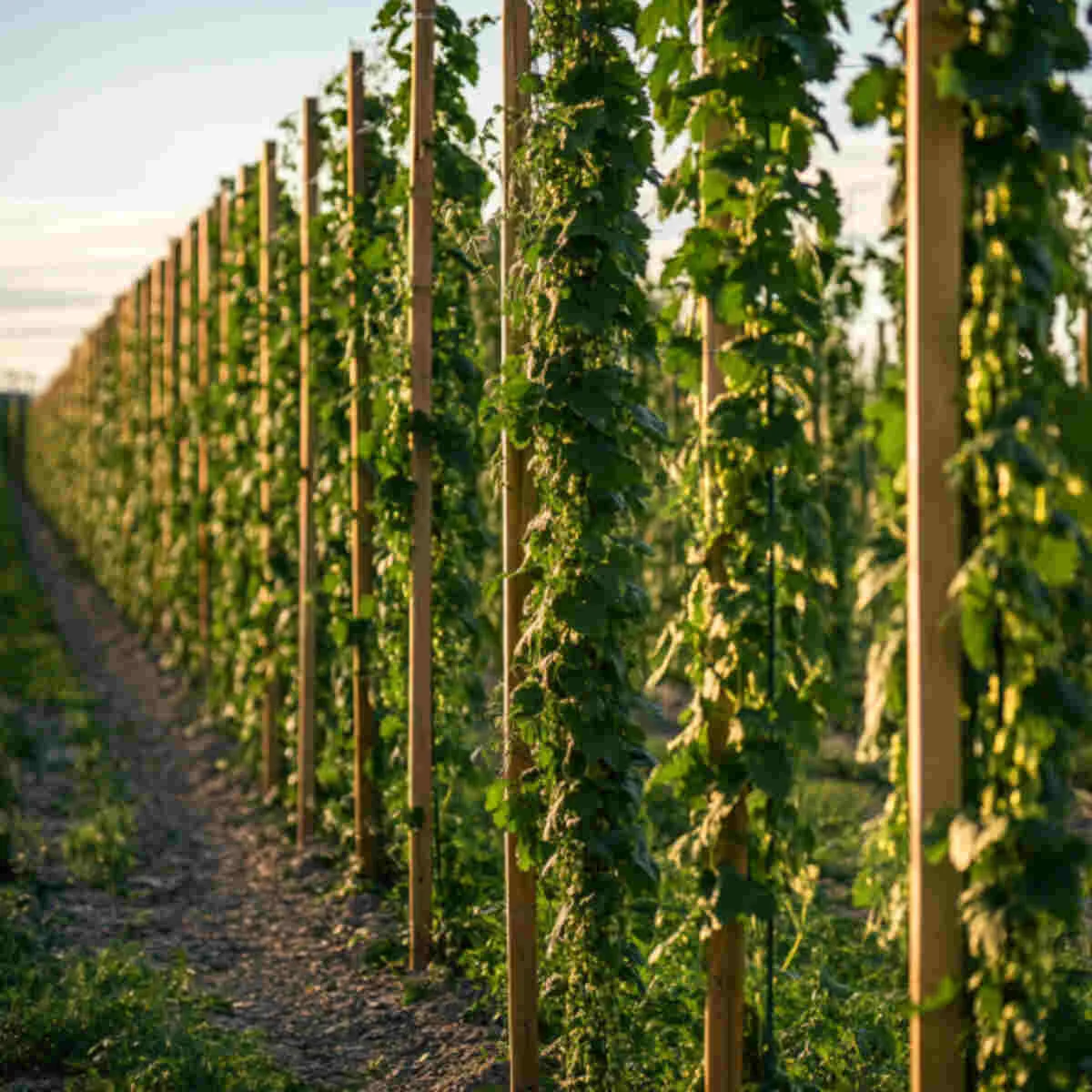
Vertical trellis rows are one of the most practical ways to save space in a small vegetable garden. Climbing crops like beans, cucumbers, and certain squash varieties can be guided upward instead of spreading across the ground.
This instantly frees up soil space for other crops while also improving airflow and making harvesting easier. It is a simple idea that can dramatically increase how much a compact garden can hold.
2. Narrow Raised Bed Rows
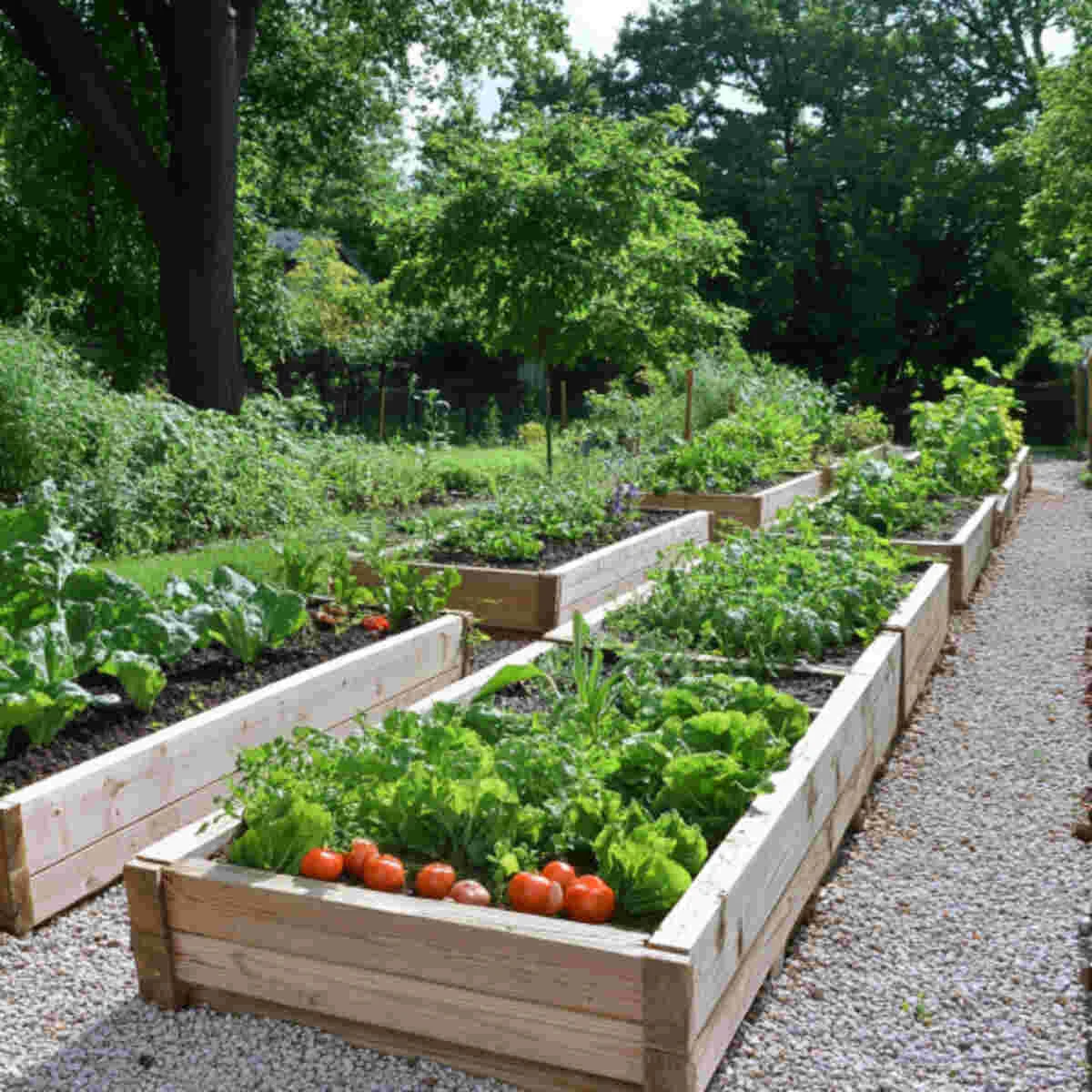
Narrow raised beds make it easier to grow vegetables in tidy, efficient rows without wasting space. Because the beds are slim, every plant stays within easy reach for watering, harvesting, and routine care.
This layout also helps with soil control and drainage, which makes it a strong choice for gardeners who want compact planting with simple upkeep.
3. Intercropping Rows

Intercropping rows combine two or more compatible vegetables in the same growing space. This works especially well when one plant grows tall and narrow while another stays low or matures quickly.
It is a smart way to get more from every row while also creating a more diverse garden. With thoughtful pairing, small plots can stay productive without feeling overcrowded.
4. Succession Planting Rows

Succession planting keeps rows active by replacing finished crops with new ones as the season moves along. Instead of letting empty space sit unused, you keep planting in stages.
This is especially useful in small gardens because it helps you get multiple harvests from the same row. It also makes the garden feel more consistent and productive from season to season.
5. Square-Foot Style Row Blocks
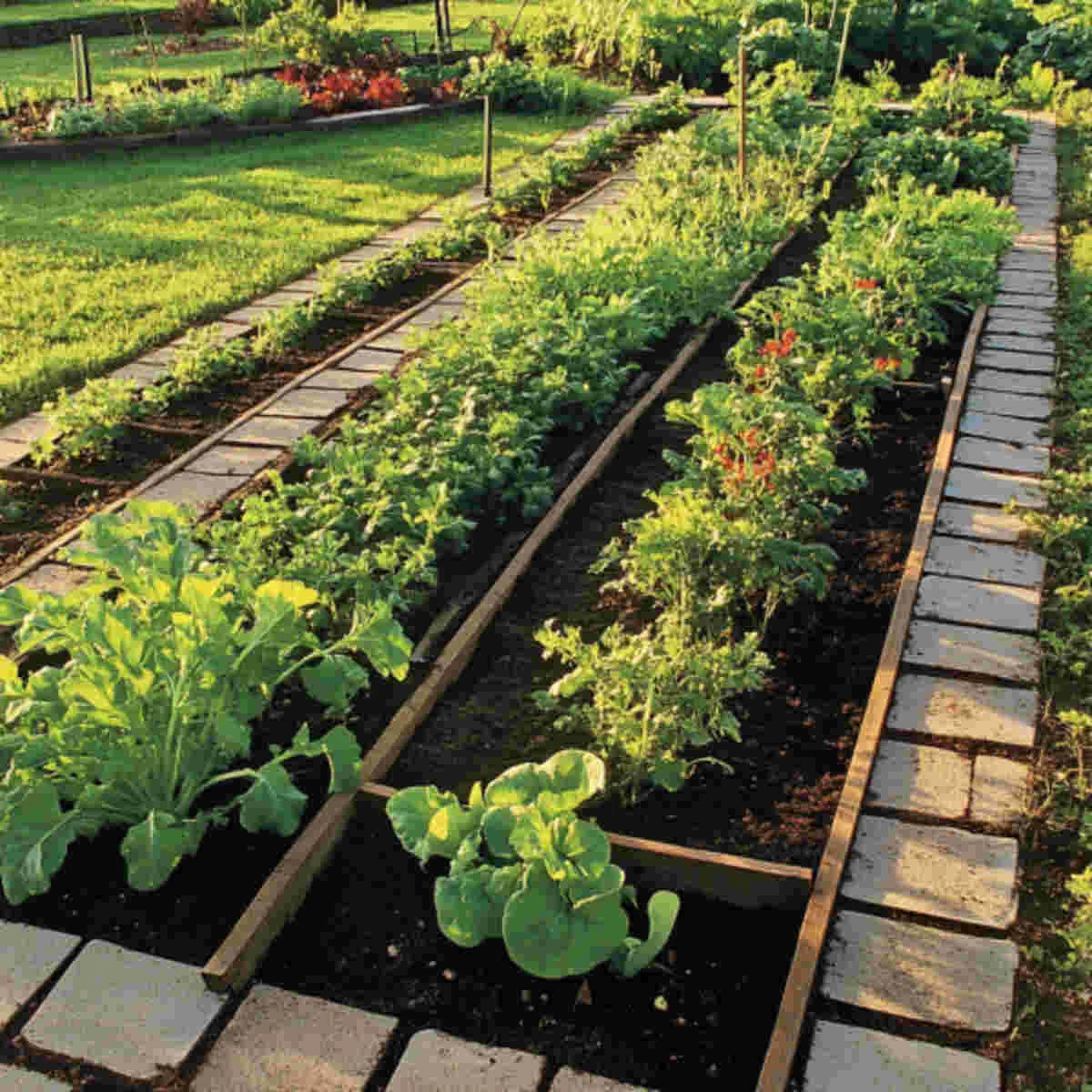
Square-foot style planting can also be adapted into row blocks, creating a neat and efficient layout for compact gardens. Dividing the area into smaller sections helps you place crops with more intention.
This reduces wasted space and makes it easier to plan spacing, rotation, and harvesting. It is a beginner-friendly way to keep a small vegetable garden organized and productive.
6. Companion Planting Rows
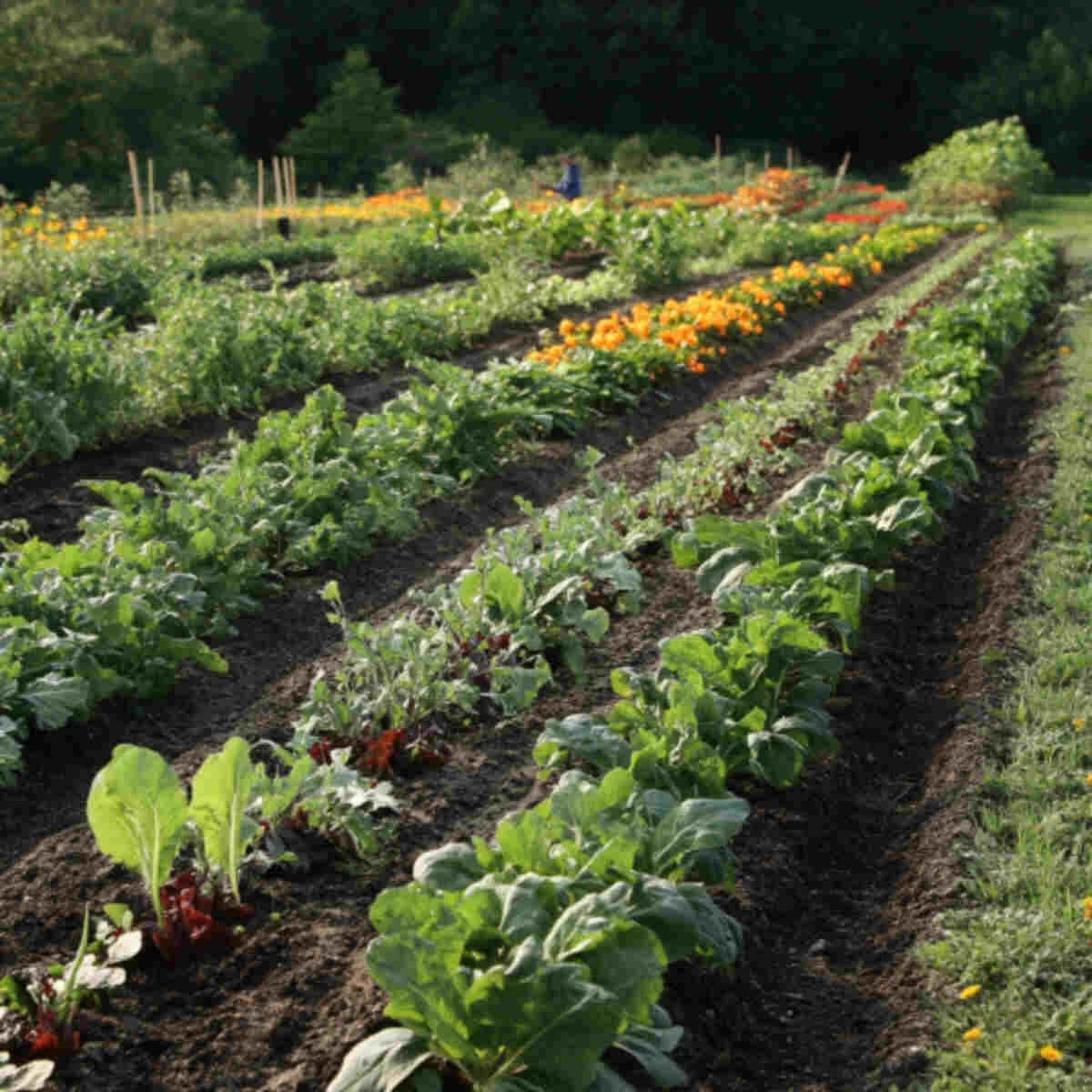
Companion planting rows bring together vegetables that grow well side by side. Some pairings help with space use, while others improve growing conditions by making the row more balanced and efficient.
This method works well in compact gardens because it encourages smarter use of limited space rather than simple repetition. A thoughtful row often performs better than a crowded one.
7. Staggered Zig-Zag Rows
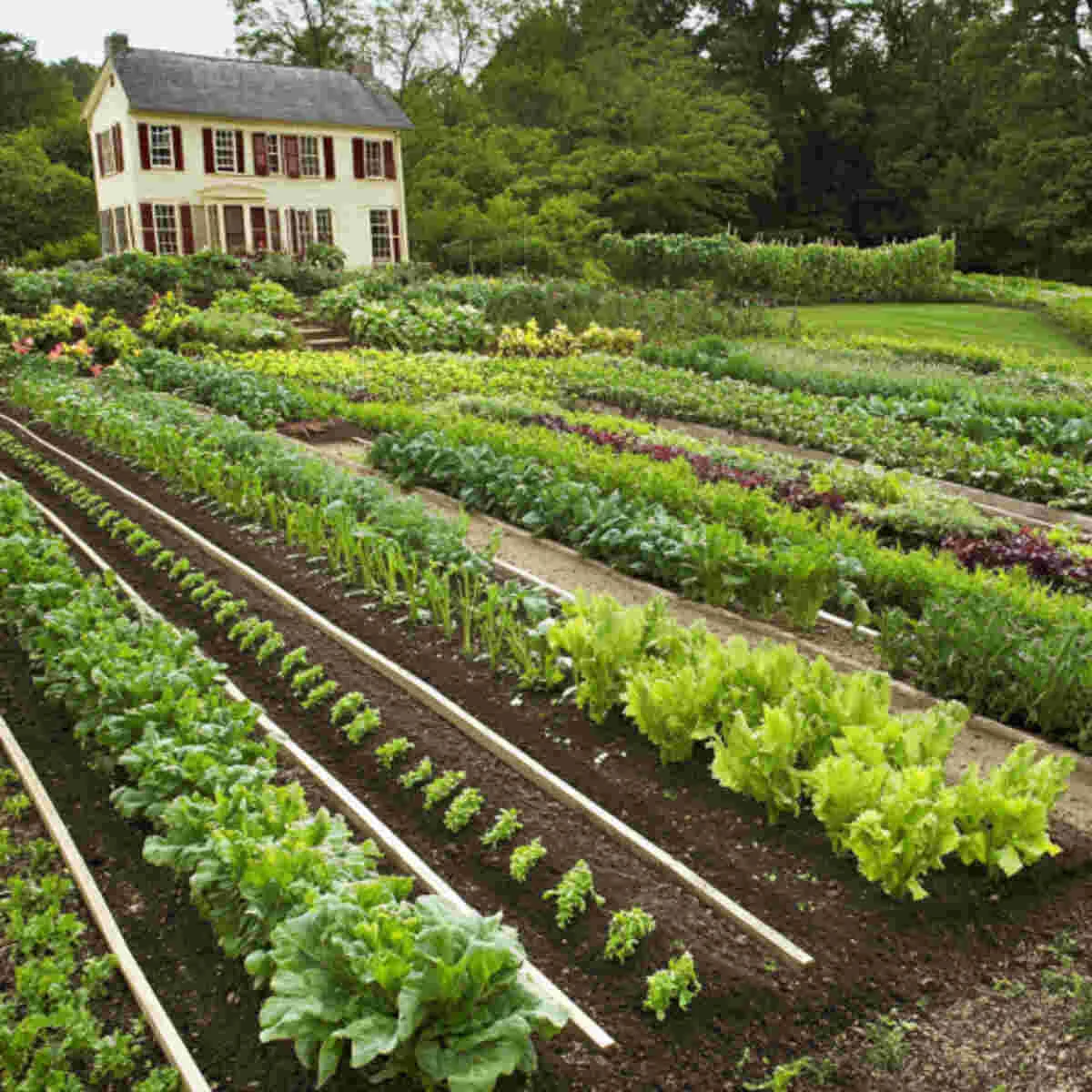
Zig-zag planting arranges vegetables on a slight diagonal rather than in strict straight lines. This lets you fit plants more efficiently while still giving them room for light and airflow.
It is a useful layout when you want to increase planting density without creating a cramped look. The pattern can also make small spaces feel more dynamic and visually interesting.
8. Double-Dug Deep Rows
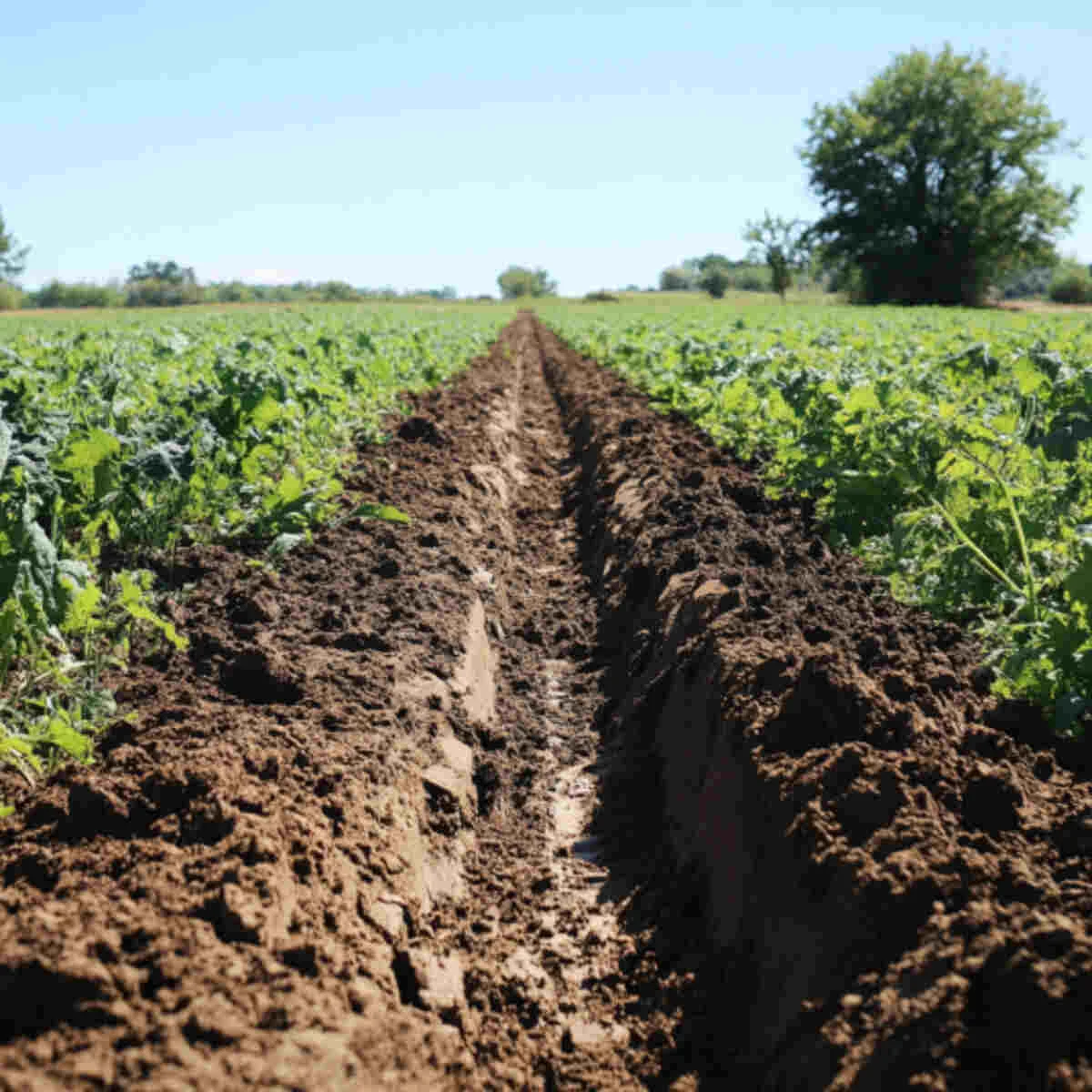
Double-dug rows focus on improving the soil below the surface so roots can grow deeper and stronger. When the soil is opened and enriched below planting level, vegetables often perform better even in smaller spaces.
This is especially helpful in compact gardens because healthier roots allow closer, more efficient planting without as much competition near the surface.
9. Container Row Lines

Container row lines use pots, planters, or grow bags arranged in clear rows to mimic a traditional garden layout. This works well on patios, balconies, paved yards, or any place where in-ground planting is limited.
It gives you flexibility with spacing, crop placement, and sun exposure while still keeping the garden neat and easy to maintain.
10. Tiered Shelf Rows
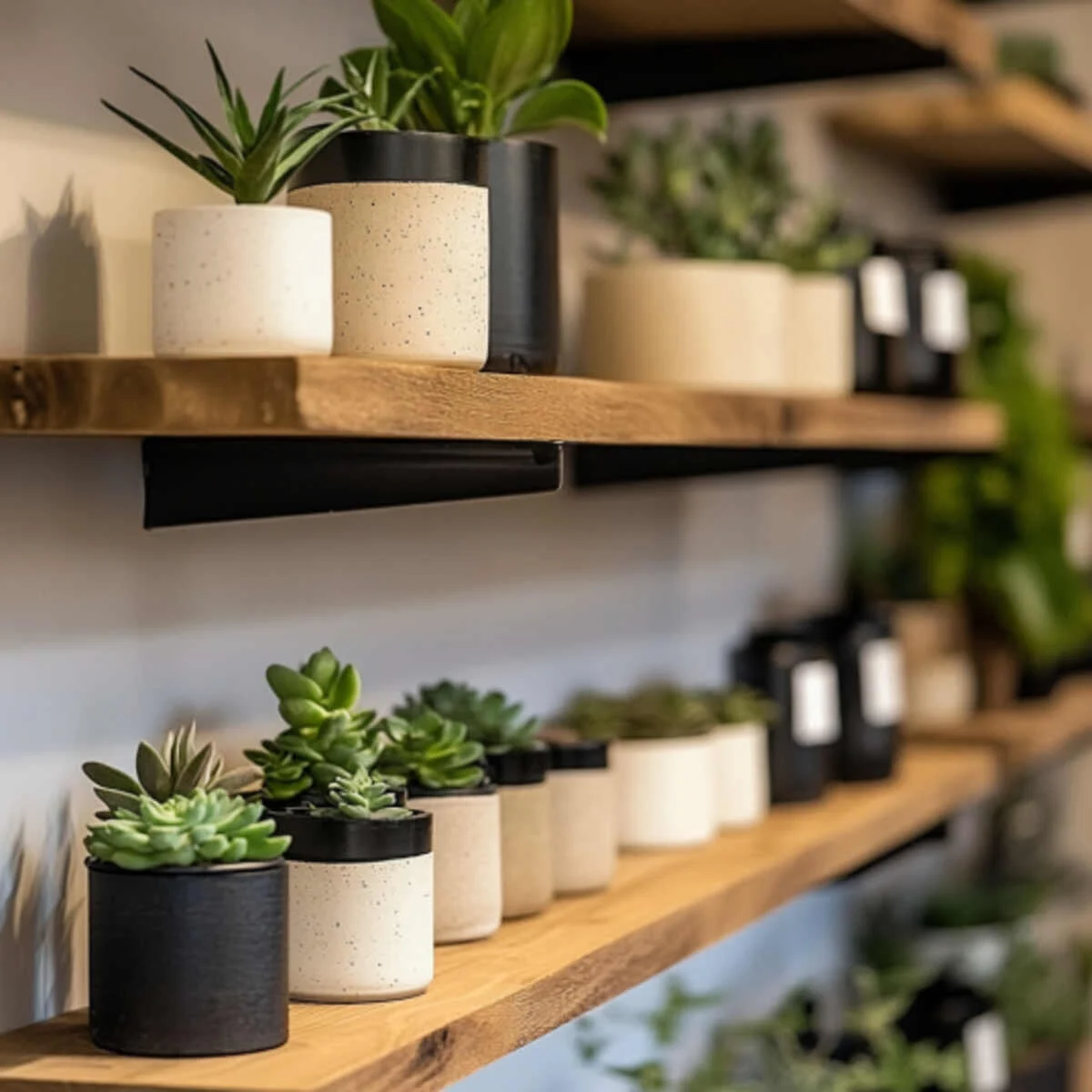
Tiered shelves make it possible to grow vegetables at several levels instead of only on the ground. This instantly expands your usable growing area, especially in small urban spaces.
It is a practical solution for herbs, salad greens, and compact vegetables. The layered structure also keeps everything organized and easy to access.
11. Hanging Pocket Rows
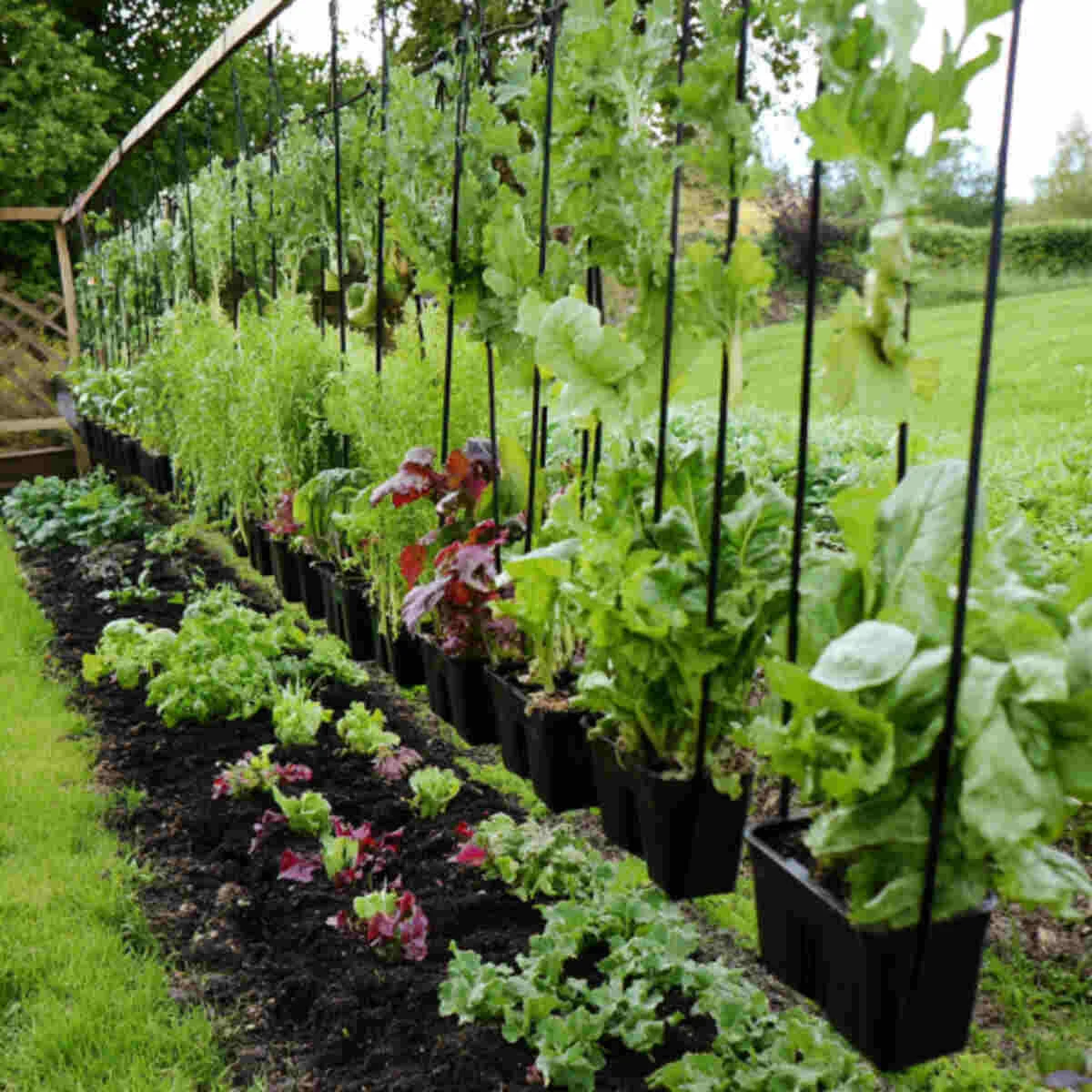
Hanging pocket rows are ideal for light crops such as herbs, leafy greens, and small edible plants. Mounted on fences or walls, they free up floor space for larger containers or deeper beds.
This is a strong option when you want to turn an unused vertical surface into a useful part of the garden.
12. Edge-Border Vegetable Rows
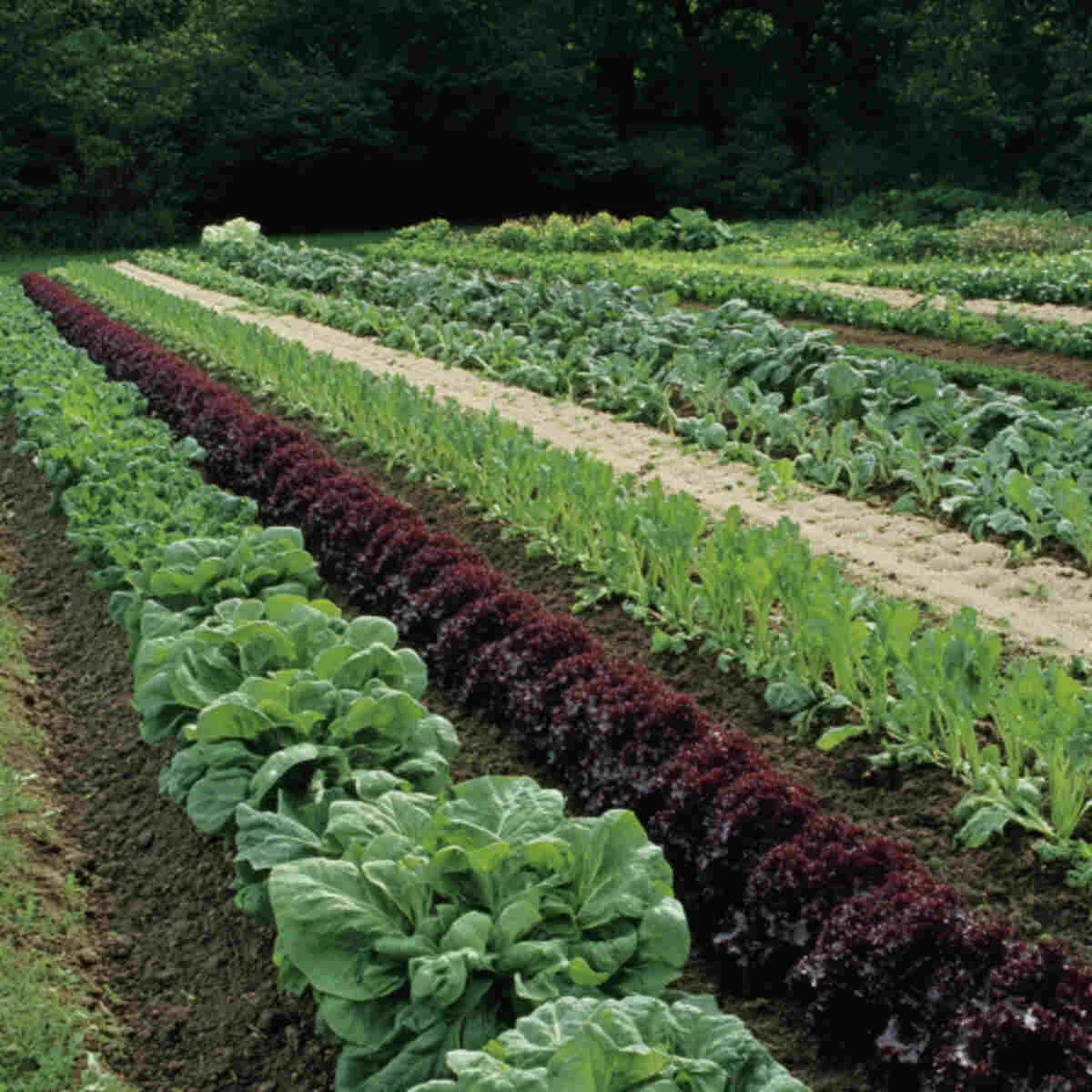
Edge-border rows use the outer lines of a garden, path, or fence as productive planting space. These narrow border areas are often overlooked, but they can hold a surprising number of vegetables.
This approach helps you use every part of the garden while also giving the overall layout a more finished look.
13. Spiral Row Layout

A spiral row layout coils inward to fit more planting area into a compact footprint. It is a creative design that works especially well in small circular beds or focal planting areas.
This layout also adds visual interest and can create slightly different growing conditions across the spiral, making it useful for a range of crops.
14. Mini Greenhouse Row Tunnels
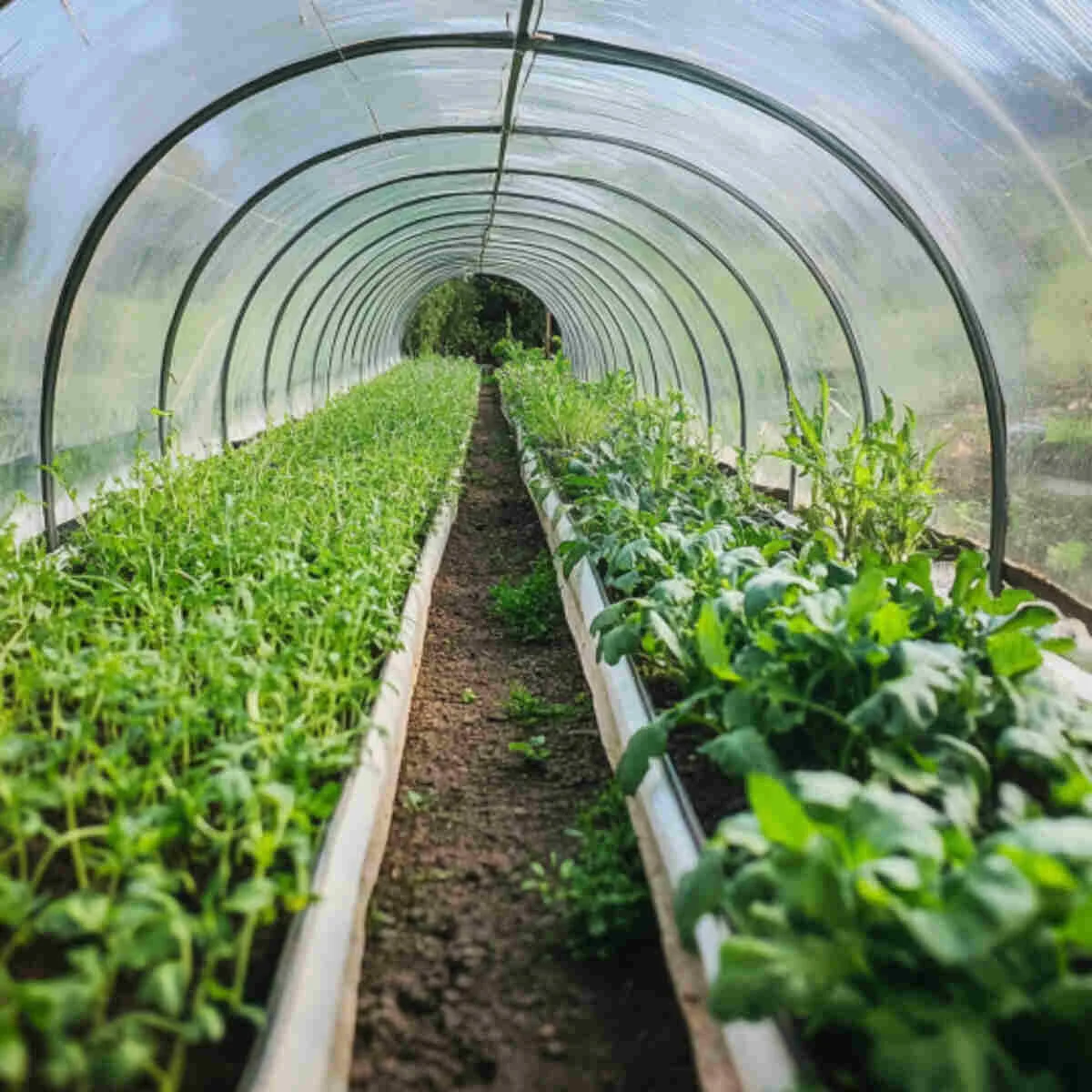
Mini greenhouse tunnels protect closely planted rows while helping extend the growing season. They create a more controlled environment in a small amount of space, which is especially useful in cooler weather.
This means compact gardens can stay productive longer without needing a large greenhouse structure.
15. Drip-Irrigated Micro Rows
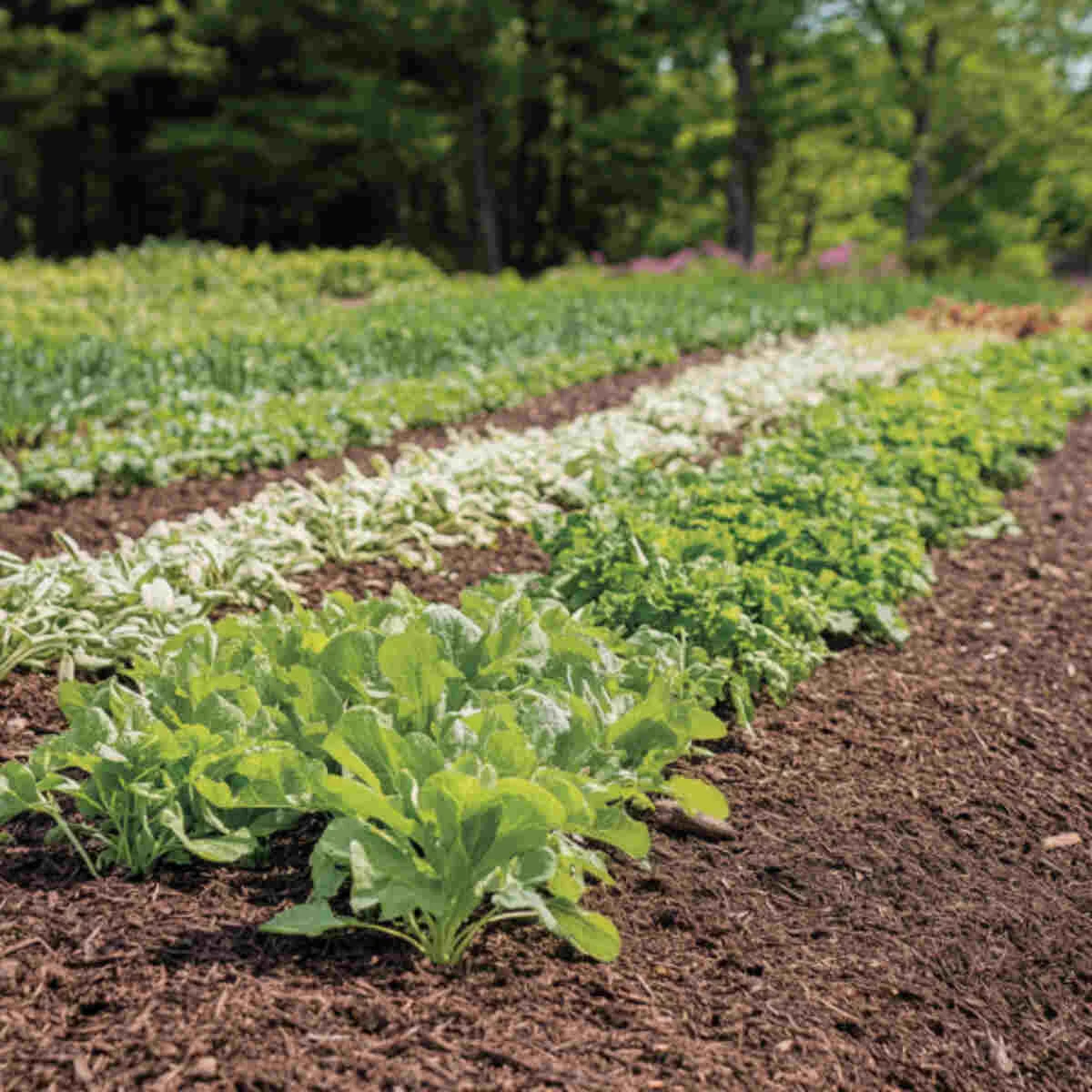
Micro rows with drip irrigation make water use more efficient by delivering moisture directly where it is needed. This is especially valuable in high-density gardens where each plant depends on careful spacing and steady growth.
It also keeps leaves drier, which can make compact planting easier to manage through the season.
16. Mulched Low-Maintenance Rows
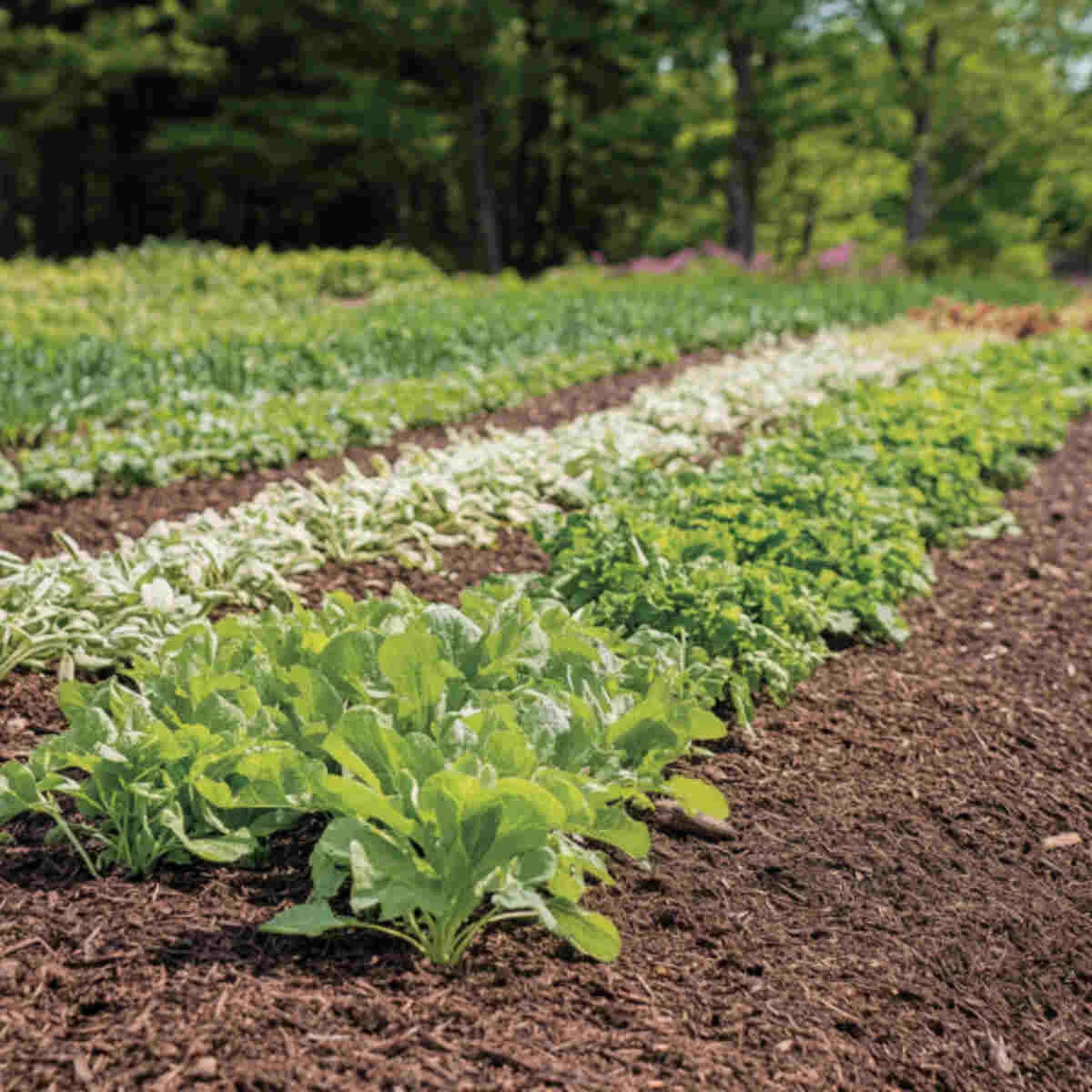
Mulched rows help small gardens stay tidy and productive by holding in moisture, reducing weeds, and protecting the soil surface. This is especially helpful when plants are spaced closely together.
Mulch also makes the rows easier to care for over time, which is important when a compact garden needs to work efficiently without becoming high maintenance.
17. Fast-Grower and Slow-Grower Combo Rows
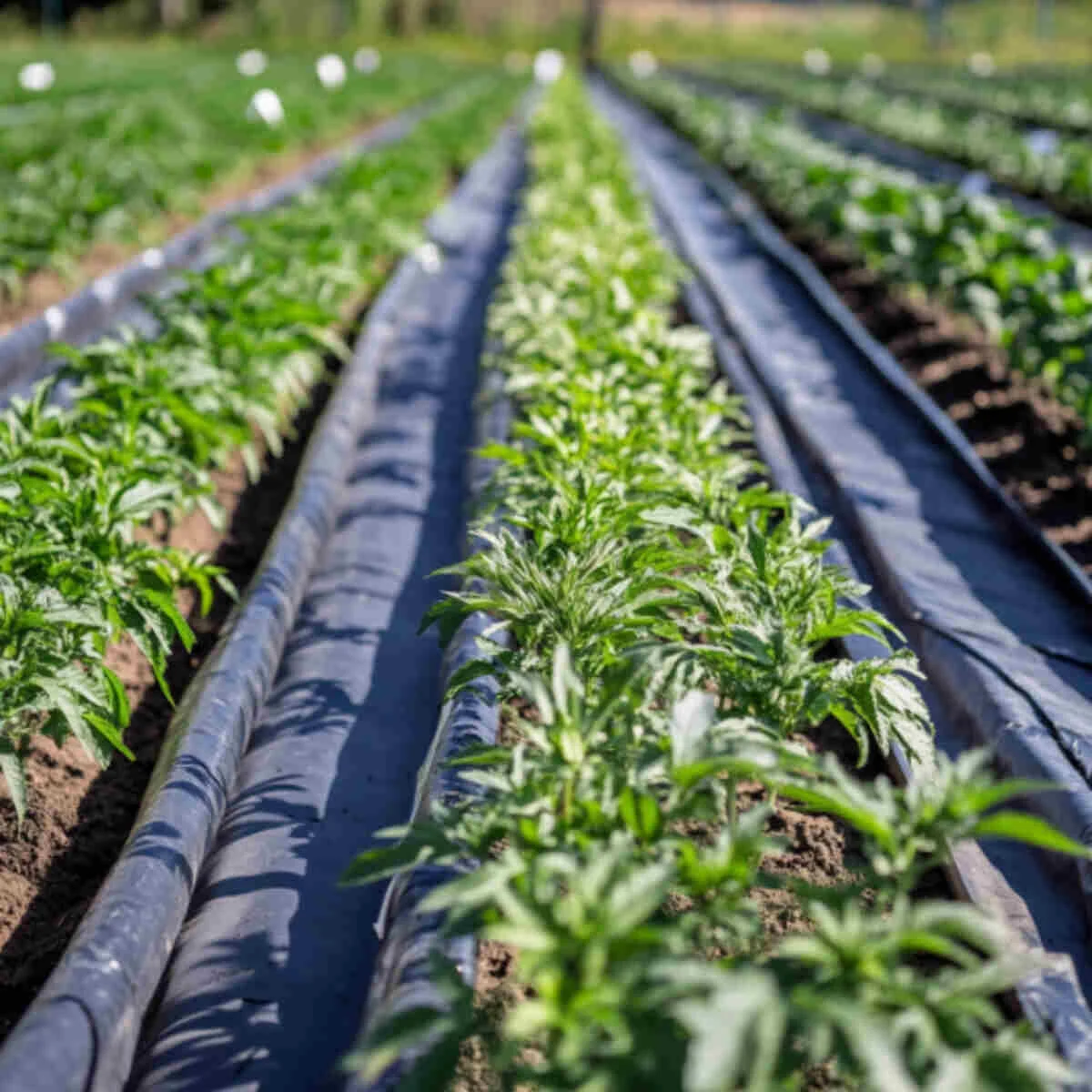
Pairing fast-growing vegetables with slower crops is a smart way to keep rows productive from the start. Quick crops can be harvested early while slower vegetables continue filling the space.
This prevents rows from sitting half-empty and helps small gardens produce more over time without needing more room.
18. Salad Greens Quick-Harvest Rows
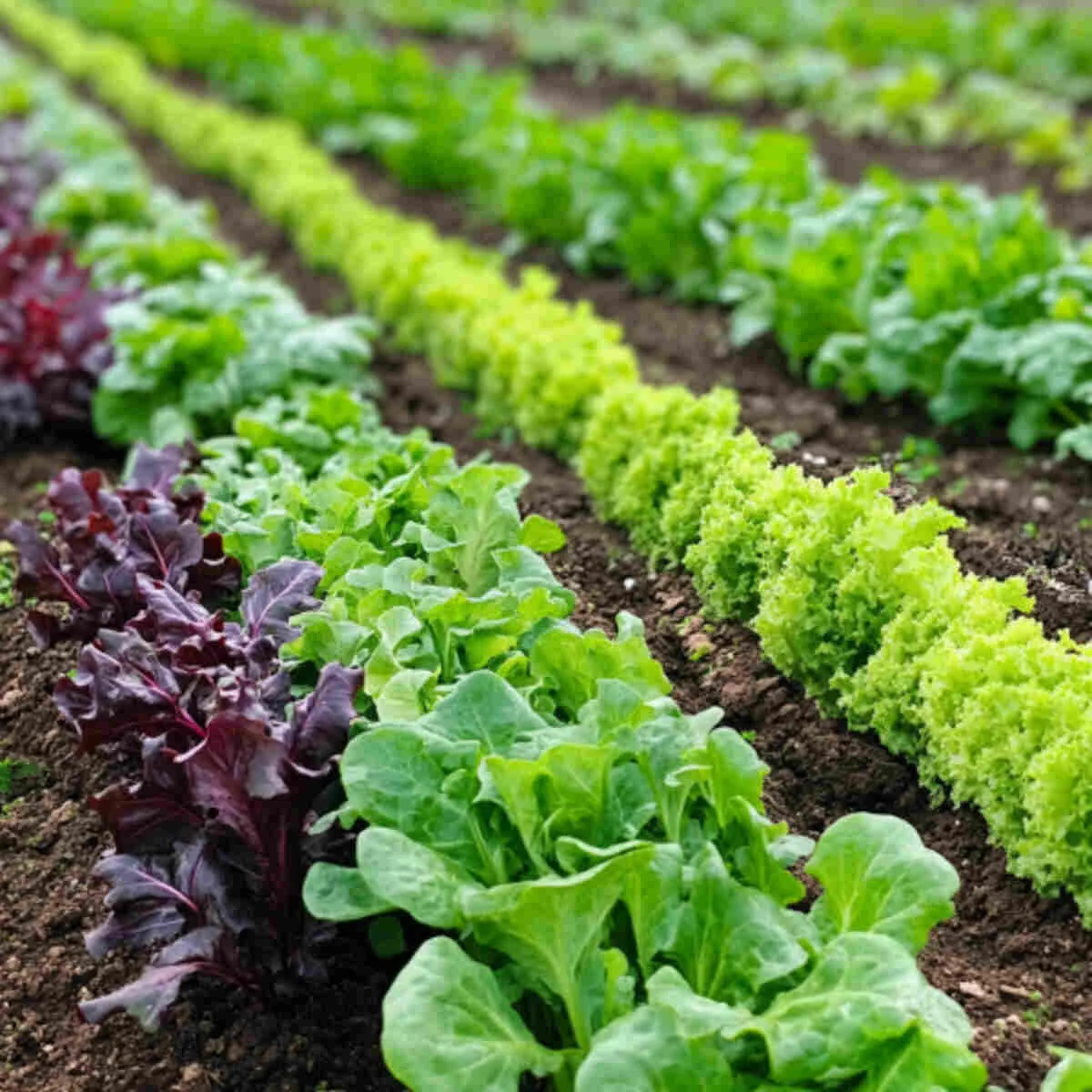
Quick-harvest rows for salad greens are perfect for small gardens because they produce fast results and can often be picked repeatedly. Lettuce, arugula, spinach, and similar crops fit neatly into narrow spaces.
This gives you regular harvests without requiring a large plot, making them one of the easiest ways to keep a compact garden useful and rewarding.
19. Compact Root Vegetable Rows
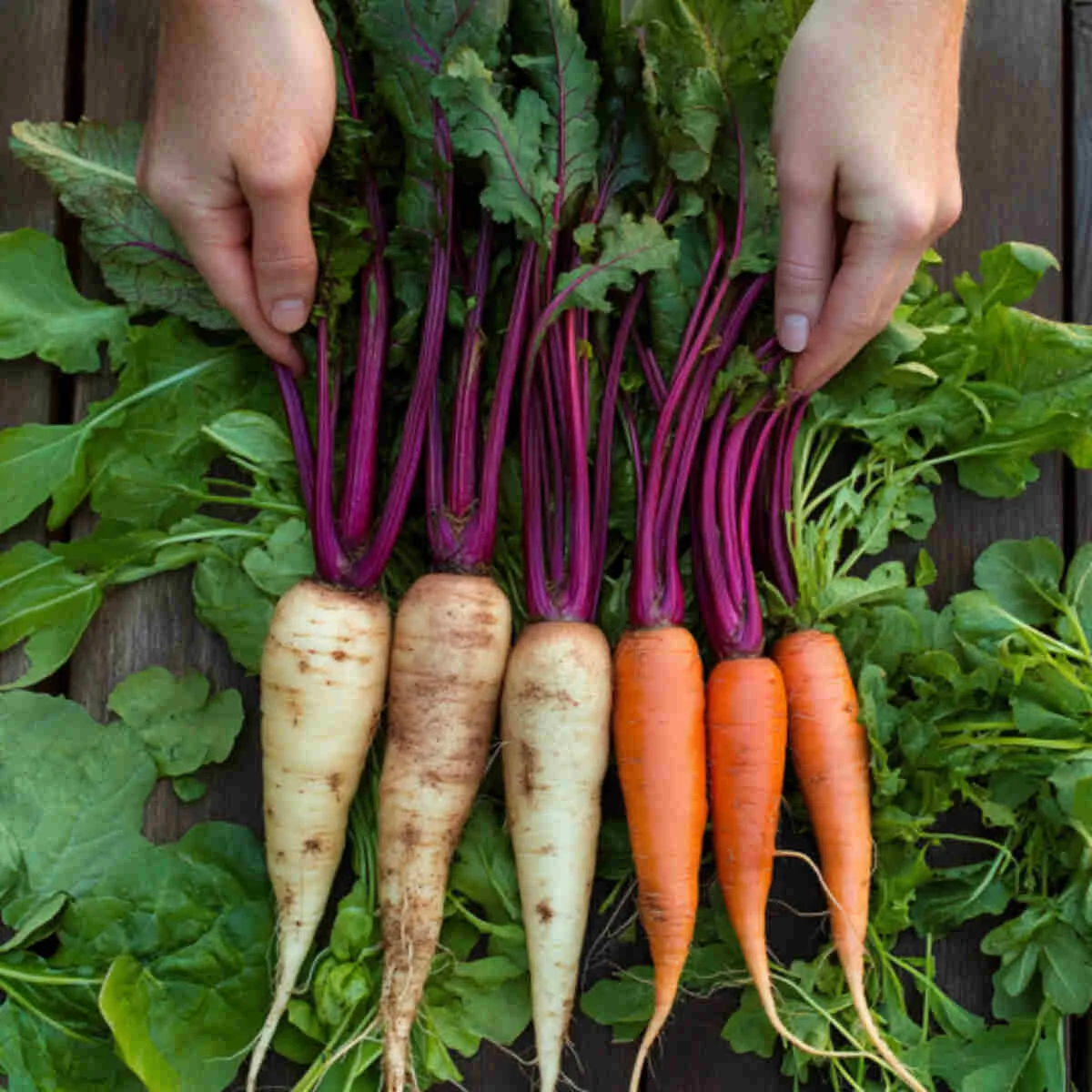
Root vegetables can do very well in narrow, carefully planned rows when the soil is loose and spacing is consistent. Carrots, beets, radishes, and similar crops make excellent use of soil depth rather than wide surface area.
This makes them especially useful in compact gardens where every section of soil needs to work hard.
Final Thoughts
Compact vegetable row planting is all about using space with intention. With simple techniques like vertical support, succession sowing, layered layouts, and smart row pairings, even a very small garden can stay productive and easy to manage.
You do not need a large backyard to grow a satisfying harvest. A well-planned small garden can provide steady vegetables, clear structure, and a growing space that feels both practical and rewarding.
Choose the ideas that fit your space, start with a layout that feels manageable, and build from there. Small gardens often become the most efficient ones of all.


