
If you’ve ever looked at a struggling houseplant and thought, “I was doing everything right… wasn’t I?”—you’re not alone. Indoor plants can be a bit unpredictable, especially when seasons shift and conditions change indoors.
The good news is, most of the time it’s not about doing more—it’s about doing a few things more consistently. Small adjustments in light, water, or placement can make a noticeable difference over time.

Here are some practical ways to keep your plants healthier throughout the year, without overcomplicating things. :contentReference[oaicite:0]{index=0}
1. Use a Simple Self-Watering Setup
If you tend to forget watering (it happens), a self-watering system can help keep things consistent.
Tip: Make sure the soil isn’t constantly soaked—plants still need some airflow around their roots.
2. Grow Herbs Near a Bright Window
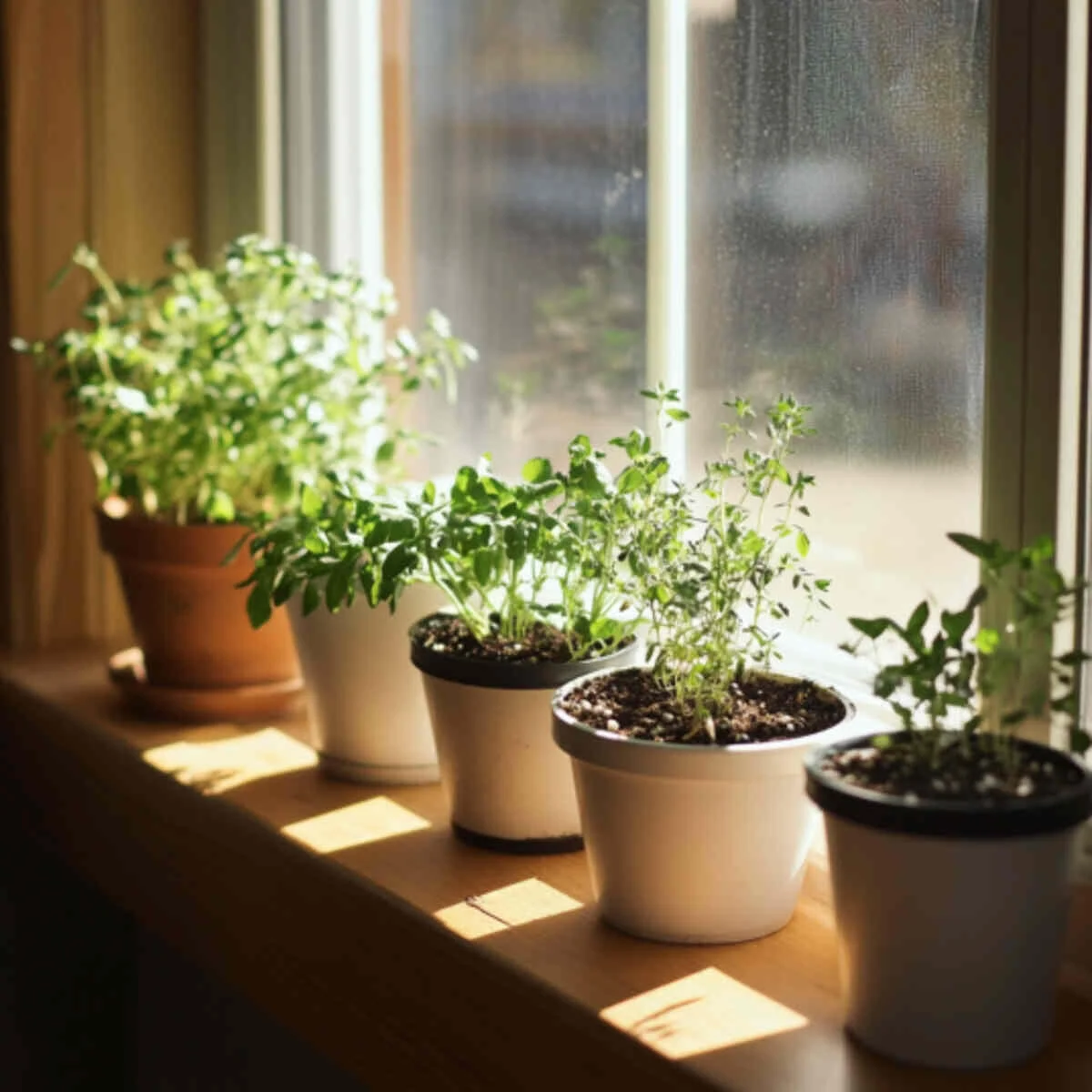
Herbs like basil or mint do well near windows and are actually useful day to day.
3. Increase Humidity with Pebble Trays
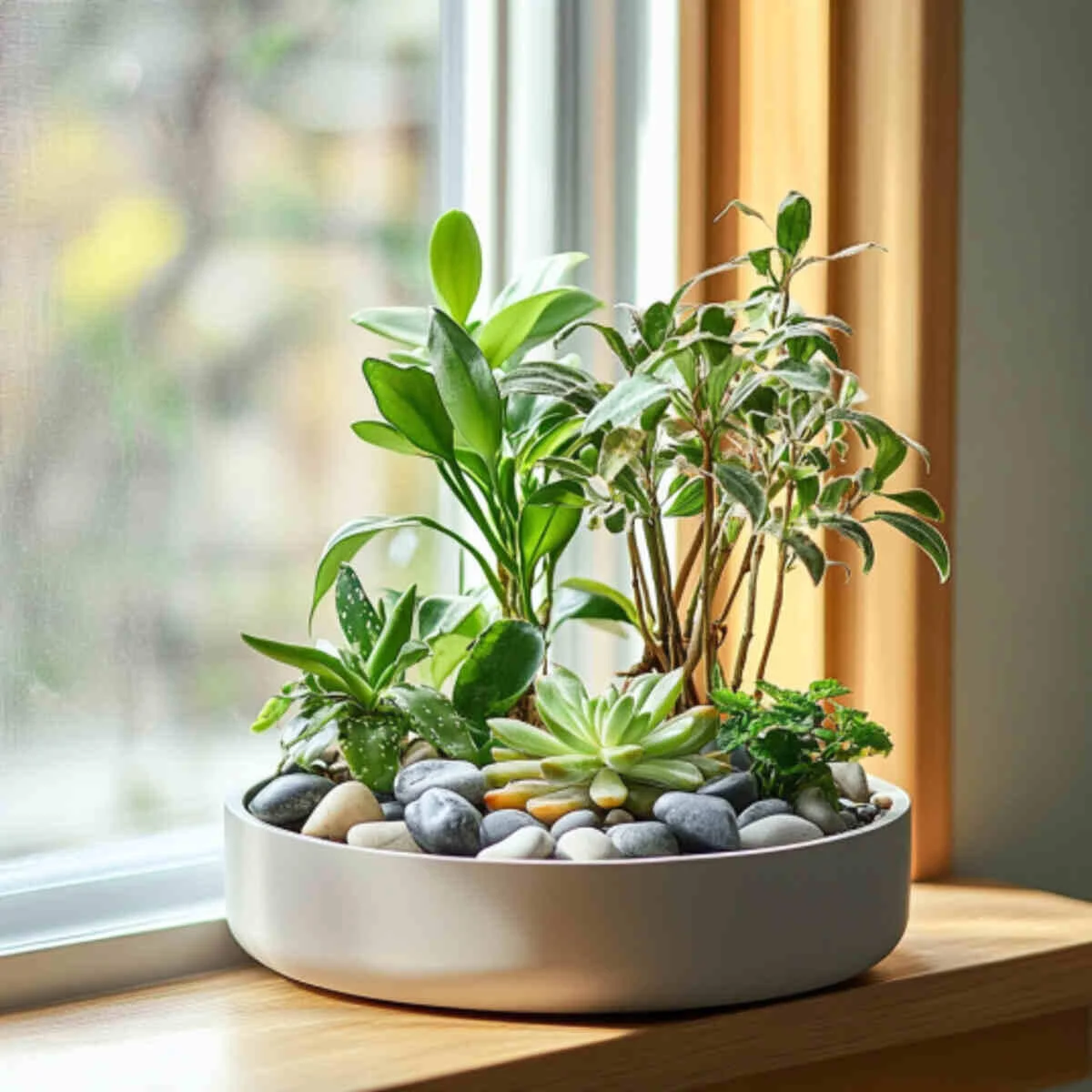
Dry indoor air can stress certain plants. A simple pebble tray can add a bit of moisture back into the air.
4. Add Grow Lights When Natural Light Is Low
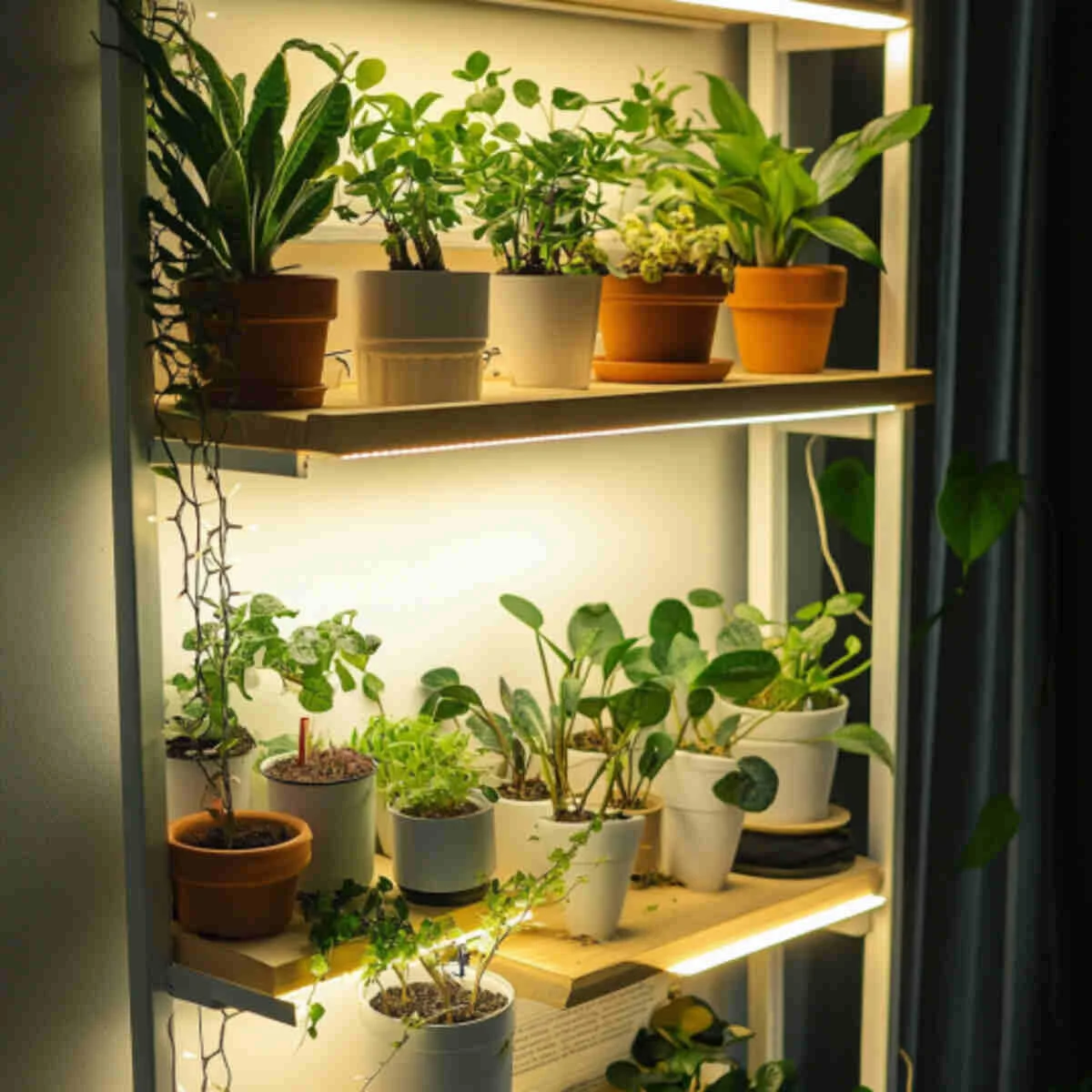
During darker months, grow lights can help plants maintain steady growth.
Tip: Use a timer instead of leaving lights on all day.
5. Try a Vertical Plant Setup
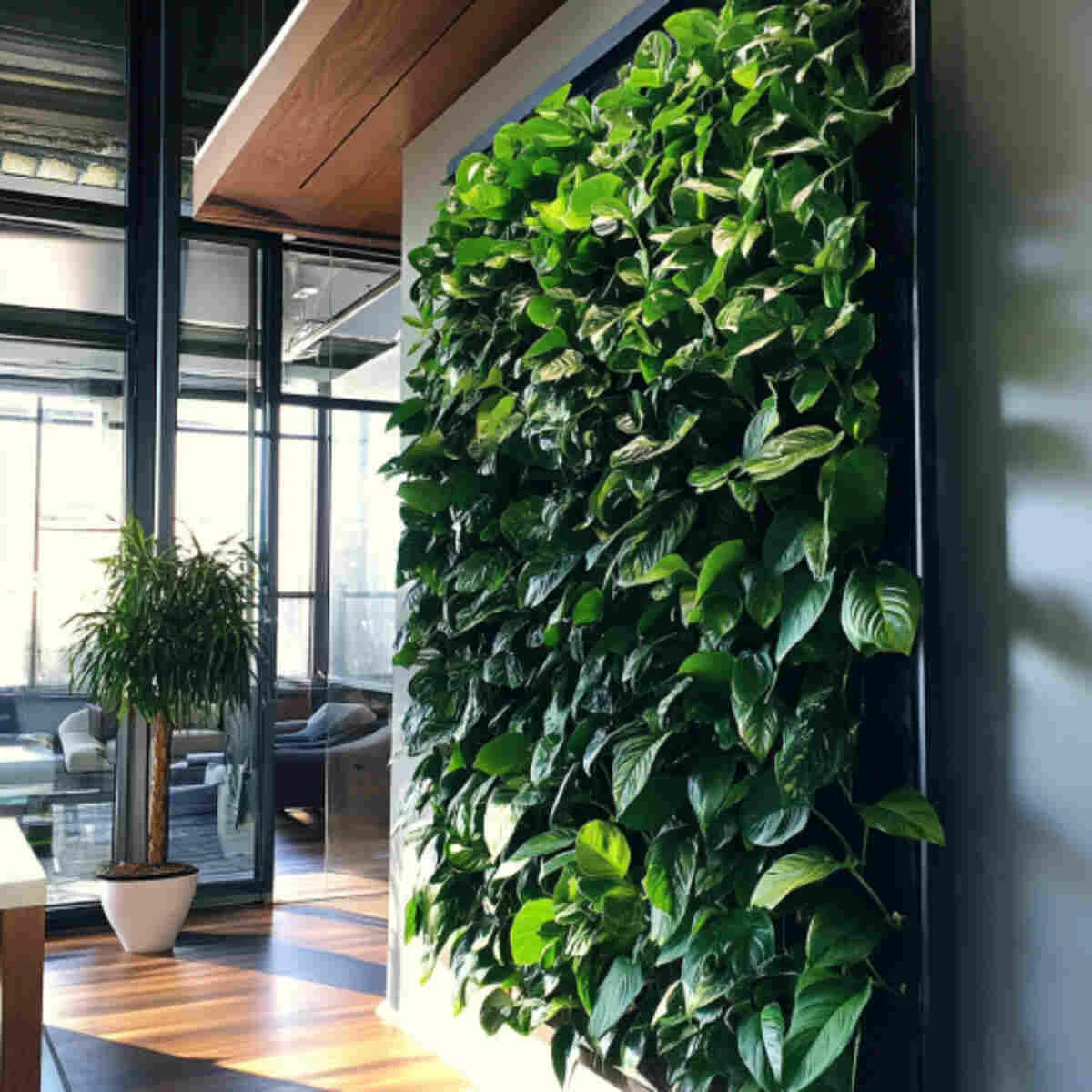
Vertical arrangements save space and let you keep more plants in one area.
6. Rotate Plants Seasonally
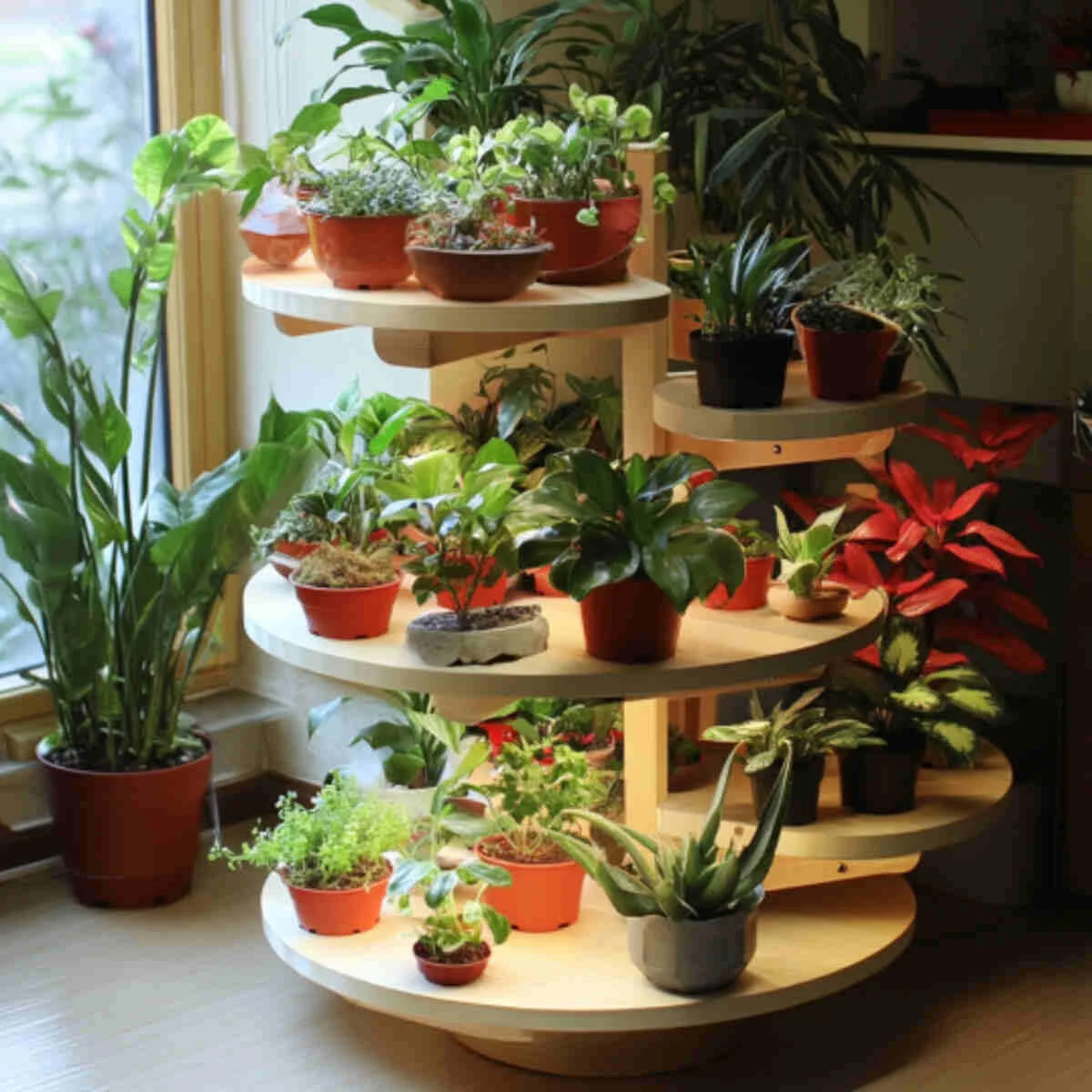
Light changes throughout the year, so moving plants occasionally helps keep them balanced.
7. Use a Small Indoor Greenhouse Cabinet
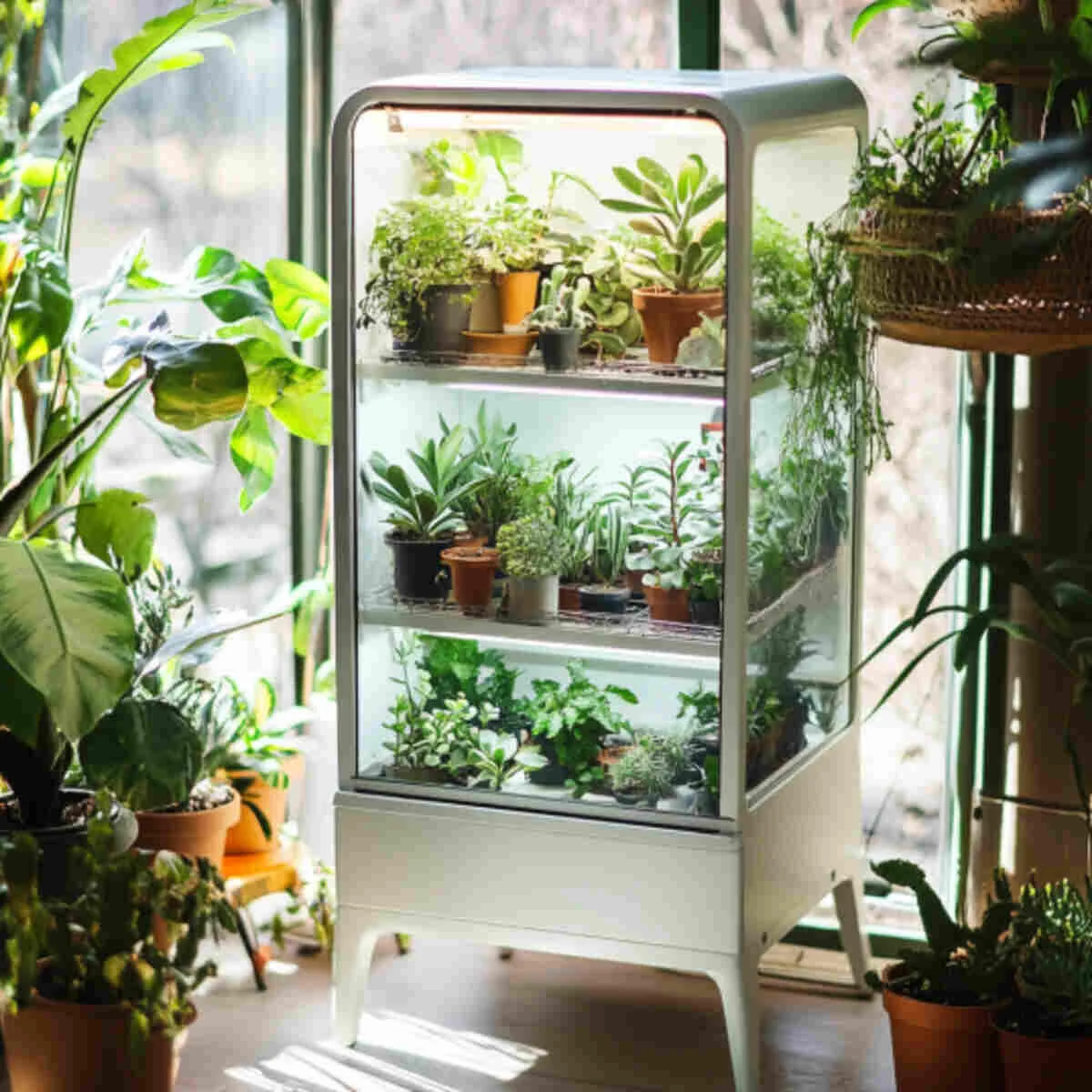
Enclosed cabinets can help maintain stable humidity and protect sensitive plants.
8. Keep a Low-Maintenance Succulent Area
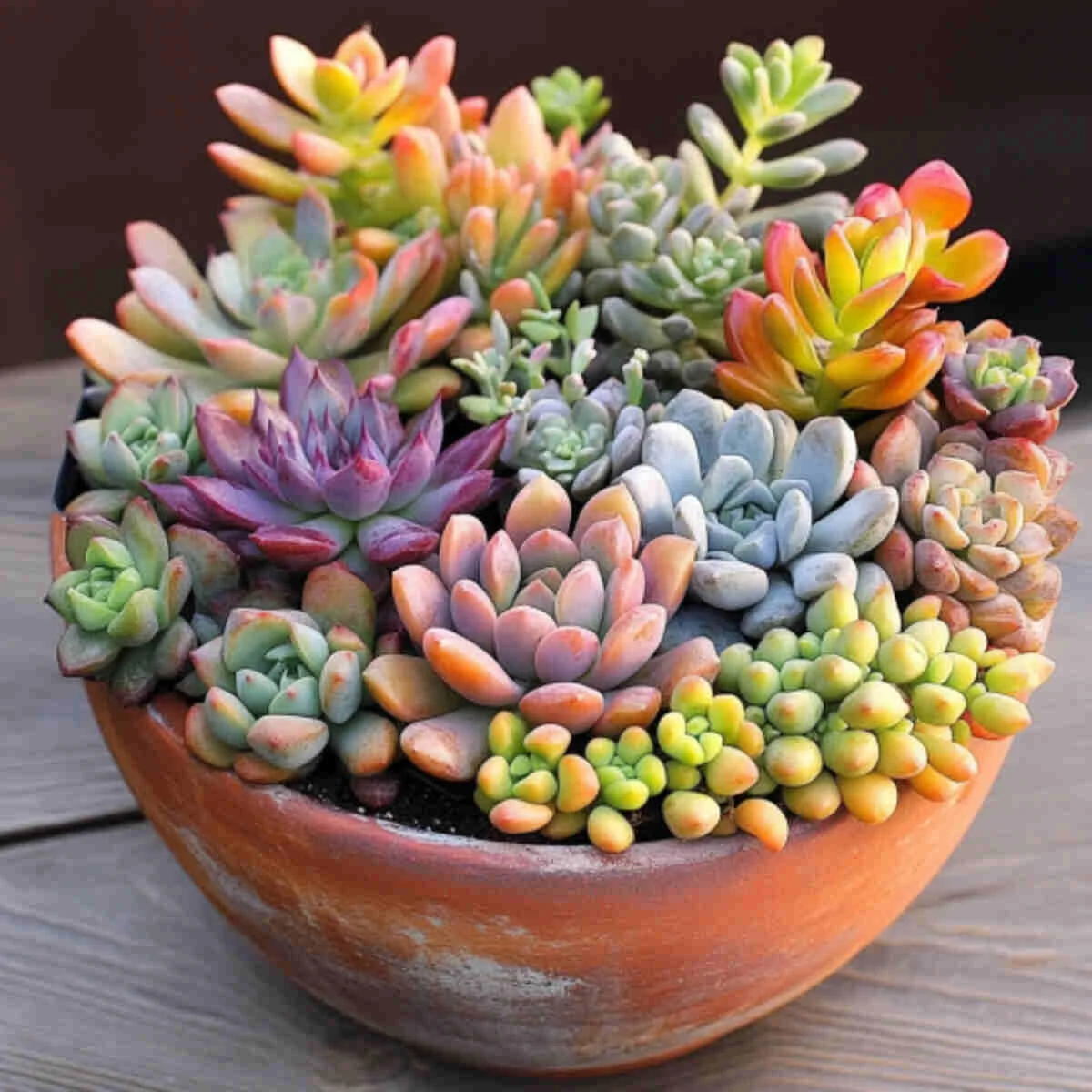
Succulents are easier to manage and work well if you don’t want to monitor plants constantly.
9. Try a Simple Hydroponic Setup
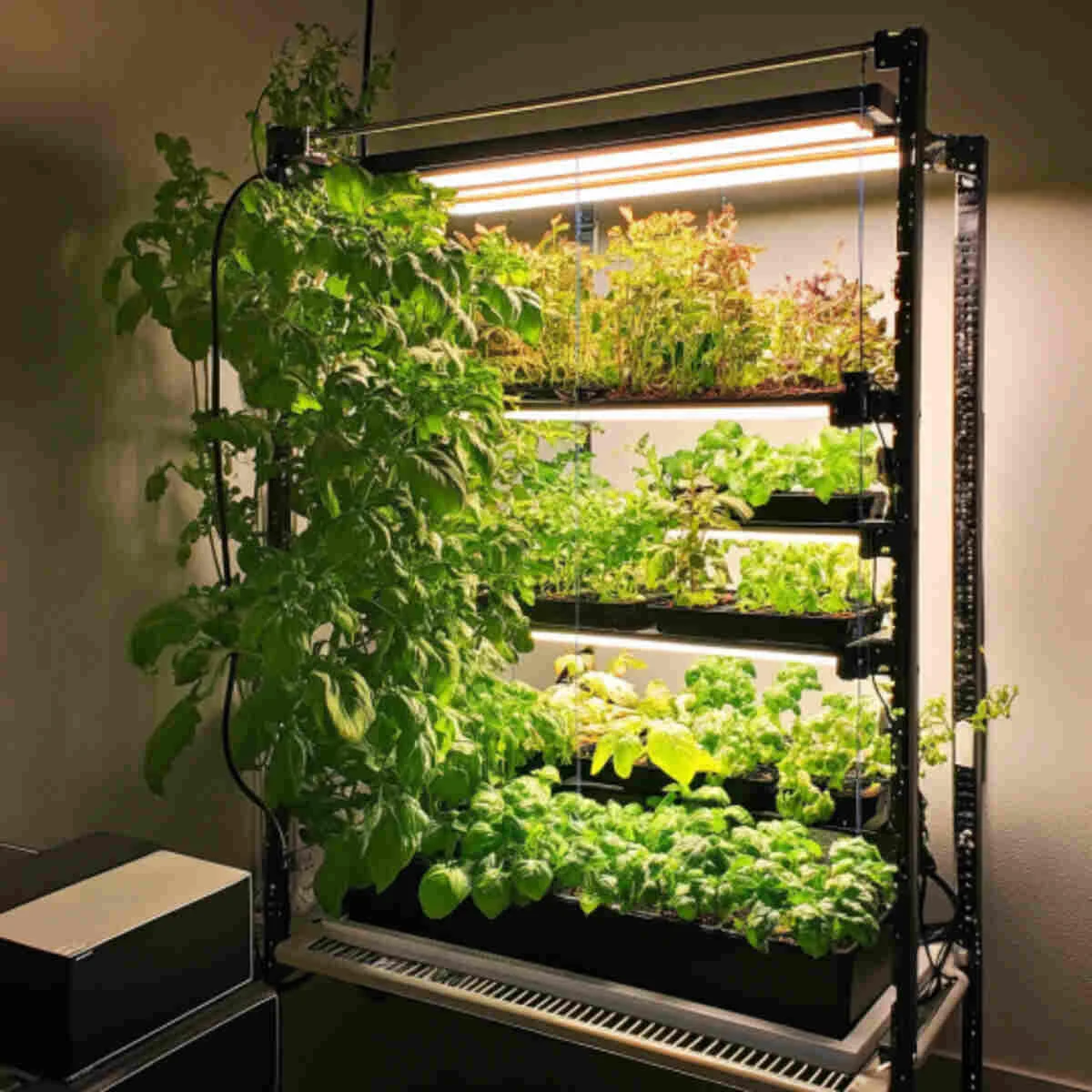
Growing plants in water can be a cleaner alternative and lets you monitor roots directly.
10. Group Plants Together
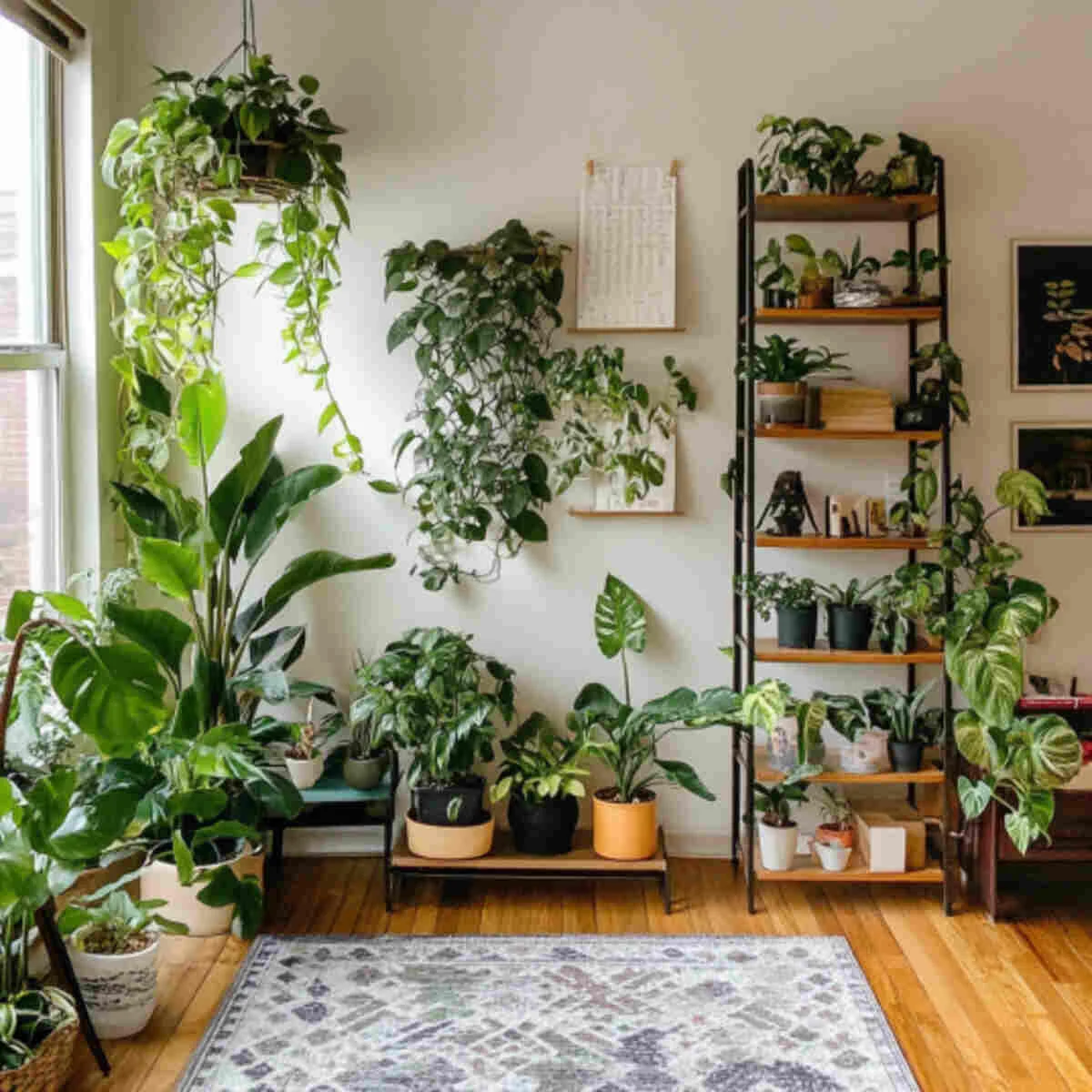
Keeping plants close together helps maintain humidity and creates a more balanced environment.
11. Use Hanging Planters to Save Space
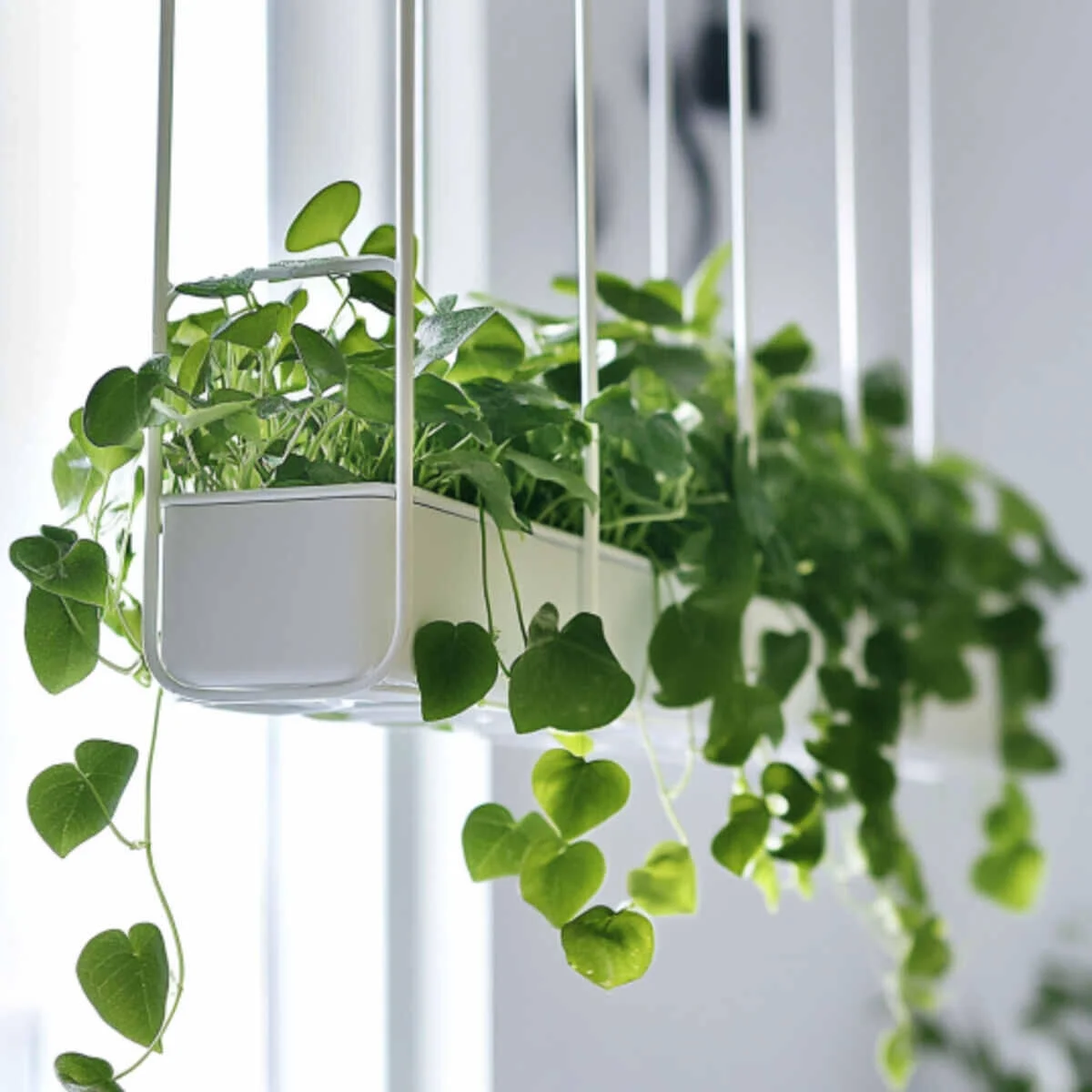
Hanging plants free up surfaces and add a bit of visual interest at different levels.
12. Create Small Terrariums
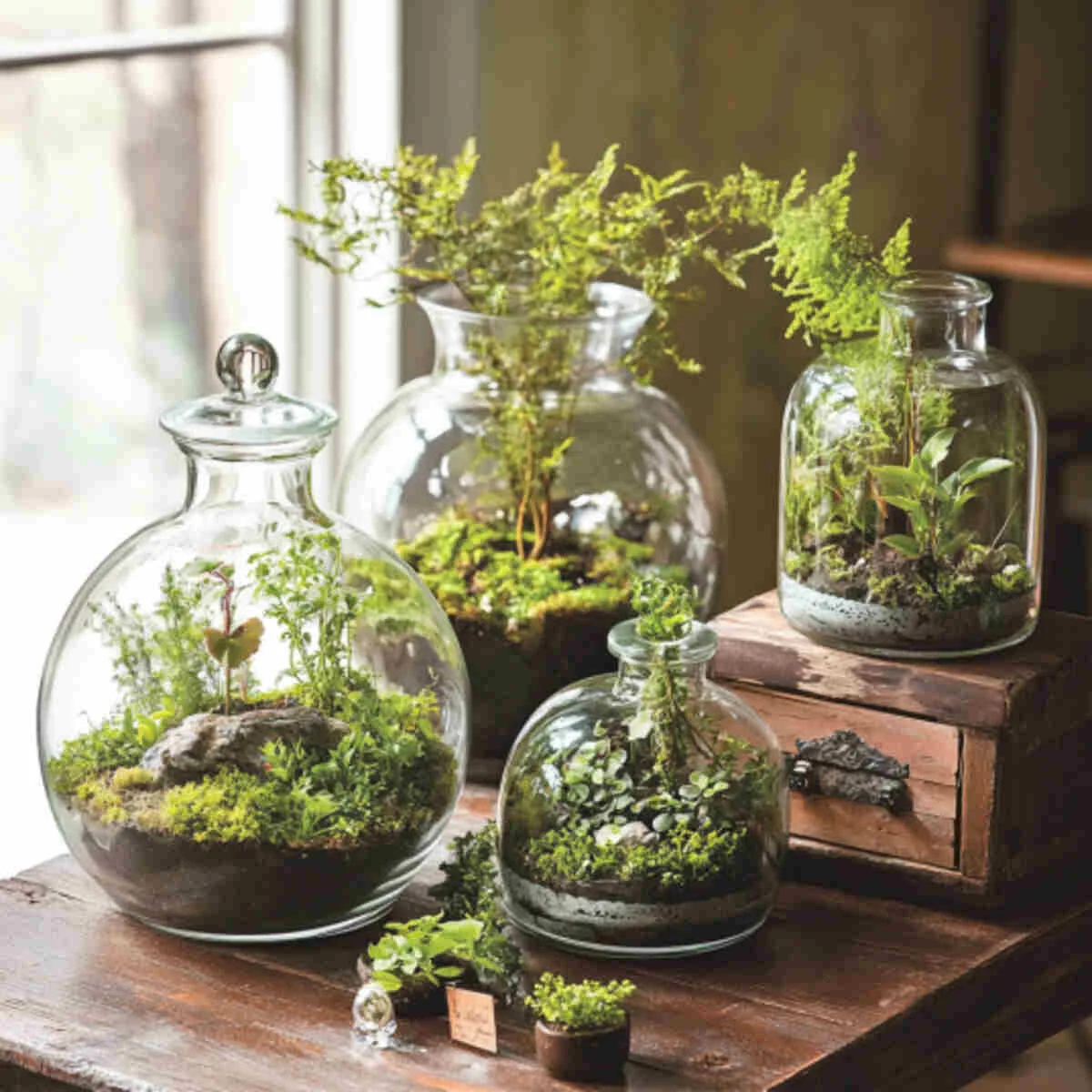
Terrariums hold moisture well and don’t need frequent care.
13. Set Up a Propagation Station
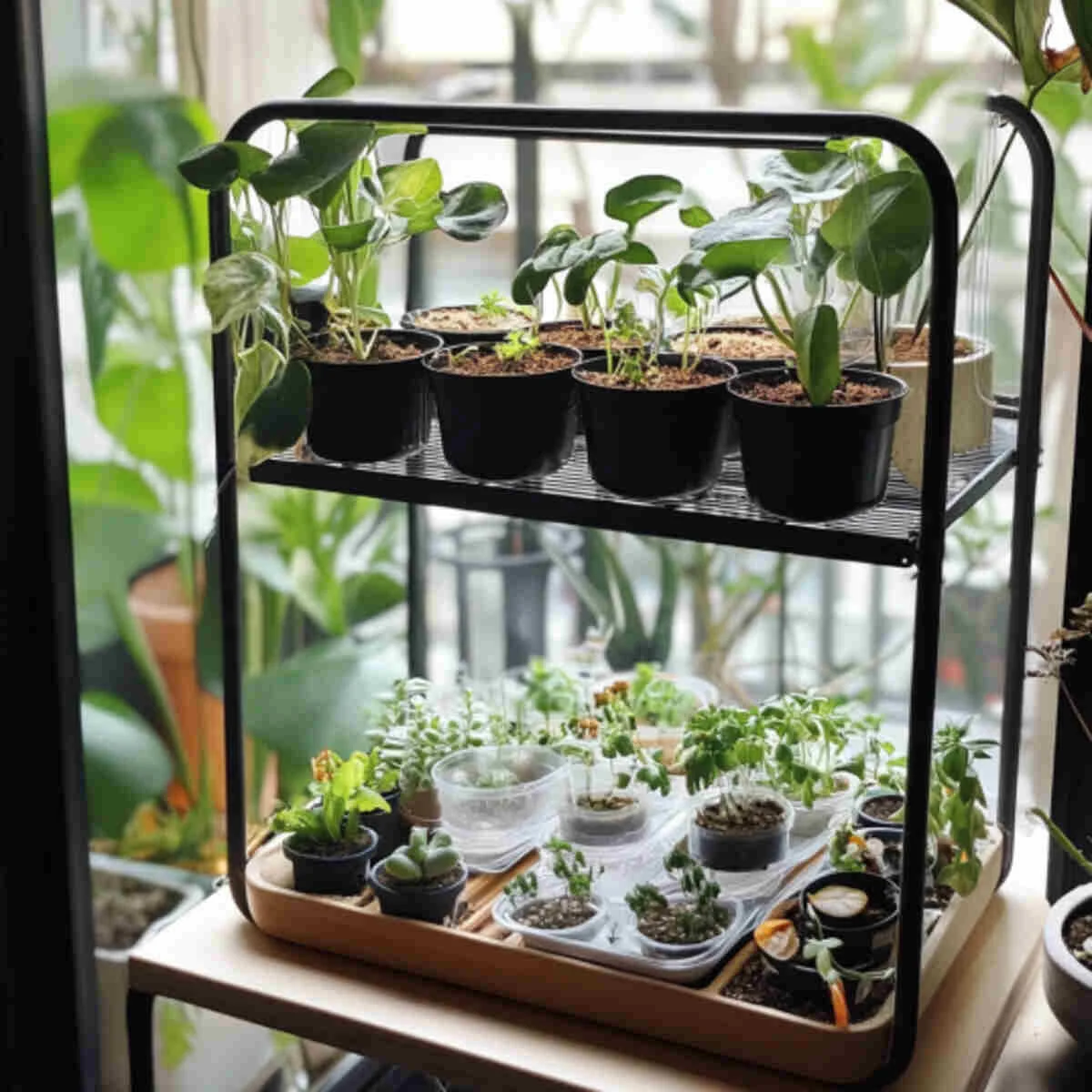
Propagating plants lets you grow new ones from existing cuttings.
14. Add a Simple Moss Tray
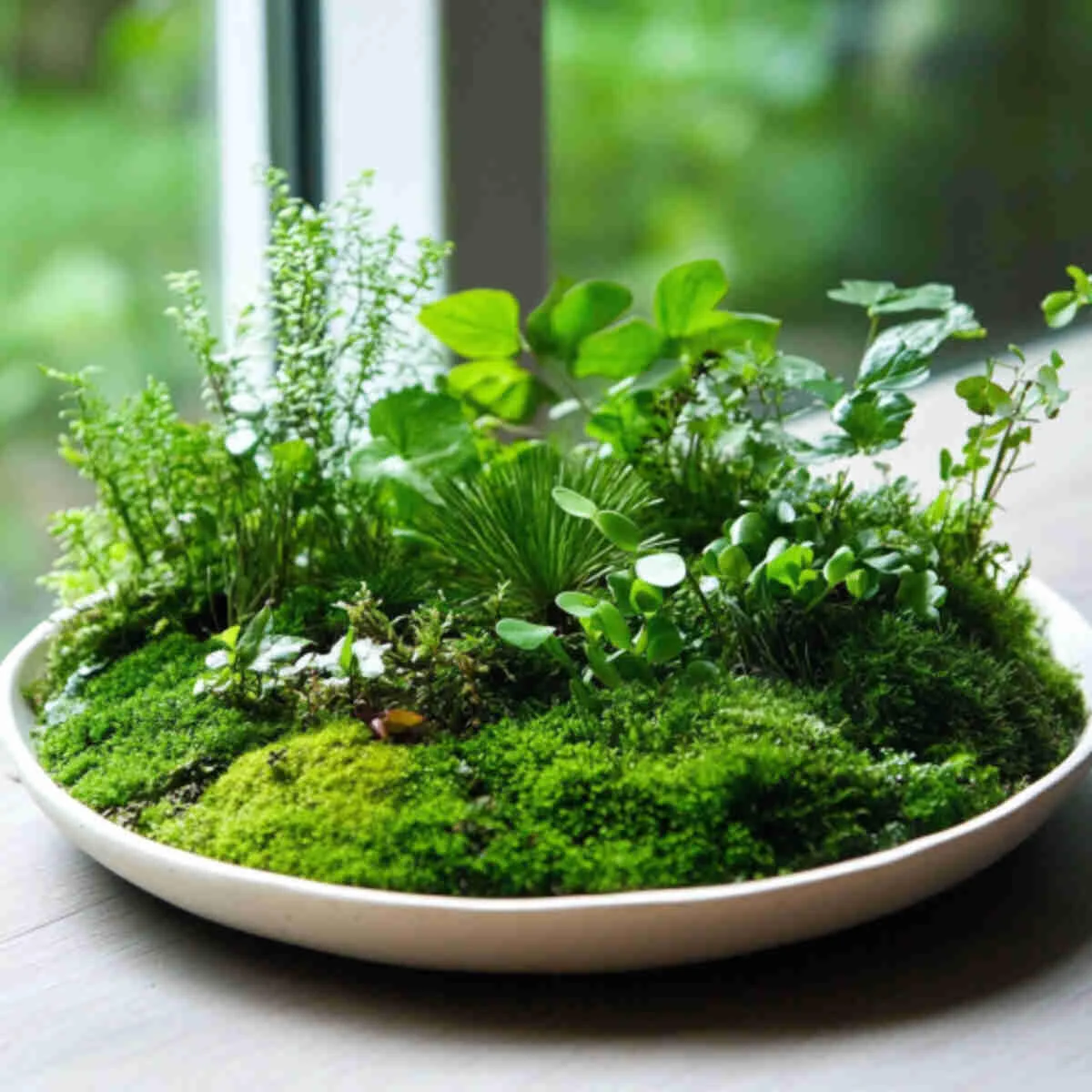
Moss works well in low-light areas and requires minimal upkeep.
15. Create a Small Kitchen Plant Corner
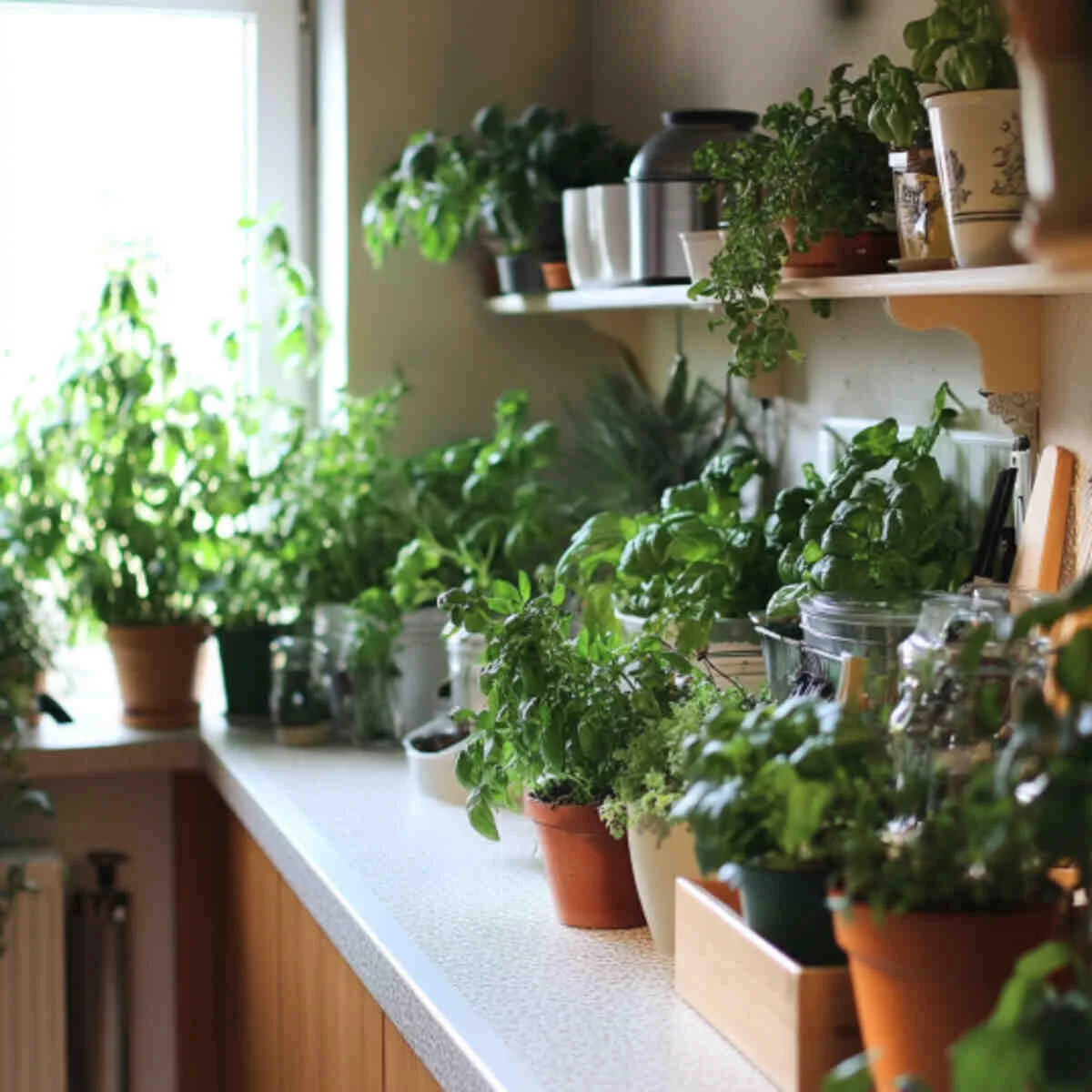
Keeping herbs in the kitchen makes them easier to use and maintain.
16. Use Bathroom Space for Humidity-Loving Plants
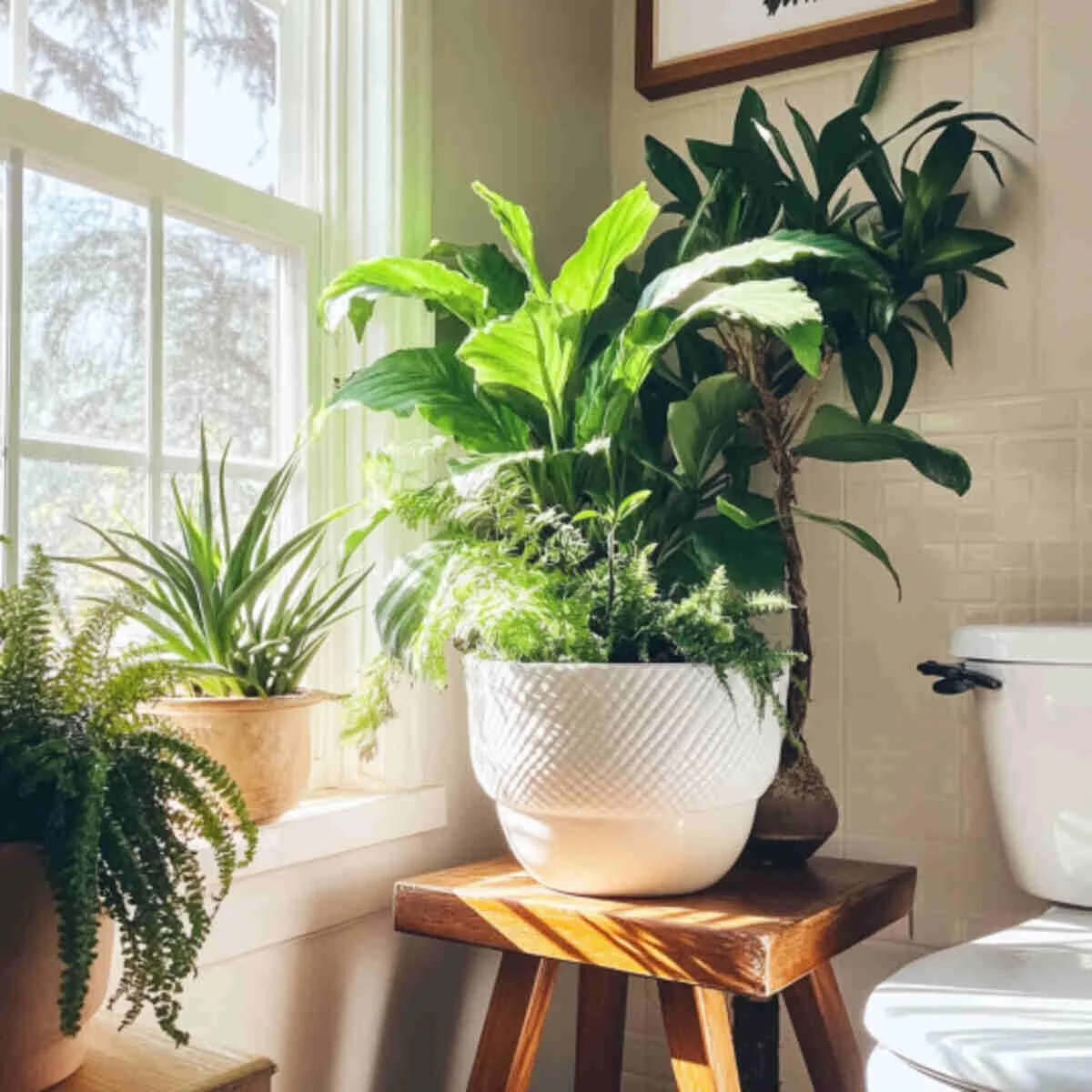
Bathrooms naturally have more humidity, which benefits certain plants.
17. Fill Low-Light Corners with Hardy Plants
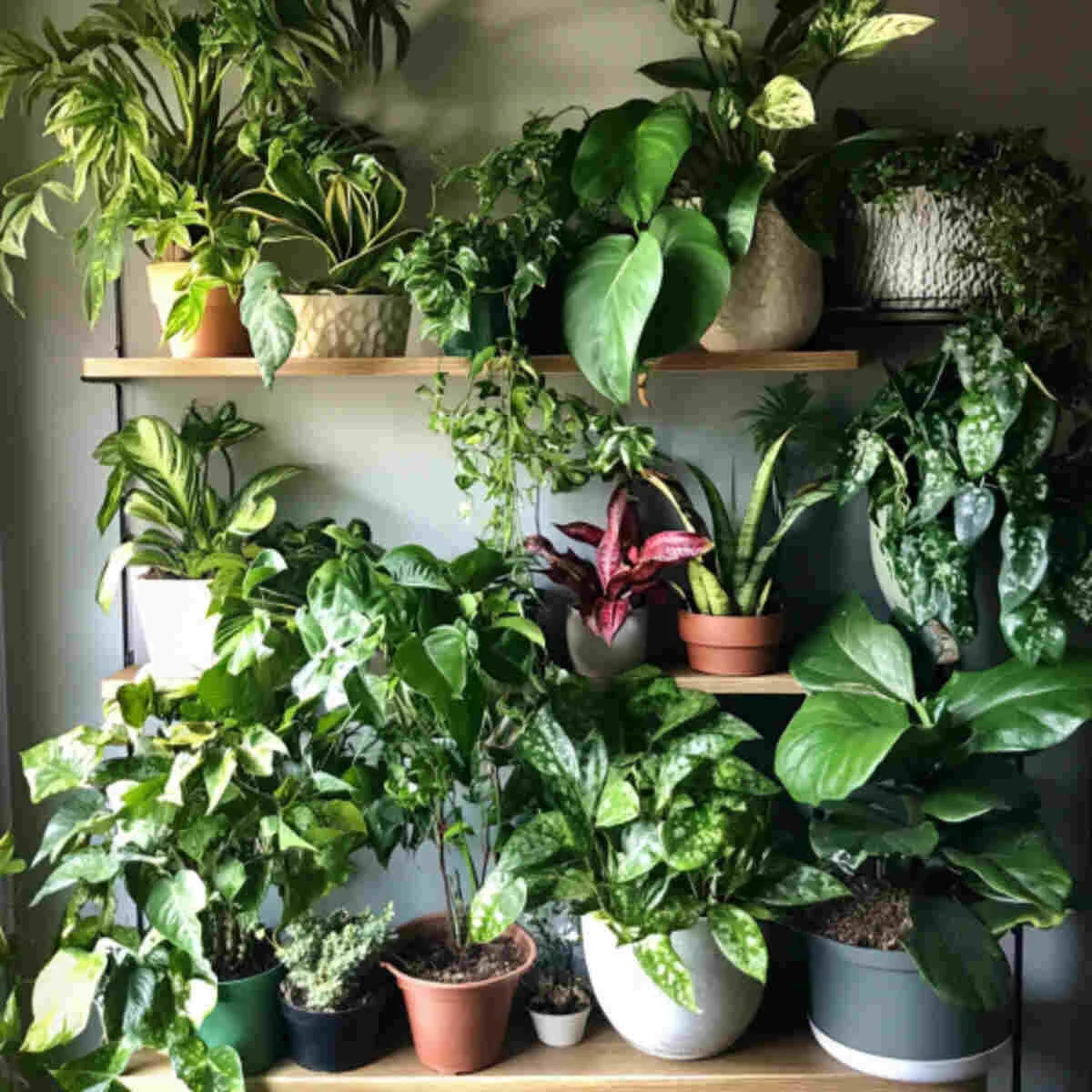
Plants like ZZ plants or snake plants handle low light conditions well.
Tip: Wipe leaves occasionally so they can absorb light more effectively.
18. Use Simple Monitoring Tools
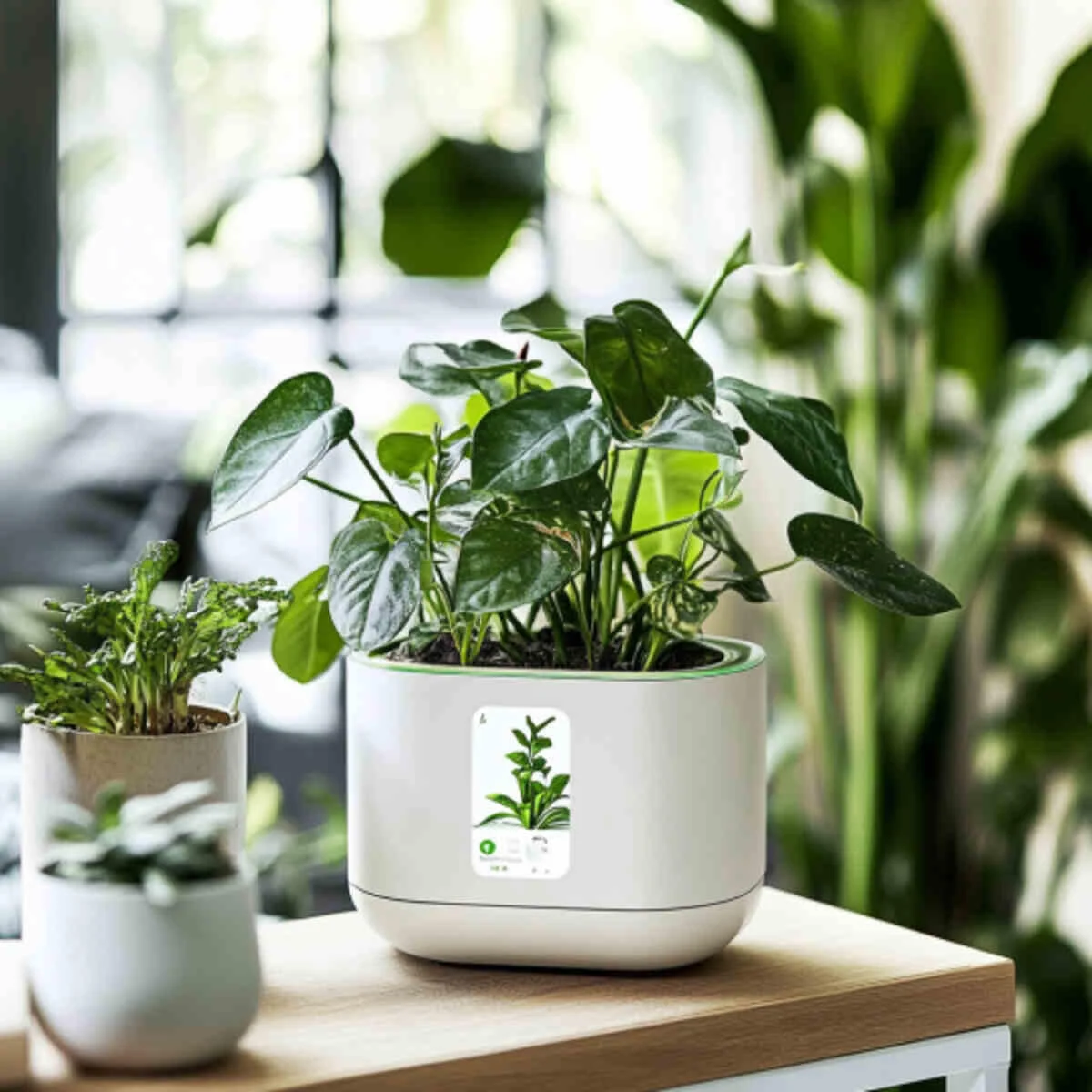
If you’re unsure about watering or temperature, basic sensors can help remove some guesswork.
Final Thoughts
Plant care doesn’t need to be complicated. Most plants respond well to consistency—steady watering, the right amount of light, and a bit of attention now and then.
Start with a few changes that fit your routine. Once you find what works, it becomes much easier to keep your indoor space looking green year-round.