

Gardening in dry climates can sometimes feel frustrating, especially during long stretches of heat when delicate plants begin struggling no matter how carefully they’re watered. But some plants are naturally built for these conditions. Many herbs come from rocky Mediterranean hillsides and sun-drenched landscapes where surviving heat and drought is simply part of life.
That’s one reason drought-friendly herb borders work so beautifully. They combine resilience with fragrance, texture, and practicality in a way that feels both relaxed and deeply rewarding. Instead of constantly fighting the weather, these plants thrive alongside it.

Another benefit is how versatile herb borders can be. They work around patios, raised beds, pathways, vegetable gardens, gravel landscapes, and even small balcony spaces. Once established, many drought-tolerant herbs require surprisingly little maintenance while still looking lush and alive throughout the season.
Beyond their practical benefits, herb borders also create a more sensory garden experience. Lavender releases fragrance in the heat, rosemary softens pathways with evergreen texture, and thyme spills gently between stones while attracting pollinators.
If you enjoy practical garden ideas that still feel beautiful and welcoming, you may also like these creative herb garden ideas for patios, balconies, and backyard spaces.
My Experience with Drought-Friendly Herb Borders
One thing I’ve learned over time is that drought-tolerant gardens often end up feeling calmer and more natural than heavily watered landscapes. Herbs like rosemary, lavender, oregano, and thyme seem to settle into dry conditions beautifully once they establish deeper roots.
I remember helping redesign a backyard that constantly struggled during summer heat waves. Instead of fighting the climate with thirsty plants, we switched the borders to Mediterranean herbs mixed with gravel, stone edging, and a few drought-friendly flowering plants. Within one season, the garden not only required less water, but actually looked healthier and more cohesive.
Another thing I appreciate about herb borders is how much sensory value they add. Warm afternoons release fragrance naturally, pollinators stay active around the flowers, and the entire garden starts feeling more alive even during dry weather.
How to Build a Successful Drought-Friendly Herb Border
- Choose herbs suited for your climate and sunlight levels
- Improve drainage with gravel or sandy soil if necessary
- Group plants with similar watering needs together
- Use stone or gravel mulch to reduce evaporation
- Allow enough airflow between plants to prevent mildew
- Water deeply but less frequently to encourage strong roots
1. Mediterranean Herb Border
Rosemary, thyme, sage, and oregano form the foundation of many drought-tolerant herb gardens because they evolved in hot, rocky Mediterranean climates. Their silvery foliage and oil-rich leaves help them retain moisture naturally.
These herbs not only tolerate heat extremely well but also create a layered, textured appearance that feels both relaxed and structured.
Adding gravel pathways or terracotta containers nearby enhances the warm Mediterranean atmosphere even more.
2. Silver-Leaf Herb Border
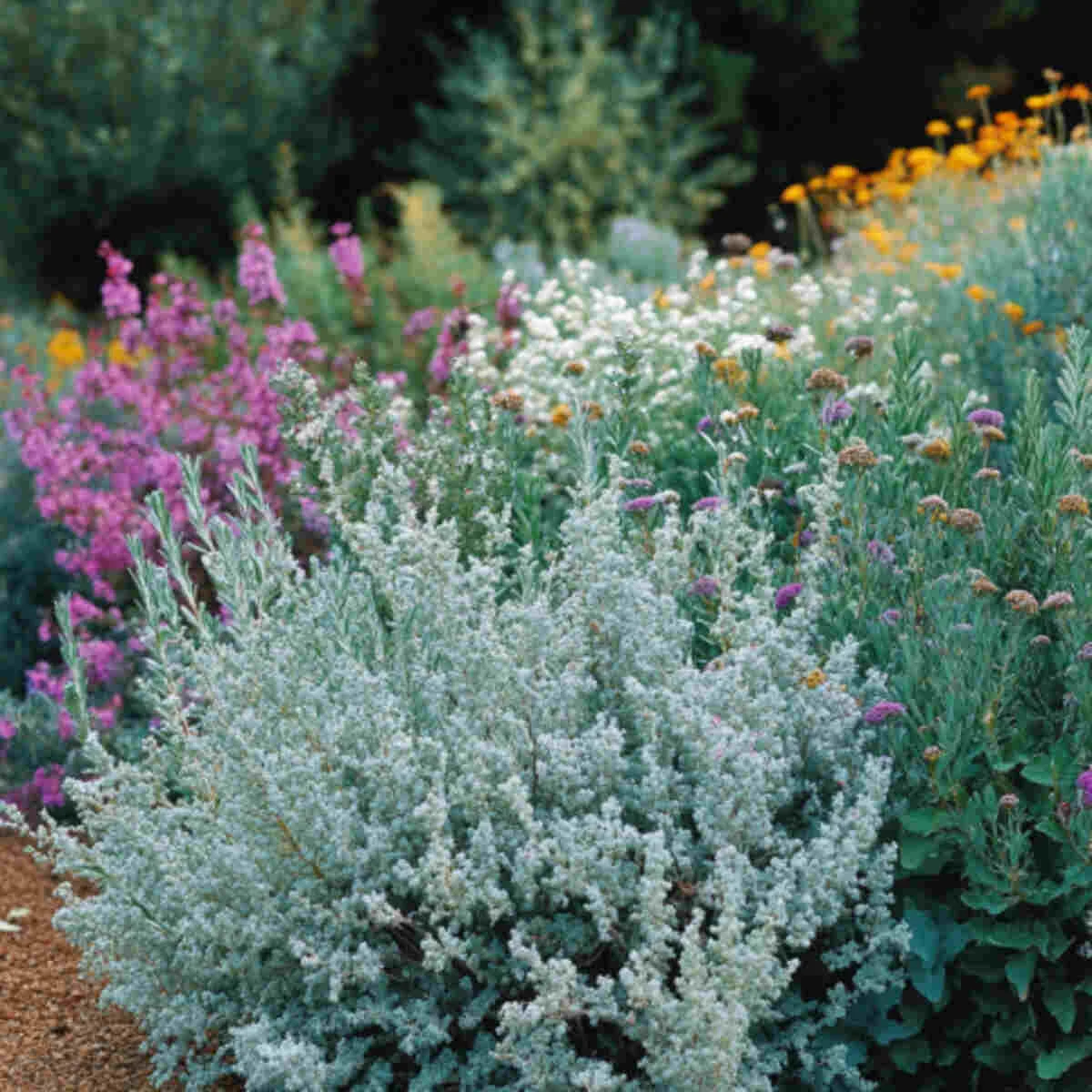
Silver and gray foliage plants are especially valuable in dry gardens because their pale coloring reflects sunlight and helps reduce moisture loss.
Lavender, artemisia, and dusty sage create a soft shimmering appearance that feels especially beautiful in evening light.
These cooler-toned herbs also pair beautifully with natural stone, gravel mulch, and warm wood accents.
3. Pollinator-Friendly Herb Edge
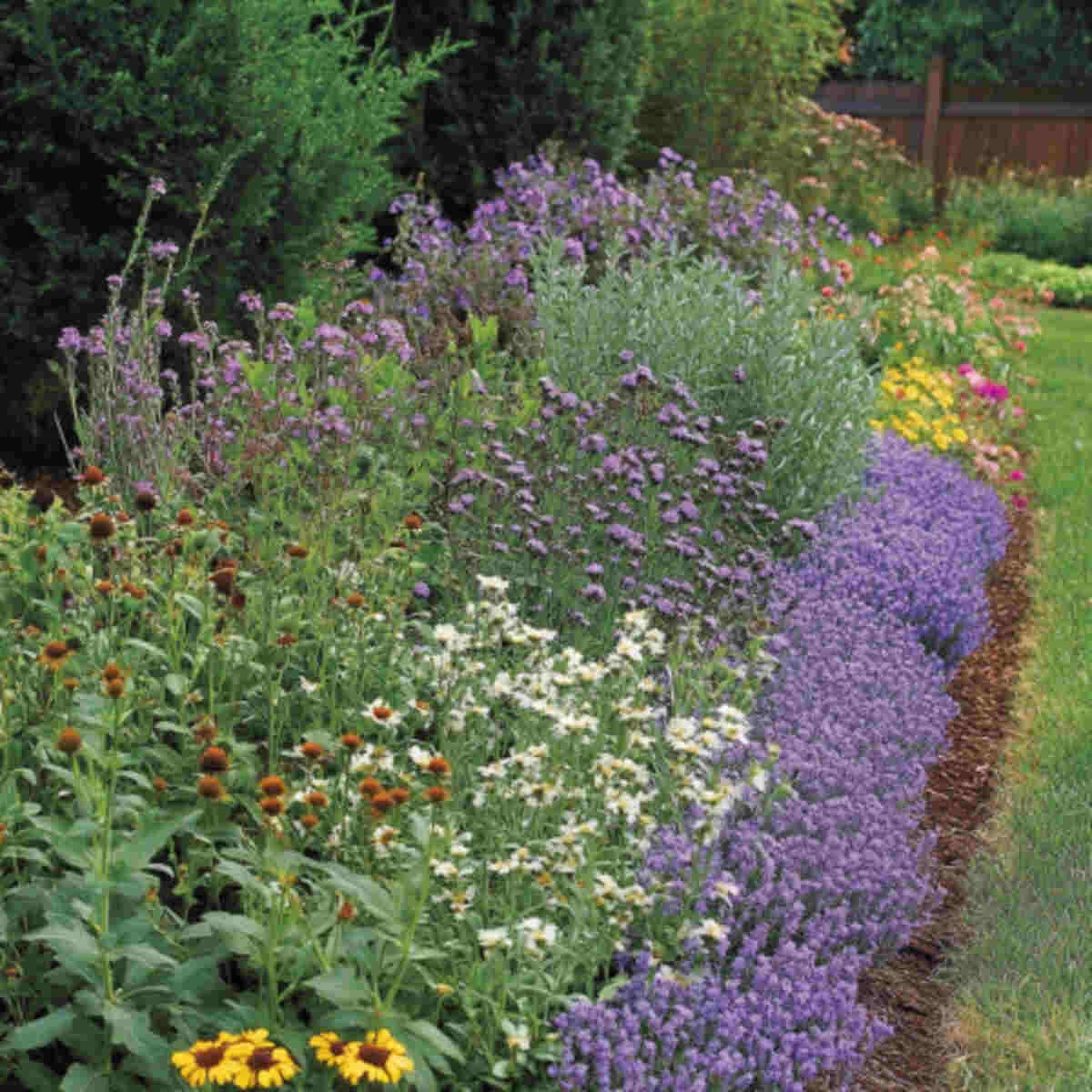
Many drought-tolerant herbs become magnets for bees, butterflies, and beneficial pollinators once they flower. Thyme, marjoram, hyssop, and borage are especially attractive to pollinator activity.
These living borders create movement and life throughout the garden while helping support a healthier ecosystem overall.
If you enjoy layered pollinator-friendly landscapes, you may also like these fragrant herb garden ideas for creating a more sensory outdoor space.
4. Rock-and-Herb Dry Border
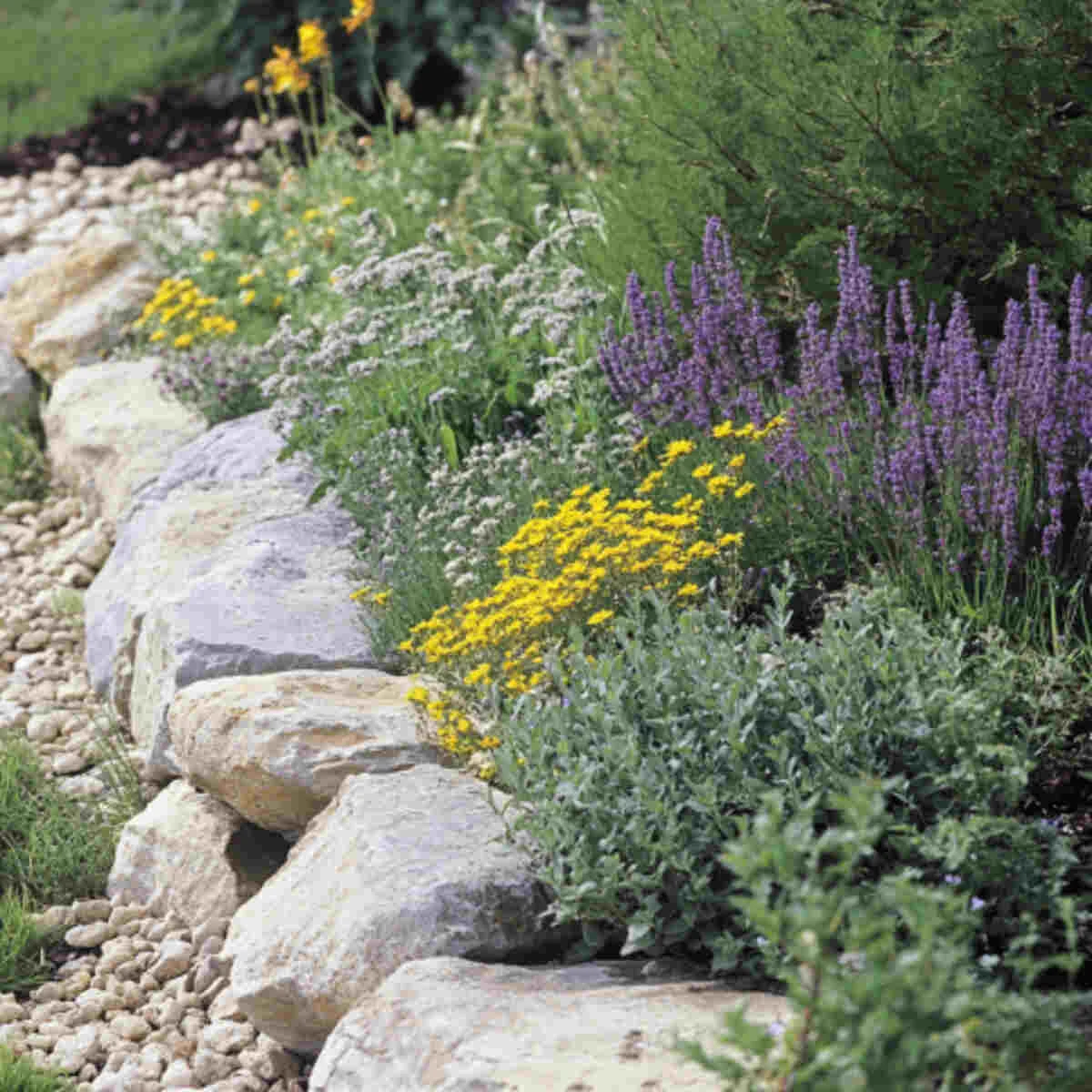
Large rocks and gravel naturally complement drought-tolerant herbs because they mimic the rocky landscapes where many of these plants grow naturally.
Stone also helps regulate soil temperature and reduces water evaporation around plant roots.
This rugged layout works especially well on slopes or difficult dry areas where traditional flower beds often struggle.
5. Gravel Herb Border
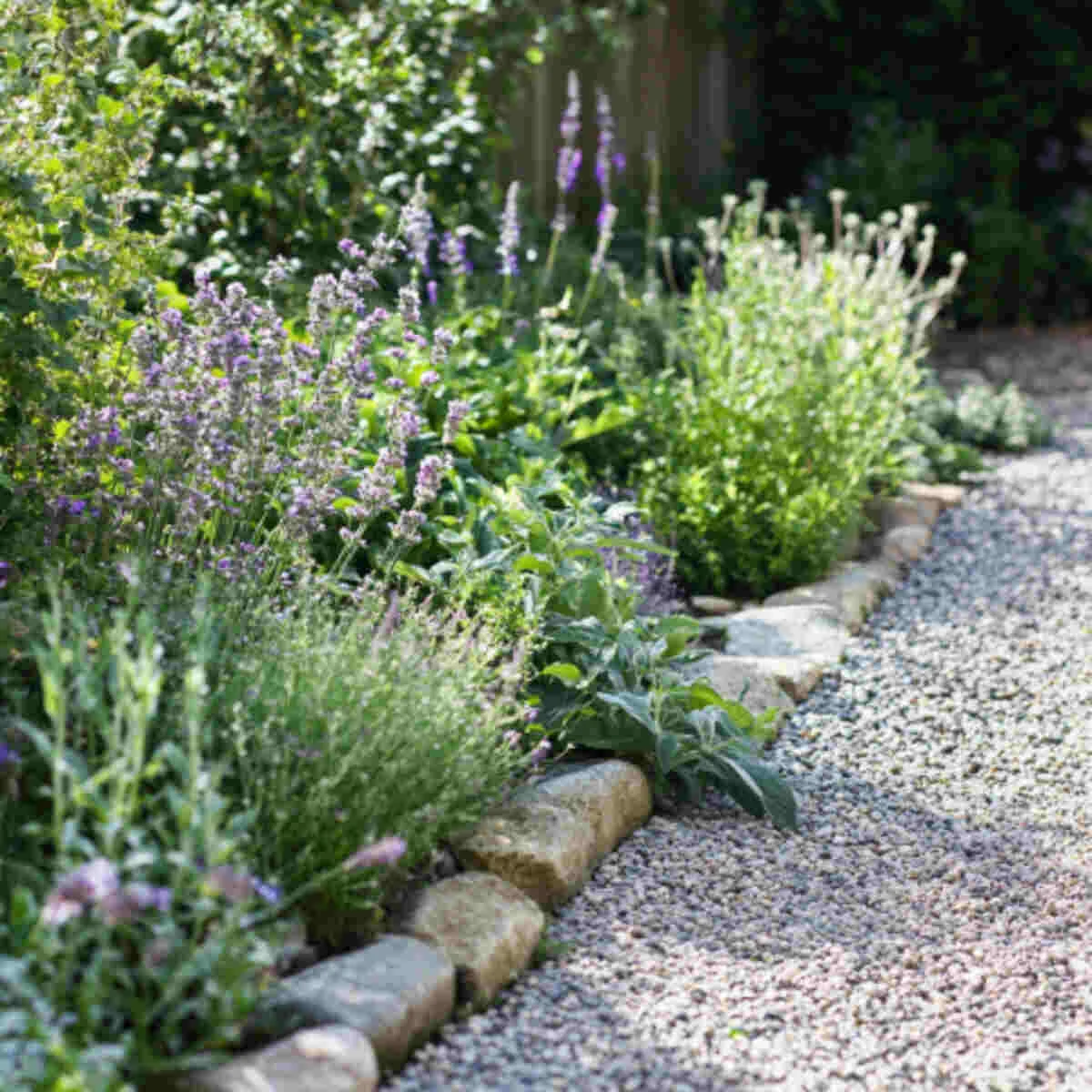
Gravel mulch is one of the simplest ways to support drought-tolerant herbs. It suppresses weeds, improves drainage, and helps keep the base of the plants dry.
Unlike organic mulch, gravel doesn’t hold excessive moisture around herb stems, which reduces the risk of rot.
Light-colored gravel can also brighten the garden visually while reflecting heat away from the soil.
6. Aromatic Heat-Tolerant Herb Strip
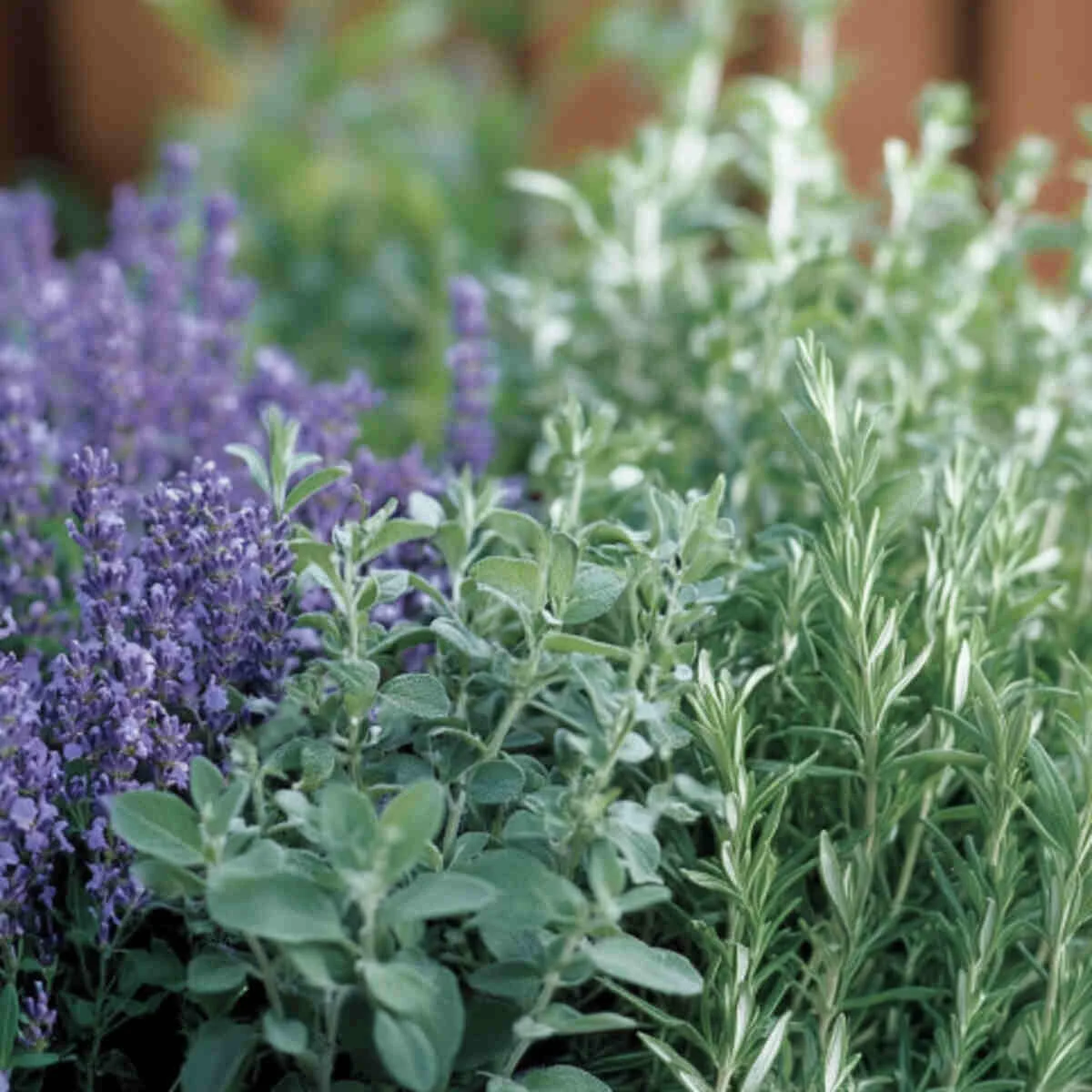
One of the best things about drought-tolerant herbs is how fragrant they become in warm weather. Heat naturally releases their essential oils into the air.
Planting rosemary, savory, lavender, and hyssop along walkways creates a more immersive garden experience whenever you brush past the plants.
These strips also soften hardscape edges while adding movement and texture to pathways.
7. Raised Bed Drought Border
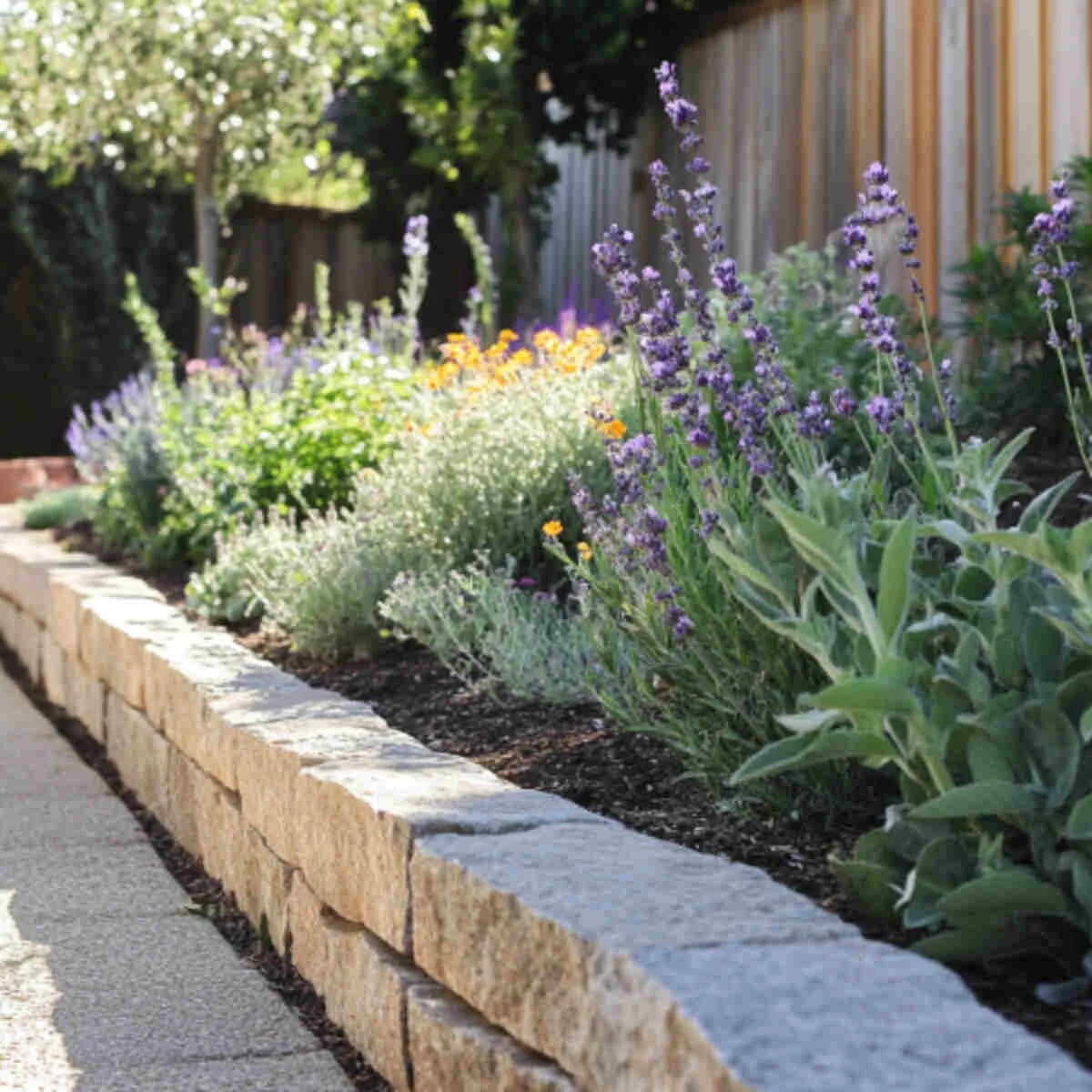
Raised beds are especially useful for gardeners with heavy clay soil or areas that remain damp after rain. Herbs generally prefer fast-draining soil and dry roots.
Deeper raised beds also retain moisture more evenly while still allowing excess water to drain away efficiently.
Combining herbs with gravel paths or stone edging helps create a more cohesive drought-friendly design.
8. Xeriscape Herb Curve
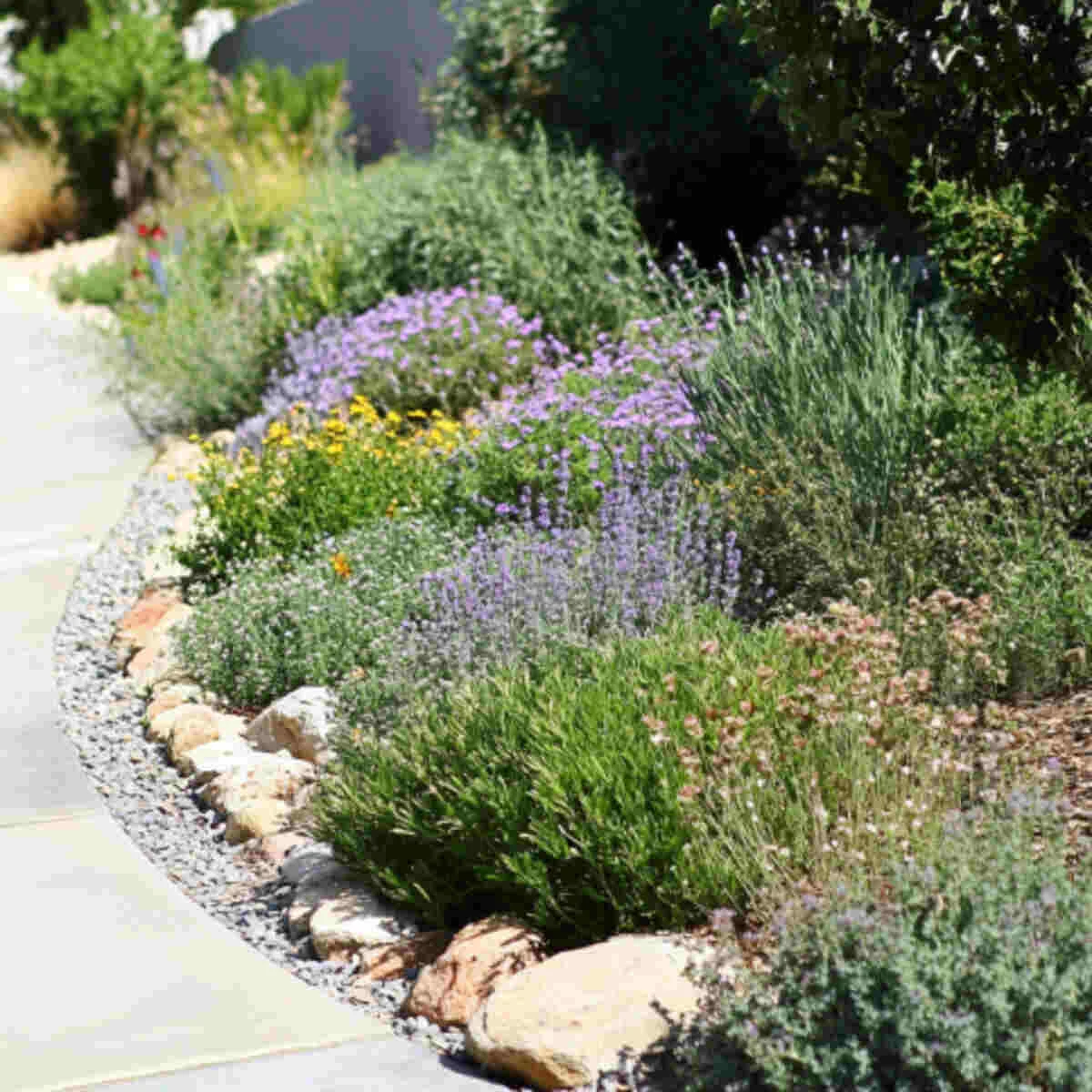
Xeriscaping focuses on working with the climate instead of constantly fighting against it. Curved herb borders feel especially organic and help the garden flow naturally with the landscape.
Grouping herbs with similar water needs together also simplifies maintenance and irrigation.
Warm stone, gravel, and layered planting heights help keep the space visually balanced and relaxed.
9. Rustic Stone-Edged Herb Border
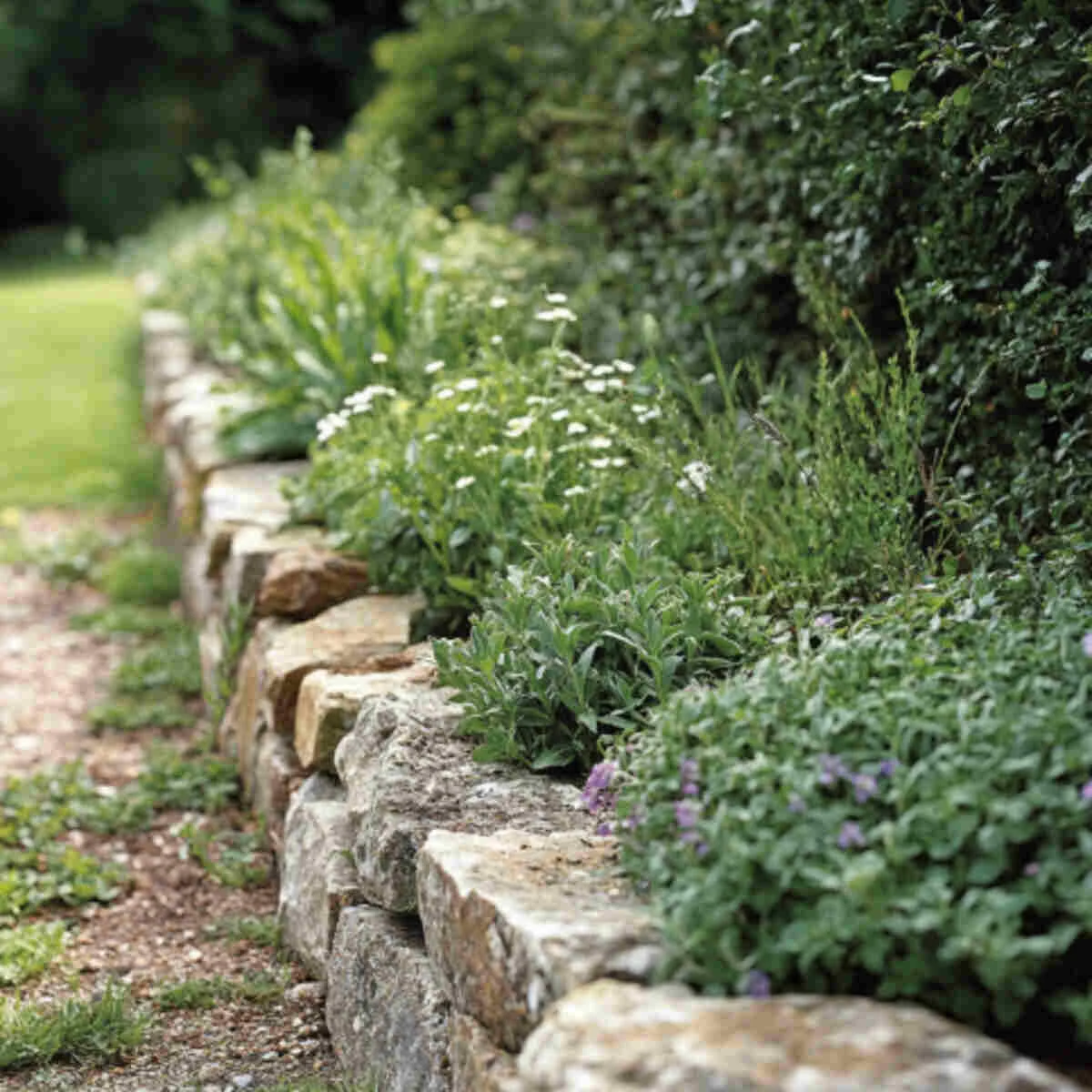
Stone edging gives herb borders a more grounded and timeless appearance while helping contain gravel and soil.
The rough texture of natural stone pairs especially well with soft herbs like lavender, thyme, and oregano.
This style works beautifully in cottage gardens, Mediterranean landscapes, and rustic backyard designs.
10. Low-Water Culinary Herb Border
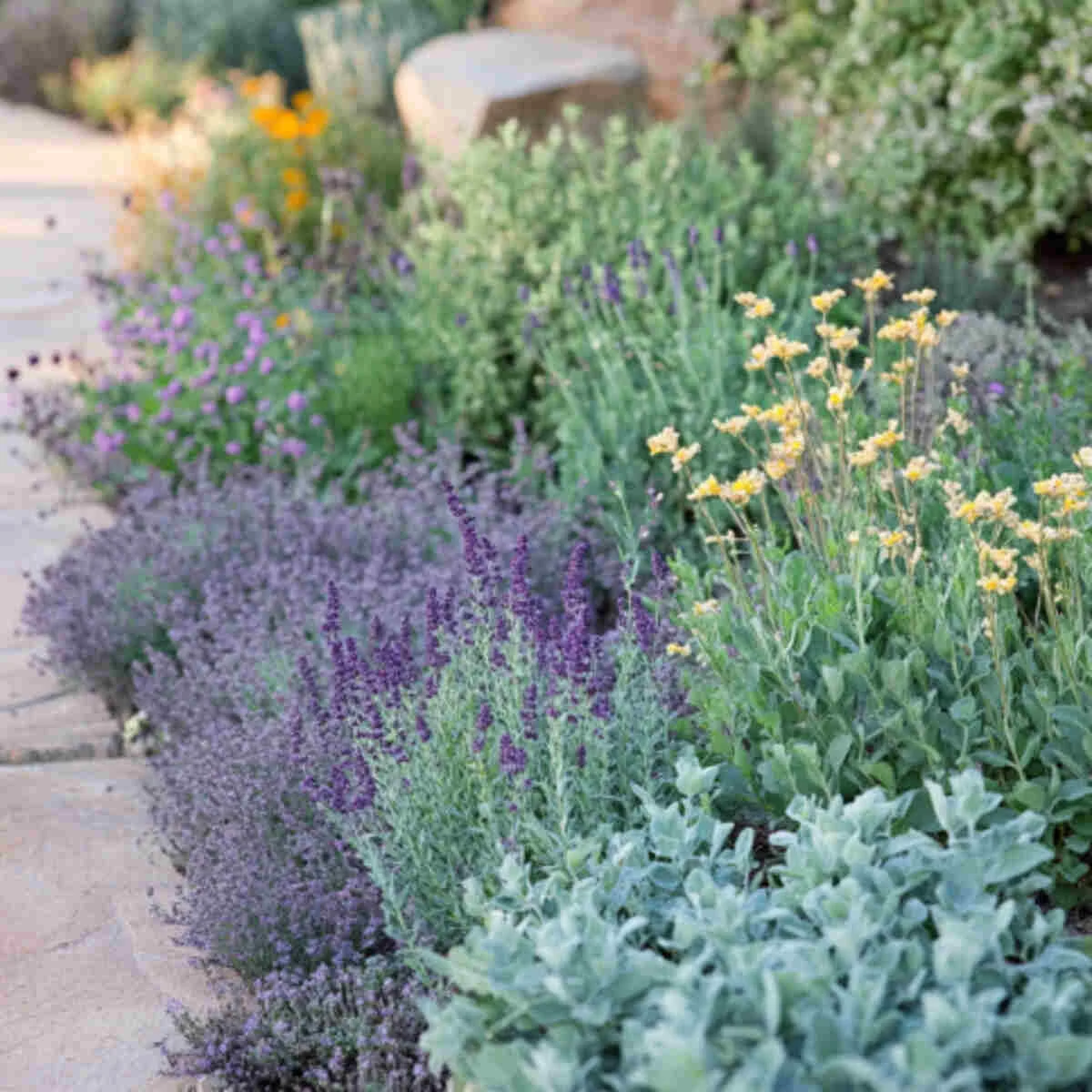
Drought-tolerant herb borders can also become highly productive kitchen gardens. Oregano, thyme, chives, sage, and rosemary all provide reliable culinary harvests while remaining relatively low maintenance.
Positioning these herbs close to pathways or patios makes harvesting easier during cooking.
Allowing some herbs to flower also helps attract beneficial pollinators to nearby vegetables and flowers.
11. Sun-Loving Perennial Herb Border
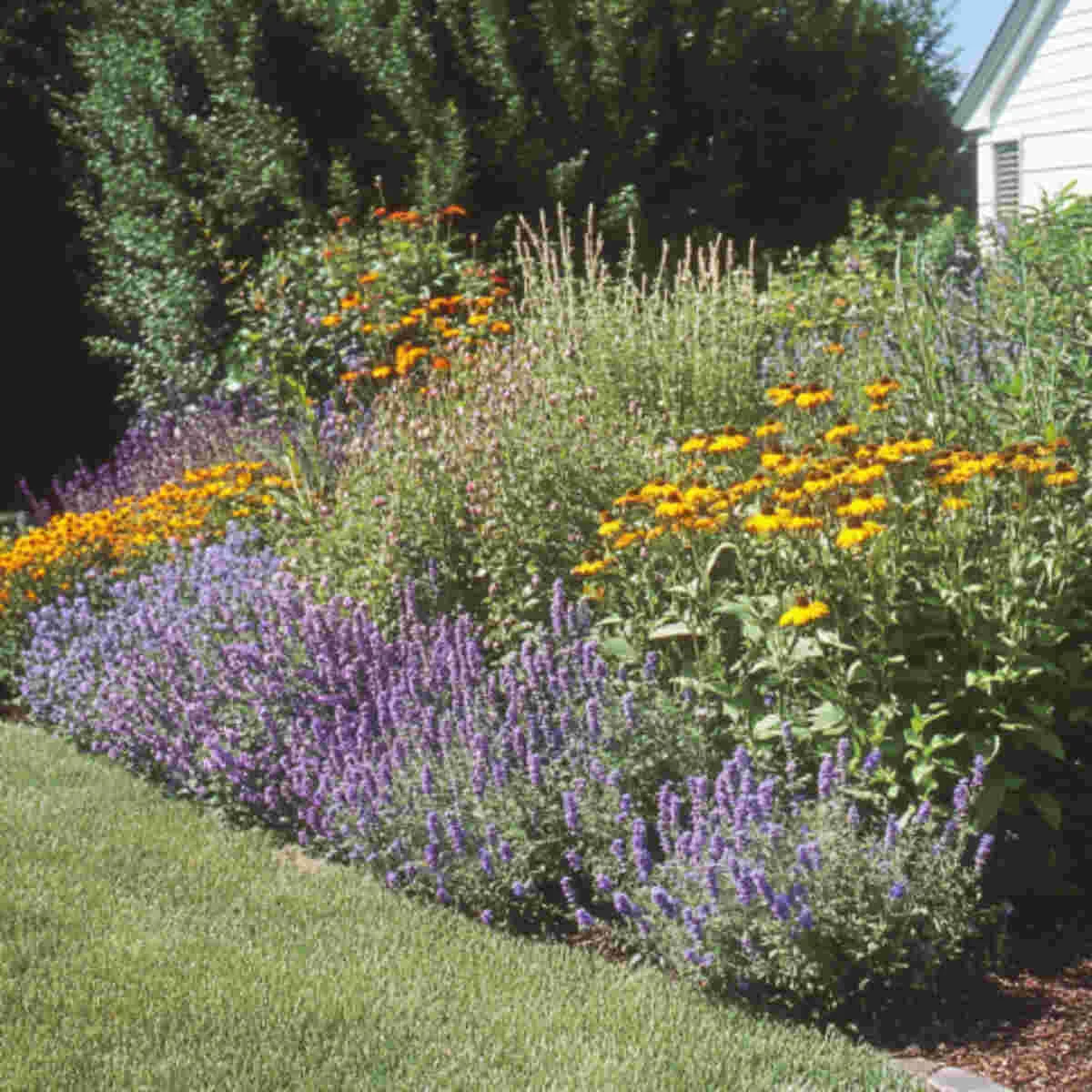
Perennial herbs are some of the most rewarding plants for dry gardens because they become stronger and more self-sufficient over time.
Lavender, winter savory, rosemary, and sage often require surprisingly little water after their root systems mature.
Deep but infrequent watering encourages roots to grow downward, which improves long-term drought resistance naturally.
12. Compact Patio Herb Edge
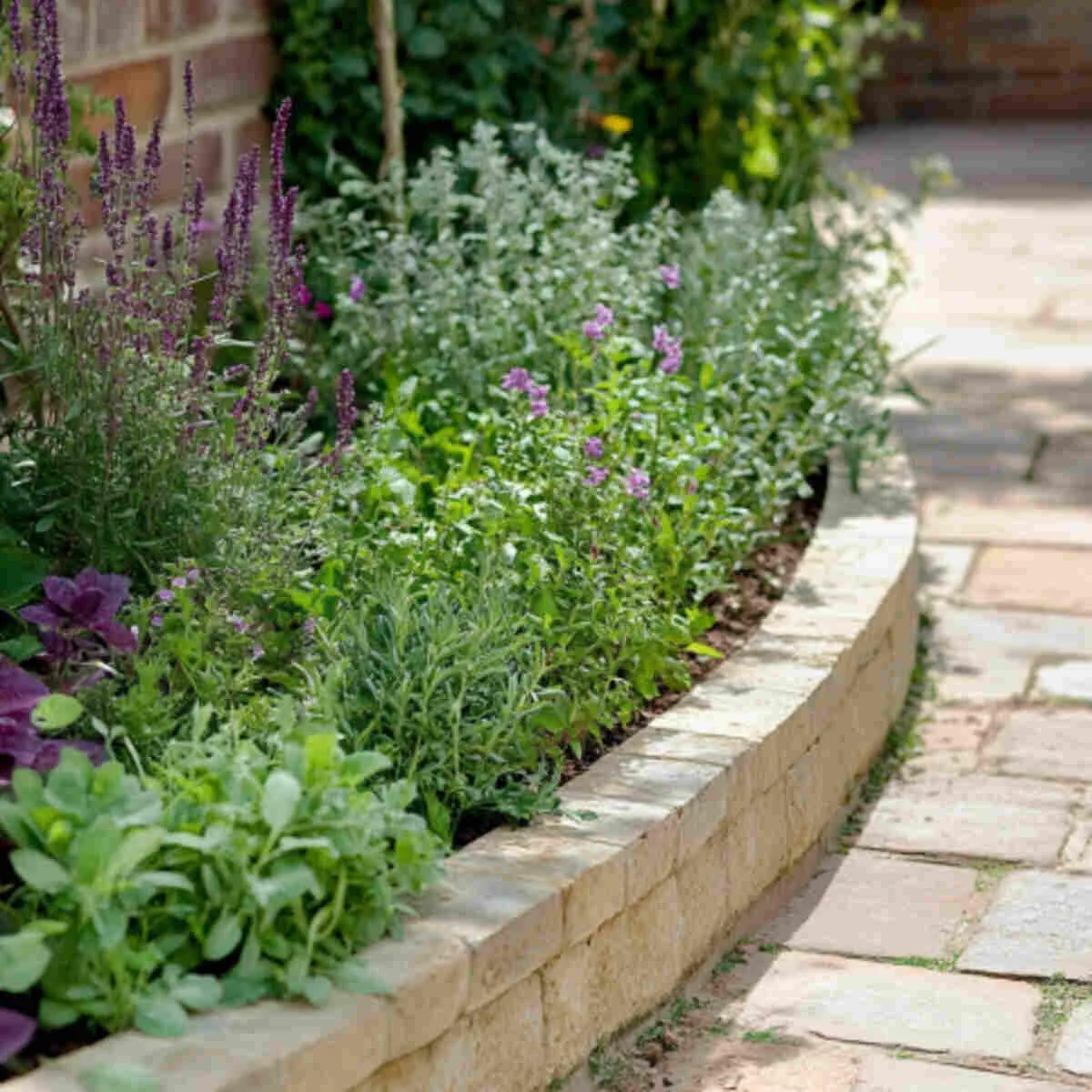
You don’t need a large yard to create a drought-friendly herb border. Small patios and balconies often benefit even more from compact herb plantings because fragrance stays concentrated around seating areas.
Container-friendly herbs like thyme, lavender, rosemary, and oregano thrive surprisingly well in sunny patio conditions.
Terracotta pots and gravel surfaces naturally complement the relaxed Mediterranean look.
13. Evergreen Drought-Proof Herb Border
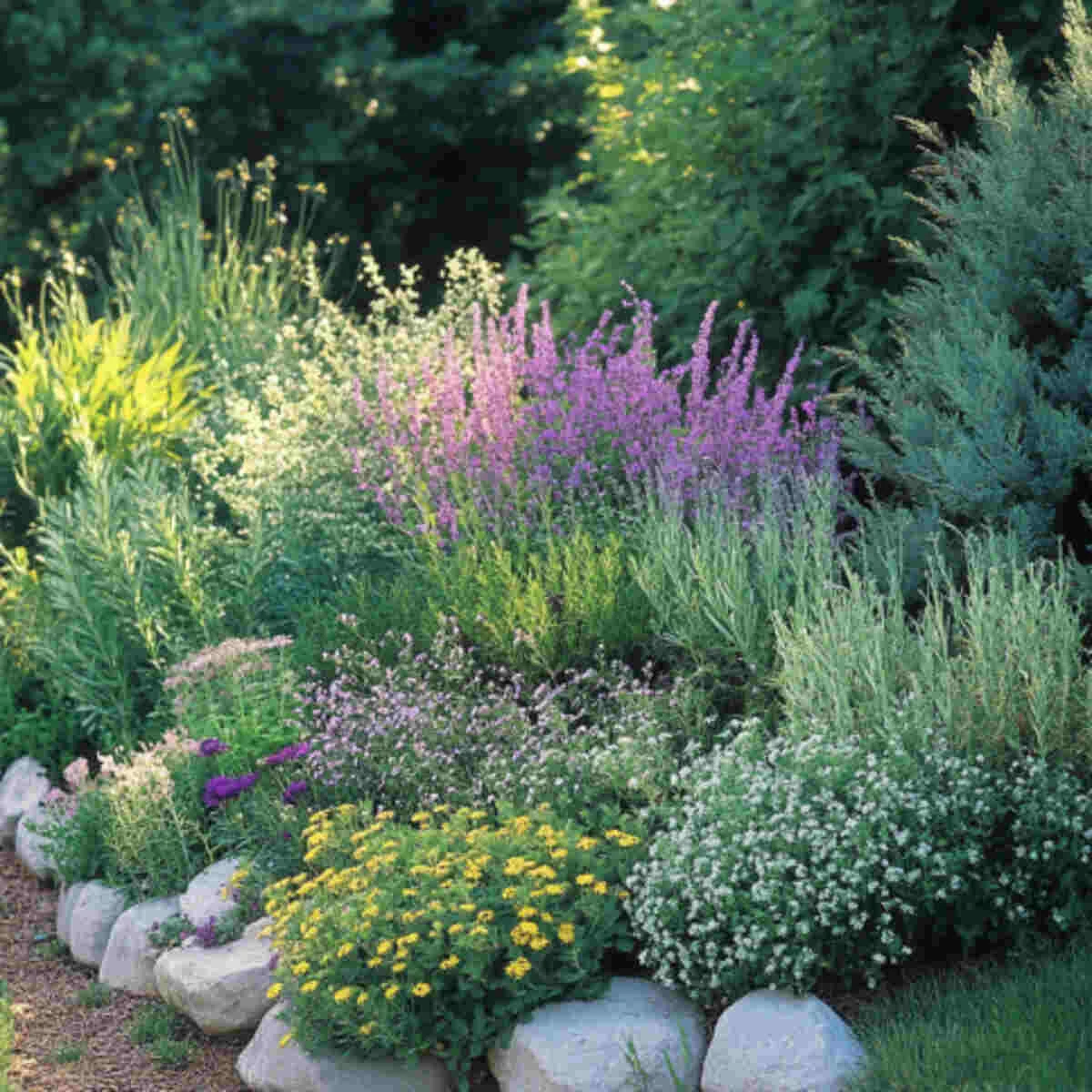
Evergreen herbs help drought-friendly gardens remain attractive year-round instead of fading seasonally. Rosemary and bay laurel continue adding structure, texture, and fragrance even during colder months.
These sturdy herbs create a more permanent framework that supports softer seasonal flowers and annual herbs.
In warmer climates, evergreen herb borders often become even more beautiful and textured as they mature over time.
Best Herbs for Hot and Dry Gardens
| Herb | Water Needs | Best Features | Sun Requirement |
|---|---|---|---|
| Lavender | Low | Fragrant flowers and pollinator-friendly | Full sun |
| Rosemary | Low | Evergreen structure and culinary use | Full sun |
| Thyme | Low | Ground cover and aromatic foliage | Full sun |
| Sage | Low | Soft texture and heat tolerance | Full sun |
Common Mistakes to Avoid
- Overwatering herbs: Most drought-tolerant herbs dislike constantly damp soil.
- Using heavy clay soil without drainage: Poor drainage often causes root rot.
- Planting herbs too closely together: Proper airflow helps prevent mildew and disease.
- Ignoring sunlight needs: Most drought-friendly herbs require full sun to thrive.
- Using thick organic mulch directly against stems: Gravel usually works better for Mediterranean herbs.
Frequently Asked Questions
What herbs survive best in dry climates?
Rosemary, thyme, lavender, oregano, sage, and savory are among the best herbs for hot and dry conditions.
Do drought-tolerant herbs still need watering?
Yes, especially while becoming established. Once mature, many herbs require much less frequent watering.
Can drought-friendly herbs grow in containers?
Absolutely. Terracotta containers with well-draining soil work especially well for Mediterranean herbs.
Why do many drought-tolerant herbs have silver leaves?
Silver foliage reflects sunlight and helps reduce moisture loss during intense heat.
Final Thoughts
Drought-friendly herb borders prove that low-water gardening doesn’t need to feel sparse or lifeless. In many ways, these gardens become even more beautiful because they work naturally with the climate instead


