
Want to grow healthy vegetables without relying on lots of fertilizer? A low-fertilizer garden can be easier to maintain, better for your soil, and more sustainable over time.
With the right methods, you can grow strong, productive plants while using fewer inputs. The key is to build healthy soil, hold moisture well, and use natural materials that feed plants gradually instead of all at once.

These low-fertilizer vegetable growing garden ideas can help you create a garden that is productive, practical, and gentler on the environment.
1. Compost-Enriched Bed Planting
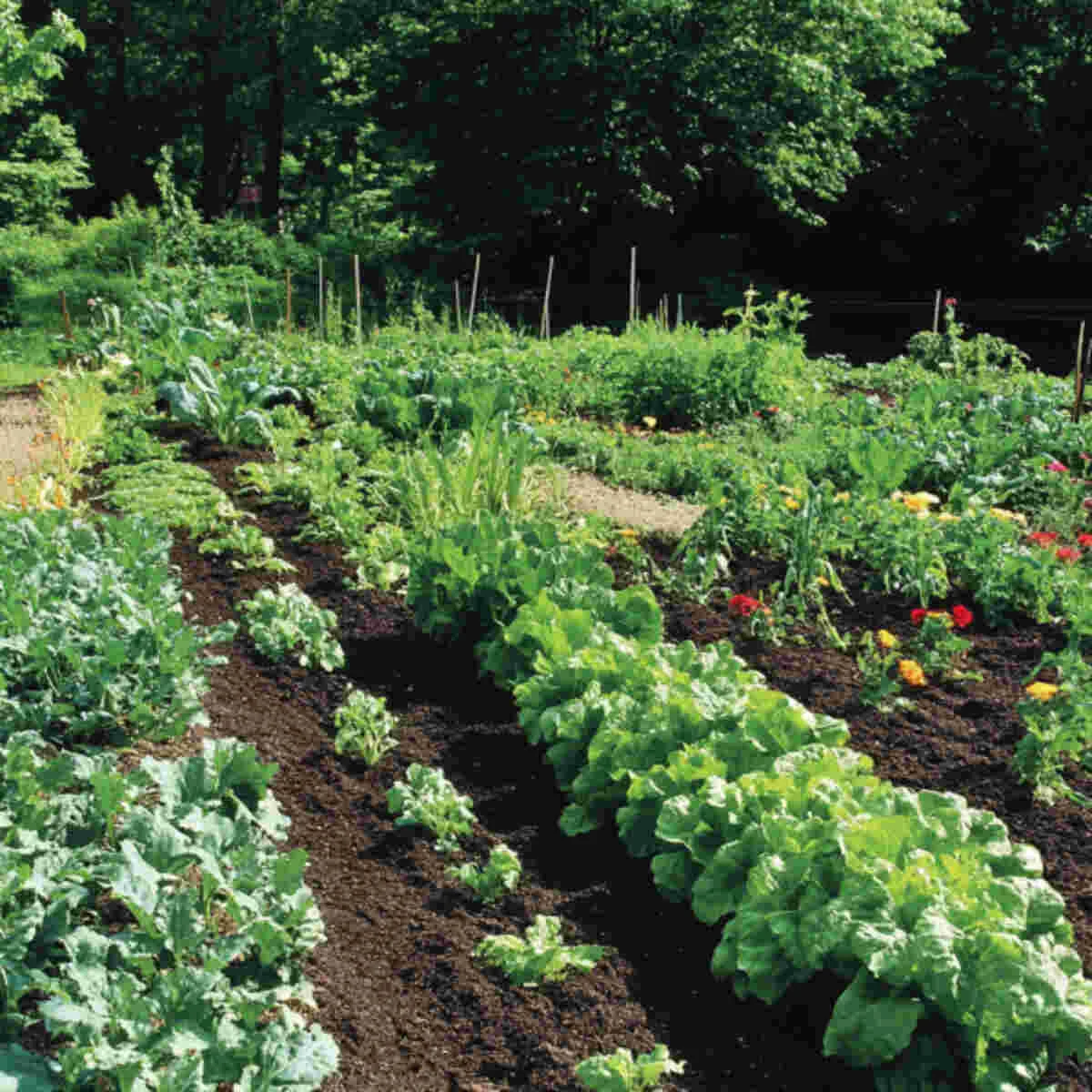
Compost-enriched beds are one of the most reliable ways to grow vegetables with less fertilizer. Compost improves soil texture, helps the ground hold moisture, and provides a slow, steady supply of nutrients that plants can use over time.
Instead of depending on repeated feedings, the soil becomes more supportive on its own. This helps vegetables grow more evenly through the season and encourages stronger root development.
It is also one of the best long-term habits for gardeners who want healthier soil year after year.
2. Mulched Vegetable Rows
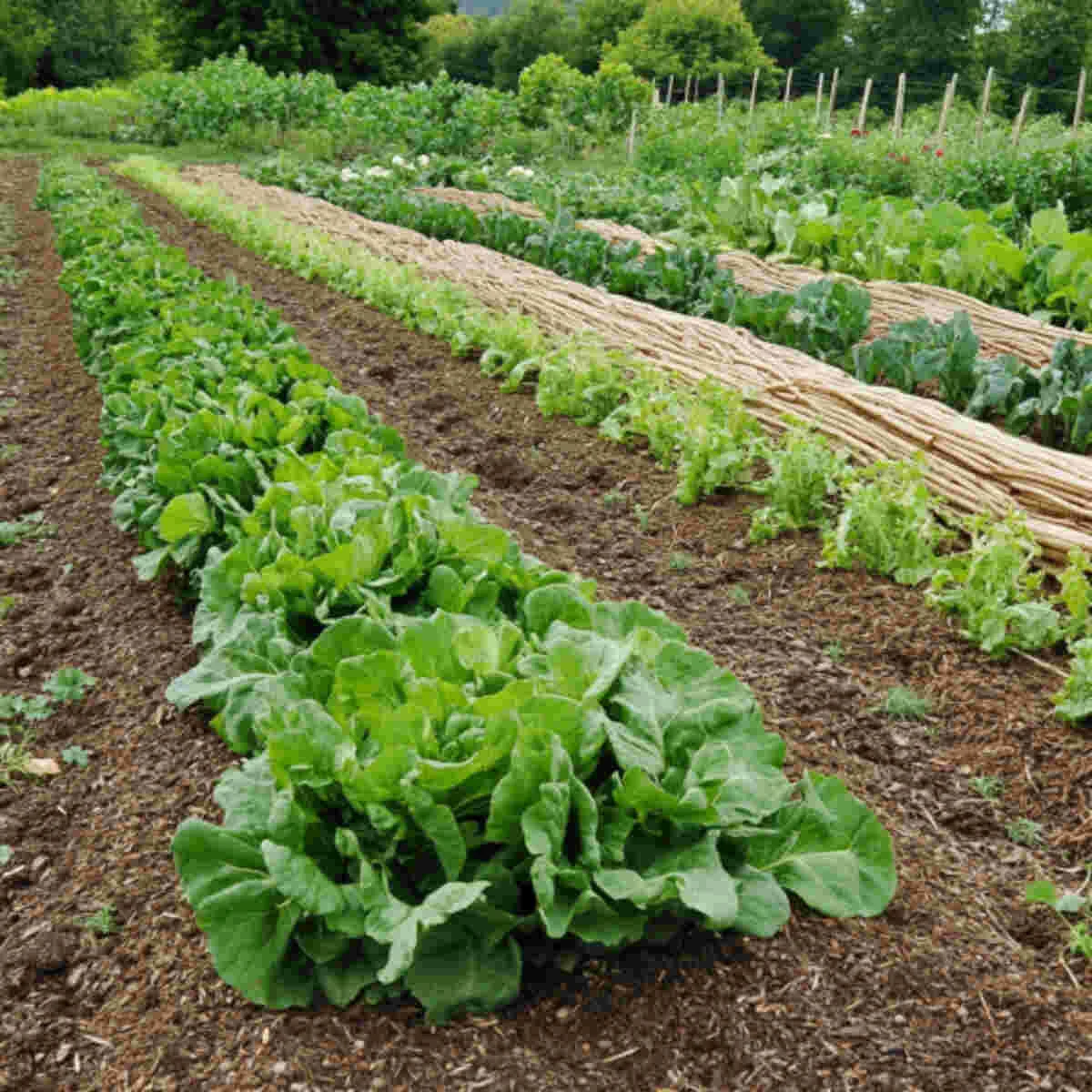
Mulch helps vegetables grow well with fewer added nutrients because it protects the soil surface from drying out, washing away, or overheating in strong sun.
As organic mulch slowly breaks down, it adds more natural matter to the ground and helps support soil life. This improves the growing conditions around your vegetables without requiring constant feeding.
Mulched rows also help reduce weeds, which means less competition for water and nutrients.
3. Legume-Supported Soil Enrichment
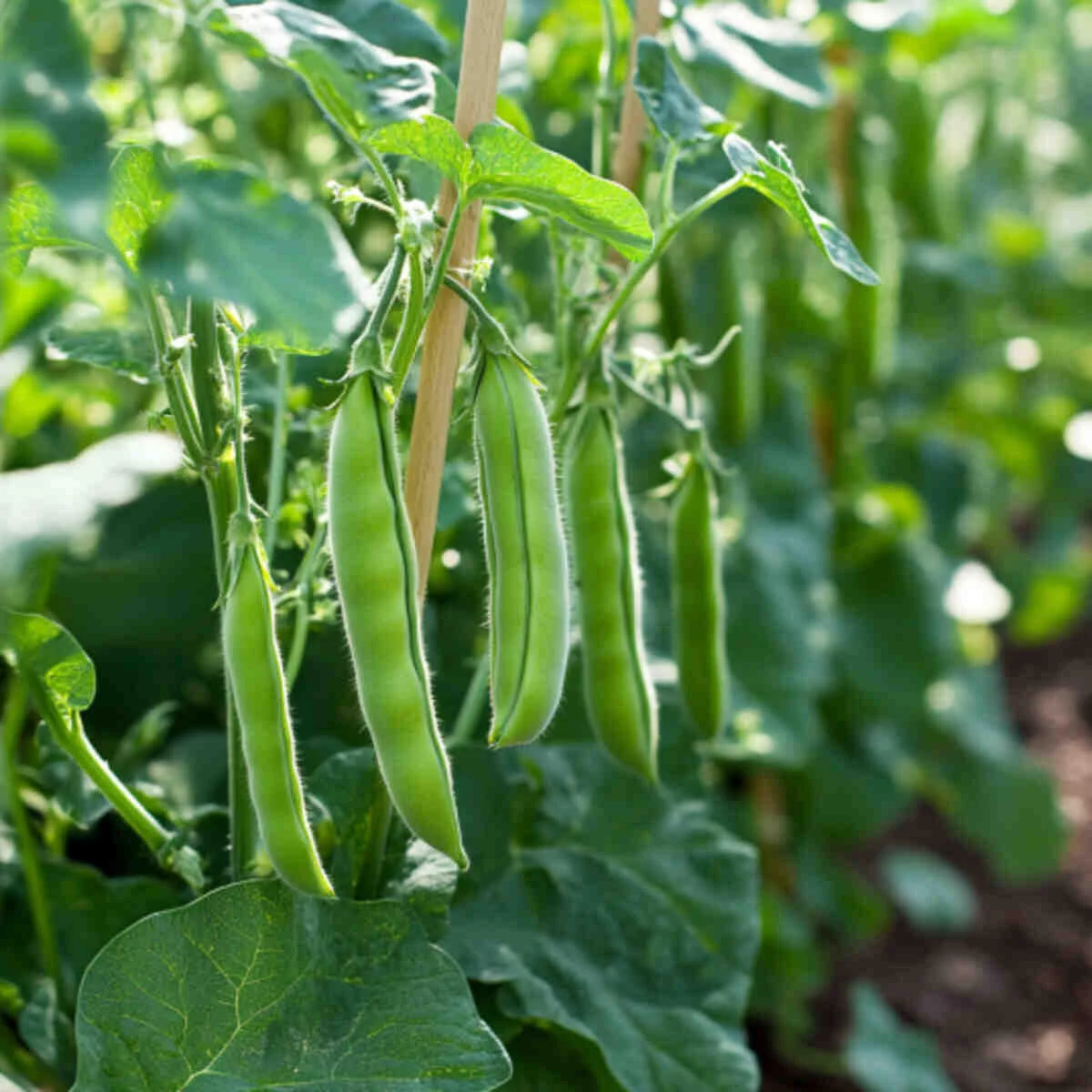
Legumes such as peas and beans can play an important role in a low-fertilizer garden. These plants work with beneficial soil bacteria to help improve nitrogen levels naturally.
Including legumes in your planting plan can make the garden more balanced and reduce the need for additional feeding later. They are especially helpful in crop rotations where the next planting benefits from the improved soil.
This makes them a practical and natural way to support long-term garden fertility.
4. Slow-Release Organic Fertilizer Pots
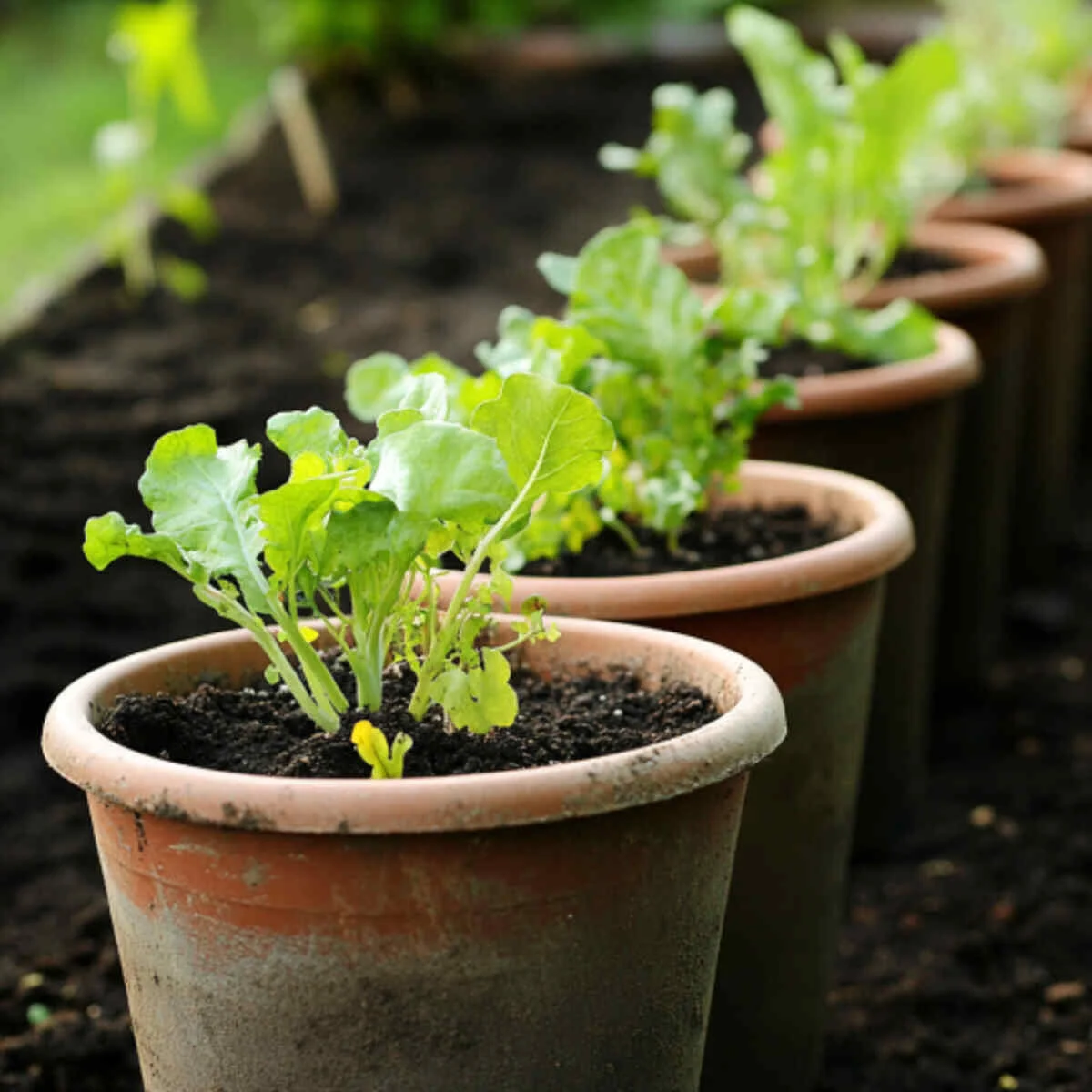
Containers can lose nutrients faster than in-ground beds, so using a slow-release organic fertilizer can help keep potted vegetables growing steadily without frequent feeding.
Because the nutrients release gradually, plants receive what they need over a longer period instead of all at once. This supports more even growth and helps avoid waste.
It is a useful option for gardeners who want a simple, lower-input way to keep container vegetables productive.
5. No-Till Vegetable Beds
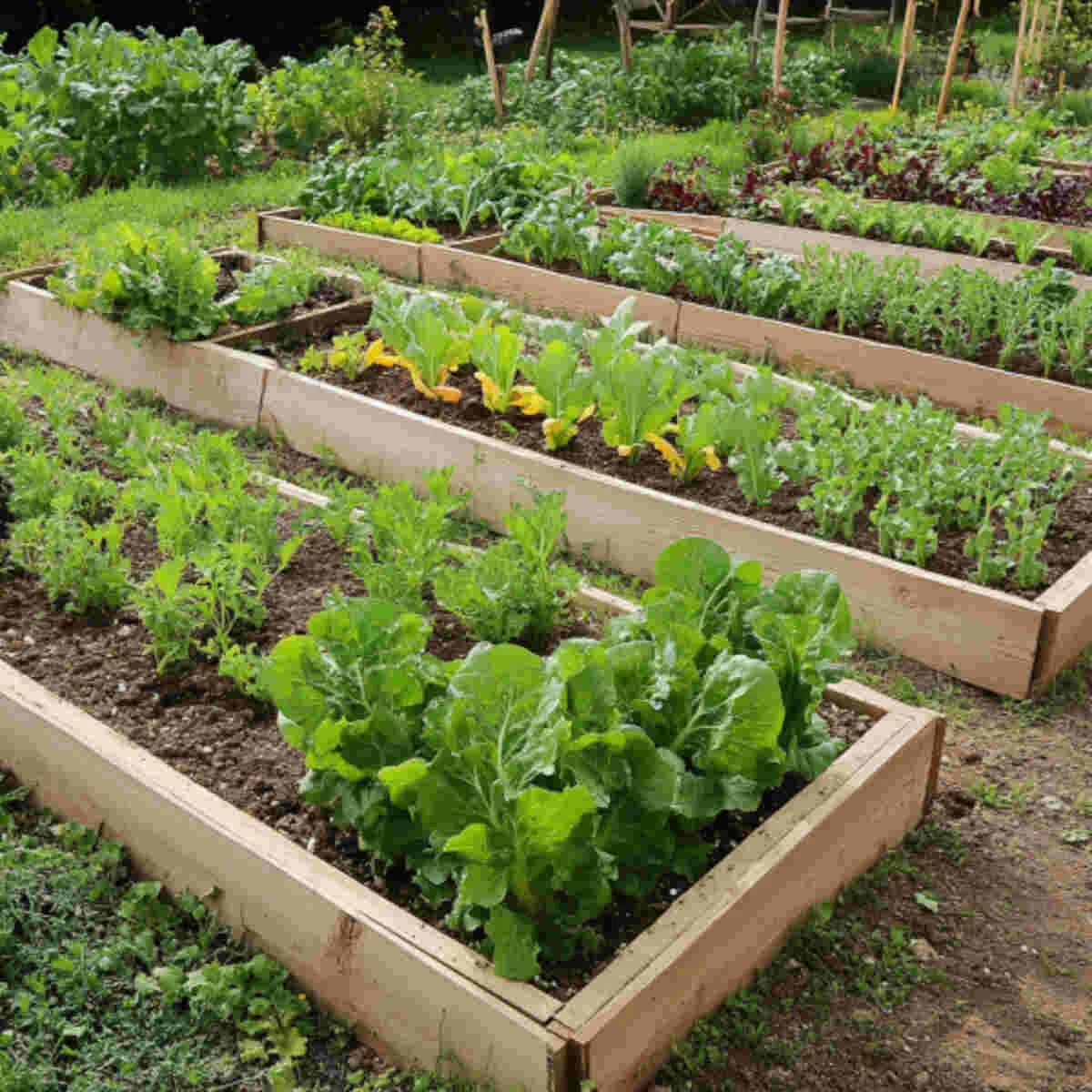
No-till gardening helps preserve the natural structure of the soil. Instead of turning and disturbing the ground, you add compost or mulch to the top and let nature do more of the work below.
This helps protect helpful microbes, worms, and natural nutrient cycles that support plant growth. Over time, the soil often becomes easier to work with and better able to hold moisture and nutrients.
For low-fertilizer gardening, this is one of the most effective ways to build a healthier growing system over time.
6. Leaf-Mold Amended Garden Soil
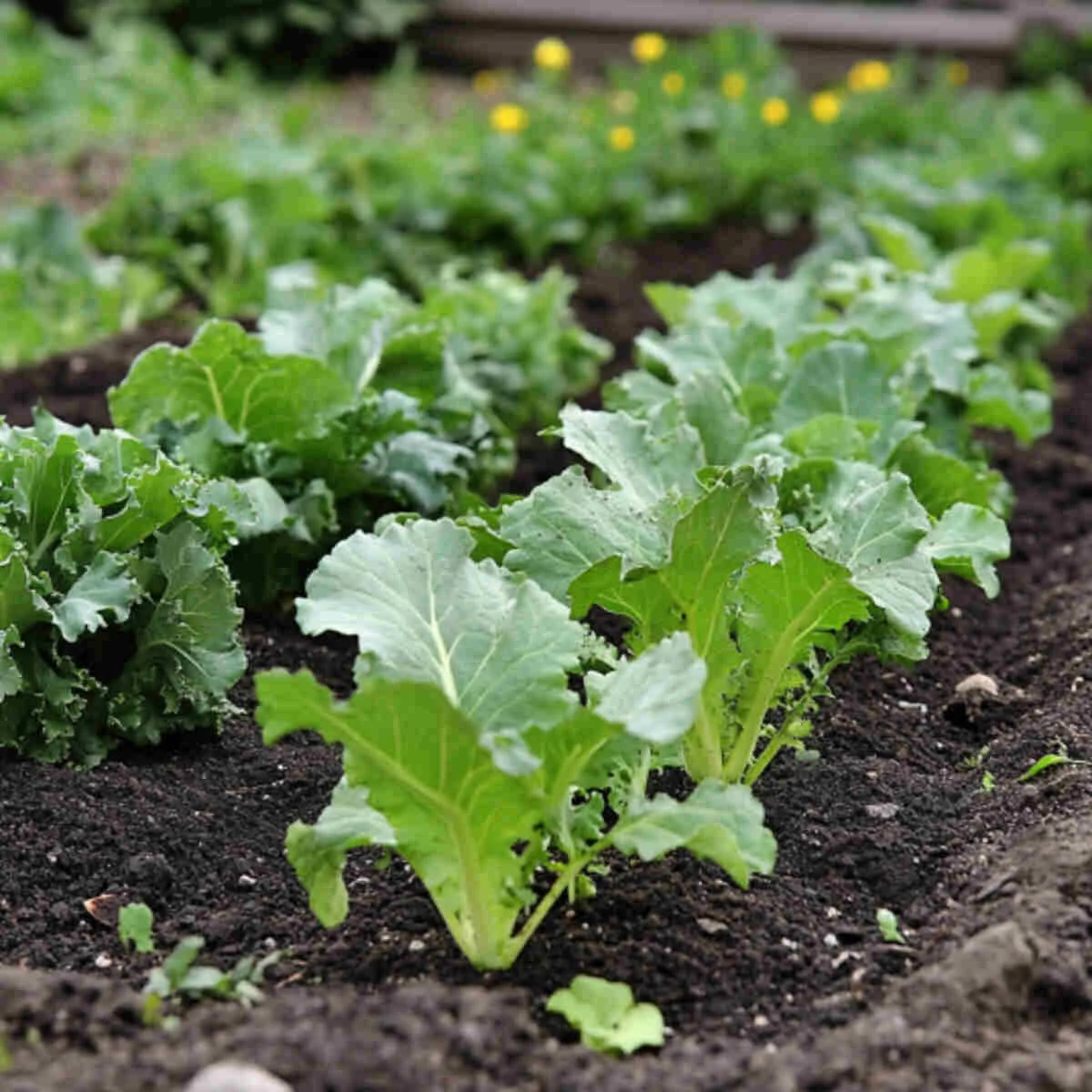
Leaf mold is made from decomposed leaves and is a valuable addition to vegetable beds. It improves soil structure, helps the ground stay moist longer, and supports beneficial microbial life.
While it is not a heavy fertilizer on its own, it helps create better growing conditions so vegetables can use the nutrients already present more efficiently.
This makes it especially useful for gardeners who want to reduce fertilizer use while still improving their soil naturally.
7. Worm-Castings Boosted Containers
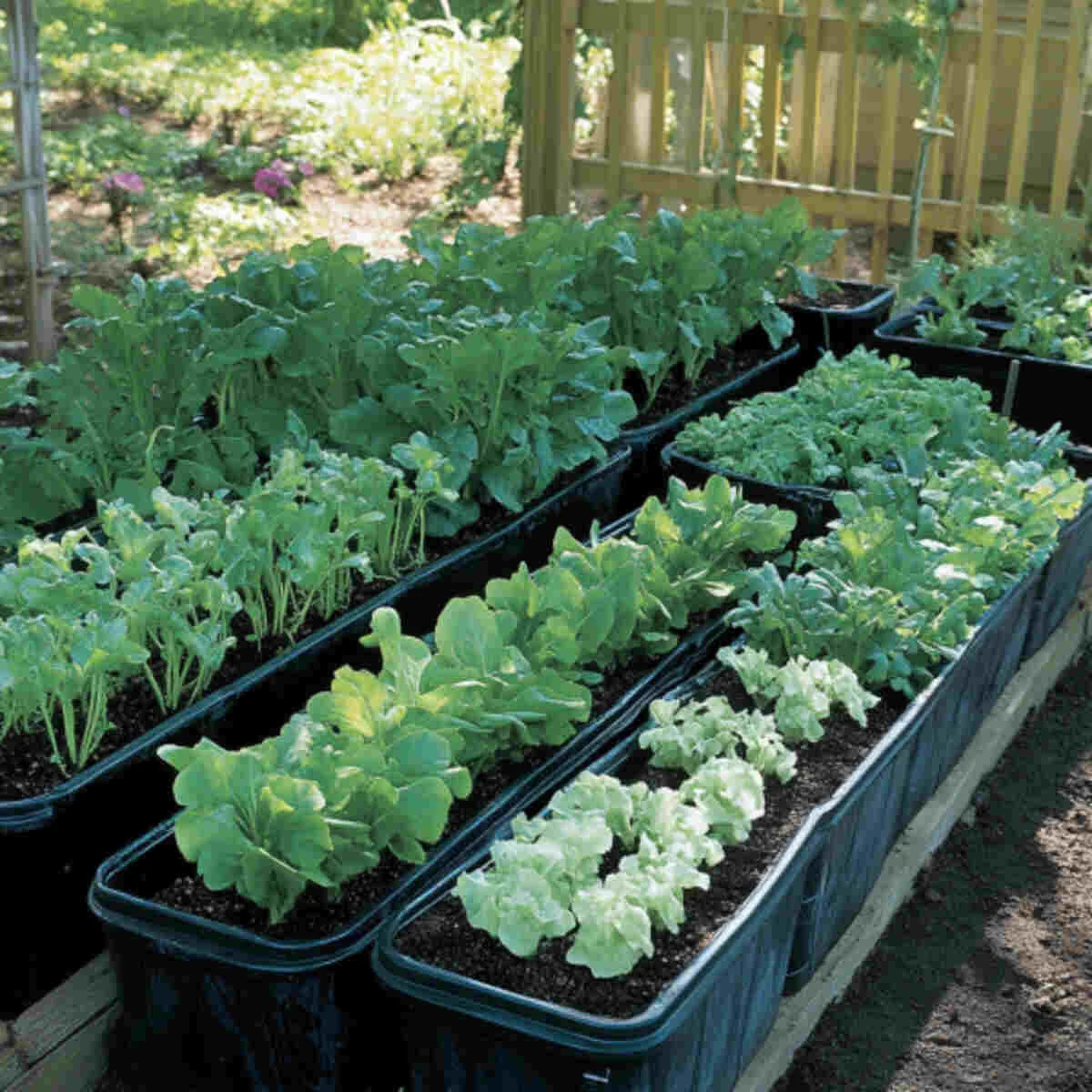
Worm castings are a gentle but effective way to enrich container soil. They provide natural nutrients and support a healthier root environment without the intensity of stronger fertilizers.
Mixed into potting soil or added near the surface, worm castings can help vegetables absorb nutrients more efficiently and grow more steadily.
They are especially useful in low-fertilizer gardening because a little goes a long way, and they are easy to use in small spaces.
8. Biochar-Enhanced Vegetable Beds
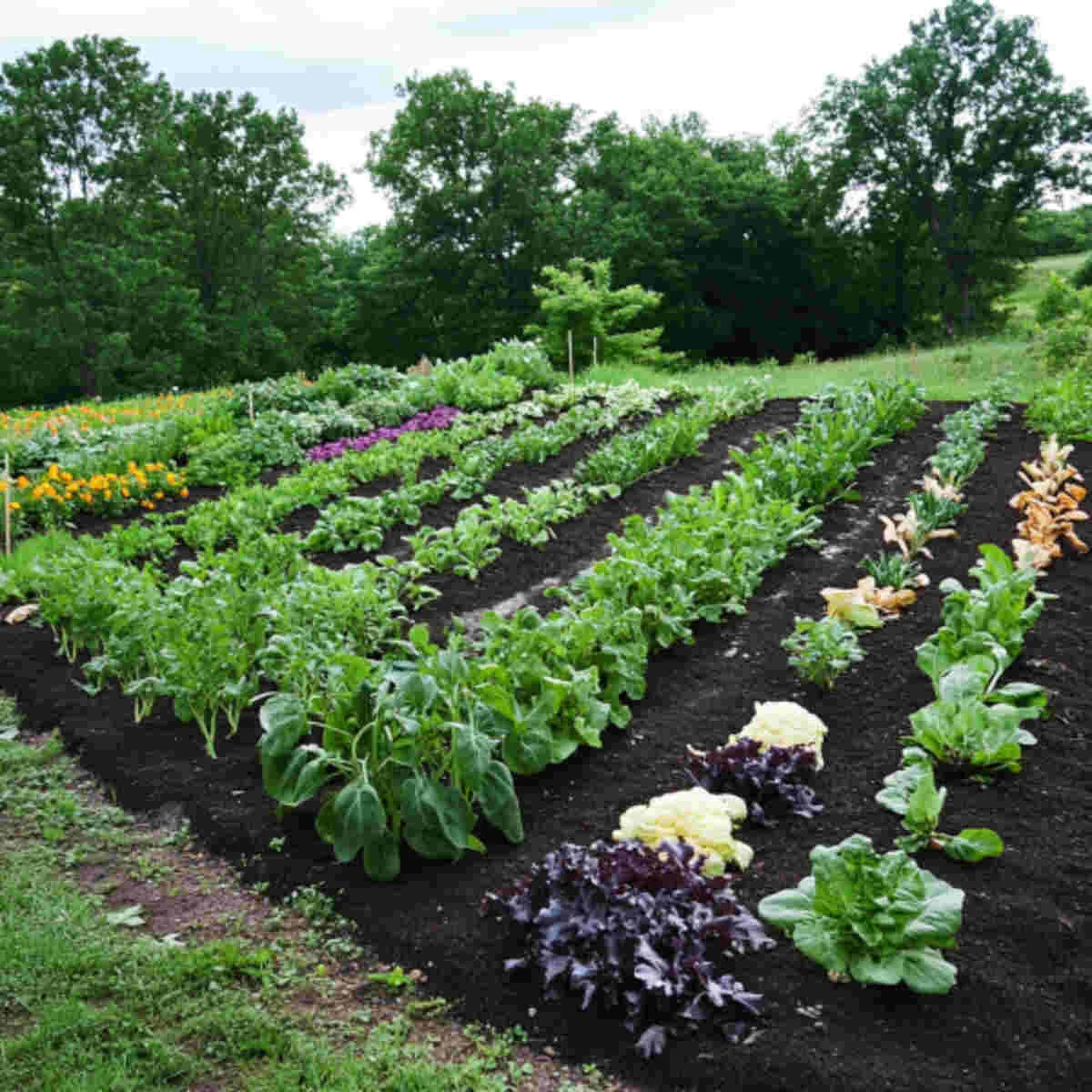
Biochar can help low-fertilizer gardens by improving the soil’s ability to hold water and nutrients. When used with compost, it acts almost like a storage system that keeps useful materials available near plant roots.
This can make vegetable beds more efficient over time, especially in soils that lose nutrients quickly.
Because biochar remains stable in the soil for a long time, it can support long-term soil improvement rather than short-term feeding alone.
9. Green-Manure Cover Crop Integration
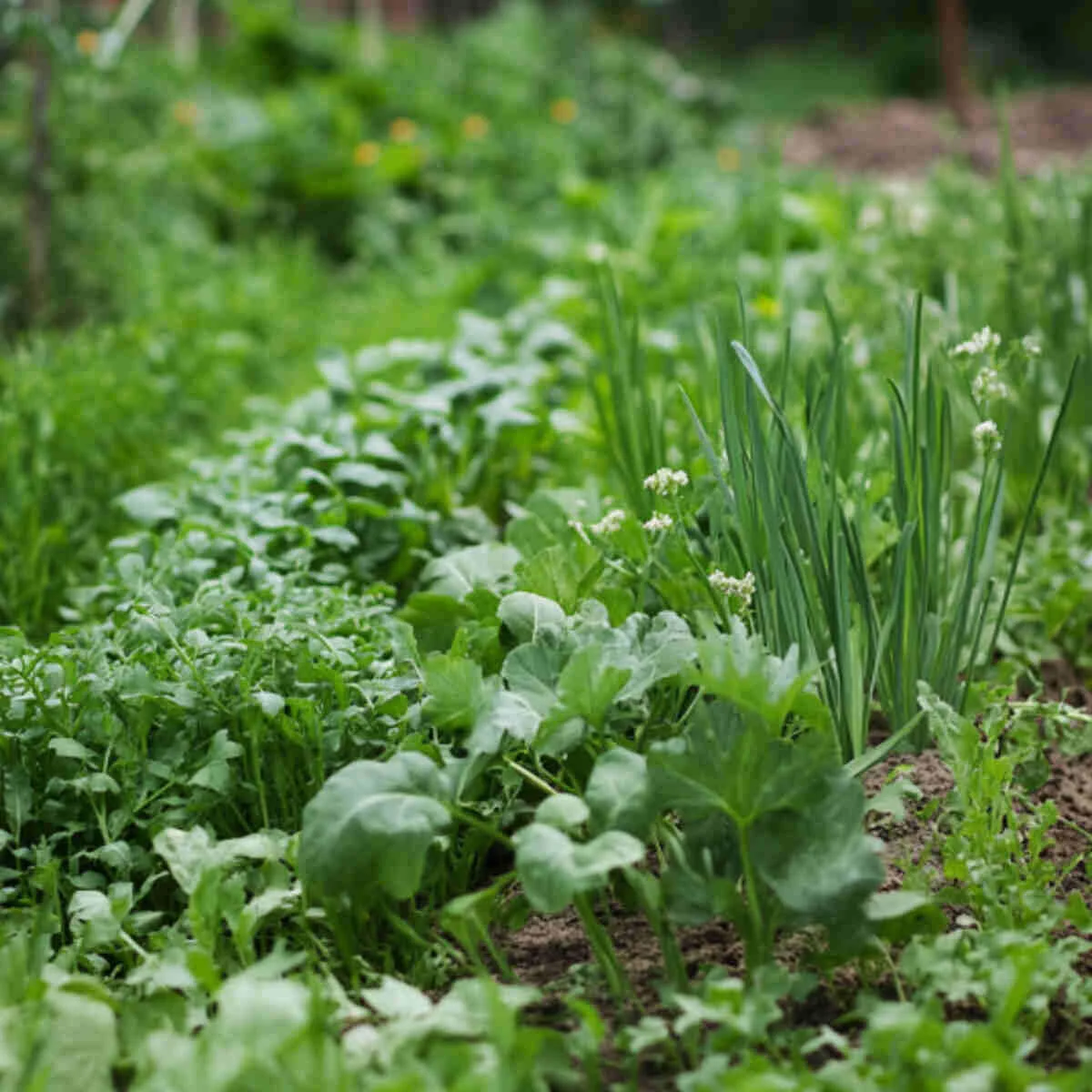
Cover crops such as clover, rye, or other green manures can help protect and restore the soil when vegetable beds are not actively being used.
They reduce nutrient loss, improve soil structure, and add organic matter back into the garden when cut down and turned into the top layer or left to decompose.
This is a smart way to support soil fertility naturally and prepare the ground for the next season without depending heavily on additional fertilizer.
10. Rainwater-Fed Raised Beds
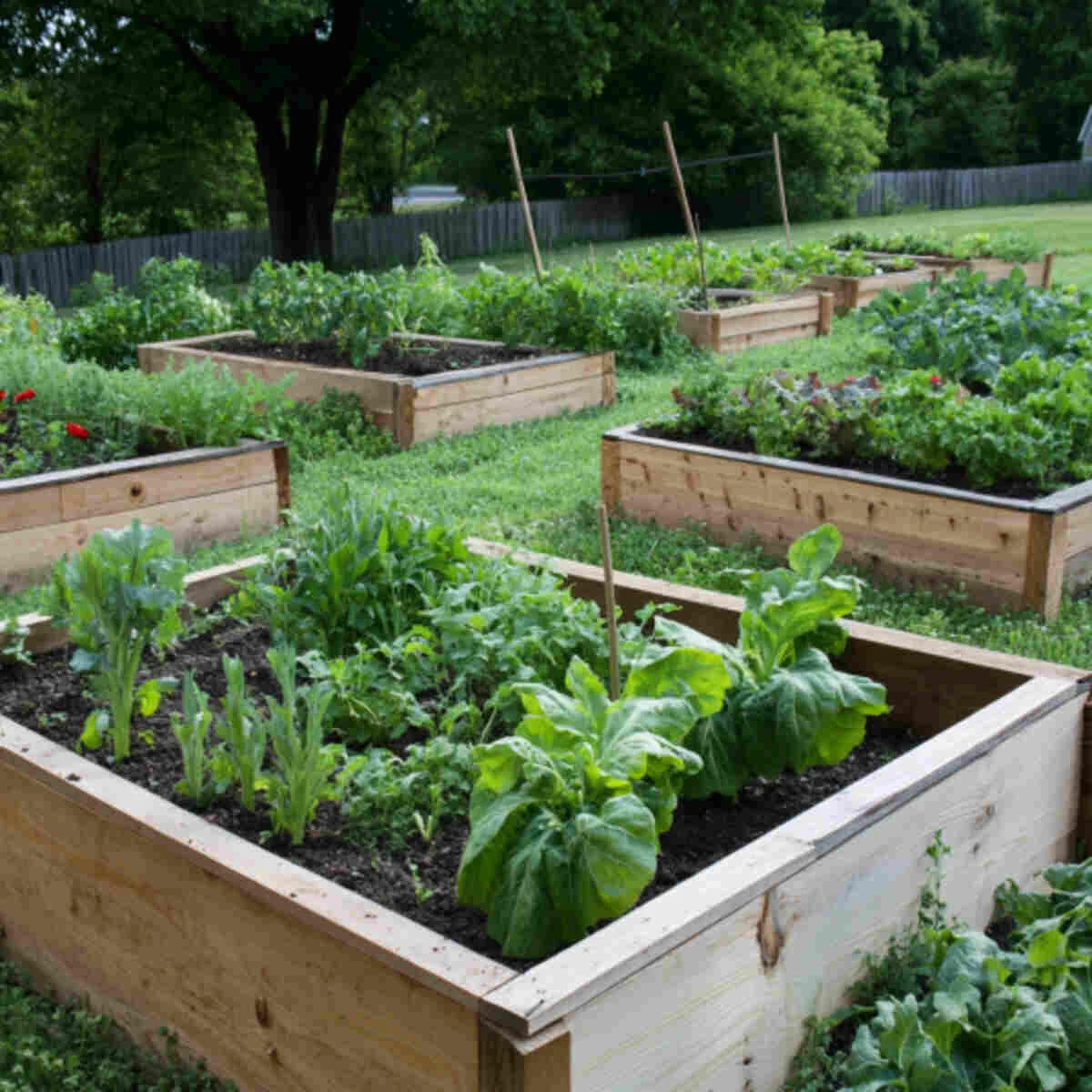
Raised beds already give gardeners better control over soil quality, and using stored rainwater can make them even more efficient. Rainwater is gentle on soil and plants, and it helps maintain steady moisture without introducing unnecessary additives.
When vegetables stay evenly watered, they are better able to use the nutrients in the soil effectively. That can reduce the need for extra feeding during the growing season.
This idea works especially well in gardens focused on simplicity and careful resource use.
11. Straw-Bale Low-Input Planting
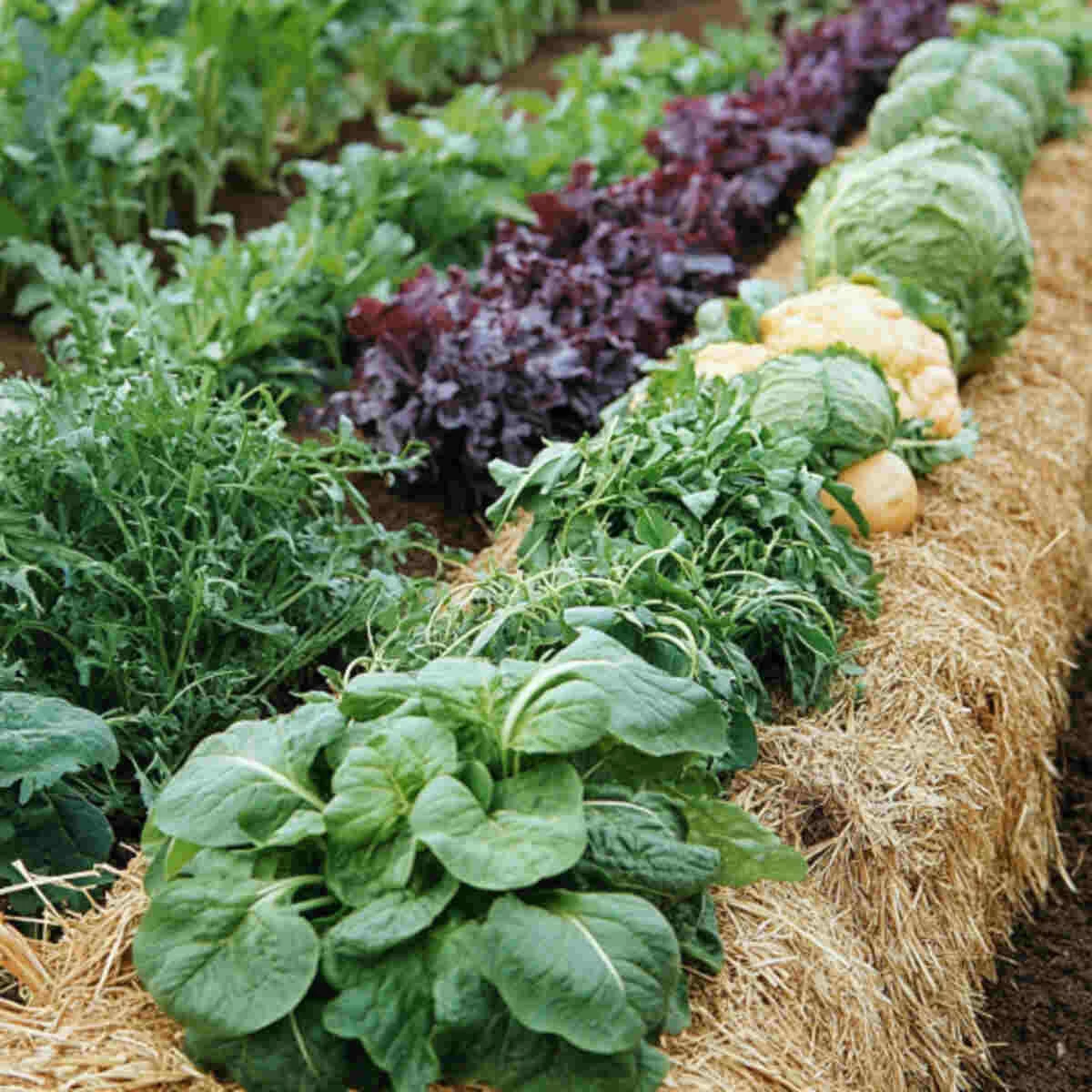
Straw-bale gardening can be a creative way to grow vegetables with fewer inputs. As the bale begins to break down, it creates a growing medium that gradually releases nutrients and holds moisture well.
This can support vegetables without the need for heavily amended soil, especially in places where traditional beds are harder to establish.
It is also a useful option for gardeners looking for a tidy, compact, and compost-friendly method.
12. Kitchen-Scrap Compost Bucket Gardens
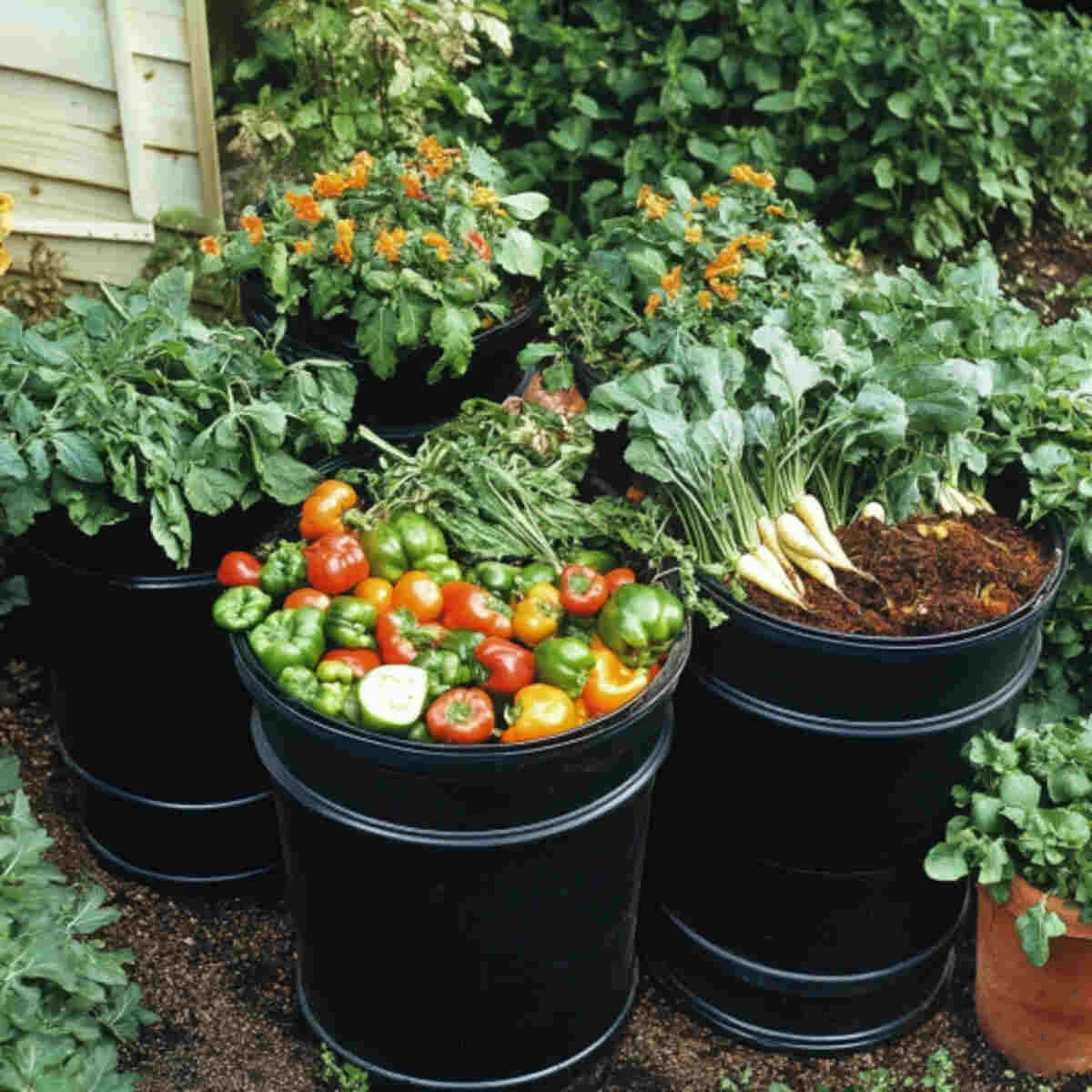
Kitchen scraps can become a valuable resource when turned into compost for the garden. A simple compost bucket system helps convert everyday food waste into organic material that can feed vegetables naturally.
This method supports a lower-input garden while reducing waste at the same time. It is especially useful for gardeners who want to build healthier soil without buying extra products too often.
Over time, even small amounts of homemade compost can make a noticeable difference in plant health and soil quality.
Final Thoughts
Low-fertilizer vegetable gardening is not about doing less for your plants. It is about using smarter methods that build healthier soil, improve moisture retention, and support steady growth in a more natural way.
From compost-enriched beds and mulch to worm castings, cover crops, and rainwater use, these ideas can help you grow a productive garden with fewer added inputs. Small changes in how you prepare and care for your soil can make a big difference over time.
With the right approach, it is entirely possible to grow healthy vegetables in a way that feels simpler, more sustainable, and easier to maintain season after season.


