
A food forest is one of the most practical ways to grow food with more diversity and less long-term maintenance. Instead of treating the garden as separate beds and isolated crops, it layers fruit trees, shrubs, herbs, vines, groundcovers, and soil-building plants so that each part supports the others.
This approach can work in many U.S. gardens, from suburban backyards to larger homestead spaces. The key is not copying a forest literally, but borrowing the same structure: canopy, understory, roots, climbers, and living mulch. When those layers are planned well, the garden becomes more stable, more efficient with water, and far more productive over time.

These food forest ideas are useful whether you are building a full edible landscape or simply adding a few regenerative systems to an existing garden. Some are structural, some are crop-focused, and some are there to improve soil, pollination, and long-term resilience.
1. Permaculture Orchard for a Strong Food Forest Backbone
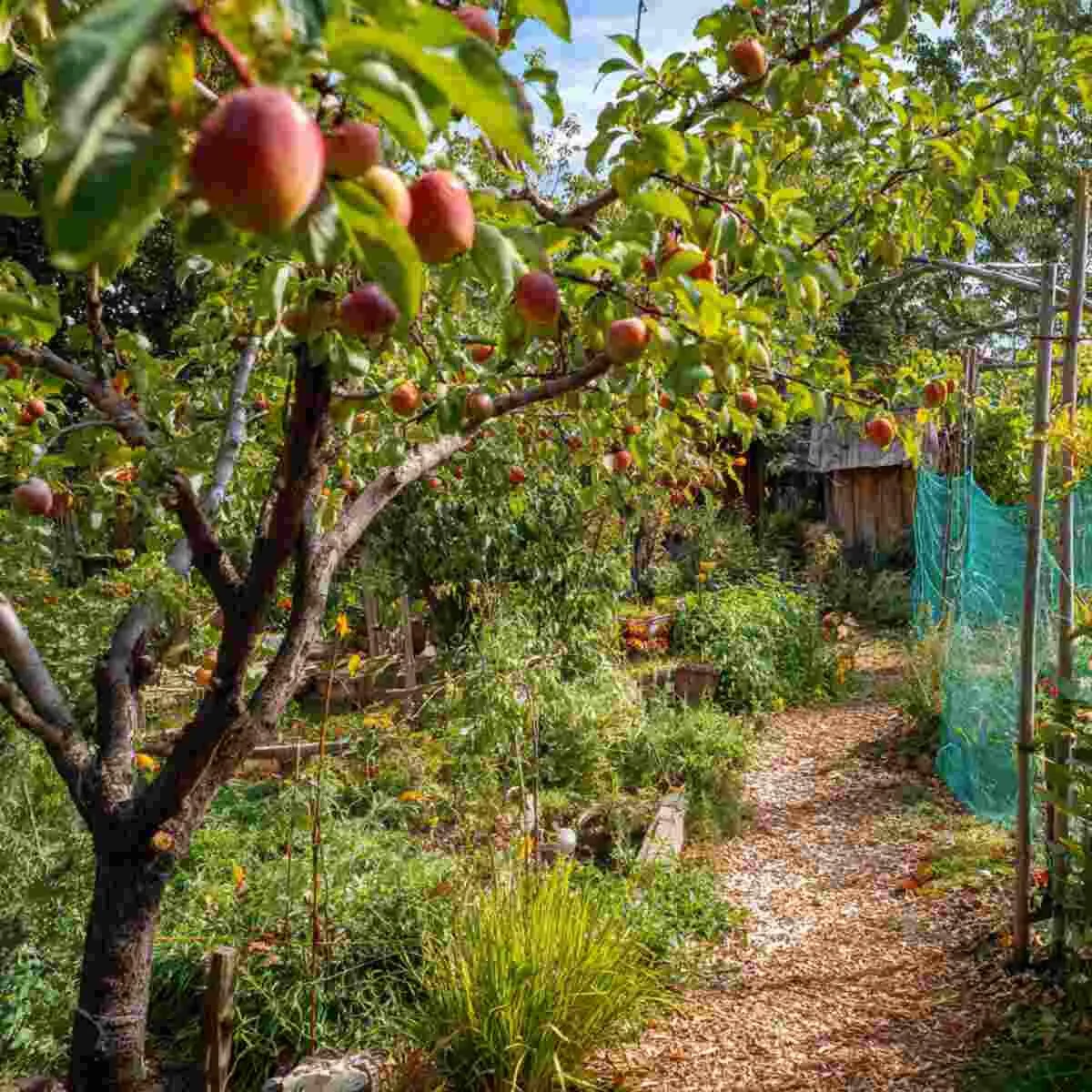
A permaculture orchard is often the anchor of a food forest. Instead of planting fruit trees in simple rows with bare ground beneath, the orchard becomes a layered system where trees are supported by companion plants, pollinator flowers, mulch plants, and soil-builders.
This works especially well for apples, pears, plums, peaches, and other fruit suited to your climate zone. The main advantage is long-term productivity. Trees become the upper structure of the garden, while the space below them stays active rather than wasted.
2. Medicinal Herb Layer for Function Beyond Food
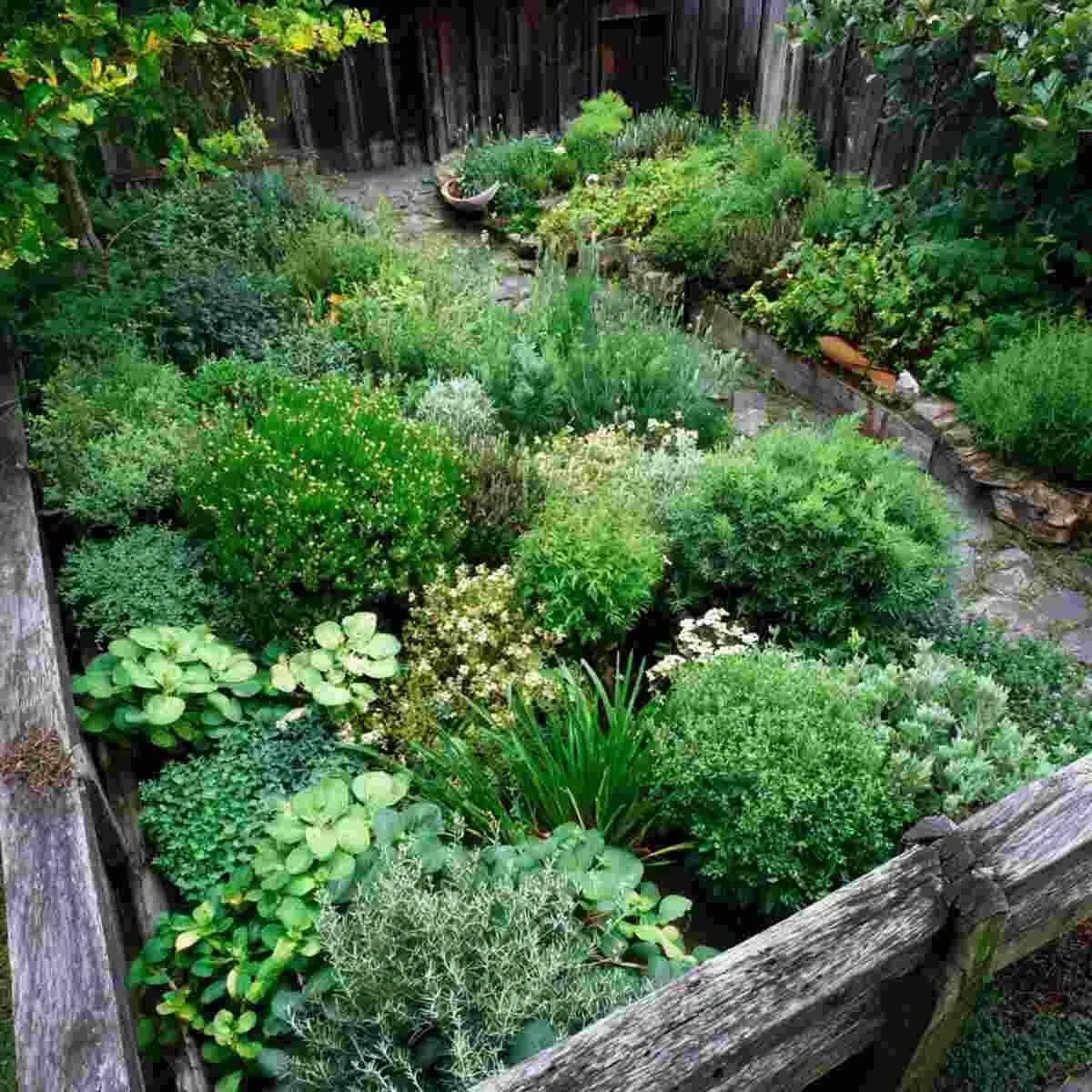
A medicinal herb layer gives the garden more than one kind of value. Plants such as chamomile, yarrow, lemon balm, echinacea, calendula, and mint offer pollinator support, herbal uses, and often some pest-deterring benefits as well.
These herbs are particularly useful near paths and gathering areas where they are easy to harvest. In a food forest, they help fill lower layers without competing heavily with larger crops.
3. Mushroom Log Stack for Productive Shade
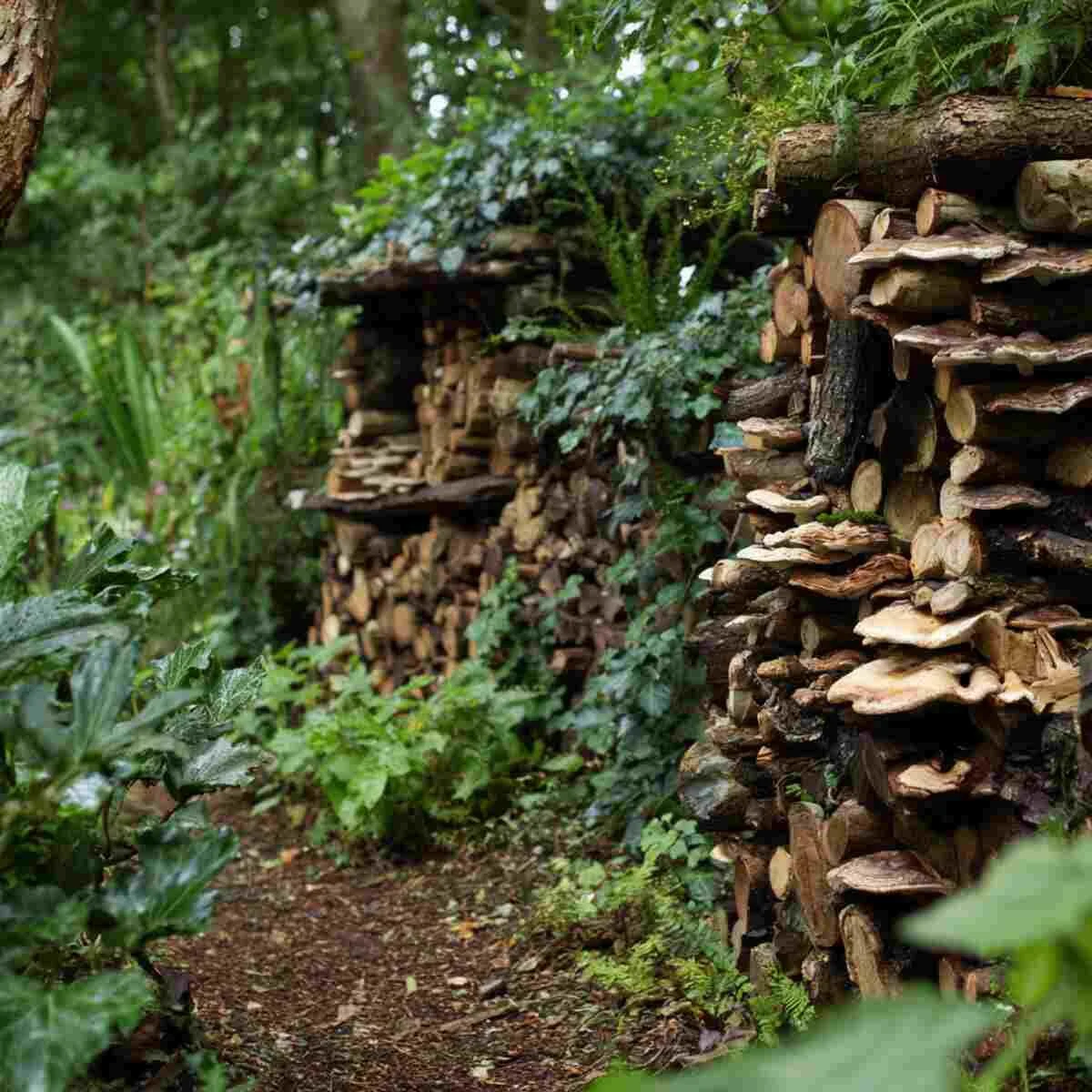
Shady, damp corners are often underused in edible gardens, which is why mushroom logs make so much sense in a food forest. Shiitake, oyster, and other suitable fungi can turn low-light space into a productive area without competing with sun-loving crops.
This idea works particularly well under established trees, along the north side of a structure, or in sheltered woodland-style gardens. It also introduces another layer of useful biology into the system.
4. Berry Patch Border for Edges That Earn Their Space
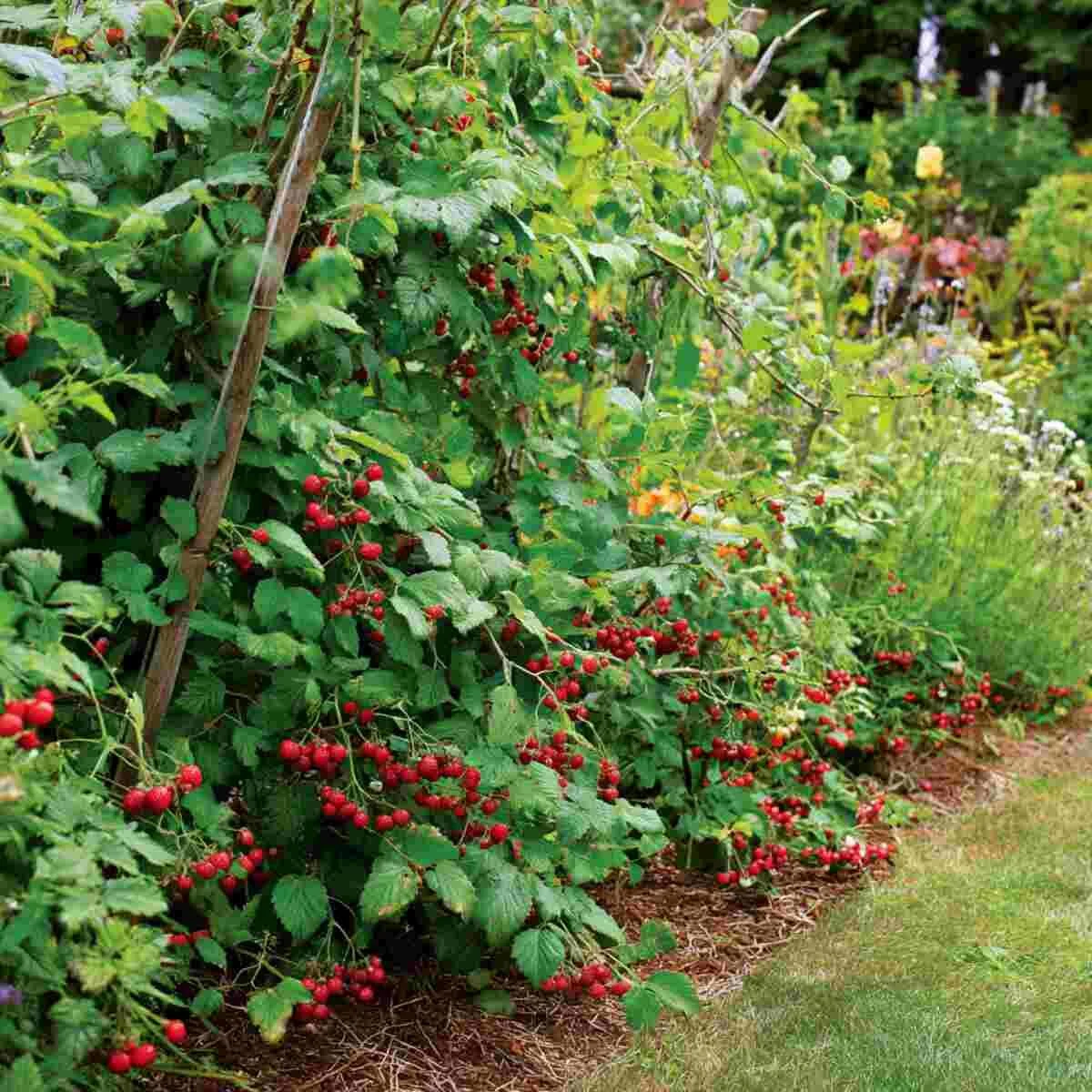
A berry border is one of the easiest ways to make a food forest feel abundant quickly. Blueberries, raspberries, currants, gooseberries, and blackberries can all define the edge of a garden while producing a generous harvest.
It is especially useful along fences, property lines, or the sunny perimeter of a yard. Compared with ornamental edging, it gives you privacy, structure, and food from the same footprint.
5. Edible Ground Cover Carpet for Soil Protection
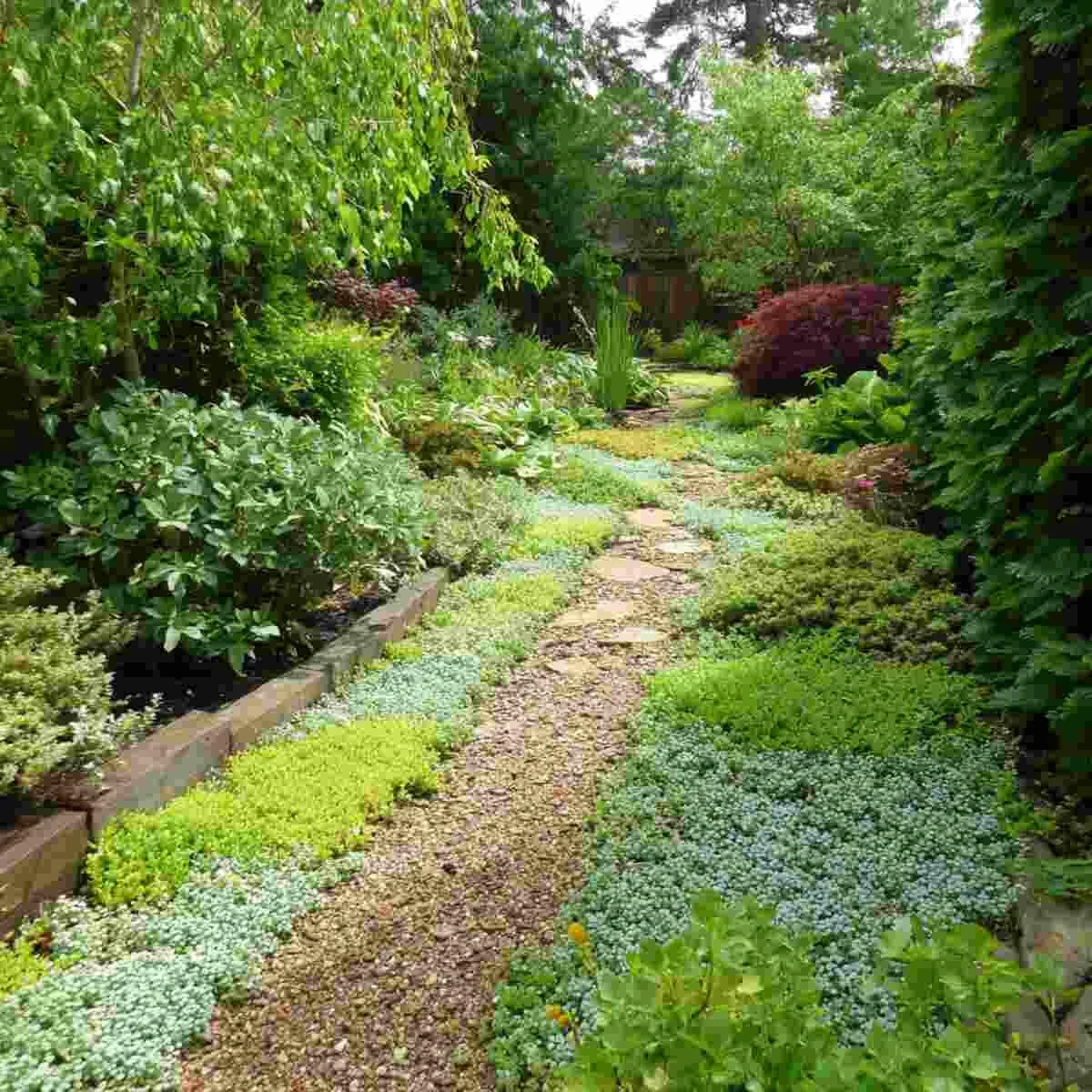
Groundcovers are one of the most practical layers in any food forest because they help protect the soil. Strawberries, creeping thyme, oregano, clover, and other low-growing edibles reduce exposed ground, conserve moisture, and make it harder for weeds to take hold.
They are also visually useful. A good ground layer helps the whole planting feel established and connected rather than scattered.
6. Pollinator-Friendly Flower Strip for Better Fruit Set
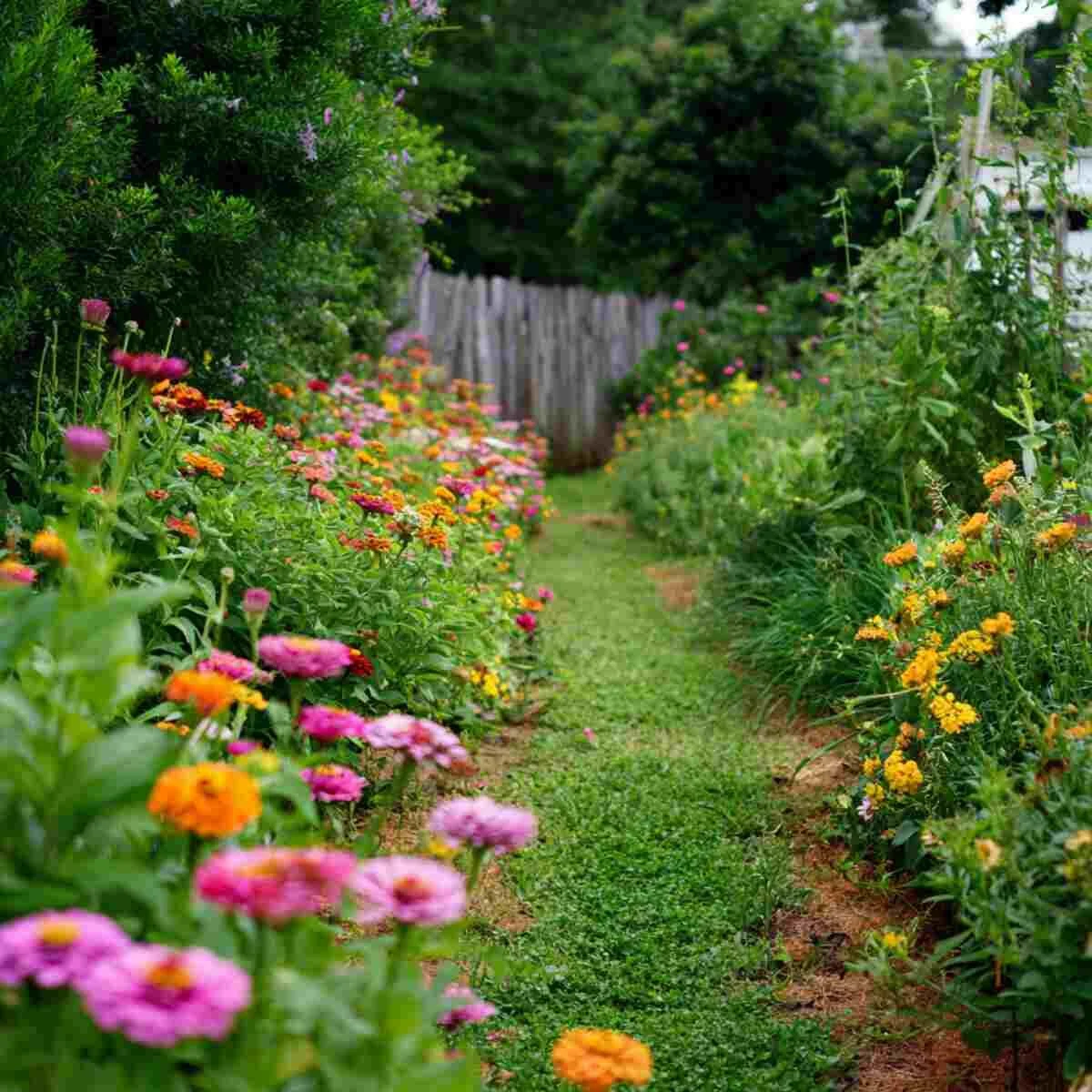
A flower strip packed with pollinator plants can dramatically improve the performance of a food forest. Borage, lavender, bee balm, calendula, alyssum, and similar flowers help attract bees and beneficial insects that support pollination and natural pest control.
This is one of the easiest upgrades for a garden that already has fruiting crops but needs stronger ecological support. It also softens the look of a productive garden and makes it feel more layered.
7. Fruit Tree Guilds for Smarter Plant Partnerships
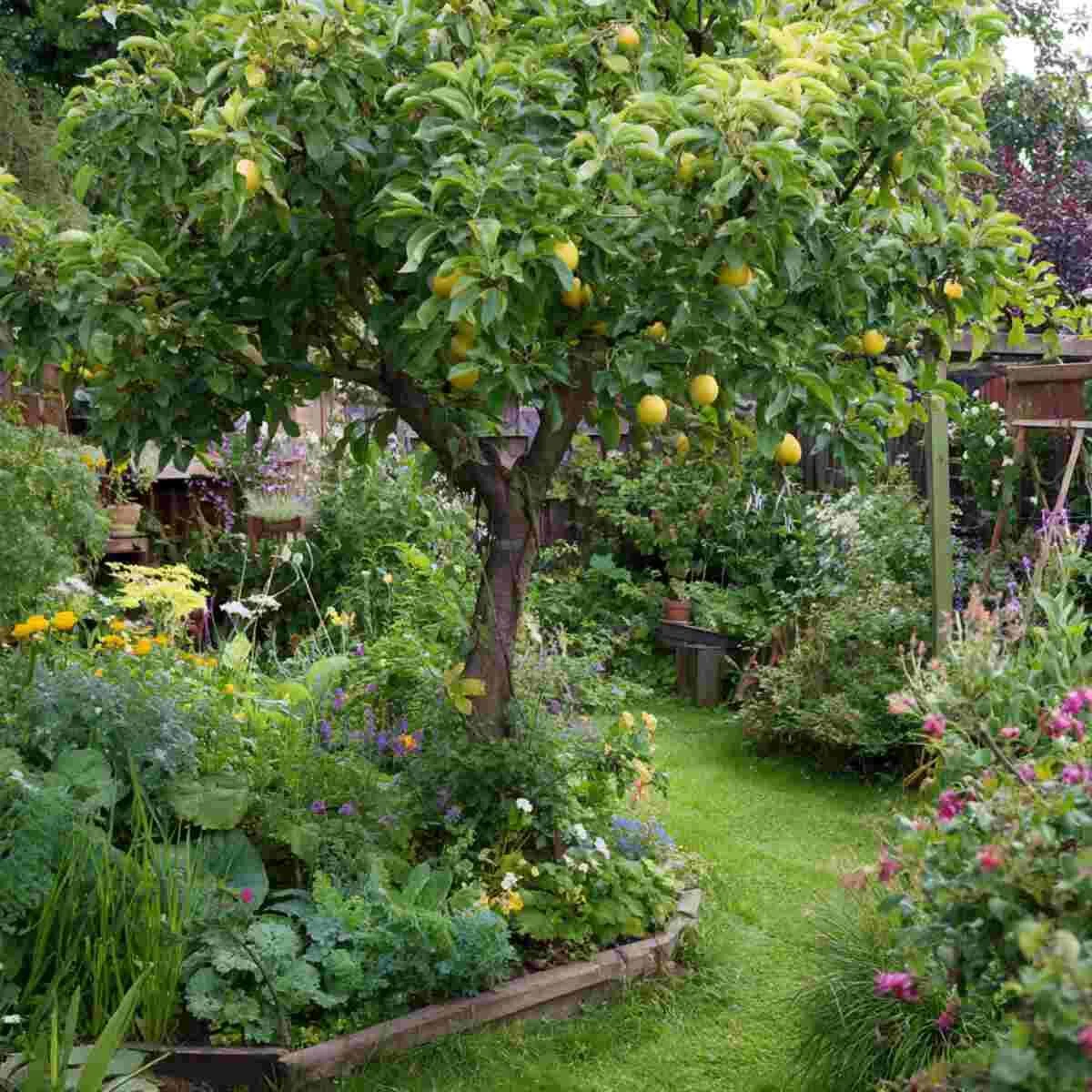
A fruit tree guild builds an entire support system around one central tree. Instead of leaving the base empty, you surround it with plants that help with pollination, pest management, nutrient cycling, mulch production, or edible yield.
For example, a dwarf apple tree might be paired with chives, comfrey, yarrow, clover, and strawberries. The result is more than companion planting. It becomes a small ecosystem with shared function.
8. Nut Tree Canopy for Long-Term Food Security
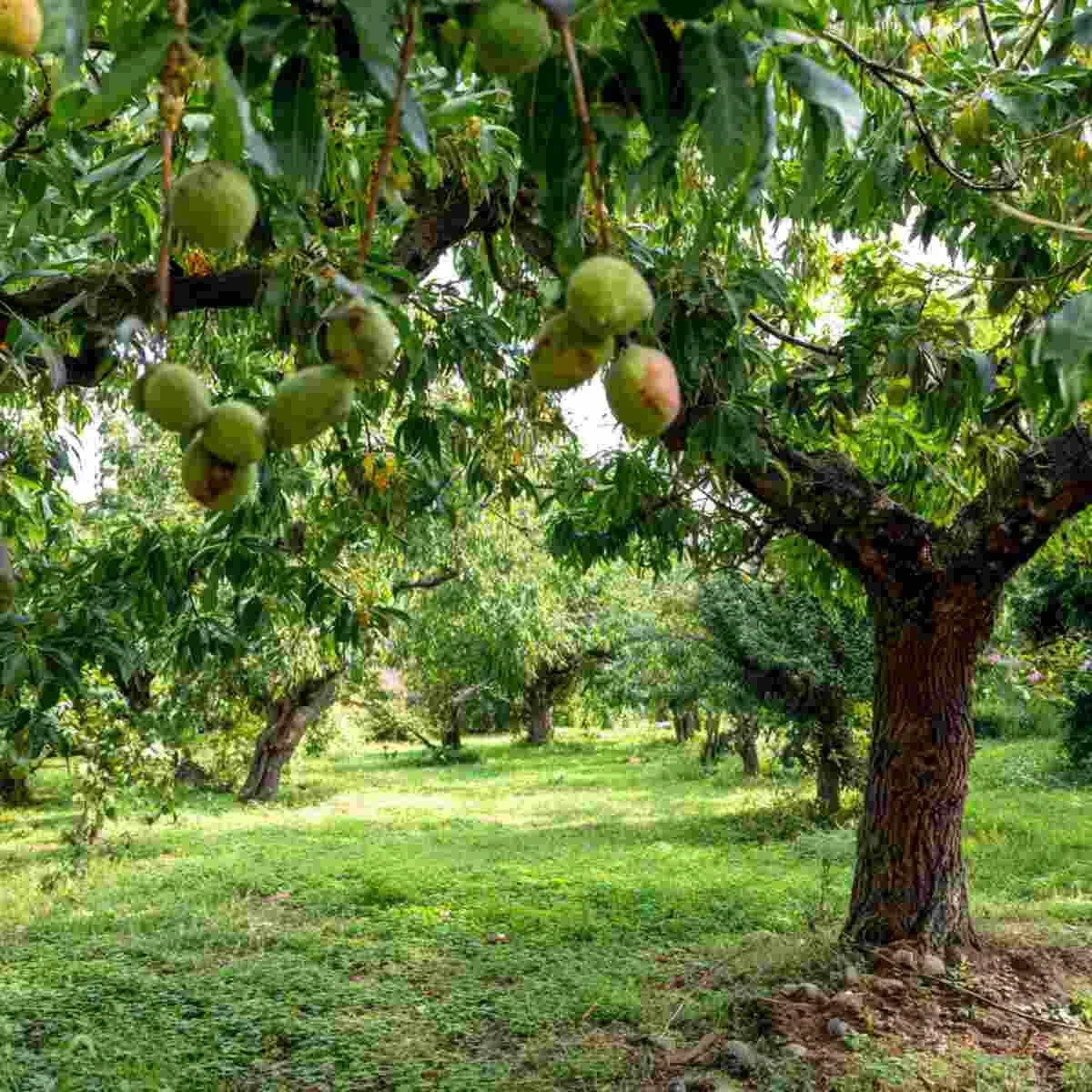
Nut trees bring a different kind of value to a food forest. They are slower to mature than many fruit crops, but they provide calorie-dense harvests, useful shade, and a stronger long-term structure for the garden.
In smaller spaces, hazelnuts are often the more realistic choice. In larger landscapes, chestnut or other regionally suited nut trees can become part of the upper canopy and shape the microclimate below.
9. Vertical Vine Trellises for Extra Yield Without Using More Ground
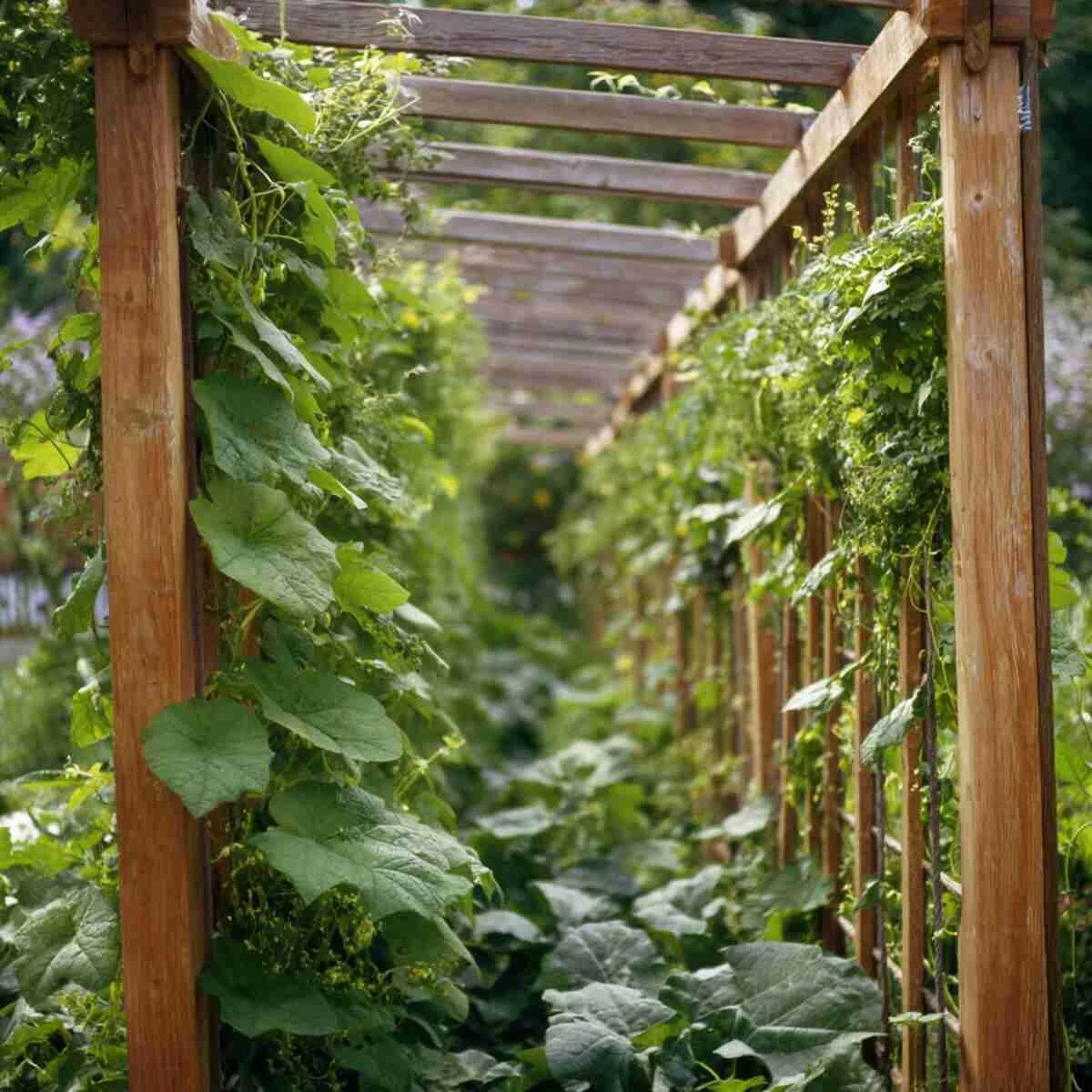
Vines are one of the easiest ways to increase production in a food forest without expanding the footprint. Grapes, kiwi in suitable climates, runner beans, cucumbers, and other climbers can all be trained upward on trellises, arches, or fences.
This keeps the garden more open at ground level, improves airflow, and helps sunlight reach multiple layers at once. It is especially useful in suburban backyards where width is limited.
10. Aquaponic Corner for Closed-Loop Production
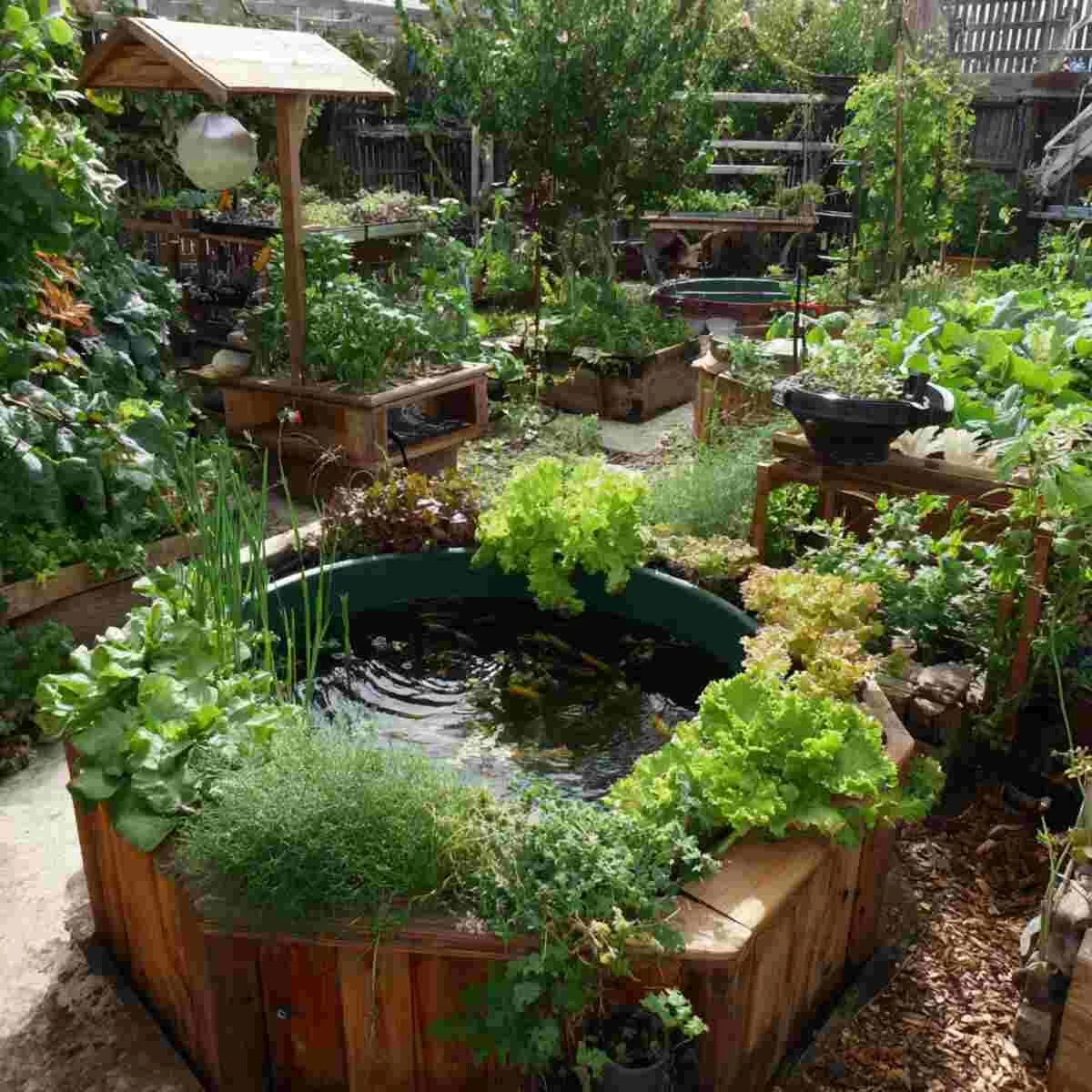
An aquaponic corner is not essential to every food forest, but it can be an interesting addition for gardeners who want more closed-loop growing systems. By linking fish and plant production, it turns nutrient-rich water into a useful growing medium for edible plants.
This setup makes the most sense for growers who enjoy system-based gardening and are willing to manage water quality carefully. In the right context, it adds both visual interest and another source of food.
11. Chicken Tractor Integration for Soil Fertility and Pest Control
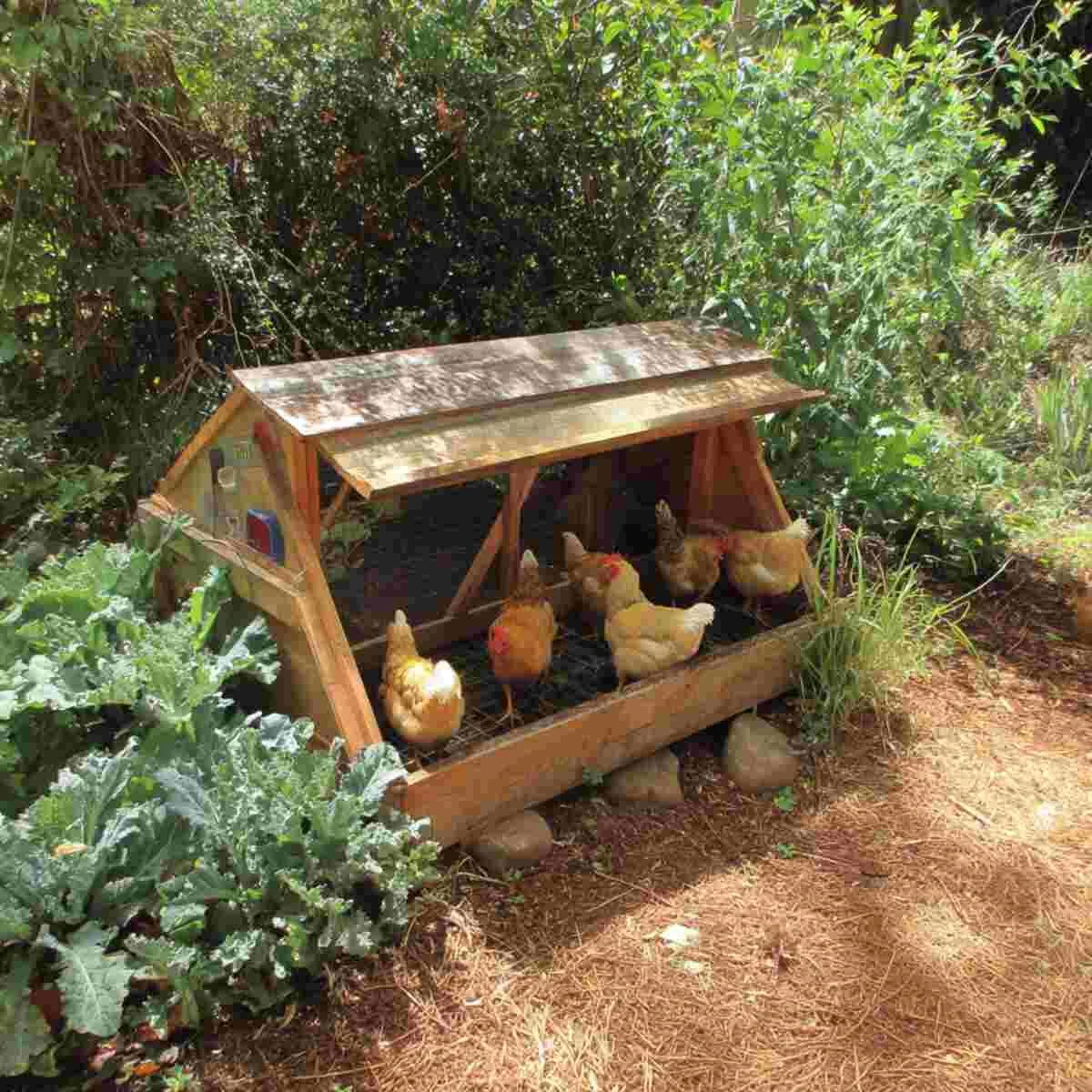
Mobile chicken tractors can be incredibly useful in a food forest when managed well. Chickens scratch, fertilize, eat insects, and help process spent garden material, which turns them into active contributors rather than separate livestock.
This works best in larger gardens or homestead-style spaces where rotation is possible. Timing matters, though. Chickens are helpful in some areas and destructive in others, so they need boundaries and a clear role.
12. Composting Zone for Continuous Soil Building
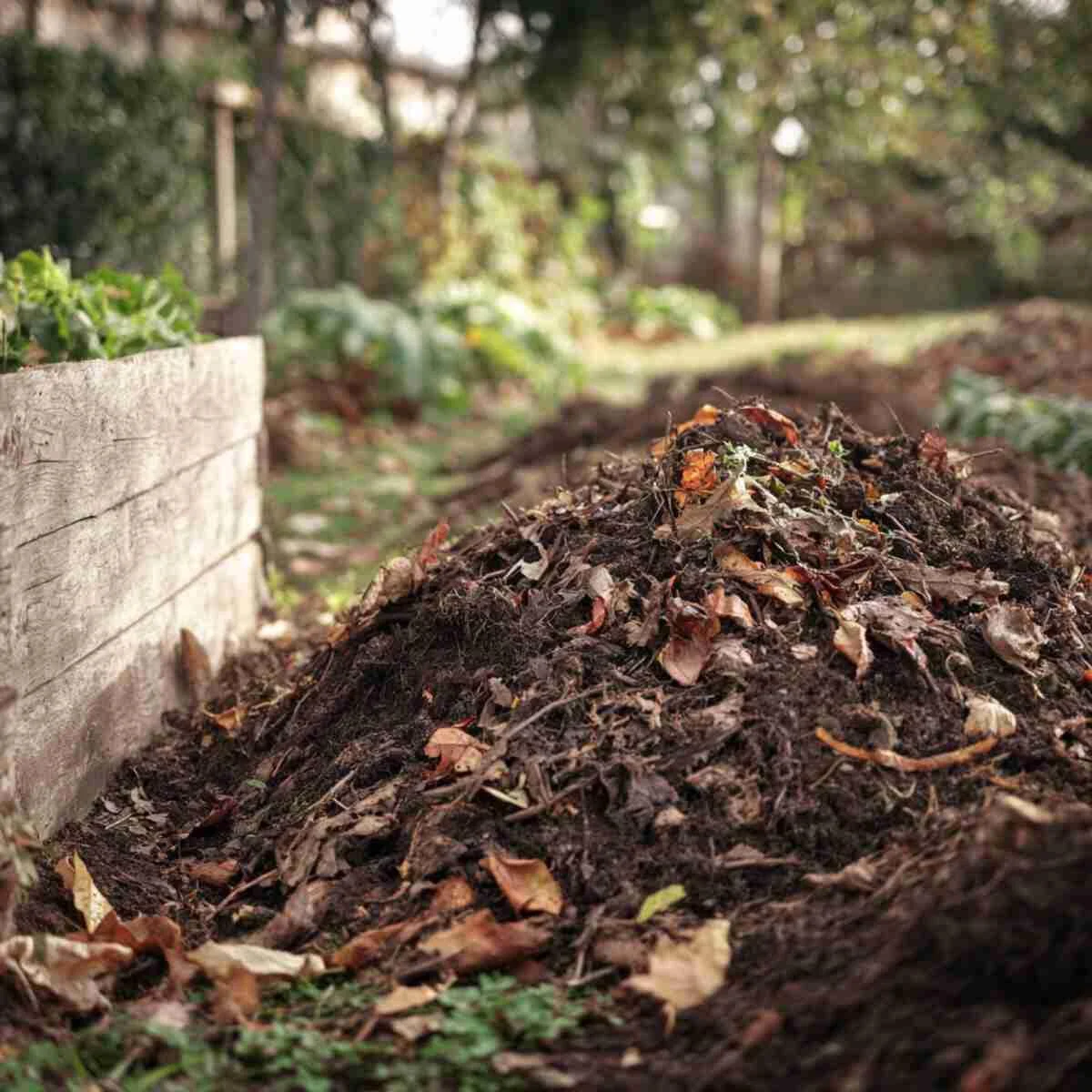
A composting area is one of the least glamorous but most important parts of a productive food forest. It turns prunings, leaves, kitchen scraps, and spent plants into a soil-building resource that stays within the system.
Placed well, it becomes part of the garden workflow rather than an afterthought. Over time, this reduces dependence on purchased inputs and helps the soil improve from year to year.
13. Rainwater Harvesting Swale for Smarter Water Use
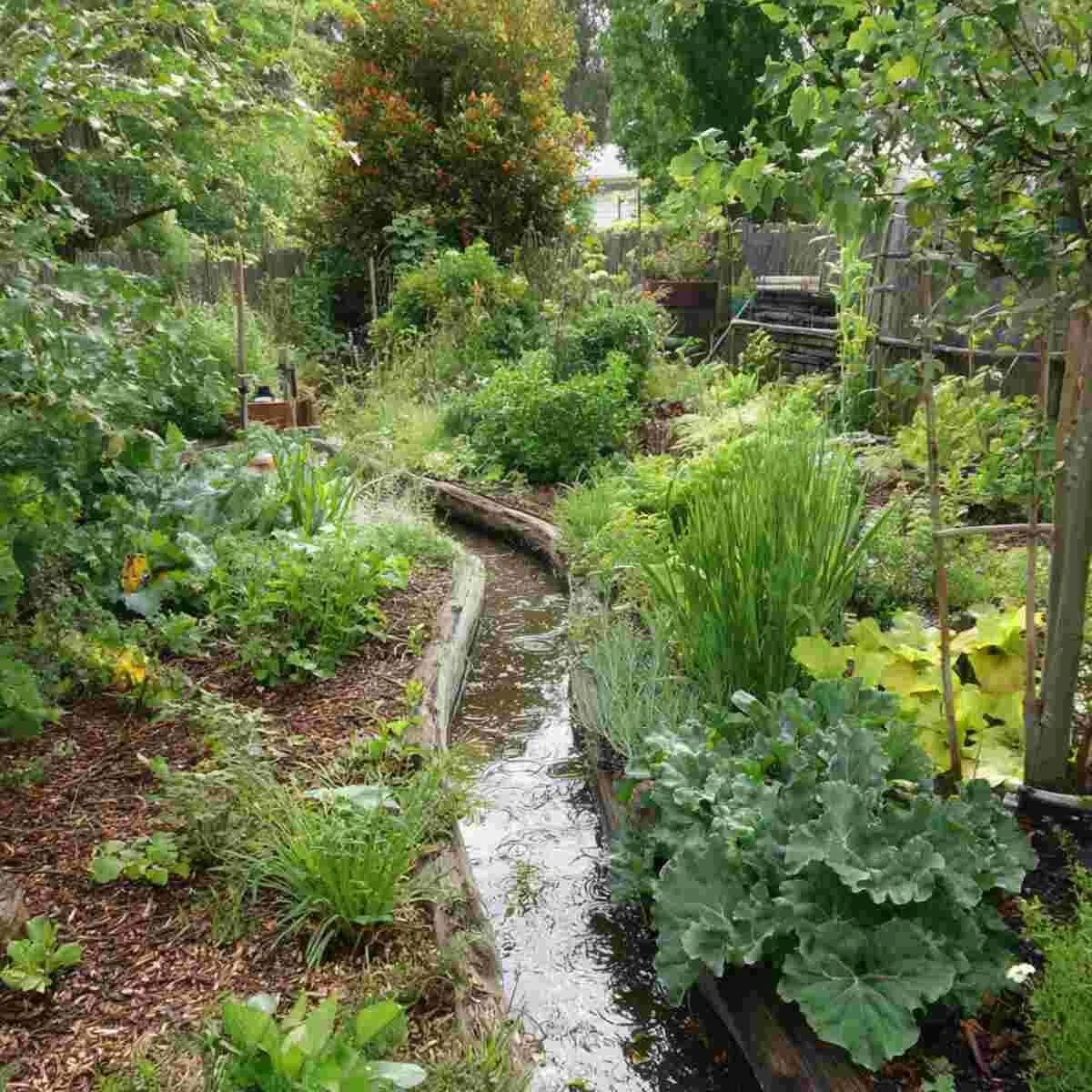
Water management becomes more important as a food forest matures, especially in drought-prone regions. Swales help slow, capture, and spread rainwater through the landscape rather than letting it run off too quickly.
They are most useful on sloped land or in climates where seasonal rains need to be stored in the soil. Even a simple shallow swale can improve moisture availability for nearby trees and shrubs.
14. Native Plant Buffer Zone for Ecological Stability
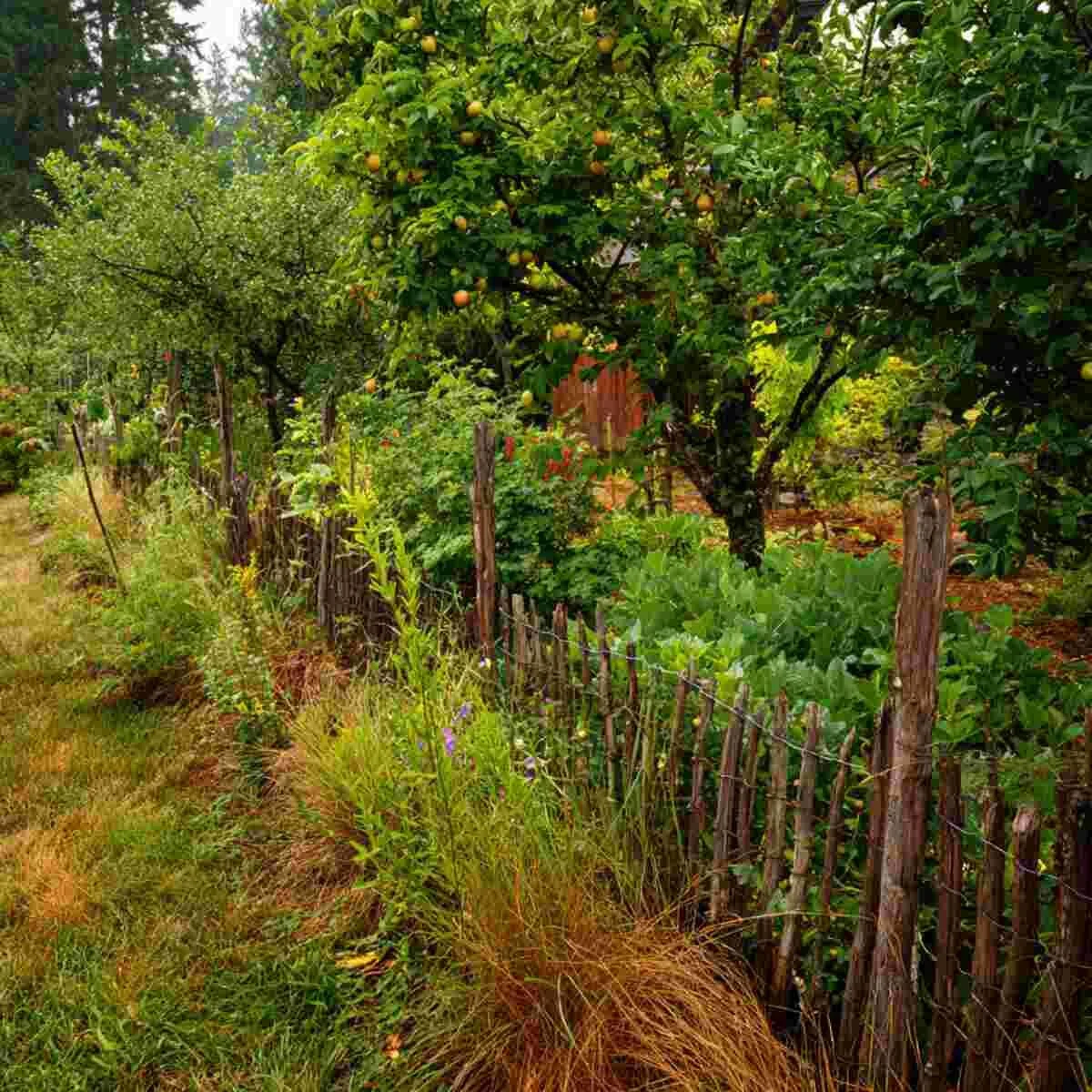
A native buffer zone helps the food forest connect better with its wider environment. Native plants can attract local pollinators, offer wildlife habitat, and create a stronger boundary between the productive core of the garden and the surrounding landscape.
This is especially valuable in the U.S., where regionally appropriate plantings often perform better with less intervention and support a healthier local ecosystem.
15. Tea Plant Garden for an Edible and Fragrant Layer
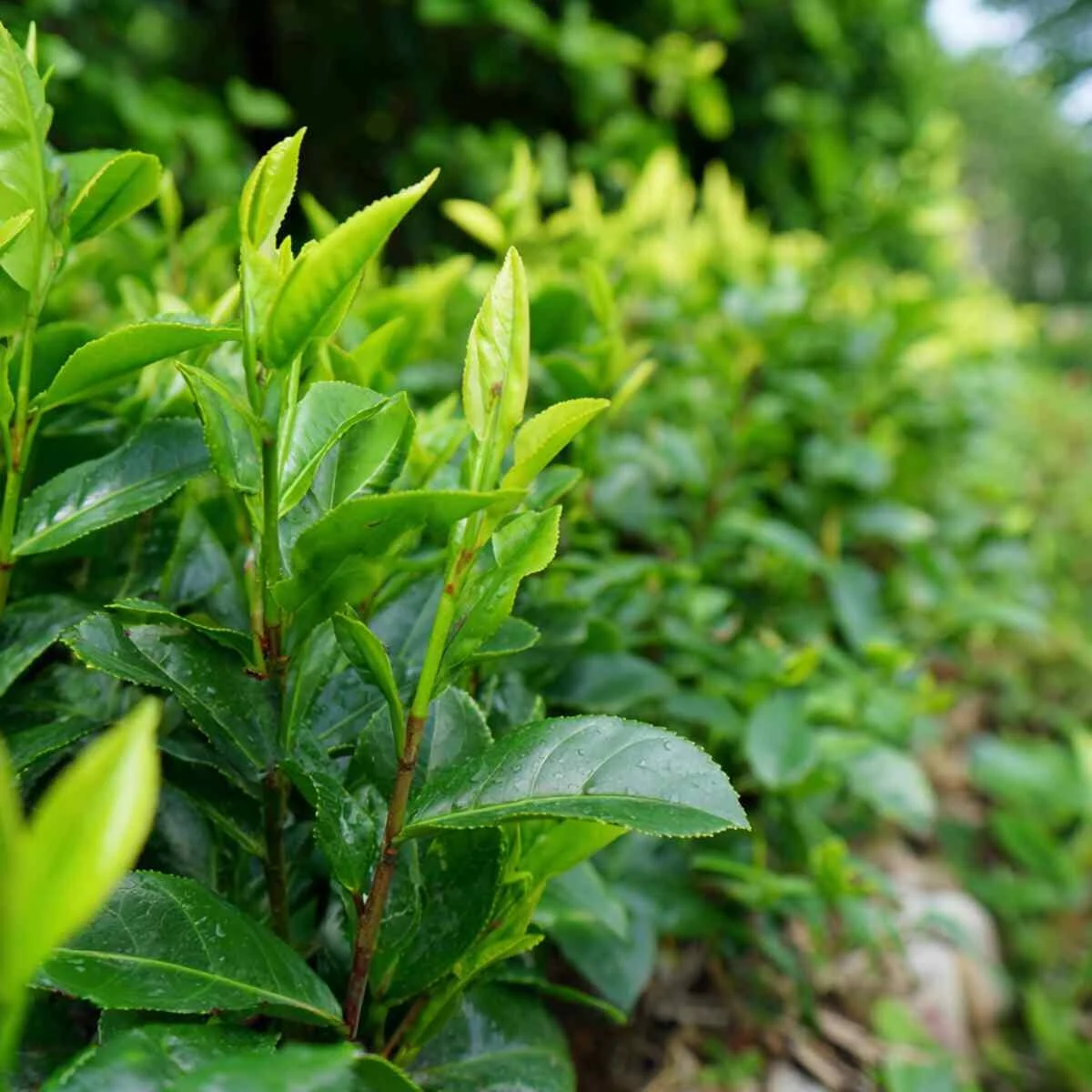
A tea garden fits naturally into a food forest because it combines useful herbs with pollinator value and seasonal beauty. Mint, lemon balm, lemongrass in suitable climates, chamomile, tulsi, and similar plants all earn their place easily.
These plants are especially effective near paths, seating areas, or kitchen entrances where they are easy to gather and enjoy regularly.
16. Edible Perennial Pathways for Productive Access Routes
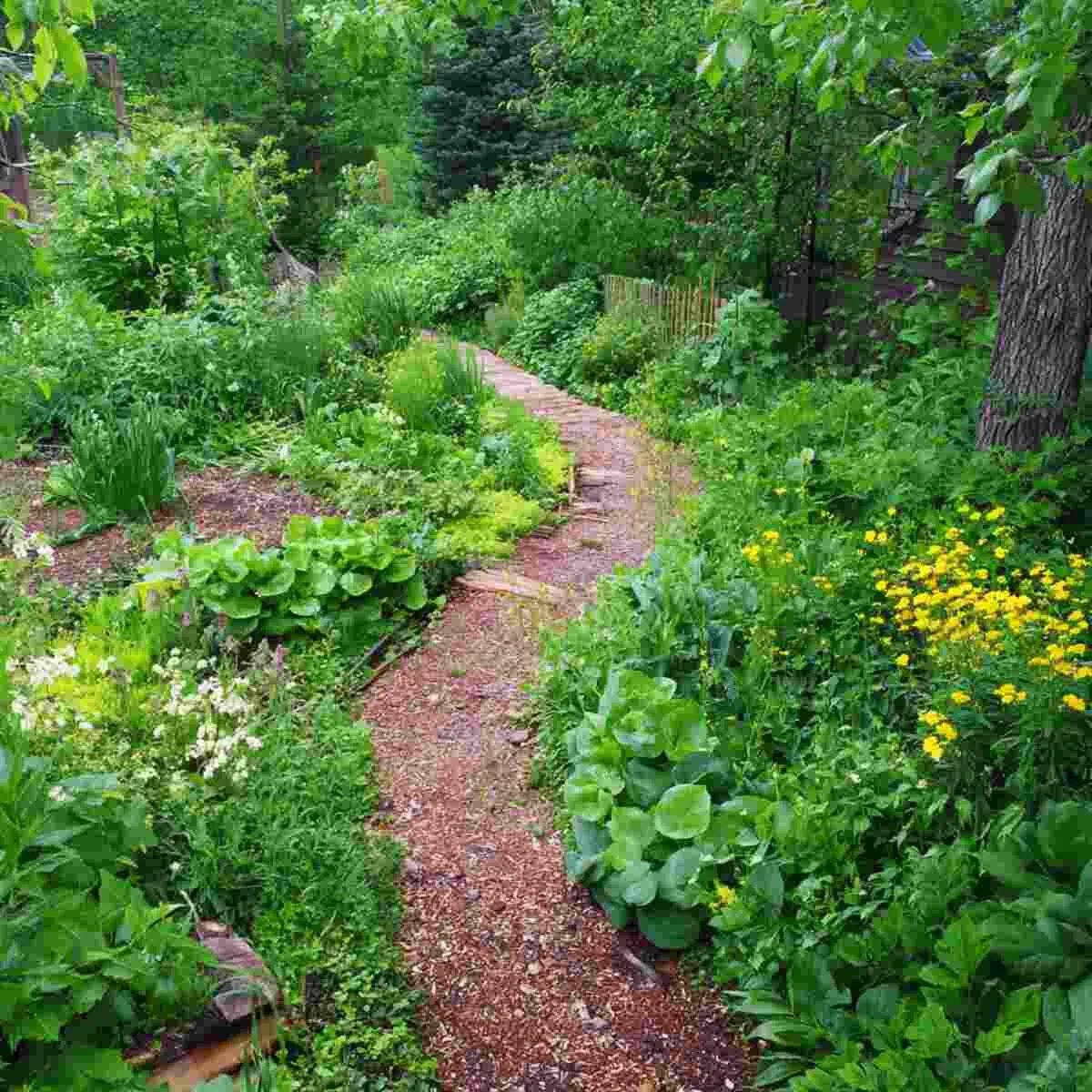
Pathways do not need to be purely functional. In a food forest, they can also be lined with edible perennials that soften the edges and add harvests where there would otherwise be empty margins.
Plants such as sorrel, chives, thyme, daylilies where appropriate, and other low-maintenance perennials make paths feel integrated into the garden rather than simply cutting through it.
17. Shade-Loving Edibles Understory for Better Use of Lower Layers
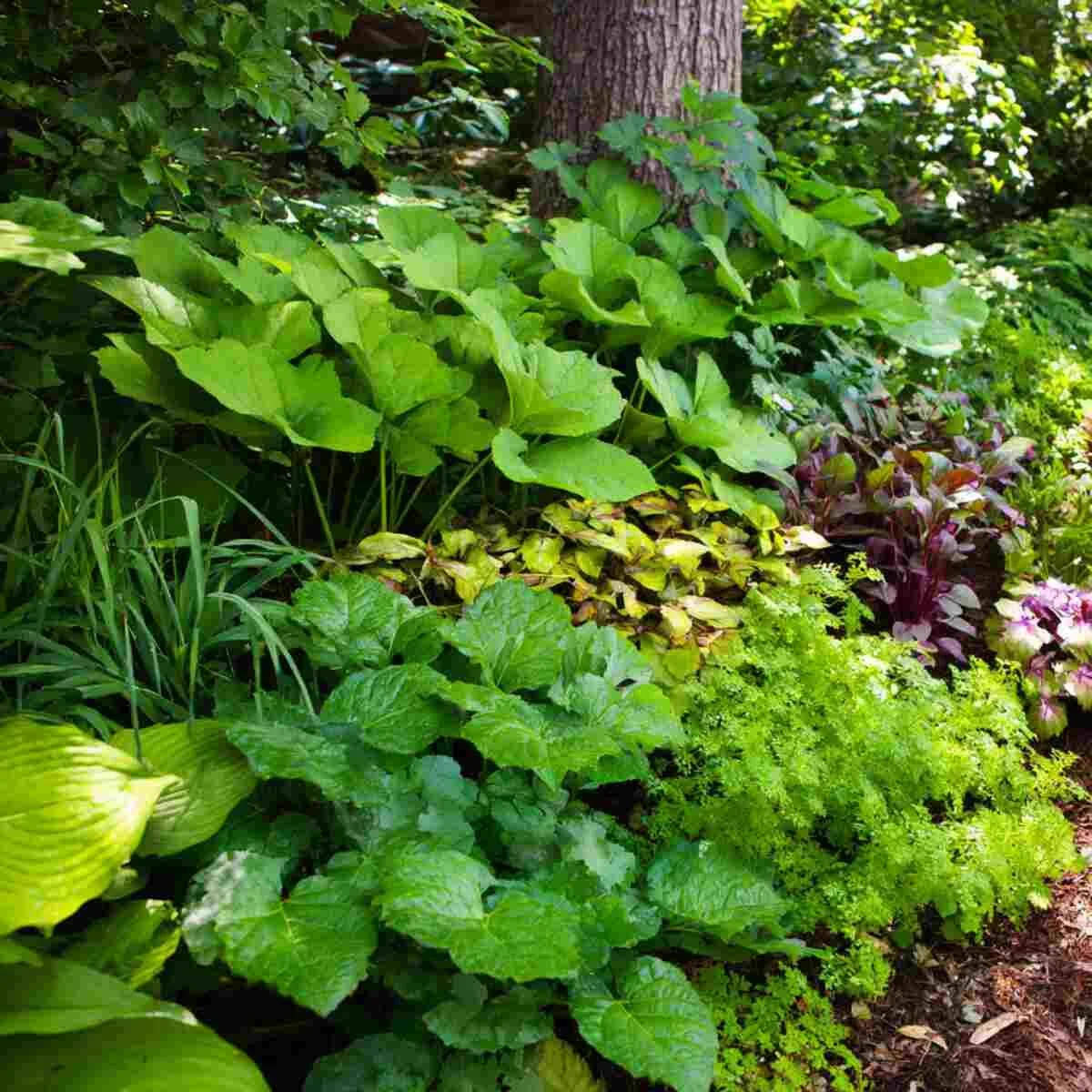
Once trees and shrubs begin maturing, the understory becomes increasingly important. That is where shade-tolerant crops come in. Mint, sorrel, hosta shoots where used as an edible, certain greens, and other low-light plants can keep this layer productive rather than leaving it empty.
The main benefit here is efficiency. A mature food forest should use multiple light levels, not just the brightest spots.
18. Wild Foraging Zone for a More Relaxed, Self-Sustaining Edge
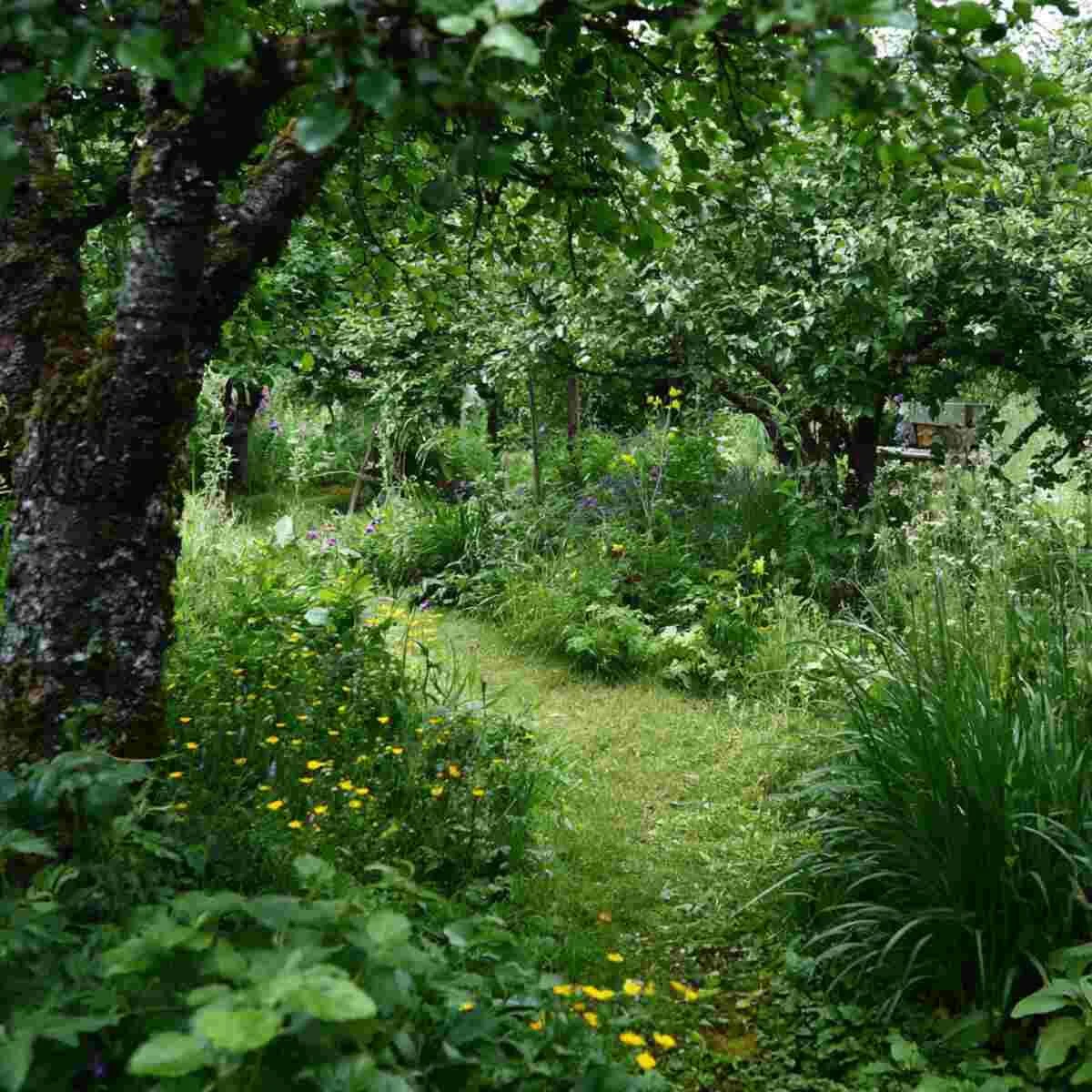
A wild foraging zone is one of the lowest-maintenance sections you can add to a food forest. Instead of forcing every corner into a tidy planting scheme, you allow useful volunteer plants and self-seeders to occupy a rougher edge or transition zone.
This area can support purslane, dandelion, nettles where appropriate, and other useful wild edibles depending on your region and comfort level. It is less controlled than the rest of the system, but often highly productive in its own way.
How to Build a Food Forest That Actually Works
A successful food forest is usually built in phases rather than planted all at once. Structure comes first, then support plants, then the lower-yield or specialty layers once the system starts to settle in.
- Start with your main structure: fruit trees, shrubs, trellises, and water flow
- Match plants to climate and light: a productive system depends on realistic plant placement
- Use layers intentionally: canopy, shrub, herb, groundcover, climber, and root crops where space allows
- Plan access early: you still need room to prune, harvest, mulch, and move through the garden
- Build soil constantly: mulch, compost, chop-and-drop plants, and living groundcovers all matter
Frequently Asked Questions
What is the most important part of a food forest?
The most important part is the structure of the system. That usually starts with well-placed trees, shrubs, and support plants that suit your climate and site conditions.
Can you create a food forest in a suburban backyard?
Yes. Many food forest principles work well in suburban spaces, especially with dwarf trees, berry borders, trellises, herb layers, and mulch-based soil building.
How long does a food forest take to establish?
It depends on the scale and plant selection, but most food forests begin showing real structure within a few years. Tree-based systems take longer, while herbs, berries, and groundcovers often start producing much sooner.
Are food forests low maintenance?
They can become lower maintenance over time, but they are not maintenance-free. Early planning, mulching, pruning, and observation are all important while the system is developing.
What should beginners plant first?
Beginners usually do best starting with a few fruit trees or shrubs, a strong mulch strategy, and easy support plants such as herbs, pollinator flowers, and groundcovers.
Final Thoughts
Food forest gardening works so well because it treats the garden as a living system rather than a collection of separate chores. Every layer has a role, and over time those roles begin supporting one another in ways that make the whole space more resilient.
You do not need to build every feature at once. Start with the ideas that make the most sense for your site—perhaps fruit tree guilds, a berry border, composting, or a pollinator strip—and let the garden grow into something more layered from there.
Written by the Zeeshe Home Editorial Team, a blog focused on practical home décor ideas and inspiration.


