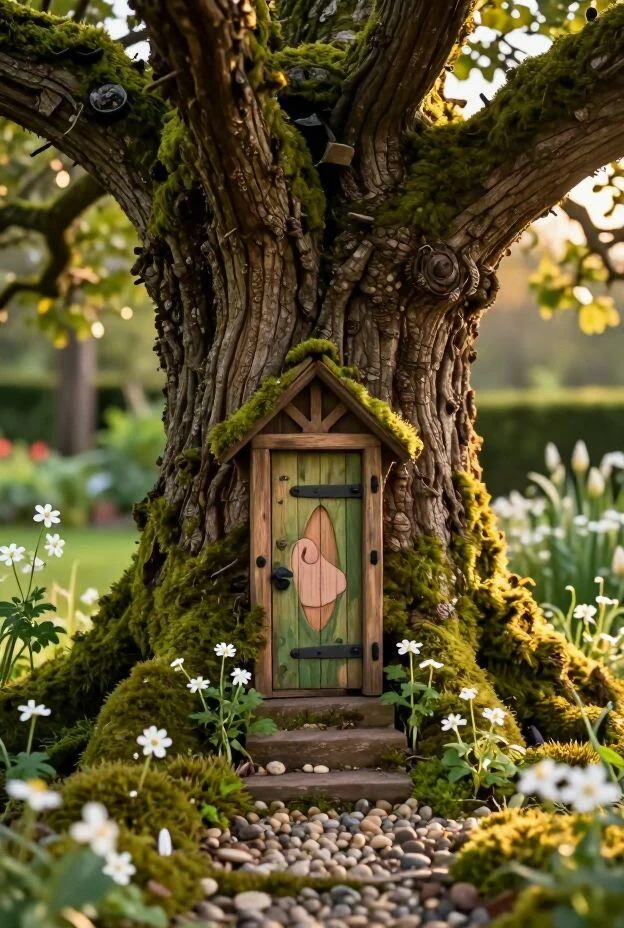
Cold weather does not have to put an end to growing fruit. With the right tree choices, a garden can stay productive through frosty springs, deep winter dormancy, and the kind of temperature swings that often ruin more delicate crops.
The best frost-tolerant fruit trees are not always the most obvious ones. Some survive because they bloom late, others because they go fully dormant in winter, and some simply have tougher buds and wood than warm-climate favorites. A well-planned orchard usually mixes several types, so one spring cold snap does not wipe out the entire harvest.

These frost-tolerant fruit tree ideas are useful for gardeners who want more dependable crops, less winter worry, and a garden that works with the climate instead of against it.
1. Plant Hardy Apple Varieties for Reliable Harvests
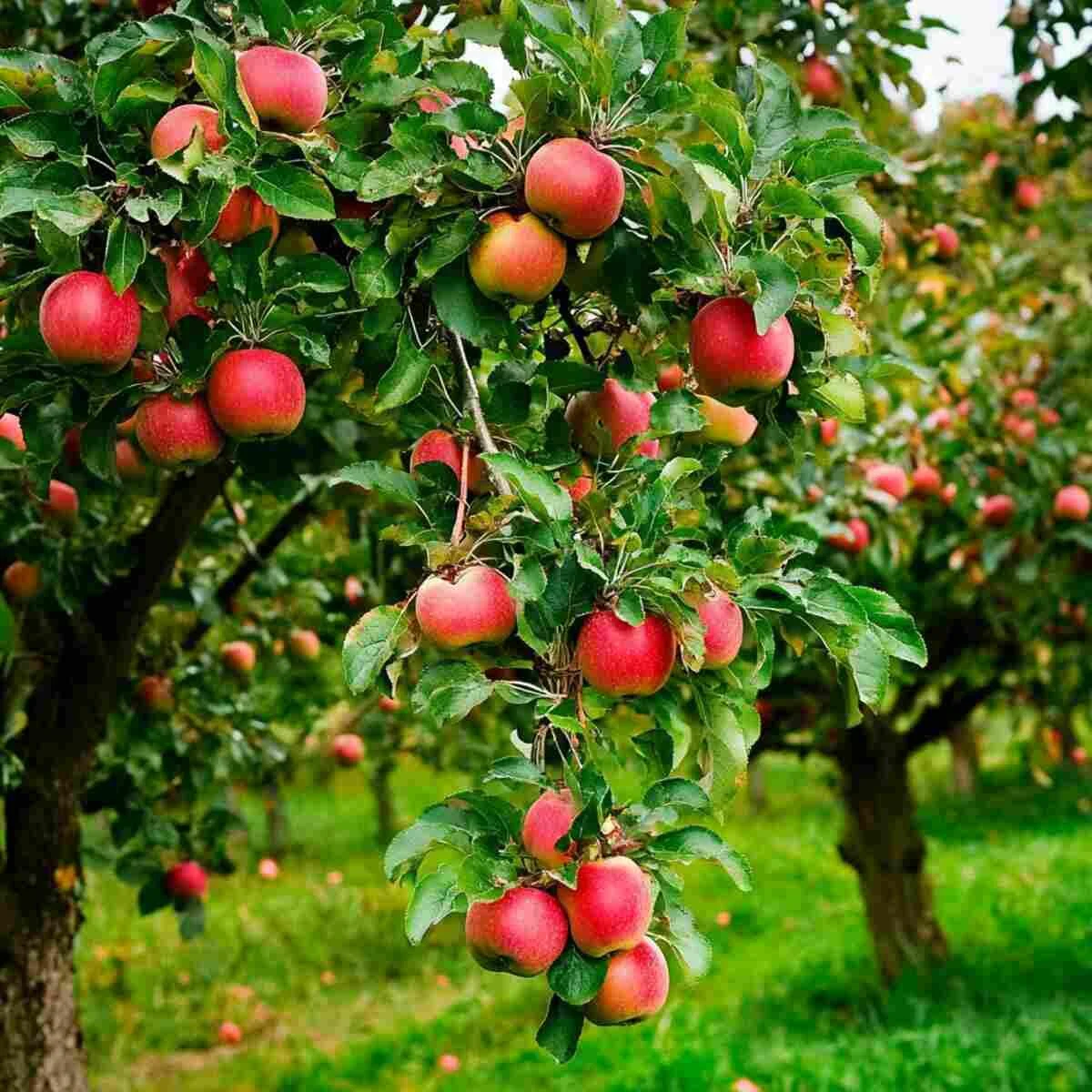
Apples are often the backbone of a cold-climate orchard because many varieties were bred specifically for regions with long winters and short growing seasons. They go dormant well, tolerate freezing temperatures, and generally recover better than more tender fruit trees after a rough winter.
Hardy apples are especially useful in gardens where late frosts are common but summer still provides enough warmth to ripen fruit. Look for cultivars suited to your local chill hours and hardiness zone rather than choosing by flavor alone.
Best fit: Backyard orchards in cold or variable climates where reliability matters more than novelty.
2. Grow Late-Blooming Peach Trees to Avoid Spring Frost
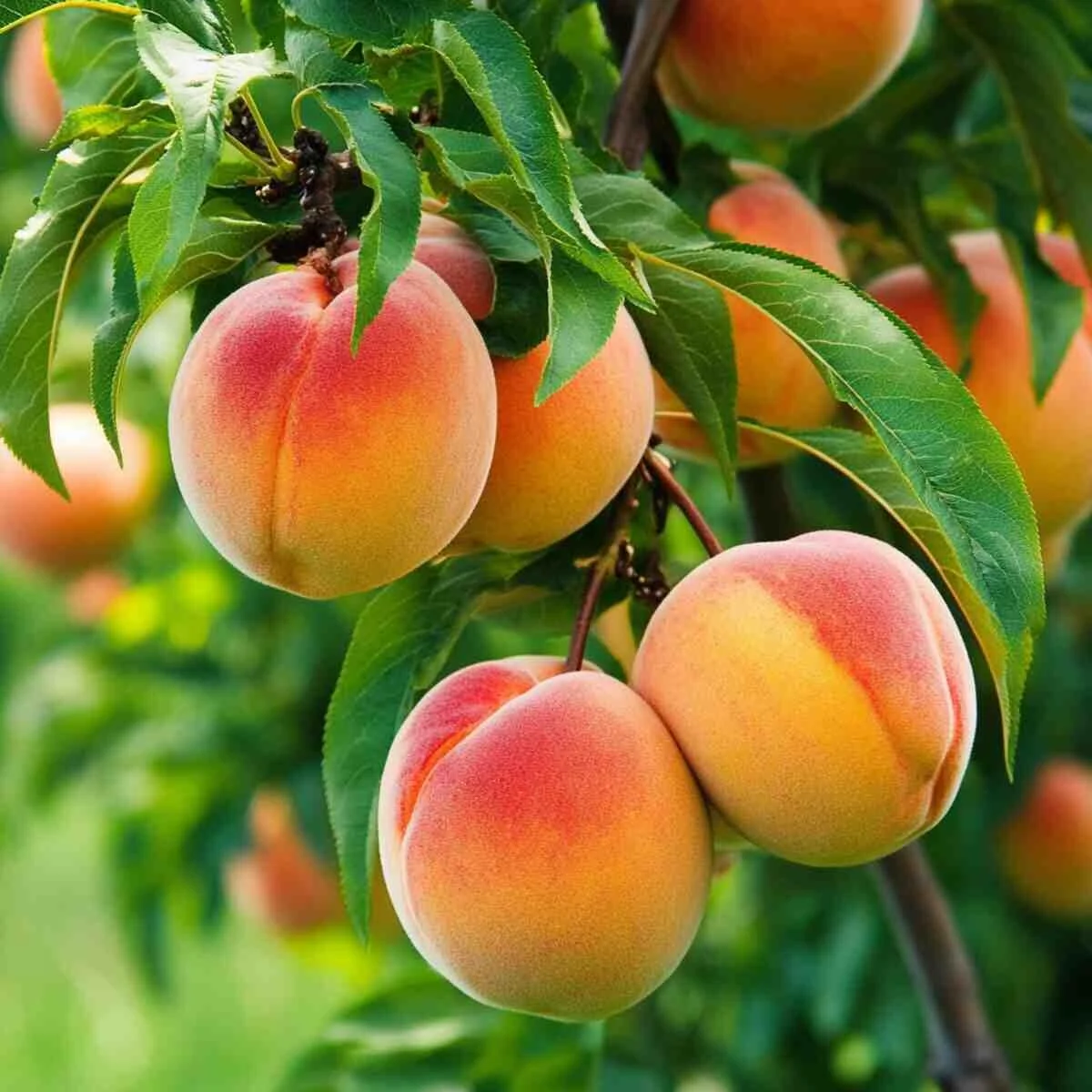
Peaches are often seen as risky in colder regions, but late-blooming varieties can be a smart workaround. Instead of opening flowers during the first warm spell of spring, they wait a little longer, which helps them avoid damage from a surprise freeze.
This timing matters because peach blossoms are far more vulnerable than the tree itself. A tree may survive winter just fine and still lose its crop if it blooms too early. Late-blooming selections reduce that risk.
Placement tip: Give peach trees a sunny site with good air movement, but avoid low pockets where cold air settles overnight.
3. Use Frost-Resistant Plum Trees for Flexible Growing Conditions
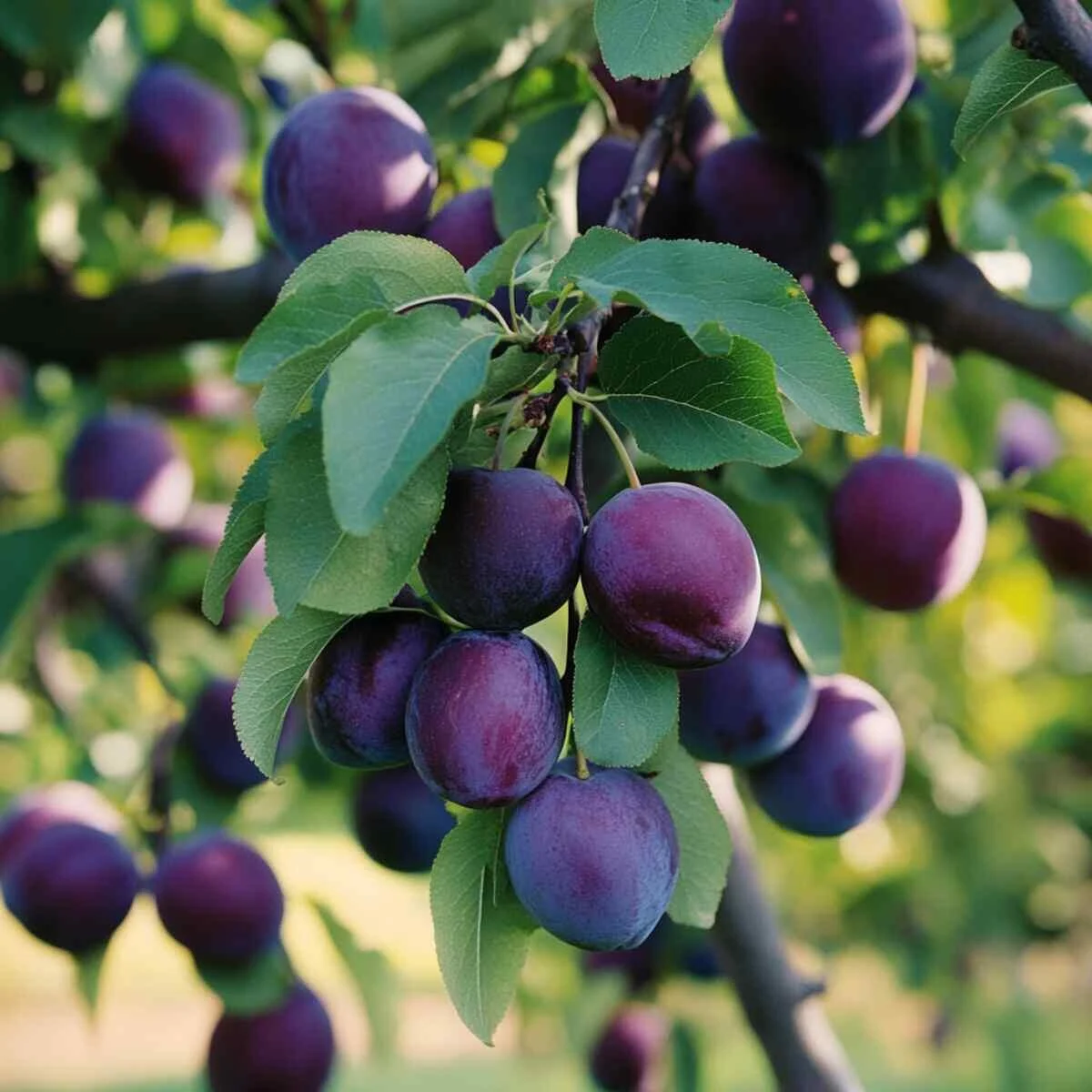
Plum trees can be an excellent choice for gardeners who want fruit without the same level of cold-weather anxiety that comes with more delicate species. Frost-resistant plums tend to hold back bud break a little longer or carry buds that tolerate cold more successfully.
They also fit nicely into mixed orchards because they offer strong spring blossom displays and useful fruit for fresh eating, jam, and baking. European types are often a little more cold-tolerant than Japanese ones, so variety choice matters.
Good for: Gardeners who want a productive stone fruit with better odds in cool spring weather.
4. Incorporate Cold-Hardy Cherry Trees for Early-Season Interest
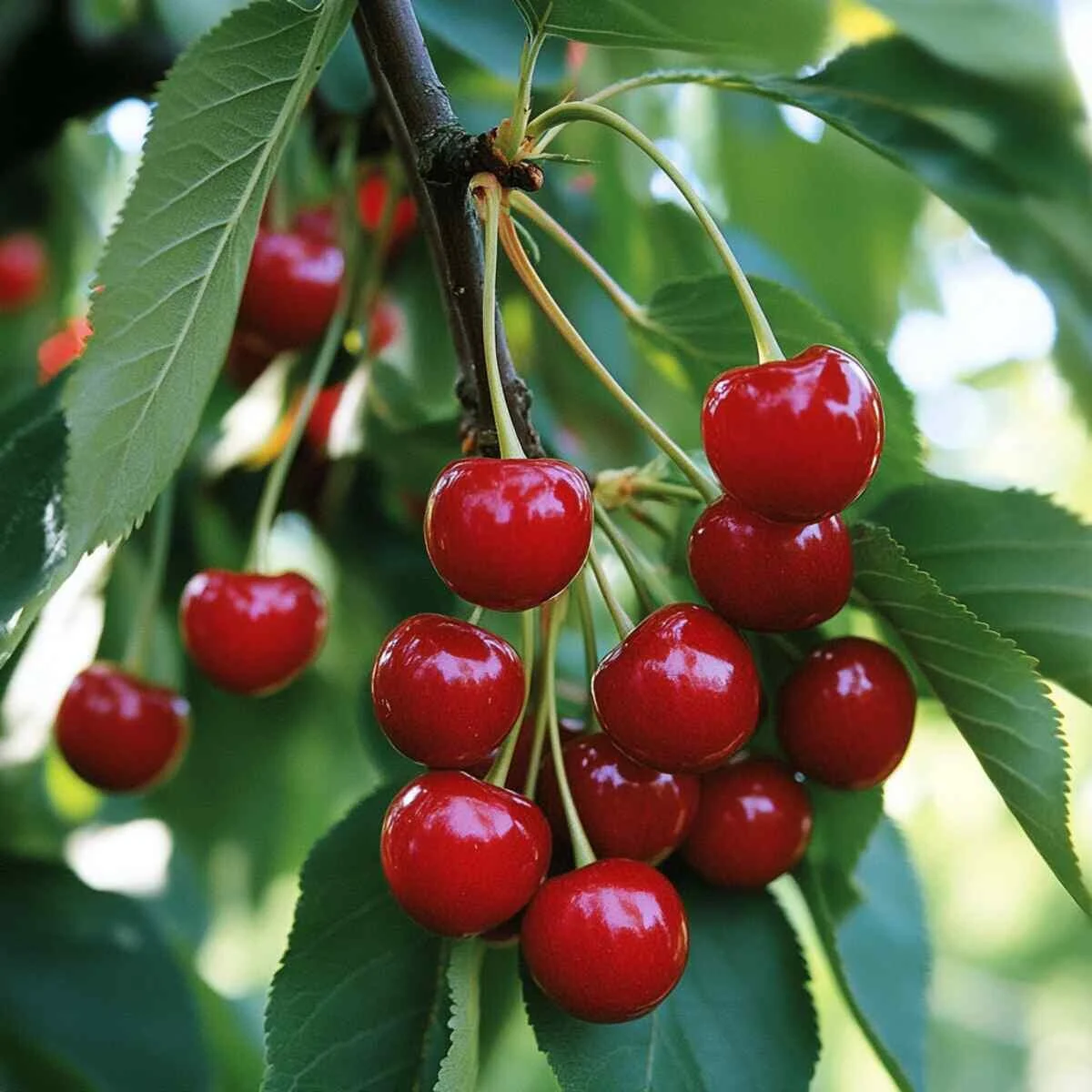
Cold-hardy cherry trees bring both ornamental beauty and edible reward. The blossom display is often reason enough to plant one, but the right hardy types can also produce dependable fruit in colder climates.
Sour cherries are usually the more forgiving option in frosty regions, while sweet cherries often need a bit more protection and a milder site. If your winters are severe, choosing the right rootstock and cultivar will make a noticeable difference.
Design note: Cherries are beautiful enough to earn a place in ornamental planting as well as edible gardens.
5. Add Frost-Tolerant Pear Trees for a Steady Orchard Crop
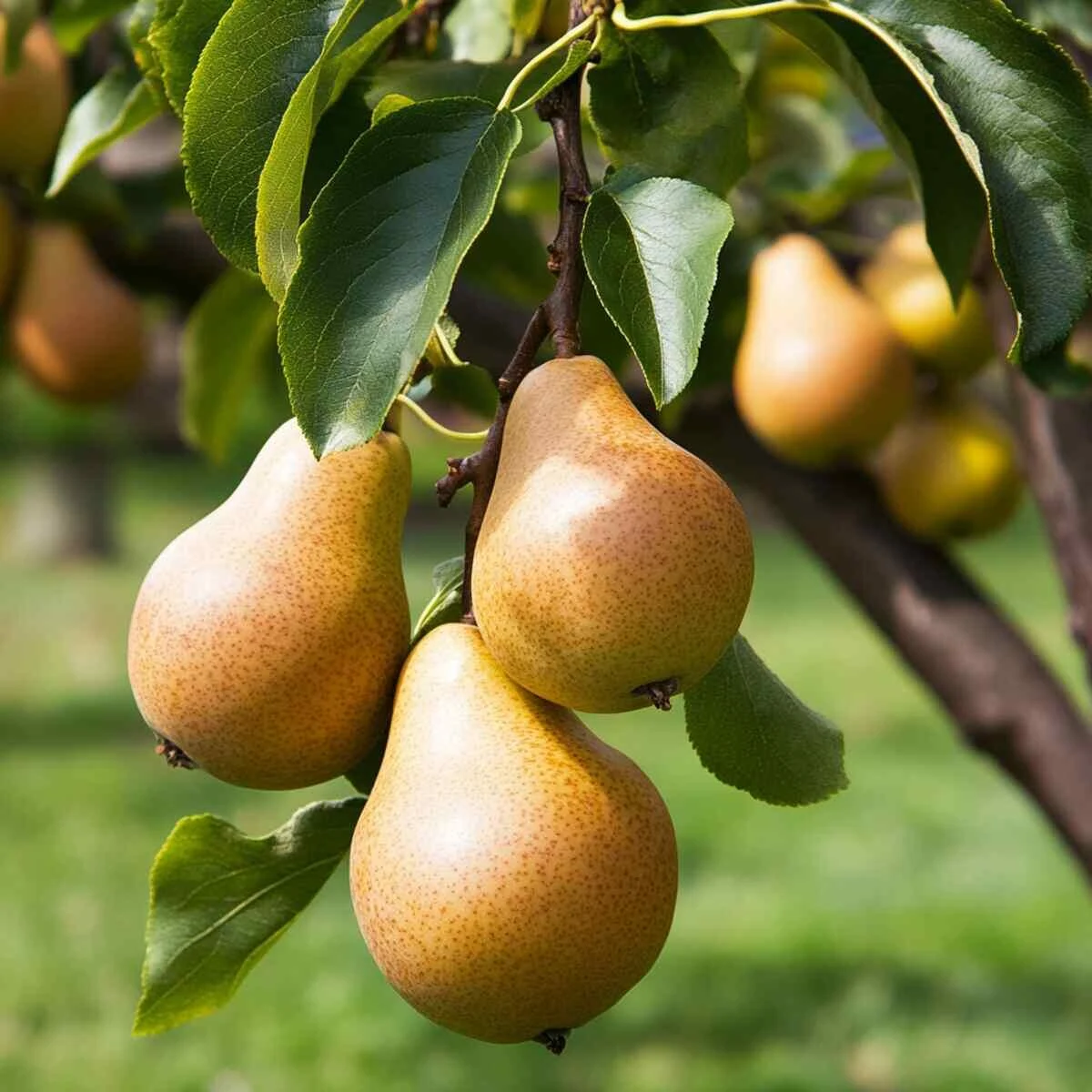
Pears are often overlooked in cold-climate gardens, yet many varieties handle winter and spring chill very well. They are especially useful for gardeners who want a fruit tree that feels less fussy once established.
Pear blossoms can still be affected by extreme late frost, but the trees themselves are generally hardy and long-lived. With the right pollination partner and a site that gets full sun, they can become one of the more dependable trees in the garden.
Why they work: Pear trees combine cold tolerance, good storage potential, and a calmer maintenance rhythm than many stone fruits.
6. Select Hardy Apricot Cultivars with Better Frost Timing
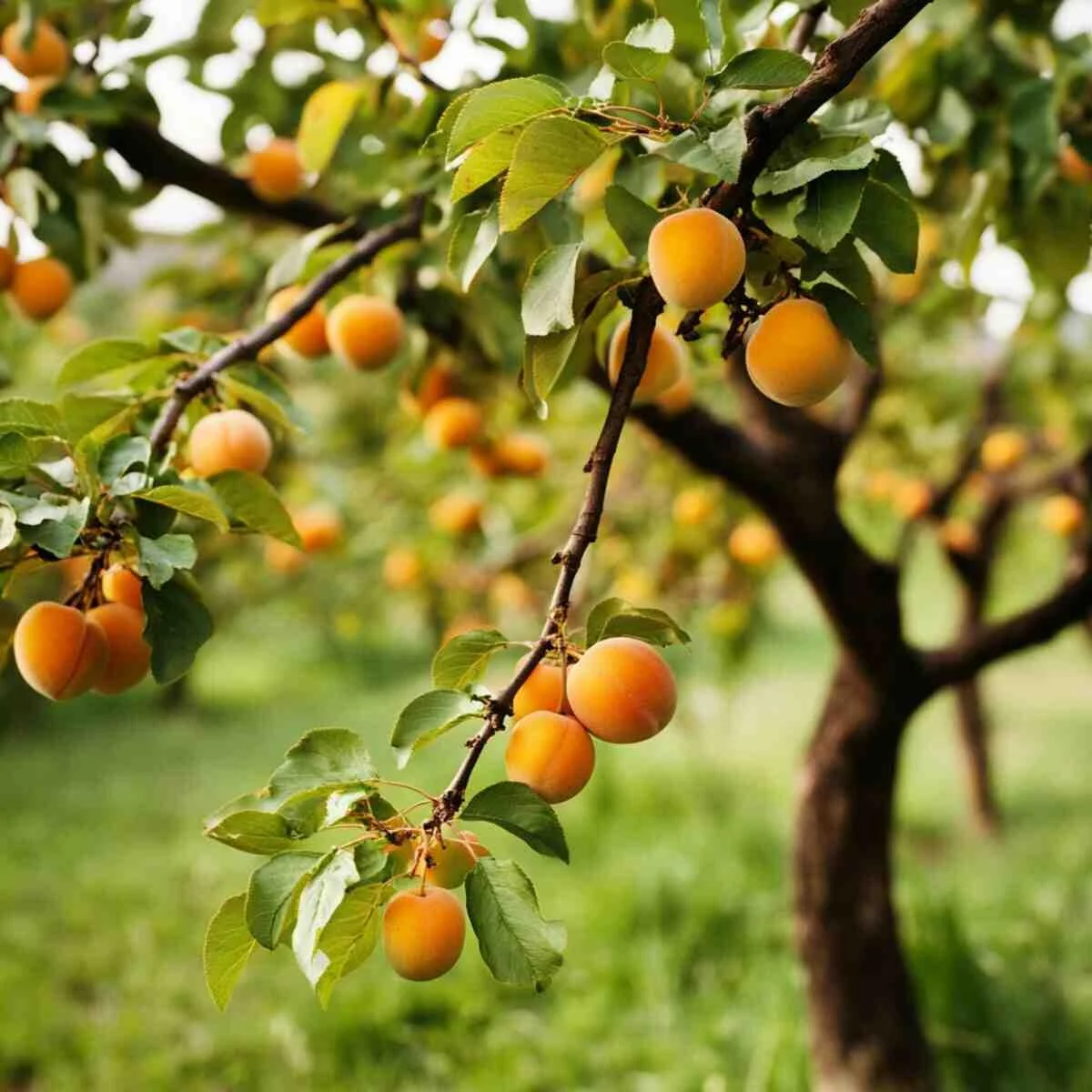
Apricots are famously tricky in cold gardens, not because the trees cannot survive winter, but because they often bloom too early. Hardy cultivars improve the odds by blooming later or tolerating cool spring conditions more effectively.
If you love apricots, the answer is not always to avoid them altogether. It is to choose smarter. Look for varieties recommended specifically for colder regions, and give them the warmest, most protected spot you can without forcing early bloom.
Best strategy: Plant on a site that stays cool in early spring rather than one that warms too fast on sunny winter days.
7. Grow Mulberry Trees for Toughness and Heavy Cropping
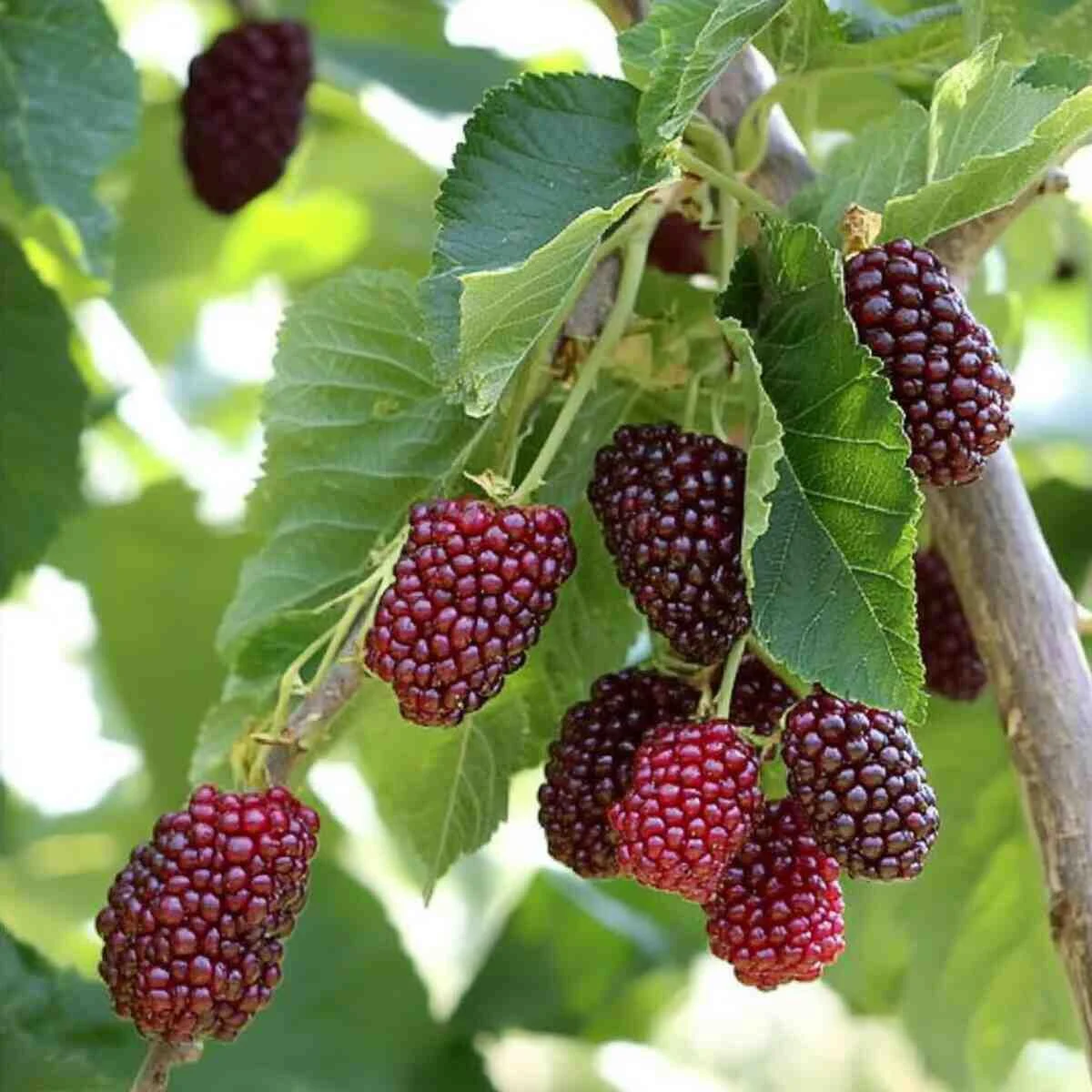
Mulberries are among the toughest fruiting trees you can plant. They handle cold winters well, adapt to a wide range of soils, and often fruit generously once mature.
They are a strong option for gardeners who want something productive but less demanding than peaches or apricots. The fruit is soft and short-lived after picking, which is why mulberries make so much sense in home gardens where you can harvest and use them right away.
Good to know: Give mulberries room. They can become substantial trees and are best planted where dropped fruit will not be a problem.
8. Plant Cold-Resilient Fig Varieties in Protected Spots
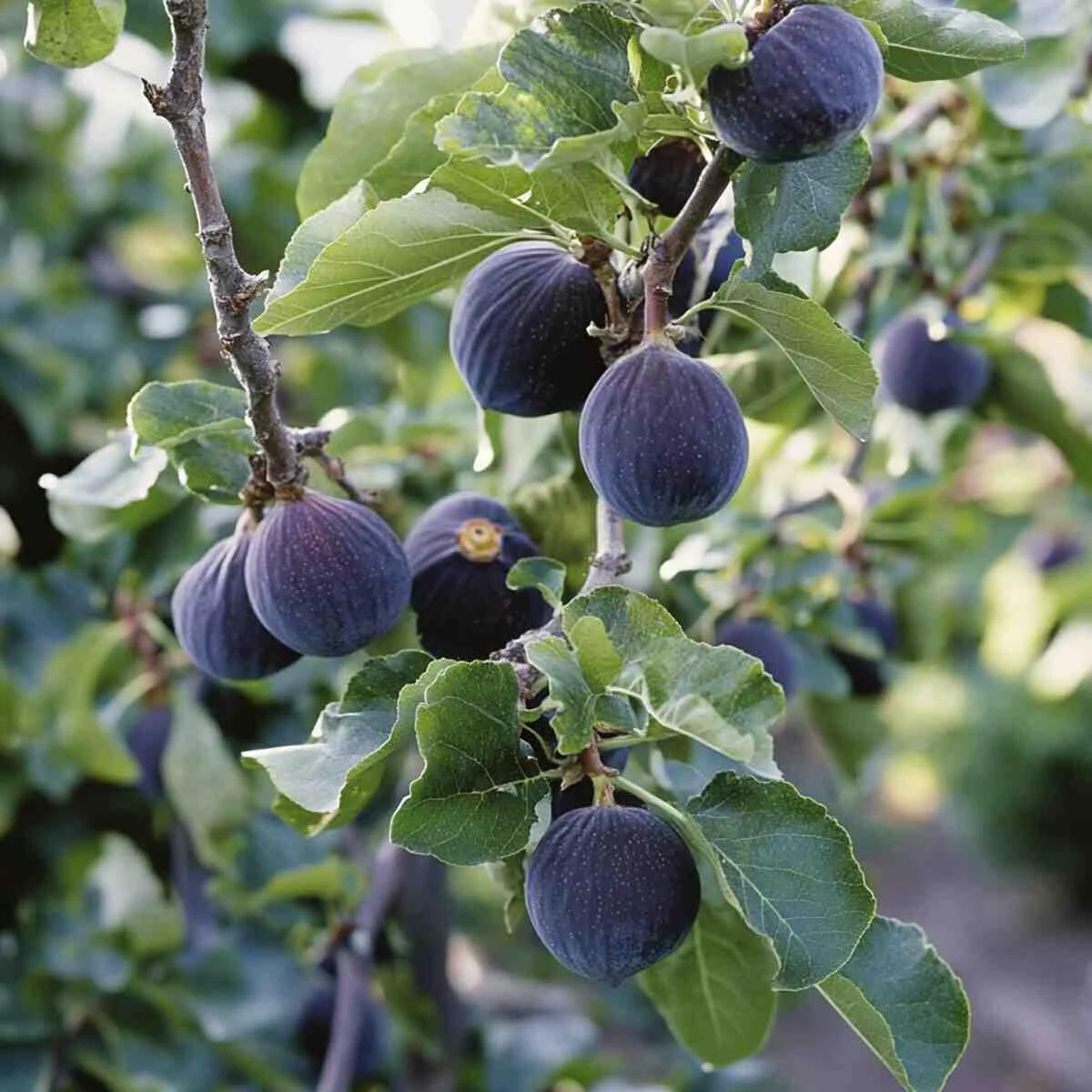
Figs may not be the first fruit that comes to mind for cold-weather gardening, but some varieties are surprisingly resilient. In colder regions, they often die back partially in winter and regrow when warmth returns, especially if planted in a sheltered microclimate.
A south-facing wall, courtyard, or protected corner can make a major difference. Even when the top growth is hit by cold, the roots and lower structure may survive well enough to keep the plant productive over time.
Smart use: Try figs where reflected heat and wind protection give them an edge.
9. Establish Hardy Persimmon Trees for Low-Stress Fruit Growing
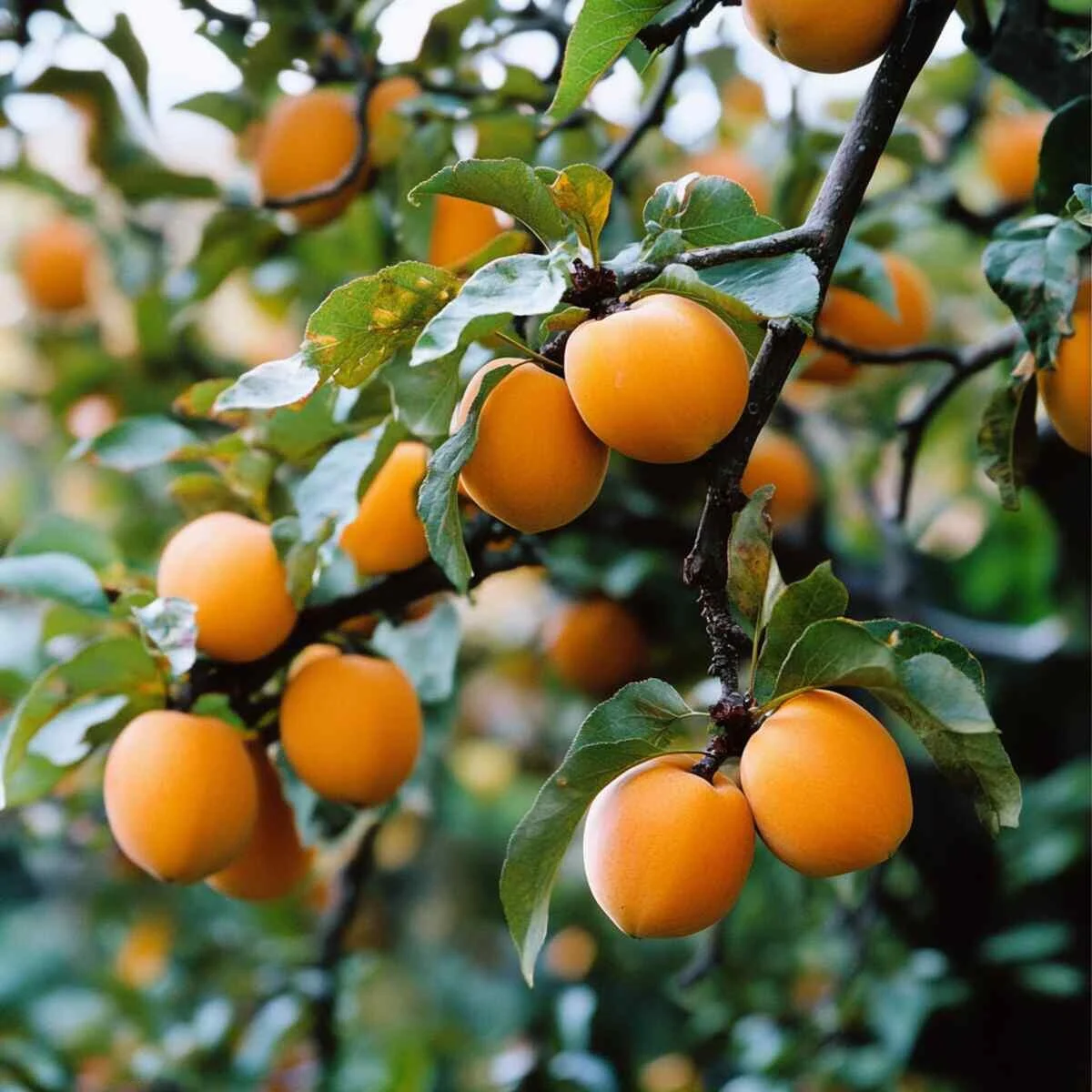
Hardy persimmons are excellent for gardeners who want unusual fruit with strong winter tolerance. Once established, they are remarkably adaptable and generally less bothered by cold than many people expect.
They also bring ornamental value with glossy leaves, interesting structure, and bright fruit that can hang late in the season. If you want a tree that feels a little different from the usual orchard lineup, persimmon is worth serious consideration.
Why gardeners choose them: Strong cold tolerance, handsome form, and fruit that stands out in both flavor and appearance.
10. Use Frost-Tough Pomegranate Varieties in Milder Cold Regions
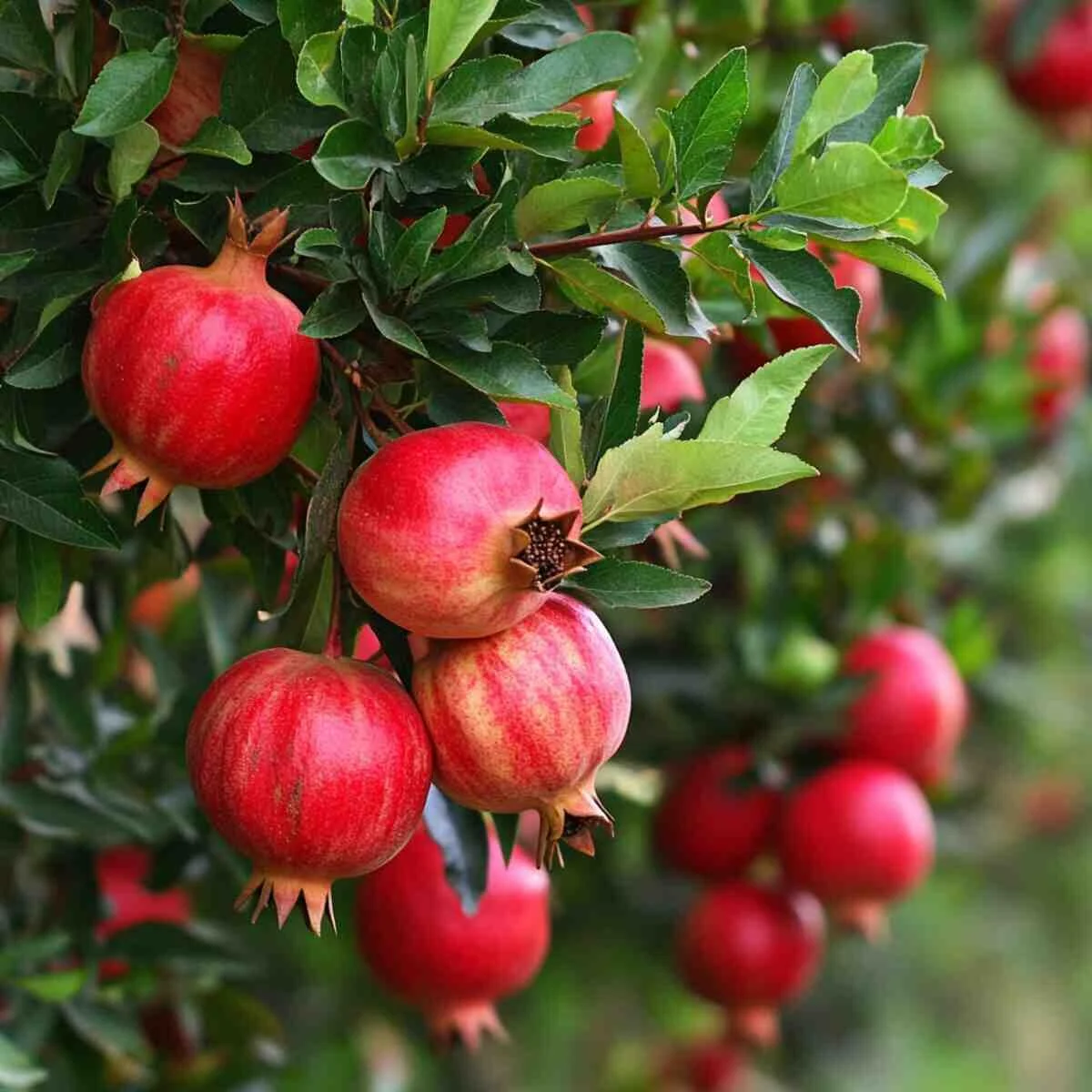
Pomegranates are better suited to mild-winter climates, but frost-tough varieties can work surprisingly well in regions with brief cold snaps. They are not a universal answer for deep winter conditions, though, so site and variety selection matter a great deal.
In colder gardens, they perform best where winter lows are manageable and the plant can be protected from the harshest exposure. Garden walls, courtyards, and sun-trapping sites are especially useful here.
Best for: Gardeners on the colder edge of pomegranate-growing regions who have a warm, sheltered spot.
11. Plant Cold-Hardy Citrus in Protected Microclimates
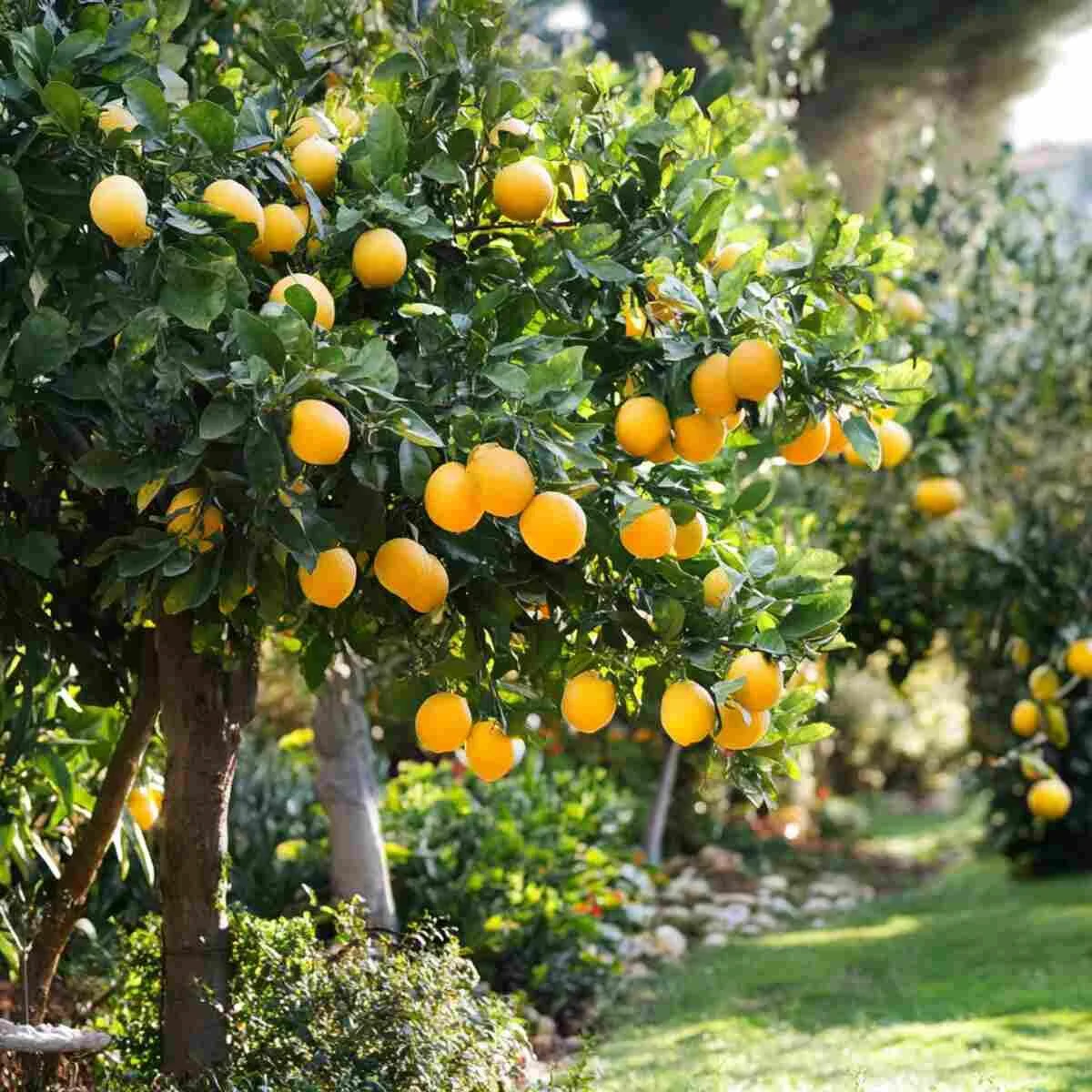
Cold-hardy citrus can work in select gardens, especially when planted in microclimates that protect them from the worst of winter. These are not trees for fully exposed open sites in freezing regions, but they can succeed where walls, slopes, and reflected heat create a milder pocket.
They are especially useful in smaller gardens where one protected corner can be used strategically. Even then, this is the kind of planting that rewards realistic expectations and careful observation.
Helpful approach: Treat citrus as a site-specific experiment rather than the mainstay of a cold-climate orchard.
12. Include Gooseberry Bushes for Naturally Cold-Adapted Fruit
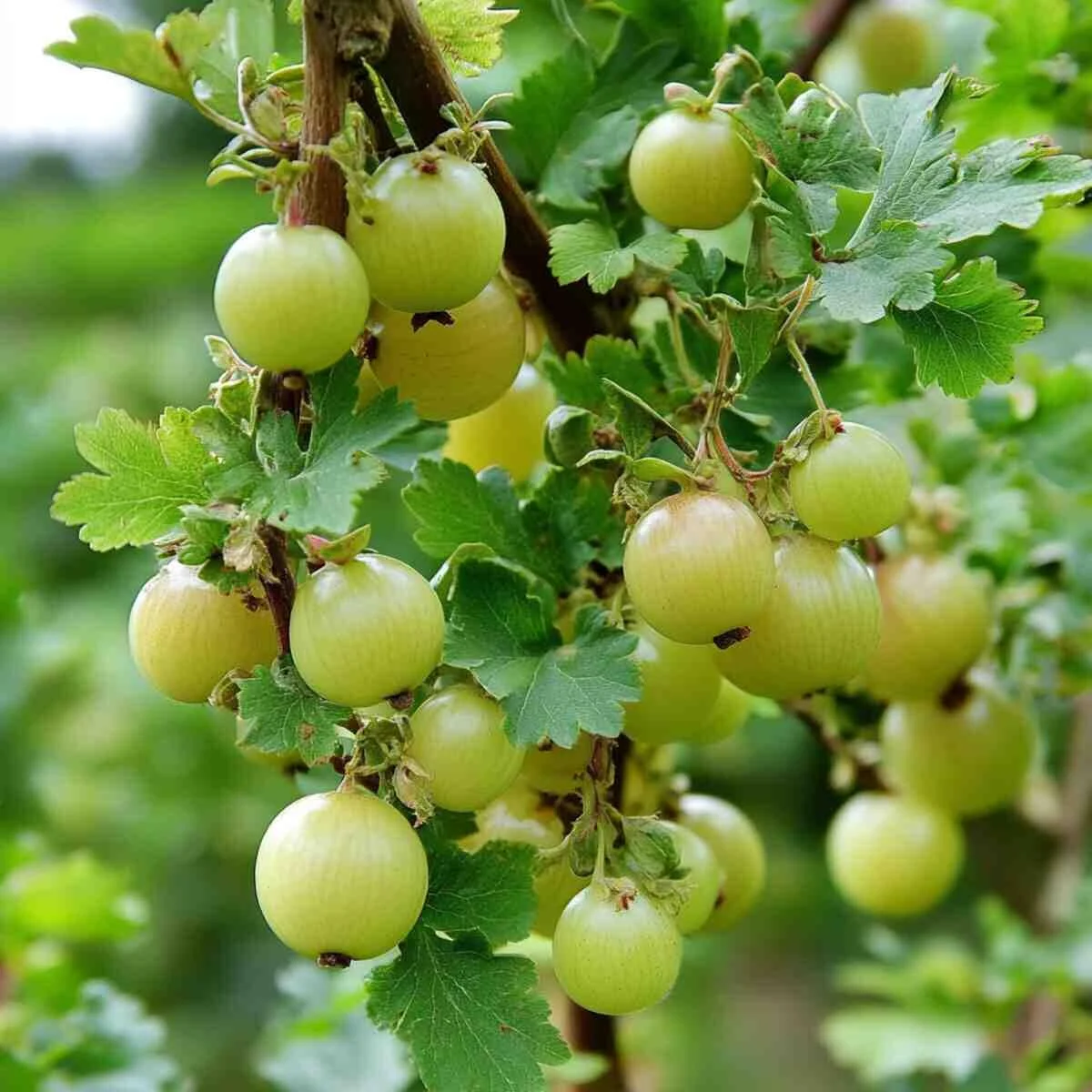
Gooseberries are not trees, but they belong in any conversation about frost-tolerant fruit. They are naturally well adapted to cool regions and often produce where more glamorous fruits struggle.
Their compact size makes them especially useful in smaller gardens, along fences, or in mixed edible borders. Because they bloom and fruit dependably in cold regions, they are often one of the least stressful fruits to grow.
Best use: Small gardens, edible hedging, and cold-climate fruit planting where space is limited.
13. Add Elderberry for Hardiness and Wildlife Value
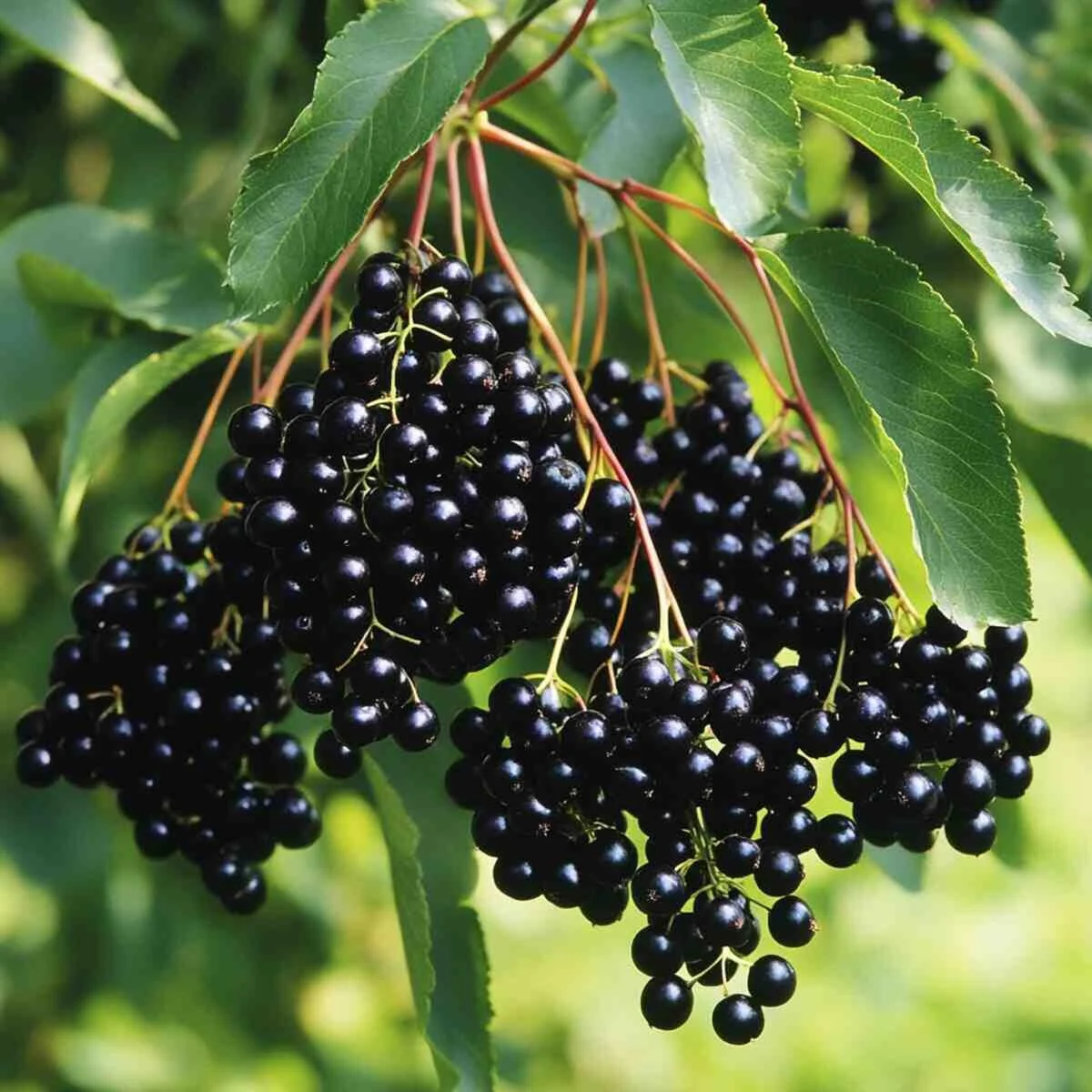
Elderberries handle cold weather extremely well and bring more than one season of interest. Spring flowers, summer fruit, and graceful growth make them valuable even beyond harvest.
They are especially useful in naturalistic or mixed productive gardens where a looser, more layered planting style is welcome. Since they also support pollinators and birds, they add ecological value as well as edible interest.
Design advantage: Elderberry suits cottage gardens, wildlife gardens, and informal orchards beautifully.
14. Grow Quince for Old-Fashioned Fruit with Strong Cold Tolerance
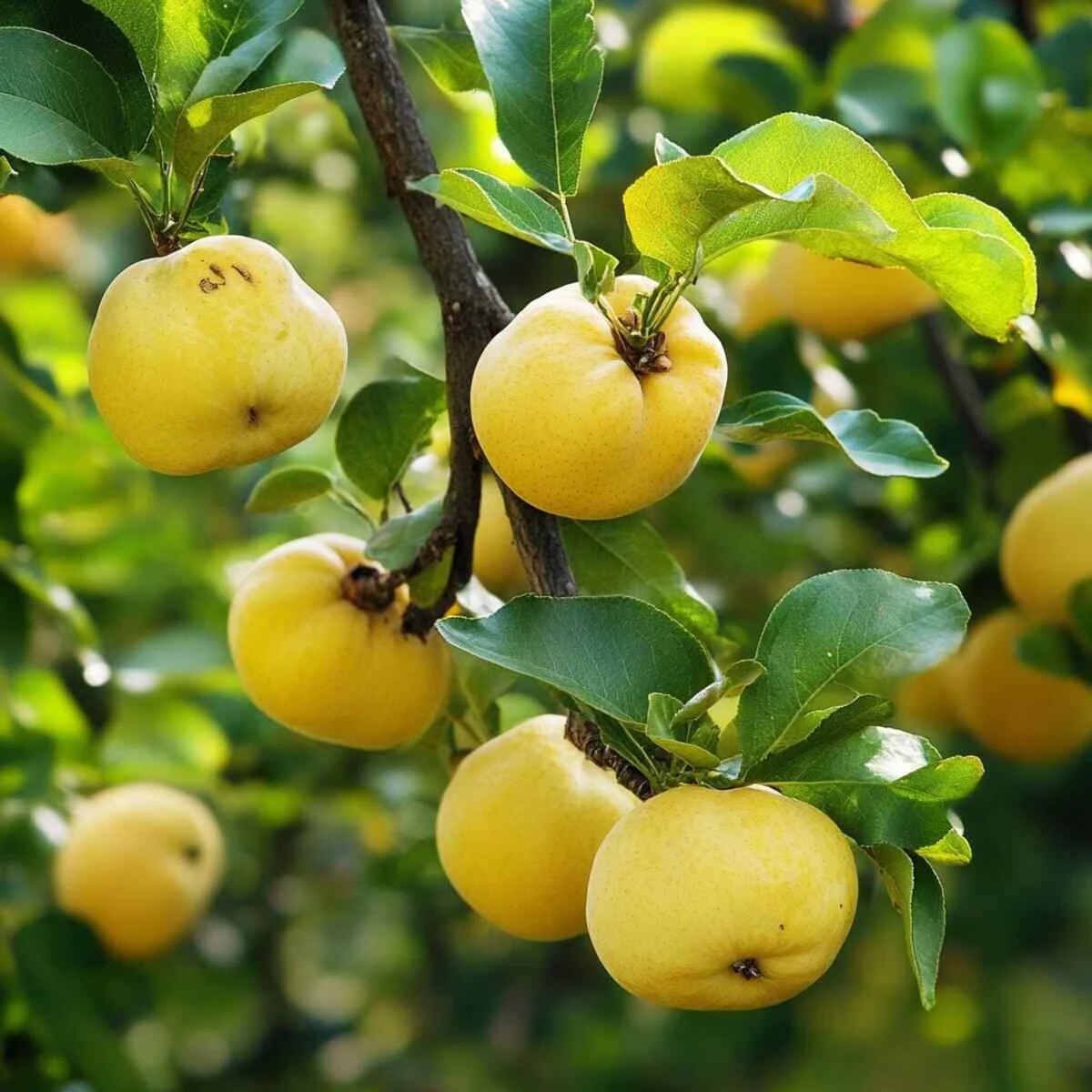
Quince has a long history in cool-climate gardens and deserves more attention than it gets. The trees are hardy, the blossom display is attractive, and the fruit stores and cooks beautifully.
Because quince is less commonly grown, it can also make a garden feel more distinctive. If you enjoy preserving, baking, or growing unusual heritage fruits, it is an especially satisfying choice.
Why it stands out: Strong perfume, dependable cold tolerance, and fruit with real old-world character.
15. Plant Jujube Trees for Temperature Extremes
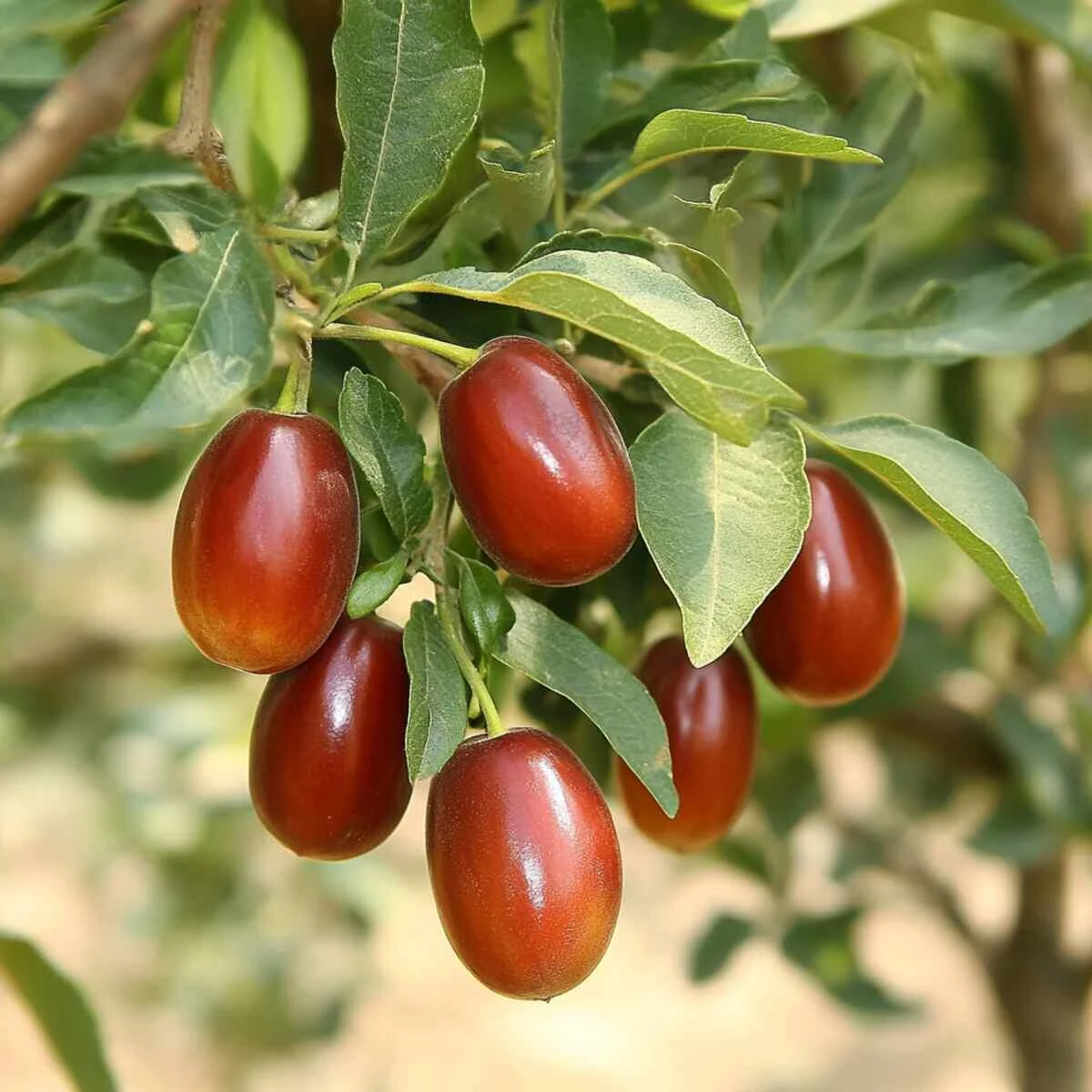
Jujube trees are unusually adaptable because they tolerate both cold winters and hot summers. That makes them a smart option for regions with strong seasonal contrast rather than mild conditions year-round.
They also tend to leaf out late, which helps them avoid some spring frost damage. If your climate swings from freezing winters to intense summer heat, jujube is worth a closer look.
Strong point: Excellent for climates with both frost and summer heat, where some other fruits struggle to do both.
16. Integrate Serviceberry for Early Flowers and Edible Fruit
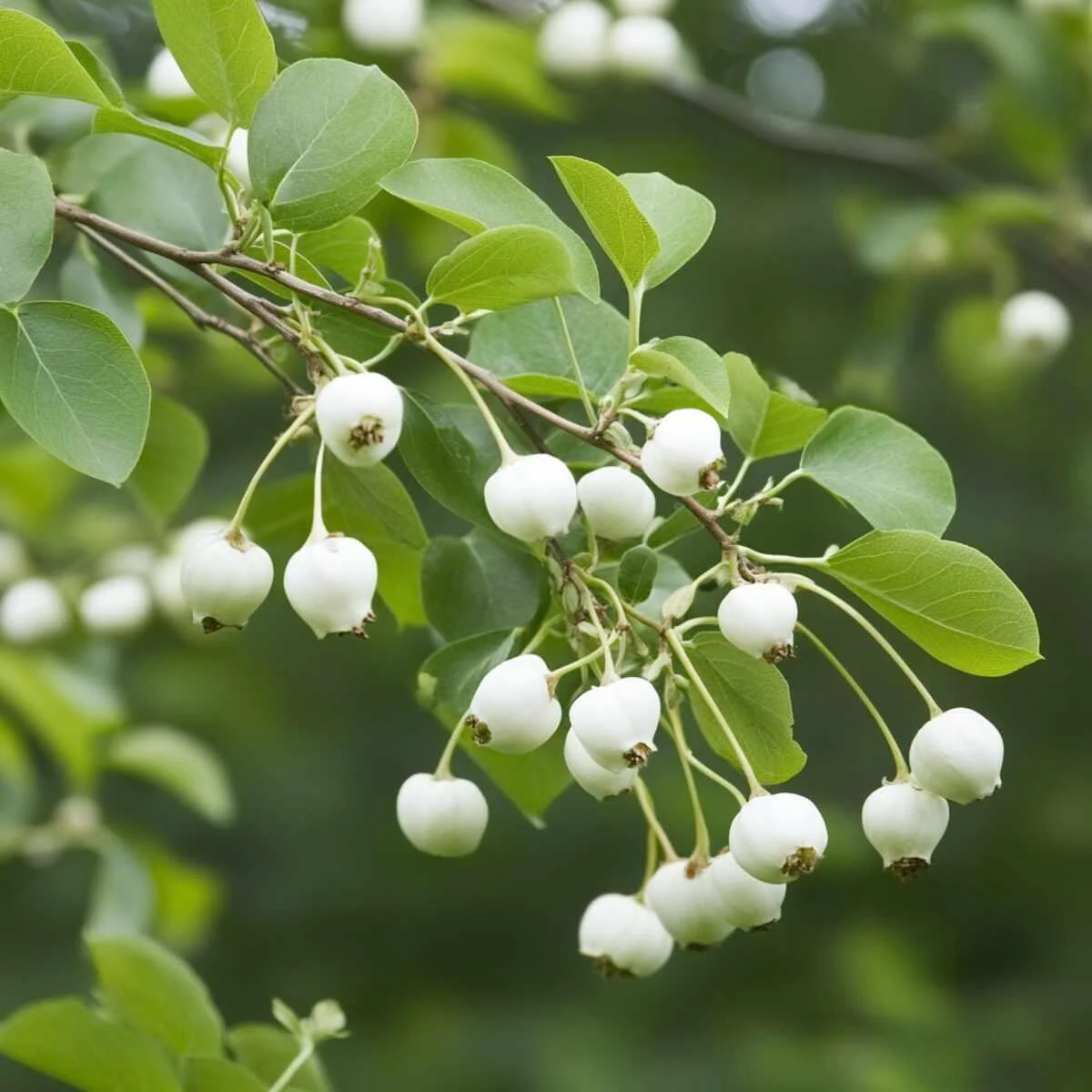
Serviceberry is often planted for its blossom display and fall color, but it also offers edible fruit and strong cold tolerance. That combination makes it especially appealing for gardeners who want one plant to do several jobs well.
Because it fits into ornamental landscapes so easily, serviceberry is ideal when the edible garden and the decorative garden are the same place. The fruit is also a favorite with birds, so harvest timing matters.
Best for: Smaller gardens where beauty and productivity need to share the same space.
17. Use Medlar Trees for an Unusual but Cold-Tough Orchard Addition
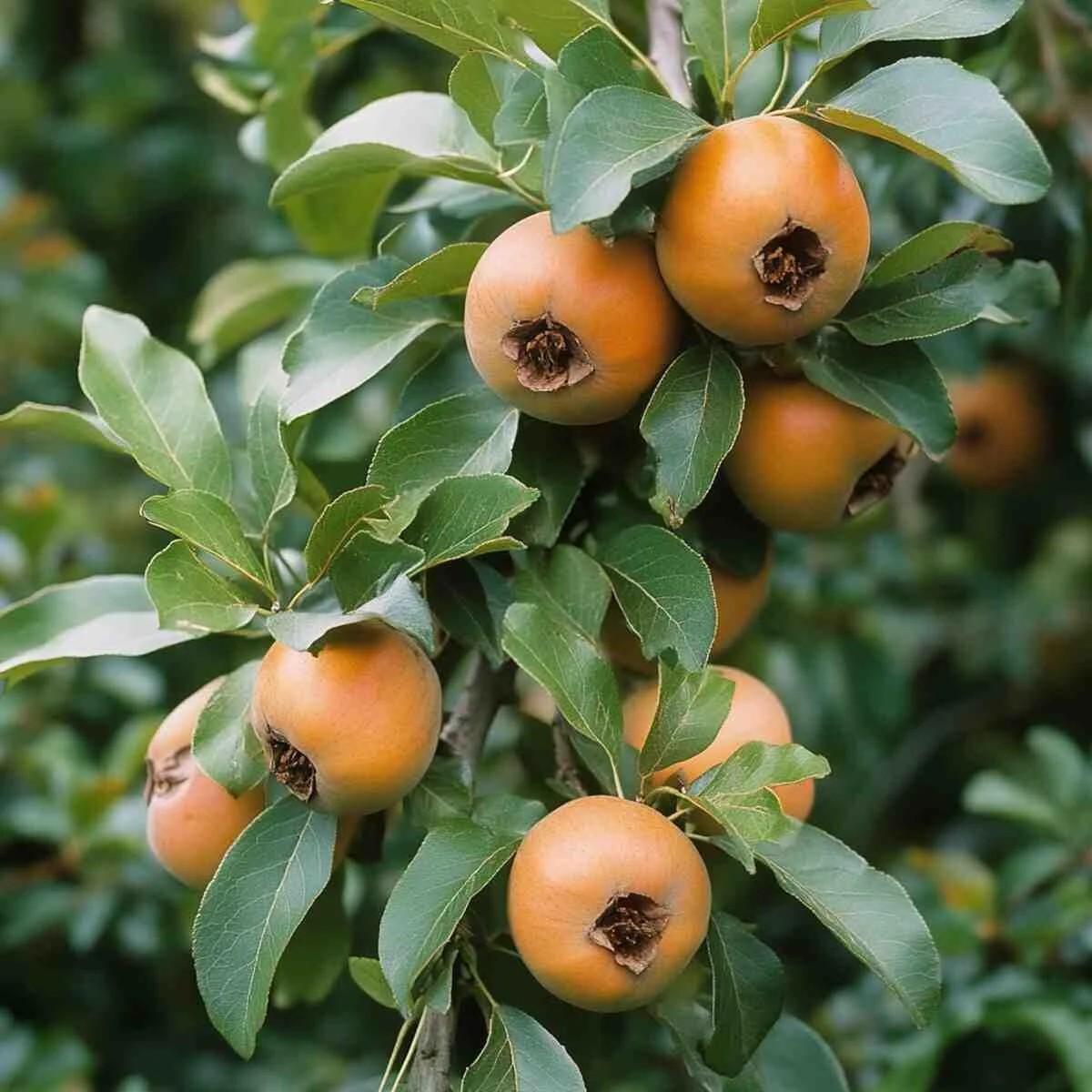
Medlar is an old fruit tree with a loyal following among gardeners who enjoy uncommon crops. It handles cold climates well and brings a distinctive look and harvest cycle to the orchard.
The fruit is not typically eaten straight from the tree in the same way as apples or pears, which is part of its appeal for gardeners who enjoy traditional or heritage growing. It is more of a conversation tree than a mainstream orchard staple, but that can be exactly the point.
Why plant it: For gardeners who want something rare, historic, and well suited to a cool climate.
18. Grow Pawpaw Trees for a Tropical Flavor in Cold Climates
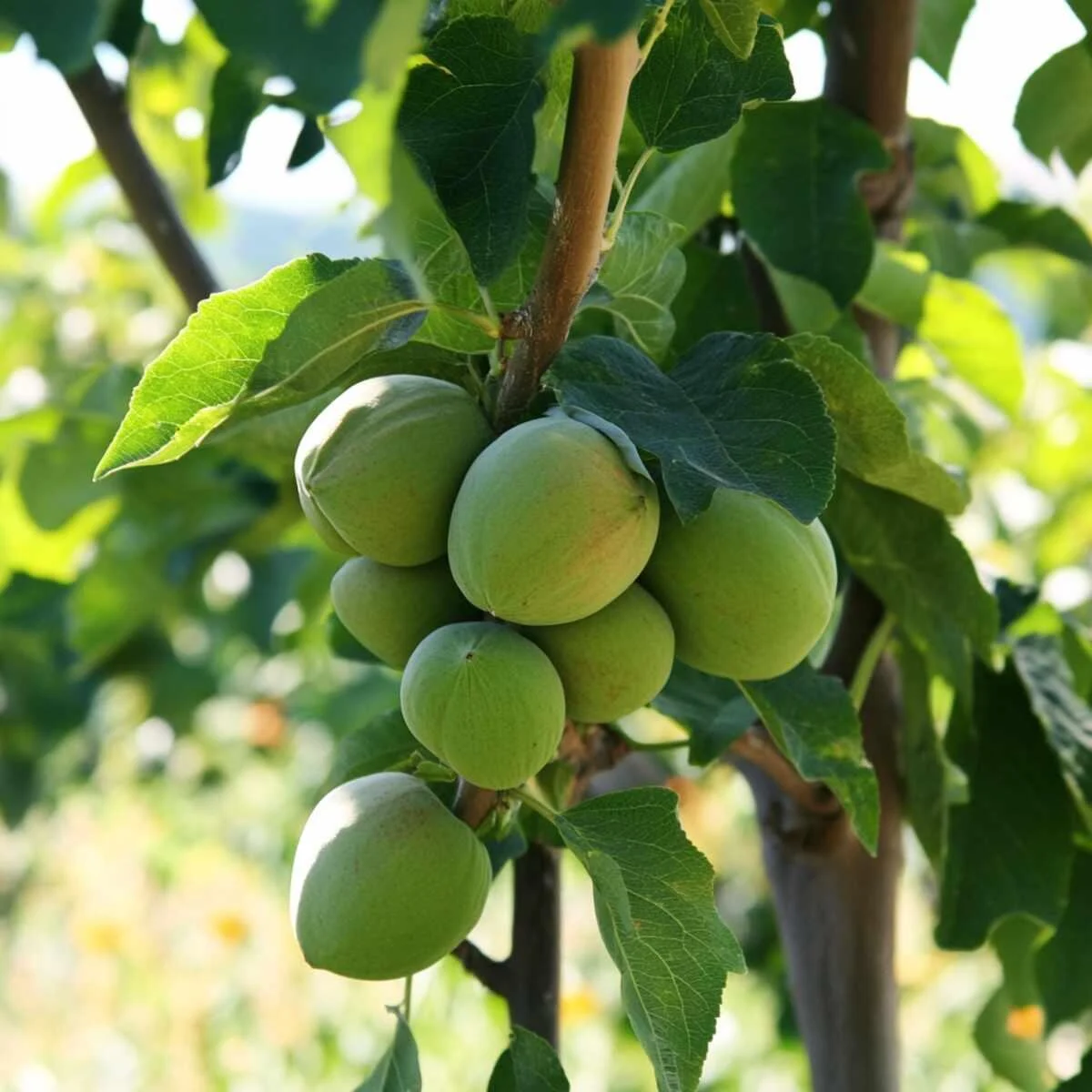
Pawpaws surprise many gardeners because the fruit feels tropical, yet the trees are native to regions with real winter. That natural cold tolerance makes them an appealing choice for gardeners who want something different without giving up hardiness.
They often prefer a bit of protection while young, but once established they can become a rewarding long-term addition. Their broad leaves also give them a distinctive presence in the landscape.
What makes them special: Unusual fruit, native adaptability, and strong winter resilience once established.
Final Thoughts
Frost-tolerant fruit growing is less about finding one magical tree and more about matching the right plant to the right climate, bloom timing, and site conditions. Apples, pears, gooseberries, and elderberries are often the safest places to start. Peaches, apricots, figs, and citrus can work too, but they reward more careful variety and location choices.
A stronger cold-climate orchard usually mixes dependable staples with one or two more adventurous picks. That way, the garden stays productive even when spring is unpredictable and winter lingers longer than expected.
Written by the Zeeshe Home Editorial Team, a blog focused on practical home and garden ideas and inspiration.