
A small backyard can feel limiting at first. Not much space, not much going on—and it’s easy to think a “real” garden just isn’t possible. But once you start making a few changes, even small ones, things shift pretty quickly.
The truth is, a good garden isn’t about size or budget. It’s about how you use what you have. With a bit of planning and a few creative choices, even the smallest outdoor space can feel full, inviting, and surprisingly peaceful.

If you’re working with a compact yard and want something that actually feels like a garden—not just a few scattered plants—these ideas should give you a solid starting point.
1. Start with Container Gardening
Containers are one of the easiest ways to begin. You can use pots, buckets, or even repurposed items to grow herbs, flowers, or small vegetables. The nice part is flexibility—you can move things around as you figure out what works.
Pro Tip: Group a few containers together instead of spreading them out. It makes the space feel fuller right away.
2. Create a Tiny Raised Bed
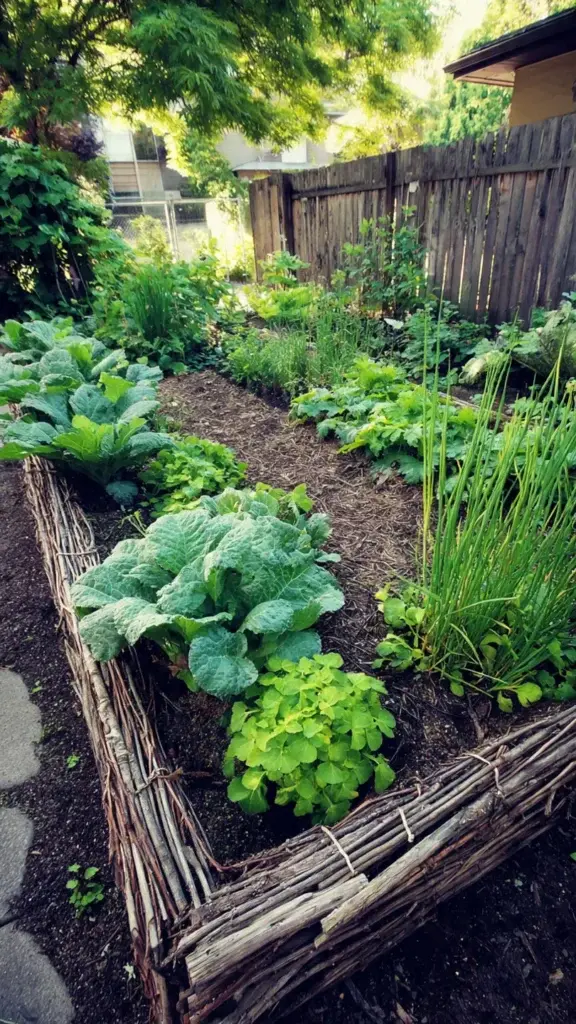
A small raised bed adds structure and keeps things organized. Even one bed can hold a good mix of plants and make the space feel more intentional.
Pro Tip: Use simple materials like untreated wood or basic stone edging to keep costs down.
3. Add Vertical Garden Elements
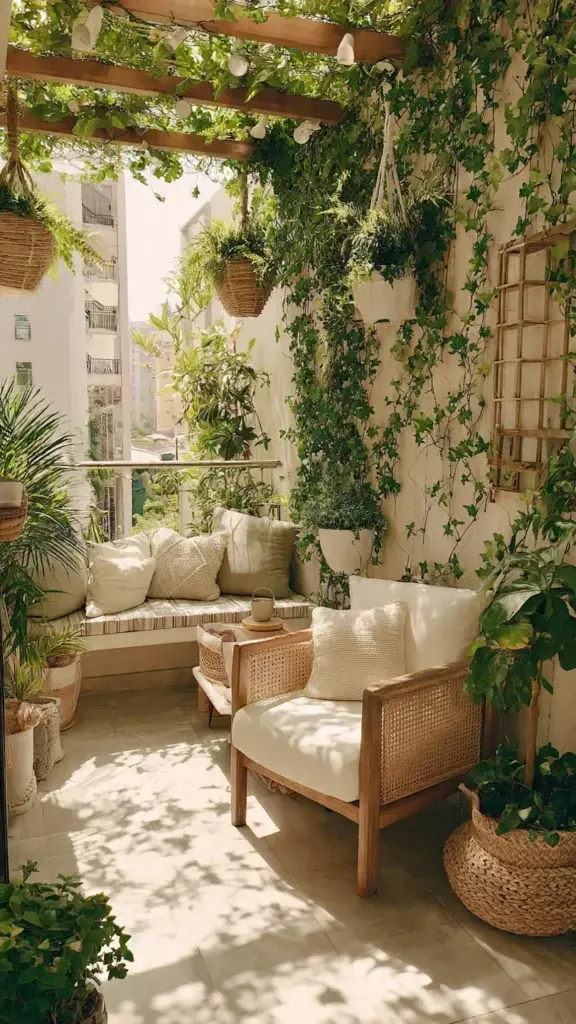
When space is tight, using vertical areas makes a big difference. Wall planters, hanging pots, or a simple trellis can turn empty walls into something useful.
Pro Tip: Keep planters lightweight so they’re easier to install and adjust.
4. Grow Herbs for Beauty and Function
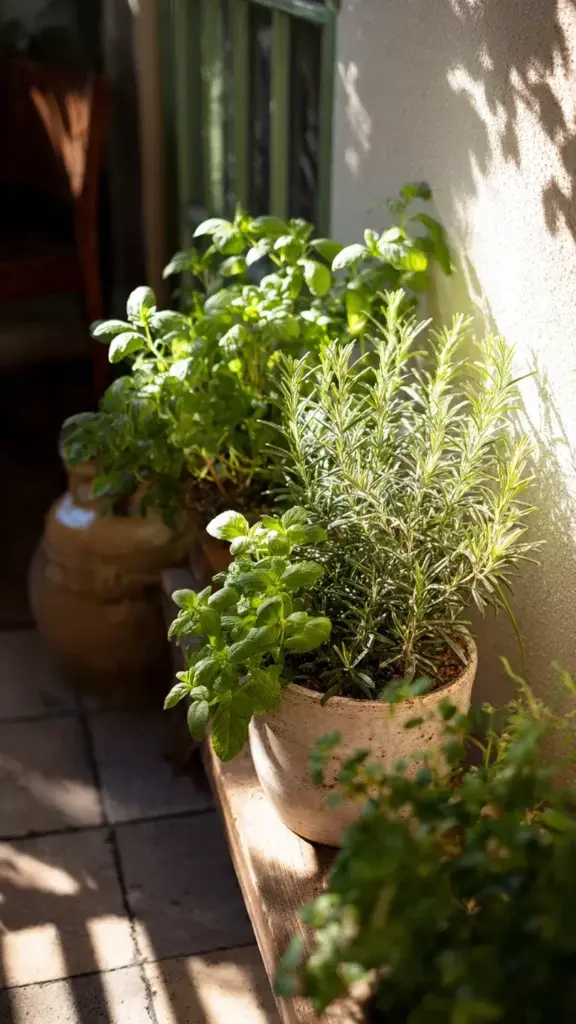
Herbs are practical and easy to maintain. They don’t take up much space, and having them close by is useful for cooking. Plus, they add scent and texture to the garden.
Pro Tip: Place herbs near your seating area or kitchen door for easy access.
5. Create a Simple Garden Path
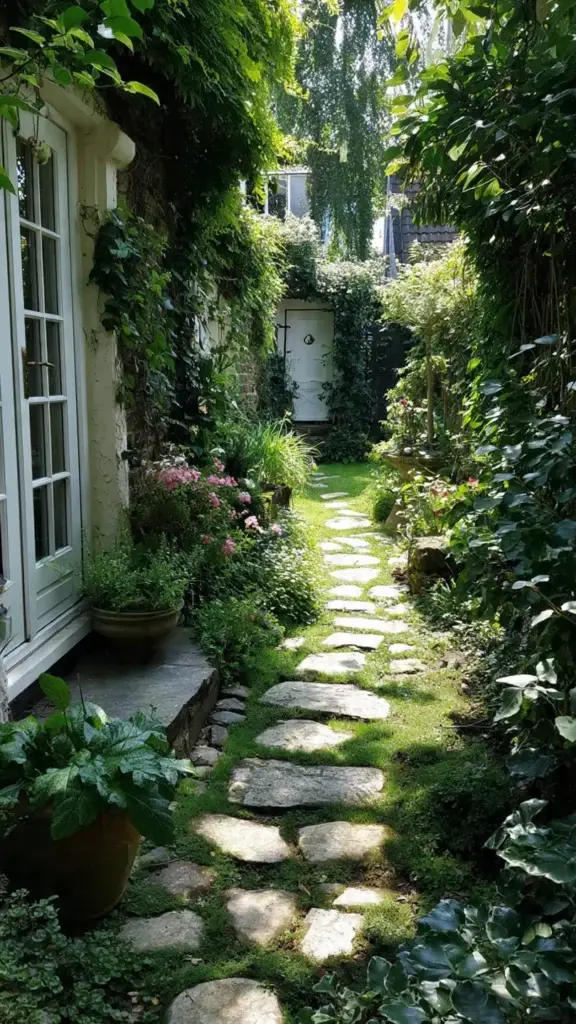
Even a small path can change how a space feels. It adds direction and makes the garden feel more complete, even if it’s just a short walkway.
Pro Tip: Let plants soften the edges so it blends naturally into the space.
6. Use Mulch for a Finished Look
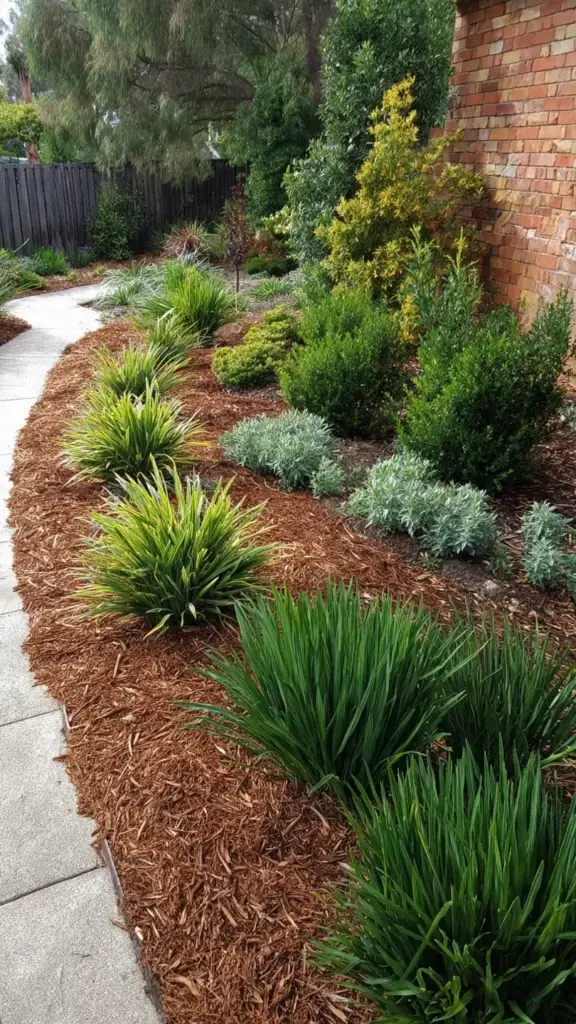
Mulch is simple but effective. It helps retain moisture and gives planting areas a clean, finished look.
Pro Tip: Stick with natural tones for a more timeless appearance.
7. Mix Evergreens with Seasonal Plants
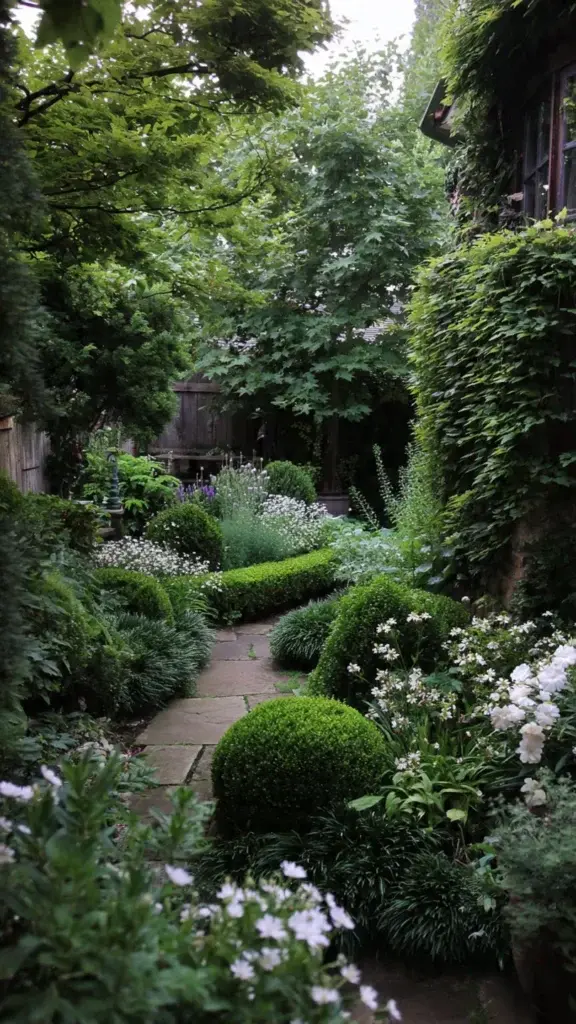
Evergreens provide structure year-round, while seasonal plants add variety. Combining both keeps the garden looking active without constant changes.
Pro Tip: Repeat plant types in different areas to create visual consistency.
8. Upcycle Planters and Decor
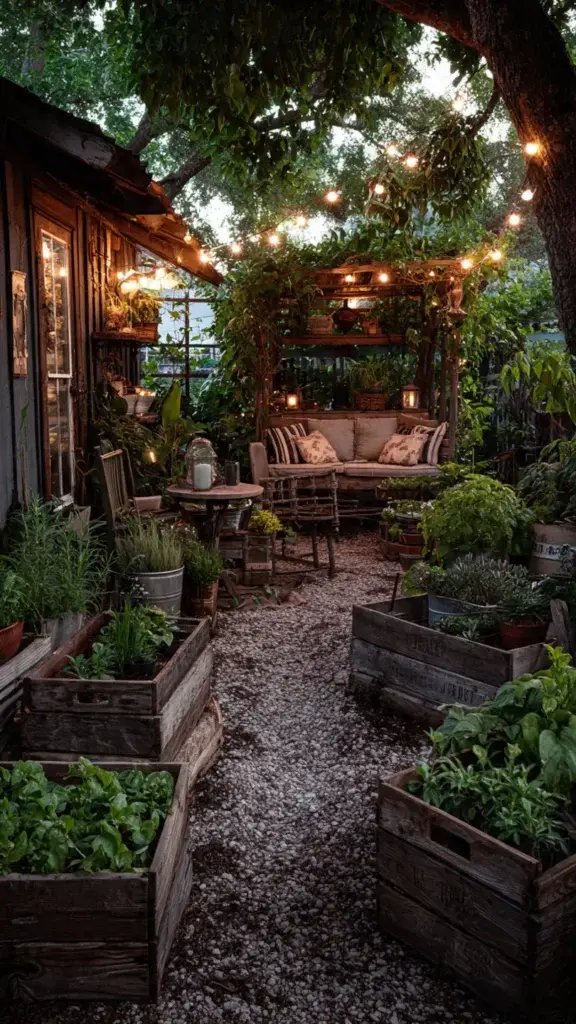
Repurposed items like crates, tins, or old containers can work well as planters. It’s a budget-friendly way to add personality.
Pro Tip: Always add drainage holes so plants don’t sit in water.
9. Create a Cozy Seating Nook
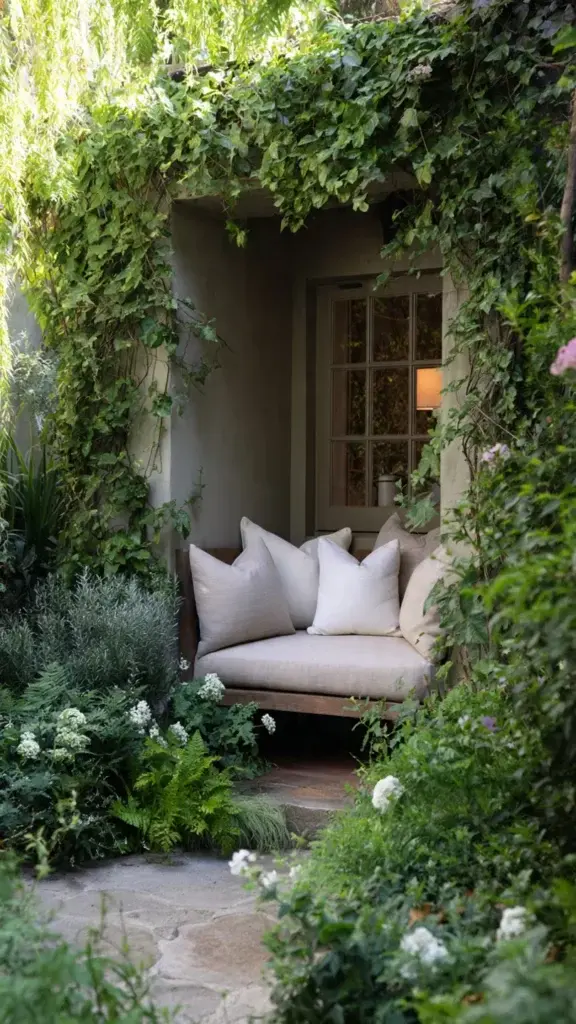
A simple seating area makes the garden more usable. Even a single chair can turn the space into somewhere you actually spend time.
Pro Tip: Add a cushion or small throw for comfort.
10. Add Climbing Plants for Softness
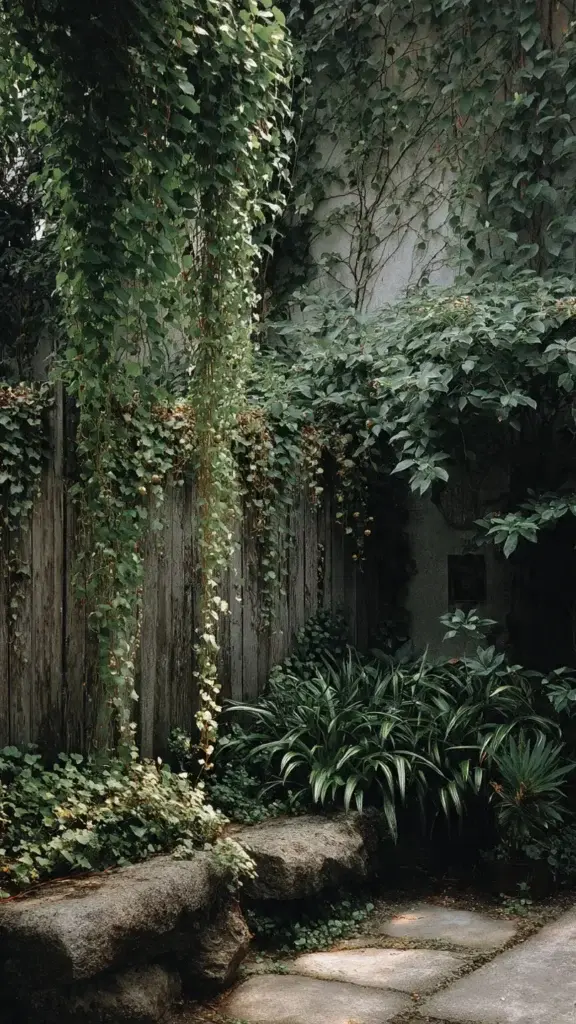
Climbing plants help soften walls and fences without taking up floor space. They add height and make the garden feel more layered.
Pro Tip: Use simple supports like wire or hooks to guide growth.
11. Plant Groundcovers to Fill Gaps
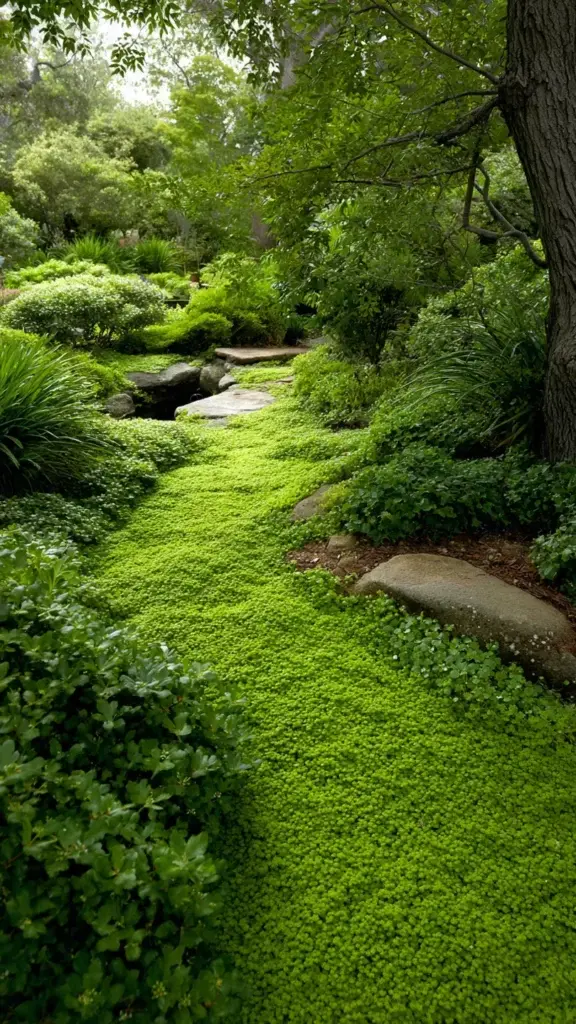
Groundcovers help fill empty spots and reduce maintenance. They make the garden look more complete without adding complexity.
Pro Tip: Choose plants suited to your sunlight conditions.
12. Use Lighting to Extend Garden Time
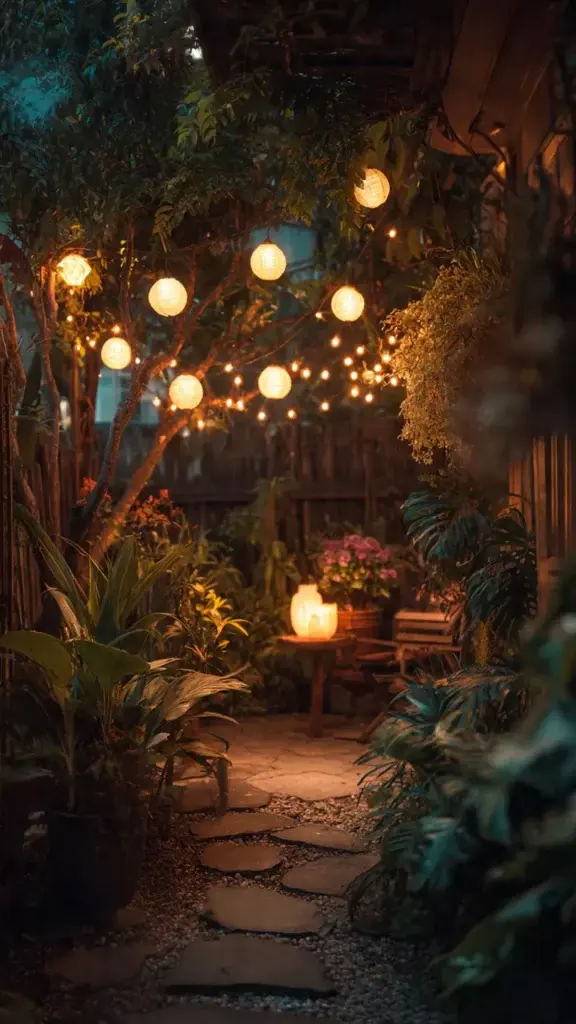
Adding lighting makes the garden usable in the evening. It also adds a softer atmosphere once the sun goes down.
Pro Tip: Warm-toned lights usually feel more natural and relaxing.
13. Create Plant Clusters Instead of Singles
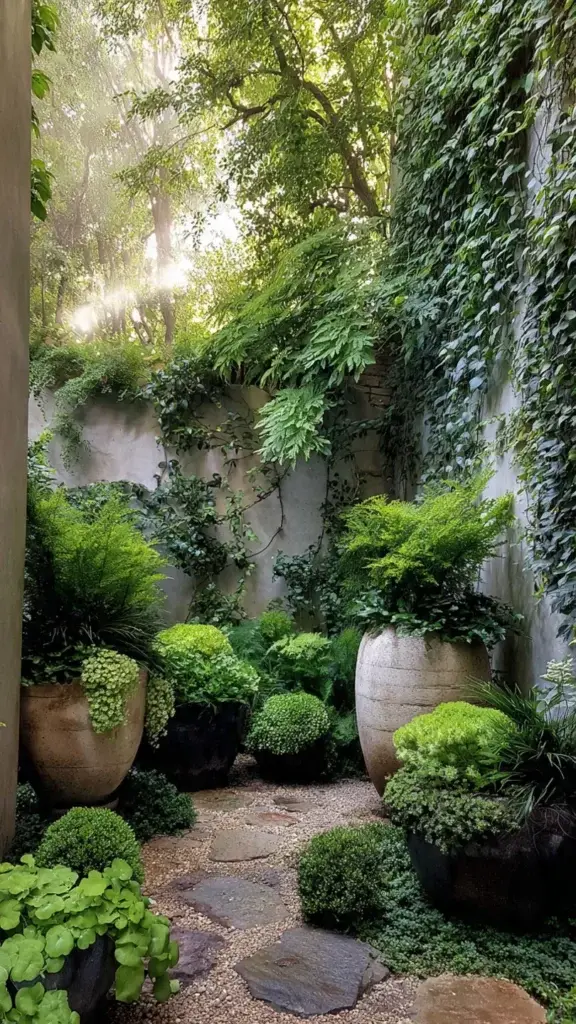
Grouping plants together creates a stronger visual impact than spacing them out individually. It also helps the garden feel more cohesive.
Pro Tip: Use odd-number groupings for a more natural look.
14. Grow in Layers for Depth
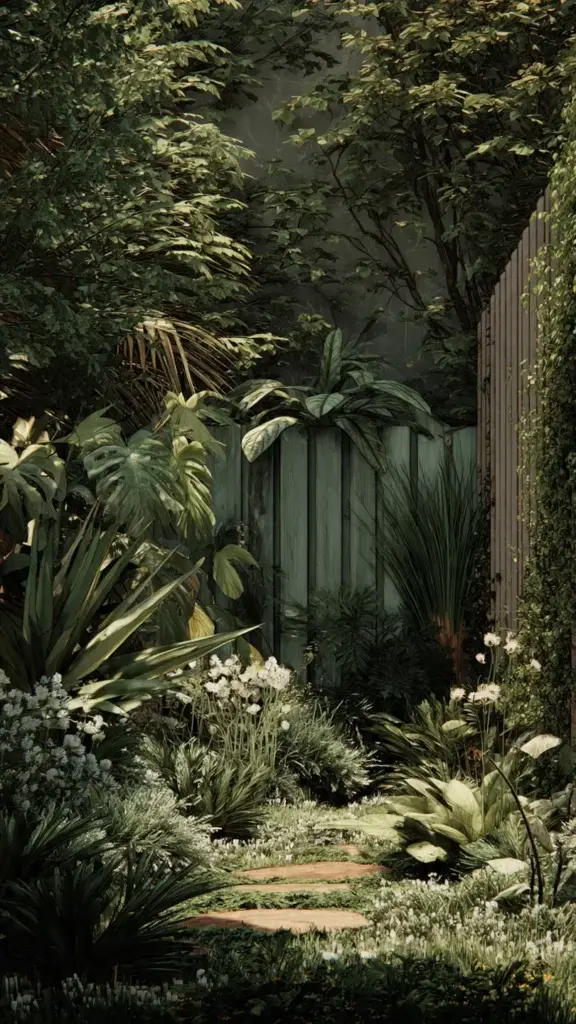
Layering plants by height adds depth. Taller plants at the back, medium in the middle, and low ones in front create a fuller look.
Pro Tip: Keep colors somewhat consistent to avoid visual clutter.
15. Let the Garden Grow Over Time
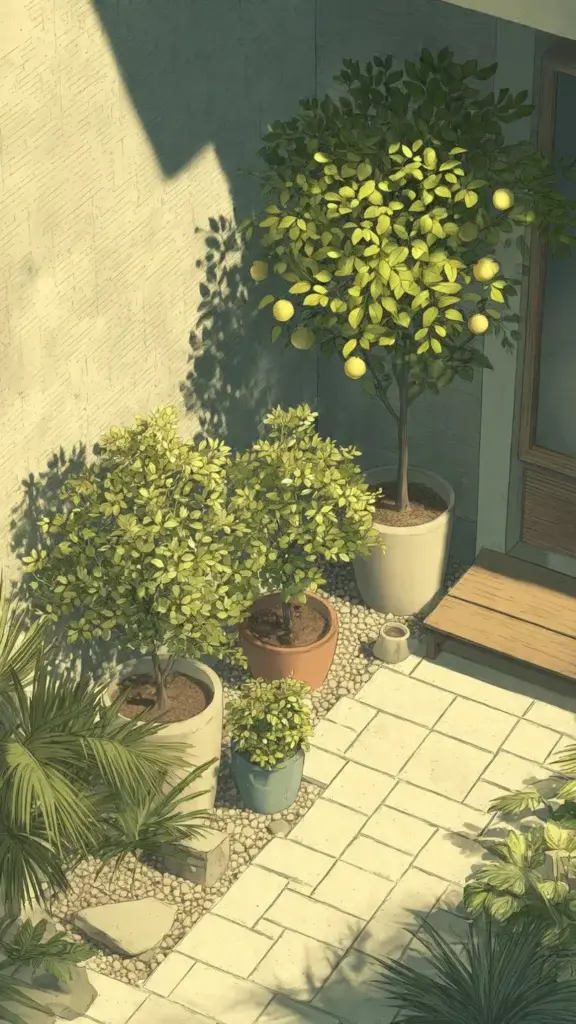
You don’t need to do everything at once. Building a garden gradually often leads to better results anyway. It gives you time to see what works and what doesn’t.
Pro Tip: Start with a few plants you like and expand from there.
Conclusion
A small backyard can become a comfortable, functional garden without a large investment. Simple changes—like adding containers, layering plants, or creating a small seating area—can make a noticeable difference.
Focus on building the space step by step. Over time, those small changes add up, and the garden starts to feel more complete and personal.