
Homemade fertilizer can be genuinely useful, but only when it is used with a little judgment. Not every kitchen scrap belongs straight in a planting bed, and not every natural ingredient works for every crop. The goal is not simply to feed plants with whatever is on hand. It is to turn common household and garden leftovers into something that supports healthier soil, steadier growth, and less waste.
The ideas below focus on practical homemade fertilizers that gardeners actually use, along with where each one makes the most sense, how to apply it without overdoing it, and which plants tend to benefit most. Some are best for compost piles, some work as gentle liquid feeds, and others should be used sparingly as soil amendments rather than everyday fertilizer.

Compost Tea Ideas for Everyday Garden Feeding
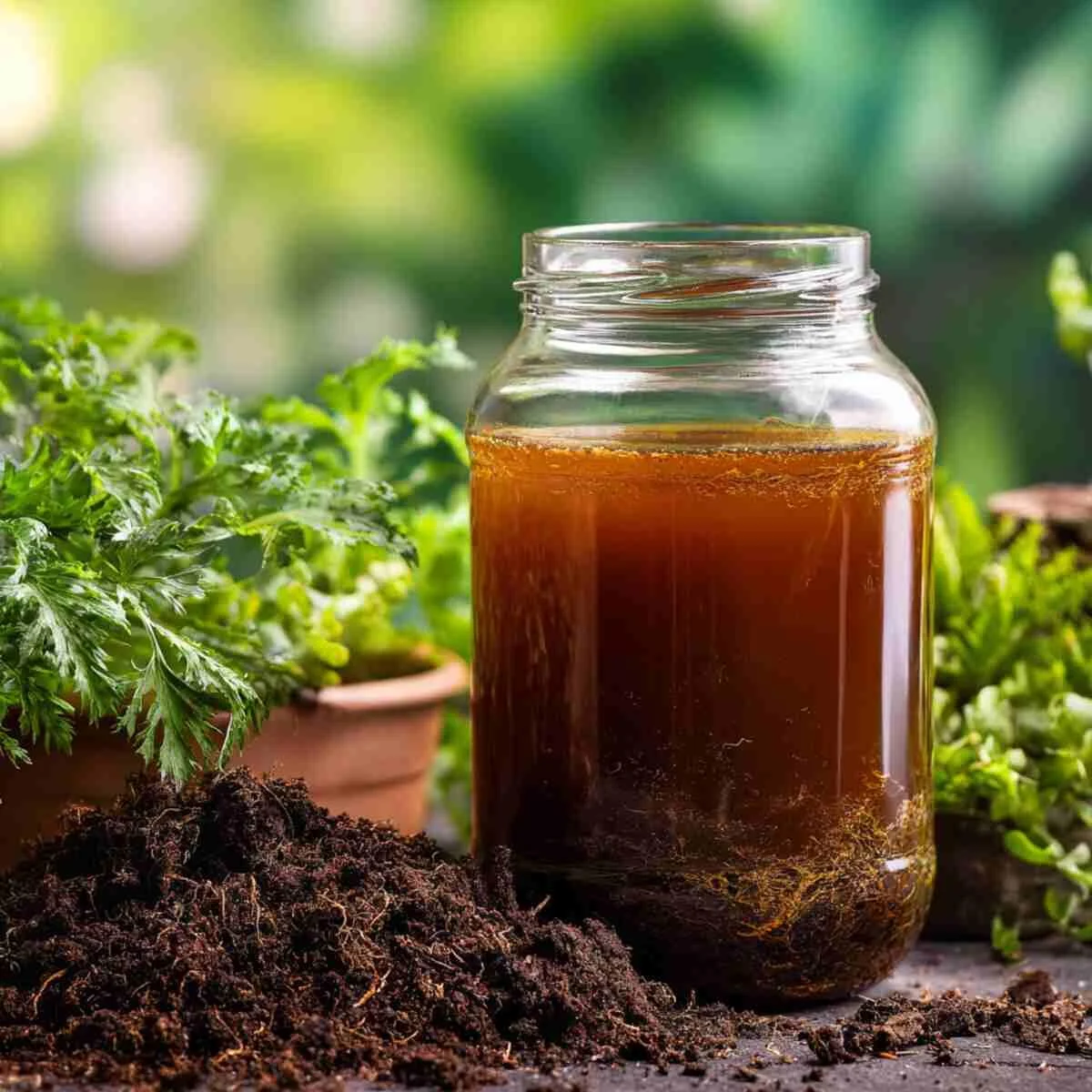
Compost tea is one of the most versatile homemade garden feeds because it starts with finished compost rather than fresh waste. That matters. Good compost already contains broken-down organic matter, which makes the resulting liquid gentler and more usable around a wide range of plants.
It works best as a mild boost for established vegetables, flowers, and container plants that need support during active growth. Rather than replacing solid compost in the garden, it acts more like a quick pick-me-up between heavier soil-building applications.
- Use only well-finished compost, never raw scraps.
- Apply to moist soil so roots are not stressed.
- Best for regular light feeding, not emergency plant rescue.
Banana Peel Fertilizer Ideas for Flowering and Fruiting Plants
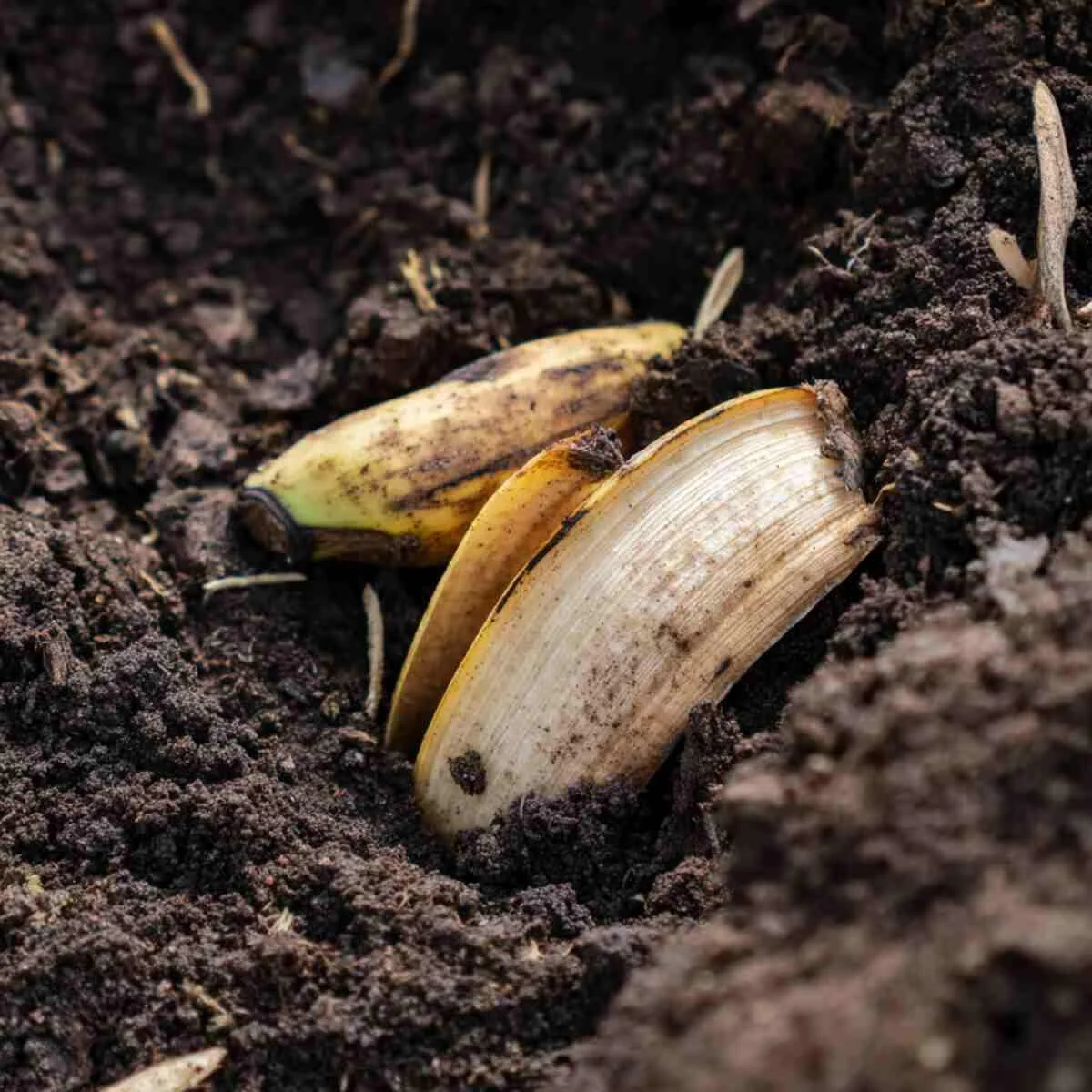
Banana peels are often mentioned in homemade gardening advice for good reason. They break down into nutrients associated with flowering and fruiting, and they are easy to save from the kitchen without any special equipment.
The most useful approach is to chop them finely for compost or steep them briefly in water for a mild liquid feed. Burying large whole peels directly in beds is less elegant and can attract pests in some gardens. A cleaner method usually produces a better result.
This is most helpful around tomatoes, peppers, roses, and other plants that benefit from steady support during bloom and fruit set.
Eggshell Powder Ideas for Calcium Support
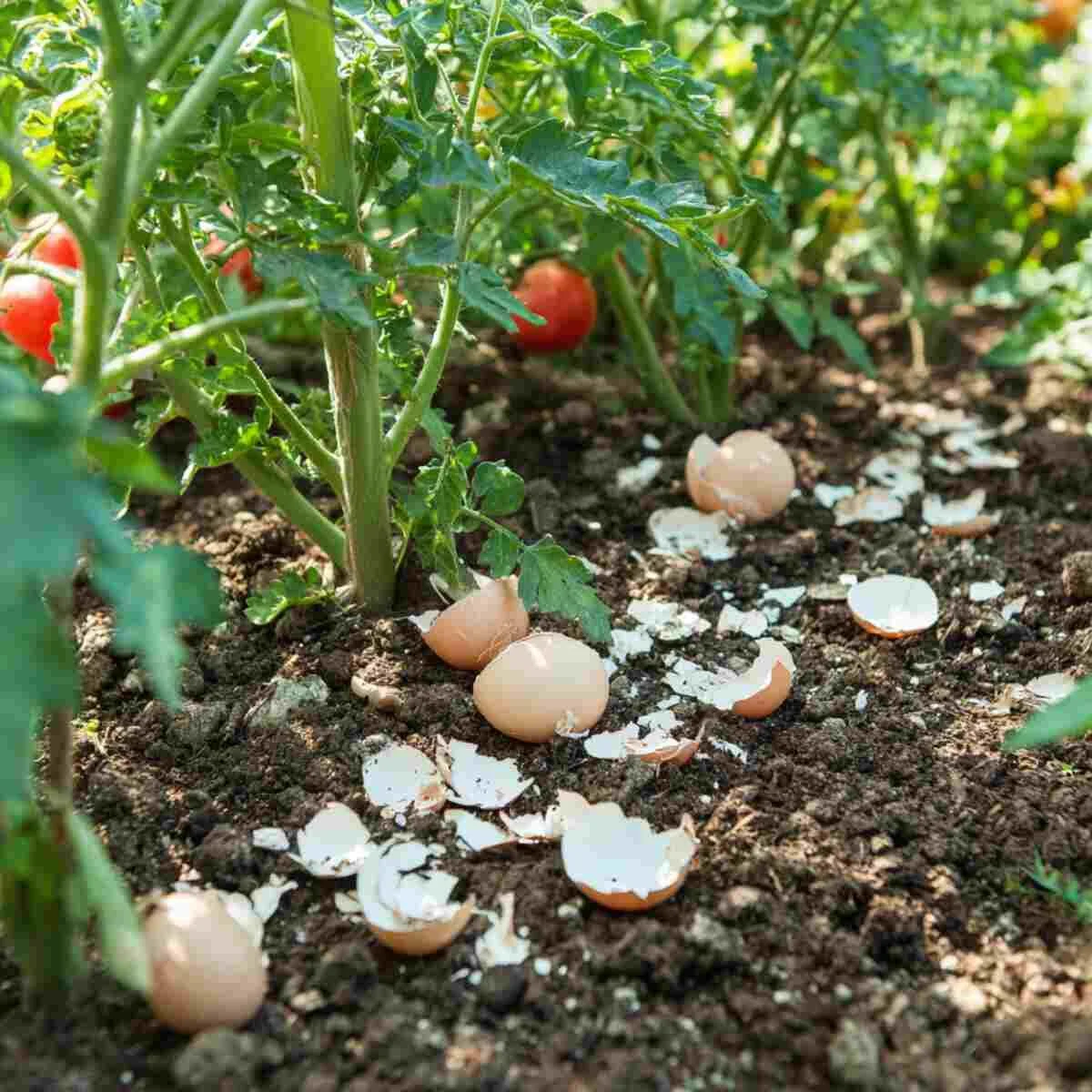
Eggshells are best thought of as a slow soil amendment rather than a fast fertilizer. They contribute calcium gradually, which means they are more useful as part of long-term soil improvement than as a quick fix once a deficiency has already appeared.
Grinding the shells into a fine powder makes them easier for the soil to work with. Left in large pieces, they break down slowly enough that the benefit can take a long time to show. They are especially useful in vegetable beds that are replanted season after season.
- Rinse and dry shells before crushing them.
- Mix into compost or soil rather than leaving large shards on top.
- Most helpful as a preventative addition, not an instant cure.
Coffee Ground Ideas for Nitrogen-Hungry Areas
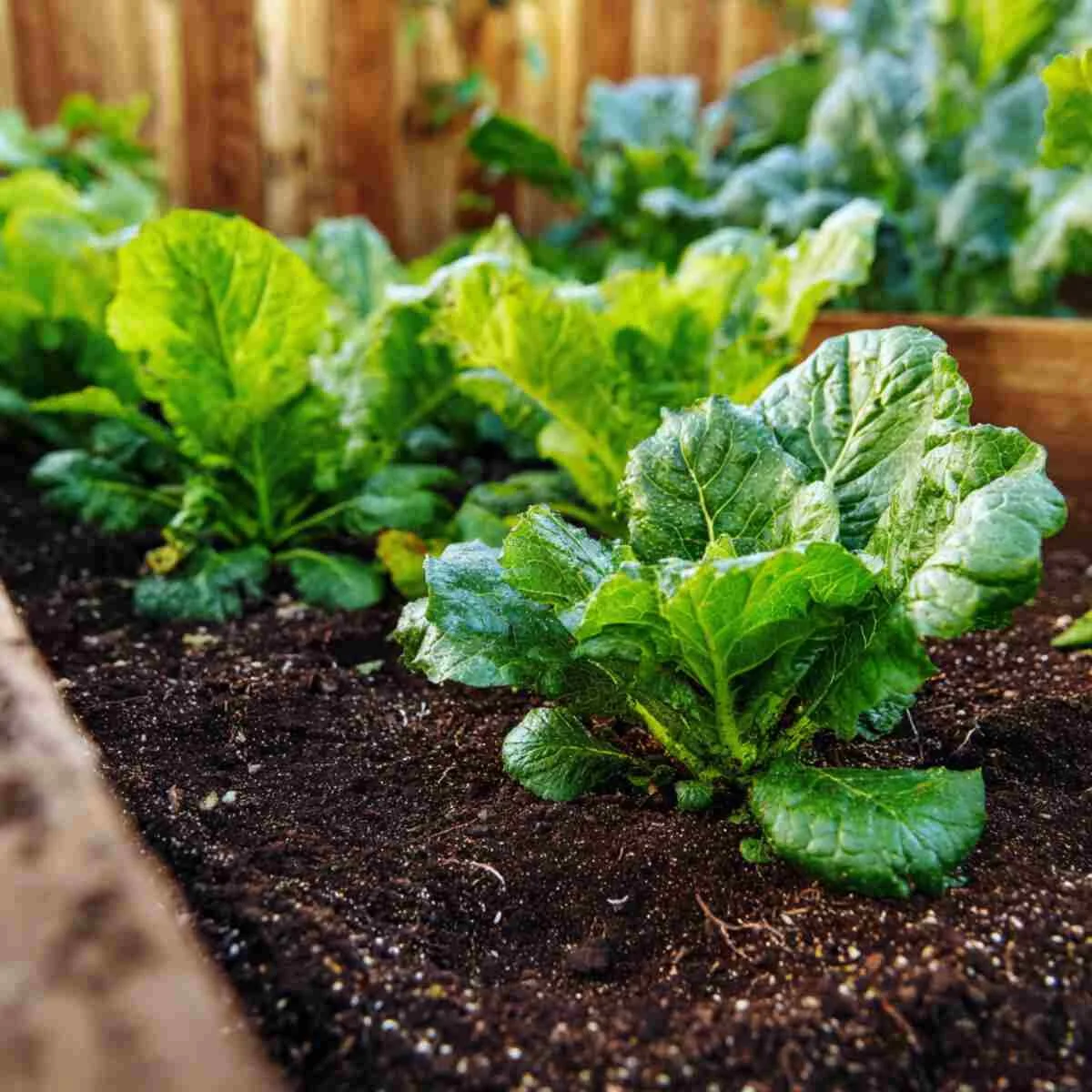
Used coffee grounds can be useful in the garden, but they are better mixed into compost or soil than applied heavily in one place. In moderation, they contribute organic matter and some nitrogen while also helping build a richer compost pile.
They make the most sense around leafy crops, mixed borders, and compost systems that benefit from extra green material. Thick layers straight onto the soil surface can become compacted, so lighter use tends to be more effective.
This is a good example of a homemade fertilizer ingredient that works best as part of a broader soil-building routine rather than as a stand-alone miracle fix.
Epsom Salt Solution Ideas for Targeted Garden Use
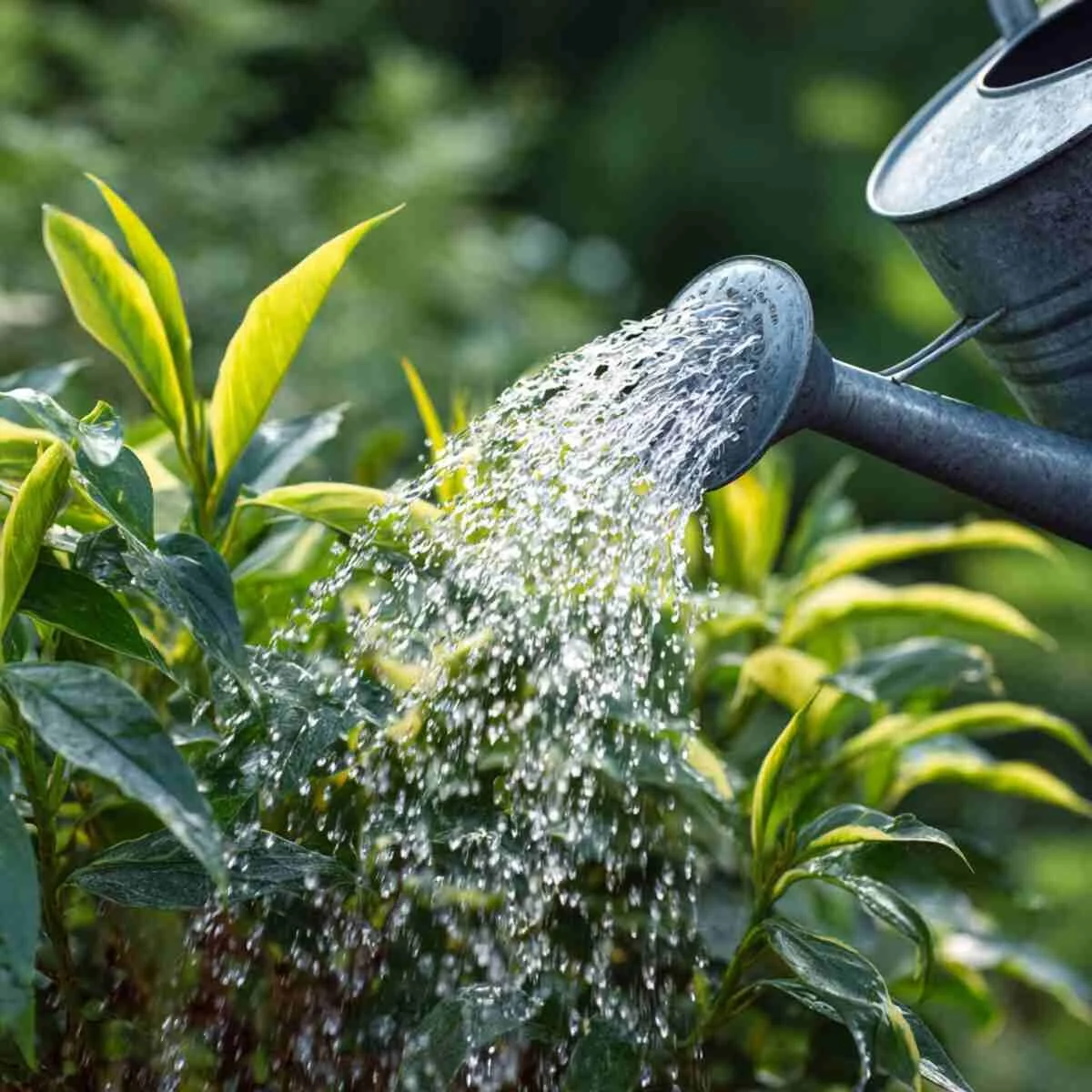
Epsom salt is one of the most misunderstood homemade garden additives. It can be helpful when magnesium is genuinely lacking, but it is not a universal tonic for every struggling plant. Used thoughtfully, it can support greener foliage and stronger growth in certain cases.
It is best treated as a targeted supplement rather than a routine feed. Container-grown tomatoes, peppers, and roses are often mentioned because they can show nutrient stress more readily, but the real value depends on the condition of the soil.
- Use sparingly rather than on a fixed weekly schedule.
- Most useful when there is a clear reason to suspect magnesium shortage.
- Do not substitute it for balanced fertilization and proper watering.
Fish Emulsion Ideas for Fast-Acting Organic Feeding
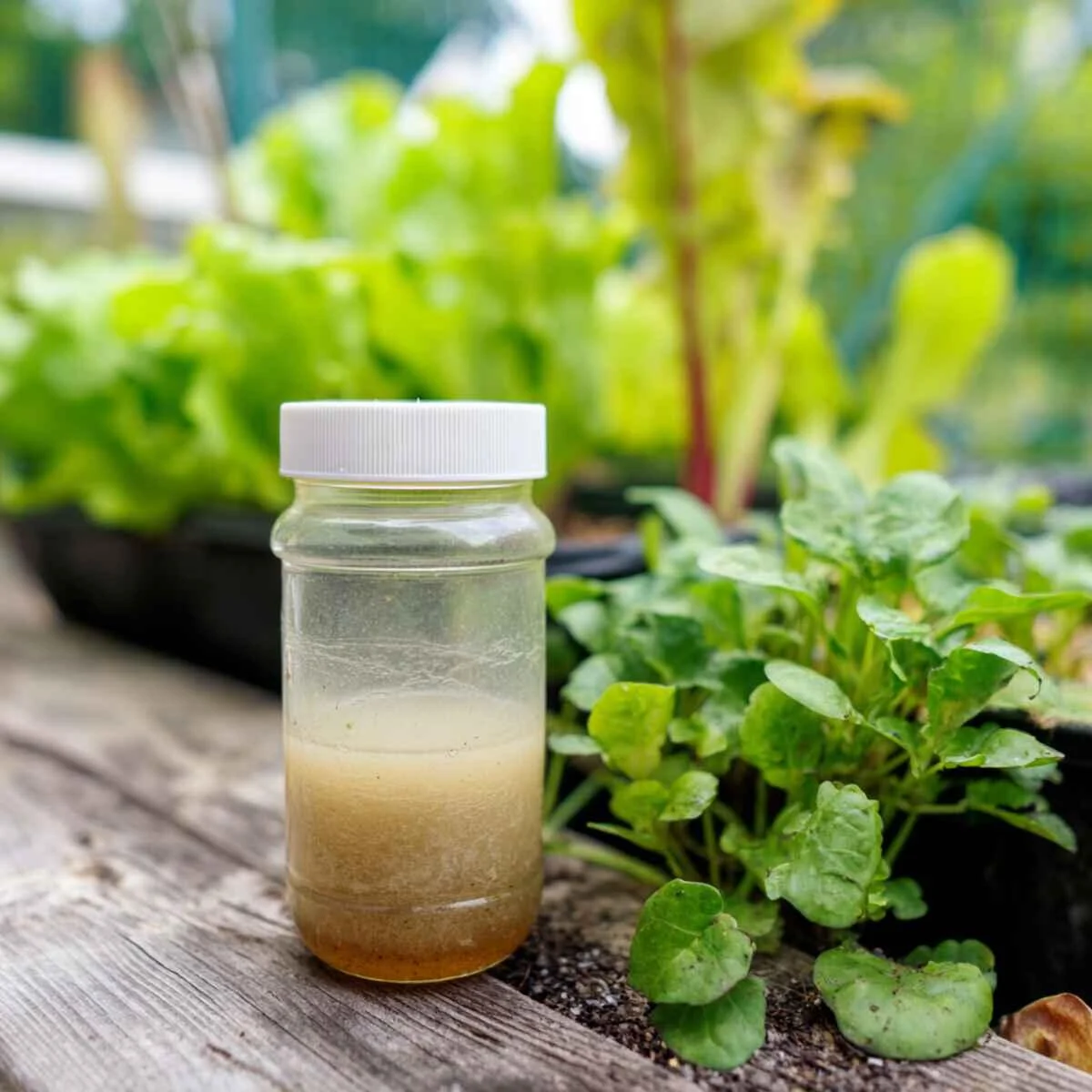
Fish emulsion is one of the stronger homemade-style organic feeds, especially for vegetables and fast-growing annuals that need a quick nutrient boost. It tends to act faster than dry compost-based amendments and is especially useful early in the growing season when plants are building stems and leaves.
The drawback is obvious: smell. That makes it better suited to outdoor beds than small indoor spaces or tightly packed patios. Dilution also matters. A weaker mixture used more carefully is usually better than a strong batch that overwhelms young roots.
Grass Clipping Tea Ideas for Leafy Growth
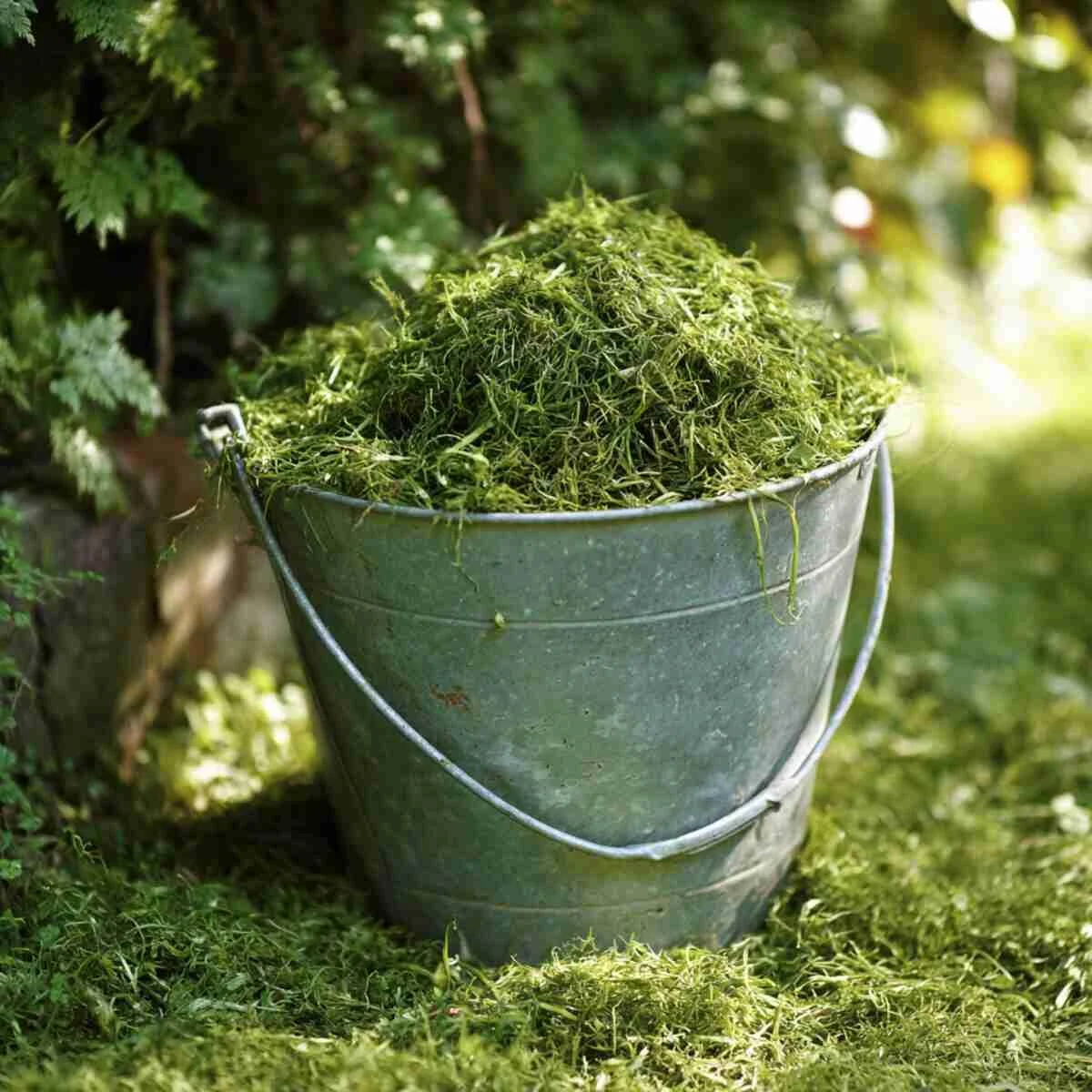
Fresh grass clippings can be turned into a mild liquid feed that supports green growth, particularly in vegetable gardens and ornamental beds that need a little extra nitrogen. It is also a practical way to reuse lawn waste instead of sending it away.
The most important detail is the source. Only untreated grass should be used. Clippings from lawns sprayed with herbicides or other chemicals are not suitable for homemade fertilizer.
- Use only clean, untreated clippings.
- Apply to established plants, not delicate seedlings.
- Useful for leafy crops, lawn-adjacent borders, and summer containers.
Manure Compost Ideas for Long-Term Soil Fertility
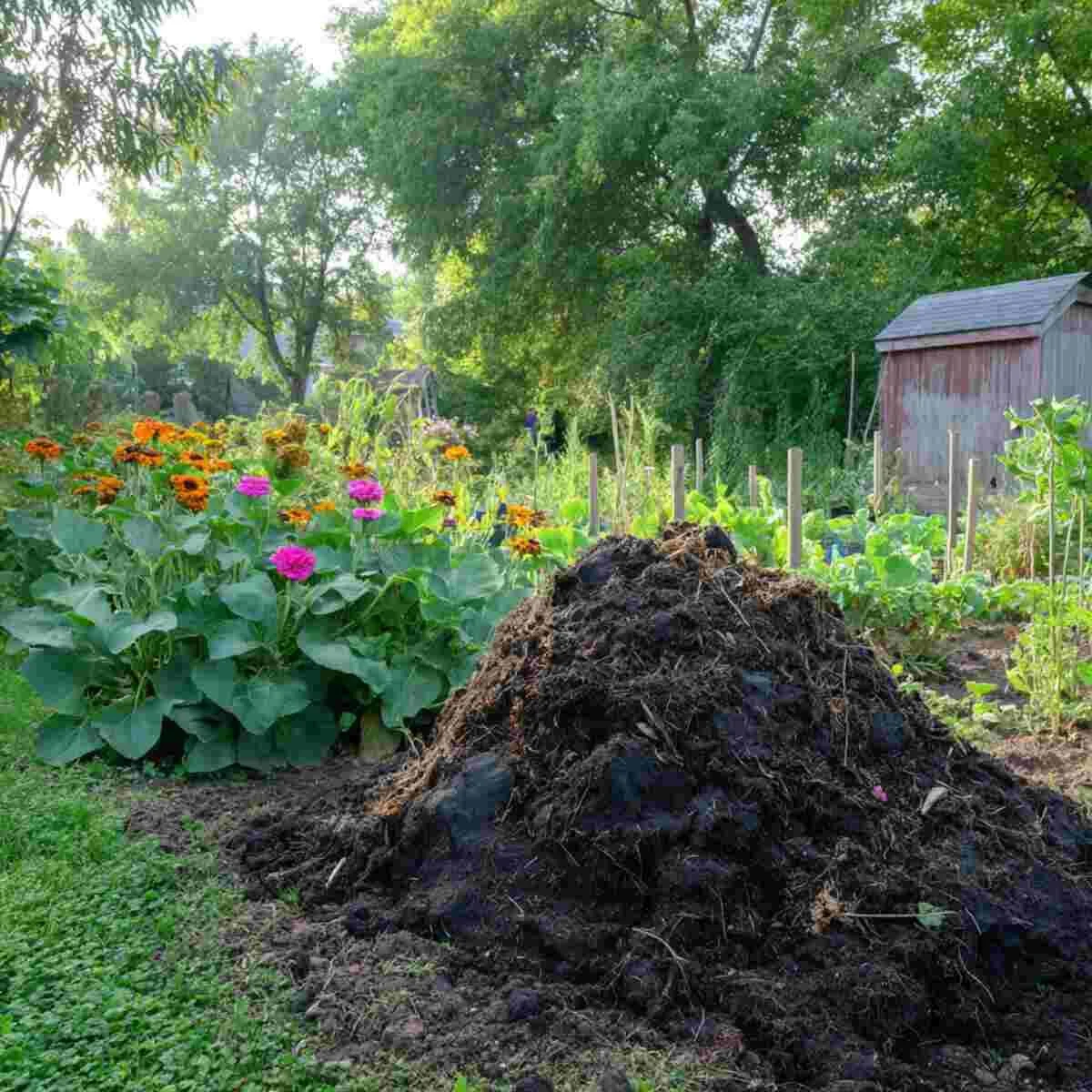
Well-rotted manure remains one of the most effective natural ways to improve soil over time. It contributes nutrients, improves soil structure, and helps sandy ground hold moisture while loosening heavier soils.
The key word is rotted. Fresh manure is too strong for most planting situations and can create problems rather than solving them. Once fully composted, it becomes far more garden-friendly and useful across flower beds, vegetable plots, and orchard areas.
This is less about a quick seasonal boost and more about building a healthier growing environment year after year.
Wood Ash Ideas for Potassium-Loving Beds
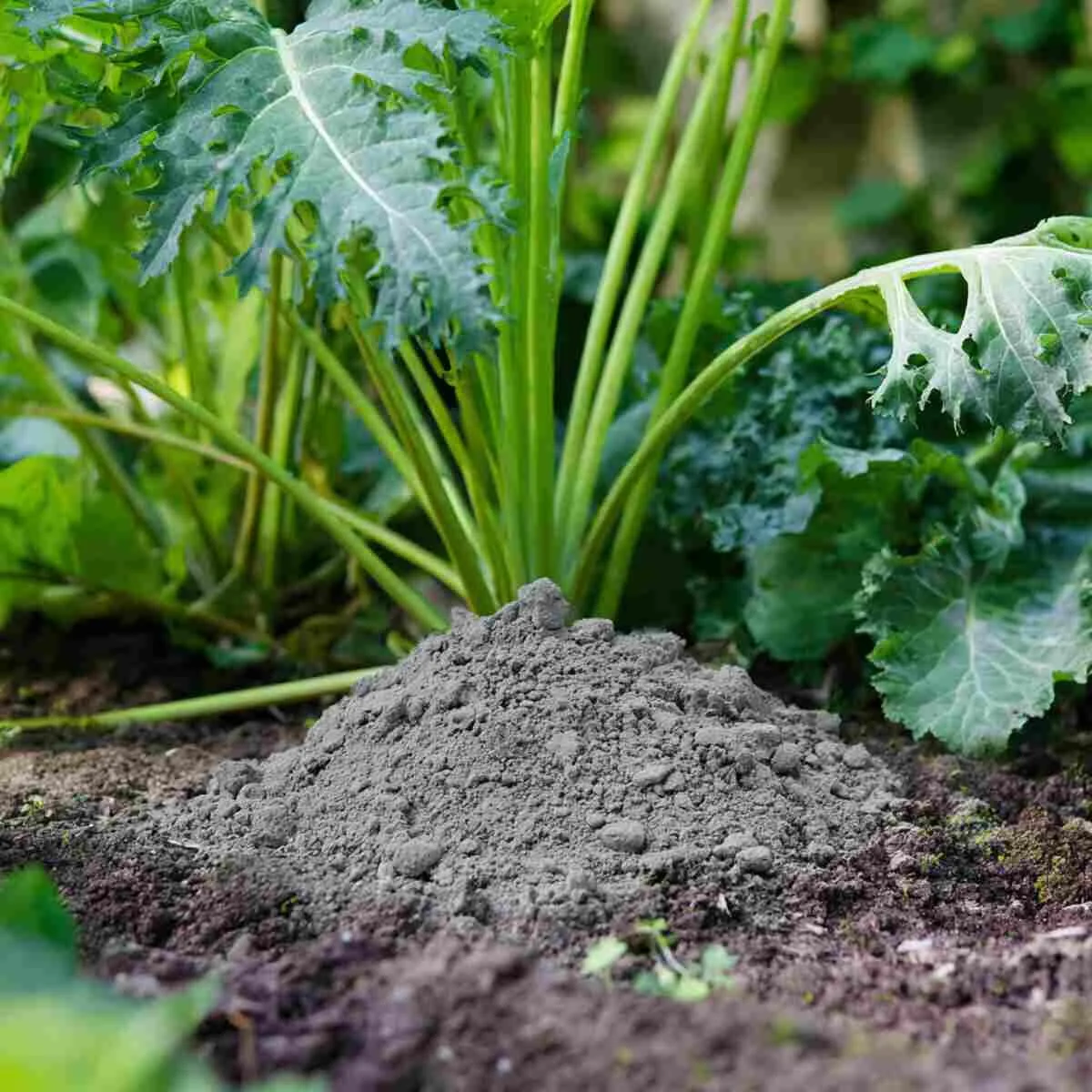
Wood ash can be helpful in the right garden and a mistake in the wrong one. Because it affects soil pH while contributing potassium, it makes the most sense in beds that are not already alkaline and around plants that do not need acidic conditions.
It should always be used lightly. A small amount can be useful in compost or around certain vegetables, but too much can push the soil balance in the wrong direction surprisingly quickly.
- Use only ash from untreated, clean wood.
- Keep it away from acid-loving plants such as blueberries.
- Apply in small amounts rather than treating it like general compost.
Seaweed Extract Ideas for Trace Minerals and Stress Support
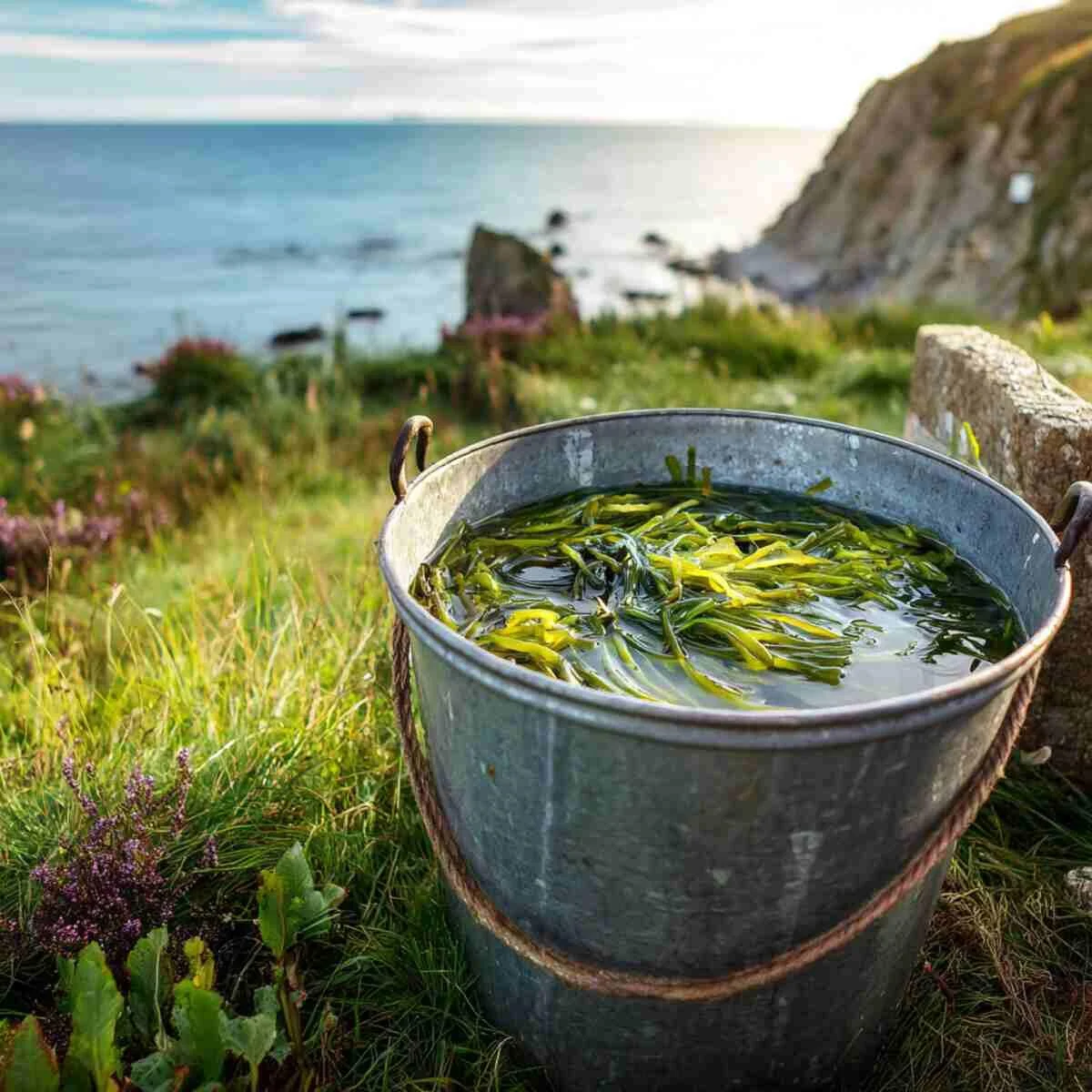
Seaweed extract is valued less for heavy feeding and more for the broad range of trace elements it can bring into a garden routine. It is often used to support overall vigor, especially during transplanting, active summer growth, or periods of weather stress.
For coastal gardeners, it can be an especially practical homemade option, provided the seaweed is collected responsibly and rinsed well before use. Its effect is usually subtle rather than dramatic, which is part of its appeal. It supports without pushing soft, overfed growth.
Molasses Mixture Ideas for Healthier Soil Microbes
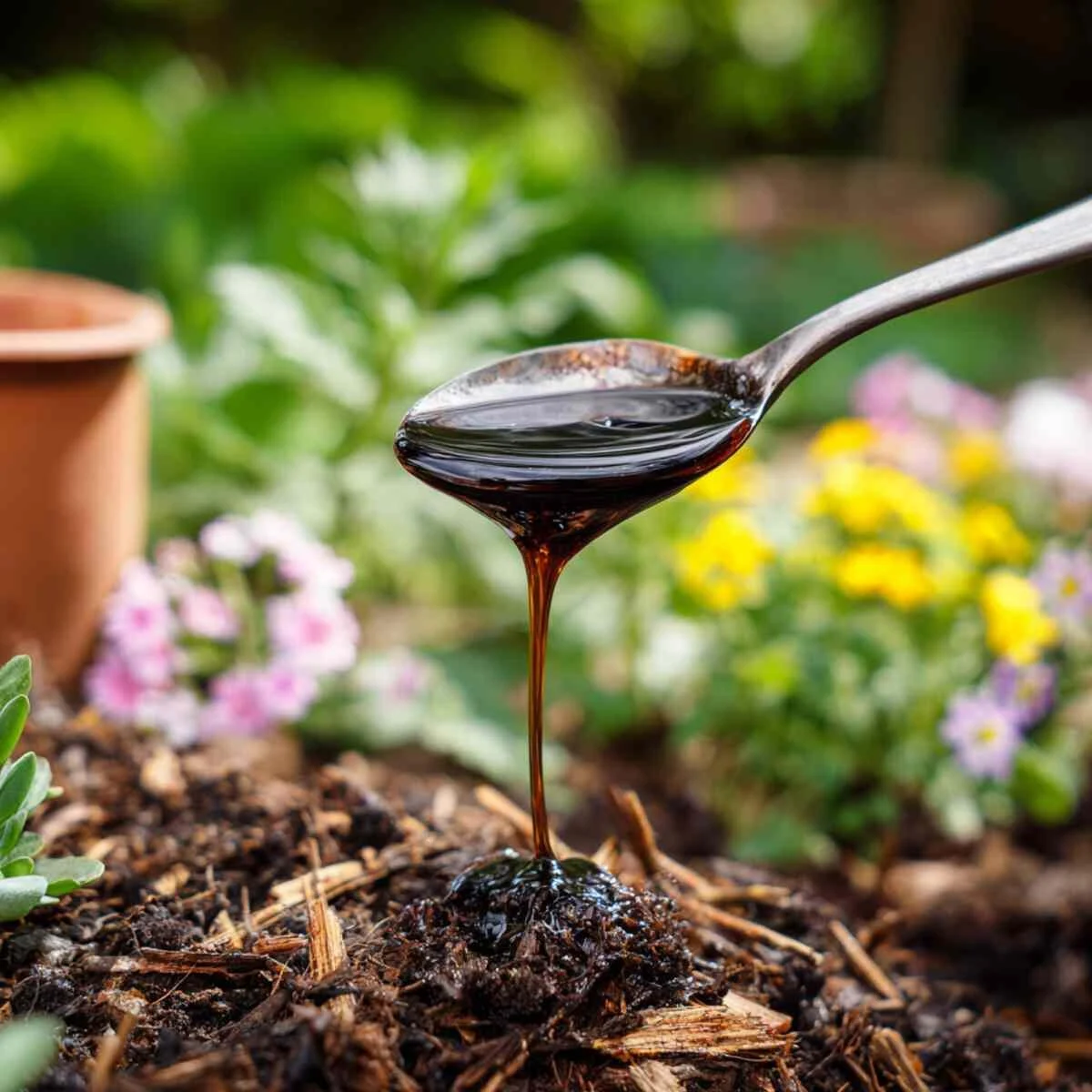
Molasses is not a fertilizer in the usual sense. Its value lies in feeding beneficial microbial life in the soil and compost, which in turn helps organic matter break down more effectively and nutrients become more available to plants.
This makes it especially useful as an addition to compost tea or active compost systems rather than as a stand-alone garden feed. A little goes a long way. Overuse can create stickiness and imbalance without offering extra benefit.
Gardeners who focus on soil health often find molasses helpful behind the scenes, even if the effect is less visible than a direct fertilizer application.
Alfalfa Meal Ideas for Roses, Perennials, and Mixed Beds
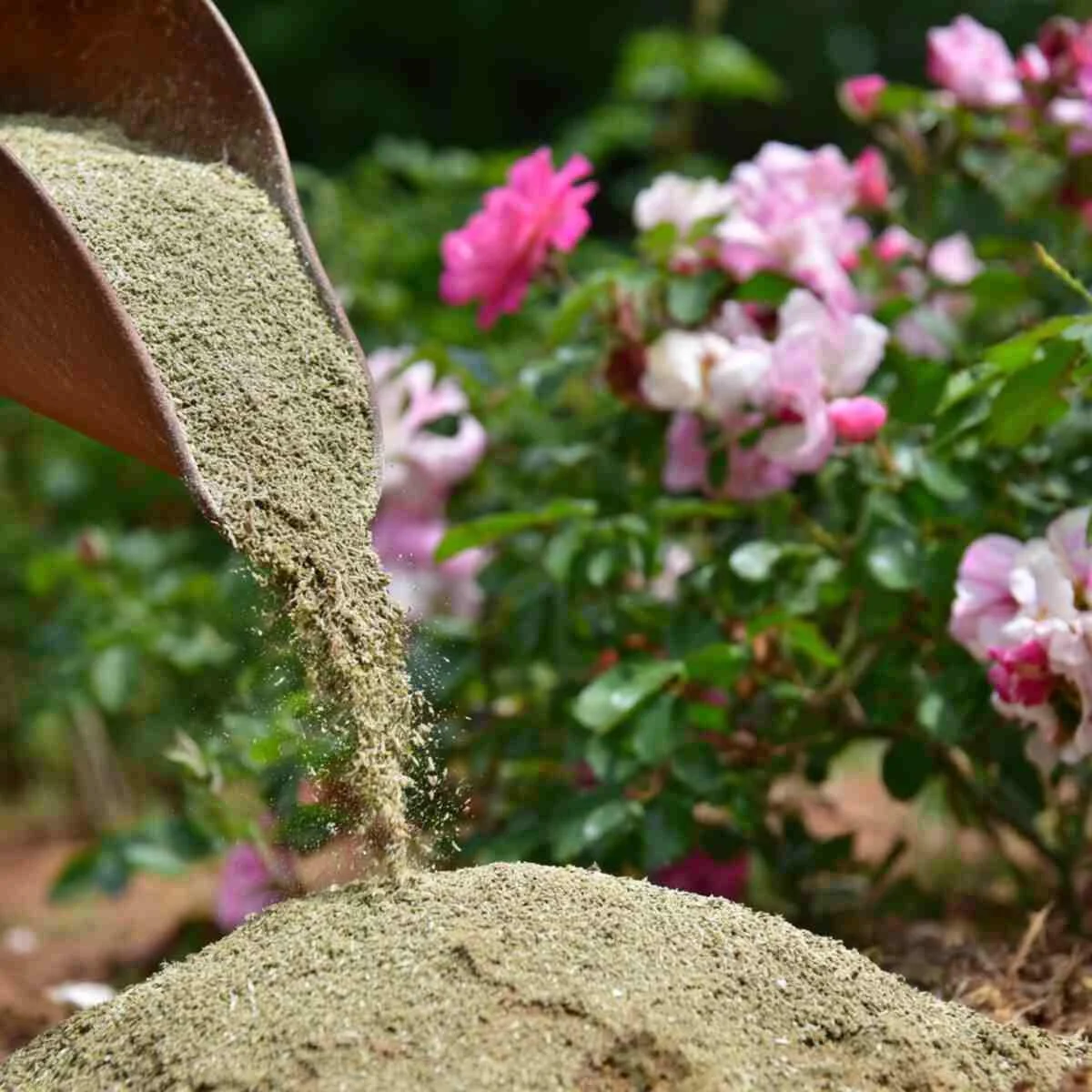
Alfalfa meal is one of the more substantial homemade-style organic amendments because it offers a broader nutrient profile than many kitchen scraps. It is especially popular in rose gardens and perennial borders where steady, moderate feeding is more useful than a quick flush of growth.
Worked into the soil or compost, it supports microbial activity while gradually feeding plants. This makes it a strong choice for gardeners who want something more robust than banana peels or eggshells but still firmly within an organic routine.
- Useful around roses, shrubs, and long-season flowering plants.
- Apply lightly and water in well.
- Best as part of a seasonal soil-improvement plan.
Frequently Asked Questions
Do homemade fertilizers really work?
Yes, many do, but they work best when matched to the plant and used with realistic expectations. Compost tea, manure compost, and alfalfa meal are usually more dependable than one-off kitchen scraps used at random.
What homemade fertilizer is best for vegetables?
That depends on the crop. Leafy vegetables often appreciate nitrogen-rich options such as compost tea or grass clipping tea, while fruiting crops may benefit more from balanced compost-based feeding with additions such as banana peel compost or eggshells worked into the soil over time.
Can homemade fertilizers replace store-bought fertilizer completely?
In some gardens, yes, especially where the soil is improved consistently with compost and organic matter. In others, homemade fertilizers work better as a supplement, particularly for container plants or heavy feeders that exhaust nutrients quickly.
What should not be added directly to garden soil?
Large raw kitchen scraps, fresh manure, chemically treated grass clippings, and excessive wood ash are all better avoided or composted first. Direct application can attract pests, upset soil balance, or create sanitation problems.
Final Thoughts
The most effective homemade fertilizers are usually the least glamorous ones: finished compost, well-rotted manure, mild liquid feeds, and thoughtful soil amendments used in moderation. A garden benefits far more from steady, sensible improvement than from dramatic recipes applied without context.
Written by the Zeeshe Home Editorial Team, a blog focused on practical home décor ideas and inspiration.


