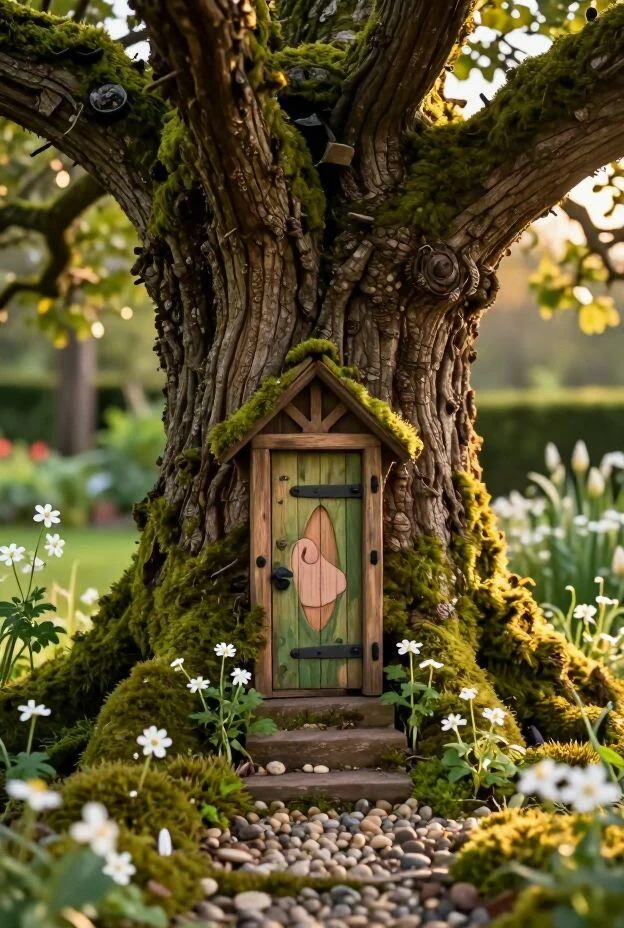
Do you want a garden border that still looks attractive when the weather turns windy? Strong gusts can flatten delicate plants, dry out the soil, and make exposed spaces feel harder to enjoy. The good news is that the right shrubs can help soften those conditions while adding structure, privacy, and year-round beauty.
These wind-tolerant shrub border ideas are designed to help you create a garden that feels calmer, stronger, and more inviting. From evergreen screens to flowering borders and wildlife-friendly plantings, each idea offers a practical way to work with windy conditions instead of fighting them.

Let’s jump in.
1. Coastal Evergreen Shrub Border
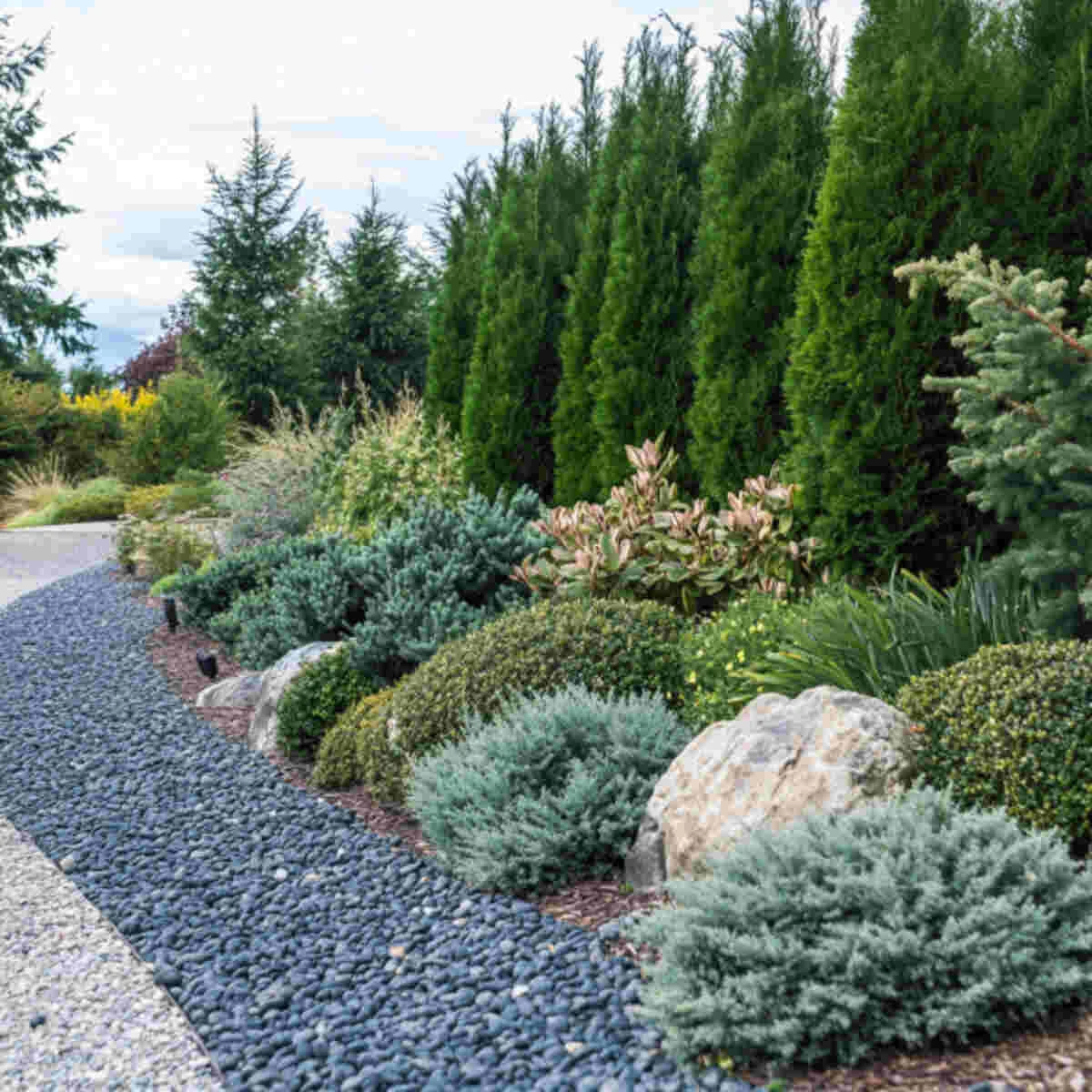
A coastal evergreen shrub border is a reliable choice for windy gardens because evergreen shrubs hold their shape through every season. Many coastal types are naturally suited to strong air movement and challenging weather.
This kind of border keeps the garden looking full even in the colder months and can also provide a more sheltered backdrop for nearby planting areas. It is especially useful if you want year-round structure and a steady visual barrier.
2. Mixed Salt-Tolerant Shrub Hedge
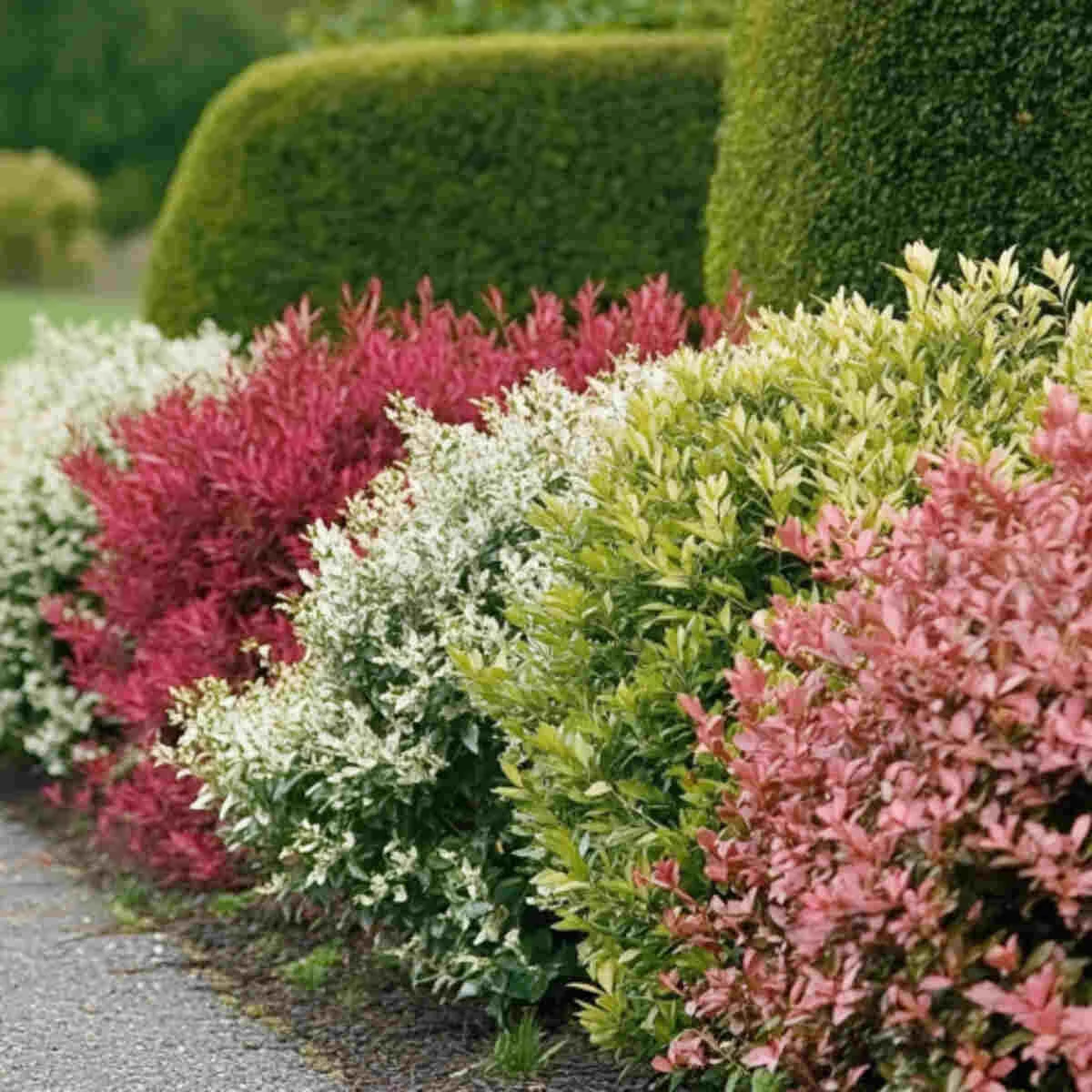
A mixed hedge made from salt-tolerant shrubs adds variety while still standing up well in windy conditions. Different leaf shapes, heights, and tones help the border feel softer and more natural than a single-species row.
This is a strong option for exposed gardens because it combines resilience with visual interest. It can also help the border stay attractive through changing seasons rather than looking flat or repetitive.
3. Dense Windbreak Shrub Row
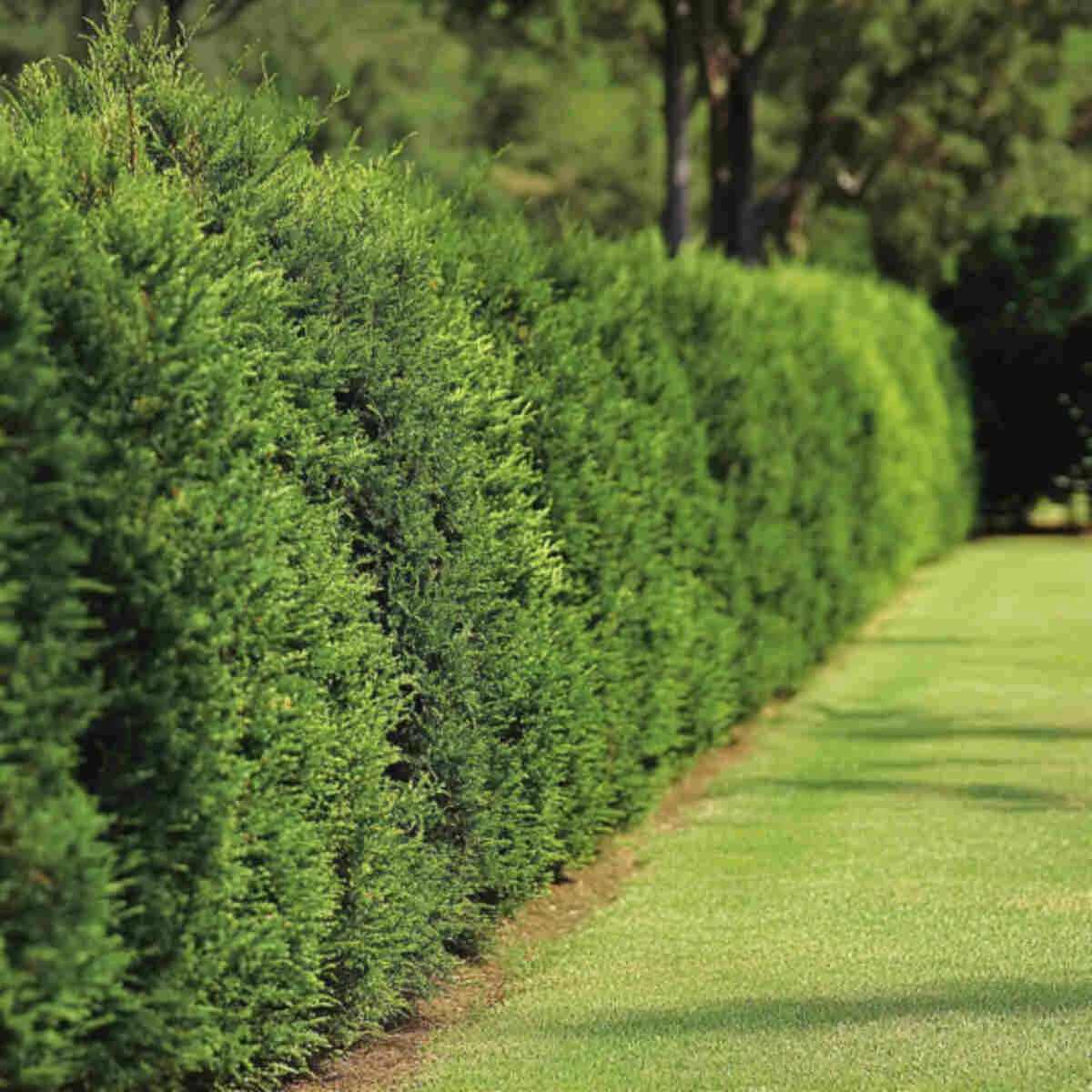
Planting dense shrubs in a long row creates a natural windbreak that helps reduce the force of strong gusts before they reach more delicate parts of the garden. This is one of the most practical border ideas for exposed yards.
A dense row can also help protect seating areas, vegetable beds, and flowering borders. If your goal is simple, effective shelter, this style of planting works well.
4. Layered Hardy Shrub Border
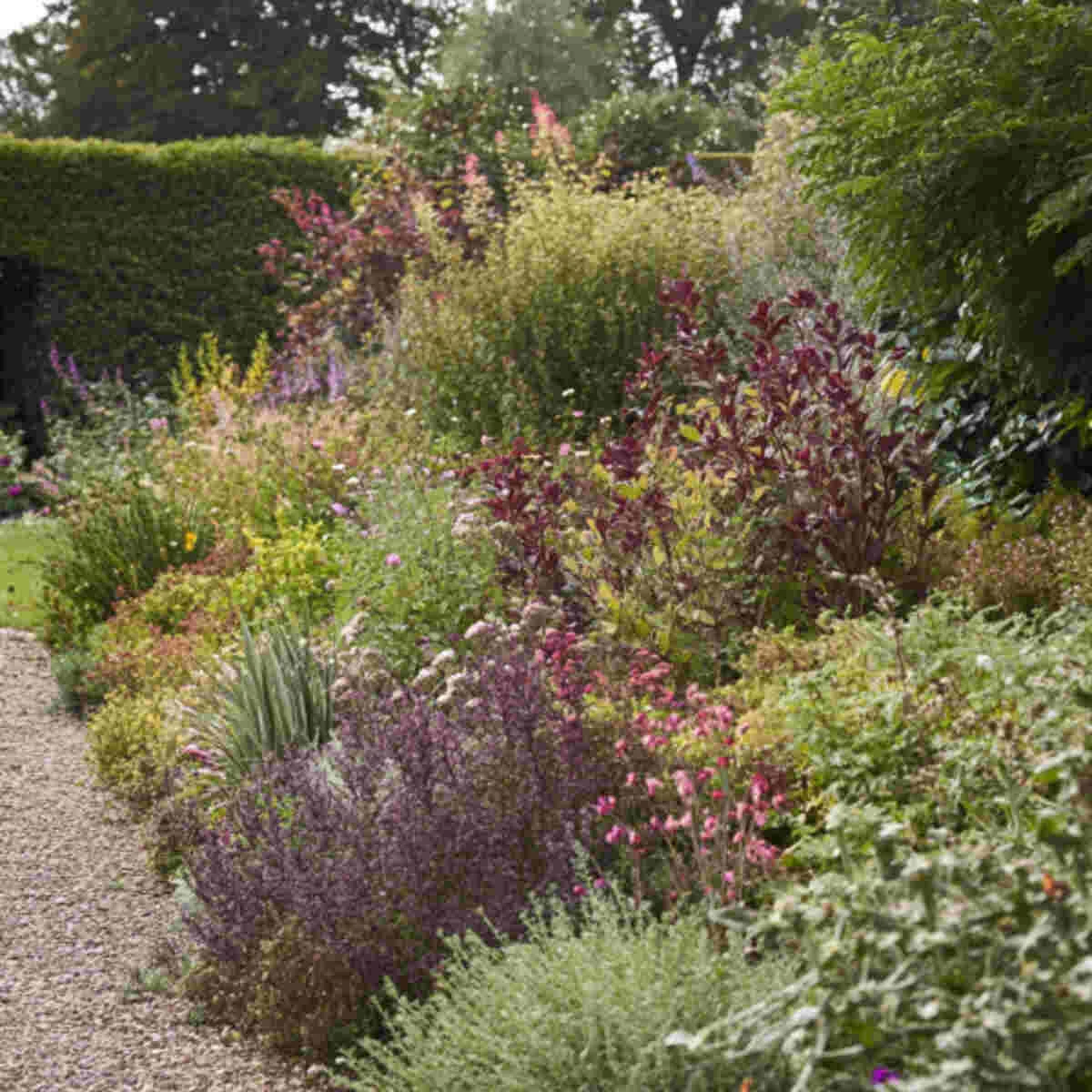
A layered border uses tall, medium, and low shrubs together so wind is slowed gradually instead of hitting one hard barrier. This can help reduce turbulence and create a more comfortable growing area behind the planting.
It also adds depth and makes the border look more designed and complete. This is a good choice if you want something that is both practical and visually rich.
5. Low-Growing Wind-Deflecting Shrubs

Low-growing shrubs can be very useful in windy spaces because they sit close to the ground and help lift air movement upward. This is especially helpful in open gardens where wind sweeps across flat spaces.
They also work beautifully along paths, borders, and edges where you want neat structure without blocking views. For smaller spaces, they can offer subtle protection without feeling heavy.
6. Native Wind-Resistant Shrub Strip
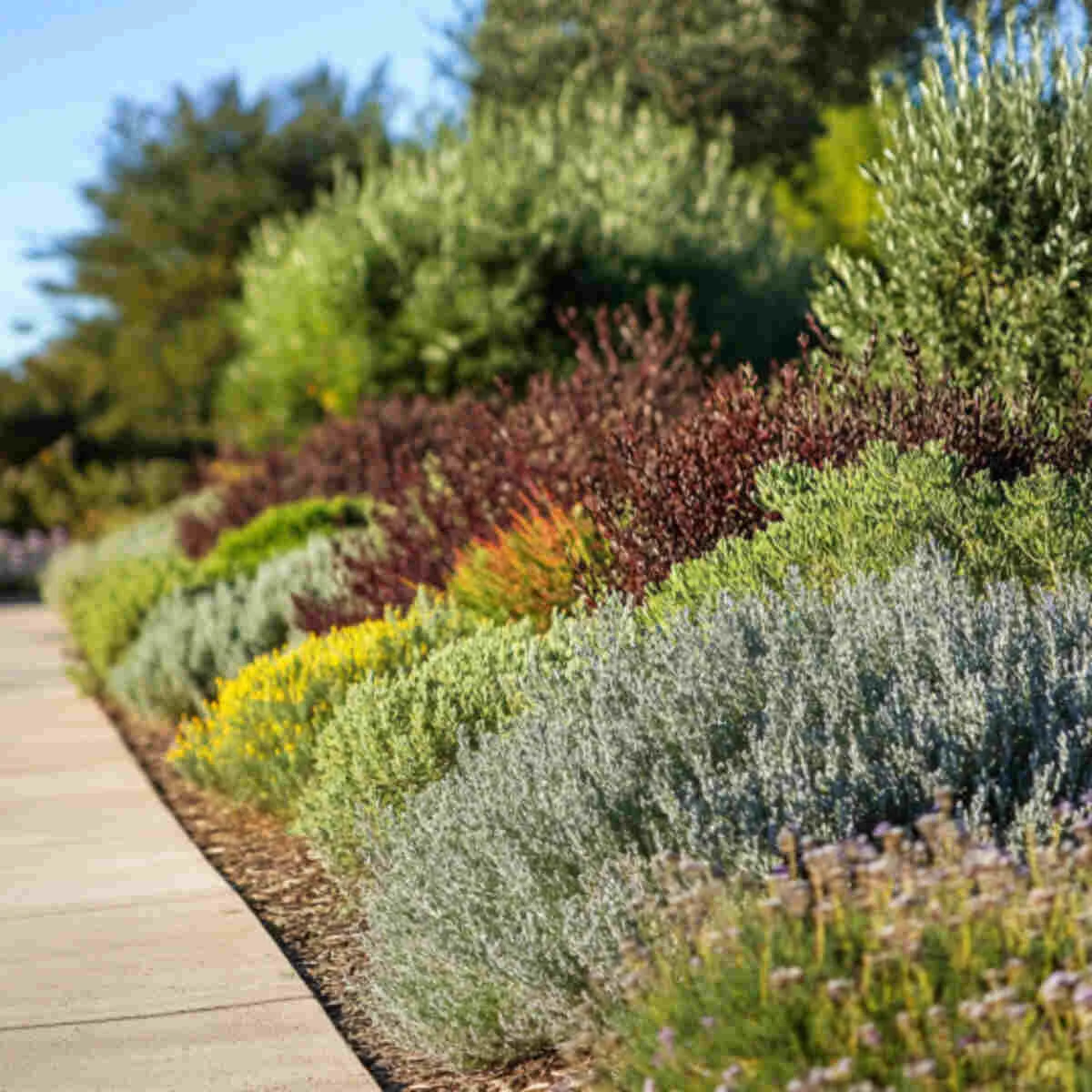
Native shrubs are often some of the easiest plants to use in windy gardens because they are already adapted to local conditions. That makes them practical, lower-maintenance choices for border planting.
A native shrub strip can help support local wildlife while also creating a sturdy and dependable edge. It is a smart option if you want a border that feels natural and easy to maintain.
7. Drought-Tough Wind-Hardy Shrub Border
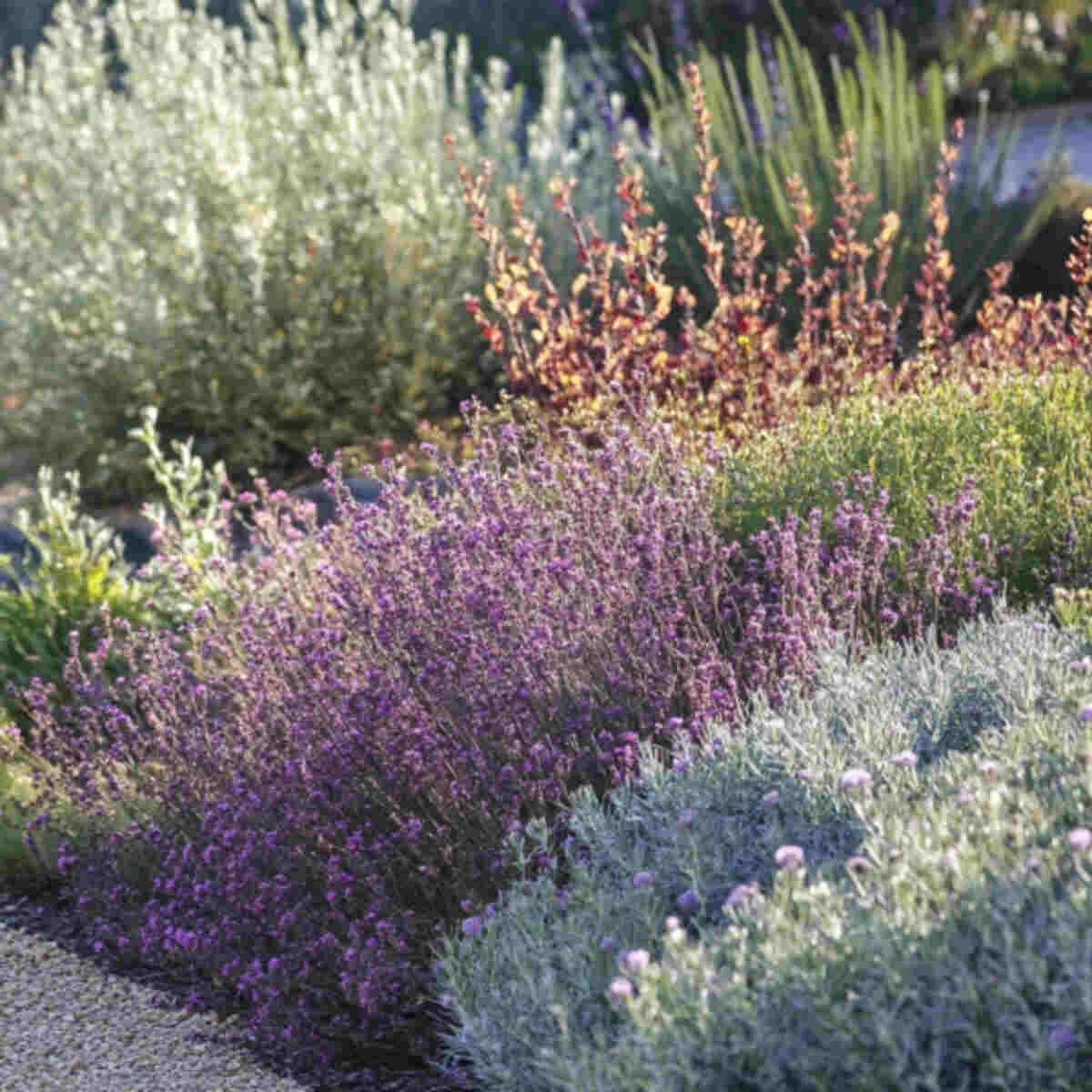
Some shrubs cope well with both wind and dry conditions, which makes them especially useful in exposed gardens. A border built from these tougher species can stay attractive with less water once established.
This is ideal for gardens that deal with hot summers, dry spells, or weather that changes quickly. It helps create a border that looks dependable rather than stressed.
8. Pollinator-Friendly Wind-Tolerant Hedge
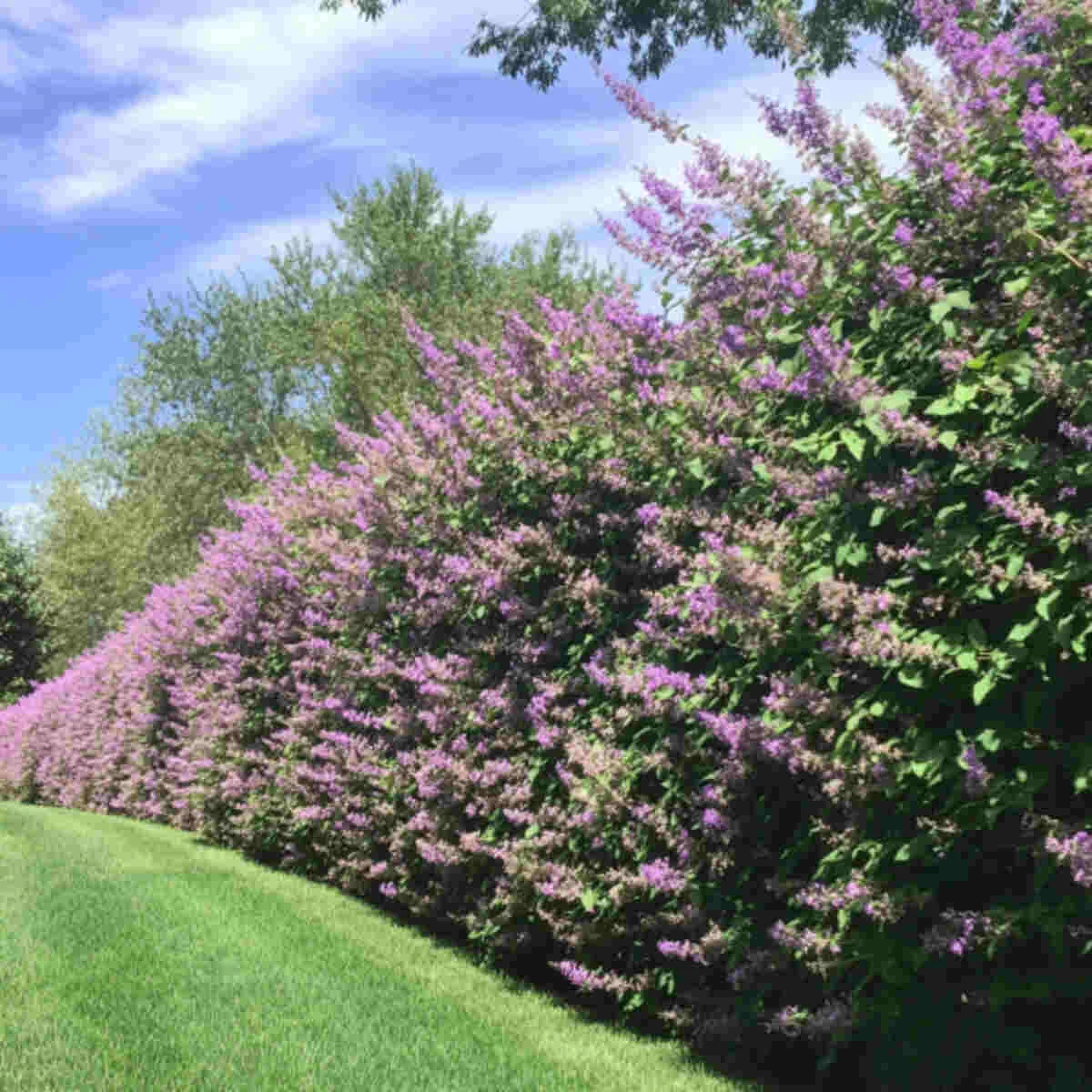
A hedge that includes wind-tolerant flowering shrubs can do more than provide shelter. It can also attract bees, butterflies, and other helpful pollinators while still holding up in rough weather.
This kind of planting adds life and movement to the garden without giving up strength. It is a great choice if you want your border to feel useful, colorful, and full of seasonal activity.
9. Privacy Screen With Tough Shrubs

Wind-resistant shrubs can also work as a living privacy screen, which makes them especially valuable in open gardens. A well-planted row helps reduce exposure while giving outdoor spaces a more enclosed, peaceful feel.
This kind of border is ideal near patios, decks, and seating zones where you want more comfort and a little more quiet. It combines privacy and protection in one planting idea.
10. Flowering Wind-Tolerant Shrub Border
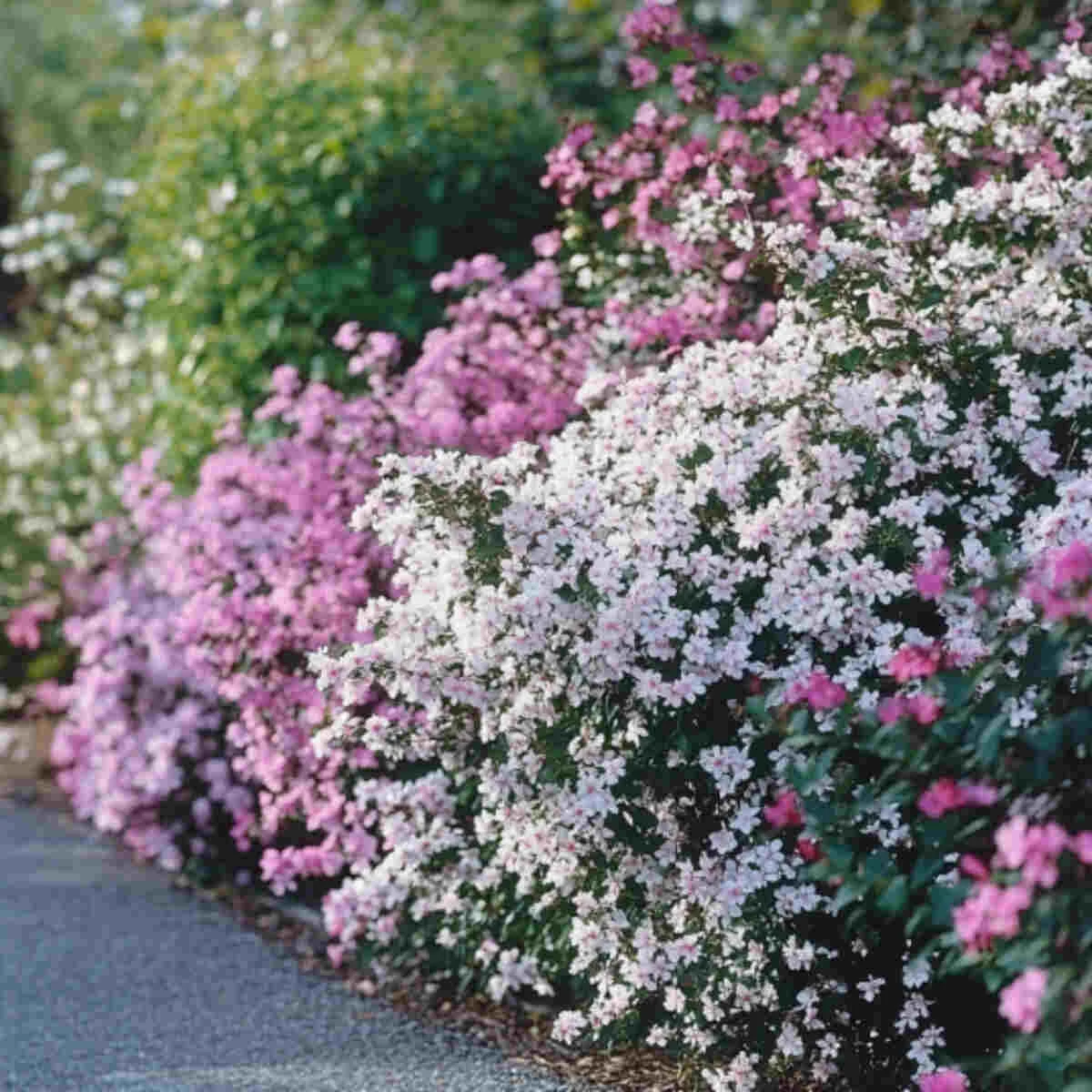
Flowering shrubs can still work well in windy gardens when you choose sturdy, resilient varieties. A border like this brings color and softness while still standing up to challenging conditions.
It is a lovely option for gardeners who want a border to do more than block wind. With the right choices, you can enjoy blooms and structure at the same time.
11. Shrub Border Using Flexible-Stem Species
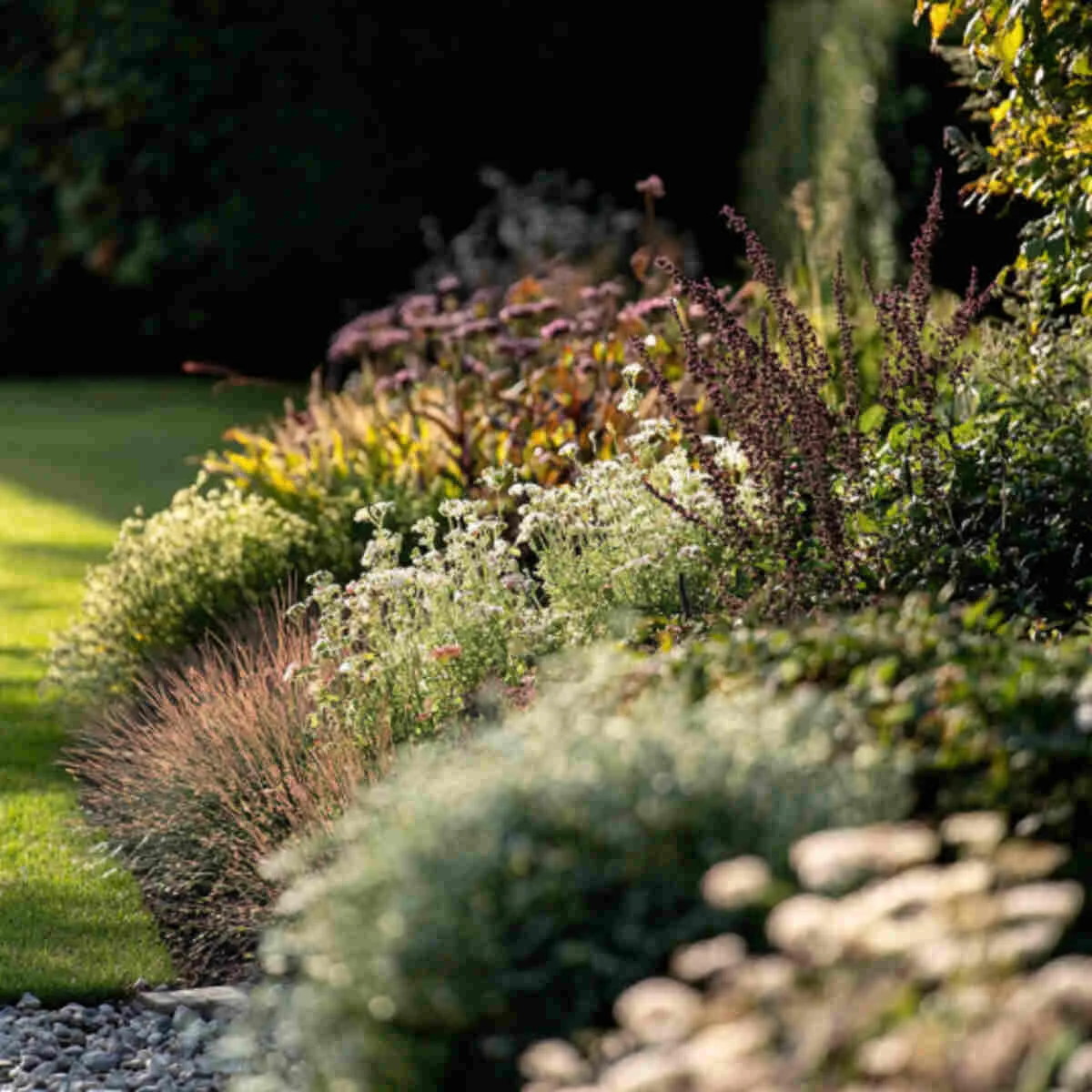
Shrubs with flexible stems are often better in windy gardens because they bend with the weather instead of snapping under pressure. That natural flexibility helps them stay healthy and attractive over time.
This makes them a sensible choice for exposed areas where stronger gusts are common. They add movement to the border while remaining dependable.
12. Year-Round Evergreen Wind Shield

An evergreen wind shield offers continuous cover because it keeps its foliage in every season. This means the border still works in winter when many deciduous plants have dropped their leaves.
If you want a planting that provides shelter all year, this is one of the strongest options. It can also give the garden a more settled, finished look through every month of the year.
13. Thorny Wind-Barrier Shrub Edge
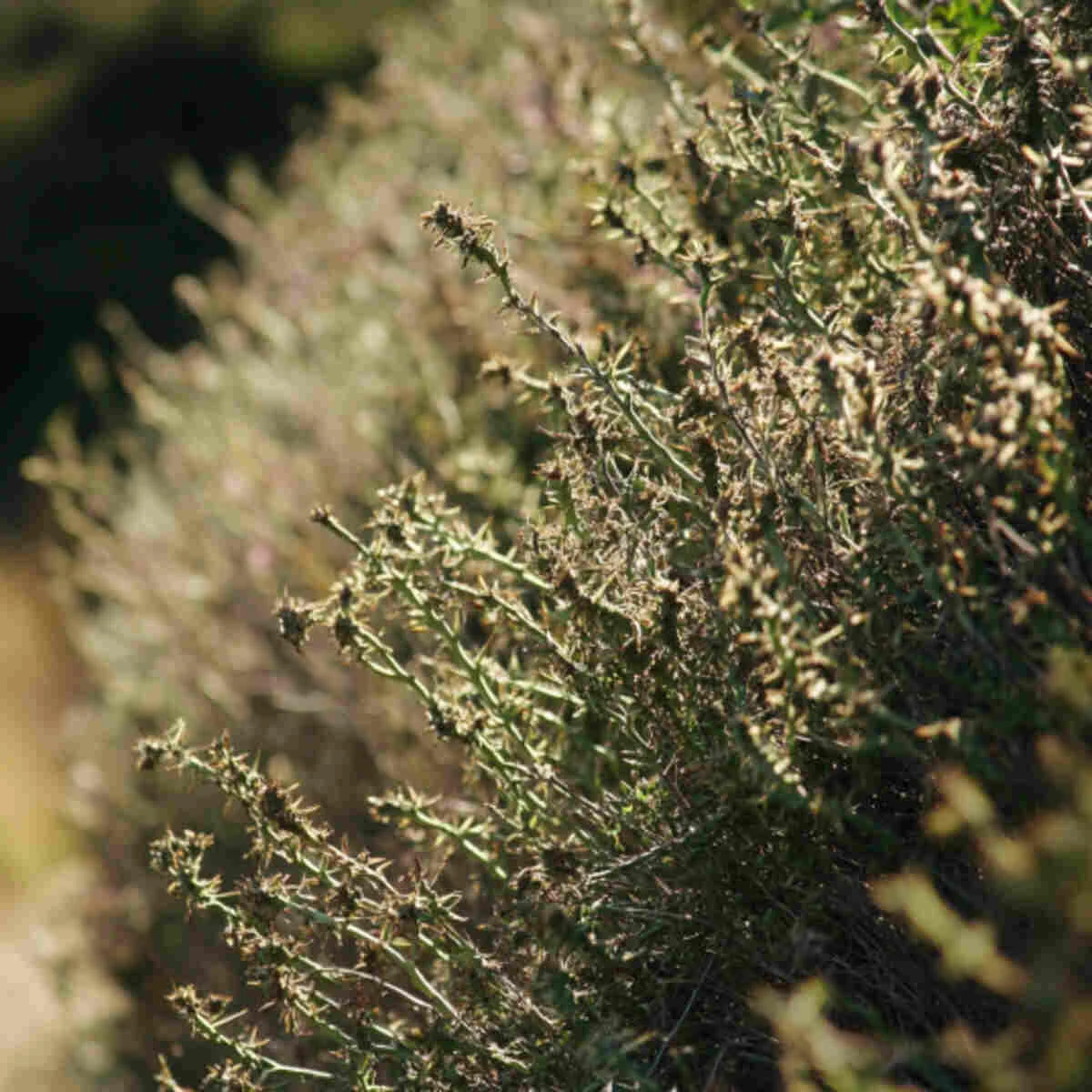
Thorny shrubs can create a particularly dense and protective border. Their branching structure often forms a thicker edge that helps interrupt wind and create a stronger garden boundary.
This kind of border can also feel more secure and defined, especially along property lines. It is a good option if you want shelter with a tougher appearance.
14. Fast-Growing Windbreak Shrub Wall

Fast-growing shrubs are useful when you need wind protection sooner rather than later. They can form a thick wall in less time, helping new gardens become more sheltered as they establish.
This is especially helpful in newer landscapes or recently cleared spaces where there is not yet much protection from the weather. A quick-growing border can improve the garden’s microclimate much sooner.
15. Colorful Foliage Wind-Tolerant Border
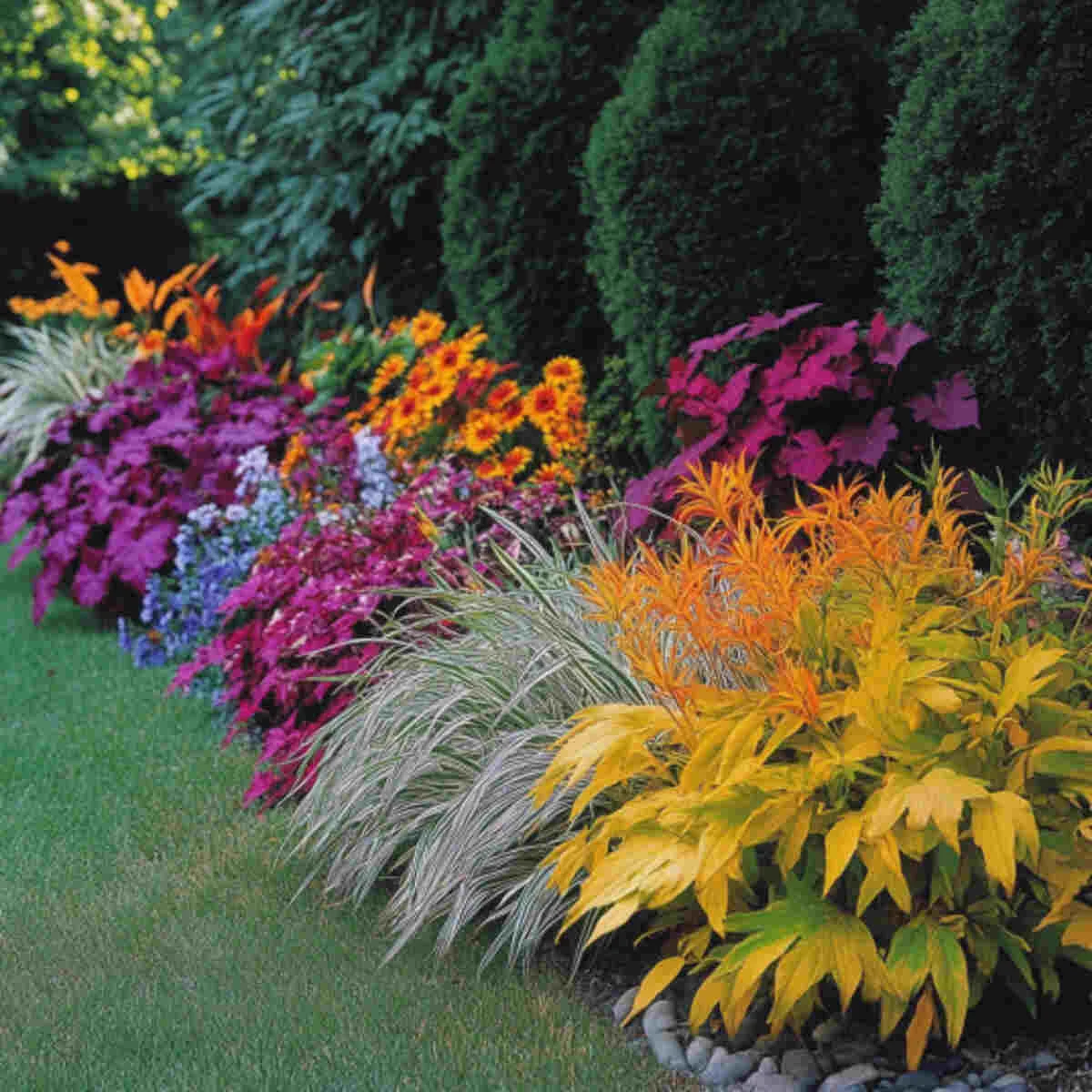
Shrubs with colorful foliage offer a way to add visual interest even when flowers are not the main focus. Burgundy, golden, silver, or blue-green leaves can brighten a border while still handling exposed conditions.
This idea works well if you want your garden to feel lively and designed even in rough weather. It brings both structure and style to the planting.
16. Mixed-Height Wind-Resistant Shrub Layers
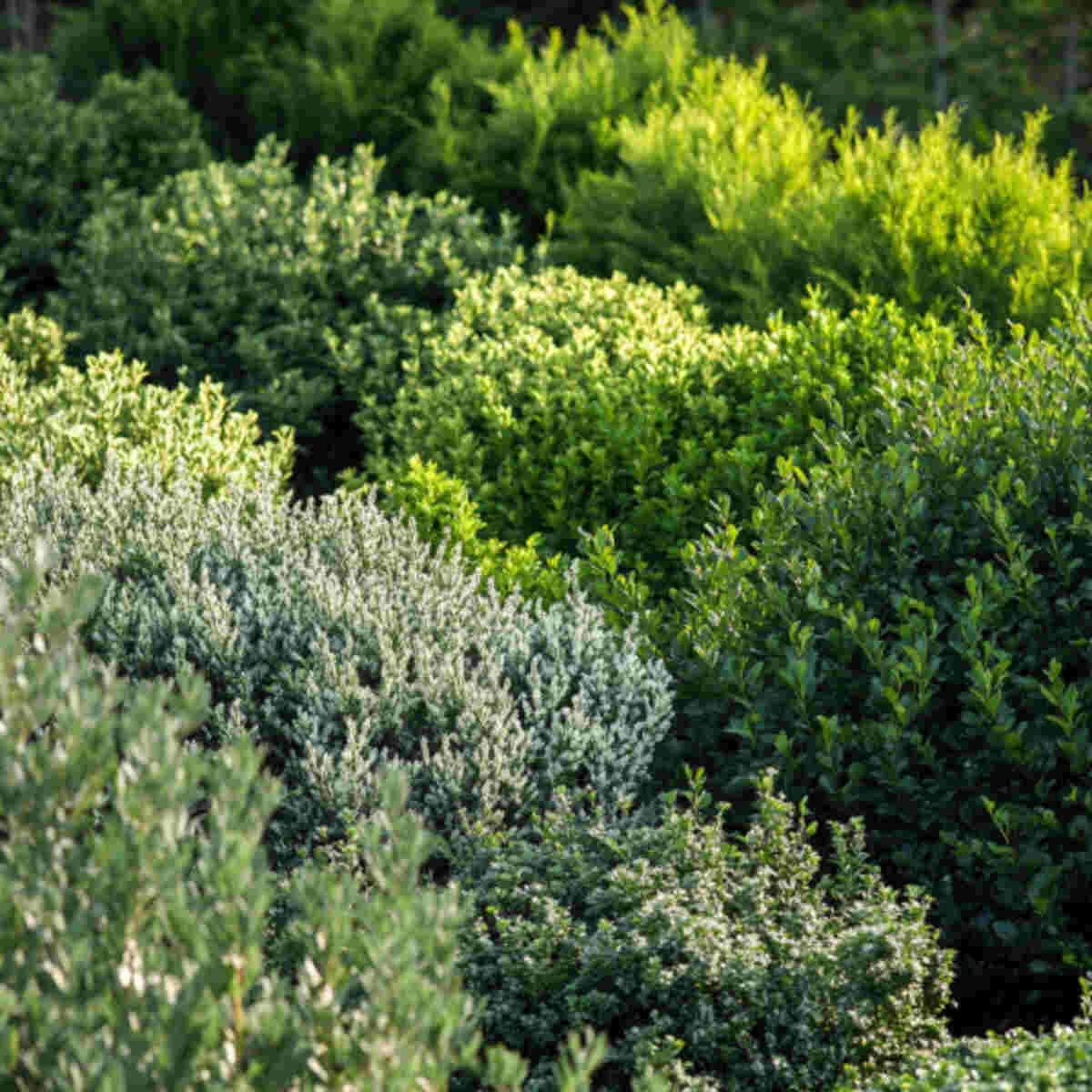
Using shrubs of different heights helps create a more natural barrier that slows wind from top to bottom. This layered effect spreads pressure more evenly across the planting.
It also keeps the border from looking flat or overly formal. If you want a more natural-looking wind-tolerant planting, mixed heights are a strong design choice.
17. Wildlife-Supporting Sturdy Shrub Border
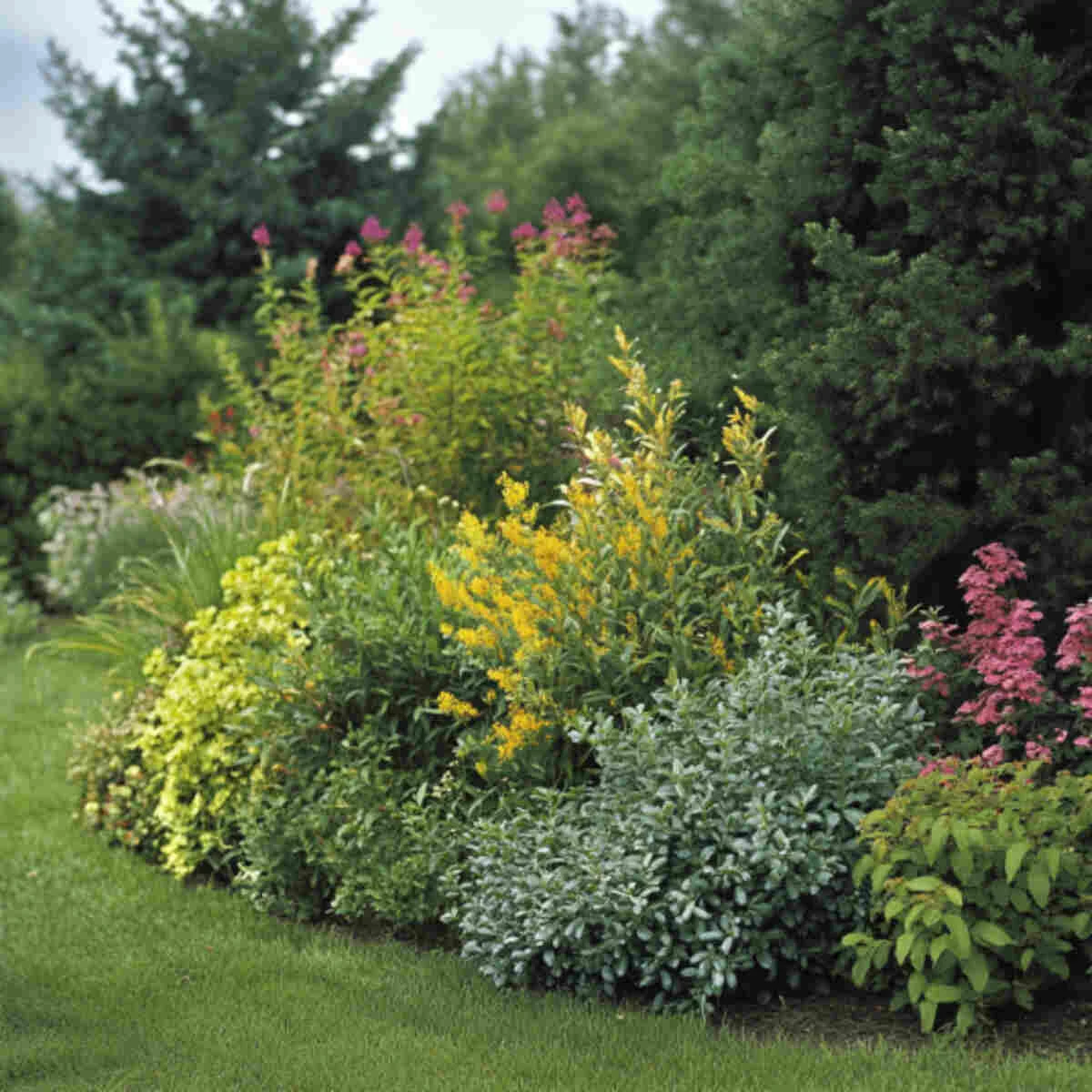
Some wind-tolerant shrubs also provide berries, shelter, and nesting space for birds and small wildlife. That makes them especially valuable in gardens that aim to support nature as well as withstand weather.
This type of border can make the garden feel more alive while still being practical and protective. It is a beautiful way to combine resilience with habitat value.
18. Compact Shrubs for Windy Small Spaces

Compact shrubs are ideal when space is limited but wind is still a problem. They stay manageable in size while offering enough structure to soften exposed edges and corners.
This makes them useful in front gardens, narrow borders, and smaller outdoor spaces where large shrubs would feel overwhelming. They provide protection without crowding the layout.
19. Shrub Border With Deep-Rooted Hardy Varieties
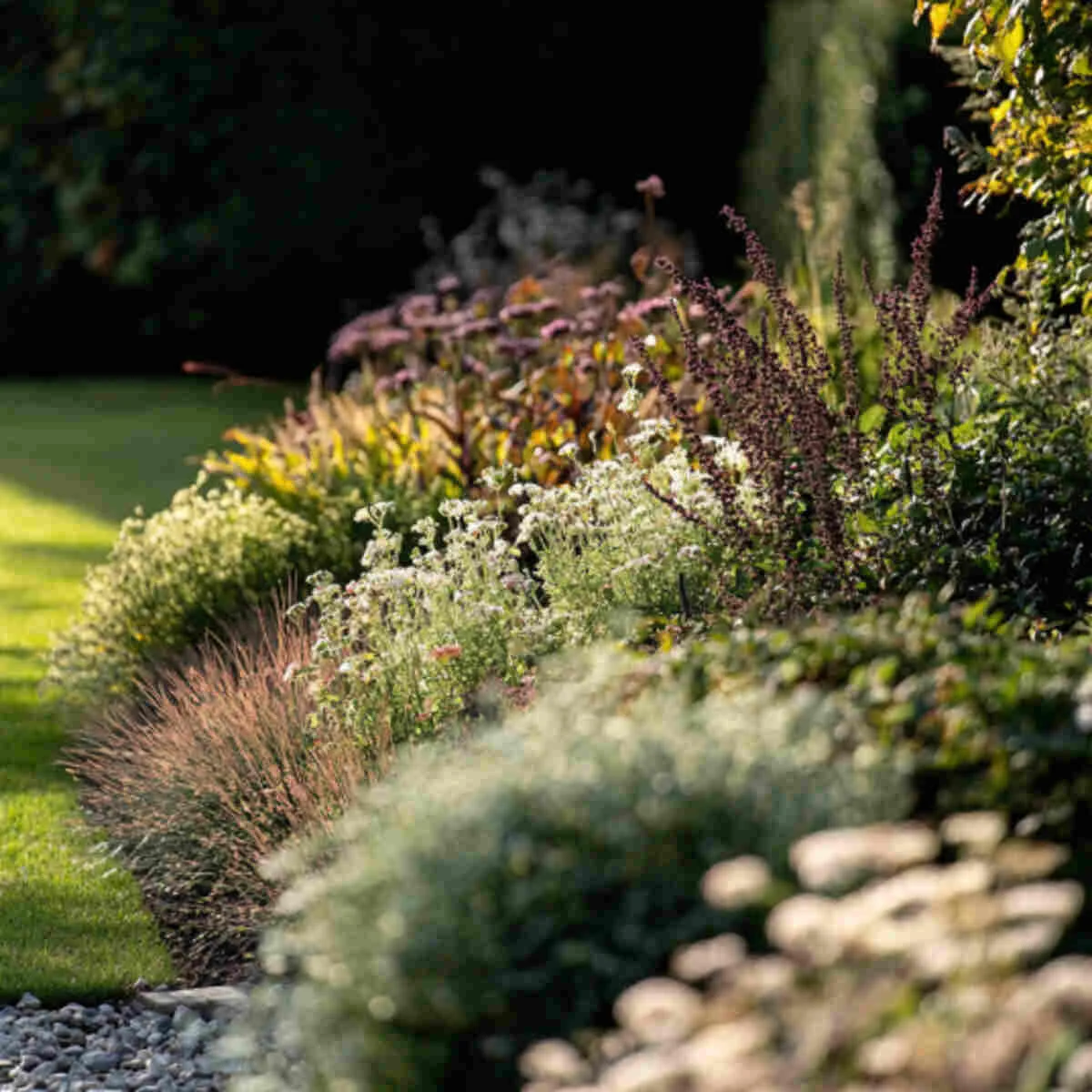
Deep-rooted shrubs are especially helpful in windy areas because they anchor themselves more firmly into the soil. That stability makes them dependable choices for gardens that face regular gusts or stormy weather.
They can also help reduce soil movement and support the ground on slopes or exposed sites. If durability is your top priority, deep-rooted varieties are worth considering.
20. Structural Architectural Shrubs for Windy Zones

Architectural shrubs bring strong shapes and bold form to a garden, which makes them ideal for borders that need both resilience and style. Their defined outlines help the planting feel intentional and visually striking.
Because many of these shrubs are sturdy by nature, they can hold their shape well even in difficult conditions. This is a great option for gardeners who want a border that feels modern, sculptural, and dependable.
Final Thoughts
Wind-tolerant shrub borders can do much more than simply survive rough weather. The right planting can soften strong gusts, create privacy, support wildlife, and make the garden feel calmer and more comfortable throughout the year.
Whether you prefer evergreen shelter, flowering borders, colorful foliage, or layered native planting, there are plenty of ways to build a border that looks good and works hard at the same time.
Start with shrubs that suit your climate, space, and garden style, and build from there. A well-chosen border can help your outdoor space stay healthy, protected, and beautiful no matter how windy it gets.