
Wind can make even a well-planned garden feel difficult. It dries out soil faster, snaps taller stems, batters leaves, topples containers, and can turn exposed spaces into spots where only the toughest plants survive. But a windy garden does not have to be bare, purely practical, or disappointing.
The most successful wind-tolerant gardens are built in layers. They combine shelter, smart structure, heavier materials, and plants that can bend, recover, or naturally thrive in exposed conditions. Instead of fighting the site, the best designs work with it, creating calmer microclimates and choosing plants that can handle movement and exposure.

These ideas offer practical ways to protect your planting while still creating a garden that feels attractive, purposeful, and enjoyable to spend time in.
1. Windbreak Hedges for Natural Shelter

A dense hedge is one of the most effective ways to reduce wind across a garden. Instead of stopping air completely, a hedge filters it, which is often better than a solid barrier that can create turbulence on the other side.
Evergreen and semi-evergreen shrubs such as yew, privet, and escallonia are especially useful where year-round protection matters. They also bring privacy and structure, which means the windbreak does more than just solve a practical problem.
- Best for: Boundary planting and exposed back gardens
- Helpful tip: Thicker hedges work better than narrow clipped strips
- Design bonus: They create a calmer backdrop for more delicate plants inside the garden
2. Raised Garden Beds With Better Soil Control
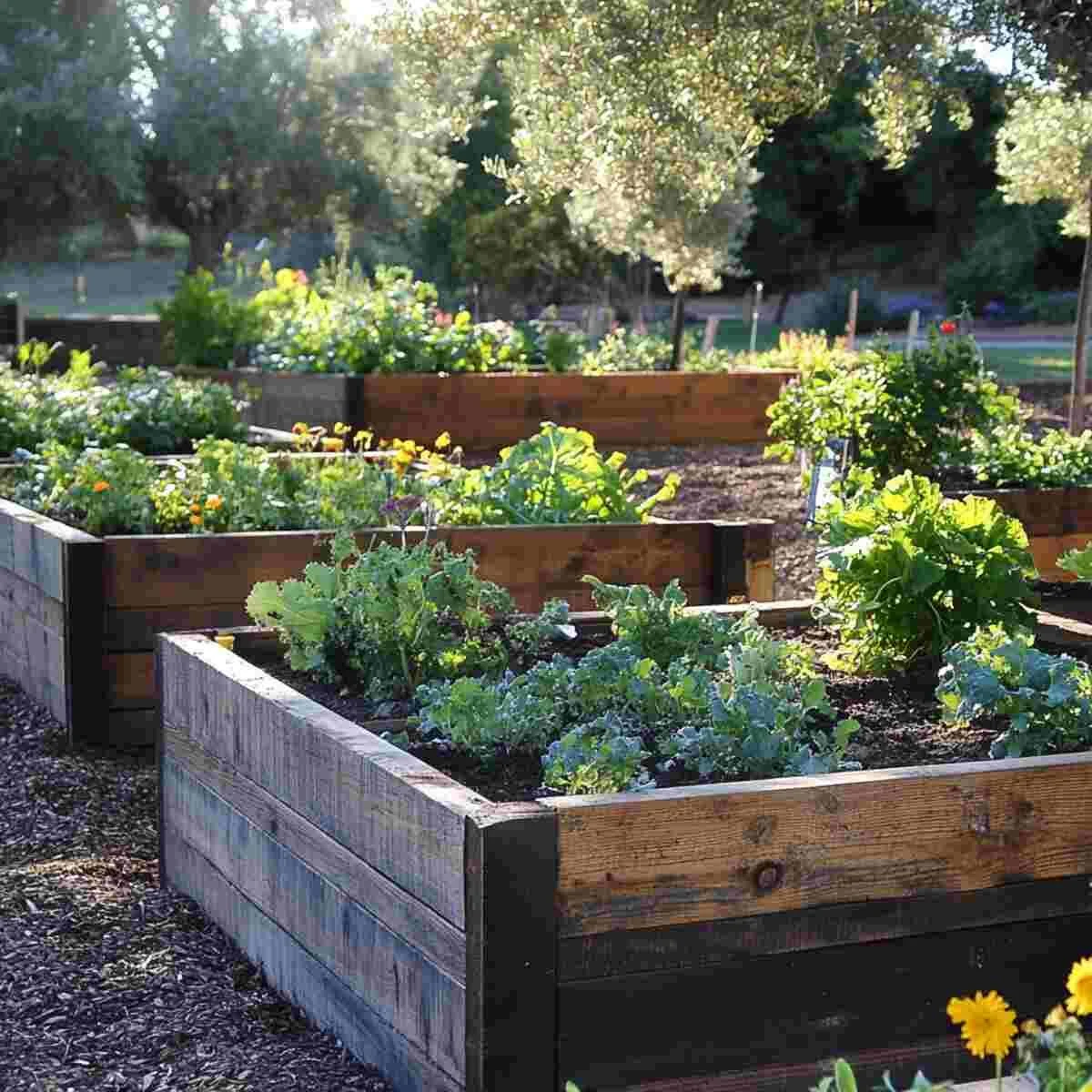
Raised beds are often recommended for drainage and soil quality, but they can also help in windy gardens by keeping planting organized and improving root conditions. Plants with strong root systems cope with wind much better than plants struggling in compacted or poor soil.
They are particularly useful where exposed sites also have thin, dry, or stony ground. The more stable the growing conditions, the better plants recover from constant wind movement above ground.
In very windy areas, keep the bed height moderate and use sturdy edging materials that will not shift or dry out too quickly.
3. Rock Gardens for Exposed, Dry Sites
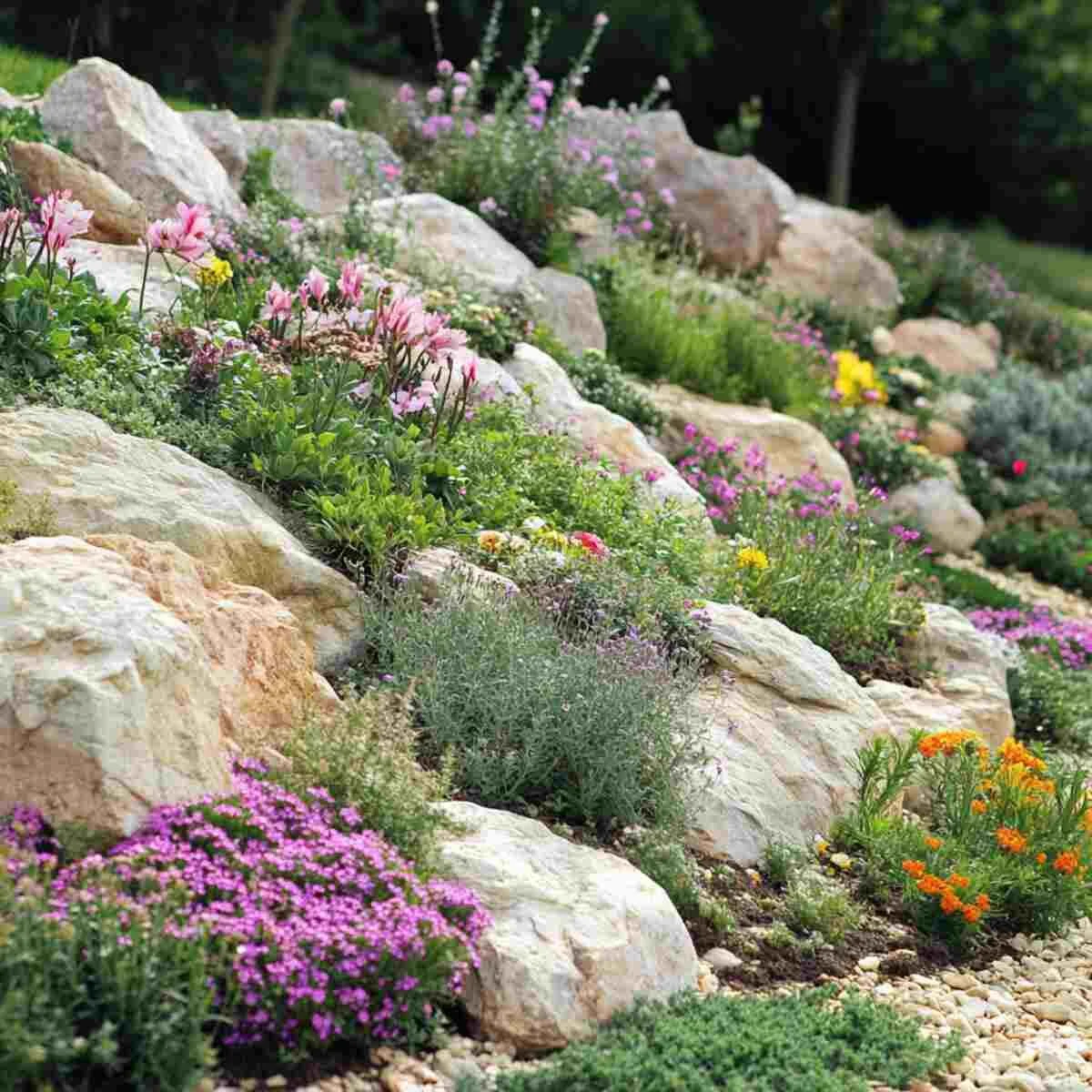
Rock gardens suit windy areas surprisingly well because they use the site’s harsher conditions to advantage. Stones help stabilise soil, slow surface drying, and create small pockets of shelter around low-growing plants.
This style works especially well on slopes, in gravelly soil, or in gardens where lush planting always struggles. Alpine plants, hardy succulents, and low mounding perennials often look natural here rather than forced.
The stones also add weight to the design, which is useful in places where lighter materials or soft planting can feel visually unsettled.
4. Coastal Planting Schemes That Already Know How to Cope
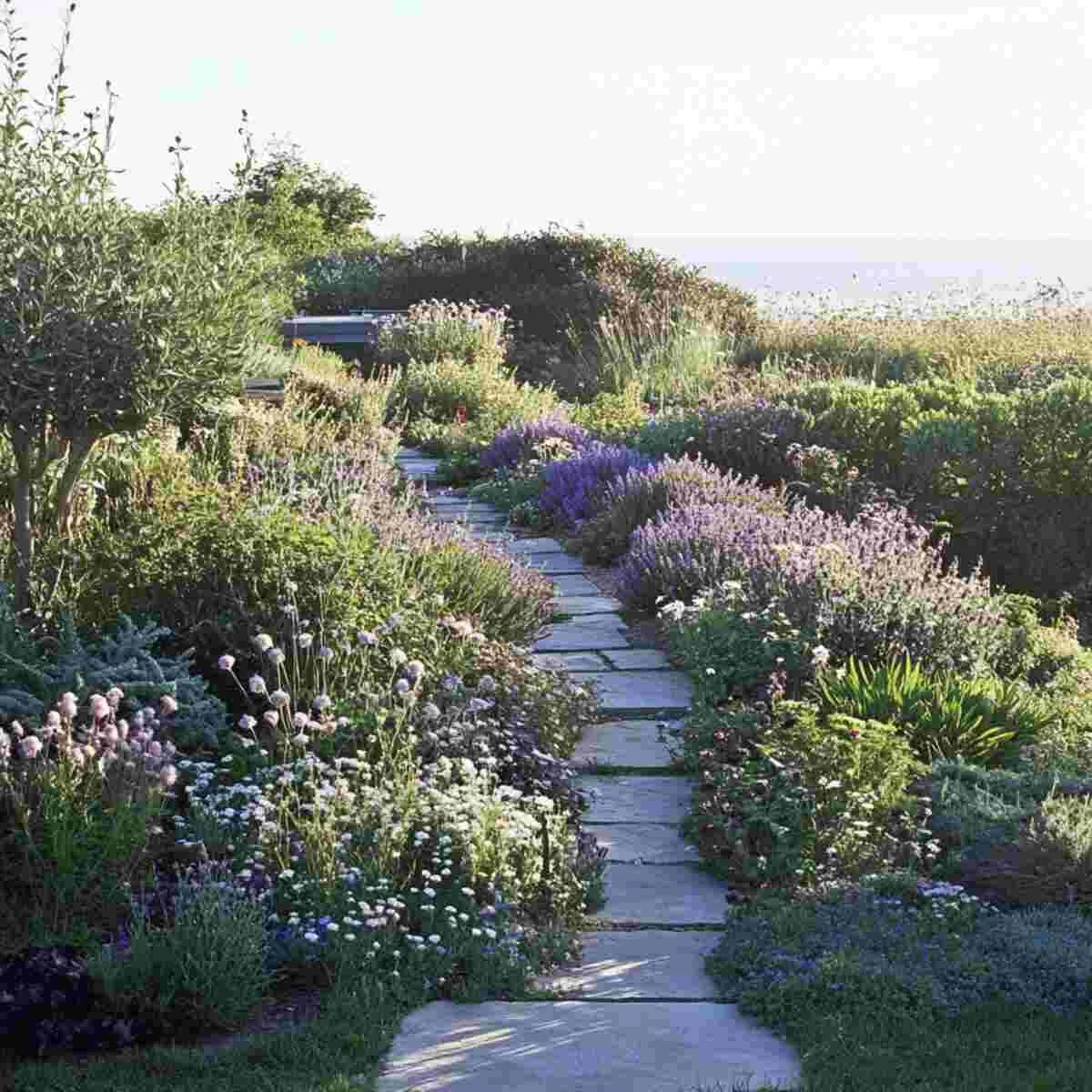
When a garden is windy, one of the simplest moves is to borrow from coastal planting. Plants such as lavender, sea thrift, santolina, and other silver-leaved species are used to exposed conditions and often handle dry air and lean soil with ease.
They also tend to create a softer, natural look that suits windy places. Instead of trying to hold every stem rigidly upright, these plants move well and still look right.
This approach is especially effective if your site is open, sunny, and difficult to keep lush through summer.
5. Shelterbelt Tree Rows for Large Gardens

On larger properties, shelterbelts are one of the strongest long-term solutions. Rows of wind-tolerant trees slow the wind before it reaches the main planting areas, helping protect lawns, borders, veg patches, and seating spaces beyond.
The goal is not just screening but reducing wind speed across distance. Trees such as pine, spruce, or alder are often used because they can establish well in exposed places and build up a protective canopy over time.
This is a slower solution than adding screens or fencing, but it can transform how the whole site functions.
6. Sunken Beds That Sit Below the Wind Line
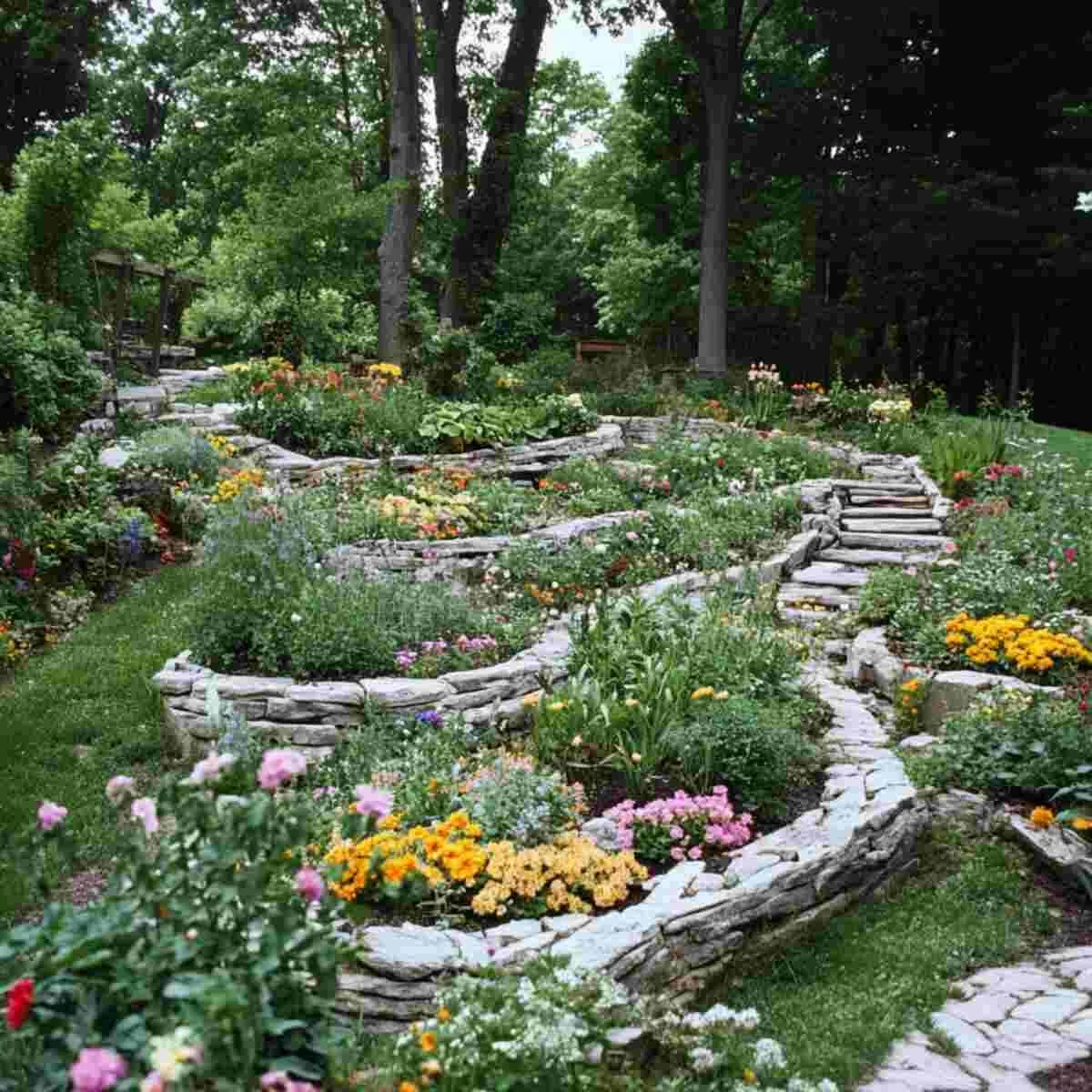
Lowering a planting area slightly below the surrounding ground can reduce exposure in a very direct way. Sunken beds sit out of the strongest air currents and often hold moisture better than fully raised areas.
They are particularly useful in flat, open gardens where there is little other shelter and where water loss from wind is as much of a problem as physical damage.
This method works best when drainage is still good. In wetter climates or heavy soil, the bed depth needs to be handled carefully so it does not become waterlogged.
7. Ornamental Grasses That Move With the Weather

Ornamental grasses are ideal in windy gardens because they do not fight movement. They bend, sway, and recover, which means the wind becomes part of the effect rather than a problem to disguise.
Grasses such as miscanthus, feather reed grass, and blue fescue bring height, softness, and repeated texture to exposed borders. They are especially useful in modern or naturalistic planting schemes where movement adds to the atmosphere.
Use them in drifts for the best impact. Repetition helps make a windy garden feel intentional rather than battered.
8. Trellises With Climbers to Diffuse Airflow
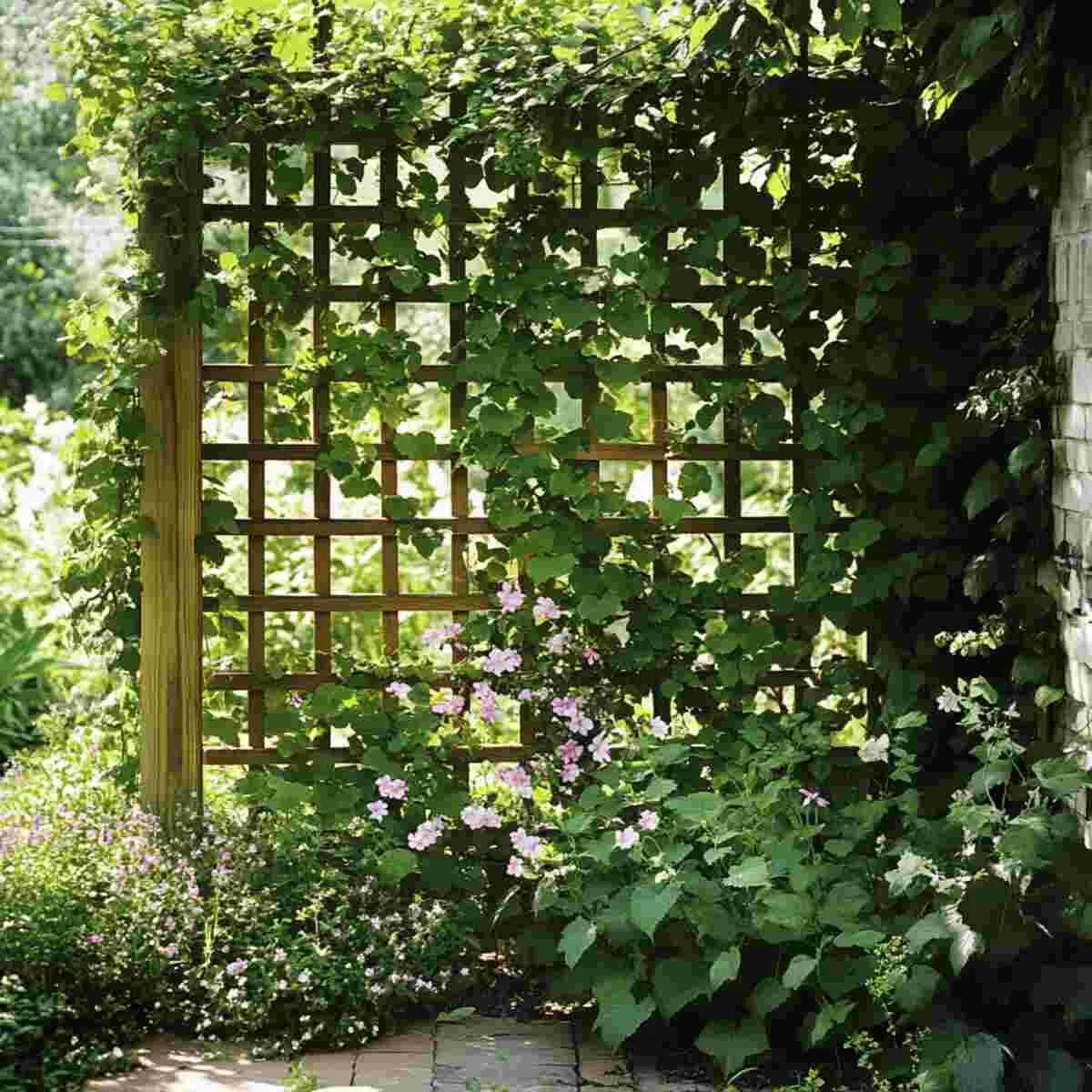
A planted trellis can soften wind while also adding vertical greenery. Unlike a completely solid screen, a trellis allows air to pass through in a filtered way, which can make it more useful in gusty gardens.
Climbing plants such as honeysuckle, clematis, or other resilient climbers can turn it into a living partition that feels lighter and more garden-like than fencing alone.
This works well in smaller spaces where you want some shelter without losing openness or sunlight.
9. Wind-Tolerant Shrub Borders for Layered Protection
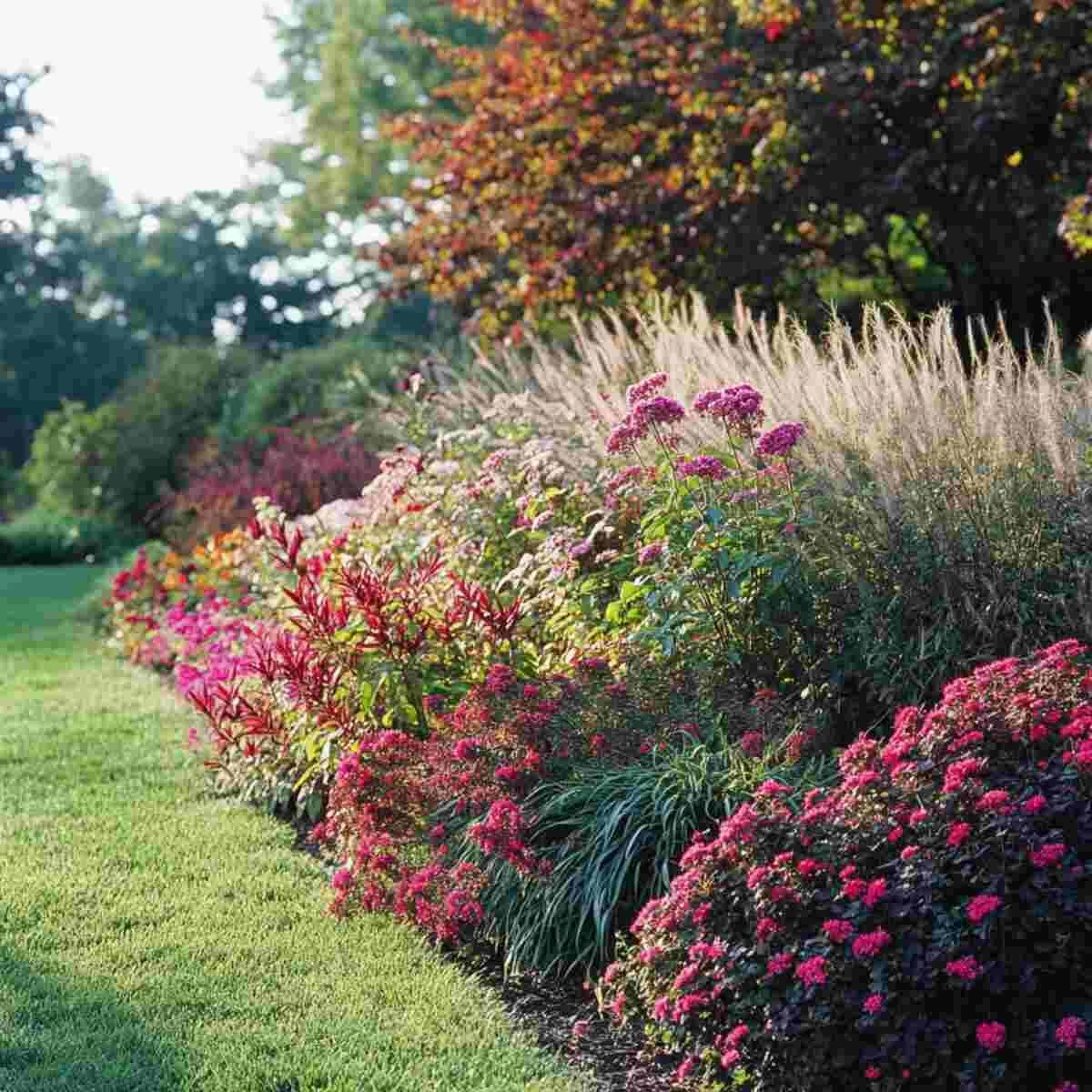
A shrub border can act as a softer buffer between exposed boundaries and the more delicate plants deeper in the garden. It is also a good way to make a protective planting scheme feel ornamental rather than purely defensive.
Shrubs such as rosemary, hebe, and other sturdy evergreens can handle exposure while still giving the garden shape all year. In smaller gardens, this is often more achievable than planting full tree rows or major hedging.
Mix heights and leaf textures so the border feels layered and natural rather than like a single hard wall of planting.
10. Hardy Perennial Borders That Recover Well

Not every flowering border needs complete shelter. The key is choosing perennials that can take wind, bounce back, and hold their shape reasonably well. Echinacea, rudbeckia, sedum, and similarly robust plants are often much more dependable than delicate flower spikes that snap or flatten easily.
In windy places, a successful perennial border often relies on stronger stems, clump-forming habits, and plants that do not mind leaner soil.
Repeat a few reliable types rather than planting one of everything. A simpler palette usually performs better and looks calmer in exposed spaces.
11. Gravel Gardens for Dry, Wind-Swept Ground
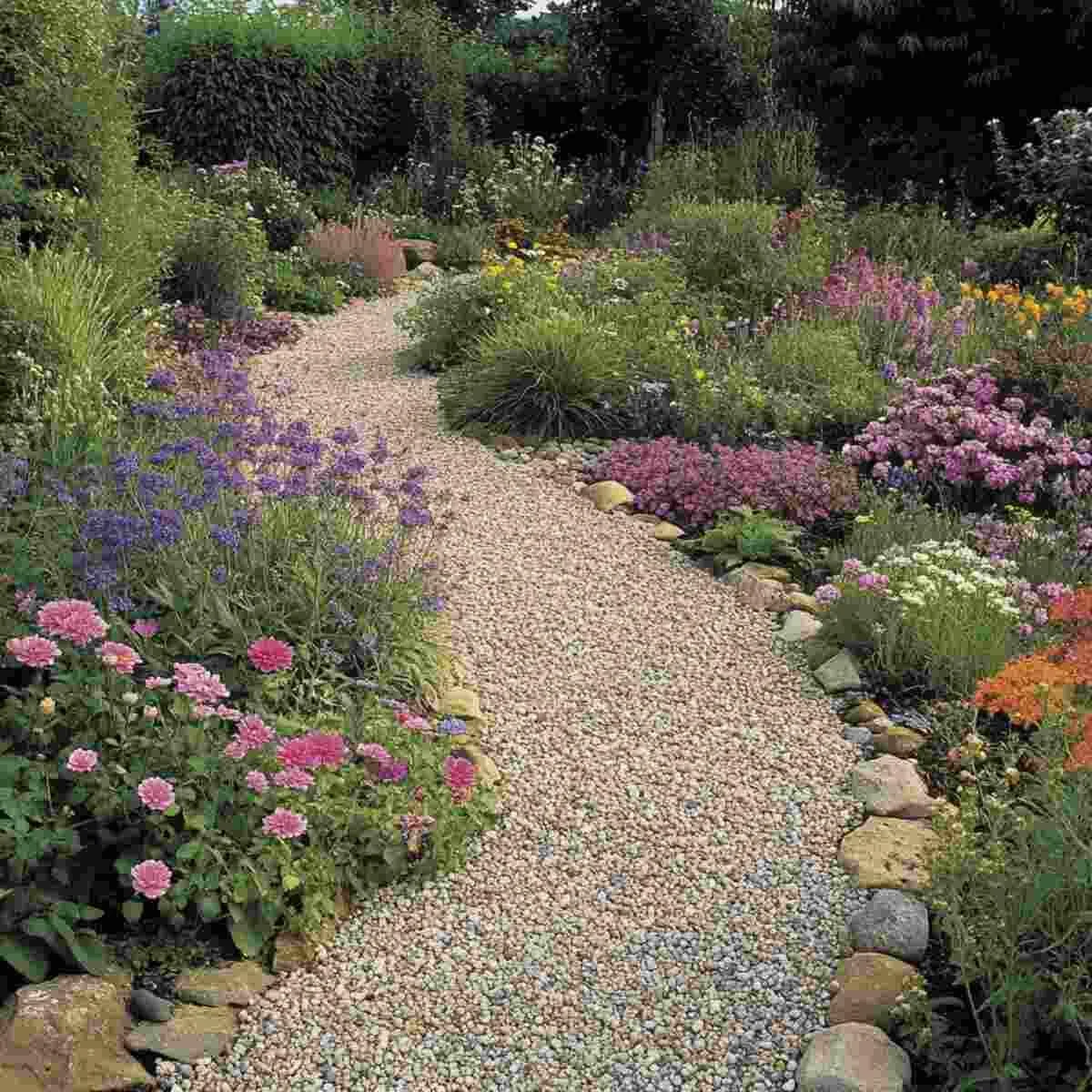
Gravel gardens are especially effective where wind and drought arrive together. The gravel suppresses weeds, reduces splashback, helps regulate soil temperature, and visually suits tougher, architectural planting.
It also stops bare soil from being exposed and drying even further. This matters in windy gardens, where uncovered ground can quickly become hard, dusty, or eroded.
Use heavier gravel rather than very light materials that might shift too easily, and pair it with drought-tolerant, deep-rooting plants.
12. Living Willow Fences for Flexible, Natural Screening

A living willow fence is both a structure and a planting element. It roots into place, grows denser over time, and can flex with movement, which makes it well suited to windy sites.
It has a softer, more organic look than many standard screens and works especially well in country gardens, wildlife plots, or spaces where you want shelter with a handmade feel.
Because it evolves as it grows, it suits gardeners who like a more naturalistic approach rather than something rigid and permanently fixed from day one.
13. Decorative Windbreak Screens for Quick Shelter
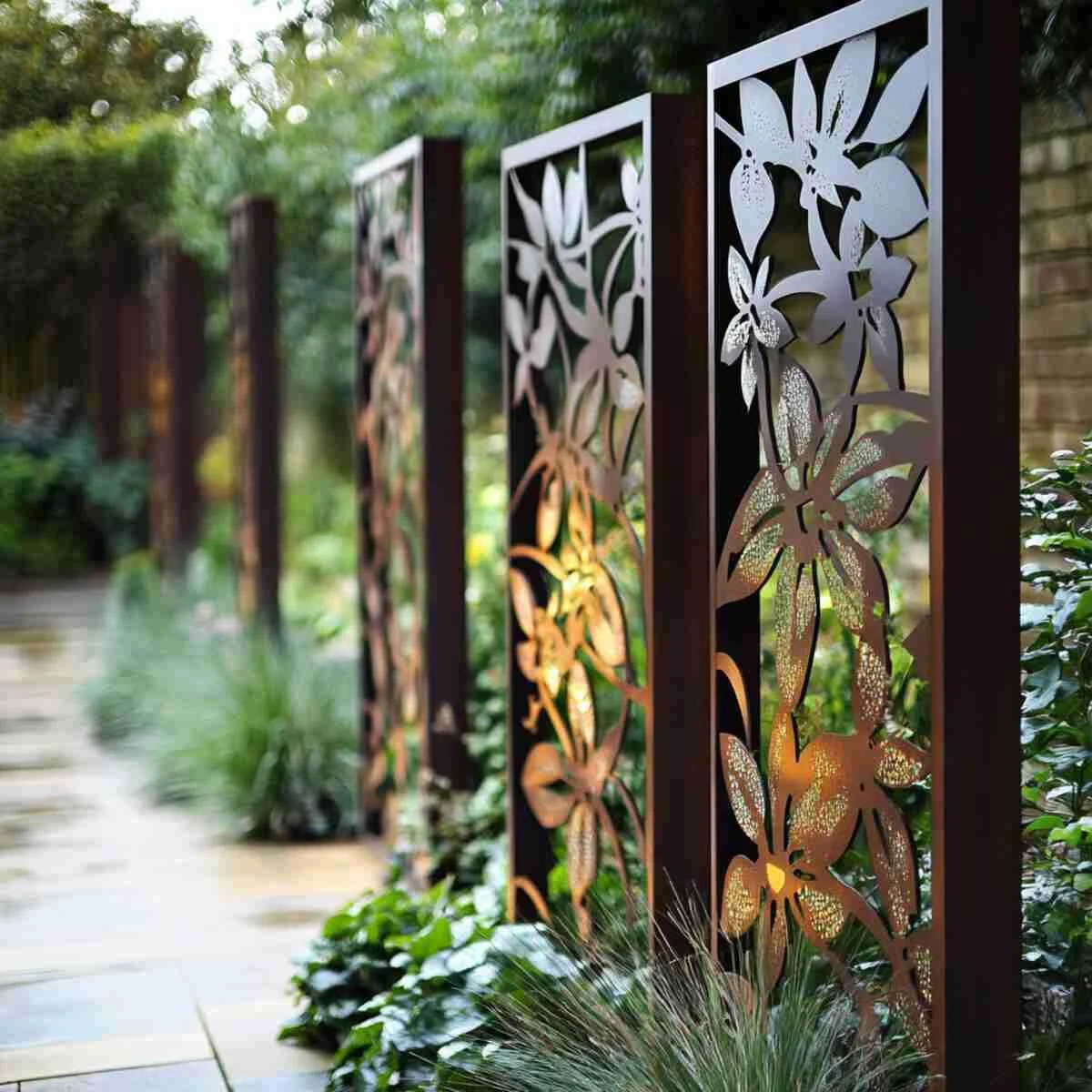
When you need faster results than hedges or tree belts can provide, decorative screens are one of the smartest additions. Slatted wood, perforated metal, and woven bamboo all help break up airflow while still letting some light through.
They are particularly useful in town gardens, roof terraces, or patios where space is limited and exposure is high. A well-placed screen can make a seating area suddenly usable again.
Choose sturdy fixings and materials rated for outdoor exposure. In windy gardens, the construction details matter just as much as the design.
14. Wildflower Meadows for a More Natural Response to Wind

A wildflower-style planting can be a beautiful answer to windy conditions because it embraces movement instead of trying to eliminate it. Native flowers and grasses often cope better with exposed sites than more pampered bedding displays.
This style also tends to need less mowing, less watering, and less intervention once established. In larger gardens, it can be one of the most rewarding ways to turn a difficult open space into something ecologically rich and visually alive.
Keep expectations realistic in the first year. Meadow planting usually improves as it settles in.
15. Native Plant Gardens That Suit the Local Climate
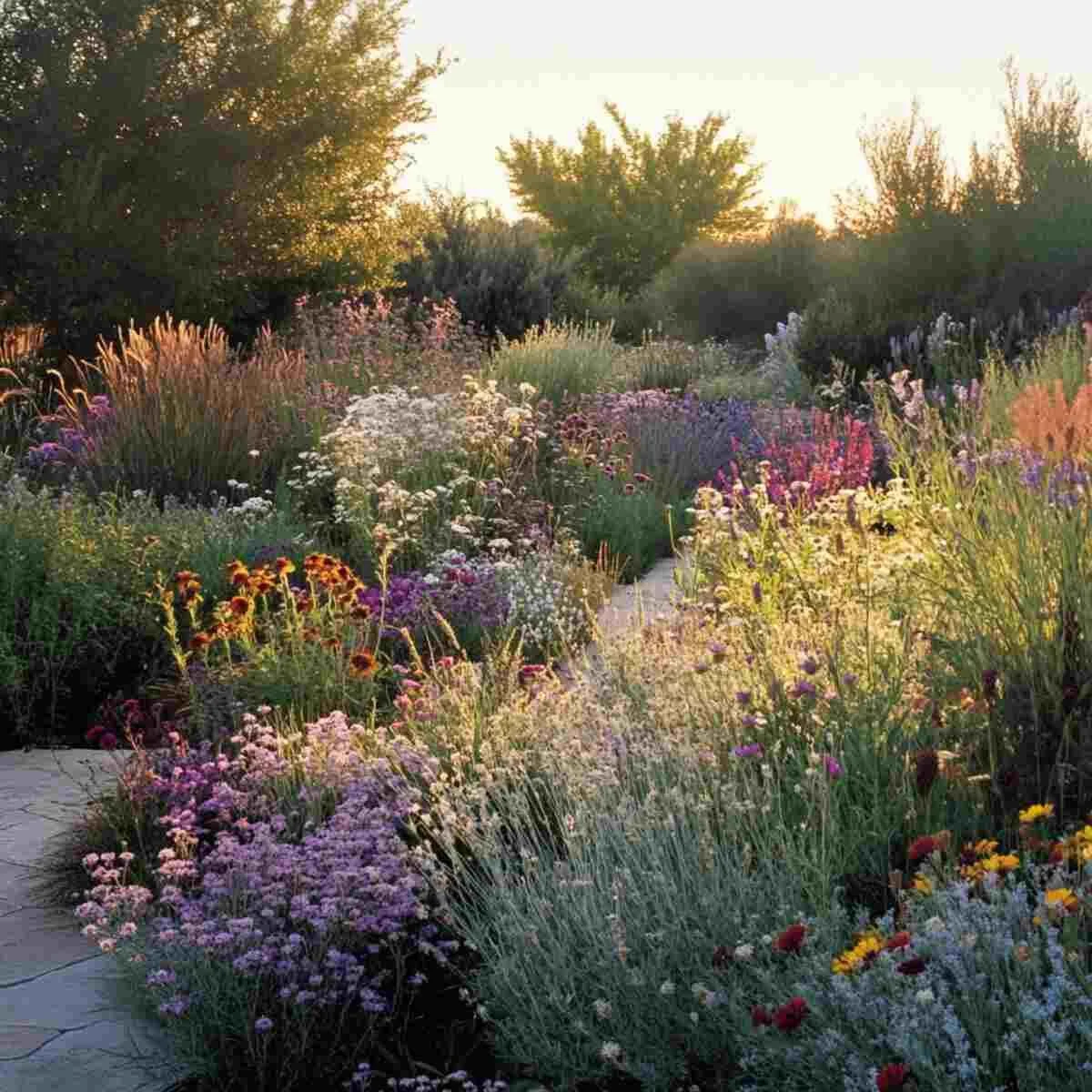
Native plants are often the most sensible choice in windy areas because they have already adapted to the local mix of weather, soil, and exposure. They usually need less intervention once established and are more likely to cope with what the site naturally throws at them.
This does not mean the garden has to look wild or unmanaged. Native planting can be formal, loose, modern, or pollinator-focused depending on how it is arranged.
It is one of the best strategies when the garden feels difficult overall, not just windy.
16. Mulched Planting Zones to Hold Moisture and Soil
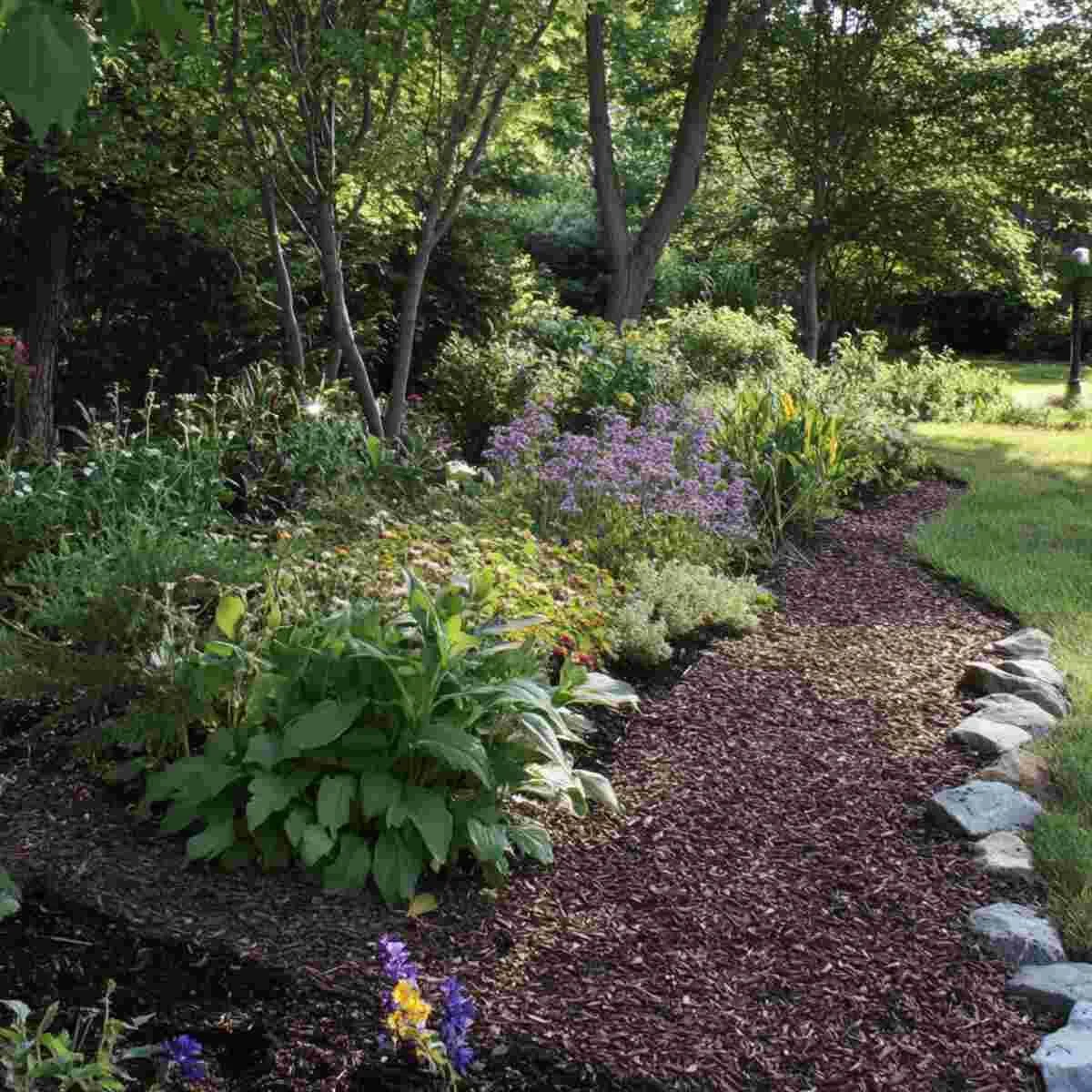
Mulch might seem simple, but in windy gardens it does important work. It helps hold moisture around roots, buffers the soil against rapid drying, and reduces the chance of topsoil blowing away from newly planted areas.
It also gives borders a more finished look and makes them easier to manage. The right mulch depends on the garden style, but heavier organic mulches are usually more stable than very fine, lightweight materials.
Apply it generously around shrubs and perennials, especially while plants are still establishing.
17. Reinforced Pergolas for Sheltered Garden Rooms
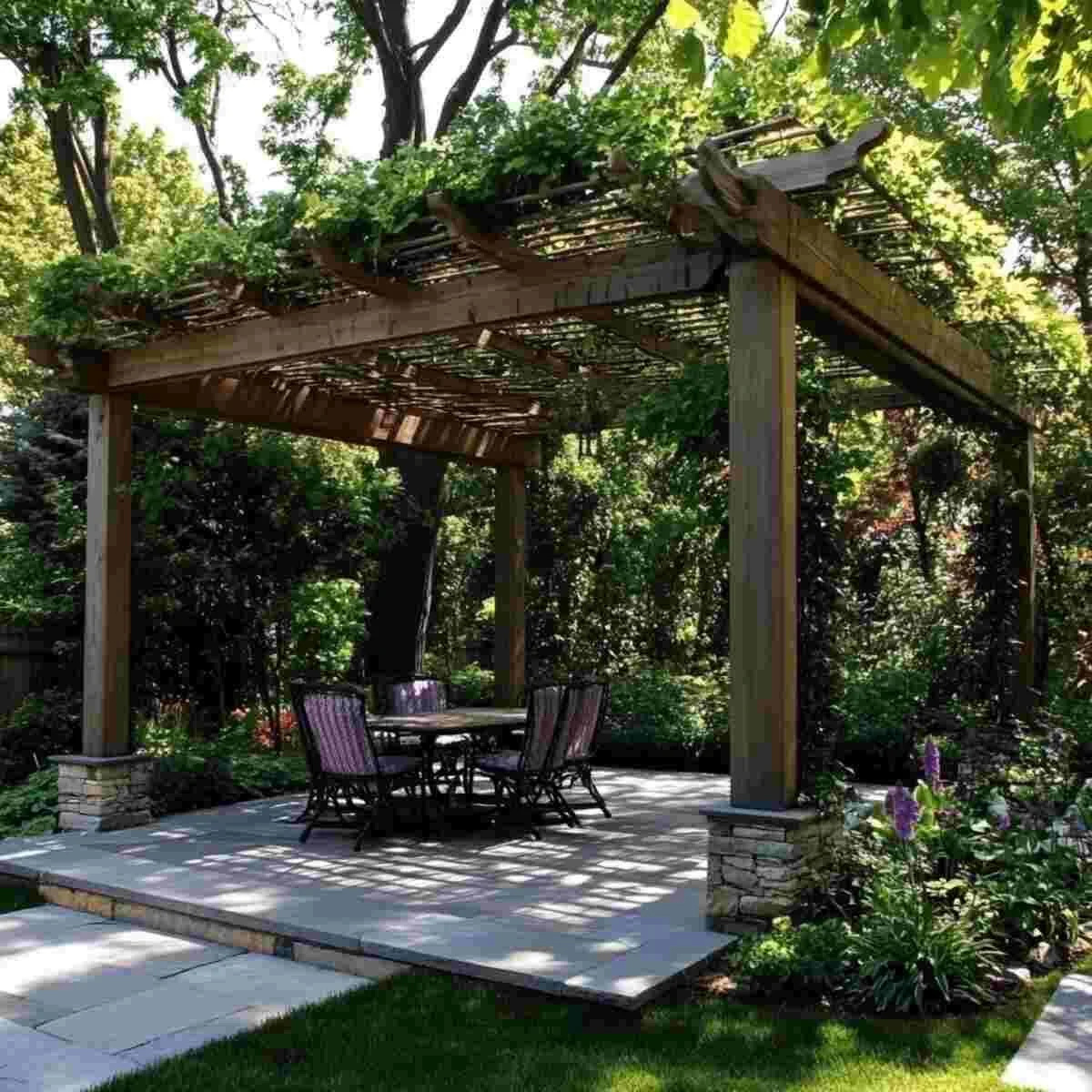
A sturdy pergola can create the feeling of a protected outdoor room in a site that otherwise feels exposed. When properly anchored and built for the conditions, it helps break up wind and offers support for climbers that add further screening.
It is most effective over seating areas, near patios, or as a transition between the house and garden. In windy places, that sense of enclosure can make outdoor space feel far more usable.
Keep the design open enough that it does not act like a sail. Strength and airflow both matter.
18. Courtyard-Style Layouts for Stronger Protection
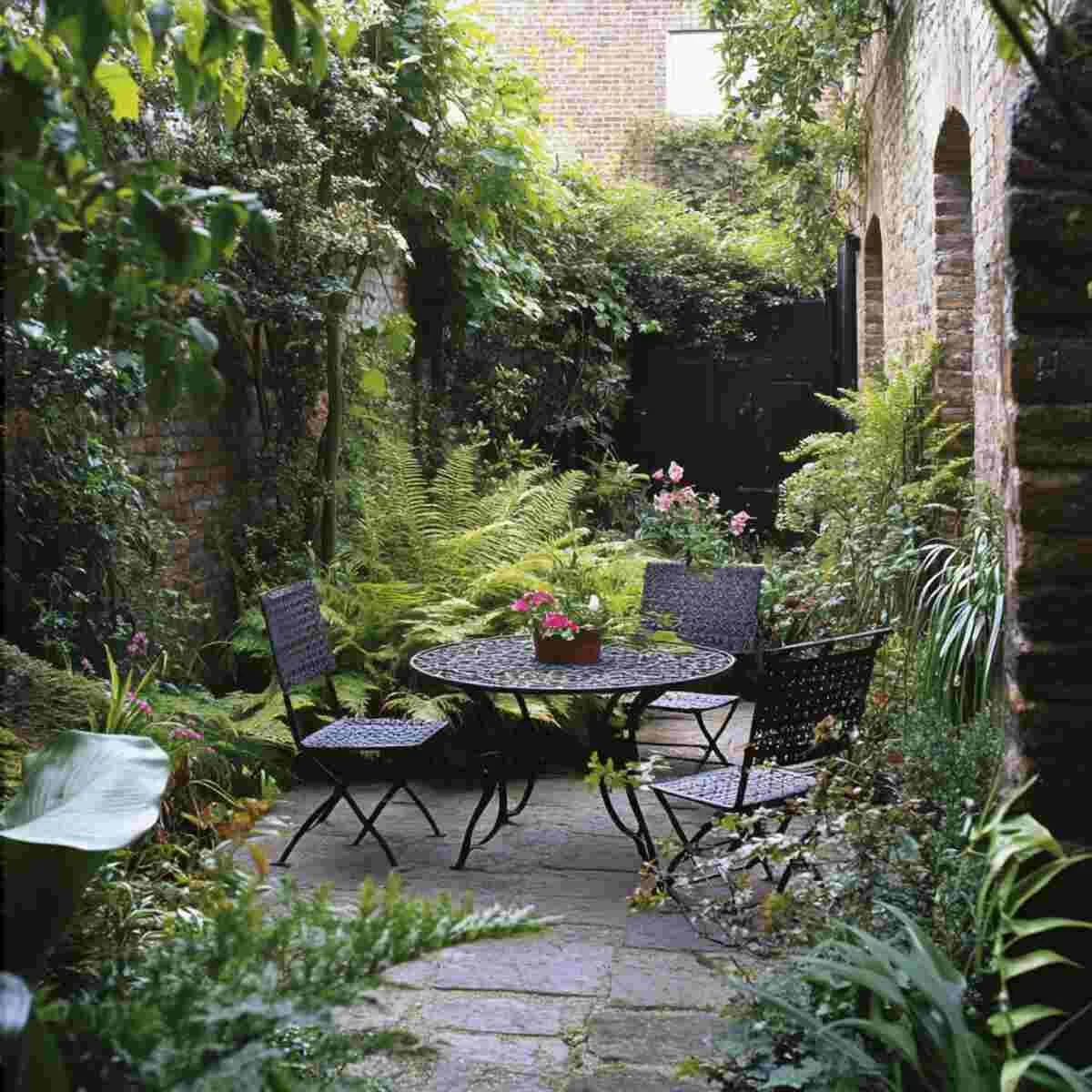
Courtyard gardens are among the best solutions for very windy sites because they use walls, fences, or surrounding buildings to create a true microclimate. Once enclosed, planting options open up dramatically.
This style is especially effective in urban gardens or homes where the architecture can do part of the work. Even partial enclosure can reduce turbulence enough to support more varied planting.
Inside the sheltered space, use softer foliage and containers to make the contrast with the exposed outer garden even more noticeable.
19. Container Gardens With Heavy, Stable Pots

Containers in windy gardens need extra thought. Lightweight pots topple easily, dry out quickly, and can become frustrating to manage unless they are properly positioned and weighted.
Heavy terracotta, stone-look, or otherwise substantial containers are more stable and often look better in exposed outdoor spaces. They also suit patios and balconies where permanent planting is not possible.
Group pots together in the most sheltered pockets you can find. A cluster is often more stable and creates a better microclimate than isolated containers.
20. Wind Chime Corners That Make the Most of the Breeze

Not every windy area has to be “fixed.” Some spaces work better when they acknowledge the wind rather than resisting it. A wind chime corner turns movement into atmosphere, making an exposed area feel intentional and sensory instead of just inconvenient.
This works best in small seating corners, near pergolas, or as part of a reflective space where sound adds to the mood. It is not a sheltering solution, but it can change how the wind is experienced.
Choose tones carefully. In a garden used for relaxation, softer chimes usually work better than anything too sharp or metallic.
21. Garden Walls With Creepers for Shelter and Softness

Garden walls offer strong, reliable protection, but they can feel severe on their own. Adding climbers such as ivy, jasmine, or other wall-covering plants softens the structure and helps it feel more integrated into the garden.
This mix of hardscape and planting is particularly useful when you need serious shelter but still want the garden to feel green and layered. The wall provides the wind protection, and the climbers add texture, wildlife interest, and seasonal appeal.
It is especially effective along boundaries or around enclosed sitting areas.
22. Wind-Resistant Vegetable Patches With Lower Crops
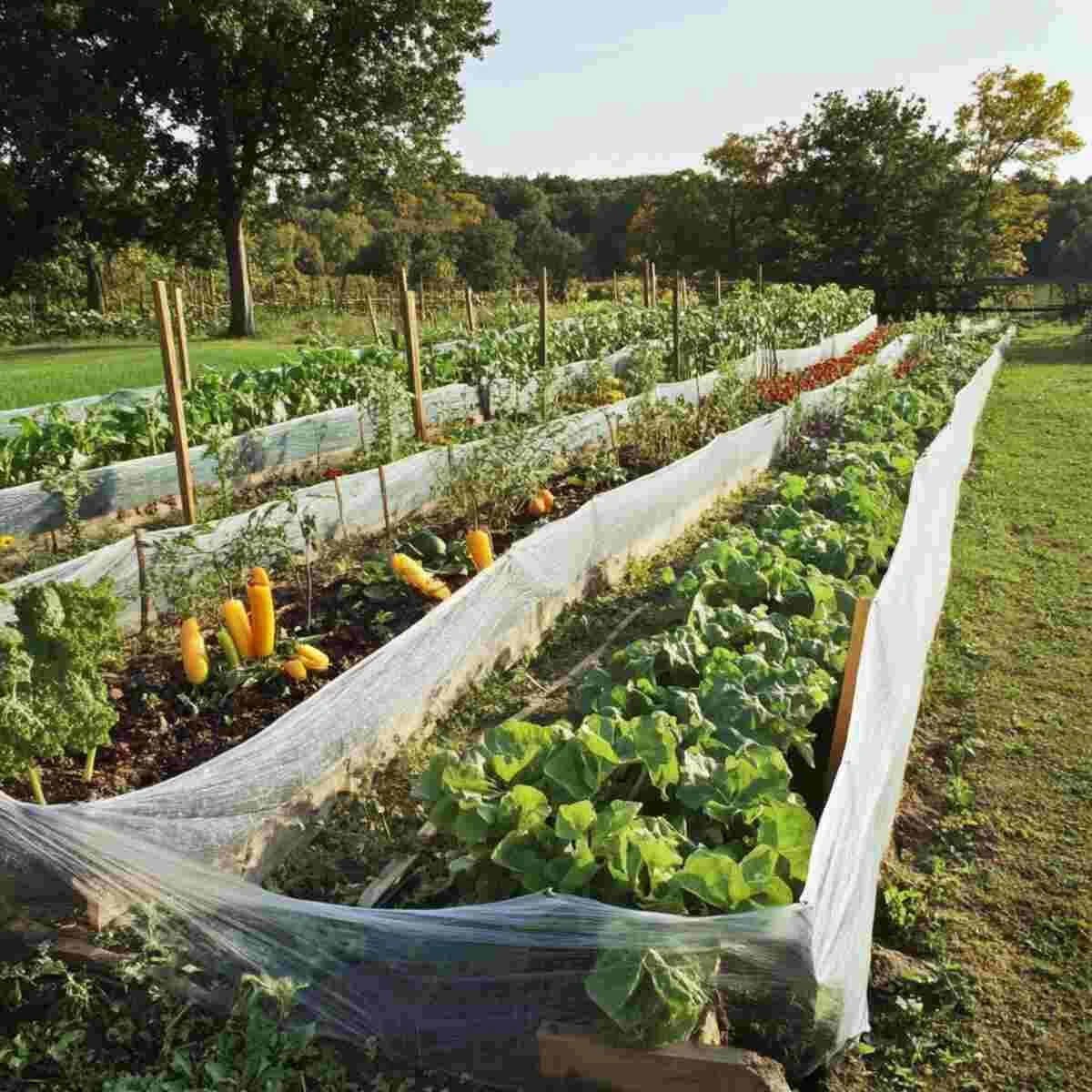
Vegetables often suffer in exposed gardens, but the answer is not giving up on growing food. It is choosing crops and layouts more carefully. Lower-growing vegetables such as carrots, lettuces, and beets tend to cope better than taller, more vulnerable crops unless extra support is provided.
Small fences, cloches, or nearby wind-filtering planting can also make a big difference. Even a modest reduction in exposure helps seedlings establish more successfully.
Keep the vegetable patch close to a sheltering element if possible, rather than placing it in the very windiest part of the site.
23. Succulent Rockeries for Dry, Exposed Corners

Succulent rockeries are especially good in sunny, wind-swept parts of the garden that dry out quickly and resist traditional border planting. Succulents hold water in their leaves, tolerate lean soil, and sit comfortably among stone and gravel.
The combination of fleshy foliage and rock creates a look that feels deliberate and sculptural rather than sparse. It is also one of the easier styles to maintain once established.
This idea suits gardens that already lean toward dry planting or modern, minimal hardscaping.
24. Xeriscape Planting for Water-Wise, Wind-Tough Gardens
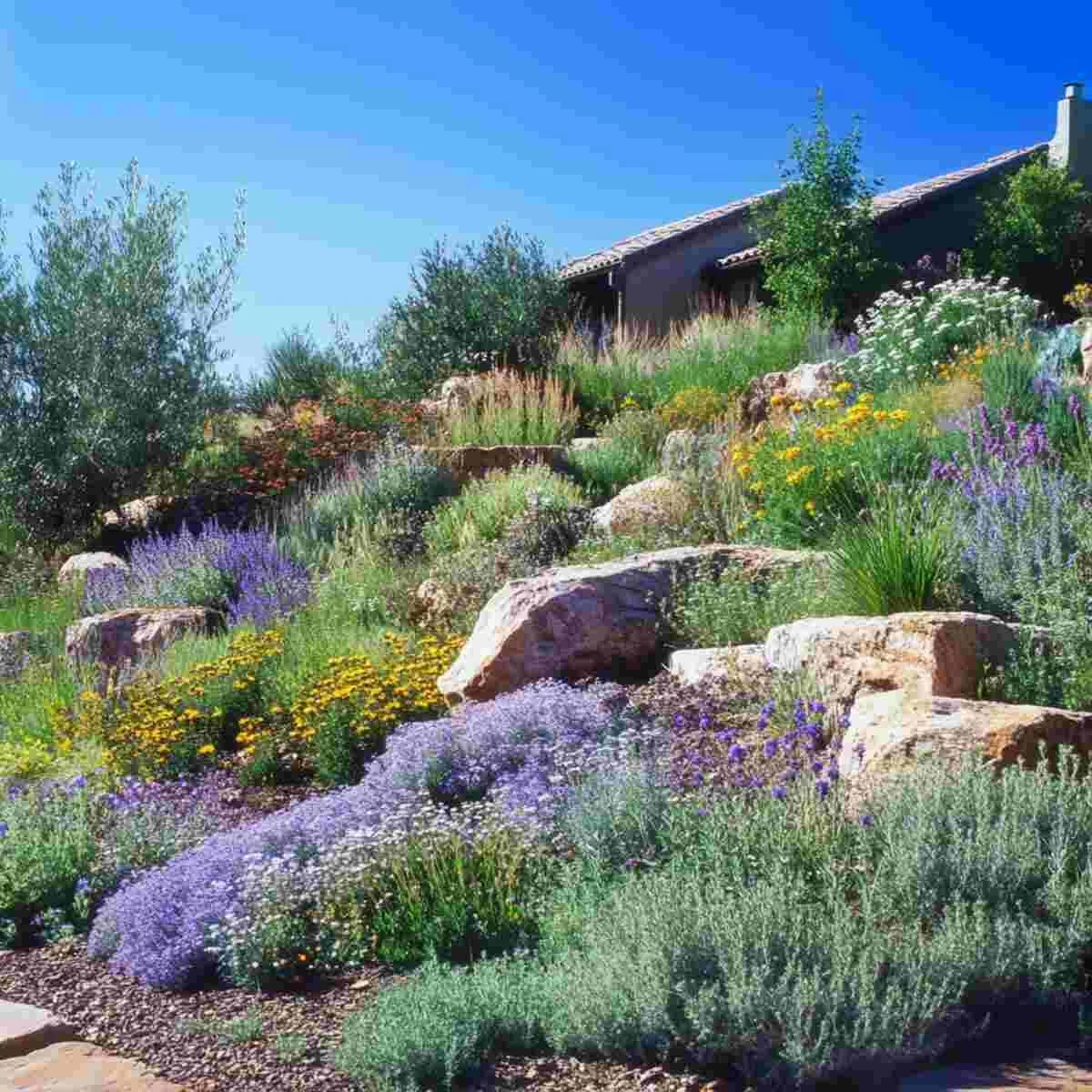
Xeriscaping is not just about saving water. In windy gardens, it also makes sense because the same plants that tolerate heat and drought often cope better with drying winds. Gravel, stone, mulches, and fewer thirsty lawn areas all support a more resilient planting scheme.
This approach works well where irrigation is limited or where the site is too exposed for lush, moisture-loving planting to remain realistic. It can be very modern, very naturalistic, or somewhere in between.
The best xeriscapes still have structure and repetition, so the garden feels designed rather than abandoned.
25. Layered Planting Zones for Whole-Garden Protection
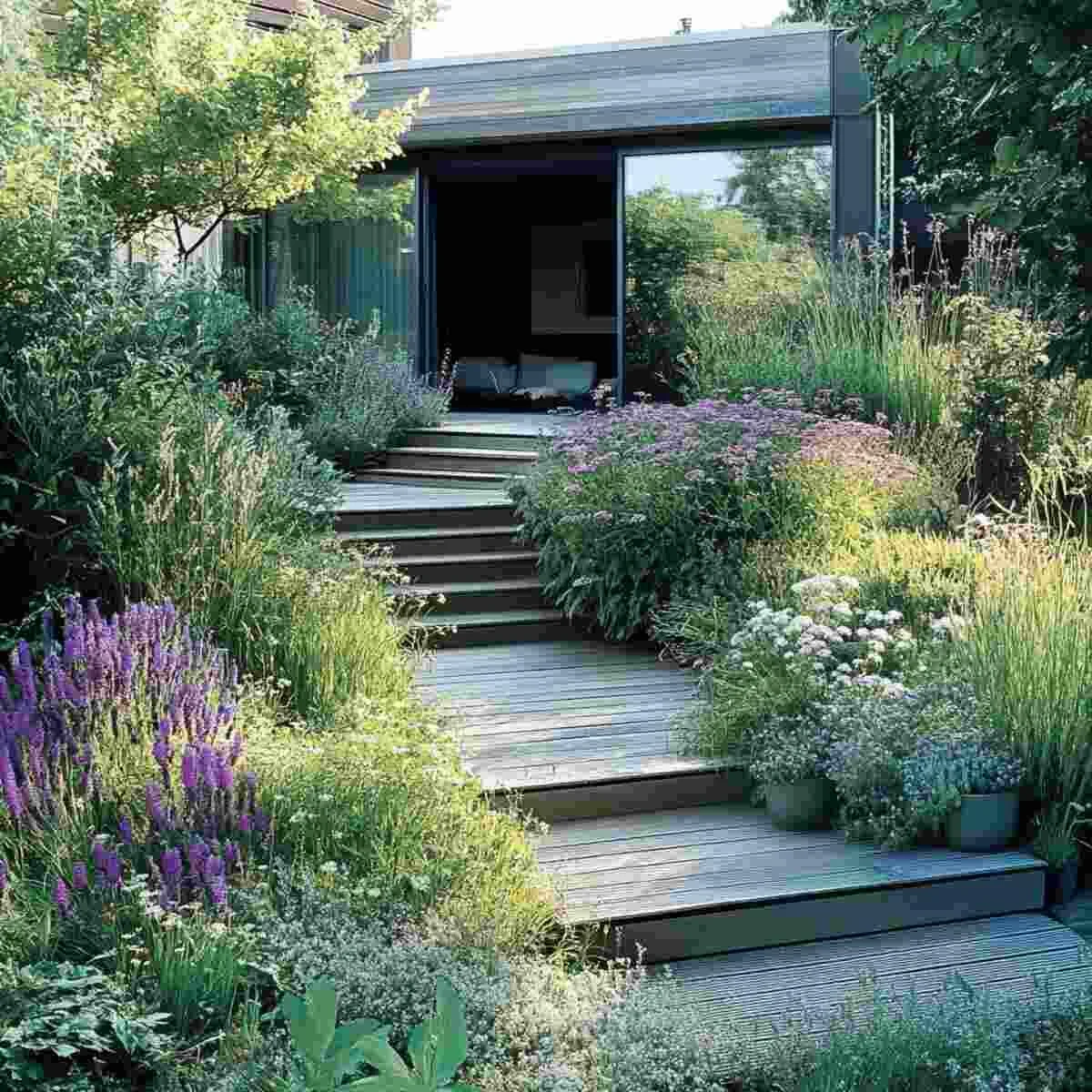
Layered planting is one of the smartest long-term strategies for windy gardens because it reduces exposure at several heights at once. Trees, shrubs, perennials, and groundcovers each play a role, creating a more stable garden from top to bottom.
This approach often looks more natural than relying on a single hedge or wall, and it offers better habitat value too. Taller plants take the first hit, medium shrubs filter what remains, and lower planting benefits from the calmer zone created beneath them.
It is also one of the easiest ways to make a windy garden feel rich and full rather than sparse and overexposed.
Frequently Asked Questions
What is the best way to reduce wind in a garden?
The most effective solution is usually a filtered windbreak, such as a hedge, layered planting, or a slatted screen. These reduce wind speed without creating the turbulence that often happens behind completely solid barriers.
Which plants cope best in windy gardens?
Plants with flexible stems, small or narrow leaves, silver foliage, deep roots, or naturally tough growth habits usually perform best. Ornamental grasses, many coastal plants, native species, hardy shrubs, and drought-tolerant perennials are often reliable choices.
Are solid fences good for windy areas?
They can help, but fully solid fences may create strong turbulence on the sheltered side if they take the full force of the wind. Slatted fencing, planted screens, or mixed barriers often perform better overall.
Can you grow vegetables in a windy garden?
Yes, but it helps to choose lower-growing crops, use cloches or small sheltering barriers, and place the patch where it gets some protection from hedges, walls, or screens.
How do I stop soil from drying out so fast in wind?
Mulching is one of the most effective steps. It helps hold moisture, protects the soil surface, and supports better root health. Gravel, bark, and other heavier mulches are especially useful depending on the style of garden.
Final Thoughts
A windy garden becomes much easier to manage when you stop treating the wind as a one-off problem and start designing for it from the ground up. Shelter, weight, smart plant choice, and layered structure all matter. Once those pieces are in place, even exposed sites can feel calm, productive, and beautifully planted.
Written by the Zeeshe Home Editorial Team, a blog focused on practical home, garden, and outdoor inspiration.


