Looking for simple and natural ways to keep pests away while making your garden feel more beautiful and inviting at the same time?
One of the nicest things about growing herbs is that they do much more than flavor food. Many herbs naturally contain strong aromatic oils that insects dislike, which makes them incredibly useful around vegetable gardens, patios, walkways, and flower beds.

Instead of relying heavily on chemical sprays, gardeners have used fragrant herbs for generations to help discourage mosquitoes, aphids, flies, beetles, moths, and other unwanted pests. Some herbs mask the scent of nearby plants, while others release oils that insects actively avoid.
What makes herb borders especially appealing is that they combine beauty with practicality. You’re not just planting something functional — you’re also creating soft textures, seasonal flowers, layered greenery, and wonderful scents throughout your outdoor space.
Another benefit is flexibility. Herb borders work in small raised beds, cottage gardens, modern landscapes, and even balcony planters. Many of these plants are surprisingly low-maintenance once established, making them ideal for gardeners who want a natural approach without adding too much extra work.
If you enjoy practical garden ideas that also improve the atmosphere of your outdoor space, you may also like these creative herb garden ideas for patios, balconies, and backyard spaces.
My Experience with Herb Borders
One thing I’ve noticed over the years is that herb borders completely change how a garden feels. Instead of looking purely decorative, the space starts feeling more alive and sensory. Walking past rosemary, lavender, basil, or mint after rain releases scents that make the entire garden more enjoyable.
I originally started planting herbs mainly for cooking, but I quickly realized they were also helping nearby plants stay healthier. My patio became noticeably more comfortable during mosquito season after adding large pots of lemongrass and lavender around seating areas.
Another advantage is that herb borders tend to attract beneficial pollinators while discouraging some common pests. Bees, butterflies, and helpful insects often love the flowers, which creates a healthier overall garden environment.
How to Build a Successful Herb Border
- Choose herbs based on your local climate and sunlight
- Mix tall and low-growing plants for a layered appearance
- Avoid overcrowding so air can circulate properly
- Use containers for aggressive spreaders like mint
- Combine flowering herbs with evergreen varieties for year-round interest
- Plant herbs near patios, walkways, and vegetable beds for the best results
1. Lavender Border
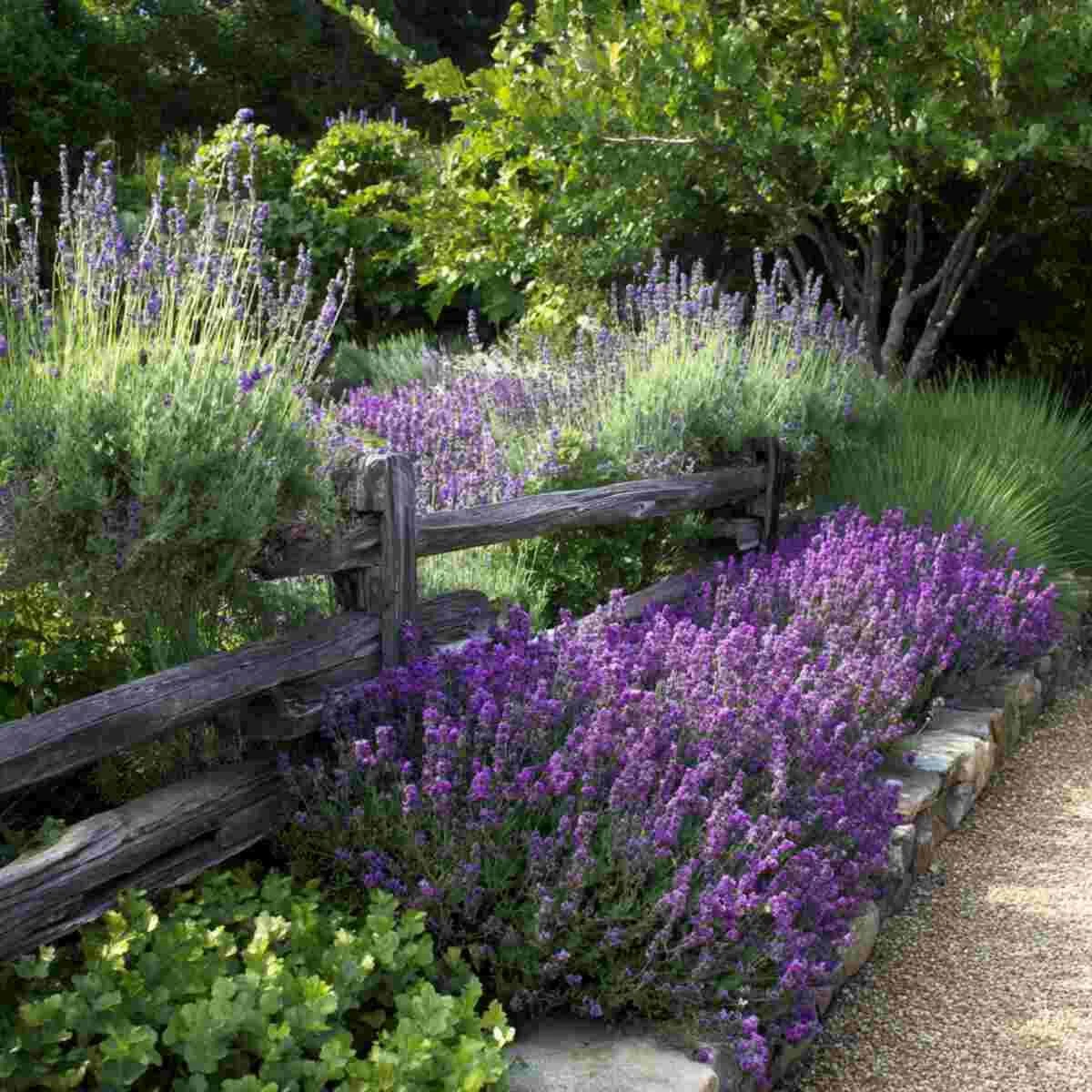
A lavender border adds far more than color to a garden. Its calming fragrance and soft purple blooms create a relaxed atmosphere while naturally discouraging mosquitoes, moths, and flies.
Lavender works especially well near patios, seating areas, and pathways where its scent can be appreciated daily. The silvery-green foliage also helps soften harder landscape edges and pairs beautifully with stone walkways or cottage-style gardens.
One reason gardeners love lavender is that it’s relatively drought-tolerant once established, making it both beautiful and practical in warmer climates.
2. Lemongrass Edging
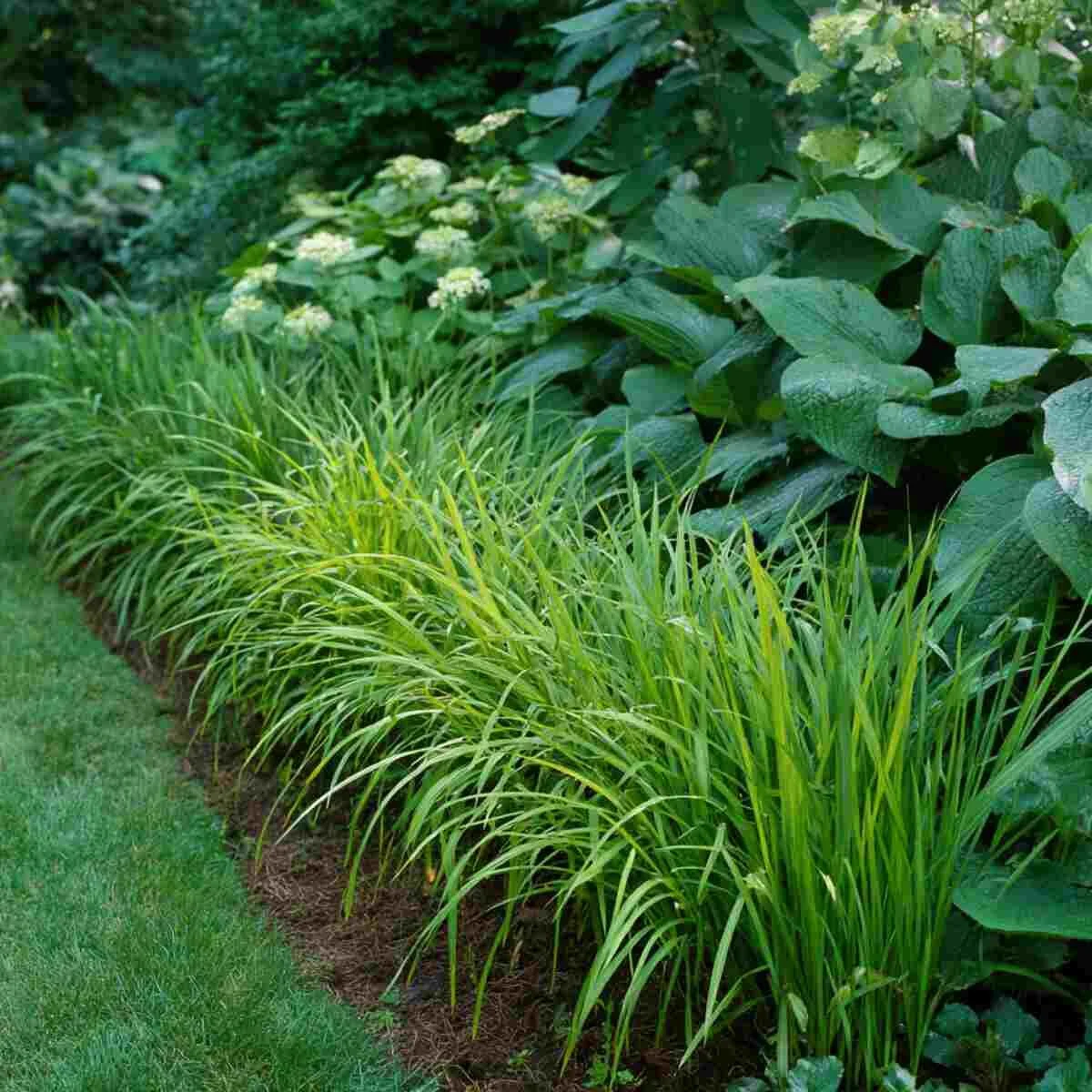
Lemongrass contains citronella, which is widely used in natural mosquito repellents. Planting it along the edges of your garden creates a soft, flowing border while helping reduce mosquitoes naturally.
The tall grassy texture also adds movement to the garden, especially when planted in groups. In smaller spaces, even a few clumps near outdoor seating areas can make a noticeable difference during warmer months.
Because lemongrass grows fairly large, it works best toward the back of borders or as a statement edging around larger beds.
See also: 21 Herb Garden Ideas for Your Kitchen, Patio, or Balcony
3. Basil-Lined Path
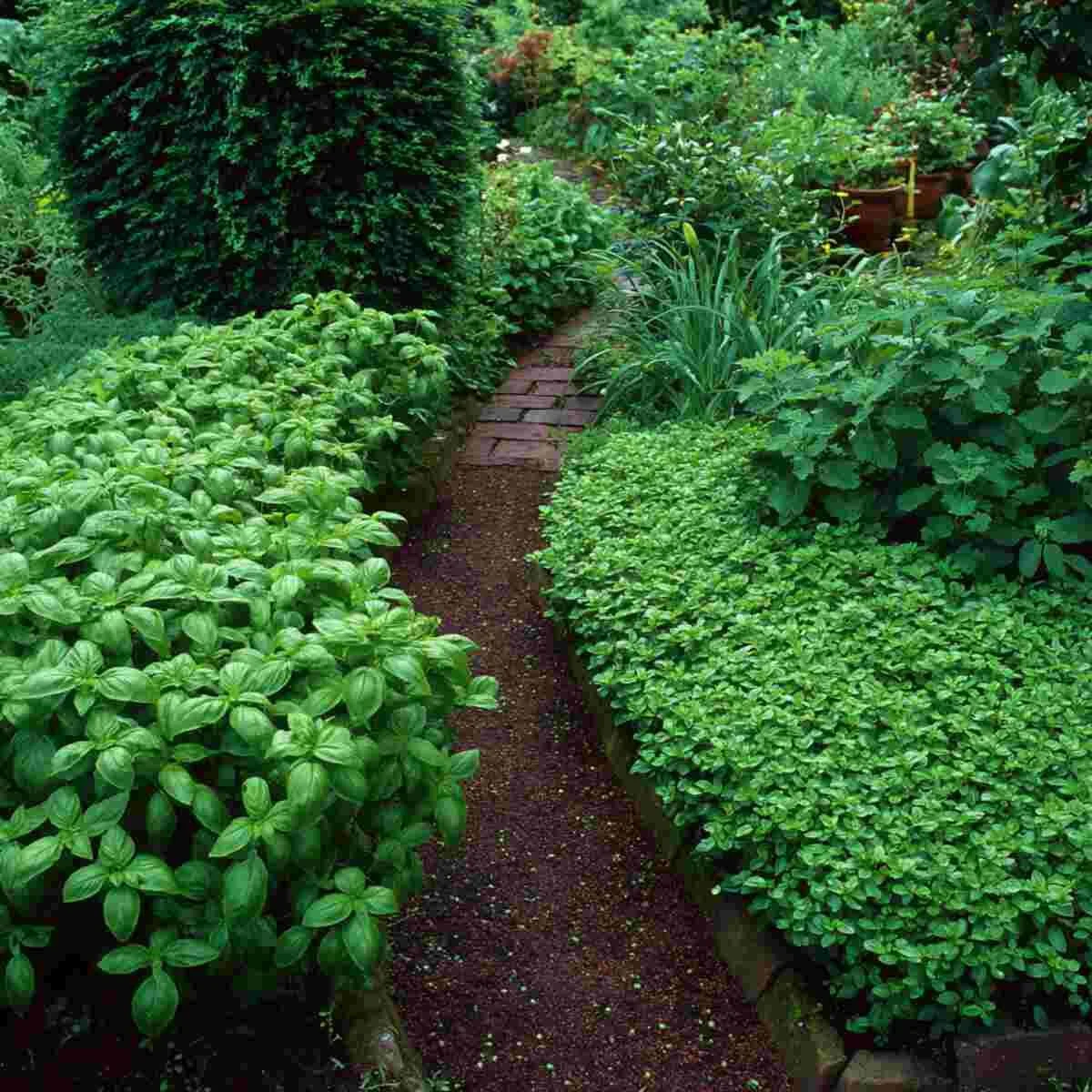
Basil is one of the easiest herbs to grow and one of the most rewarding. Its strong scent naturally discourages mosquitoes and houseflies while giving you a fresh culinary herb throughout the growing season.
Planting basil along pathways allows the leaves to release more fragrance whenever brushed lightly while walking past. Different basil varieties like Thai basil, purple basil, and sweet basil can also create beautiful color variation.
Regular harvesting encourages fuller growth, which helps keep the border looking lush and healthy.
4. Rosemary Hedge
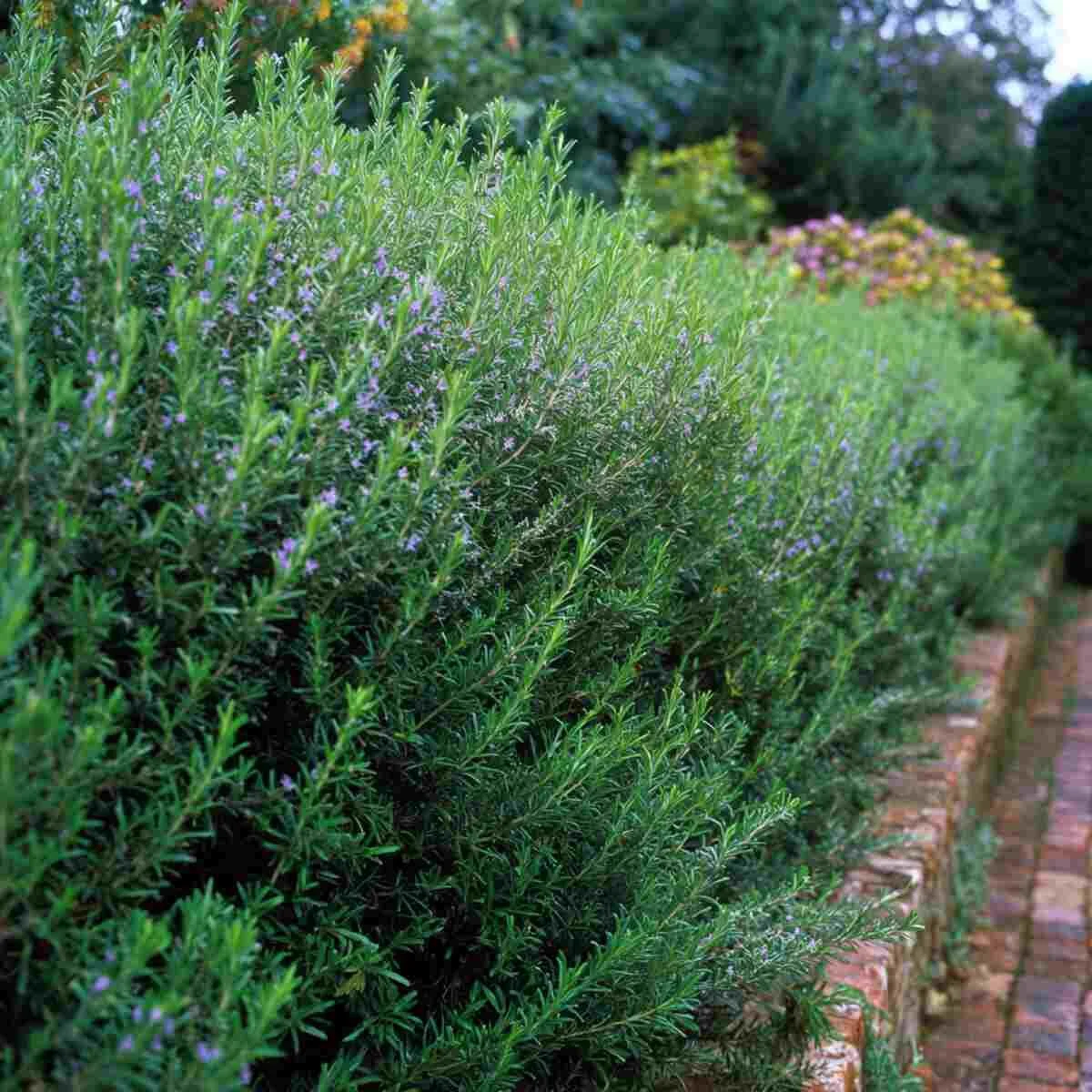
Rosemary creates one of the most durable and structured herb borders you can grow. Its woody fragrance naturally discourages mosquitoes, cabbage moths, and certain beetles while remaining attractive year-round in many climates.
Beyond pest control, rosemary also adds architectural structure to gardens. It pairs especially well with Mediterranean-style landscaping, gravel paths, and terracotta containers.
Allowing rosemary to flower occasionally also attracts pollinators that help support a healthier garden ecosystem.
5. Peppermint Strip
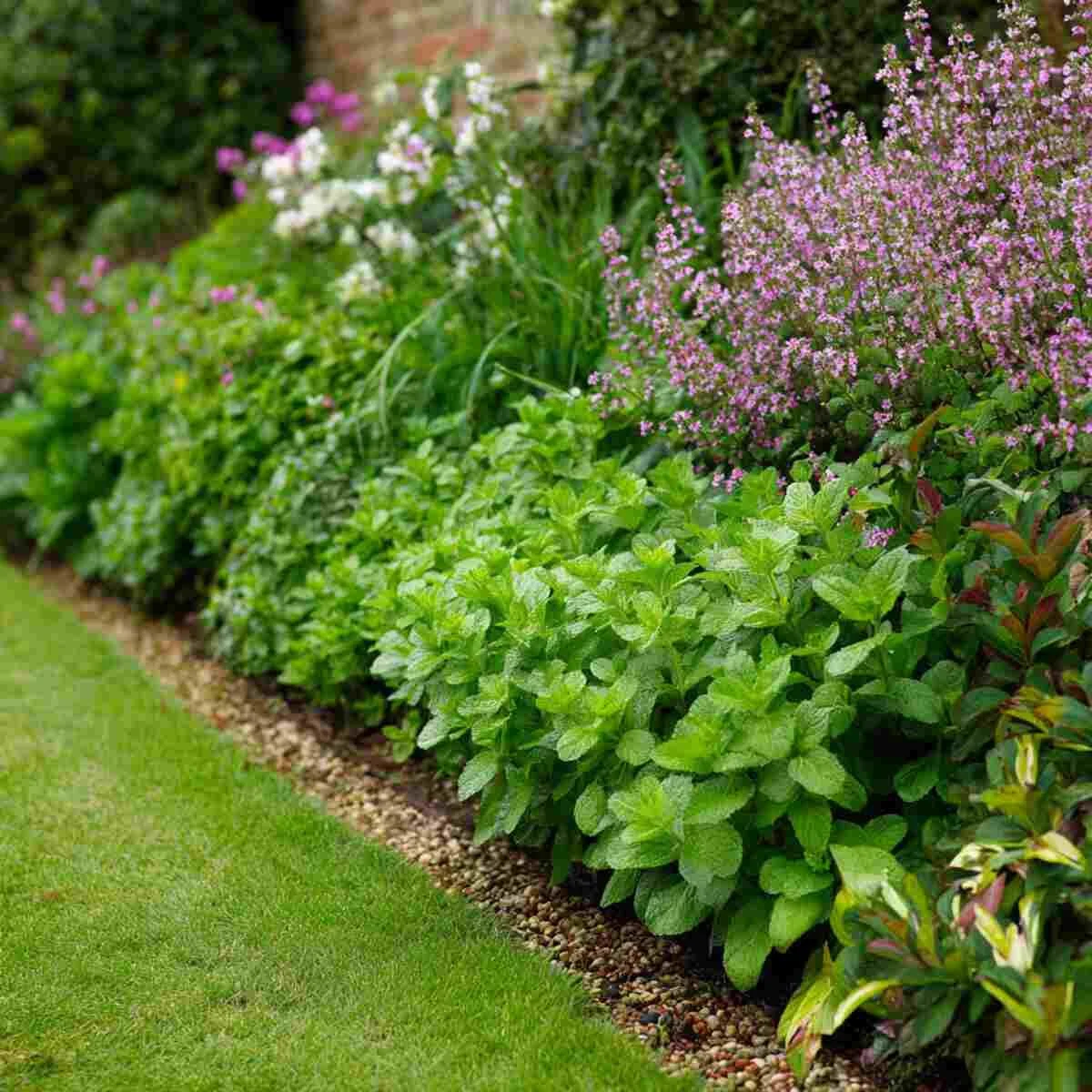
Peppermint has a fresh scent humans enjoy but many insects strongly dislike. Ants, mosquitoes, and spiders tend to avoid areas where peppermint grows densely.
Its rapid growth makes it highly effective, though many gardeners prefer growing it in containers or controlled sections to prevent spreading too aggressively.
Placed near patios or doorways, peppermint can help outdoor spaces feel fresher and more comfortable during summer evenings.
See also: 18 Hanging Herb Garden Ideas That Are Too Cool Not to Try
6. Citronella Grass Ring
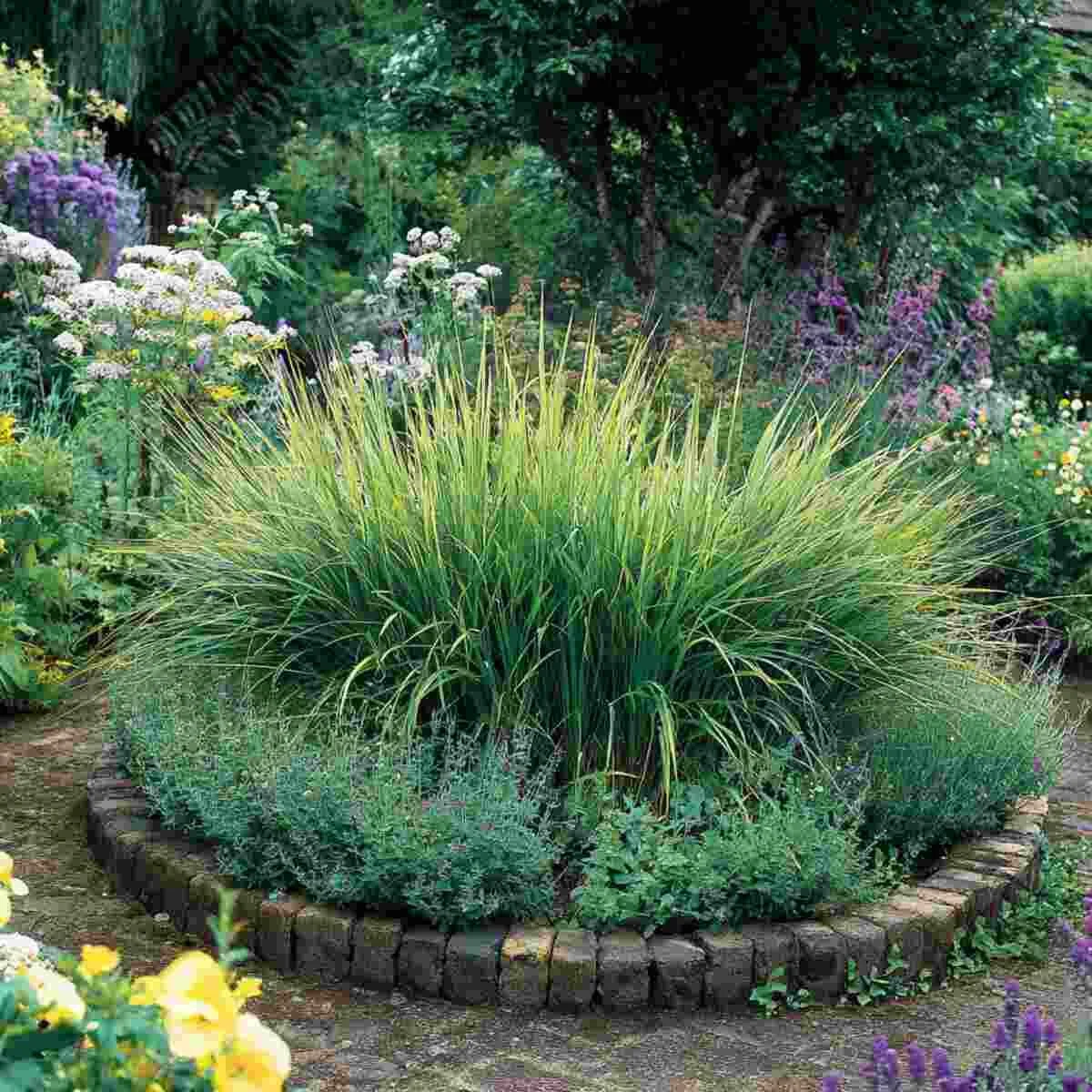
Citronella grass creates a tall and dramatic garden border while naturally masking scents that attract mosquitoes. Its citrus fragrance feels especially refreshing in warm weather.
Planted around outdoor gathering areas, citronella grass can help create a more comfortable atmosphere without relying entirely on sprays or candles.
The tall blades also add softness and movement to formal garden layouts that otherwise feel too rigid.
See also: 13 Gorgeous Drought-Friendly Herb Borders
7. Sage Border Row
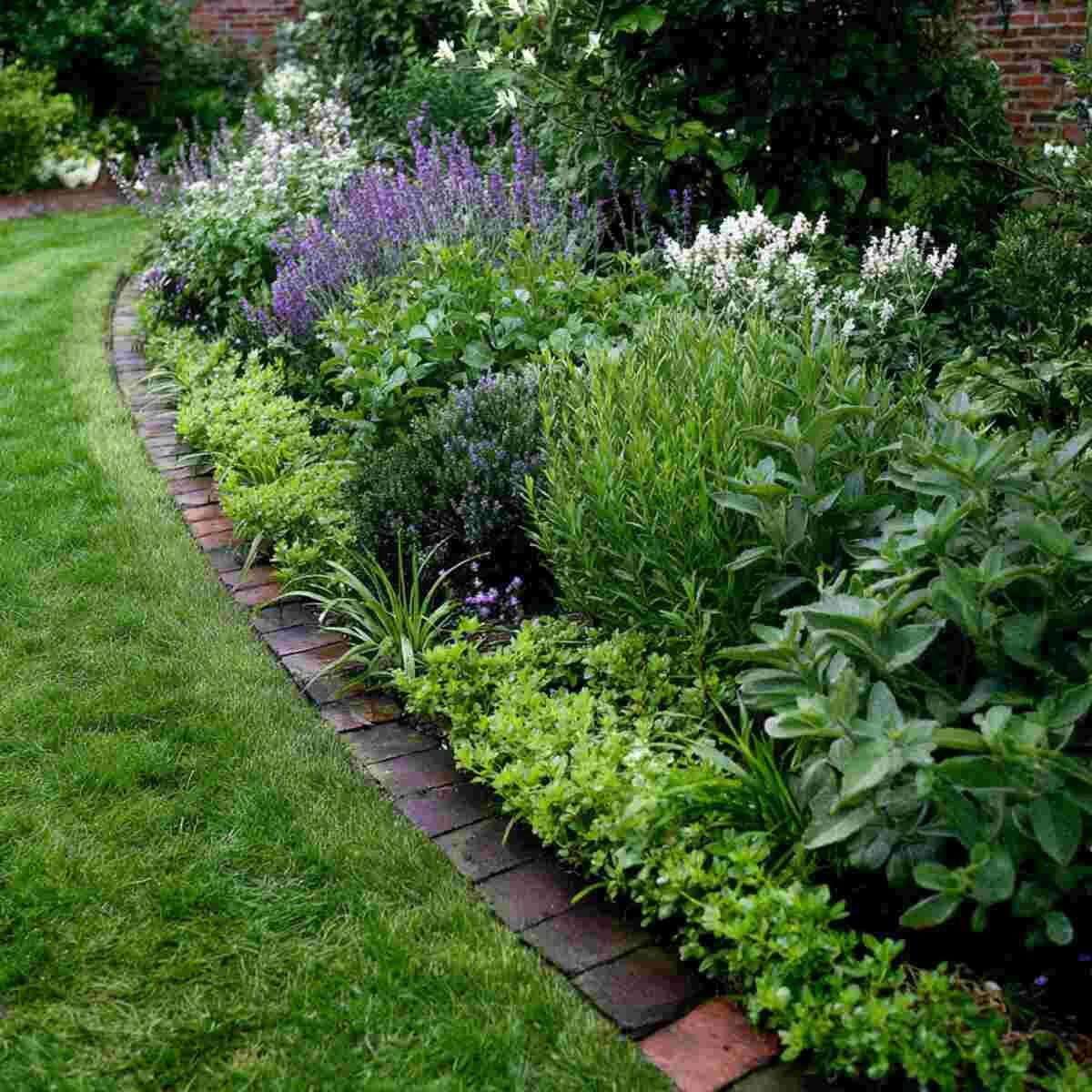
Sage produces an earthy aroma that many flying insects dislike. Its soft gray-green foliage also adds beautiful contrast alongside flowering plants and vegetables.
Because sage tolerates drier conditions fairly well, it’s an excellent choice for gardeners wanting lower-maintenance borders that still provide practical pest control benefits.
When allowed to flower, sage also becomes highly attractive to bees and beneficial pollinators.
8. Thyme Edging
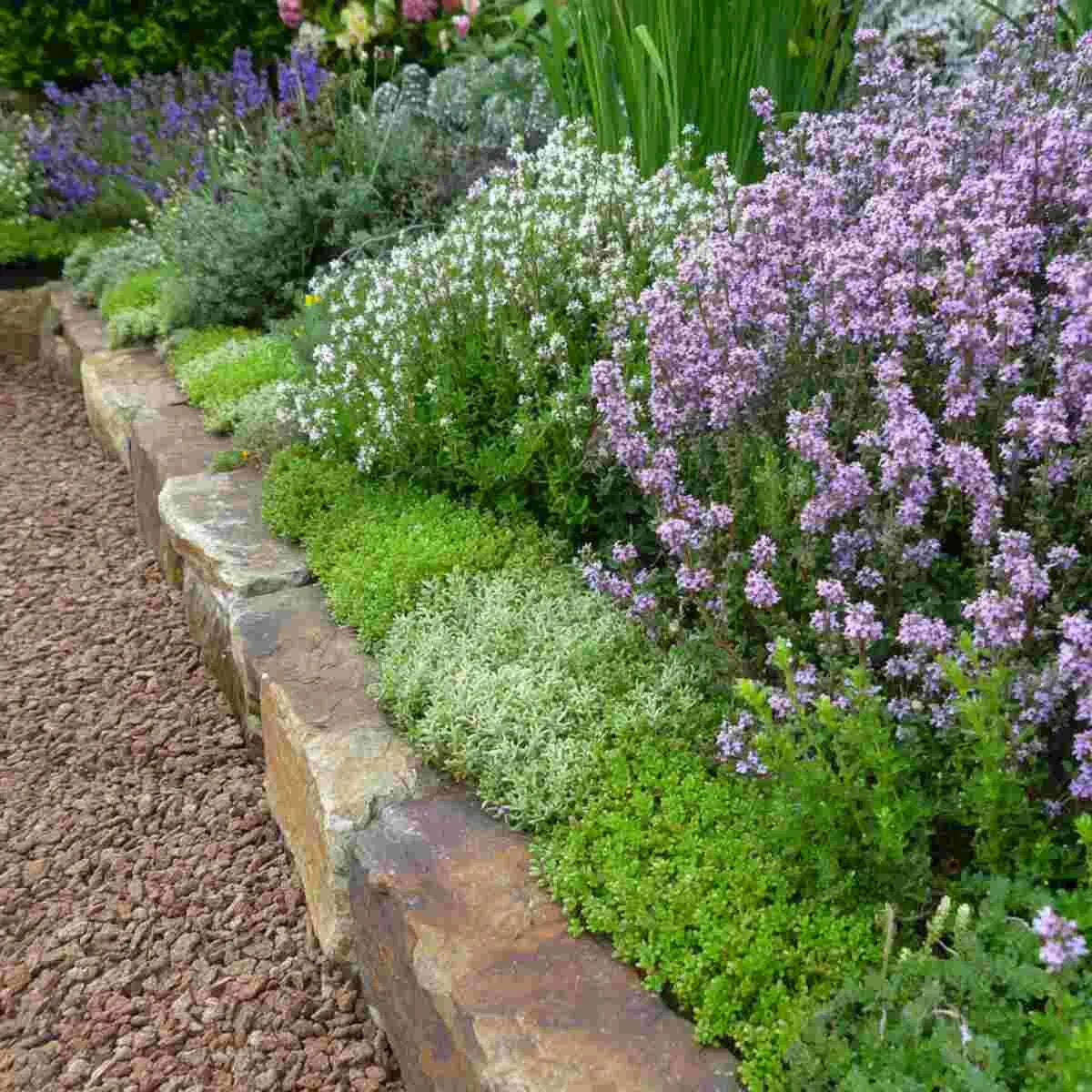
Thyme forms a compact and tidy edging that works beautifully around raised beds, stepping stones, and vegetable gardens. Its aromatic oils help discourage pests like whiteflies and cabbage worms.
Creeping thyme varieties are especially useful because they spread gently while remaining low enough to create clean border lines.
Some thyme varieties also release more fragrance when stepped on lightly, making them ideal near pathways.
9. Lemon Balm Line
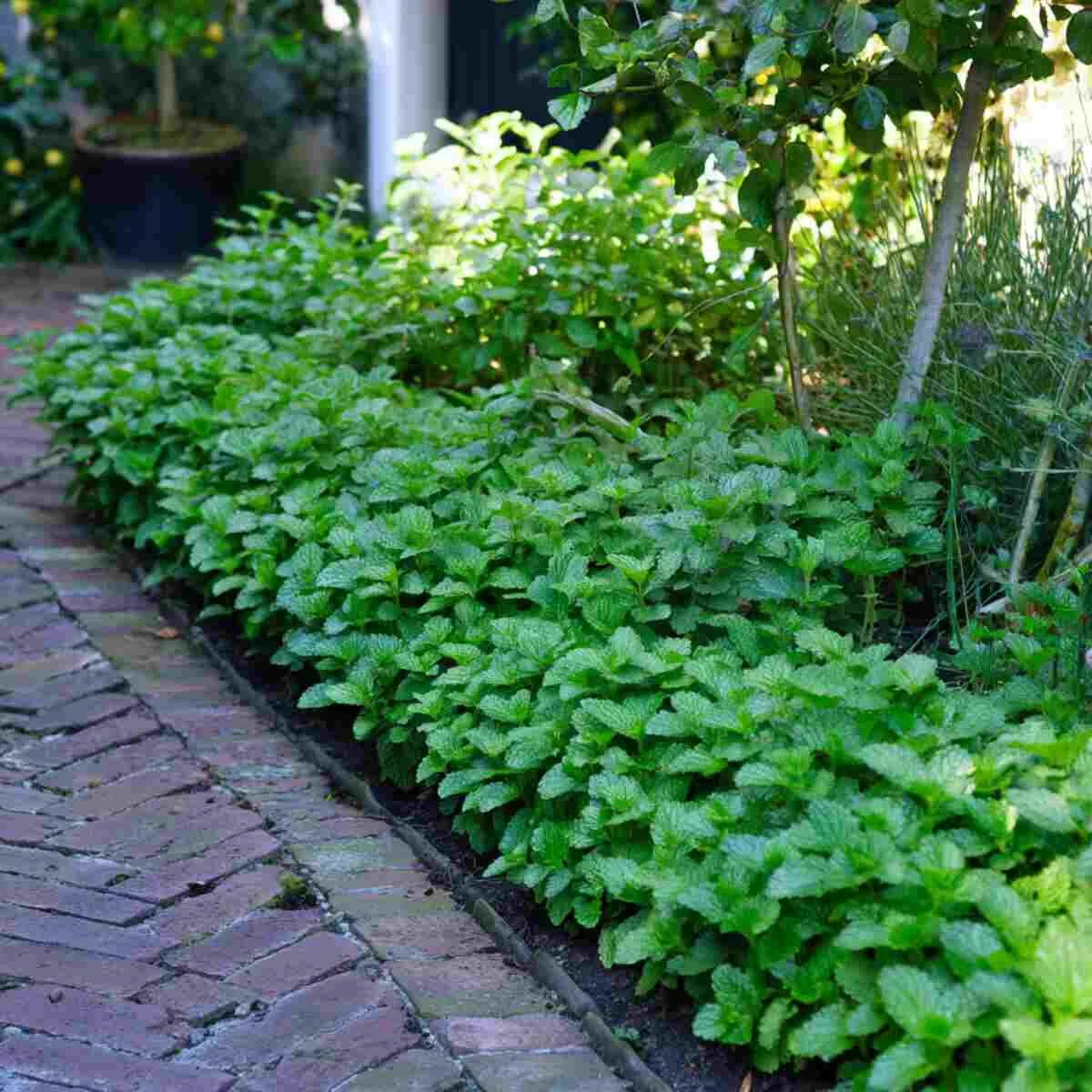
Lemon balm carries a bright citrusy scent that mosquitoes tend to avoid. The soft green leaves also make gardens feel lush and calming.
Many gardeners enjoy planting lemon balm near patios, porches, or windows where its fragrance becomes part of the outdoor experience.
Because it belongs to the mint family, occasional trimming helps keep the plants compact and manageable.
See also: 10 Fragrant Herbs to Grow for a Relaxing Garden Experience
10. Oregano Outline
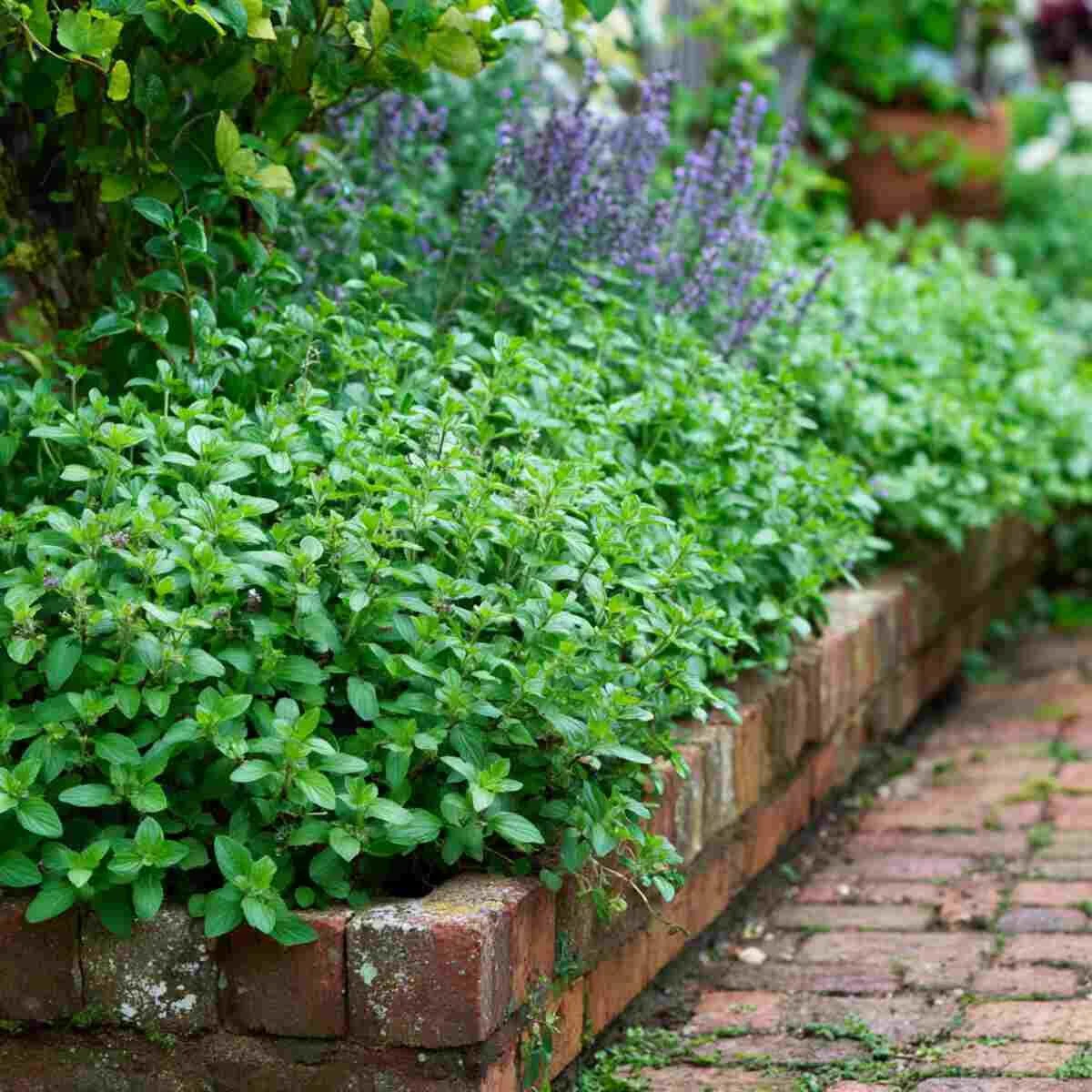
Oregano is often overlooked as a garden border plant, but its pungent scent helps discourage mosquitoes and aphids naturally. It also creates a soft spilling effect around raised beds and pathways.
Allowing oregano to flower occasionally can attract pollinators while still helping nearby vegetables stay healthier.
Its low-maintenance nature makes it ideal for gardeners wanting practical borders that don’t require constant care.
11. Catnip Perimeter
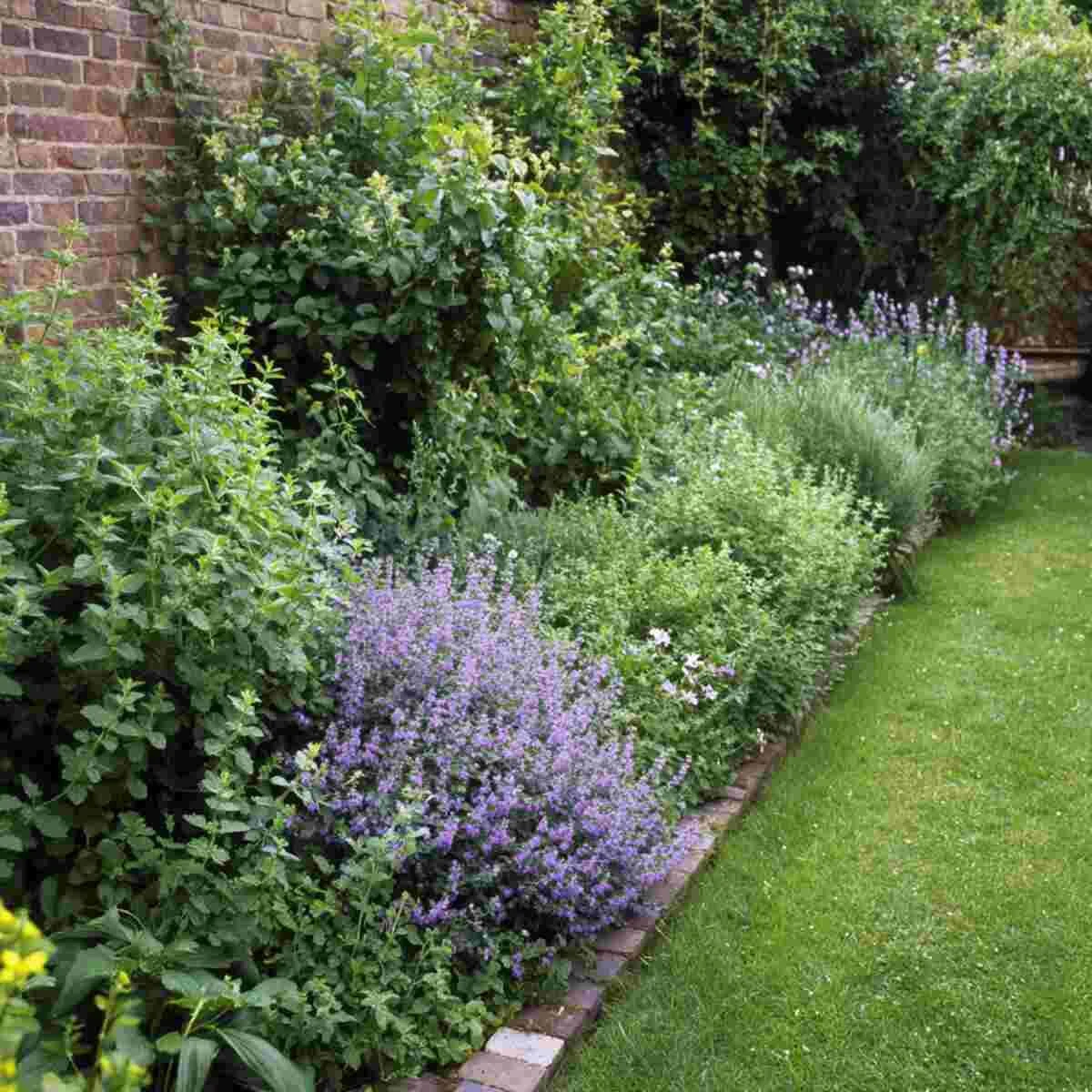
Catnip contains a compound called nepetalactone, which research has shown can repel mosquitoes effectively. While cats may absolutely love it, many insects do not.
A dense perimeter of catnip creates a soft cottage-garden appearance while adding natural bug resistance around vegetable beds and patios.
Because catnip spreads easily, regular pruning helps maintain a tidy appearance.
12. Marigold Herb Mix Border
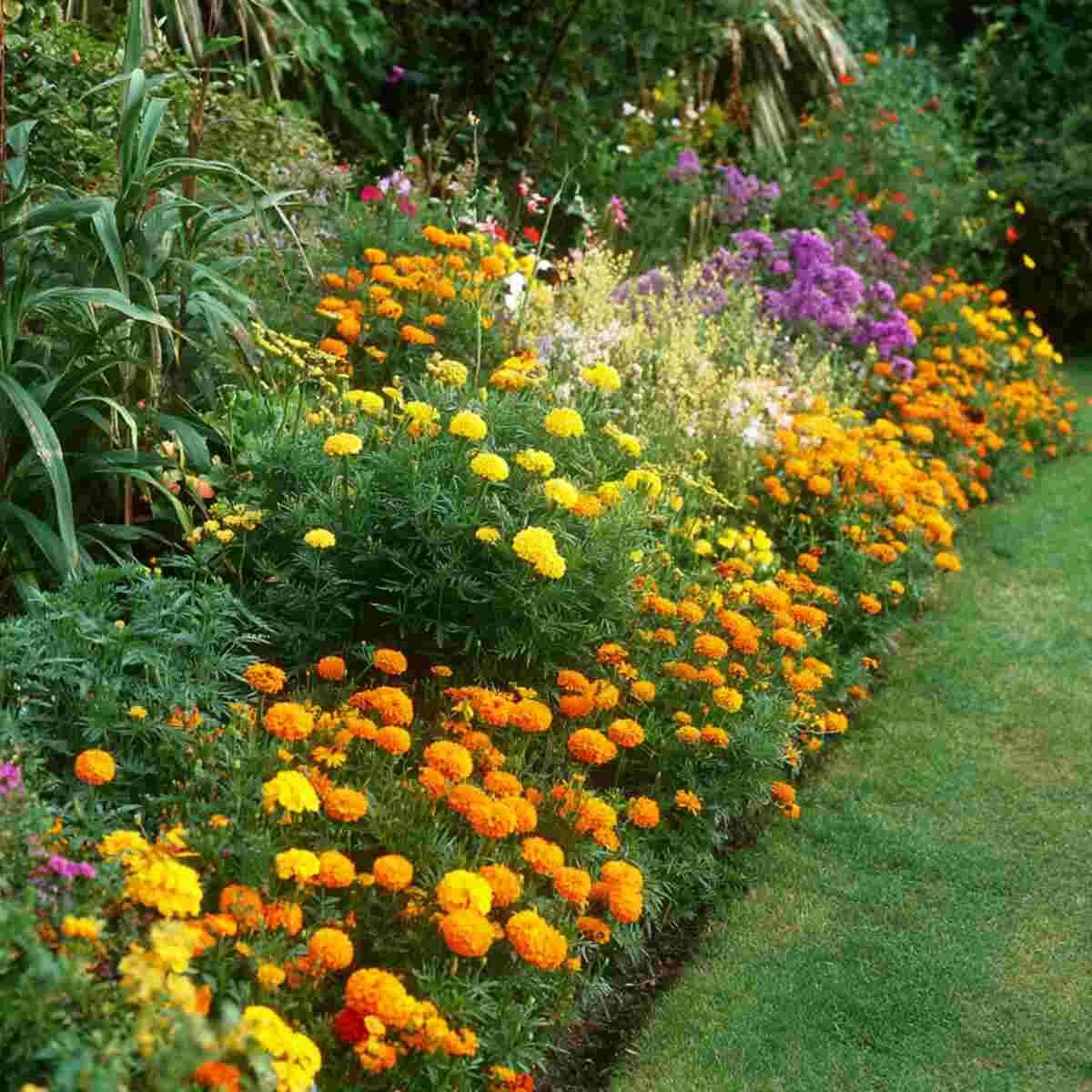
Although marigolds are flowers rather than herbs, they pair beautifully alongside aromatic plants and contribute strong pest-repelling properties. Their scent helps discourage aphids, mosquitoes, and even some soil pests.
Mixing marigolds into herb borders also introduces vibrant color that keeps the garden visually lively throughout summer.
French marigolds are especially popular in vegetable gardens because of their natural pest-deterring reputation.
13. Chives Edge Row
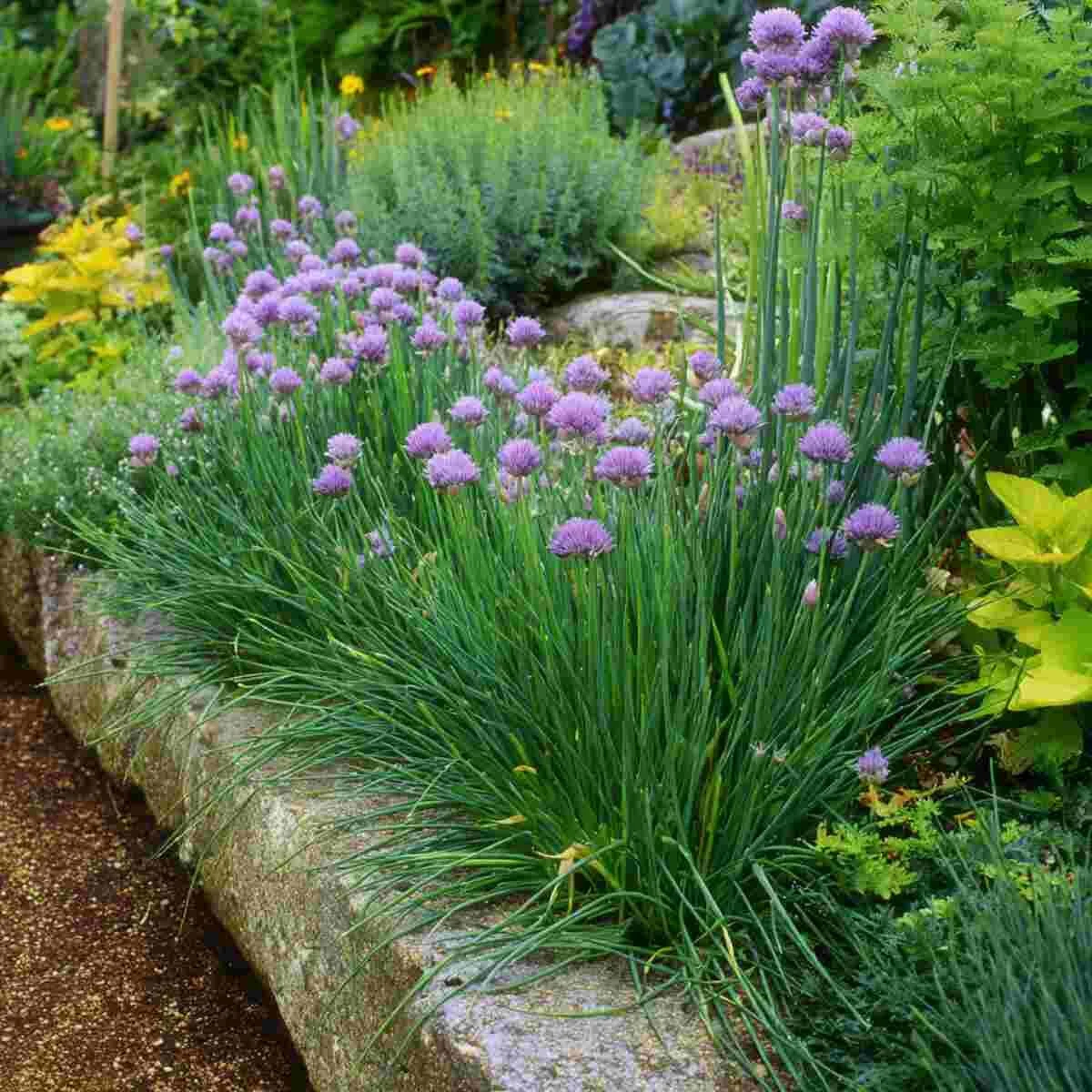
Chives release a mild onion-like scent that discourages aphids, Japanese beetles, and carrot flies. Their tidy clumping growth also makes them easy to manage in structured garden borders.
When flowering, chives add soft purple blooms that attract bees and beneficial pollinators to the garden.
Because they’re edible as well, they offer both practical pest control and kitchen usefulness.
14. Garlic Chive Fence
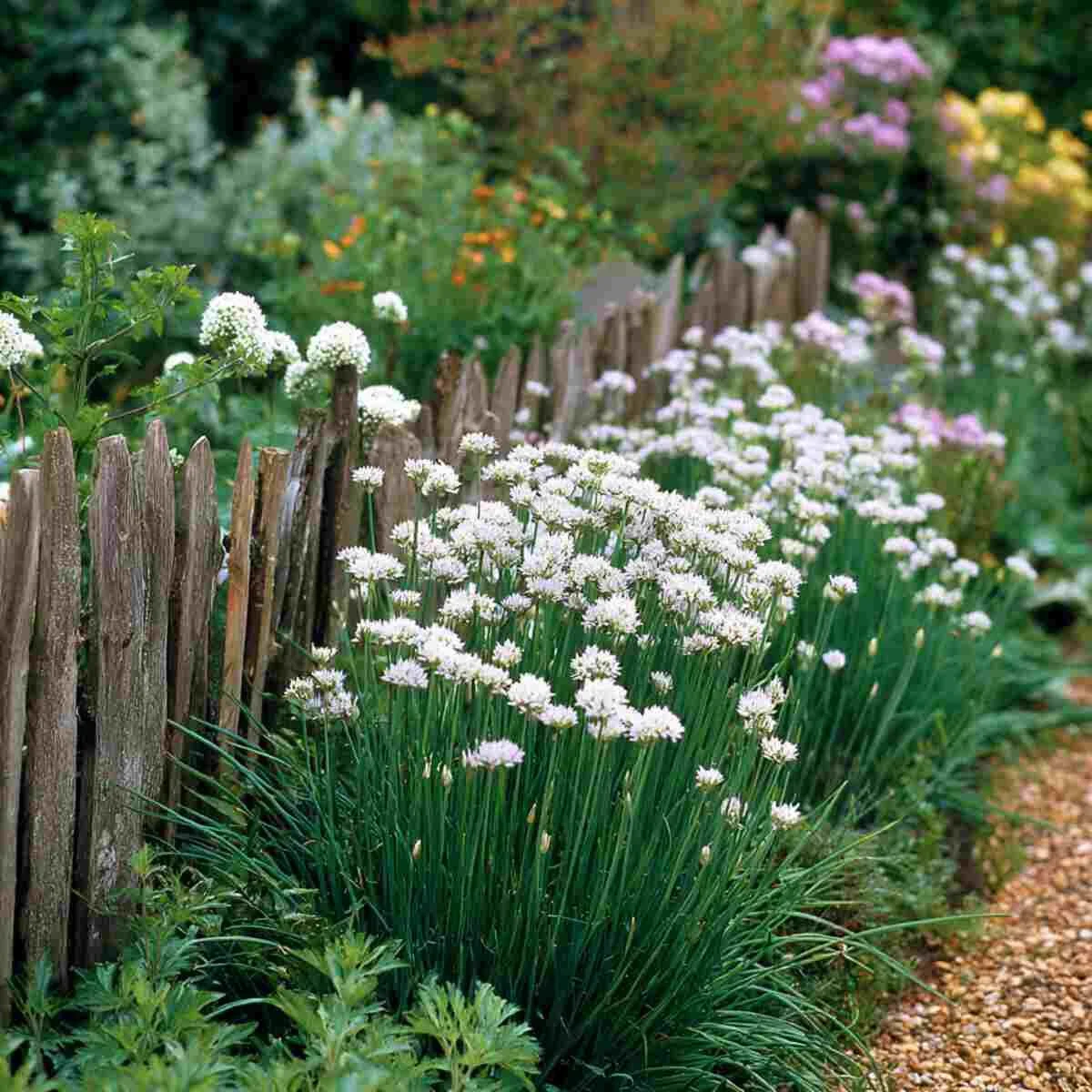
Garlic chives create a soft grassy border while producing a stronger scent that many pests avoid. Aphids, mites, and certain beetles tend to stay away from areas where garlic-family plants are growing.
The white flowers also add ornamental value and attract pollinators during warmer months.
As a bonus, garlic chives are highly useful in cooking and easy to harvest regularly.
15. Bay Leaf Hedge
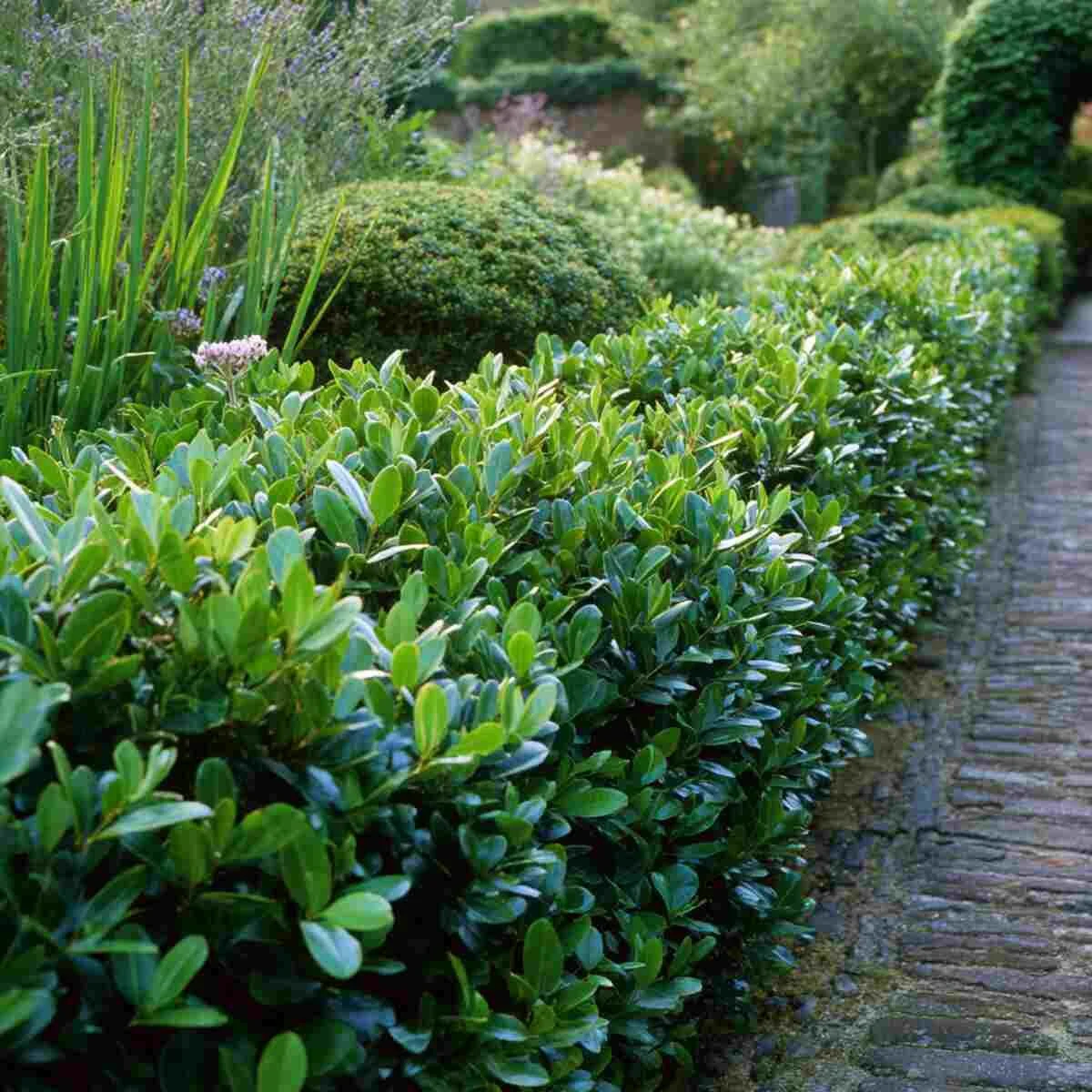
A bay leaf hedge creates a more refined and structured look while helping discourage flies, moths, and roaches naturally. Its glossy evergreen foliage also keeps the garden attractive year-round in suitable climates.
Because bay grows slowly, it works particularly well for gardeners wanting neat and manageable borders that don’t require constant trimming.
See also: 21 Creative Balcony Herb Garden Ideas for Small Spaces
16. Rue Strip
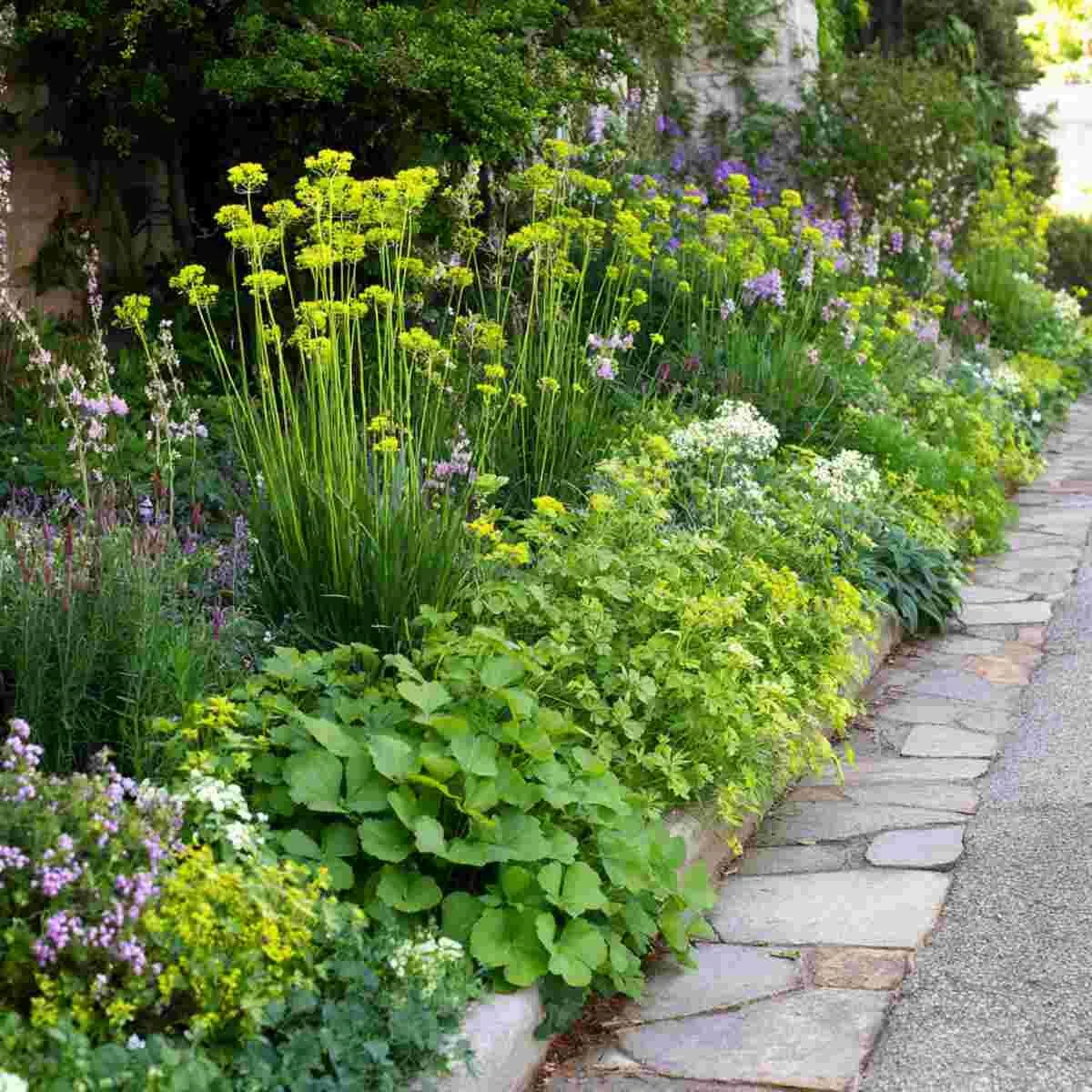
Rue has been used historically as a pest-deterring herb thanks to its bitter oils and strong fragrance. Its blue-green foliage also introduces unusual color into herb borders.
This herb performs especially well in dry sunny areas where other plants may struggle. However, gardeners should wear gloves when handling rue because some people experience skin sensitivity.
Its distinctive appearance makes it stand out beautifully among softer herbs and flowers.
17. Wormwood Margin
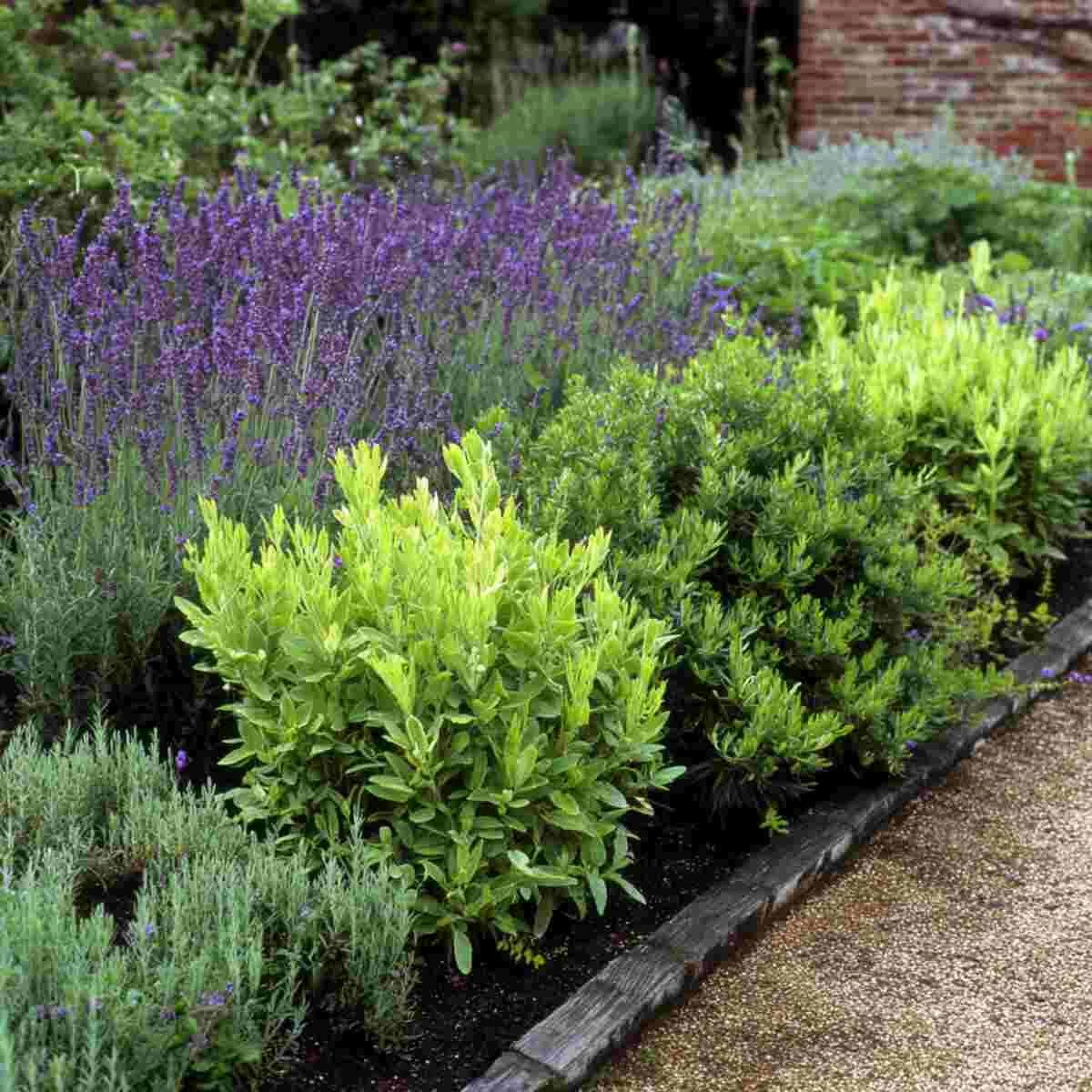
Wormwood contains strong aromatic compounds that discourage slugs, moths, fleas, and several other pests naturally. The silvery foliage also adds striking contrast throughout the garden.
Because wormwood has such a strong scent, it’s best used thoughtfully around garden edges rather than mixed too densely among delicate vegetables.
Its hardy nature and drought tolerance make it especially useful in sunny low-maintenance landscapes.
See also: 20 Best Herb Spiral Garden Ideas You’ll Love
Best Herb Borders for Common Garden Pests
| Pest | Helpful Herbs | Best Placement |
|---|---|---|
| Mosquitoes | Lavender, citronella, lemon balm, basil | Patios and seating areas |
| Aphids | Chives, oregano, marigolds | Vegetable beds |
| Moths | Rosemary, wormwood, bay leaf | Garden borders and pathways |
| Ants | Peppermint, sage | Near walkways and foundations |
Common Mistakes to Avoid
- Overcrowding herbs: Good airflow helps prevent mildew and weak growth.
- Ignoring spreading habits: Mint-family herbs can quickly take over small beds.
- Using only one plant variety: Mixed herb borders tend to create healthier ecosystems.
- Planting shade-loving herbs in full sun: Always match plants to your local growing conditions.
- Expecting instant pest removal: Herb borders help reduce pests naturally but work best as part of a balanced garden approach.
Frequently Asked Questions
Do bug-repelling herbs really work?
Many aromatic herbs contain natural oils that insects dislike. While they may not eliminate every pest completely, they can help reduce insect activity naturally around gardens and patios.
Which herb repels mosquitoes best?
Lavender, citronella grass, lemon balm, basil, and catnip are all commonly used for discouraging mosquitoes.
Can I grow these herbs in containers?
Absolutely. Herbs like mint, basil, rosemary, and lavender grow very well in containers and can still help create protective borders around patios and balconies.
Do herb borders attract pollinators too?
Yes. Many flowering herbs attract bees, butterflies, and beneficial insects that help support a healthier garden ecosystem.
Final Thoughts
Using herbs as garden borders is one of the simplest ways to combine beauty, fragrance, and practical pest control in one space. Instead of relying entirely on sprays or chemical solutions, these plants help create a healthier and more balanced garden naturally.
What makes herb borders especially rewarding is how much they contribute beyond pest management. They soften pathways, attract pollinators, provide fresh ingredients for cooking, and make outdoor spaces feel more sensory and relaxing.
Whether you plant a simple lavender edge or create a fully layered herb border with rosemary, basil, thyme, and marigolds, the result is a garden that feels more inviting for you while becoming far less welcoming for unwanted pests.
I’m the voice behind Bloomy Heaven, and I like to think of myself as your old friend and steady guide in this grand gardening adventure we’re on together.
My goal is to share the kind of honest, practical gardening knowledge that actually helps. Whether you’re growing herbs on a balcony, building raised beds, or simply trying to create a more peaceful backyard, I’m always happy to share ideas that make gardening feel a little more approachable and rewarding.