
Shady parts of the garden are often treated like problem areas, but they can be some of the most atmospheric and rewarding spaces to plant. The key is shifting expectations. Instead of chasing sun-loving flowers that will always struggle, lean into perennials that naturally thrive in lower light and bring texture, movement, and seasonal interest on their own terms.
A good shade garden is usually built in layers. Broad leaves, feathery fronds, ground-hugging spreaders, and a few well-placed flowers all work together to make dim corners feel lush rather than empty. These ideas focus on perennials that return year after year and help shaded beds feel intentional, settled, and genuinely beautiful.

1. Hosta Border Ideas for Full, Leafy Shade
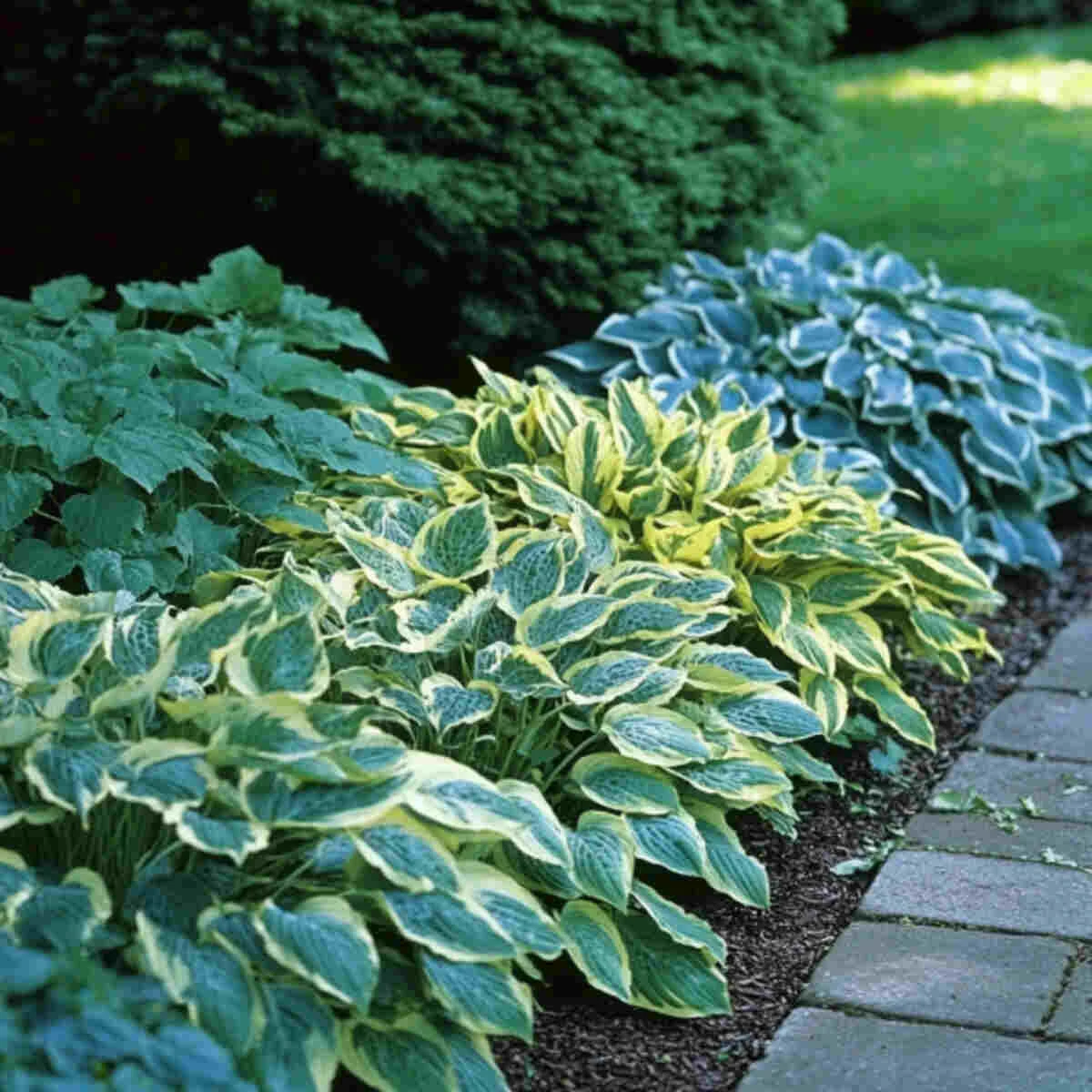
Hostas are one of the easiest ways to make a shaded border look generous and finished. Their leaves do most of the visual work, which is useful in places where flowers can be more limited. Large varieties create structure fast, while smaller forms are useful along path edges or in tighter planting pockets.
What makes hostas especially effective is the range of leaf colors and sizes available. Blue-green, chartreuse, variegated, and deep green types can all be layered together for a border that feels rich even without much bloom.
- Best for: Shaded borders, foundation planting, and under trees with enough moisture
- Design tip: Mix broad-leaved hostas with finer foliage nearby so the bed feels balanced
- Watch for: Slugs in damp gardens and sun scorch in brighter spots
2. Fern Garden Ideas for Woodland-Style Corners
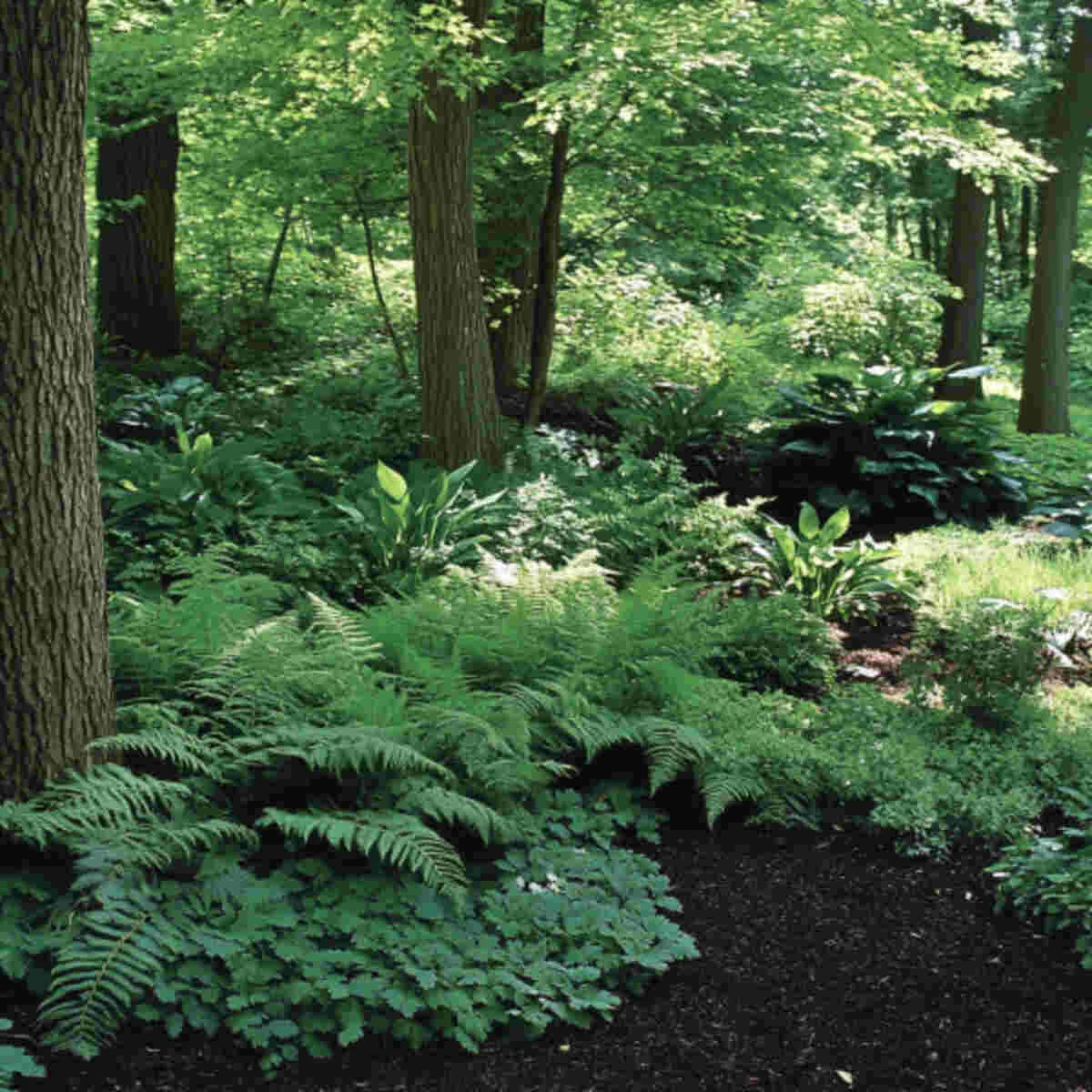
Ferns bring a calm, layered quality that suits deep shade beautifully. They are especially useful in parts of the garden that feel cool, enclosed, or naturally woodland-like, where more formal planting would feel out of place.
Their fronds soften walls, fences, and tree roots, making awkward corners feel established instead of neglected. In mixed shade beds, they are often the plant that helps the whole planting scheme feel more natural.
Use them where the soil stays reasonably moist and where you want texture rather than bright color to carry the design.
3. Astilbe Planting Ideas for Shade With Color
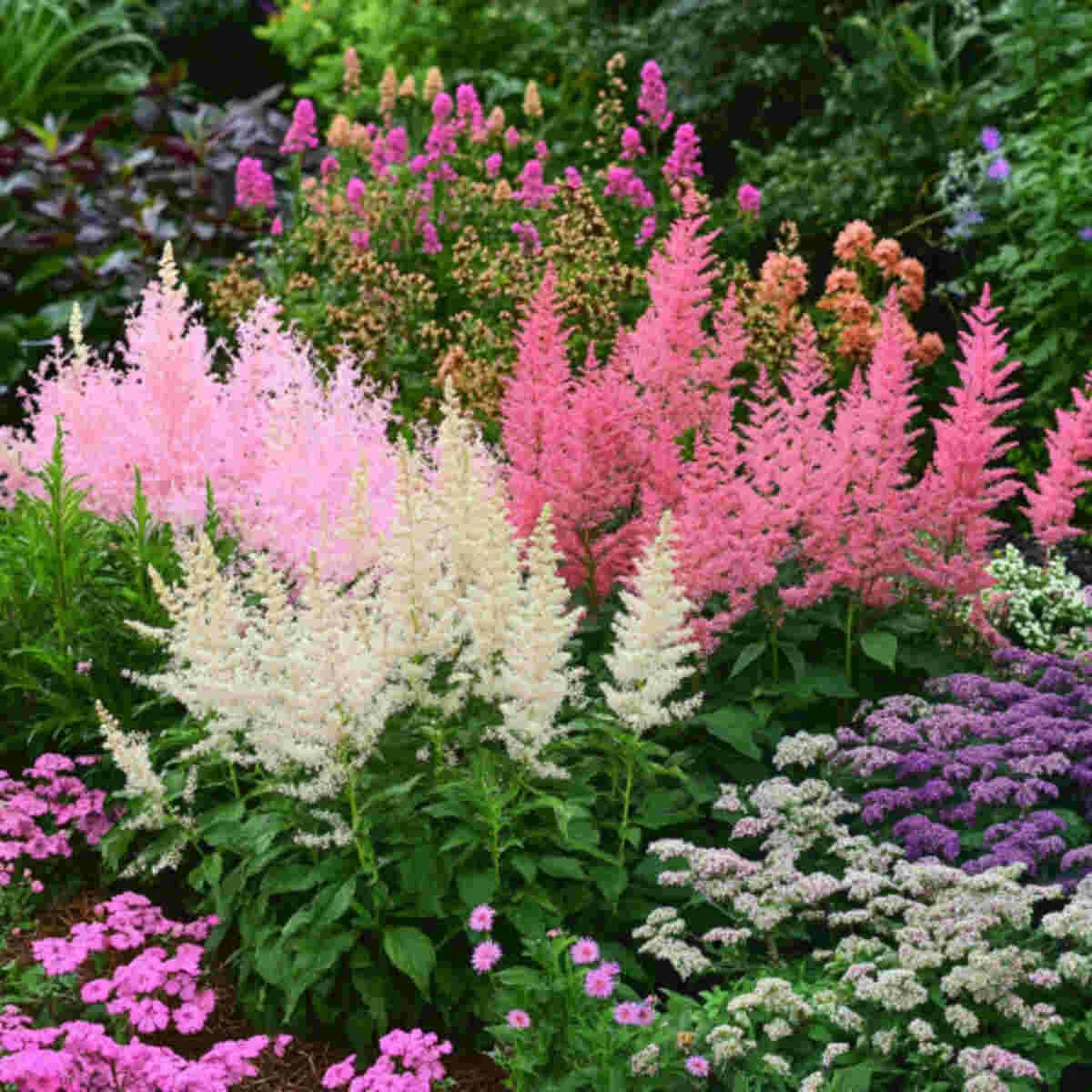
Astilbe is one of the best perennials for adding real flower color to a shady garden. The feathery plumes rise above tidy foliage and create a softer vertical accent that stands out even in dim planting beds.
It works particularly well in drifts, where the flower heads can repeat through the border and brighten areas that might otherwise lean too heavily on green foliage alone. Pink, white, coral, and red forms all bring a different mood, but all benefit from being planted in groups rather than as isolated specimens.
Astilbe is most rewarding in soil that does not dry out too quickly, especially in summer.
4. Hellebore Beds for Winter and Early Spring Interest
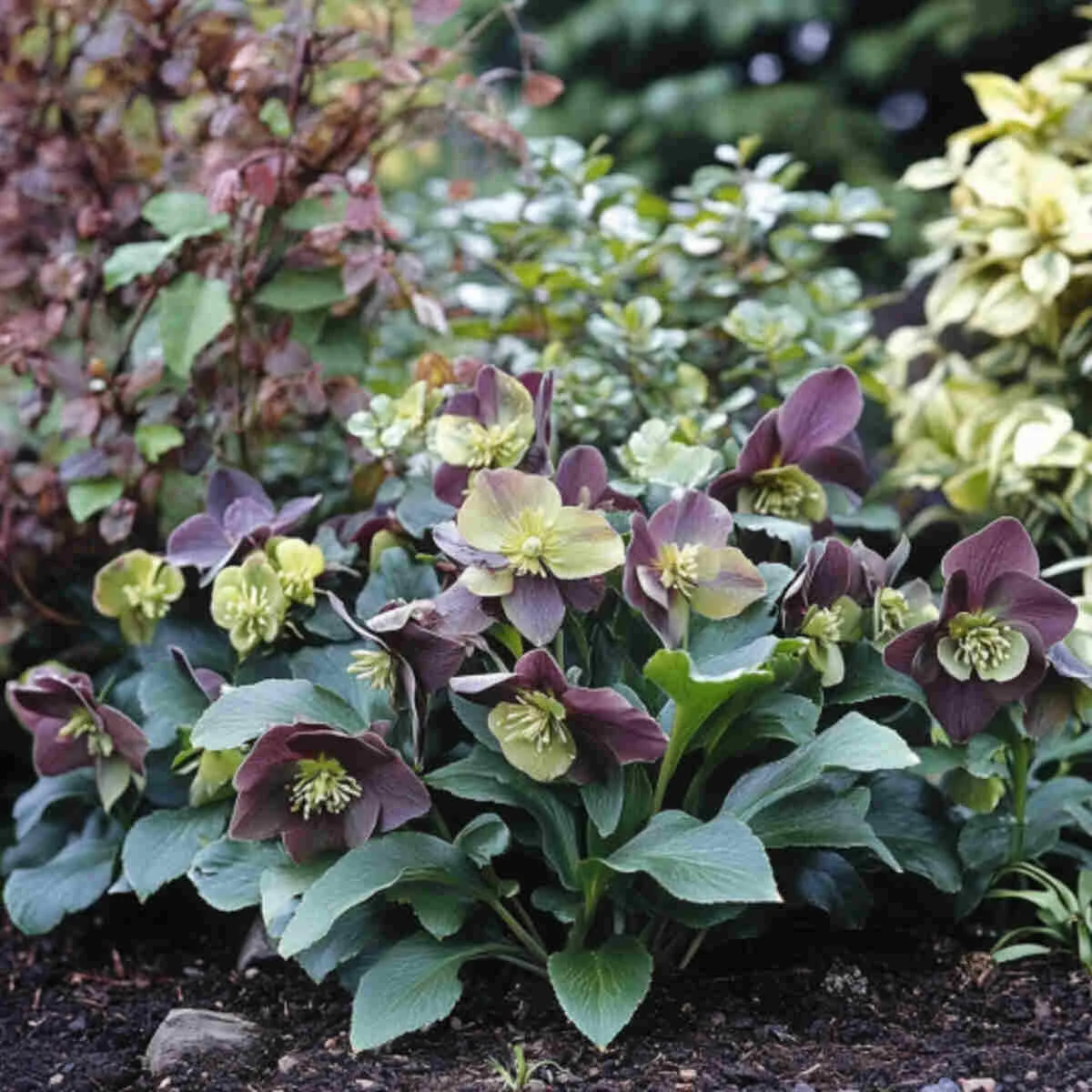
Hellebores earn their place in shade gardens by appearing when very little else is happening. Their flowers arrive in late winter or early spring, often just when the garden feels at its quietest, and that timing makes them especially valuable.
They also have a more refined, understated beauty than many spring flowers, which suits shaded settings well. Tucked along paths, beneath deciduous shrubs, or at the front of a border, they bring the kind of detail that rewards a closer look.
For the strongest effect, plant them where their flowers can be seen from above or along a route you use often in colder months.
5. Heuchera Pathway Ideas With Colorful Foliage
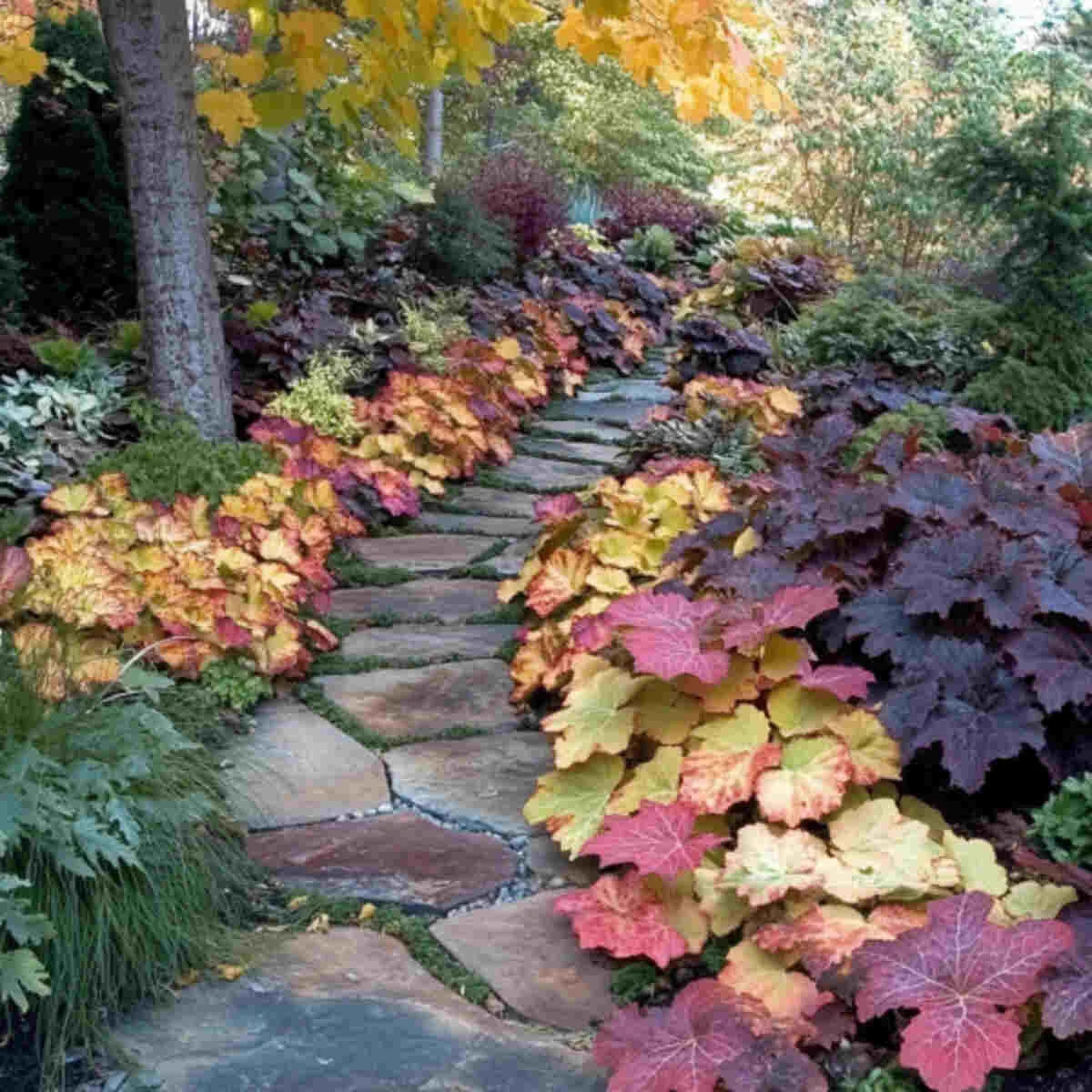
Heuchera is useful because it brings long-lasting color through the leaves rather than relying on a short flowering period. In shady paths and borders, that means you get months of visual interest from foliage in shades of plum, amber, silver, lime, and deep burgundy.
It is one of the easiest ways to brighten a darker planting scheme without introducing anything too flashy. The compact shape also makes it good for edging, front-of-border planting, and filling the gaps between larger perennials.
Use several foliage colors together if you want the path edge to feel more dynamic, but keep the palette controlled so it still reads as intentional.
6. Bleeding Heart Planting for a Romantic Shade Garden
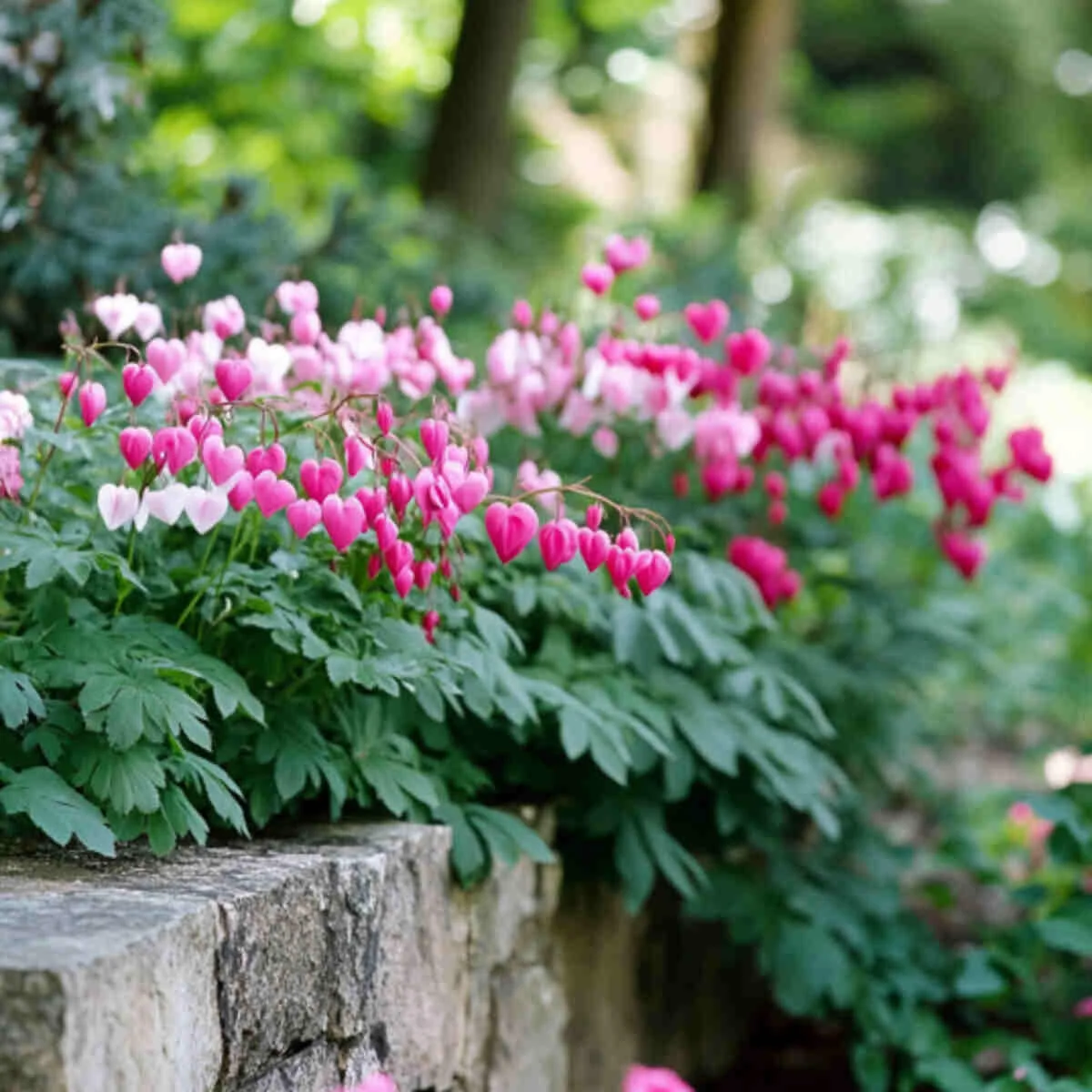
Bleeding heart brings a softer, more romantic quality to shady gardens. The arching stems and heart-shaped flowers feel delicate, but the plant is surprisingly effective at giving low-light areas a focal point during its blooming season.
It works beautifully in sheltered corners, near benches, or in woodland-style borders where the mood leans quiet and slightly old-fashioned. Because the foliage and flowers have a naturally graceful shape, this is one of the best choices for turning shade into something atmospheric rather than simply practical.
Pair it with ferns or hostas so the surrounding foliage carries the bed once flowering fades.
7. Solomon’s Seal Ideas for Graceful Vertical Movement
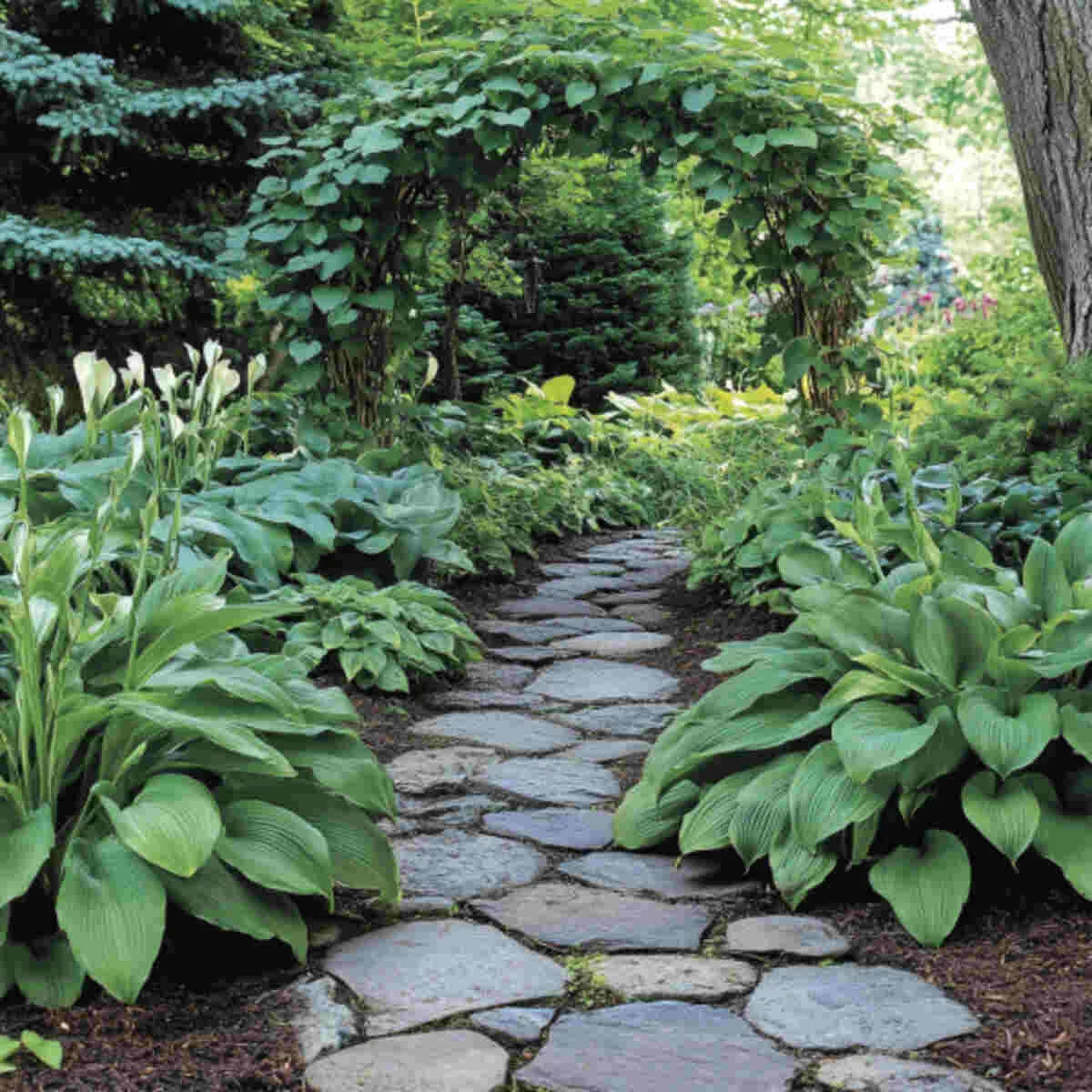
Solomon’s Seal is one of the most elegant plants you can add to a shade border. Its arching stems and dangling flowers introduce movement in a way that broad-leaved plants cannot, which helps the planting feel layered and less static.
It is especially effective among hostas, hellebores, and other lower foliage plants because the stems rise and curve above them so beautifully. In narrower beds, it also helps draw the eye along the planting without needing bright color to do the job.
This is a strong choice when a shady border has plenty of mass but needs a little more rhythm and lift.
8. Lungwort Patches for Early Flowers and Speckled Foliage
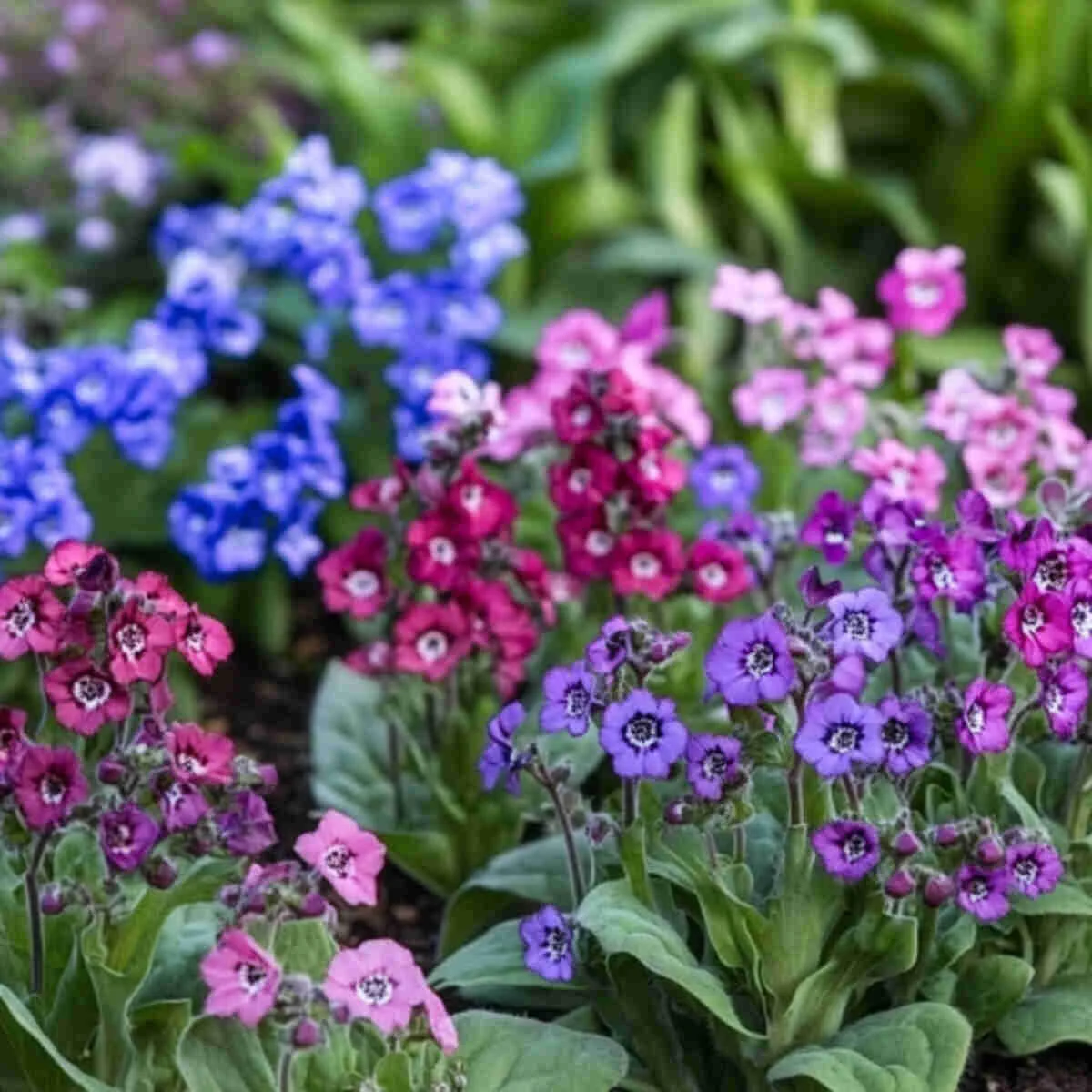
Lungwort is one of those shade plants that quietly offers more than expected. It flowers early, supports pollinators at a useful moment in the season, and keeps contributing long after bloom through its silver-speckled leaves.
That foliage is what makes it especially useful in shaded gardens. It helps catch light on the ground layer and keeps the bed from feeling too dark or visually flat. In drifts or repeated clumps, it can make the whole border feel brighter.
Use it where the garden needs both spring interest and a more decorative ground-level plant later in the year.
9. Japanese Forest Grass for Soft Movement at Ground Level
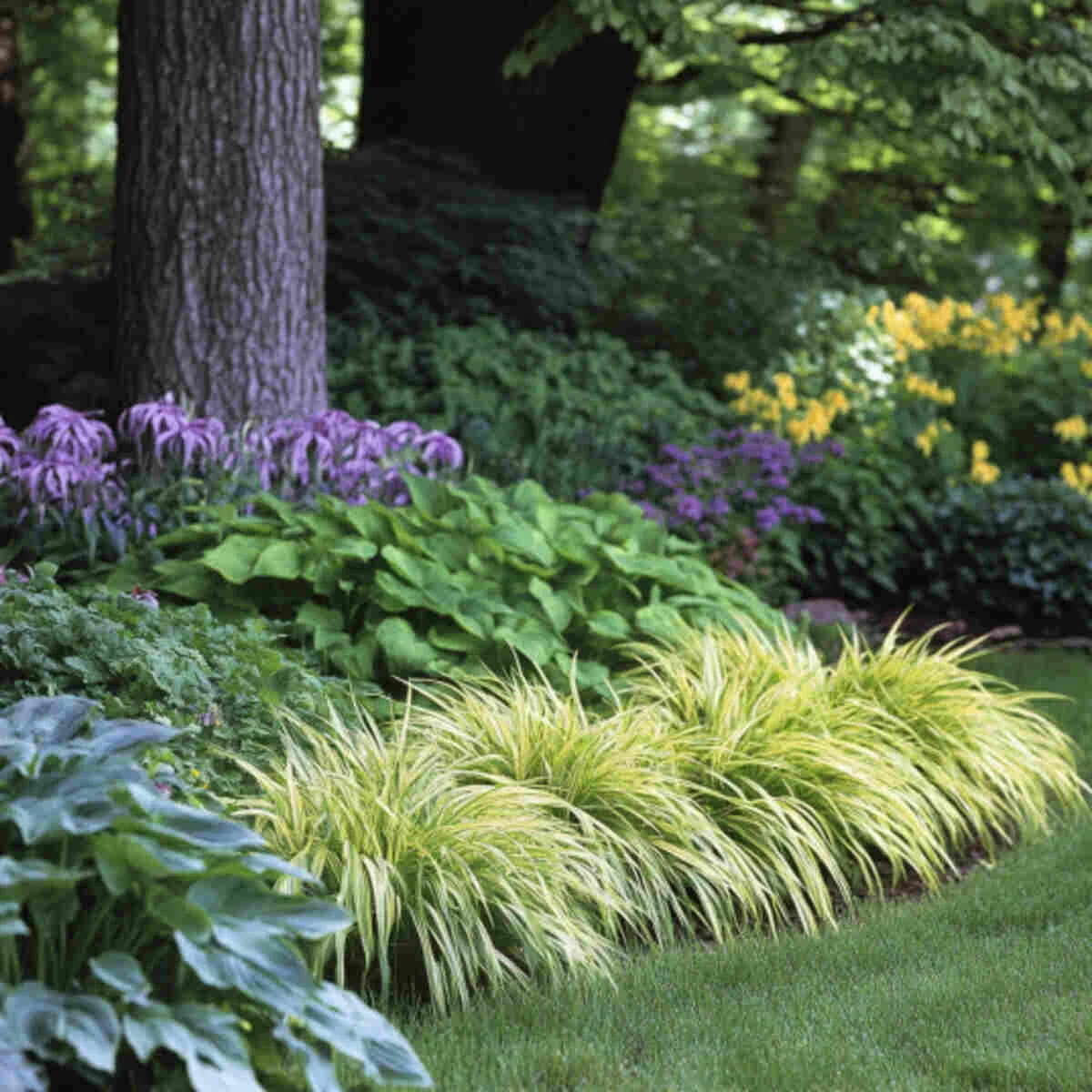
Japanese forest grass brings something many shade gardens lack: movement. Its flowing, arching habit softens edges, spills gently around stones and path lines, and adds a lighter note among chunkier shade plants.
It is especially effective in more refined or design-led shade gardens where the planting needs contrast in shape as much as contrast in color. Gold-toned varieties can also help brighten dim areas without relying on flowers.
Plant it where you can appreciate the way it drapes, such as beside a path, over a low wall, or at the front of a layered border.
10. Tiarella Ground Cover Ideas for a Softer Shade Floor
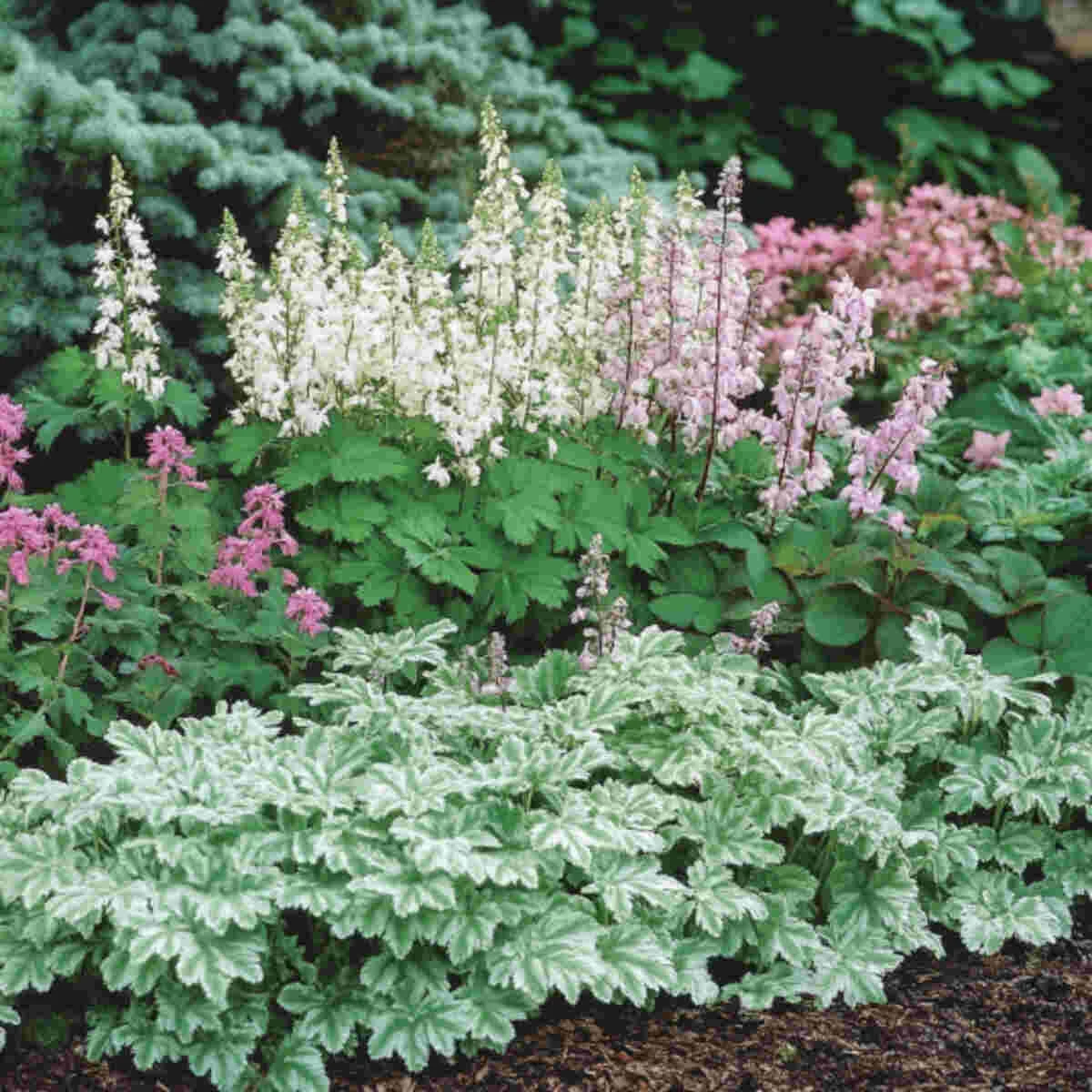
Tiarella, often called foamflower, is one of the most useful shade perennials for covering the ground without making the planting feel flat. It forms attractive leafy carpets and sends up delicate flower spikes that add charm in spring.
That makes it ideal for knitting a border together beneath larger plants. It can reduce the look of bare soil, help suppress weeds, and make the whole shade bed feel more complete and intentional.
It works especially well where you want a softer transition between taller perennials and the edge of the border.
Frequently Asked Questions
What perennials grow best in full shade?
Hostas, many ferns, hellebores, lungwort, Solomon’s Seal, and tiarella are all dependable choices for full shade, especially when the soil holds some moisture and the site is not overly dry from tree roots.
How do I make a shady garden look brighter?
Use plants with silver, chartreuse, or variegated foliage, and layer textures so the bed reflects light differently. Heuchera, lungwort, Japanese forest grass, and pale-flowering astilbe can all help a shaded area feel more luminous.
Do shade perennials still need watering?
Yes. Shade often means cooler conditions, but it does not always mean moist soil. Areas under trees or beside walls can be surprisingly dry, so newly planted perennials still need regular watering until established.
What is the easiest shade perennial for beginners?
Hostas are often the easiest starting point because they are forgiving, widely available, and visually effective almost immediately. Ferns and heucheras are also good beginner-friendly choices depending on the soil and moisture levels.
Final Thoughts
A shaded garden does not need to feel limited. In many ways, it opens the door to a different kind of beauty: calmer, greener, more textured, and often more atmospheric than a sun-filled border. With the right perennials, even the dimmest corner can become one of the most layered and inviting parts of the garden.
Written by the Zeeshe Home Editorial Team, a blog focused on practical home, garden, and outdoor inspiration.


