In many U.S. homes, the backyard fence is one of the largest surfaces in the garden—yet it’s often overlooked as growing space. With a bit of planning, that same fence can offer privacy, soften the look of your yard, and produce fresh food throughout the season.
If you’re working with a suburban backyard, a side yard, or even a compact patio garden, edible fencing is a practical way to make the most of vertical space. The key is choosing plants that suit your local climate, sunlight conditions, and the type of fence you already have in place.

A fence is often treated as a background element—necessary, but not especially useful. With the right planting, it can become one of the hardest-working features in your garden, offering privacy, structure, and a steady harvest within the same footprint.
Edible fencing works best when the planting is matched to the structure behind it and the climate around it. Lightweight climbers suit wire and trellis, fruiting canes create softer hedges, and trained trees bring order to tighter spaces. Think of your fence as vertical growing space—once you do, it opens up far more possibilities than a traditional garden bed.
Passion Fruit Vines for a Fast, Lush Privacy Screen
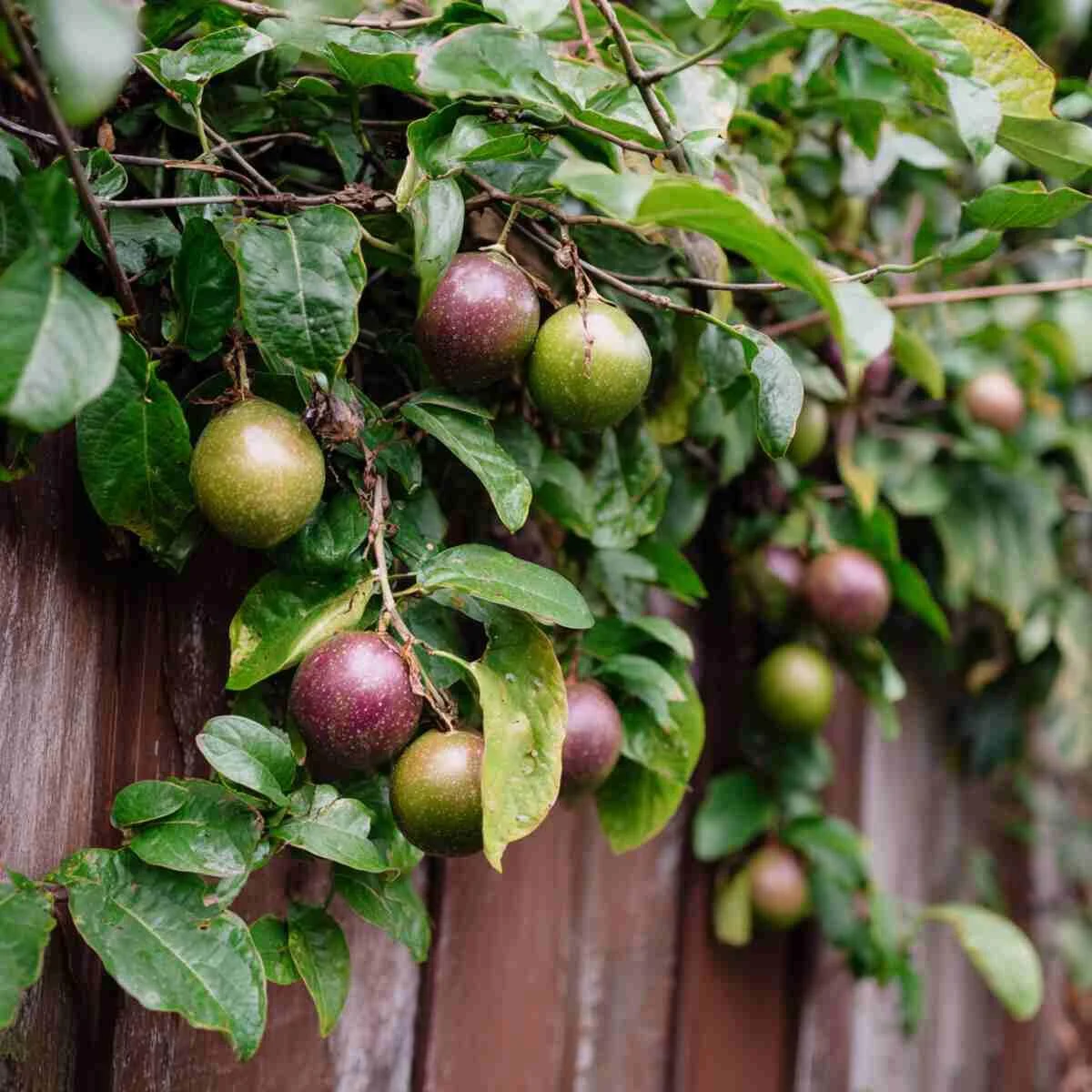
Few plants cover a fence as quickly as passion fruit. Within a single season, a sparse structure can turn into a dense green wall that softens views and adds a sense of enclosure.
It’s best suited to warm, sunny locations where the vine can grow uninterrupted. The combination of ornamental flowers and hanging fruit makes it feel more like a feature than a crop.
- Best placement: Exposed fences that need quick screening
- Support: Strong wire or trellis is essential
- Care note: Keep roots shaded with mulch to prevent stress in heat
Raspberry Canes for a Light, Productive Fence Line
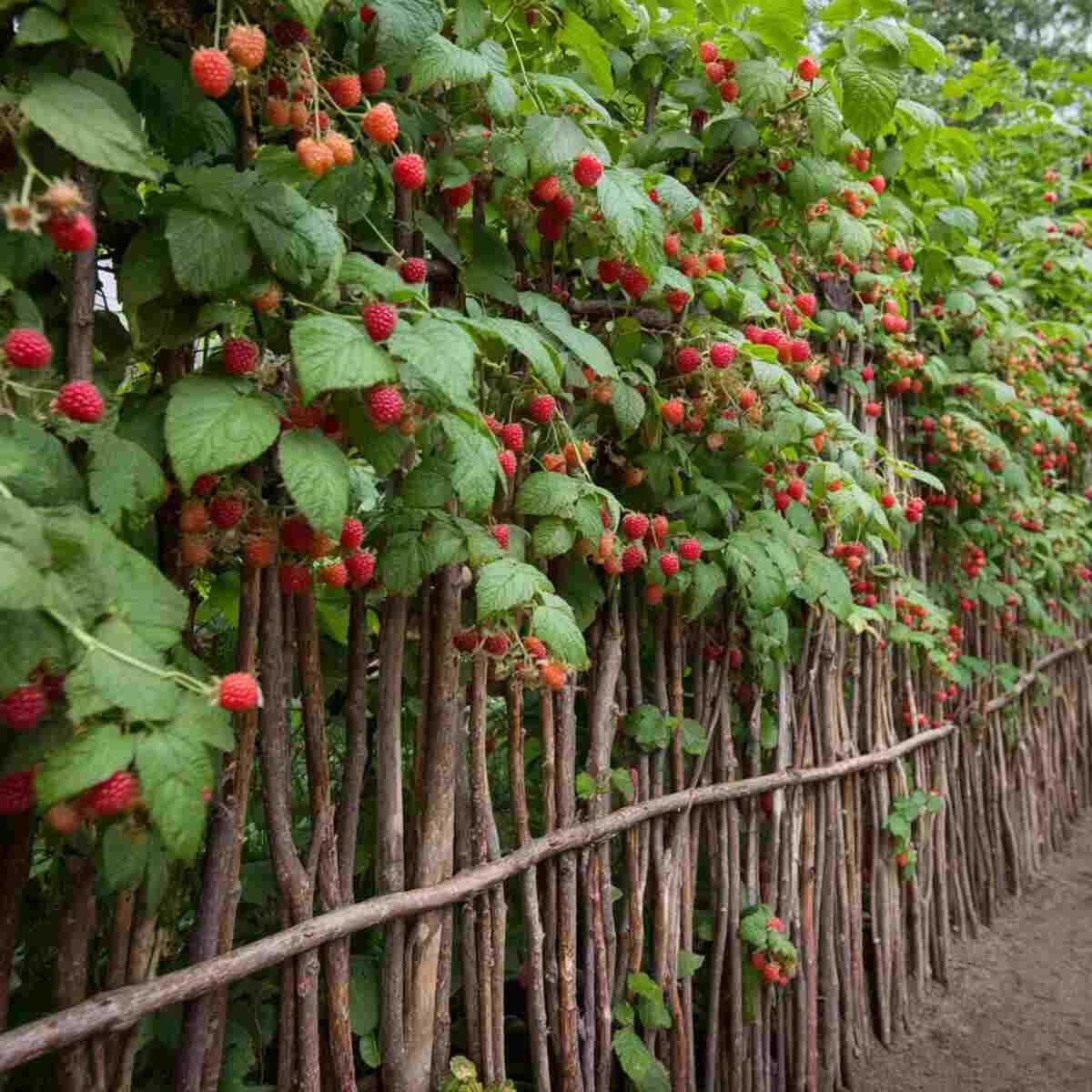
Raspberries create a softer boundary compared to heavier shrubs. Their upright growth forms a loose screen that still allows light and airflow, making them ideal along narrow edges or side gardens.
They reward consistent care. Pruning and tying in canes keeps the row orderly and prevents it from becoming tangled over time.
- Best placement: Sunny, narrow strips along fences
- Spacing: Leave room for access during harvest
- Upkeep: Annual pruning improves yield and shape
Blackberry Bushes for a Dense, Natural Barrier
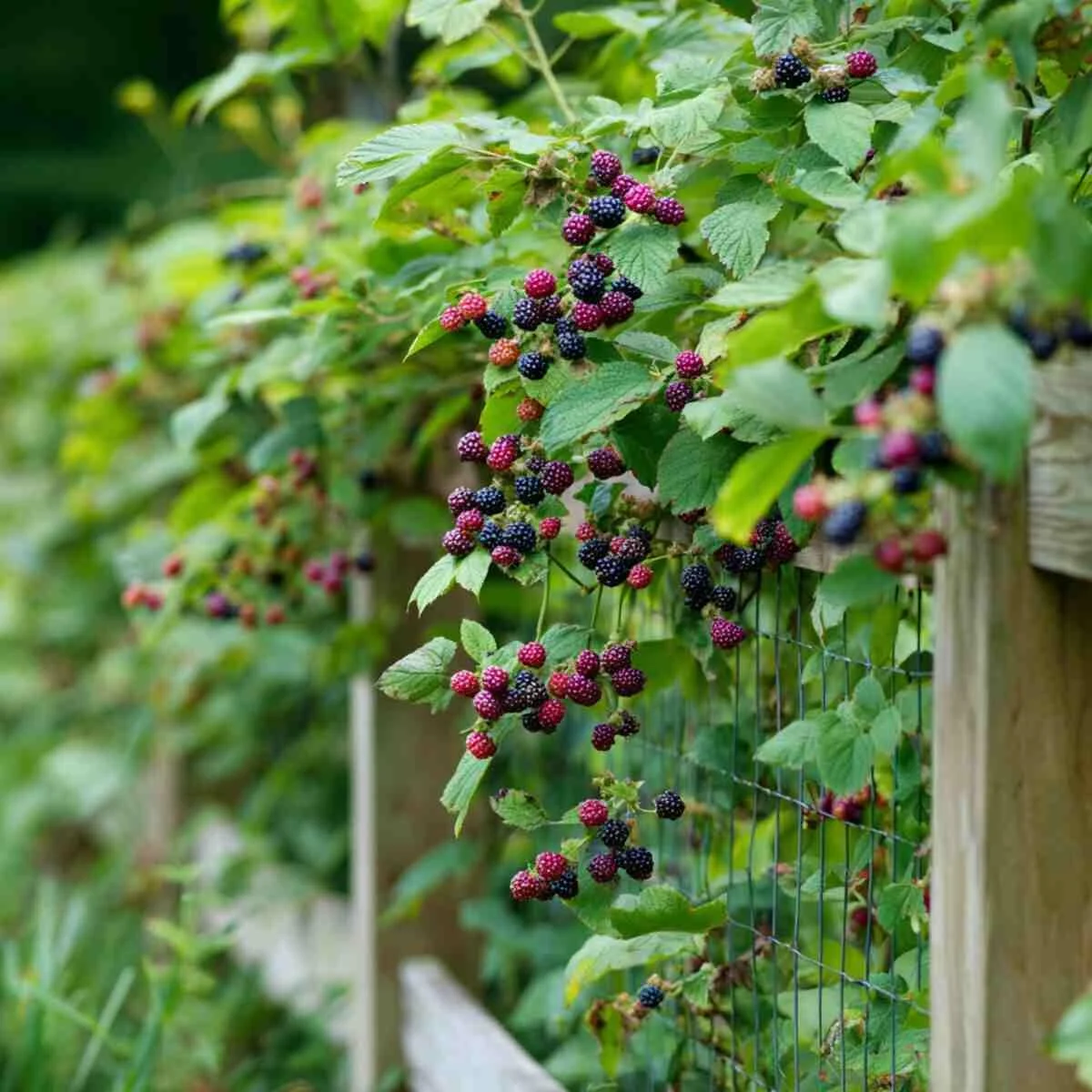
Blackberries are more robust and less refined than raspberries, but that’s exactly their strength. They form a thicker, more protective hedge that can define the outer edge of a garden.
They’re best positioned where their vigorous growth won’t interfere with pathways or seating areas.
- Best placement: Back boundaries or informal edges
- Control: Train along wires to prevent spread
- Harvest tip: Pick regularly to avoid overripe fruit attracting pests
Grape Vines for Shade and Structure Along Fences
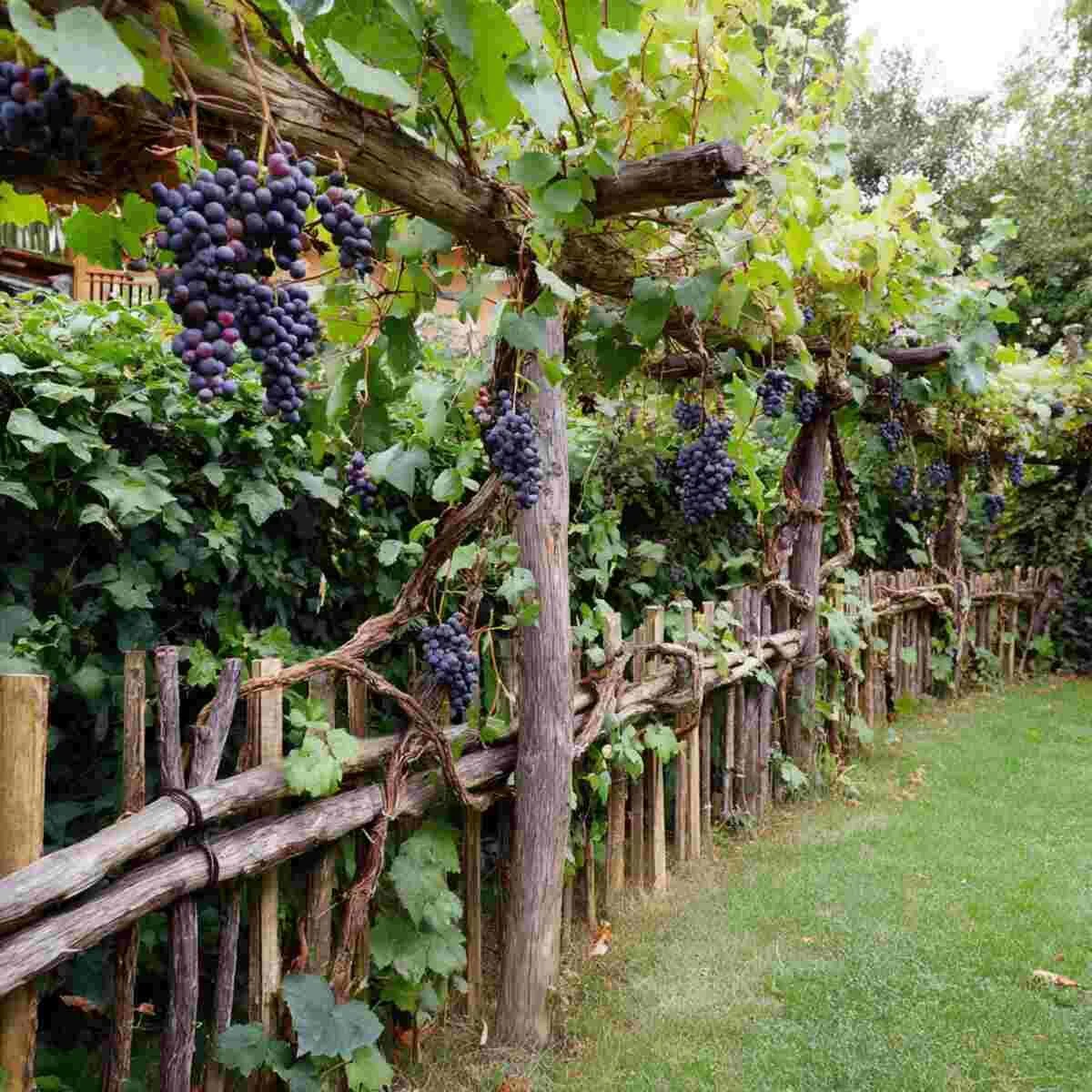
Grapes bring both function and structure. Their leaves create dappled shade, while the vine itself introduces a more architectural feel when trained neatly.
They perform best in full sun with good airflow, and once established, they can remain productive for years with proper pruning.
- Best placement: South-facing or sun-exposed fences
- Structure: Use tensioned wires for clean training
- Design pairing: Works well with gravel paths and herb borders
Kiwi Vines for a Bold, Statement Fence
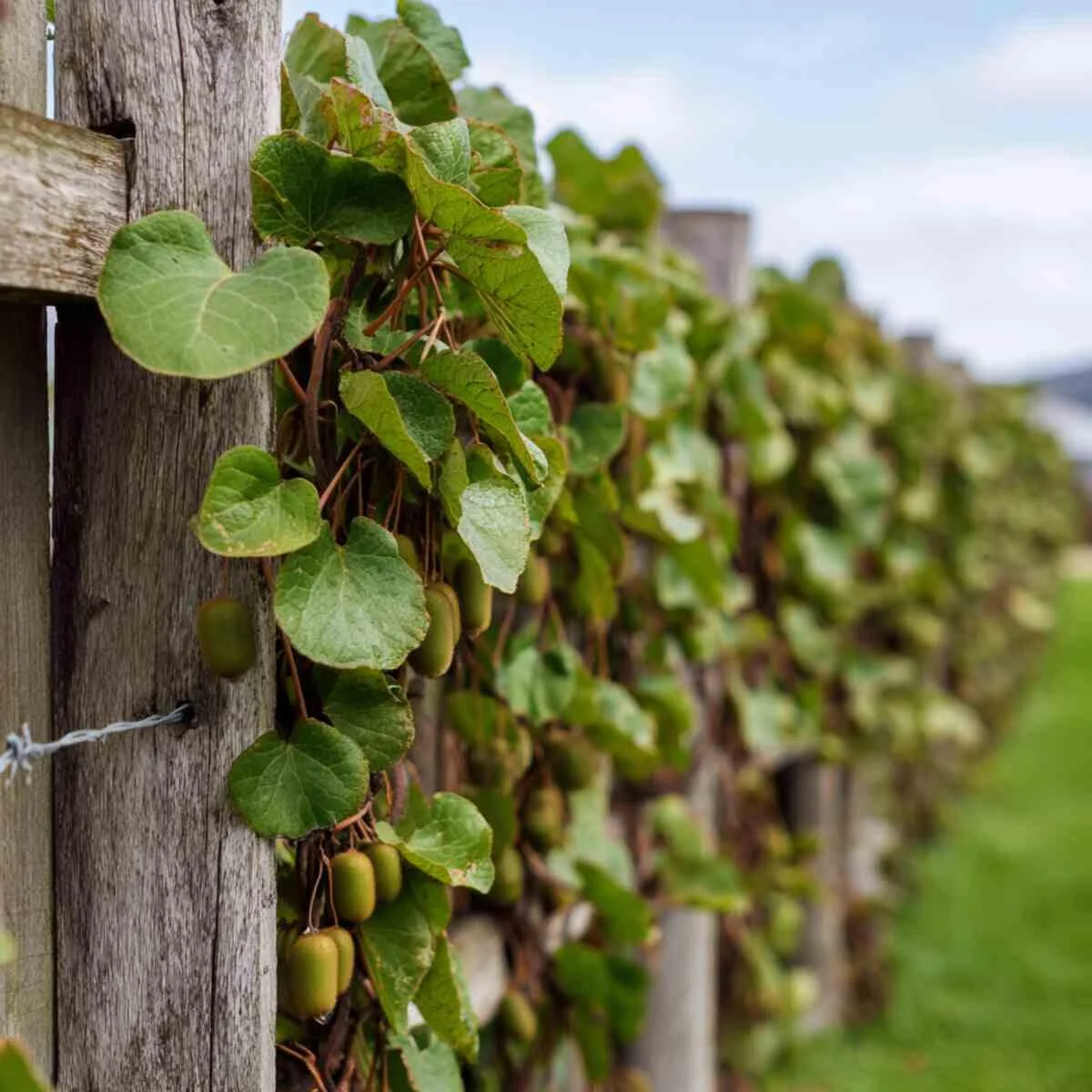
Kiwi vines create a dramatic effect, with large leaves and vigorous growth that quickly transforms a fence into a dominant garden feature.
They need space and strong support, so they’re better suited to larger gardens or longer fence runs rather than compact courtyards.
- Best placement: Spacious, sunny areas with sturdy fencing
- Planning: Ensure correct male/female plant ratio if required
- Growth habit: Expect rapid spread once established
Cherry Tomatoes for a Seasonal Edible Display
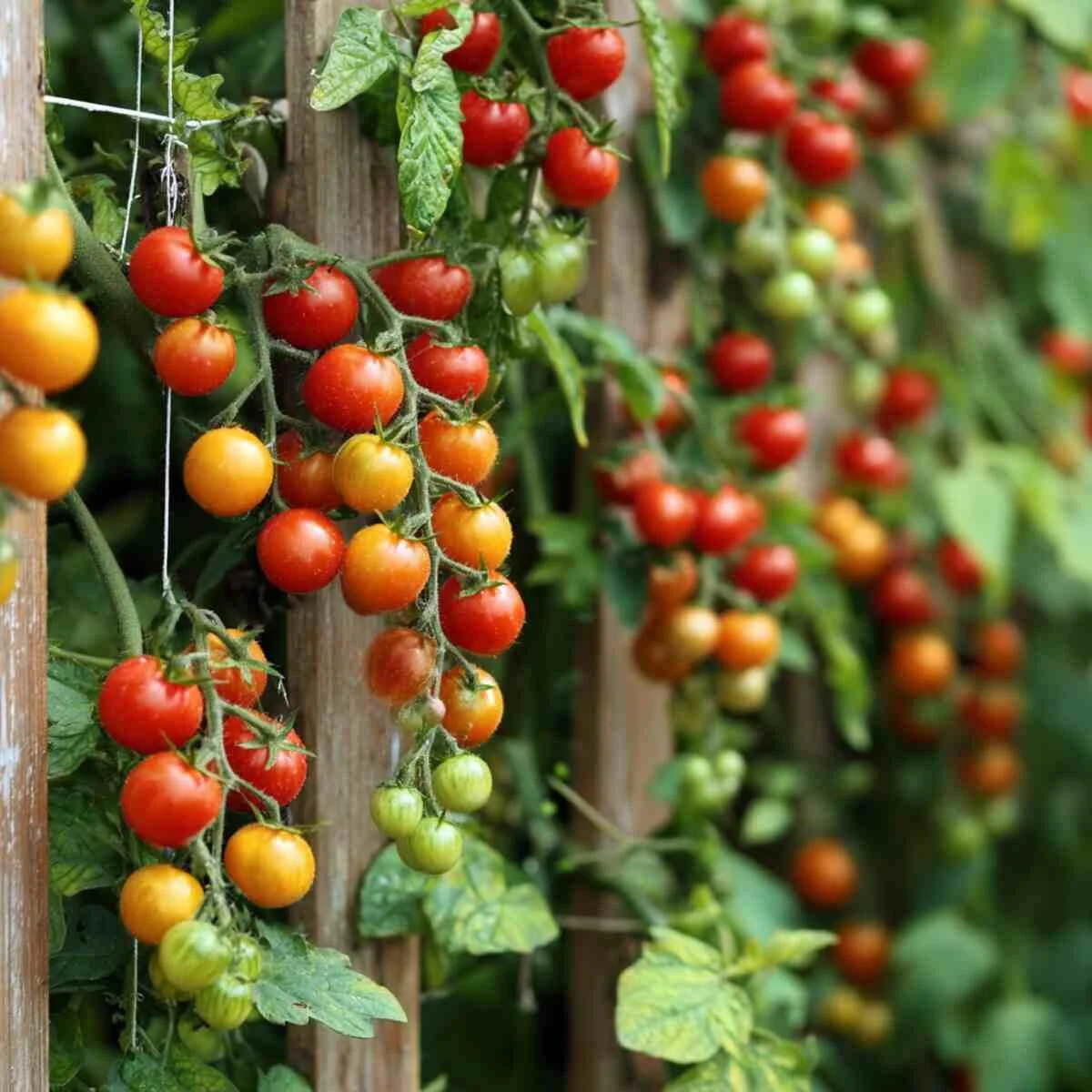
Cherry tomatoes are a practical choice for temporary edible fencing. They add color, movement, and productivity without committing the space year-round.
Placed near seating areas or kitchen access points, they turn casual harvesting into part of everyday use.
- Best placement: Patios, raised beds, or kitchen gardens
- Support: Tie stems regularly to keep growth upright
- Watering: Consistency prevents splitting fruit
Pole Beans for a Fast-Growing Green Wall
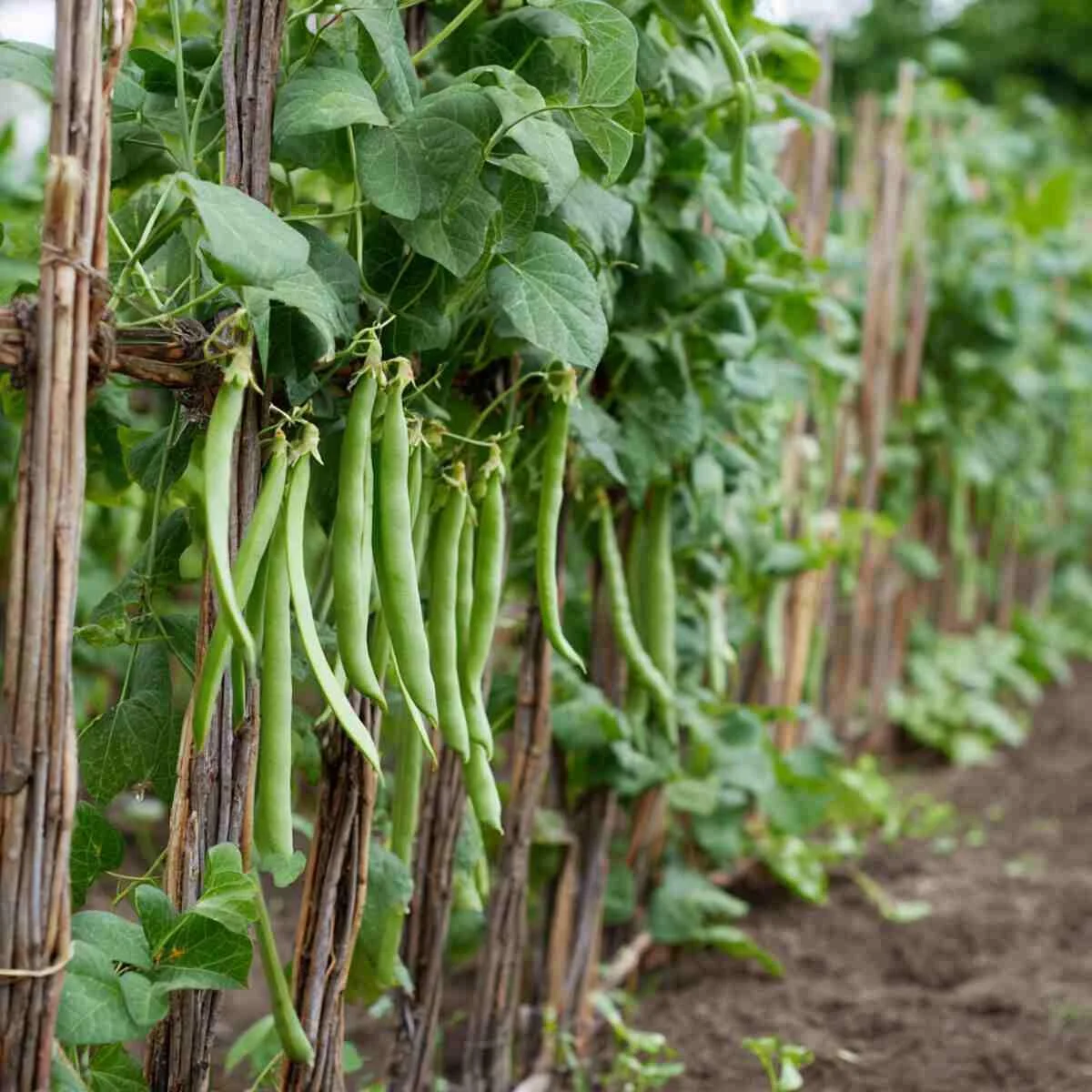
Pole beans are one of the fastest ways to fill vertical space. Their growth is immediate and generous, making them a reliable option for beginners or for quick seasonal coverage.
They’re especially useful for disguising less attractive fences.
- Best placement: Full sun fence lines
- Harvest: Frequent picking encourages continuous production
- Ease: Low maintenance compared to perennial options
Peas for Early-Season Fence Interest
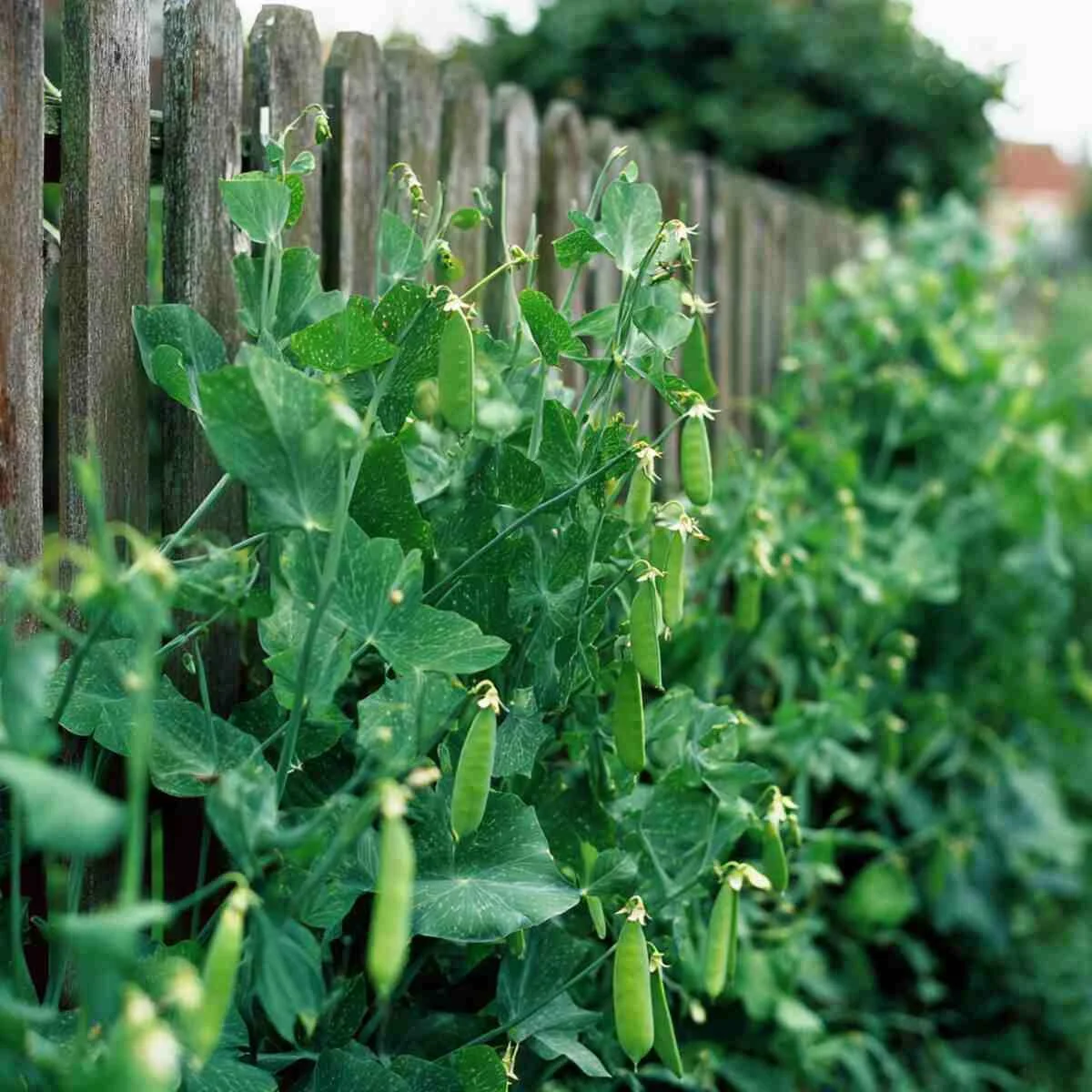
Peas are one of the first climbers to establish in the growing season. They bring life to a fence early in the year when most planting is still developing.
Their lighter growth keeps the structure visible, which can be useful if you don’t want a fully covered fence.
- Best placement: Spring planting along light fencing
- Support: Netting or fine wire works well
- Bonus: Edible shoots add extra harvest value
Climbing Squash for a Dramatic Vertical Feature
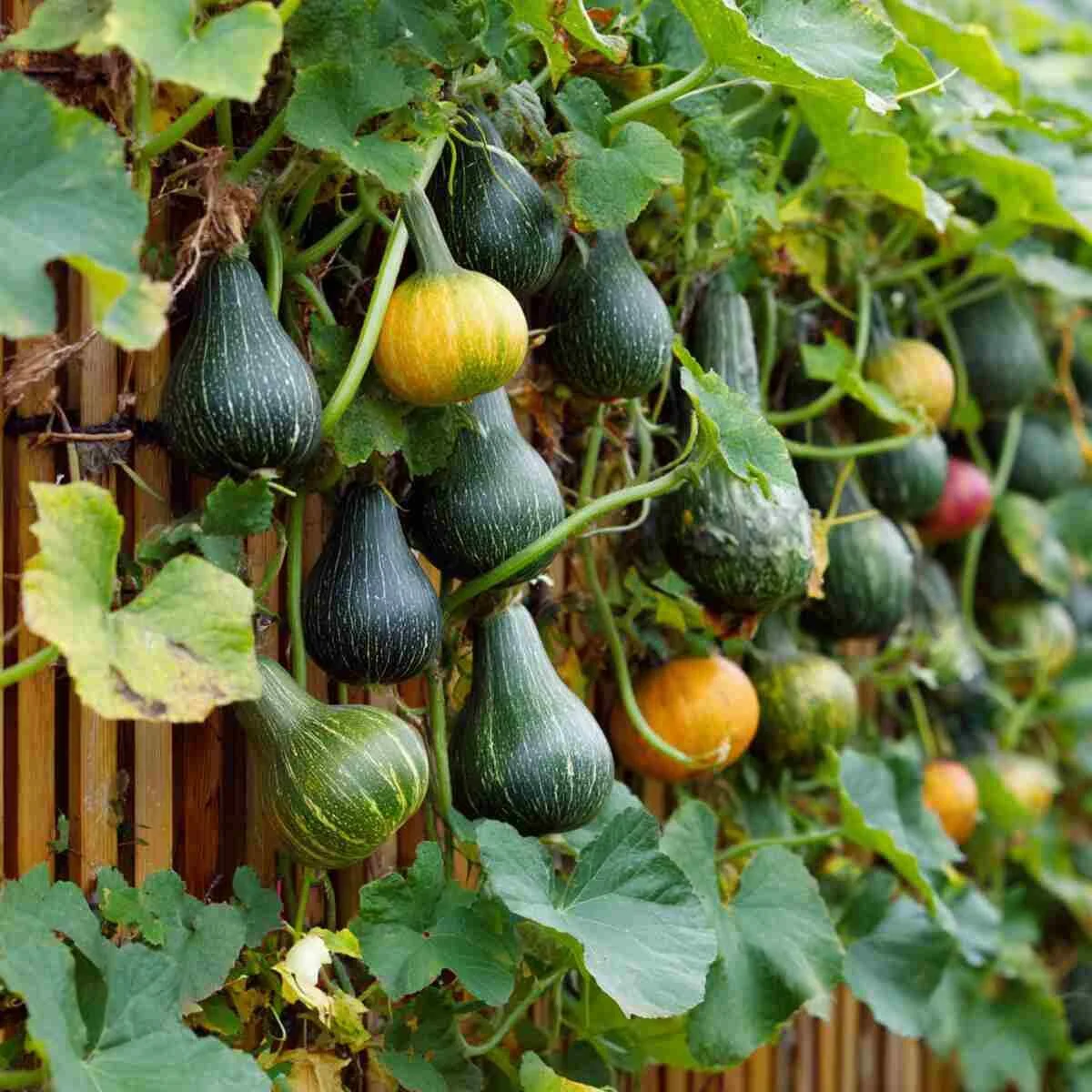
Climbing squash transforms a fence into a bold visual feature. The large leaves and hanging fruits create strong presence, particularly later in the season.
Because of their weight and spread, they need careful placement and a reinforced structure.
- Best placement: Strong fences with space to expand
- Support tip: Use slings for heavier fruits
- Wind note: Avoid exposed, windy areas
Malabar Spinach for Heat-Resistant Green Coverage
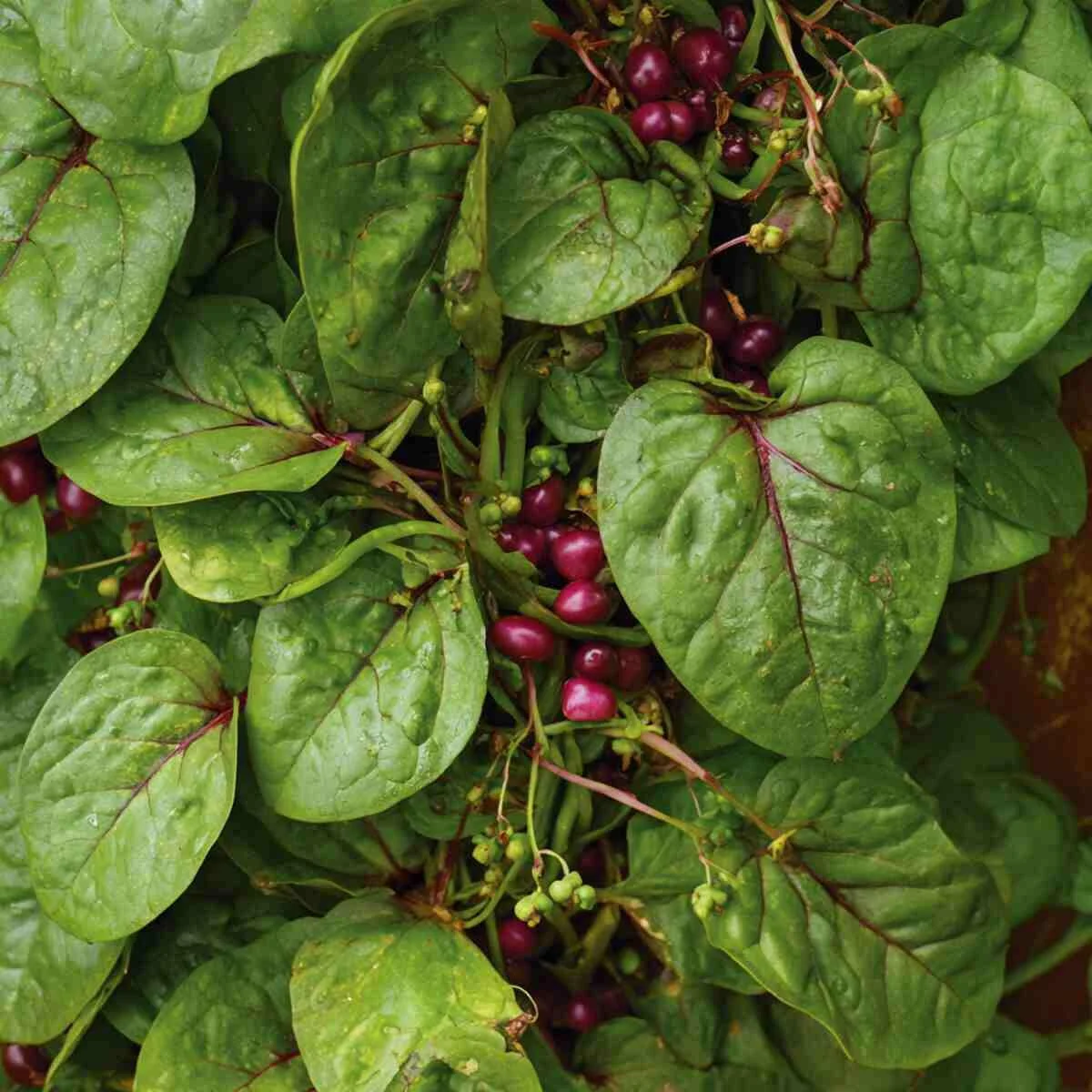
Malabar spinach thrives where traditional greens struggle. It climbs steadily and provides lush coverage during hot weather, making it a reliable option in warmer regions.
Its glossy leaves and colorful stems give it ornamental appeal alongside its edible value.
- Best placement: Warm, humid gardens
- Harvest: Pick young leaves for better texture
- Visual use: Works well in decorative kitchen gardens
Gooseberry Shrubs for Low, Edible Borders
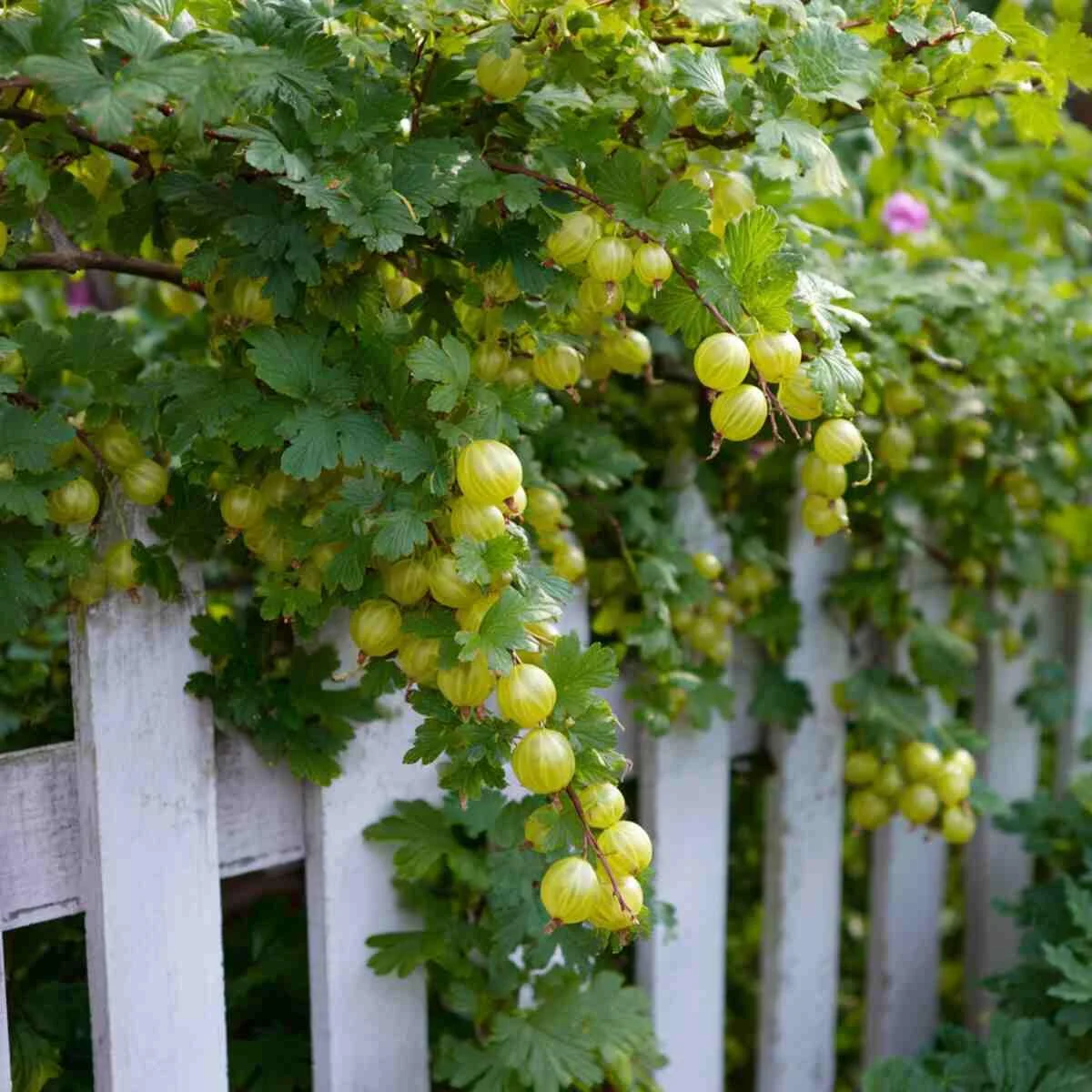
Gooseberries suit gardeners who prefer a lower fence line or hedge. Their compact form makes them manageable, while still offering a reliable crop.
They’re especially useful in smaller gardens where space is limited but productivity is still important.
- Best placement: Low borders and cottage-style gardens
- Access: Keep plants reachable for easy picking
- Climate: Performs best in cooler conditions
Blueberry Bushes for a Polished, Seasonal Fence
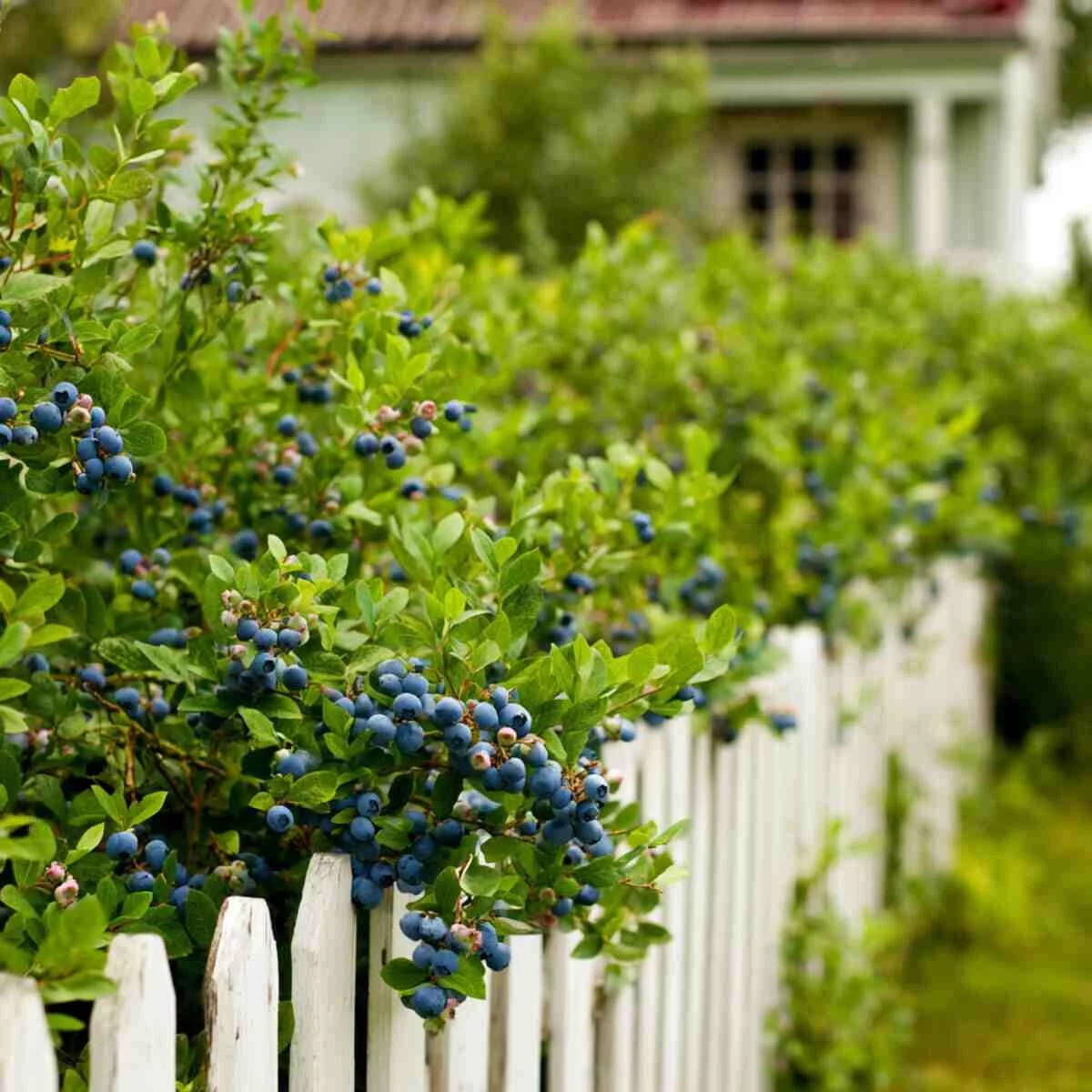
Blueberries offer a more refined look compared to sprawling fruit plants. Their neat shape and seasonal color changes make them suitable for gardens that lean structured or decorative.
They require acidic soil, which is the main factor to consider before planting.
- Best placement: Formal borders and neat fence lines
- Soil: Needs acidic conditions to thrive
- Seasonal interest: Flowers, fruit, and autumn color
Espaliered Apple Trees for Structured Edible Walls
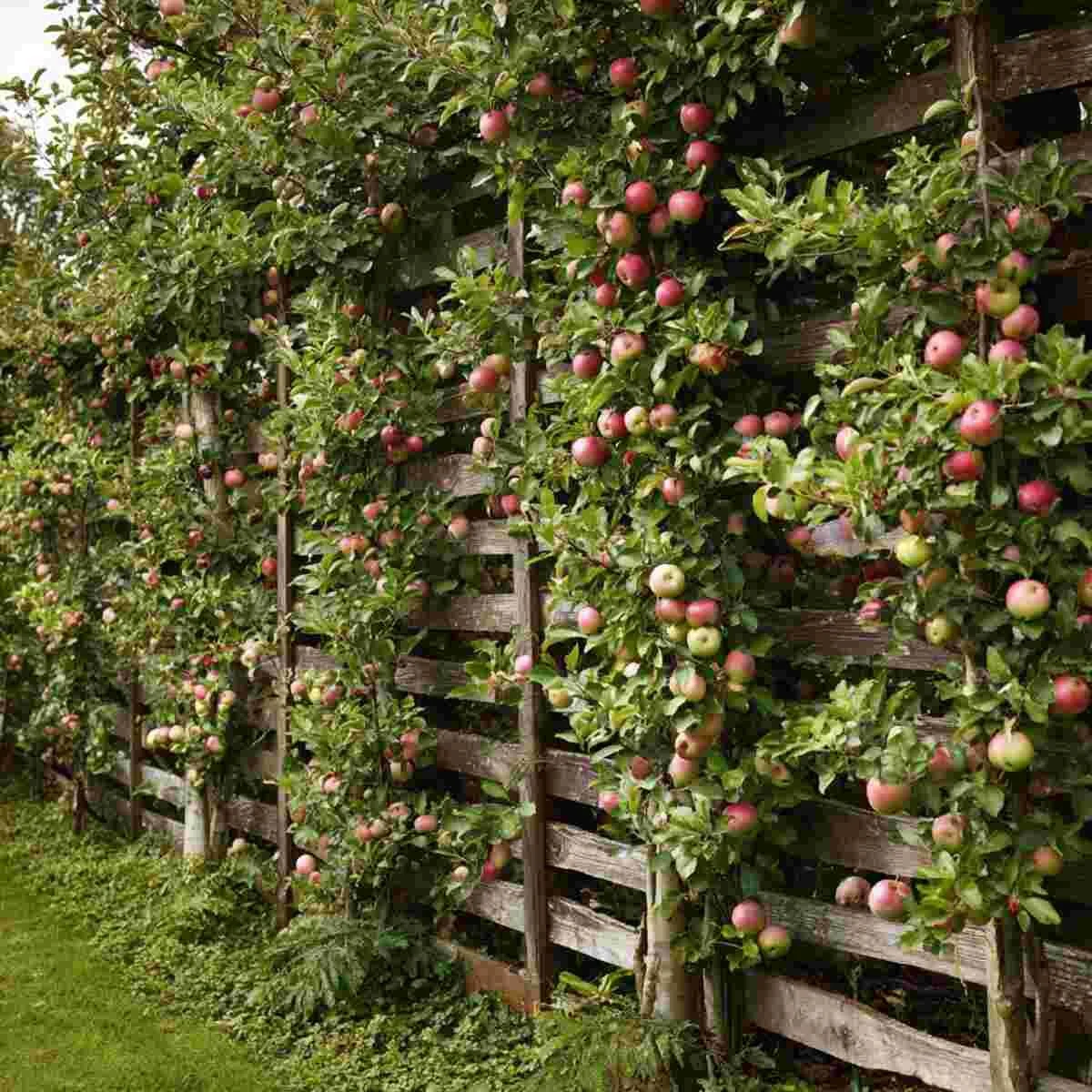
Espaliered apples turn a fence into something deliberate and architectural. The trained branches create clean lines while still producing a full crop.
This approach works particularly well where space is tight but sunlight is good.
- Best placement: Narrow side yards and sunny fences
- Structure: Wire supports or battens required
- Maintenance: Regular pruning maintains shape
Espaliered Pear Trees for a Softer Structured Look
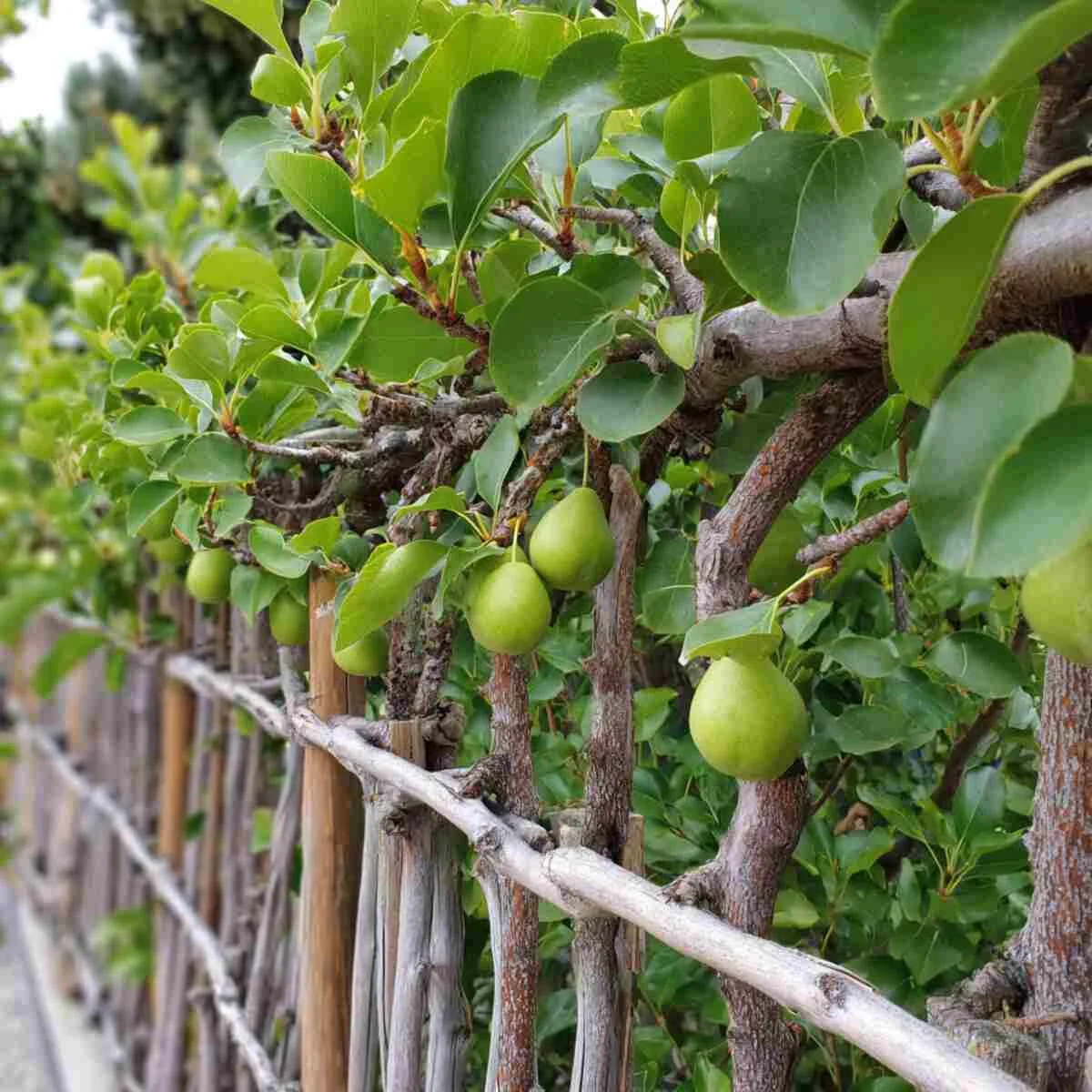
Pear trees trained along a fence bring the same order as apples, but with a slightly softer appearance. They fit naturally into classic or courtyard-style gardens.
The trained form also makes harvesting simpler and more accessible.
- Best placement: Decorative and enclosed garden spaces
- Style: Complements traditional layouts
- Practical benefit: Easier fruit access
Chayote Vines for High-Yield Fence Coverage
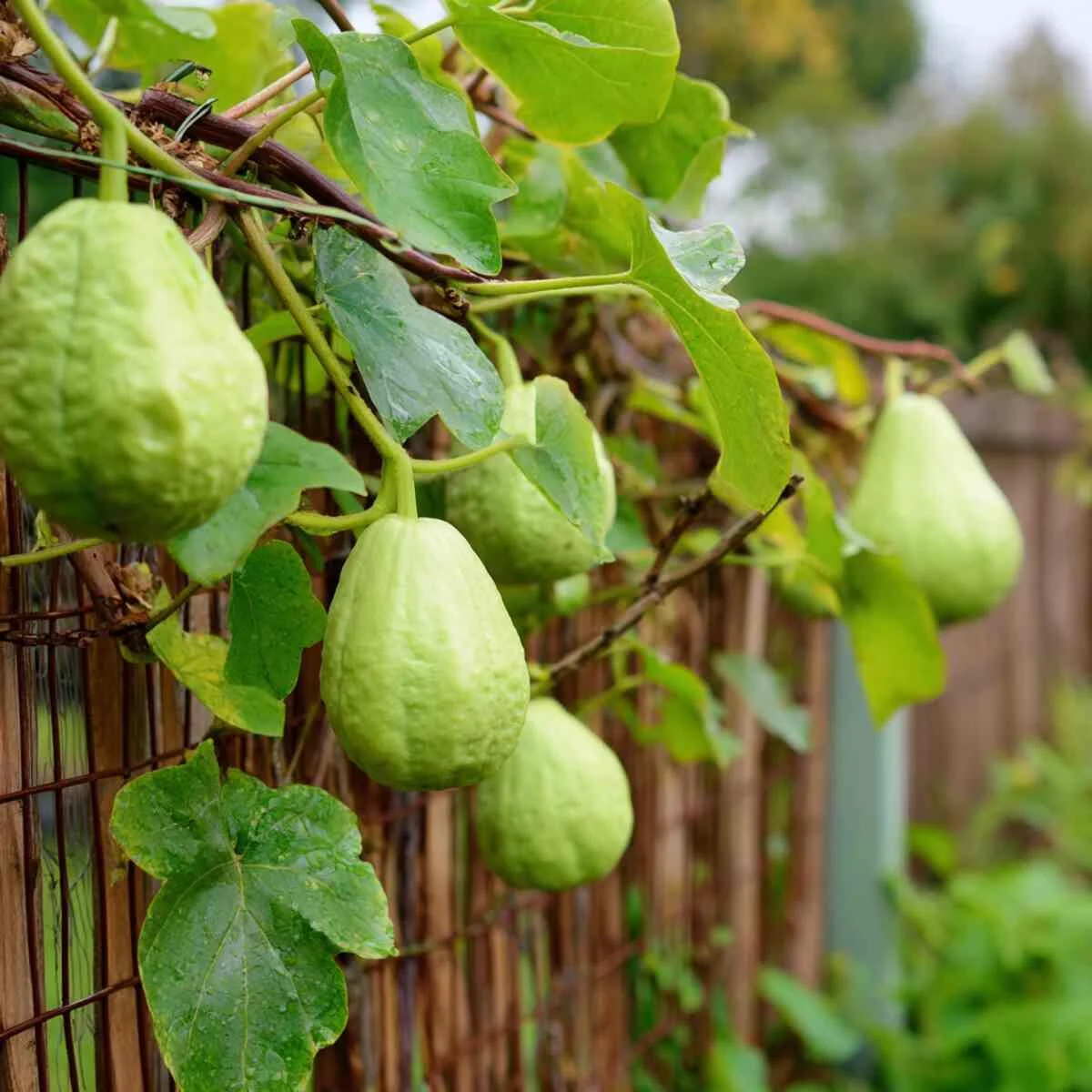
Chayote is a vigorous vine that turns fences into highly productive growing areas. It’s particularly useful in warm climates where long seasons allow continuous growth.
Because of its size and spread, it’s best placed where it won’t compete with smaller plants.
- Best placement: Long, sunny fence runs
- Support: Strong fencing required
- Growth: Expect rapid, expansive coverage
Choosing the Right Edible Fence for Your Space
- Quick coverage: Passion fruit, beans, or chayote
- Cool climates: Raspberries, gooseberries, blueberries
- Structured look: Espaliered trees or blueberries
- Seasonal crops: Tomatoes, peas, squash
- Dense privacy: Grapes, kiwi, blackberries
Frequently Asked Questions
What is the easiest edible plant for a fence?
Pole beans and peas are the most forgiving. They grow quickly, climb naturally, and require minimal long-term care.
Can edible fences work in small spaces?
Yes. Vertical growers like tomatoes, peas, and espaliered trees are especially effective where ground space is limited.
Which plants need strong support?
Kiwi, grapes, passion fruit, squash, and chayote all require sturdy fencing or reinforced trellises due to their weight and growth.
Are thorny plants a good idea?
They can add security, but should be placed away from walkways and high-traffic areas to avoid inconvenience.
Do edible fences require more maintenance?
Most do. Regular pruning, tying, and harvesting are part of keeping them productive and visually tidy.
Final Thoughts
An edible fence works best when it’s planned with intention. Match the plant to your climate, give it the right support, and choose something you’ll actually enjoy harvesting. Over time, the fence stops being a boundary and becomes one of the most useful parts of your garden.
Written by the Zeeshe Home Editorial Team, a blog focused on practical home décor ideas and inspiration.