
Have you ever glanced at that awkward strip of grass by your driveway—or that dry patch along the fence—and thought, “There has to be more I can do with this”? You’re not alone. I’ve caught myself doing the same, leaning on a spade, watching bees wander around like they’re searching for something better.

That’s where a wildflower meadow strip comes in. It’s not just about color (though you’ll get plenty of that). It’s about giving a small piece of land a bit of freedom again. These strips turn overlooked spaces into something alive—buzzing, swaying, and honestly, a little unpredictable in the best way.
Let’s dig into a few ideas and see what might fit your space.
1. Narrow Roadside-Style Wildflower Strip
There’s something quietly beautiful about those scrappy wildflowers you see along country roads. No neat rows, no fuss—just plants doing their thing. That’s the spirit here.
Go for hardy, self-seeding varieties and let them settle where they like. You’ll notice it never looks exactly the same twice, and that’s part of the charm.
Pro tip: Mix your seeds with a bit of damp sand before scattering. It sounds simple, but it really helps spread them evenly instead of dumping them all in one spot.
See, 24 Beautiful Wildflower Garden Ideas
2. Pollinator-Friendly Mixed Annuals Strip
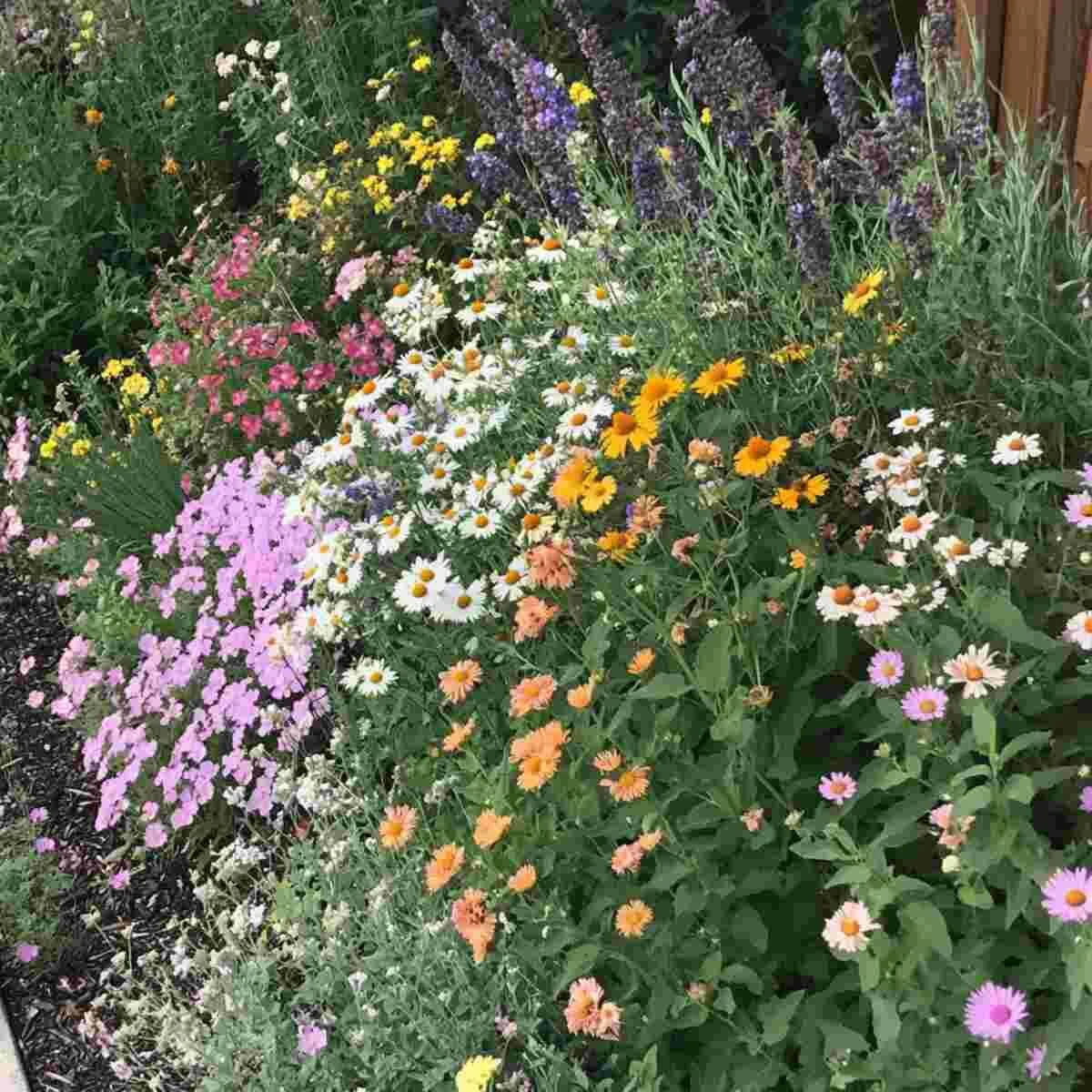
Annuals don’t stick around forever—but while they’re here, they put on quite a show. Bright, fast-growing, and full of energy, they’re perfect if you want instant impact.
Plant a pollinator mix and you’ll quickly notice the difference. Bees, butterflies… even the occasional hoverfly joins in. It turns your strip into a little hub of activity.
3. Hearty Native-Only Wildflower Border
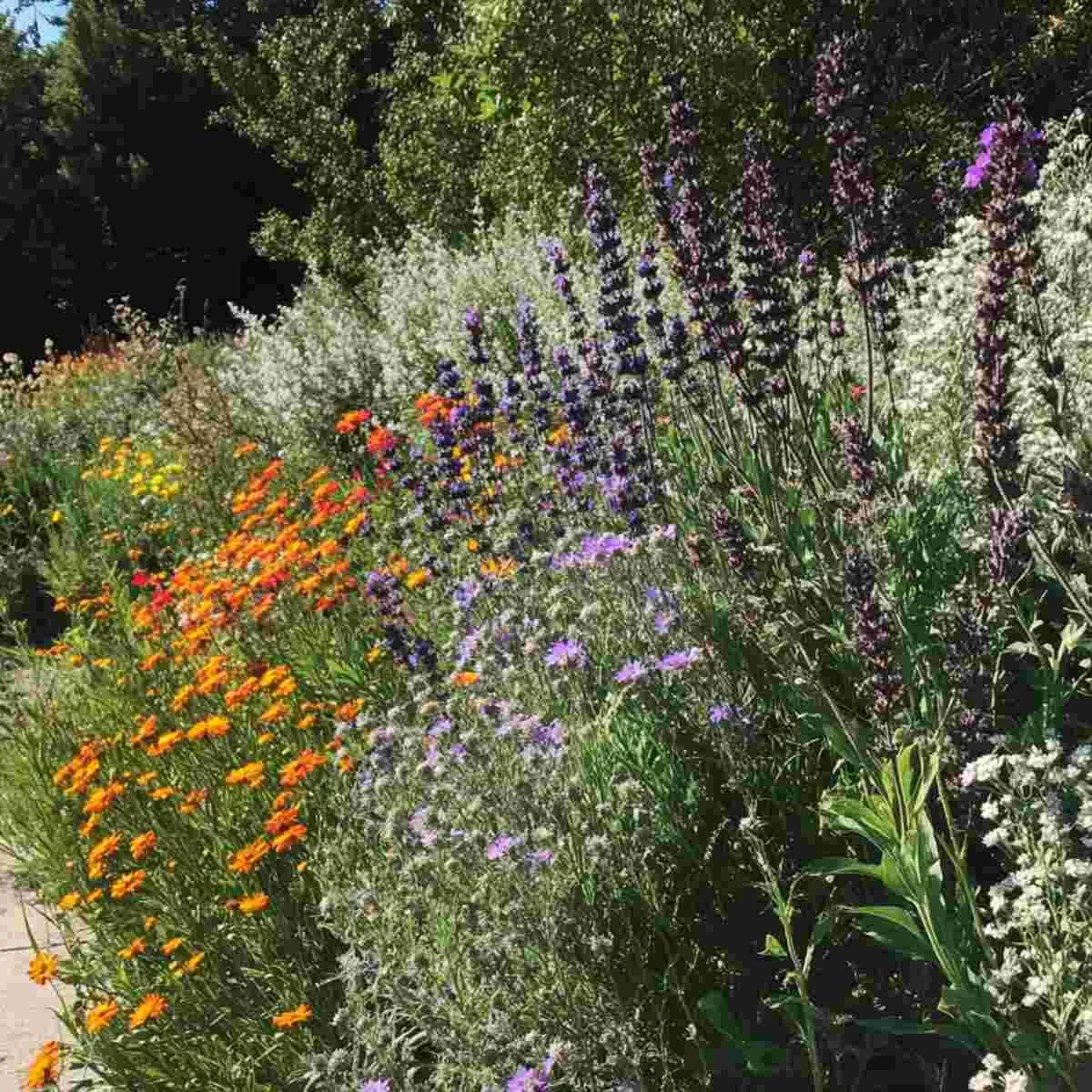
Native plants just get it. They’re used to your soil, your weather, your seasons—no pampering needed.
What most people don’t realize is how much local wildlife depends on them. Planting natives is like opening the door and saying, “You’re welcome here.” Birds, bees, and all the little creatures respond almost immediately.
4. Perennial Meadow Edge Strip
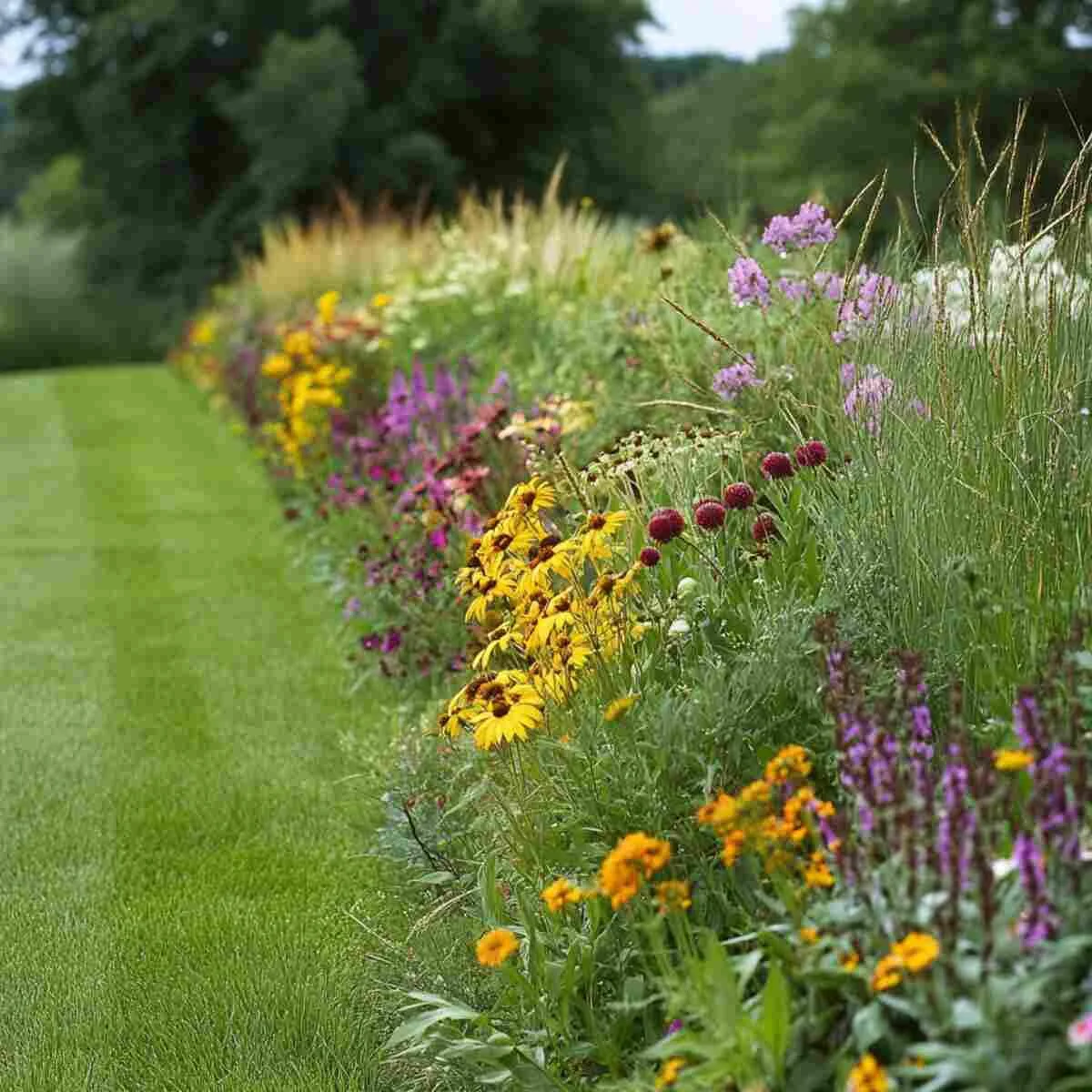
If annuals are all about energy, perennials are about consistency. They come back year after year, slowly settling in and getting stronger.
A perennial strip along a fence or path gives your garden a sense of structure. It’s reliable, but never boring.
A small tip: Try not to cut everything back in autumn. Leaving stems and seed heads through winter helps insects and gives birds something to snack on. Plus, it looks surprisingly nice with a bit of frost.
5. Cottage-Style Wildflower Ribbon
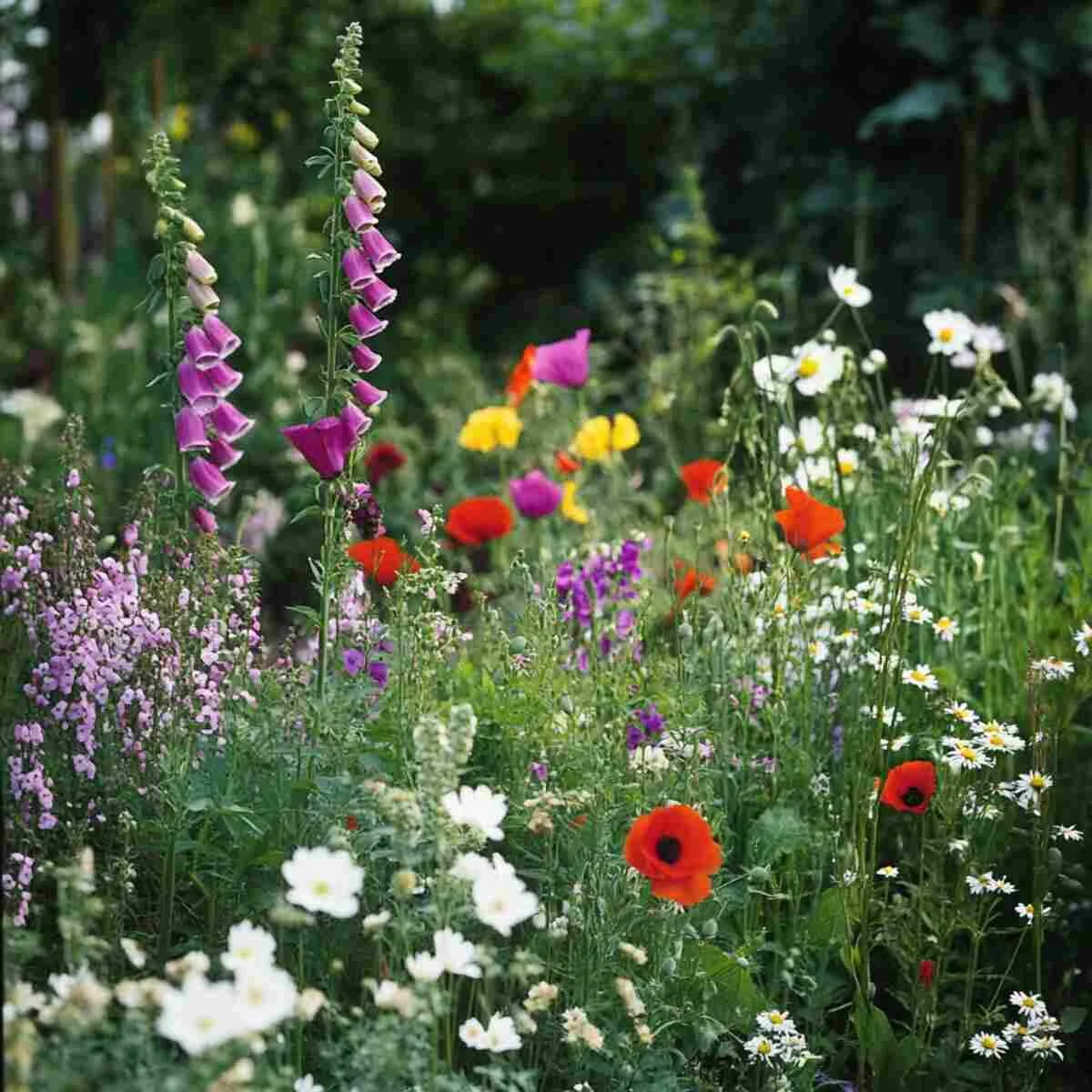
This one leans a little romantic. Think soft colors, relaxed planting, and that slightly overgrown look that feels straight out of a storybook.
Mix wildflowers with classics like foxgloves and daisies, and don’t worry too much about keeping things “perfect.” A bit of messiness actually makes it better.
6. Shaded Woodland Wildflower Strip
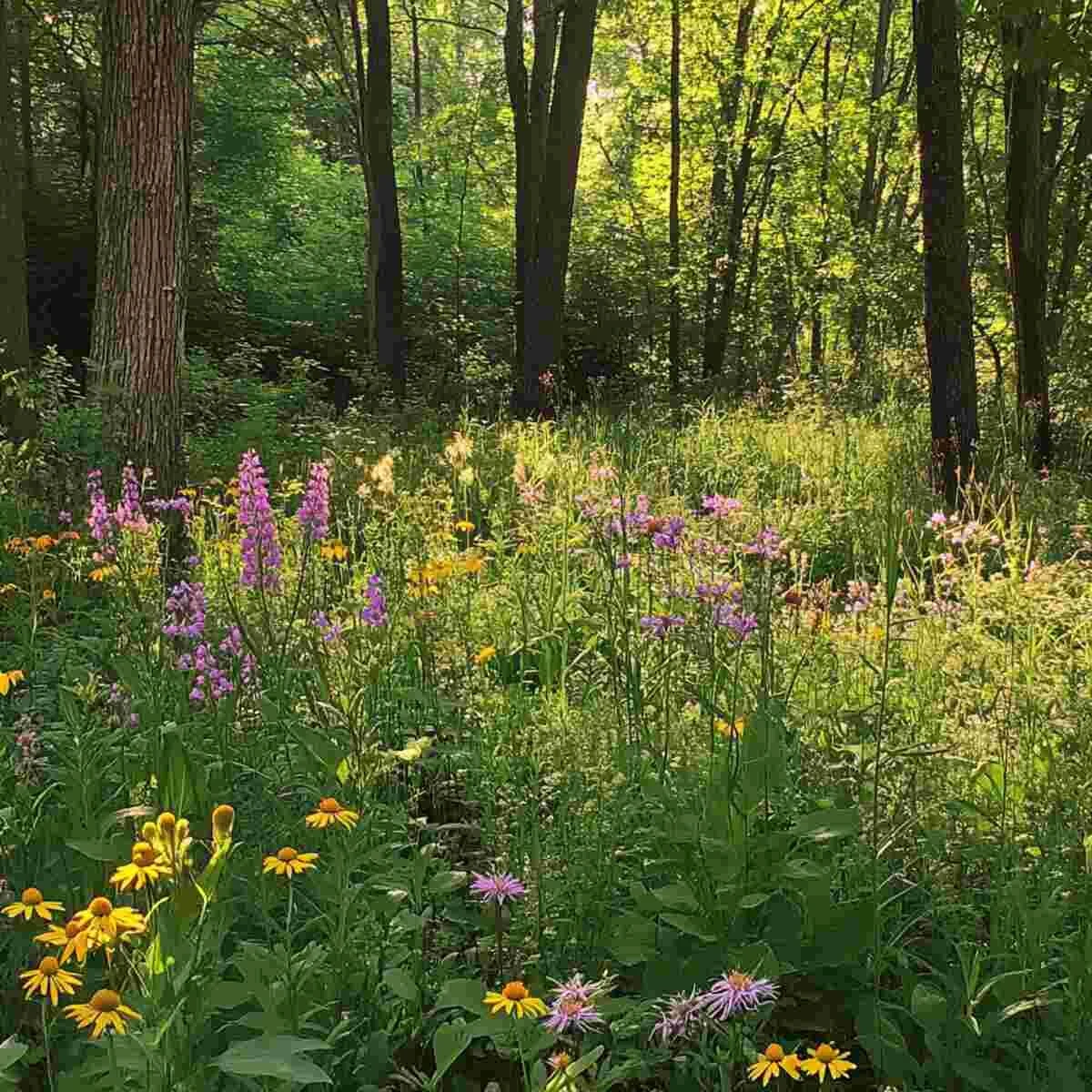
Got a shady corner that never quite works? Don’t fight it.
Woodland plants like violets and phlox thrive in softer light. Instead of forcing sun-loving flowers to survive there, lean into the shade and create something calmer, quieter—almost tucked away.
7. Mediterranean Dry Meadow Strip
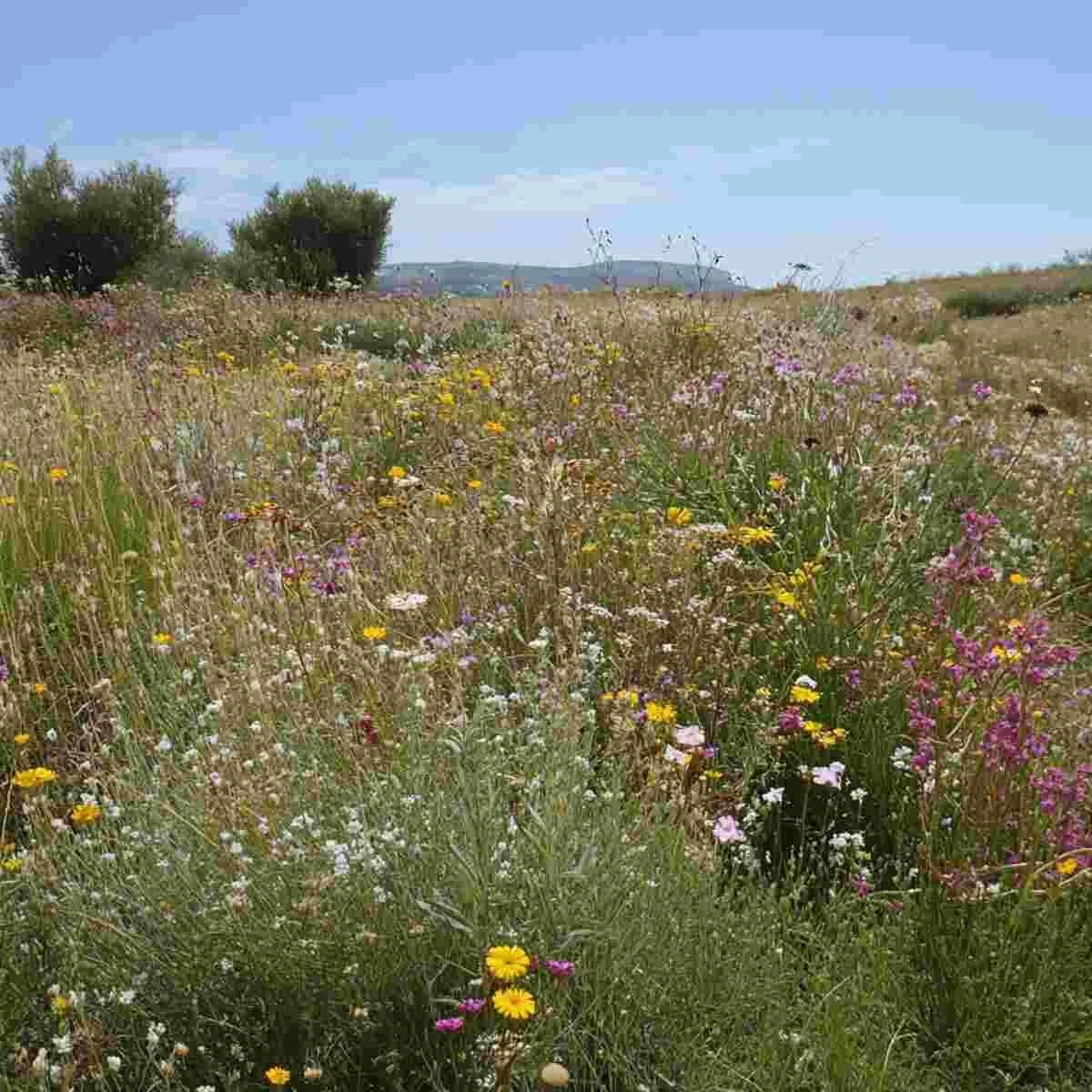
If your space gets a lot of sun and not much water, this style just makes sense.
Plants like lavender and yarrow are built for these conditions. They handle heat well and don’t need constant watering, which—let’s be honest—is a win.
Quick note: Good drainage matters more than rich soil here. If your ground is heavy, mix in some grit or gravel before planting.
8. The Bee Corridor Wildflower Strip
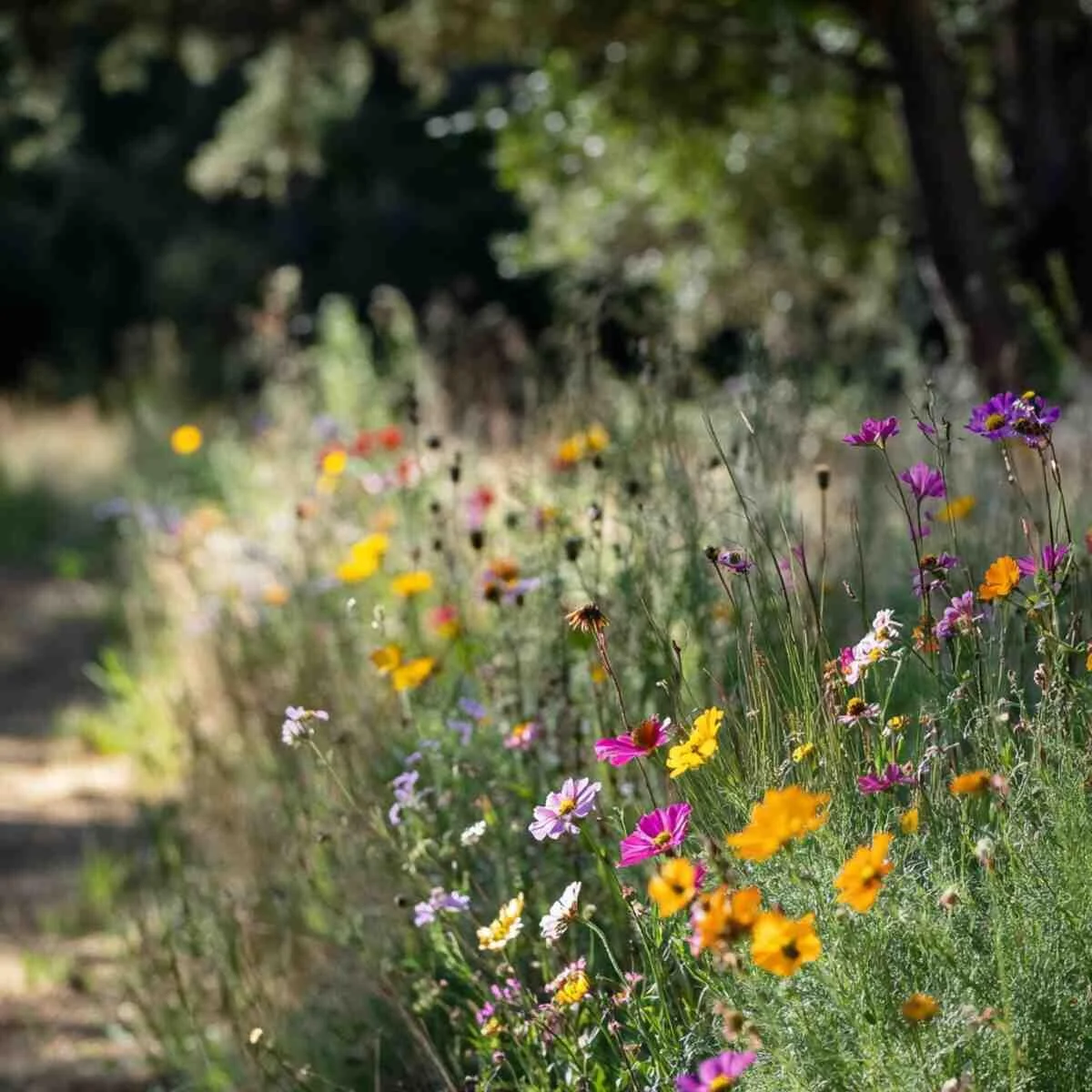
Think of this as a pathway for bees.
A continuous strip of nectar-rich flowers helps them move from one spot to another without struggling to find food. It might seem like a small thing, but it adds up—especially if neighbors start doing the same.
See, 20 Magical Self-Sowing Wildflowers
9. Butterfly-Attracting Color Band
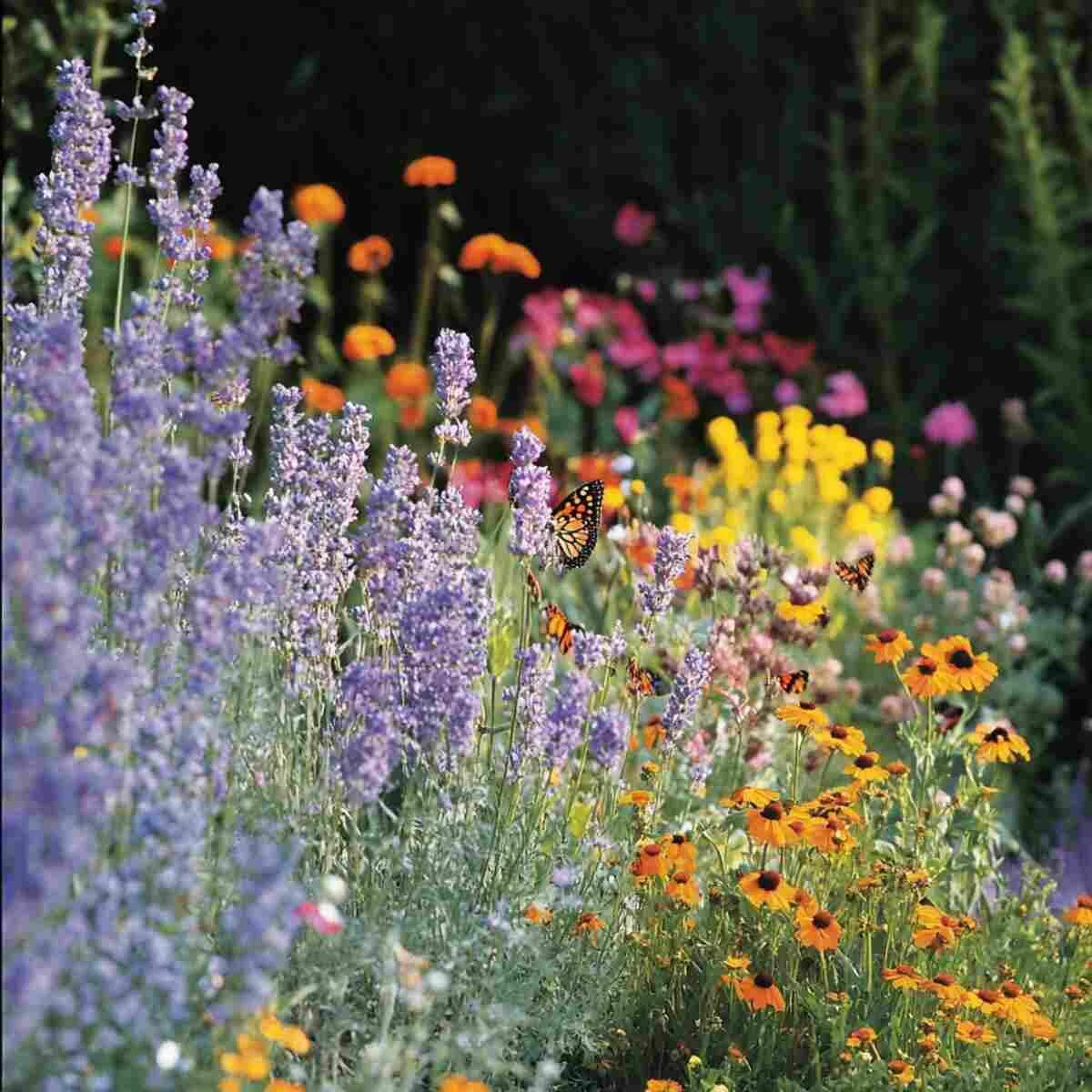
If you’ve ever tried to attract butterflies, you’ll know they can be a bit particular.
Plants like milkweed and asters aren’t just pretty—they’re essential. They provide both food and a place for butterflies to lay eggs. Once they show up, the whole strip feels more alive.
10. Low-Mow Meadow Strip for Lawns
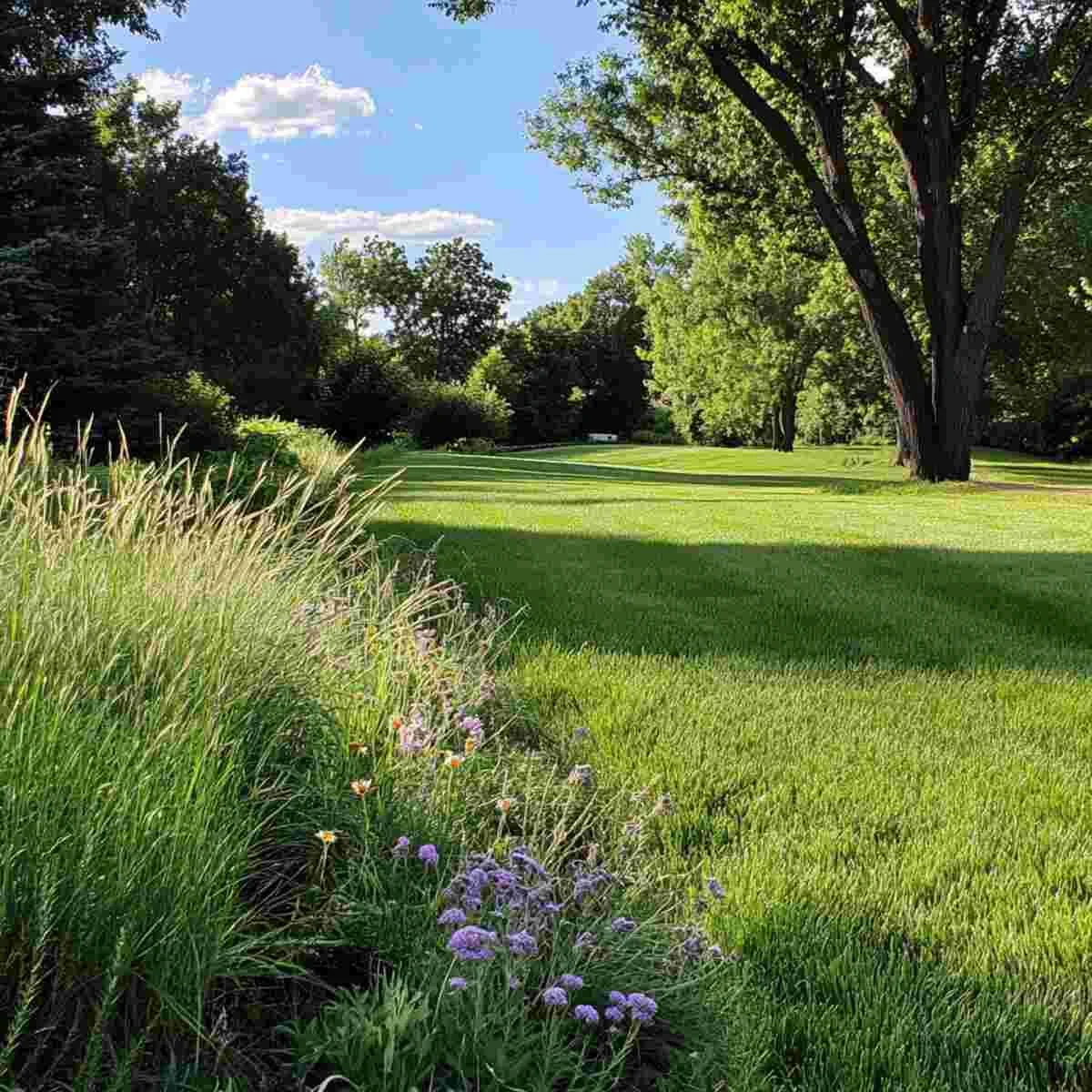
Here’s a simple shift: mow less.
Letting part of your lawn grow a little wild—and adding meadow seeds—can completely change how it looks and feels. It’s less work, less fuel, and honestly, a lot more interesting than plain grass.
11. Thriving Rain Garden Wildflower Strip
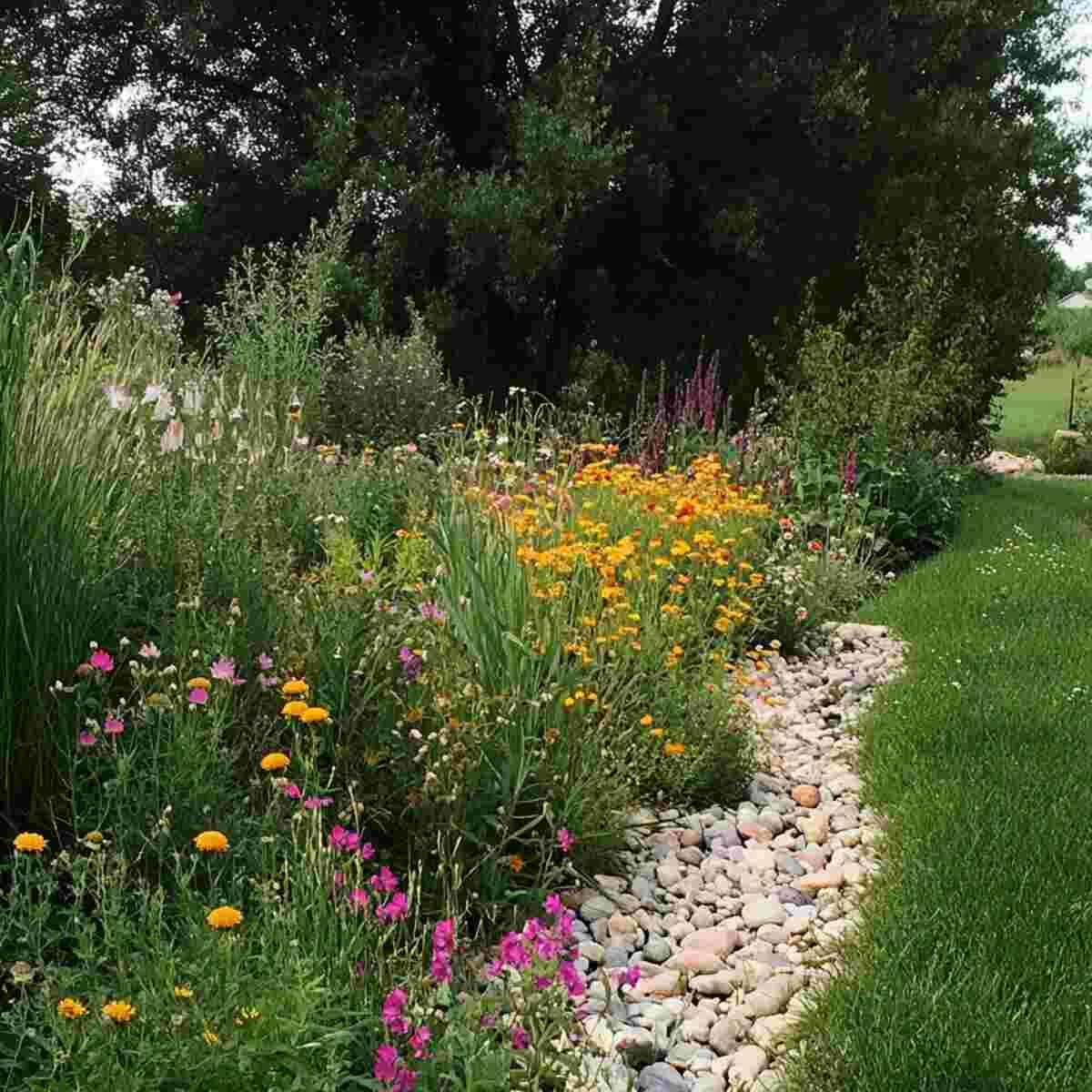
If water tends to collect in one spot, you don’t have to fix it—you can use it.
Plants like Joe Pye weed and swamp milkweed actually enjoy those wetter conditions. A rain garden strip turns a soggy problem into something useful and surprisingly beautiful.
12. Night-Blooming Moonlight Strip
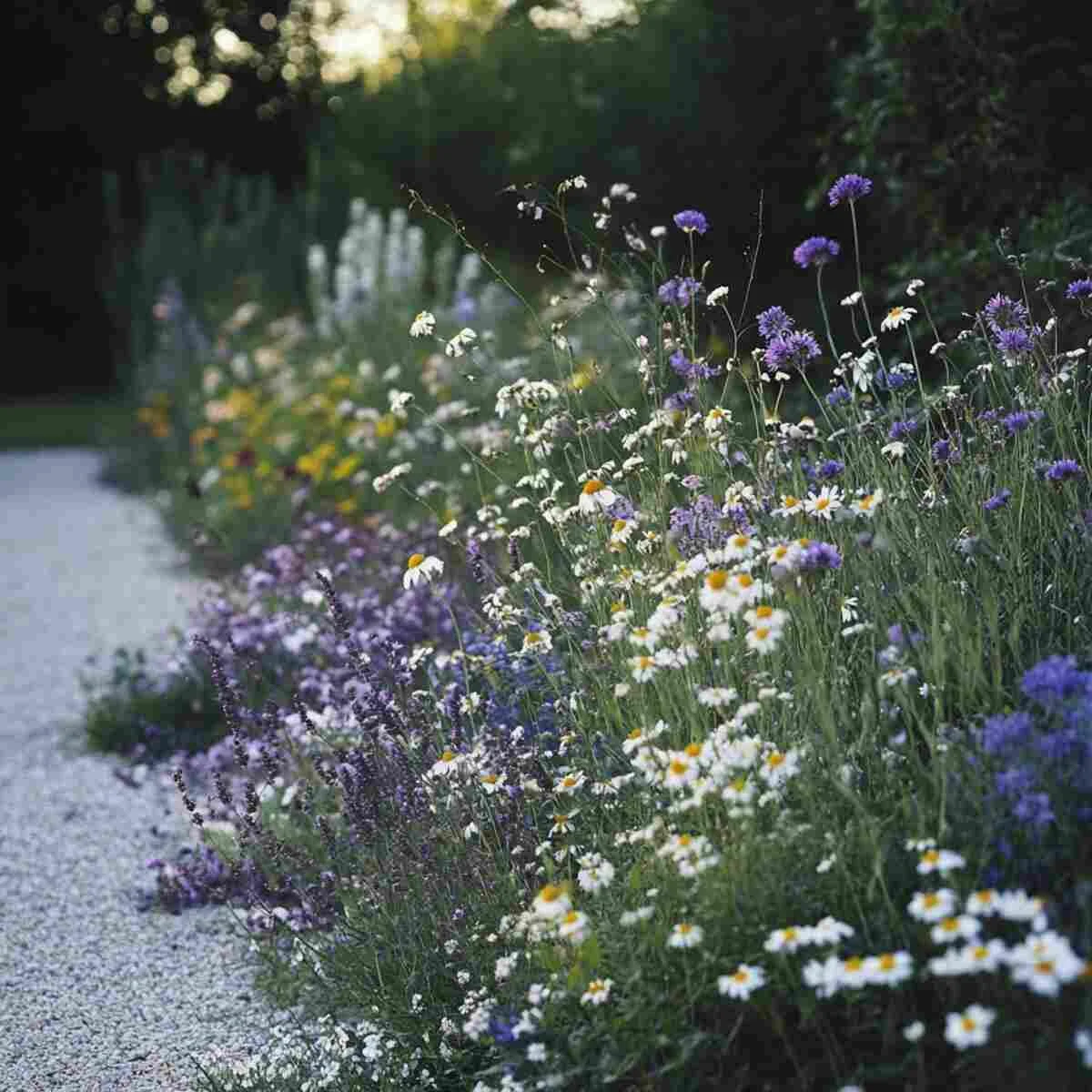
This one feels a bit magical.
Choose pale, night-blooming flowers that reflect moonlight, and your garden doesn’t disappear after sunset—it changes mood. It’s quieter, softer, and full of subtle movement.
Pro tip: Evening primrose is worth adding. If you’re patient, you can actually watch the flowers open at dusk.
13. Coastal Salt-Tolerant Wildflower Strip
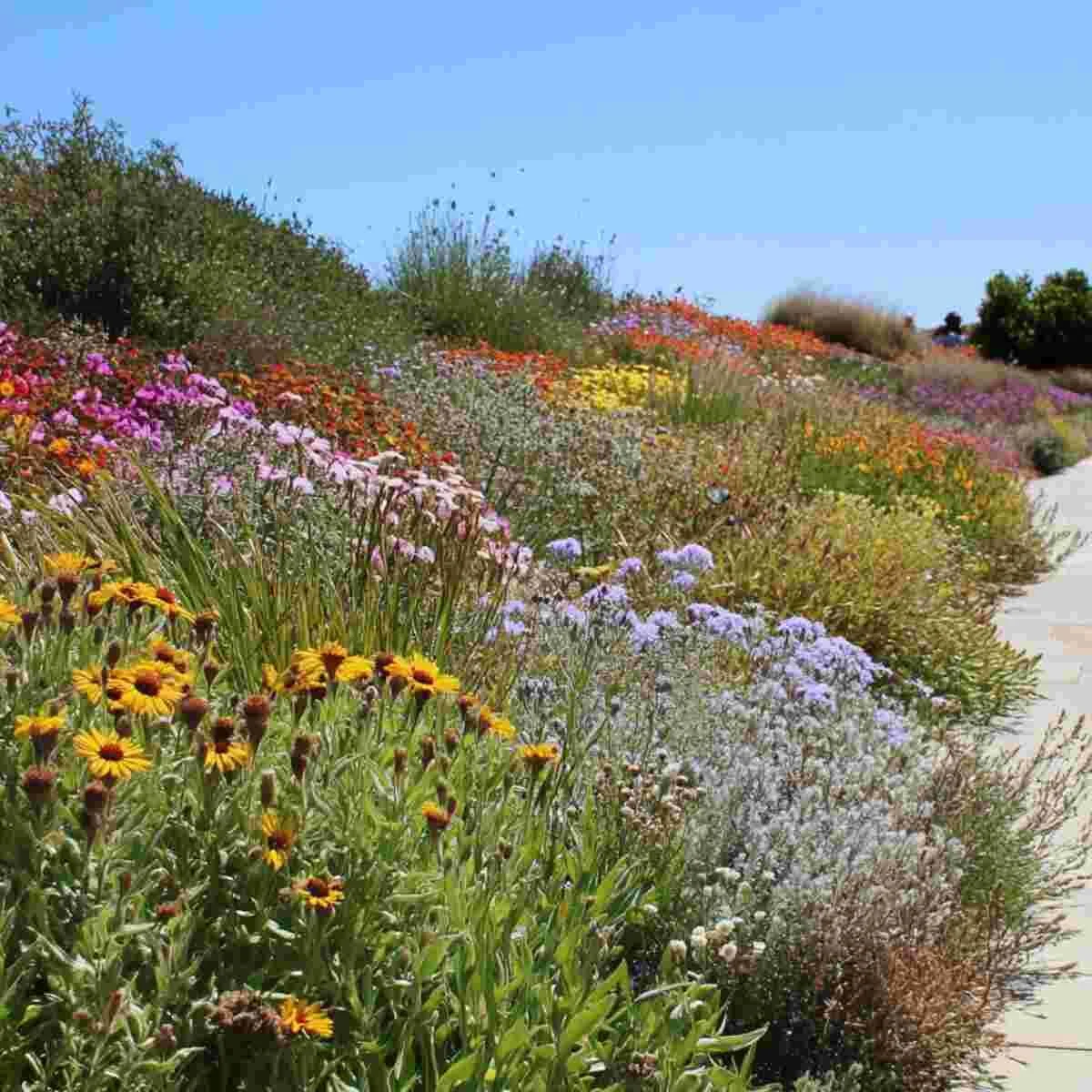
Coastal conditions can be tough—wind, salt, sandy soil—but some plants handle it surprisingly well.
Sea thrift and coastal poppies, for example, are built for it. The result feels a bit like bringing a piece of the shoreline into your own space.
14. Micro-Prairie Planting Strip
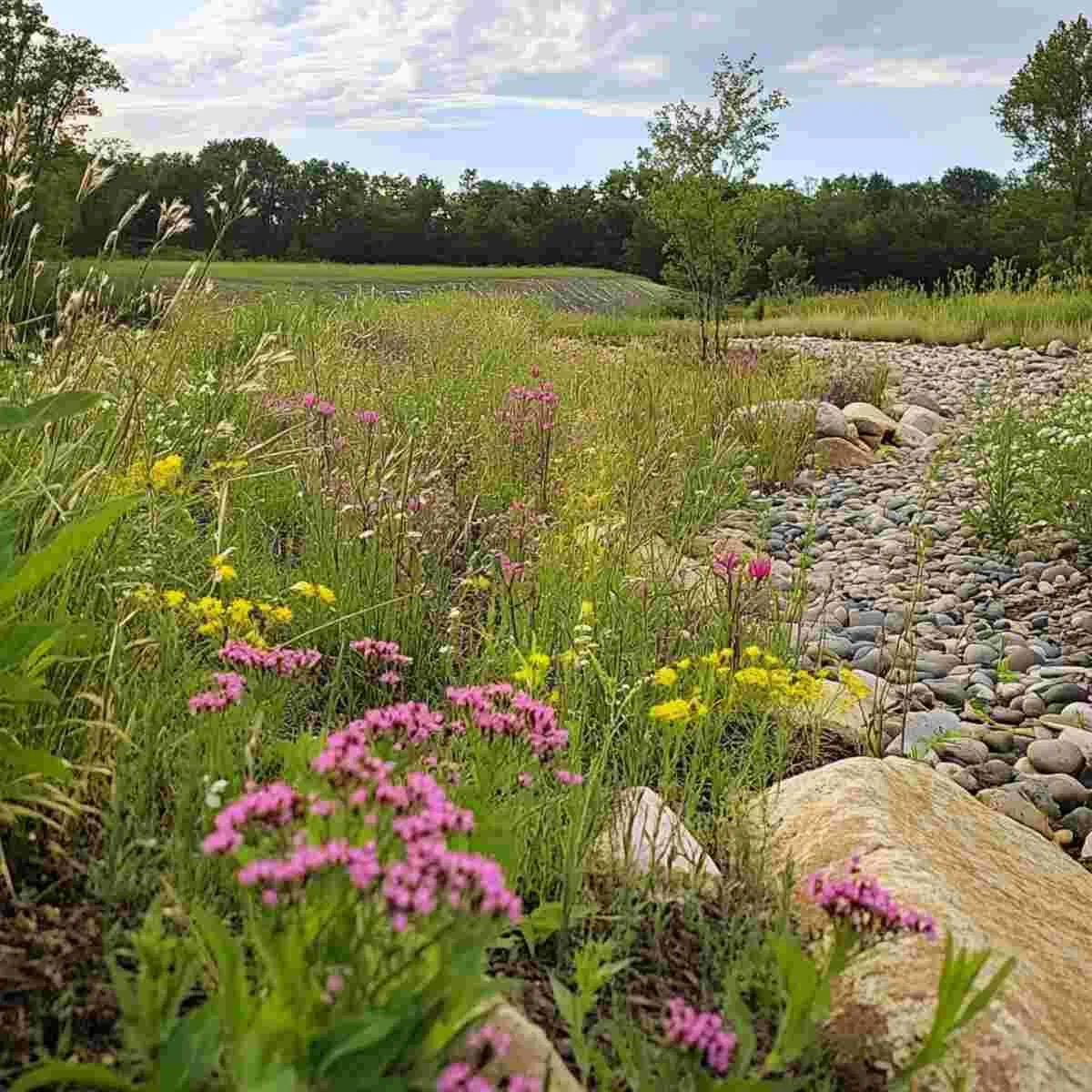
You don’t need a huge field to get that prairie feel.
A narrow strip with tall grasses and bold flowers—like coneflowers—can still create that sense of movement and openness. It’s subtle, but it changes the whole atmosphere of a space.
15. Wildflower Strip with Stepping-Stone Path
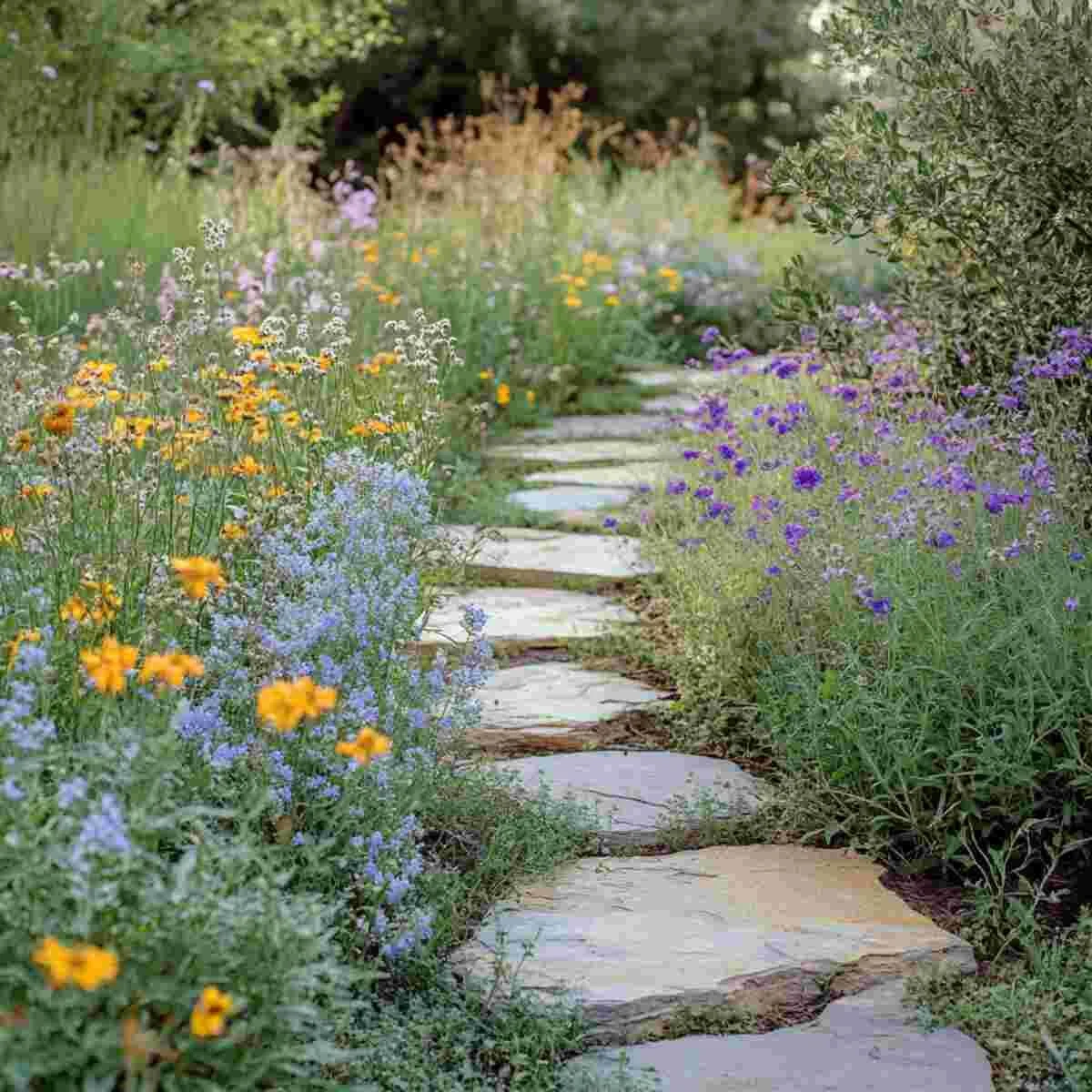
A wildflower strip shouldn’t just be something you look at from a distance.
Add a few stepping stones, and suddenly it becomes something you can walk through, experience, and enjoy up close—without flattening everything in the process.
At the end of the day, even a small strip of wildflowers can change how your garden feels. It doesn’t have to be perfect. In fact, it’s better if it isn’t. Let it shift, reseed, surprise you a little.
That’s really the point—giving nature a bit of room and seeing what it does with it.
I’m the voice behind Bloomy Heaven, and I like to think of myself as a steady companion on this gardening journey. If you’re after practical tips, honest advice, or just a bit of inspiration to try something new in your space, you’re in the right place. Read More…


