
Fertilizer advice gets vague very quickly, and that is usually where garden problems begin. Tomatoes receive too much nitrogen and become all leaf, root crops are fed like salad greens, and herbs end up lush but bland. A crop-specific approach is far more useful because it matches feeding to what the plant is actually trying to do, whether that is making foliage, building roots, setting fruit, or supporting long-term tree growth.
This guide breaks the topic into practical categories so readers can make smarter choices at the garden center or when planning their own feeding routine. The aim is not to push more fertilizer. It is to help each crop get the right balance at the right time, with fewer mistakes and better harvests.

Tomato Fertilizer Ideas for Strong Plants and Better Fruit Set
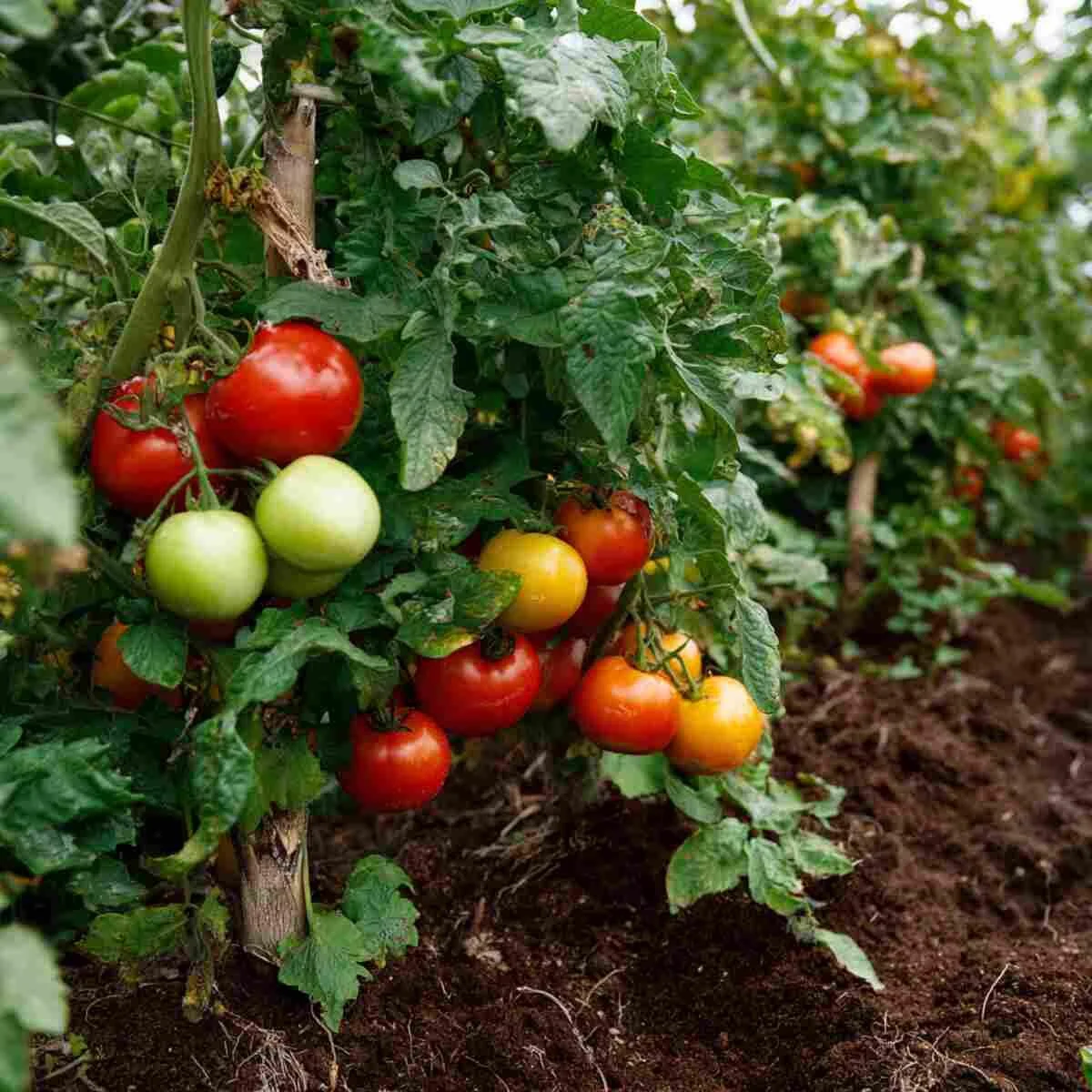
Tomatoes need a feeding plan that changes as the plant matures. Early on, they need enough nutrition to establish roots and healthy stems. Once flowers appear, the focus shifts toward fruit production rather than nonstop leafy growth.
This is why tomato-specific blends are useful. A formula that is too high in nitrogen can leave you with impressive foliage and disappointing harvests. Balanced feeding also helps reduce stress-related issues that show up during fruiting, especially in containers and raised beds where nutrients wash through more quickly.
- Use a steady, moderate feeding schedule instead of one heavy application.
- Container tomatoes usually need more frequent feeding than in-ground plants.
- Watch watering as closely as fertilizer, since uneven moisture can mimic nutrient problems.
Nitrogen-Rich Fertilizer Ideas for Leafy Greens
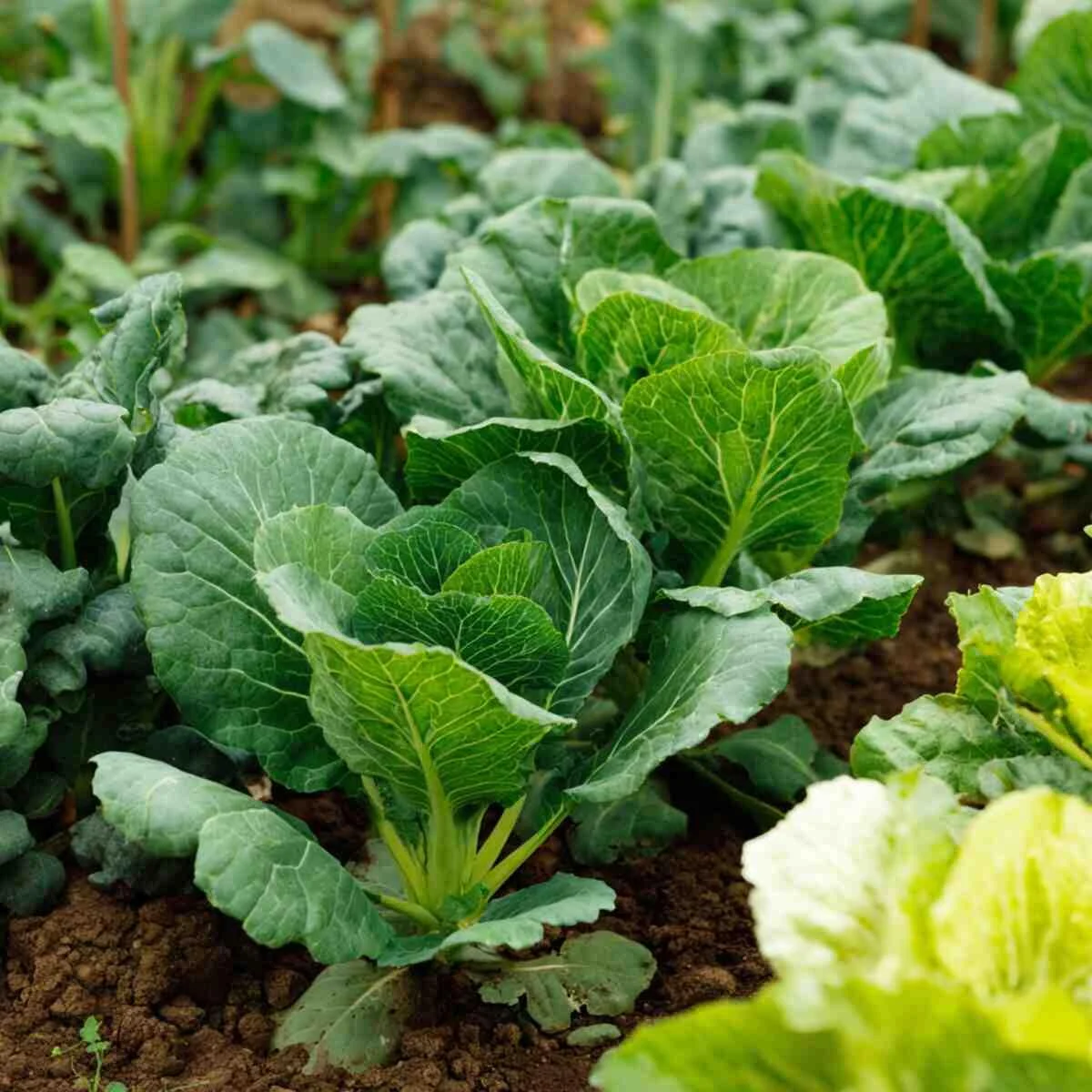
Lettuce, spinach, arugula, kale, and similar crops are grown for leaves, so their feeding needs are different from fruiting vegetables. They respond best to a nitrogen-forward program that keeps growth tender, quick, and evenly colored.
The main challenge is restraint. Greens need feeding, but overdoing it can create soft growth that bolts faster in warm weather or becomes more vulnerable to pests. Smaller, regular applications tend to work better than strong doses that push too much growth at once.
- Best for cool-season beds, succession sowings, and cut-and-come-again harvests.
- Apply lightly after harvest flushes if plants are being cut multiple times.
- Avoid piling fertilizer directly against stems in dense salad beds.
Root Crop Fertilizer Ideas for Carrots, Beets, and Similar Crops
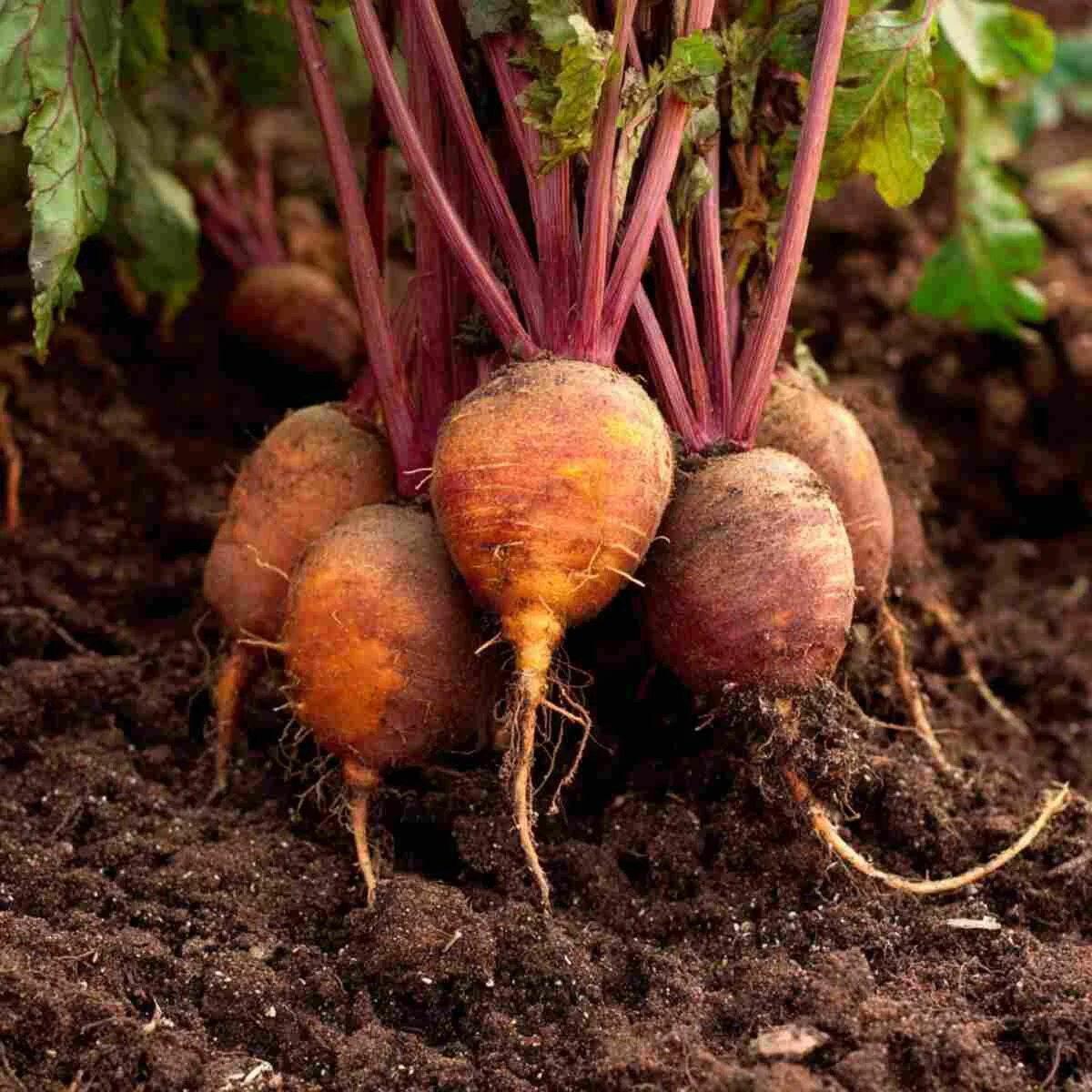
Root vegetables need the plant to put its energy below the soil line, which is why they often struggle when fed like leafy crops. Too much nitrogen encourages top growth at the expense of root shape and size.
Blends aimed at carrots, beets, radishes, and turnips usually lean more toward phosphorus and potassium, supporting root development without pushing excessive foliage. Soil texture matters here too. Even the right fertilizer will not fully compensate for compacted ground or fresh manure, both of which can distort root growth.
- Use in loose, stone-free soil for straighter roots and better sizing.
- Skip heavy nitrogen feeding before sowing.
- Keep moisture even so roots swell steadily instead of splitting.
Flowering and Fruiting Fertilizer Ideas for Peppers and Eggplants
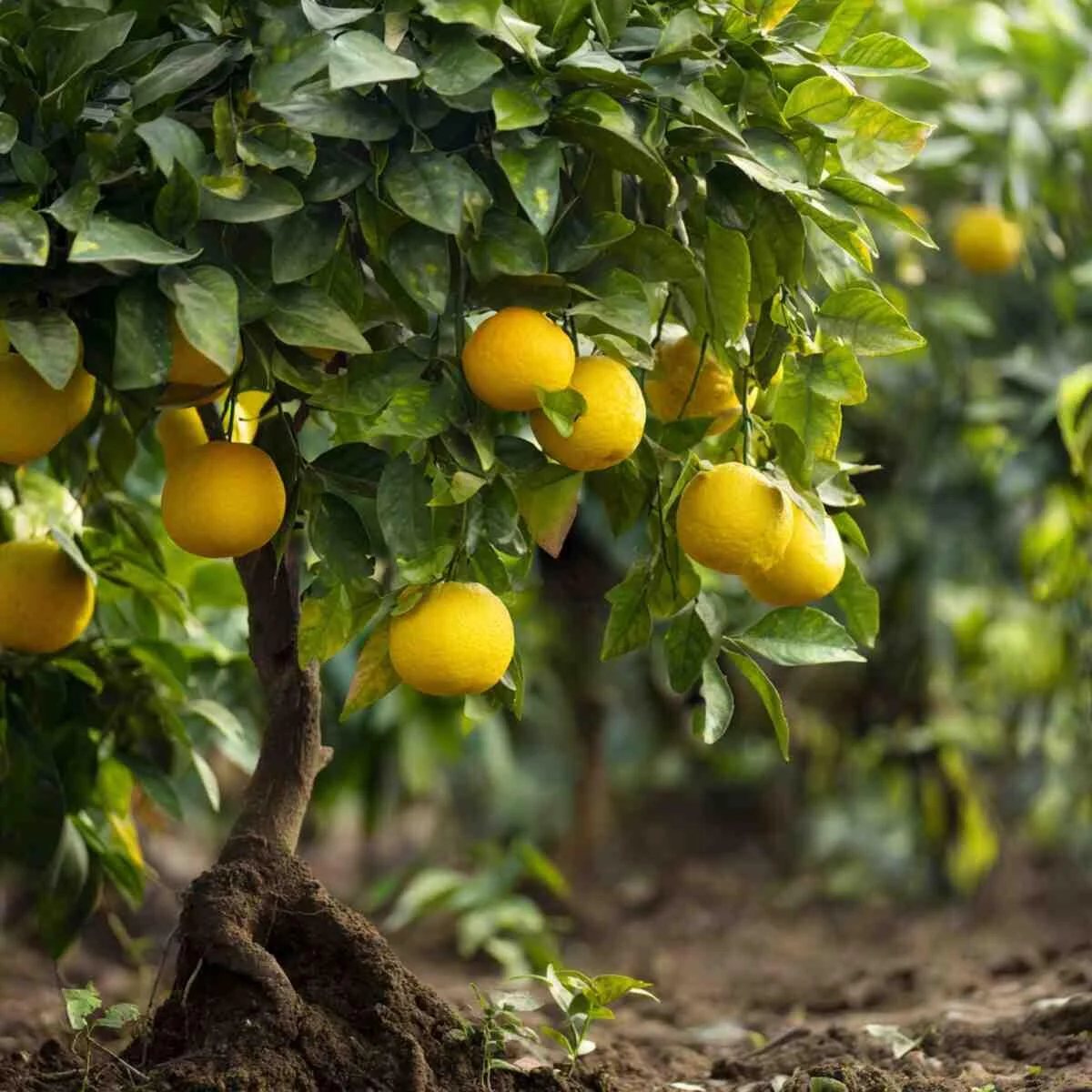
Peppers and eggplants need enough nutrition to build a sturdy plant, but once buds begin forming, the priority becomes flowering and fruit retention. A fertilizer designed for that stage supports a stronger transition from growth to production.
This category works especially well in long-season vegetable beds where plants remain in place for months. A fruiting-focused blend can help keep plants productive without pushing overly soft, leafy growth that delays harvest.
In warm climates or containers, regular light feeding often gives better results than occasional heavy applications.
Citrus Fertilizer Ideas for Glossy Foliage and Reliable Harvests
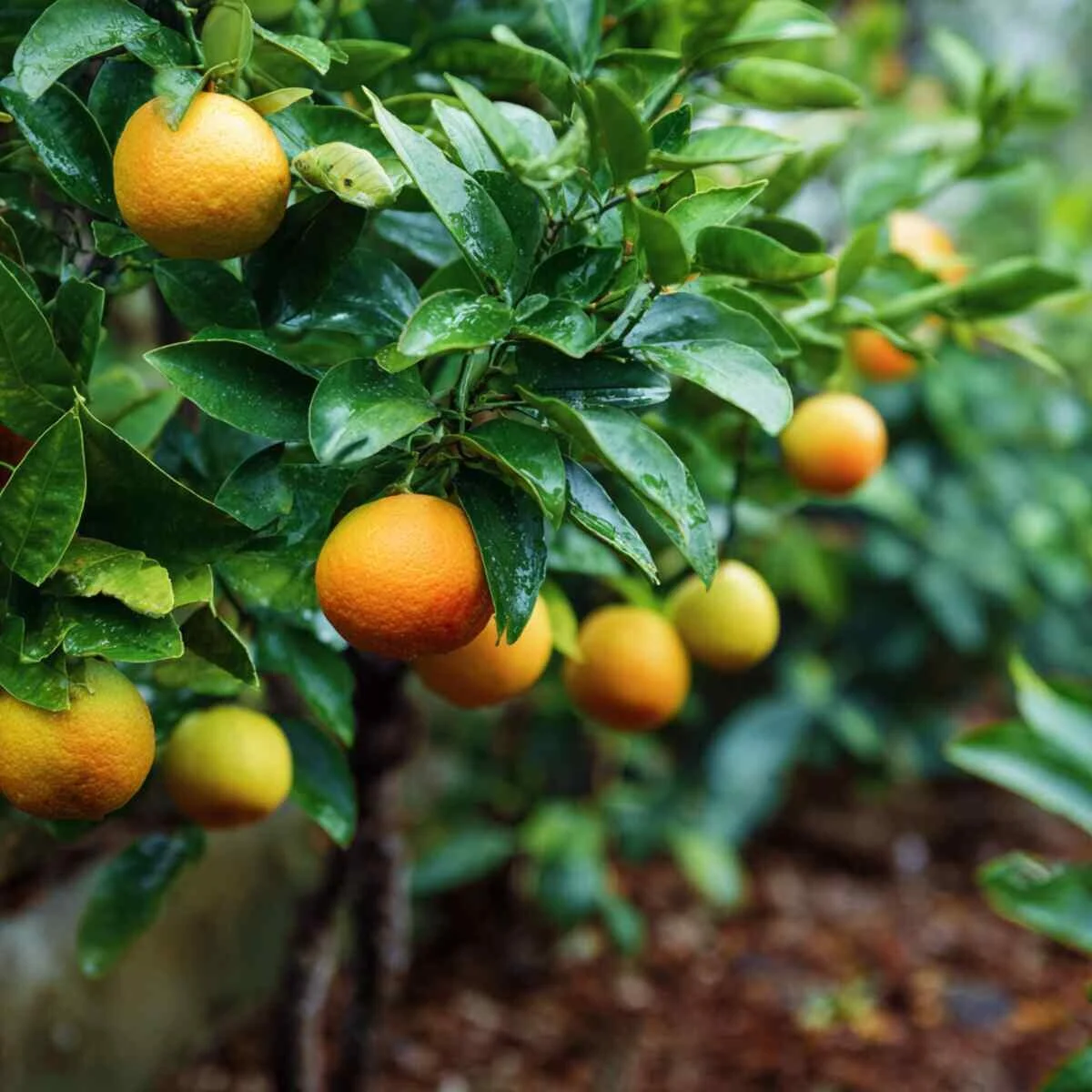
Citrus trees feed differently from annual vegetables because they are carrying leaves, roots, and fruit over a much longer cycle. They usually need steady nitrogen along with magnesium and trace elements that support leaf color and overall vigor.
A citrus-specific blend is particularly helpful when leaves begin to pale or fruiting becomes inconsistent. Gardeners in containers often notice deficiencies sooner because potting mixes lose nutrients faster than open ground.
- Feed more consistently during active growth and reduce during slower periods.
- Container citrus needs closer monitoring than mature in-ground trees.
- Yellowing leaves can point to watering or root issues as well as nutrition.
Berry Fertilizer Ideas for Acid-Loving Bushes
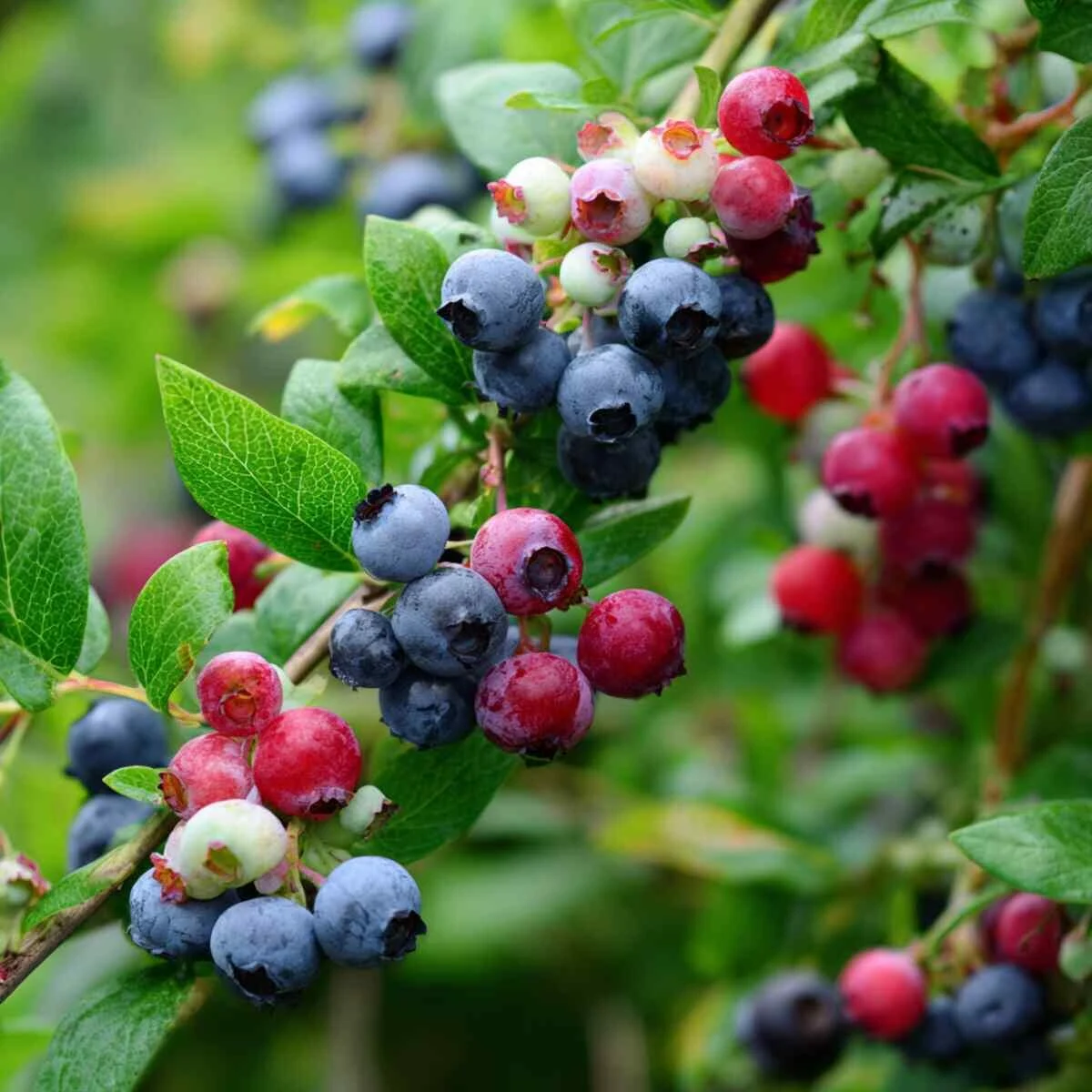
Blueberries are the clearest example of why crop-specific feeding matters. They are not just hungry for nutrients. They also prefer a more acidic soil environment, and without that, the plant cannot use what is already in the ground efficiently.
Berry-focused fertilizers are valuable because they support both growth and soil conditions. Raspberries, blackberries, and strawberries also benefit from gentler, targeted feeding that keeps fruiting on track without creating weak, overstimulated canes or leaves.
For blueberry growers especially, soil pH is just as important as the fertilizer label.
Potato Fertilizer Ideas for Better Tuber Development
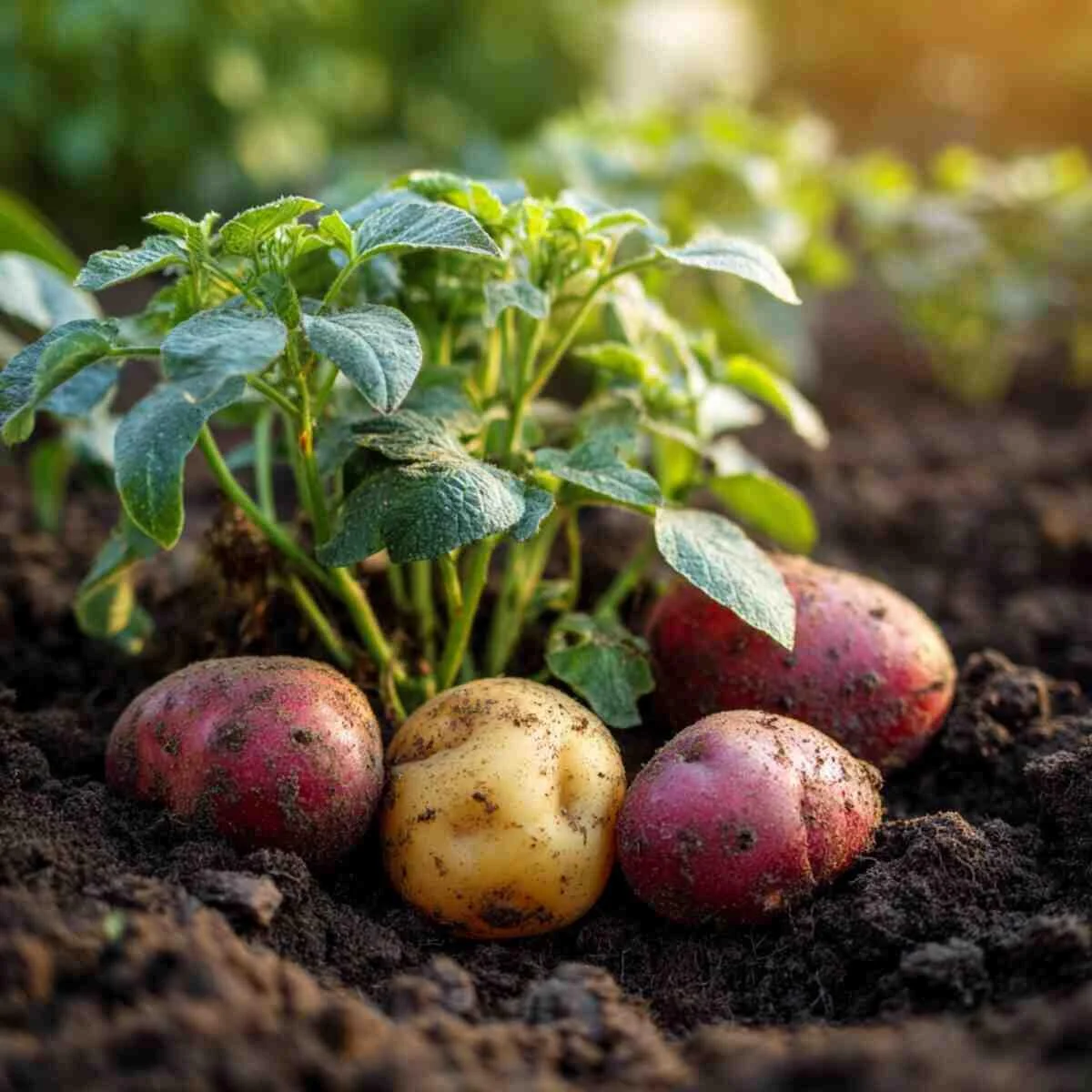
Potatoes need enough top growth to power the plant, but not so much that all the energy stays above ground. That is why potato formulas usually avoid excessive nitrogen and give more weight to the nutrients tied to tuber formation.
This matters in both garden rows and grow bags. Where potatoes are overfed with nitrogen, the plants often look vigorous while the harvest underperforms. A more restrained, crop-specific formula keeps the plant productive without sending it off balance.
- Use a moderate feeding plan once growth is established.
- Avoid rich fresh manure, which can distort growth and affect quality.
- Hill plants properly so developing tubers stay covered.
Legume Fertilizer Ideas for Peas and Beans
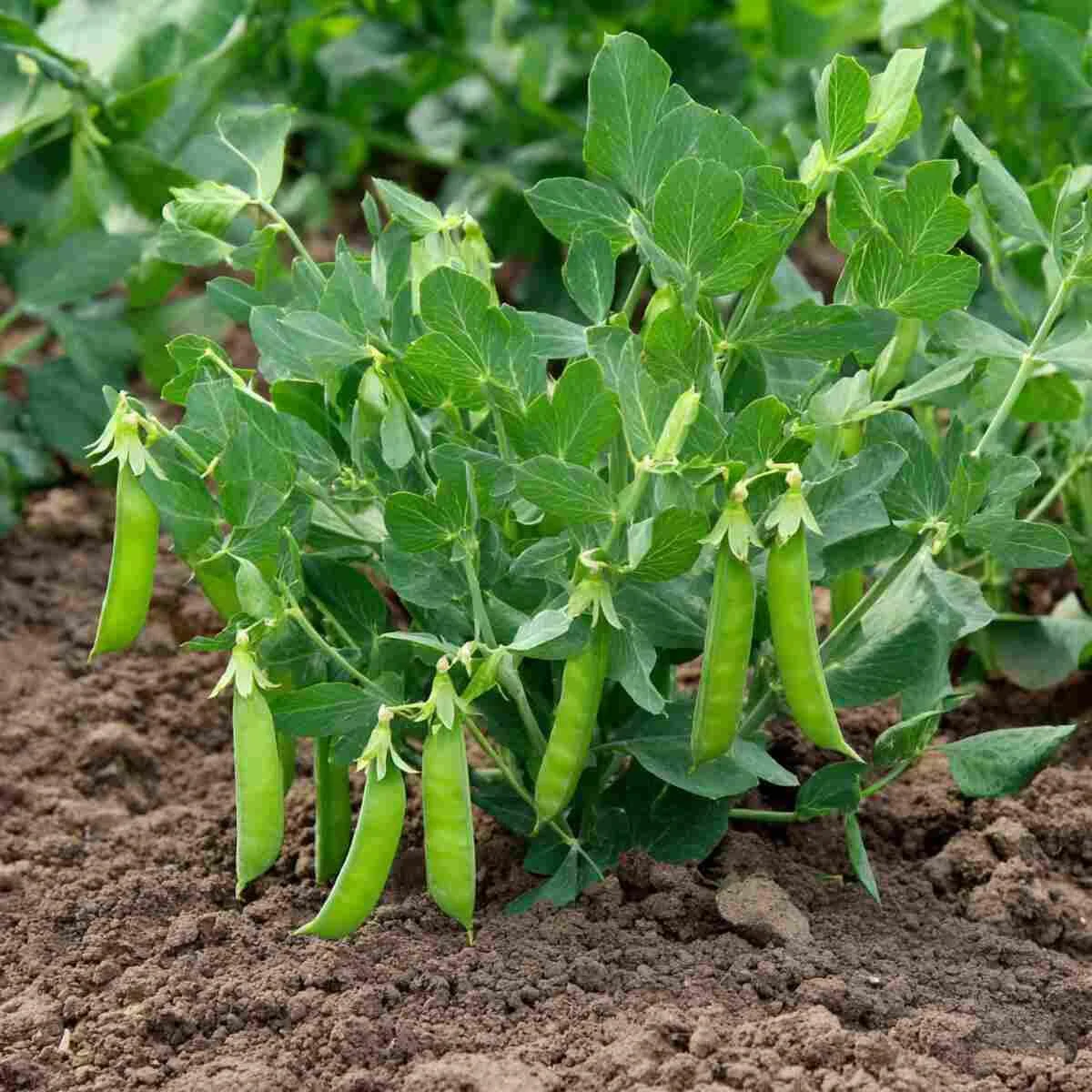
Peas and beans are often misunderstood because they can fix nitrogen, leading many gardeners to assume they need no feeding at all. In reality, they still benefit from support, especially phosphorus and potassium for root development, flowering, and pod production.
The key is avoiding unnecessary nitrogen-heavy products. Those can encourage vine or leaf growth at the expense of pods. A lighter, more specific blend respects what legumes already do well and fills in the rest.
Herb Fertilizer Ideas for Better Flavor and Compact Growth
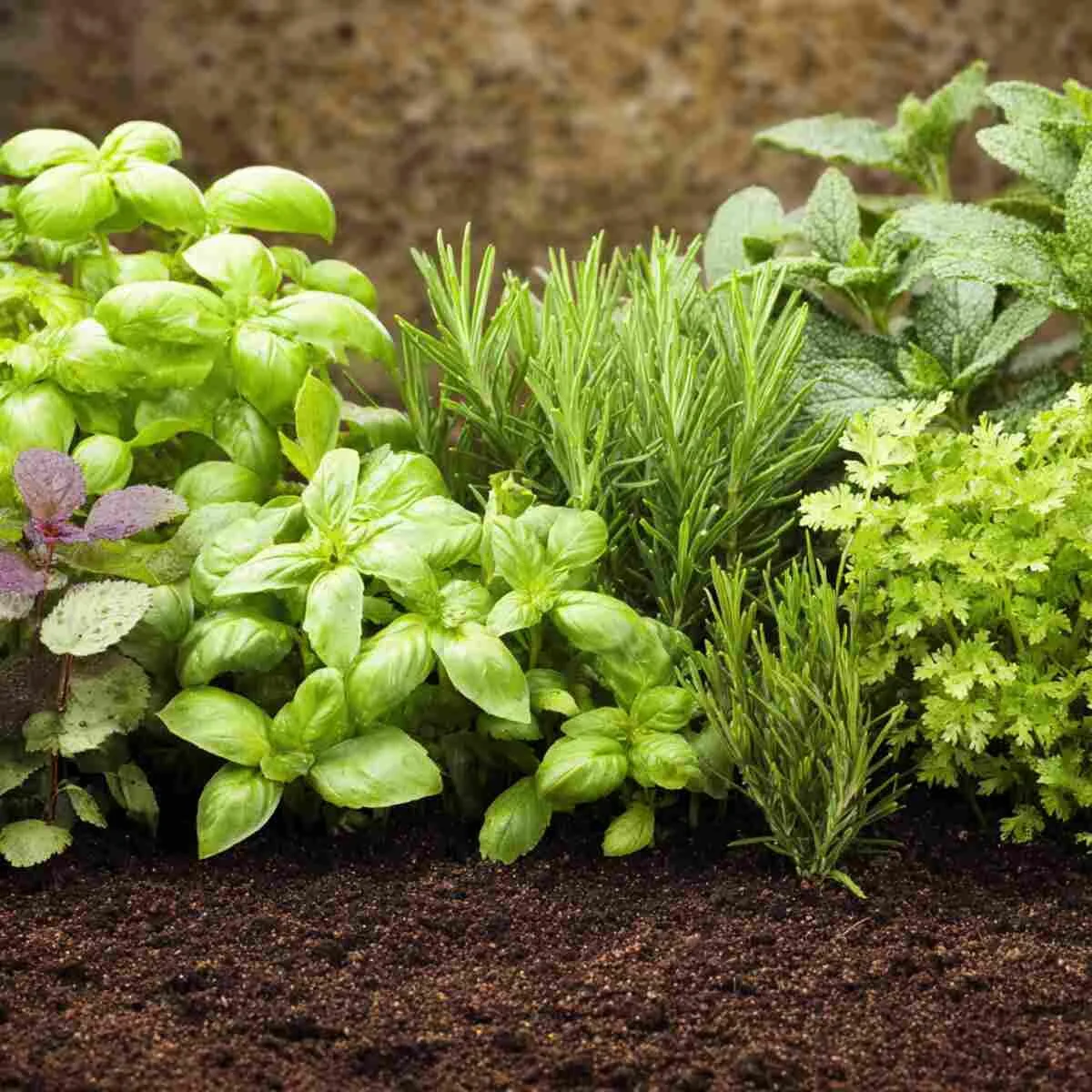
Herbs are one of the easiest crops to overfeed. Basil, parsley, chives, thyme, oregano, and rosemary all appreciate healthy soil, but too much fertilizer can lead to oversized, watery growth with weaker flavor.
That is why herb-specific feeding works best when it stays mild and balanced. Culinary herbs generally perform better with restraint, particularly in containers where it is easy to reach for fertilizer too often.
- Feed potted herbs more lightly but more consistently than garden-grown ones.
- Mediterranean herbs usually need less fertilizer than leafy annual herbs.
- Trim regularly to keep plants dense and productive.
Corn Fertilizer Ideas for Tall Growth and Full Ears
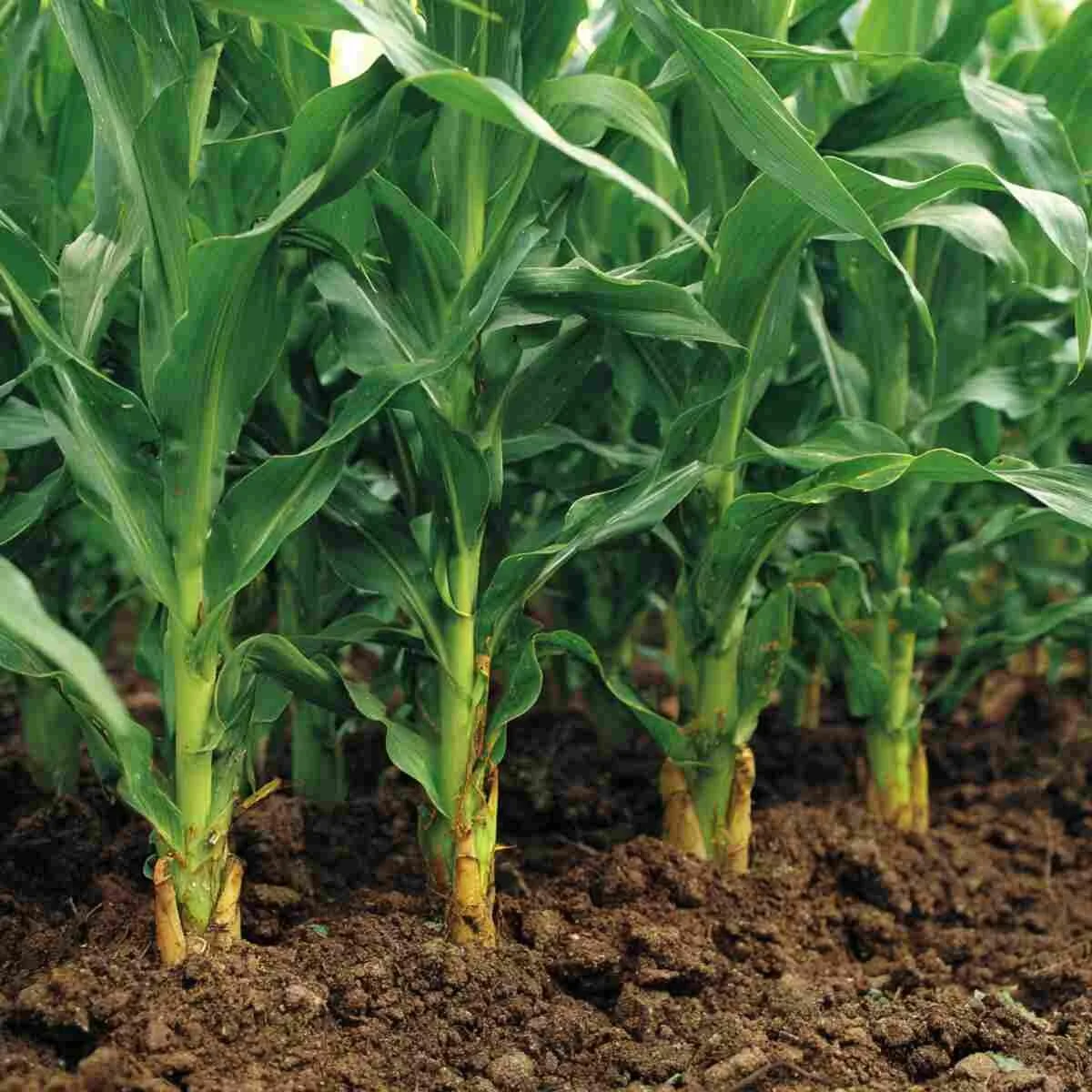
Corn is one of the heaviest feeders in a home vegetable garden, and it shows quickly when nutrients are lacking. Pale leaves, uneven growth, and undersized ears often point to a crop that has run short during a demanding stage.
A corn-focused fertilizer typically leans higher in nitrogen early on, supporting stalk and leaf development before the plant moves toward ear production. Because corn is usually grown in blocks rather than single rows, even feeding across the patch matters.
This is one crop where poor soil fertility is difficult to hide, so planning ahead makes a noticeable difference.
Cucumber and Melon Fertilizer Ideas for Vine Crops
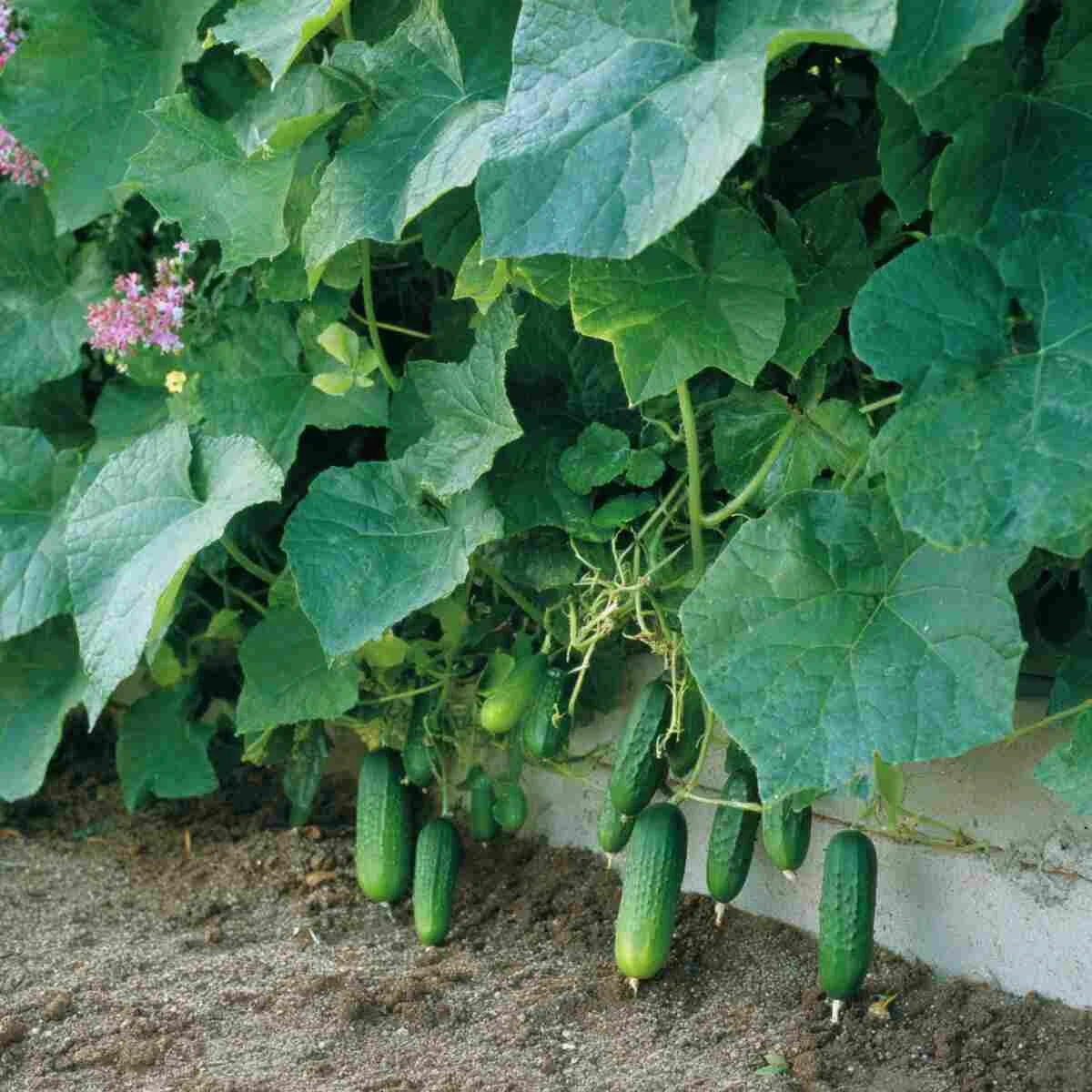
Cucumbers and melons need a balanced start, then stronger support during flowering and fruit development. Their rapid vine growth can make them look healthy even when the feeding plan is slightly off, which is why fruit set often tells the real story.
A blend aimed at cucurbits helps keep vines moving without putting all the plant’s energy into leaves. This is especially useful in raised beds and warm summer gardens where watering is frequent and nutrients can move through the soil faster.
- Keep vines evenly watered so fruit develops without bitterness or stress.
- Feed before the plant looks depleted rather than waiting for yellowing.
- Useful for trellised cucumbers as well as sprawling melon patches.
Strawberry Fertilizer Ideas for Sweeter, Cleaner Harvests
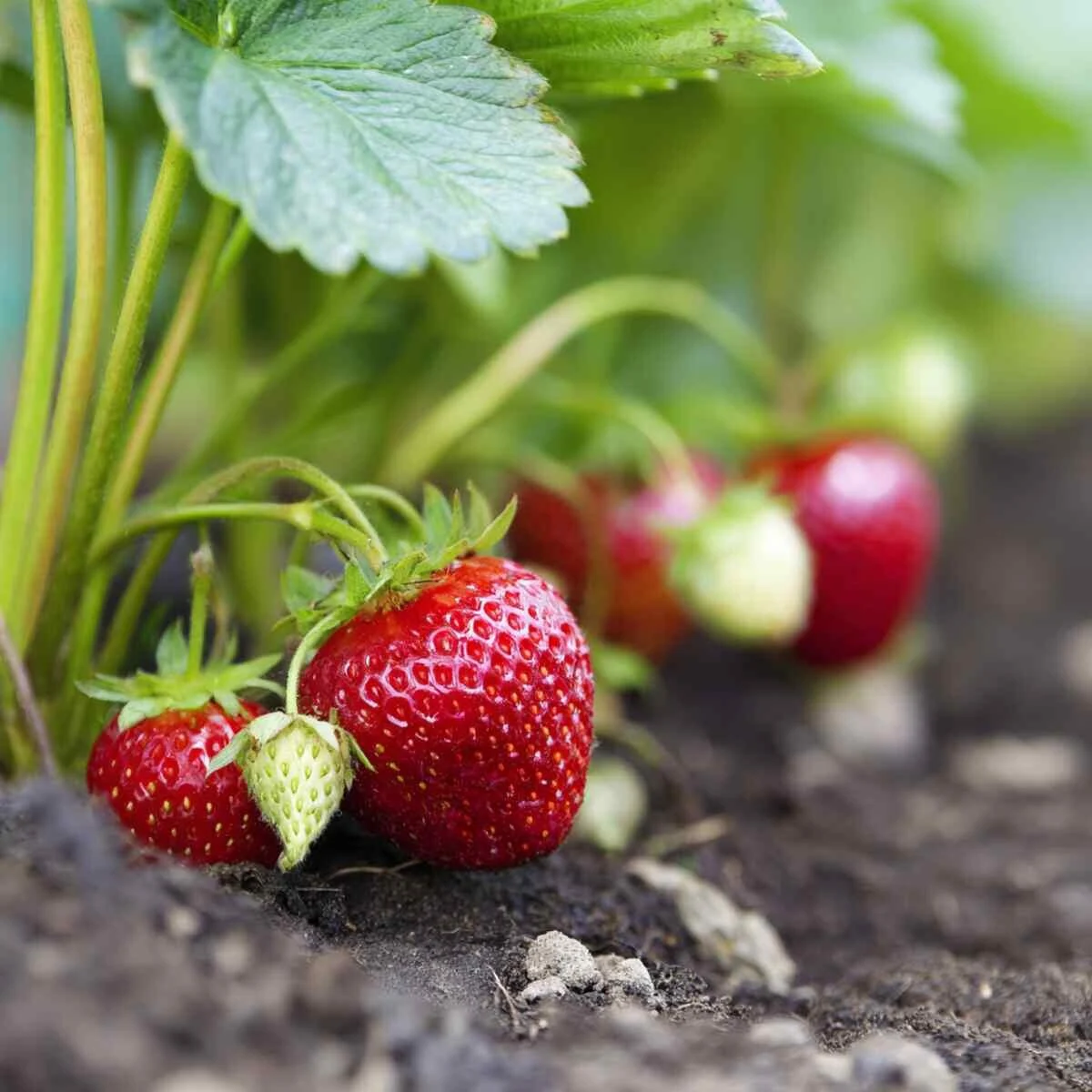
Strawberries need a steady but not excessive feeding plan. Too much vigor can produce leafy plants that look healthy yet put less energy into fruit. A strawberry-focused formula supports root strength, flower formation, and berry production without tipping the balance too far.
This is particularly useful in beds that stay in production for more than one season, as nutrient demands shift between establishment, flowering, and post-harvest recovery.
Grape Vine Fertilizer Ideas for Stronger Clusters and Balanced Growth
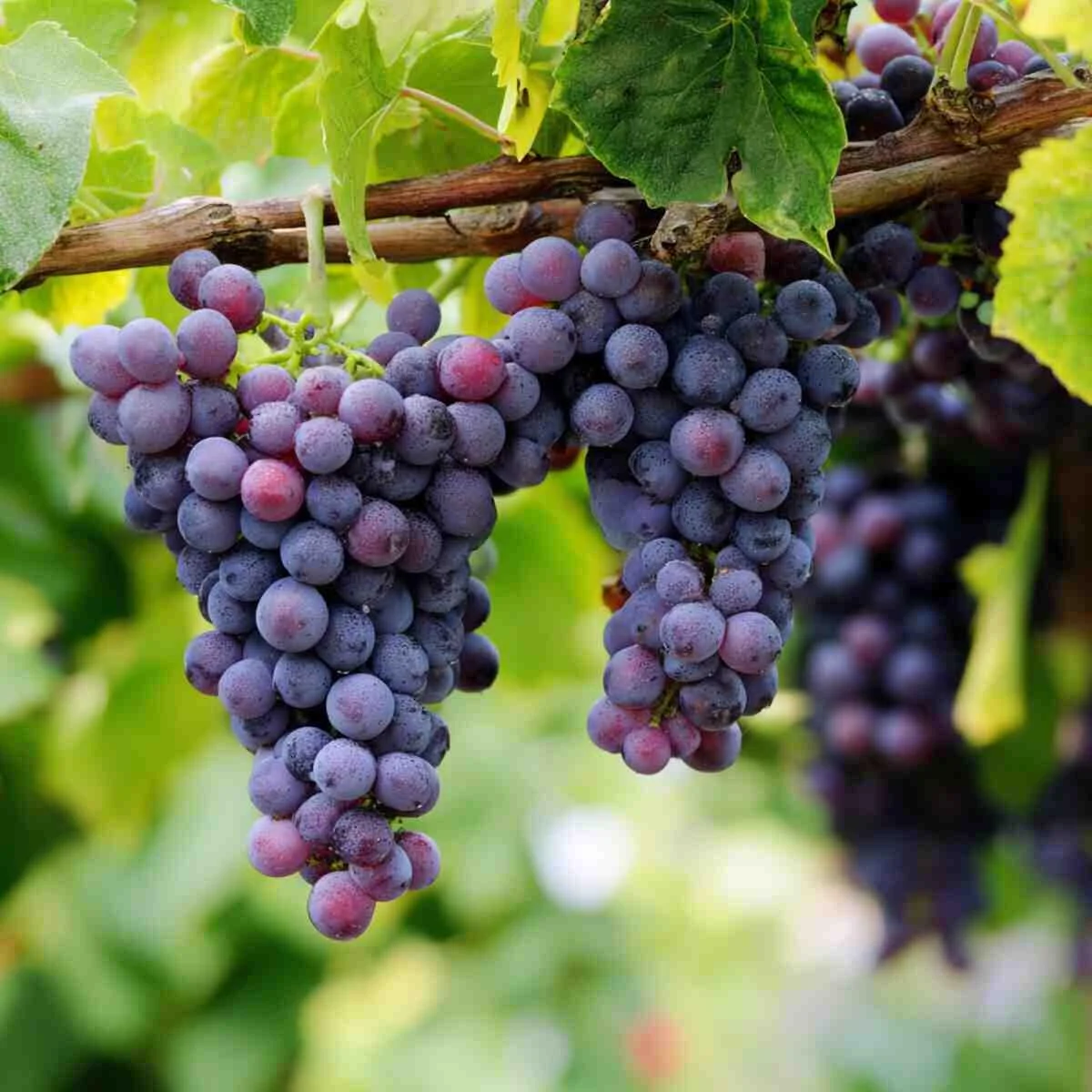
Grapevines need thoughtful feeding because too much lush growth can create its own problems, especially in humid conditions where crowded foliage affects airflow. A vine-specific fertilizer supports flowering and fruiting while keeping the plant structurally strong.
For home growers, the best results usually come from pairing targeted feeding with pruning discipline. Fertilizer alone cannot correct an overcrowded vine, but the right blend can improve fruit quality and overall vine health when the structure is already sound.
Avocado Fertilizer Ideas for Trees That Need Micronutrient Support
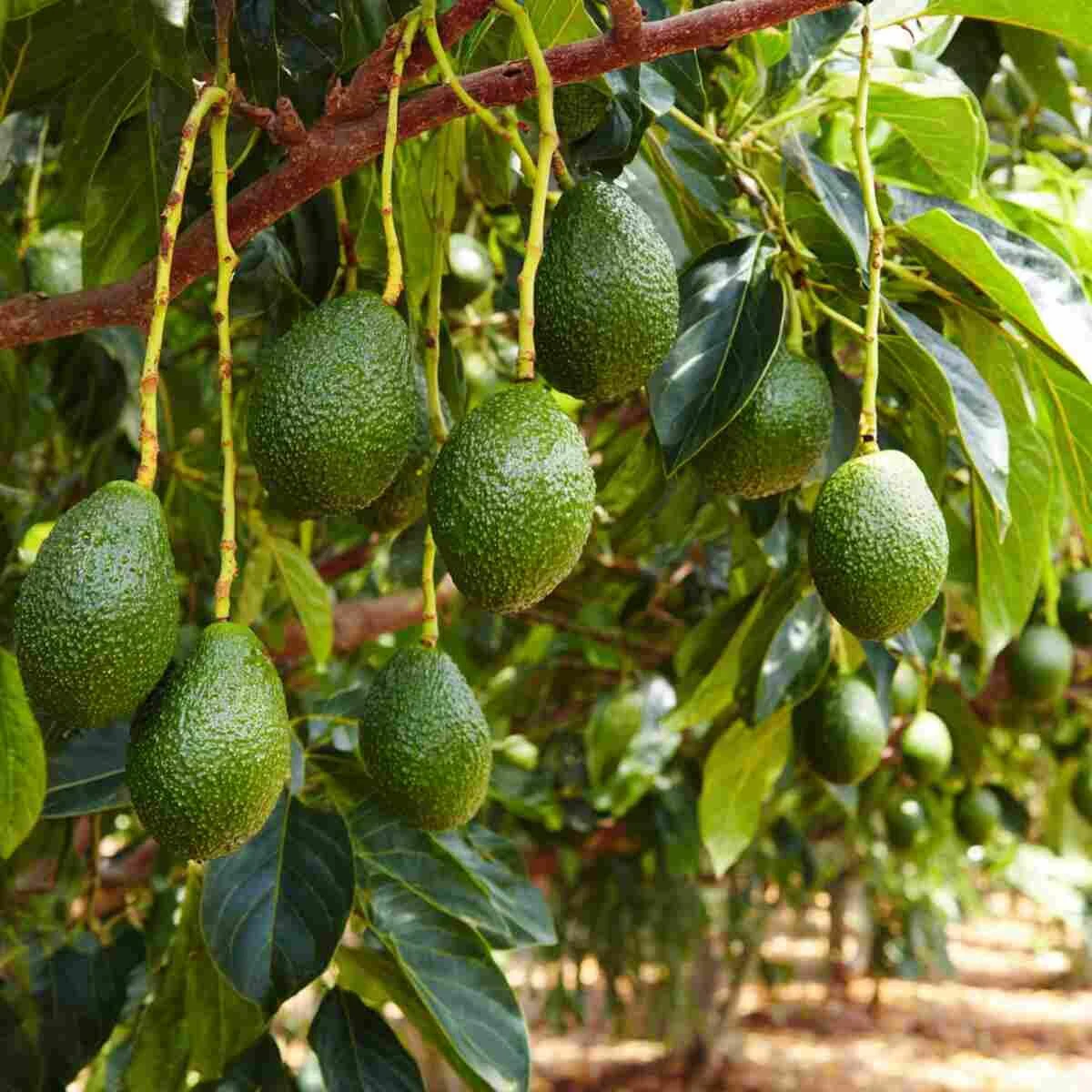
Avocado trees often need more than the basic NPK conversation suggests. Nitrogen matters, but so do important micronutrients such as zinc, especially where soils are alkaline or trees are being grown outside their ideal range.
A tailored avocado fertilizer is useful for keeping foliage healthy, supporting steady canopy growth, and helping the tree carry fruit without becoming depleted. Younger trees benefit from gentle, regular applications rather than one strong seasonal dose.
- Keep fertilizer away from the trunk flare.
- Young trees are easier to overfeed than mature ones.
- Check drainage before assuming every weak tree needs more fertilizer.
Rose and Ornamental Fertilizer Ideas for Longer Bloom Performance
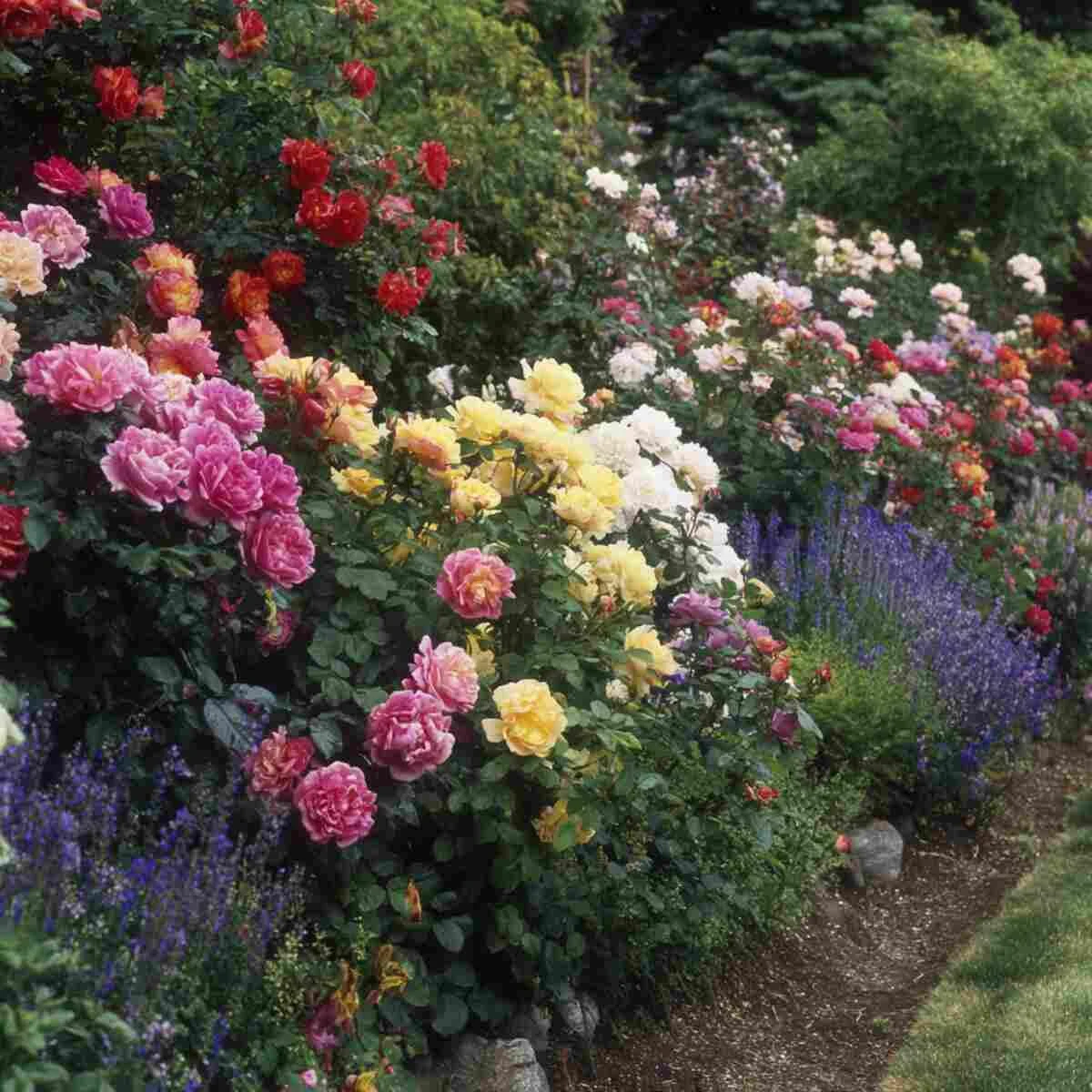
Roses and flowering ornamentals are often fed for bloom count alone, but the stronger goal is balanced performance: repeat flowering, sturdy stems, healthy foliage, and enough resilience to cope with heat, rain, or pest pressure.
A bloom-oriented formula can support that cycle, especially for repeat-flowering shrubs and heavily blooming border plants. It is most effective when paired with pruning, deadheading, and sensible watering rather than used as a shortcut.
In mixed borders, this kind of fertilizer is best reserved for plants that genuinely benefit from it rather than spread across everything equally.
Onion and Garlic Fertilizer Ideas with Sulfur Support
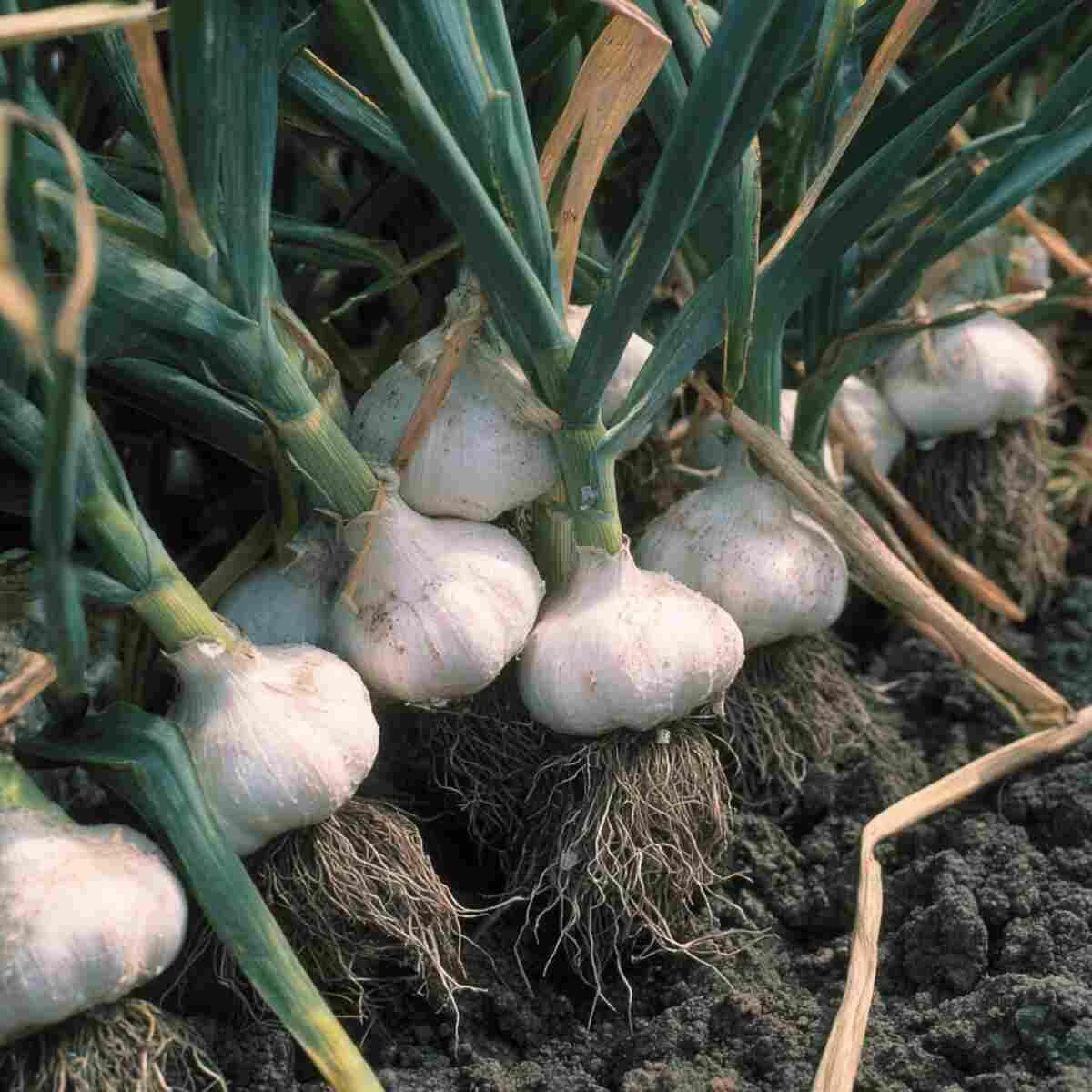
Alliums have a different set of priorities from leafy greens and fruiting crops. Bulb formation, firmness, and storage quality matter most, and sulfur plays a meaningful role alongside potassium and overall soil balance.
A fertilizer formulated for onions and garlic can help produce more uniform bulbs and better flavor. It is especially useful in beds where these crops are grown regularly and soil reserves are not as strong as they once were.
- Support early growth, then avoid overfeeding late in the season.
- Consistent spacing and watering are just as important as nutrition.
- Good curing after harvest matters for storage as much as feeding does.
Pepper Fertilizer Ideas for Chili and Bell Varieties
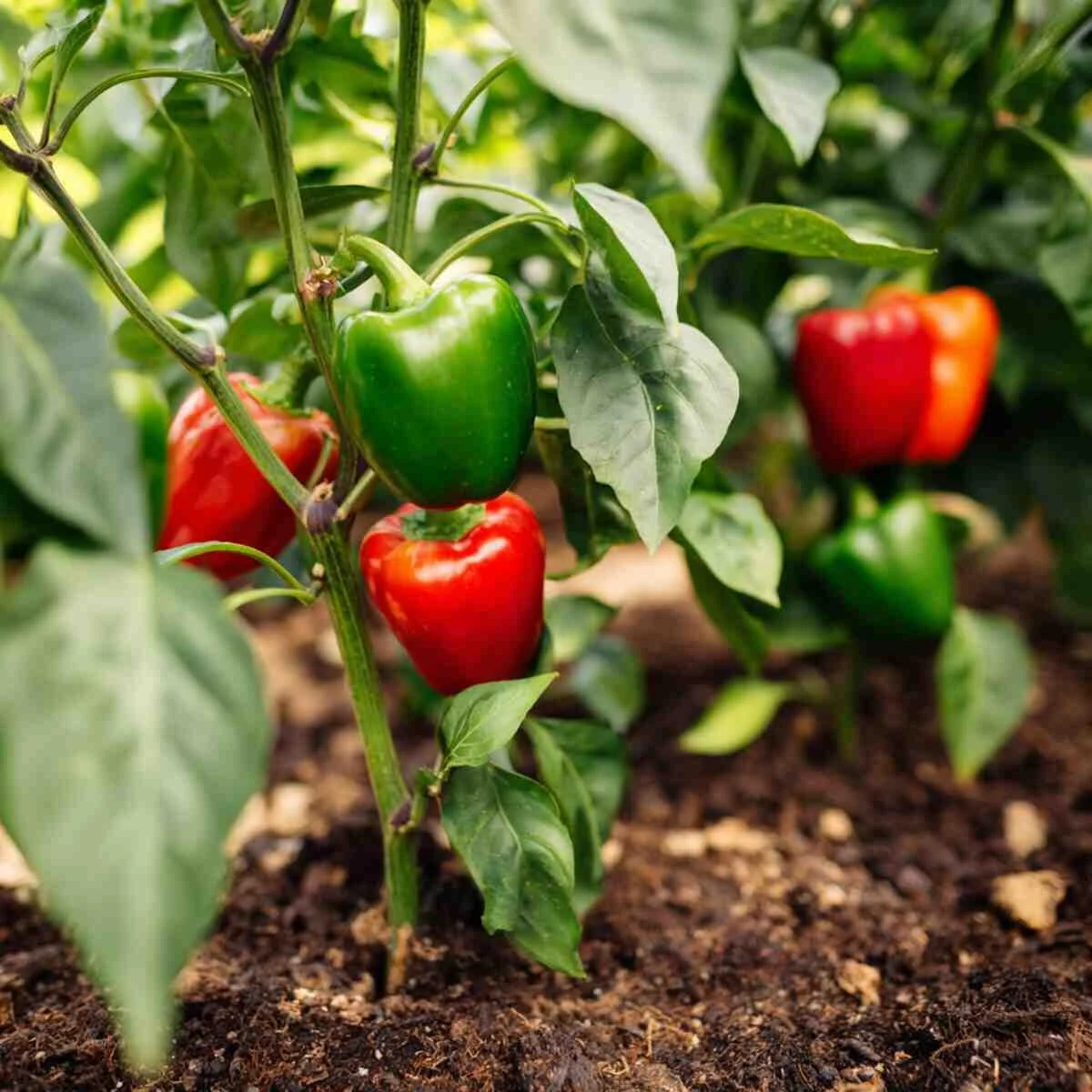
Peppers reward precision. They do not usually want the same lush, nitrogen-heavy treatment given to fast-growing greens. Once established, they benefit more from feeding that supports flowers, fruit size, and steady ripening.
This is where pepper-specific blends earn their place, especially for container growers who want reliable yields from compact plants. A more measured feeding program can also help reduce blossom drop that follows stress or overly rapid vegetative growth.
Pumpkin and Squash Fertilizer Ideas for Heavy Summer Crops
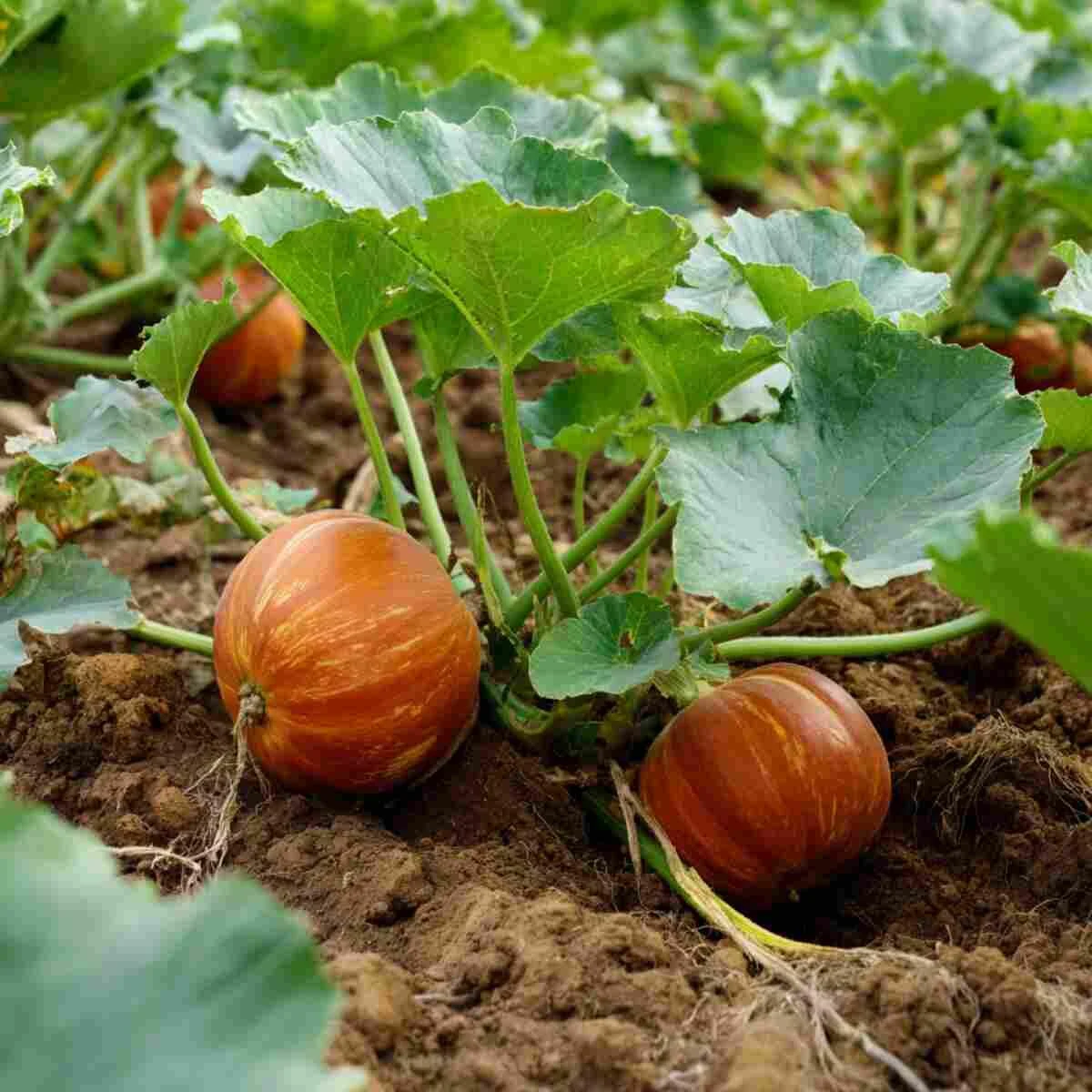
Pumpkins and squash are hungry plants with a long growing season, broad leaves, and large fruit to support. Their feeding needs shift from vine establishment to flowering and then into fruit sizing, which is why a crop-specific formula is often more effective than a general-purpose fertilizer.
For gardeners hoping for larger fruit or a more dependable harvest, consistent support matters more than one dramatic feed. These vines are also quick to show stress during dry spells, so fertilizer works best alongside even watering and mulch.
Banana Plant Fertilizer Ideas for Fast Growth and Strong Stems
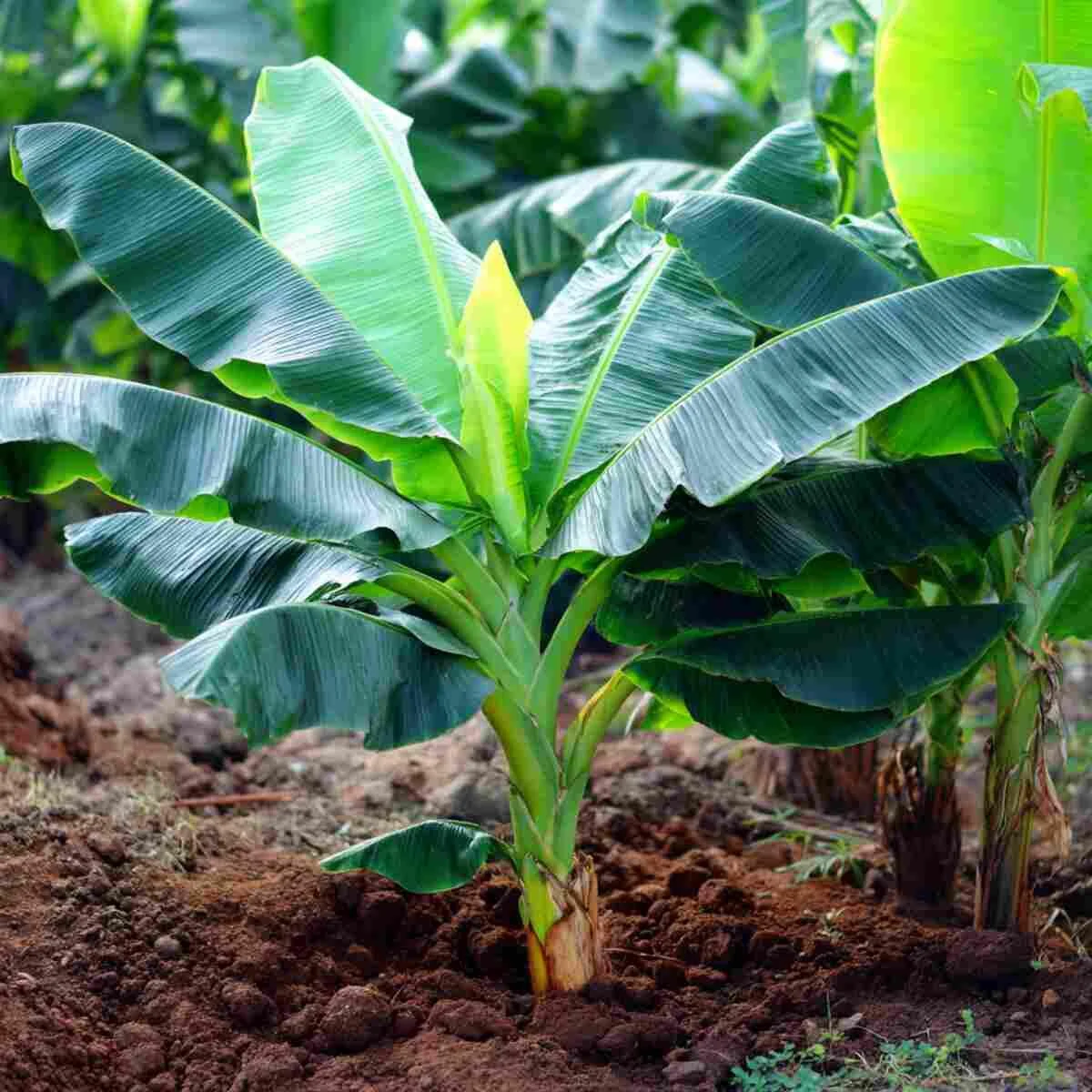
Bananas are lush, fast-growing plants with an appetite to match. They use large amounts of nitrogen and potassium, and they benefit from steady access to magnesium and other supporting nutrients as they build leaf mass and fruit.
Whether grown in tropical gardens or large containers in warm climates, bananas respond best to regular feeding rather than neglect followed by correction. Their size makes nutrient shortages obvious, often through slowed growth or tired-looking foliage.
- Feed regularly during active growth.
- Bananas grown in containers need especially close attention.
- Combine feeding with deep watering in hot weather.
Mango Tree Fertilizer Ideas for Flowering and Fruit Quality
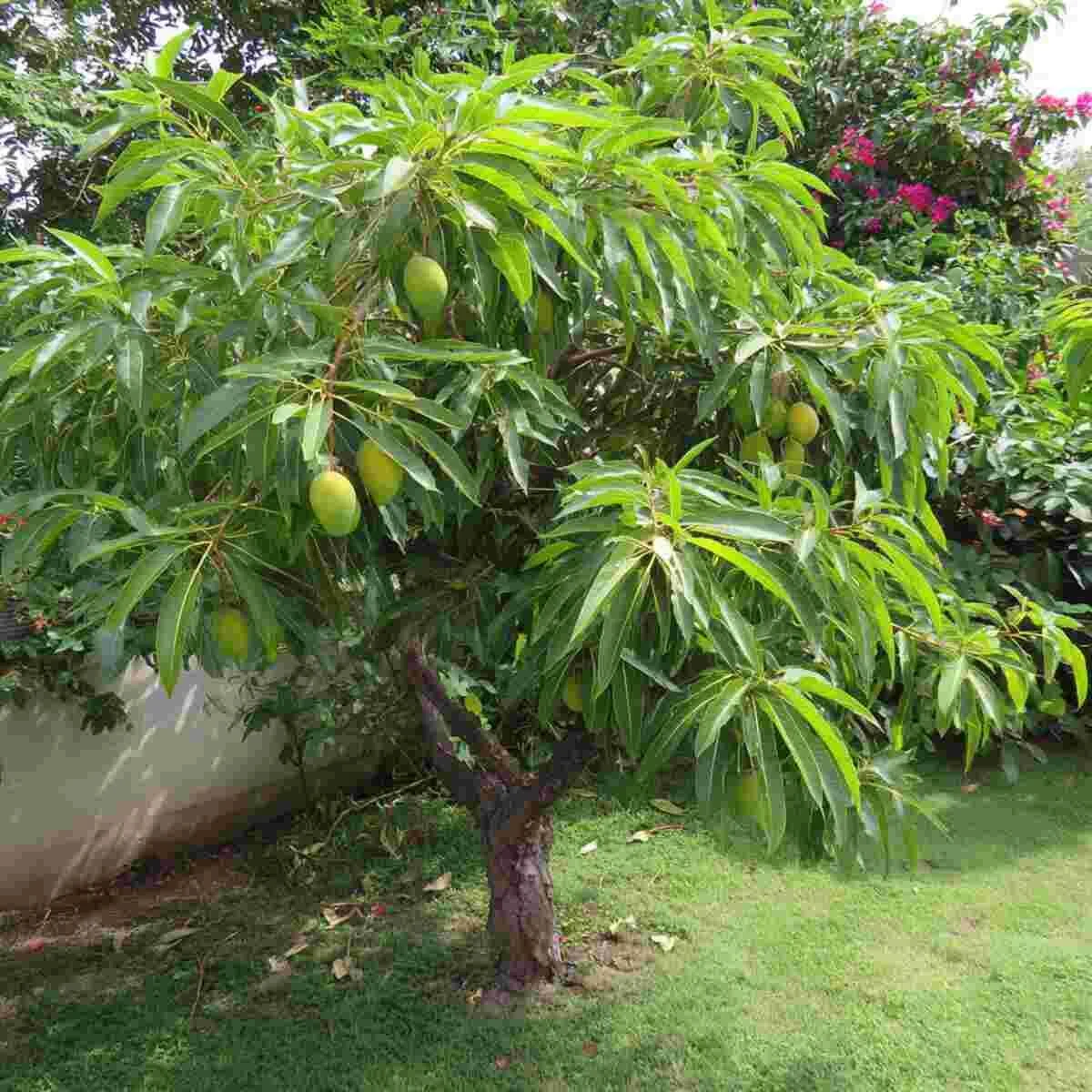
Mango trees benefit from a nutrient program that supports both vegetative growth and fruiting without pushing the tree into endless leaf production. Potassium and phosphorus are especially important during flowering and fruit development, while micronutrients help maintain overall tree vigor.
A mango-specific fertilizer is particularly useful in home gardens where fruit quality matters as much as quantity. The goal is not simply more growth. It is a healthier tree that flowers reliably and carries better fruit from season to season.
Frequently Asked Questions
Do crop-specific fertilizers really make a difference?
They can, especially when a crop has distinct needs or a common weakness. Blueberries, citrus, tomatoes, onions, and root crops all tend to perform better when fertilized with their growth habit in mind rather than fed with a one-size-fits-all product.
Is general-purpose fertilizer enough for a vegetable garden?
For some gardens, it is a decent starting point. The problem appears when crops with very different needs share the same feeding plan. Leafy greens, tomatoes, root crops, and herbs do not respond the same way, so a general fertilizer often works best when it is supplemented with crop-specific adjustments.
How often should crop-specific fertilizer be applied?
That depends on the crop, the product form, and whether the plant is growing in the ground or in a container. Fast-growing annuals and potted plants usually need more frequent attention than established trees or shrubs. Always follow the label rate and adjust based on plant performance rather than feeding on autopilot.
Can too much fertilizer reduce harvest quality?
Yes. Too much nitrogen is a common problem and can lead to bland herbs, leafy tomato plants with fewer fruits, weak root development in carrots, and soft growth that attracts pests. More fertilizer does not automatically mean more production.
What matters besides fertilizer?
Soil texture, drainage, watering habits, pH, temperature, spacing, and light all shape how well plants use nutrients. Fertilizer works best as part of a complete growing system, not as a fix for every garden problem.
Final Thoughts
The smartest fertilizer plan is usually the one that pays attention to what the crop is being grown for. Leaves, roots, flowers, fruit, and long-lived trees all draw on nutrients differently. Matching the feed to the crop leads to cleaner growth, stronger harvests, and far fewer wasted applications.
Written by the Zeeshe Home Editorial Team, a blog focused on practical home décor ideas and inspiration.


