
If you want your garden to feel more alive, adding a simple feeding setup can make a noticeable difference. With the right mix of food, water, and shelter, even a small yard can start attracting birds, pollinators, and other beneficial wildlife.
The key is variety. Different species feed in different ways—some prefer elevated feeders, others forage at ground level, and many rely on water sources as much as food. By combining a few thoughtful elements, you can create a space that supports wildlife throughout the year while also making your garden more dynamic and enjoyable to spend time in.

These ideas focus on practical setups that are easy to maintain, adaptable to different garden sizes, and effective at encouraging regular visits from wildlife.
1. Bird Seed Platform Feeder for Variety of Species
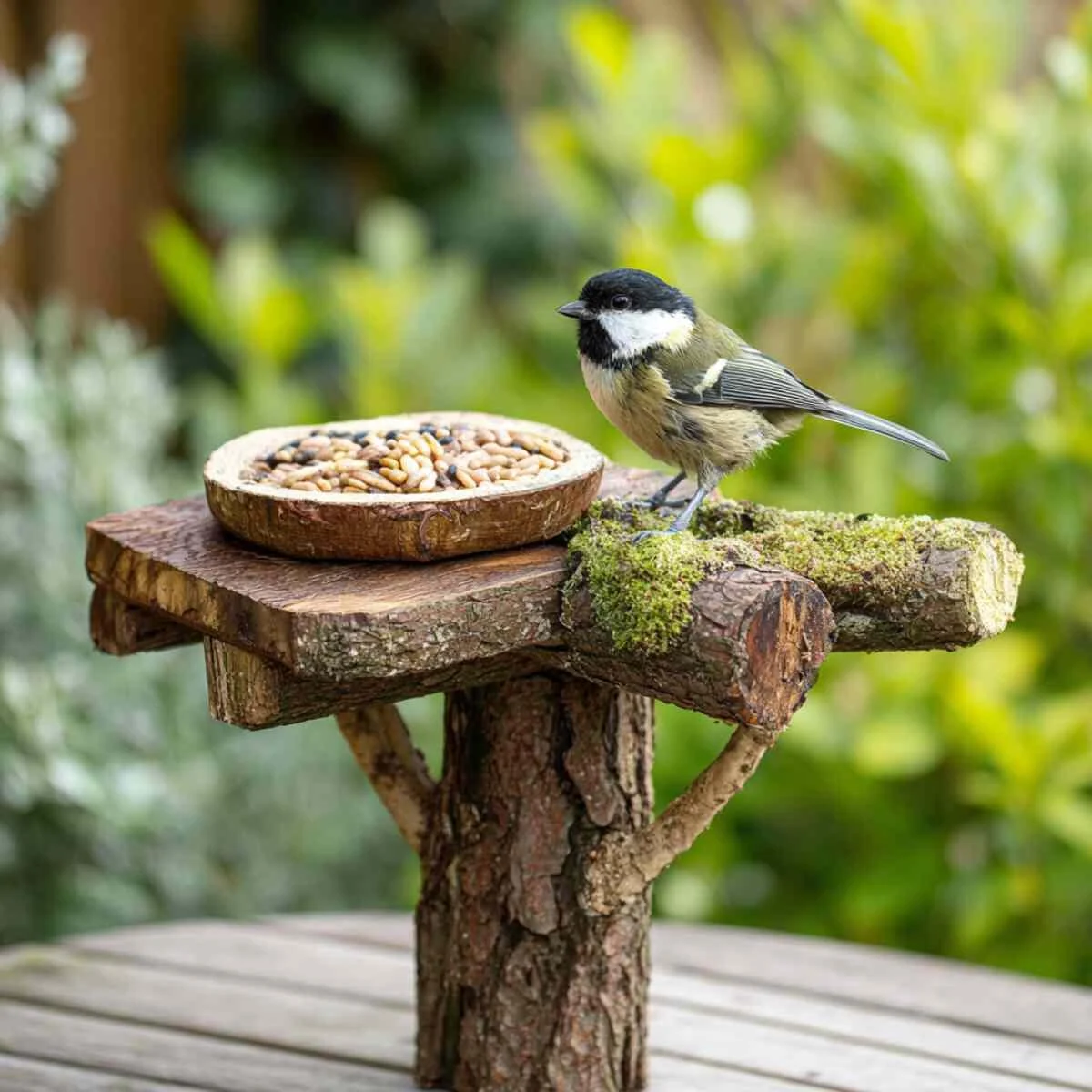
A platform feeder offers flexibility. Because it’s open and flat, it can accommodate a wider range of birds, including species that don’t typically use hanging feeders.
Place it in a visible but slightly sheltered area, ideally near shrubs or trees where birds can retreat quickly. Keeping it elevated also helps reduce interference from ground animals.
2. Hanging Suet Cages for High-Energy Feeding
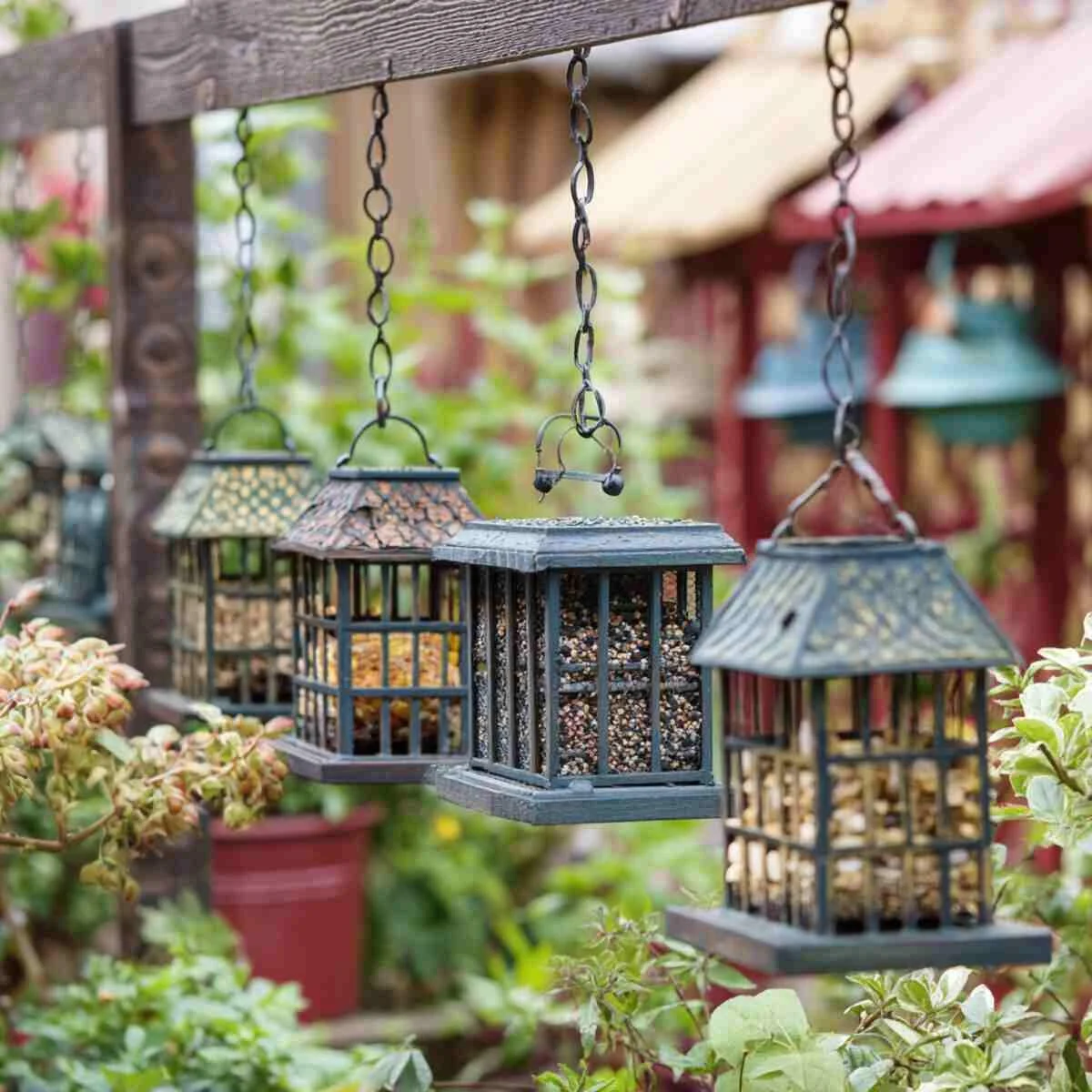
Suet feeders are especially valuable in colder months when natural food sources are limited. They provide dense energy for birds like woodpeckers, nuthatches, and chickadees.
Hang them from sturdy branches or hooks, ideally away from heavy foot traffic. Rotating suet types seasonally can help attract a broader mix of species.
3. Squirrel-Proof Bird Feeder for Better Control
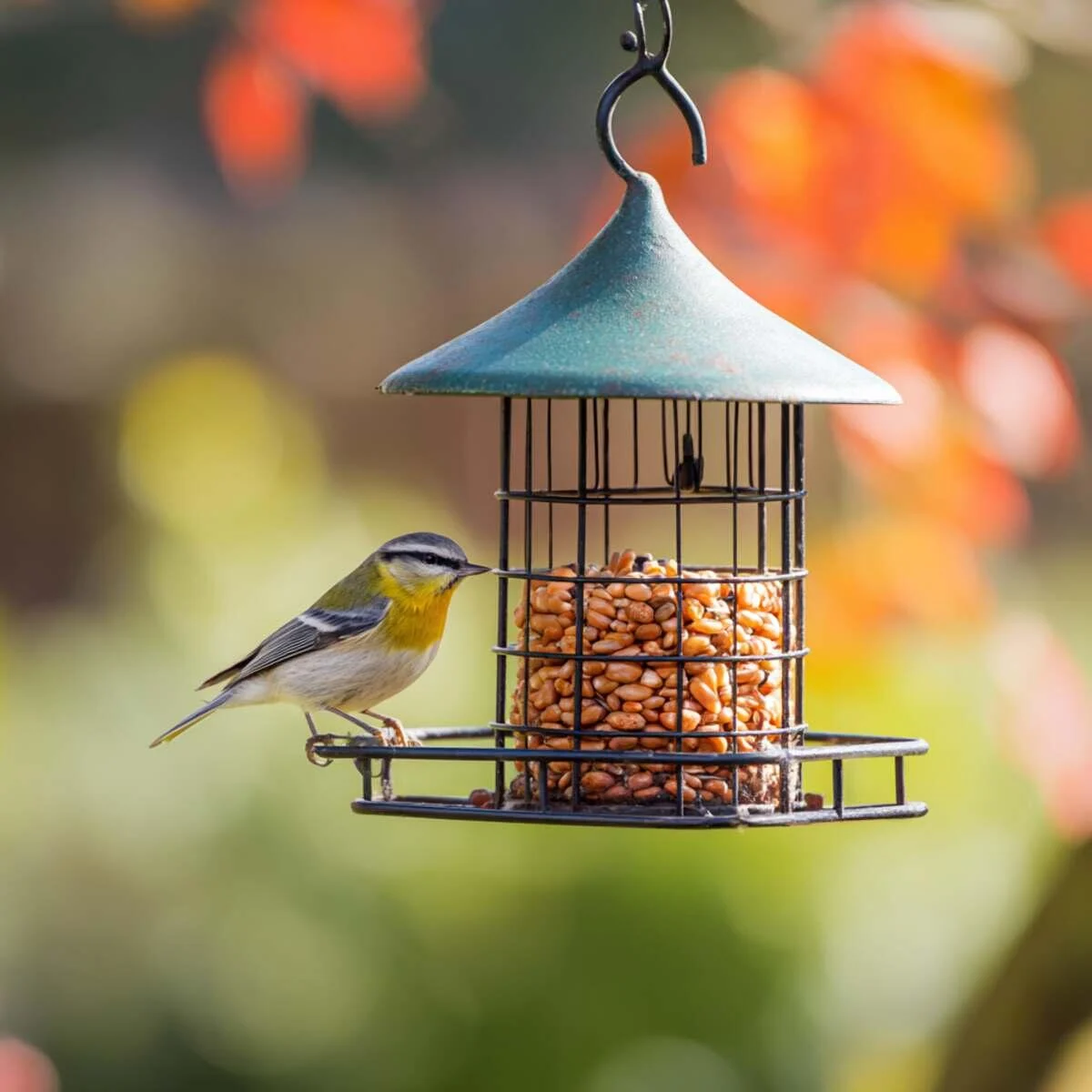
Squirrels can quickly empty a feeder, which is why a protected design is often worth the investment. These feeders use weight-sensitive perches or protective cages to keep access limited to smaller birds.
Positioning also matters. Keep feeders at least several feet away from jumping points like fences or tree trunks.
4. Ground Feeding Tray for Natural Foragers
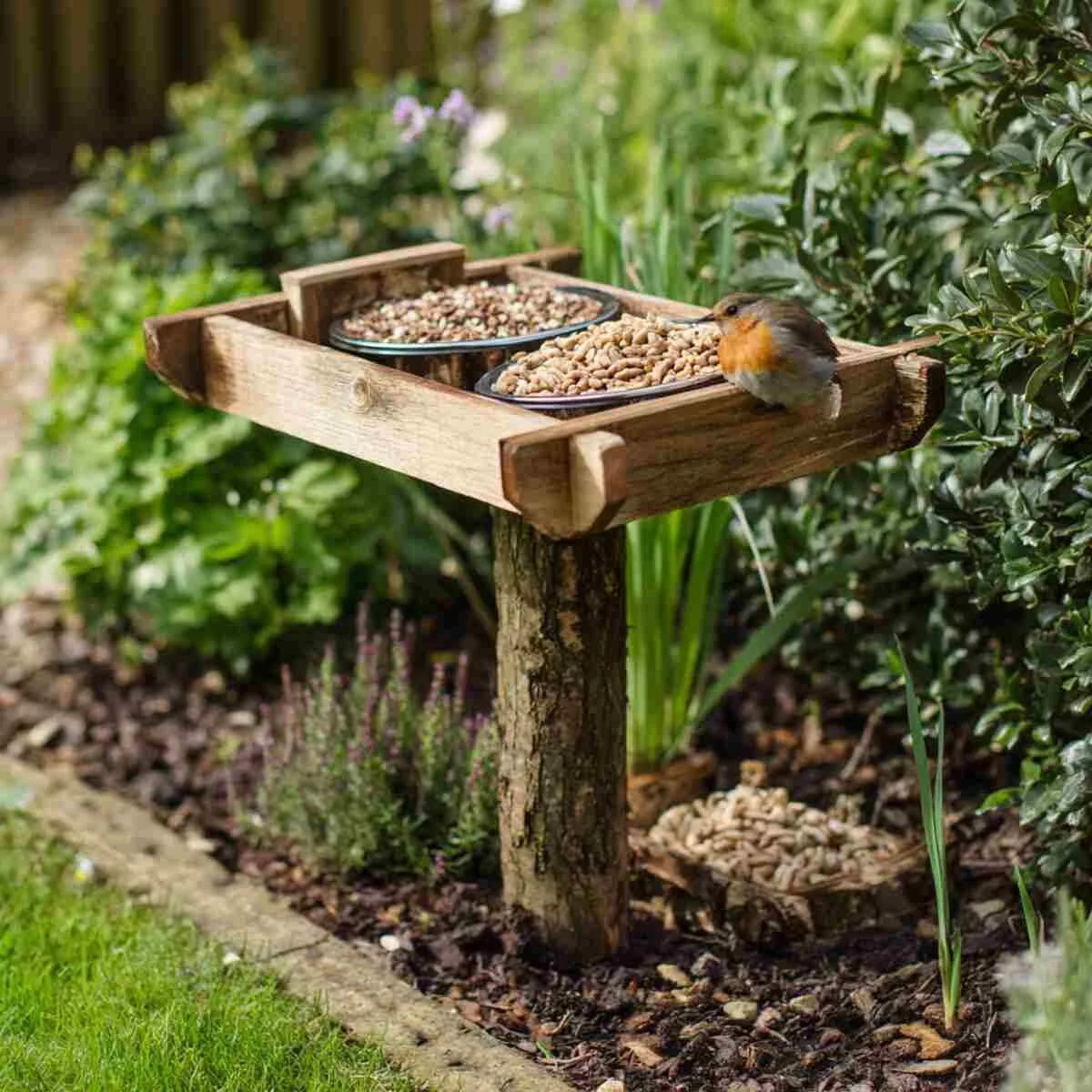
Some birds prefer feeding closer to the ground. A tray allows species like sparrows and juncos to forage in a way that feels more natural to them.
Keep the area clean and dry to prevent mold or spoilage, and place it where you can easily monitor activity.
5. Butterfly Nectar Station for Pollinators
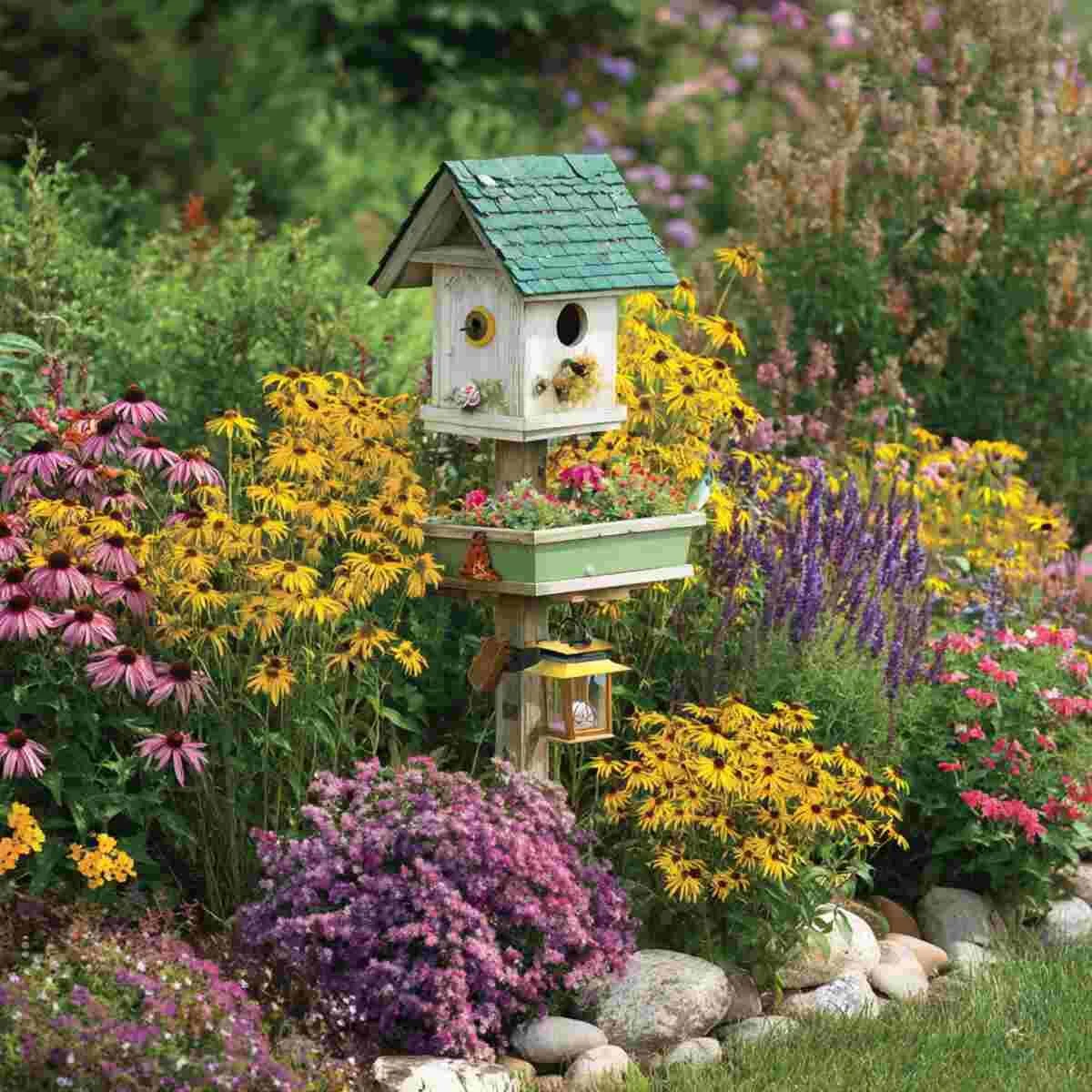
A simple nectar station can draw butterflies into your garden, especially when natural blooms are limited. Shallow dishes with sponge or fruit provide safe access to sugar-rich food.
Place these in sunny, wind-protected spots where butterflies naturally rest and warm themselves.
6. Hummingbird Feeder for Seasonal Visitors
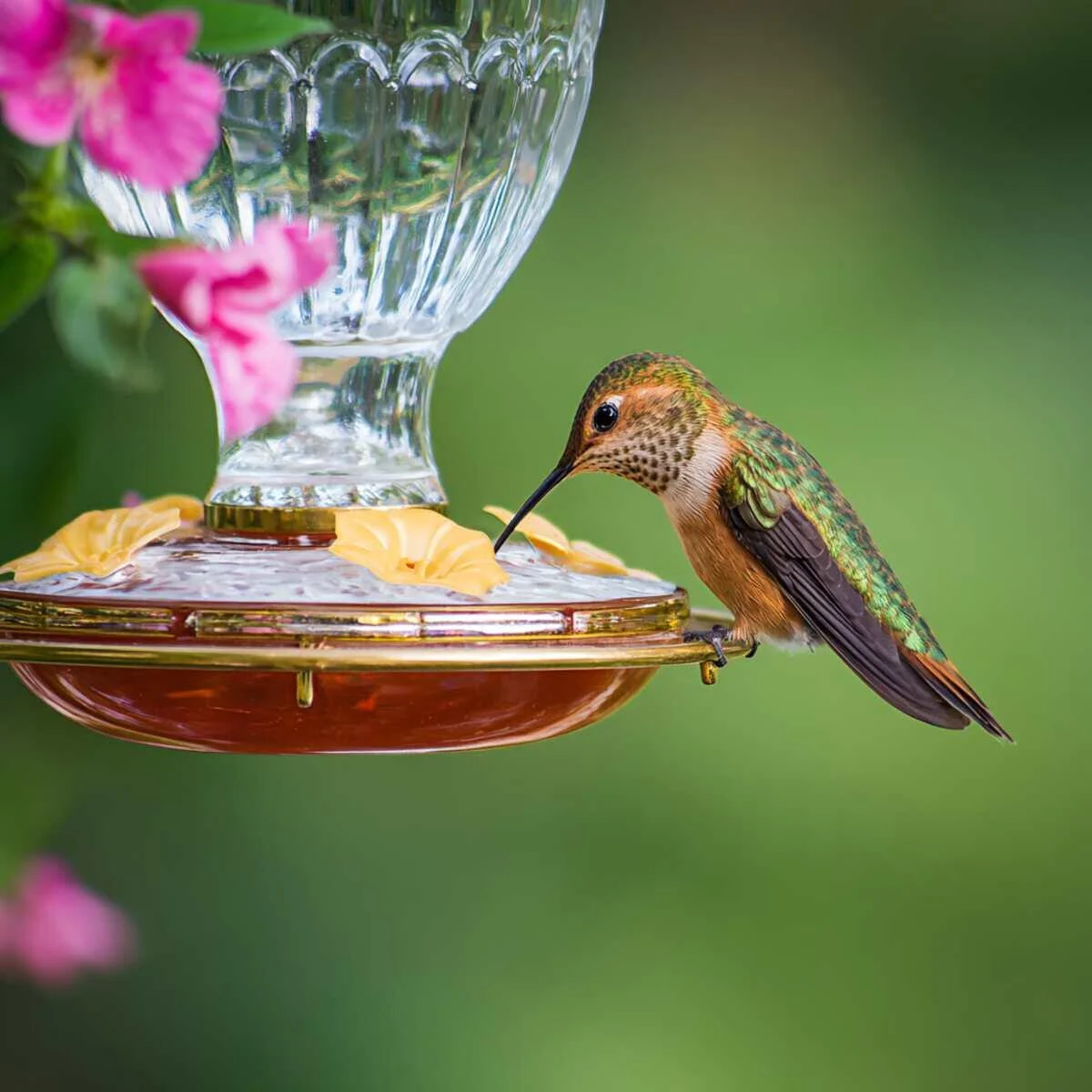
Hummingbirds require frequent feeding due to their high metabolism. A sugar water feeder provides a consistent energy source, particularly during migration.
Clean the feeder regularly to prevent mold, and position it in partial shade to keep the liquid fresh longer.
7. Bee Water Dish for Essential Hydration
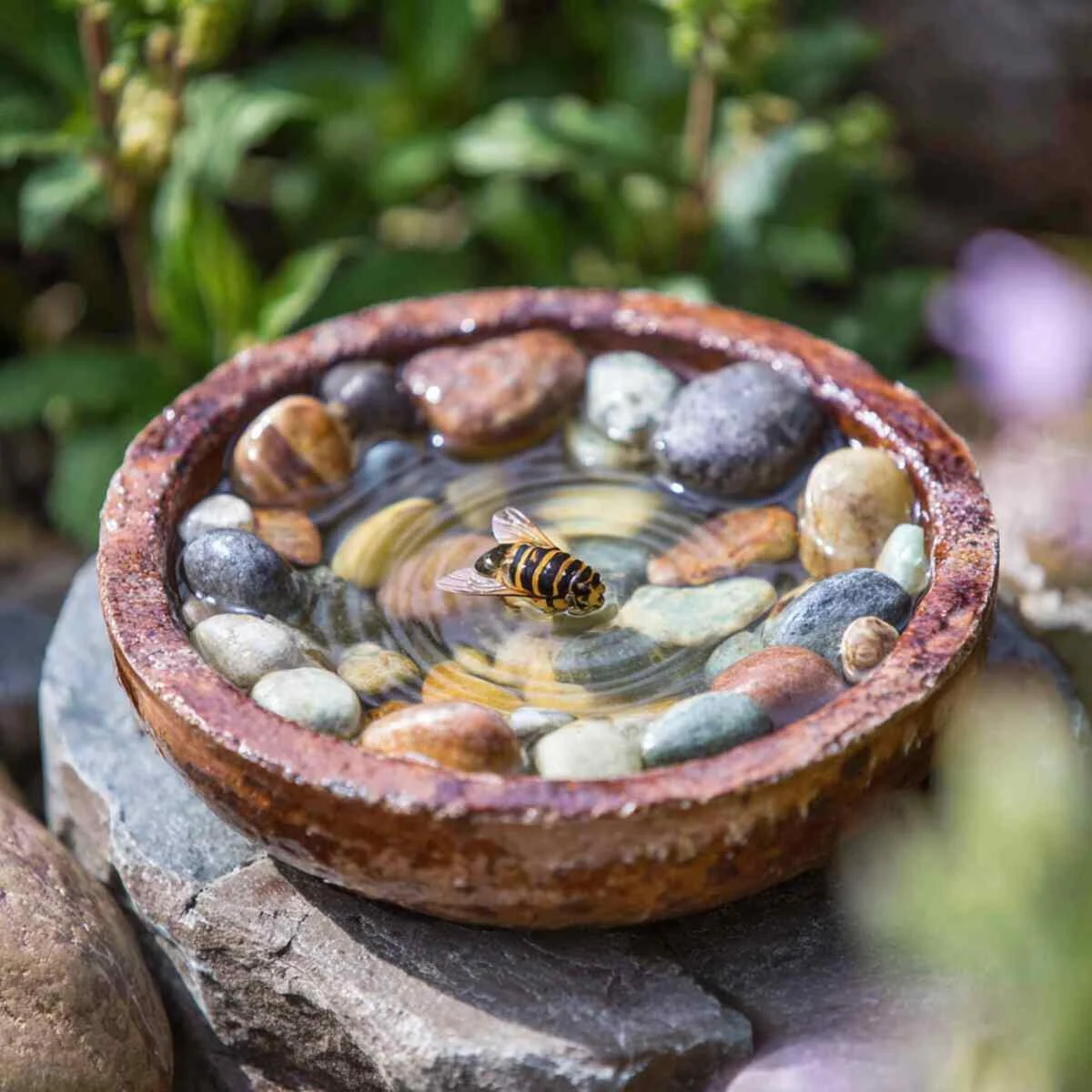
Bees need water just as much as nectar. A shallow dish with pebbles allows them to land safely without drowning.
Place it near flowering plants to make it easy for pollinators to find and use regularly.
8. Log-Style Feeding Post for Natural Behavior
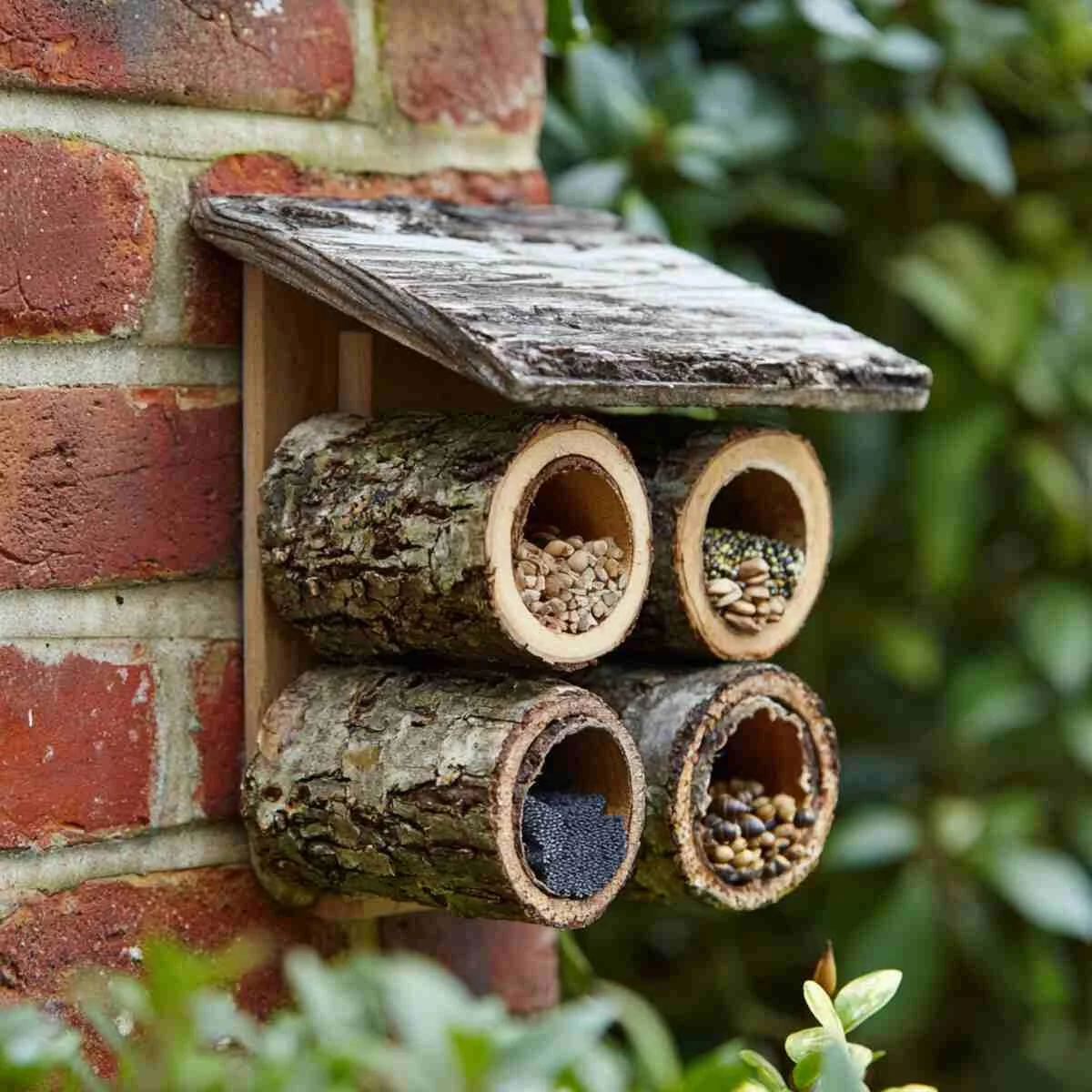
A drilled log or wood post can act as both a feeding and habitat feature. Adding fruit or natural attractants encourages insects, which in turn attract birds.
This setup blends more naturally into the garden compared to manufactured feeders.
9. Fruit Skewer Hangers for Colorful Feeding
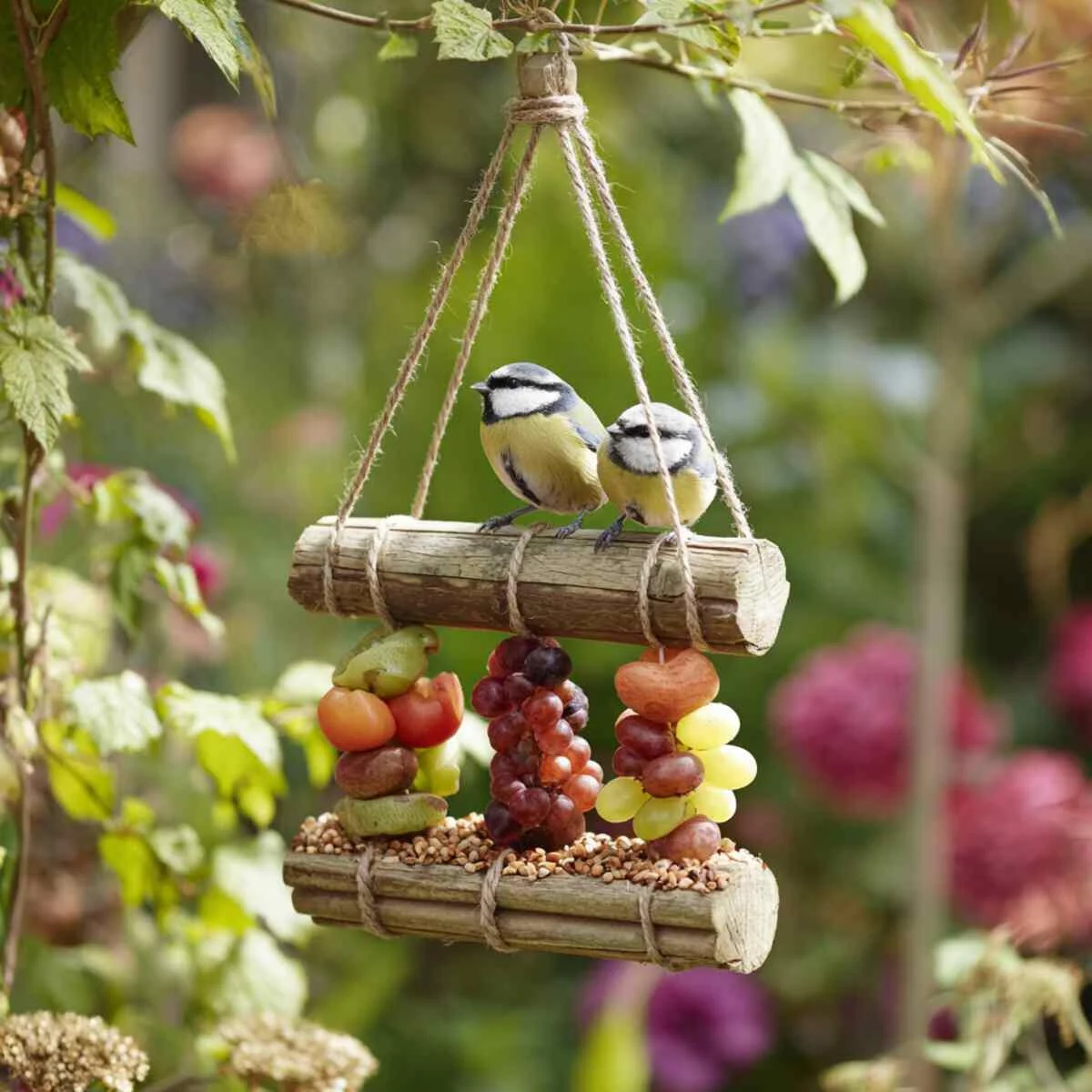
Fruit attracts a different range of birds than seeds. Hanging slices of citrus, apples, or bananas adds variety to your feeding setup.
Replace fruit regularly to keep it fresh and appealing.
10. Hedgehog Feeding Bowl for Night Visitors
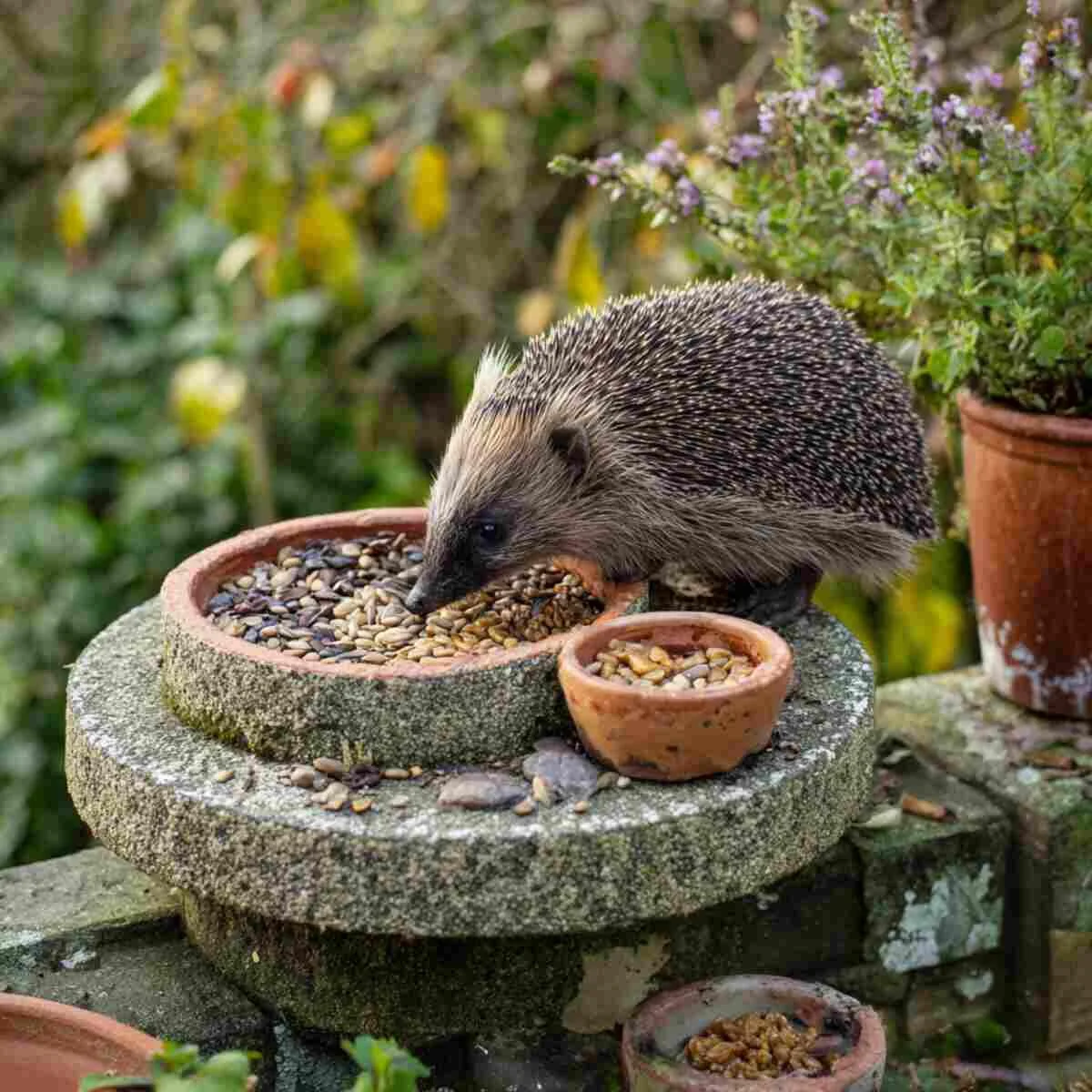
In quieter corners of the garden, a small feeding bowl can support hedgehogs and other nocturnal wildlife.
Place it in a shaded, sheltered spot where it won’t be disturbed during the day.
11. Pinecone Feeders for Simple DIY Feeding
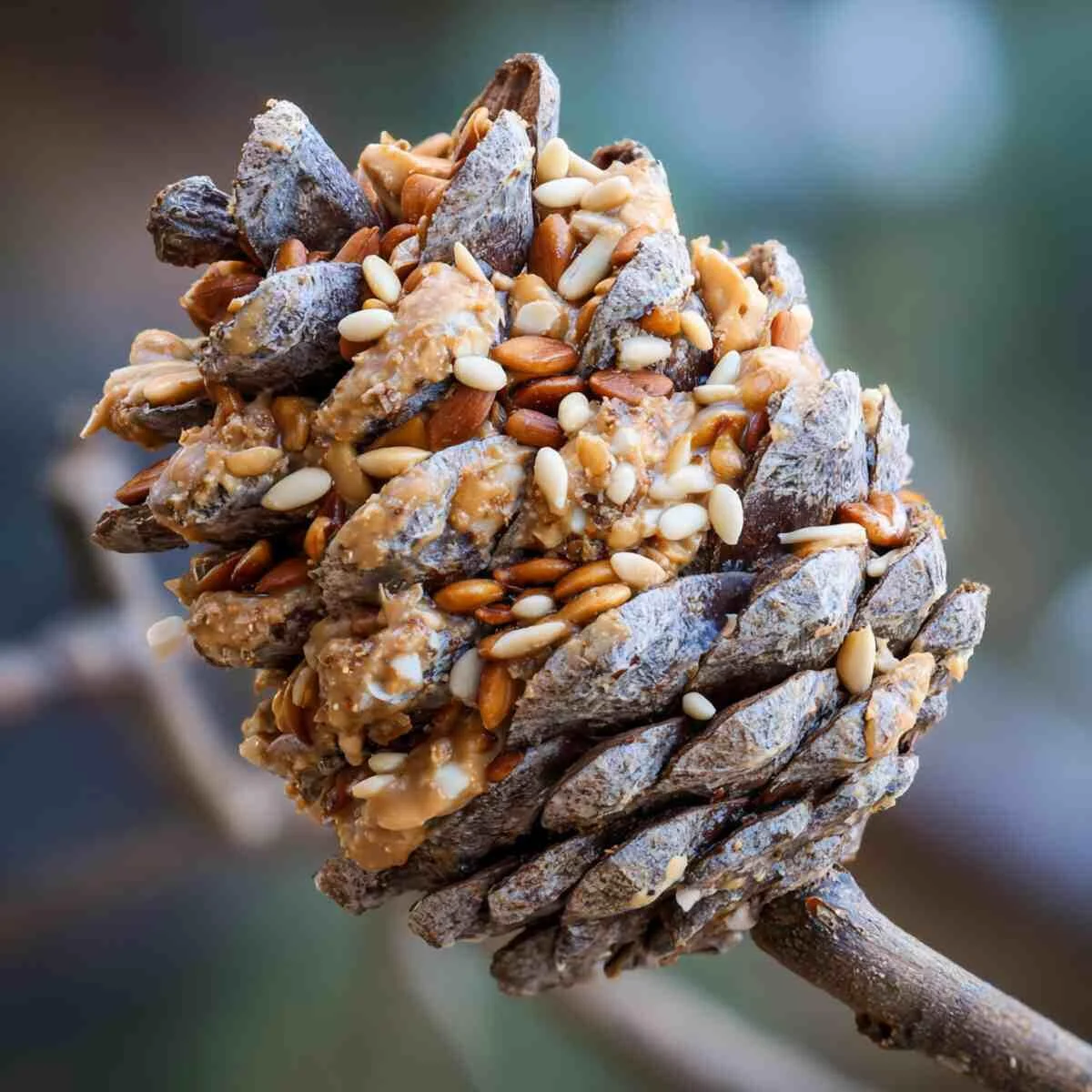
Pinecone feeders are easy to make and fully biodegradable. Coating them in peanut butter and seeds creates a quick feeding option that birds can pick at naturally.
They’re especially useful for seasonal or temporary setups.
12. Window-Mounted Feeders for Small Spaces
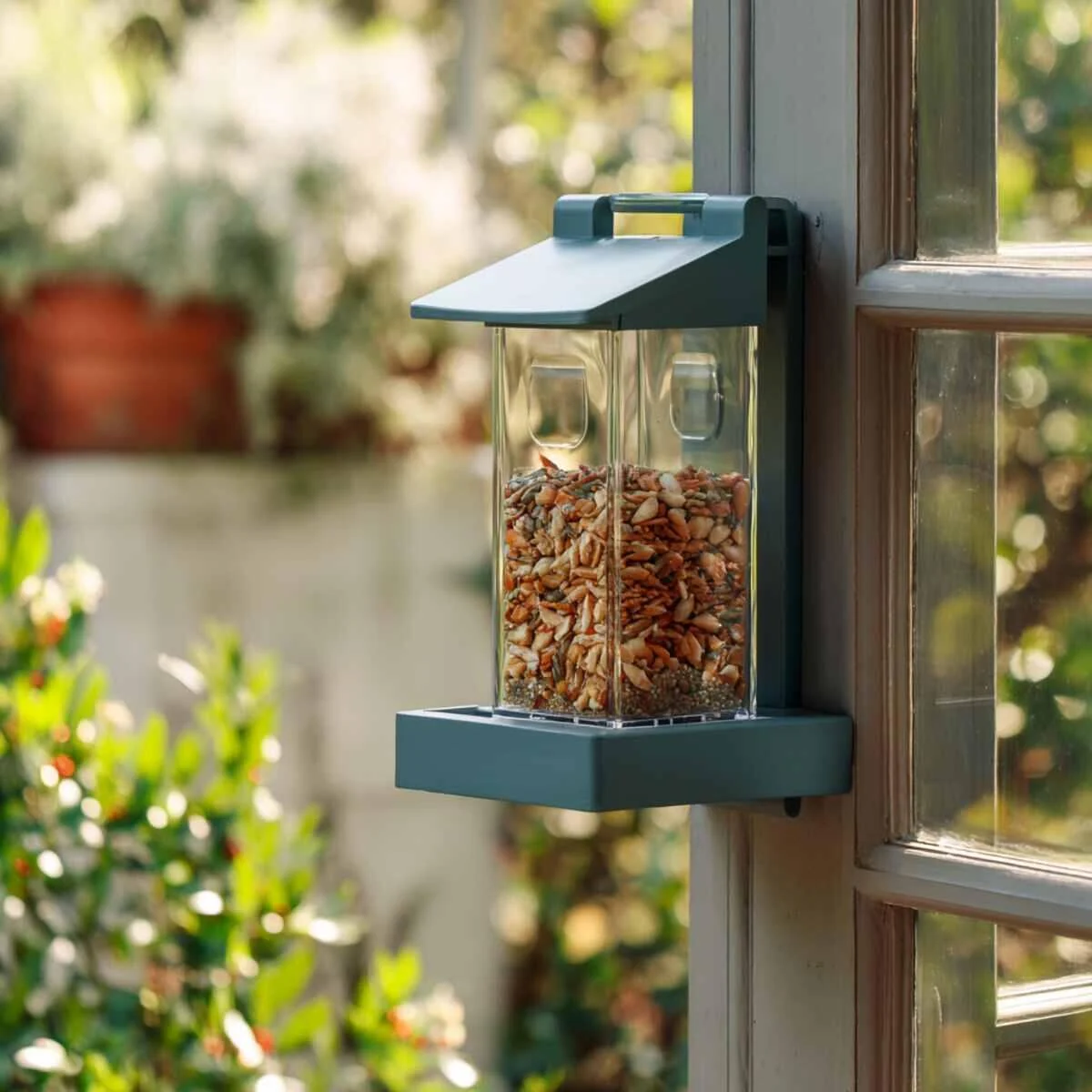
If space is limited, window-mounted feeders allow you to support birds without needing a full garden setup.
They also make observation easier, bringing wildlife activity closer to your home.
13. Wildflower Areas for Natural Feeding Sources
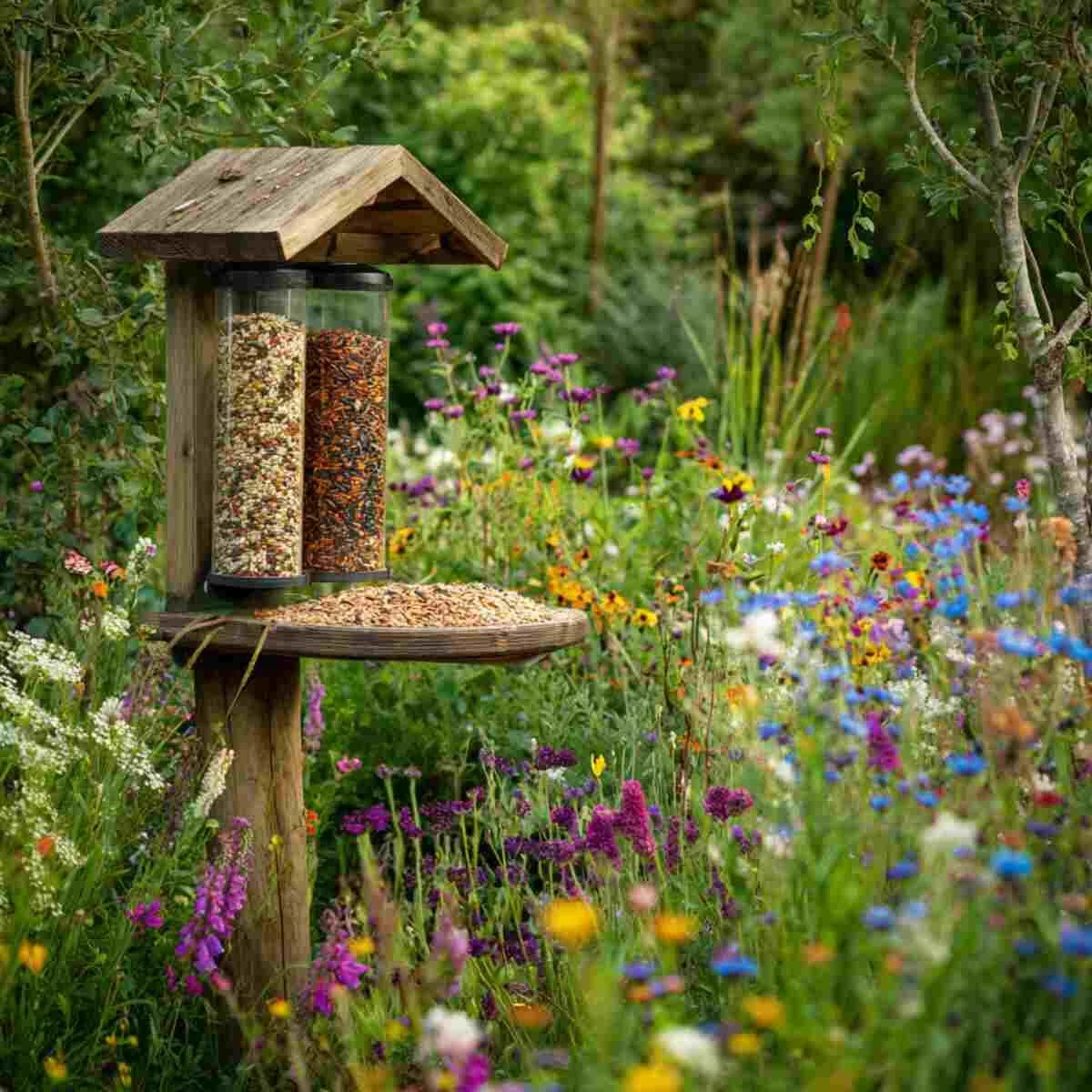
Not all feeding needs to be artificial. A patch of wildflowers provides nectar, seeds, and shelter in a more natural way.
This approach requires very little upkeep once established and supports a wide range of species.
14. Covered Feeding Shelter for All-Weather Use
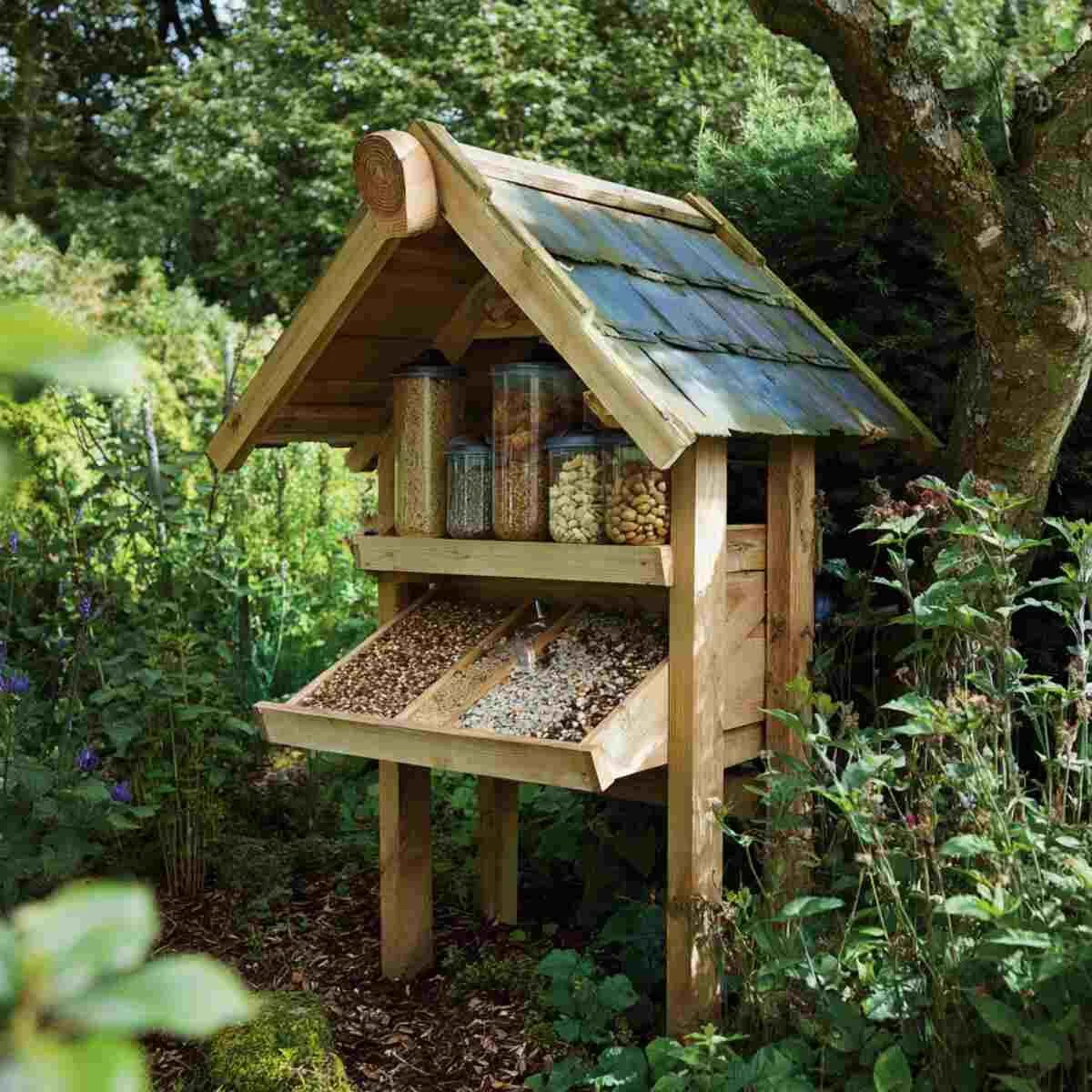
A simple roofed structure helps keep food dry and usable during rain or snow. It also provides a safer feeding environment.
This is especially useful if you want your feeding station to work year-round.
15. Rotating Feeder Pole for Flexibility
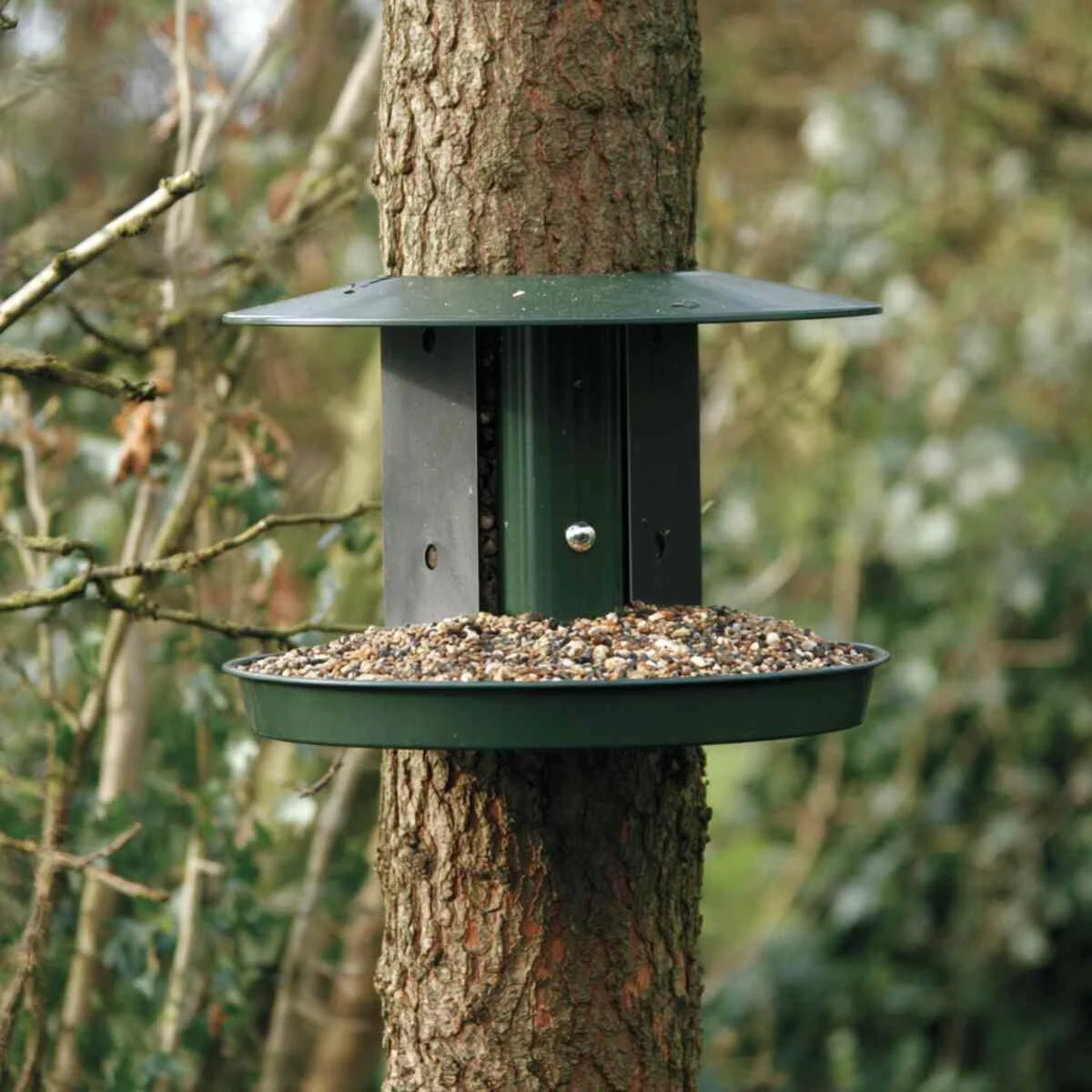
A pole system with multiple arms allows you to switch between feeders depending on the season or species you want to attract.
It keeps everything organized and reduces clutter across the garden.
16. Coconut Shell Feeders for a Natural Look
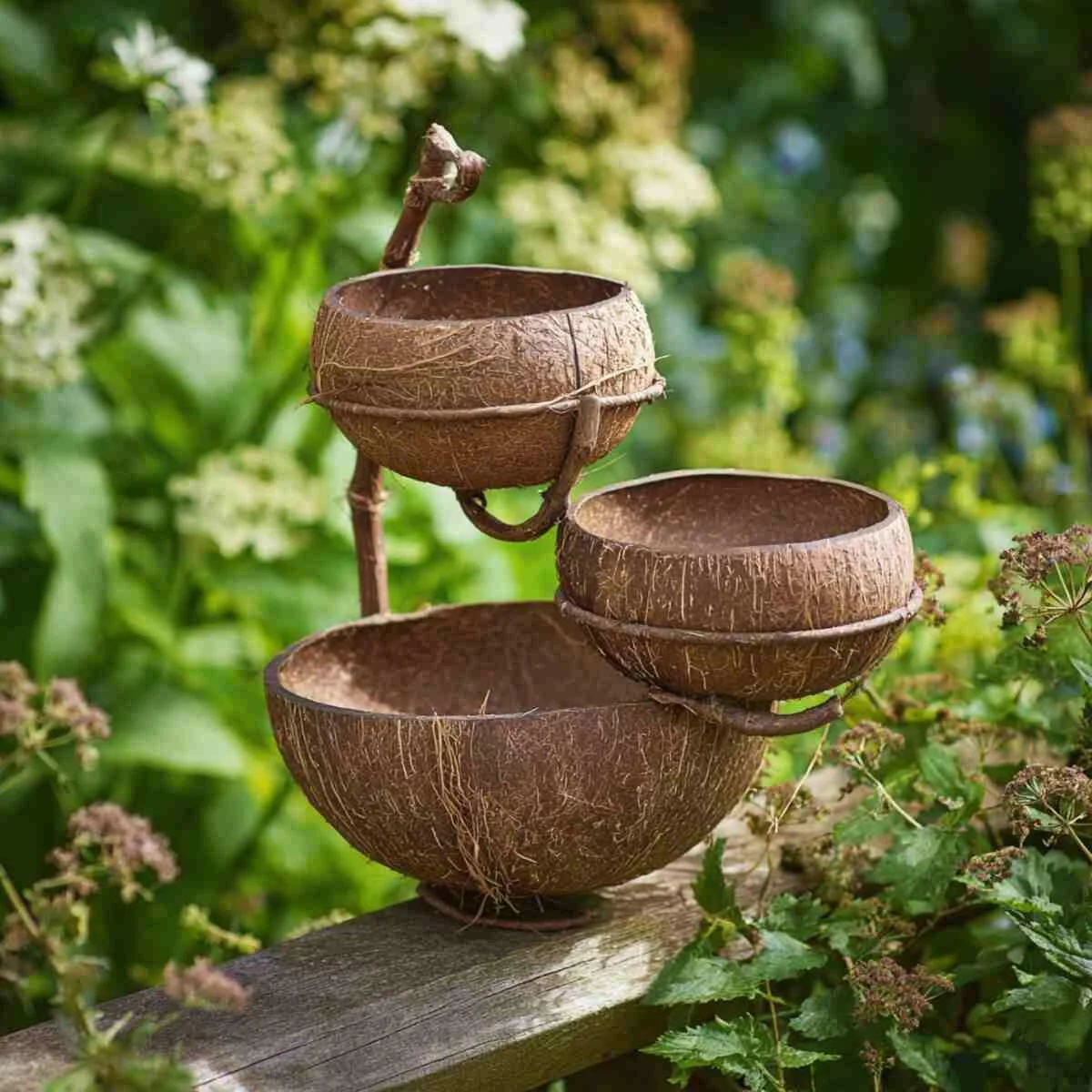
Coconut shells provide a simple, natural feeding container. They blend into garden settings better than plastic feeders and break down over time.
They’re particularly useful for suet or seed mixes.
17. Snack Garlands for Interactive Feeding
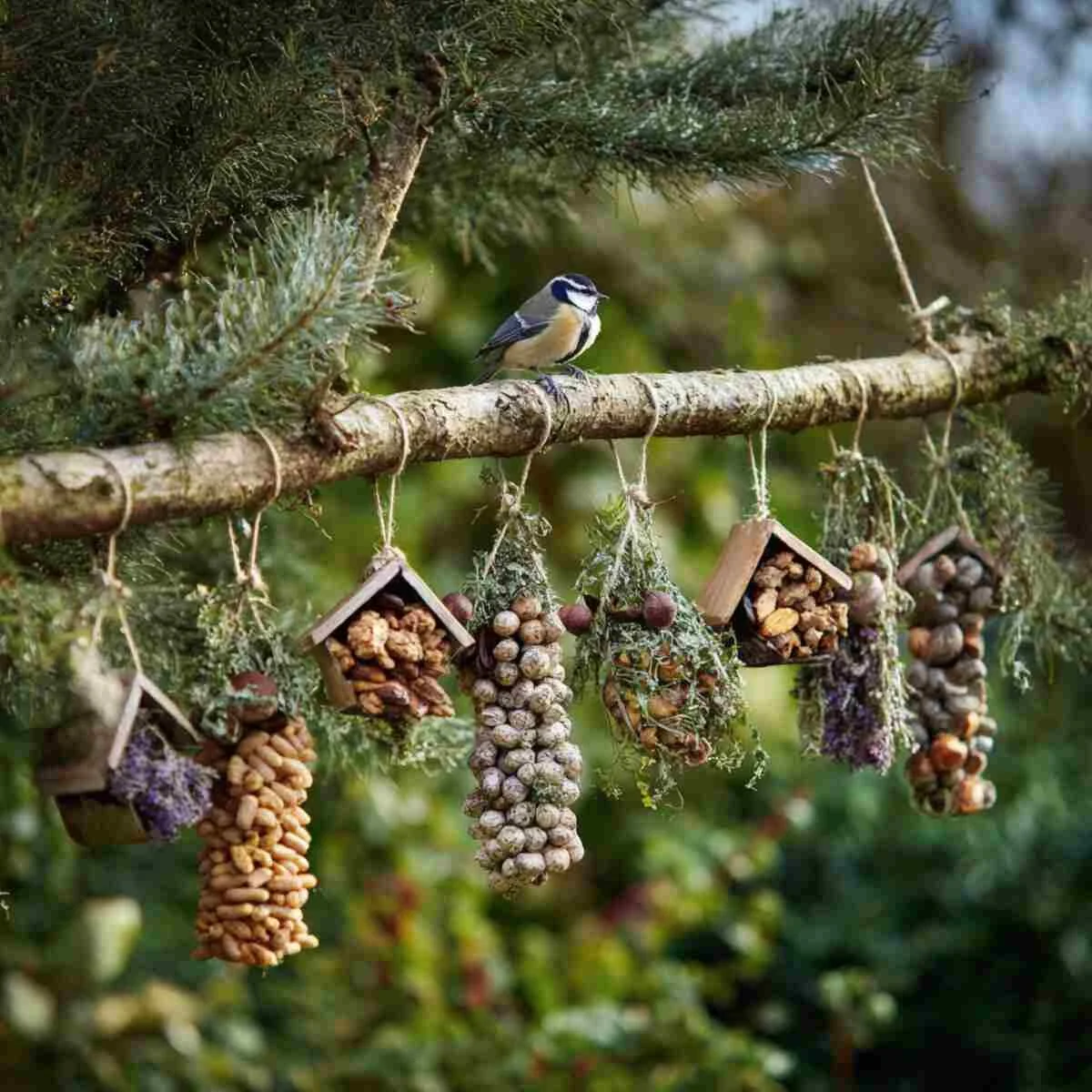
Garlands made from natural food items offer a more interactive feeding option. Birds and small animals can pick at them gradually.
They also add a seasonal or decorative touch to trees and garden features.
How to Build a Wildlife Feeding Area That Works
- Mix feeding heights: combine ground, mid-level, and hanging feeders
- Include water: it’s just as important as food
- Keep things clean: prevents disease and spoilage
- Place near shelter: shrubs or trees help wildlife feel safe
- Start simple: expand gradually based on what visits your garden
Frequently Asked Questions
What is the easiest wildlife feeder to start with?
A basic seed feeder or platform feeder is the easiest starting point and attracts a wide range of birds quickly.
Do I need a large garden for a feeding station?
No. Even a small yard, balcony, or window can support feeders and attract wildlife.
How do I keep feeders clean?
Regularly remove old food, wash feeders with mild soap, and allow them to dry before refilling.
What food attracts the most birds?
Sunflower seeds, suet, and mixed seeds tend to attract the widest variety of species.
Is feeding wildlife safe?
Yes, when done responsibly. Avoid overfeeding, keep areas clean, and use appropriate food for each species.
Final Thoughts
A wildlife feeding station doesn’t need to be complicated to be effective. A few well-placed elements can turn your garden into a space that supports birds, pollinators, and other helpful species throughout the year.
Start small, observe what visits, and build gradually. Over time, your garden becomes not just a place to grow plants, but a space that supports a wider ecosystem.
Written by the Zeeshe Home Editorial Team, a blog focused on practical home décor ideas and inspiration.


