
Growing vegetables in the city does not require a big backyard or a traditional garden plot. A balcony, rooftop, sunny wall, narrow patio, or even a kitchen windowsill can become a productive growing space when the layout is planned well. The secret is using every inch more intentionally, especially height, corners, railings, and movable containers.
The best compact vegetable gardens are not just small. They are efficient. They make watering easier, improve access to sunlight, keep crops organized, and help you grow the kinds of vegetables that actually suit tight urban conditions. These ideas are designed to help small spaces feel productive, manageable, and surprisingly abundant.

1. Raised Wooden Vegetable Boxes for an Organized Small-Space Garden
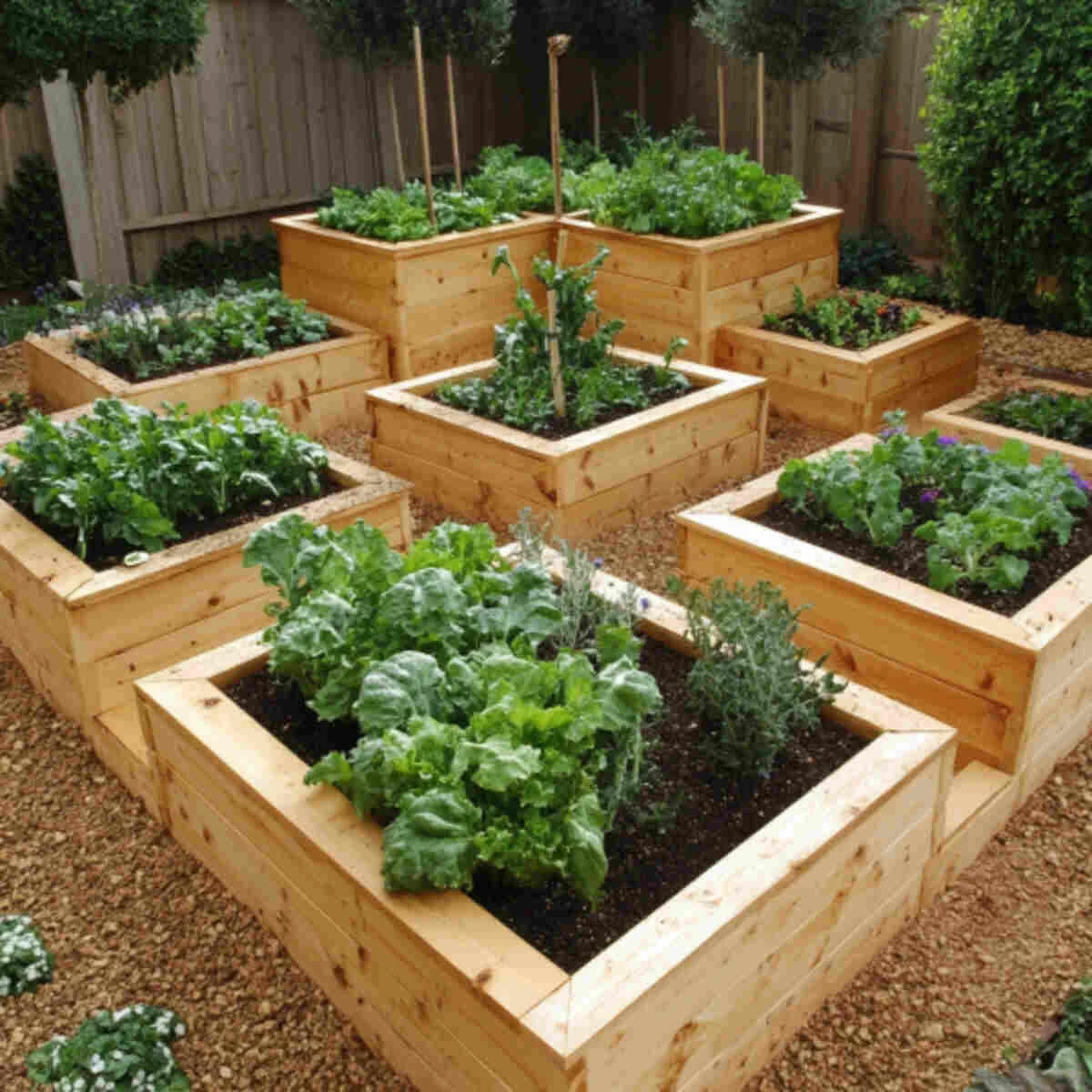
Raised wooden boxes are one of the most reliable ways to start a compact vegetable patch because they bring instant structure to a small space. They help define the growing area, keep the planting tidy, and make it easier to manage soil quality from the beginning.
They are especially useful in courtyards, patios, and side yards where the existing ground may be poor or paved. Because the soil mix is controlled, vegetables often establish more quickly and drain better than they would in a difficult in-ground bed.
- Best for: Patios, paved yards, and beginner gardeners
- Works well with: Leafy greens, radishes, bush beans, and compact tomato varieties
- Helpful tip: Keep the box narrow enough to reach the center without stepping into the soil
2. Vertical Pallet Gardens for Narrow Walls and Balconies
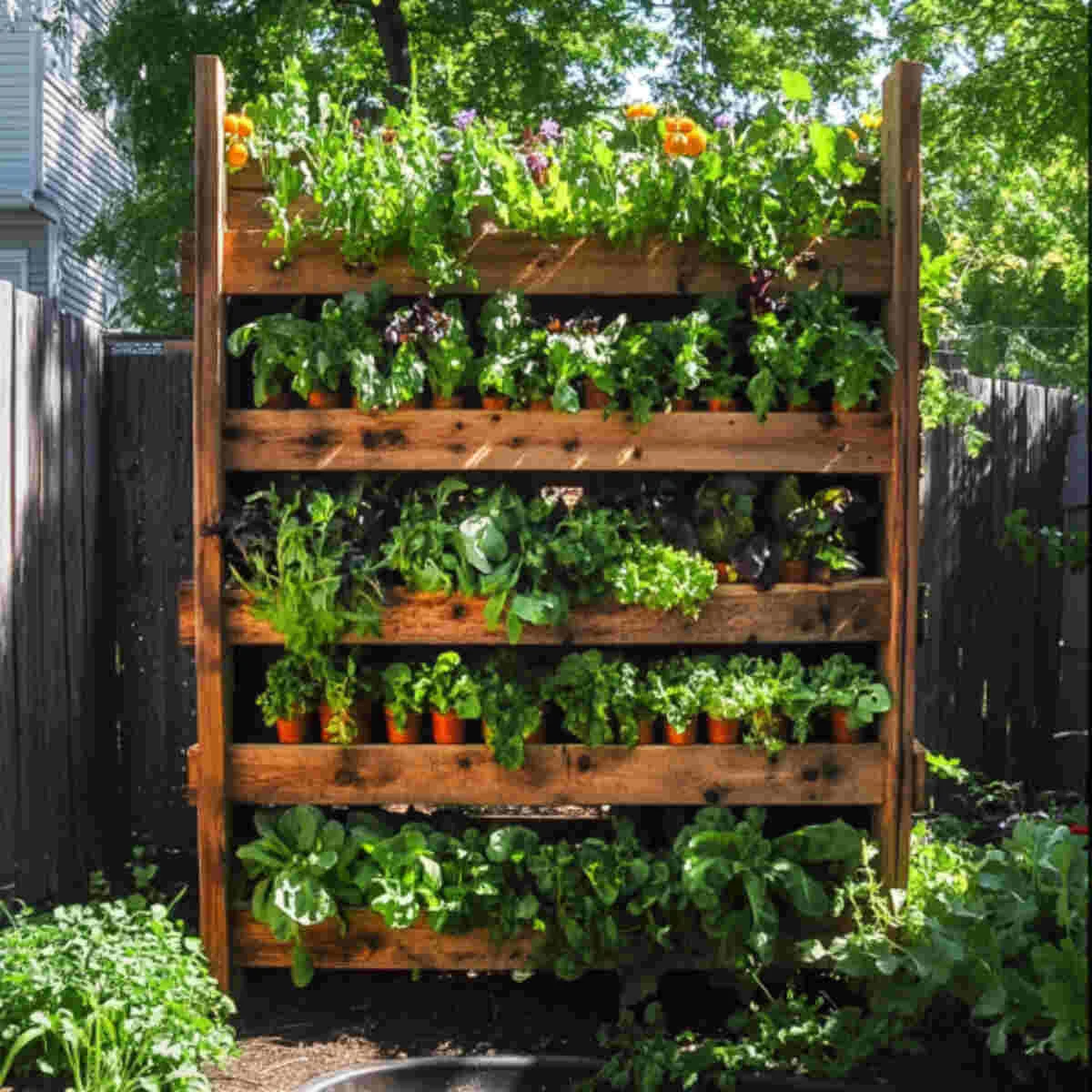
A vertical pallet garden turns an upright surface into a growing area, which is exactly what many urban homes need. Instead of taking up valuable floor space, it uses height to hold herbs, salad crops, or smaller vegetables in a neat, compact arrangement.
This idea works particularly well on balconies and walls that get good light but have limited room underneath. It also keeps the planting visually contained, which can make a small outdoor area feel more designed rather than cluttered with pots.
For the best results, reserve the upper levels for lighter or trailing plants and make sure the structure is secured properly before planting.
3. Tiered Planter Stands for Maximum Growing Space in a Small Footprint
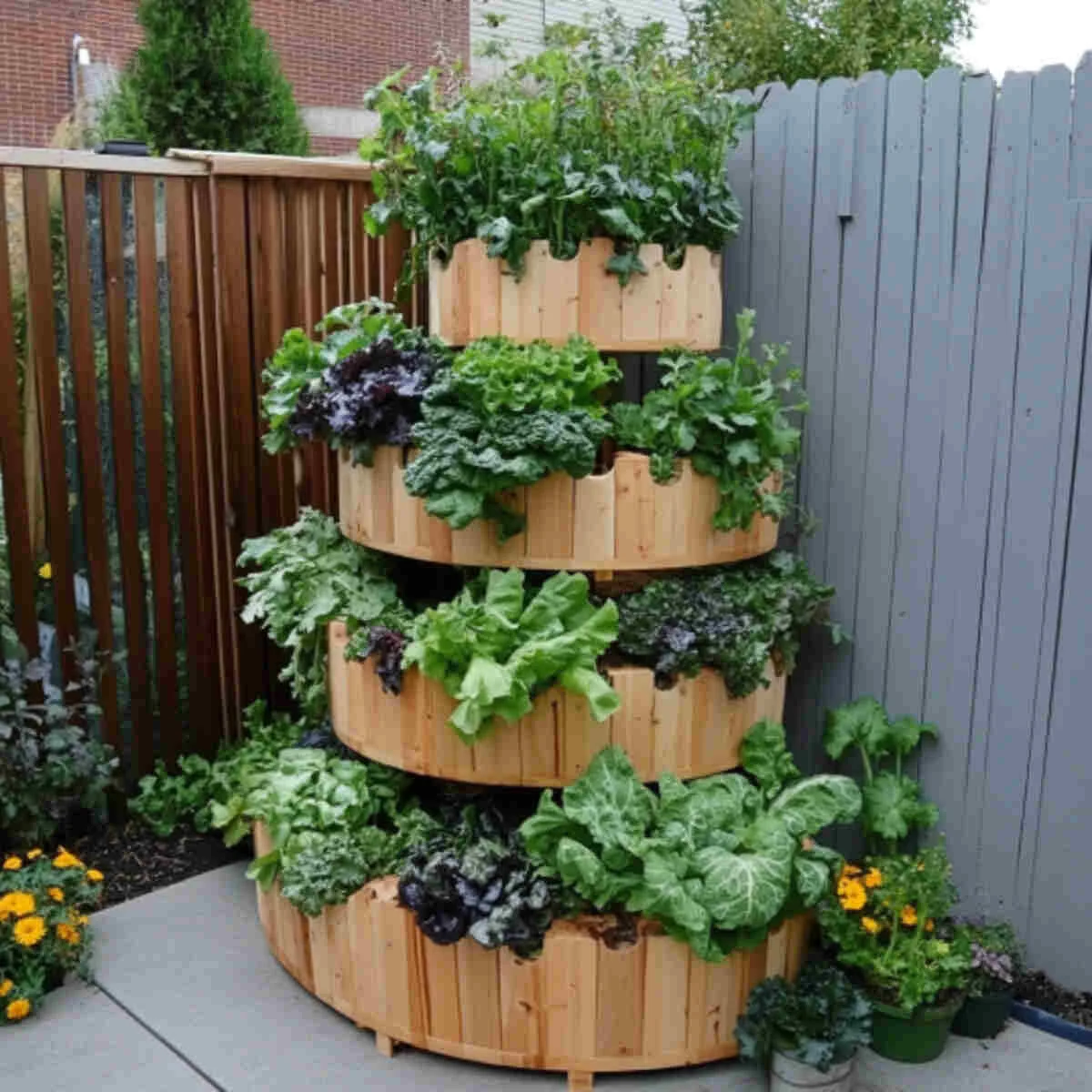
Tiered planters are ideal when the goal is to grow more without spreading out. By stacking planting levels, they make a compact garden feel more productive and easier to access at the same time.
This is especially useful for gardeners who want a mix of herbs, lettuces, and compact vegetables in one contained setup. Different tiers can also help with plant grouping, keeping faster-growing crops separate from slower ones or placing sun-lovers on the brightest level.
They tend to work best when the stand is not overloaded. Give each level enough space for airflow and easy harvesting so the garden stays practical as well as attractive.
4. Balcony Railing Planters for Extra Growing Room Without Losing Floor Space
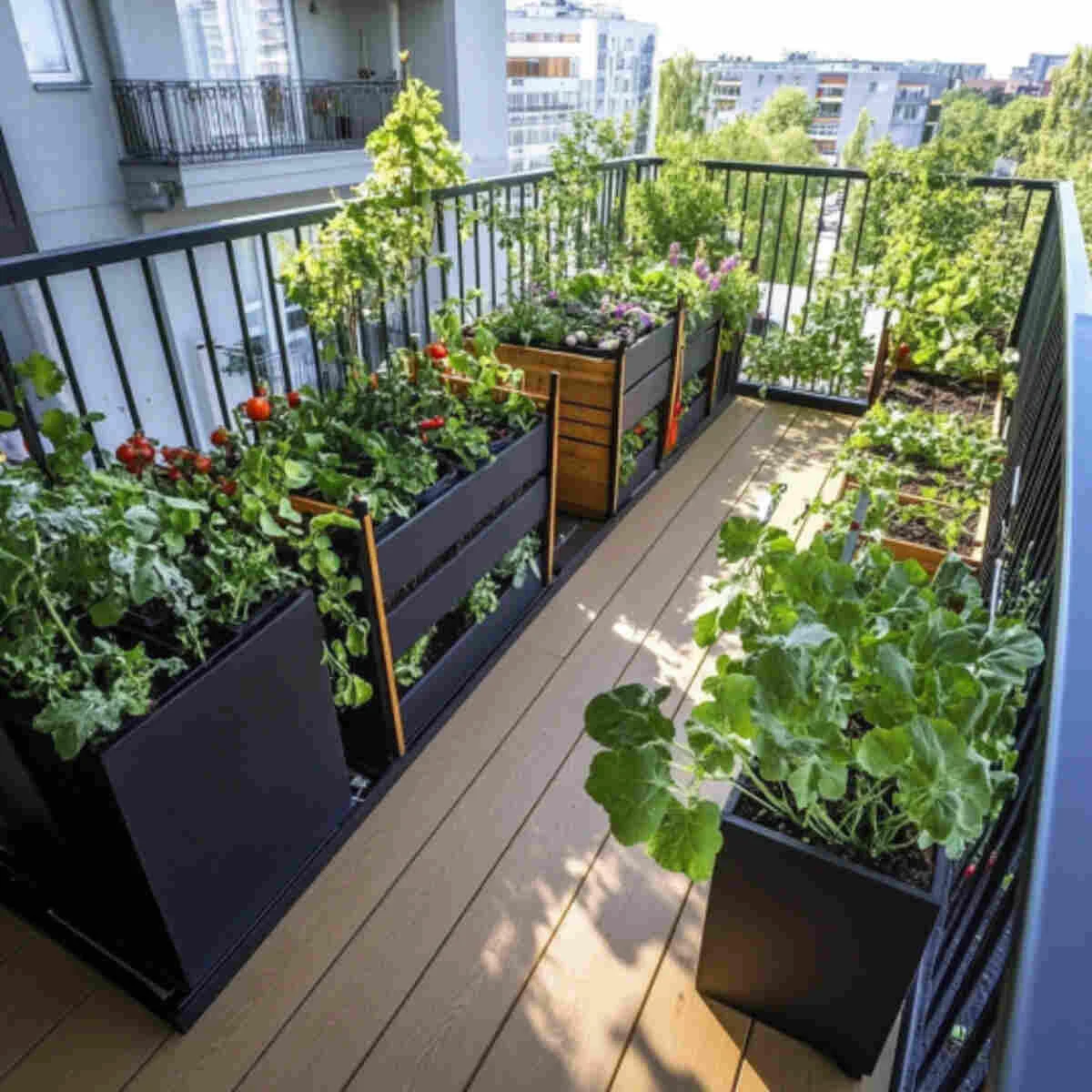
Balcony railings are often underused, but they can become some of the best growing spots in a small apartment garden. Railing planters free up the floor completely while putting herbs, lettuces, or small vegetables exactly where they can catch light and stay easy to reach.
They are especially effective in narrow balconies where every inch matters. They also create a fuller, greener look at eye level, which can make a small outdoor space feel more lush and inviting.
Choose sturdy, well-balanced containers and avoid overly heavy soil if the railing system has weight limits.
5. Wall-Mounted Pocket Planters for a Mini Vegetable Wall
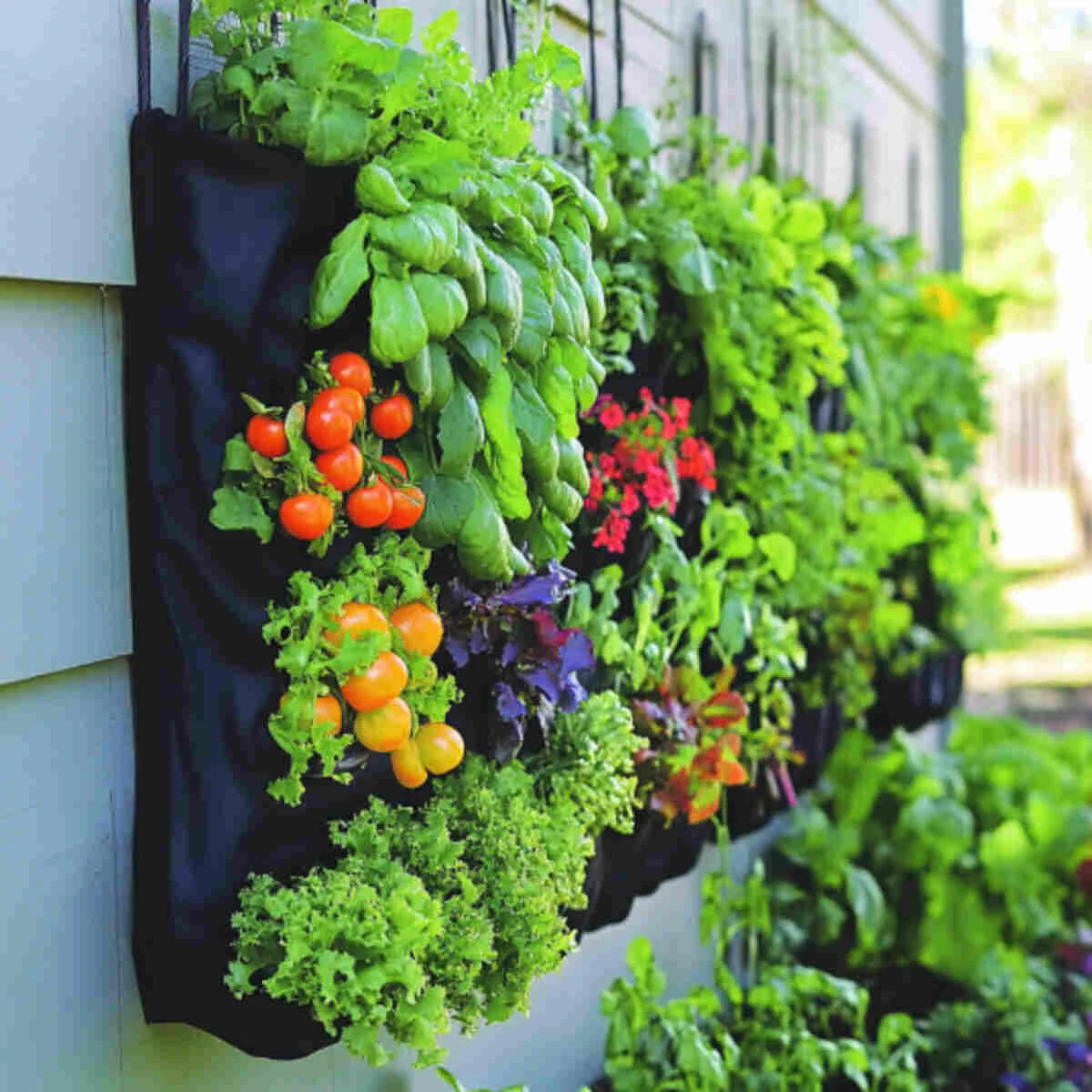
Wall-mounted pocket planters are one of the smartest ways to turn a blank vertical surface into something productive. They work well for shallow-rooted vegetables and herbs, and they make a small urban garden feel more layered and creative.
Because each pocket acts like a tiny growing zone, you can keep different edible plants separated and easy to manage. This is useful if you like harvesting small amounts often rather than growing everything in one large planter.
They are best for lighter, compact crops rather than anything heavy or deep-rooted. Think salad greens, spinach, parsley, basil, and strawberries rather than larger fruiting vegetables.
6. Grow Bag Vegetable Gardens for Flexible, Low-Commitment Growing
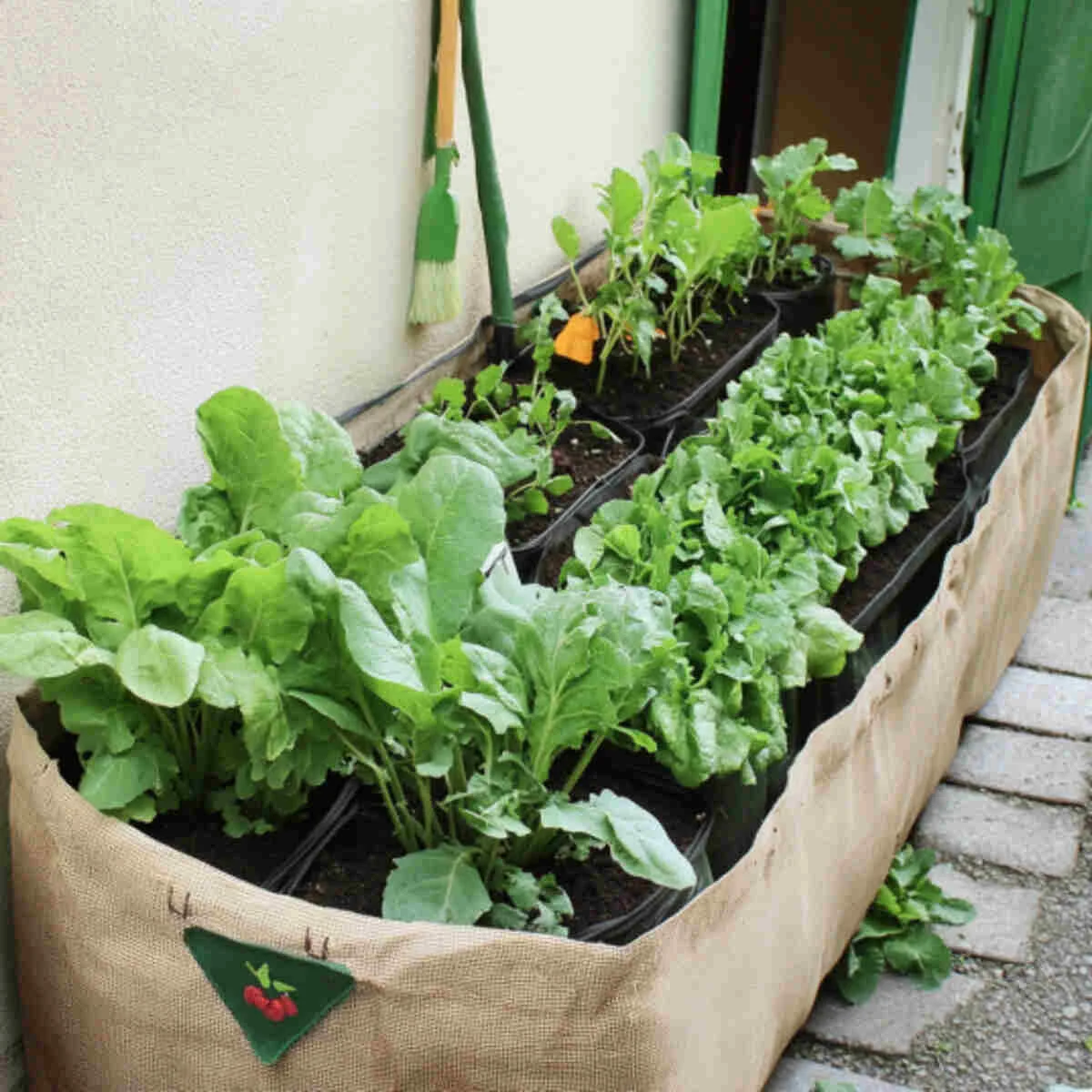
Grow bags are one of the easiest tools for urban gardeners because they are lightweight, inexpensive, and easy to rearrange as the season changes. If one area gets better sun than another, the whole garden can shift with it.
They also work well in places where hard surfaces dominate, such as rooftops, patios, and paved backyards. Because the fabric usually allows more airflow to the roots, many vegetables perform surprisingly well in them as long as watering stays consistent.
This is a particularly good option for renters or anyone who wants a productive garden without investing in permanent structures.
7. Square-Foot Grid Layouts for Efficient Small Raised Beds
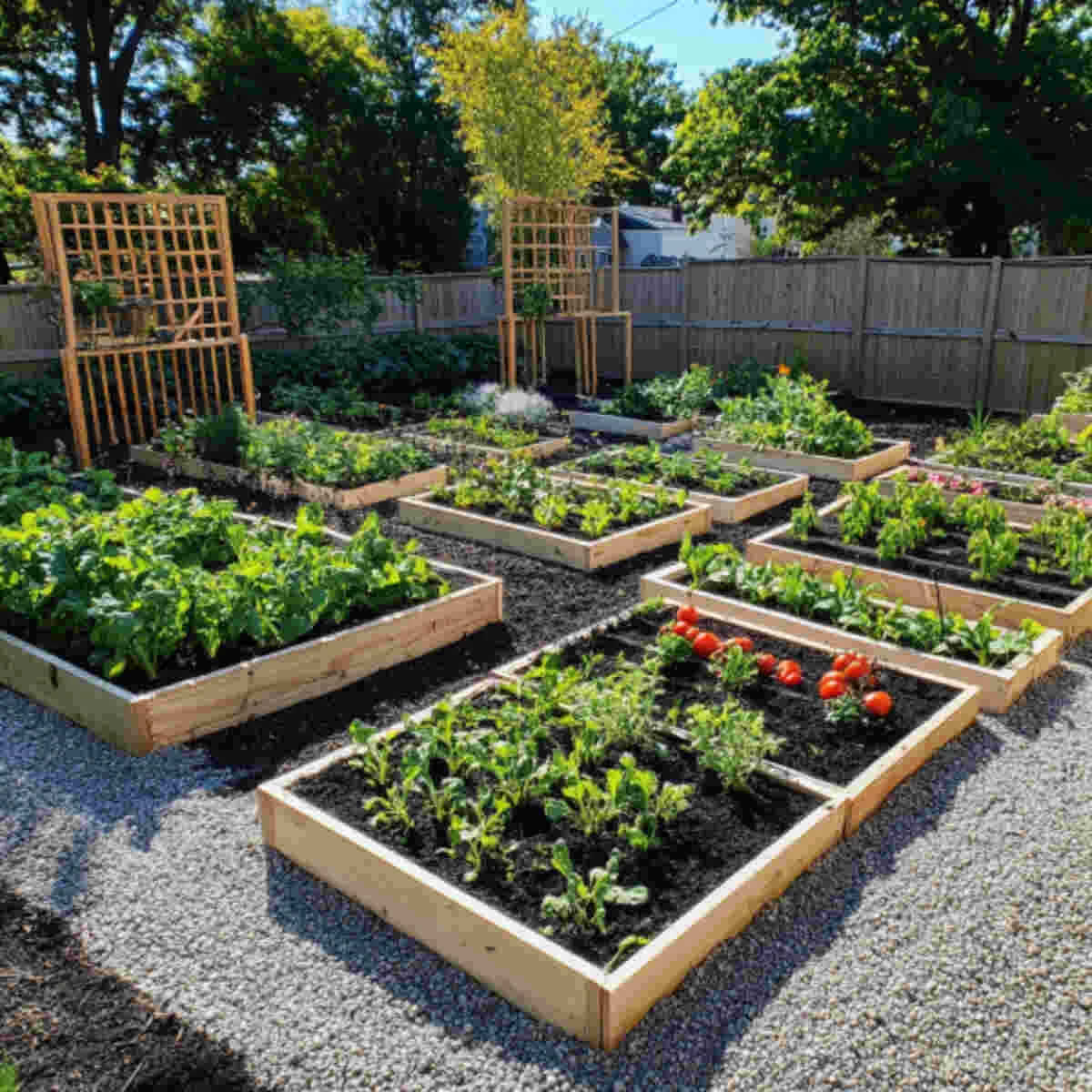
Square-foot gardening is one of the most useful planning methods for a compact vegetable patch because it takes the guesswork out of spacing. By dividing a bed into small, equal sections, you can assign crops clearly and avoid wasting growing room.
It also makes succession planting easier. Once one square finishes producing, that section can be replanted without disturbing the rest of the bed. In a small garden, that kind of efficiency matters.
This layout is especially helpful for raised beds or box gardens where every section needs to earn its place.
8. Hanging Basket Vegetable Gardens for Sunny, Elevated Planting
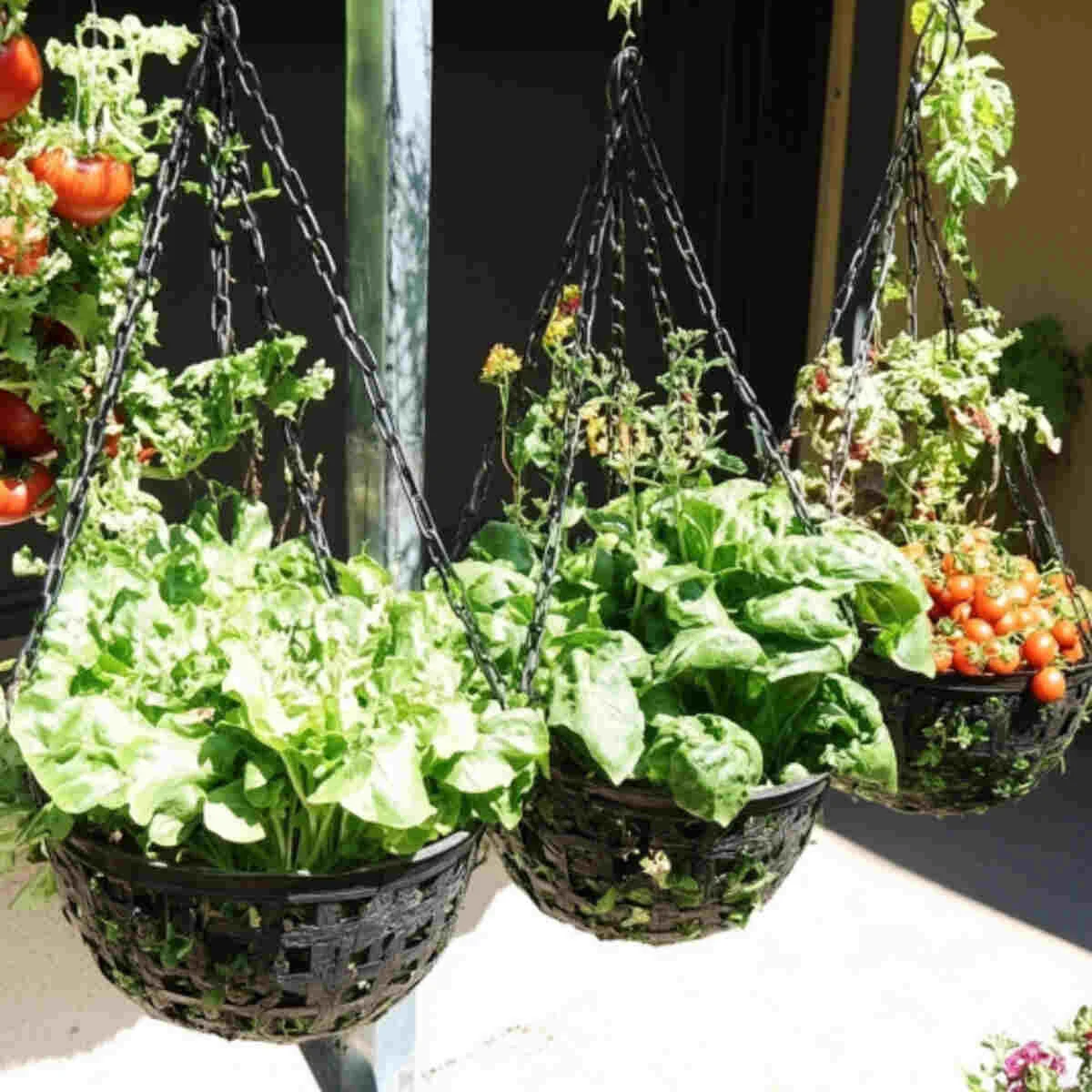
Hanging baskets free up valuable floor and shelf space while giving certain vegetables better light and airflow. They are especially effective for trailing or compact edible plants that do not need a large root run.
Cherry tomatoes, strawberries, some herbs, and smaller peppers can all work well depending on the basket size and how much sun the area receives. They also make a small urban garden feel more layered, which helps it look fuller without becoming crowded.
Because hanging containers dry out faster, they usually need more frequent watering than containers on the ground.
9. Windowsill Vegetable Patches for Indoors or Apartment Kitchens
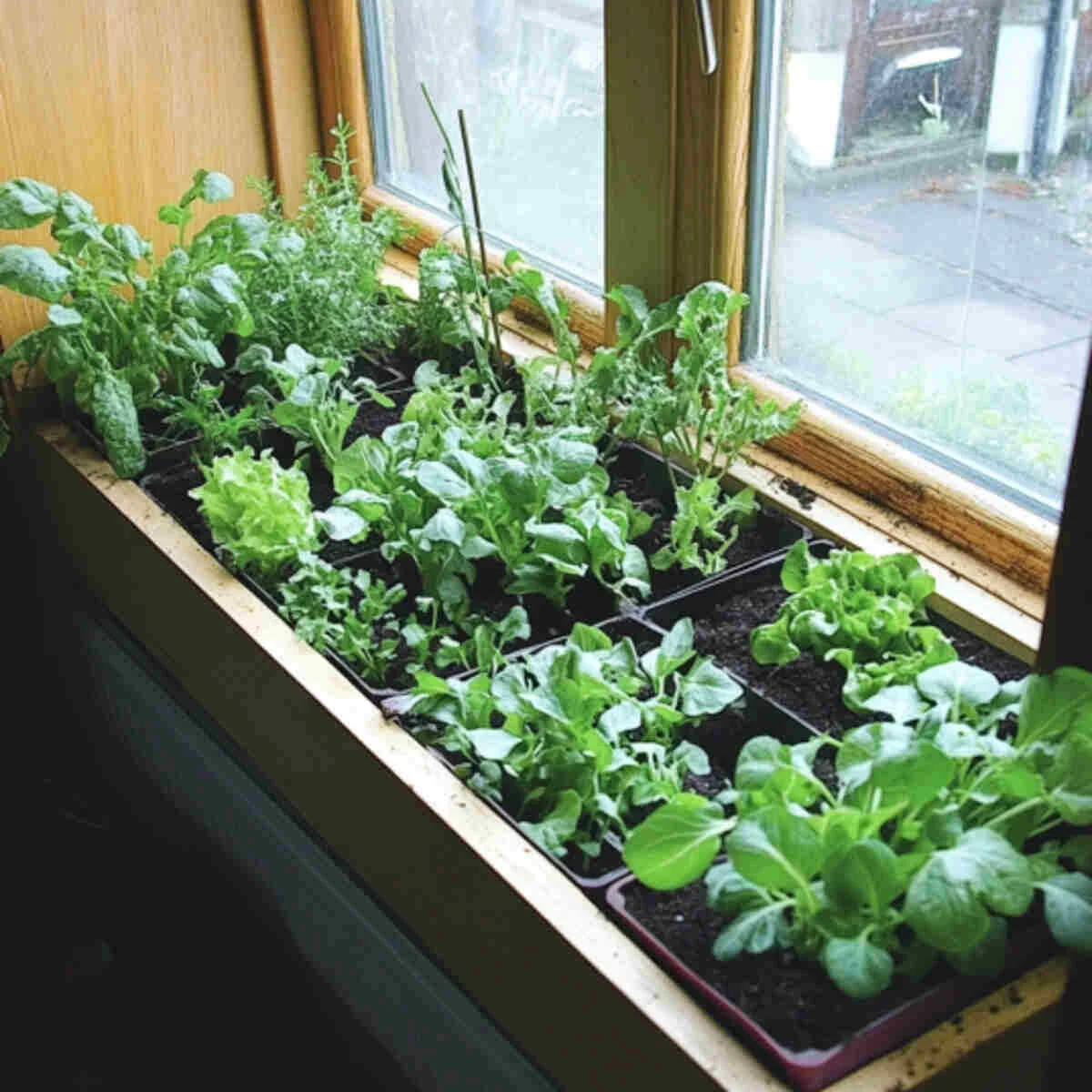
A sunny windowsill may be the smallest vegetable patch on this list, but it can still be surprisingly useful. It is ideal for herbs, microgreens, baby lettuces, and other small edibles you want close at hand while cooking.
What makes this setup so worthwhile is convenience. The plants are easy to monitor, easy to water, and harvested right where you need them. In very compact homes, that kind of accessibility matters just as much as yield.
For the strongest results, choose a bright window and keep the crop choice realistic. Smaller, faster-growing plants will always perform better here than anything that needs major space or full outdoor conditions.
10. Compact Greenhouse Setups for Longer Growing Seasons
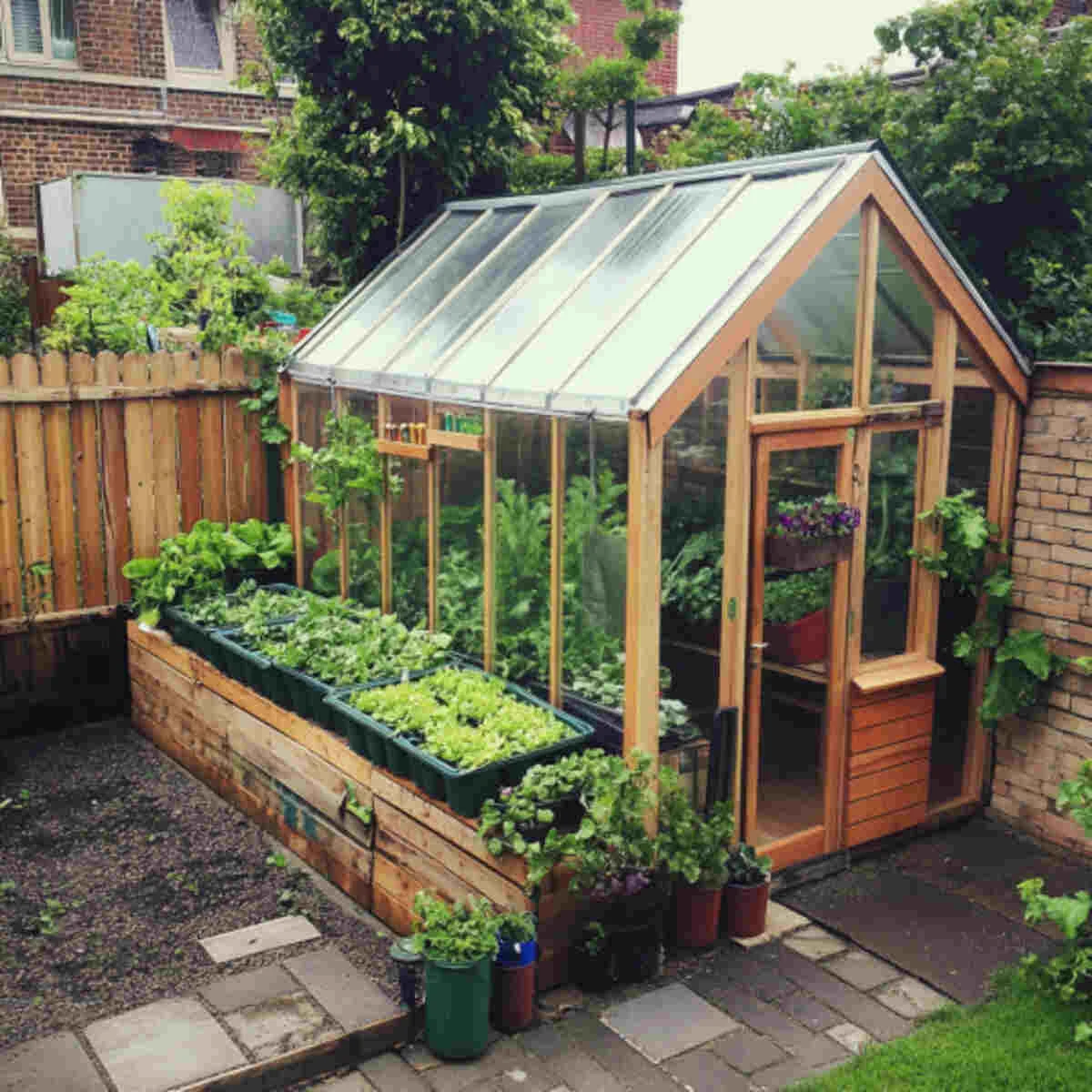
A small greenhouse setup can make an urban vegetable patch more productive by protecting plants from wind, cool temperatures, and sudden weather changes. Even a modest greenhouse can extend the growing season and give young plants a much better start.
This is especially valuable on balconies, terraces, and rooftops where exposure can be harsher than in a sheltered backyard. It also helps if you like starting seedlings early or want to keep leafy crops going a bit longer into cooler weather.
The smaller the structure, the more important ventilation becomes. Heat can build quickly in compact greenhouses, so airflow matters just as much as protection.
11. Rooftop Container Vegetable Gardens for Big Potential in Unused Space
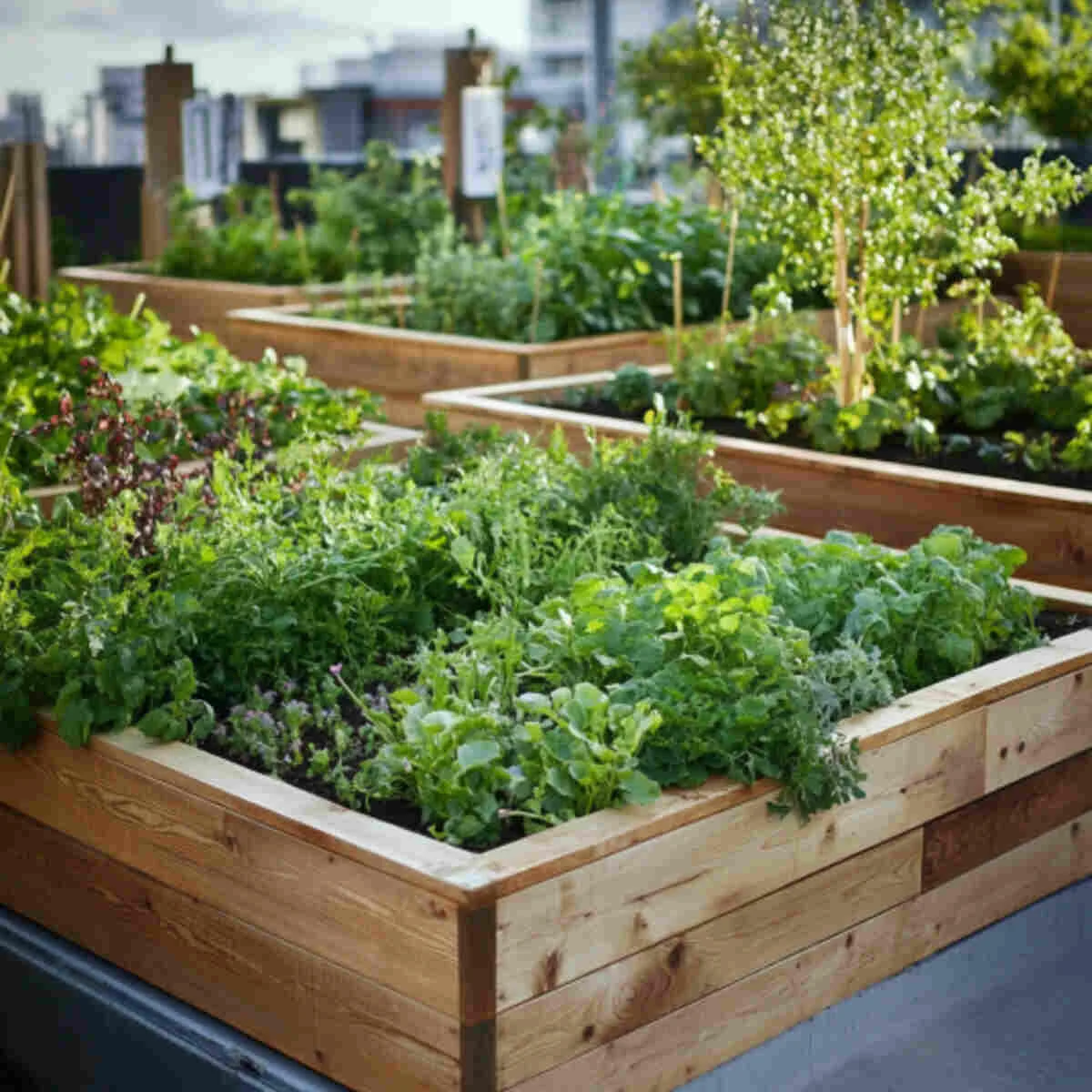
Rooftops can become incredibly productive vegetable gardens when the space is safe, sunny, and structurally suitable. Containers allow you to grow a wide range of vegetables without cutting into the roof surface, and they make the entire setup flexible and modular.
What makes rooftop gardening especially appealing is the amount of light many roofs receive compared with ground-level city gardens. The tradeoff is exposure. Wind, heat, and fast drying are usually more intense, so container choice and watering routine matter more here than in sheltered spaces.
This setup is best approached thoughtfully, but when done well, it can turn an overlooked urban surface into one of the most rewarding growing areas in the home.
Tips for Making a Small Urban Vegetable Garden More Productive
In a compact garden, planning often matters more than size. A few smart choices can make a very small growing space feel far more useful.
- Grow what you actually use: Herbs, salad greens, compact tomatoes, and peppers often give the best return in small spaces
- Choose compact or patio varieties: They are bred for containers and limited room
- Use height intentionally: Walls, railings, tiers, and hanging space all increase capacity
- Keep watering simple: Small containers dry out fast, so easy access to water matters
- Harvest often: Frequent picking encourages many edible crops to keep producing
Frequently Asked Questions
What vegetables grow best in a small urban garden?
Herbs, lettuces, spinach, radishes, spring onions, compact tomatoes, chilies, and bush beans are all strong choices. They tend to cope well with containers and produce a useful harvest without demanding a large footprint.
Can you grow vegetables on a balcony?
Yes. Balconies can be excellent growing spaces if they receive enough light. Rail planters, grow bags, hanging baskets, and vertical systems are especially useful because they keep the floor area open.
Are grow bags better than pots for urban gardens?
They can be, depending on the crop. Grow bags are lightweight, flexible, and often provide better root aeration than rigid pots. They are especially useful when you need to rearrange the garden or fit containers into awkward spaces.
How much sunlight does a compact vegetable patch need?
Most vegetables grow best with at least 6 hours of sun a day, though some leafy greens and herbs can manage with a little less. Fruiting crops such as tomatoes and peppers generally need the brightest spots available.
Final Thoughts
A compact urban vegetable garden works best when the space is used creatively rather than generously. Raised boxes, rail planters, grow bags, vertical walls, and small greenhouse setups all make it possible to grow fresh food in places that would otherwise go unused. Even the smallest city corner can become productive with the right layout, the right crops, and a little consistency.
Written by the Zeeshe Home Editorial Team, a blog focused on practical home, garden, and outdoor inspiration.


