
Most living rooms follow a familiar formula—coordinated furniture, neutral palettes, and predictable layouts. While that approach feels safe, it often lacks personality. A quirky living room, on the other hand, feels layered, expressive, and memorable from the moment you step inside. :contentReference[oaicite:0]{index=0}
Designing an unconventional space doesn’t mean sacrificing comfort or cohesion. It’s about mixing unexpected elements in a way that still feels intentional. These ideas focus on adding character through texture, contrast, and personal touches—so your living room reflects how you actually live.

If your space feels a little too predictable, even one or two of these ideas can shift the entire atmosphere. The goal isn’t to follow a trend—it’s to create a room that feels distinctly yours.
Quirky Living Room Ideas That Instantly Add Personality
1. Statement Ceiling That Draws the Eye Upward
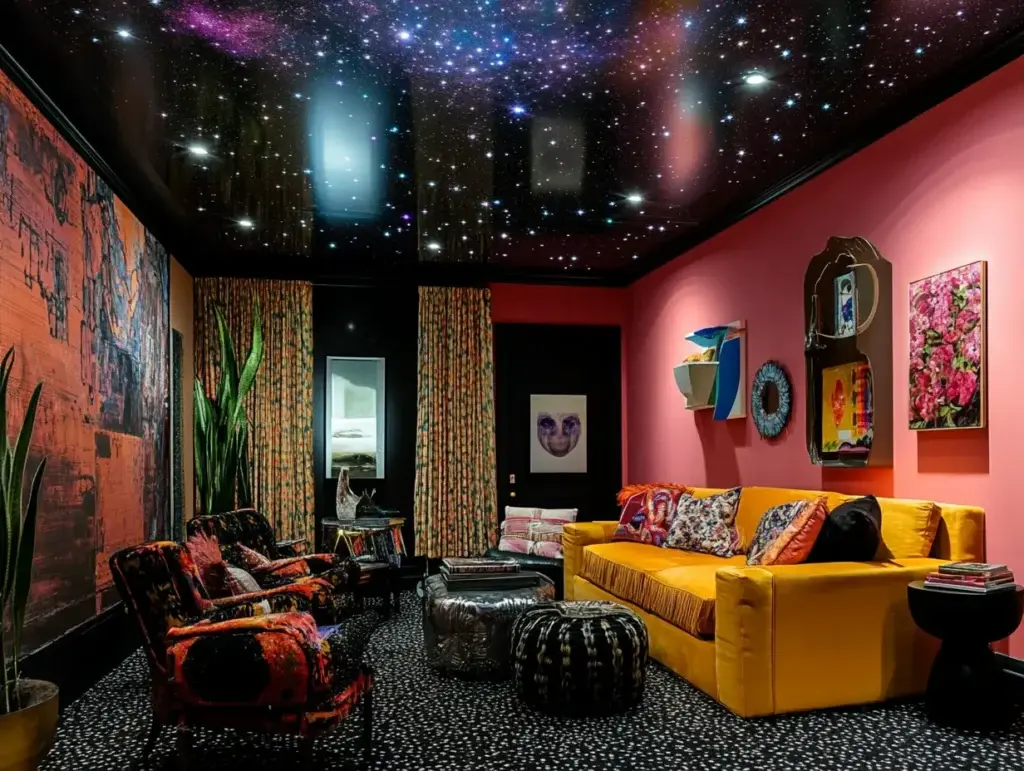
The ceiling is often overlooked, but it’s one of the largest uninterrupted surfaces in the room. Adding color, pattern, or even a mural shifts attention upward and changes how the entire space feels.
In smaller living rooms, this can create the illusion of height. If a full paint treatment feels too permanent, removable wallpaper offers a flexible alternative that still makes a strong impact.
2. Mismatched Furniture That Feels Collected Over Time
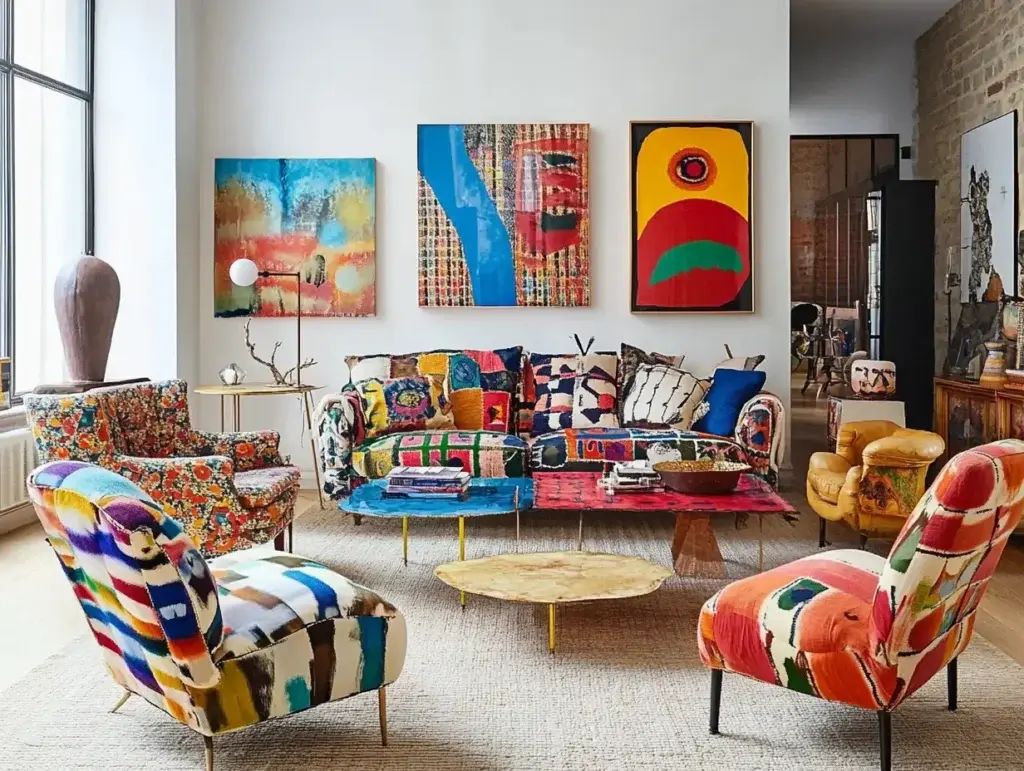
Matching furniture sets can feel overly uniform. Mixing styles—like a vintage armchair with a modern coffee table—creates a more lived-in and layered look.
The key is balance. Repeating one element, such as color or material, helps tie everything together so the room feels curated rather than chaotic.
3. Gallery Wall With Mixed Materials and Depth
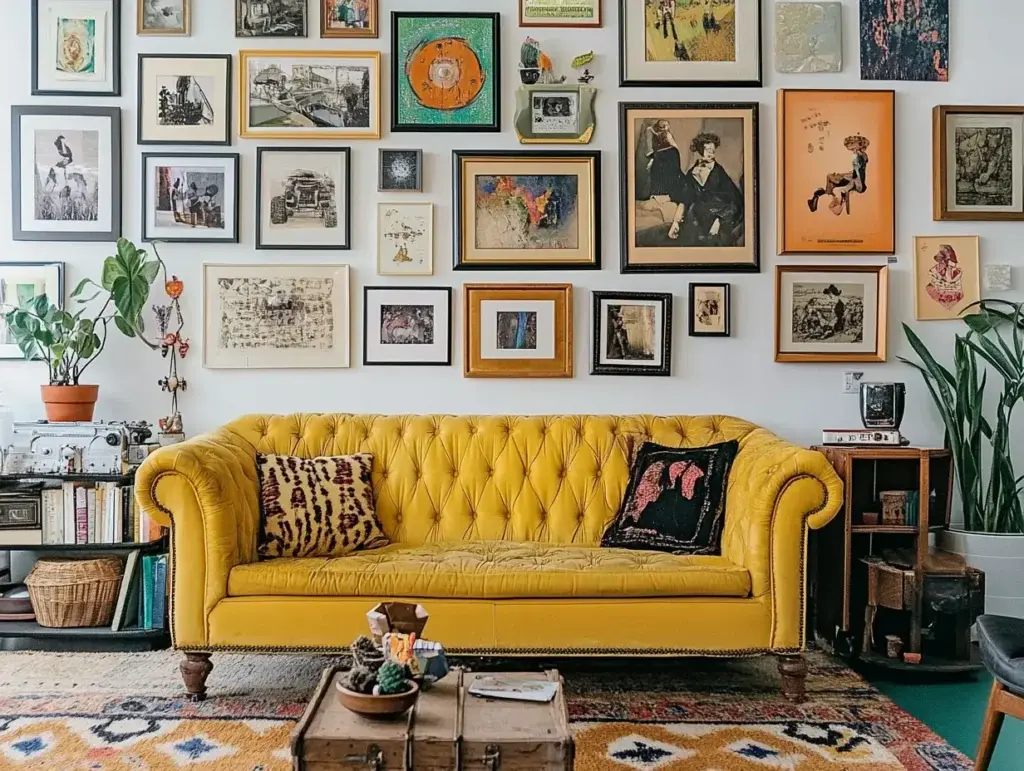
A gallery wall becomes more interesting when it goes beyond framed art. Incorporating objects like sculptures, textiles, or plants adds dimension and movement.
This approach works especially well on larger walls where a single artwork might feel underwhelming. It also gives you room to evolve the display over time.
4. Upcycled Furniture With Character and History
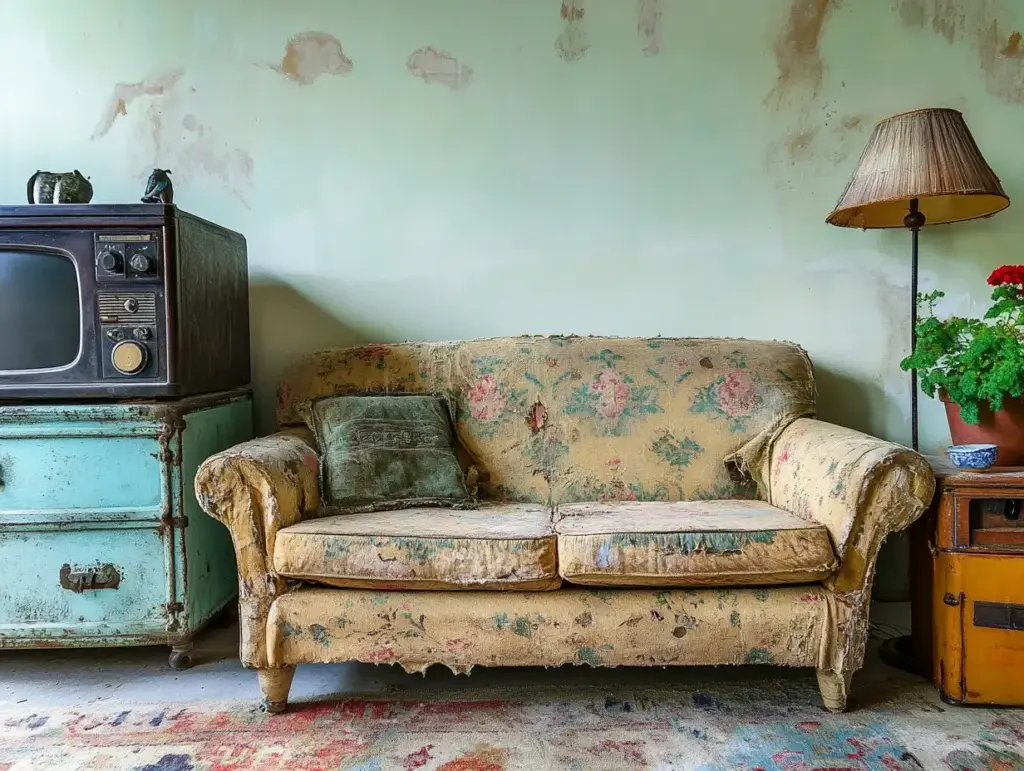
Upcycling brings individuality into a space while reducing waste. A refinished dresser, repainted cabinet, or repurposed trunk can become a focal point that feels more meaningful than something new.
It’s also a practical way to customize your furniture to fit your space and color palette.
5. Indoor Hammock or Swing for a Relaxed Corner
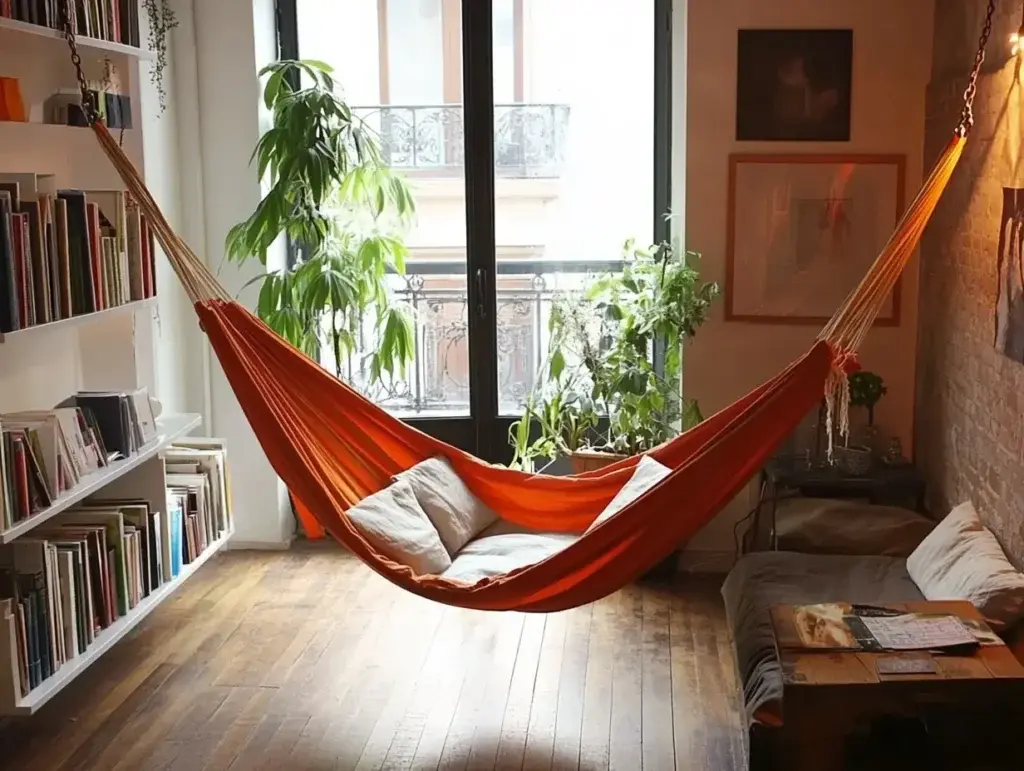
An indoor swing or hammock introduces movement and softness into the room. It works best in corners or near windows where it can become a dedicated spot for reading or relaxing.
Before installing, make sure your ceiling support can handle the weight safely.
6. Vintage Maps or Globes for a Travel-Inspired Look
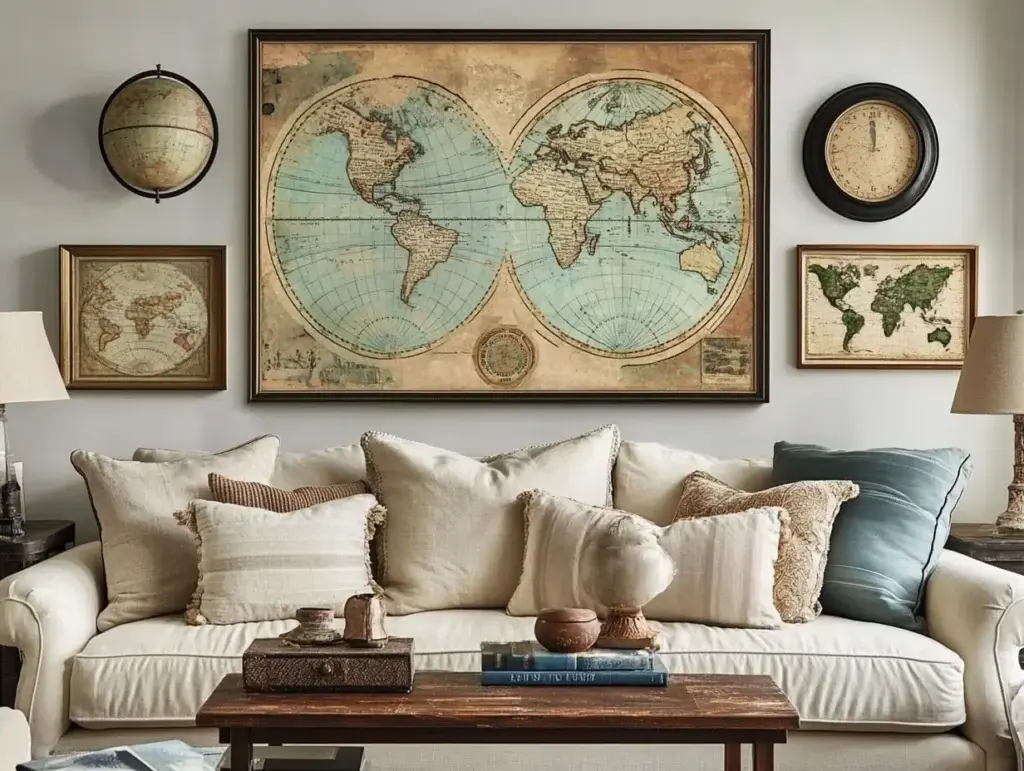
Decor that reflects personal interests makes a space feel authentic. Maps and globes add both visual texture and storytelling, especially when layered with books or travel souvenirs.
They work particularly well in neutral rooms where you want to introduce detail without overwhelming the palette.
7. Oversized Floor Cushions for Flexible Seating
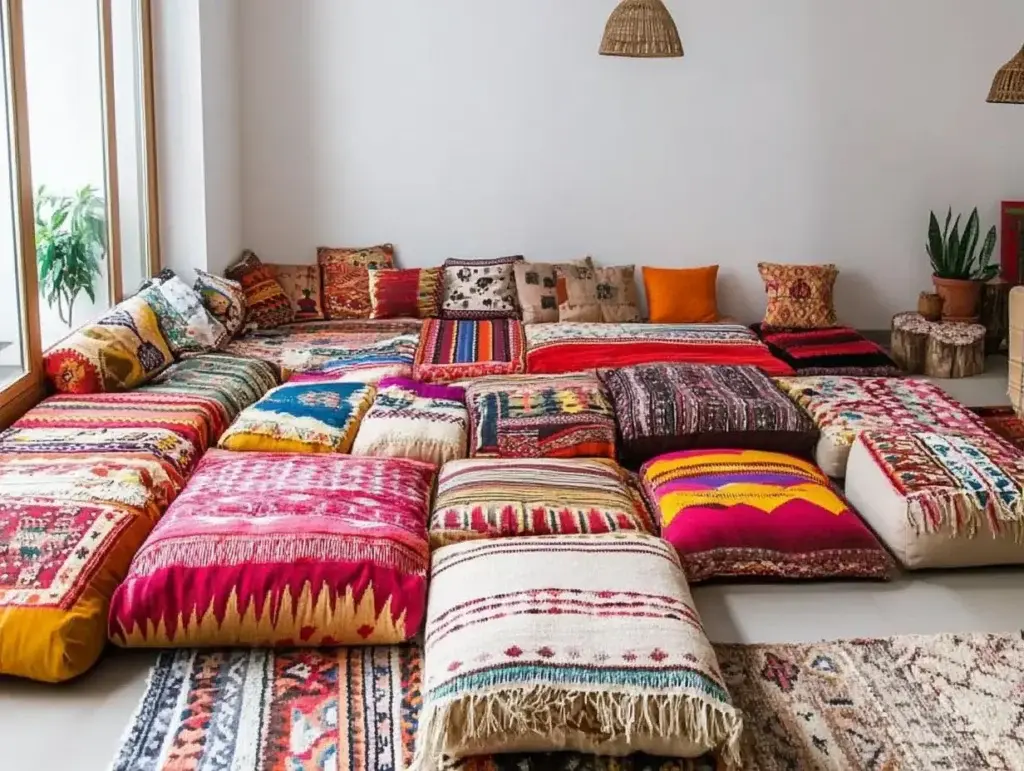
Floor cushions create a more relaxed seating option that can be moved or stored as needed. They’re especially useful for smaller spaces or rooms that need to accommodate guests occasionally.
Mixing textures and patterns adds visual interest while keeping the setup casual.
8. Bookshelf Room Divider That Adds Function and Style
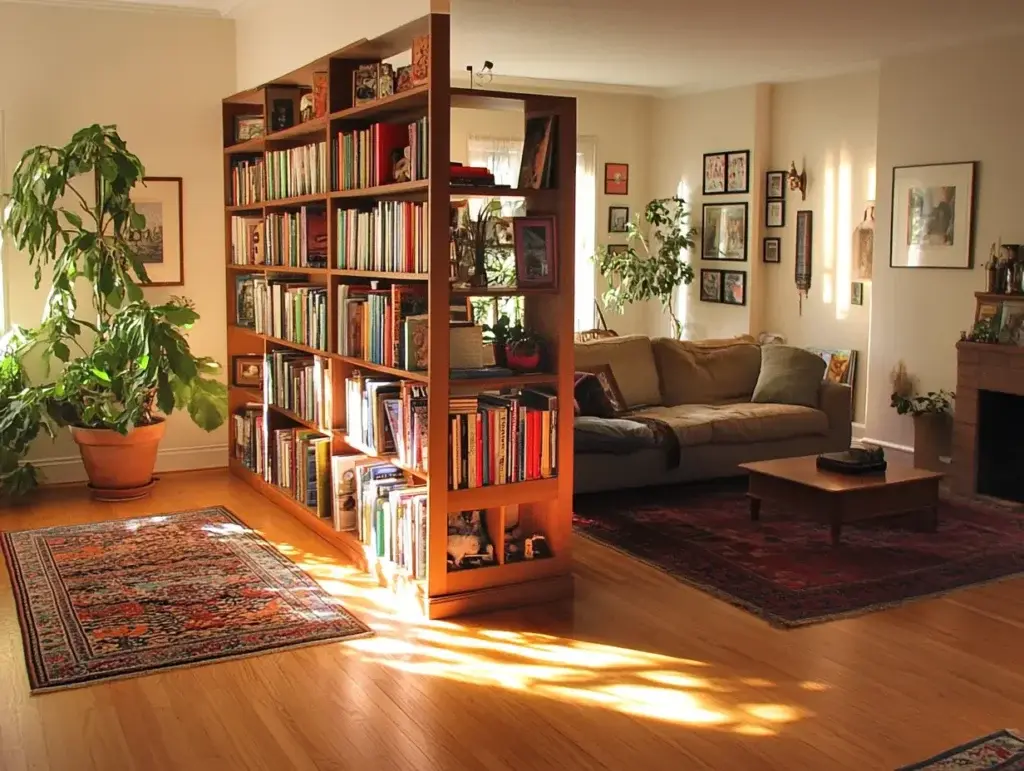
An open bookshelf can divide space without closing it off completely. It’s a practical solution for studio apartments or open-plan layouts where you want subtle separation.
Styling it with books, plants, and decorative objects keeps it functional while still contributing to the overall design.
9. Hanging Plants for Vertical Interest
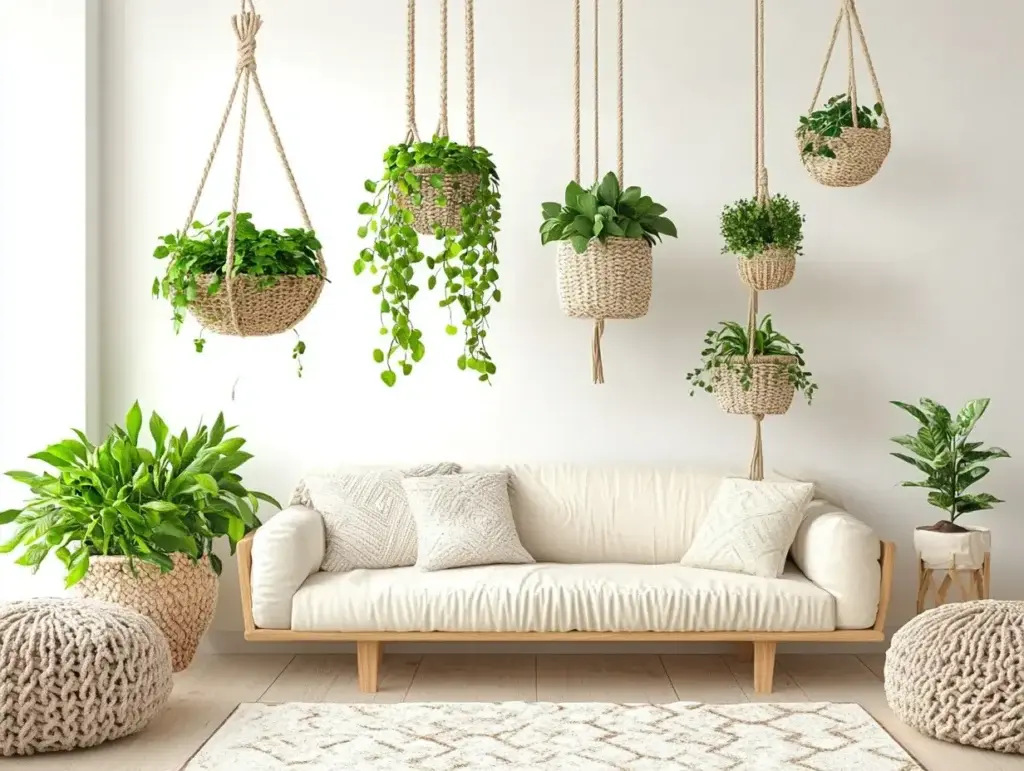
Suspended plants draw the eye upward and soften hard edges in the room. Using different heights creates a layered effect that feels natural and relaxed.
This works particularly well near windows where plants can thrive without taking up floor space.
10. Layered Rugs That Add Depth and Warmth
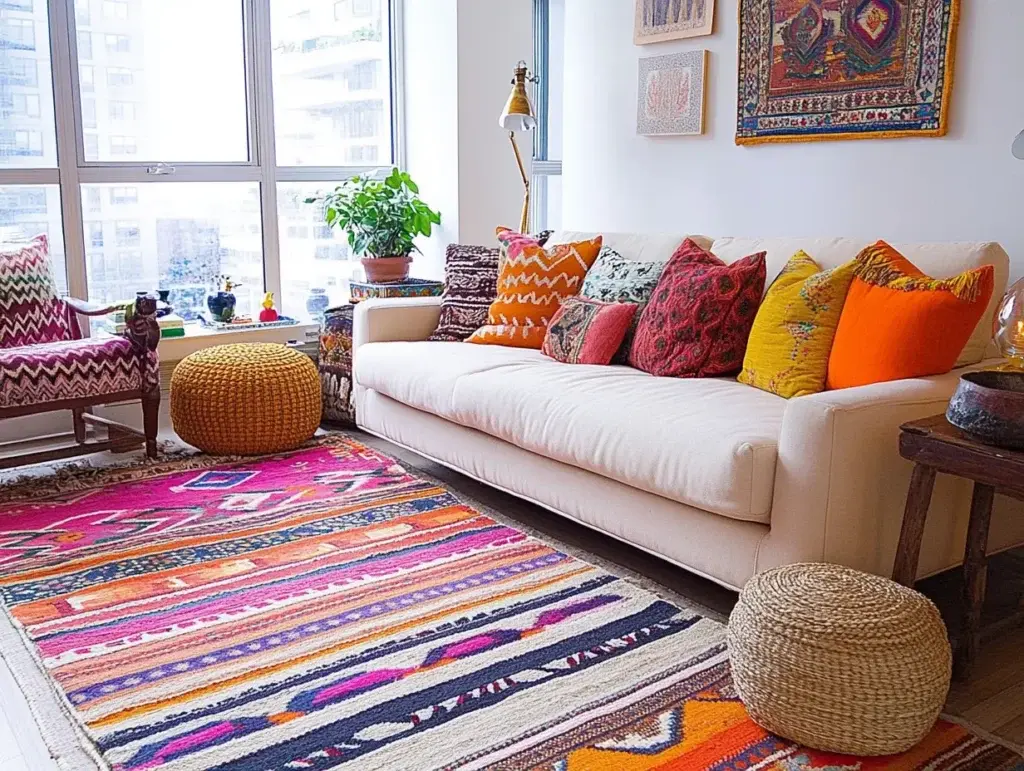
Layering rugs introduces texture and helps define the seating area. Combining a neutral base rug with a patterned top layer can make the space feel more grounded and visually rich.
This approach also allows you to experiment with color without committing to large furniture pieces.
11. Neon Signs for a Modern Accent
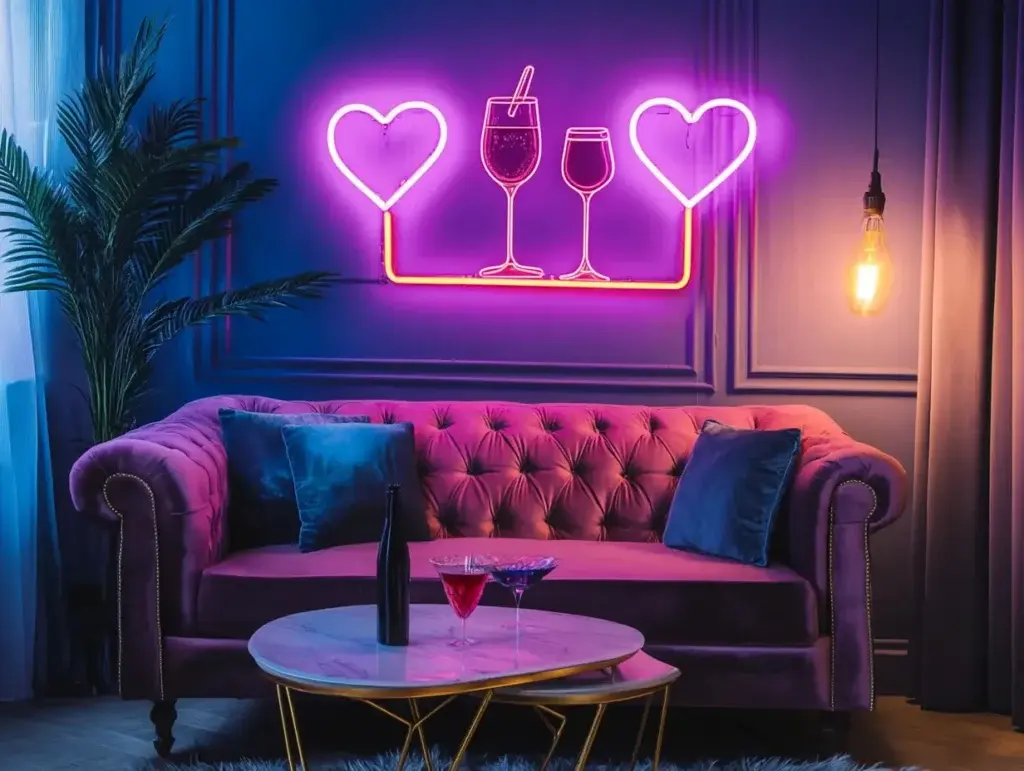
Neon lighting adds a playful and contemporary edge. It works best as an accent rather than the main light source, helping highlight a wall or seating area.
Choosing a simple phrase or symbol keeps the look intentional rather than overwhelming.
12. Giant Wall Calendar That Doubles as Art
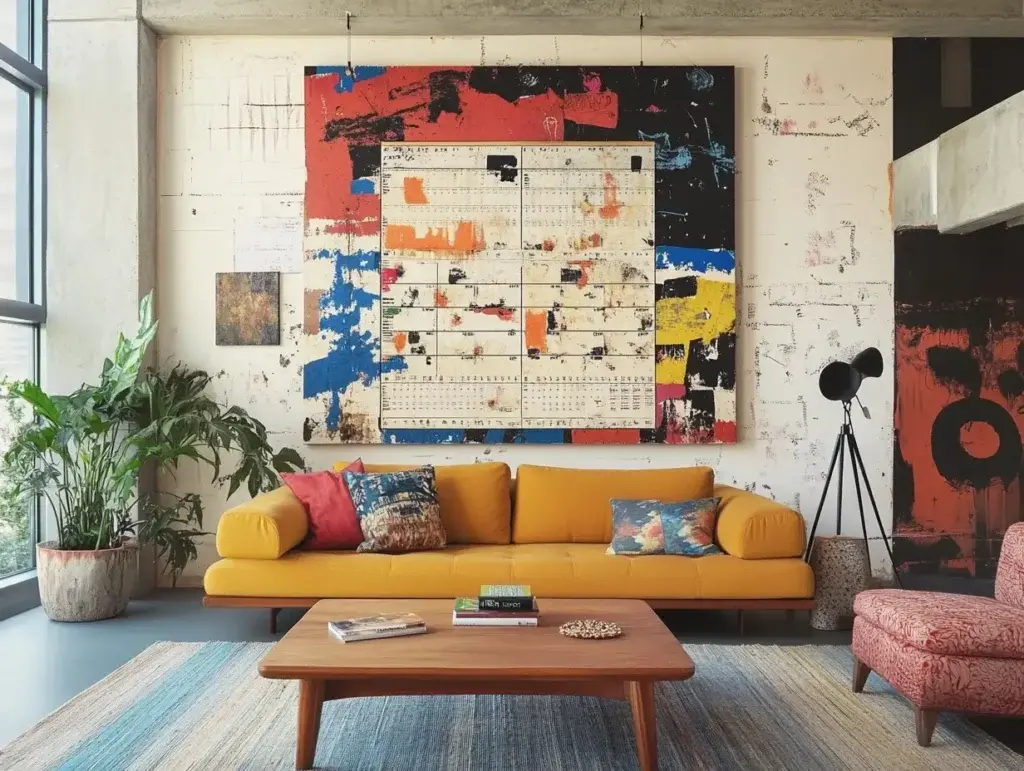
A large calendar can serve both practical and decorative purposes. It introduces structure to the wall while still allowing room for creativity through color or layout.
It’s particularly useful in multi-functional living spaces where organization matters.
13. Display Personal Collections as Decor
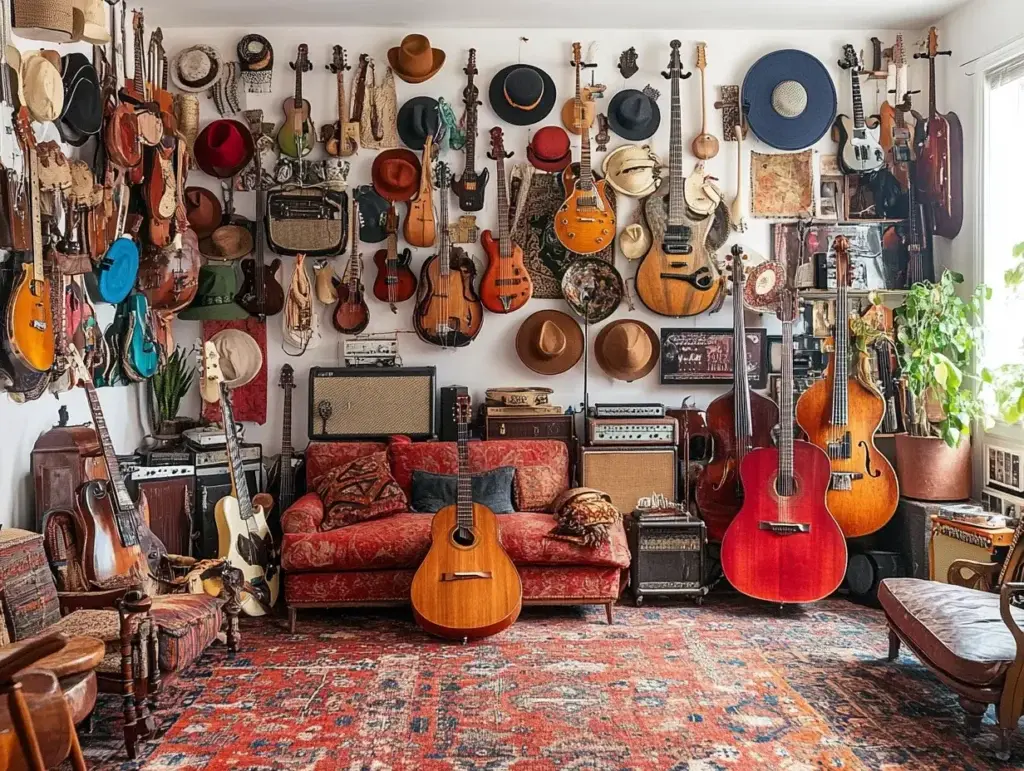
Displaying collections—whether hats, instruments, or vintage finds—adds a strong personal element. It turns everyday objects into part of the design.
Arranging them intentionally helps the display feel curated rather than cluttered.
14. Macrame Wall Hangings for Texture
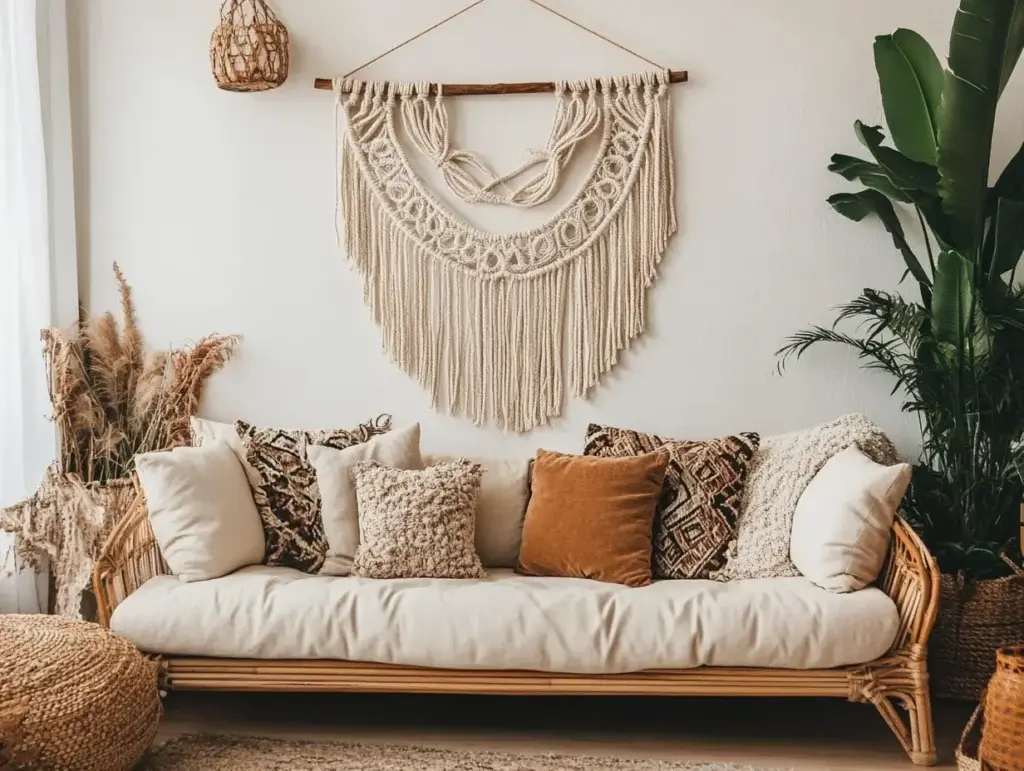
Macrame introduces softness and texture, especially in rooms with a lot of hard surfaces. It pairs well with neutral palettes and natural materials like wood and linen.
Even a single piece can warm up an otherwise minimal wall.
15. Vintage Typewriter as a Statement Piece
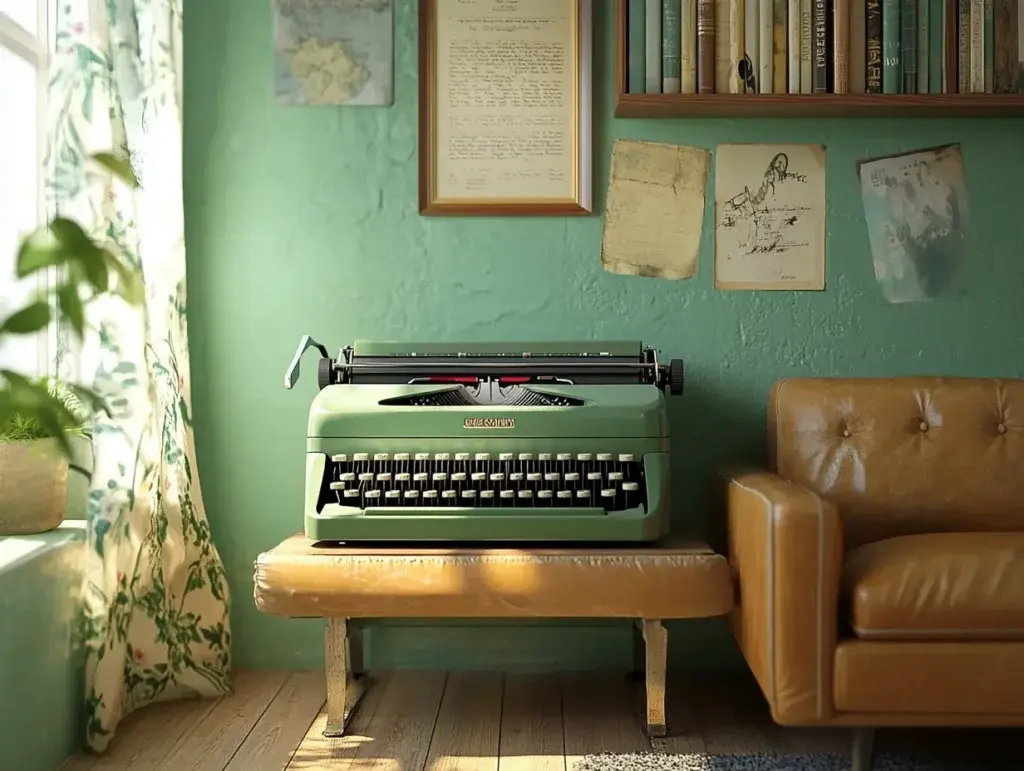
Decor that hints at history adds depth to a space. A vintage typewriter works well on a shelf or side table, offering both visual interest and a conversation point.
It’s especially effective in rooms that lean modern, where contrast adds character.
16. Giant Scrabble Board for a Playful Wall Feature
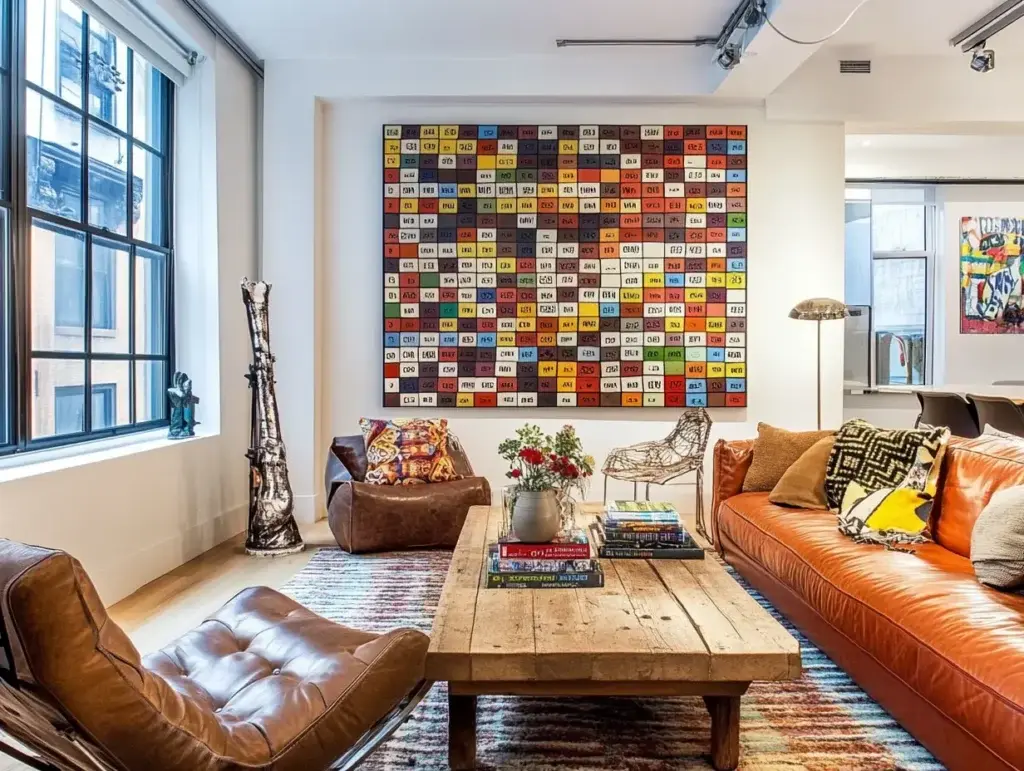
An oversized game board introduces interaction into the space. It can double as decor and entertainment, making it especially appealing for family rooms.
Keeping the surrounding decor simple helps the feature stand out without overwhelming the room.
17. Chalkboard Wall for Everyday Creativity
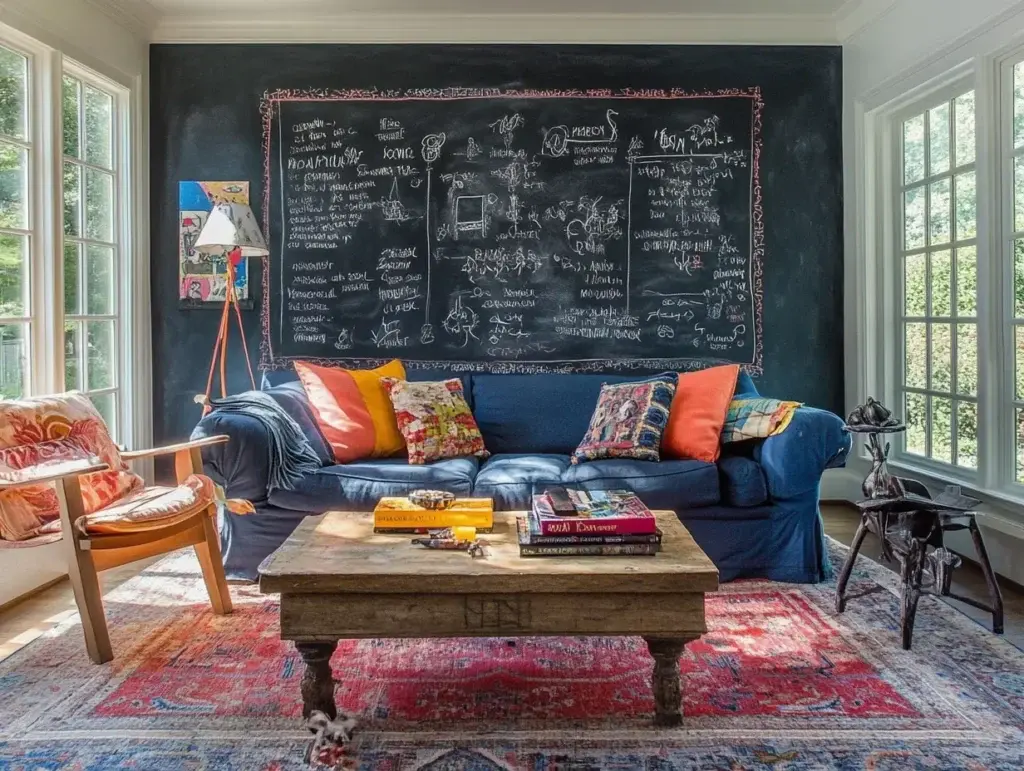
A chalkboard wall offers a flexible, ever-changing design element. It can be used for notes, sketches, or seasonal decor, making it both practical and creative.
This idea works particularly well in family spaces or informal living rooms where flexibility matters.
Frequently Asked Questions
How do I keep quirky decor from looking cluttered?
Focus on balance. Repeat colors or materials throughout the room and leave some areas intentionally simple to give the eye a place to rest.
Can quirky decor work in small living rooms?
Yes, but scale matters. Choose a few standout pieces instead of filling the room with too many elements.
What is the easiest way to add personality?
Start with art, textiles, or lighting. These are easy to change and can quickly shift the mood of the room.
Final Thoughts
Quirky decor works best when it feels personal rather than forced. The goal is not to follow a specific style but to create a space that reflects your interests and how you actually use the room.
Start small, experiment with a few elements, and build the space gradually. Over time, those layered choices create a living room that feels both comfortable and completely your own.
Written by the Zeeshe Home Editorial Team, a blog focused on practical home décor ideas and inspiration.


