
Mexican-inspired interiors are known for their richness in color, texture, and handcrafted detail—but translating that into a modern home takes a bit of restraint and intention. The goal isn’t to recreate a themed space, but to introduce warmth, character, and craftsmanship in a way that still feels current and livable.
By combining natural materials, bold accents, and carefully chosen decorative pieces, you can bring that same energy into your home without overwhelming it. These ideas focus on balance—where vibrant elements feel grounded, and traditional details work comfortably in a contemporary setting.

Whether you’re updating a single room or adding subtle touches throughout your home, these ideas offer practical ways to build a space that feels warm, layered, and inviting.
1. Bold Wall Colors That Set the Tone
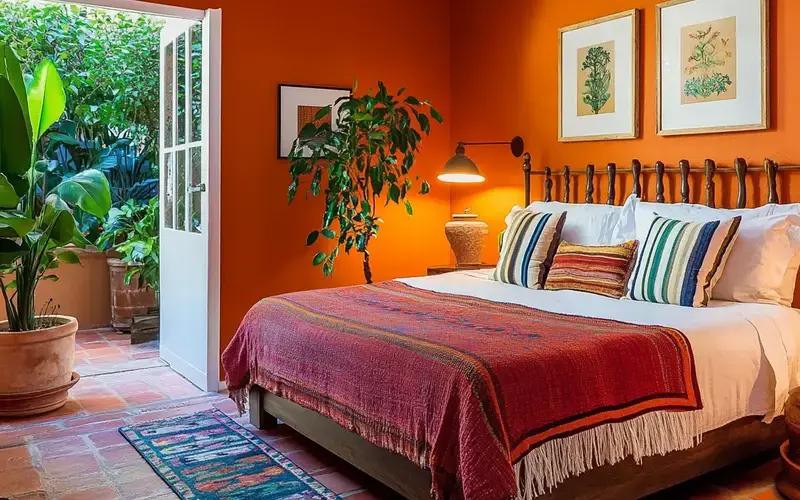
Color plays a central role in Mexican interiors. Shades like terracotta, deep blue, mustard yellow, or warm coral can instantly change the atmosphere of a room.
If painting an entire space feels too strong, an accent wall can deliver the same impact while keeping the room balanced.
2. Terracotta Tile for Warm, Grounded Surfaces
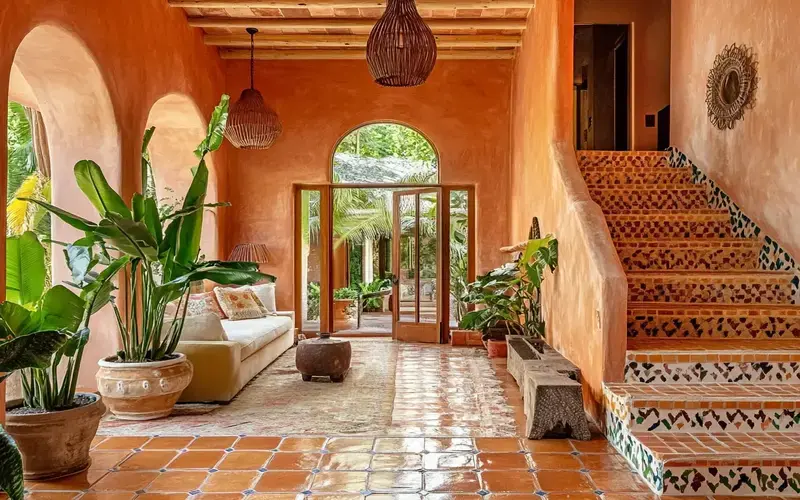
Terracotta introduces an earthy, lived-in quality that works especially well in kitchens, bathrooms, and entryways. It pairs naturally with wood, stone, and neutral finishes.
Even small applications—such as a backsplash or decorative panel—can shift the feel of a space without requiring a full renovation.
3. Handcrafted Textiles for Layered Texture
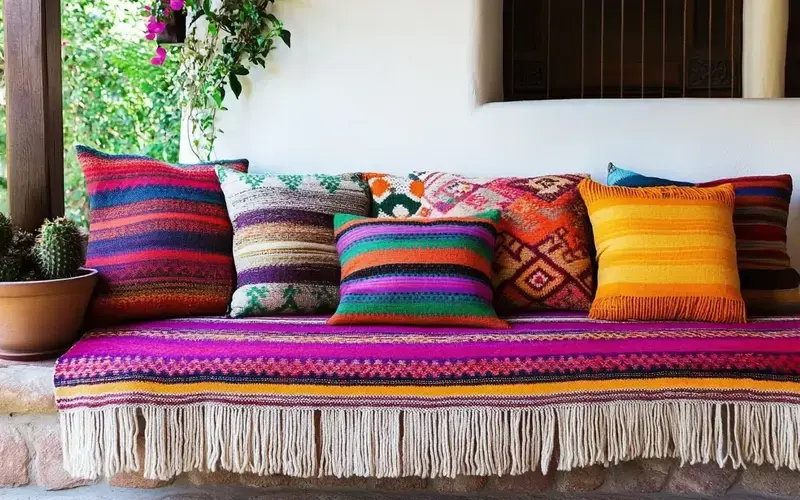
Textiles bring softness and personality. Woven blankets, embroidered cushions, and patterned runners introduce both color and craftsmanship.
Use them selectively—a single throw or a few cushions often feels more refined than covering every surface.
4. Woven Furniture for a Relaxed, Natural Feel
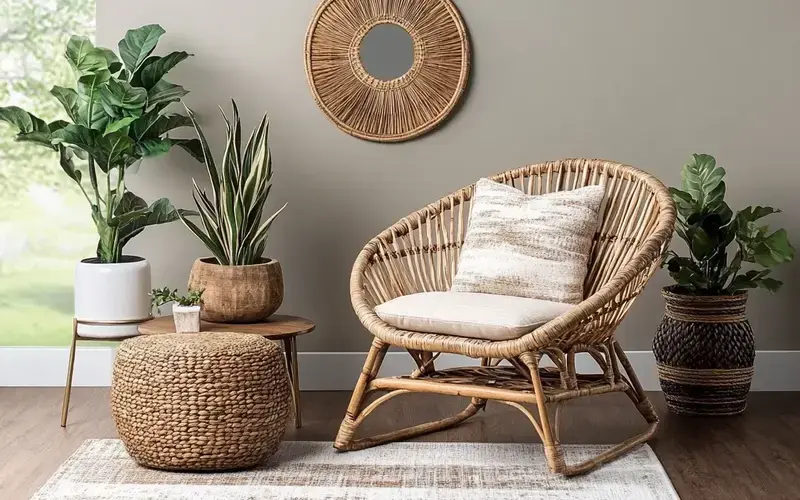
Materials like rattan and wicker add lightness and texture without making a room feel heavy. They work particularly well in living rooms, sunrooms, or transitional spaces.
Pairing woven furniture with clean-lined pieces helps keep the overall look modern.
5. Ceramic Pottery as Functional Decor
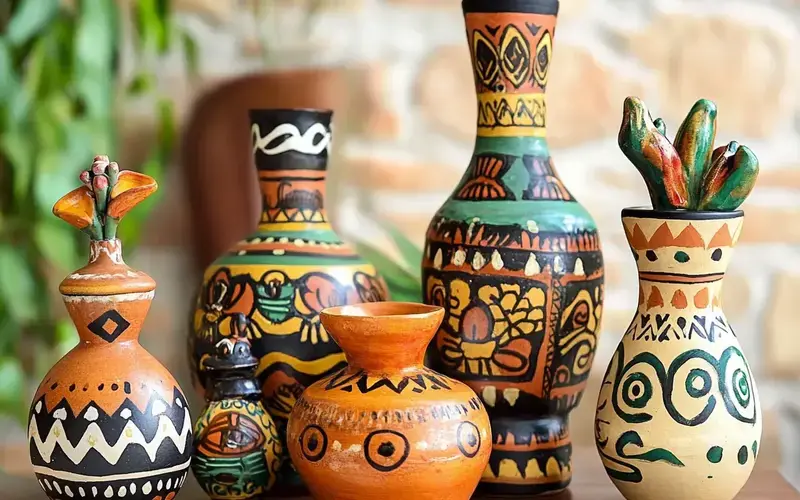
Handcrafted pottery brings authenticity and subtle variation into a space. Instead of spreading small pieces everywhere, group a few items together to create a stronger visual moment.
Neutral pottery can feel understated, while painted pieces introduce more color and detail.
6. Cacti and Succulents for Low-Maintenance Greenery
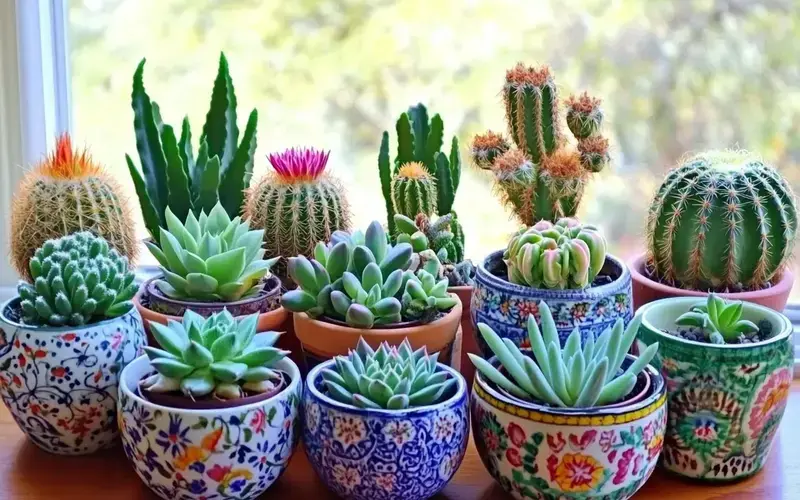
Plants like cacti and succulents are practical and sculptural. Their shapes add interest without requiring frequent care, making them suitable for bright indoor spaces.
Cluster different sizes together for a more intentional arrangement.
7. Natural Wood to Balance Colorful Elements
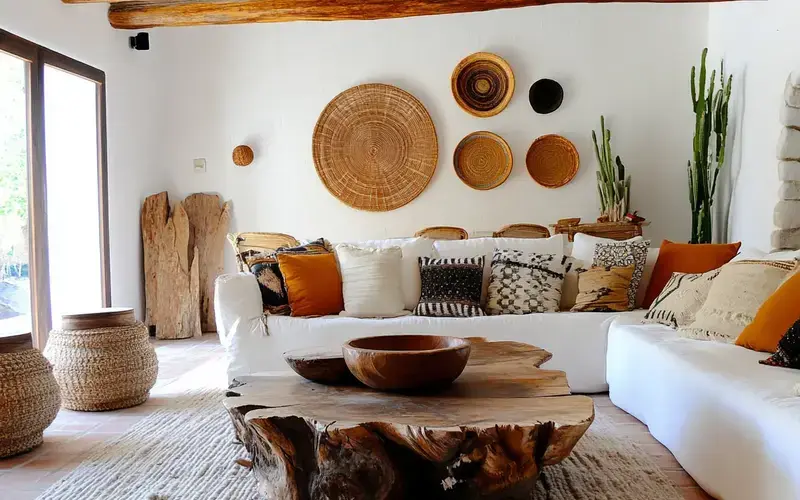
Wood introduces warmth and helps ground brighter colors. It works across furniture, shelving, and decorative accents.
Keeping finishes slightly rustic or matte maintains the organic feel typical of Mexican interiors.
8. Metal Accents for Contrast and Definition
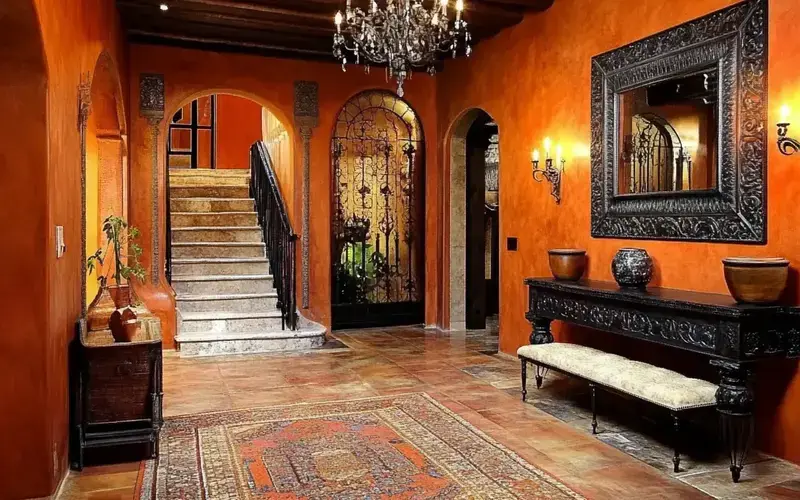
Wrought iron and darker metal finishes provide contrast against lighter walls and natural materials. They are often used in lighting, mirrors, and decorative details.
A single statement piece can be enough to anchor the room visually.
9. Talavera Tiles for Colorful Detail Work
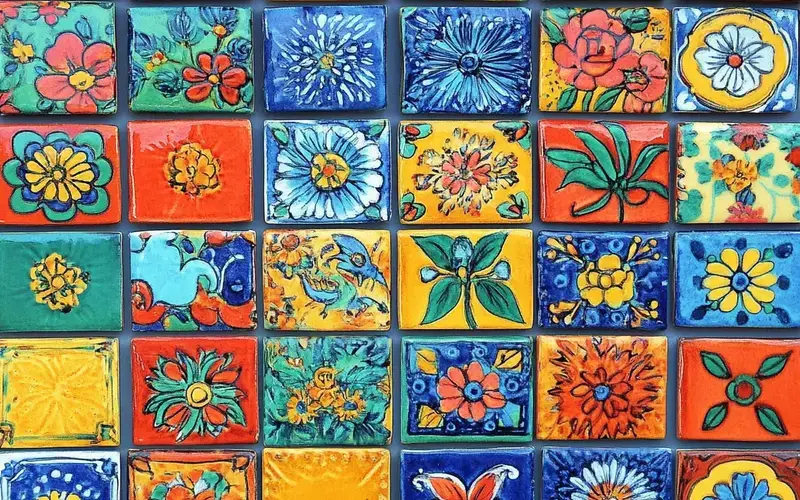
Talavera tiles bring pattern and color in a more structured way. They work especially well in kitchens, bathrooms, or tabletops where smaller-scale detail is needed.
Use them in defined areas to avoid overwhelming the space.
10. Hammocks and Hanging Chairs for Relaxed Living
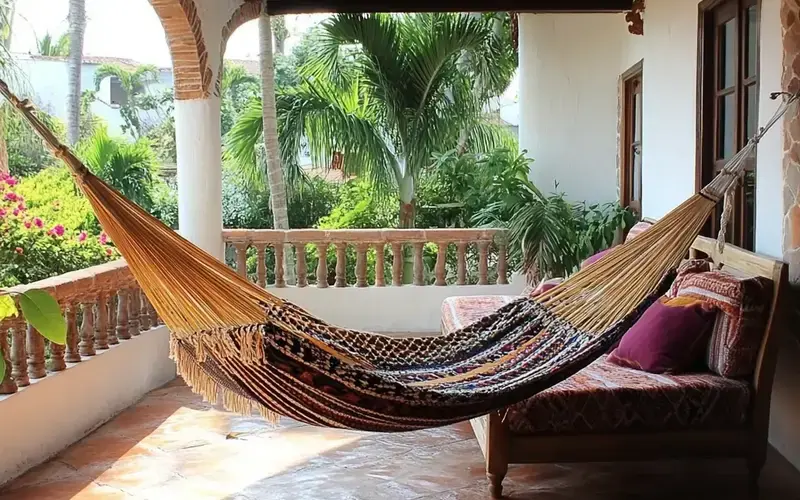
These pieces introduce a sense of ease and informality. Outdoors, they create a natural lounging area, while indoors they can act as a functional statement piece if space allows.
Placement matters—ensure there is enough clearance so the piece feels intentional rather than crowded.
11. Geometric Patterns for a Modern Edge
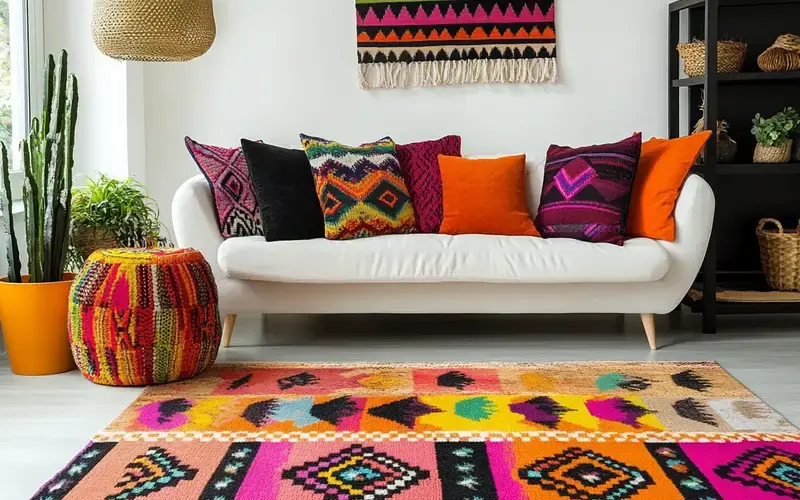
Geometric motifs can bridge traditional and contemporary design. They add structure to otherwise organic materials and colors.
Incorporate them through rugs, cushions, or artwork for a controlled visual impact.
12. Open Shelving to Display Key Pieces
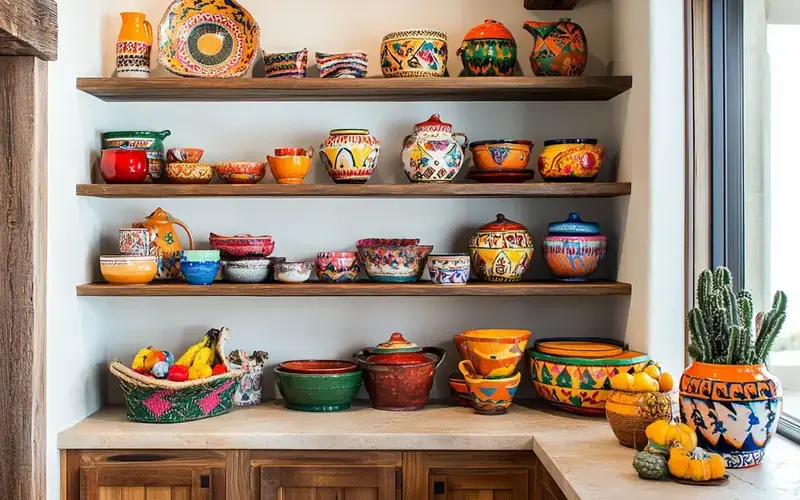
Open shelves allow you to showcase pottery, baskets, and decorative objects without hiding them away. The key is restraint—display fewer items but arrange them thoughtfully.
This approach keeps the space feeling curated rather than cluttered.
13. Macrame for Soft, Textural Walls
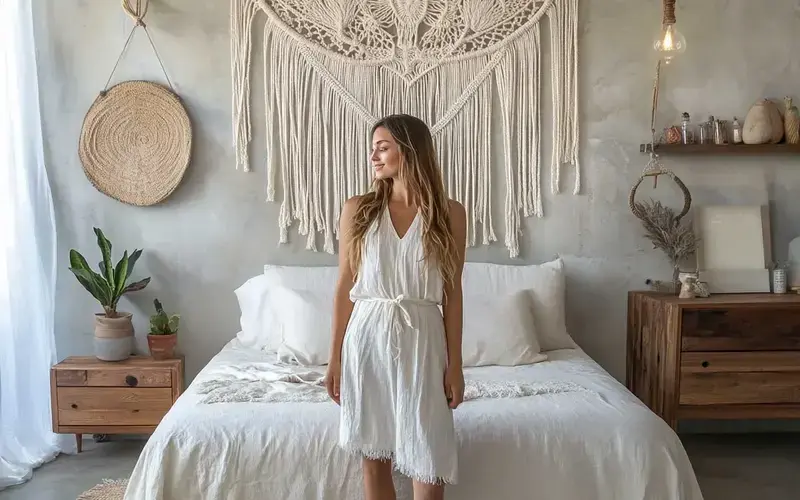
Macrame introduces softness and depth, especially on otherwise plain walls. Its neutral tones pair well with both bold and muted palettes.
It works particularly well in bedrooms or relaxed living spaces.
14. Hand-Painted Murals as Statement Features
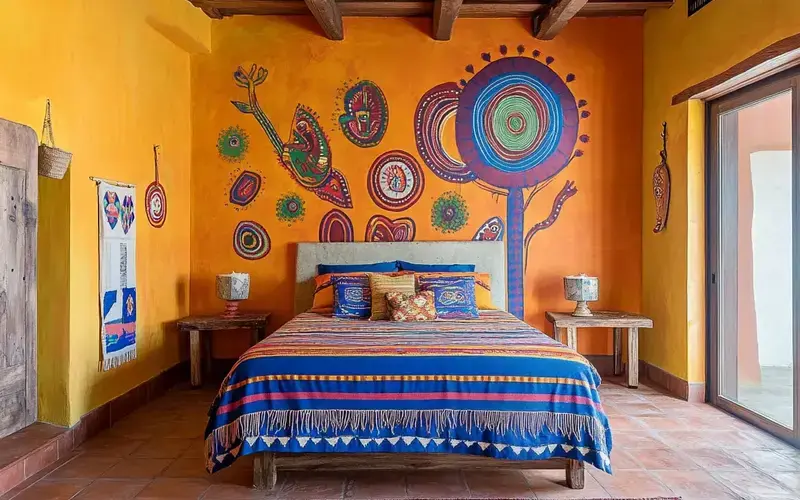
A mural can act as a focal point that defines the entire room. Whether abstract or traditional, it introduces a strong sense of identity.
For a more subtle approach, consider smaller painted sections rather than a full wall.
15. Outdoor Living Spaces That Feel Connected
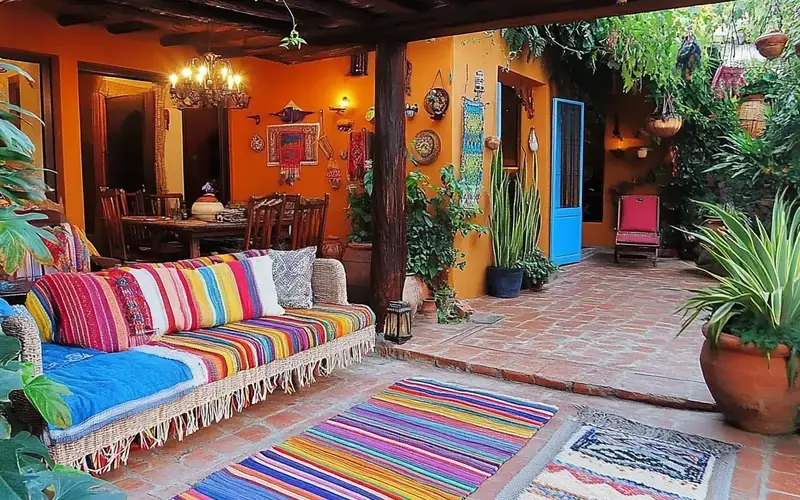
Outdoor areas are an extension of the home in Mexican design. Adding textiles, plants, and comfortable seating can make patios or balconies feel more usable and inviting.
Even a small setup can create a dedicated place to relax.
16. Black and White for Visual Balance
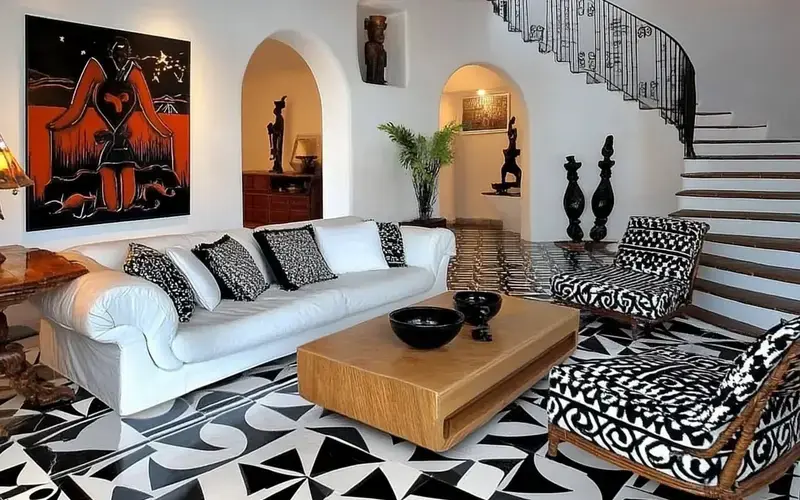
Introducing black and white elements helps balance brighter tones and adds contrast. It can be used through tiles, rugs, or artwork.
This keeps the space from feeling overly saturated.
17. A Minimal Approach with Selective Accents
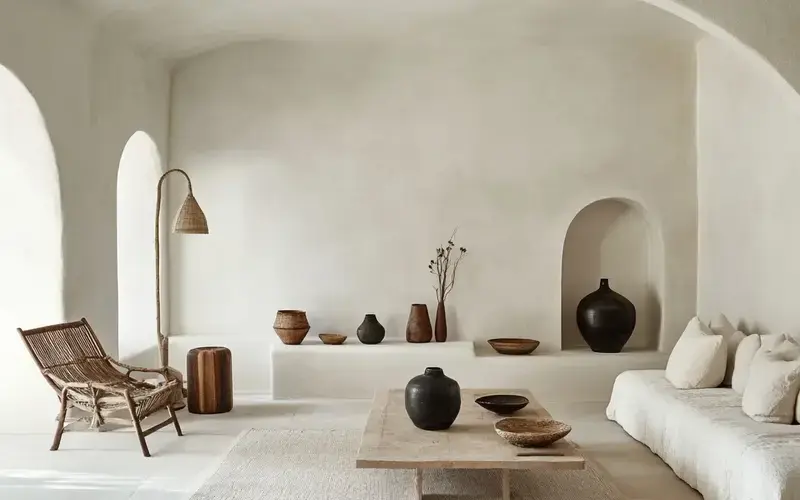
A more restrained approach allows individual pieces to stand out. Instead of layering many elements, focus on a few well-chosen items that reflect the style.
This works particularly well in modern homes where simplicity is part of the overall design.
Frequently Asked Questions
Can Mexican decor work in modern homes?
Yes. The key is balance—combine bold elements with neutral backgrounds and avoid over-layering patterns or colors.
What colors define this style?
Terracotta, deep blue, mustard yellow, and warm neutrals are commonly used, often paired with natural materials.
Do I need handcrafted pieces?
They help create authenticity, but even a few well-chosen items can achieve the look without fully committing.
How do I keep it from looking overwhelming?
Limit the number of bold elements in one space and let each one stand out instead of competing.
Where should I start?
Begin with textiles or pottery, then build around them with color, materials, and furniture.
Final Thoughts
Mexican-inspired decor works best when it feels intentional rather than crowded. By focusing on texture, craftsmanship, and a thoughtful mix of color and natural materials, you can create a space that feels warm, personal, and easy to live in.
Start small, choose pieces that resonate with your style, and build gradually. Over time, the space will develop its own character without losing balance.
Written by the Zeeshe Home Editorial Team, a blog focused on practical home décor ideas and inspiration.


